Holiday in Paro
City in Bhutan — tips, highlights & best time to visit
Country
Bhutan
Type
City
Best time to travel
March to May and September to November for clear mountain views and festivals. Monsoon June-August, winter cold but calm.
Budget/day
Getting there from Germany
Flight via Delhi, Bangkok, or Kathmandu to Paro (PBH). Druk Air and Bhutan Airlines are the only airlines. The landing in Paro is considered one of the most challenging in the world.
Deals for Paro:
What makes Paro special as a destination?
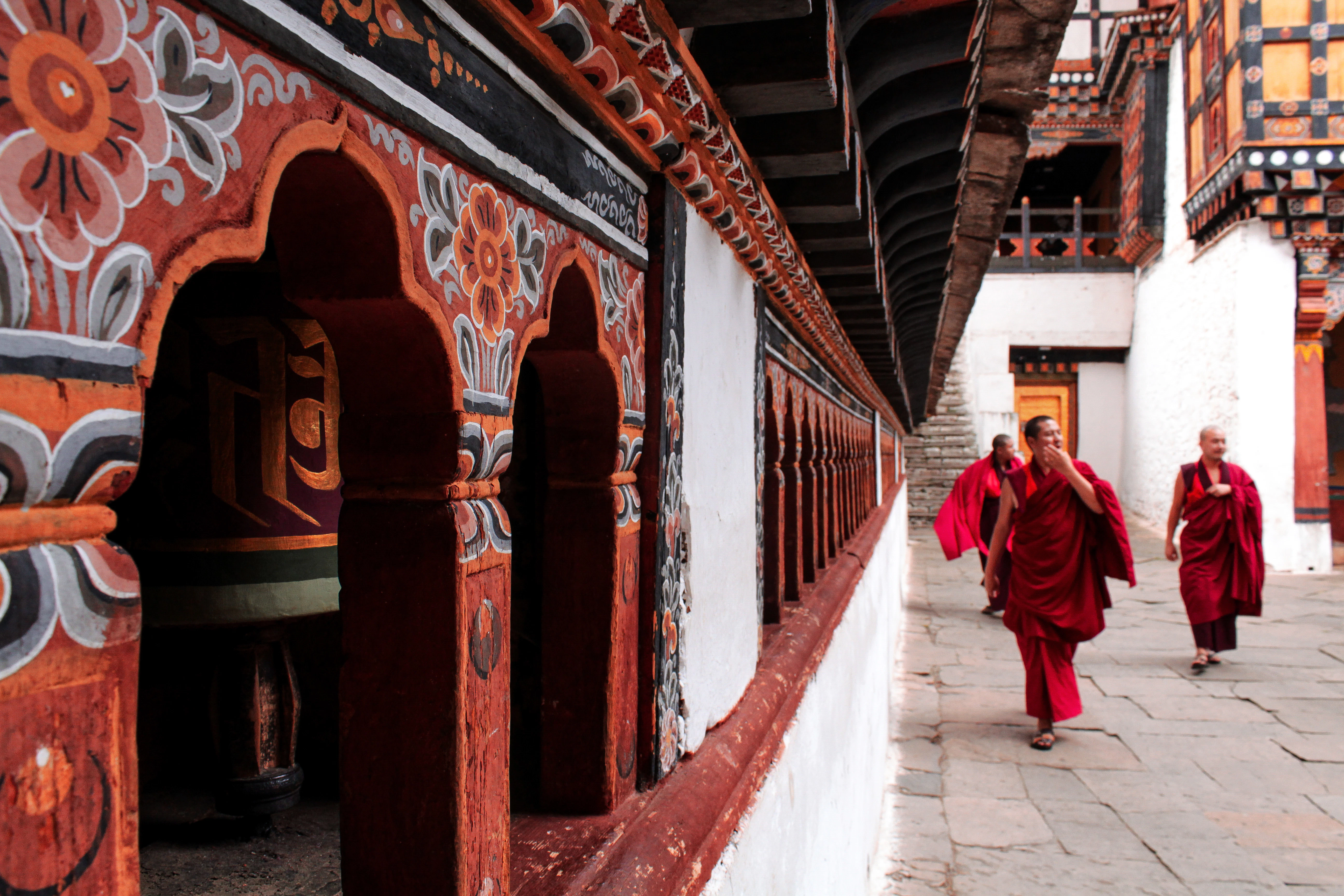
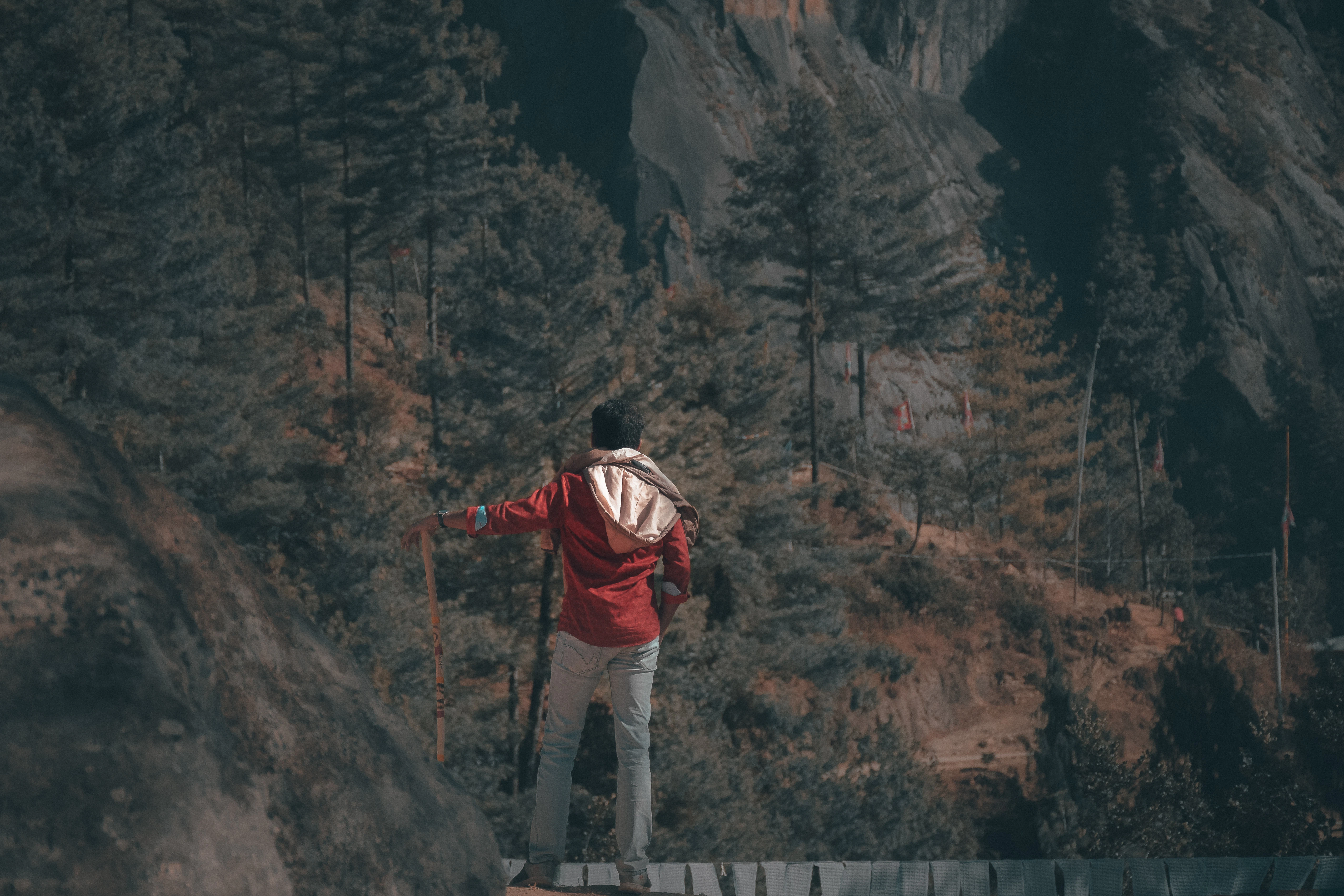
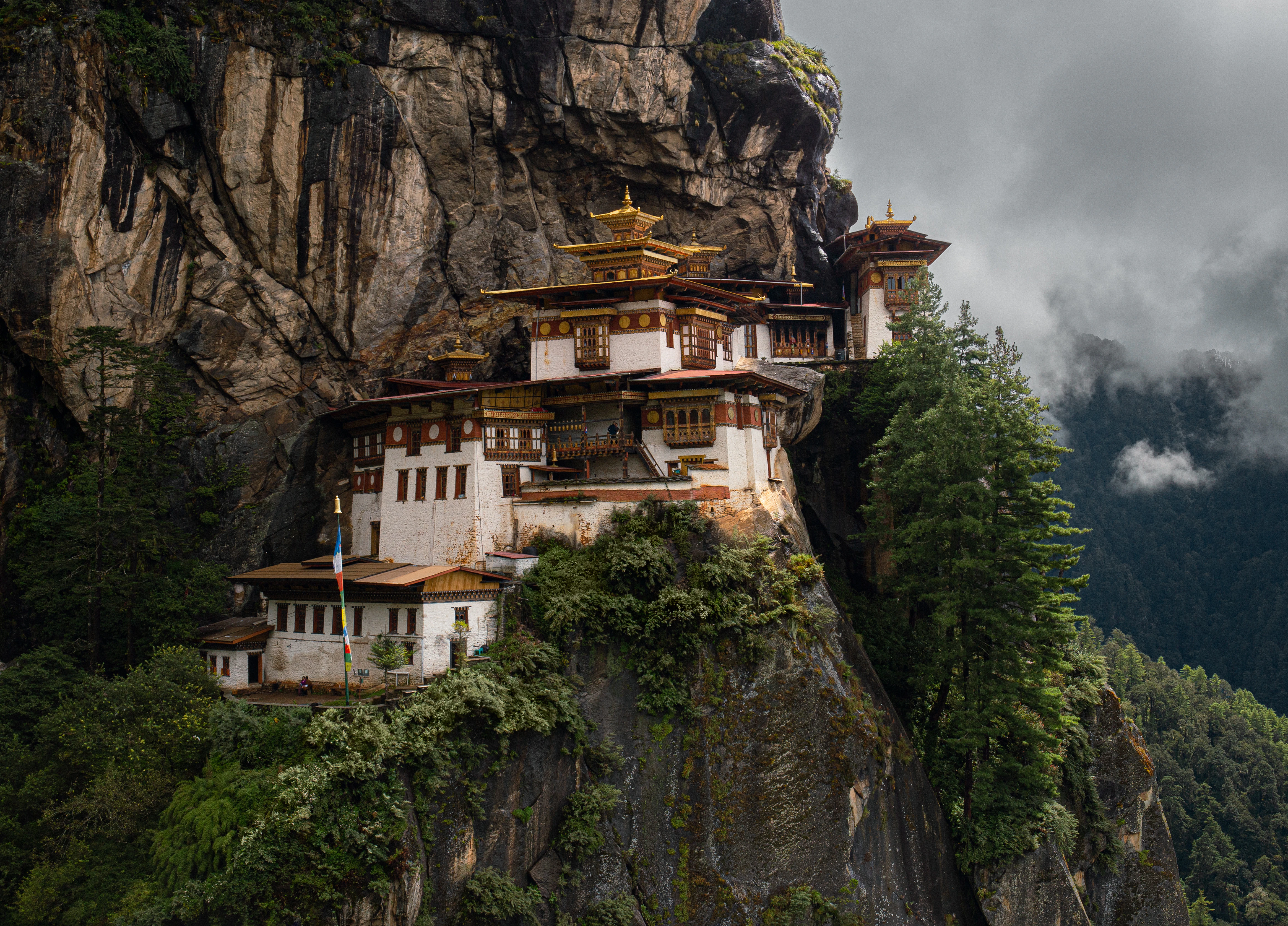
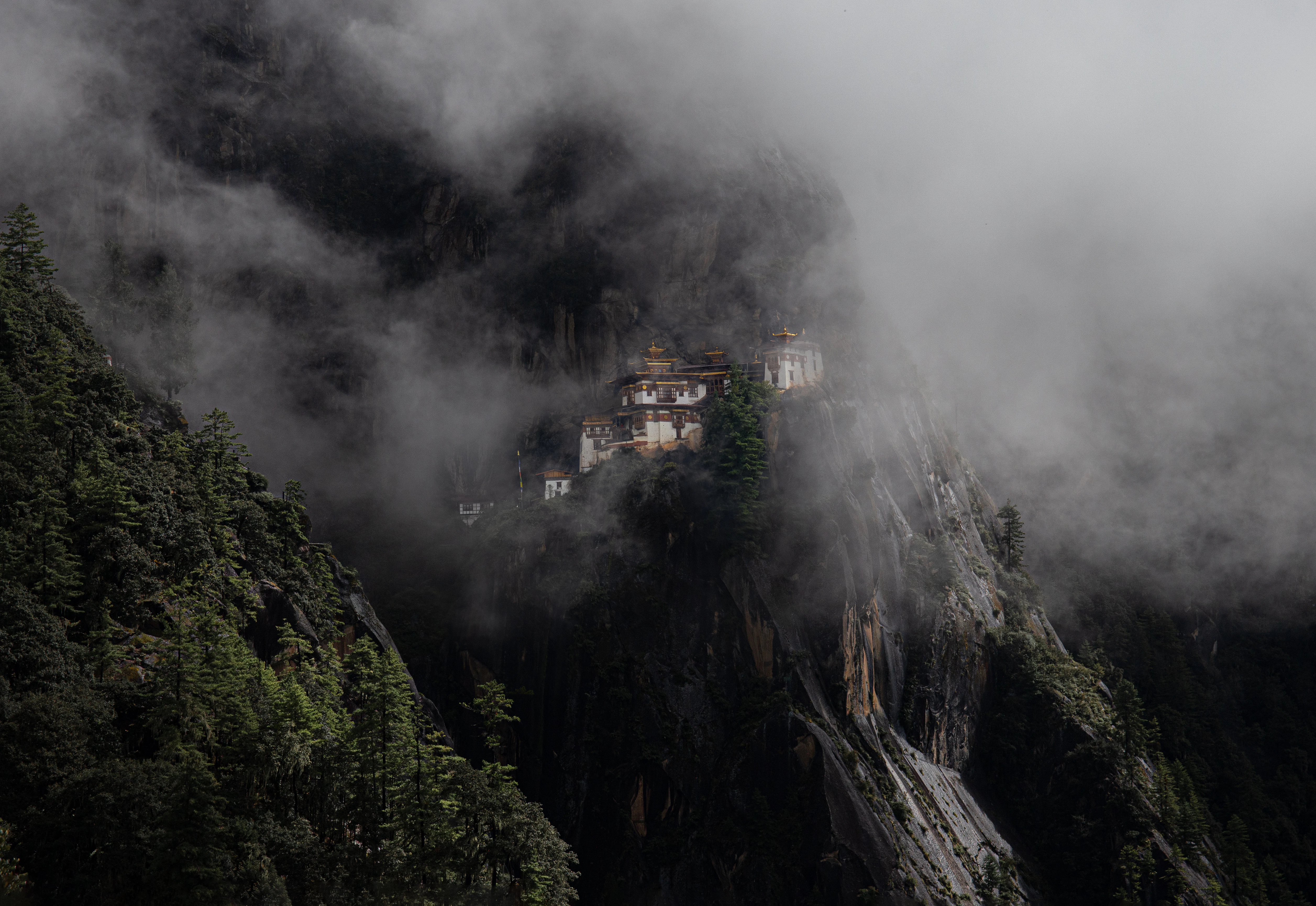
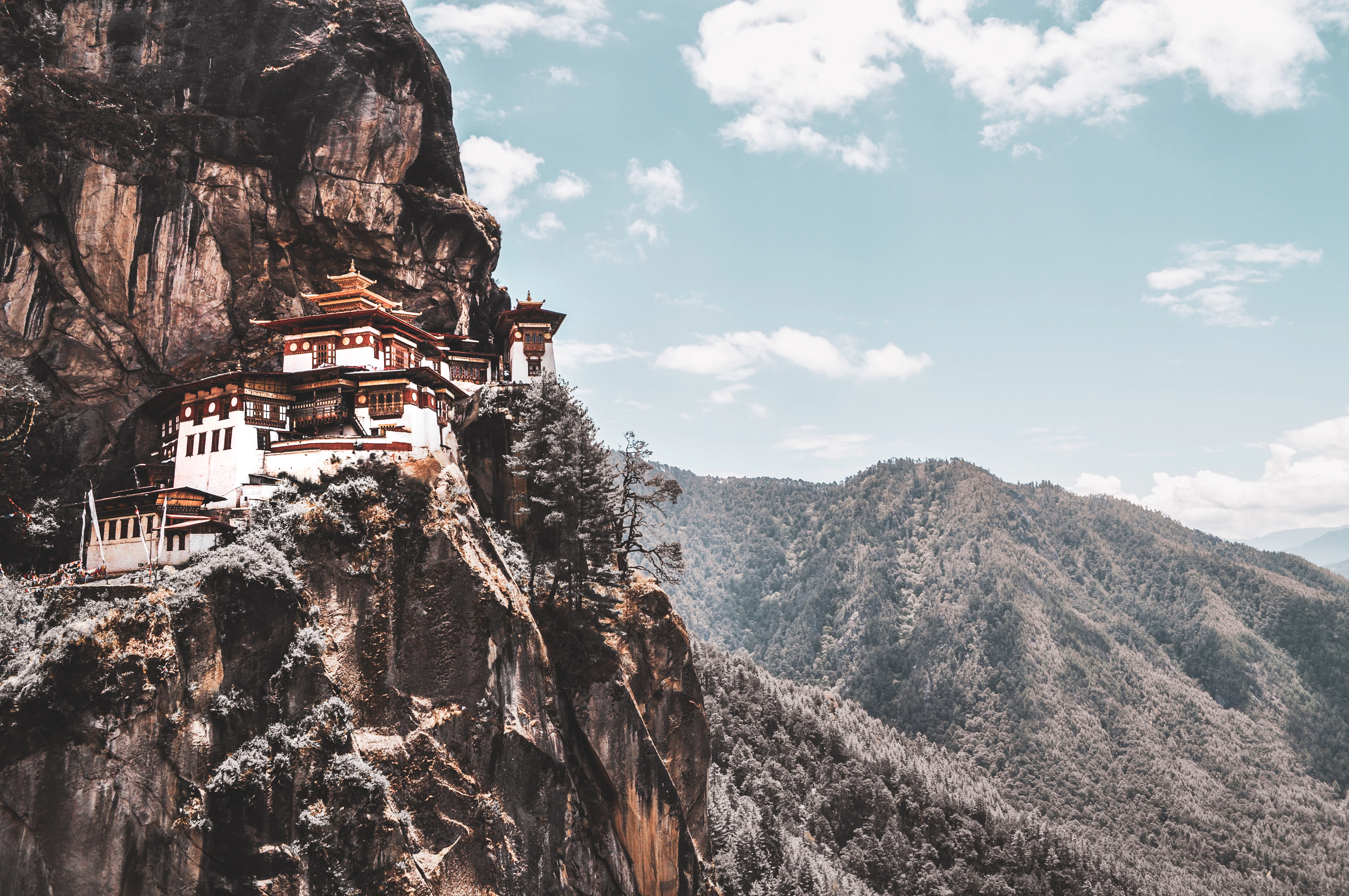
Paro is the gateway to Bhutan — the 'Land of the Thunder Dragon' and the only country in the world that measures its success by 'Gross National Happiness' instead of Gross Domestic Product. The fertile Paro Valley in the eastern Himalayas is home to Bhutan's only international airport and some of the country's most significant monasteries and fortresses. The absolute highlight is the Tiger's Nest Monastery (Taktsang Palphug), which clings to a seemingly impossibly steep cliff 900 meters above the valley floor. According to legend, Guru Rinpoche flew to this spot on the back of a tigress in the 8th century and meditated in a cave for three years. The hike to the monastery (2-3 hours uphill) is Bhutan's most famous experience — and the moment the monastery emerges from the mist takes your breath away. The Paro Rinpung Dzong, a massive monastery fortress from the 17th century, overlooks the Paro Valley and still serves as a religious and administrative center today. The architecture — white walls, carved wooden windows, golden roofs — is typically Bhutanese and possesses a serene elegance that is unique worldwide. Bhutan is the only country in the world that is fully CO2-negative. Over 70% of the country is forested, plastic bags are banned, and tourism is regulated by a daily Sustainable Development Fee (SDF) of 100 USD per day — a model that protects the environment and prevents mass tourism. The Paro Tshechu, a multi-day religious festival in spring, is one of the most colorful events in Asia. Monks in elaborate masks and silk garments perform ritual dances while the entire population gathers in their finest attire (Gho for men, Kira for women). The National Museum in the old watchtower Ta Dzong houses Bhutan's most important collection of religious art, and the rice fields in the Paro Valley provide a peaceful contrast to the dramatic mountain ranges.
What are the top highlights in Paro?
The top highlights in Paro include Tiger's Nest Monastery, Rinpung Dzong, Paro Tshechu, Gross National Happiness, CO2-negative country.
The places you absolutely must not miss.
Tiger's Nest Monastery
Iconic monastery 900 m above the valley on a cliff — Bhutan's most famous landmark
Rinpung Dzong
Massive monastery fortress from the 17th century — Bhutanese architecture in its most perfect form
Paro Tshechu
Multi-day mask dance festival in spring — one of the most colorful festivals in Asia
Gross National Happiness
The only country that measures happiness instead of GDP — Bhutan's unique philosophy is felt everywhere
CO2-negative country
Over 70% forest coverage, no mass tourism — Bhutan as a model for sustainable development
Hotels in Paro
Compare thousands of hotels, apartments and resorts on Expedia – with price guarantee, free cancellation and reward points.
* You will be redirected to Expedia.de. Their terms of use apply.
Reise-SIM für Paro
Günstig surfen im Urlaub mit travSIM
Pauschalreisen & Rundreisen
Berge & Meer – 170 Tage Cookie
When is the best time to visit Paro?
The best time to visit Paro is March to May and September to November for clear mountain views and festivals. Monsoon June-August, winter cold but calm.. 15-25°C, monsoon rains June-August In winter: -5 to 15°C, dry and clear
Recommended travel time
March to May and September to November for clear mountain views and festivals. Monsoon June-August, winter cold but calm.
Summer
15-25°C, monsoon rains June-August
Winter
-5 to 15°C, dry and clear
How much does a holiday in Paro cost?
Budget travellers: 200 USD (SDF + basic costs)/day, mid-range: /day, luxury: 400-800 USD/day.
Average costs per person per day
Budget
200 USD (SDF + basic costs)
Hostel, Street food, Public transport
Mid-range
Hotel, Restaurant, Excursions
Luxury
400-800 USD
Boutique hotel, Fine dining
How do I get from Germany to Paro?
Flight via Delhi, Bangkok, or Kathmandu to Paro (PBH). Druk Air and Bhutan Airlines are the only airlines. The landing in Paro is considered one of the most challenging in the world.
Book a package holiday to Paro
Compare thousands of package holidays to Paro and find the best deals with flight & hotel.
Compare package holidays nowWhat travel tips are there for Paro?
Insider knowledge that makes your holiday better.
Plan for SDF: The Sustainable Development Fee of 100 USD/day is mandatory and not included in flight/hotel — budget for it in advance.
Guide is mandatory: All tourists must have a licensed guide and a pre-booked tour — independent travel is not possible.
Start early for Tiger's Nest: The hike takes 4-5 hours (round trip). Start at 7 AM for fewer crowds and better light.
Check Tshechu dates: The mask dance festivals follow the lunar calendar. Dates vary annually — research in advance and plan your tour accordingly.
What should you eat in Paro?
Typical specialities in Paro: Ema Datshi — Bhutan's national dish: chili and cheese — spicy, creamy, and ubiquitous, Phaksha Paa — pork belly with dried chilies and radish — hearty and warming, Red Rice — Bhutanese red rice — nutty and nutritious, the basis of every meal, Butter Tea (Suja) — tea with yak butter and salt — takes getting used to, but warms perfectly in the mountains, Momos — steamed dumplings with meat or cheese — the ubiquitous Himalayan snack.
These specialties you must try!