Holiday in Tehran
City in Iran — tips, highlights & best time to visit
Country
Iran
Type
City
Best time to travel
March to May (spring, Nowruz New Year, 15-25 °C) and September to November (pleasant). Summer hot, winter cold but good for skiing.
Budget/day
35-75 €
Getting there from Germany
Flight to Tehran Imam Khomeini (IKA, about 5-6 hours direct or with a short layover via Istanbul/Dubai). Visa must be obtained in advance from the embassy or as an eVisa.
Deals for Tehran:
What makes Tehran special as a destination?
Tehran is a city of extremes and contrasts — a 7-million metropolis (15 million in the region) that stretches from the dry plains at an altitude of 1,200 meters to the snow-capped Tochal peak at 3,964 meters. In northern Tehran, you can ski in the morning and trade saffron and carpets in the bazaar in the afternoon — a range that few other capitals in the world can offer. The Golestan Palace (UNESCO) is Tehran's architectural jewel: an ensemble of palaces, mirror halls, gardens, and pavilions from the Qajar dynasty, whose marble throne hall and mirror work showcase an opulence that highlights Persian craftsmanship at its peak. The adjacent Grand Bazaar of Tehran, one of the largest covered markets in the world, is a labyrinth of 10 kilometers of vaulted corridors where spices, carpets, gold, copper goods, and saffron are traded — some merchant families have been at the same stall for generations. The National Museum of Iran preserves artifacts that span 7,000 years of Persian civilization — from ceramics from Susa to Achaemenid reliefs from Persepolis to Sassanian silver bowls. The Sa'd Abad and Niavaran palaces in the northern part of the city showcase the life of the last Shahs with a mix of splendor and surprising intimacy. What makes Tehran truly unforgettable, however, is Iranian hospitality: in hardly any other country in the world will you be welcomed so warmly as a guest. You will be invited for tea, asked to dinner, gifted pomegranates, and engaged in conversations that reveal the gap between the Iran of the news and the Iran of the Iranians — and that may be the most important experience you take away from Tehran.
What are the top highlights in Tehran?
The top highlights in Tehran include Golestan Palace (UNESCO), Grand Bazaar, Tochal Mountain & Cable Car, National Museum of Iran, Darband & Darakeh.
The places you absolutely must not miss.
Golestan Palace (UNESCO)
Qajar palace ensemble with mirror halls, marble throne, and Persian gardens — Tehran's architectural masterpiece and a photogenic spot.
Grand Bazaar
10 km of covered corridors: spices, carpets, gold, and saffron — one of the largest and oldest bazaars in the world since the 17th century.
Tochal Mountain & Cable Car
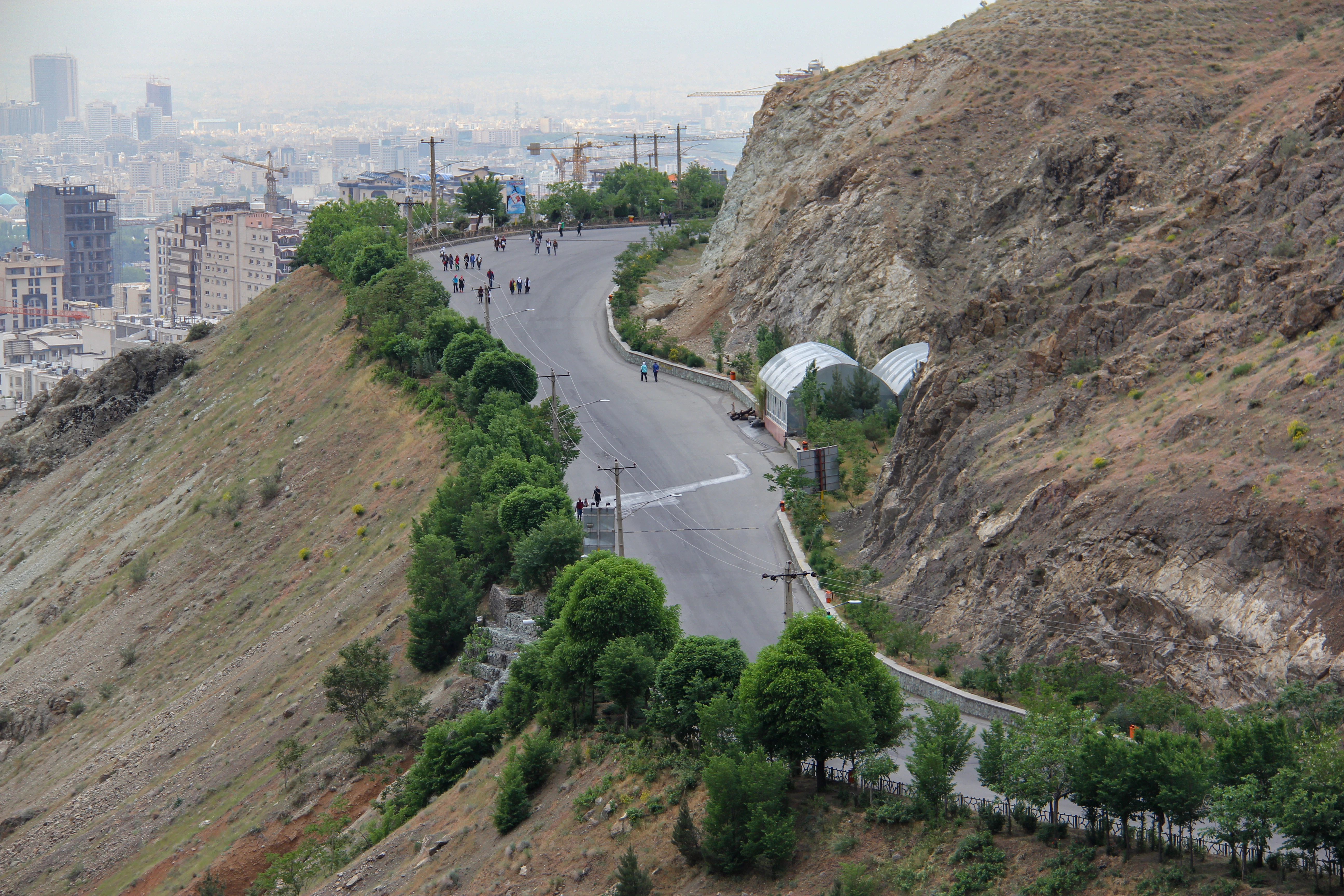
From 1,200 m to 3,964 m in 20 minutes: cable car to the snowy peak with a panorama over the entire metropolis and the Alborz mountain range.
National Museum of Iran
7,000 years of Persian civilization: from Susa ceramics to Persepolis reliefs — the most compact journey through the history of one of the oldest empires.
Darband & Darakeh
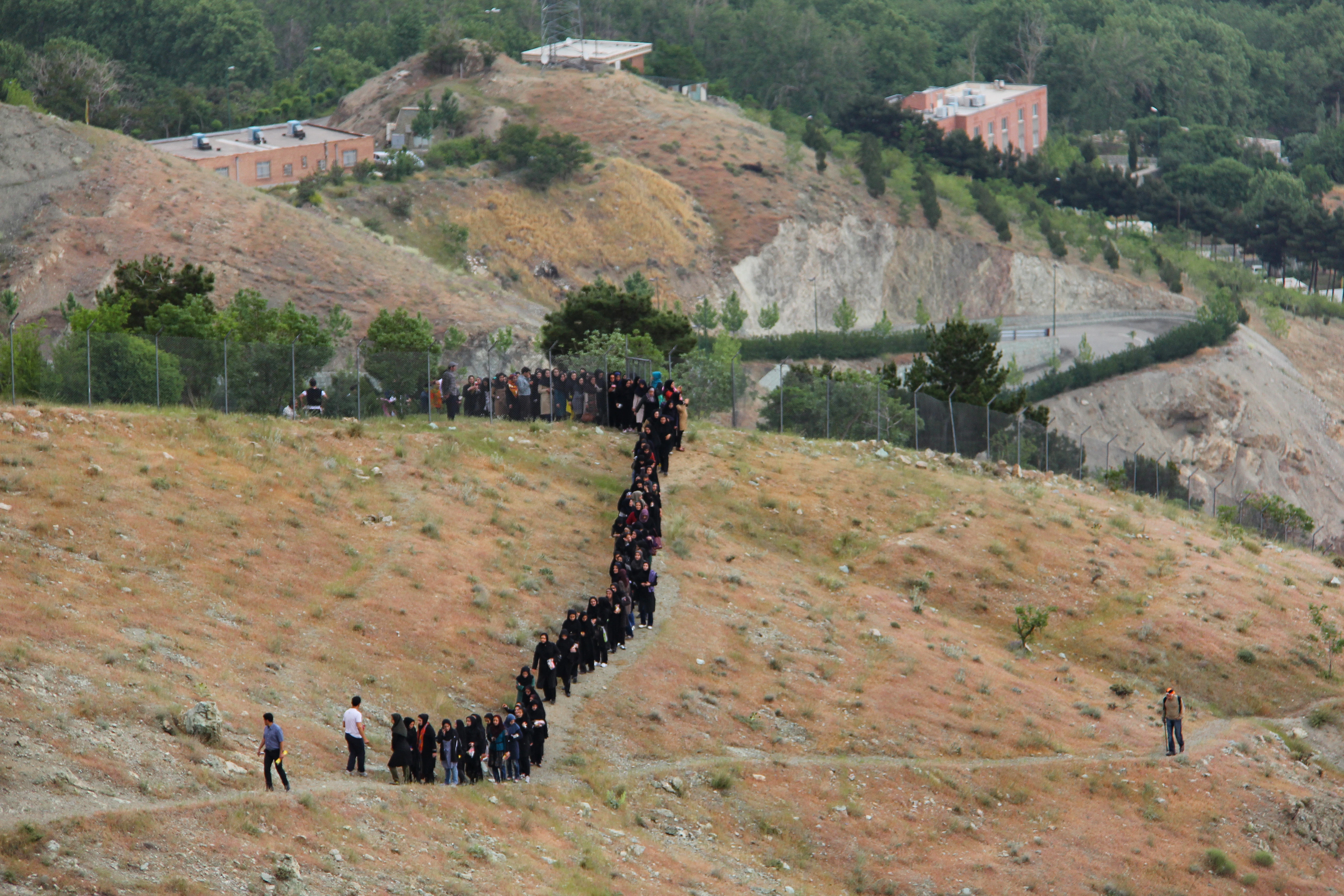
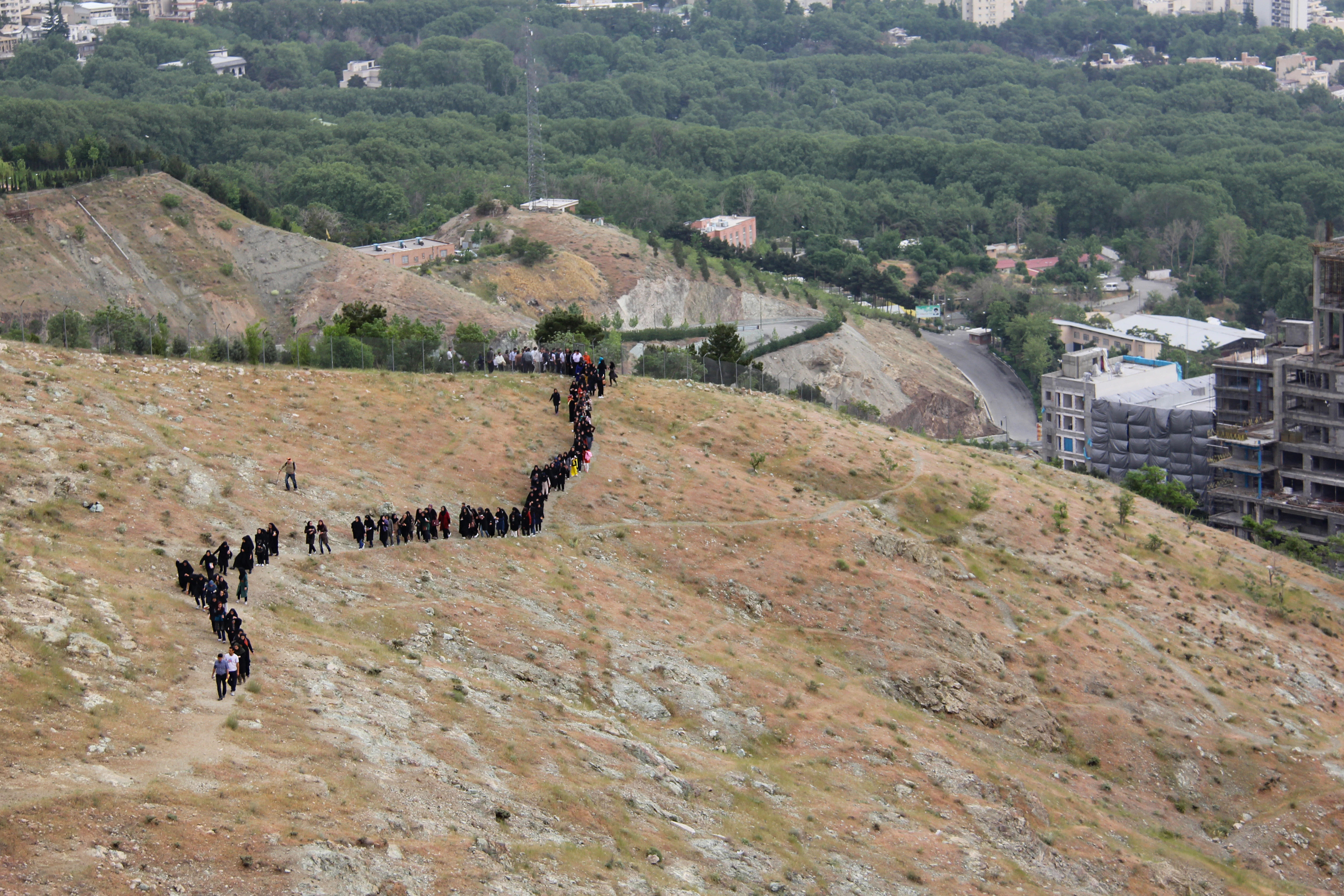
Mountain villages on the northern edge of the city: hiking, tea houses by mountain streams, and kebabs under plane trees — Tehran's escape from the hustle and bustle.
Hotels in Tehran
Compare thousands of hotels, apartments and resorts on Expedia – with price guarantee, free cancellation and reward points.
* You will be redirected to Expedia.de. Their terms of use apply.
Reise-SIM für Tehran
Günstig surfen im Urlaub mit travSIM
Pauschalreisen & Rundreisen
Berge & Meer – 170 Tage Cookie
When is the best time to visit Tehran?
The best time to visit Tehran is March to May (spring, Nowruz New Year, 15-25 °C) and September to November (pleasant). Summer hot, winter cold but good for skiing.. 30-40 °C, dry and hot, but not very humid In winter: -2 to 8 °C, cold, snow in the northern districts and mountains
Recommended travel time
March to May (spring, Nowruz New Year, 15-25 °C) and September to November (pleasant). Summer hot, winter cold but good for skiing.
Summer
30-40 °C, dry and hot, but not very humid
Winter
-2 to 8 °C, cold, snow in the northern districts and mountains
How much does a holiday in Tehran cost?
Budget travellers: 15-30 €/day, mid-range: 35-75 €/day, luxury: 80-200 €/day.
Average costs per person per day
Budget
15-30 €
Hostel, Street food, Public transport
Mid-range
35-75 €
Hotel, Restaurant, Excursions
Luxury
80-200 €
Boutique hotel, Fine dining
How do I get from Germany to Tehran?
Flight to Tehran Imam Khomeini (IKA, about 5-6 hours direct or with a short layover via Istanbul/Dubai). Visa must be obtained in advance from the embassy or as an eVisa.
Book a package holiday to Tehran
Compare thousands of package holidays to Tehran and find the best deals with flight & hotel.
Compare package holidays nowWhat travel tips are there for Tehran?
Insider knowledge that makes your holiday better.
Apply for the visa in advance as an eVisa — the Iranian eVisa system works for Germans and is issued in 5-7 days.
Observe dress codes — women must wear a headscarf and body-covering clothing (the rules are becoming more relaxed, but still apply).
Bring cash in large amounts — international credit cards do NOT work in Iran. Bring euros or dollars and exchange them locally.
Hike in Darband on Fridays — Friday is the Iranian weekend, and the mountain tea houses are then most lively.
Use Snapp instead of taxis — the Iranian ride-hailing app is safer and cheaper than street taxis.
What should you eat in Tehran?
Typical specialities in Tehran: Chelow Kebab — Iran's national dish: juicy lamb or chicken kebab on saffron rice with grilled tomato and butter — simple and perfect., Dizi (Abgoosht) — traditional stew of lamb, chickpeas, and potatoes in a stone pot — you mash everything and eat it with bread., Tahdig — the crispy rice crust from the bottom of the pot: golden, crackling, and the proudest moment of every Iranian cook., Fesenjan — pomegranate-walnut stew with chicken or duck — sweet-sour, complex, and the most festive dish of Persian cuisine., Chai with Nabat — black tea with saffron rock sugar (Nabat) — the foundation of every conversation, negotiation, and hospitality..
These specialties you must try!