Bolivia holiday
Travel tips, best time to visit & highlights for your Bolivia holiday in South America
Bolivia is South America's wildest adventure: The Salar de Uyuni – the largest salt flat in the world – transforms into an endless mirror during the rainy season. La Paz is the highest capital city in the world with cable cars as public transport, the Yungas Death Road offers an adrenaline kick by mountain bike, and at Lake Titicaca, you encounter ancient Aymara culture. Bolivia is rugged, authentic, and incredibly cheap.
Capital
Sucre (official), La Paz (seat of government)
Language
Spanish, Quechua, Aymara
Currency
Boliviano (BOB)
Time zone
UTC-4
Flight time from DE
approx. 16–18 hours (with layover)
Entry requirements
Passport (visa-free for 90 days)
Deals for Bolivia:
What are the highlights of Bolivia?
The best-known highlights of Bolivia include Salar de Uyuni, La Paz, Tiwanaku, Yungas Death Road, Lake Titicaca.
The places you absolutely must not miss.
Salar de Uyuni
The largest salt flat on Earth: 10,000 km² of white surface, mirror effect in the rainy season, and Incahuasi cactus island.
La Paz
Highest capital city in the world (3,640m): Witches' market, cable car network, and view of Illimani.
Tiwanaku
Pre-Inca ruins (UNESCO) at Lake Titicaca – mysterious Sun Gate and 1,500-year-old high culture.
Yungas Death Road
The 'most dangerous road in the world' by mountain bike – 64 km and 3,600 meters downhill through the cloud forest.
Lake Titicaca
The highest navigable lake in the world (3,812m) on the border with Peru – Isla del Sol and Aymara culture.
Hotels in Bolivia
Compare thousands of hotels, apartments and resorts on Expedia – with price guarantee, free cancellation and reward points.
* You will be redirected to Expedia.de. Their terms of use apply.
Reise-SIM für Bolivia
Prepaid-SIM mit Datenvolumen für Bolivia. Einfach einlegen und sofort lossurfen – keine Roaming-Gebühren.
* Weiterleitung zu travSIM.de. Es gelten die dortigen Nutzungsbedingungen.
Reiseversicherung abschließen
Rundum-Schutz ab 9,90 € auf TravelSecure.de
Pauschalreisen & Rundreisen
Berge & Meer – 170 Tage Cookie
When is the best time to visit Bolivia?
The best time to visit Bolivia is May–October (dry season). In summer: 15–25°C. In winter: 5–18°C.
Recommended travel time
May–October (dry season)
Summer
15–25°C
Winter
5–18°C
How much does a holiday in Bolivia cost?
A holiday in Bolivia costs roughly 15–25€ per person per day (excluding flights) on a budget, 25–55€ mid-range and 55–130€ for luxury travel.
Average cost per person per day (excluding flight)
Budget
15–25€
Hostel, street food, public transport
Mid-range
25–55€
Hotel, restaurant, excursions
Luxury
55–130€
Boutique hotel, fine dining
How long is the flight from Germany to Bolivia?
From Germany you reach Bolivia in approx. 16–18 hours (with layover).
What travel tips are there for Bolivia?
Insider knowledge to make your holiday better.
Take altitude sickness seriously: La Paz is at 3,640m – coca leaf tea helps with acclimatization
Always book Uyuni tours with a reputable provider – cheap tours can be dangerous
Do not photograph Bolivian Cholitas (women in traditional dress) without permission
It gets freezing cold at night in the highlands – pack warm clothing even in summer
Mercado Rodriguez in La Paz for the cheapest and most authentic food
What do people eat in Bolivia?
Typical dishes in Bolivia are Salteñas, Pique Macho, Silpancho, Anticuchos, Sopa de Maní, Api con Pastel.
These dishes you must try!
Which regions and places in Bolivia are worth visiting?
7 regions, cities and highlights in Bolivia
Cities
Cochabamba
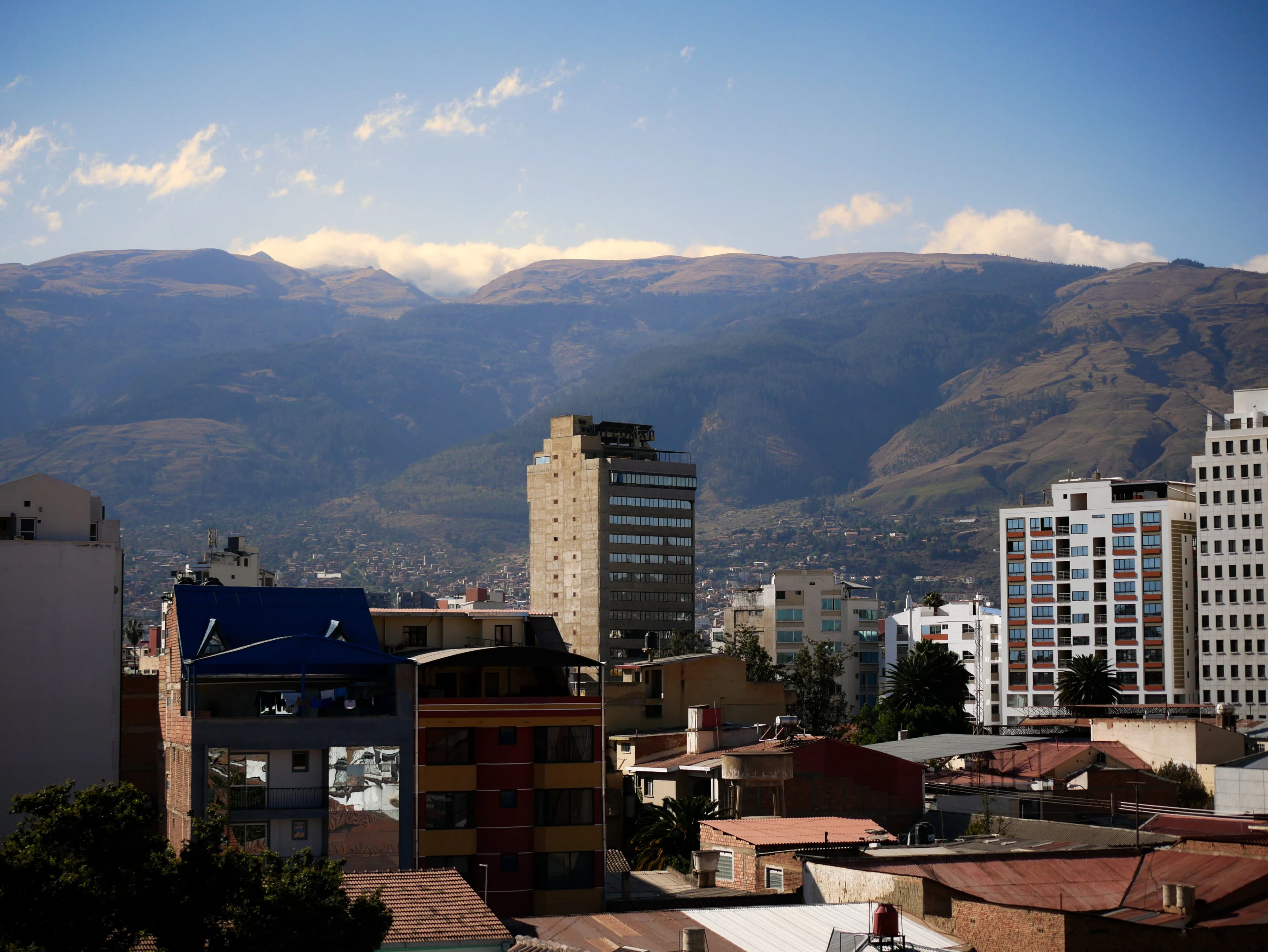
Cochabamba is the culinary capital of Bolivia and one of the most pleasant cities in the country — located in a fertile valley at an altitude of 2,558 meters, with a mild spring …
Copacabana (Bolivia)
Copacabana is the gateway to Isla del Sol on the Bolivian shore of Lake Titicaca — the highest navigable lake in the world (3,812m). This sleepy pilgrimage town with its …
La Paz
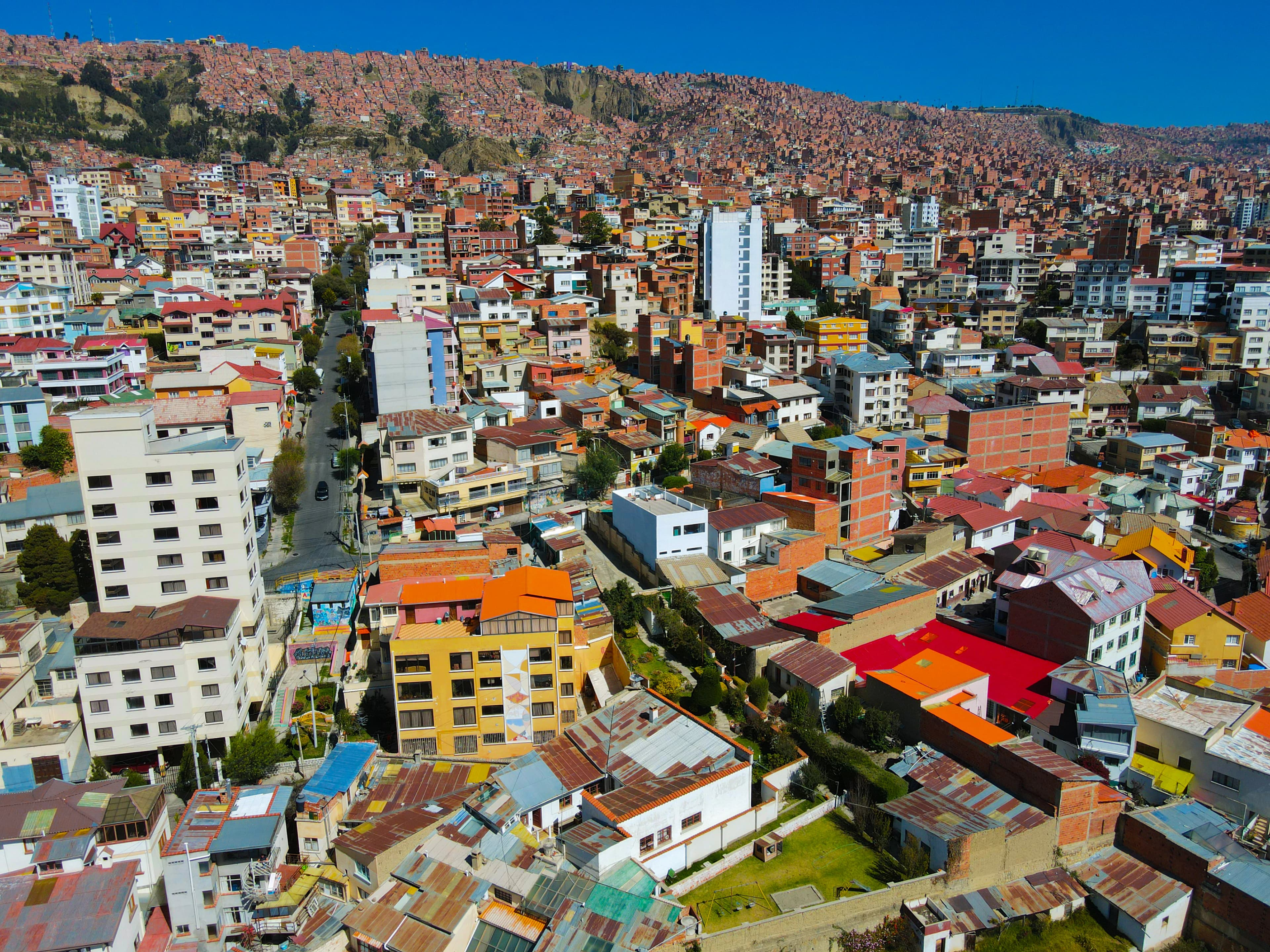
La Paz, Bolivia's seat of government, is the highest capital city in the world. Built at an altitude of 3,640 meters in a breathtaking canyon, the city stretches from the …
Santa Cruz de la Sierra
Santa Cruz de la Sierra is the largest and most economically dynamic city in Bolivia and the gateway to the tropical lowlands of South America. Unlike the highland image of …
Sucre
Sucre, the "White City" of Bolivia, is the constitutional capital of the country and one of South America's best-kept travel secrets. Located at an altitude of 2,810 meters, the …
Areas
Salar de Uyuni
The Salar de Uyuni is the largest salt flat in the world — 10,582 km² of dazzling white at an altitude of 3,656 meters in the Bolivian Andes. During the rainy season …
Uyuni
The Salar de Uyuni is the largest salt flat in the world and one of the most surreal natural wonders on our planet. Spanning over 10,000 km² at an altitude of 3,650 meters in the …
Complete guide for Bolivia
Regions, attractions, food, routes, costs & practical tips — all in one digital guide.
Open guideReady for Bolivia?
Plan your Bolivia holiday now with our free tools.
How do I plan a holiday in Bolivia?
Bolivia is one of the most popular travel destinations in South America, offering Adventure, Budget, Nature and much more. The best time to visit Bolivia is May–October (dry season), when the weather is ideal for exploration and relaxation. With a daily budget starting from 15–25€ (Budget) to 55–130€ (Luxury), Bolivia is suitable for various travel budgets.
From the capital Sucre (official), La Paz (seat of government), Bolivia can be excellently explored. The official language is Spanish, Quechua, Aymara, and the currency is Boliviano (BOB). From Germany, you can reach Bolivia in approx. 16–18 hours (with layover). Whether you want to try culinary highlights like Salteñas, Pique Macho, Silpancho, visit top attractions, or simply enjoy the atmosphere: Bolivia has something for every type of traveller.
Use our free travel tools to prepare your Bolivia holiday perfectly. With the holiday finder, you can discover if Bolivia is the right destination for you. The budget calculator helps you plan costs realistically, and with the packing list, you won't forget anything.
Suitable holiday types for Bolivia:
More travel destinations in South America:
All countries in South America