Holiday in Serengeti
National park in Tanzania — tips, highlights & best time to visit 🇹🇿
Country
Tanzania
Type
National park
Best time to travel
June–October (Dry season, Great Migration), January–February (Calving season)
Budget/day
350–600 € (Mid-Range Lodge)
Getting there from Germany
Flight to Kilimanjaro (JRO) in 10–13 hours with a stop. Further flight to Seronera Airstrip or 8-hour drive. Safari providers organize transfers.
Deals for Serengeti:
What makes Serengeti special as a destination?
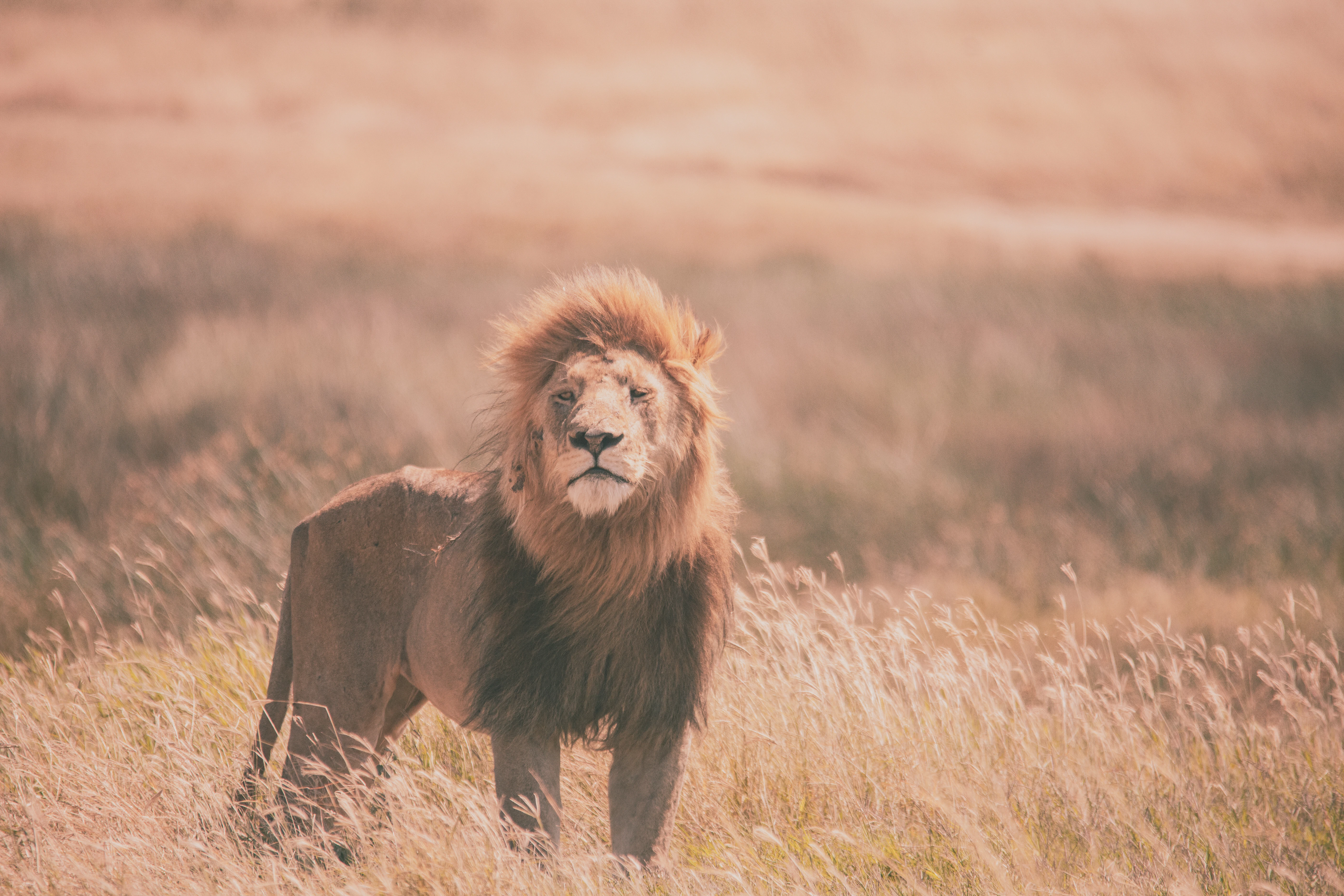
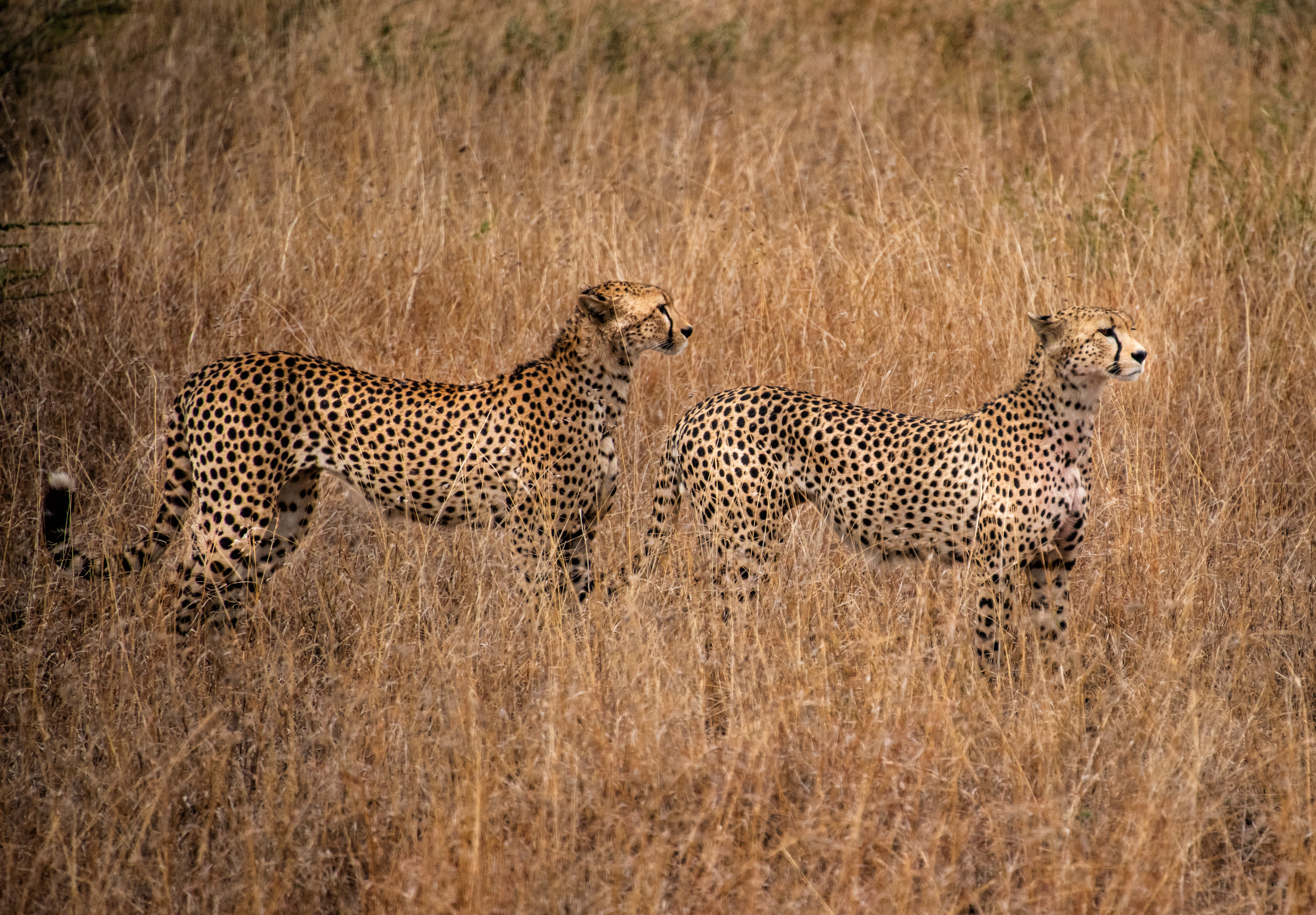
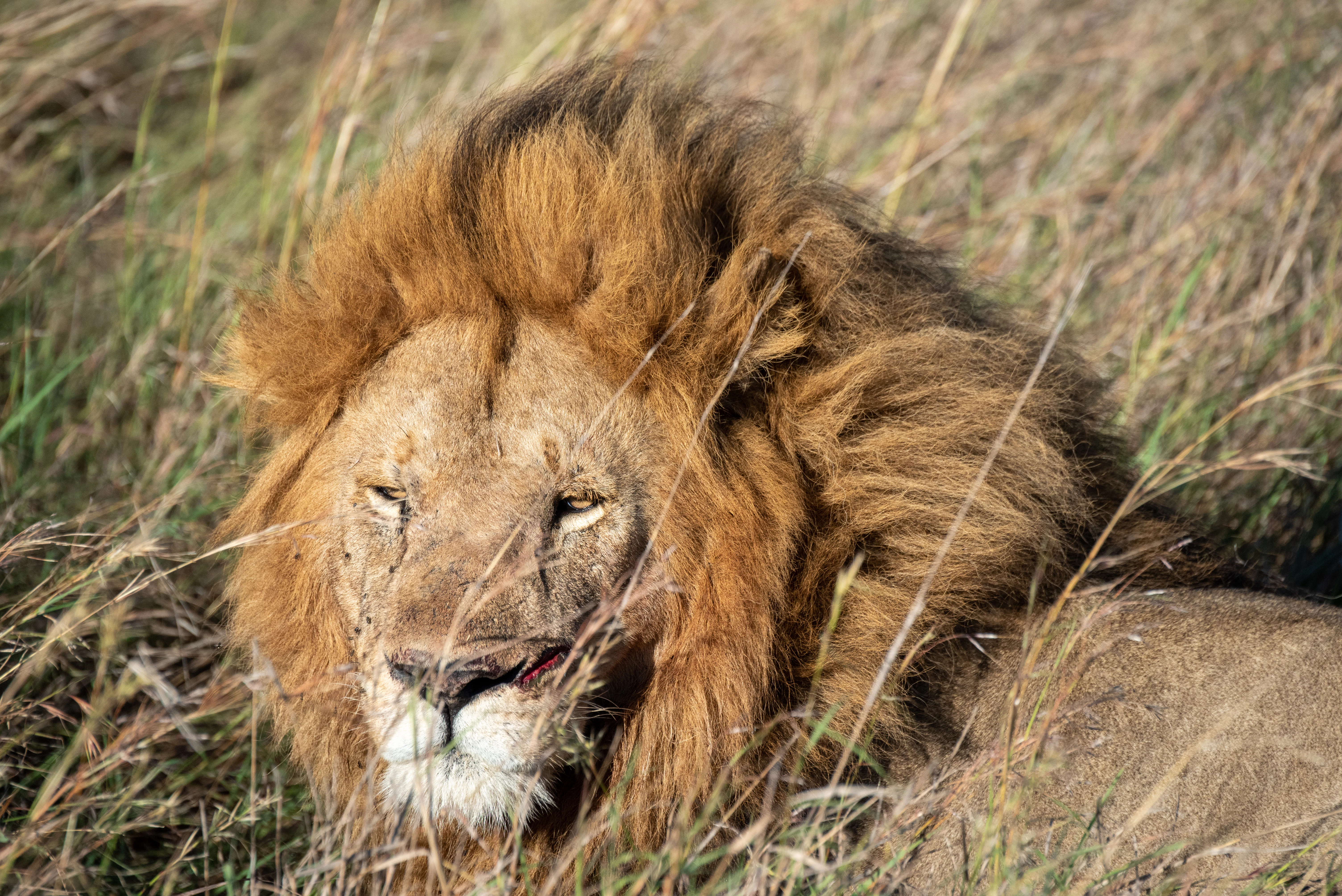
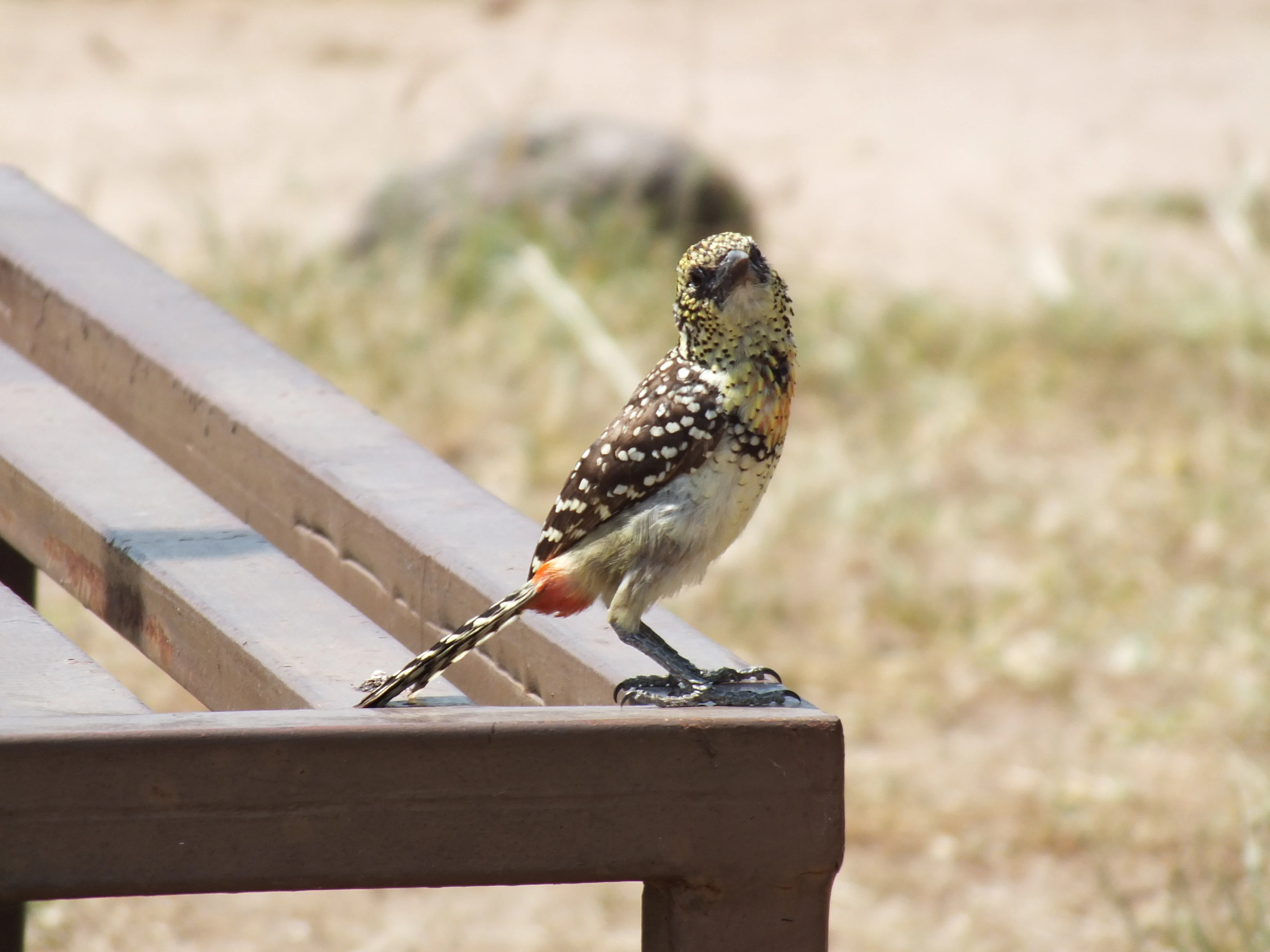
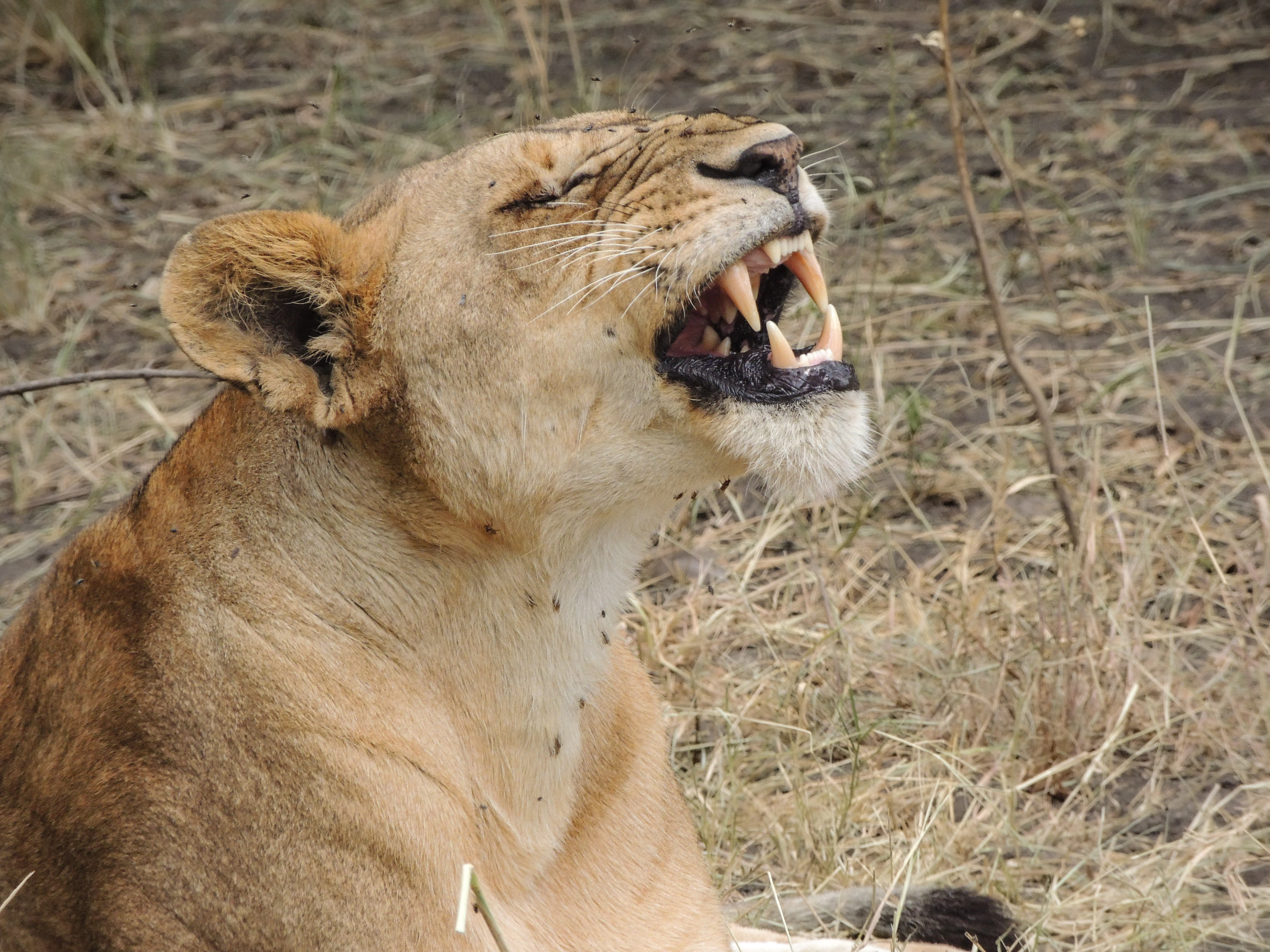
The Serengeti in Tanzania is the epitome of the African safari and one of the last great ecosystems where the drama of the wilderness unfolds in all its intensity. Over 30,000 square kilometers of endless grasslands, interspersed with acacia forests and riverbeds, host the largest concentration of large mammals on Earth. The Great Migration is the most spectacular wildlife spectacle on the planet: Over 1.5 million wildebeests, 200,000 zebras, and hundreds of thousands of gazelles move in an eternal cycle through the Serengeti in search of fresh grass and water. The dramatic river crossings of the Mara River between July and October, where crocodiles lurk and the herds bravely plunge into the water, are among the most intense nature experiences imaginable. In addition to the migration, the Serengeti is home to the largest lion population in Africa, leopards, cheetahs, elephants, giraffes, and over 500 species of birds. Luxury safari camps and mobile tented camps follow the herds through the seasons, offering wildlife observation at the highest level. Hot air balloon rides at sunrise over the endless plains are a unique experience. The Serengeti can be ideally combined with the Ngorongoro Crater and Mount Kilimanjaro.
What are the top highlights in Serengeti?
The top highlights in Serengeti include Great Migration, Big Five Safari, Seronera Valley, Balloon Safari, Ngorongoro Crater.
The places you absolutely must not miss.
Great Migration
The largest animal migration in the world: 1.5 million wildebeests cross the Mara River under the watchful eyes of waiting crocodiles – July to October is peak season.
Big Five Safari
Lion, leopard, elephant, buffalo, and rhinoceros – the Serengeti is one of the few places where you can see all five in one day.
Seronera Valley
The heart of the Serengeti: year-round high animal density, especially lions and leopards in the kopjes (granite rocks).
Balloon Safari
Float over the savannah at sunrise and observe herds from a bird's eye view – followed by a champagne breakfast in the wilderness.
Ngorongoro Crater
The largest intact volcanic crater in the world, right next to the Serengeti: 20,000 animals live on the 260 km² crater floor.
Hotels in Serengeti
Compare thousands of hotels, apartments and resorts on Expedia – with price guarantee, free cancellation and reward points.
* You will be redirected to Expedia.de. Their terms of use apply.
Reise-SIM für Serengeti
Günstig surfen im Urlaub mit travSIM
Pauschalreisen & Rundreisen
Berge & Meer – 170 Tage Cookie
When is the best time to visit Serengeti?
The best time to visit Serengeti is June–October (Dry season, Great Migration), January–February (Calving season). Warm and dry, 25–30 °C, June–October best visibility and wildlife observation In winter: Rainy season November–May, green landscape, fewer tourists, calving season in February
Recommended travel time
June–October (Dry season, Great Migration), January–February (Calving season)
Summer
Warm and dry, 25–30 °C, June–October best visibility and wildlife observation
Winter
Rainy season November–May, green landscape, fewer tourists, calving season in February
How much does a holiday in Serengeti cost?
Budget travellers: 150–250 € (Camping Safari)/day, mid-range: 350–600 € (Mid-Range Lodge)/day, luxury: 800–2,000 € (Luxury Camp)/day.
Average costs per person per day
Budget
150–250 € (Camping Safari)
Hostel, Street food, Public transport
Mid-range
350–600 € (Mid-Range Lodge)
Hotel, Restaurant, Excursions
Luxury
800–2,000 € (Luxury Camp)
Boutique hotel, Fine dining
How do I get from Germany to Serengeti?
Flight to Kilimanjaro (JRO) in 10–13 hours with a stop. Further flight to Seronera Airstrip or 8-hour drive. Safari providers organize transfers.
Book a package holiday to Serengeti
Compare thousands of package holidays to Serengeti and find the best deals with flight & hotel.
Compare package holidays nowWhat travel tips are there for Serengeti?
Insider knowledge that makes your holiday better.
The rainy season (March–May) is the cheapest time – 30-50% less, hardly any tourists, green landscape, and a bird paradise.
3 nights in the Serengeti are ideal – with less, you miss too much, with more, it becomes repetitive.
Good binoculars (10x42) are more important than an expensive camera – many animals are far away.
Early game drives (6 AM) are the best – predators are active and the light is perfect for photos.
What should you eat in Serengeti?
Typical specialities in Serengeti: Safari camp cuisine — The lodges and camps serve surprisingly good food: fresh salads, grilled meat, and local specialties under the starry sky., Nyama Choma — Grilled meat over an open fire – often served in the camps as BBQ under the open sky at sunset., Ugali — The Tanzanian maize porridge is the basis of every meal – simple, filling, and everywhere., Pilau — Spiced rice with spices, meat, and potatoes – the Swahili influence in Tanzanian cuisine., Chai ya Tangawizi — Ginger tea with milk and spices – the perfect warming drink after a cool morning on safari..
These specialties you must try!
Ready for Serengeti?
Plan your Serengeti holiday now with our free tools.
