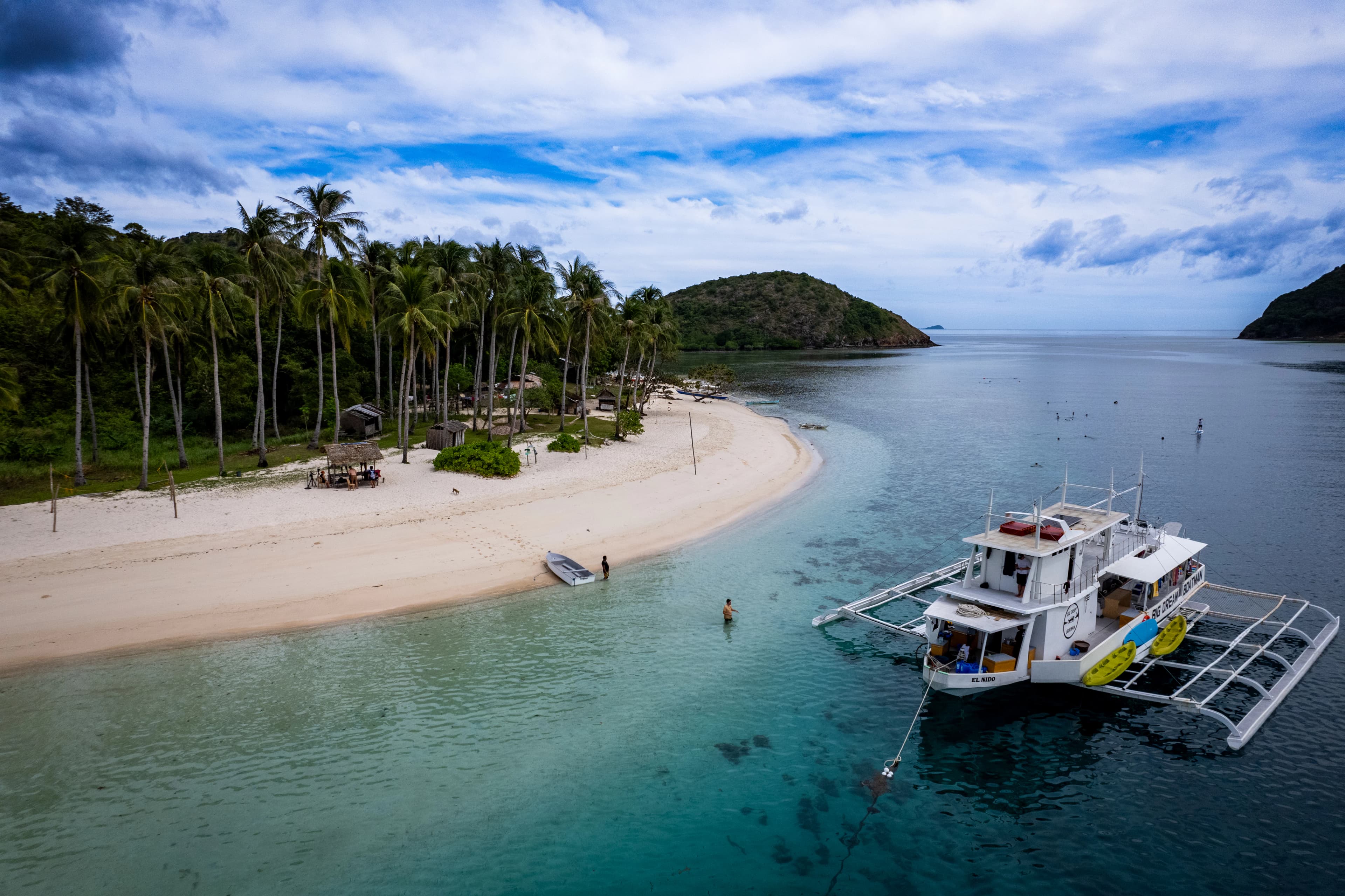
A boat that is floating in the water
🇵🇭

Philippines holiday

Travel tips, best time to visit & highlights for your Philippines holiday in Asia

The Philippines is a tropical paradise of over 7,600 islands with some of the most beautiful beaches in the world. Palawan is regularly voted the most beautiful island in the world, the Chocolate Hills in Bohol are unique, and the friendliness of Filipinos is legendary. Perfect for island hopping, diving, and real adventure.

Capital

Manila

Language

Filipino, English

Currency

Philippine Peso (PHP)

Time zone

UTC+8

Flight time from DE

approx. 12–14 hours (with layover)

Entry requirements

Passport, 30 days visa-free

Top hotels & accommodations in Philippines

Selected hotels and holiday accommodations in Philippines — with images, reviews, and direct booking links with our partners.

Top 5 highlights in Philippines

The places you absolutely must not miss.

1

El Nido, Palawan

Turquoise lagoons, limestone cliffs, and island hopping through the most beautiful bay in the world.

2

Chocolate Hills, Bohol

Over 1,200 cone-shaped hills that turn brown in the dry season – a natural wonder.

3

Boracay

White Beach: powdery sand, turquoise water, and legendary nightlife.

4

Coron

Sunken shipwrecks from World War II, lakes in volcanic craters, and world-class diving.

5

Siargao

Surfing mecca of the Philippines with Cloud 9, island lagoons, and a backpacker vibe.

Hotels in Philippines

Vergleiche tausende Hotels, Apartments und Resorts auf Expedia – mit Bestpreis-Garantie, kostenloser Stornierung und Bonuspunkten.

Über 700.000 Hotels
Kostenlose Stornierung
Bestpreis-Garantie
Hotels in Philippines vergleichen

* Weiterleitung zu Expedia.de. Es gelten die dortigen Nutzungsbedingungen.

Reise-SIM für Philippines

Prepaid-SIM mit Datenvolumen für Philippines. Einfach einlegen und sofort lossurfen – keine Roaming-Gebühren.

Sofort einsatzbereit
200+ Länder
Kein Roaming
SIM-Karte für Philippines bestellen

* Weiterleitung zu travSIM.de. Es gelten die dortigen Nutzungsbedingungen.

Reiseversicherung abschließen

Rundum-Schutz ab 9,90 € auf TravelSecure.de

Pauschalreisen & Rundreisen

Berge & Meer – 170 Tage Cookie

Best time to visit Philippines

Recommended travel time

December–May (dry season)

Summer

30–35°C

Winter

26–32°C

How much does a holiday in Philippines cost?

Average cost per person per day (excluding flight)

🎒

Budget

20–35€

Hostel, street food, public transport

🏨

Mid-range

35–70€

Hotel, restaurant, excursions

🌟

Luxury

70–180€

Boutique hotel, fine dining

5 travel tips for Philippines

Insider knowledge to make your holiday better.

Book island-hopping tours locally – cheaper than online

Bangkas (outrigger boats) are the main mode of transport between islands

Get a diving certification in the Philippines – significantly cheaper than elsewhere

Bring travel tablets – boat rides can be bumpy

Filipinos speak excellent English – communication is easy

Food & drink in Philippines

These dishes you must try!

Adobo
Lechon
Sinigang
Lumpia
Halo-Halo
Kare-Kare

Discover Philippines

14 regions, cities and highlights in Philippines

Islands

Boracay

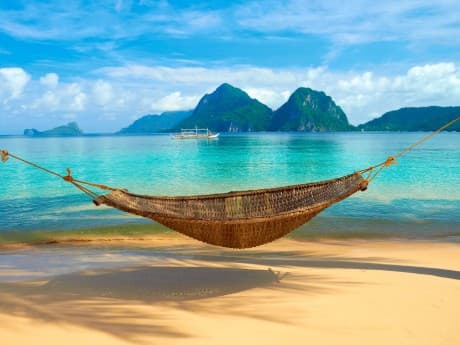
Boracay is a tiny Philippine island that hosts one of the most beautiful beaches in the world. The White Beach stretches over four kilometers along the west coast and is famous for its powdery white sand that hardly heats up even in the blazing sun. The shallow, turquoise water shimmers in shades that one usually only knows from photo editing programs — and yet they are real here. The island is only seven kilometers long and one kilometer wide, yet it offers an entertainment program that puts some metropolises to shame. The White Beach is divided into three stations: Station 1 in the north is calm and luxurious, Station 2 is the lively center with bars, restaurants, and nightlife, and Station 3 in the south offers budget accommodations and a relaxed vibe. The east coast around Bulabog Beach is a mecca for kite and windsurfers. From November to April, the Amihan winds blow consistently, creating perfect conditions. Beginners can learn to kite here in just a few days, while professionals showcase spectacular jumps over the shallow water. In 2018, Boracay was completely closed for six months — an unprecedented measure for environmental rehabilitation mandated by President Duterte. The island returned completely transformed: illegal structures were demolished, the sewage system was renewed, and strict environmental regulations were introduced. The result is a cleaner, less crowded Boracay that deserves its reputation as a dream beach destination. The sunsets at White Beach are legendary — the sky explodes in orange, pink, and violet as sailboats (Paraws) glide as silhouettes over the water. After that, the nightlife begins: beach bars serve cocktails right on the sand, fire shows entertain guests, and the parties in the clubs of Station 2 go on until the early morning hours.

PhilippinesBeachWhite Beach
aerial photo of houses near hill

Luzon

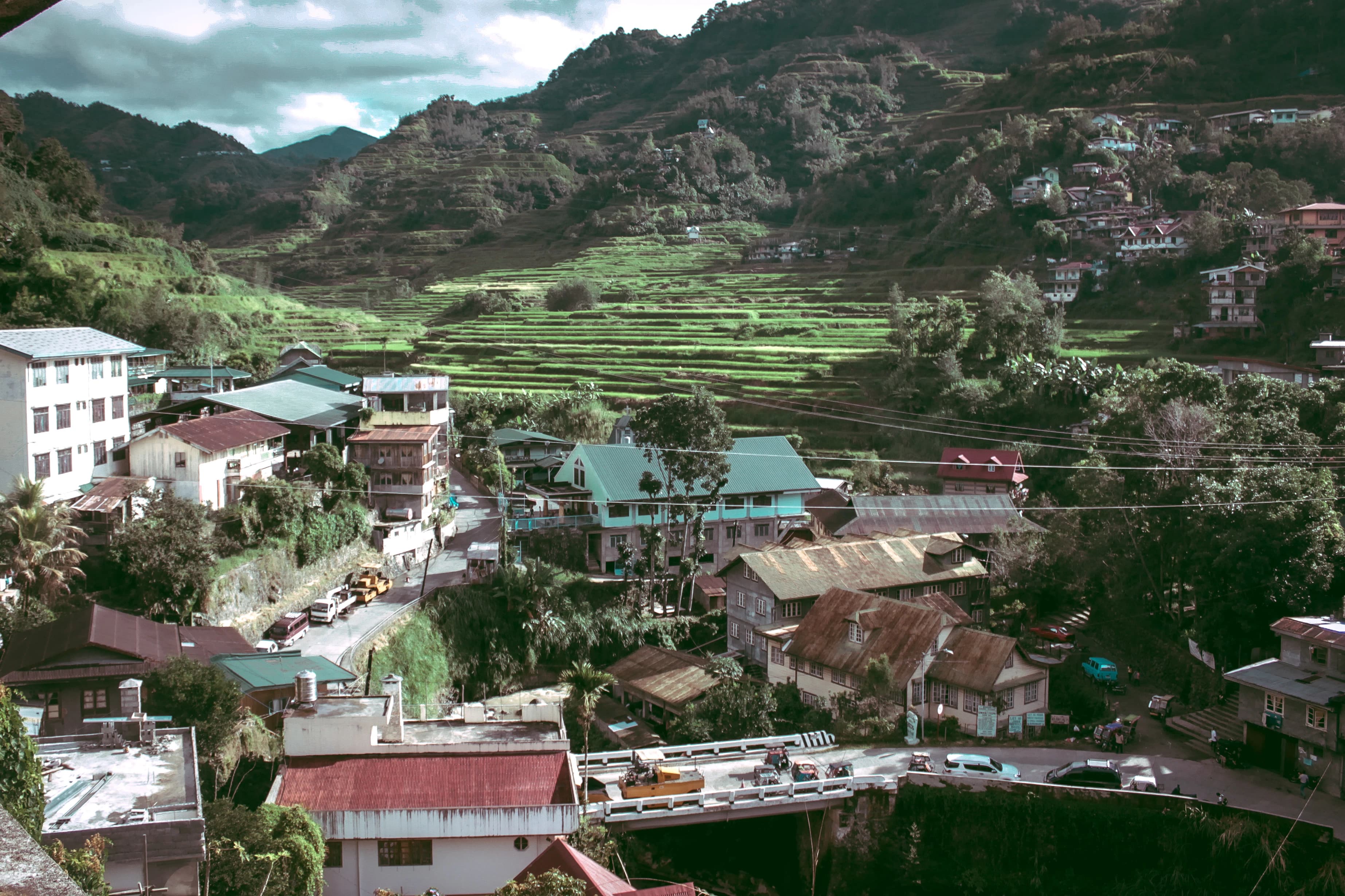
Luzon is the largest and most populous island in the Philippines and boasts some of the most spectacular landscapes in Southeast Asia — far beyond the capital Manila. The northern Cordillera region is a UNESCO World Heritage site that makes every trekker's heart race: the 2,000-year-old rice terraces of Banaue and Batad, carved like gigantic stairs into the mountains. The rice terraces of Banaue and Batad are considered the eighth wonder of the world: dug into the steep slopes of the Cordillera by the Ifugao indigenous people over generations, they cover 10,000 square kilometers and are still cultivated today. The hike from Banaue to Batad — four hours through terraced landscapes and Ifugao villages — is one of the most unforgettable trekking tours in Asia. Sagada in the Mountain Province is Luzon's hippest mountain town: the hanging coffins of the Igorot on the limestone cliffs, the mystical Sumaguing caves, and the coffee culture in the cool mountain villages attract backpackers and adventurers like a magnet. The sunrise viewpoints above the Sea of Clouds — clouds that fill the valleys like an ocean — are breathtaking. The Mayon Volcano in the Bicol region has the most perfect cone of all volcanoes worldwide: an almost mathematically exact conical shape that rises 2,462 meters above the plain. Vigan in the northwest is a UNESCO World Heritage city with Spanish colonial architecture: cobblestone streets, horse-drawn carriages, and 16th-century houses that remind one of a piece of old Spain in the tropics.

Rice TerracesUNESCOTrekking

Palawan

Palawan is regularly voted the most beautiful island in the world — and those who have experienced the emerald green lagoons of El Nido, the limestone cathedrals of the Bacuit Archipelago, and the crystal-clear waters of Coron understand why. The 450-kilometer-long, narrow island in the west of the Philippines is a tropical wonderland of over 1,700 islands and islets, surrounded by some of the most biodiverse coral reefs on the planet. El Nido in the north is the crown jewel: Dramatic limestone cliffs rise from turquoise waters, hidden lagoons (Big Lagoon, Small Lagoon, Secret Lagoon) can only be accessed by kayak through narrow rock crevices, and white sandy beaches like Seven Commandos Beach and Nacpan Beach are among the most pristine in the world. The island-hopping tours A to D cover dozens of islands and snorkeling spots — each tour is a full day of wonder. The Puerto Princesa Underground River, a UNESCO World Heritage Site and one of the New Seven Wonders of Nature, is an 8.2-kilometer-long underground river that flows through a massive limestone cave: By boat, one glides through caverns with cathedral-sized stalactites and stalagmites, while bats and swiftlets flutter overhead. Coron in the north of Palawan is the wreck diving mecca of the world: Twelve Japanese warships from World War II lie at depths of 10 to 40 meters in Coron Bay, covered in coral and populated by schools of tropical fish. Between dives, the Kayangan Lake (the cleanest lake in the Philippines according to the government) and the Twin Lagoons beckon. The Tubbataha Reefs Natural Park, a UNESCO World Heritage Site 150 kilometers southeast of Puerto Princesa, is one of the most biodiverse marine protected areas on Earth: Over 600 species of fish, 360 species of coral, manta rays, whale sharks, and sea turtles. The park is only accessible by liveaboard dive safari (March to June).

island paradisedivinglagoons

Siargao

Siargao is the surfing capital of the Philippines and a tropical island that has become a sought-after destination for digital nomads and surfers in recent years. The teardrop-shaped island in the Pacific offers world-class surf breaks, palm forests, turquoise lagoons, and a relaxed lifestyle that brings 'Island Life' to perfection. Cloud 9 is the surf spot that has made Siargao world-famous. The hollow right wave breaks over a flat coral reef and offers advanced surfers perfect barrel conditions. For beginners, there are gentler breaks like Jacking Horse and Stimpy's. The Siargao Surfing Cup, which has been held since 1993, is one of the oldest surf events in Asia. Away from surfing, Siargao offers picturesque natural wonders. The Sugba Lagoon — a lagoon surrounded by mangroves with crystal-clear water in all shades of blue — is perfect for paddleboarding, swimming, and simply marveling. Sohoton Cove, with its caves, lagoons, and the non-stinging jellyfish lake, is another highlight. The mangrove forests inland, the Magpupungko Rock Pool (natural tidal pools that form turquoise natural swimming pools at low tide), and the nearby naked islands (Naked Island, Daku Island, Guyam Island) with their picture-perfect palm beaches make every day an adventure. The nightlife is concentrated in General Luna — reggae bars, rum cocktails in beach bars, and international cuisine in small restaurants. The atmosphere is relaxed and friendly: surfers, yogis, digital nomads, and Filipino families share the island in peaceful coexistence. Siargao embodies the promise of the Philippines: authentic island life, far from mass tourism.

PhilippinesSurfingIsland
Narrow street with old buildings and a cafe

Siquijor

Siquijor is the most mystical island in the Philippines — a small, legendary island in the Visayas, viewed with a mix of fascination and superstition by many Filipinos due to its tradition of herbal healers and Bolo-Bolo rituals (spirit healing). However, behind the mystical reputation lies one of the most beautiful and tranquil islands in the archipelago. The beaches of Siquijor are pristine and dreamy: Paliton Beach offers powdery white sand beneath coconut palms, Salagdoong Beach has natural cliffs for jumping into crystal-clear water, and San Juan Beach is a long, quiet stretch with affordable beach resorts and sunsets that set the sky ablaze. The Cambugahay Falls are Siquijor's natural jewel: three cascades with turquoise natural pools, between which a Tarzan rope invites swinging. The water is so clear that you can see every stone at the bottom. The centuries-old Balete trees (Banyan) with their twisted aerial roots are revered by locals as ghost homes — the oldest stands in a natural basin with fish that massage your feet. You can circle the entire island in three hours on a scooter: passing by crumbling Spanish churches, butterfly farms, herbal markets, and villages where the old tradition of Herbolarios (herbal healers) is still alive. Siquijor is not a party destination — it is a place for travelers seeking tranquility, mysticism, and authentic Philippine island life.

IslandMysticismWaterfalls

Cities

A boat that is floating in the water

Caloocan

Caloocan is the third largest city in the Philippines and an essential part of Metro Manila, the vibrant capital region of the Southeast Asian island nation. The city is closely linked to the Philippine independence movement: here, in 1896, the Katipunan uprising against Spanish colonial rule began, leading to the Philippine Revolution. The Bonifacio Shrine (Andres Bonifacio Monument) is the city's most important monument, commemorating the revolutionary hero Andres Bonifacio, the founder of the Katipunan secret society. The Caloocan Heritage Area includes historical sites of the revolution, including the place where Bonifacio symbolically tore a Spanish Cedula pass — the signal to begin the uprising ("Cry of Pugad Lawin"). As part of Metro Manila, Caloocan provides access to the attractions of the Philippine capital: Intramuros (the walled old town with Fort Santiago), the historic San Agustin Church (UNESCO World Heritage), the lively markets of Divisoria, and the vibrant nightlife of Makati and Bonifacio Global City. The Monumento Circle, with its monumental Andres Bonifacio monument, is one of the most famous roundabouts in the Philippines and a traffic hub of the LRT-1 line. The Gracia Church (Our Lady of Grace Parish) and the Chinese Cemetery of Manila, one of the most unusual cemeteries in the world with multi-story mausoleums including air conditioning, are other notable places nearby.

Metro ManilaRevolutionBonifacio

Coron

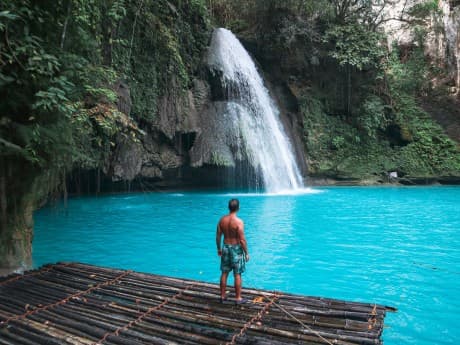
Coron on the island of Busuanga in the Philippine province of Palawan is considered one of the best diving and snorkeling spots in the world — and for good reason: off the coast lie twelve Japanese warships from World War II on the seabed, now overgrown with corals and regarded as the most accessible wreck dives in Asia. The wrecks of the Japanese fleet, sunk by American planes in 1944, lie at depths between 10 and 40 meters — ideal for divers of all experience levels. The Okikawa Maru and the Irako are the most spectacular: huge ship hulls that you can swim through, covered with soft and hard corals and populated by schools of tropical fish. But Coron is much more than just wreck diving: the limestone cliffs of the Calamian Islands form one of the most dramatic landscapes in the Philippines. Kayangan Lake — a freshwater lake in a karst basin, accessible via a steep staircase — with its emerald green, crystal clear water is the most photographed lake in the country. The Twin Lagoon connects two lagoons through an underwater rock passage. Barracuda Lake fascinates divers with a unique phenomenon: a thermocline where warm saltwater (38 °C) and cool freshwater mix, creating optical distortions. Island-hopping by Bangka boat to the limestone islands with their hidden lagoons and white sandy beaches is the highlight of any visit to Coron.

DivingWreck DivingLagoons
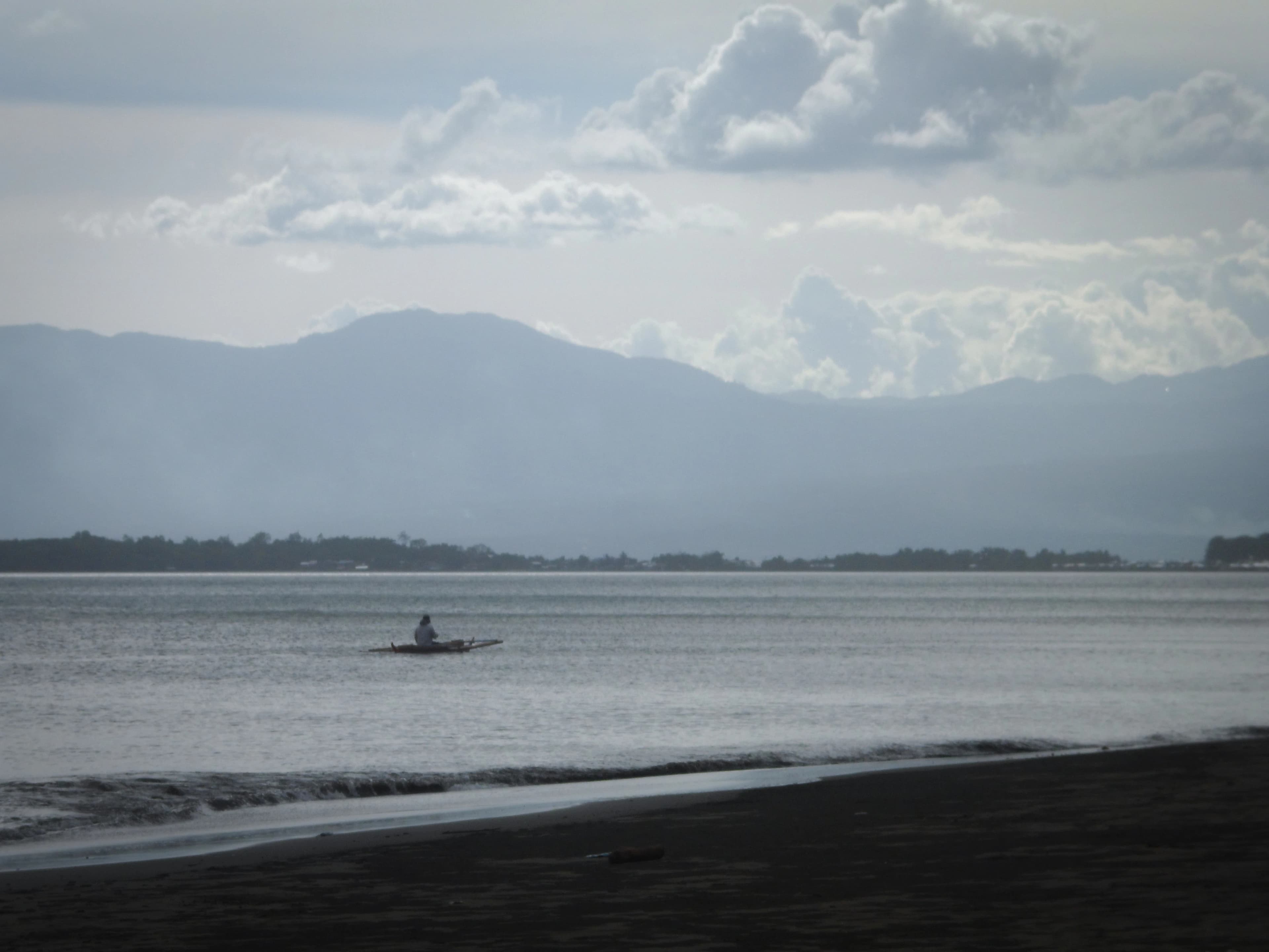
a person in a small boat on a body of water

Davao

Davao City is the largest city in the southern Philippines and is located on the island of Mindanao. With an area of over 2,400 square kilometers, it is one of the largest cities in the world by land area — its territory stretches from the coast to the summit of Mount Apo, the highest mountain in the Philippines (2,954 m). Davao is the undisputed Durian capital of the Philippines: The spiky fruit with its intense smell and creamy flesh is celebrated here in all forms — fresh, as candy, ice cream, cake, and even as chips. The Durian market on Magsaysay Street is the epicenter, especially during the harvest season from August to November. The Philippine Eagle is the largest eagle in the world (wingspan up to 2.2 meters) and the national bird of the Philippines. The Philippine Eagle Center in Davao is the main breeding and conservation station for this endangered species — only about 800 individuals remain in the wild, almost all on Mindanao. Mount Apo, the highest mountain in the Philippines, is an active volcano and a popular trekking destination. The ascent takes 2-3 days and passes through various vegetation zones: from tropical rainforest to moss forest to alpine grasslands at the summit, where hot springs and sulfur deposits testify to the volcanic activity. Samal Island, just 15 minutes by ferry from Davao, offers white sandy beaches, coral reefs, and caves. The Paradise Island Beach Resort and the Monfort Bat Sanctuary — home to the largest bat colony in the world with over 1.8 million animals — are the most famous attractions.

DurianEagleTrekking

Manila

Manila, the capital of the Philippines, is a city of extreme contrasts and overflowing energy: Historical Spanish colonial architecture in Intramuros stands next to glittering skyscrapers in Makati, and the chaotic hustle and bustle of street markets gives way just a few kilometers away to well-maintained shopping malls of impressive size. The megacity with over 13 million inhabitants is loud, hectic, and irresistibly vibrant. Intramuros, the walled old town from the Spanish colonial period, houses the San Agustin Church, a UNESCO World Heritage site from the 16th century, and Fort Santiago on the Pasig River. Rizal Park, named after the national hero Jose Rizal, offers a green breather in the city center. The National Museum of Fine Arts showcases Philippine art from the colonial period to the present and has free admission. Manila's street food scene is an adventure: Adobo, Lechon (roast pig), Halo-Halo (ice dessert), and Balut (fertilized duck egg) are part of the culinary identity. The nightlife in Poblacion, Makati's up-and-coming party district, pulses into the early morning hours. Manila is the ideal starting point for the Philippine dream beaches of Palawan, Boracay, and Siargao. December to May offers dry season with pleasant temperatures.

Island gatewaySpanish colonialStreet food
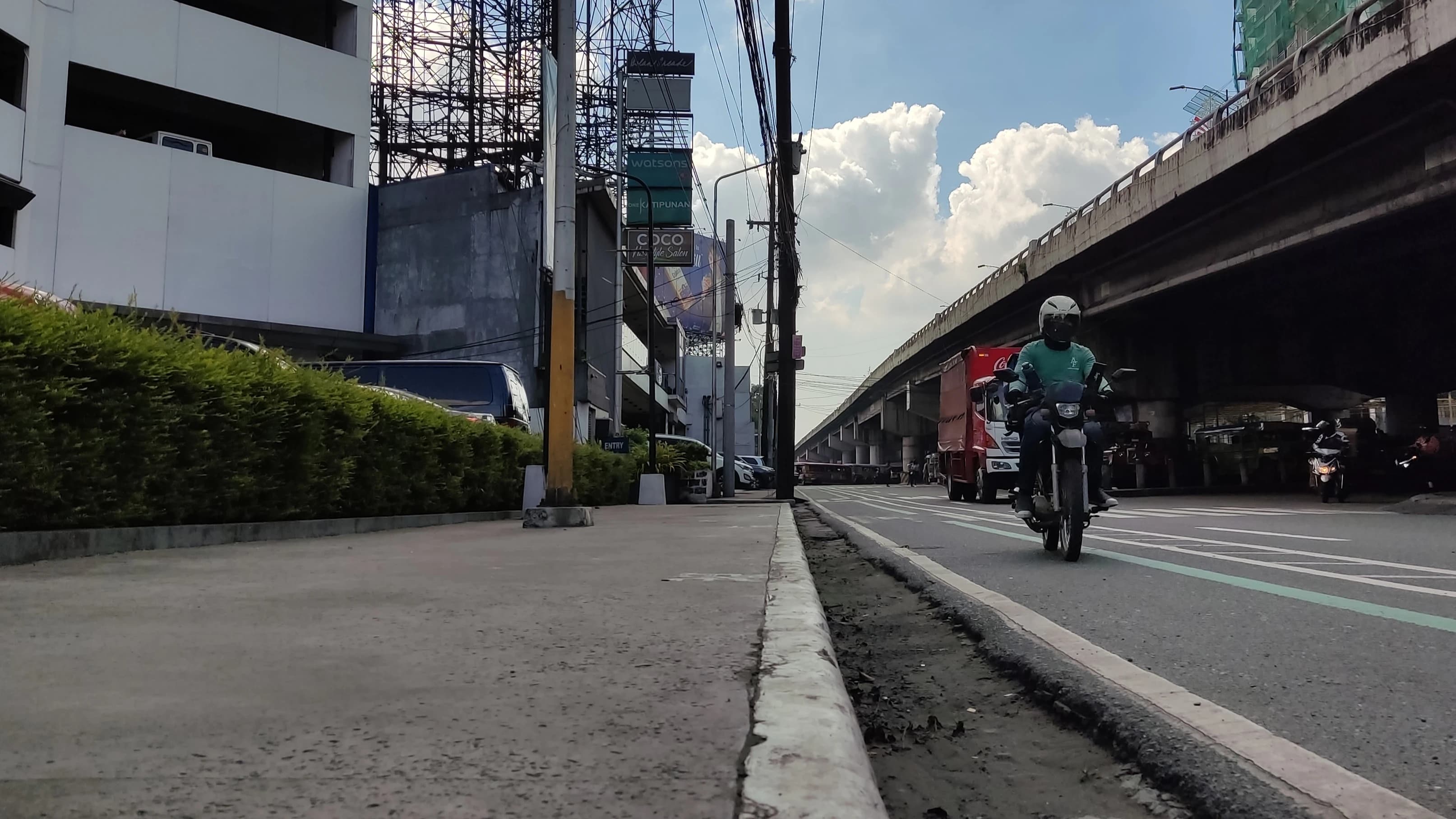
a man riding a motorcycle down a street under a bridge

Quezon City

Quezon City is the most populous city in the Philippines and part of Metro Manila, the capital region of the archipelago. From 1948 to 1976, Quezon City was the official capital of the Philippines, named after former President Manuel L. Quezon. Today, the city is a vibrant center for entertainment, education, and politics. The Quezon Memorial Circle is the city's landmark: An imposing Art Deco obelisk with three wings rises in the middle of a sprawling park with museums, gardens, and recreational facilities. The monument houses the remains of President Quezon and offers a view of the city from its observation deck. The University of the Philippines Diliman, the country's most prestigious university, has a campus as large as a city itself: tree-lined avenues, the Oblation monument, and the Vargas Museum make the campus a cultural experience. In February and March, the Sunflower Fields bloom on campus. Maginhawa Street is Quezon City's culinary mile: Dozens of creative restaurants, food parks, and cafes line a few hundred meters — from classic Filipino dishes to international fusion cuisine. The Art in Island gallery offers interactive 3D artworks to touch and photograph. The Ninoy Aquino Parks & Wildlife Center is a green oasis in the metropolis with a small zoo, lagoon, and hiking trails. La Mesa Ecopark on the outskirts offers hiking, mountain biking, and kayaking on a reservoir.

MetropolisStreet foodUniversity
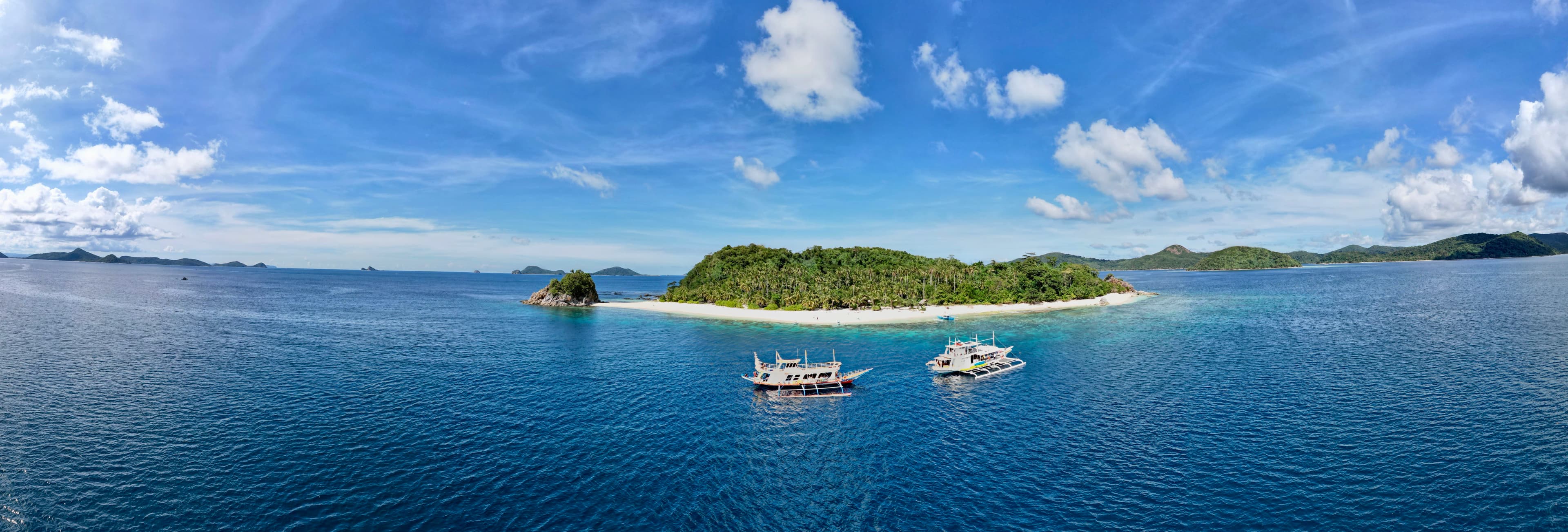
A small island in the middle of a body of water

Taguig

Taguig is one of the most dynamic cities in the Metro Manila region and is home to Bonifacio Global City (BGC), the most modern business and lifestyle district in the Philippines. While large parts of Manila are characterized by traffic chaos and colonial patina, BGC presents itself as a green, pedestrian-friendly planned city with shiny skyscrapers, top-notch restaurants, and a vibrant art scene. Bonifacio Global City was built on the site of the former Fort William McKinley — an American military base from the colonial era. The name honors Andres Bonifacio, the hero of the Philippine Revolution against Spain. Today, BGC is a showcase project of urban planning: wide sidewalks, bike paths, public art installations, and parks make it the most livable district in the capital region. Bonifacio High Street is the heart of BGC: an open pedestrian zone with restaurants, cafes, boutiques, and regular open-air events — from farmers' markets to concerts to art exhibitions. The Mind Museum, Southeast Asia's largest science museum, captivates with interactive exhibits on physics, biology, and technology. The Manila American Cemetery and Memorial is the largest American WWII memorial outside the USA: 17,206 white marble crosses on gentle hills commemorate the fallen of the Pacific battles. The Taguig part of Laguna de Bay, the largest lake in the Philippines, offers a surprising contrast to urban BGC: fishing villages, floating houses, and mangrove forests along the lakeshore showcase traditional Philippine life just a few kilometers from the skyscrapers.

ModernSkylineStreet Art
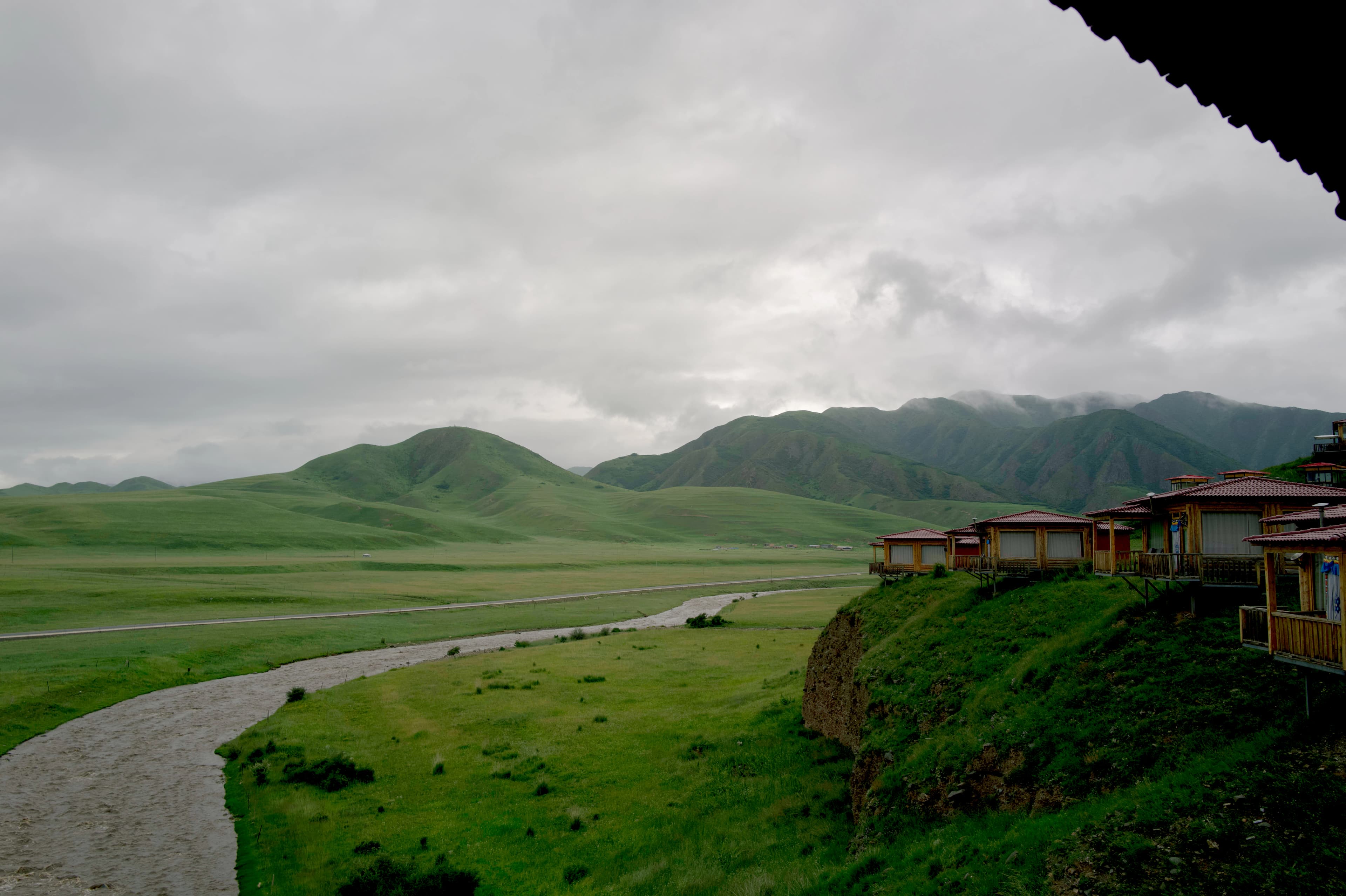
Green rolling hills with a river and cabins

Vigan

Vigan, the best-preserved Spanish colonial city in Asia, is located on the northwest coast of the Philippine main island of Luzon and is a vibrant testament to three centuries of Spanish rule in the Far East. The UNESCO World Heritage city is unique on the entire Asian continent: nowhere else has Spain's colonial heritage been so completely preserved. Calle Crisologo, the heart of the historic district, is a cobblestone street lined with Bahay-na-Bato houses — a unique architectural form that combines Spanish stone construction on the ground floor with Philippine wooden upper floors and intricately carved windows. In the evening, when the street is illuminated by lanterns and horse-drawn carriages (Kalesas) roll over the cobblestones, one feels transported to another time. The Crisologo Museum and St. Paul Cathedral (1790) form the historical center around Plaza Salcedo, which comes alive in the evening with an impressive dancing fountain show. The architecture of the city combines Spanish, Chinese, and Philippine elements — a reflection of the cultural fusion that has shaped the Philippines for centuries. Vigan's craft tradition is alive. In the side streets of Calle Crisologo, weavers work on traditional Abel fabrics, potters create the famous Vigan Burnay clay pots, and goldsmiths produce intricate jewelry using centuries-old techniques. Vigan's cuisine is a highlight for food enthusiasts. The Empanada de Vigan — a crispy orange pastry filled with papaya, mung beans, chorizo, and egg — is the iconic specialty and tastes best freshly fried at Plaza Burgos. Longganisa (spicy garlic sausage) and Bagnet (crispy three-times fried pork) round out the culinary offerings. Vigan is also a starting point for excursions to the coast. The nearby beach of Paoay offers dune buggy rides, and the Baroque church of Paoay (UNESCO World Heritage) with its massive buttress walls is one of the most photogenic churches in the Philippines.

UNESCOColonialCrafts

Regions

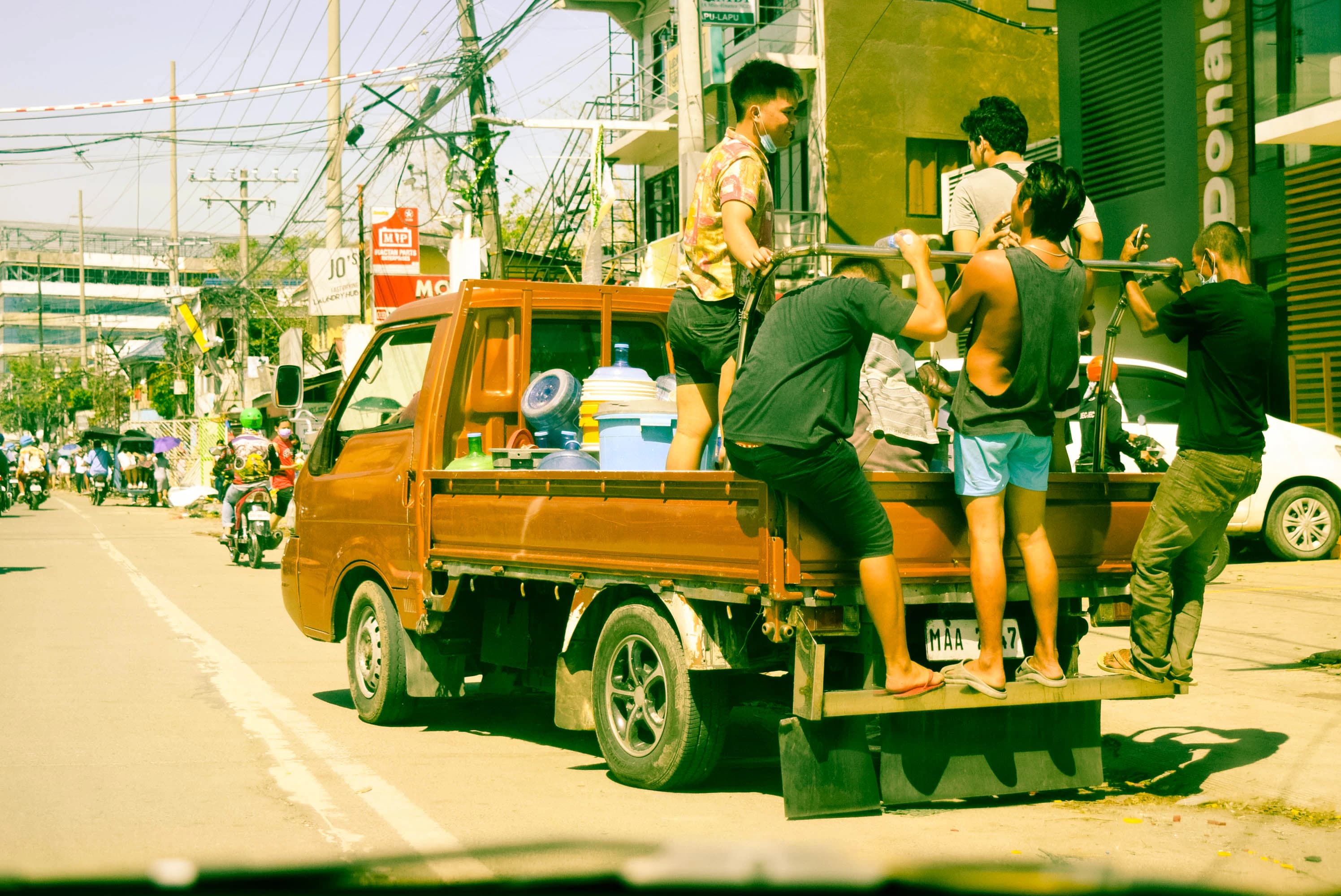
a group of people standing on the back of a truck

Cebu

Cebu is the tropical adventure paradise of the Philippines — a long island in the heart of the Visayas that combines turquoise lagoons, spectacular waterfalls, one of the most exciting underwater worlds in Southeast Asia, and the oldest European settlement in the country. The island province, with its capital Cebu City, is the second most important economic center in the Philippines after Manila and serves as an ideal starting point for island hopping in the central Visayas. Swimming with whale sharks in Oslob at the southern tip of the island is one of the most famous experiences in Southeast Asia: Every morning, the largest fish in the world (up to 12 meters long) gather in the bay, and snorkelers and divers can swim closely alongside these gentle giants. Canyoneering at Kawasan Falls in Badian is the ultimate adventure: For several hours, you jump, climb, and swim through a gorge with turquoise natural pools, ending at the three-tiered Kawasan waterfall. Moalboal on the west coast is a paradise for divers and snorkelers: The famous Sardine Run — a gigantic school of millions of sardines that circles permanently in front of Panagsama Beach — is reachable in just a few strokes from the shore. Additionally, the house reef offers turtles, coral gardens, and the diverse underwater world of the Tanon Strait, where dolphins also live. Bantayan Island, three hours northwest of Cebu City, is a tropical postcard paradise: powdery white sand, turquoise water, and coconut palms, with hardly any tourists and the friendliness of Filipinos. Sumilon Island in the south has one of the most beautiful sandbanks in the Philippines: A narrow strip of white sand surrounded by crystal-clear water that changes shape depending on the tides. Cebu City itself surprises with history: Magellan's Cross (1521), the Basilica del Santo Niño (the oldest church in the Philippines), and Fort San Pedro tell of the Spanish colonial period. The Carbon Market and street stalls offer Filipino street food in its most colorful form.

Whale SharksDivingWaterfall

Areas

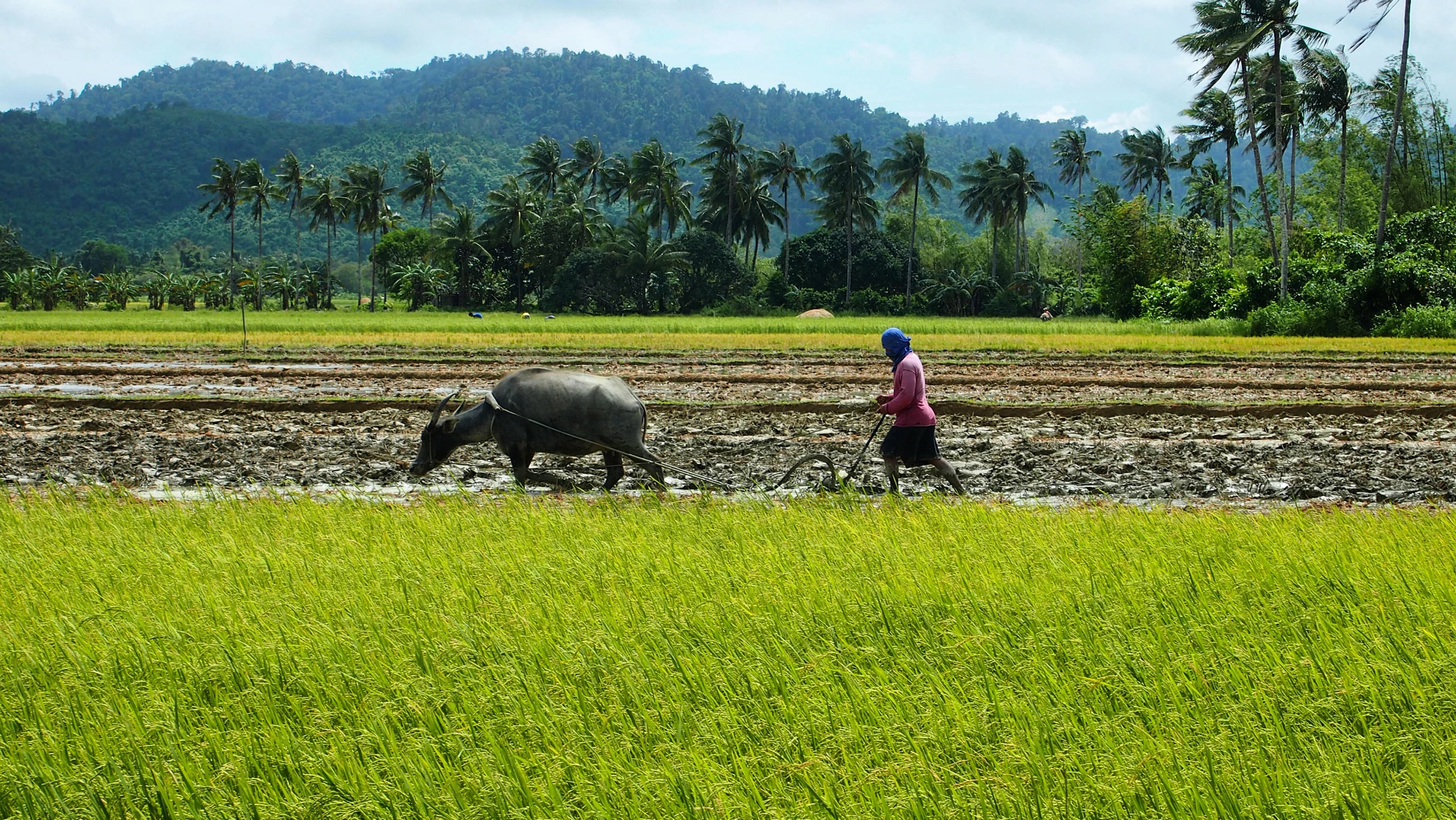
a person with a horse and a plow in a field

El Nido

El Nido at the northern tip of Palawan is what most people imagine as the perfect tropical paradise — and even more. Massive black limestone cliffs rise from crystal-clear water, hidden lagoons can only be accessed through narrow rock crevices, and white sandy beaches lie concealed between rocks that look like they are from a fantasy film. The Bacuit Archipelago off El Nido consists of 45 islands that form the heart of the experience. The famous island-hopping tours (A, B, C, and D) each explore different lagoons, beaches, and snorkeling spots. Tour A with the Big and Small Lagoon is the most popular and breathtaking — you paddle through a narrow rock crevice into a hidden lagoon with emerald green water, surrounded by towering limestone walls. The Secret Beach is a small beach hidden behind a rock wall and can only be accessed through an underwater opening — you literally swim through a hole in the rock and find a hidden beach with overhanging cliffs. Snake Island (named for its shape, not because of snakes) has a natural sandbar that connects two islands at low tide. The underwater world is equally impressive: giant sea turtles, colorful coral gardens, clownfish in anemones, and occasionally reef sharks reward snorkelers and divers. The biodiversity in the Sulu Sea is among the highest in the world. El Nido has retained its rustic charm — the streets are dusty, the power occasionally goes out, and the internet is slow. But that is exactly what makes it appealing: here, nature takes center stage, not comfort. In the evenings, you sit with a rum and cola at a beach bar, watching the sunset over the rock formations and forgetting that the rest of the world exists.

PhilippinesLagoonsIsland Hopping

Package holiday to Philippines

Compare flight & hotel at the best price.

Package holidays

Holiday apartment in Philippines

Holiday homes with more space and privacy.

Holiday flats

All accommodations

Map, package holidays & holiday homes at a glance.

All options

Complete guide for Philippines

Regions, attractions, food, routes, costs & practical tips — all in one digital guide.

Open guide
Suitable for:BeachIslandsDivingBudgetAdventure

Ready for Philippines?

Plan your Philippines holiday now with our free tools.

Plan a holiday in Philippines

Philippines is one of the most popular travel destinations in Asia, offering Beach, Islands, Diving and much more. The best time to visit Philippines is December–May (dry season), when the weather is ideal for exploration and relaxation. With a daily budget starting from 20–35€ (Budget) to 70–180€ (Luxury), Philippines is suitable for various travel budgets.

From the capital Manila, Philippines can be excellently explored. The official language is Filipino, English, and the currency is Philippine Peso (PHP). From Germany, you can reach Philippines in approx. 12–14 hours (with layover). Whether you want to try culinary highlights like Adobo, Lechon, Sinigang, visit top attractions, or simply enjoy the atmosphere: Philippines has something for every type of traveller.

Use our free travel tools to prepare your Philippines holiday perfectly. With the holiday finder, you can discover if Philippines is the right destination for you. The budget calculator helps you plan costs realistically, and with the packing list, you won't forget anything.

Suitable holiday types for Philippines:

More travel destinations in Asia:

All countries in Asia

All destinations in Asia