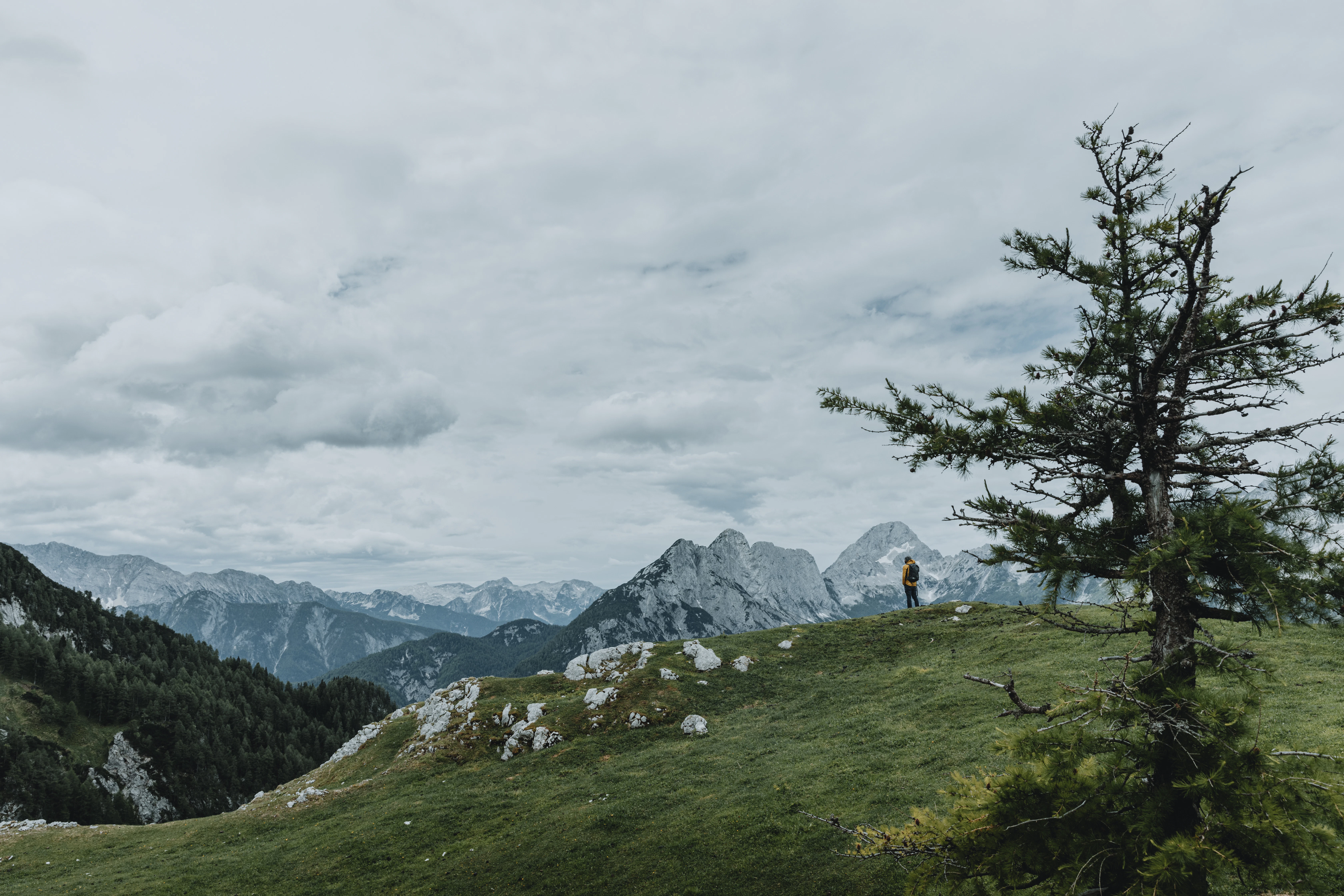
a lone tree on a grassy hill with mountains in the background
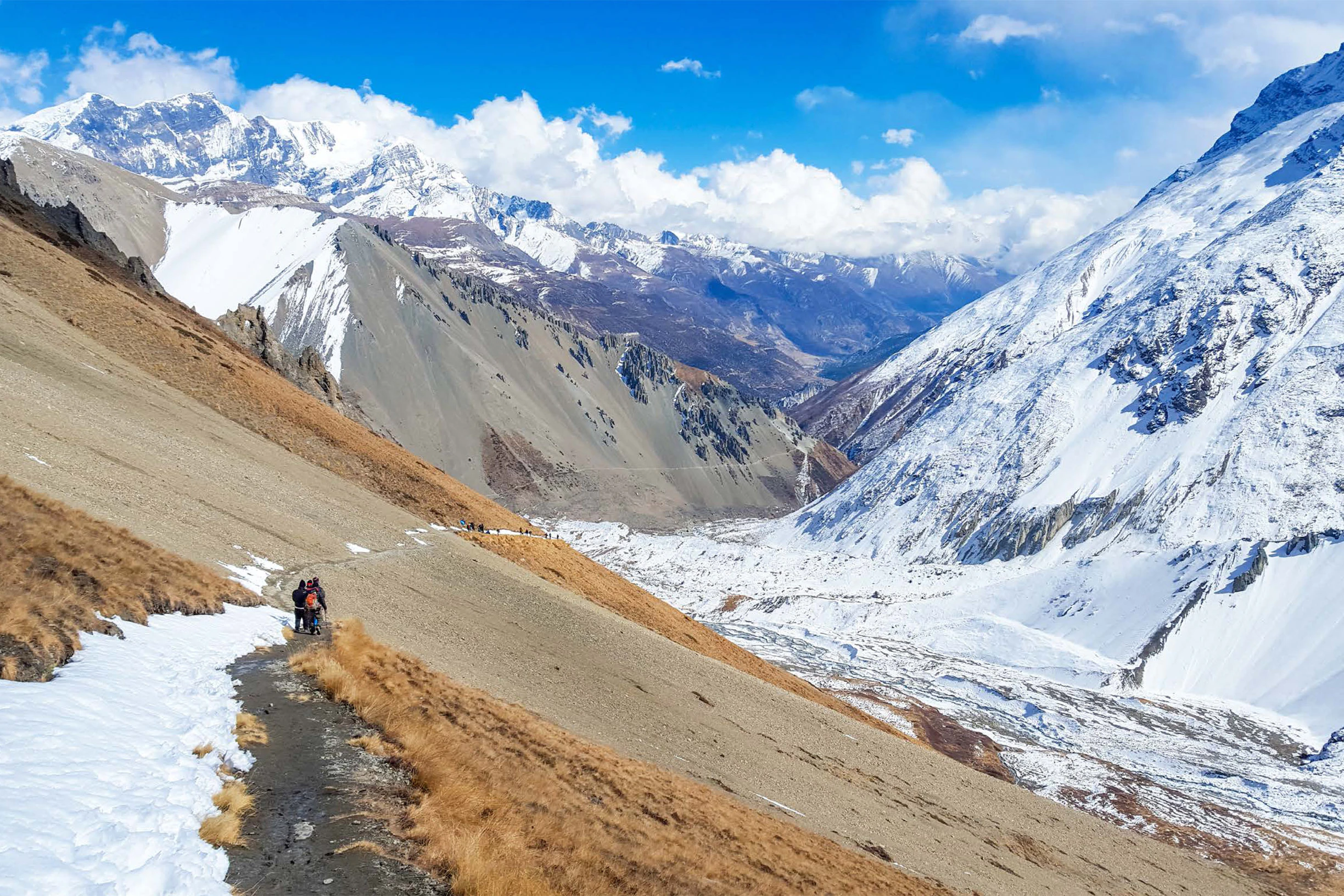
people walking on hill in distant of mountain alps
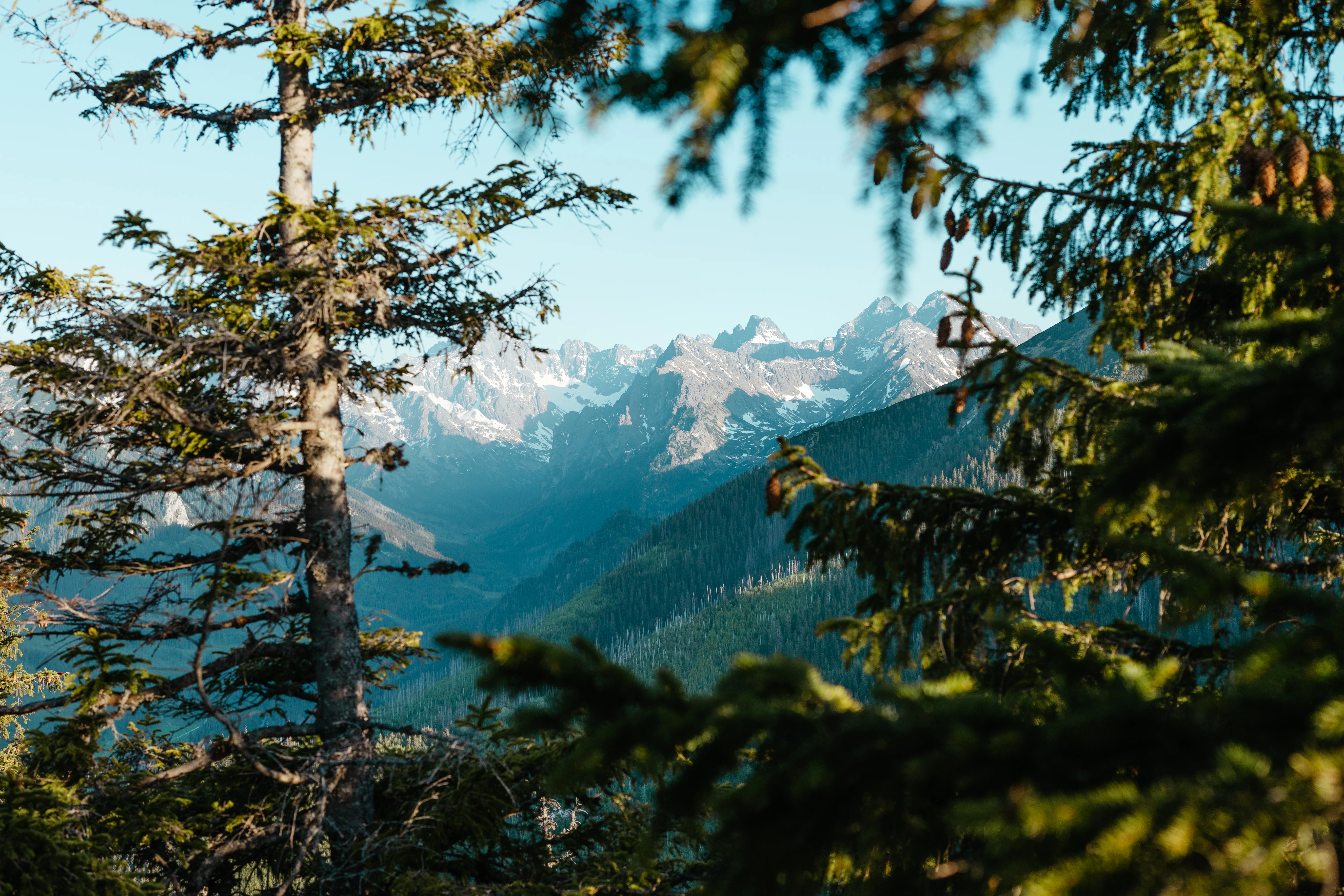
a view of a mountain range through the trees
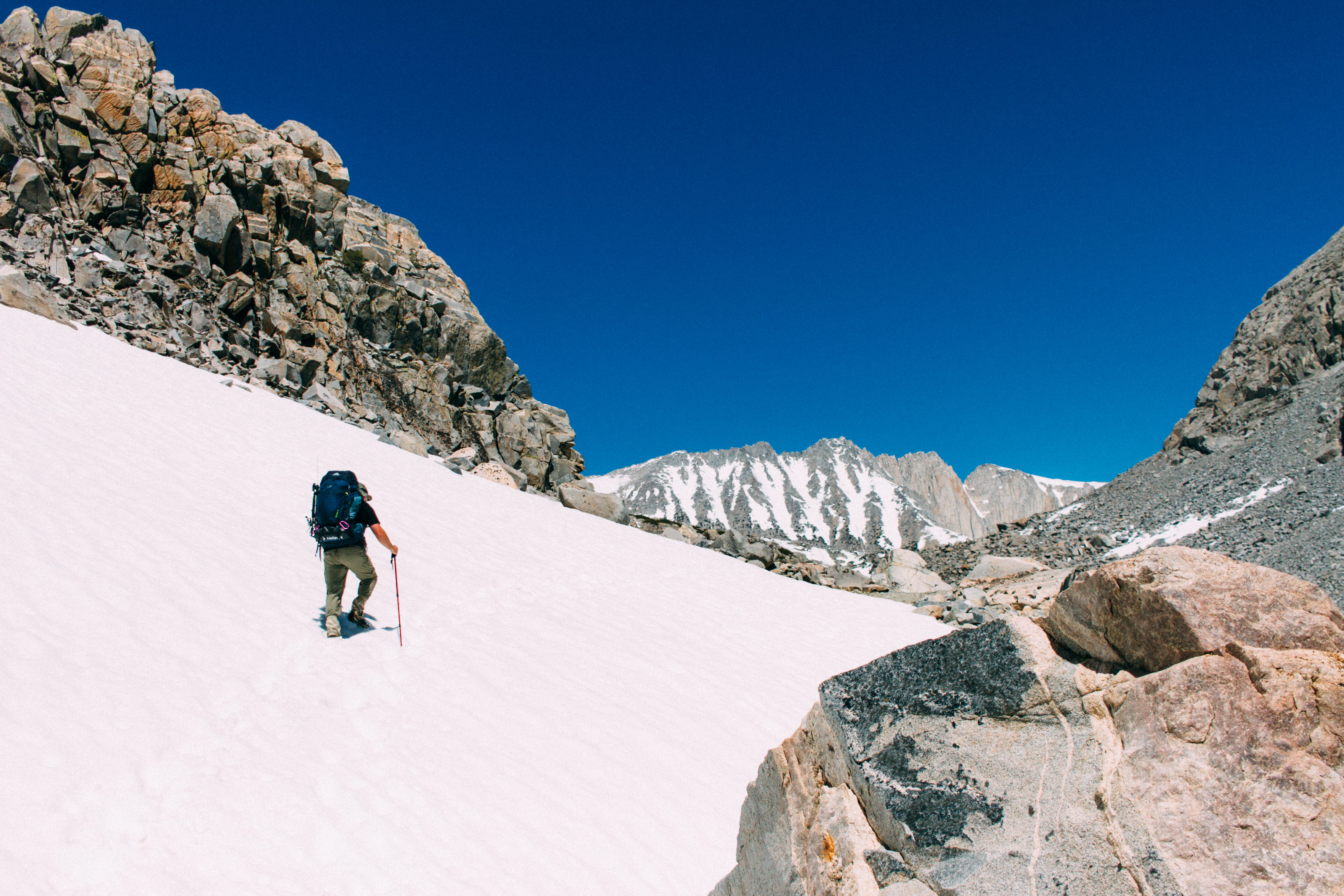
man in black jacket and blue denim jeans walking on snow covered ground during daytime
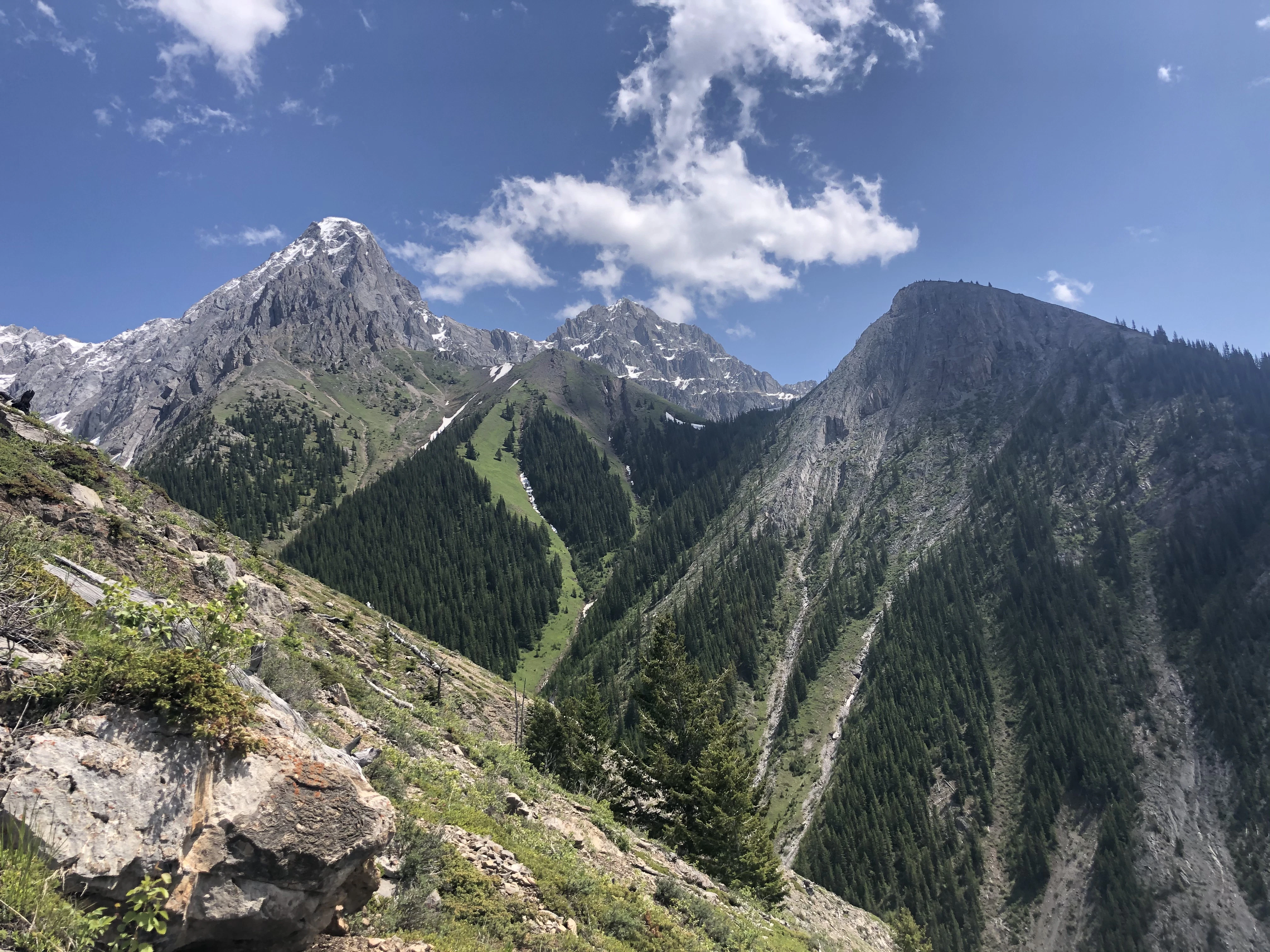
green mountains under blue sky during daytime

Adventure Holidays

Adrenaline and unforgettable experiences: From trekking in the Himalayas to canyoning in Croatia. The best destinations for adventure seekers.

Where should you go for an adventure holiday?

The best adventure destinations are Nepal for Himalayan trekking, New Zealand for bungee, canyoning and glaciers, Costa Rica for rafting and rainforest, Iceland for glacier hikes and Norway for fjord and mountain tours. Good preparation, licensed operators and travel insurance that covers outdoor activities are essential.

What is an adventure holiday?

Adventure travel means actively experiencing the world rather than just watching it. It is about leaving your comfort zone, testing physical and mental limits, and discovering places you would never see from a hotel balcony.

Adventure travel doesn't have to mean extreme sports. A multi-day hike through the Alps is just as much an adventure as a bike tour along the Danube or snorkelling a coral reef for the first time. Adventure begins where the familiar paths end.

What all adventure trips have in common: they change you. You come back with stories, not just photos. You learn something about yourself, about other cultures and about the incredible diversity of our planet. And you get that feeling that becomes addictive – the feeling of truly being alive.
Which destinations are best for adventurers?

These destinations offer adventure at its finest – from the highest mountains to the wildest coasts.

1

Nepal

South Asia

The Roof of the World

Nepal is the mecca for trekking enthusiasts. Home to the Himalayas, the highest mountain range in the world, with the legendary Mount Everest. But Nepal offers far more than just extreme heights: varied trails for every level, a fascinating culture with Buddhist temples and Hindu shrines, and a warmth of the people that is unmatched.

Best Time to Visit: October to November, March to MayBudget: From approx. €30 per dayDifficulty: Moderate to Challenging

Top Experiences:

Annapurna Circuit – one of the world's finest treks (12–21 days)
Everest Base Camp Trek – to the foot of the highest mountain (12–14 days)
Chitwan National Park – jungle safari with rhinos and tigers
Pokhara – paragliding with Himalayan panorama
Kathmandu – UNESCO World Heritage Site and vibrant city life
2

New Zealand

Oceania

Adventure Capital of the World

New Zealand is the birthplace of commercial bungee jumping and has earned its reputation as an adventure paradise. The breathtaking landscape – from glaciers to volcanoes to turquoise lakes – provides the backdrop for virtually every conceivable outdoor activity.

Best Time to Visit: November to April (Southern Hemisphere summer)Budget: From approx. €70 per dayDifficulty: Easy to Challenging

Top Experiences:

Milford Track – the finest walk in the world (4 days)
Queenstown – bungee, jet boat, skydiving in one place
Tongariro Alpine Crossing – volcanic hike through Mordor landscapes
Abel Tasman Coastal Track – kayaking and hiking along golden beaches
Fox & Franz Josef Glacier – helicopter hikes on the ice
3

Costa Rica

Central America

Pura Vida!

Small but mighty: Costa Rica packs volcanoes, cloud forests, rainforests, dream beaches on two oceans and incredible biodiversity into an area smaller than Lower Saxony. The country is a pioneer in ecotourism and offers adventure with a clear conscience.

Best Time to Visit: December to April (dry season)Budget: From approx. €50 per dayDifficulty: Easy to Moderate

Top Experiences:

Arenal Volcano – hikes and hot springs
Monteverde Cloud Forest – zip-lining above the canopy
Manuel Antonio National Park – monkeys, sloths and dream beaches
Osa Peninsula – the most biodiverse area on Earth
Rafting on the Rio Pacuare – one of the best white-water rivers worldwide
4

Iceland

Europe

Fire and Ice

In Iceland, natural forces collide like nowhere else: active volcanoes next to massive glaciers, hot geysers next to icy waterfalls, black lava beaches next to green moss landscapes. Iceland feels like another planet and is only 3 hours from Germany.

Best Time to Visit: June to August (midnight sun), September–March (Northern Lights)Budget: From approx. €100 per dayDifficulty: Moderate

Top Experiences:

Laugavegur Trek – Iceland's most famous long-distance trail (4 days)
Glacier hiking on Solheimajokull
Snorkelling in the Silfra fissure between tectonic plates
Whale watching in Husavik
Ice caves in Vatnajokull – Europe's largest glacier
5

Norway

Europe

Fjords, Northern Lights, Midnight Sun

Norway's dramatic fjord landscape was made for adventurers. The hiking trails lead along steep rock walls, across plateaux with endless vistas and to spectacular viewpoints. Add sea kayaking in the fjords, cross-country skiing in winter and the magic of the Northern Lights over the Lofoten Islands.

Best Time to Visit: June to August (hiking), November to February (Northern Lights)Budget: From approx. €90 per dayDifficulty: Moderate to Challenging

Top Experiences:

Trolltunga – Norway's most spectacular rock formation
Preikestolen (Pulpit Rock) – 600 m above the Lysefjord
Lofoten – kayaking among dramatic peaks
Hurtigruten – the most beautiful sea voyage in the world
North Cape – standing at Europe's northernmost point

What types of adventure holidays are there?

There are countless ways to experience the world adventurously. Here are the most popular categories.

Hiking & Trekking

From day hikes to multi-week long-distance trails – hiking is the most primal form of adventure. All you need is good shoes, a backpack and the will to put one foot in front of the other.

Who it's for: All fitness levels – there's a suitable tour for every level

Top spots worldwide: Annapurna Circuit (Nepal), Torres del Paine (Chile), Alpine Crossing E5 (Austria/Italy), Kungsleden (Sweden)

Climbing & Mountaineering

Whether sport climbing indoors, rock climbing or high-altitude tours in the Alps – climbing combines physical challenge with mental strength. The view from the summit is the best reward.

Who it's for: Climbers of all levels – beginner courses available everywhere

Top spots worldwide: Kalymnos (Greece), Dolomites (Italy), El Chalten (Argentina), Fontainebleau (France)

Diving & Snorkelling

The underwater world is a planet of its own, full of colours and life. Whether tropical coral reefs, wreck dives or encounters with sharks and mantas – diving opens a completely new dimension of travel.

Who it's for: Beginners can get the PADI Open Water certificate in 3–4 days

Top spots worldwide: Great Barrier Reef (Australia), Raja Ampat (Indonesia), Red Sea (Egypt), Galapagos (Ecuador)

Safari

Experience the Big Five in the wild – lion, leopard, elephant, buffalo and rhino. A safari in Africa is one of the most intense experiences you can have. You never forget the feeling of looking a lion in the eye from your vehicle.

Who it's for: Everyone – there are safaris for every budget and fitness level

Top spots worldwide: Serengeti & Ngorongoro (Tanzania), Masai Mara (Kenya), Kruger National Park (South Africa), Okavango Delta (Botswana)

How do you stay safe on an adventure holiday?

Adventure yes, recklessness no. With the right preparation you minimise risks and maximise enjoyment.

1

Research thoroughly

Before every adventure trip, find out about local conditions: weather, political situation, health risks and cultural particularities. Check travel advisories from your government.

2

Right equipment

Invest in quality equipment: good hiking boots, weatherproof clothing, first aid kit. Never skimp on gear – it can save your life in an emergency.

3

Get insured

International health insurance with repatriation cover is essential. For extreme sports you often need special additional insurance.

4

Physical preparation

Prepare physically for your adventure. For trekking in Nepal you should start endurance training months in advance.

5

Work with experienced guides

Especially in remote areas or for dangerous activities: book certified, local guides. They know the dangers and support the local economy.

6

Ensure communication

Share your itinerary with family or friends. In remote areas: take a satellite phone or GPS emergency beacon.

7

Respect nature

Leave No Trace: take your rubbish, stay on marked paths, don't disturb wildlife. Adventure travel and nature conservation must go hand in hand.

8

Acclimatise slowly

Especially for high-altitude trekking: never ascend more than 500 metres per day above 3,000 m. Altitude sickness is a serious danger.

What do I need to do before an adventure holiday?

These points should be ticked off weeks before your adventure holiday.

3 months before

  • Check passport (at least 6 months valid)
  • Apply for visa if needed
  • Discuss vaccinations with travel doctor
  • Take out international health insurance
  • Start fitness training
  • Assemble and test equipment

1 week before

  • Save digital copies of all documents
  • Share itinerary with trusted person
  • Get local currency or check card
  • Check weather at destination and pack
  • Note emergency numbers (embassy, insurance)
  • Check phone tariff or organise local SIM

Which tools help you plan?

4 free HolidayGenie tools help you plan: Holiday Finder, Budget Calculator, Packing List and Travel Roulette. They run directly in your browser and complement the destination tips on this page.

Frequently asked questions

Which destinations are best suited for an adventure holiday?

The best destinations for adventure holidays are Nepal (Himalaya trekking), New Zealand (bungee jumping, hiking, glaciers), Costa Rica (zip-lining, rafting, cloud forests), Iceland (glacier walks, volcanoes, geysers) and Norway (fjords, Trolltunga, Lofoten).

What types of adventure holidays are there?

Adventure holidays include: hiking and trekking, climbing and mountaineering, diving and snorkelling, safari as well as white-water rafting, canyoning and kayaking. Adventure travel doesn't have to be extreme – a bike tour along the Danube counts just as much.

How do I prepare for an adventure holiday?

Three months before: check passport, apply for visa, discuss vaccinations, get insurance and start fitness training. One week before: save documents digitally, share itinerary, get currency and check weather.

How much does an adventure holiday cost?

Costs vary: Nepal from €30/day, Costa Rica from €50/day, New Zealand and Norway €70-100/day, Iceland from €100/day. Budget extra for activities like guided treks (€200-500) or diving certificates (€300-400).

Are adventure holidays also suitable for beginners?

Absolutely! There are adventures for every fitness level. Beginners can start with easy hikes in the Alps, snorkelling courses in Egypt or kayaking in Sweden. Costa Rica and New Zealand offer particularly beginner-friendly adventure infrastructure.

Which other holiday types might suit you?

If you like Adventure Holidays, you may also enjoy Action Holidays, Active Holidays and Backpacking. For every holiday type we show the best destinations with travel season, budget and insider tips.

Ready for your adventure?

Discover destinations on the interactive globe or find the perfect adventure for you with the AI holiday finder.