Taiwan holiday
Travel tips, best time to visit & highlights for your Taiwan holiday in Asia
Taiwan is Asia's underrated masterpiece: The island combines breathtaking nature – from Taroko Gorge to Sun Moon Lake – with the best night markets in the world, a friendly population, and the most diverse street food scene in Asia. Taipei is a modern metropolis with the iconic Taipei 101, while the countryside surprises with hot springs, tea plantations, and indigenous culture.
Capital
Taipei
Language
Mandarin
Currency
New Taiwan Dollar (TWD)
Time zone
UTC+8
Flight time from DE
approx. 12 hours
Entry requirements
Passport (visa-free for 90 days)
Top 5 highlights in Taiwan
The places you absolutely must not miss.
Taipei 101
Taiwan's landmark and formerly the tallest building in the world – observation deck at 382 meters.
Taroko Gorge
Spectacular marble gorge with hiking trails, suspension bridges, and turquoise river – Taiwan's number one natural wonder.
Night Markets
Shilin, Raohe, and Ningxia – Taiwan's culinary soul: Hundreds of stalls with addictive street food.
Sun Moon Lake
The largest lake in Taiwan, surrounded by mountains and temples – ideal for cycling and boating.
Jiufen
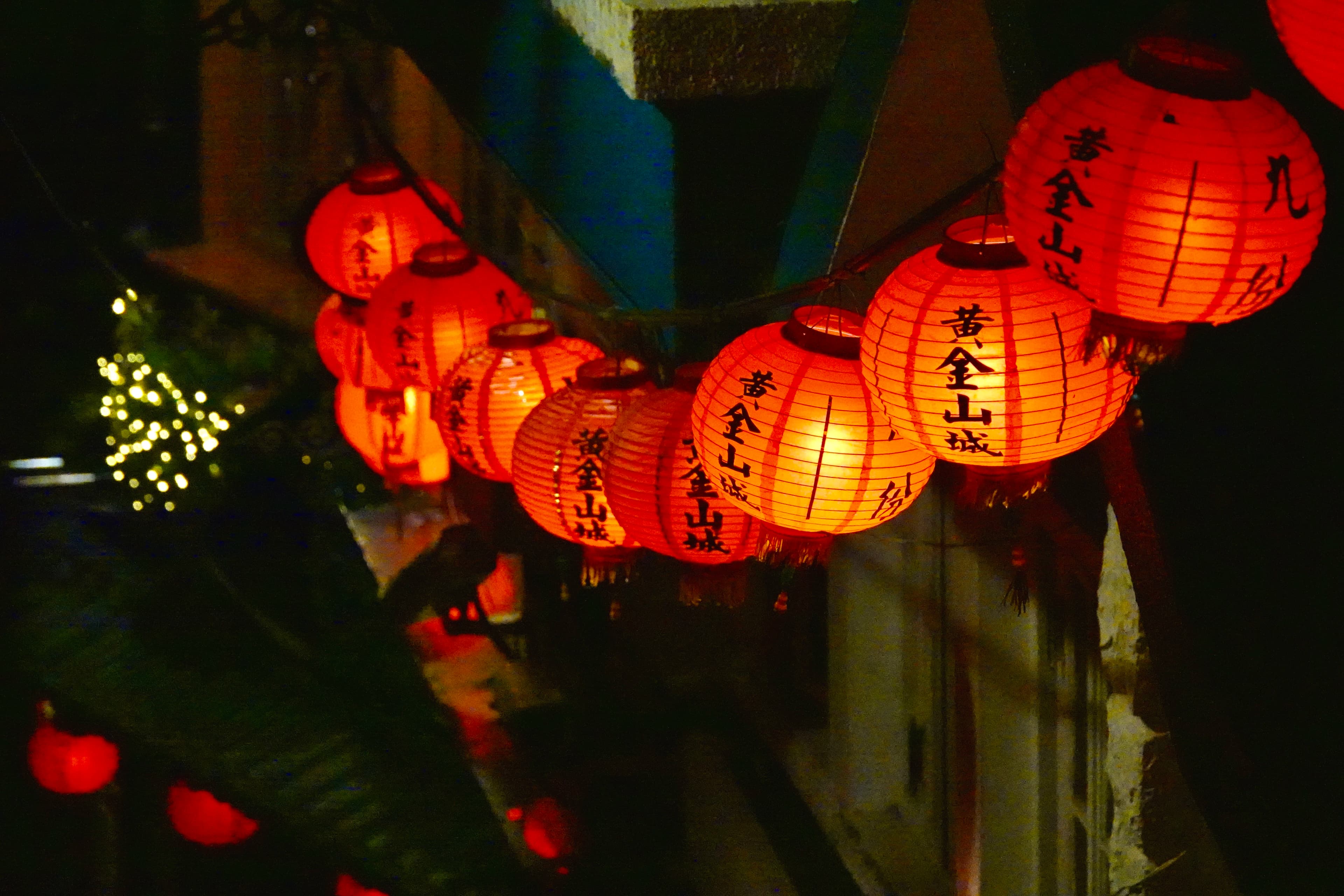
The mountain village that inspired Miyazaki's 'Spirited Away' – red lanterns, tea houses, and sea views.
Hotels in Taiwan
Vergleiche tausende Hotels, Apartments und Resorts auf Expedia – mit Bestpreis-Garantie, kostenloser Stornierung und Bonuspunkten.
* Weiterleitung zu Expedia.de. Es gelten die dortigen Nutzungsbedingungen.
Reise-SIM für Taiwan
Prepaid-SIM mit Datenvolumen für Taiwan. Einfach einlegen und sofort lossurfen – keine Roaming-Gebühren.
* Weiterleitung zu travSIM.de. Es gelten die dortigen Nutzungsbedingungen.
Reiseversicherung abschließen
Rundum-Schutz ab 9,90 € auf TravelSecure.de
Pauschalreisen & Rundreisen
Berge & Meer – 170 Tage Cookie
Best time to visit Taiwan
Recommended travel time
October–April (less rain and typhoons)
Summer
28–35°C
Winter
15–22°C
How much does a holiday in Taiwan cost?
Average cost per person per day (excluding flight)
Budget
30–50€
Hostel, street food, public transport
Mid-range
50–100€
Hotel, restaurant, excursions
Luxury
100–220€
Boutique hotel, fine dining
5 travel tips for Taiwan
Insider knowledge to make your holiday better.
Buy an EasyCard at the airport – works for MRT, buses, and convenience stores
Night markets are the best dinner – authentic and incredibly cheap
Bubble tea comes from Taiwan – definitely try the original milk tea
The east coast by train is one of the most beautiful train routes in Asia
Take off shoes in temples and observe photography bans
Food & drink in Taiwan
These dishes you must try!
Discover Taiwan
7 regions, cities and highlights in Taiwan
Cities

Jiufen
Jiufen is Taiwan's most enchanting mountain village — a labyrinthine maze of steep alleys, red lanterns, and historic teahouses clinging to the misty mountains of the north coast, inspiring Hayao Miyazaki's masterpiece Spirited Away. When the hundreds of red lanterns light up in the evening and the fog rises from the sea, Jiufen transforms into a vibrant anime scene. Jiufen Old Street (Jishan Street) is the pulsating heart of the village: a covered alley lined with stalls offering Taiwanese delicacies — steaming taro balls, peanut ice cream in crepes, stinky tofu, and fish ball soup. The alley leads to a staircase with the famous view of the stacked, lantern-lit teahouses, which has become Taiwan's most iconic photo motif. The A-Mei Tea House perches on the edge of the mountainside with panoramic views of the coast: the opulently decorated teahouse in red and gold wooden architecture is said to have served as inspiration for the bathhouse of the witch Yubaba. Here, traditional Oolong tea is served in elaborate Gongfu ceremonies. Jiufen's history as a gold mining town shapes its character: In the 19th century, the gold rush brought thousands of fortune seekers to the mountains. The Gold Museum in nearby Jinguashi tells this story and houses a 220-kilogram gold bar, the largest in the world, which visitors are allowed to touch.

Kaohsiung
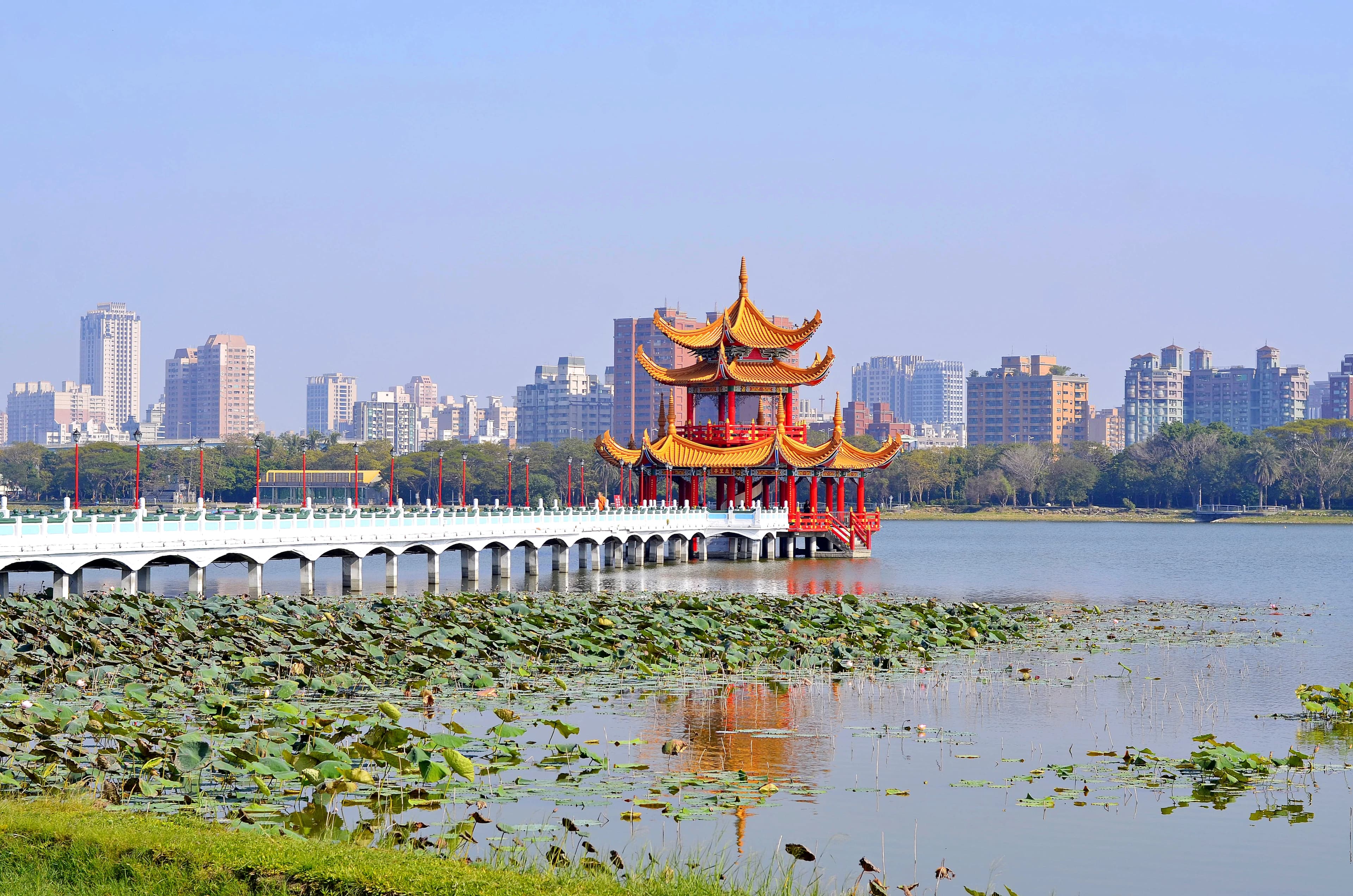
Kaohsiung is the second largest city in Taiwan and the most important port of the island. The metropolis in southern Taiwan has transformed in recent decades from an industrial city to a modern cultural center — former warehouses at the harbor now house galleries, cafes, and creative spaces. The Lotus Pond (Lianchi Tan) is Kaohsiung's most famous landmark: The artificial lake is lined with vividly decorated temples, including the Dragon and Tiger Pagodas — two towers that are entered through the mouth of a dragon and exited through that of a tiger. Next to it stands the 72-meter-high Spring and Autumn Pavilion. The scenery is particularly spectacular at sunset. Pier-2 Art Center is the vibrant art district in former harbor warehouses: Street art, installations, galleries, and creative markets attract artists and visitors. The Kaohsiung Music Center at the harbor, an architectural masterpiece, resembles a whale emerging from the water. The Liuhe Night Market is one of the most famous night markets in Taiwan: Hundreds of stalls offer seafood, local snacks, and freshly prepared dishes. Cijin Island, a nearby sandy island, can be reached by ferry in 5 minutes and offers fresh seafood right on the beach, a historic lighthouse, and the Cihou Temple. The Fo Guang Shan Monastery, 30 km northeast, is the largest Buddhist monastery in Taiwan with a 36-meter-high Buddha statue and the impressive Buddha Memorial Center.

New Taipei City
New Taipei City is the most populous city in Taiwan and surrounds the capital Taipei like a giant crescent moon. With over 4 million inhabitants, the metropolis stretches from the coast to the mountains, combining urban life with spectacular nature — from golden temple cities to misty mountain villages. Jiufen, the most famous village in the region, perches on a hillside above the Pacific and served as inspiration for the anime film Spirited Away. The narrow alleys of Jishan Street are lined with tea houses, traditional candy shops, and red lanterns that create a magical atmosphere in the evening. Shifen is famous for its waterfall — the largest in Taiwan at 20 meters high, often referred to as the little Niagara of Taiwan — and for the tradition of sky lanterns: visitors write wishes on paper lanterns and let them rise into the sky, especially impressive during the Lantern Festival in February. The Yehliu Geopark on the north coast features surreal rock formations shaped by erosion over thousands of years. The most famous rock, the Queen's Head formation, resembles an elegant female bust and is Taiwan's most photographed natural monument. The hot springs of Wulai and Beitou are among the best in Taiwan: volcanic thermal water at various temperatures, surrounded by subtropical rainforest, offers relaxation after a day full of exploration.
Taichung
Taichung is the third largest city in Taiwan and is located in the western center of the island, surrounded by mountains and fertile plains. The city is considered the cultural capital of Taiwan, combining urban creativity with traditional charm. Taichung is known for its mild climate year-round, earning it the nickname City of Eternal Spring. The Rainbow Village is one of the most extraordinary art projects in Asia: the former soldier Huang Yung-Fu, known as Rainbow Grandpa, began painting a military village slated for demolition with colorful figures and patterns starting in 2008 — thus saving it from destruction. Today, the village is an internationally recognized attraction. Taichung's night markets are among the best in Taiwan: the Fengjia Night Market is the largest night market in the country, with over 300 stalls. Here, street food stands, game booths, and fashion boutiques line up — a feast for all senses that pulses daily until after midnight. The National Taichung Theater, designed by Japanese star architect Toyo Ito, is an architectural masterpiece with flowing, cave-like forms. The Miyahara ice cream parlor, housed in a restored Japanese colonial eye clinic, combines historic architecture with creative ice cream flavors and elaborately packaged sweets. The Gaomei Wetland by the sea offers a spectacular backdrop at sunset: wind turbines, mudflats, and an endless horizon make it one of the most romantic places in Taiwan.

Tainan
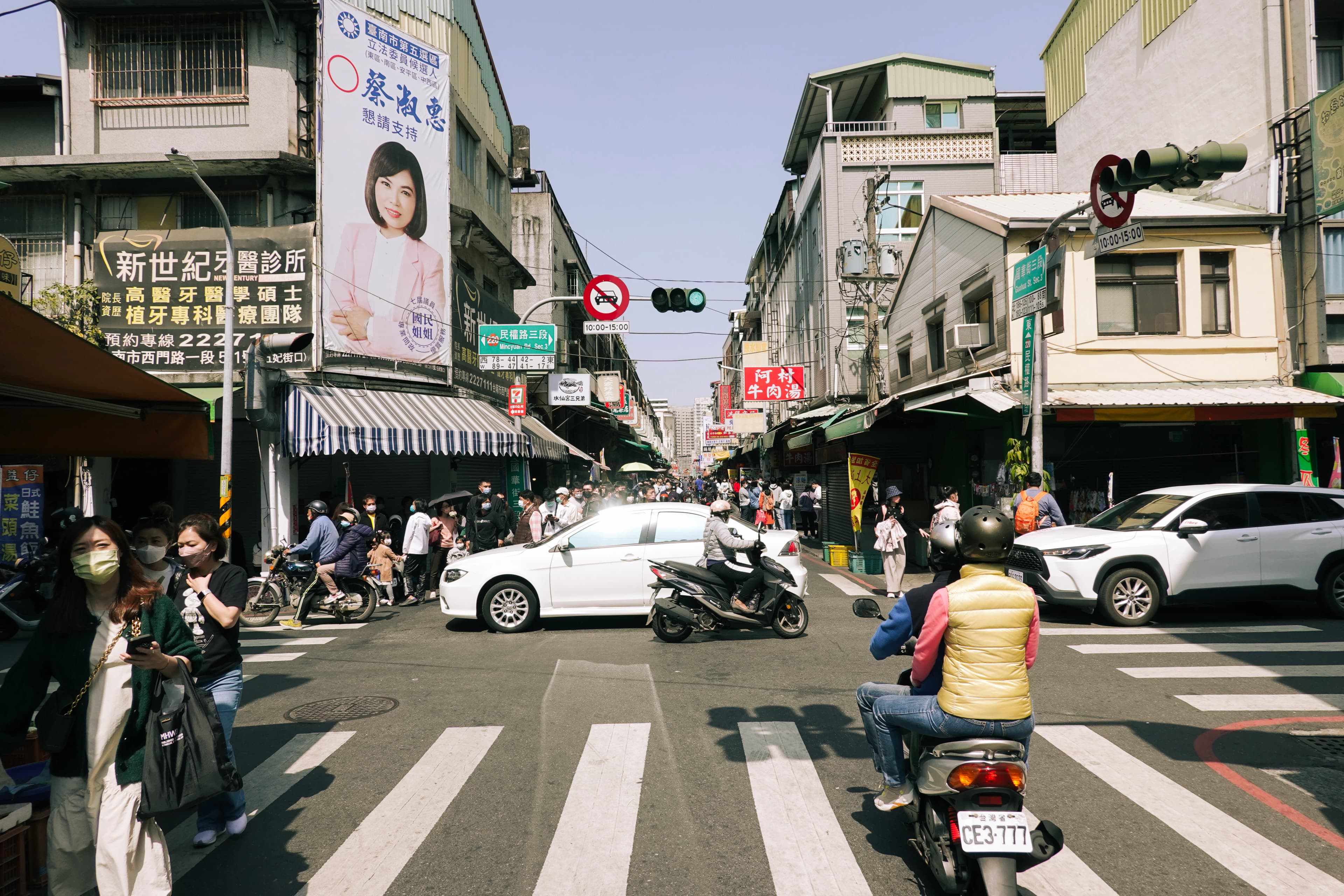
Tainan is the oldest city in Taiwan and was the capital of the island from 1624 to 1887. The city in the southwest of Taiwan is the cultural and religious heart of the country with over 1,600 temples — more than any other Taiwanese city. Tainan is often referred to as the cradle of Taiwanese culture and cuisine. The Chihkan Tower (Fort Provintia), built by the Dutch in 1653, and Anping Fort, the oldest European fortress in Taiwan (1624), testify to the colonial past under Dutch, Spanish, Japanese, and Chinese rule. The historic old town is a vibrant open-air museum. Tainan is the culinary capital of Taiwan: the city is famous for dishes such as Danzai noodles, Coffin Bread, and Milkfish soup. The Shennong Street Market and the alleys around the Confucius Temple are foodie paradises with dozens of small family restaurants that have preserved the same recipes for generations. The Confucius Temple of Tainan, founded in 1665, is the oldest Confucius temple in Taiwan and a symbol of education and tradition. The Blüprint Cultural & Creative Park transforms a former military depot into a creative space for art and design. The Sicao Green Tunnel, a waterway surrounded by mangroves, resembles a small Amazon and can be explored by boat. The Taijiang National Park protects unique lagoons and salt fields along the coast.

Taipei
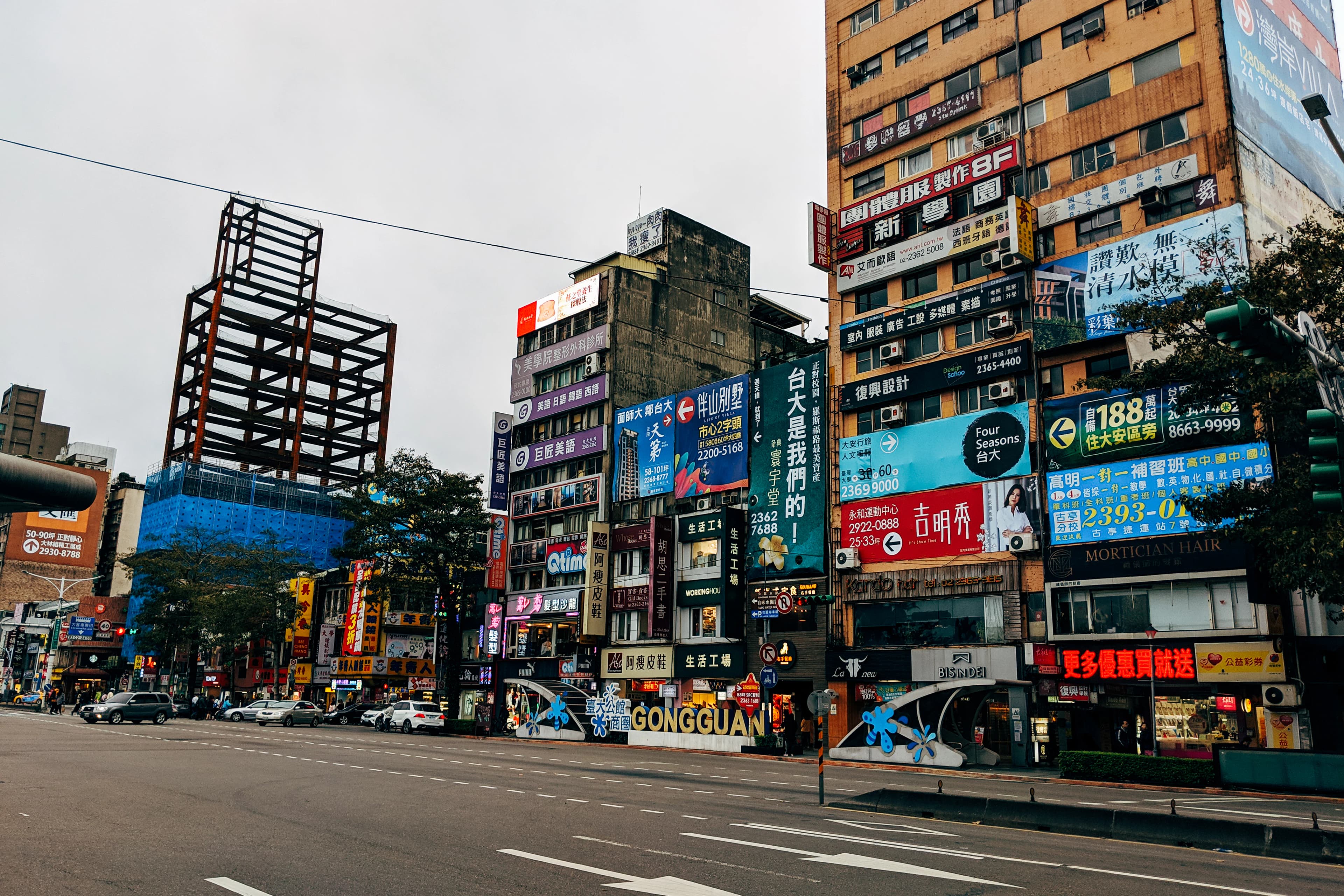
Taipei, the capital of Taiwan, is one of the most underrated metropolises in Asia — a city that delights with warm hospitality, one of the best street food scenes in the world, and a fascinating mix of Chinese tradition, Japanese influence, and modern innovation culture. The 508-meter tall Taipei 101, once the tallest building in the world, dominates the skyline and offers breathtaking views from its observation deck. The night markets are Taipei's culinary soul: The Shilin Night Market, the largest in the city, offers endless stalls of Stinky Tofu, Bubble Tea (invented here in the 1980s), Oyster Omelettes, and hundreds of other specialties. The Raohe Night Market and Ningxia Night Market are smaller but more popular with locals. Taiwan's food culture has been recognized by the Michelin Guide jury as one of the most diverse in Asia. The National Palace Museum houses the largest collection of Chinese art in the world — over 700,000 artifacts brought by the Kuomintang during their flight from the mainland. The hot springs in the Beitou district offer Japanese-inspired bathing enjoyment, and the Elephant Mountain hiking trail is the best free viewpoint of Taipei 101 and the city. Maokong, a tea-growing area on the outskirts, can be reached by gondola. October to March offers the most pleasant temperatures.
Taipei
Taipei is one of the most exciting metropolises in Asia — a city where ancient temples stand alongside futuristic skyscrapers, steaming night markets coexist with Michelin restaurants, and subtropical mountains reach right to the city limits. The capital of Taiwan combines Chinese tradition, Japanese influences from the colonial era, and an energetic modernity into a unique identity. Taipei 101, until 2007 the tallest building in the world, rises 508 meters into the sky and is a landmark of the city with its bamboo shoot architecture. The observation deck on the 89th floor offers a 360-degree panorama over the Taipei Basin to the surrounding mountains. Inside, a 660-ton damper pendulum swings, stabilizing the building during typhoons and earthquakes. The night markets are the soul of Taipei: The Shilin Night Market, the largest in the city, spans several city blocks and offers hundreds of stalls with street food ranging from Stinky Tofu to Bubble Tea to giant fried chicken legs. The Raohe Night Market is smaller and more authentic, while the Ningxia Night Market focuses on traditional Taiwanese cuisine. The hot springs of Beitou in the north of the city provide a unique experience: volcanically heated sulfur water feeds public and private baths in a green mountainous landscape — reachable in 30 minutes by MRT from downtown. The Beitou Hot Spring Museum, located in a Japanese colonial building, documents the bathing culture since 1913. Longshan Temple, founded in 1738, is the oldest and most impressive temple in Taipei: Buddhist, Taoist, and Confucian deities are worshipped together here. The scent of incense sticks, the murmuring of prayers, and the intricate dragon carvings create an atmosphere of deep spirituality.
Complete guide for Taiwan
Regions, attractions, food, routes, costs & practical tips — all in one digital guide.
Open guideReady for Taiwan?
Plan your Taiwan holiday now with our free tools.
Plan a holiday in Taiwan
Taiwan is one of the most popular travel destinations in Asia, offering Food, Nature, Culture and much more. The best time to visit Taiwan is October–April (less rain and typhoons), when the weather is ideal for exploration and relaxation. With a daily budget starting from 30–50€ (Budget) to 100–220€ (Luxury), Taiwan is suitable for various travel budgets.
From the capital Taipei, Taiwan can be excellently explored. The official language is Mandarin, and the currency is New Taiwan Dollar (TWD). From Germany, you can reach Taiwan in approx. 12 hours. Whether you want to try culinary highlights like Beef Noodle Soup, Bubble Tea, Xiaolongbao, visit top attractions, or simply enjoy the atmosphere: Taiwan has something for every type of traveller.
Use our free travel tools to prepare your Taiwan holiday perfectly. With the holiday finder, you can discover if Taiwan is the right destination for you. The budget calculator helps you plan costs realistically, and with the packing list, you won't forget anything.
Suitable holiday types for Taiwan:
More travel destinations in Asia:
All countries in Asia