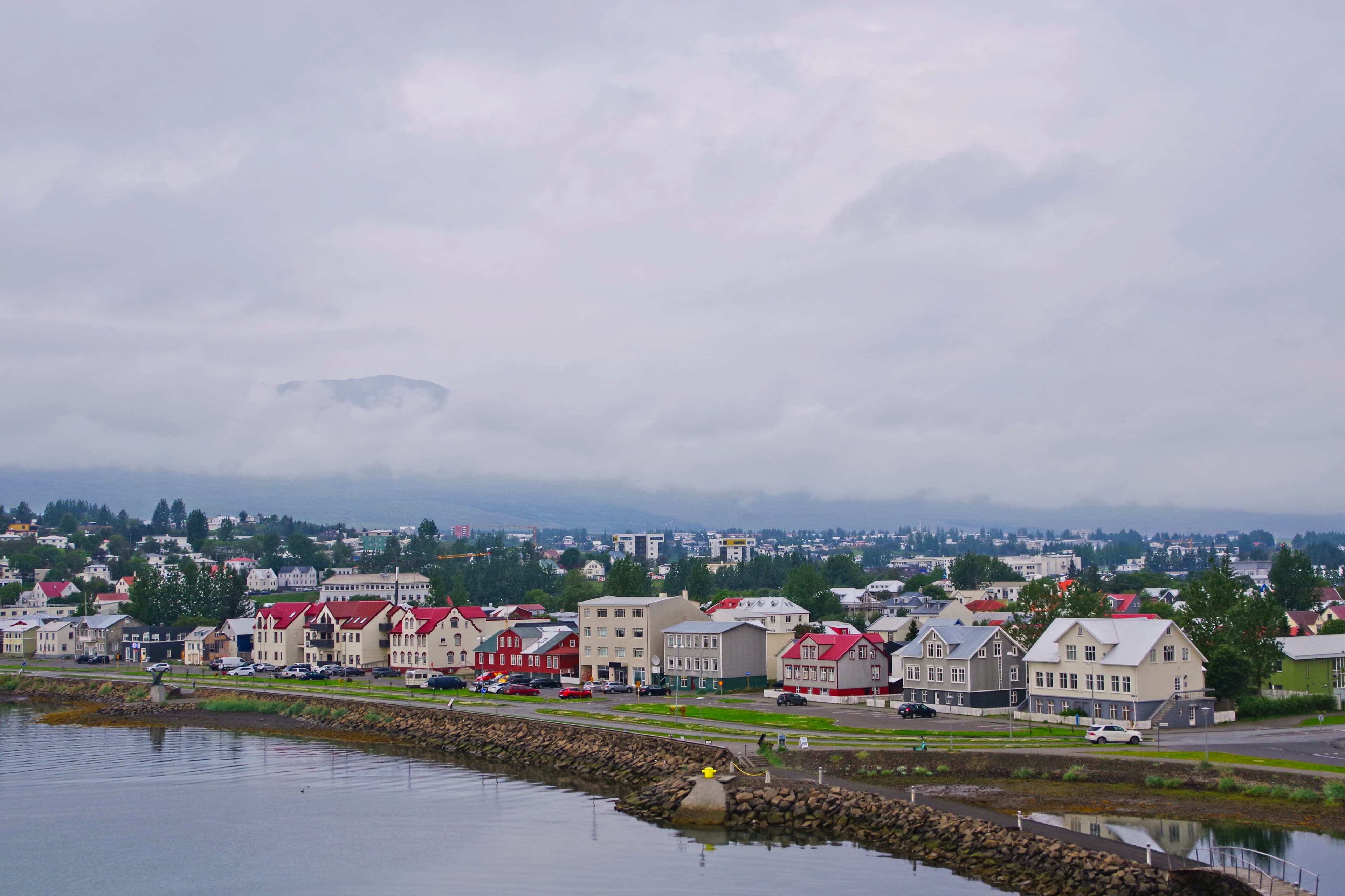
Iceland holiday
Travel tips, best time to visit & highlights for your Iceland holiday in Europe
Iceland is the island of fire and ice – nowhere else will you find such a density of natural wonders. Geysers, waterfalls, glaciers, volcanoes, hot springs, and in winter, the magical Northern Lights.
Capital
Reykjavík
Language
Icelandic
Currency
Icelandic Króna (ISK)
Time zone
UTC+0
Flight time from DE
approx. 3.5 hours
Entry requirements
Identity card (Schengen)
Deals for Iceland:
Which hotels in Iceland are recommended?
Selected hotels and holiday accommodations in Iceland — with images, reviews, and direct booking links with our partners.
Grandi by Center Hotels
Reykjavík, Island
Hotel Apotek
Reykjavík, Island
Fosshotel Glacier Lagoon
Hof, Island
Siglo Hotel
Siglufjörður, Island
Fosshotel Reykjavik
Reykjavík, Island
Hotel Keflavik
Keflavík, Island
Hilton Reykjavik Nordica
Reykjavík, Island
Centerhotel Midgardur
Reykjavík, Island
What are the highlights of Iceland?
The best-known highlights of Iceland include Golden Circle, Blue Lagoon, Jökulsárlón, Northern Lights, Landmannalaugar.
The places you absolutely must not miss.
Golden Circle
Þingvellir, Geysir Strokkur, and Gullfoss waterfall – Iceland's classics in one day.
Blue Lagoon
Milky-blue thermal water in black lava – the most iconic bath in the world.
Jökulsárlón
Glacier lagoon with floating icebergs and the nearby Diamond Beach.
Northern Lights
From September to March, the Aurora Borealis dances across the Icelandic night sky.
Landmannalaugar
Colorfully striped rhyolite mountains and hot springs – a hiker's paradise in the highlands.
Hotels in Iceland
Compare thousands of hotels, apartments and resorts on Expedia – with price guarantee, free cancellation and reward points.
* You will be redirected to Expedia.de. Their terms of use apply.
Reise-SIM für Iceland
Prepaid-SIM mit Datenvolumen für Iceland. Einfach einlegen und sofort lossurfen – keine Roaming-Gebühren.
* Weiterleitung zu travSIM.de. Es gelten die dortigen Nutzungsbedingungen.
Reiseversicherung abschließen
Rundum-Schutz ab 9,90 € auf TravelSecure.de
Pauschalreisen & Rundreisen
Berge & Meer – 170 Tage Cookie
When is the best time to visit Iceland?
The best time to visit Iceland is June–August (Midnight sun), Jan–March (Northern Lights). In summer: 10–15°C. In winter: -2–5°C.
Recommended travel time
June–August (Midnight sun), Jan–March (Northern Lights)
Summer
10–15°C
Winter
-2–5°C
How much does a holiday in Iceland cost?
A holiday in Iceland costs roughly 100–150€ per person per day (excluding flights) on a budget, 150–250€ mid-range and 250–500€ for luxury travel.
Average cost per person per day (excluding flight)
Budget
100–150€
Hostel, street food, public transport
Mid-range
150–250€
Hotel, restaurant, excursions
Luxury
250–500€
Boutique hotel, fine dining
How long is the flight from Germany to Iceland?
From Germany you reach Iceland in approx. 3.5 hours.
What travel tips are there for Iceland?
Insider knowledge to make your holiday better.
Always dress in layers – the weather changes constantly
A 4x4 is mandatory for highland roads (F-roads)
Food in Iceland is expensive – use Bonus/Krónan supermarkets
Hot springs are available everywhere for free (not just Blue Lagoon)
The Ring Road (Route 1) requires at least 7-10 days
What do people eat in Iceland?
Typical dishes in Iceland are Plokkfiskur, Skyr, Icelandic Lamb, Pylsa (Hot Dog), Rúgbrauð, Harðfiskur.
These dishes you must try!
Which regions and places in Iceland are worth visiting?
4 regions, cities and highlights in Iceland
Cities
Akureyri
Akureyri is the capital of North Iceland and with around 19,000 inhabitants, it is the second-largest city in the country, located at the end of the picturesque Eyjafjörður, the …
Ísafjörður
Ísafjörður, the "capital of the Westfjords", dramatically lies on a sandbank in the innermost corner of Skutulsfjörður, surrounded by snow-capped mountains and is the starting …
Reykjavik
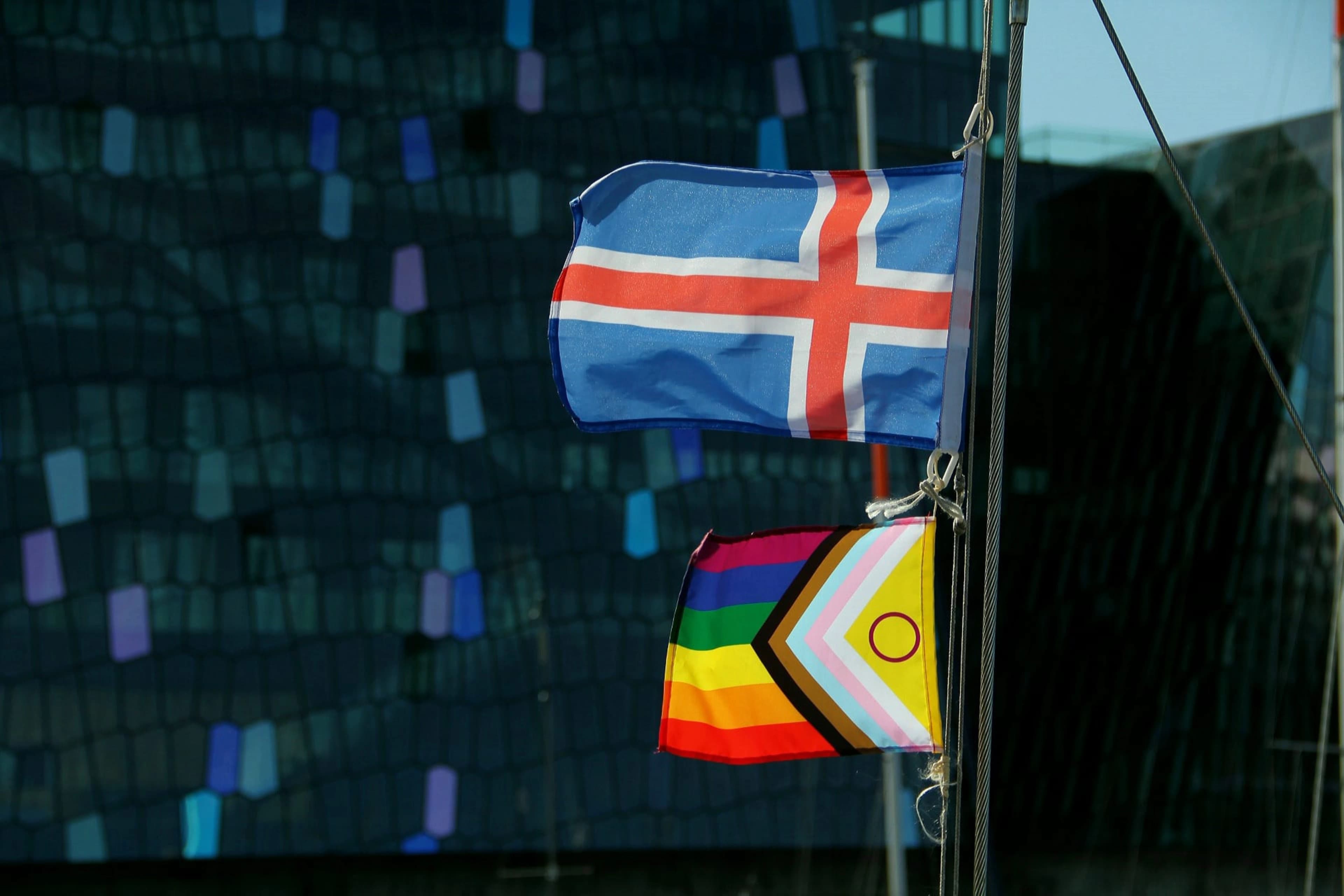
Reykjavik, the northernmost capital in the world, is a charming small city with big city ambitions: Colorful corrugated iron houses, a vibrant music and art scene, innovative …
Vík í Mýrdal
Vík í Mýrdal is Iceland's southernmost village and one of the most dramatic places on the island, where pitch-black lava beaches meet the roaring Atlantic waves. The famous …
Complete guide for Iceland
Regions, attractions, food, routes, costs & practical tips — all in one digital guide.
Open guideReady for Iceland?
Plan your Iceland holiday now with our free tools.
How do I plan a holiday in Iceland?
Iceland is one of the most popular travel destinations in Europe, offering Nature, Adventure, Northern Lights and much more. The best time to visit Iceland is June–August (Midnight sun), Jan–March (Northern Lights), when the weather is ideal for exploration and relaxation. With a daily budget starting from 100–150€ (Budget) to 250–500€ (Luxury), Iceland is suitable for various travel budgets.
From the capital Reykjavík, Iceland can be excellently explored. The official language is Icelandic, and the currency is Icelandic Króna (ISK). From Germany, you can reach Iceland in approx. 3.5 hours. Whether you want to try culinary highlights like Plokkfiskur, Skyr, Icelandic Lamb, visit top attractions, or simply enjoy the atmosphere: Iceland has something for every type of traveller.
Use our free travel tools to prepare your Iceland holiday perfectly. With the holiday finder, you can discover if Iceland is the right destination for you. The budget calculator helps you plan costs realistically, and with the packing list, you won't forget anything.
Suitable holiday types for Iceland:
More travel destinations in Europe:
All countries in Europe