a beach with people and umbrellas
🇵🇹

Portugal holiday

Travel tips, best time to visit & highlights for your Portugal holiday in Europe

Portugal is the underrated star of Europe: spectacular Atlantic coasts, warm people, fantastic food and wine – all at a value that is unmatched in Western Europe.

Capital

Lisbon

Language

Portuguese

Currency

Euro (€)

Time zone

UTC+0

Flight time from DE

about 3 hours

Entry requirements

EU identity card

Top hotels & accommodations in Portugal

Selected hotels and holiday accommodations in Portugal — with images, reviews, and direct booking links with our partners.

Top 5 highlights in Portugal

The places you absolutely must not miss.

1

Lisbon

Yellow trams, Fado music, Pastéis de Nata, and views from the Miradouros.

2

Algarve

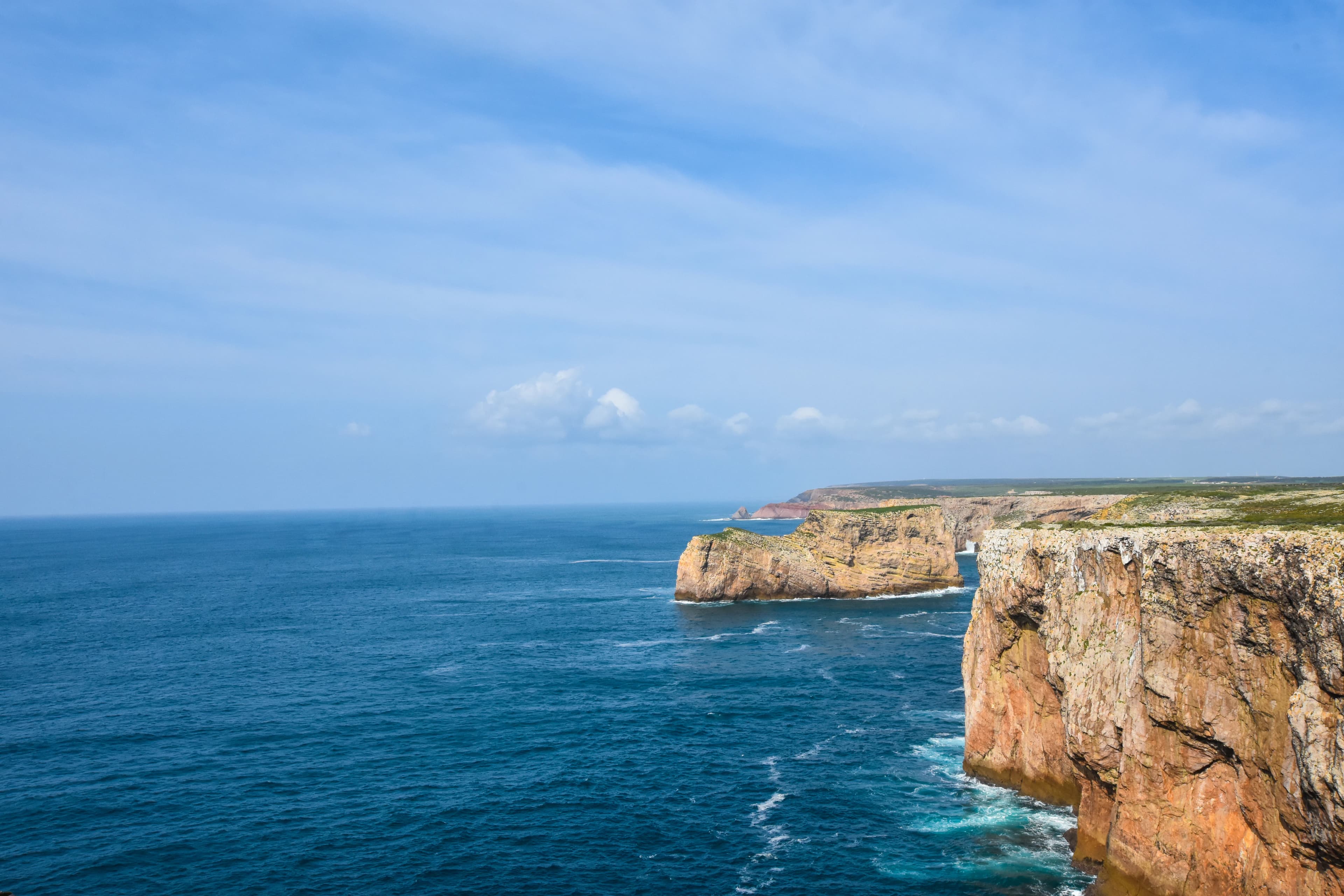
300 sunny days, golden beaches, bizarre rock formations, and hidden caves.

3

Porto

The port wine city: Ribeira, Livraria Lello, Dom Luís Bridge, and Francesinha.

4

Madeira

Flower island in the Atlantic: Levada hikes, eternal spring, and dramatic cliffs.

5

Sintra

Fairytale palaces in mystical forests, just 30 minutes from Lisbon.

Hotels in Portugal

Vergleiche tausende Hotels, Apartments und Resorts auf Expedia – mit Bestpreis-Garantie, kostenloser Stornierung und Bonuspunkten.

Über 700.000 Hotels
Kostenlose Stornierung
Bestpreis-Garantie
Hotels in Portugal vergleichen

* Weiterleitung zu Expedia.de. Es gelten die dortigen Nutzungsbedingungen.

Reiseversicherung abschließen

Rundum-Schutz ab 9,90 € auf TravelSecure.de

Pauschalreisen & Rundreisen

Berge & Meer – 170 Tage Cookie

Best time to visit Portugal

Recommended travel time

May–October

Summer

25–32°C

Winter

10–16°C

How much does a holiday in Portugal cost?

Average cost per person per day (excluding flight)

🎒

Budget

40–65€

Hostel, street food, public transport

🏨

Mid-range

65–120€

Hotel, restaurant, excursions

🌟

Luxury

120–250€

Boutique hotel, fine dining

5 travel tips for Portugal

Insider knowledge to make your holiday better.

Pastéis de Nata warm from the bakery – a must!

Take tram 28 in Lisbon early in the morning (fewer tourists)

Renting a car in the Algarve is highly recommended

An evening of Fado in Alfama is an unforgettable experience

Portugal has excellent and affordable wine

Food & drink in Portugal

These dishes you must try!

Pastéis de Nata
Bacalhau
Francesinha
Cataplana
Bifana
Vinho Verde

Discover Portugal

38 regions, cities and highlights in Portugal

Cities

a beach with people and umbrellas

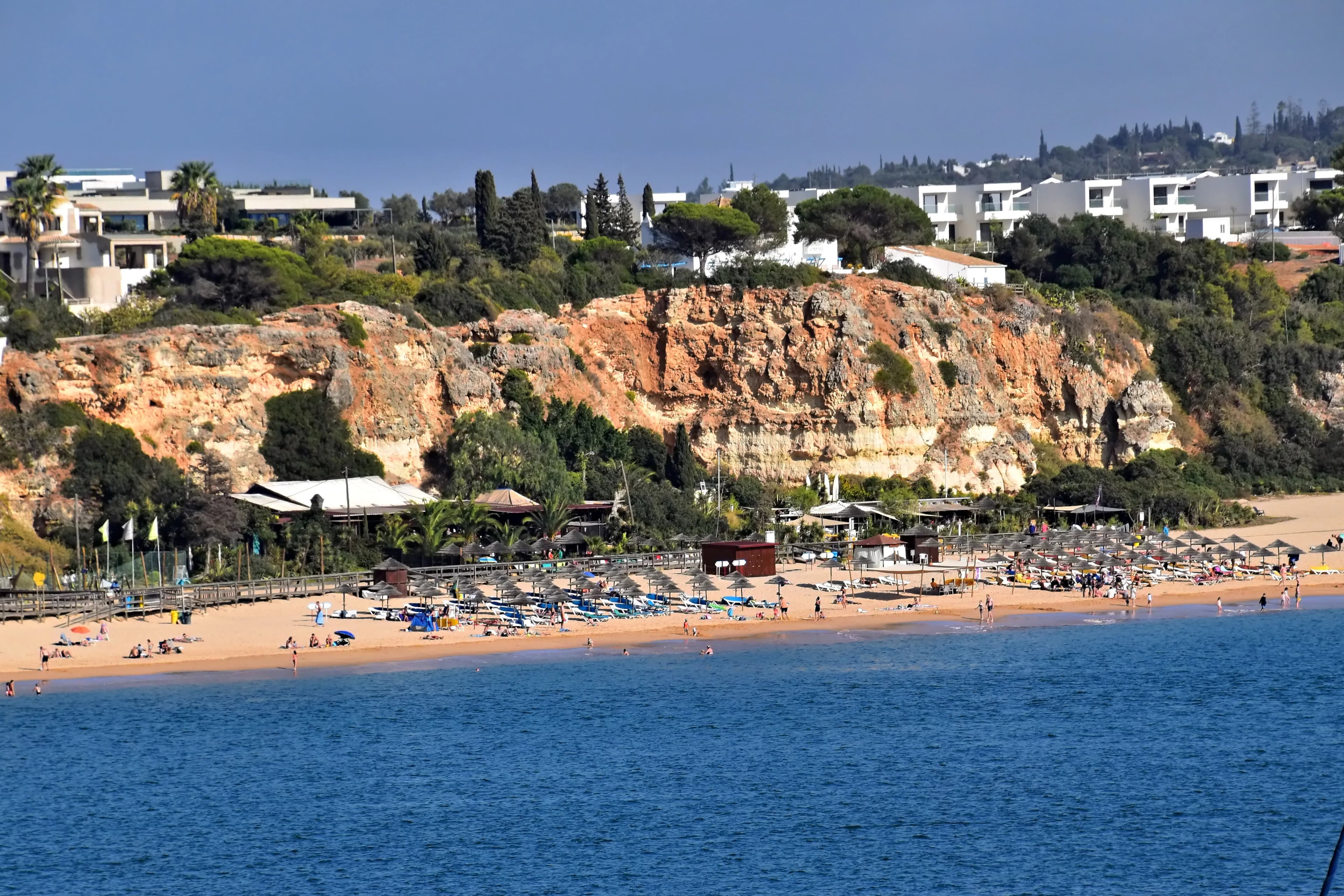
Albufeira

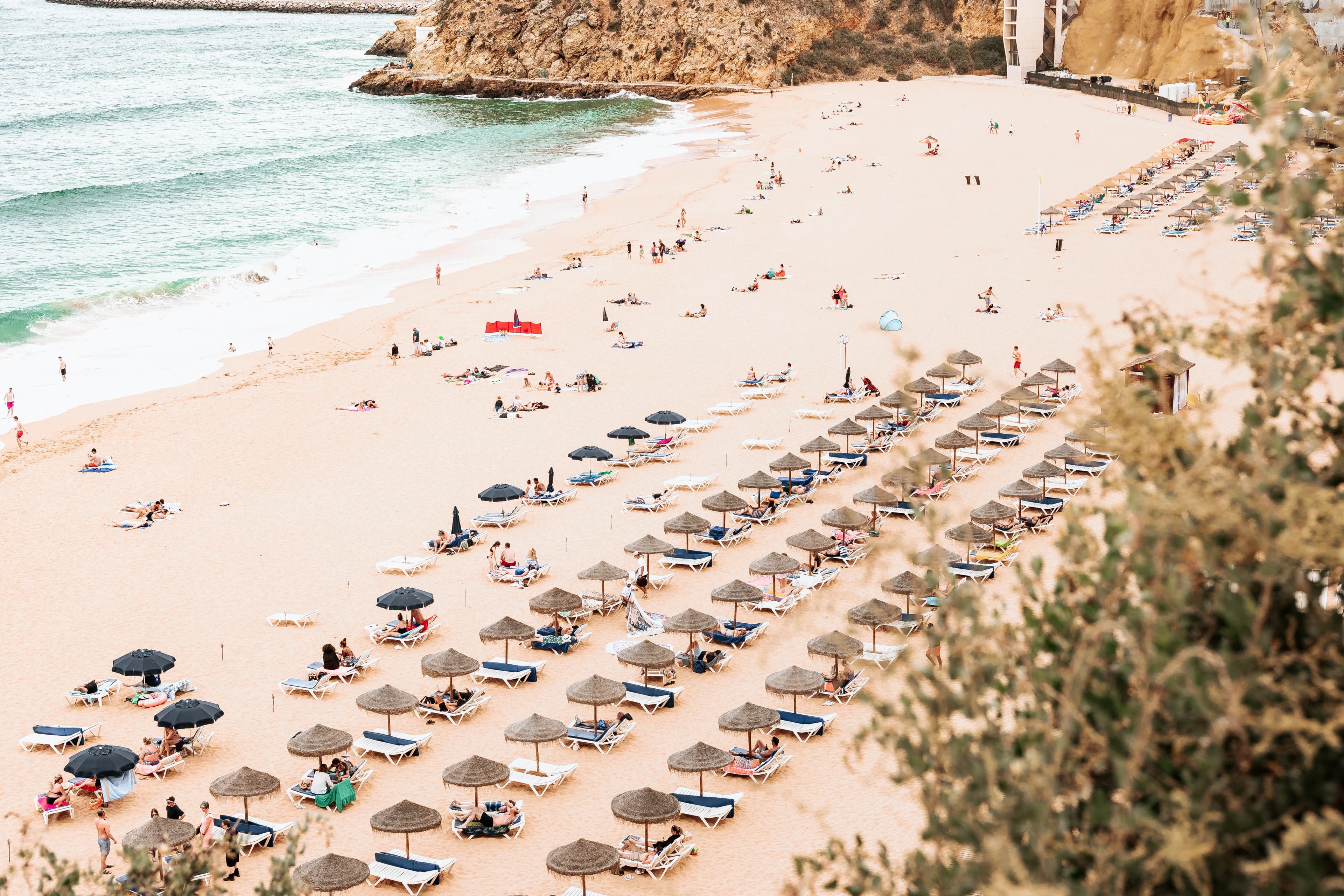
Albufeira is the vibrant heart of the Algarve, combining like few other places on the Portuguese southern coast stunning sandy beaches, a lively nightlife, and the authenticity of a former fishing village. The city in Central Algarve has transformed from a sleepy coastal town into the most popular holiday destination in southern Portugal, without completely losing its charm. The whitewashed old town with its steep alleys, Moorish arches, and tiled facades still reminds visitors of the historic fishing village. The old town of Albufeira, which stretches over a hill above the main beach Praia dos Pescadores, is a labyrinth of narrow, cobblestone streets leading to small squares with restaurants and bars. Rua São Gonçalo de Lagos and the adjacent streets form the nightlife district, where from June to September the nightlife ranges from discreet wine bars to loud clubs. The notorious Strip - a street full of bars and nightclubs just outside the center - mainly attracts a young British crowd and offers a party atmosphere until the early hours of the morning. However, Albufeira's true strength lies in its beaches. There are over 20 sandy beaches in the area, ranging from wide, well-equipped main beaches to hidden rocky coves that can only be accessed via stairs in the cliffs. Praia da Falésia, east of the city, impresses with its dramatic red-orange sandstone cliffs stretching over six kilometers - one of the most spectacular beaches in Europe. Praia de São Rafael and Praia da Coelha are smaller rocky coves with turquoise waters that invite snorkeling. Boat tours along the Algarve coast start from the Albufeira Marina and lead to the famous rock formations, caves, and the legendary Benagil Cave with its sky window. Dolphin watching tours are another highlight - the coast off Albufeira is home to one of the largest dolphin populations in Europe. From Germany, it takes about three hours to fly to Faro, and Albufeira can be reached in 40 minutes. The mild Algarve climate with over 300 sunny days a year makes Albufeira a worthwhile destination even in the off-season.

AlgarveBeachParty
palm tree near white and red building during daytime

Cascais

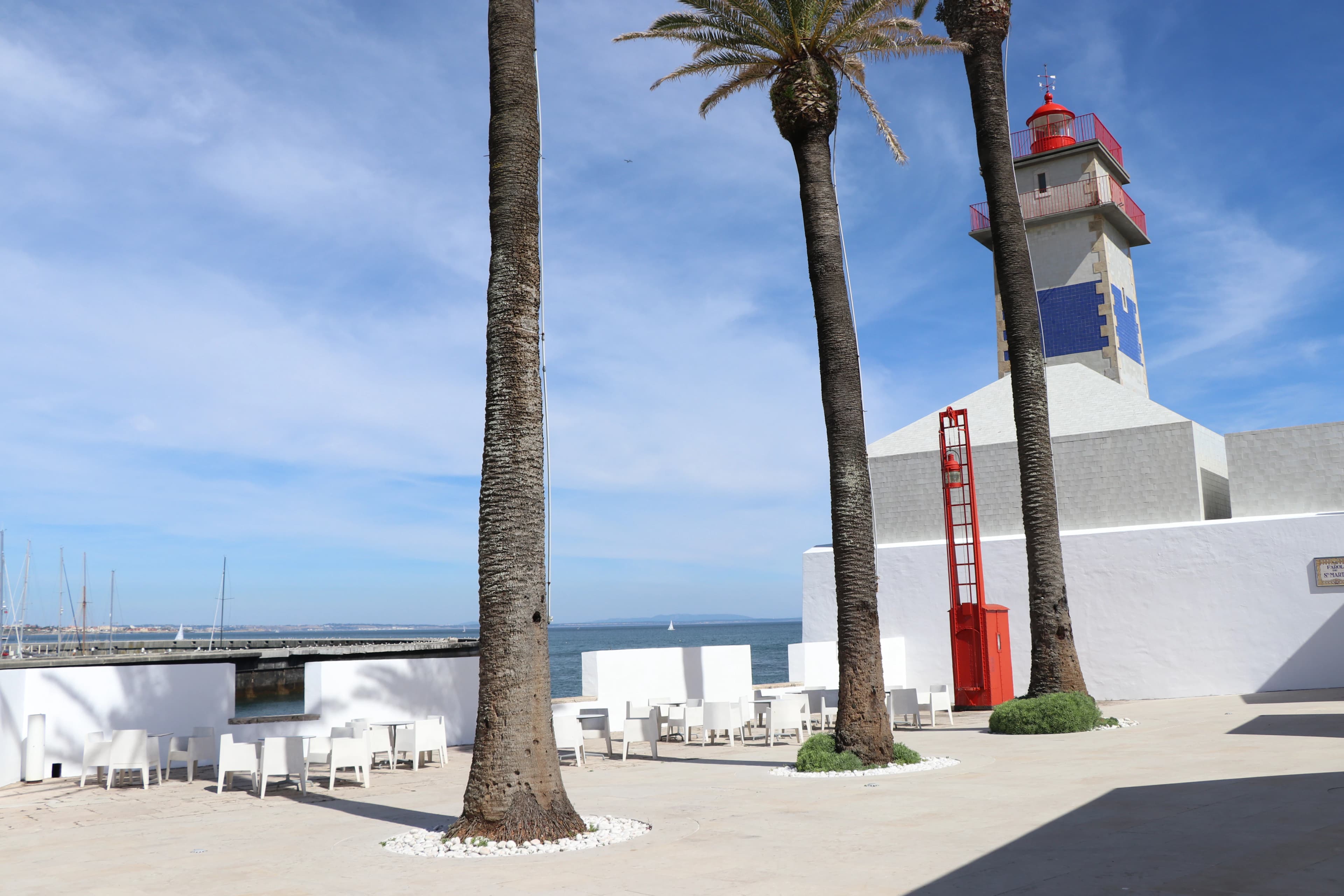
Cascais is Lisbon's elegant Riviera – a sophisticated coastal town at the mouth of the Tagus River, which has served as the summer residence of the Portuguese royal family since the 19th century and has retained its aristocratic charm to this day. Located just 30 kilometers west of Lisbon and accessible by train in 40 minutes, Cascais combines the comfort of a seaside resort with the accessibility of a major city, making it one of the most versatile travel destinations in the Lisbon region. The old town of Cascais enchants with cobblestone streets, pastel-colored houses, elegant squares, and a wealth of restaurants, bars, and boutiques. The fishing harbor, the marina, and the expansive promenade leading to Estoril give the place a Mediterranean flair reminiscent of the Côte d'Azur. The cultural offerings are remarkable for a town of this size: The Casa das Histórias Paula Rego, a striking red museum designed by architect Eduardo Souto de Moura, showcases works by the most significant Portuguese artist. West of Cascais lies the spectacular Boca do Inferno, the Mouth of Hell – a sea cave carved by the waves, into which the Atlantic water crashes with a thunderous roar. Further west is Praia do Guincho, one of the best surfing beaches in Europe and host to international windsurfing competitions. The Guincho coastal road to Cabo da Roca, the westernmost point of the European mainland, is one of the most beautiful coastal drives in Portugal. For German travelers, Cascais is the perfect base for a versatile vacation in Portugal. The train connection to Lisbon allows for day trips without a rental car, the beaches are within walking distance, and the nightlife offers everything from cozy Fado bars to trendy clubs. The Casino Estoril, once the inspiration for Ian Fleming's James Bond novel Casino Royale, is just a short walk away.

RivieraSurfingNear Lisbon
a large body of water with rocks in the background

Lagos

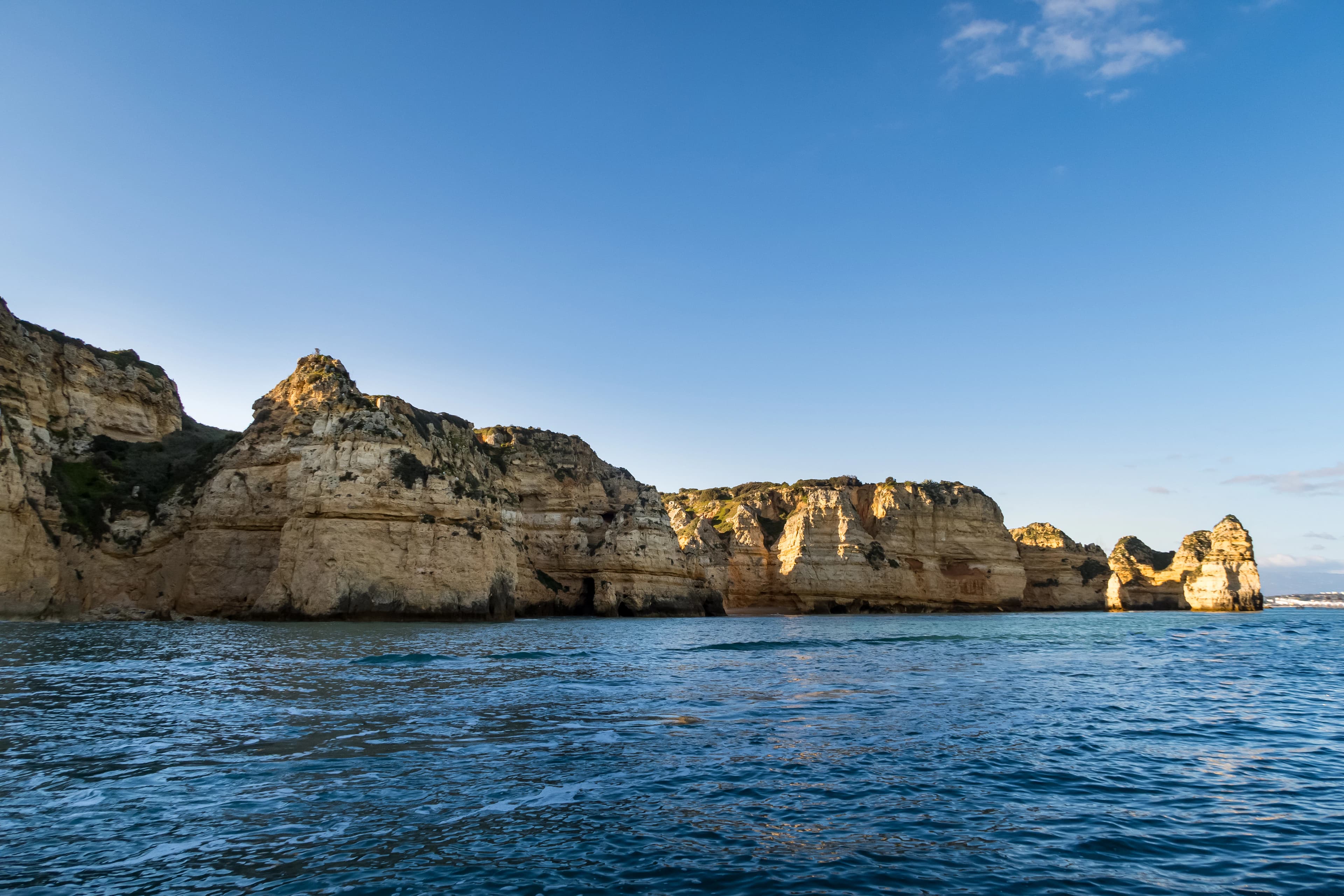
Lagos is the jewel of the western Algarve, combining dramatic cliffs, golden sandy beaches, a lively old town, and a surfing scene that is unparalleled in Europe. The city at the southwestern tip of Portugal was once the starting point for the great voyages of discovery under Henry the Navigator and has preserved its adventurous spirit to this day. For German holidaymakers looking for more than just sun loungers, Lagos is the perfect Algarve destination. The absolute highlight is the rock formations of Ponta da Piedade - a labyrinth of golden sandstone cliffs, natural arches, hidden caves, and emerald green water, which ranks among the most spectacular coastal landscapes in Europe. From the cliffs, one looks out over a sea of rock pillars and caves, and a boat tour or kayak trip through the caves reveals an underground world of light, color, and water that is breathtaking. The staircase down to the small cove at the foot of the cliffs leads to one of the most photogenic beaches in the world. Praia Dona Ana, repeatedly voted the most beautiful beach in Europe, is framed by golden cliffs and offers crystal clear water. Meia Praia, a four-kilometer-long sandy beach east of the city, is a paradise for families, kite surfers, and anyone who needs space. Praia do Camilo, hidden behind 200 steps in the cliffs, is an intimate insider tip. The old town of Lagos pulses with life. Cobblestone streets, colorful tiled facades, countless restaurants, bars, and boutiques create an atmosphere that invites strolling during the day and partying at night. The market hall by the harbor offers freshly caught fish every morning, and in the restaurants around Praça Gil Eanes, one enjoys Algarve cuisine at the highest level at moderate prices. From Germany, one flies to Faro in just under three hours and reaches Lagos in an hour's drive. The best travel time extends from May to October, with Lagos being a pleasant travel destination even in winter with temperatures around 16 degrees and plenty of sunshine. Prices are significantly lower than on the Spanish coast or the Balearic Islands.

Algarvecliffscaves

Peniche

Peniche is Portugal's surfing capital and an authentic fishing town on a windswept peninsula, about 90 kilometers north of Lisbon. The city is globally known as the venue for the MEO Rip Curl Pro, a stop on the World Surf League, attracting surfers from all over the world who test their skills on the powerful waves of Supertubos beach. However, Peniche is much more than just surfing – the city offers a fascinating mix of maritime tradition, a moving history, and one of Portugal's most spectacular natural experiences: the Berlengas Islands. The fortress of Peniche, which served as a political prison during the Salazar dictatorship, is now an impressive museum documenting the dark history of the Portuguese dictatorship. The harbor is one of the most important fishing ports in Portugal, and sardine processing has a centuries-old tradition here. Those who stroll along the harbor in the morning experience the bustling activity of fishermen landing their catch – it doesn't get more authentic than this. The absolute highlight off the coast is the Berlengas Islands, a UNESCO Biosphere Reserve, accessible by boat in about 30 minutes. The main island, Berlenga Grande, impresses with crystal-clear water, dramatic cliffs, and the picturesque Fort São João Baptista, which is connected to the island by a narrow stone bridge. Snorkeling, kayaking, and hiking on the barren rocks are the main activities. For German travelers, Peniche is an ideal day trip or stopover on a tour of Portugal. The journey from Lisbon is straightforward, and the combination of surf culture, fishing tradition, and the Berlengas excursion makes Peniche a versatile travel destination. The numerous surf schools offer courses for all levels, and the nightlife around the surf scene creates a lively atmosphere, especially in summer.

SurfingBerlengasFishing

Sesimbra

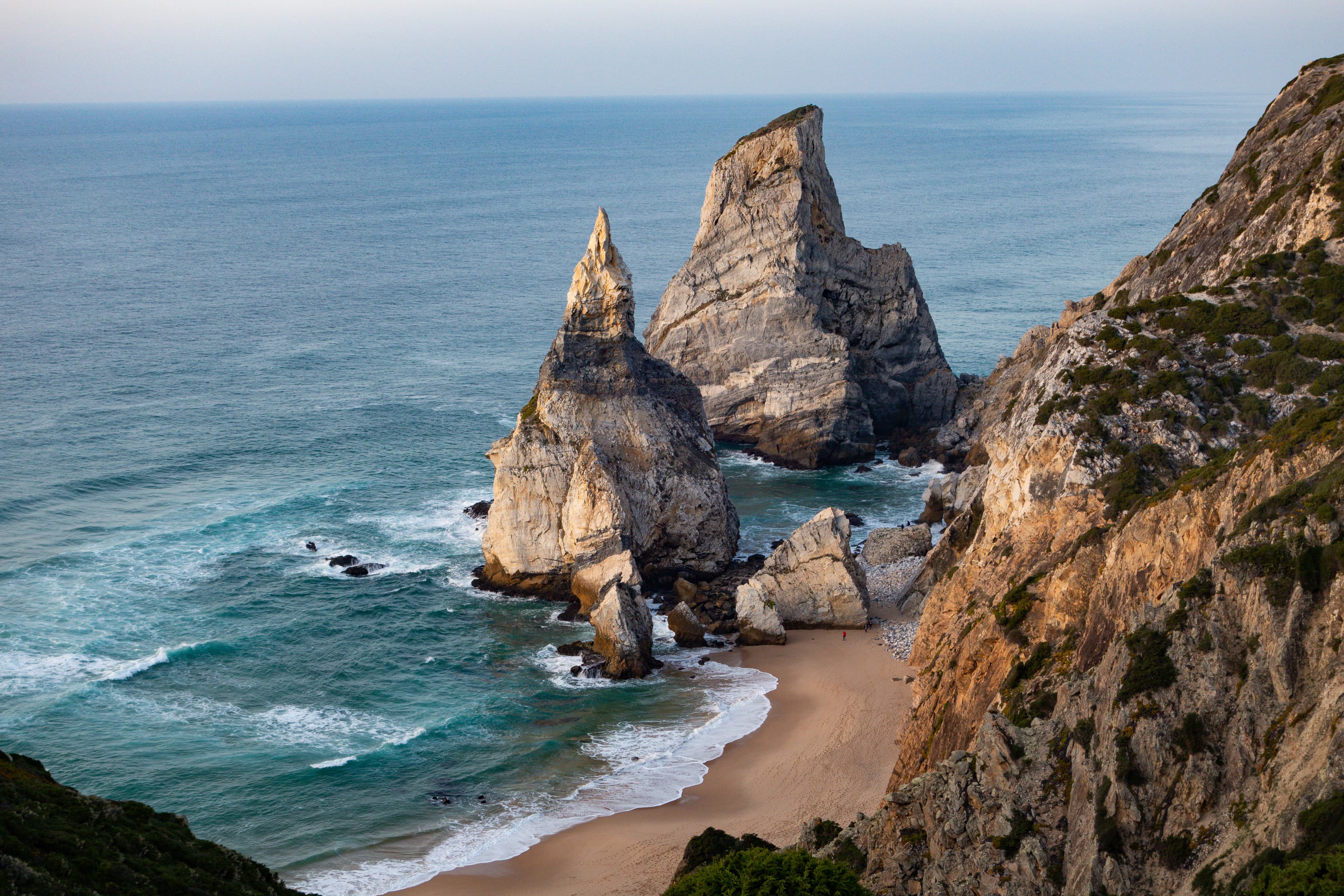
Sesimbra is Lisbon's favorite beach getaway – a picturesque fishing village nestled in a protected bay, surrounded by the green hills of the Arrábida Natural Park and the deep blue Atlantic. Located just 40 kilometers south of the Portuguese capital, Sesimbra is where the Lisboetas spend their weekends when they want to escape the hustle and bustle of the big city. For German tourists, Sesimbra is a perfect insider tip that combines authentic Portugal with spectacular nature. The main beach, Praia da Califórnia, stretches in a curved bay right in front of the old town and offers calmer, warmer waters compared to the open Atlantic beaches. Above the town stands a medieval Moorish castle from the 9th century, providing a breathtaking panoramic view over the entire bay, the coastline, and the hinterland. The ascent is particularly worthwhile at sunset when the bay is bathed in golden light. However, the real gem is the Parque Natural da Arrábida, which extends west of Sesimbra. The Serra da Arrábida drops steeply to the sea and hides some of Portugal's most beautiful beaches among its wooded slopes – foremost the Praia de Galapinhos, which has already been voted the most beautiful beach in Europe. The crystal-clear, turquoise waters in the sheltered coves of Arrábida resemble the Caribbean more than the Atlantic and are excellent for snorkeling and diving. The fishing tradition is omnipresent in Sesimbra: the daily fish market at the harbor is an experience, and the restaurants along the promenade serve the freshest fish you can find in the Lisbon region. Swordfish, considered a local specialty, is grilled and is an absolute must-try. From Sesimbra, boat tours also depart to Cabo Espichel, where dramatic cliffs and a solitary lighthouse await.

BeachArrábidaFishing

Vilamoura

Vilamoura is the glamorous heart of the Algarve, combining one of the largest marinas in Europe with top-notch golf courses, golden sandy beaches, and a vibrant nightlife. The town in the Central Algarve was developed as a tourism project in the 1960s and has since become Portugal's most elegant holiday resort. The marina, with its over a thousand berths, is the social center - here, one strolls along luxurious yachts, dines in harbor-view restaurants, and enjoys cocktails in chic bars while the sun sets behind the Atlantic. Vilamoura is a paradise for golfers. Six championship golf courses are just a short drive away, including the Old Course, considered one of the best courses in Europe, and the Victoria Golf Course, which regularly hosts the Portugal Masters. The gently rolling fairways overlooking the sea, the pine-lined holes, and the mild climate year-round make Vilamoura one of the top golf destinations worldwide. Many hotels offer special golf packages with preferred tee times. Praia da Marina and Praia da Falésia are the two main beaches. The Falésia cliffs, stretching six kilometers in vibrant shades of red, orange, and ochre, are among the most spectacular coastal landscapes in Europe. At the foot of these cliffs lies a wide, fine sandy beach that never feels overcrowded, even in the peak summer season. Water sports enthusiasts will find everything from jet skiing to parasailing and dolphin watching tours in Vilamoura. The old town of Vilamoura practically does not exist - the place is entirely geared towards tourism. However, nearby Loulé, with its Moorish old town and famous market hall, offers an authentic contrast. The Roman ruins of Cerro da Vila, located right next to the marina, showcase mosaics and baths from the 1st century and surprise as an archaeological gem amidst the modern resort. From Germany, Vilamoura can be reached in just under three flight hours to Faro and a short 20-minute drive. The season lasts almost all year round thanks to the mild climate, with golf and beach being best enjoyed from April to November. Prices are above the Algarve average but still offer good value for money in a European comparison.

AlgarveMarinaGolf

Lisbon

Lisbon, the capital of Portugal built on seven hills, is one of the most fascinating metropolises in Europe. The city by the Tagus River combines centuries-old history with vibrant modern life, Moorish architecture with contemporary art, and melancholic Fado with one of the liveliest nightlife scenes on the continent. The yellow trams of line 28 climb through the steep streets of Alfama, the oldest district of the city, where Fado singing spills from the windows and laundry lines stretch across the alleys. The Belém district by the riverside is Lisbon's monumental heart: The Torre de Belém and the Jerónimos Monastery, both UNESCO World Heritage sites, remind us of the golden age of discoveries. At Pastéis de Belém, the most famous Pasteis de Nata have been baked according to a secret recipe since 1837 — the line is long, but worth the wait. The LX Factory district in a former textile factory brings together boutiques, galleries, and restaurants under industrial charm. The Praça do Comércio opens grandly to the Tagus, and the viewpoints (Miradouros) of Santa Luzia, Graça, and Senhora do Monte offer unparalleled panoramas at sunset. Lisbon is also a gateway to the beaches of Cascais and Sintra, which can be reached by train in 30 minutes. The city is surprisingly affordable for a Western European capital, with excellent food, creative energy, and a light that has inspired photographers and artists for centuries.

City tripCultureFado

Porto

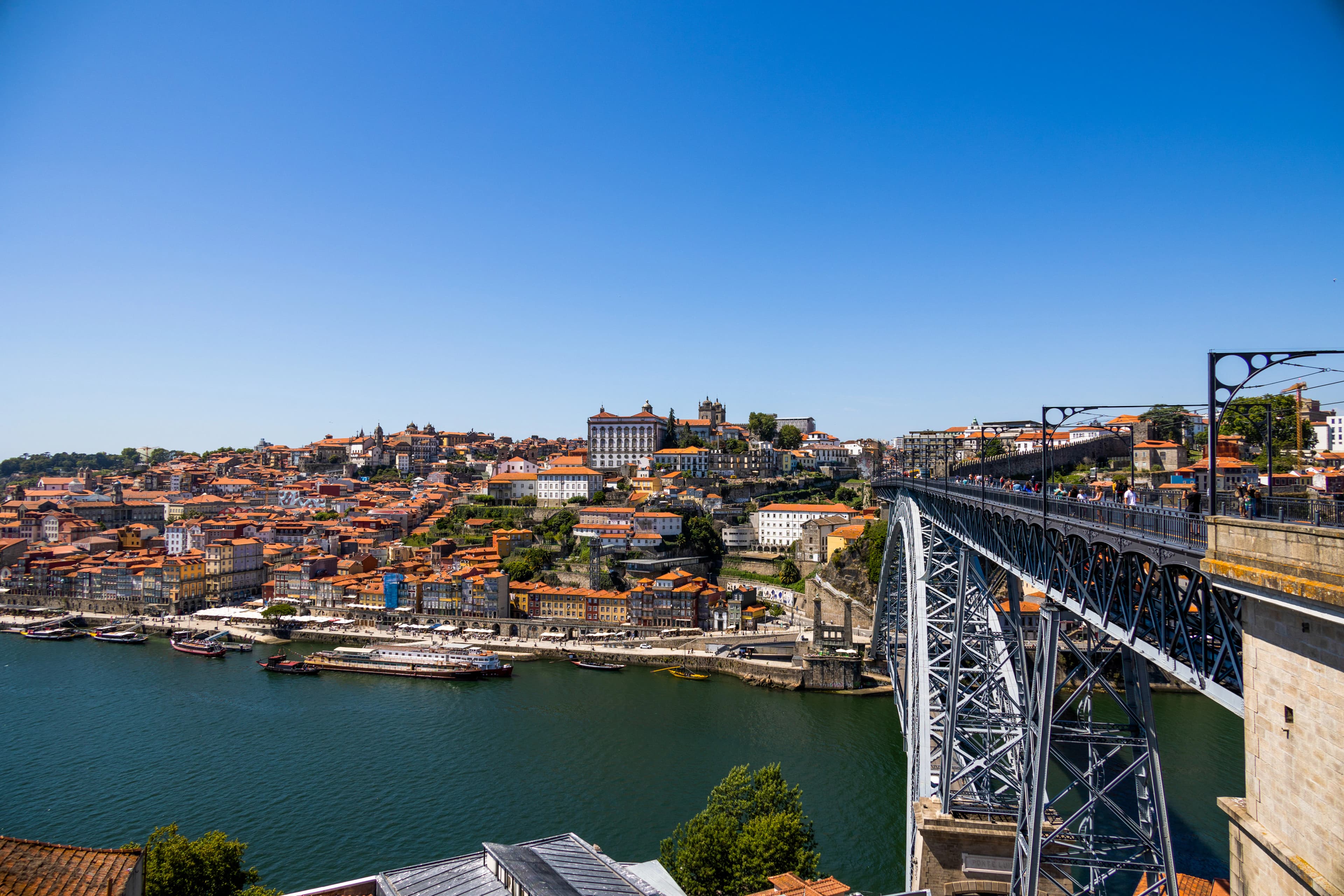
Porto, the untamed sister city of Lisbon, dramatically rises along the steep banks of the Douro and combines raw authenticity with a burgeoning creative scene. The Ribeira district, a UNESCO World Heritage site since 1996, stacks its colorful tiled houses like a living mosaic from the narrow streets by the riverside up to the majestic Se do Porto Cathedral, which has watched over the city since the 12th century. The Ponte Dom Luis I, a steel masterpiece from 1886, connects Porto to Vila Nova de Gaia on two levels, where the legendary port wine cellars of Taylor’s, Sandeman, and Graham’s invite tastings. A glass of Tawny Port overlooking the illuminated old town at sunset is one of the most unforgettable moments of a trip to Portugal. The Sao Bento train station impresses with over 20,000 blue and white azulejo tiles depicting scenes from Portuguese history — the entrance hall alone is worth a visit. The Livraria Lello, one of the most beautiful bookstores in the world, enchants with its curved red staircase and neo-Gothic wood carvings. Culinary-wise, Porto is home to the Francesinha, a hearty sandwich with meat, cheese, and a spicy beer sauce, best tried at Capa Negra or Cafe Santiago. The recently renovated Mercado do Bolhao showcases Porto's culinary soul with fresh fish, fruit, and regional cheese.

City tripPort WineAzulejos

Faro

Faro, the capital of the Algarve, is perceived by most travelers only as an airport city — a mistake, because behind the modern facades lies a charming old town with centuries-old history. The walled Cidade Velha is entered through the medieval Arco da Vila and one finds themselves in a cobblestone square in front of the Sé Cathedral, which has towered over the city since the 13th century. From its bell tower, there is a panoramic view over the terracotta roofs to the lagoon of Ria Formosa. The Ria Formosa, a 60-kilometer-long nature park of lagoons, tidal channels, and offshore barrier islands, is Faro's greatest treasure. Boat tours lead through the species-rich wetland to deserted sandy beaches on the islands of Ilha Deserta and Ilha de Faro. Here, flamingos, sea runners, and the rare purple heron breed. Somewhat macabre but fascinating is the Capela dos Ossos (Chapel of Bones), whose walls are completely lined with human bones and skulls of over 1,000 monks. The pedestrian zone Rua de Santo António offers shopping opportunities, while the Mercado Municipal provides fresh seafood and regional products. Faro is a perfect starting point to explore both the tourist beaches in the west and the authentic hinterland of the Algarve.

BeachNatureAlgarve
a view of a beach with two large rocks sticking out of the water

Sintra

Sintra is a fairy-tale masterpiece of extravagant palaces, enchanted gardens, and mystical forests, which has been a UNESCO World Heritage Site since 1995. Located just 30 kilometers west of Lisbon, some of the most extraordinary buildings in Europe crown the fog-covered hills of the Serra de Sintra. The Palácio Nacional da Pena, a colorful castle in red, yellow, and violet, combines Moorish, Gothic, and Manueline styles into an architectural unique, often referred to as the Neuschwanstein of Portugal. The Quinta da Regaleira fascinates with its mysterious initiation well — a 27-meter deep spiral staircase that leads into the earth and is permeated with Masonic symbolism. Underground tunnels connect the well with grottos and an artificial lake. The Palácio Nacional in the city center, with its two distinctive chimneys, was the summer residence of Portuguese kings for centuries. The Castelo dos Mouros, a Moorish fortress ruin from the 8th century, offers breathtaking views over Sintra to the Atlantic from its ramparts. The region is famous for its Queijadas and Travesseiros — traditional pastries best tasted at the historic bakery Piriquita. Sintra is perfectly explored as a day trip from Lisbon, but those wishing to visit all the palaces and the nearby Cabo da Roca — the westernmost point of Europe — should plan for at least two days.

PalacesUNESCOFairy-tale

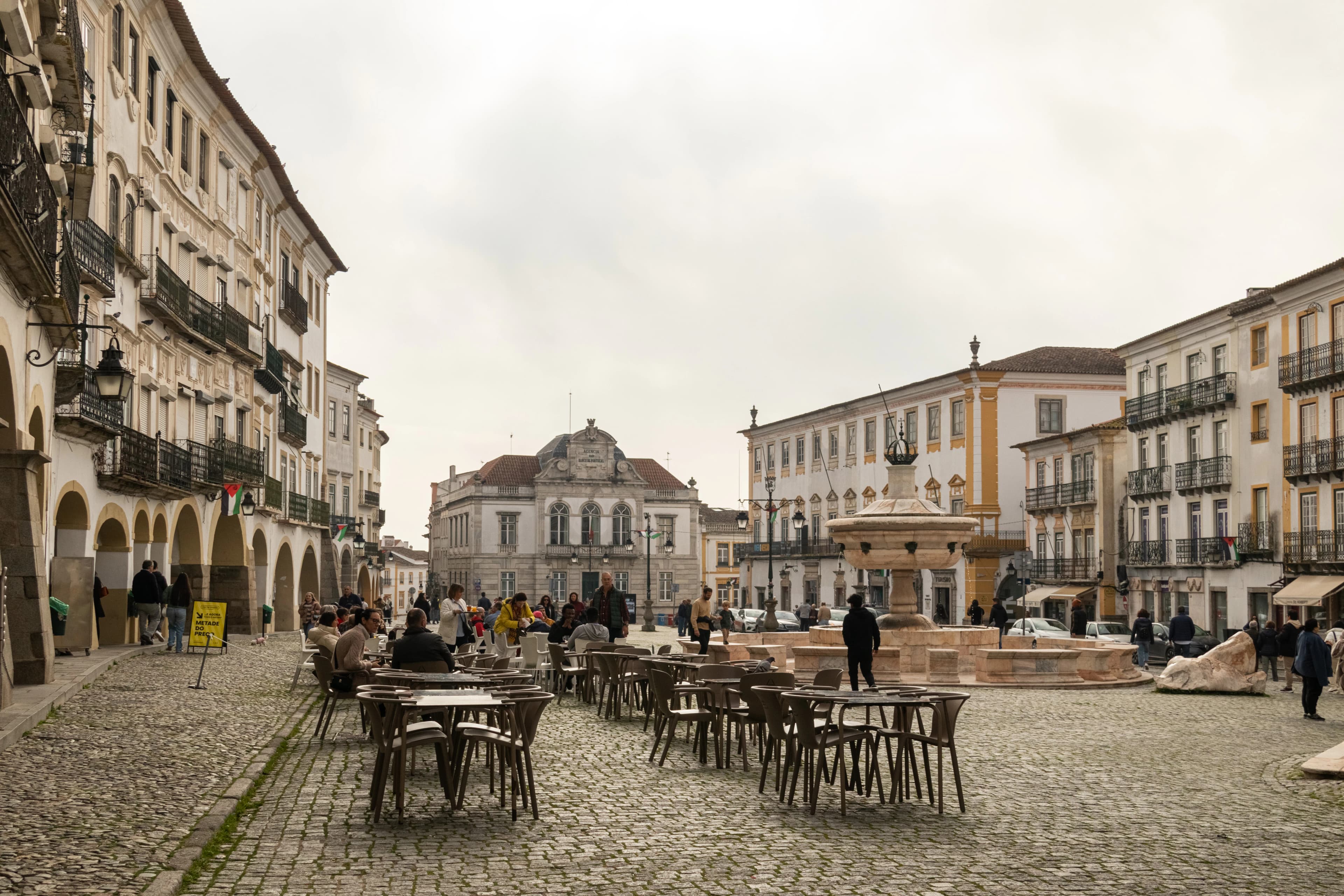
Évora

Évora, the heart of Alentejo, is a living museum with over 2,000 years of history and has been a UNESCO World Heritage Site since 1986. The city, surrounded by medieval walls, preserves treasures from Roman, Moorish, and Christian eras in a compact space. The Templo Romano, often incorrectly referred to as the Temple of Diana, has stood in the heart of the city since the 2nd century and is one of the best-preserved Roman temples on the Iberian Peninsula. The Igreja de São Francisco houses the famous Capela dos Ossos (Chapel of Bones), whose walls and columns are made from the bones of around 5,000 monks — above the entrance, an inscription warns: "We bones, who lie here, await yours." The Gothic cathedral Sé from the 12th century offers a panoramic view of the Alentejo plain to the horizon from its roof. Évora is also a vibrant university town: the Universidade de Évora, founded in 1559, brings youth to the historic streets. On the Praça do Giraldo, the central square, people gather in the street cafés under the arcades. The Alentejo cuisine reaches its peak here: Migas with pork, Ensopado de Borrego, and the famous Alentejo wines. The surroundings attract visitors with megalithic sites such as the Cromlech dos Almendres — older than Stonehenge — and the marble quarries of Estremoz. Évora is the perfect starting point for a journey of discovery through Alentejo.

UNESCOHistoryRomans

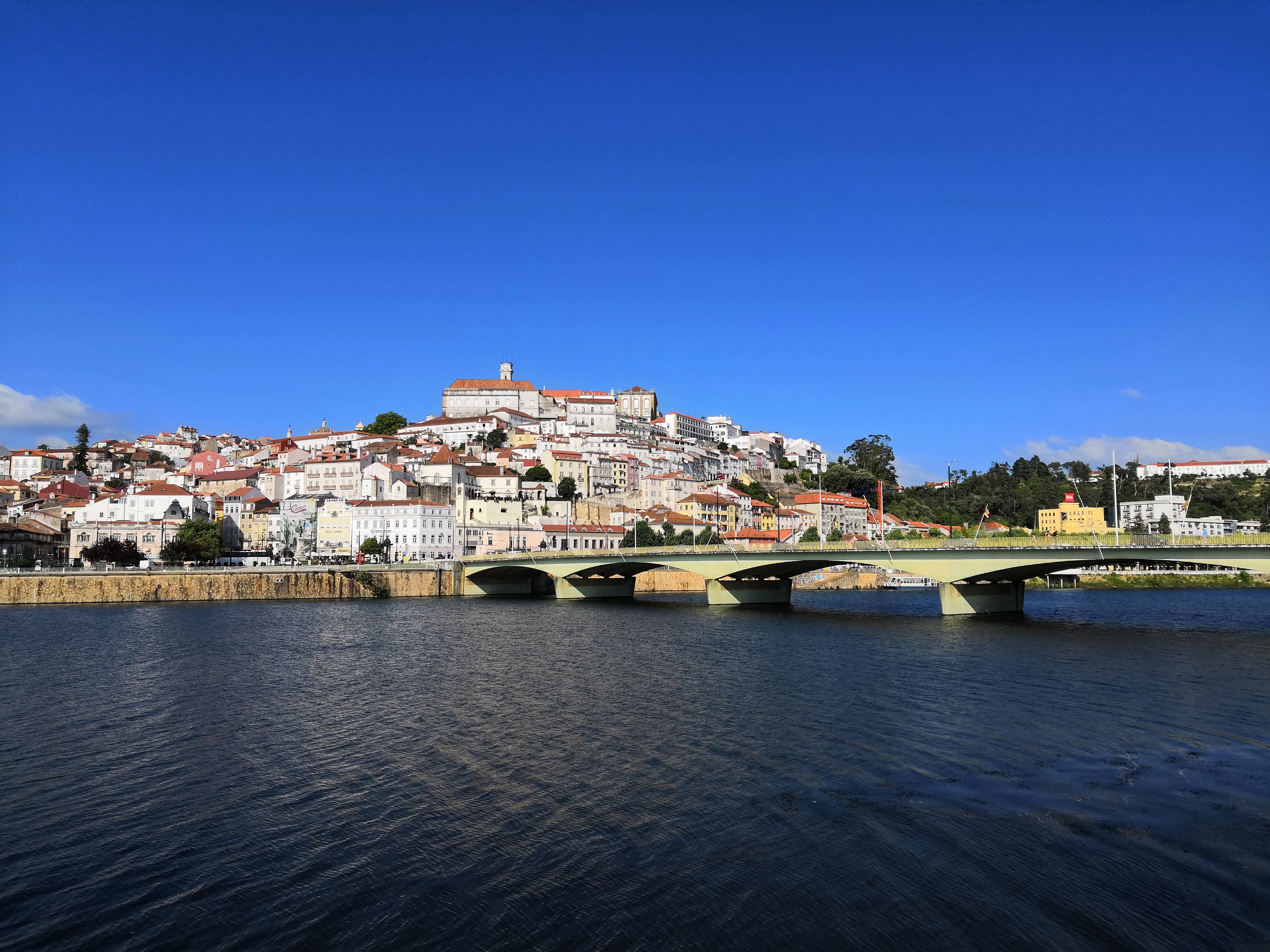
Coimbra

Coimbra is the oldest university city in Portugal and home to the Universidade de Coimbra, founded in 1290, whose historical core has been a UNESCO World Heritage Site since 2013. Perched high above the Rio Mondego, the university's clock tower dominates the skyline, and students in black capes wander through the steep streets of the upper town — a tradition that has shaped the city's character for centuries. The Biblioteca Joanina is the crown jewel: three magnificently decorated halls from the 18th century house over 250,000 volumes in gilded shelves under illusionistic ceiling paintings. A colony of bats protects the books from insects at night. The Capela de São Miguel right next door impresses with one of the most beautiful Baroque organs in the country. Coimbra has its own form of Fado — more serious and intellectual than in Lisbon, traditionally sung only by men and deeply rooted in student culture. In May, the whole city celebrates the Queima das Fitas, the end of the semester, with a week of music, parades, and Fado concerts. The old town (Alta) with the Romanesque-Gothic Sé Velha, the Monastery of Santa Cruz (the burial site of the first Portuguese kings), and the winding stairs offers discoveries at every corner. The Jardim Botânico and Portugal dos Pequenitos (Portugal in miniature) are additional highlights. Coimbra is centrally located between Lisbon and Porto and is an ideal stopover.

UniversityUNESCOFado
a stone carving of a man and woman

Braga

Braga, founded as Bracara Augusta by the Romans, is one of the oldest cities in Portugal and the spiritual center of the country. The city in the green north combines 2,000 years of history with a surprisingly young, dynamic atmosphere — thanks to the university, Braga is one of the liveliest cities in the country. The Sé de Braga Cathedral, the oldest cathedral in Portugal, was built in the 11th century and houses a treasury with unique sacred artworks. The absolute highlight is six kilometers outside: The Bom Jesus do Monte Sanctuary, a UNESCO World Heritage Site since 2019, impresses with a monumental Baroque staircase that winds up the mountain over a height difference of 116 meters. Each level is adorned with allegorical fountains and statues representing the five senses and virtues. Those who shy away from the 577 steps can take the historic water lift from 1882 — the oldest in the world. Braga's old town surprises with elegant Baroque churches at almost every corner, lively Praças with street cafés, and excellent gastronomy. Try the Bacalhau à Braga or the Pudim Abáde de Priscos, a unique dessert made from bacon and caramel. The Semana Santa (Holy Week) in Braga is the largest and most impressive religious celebration in Portugal, featuring nighttime processions through the old town. From Braga, the Peneda-Gerês National Park can be reached in just 40 minutes.

ReligionBaroqueUNESCO

Funchal

Funchal, the capital of Madeira, nestles like an amphitheater on the steep slopes above the Atlantic, combining subtropical lushness with cosmopolitan flair. The city, with its 110,000 inhabitants, was founded in 1421 and owes its name to the wild fennel (funcho) that the first settlers found here. The harbor regularly welcomes cruise ships, and the promenade offers a spectacular view of the deep blue sea. The Mercado dos Lavradores is a feast for the senses: Under Art Deco architecture, exotic fruits like passion fruit, cherimoya, and Monstera Deliciosa are piled next to tuna, black scabbardfish (Espada), and bouquets of Strelitzia and Protea. The legendary toboggan rides from Monte start at the pilgrimage church of Nossa Senhora do Monte: Two Carreiros dressed in white steer the toboggan down two kilometers through the streets — an experience unique to Funchal. The Botanical Garden (Jardim Botânico) brings together over 2,000 plant species from around the world on terraces with panoramic views. In December, Funchal transforms into a sea of lights: The Christmas decorations and the New Year's Eve fireworks — considered one of the largest in the world according to the Guinness Book — attract thousands of visitors. Madeira's famous Poncha, a drink made from sugar cane liquor, honey, and citrus fruits, is best served in the old town bars. The old town Zona Velha also impresses with artistically painted doors.

IslandSubtropicalHiking
a large body of water with rocks in the background

Lagos

Lagos on the western Algarve is a city that effortlessly combines beach paradise, historical charm, and vibrant nightlife. The old town, surrounded by 16th-century city walls, hides winding alleys with boutiques, restaurants, and bars, while just outside the gates lie some of the most spectacular rock formations of the Portuguese coast. The Ponta da Piedade is the city's landmark: golden sandstone cliffs, shaped by wind and waves into bizarre pillars, arches, and caves, rise from the turquoise Atlantic. A boat tour through the caves at sunset is one of the most unforgettable experiences in the Algarve. Meia Praia stretches over four kilometers and offers space for water sports, while the small coves like Praia do Camilo and Praia de Dona Ana are framed by cliffs. Historically, Lagos has a dark side: the Mercado de Escravos at Praça Infante Dom Henrique was Europe's first slave market and serves as a reminder of the darker aspects of the Age of Discovery. Today, life pulses in the old town: Rua da Larangeira and the adjacent alleys turn into a single party mile in the evenings, making Lagos particularly popular among young travelers. The city is also a starting point for boat tours for dolphin and whale watching and for surf trips to the nearby Praia do Amado on the Costa Vicentina.

BeachCliffsSurfing
Blue rally car driving on a paved road

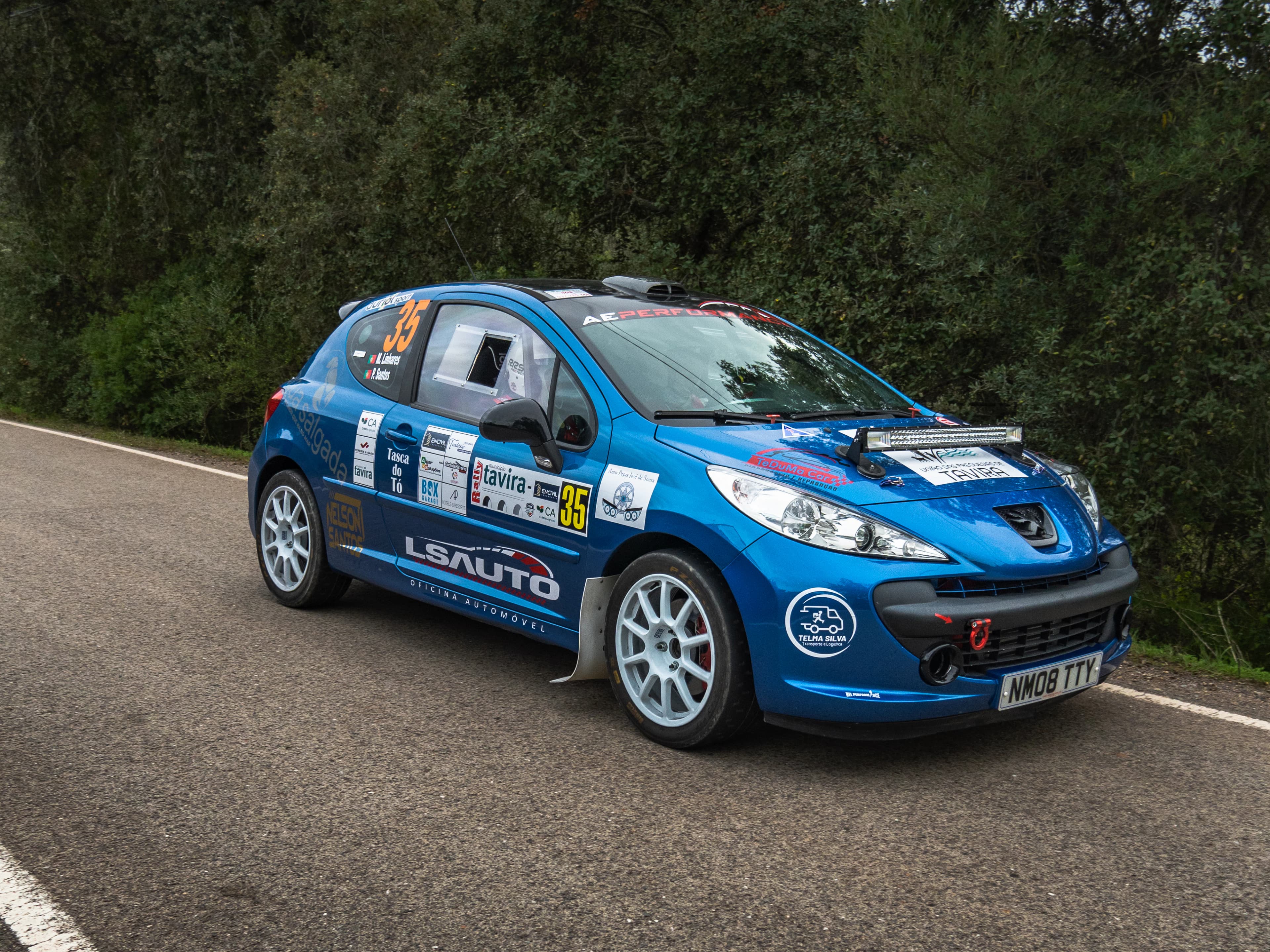
Tavira

Tavira is considered the most beautiful city in the Algarve and enchants visitors with its authentic charm, which stands out refreshingly from the tourist hotspots of the region. The city stretches picturesque along both banks of the Rio Gilão, connected by an ancient Roman bridge, and impresses with over 30 churches, whose domes and towers shape the skyline. The Moorish castle on the hill offers a panoramic view over the labyrinth of white houses with their typical gabled roof tiles. The Ilha de Tavira, a sand island located offshore in the Ria Formosa Natural Park, is accessible by a short ferry ride and offers kilometers of unspoiled sandy beaches, considered among the most beautiful in Portugal. The lagoon area of Ria Formosa itself is a paradise for birdwatchers with flamingos, spoonbills, and egrets. In the old town, winding cobblestone streets invite you to stroll. The daily fish market along the riverside promenade offers freshly caught seafood, and in the surrounding restaurants, you can enjoy grilled sardines and Cataplana at fair prices. Tavira is also an ideal starting point for excursions to the east of the Algarve — to Cacela Velha, the Spanish border, or to the salt waters where the famous Flor de Sal is harvested.

AuthenticBeachQuiet
people walking on street near white and brown concrete building during daytime

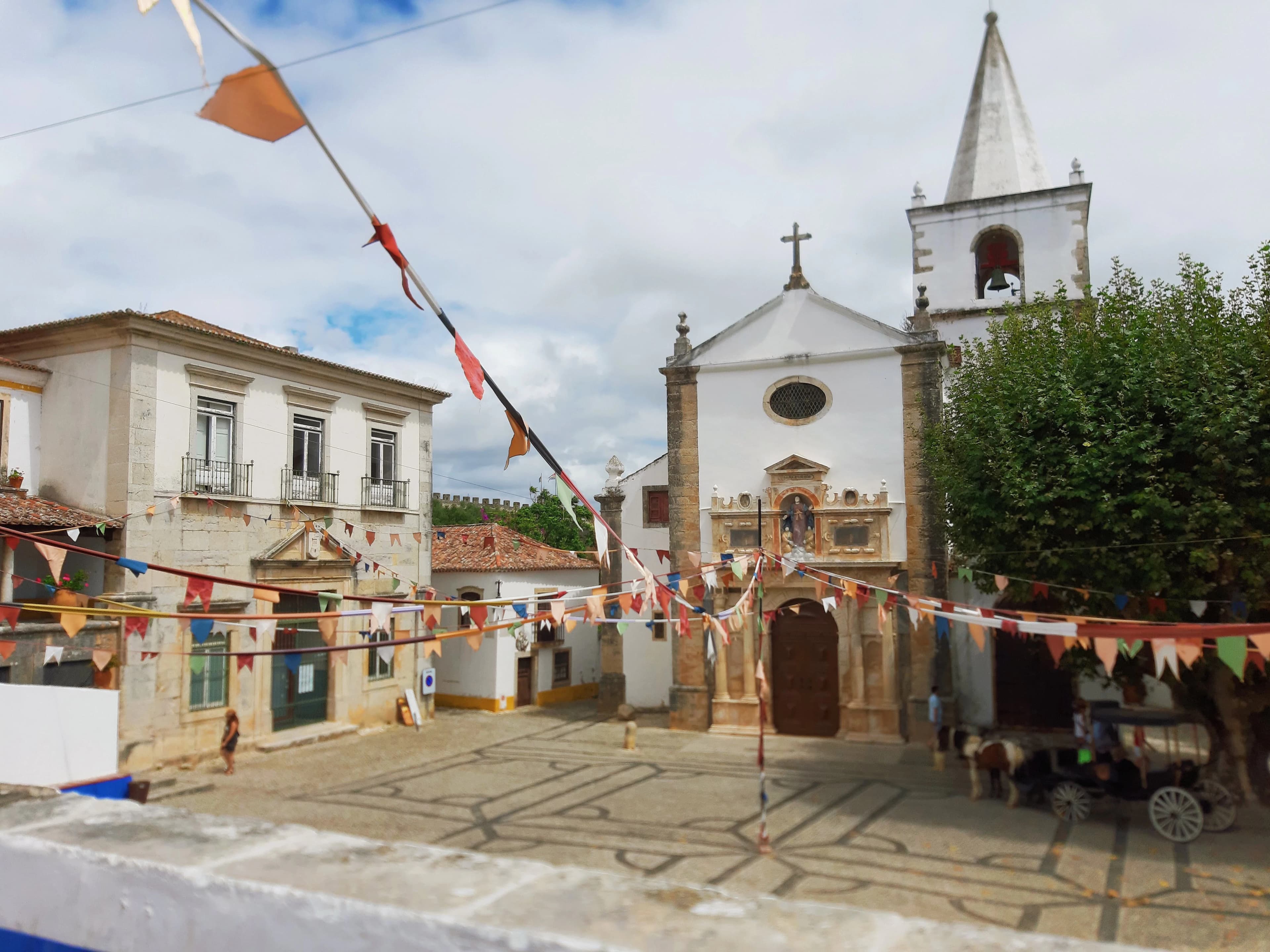
Óbidos

Óbidos is a medieval picture-book village that preserves a world of whitewashed houses, blue and yellow borders, and bougainvillea-covered streets behind fully intact castle walls. Since the 13th century, Óbidos has traditionally been given by Portuguese kings to their queens as a wedding gift — a custom that only ended in 1834. The walkable city wall encircles the entire village and offers a spectacular walk with views over the red tiled roofs and the green landscape of the surroundings. However, the narrow, sometimes unguarded paths are not for those prone to dizziness. The main street Rua Direita leads from the city gate to the mighty castle, which today houses a Pousada (historic hotel). Óbidos is famous for its Ginjinha — a sour cherry liqueur served in small chocolate cups at every corner. The village hosts remarkable festivals throughout the year: The medieval market in July transforms Óbidos into a time travel experience with knight tournaments, jugglers, and medieval cuisine. The chocolate festival in March and the Folio literature festival in October make the place a cultural hotspot. In December, Óbidos becomes the "Vila Natal" — one of the most atmospheric Christmas markets in Portugal. Óbidos is just an hour north of Lisbon and is perfect for a day trip or a stopover on the way to Nazaré.

MedievalRomanticWalls
a large stone castle with a tree in front of it

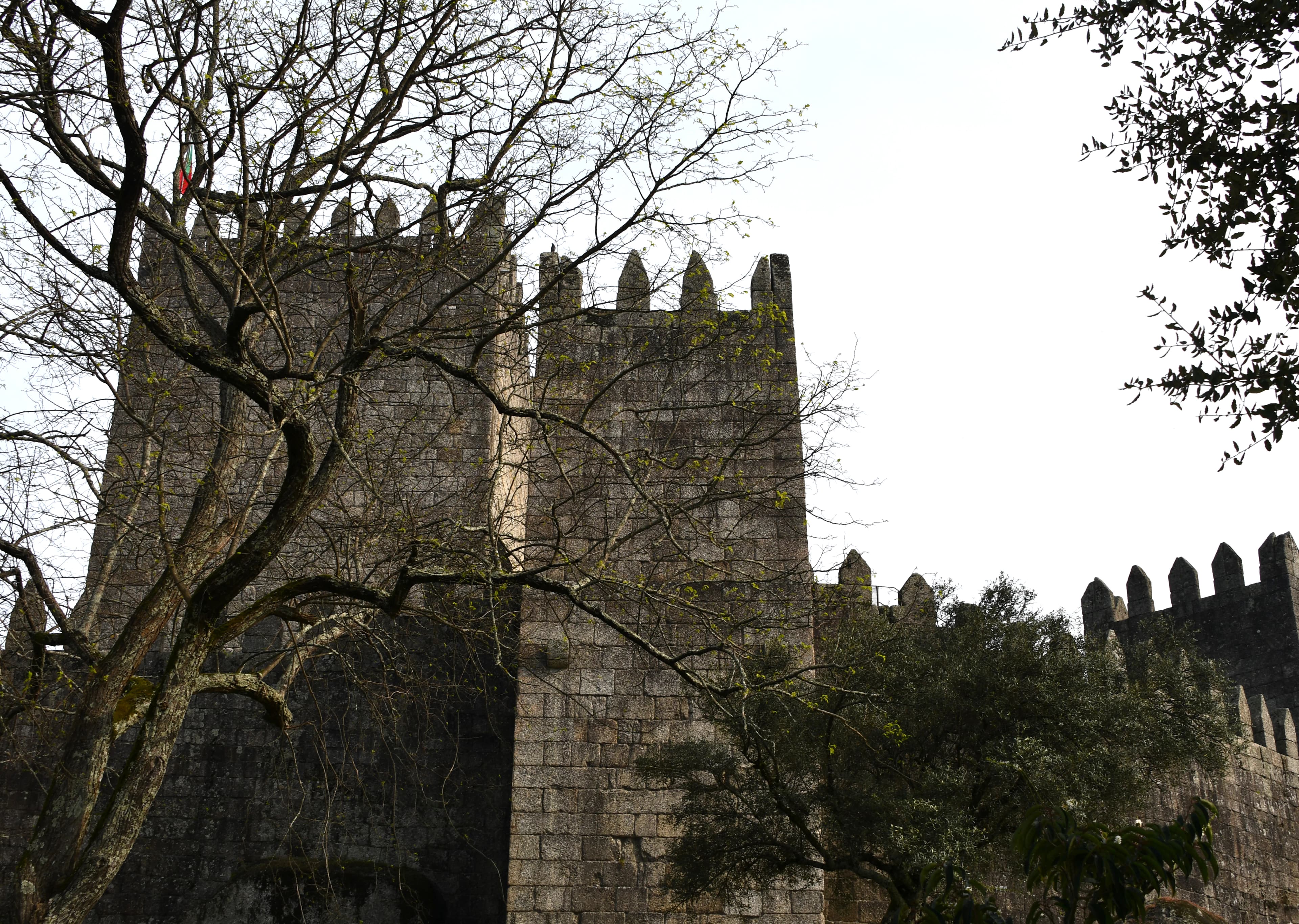
Guimarães

Guimarães is the cradle of the Portuguese nation — here, in 1109, the first king of Portugal, Afonso Henriques, was born, and here he declared independence from León in 1143. The inscription "Aqui Nasceu Portugal" (Here Portugal was born) on the old city wall is a must-take photo for every visitor. The perfectly preserved medieval old town has been a UNESCO World Heritage Site since 2001 and is one of the most beautiful historical centers in the country. The Castelo de Guimarães from the 10th century towers on a hill and offers a wide view of the city from its seven towers. Right next to it impresses the Paço dos Duques de Bragança, an imposing palace in Burgundian style with an impressive collection of Flemish tapestries. The cable car (Teleférico da Penha) leads to Monte da Penha with its granite rocks, ancient oaks, and panoramic views. The old town around Largo da Oliveira and Largo de Santiago is a labyrinth of granite streets, arcade houses, and small plazas with street cafés. The Romanesque church Nossa Senhora da Oliveira and the Gothic cloister of the adjoining monastery are architectural jewels. Guimarães is also a vibrant cultural city: the Centro Cultural Vila Flor, the platform for contemporary art, and the Universidade do Minho bring youthful energy to the historic walls. The Gualterianas in August is the largest city festival with a medieval market and processions.

UNESCOHistoryMedieval
people riding on red and blue boat during daytime

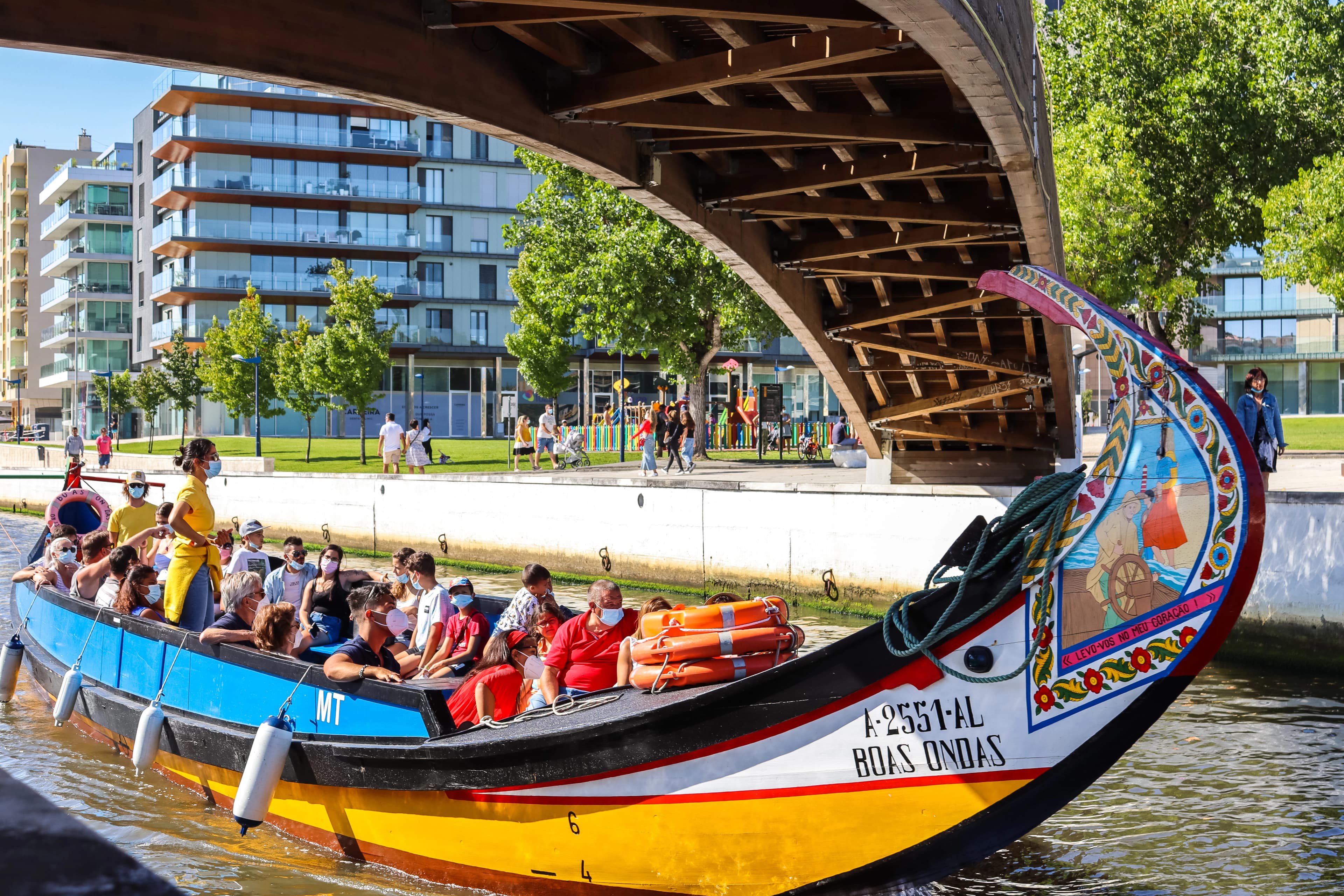
Aveiro

Aveiro, affectionately called the 'Venice of Portugal', impresses with its colorful Moliceiro boats that glide leisurely through the city's canals. The former seaweed collection boats are now adorned with humorous and often risqué paintings and take visitors on a 45-minute boat ride through the main waterways. The Art Nouveau architecture along the canals — with colorful tiles and curved facades — gives Aveiro a unique character. The Museu de Arte Nova documents the remarkable Art Nouveau tradition of the city. However, Aveiro's greatest treasure lies at its gates: The Ria de Aveiro, a 45-kilometer-long lagoon, stretches between the sea and the mainland and offers a unique ecosystem of salt marshes, tidal channels, and fishing villages. The salt pans of Aveiro have been producing the finest sea salt for centuries, which is prized in gourmet cuisine as Flor de Sal. Costa Nova, just a few kilometers away, is famous for its brightly striped wooden houses (Palheiros) that line the beach — one of the most photographed motifs in Portugal. Culinary-wise, Aveiro is famous for Ovos Moles: a traditional sweet made from egg yolks and sugar in edible wafer shells, crafted into imaginative shapes (shells, barrels, fish). The university brings student life to the city, and its central location between Porto and Coimbra makes Aveiro an ideal stopover.

CanalsColorfulArt Nouveau

Regions

a cobblestone street lined with tables and chairs

Alentejo Coast

The Alentejo Coast is Portugal's wild Atlantic dream – a stretch of over 100 kilometers of nearly untouched coastline between the Tróia Peninsula in the north and Cabo de São Vicente in the Algarve in the south. Unlike the touristy Algarve, the Alentejo Coast has preserved its rugged, untamed beauty: dramatic cliffs, secluded sandy coves, wind-swept dune landscapes, and behind them a vast, hilly landscape with cork oak forests and traditional villages. The entire coastal section is strictly protected as the natural park Parque Natural do Sudoeste Alentejano e Costa Vicentina, which has minimized development. The result is a paradise for nature lovers, hikers, and surfers: the Rota Vicentina, a network of long-distance hiking trails, runs directly along the cliffs and offers breathtaking views of the roaring Atlantic. Particularly, the Fisherman's Trail (Trilho dos Pescadores) is considered one of the most beautiful coastal hiking trails in Europe. The small fishing villages along the coast – Zambujeira do Mar, Porto Covo, Vila Nova de Milfontes – have retained their authentic charm. There are no hotel chains here, but family-run guesthouses, simple fish restaurants, and a lifestyle that escapes the hectic rhythm of the modern world. Alentejo is also Portugal's most important wine region for red wines, and the combination of coastal hiking and wine tasting makes the region unique. For German travelers, the Alentejo Coast is accessible via Lisbon or Faro. A rental car is essential to explore the scattered beaches and villages. The region is particularly suitable for active travelers who want to combine hiking, surfing, and authentic Portuguese culture. Water temperatures remain cool year-round, making the region more of a surfing than a bathing destination.

CoastHikingSurfing

Comporta

Comporta is Portugal's best-kept secret – a sleepy coastal village south of Lisbon that has transformed in recent years from an insider tip for the Portuguese elite to an international dream destination for nature-loving travelers. The region stretches over a narrow peninsula between the Atlantic and the Sado estuary and surprises with a landscape reminiscent of the Caribbean: endless, almost deserted sandy beaches, turquoise water, and extensive rice fields and pine forests as far as the eye can see. What makes Comporta so special is the conscious decision against mass tourism. Instead of hotel complexes, thatched beach bars, lovingly restored fishermen's houses, and minimalist boutique accommodations dominate here. Praia da Comporta and Praia do Carvalhal are among the most beautiful beaches in Europe – kilometers long, wide, and never overcrowded even in high summer. The rice fields in the hinterland give the region an almost Asian charm and are home to numerous pairs of storks nesting on the power poles. For German vacationers, Comporta is an ideal destination for a relaxed beach holiday away from the beaten paths. The journey is via Lisbon Airport, from where it is only about 90 minutes by rental car over the impressive Ponte 25 de Abril and through the Arrábida Nature Reserve. The region is excellent as a combination with a city trip to Lisbon. The best travel time is from June to September, with the Atlantic remaining refreshingly cool even in high summer. In the evenings, people gather in legendary beach bars like Comporta Cafe or Sublime Comporta for fresh fish and Portuguese wine.

BeachInsider tipNature
white bridge near houses

Minho

Minho, Portugal's greenest and most traditional north, stretches from the Atlantic to the Spanish border and enchants with lush river valleys, granite villages, and a culture deeply rooted in history and folklore. The region between the Minho and Douro rivers is the cradle of the Portuguese nation — the Kingdom of Portugal was founded in Guimarães in 1143. Braga, the religious capital of the country, impresses with the monumental sanctuary Bom Jesus do Monte and over 30 Baroque churches. Guimarães captivates with its perfectly preserved medieval old town (UNESCO World Heritage) and the Paço dos Duques de Bragança. Viana do Castelo on the coast combines Art Nouveau architecture with the Santuário de Santa Luzia, which offers a panoramic view over the Atlantic. Minho is home to Vinho Verde — a sparkling, slightly effervescent wine that tastes best in the quintas among the vines. The Festas and Romarias (folk festivals) of Minho are among the most colorful in Portugal, especially the Festa de São João in Braga. Portugal's only national park, Peneda-Gerês, is located in the eastern part of the region and offers granite wilderness, waterfalls, and free-roaming Garrano wild horses. The coast from Viana to Caminha surprises with wind-swept beaches and the charming border town of Valença with its fortress overlooking the Rio Minho.

GreenNatureVinho Verde

Ribatejo

Ribatejo, the region along the Tejo between Lisbon and Alentejo, is Portugal's land of horses, bulls, and fertile river plains. The name literally means 'on the banks of the Tejo', and the landscape is characterized by vast floodplain areas (Lezírias), where Lusitano horses and fighting bulls (Touros Bravos) graze in an almost surreal expanse. Santarém, the capital of the region, sits atop a plateau overlooking the Tejo and is referred to as Portugal's 'Gothic Capital' — nowhere else can you find so many Gothic churches in such a small area. In June, the city transforms during the Feira Nacional de Agricultura into a folk festival with bullfighting (in the Portuguese style: on horseback and bloodless), equestrian shows, and regional cuisine. Tomar enchants with the Convento de Cristo, a UNESCO World Heritage site that was once the headquarters of the powerful Knights Templar order. The Manueline window of the convent is considered a masterpiece of Portuguese architecture. The Almourol Castle, picturesque on a river island of the Tejo, is one of the most romantic castle ruins in the country. For nature lovers, the Paul do Boquilobo nature reserve offers an important wetland with over 200 bird species. The Ribatejo cuisine is hearty: Sopa da Pedra from Almeirim, Fatacias (fried bread), and the light Ribatejo wine match the down-to-earth character of the region.

HorsesRuralHistory

Beaches

Carvoeiro

Carvoeiro is a picturesque fishing village on the Central Algarve that has preserved its original charm despite growing popularity. The small village nestles in a natural rock bay, and the village beach - Praia de Carvoeiro - is nestled between high, honey-colored cliffs that give the place its distinctive backdrop. Unlike the nearby, modernly planned Vilamoura, Carvoeiro has an organic village structure with whitewashed houses, narrow alleys, and a church square atmosphere reminiscent of Portugal from past decades. The hallmark of Carvoeiro is its spectacular rock coves. The coast to the east and west of the village is a labyrinth of golden cliffs, hidden caves, natural rock arches, and tiny beaches that can only be reached via steep stairways or by boat. Algar Seco, a bizarre rock formation with natural tunnels and a natural window to the sea, is the most photographed motif in the area. The Benagil Cave, the largest sea cave in the Algarve with a skylight in the ceiling through which sun rays fall onto the sandy beach inside, is just a short boat ride away. The boardwalk of Carvoeiro is a highlight for hikers. The wooden walkway runs along the cliffs from Algar Seco to the Alfanzina Lighthouse and offers breathtaking views of the rugged coast, the deep blue sea, and the hidden coves at every meter. In spring, wildflowers bloom between the rocks, and dolphins can be spotted playing off the coast. The gastronomy in Carvoeiro is surprisingly good for a village of this size. In the restaurants around the village square and along the cliffs, you can enjoy freshly caught fish, grilled seafood, and Portuguese classics with a sea view at moderate prices. In the evenings, the small bar scene transforms into a cozy yet lively nightlife area. Carvoeiro is accessible from Faro Airport in about 50 minutes. The village serves as an excellent base for excursions along the entire Algarve. Its proximity to the Benagil Caves, the Alfanzina Lighthouse, and the vineyards of the hinterland makes Carvoeiro a versatile holiday destination for couples, families, and anyone looking for authentic Portugal on the coast.

Algarverock covescaves

Portimão

Portimão is the vibrant heart of the western Algarve — a lively city with Portugal's most spectacular beach right at its doorstep. Praia da Rocha, a golden sandy beach under dramatic cliffs with rock needles and natural tunnels, is the postcard image of the Algarve and has attracted sunbathers from all over Europe for decades. The city itself offers more than just the beach: The fish market and the restaurants along the promenade serve the freshest fish and the famous grilled sardines — Portimão is the sardine capital of the Algarve. The Museu de Portimão, located in a former canning factory, tells the maritime history of the city. The cliffs and caves around Portimão are among the most photogenic landscapes in Europe. Boat tours to the Benagil Cave (one of the most photographed caves in the world), dolphin watching, and kayaking along the golden coast are popular activities. The Autódromo Internacional do Algarve brings MotoGP and Formula 1 action to the region. From Faro, Portimão can be reached in an hour, and many charter flights also land directly in Faro. The Algarve has over 300 sunny days a year — even in winter, it is pleasantly mild.

AlgarvebeachPortugal
Beach with umbrellas and buildings on cliff above cliffside cliff

Praia da Rocha

Praia da Rocha is the legendary beach of Portimao and one of the most famous seaside resorts in the entire Algarve. The name - Rock Beach - is fitting: A nearly two-kilometer long, wide sandy beach is framed by massive, ochre-colored rock formations and cliffs that stand like sculptures scattered by giant hands in the surf. This unique backdrop of golden sand, monumental rocks, and the deep blue Atlantic has made Praia da Rocha a coveted destination since the beginnings of Algarve tourism in the 1960s. The promenade that stretches along the cliffs above the beach is the vibrant heart of the place. Hotels, restaurants, bars, and shops line up next to each other, and in the evenings, the mile transforms into a lively promenade with street performers, live music, and a nightlife that is unmatched in the Algarve. The famous strip of Praia da Rocha particularly attracts an international crowd during the summer months, who love the combination of beach and party. The Fortaleza de Santa Catarina, a 17th-century fortress at the eastern end of the beach, offers a historical contrast to the modern hustle and bustle. From the fortress wall, there is a magnificent view over the entire beach, the mouth of the Arade River, and on clear days, all the way to Ferragudo, a charming fishing village on the other side of the river. A short ferry ride takes visitors over to this quieter, more authentic world. Portimao itself, the second-largest city in the Algarve, is just a few minutes away and offers insights into the culture beyond the beach with its freshly renovated fishing district, the Sardine Museum, and the market hall. The famous grilled sardines of Portimao are an institution - every August, the city celebrates one of the largest gastro-events in the region with the Festival da Sardinha. Praia da Rocha is accessible from Faro Airport in about an hour. The beach is never crowded even in the height of summer due to its size and offers a wide range of water sports. Families appreciate the gentle surf in the protected eastern area, while surfers and bodyboarders find their thrills at the western end.

AlgarveBeachRocks
Jagged cliffs meet the ocean waves under a cloudy sky.

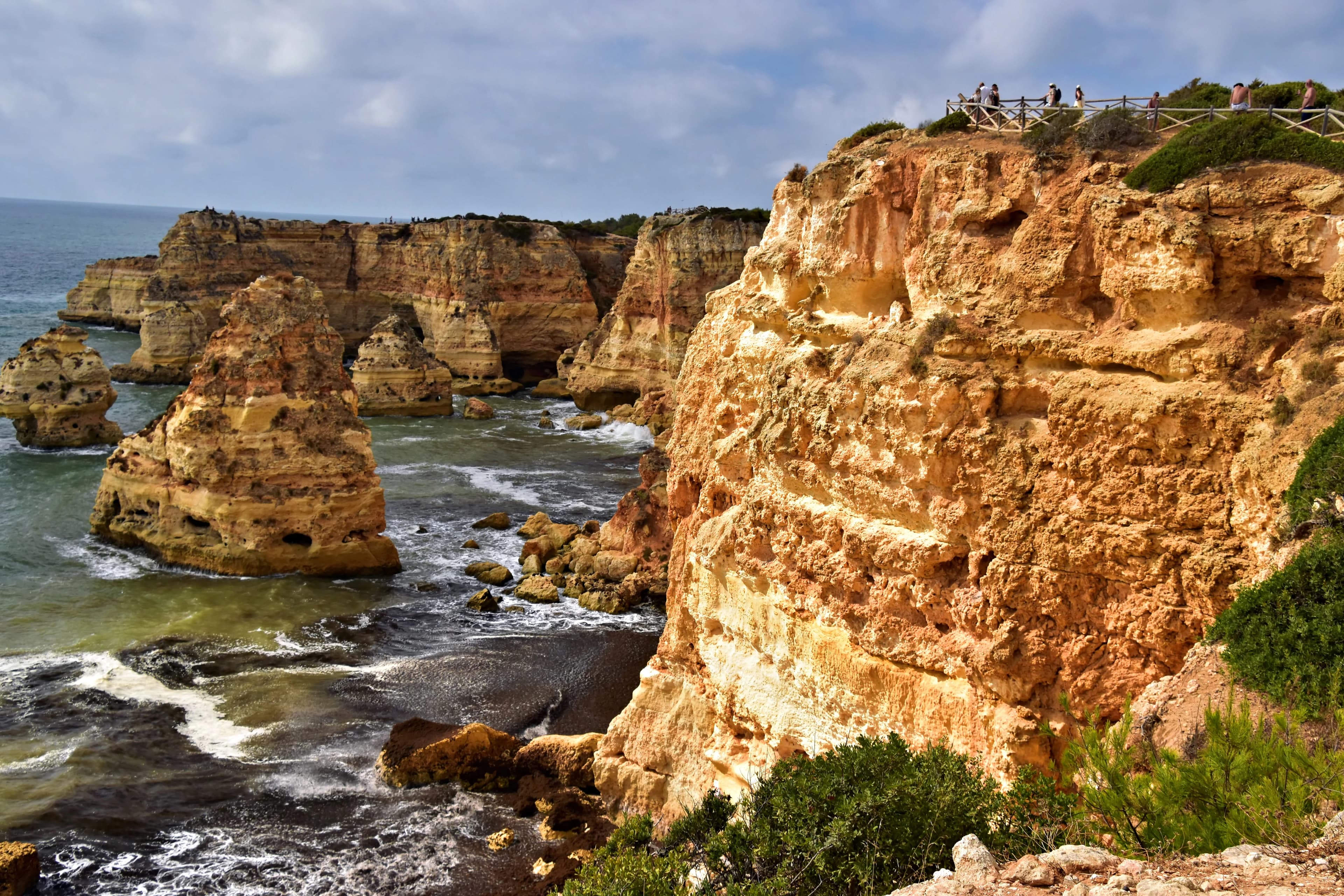
Praia da Marinha

Praia da Marinha is considered one of the most beautiful beaches in Europe and has been awarded by the Michelin Guide as one of the 100 most beautiful beaches in the world. This dream beach on the central Algarve between Carvöiro and Benagil is characterized by its dramatic sandstone cliffs, turquoise water, and the iconic rock arches that rise from the sea like natural cathedrals. Access is via a steep staircase down the cliffs, which protects the beach from overcrowding. Upon arrival at the bottom, a golden strip of sand is revealed, framed by rugged rock formations and natural caves. The crystal-clear water is excellent for snorkeling — seahorses, octopuses, and colorful fish abound among the rocks. At low tide, hidden rock pools and nearby coves can be explored on foot. The cliff walking trail (Percurso dos Sete Vales Suspensos) leads from Praia da Marinha westward over seven hanging valleys to Carvöiro — one of the most spectacular coastal hikes in Europe with breathtaking views of caves, rock arches, and secluded coves. The nearby Benagil Cave, accessible only by boat or swimming, is another natural wonder with its natural skylight. Praia da Marinha has no beach bar, so bring provisions. Parking is available at the cliff edge, and arriving early secures a spot. The best time to visit is from May to October.

BeachCliffsSnorkeling
aerial view of city buildings on mountain during daytime

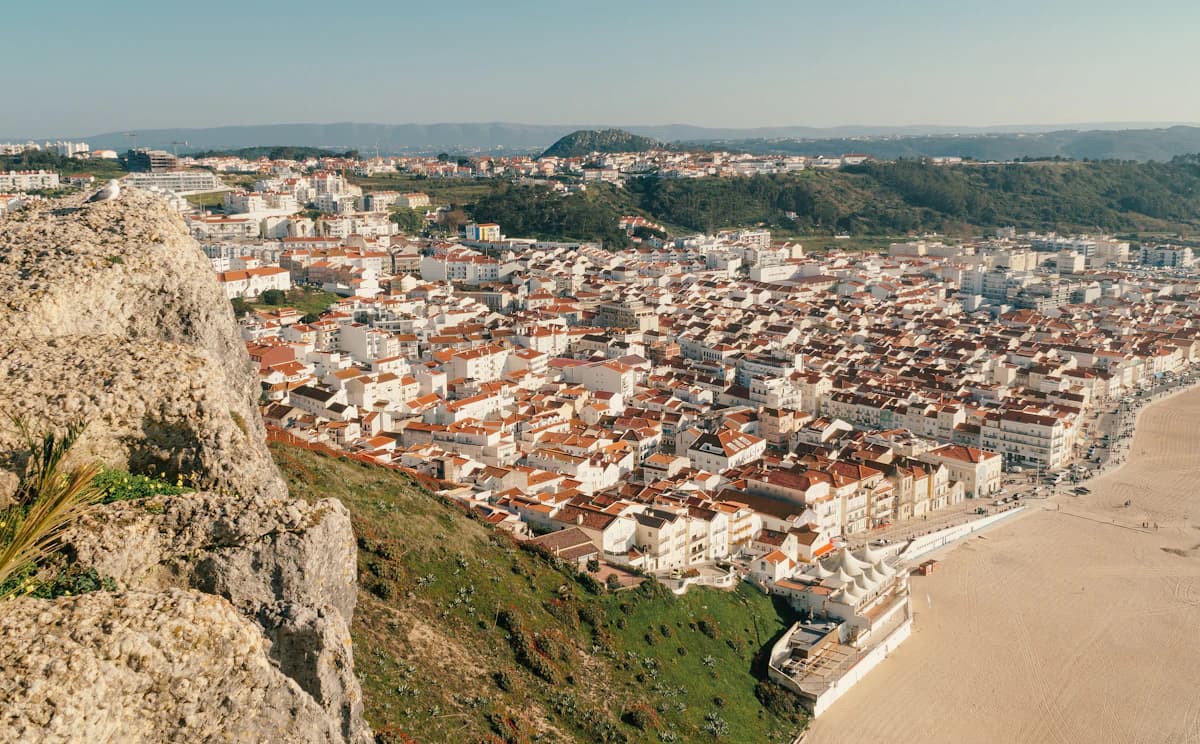
Nazaré

Nazaré has transformed from a sleepy fishing village into a mecca for big wave surfing, attracting surfers and spectators from around the world with its monstrous waves. At Praia do Norte, waves over 26 meters have been ridden — a world record. An underwater canyon, the Canhão da Nazaré, channels the Atlantic waves into an unusual force, especially between October and March when winter storms rage. The lighthouse Farol da Nazaré at Fort de São Miguel Arcanjo is the best viewpoint to observe the monster waves — and also a museum documenting the history of big wave surfing in Nazaré. On wave-rich days, thousands gather on the cliffs of Sítio, the upper town district, which can be easily reached by the historic funicular (Elevador da Nazaré). But Nazaré is much more than surfing: The old town by the main beach preserves the traditions of fishermen, and older women still wear the typical seven skirts (Sete Saias). Fish dry in the sun on wooden racks at the beach, and the restaurants serve the best grilled fish in the region. In summer, the wide sandy beach is a popular bathing destination for families. The pilgrimage church Nossa Senhora da Nazaré on Sítio holds a legend of a miraculous rescue. Nazaré is located just 120 kilometers north of Lisbon and can be perfectly combined with a visit to Obidos and Alcobaca.

Big WavesSurfingBeach

Islands

Faial (Azores)

Faial is the "Blue Island" of the Azores — named after the hydrangea hedges that bathe the entire island in a bright blue during summer, lining the paths, fields, and gardens like a botanical dream in the middle of the Atlantic. The fifth largest island of the Azores has been a hub of transatlantic navigation for centuries, combining volcanic drama with cosmopolitan charm. Horta, the small capital, is one of the most legendary sailing cities in the world: Since the 1930s, sailors who have crossed the Atlantic have painted their coats of arms and ship names on the quay walls of the marina — there are now over 10,000 graffiti that transform the harbor into a colorful open-air artwork. At Peter Café Sport, an institution that has existed since 1918, sailors gather over gin and tonic to share stories of stormy voyages and calms — an atmosphere that can only be found in a few places in the world. The geological highlight is the Caldeira, a huge caldera with a depth of 400 meters and a diameter of two kilometers, whose emerald green floor is covered with ferns, mosses, and cedars. The hiking trail around the crater rim offers a breathtaking view on clear days: the entire island at your feet, the neighboring Pico volcano (Portugal's highest mountain) towering above the clouds, and nothing but the endless Atlantic surrounding you. The Capelinhos at the western tip are the youngest piece of Europe: A volcanic eruption in 1957-58 created a new peninsula from ash and lava, which partially buried a lighthouse and changed the entire west coast. This moon-like landscape, a fascinating interpretation center, and the lighthouse rising from the ash form one of the most impressive geological experiences in Europe.

AzoresVolcanoSailing

Madeira

Madeira, the flower island in the Atlantic, is a subtropical natural paradise 1,000 kilometers southwest of Lisbon. The volcanic island rises up to 1,862 meters from the sea (Pico Ruivo) and offers an overwhelming variety of landscapes: from the laurel forest areas, which are protected as a UNESCO World Heritage site, to rugged cliffs and terraced vineyards and exotic gardens. The network of Levadas — historical irrigation channels from the 15th century — offers over 2,500 kilometers of hiking trails through the island's most spectacular nature. The Levada do Caldeiro Verde leads through tunnels and along steep valleys to a 100-meter-high waterfall. The hike from Pico do Arieiro to Pico Ruivo over the mountain ridges above the clouds is among the most beautiful in Europe. The capital Funchal impresses with the colorful Mercado dos Lavradores, the legendary toboggan rides from Monte, and a vibrant restaurant scene. Madeira's cuisine shines with black scabbard fish (Espada) with banana, Espetada (beef skewers on laurel wood), and the famous Madeira wine, which can be tasted in the island's cellars. The New Year's Eve fireworks in Funchal are world-famous. Whales and dolphins can be observed year-round off the coast. Thanks to the mild climate with temperatures between 17 and 25 degrees, Madeira is a year-round destination.

HikingNatureSubtropical

Azores

The Azores, Portugal's volcanic archipelago in the middle of the Atlantic, is a paradise for those who wish to travel off the beaten path. Nine islands offer an overwhelming variety of emerald-green crater lakes, hot springs, whale watching, and streets lined with hydrangeas that lead through lush pastures — all in a pleasant climate and largely free from mass tourism. Sao Miguel, the main island, impresses with the twin lakes of Sete Cidades in a massive volcanic crater — one lake blue, the other green, framed by steep, wooded slopes. In the Furnas Valley, fumaroles steam from the earth, and the Cozido das Furnas, a stew that cooks for hours in volcanic heat, is a culinary uniqueness. The hot springs in Terra-Nostra Park with its rust-colored thermal water are a must-see. Pico, dominated by the highest mountain in Portugal (2,351 meters), is famous for its UNESCO-protected wine-growing landscape: vines thrive directly by the Atlantic in painstakingly hand-built lava stone walls (Currais). Faial, with its port city Horta, has been a meeting point for transatlantic sailors for centuries. Flores, the westernmost island, enchants with waterfalls that plunge directly into the sea. Whale watching is an outstanding experience in the Azores: over 20 species of whales and dolphins traverse the waters, including sperm whales, blue whales, and large schools of common dolphins. Former whalers now accompany boat tours as guides. Hikers will find marked paths along dramatic coastlines and through laurel forests on all the islands. The Azores are a hidden gem that is slowly being discovered — those seeking nature, tranquility, and authenticity will find one of the last unspoiled travel destinations in Europe.

NatureVolcanoesWhales

Porto Santo

Porto Santo, the smaller sister island of Madeira, is a sun-drenched jewel in the Atlantic, surprising visitors with nine kilometers of the finest golden sandy beach — a striking contrast to the volcanic, rocky Madeira. Just 2.5 flight hours from Central Europe and 15 minutes from Funchal, the island boasts an average of 3,000 hours of sunshine per year, making it one of the sunniest places in Europe. The beach stretches almost the entire southern side of the island and is known for its therapeutic properties: the carbonate-rich, calcareous sand is said to help with rheumatism and joint complaints, which is why thalassotherapy centers have a long tradition on Porto Santo. The turquoise, calm water is ideal for swimming, snorkeling, and for families with children. Christopher Columbus lived on Porto Santo before embarking on his famous journey — his house in Vila Baleira is now a museum. The barren, hilly landscape of the island invites hiking: Pico do Facho (517 meters) and Pico Ana Ferreira with its spectacular basalt columns offer wide views over the Atlantic. With only 5,500 inhabitants, Porto Santo is wonderfully quiet and untouched by mass tourism. Golfers will find an 18-hole course designed by Severiano Ballesteros with sea views. The ferry from Madeira takes 2.5 hours and often offers dolphin sightings.

BeachPeaceIsland

National parks

a grassy valley with snow covered mountains

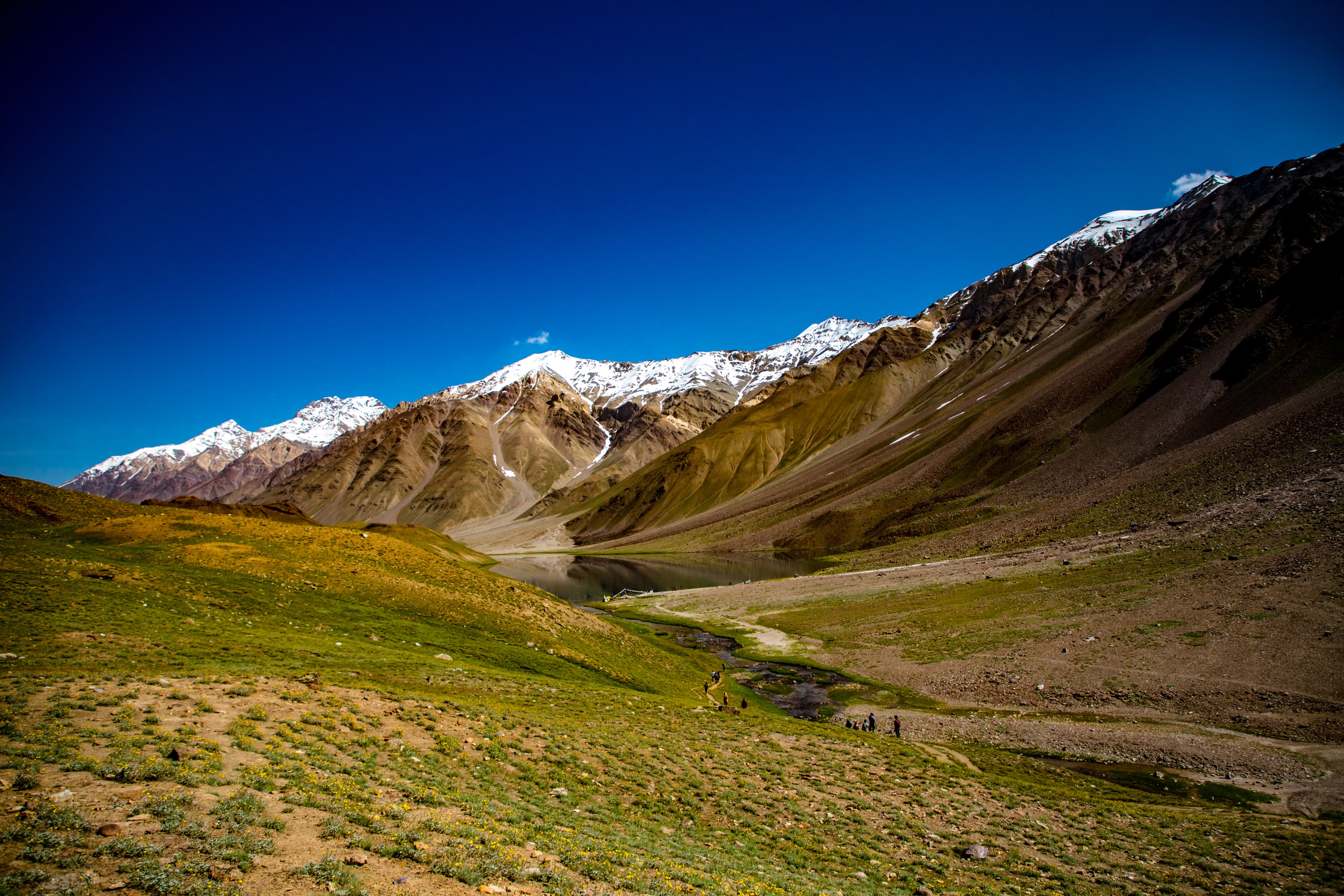
Peneda-Gerês

The Peneda-Gerês National Park is Portugal's only national park and a green paradise in the far northwest of the country, which could not be more different from the beaches of the Algarve that most travelers associate with Portugal. Here, on the border with Spain, a wild mountain landscape unfolds with dense oak forests, granite rocks, roaring waterfalls, and crystal-clear river pools inviting for a swim. The park covers 700 square kilometers and stretches from the peaks of the Gerês mountains (up to 1,545 m) in the south to the more remote Peneda mountains in the north. The diversity of landscapes is impressive: granite peaks alternate with peat bogs, centuries-old mixed forests, and terraced valleys where tiny villages have been shaped by farming for generations. The most beautiful natural experiences are the cascatas — waterfalls and natural river pools. The Cascata do Arado spectacularly plunges into a granite basin, and the Seven Lagoas on the Rio Homem form a chain of turquoise natural pools where one can swim on hot summer days. The reservoir of Vilarinho das Furnas houses the remains of a village submerged in the 20th century, whose ruins eerily protrude from the lake at low water levels. The Espigüiros — traditional granary structures made of granite on stilts — are an architectural gem and can be found by the dozens in the villages of Lindoso and Soajo, with a dramatic mountain panorama as a backdrop. Wild horses (Garranos) roam the plateaus, eagles circle over the peaks, and with a bit of luck, one might catch a glimpse of Iberian wolves in the more remote valleys. Peneda-Gerês is the Portugal that most travelers never get to see — original, wild, and breathtakingly beautiful.

National ParkWaterfallsHiking

Areas

a large building with a lot of windows and balconies

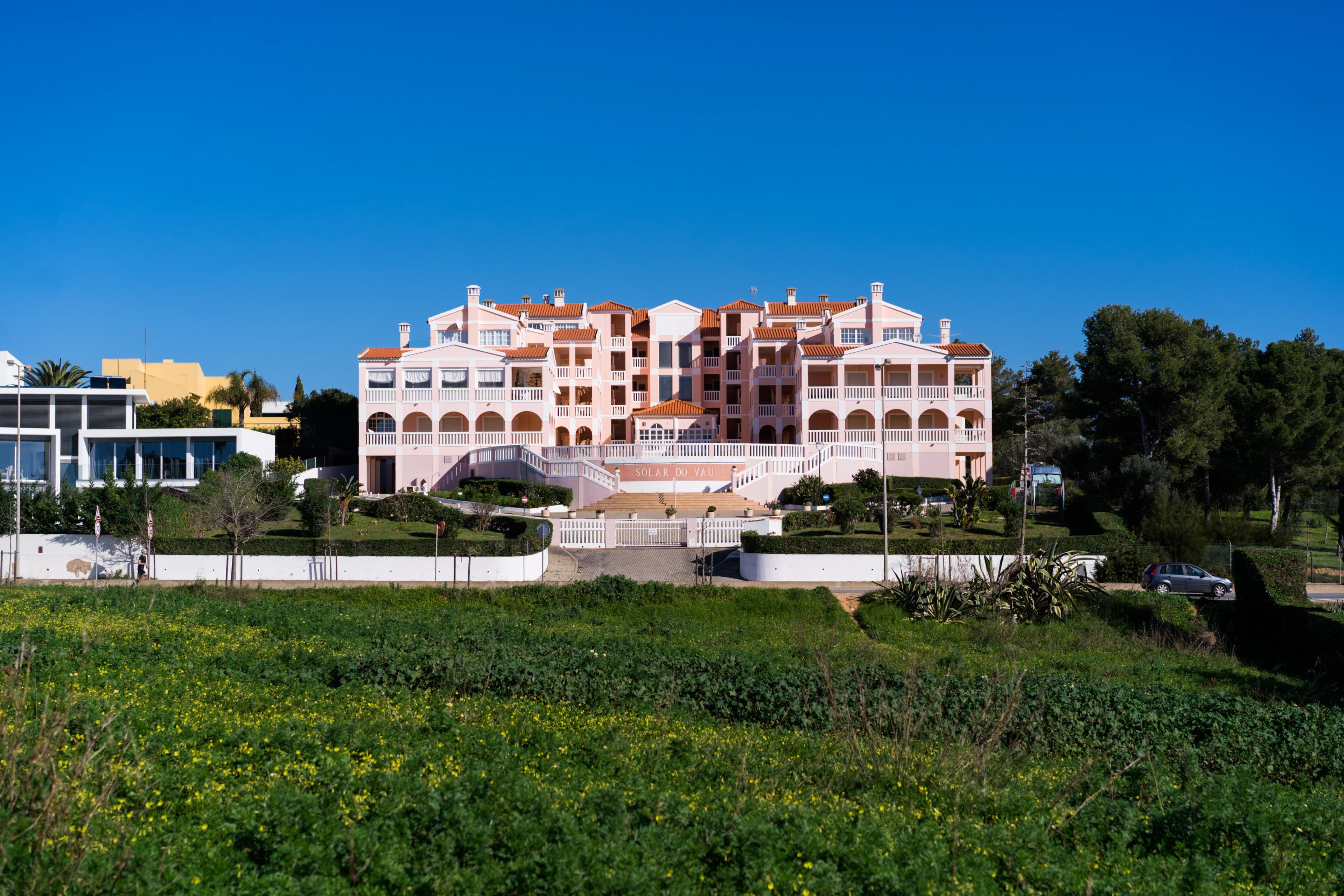
Algarve

The Algarve, Portugal's southernmost region, is one of Europe's most popular travel destinations, boasting over 300 sunny days a year, spectacular rocky coastlines, and turquoise waters. The 200-kilometer-long coast is divided into the Barlavento (West Coast) with its dramatic sandstone cliffs, hidden caves, and golden bays, and the flatter Sotavento (East Coast) with extensive sandy beaches and the Ria Formosa Nature Park. The rock formations near Lagos, Benagil, and Carvoeiro are among the most photographed landscapes in the country. The Benagil Cave, with its collapsed dome roof allowing sunlight to fall onto the sandy beach, is a natural monument of surreal beauty. Kayaking and stand-up paddling along the cliffs offer perspectives that remain invisible from land. Away from the coast, the hinterland surprises with whitewashed villages, almond and orange groves, and the Serra de Monchique, a green mountain range with a thermal spa. Silves, the former Moorish capital, overlooks the landscape with its red castle. The Algarve cuisine features Cataplana (shellfish stew from a copper pot), grilled sardines, and almond cakes. Golfers can find over 40 top-notch courses. From Faro, all highlights are quickly accessible, and with a rental car, the entire diversity of the region can be explored in one to two weeks.

BeachSunGolf
a bridge over a river with a city in the background

Douro Valley

The Douro Valley is one of the oldest wine regions in the world — marked as a cultivation area since 1756 and designated a UNESCO World Heritage Site since 2001. Along the Rio Douro, generations of winemakers have transformed steep slate slopes into spectacular wine terraces that stretch like a giant amphitheater over the river valleys. Here, not only are the grapes for the world-famous Port wine grown, but excellent red and white wines are also produced. A river cruise on the Douro is one of the most beautiful travel experiences in Portugal. The journey from Porto to Pinhão or Régua takes you through dramatic gorges, past white quintas (wineries) and sleepy villages. The historic railway line Linha do Douro winds parallel to the river and offers breathtaking views from the train — especially the section between Pinhão and Pocinho. Pinhão, a tiny place on the riverbank, is the heart of the region: The train station is adorned with traditional Azulejo tiles depicting viticulture. Numerous quintas offer wine tastings and overnight stays with panoramic views. In autumn, during the grape harvest (Vindima), the valley pulses with activity, and some wineries invite guests to stomp grapes. The best time to visit is from April to October, with autumn, with its colors of gold, red, and orange, bathing the valley in an unparalleled sea of colors.

WineUNESCORiver Cruise

Alentejo

The Alentejo stretches over a third of Portugal's land area and is yet the least populated region of the country — a vast land of golden wheat fields, ancient cork and olive groves, endless horizons, and a silence that is balm for the soul. Here, time ticks more slowly, and visitors find a Portugal that has disappeared elsewhere. The capital Évora, a UNESCO World Heritage site, is the cultural heart of the region with a Roman temple, a Gothic cathedral, and the famous Chapel of Bones. But the Alentejo extends far beyond that: The marble towns of Estremoz and Vila Viçosa literally shine, Monsaraz perches as a medieval picture-book village above the Alqueva reservoir — Europe's largest artificial lake — and Mertola enchants with its Moorish old town. The Alentejo is Portugal's culinary treasure trove: Black pig (Porco Preto) from acorn-fed livestock, handmade sheep cheese, Alentejo bread with coriander and garlic (Açorda), and top-quality wines from emerging wine regions shape the table. The Alentejo coast (Costa Vicentina) offers wild, unspoiled beaches and dramatic cliffs. In spring, wildflowers transform the landscape into a sea of purple and yellow blooms. The region is perfect for road trips, wine journeys, and for those seeking authentic Portugal away from tourist paths.

VastnessWineCulinary
a cliff next to the ocean

Costa Vicentina

The Costa Vicentina at the southwestern tip of Portugal is one of the last untouched coastal stretches in Europe. The Parque Natural do Sudeste Alentejano e Costa Vicentina protects over 100 kilometers of dramatic cliffs, secluded coves, and wind-swept plateaus between Alentejo and the western Algarve. Here, there are no hotel complexes, no promenades — just the raw power of the Atlantic and a nature that has preserved its wild character. The Rota Vicentina, a network of hiking trails, is the best way to experience this coastline. The Fishermen’s Trail (Trilho dos Pescadores) runs directly along the cliff edge, past stork nests on rocks (the only stork colony in the world that breeds on cliffs), hidden sandy coves, and through maquis landscapes that smell of rosemary and lavender in spring. Surfers can find top-notch waves in Arrifana, Amado, and Carrapateira that can compete with the best in Europe. The small fishing villages like Zambujeira do Mar and Odeceixe have retained their sleepy charm and offer simple restaurants with freshly caught fish at prices that are long gone in the Algarve. In August, Zambujeira transforms into an open-air stage during the Sudeste Festival. The Costa Vicentina is ideal for nature lovers, hikers, and surfers seeking the wild, authentic Portugal.

NatureSurfingHiking

Serra da Estrela

The Serra da Estrela is the highest mountain range on the Portuguese mainland and with Torre (1,993 meters) the highest point of the continental land. The nature park covers 1,000 square kilometers and offers a surprisingly alpine landscape in the middle of Portugal: glacial lakes, granite wilderness, cave rivers, and even a modest ski slope in winter — the only ski resort in the country. The Vale Glaciar do Zêzere is the most impressive glacial valley on the Iberian Peninsula: a seven-kilometer long, U-shaped trough formed by ice masses from the last ice age 20,000 years ago. The Lagoa Comprida and the Covão dos Conchos (an artificial waterfall that seems to disappear into a lake) are other spectacular natural wonders. In spring, the heights bloom in yellow and purple as the endemic broom and high-altitude lavender awaken. The Serra da Estrela is also home to the cheese of the same name — Portugal's most famous cheese, a creamy sheep's cheese made with thistle instead of rennet and considered a delicacy. The Cão da Serra da Estrela, one of the oldest dog breeds in Europe, has been bred here for centuries as a shepherd dog. The granite villages of Manteigas, Seia, and Covilhã offer accommodations and are starting points for hikes. The Serra is perfect for nature lovers seeking a Portugal away from the beach and sea.

MountainsHikingCheese

Package holiday to Portugal

Compare flight & hotel at the best price.

Package holidays

Holiday apartment in Portugal

Holiday homes with more space and privacy.

Holiday flats

All accommodations

Map, package holidays & holiday homes at a glance.

All options

Complete guide for Portugal

Regions, attractions, food, routes, costs & practical tips — all in one digital guide.

Open guide
Suitable for:BeachCityBudgetSurfingFood

Ready for Portugal?

Plan your Portugal holiday now with our free tools.

Plan a holiday in Portugal

Portugal is one of the most popular travel destinations in Europe, offering Beach, City, Budget and much more. The best time to visit Portugal is May–October, when the weather is ideal for exploration and relaxation. With a daily budget starting from 40–65€ (Budget) to 120–250€ (Luxury), Portugal is suitable for various travel budgets.

From the capital Lisbon, Portugal can be excellently explored. The official language is Portuguese, and the currency is Euro (€). From Germany, you can reach Portugal in about 3 hours. Whether you want to try culinary highlights like Pastéis de Nata, Bacalhau, Francesinha, visit top attractions, or simply enjoy the atmosphere: Portugal has something for every type of traveller.

Use our free travel tools to prepare your Portugal holiday perfectly. With the holiday finder, you can discover if Portugal is the right destination for you. The budget calculator helps you plan costs realistically, and with the packing list, you won't forget anything.

Suitable holiday types for Portugal:

More travel destinations in Europe:

All countries in Europe

All destinations in Europe