silhouette of rocks on sea shore during sunset
🇾đŸ‡Ș

Sweden holiday

Travel tips, best time to visit & highlights for your Sweden holiday in Europe

Sweden is the land of endless forests, 100,000 lakes, and Scandinavian design. In summer, the midnight sun attracts visitors, while in winter, the Northern Lights and the legendary Ice Hotel await. Stockholm is one of the most beautiful capitals in Europe, spread across 14 islands. Additionally, there is the Swedish way of life Lagom – the art of moderation.

Capital

Stockholm

Language

Swedish

Currency

Swedish Krona (SEK)

Time zone

UTC+1

Flight time from DE

approx. 2 hours (Stockholm)

Entry requirements

EU identity card

Top hotels & accommodations in Sweden

Selected hotels and holiday accommodations in Sweden — with images, reviews, and direct booking links with our partners.

Top 5 highlights in Sweden

The places you absolutely must not miss.

1

Stockholm

Gamla Stan, Vasa Museum, ABBA Museum, and an archipelago with 30,000 islands at your doorstep.

2

Swedish Lapland

Northern Lights, dog sledding, Ice Hotel in JukkasjÀrvi, and Sami culture.

3

Archipelago

Thousands of rocky islands off Stockholm – accessible by boat for day trips or camping.

4

Gotland

Medieval Hanseatic town of Visby (UNESCO), beaches, and Raukar rock formations.

5

Höga Kusten

Sweden's spectacular High Coast – UNESCO World Heritage site with dramatic granite cliffs by the sea.

Hotels in Sweden

Vergleiche tausende Hotels, Apartments und Resorts auf Expedia – mit Bestpreis-Garantie, kostenloser Stornierung und Bonuspunkten.

Über 700.000 Hotels
Kostenlose Stornierung
Bestpreis-Garantie
Hotels in Sweden vergleichen

* Weiterleitung zu Expedia.de. Es gelten die dortigen Nutzungsbedingungen.

Reise-SIM fĂŒr Sweden

Prepaid-SIM mit Datenvolumen fĂŒr Sweden. Einfach einlegen und sofort lossurfen – keine Roaming-GebĂŒhren.

Sofort einsatzbereit
200+ LĂ€nder
Kein Roaming
SIM-Karte fĂŒr Sweden bestellen

* Weiterleitung zu travSIM.de. Es gelten die dortigen Nutzungsbedingungen.

Reiseversicherung abschließen

Rundum-Schutz ab 9,90 € auf TravelSecure.de

Pauschalreisen & Rundreisen

Berge & Meer – 170 Tage Cookie

Best time to visit Sweden

Recommended travel time

June–August (summer), Dec–Feb (Northern Lights)

Summer

18–25°C

Winter

-10–2°C

How much does a holiday in Sweden cost?

Average cost per person per day (excluding flight)

🎒

Budget

70–100€

Hostel, street food, public transport

🏹

Mid-range

100–180€

Hotel, restaurant, excursions

🌟

Luxury

180–350€

Boutique hotel, fine dining

5 travel tips for Sweden

Insider knowledge to make your holiday better.

Cash is hardly accepted anymore – credit cards are sufficient everywhere

AllemansrÀtten: Everyman's right allows wild camping and berry picking

Fika (coffee break with pastries) is sacred – join in!

Stockholm Pass is worth it for museums and boat trips

Midsommar (end of June) is Sweden's most important festival – celebrate!

Food & drink in Sweden

These dishes you must try!

Köttbullar
SmörgÄsbord
KnÀckebröd
Kanelbullar
Gravlax
Surströmming

Discover Sweden

7 regions, cities and highlights in Sweden

Cities

Göteborg

Göteborg is Sweden's relaxed west coast metropolis — a city that combines Swedish design, top-notch seafood, and a vibrant subculture without the big city stress of Stockholm. As Sweden's second-largest city and Scandinavia's largest port, Göteborg has a cosmopolitan atmosphere shaped by industrial history, proximity to the sea, and one of Europe's most innovative food scenes. The archipelago off Göteborg (Göteborgs SkĂ€rgĂ„rd) consists of over 20 islands, accessible by ferry in 20-45 minutes: car-free islands like Styrsö, Vrango, and Donsö with red wooden houses, granite rocks for swimming, and restaurants serving the catch of the day. In summer, the people of Göteborg swim on the smooth cliffs and jump from granite rocks into the crystal-clear Kattegat. Haga, Göteborg's oldest district, enchants with 19th-century wooden houses, vintage shops, and the legendary Cafe Husaren, which serves the largest cinnamon rolls (Kanelbullar) in Sweden — as big as a plate. The Feskekörka (Fish Church) from 1874 is a neo-Gothic market in the shape of a church, where fresh oysters, lobsters, crabs, and the famous RĂ€ksmörgĂ„s (crab sandwich) are sold. Liseberg, Scandinavia's largest amusement park, is located in the city center: in summer, roller coasters and concerts, during Halloween the largest horror event in Europe, and in winter a fairy-tale Christmas market with five million lights, regularly voted the best in Europe.

ArchipelagoSeafoodDesign

Malmö

Malmö is Sweden's most multicultural metropolis — a city at the southernmost tip of the country, just 35 minutes from Copenhagen via the Øresund Bridge, which has transformed from an industrial city into a hotspot for sustainable architecture, street food, and Scandinavian design. With 190 nationalities among just 350,000 residents, Malmö is one of the most diverse cities in Europe. The Turning Torso is Malmö's landmark and the tallest building in Scandinavia: The 190-meter high, 90-degree twisted skyscraper by Santiago Calatrava dominates the skyline of the former harbor district of VĂ€stra Hamnen, which has transformed from a shipyard area into a showcase district for sustainable urban planning. Mollevangstorget is Malmö's liveliest marketplace: Here, falafel from Syria meets Persian rice dishes, African vegetable stalls meet Turkish bakeries. The Saturday market is a festival of scents and flavors that unites the culinary diversity of the city in one square. Malmö's falafel scene is considered the best in Scandinavia. Malmö Castle (Malmöehus) is a Renaissance fortress from the 15th century that now houses several museums under one roof: art museum, city museum, natural history museum, and an aquarium. In the castle park, thousands of cherry trees bloom in spring, and the canals around the fortress invite for a stroll.

MulticulturalArchitectureStreet Food

Stockholm

Stockholm, the capital of Sweden, stretches across 14 islands at the point where Lake MĂ€laren meets the Baltic Sea. The "Venice of the North" fascinates with the medieval Gamla Stan, one of the best-preserved old towns in Europe, and the Royal Palace with its 608 rooms. The Vasa Museum houses the only nearly fully intact warship from the 17th century. Stockholm is also home to the Nobel Prizes, with the elegant Stadshuset as the venue for the annual Nobel Prize banquet. The city combines Scandinavian design, innovative gastronomy, and remarkable nature — moose and archipelagos are just a short drive away. The ABBA Museum and Fotografiska are among the most modern cultural institutions. Södermalm is the trendiest district with vintage shops, craft beer bars, and the best view over the skyline.

ArchipelagoDesignNobel
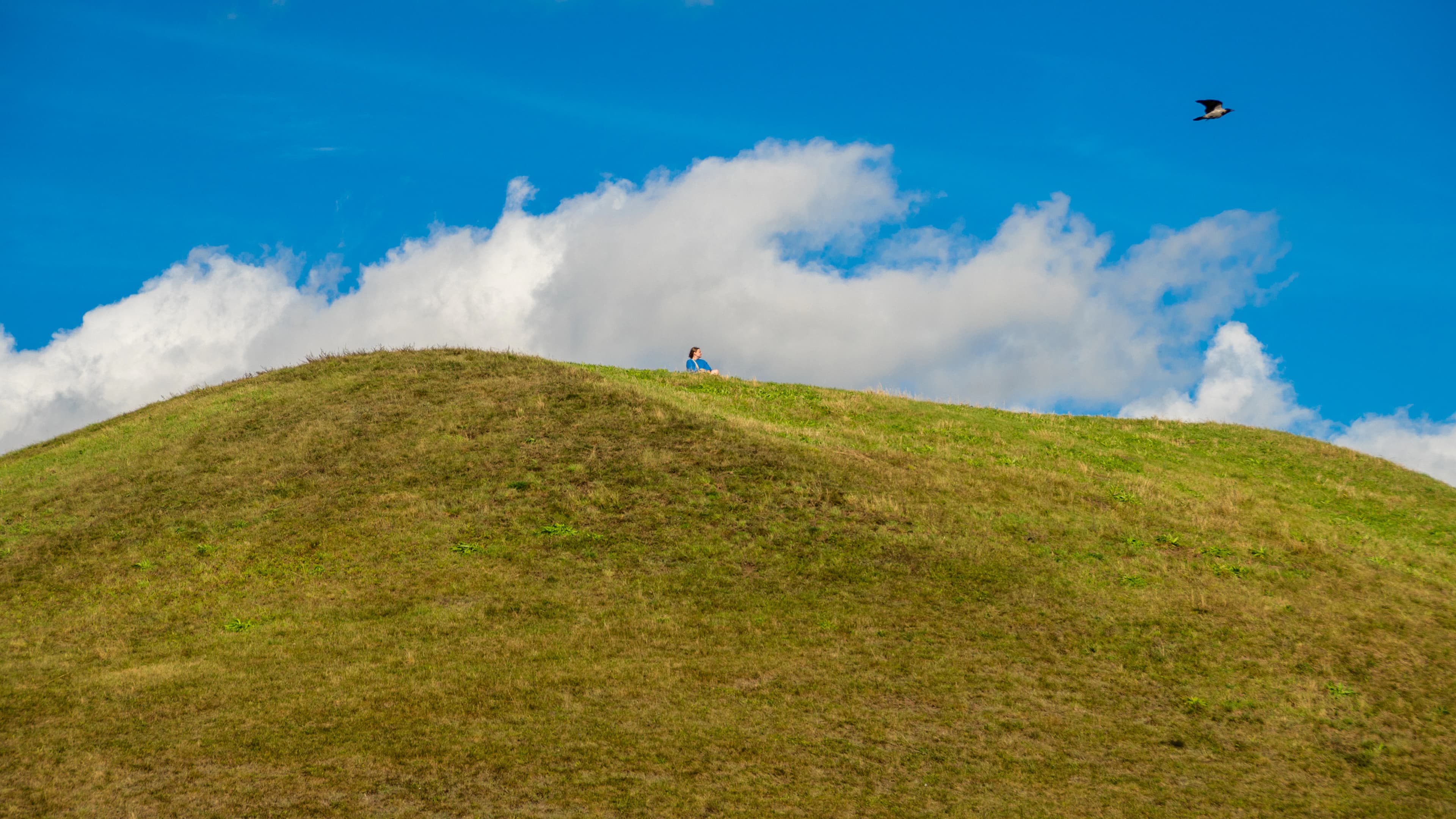
Green grassy hill under a blue sky with clouds

Uppsala

Uppsala is Sweden's fourth largest city and a vibrant university center with a history dating back to the Viking Age. Just 40 minutes by train from Stockholm, Uppsala combines academic excellence — the university was founded in 1477 and is the oldest in Scandinavia — with medieval architecture and a surprisingly dynamic cultural scene. The Gothic cathedral of Uppsala is the tallest church in Scandinavia at 119 meters and houses the graves of Swedish kings and the naturalist Carl von LinnĂ©. Uppsala Castle, an impressive Renaissance building on the hill overlooking the city, offers panoramic views and houses an art museum. The Linnaeus Botanical Garden, where the famous scientist once conducted research, is a green oasis in the heart of the city. Old Uppsala, just a few kilometers to the north, is one of the most important archaeological sites in Scandinavia — here lie the royal burial mounds from the 5th-6th century, and the Gamla Uppsala Museum tells the story of the Vikings and Norse mythology. Uppsala is a perfect day trip from Stockholm — or a standalone destination for anyone wanting to experience Scandinavian history and student life.

UniversityVikingsHistory

Islands

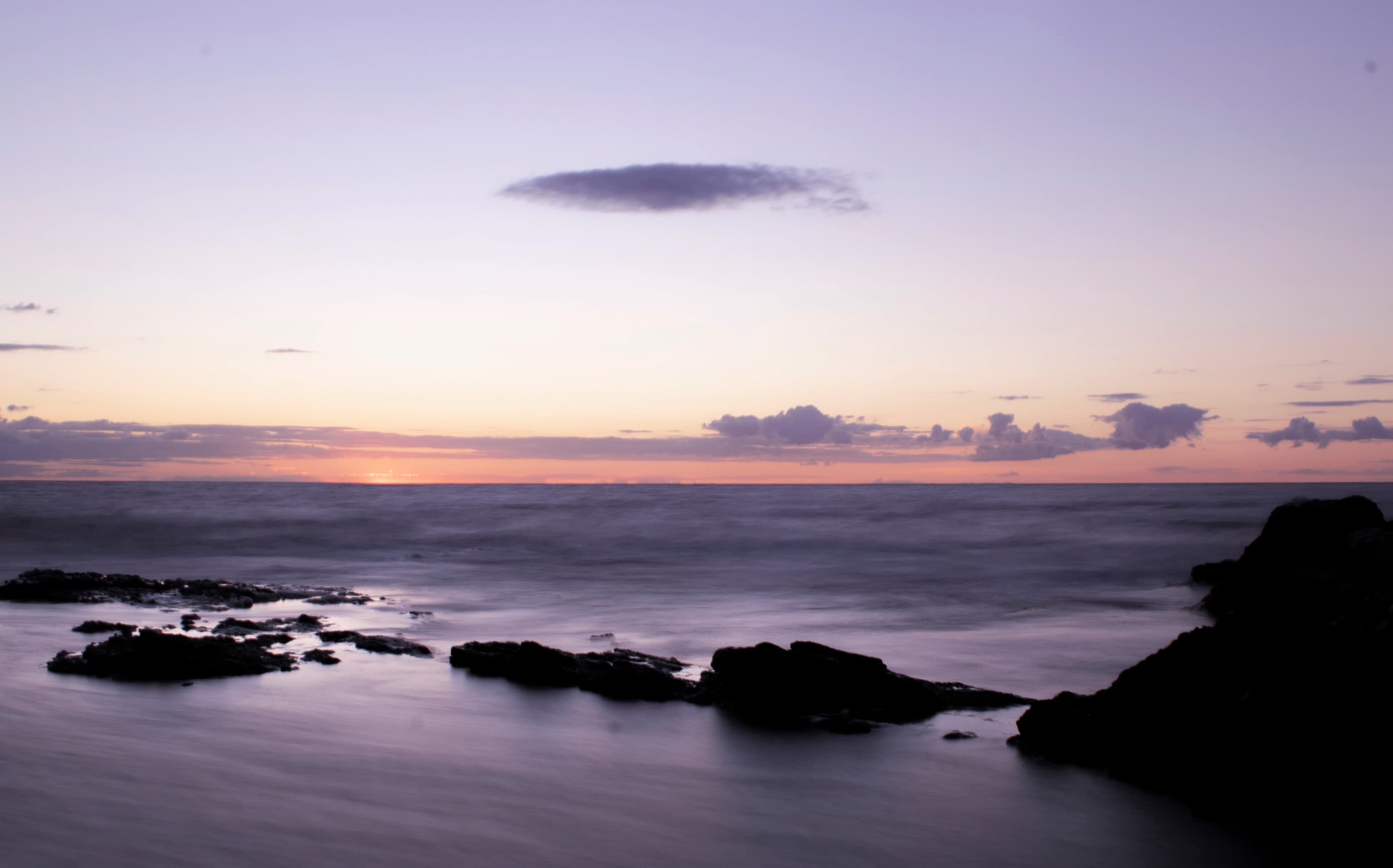
silhouette of rocks on sea shore during sunset

Gotland

Gotland is Sweden's sun island in the Baltic Sea and a jewel of medieval history that captivates German tourists with its unique blend of UNESCO World Heritage, endless sandy beaches, and a vibrant summer culture. The largest island in Sweden is located about 90 kilometers off the east coast and surprises with a climate that is milder and sunnier than on the mainland – Gotland has the most sunshine hours in all of Sweden and is affectionately referred to as the Swedish Riviera. The heart of Gotland is Visby, one of the best-preserved medieval Hanseatic towns in Europe and a UNESCO World Heritage site since 1995. The nearly completely preserved city wall with its 44 towers encloses a labyrinth of cobblestone streets, climbing roses, church ruins, and merchant houses from the 13th century. In August, Visby transforms during Medieval Week into a time capsule: thousands of visitors in medieval costumes fill the streets, market stalls offer crafts, and knight tournaments take place against the picturesque backdrop of the ruins. Away from Visby, Gotland offers a surprisingly diverse landscape: The Raukar, towering limestone columns that rise like sculptures from the sea, are a geological wonder and the island's landmark. The beaches on the west coast – Tofta, GnisvĂ€rd, and Visby Strand – invite swimming in the Baltic Sea, which reaches pleasant temperatures of 18-22°C in summer. In the south of the island lies FĂ„rö, the favorite island of Swedish film director Ingmar Bergman, with wind-swept heathlands and dramatic Raukar formations. For German tourists, Gotland is accessible by ferry from NynĂ€shamn (south of Stockholm) or Oskarshamn in 3-4 hours, making the journey an experience. The island can be excellently explored by bicycle – the flat terrain and well-developed bike paths make Gotland a paradise for cycling tourists.

GotlandUNESCOMedieval

Areas

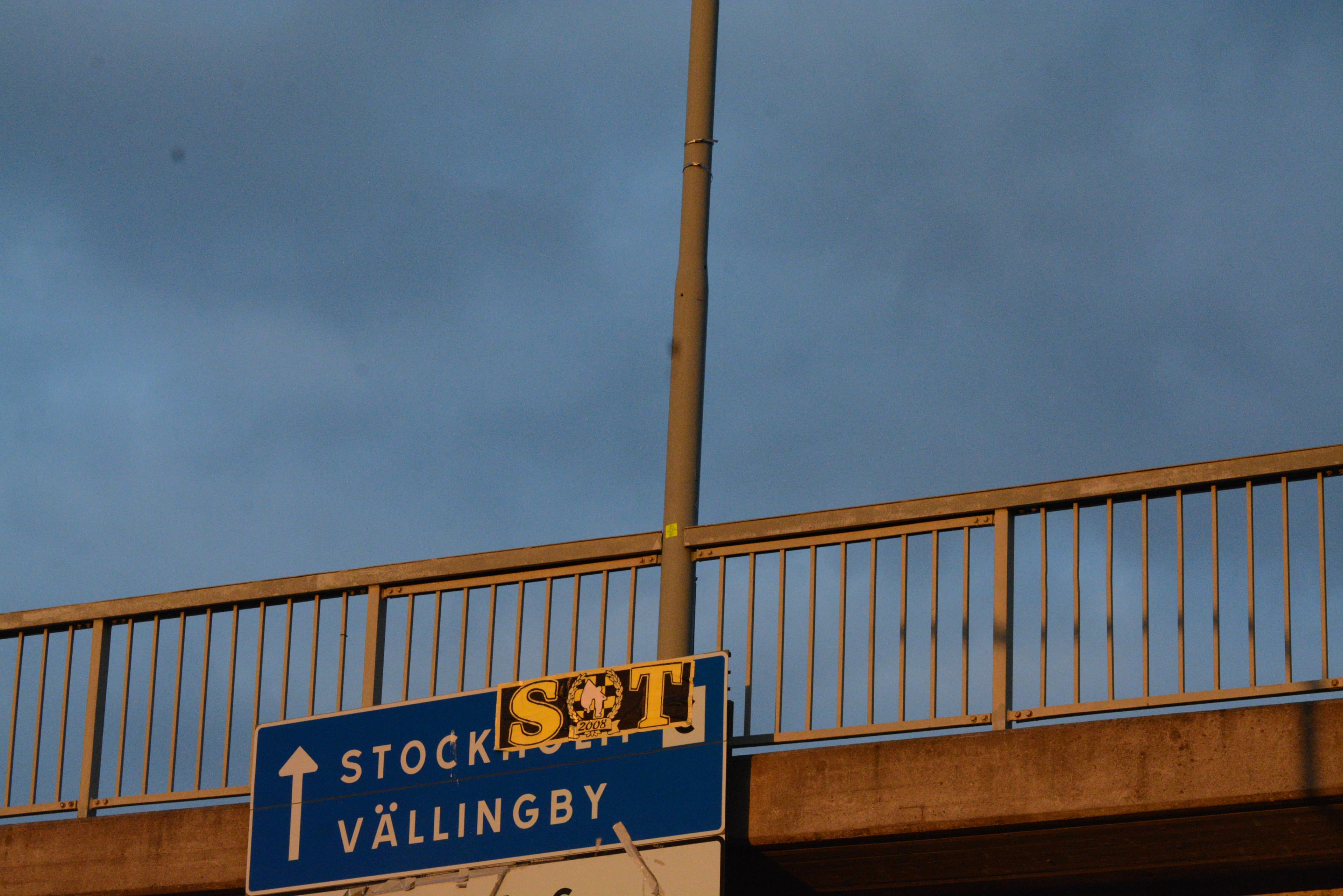
Road sign indicating directions towards stockholm.

Stockholm Archipelago

The Stockholm Archipelago is the best-kept secret of the Swedish capital — and with over 30,000 islands, islets, and rocks, it is the largest archipelago in the world. This labyrinth of land and water stretches from the outer suburbs of Stockholm deep into the Baltic Sea, offering a landscape of quiet, Nordic beauty that is as typically Swedish as Midsummer and crime novels. The inner archipelago, just a short ferry ride from the city center, is green and densely forested: Pine forests reach down to the water, red wooden houses (Stugas) with white window frames stand on granite rocks, and sailboats and kayaks are ready at the docks. Islands like Vaxholm (with its impressive fortress), Grinda, and Sandhamn are accessible by regular ferries and offer restaurants, swimming spots, and hiking trails. Further out, the islands become starker and wilder: The outer archipelago consists of wind-swept granite rocks, where only lichens and heather grow. Here lie the most beautiful swimming spots — smooth granite slabs by the crystal-clear Baltic Sea, where one can sunbathe, swim, and enjoy absolute silence. In summer, the sun sets around 10 PM (almost not at all in June), and the endless evenings by the water, perhaps with a glass of cider and grilled fish, perfectly embody the Swedish way of life. Kayaking through the archipelago is the ultimate experience: One paddles from island to island, camps on uninhabited rocks (Allemannsrecht!), swims in secluded bays, and cooks dinner over a campfire. The heraldic animals of the archipelago — sea eagles, seals, and terns — accompany the journey, and the interplay of water, rock, sky, and pine scent has a meditative quality that makes one forget everyday life in just a few hours.

ArchipelagoKayakSailing

Regions

Southern Sweden

Southern Sweden is the Sweden that German families know and love from the books of Astrid Lindgren – a gently rolling landscape of red wooden houses, quiet lakes, fragrant pine forests, and endless summer evenings bathed in golden light. The regions of SkĂ„ne, SmĂ„land, Blekinge, and Halland together offer an amazing variety: from the vast canola fields of SkĂ„ne to the enchanted forests of SmĂ„land and the archipelago coasts along the Kattegat and the Baltic Sea. SmĂ„land is the heart of literary Sweden and the home of Astrid Lindgren: In Vimmerby stands Astrid Lindgren World, a theme park that brings Michel from Lönneberga, Pippi Longstocking, and Ronja the Robber's Daughter to life. The surrounding landscape with its stone walls, birch avenues, and red farmhouses looks just like it does in the books. SmĂ„land is also the center of Swedish glass art – in the so-called Glass Kingdom (Glasriket), you can watch glassblowers at work in over 15 glassworks and buy unique artworks. SkĂ„ne in the far south is Sweden's granary and culinary main region: Here, canola, wheat, and apples grow, and the restaurants around Malmö and Lund serve New Nordic Cuisine at a world-class level. The coastal town of Ystad is internationally known through the Wallander crime novels, and the white sandy beaches of Sandhammaren are among the most beautiful in Scandinavia. By the Öresund Bridge, Copenhagen is only 30 minutes away from Malmö. For German holidaymakers, Southern Sweden is ideally accessible by car thanks to ferry connections from Rostock, TravemĂŒnde, and Kiel to Trelleborg, Malmö, or Gothenburg. The region is perfect for the classic Swedish family holiday: a red holiday home by the lake, canoeing at the doorstep, blueberries in the forest, and moose standing at the forest edge at dawn.

Southern SwedenSmÄlandAstrid Lindgren

Package holiday to Sweden

Compare flight & hotel at the best price.

Package holidays

Holiday apartment in Sweden

Holiday homes with more space and privacy.

Holiday flats

All accommodations

Map, package holidays & holiday homes at a glance.

All options

Complete guide for Sweden

Regions, attractions, food, routes, costs & practical tips — all in one digital guide.

Open guide
Suitable for:NatureDesignNorthern LightsIslandsCulture

Ready for Sweden?

Plan your Sweden holiday now with our free tools.

Plan a holiday in Sweden

Sweden is one of the most popular travel destinations in Europe, offering Nature, Design, Northern Lights and much more. The best time to visit Sweden is June–August (summer), Dec–Feb (Northern Lights), when the weather is ideal for exploration and relaxation. With a daily budget starting from 70–100€ (Budget) to 180–350€ (Luxury), Sweden is suitable for various travel budgets.

From the capital Stockholm, Sweden can be excellently explored. The official language is Swedish, and the currency is Swedish Krona (SEK). From Germany, you can reach Sweden in approx. 2 hours (Stockholm). Whether you want to try culinary highlights like Köttbullar, SmörgÄsbord, KnÀckebröd, visit top attractions, or simply enjoy the atmosphere: Sweden has something for every type of traveller.

Use our free travel tools to prepare your Sweden holiday perfectly. With the holiday finder, you can discover if Sweden is the right destination for you. The budget calculator helps you plan costs realistically, and with the packing list, you won't forget anything.

More travel destinations in Europe:

All countries in Europe

All destinations in Europe