Canada holiday
Travel tips, best time to visit & highlights for your Canada holiday in North America
Canada is the second-largest country in the world and offers nature in abundance: the Rocky Mountains, Niagara Falls, endless forests, wild coasts, and the Northern Lights. Additionally, there are cosmopolitan cities like Vancouver, Toronto, and Montreal, the French lifestyle in Quebec, and a friendliness that is proverbial.
Capital
Ottawa
Language
English, French
Currency
Canadian Dollar (CAD)
Time zone
UTC-3:30 to -8
Flight time from DE
approx. 8–10 hours
Entry requirements
Passport + eTA
Top hotels & accommodations in Canada
Selected hotels and holiday accommodations in Canada — with images, reviews, and direct booking links with our partners.
Hotel Wickaninnish Inn
Tofino, Kanada
Hotel The Fairmont Waterfront
Vancouver, Kanada
Hotel Sofitel Montreal
Montreal, Kanada
Hotel Fairmont Pacific Rim
Vancouver, Kanada
The Sutton Place Hotel
Vancouver, Kanada
Hotel Pan Pacific
Vancouver, Kanada
Hotel Shangri-La Vancouver
Vancouver, Kanada
Hotel Fairmont The Queen Elizabeth
Montreal, Kanada
Top 5 highlights in Canada
The places you absolutely must not miss.
Rocky Mountains
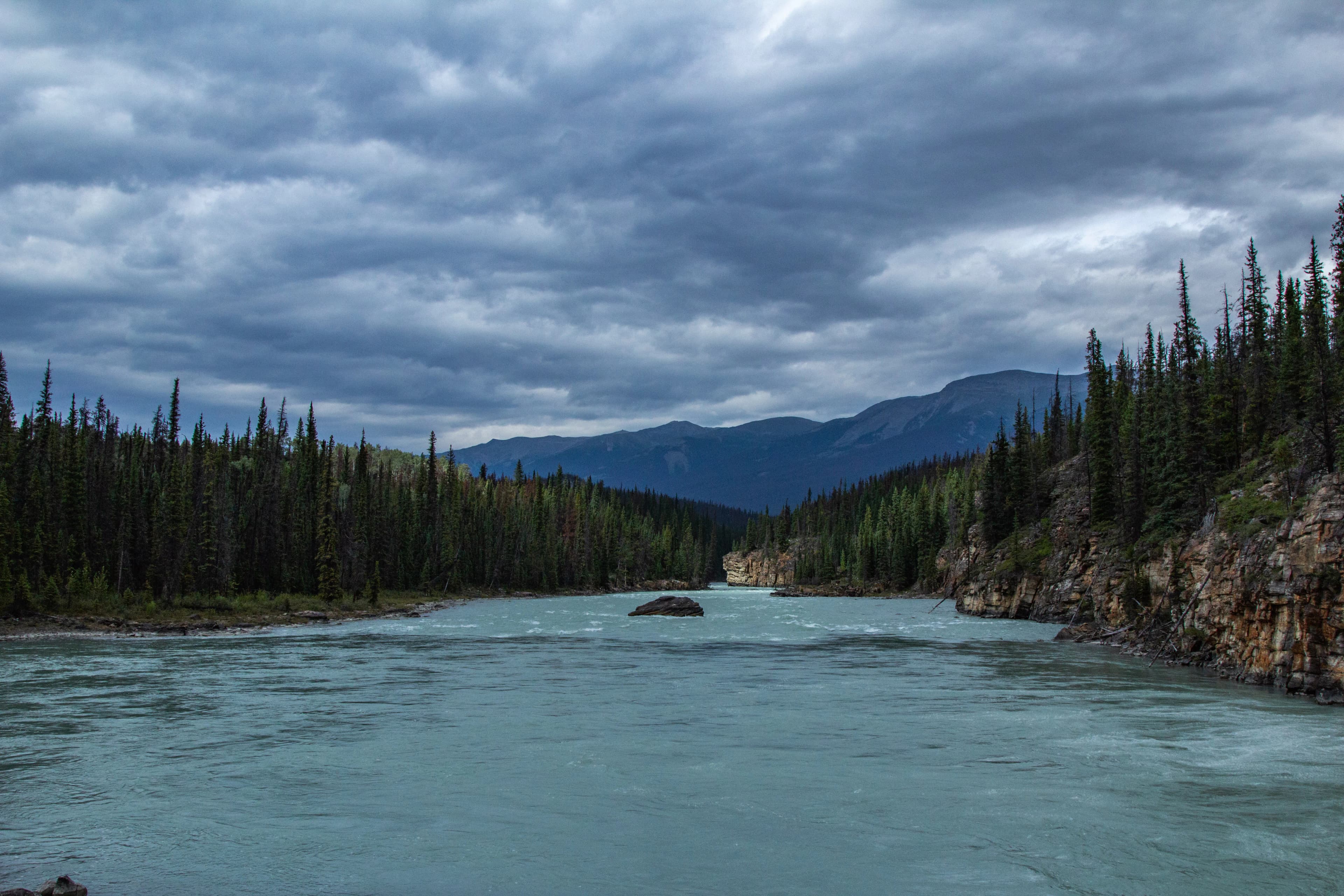
Banff and Jasper National Park: turquoise lakes, glaciers, bears, and the most beautiful mountain road in the world.
Vancouver
Mountains, ocean, and metropolis combined: Stanley Park, Granville Island, and skiing at Grouse Mountain.
Niagara Falls
The most famous waterfalls in the world – the Canadian side offers the better view.
Québec City
A piece of France in North America: cobblestones, Château Frontenac, and crêpes.
Northern Lights (Yukon & NWT)
Whitehorse and Yellowknife are among the best Northern Lights spots in the world.
Hotels in Canada
Vergleiche tausende Hotels, Apartments und Resorts auf Expedia – mit Bestpreis-Garantie, kostenloser Stornierung und Bonuspunkten.
* Weiterleitung zu Expedia.de. Es gelten die dortigen Nutzungsbedingungen.
Reise-SIM für Canada
Prepaid-SIM mit Datenvolumen für Canada. Einfach einlegen und sofort lossurfen – keine Roaming-Gebühren.
* Weiterleitung zu travSIM.de. Es gelten die dortigen Nutzungsbedingungen.
Reiseversicherung abschließen
Rundum-Schutz ab 9,90 € auf TravelSecure.de
Pauschalreisen & Rundreisen
Berge & Meer – 170 Tage Cookie
Best time to visit Canada
Recommended travel time
June–September (summer), Jan–Mar (ski/Northern Lights)
Summer
18–30°C
Winter
-20–0°C
How much does a holiday in Canada cost?
Average cost per person per day (excluding flight)
Budget
70–100€
Hostel, street food, public transport
Mid-range
100–180€
Hotel, restaurant, excursions
Luxury
180–400€
Boutique hotel, fine dining
5 travel tips for Canada
Insider knowledge to make your holiday better.
Icefields Parkway (Banff-Jasper) is one of the most beautiful roads in the world
Parks Canada annual pass is worth it for multiple national park visits
Buy bear spray at outdoor stores for hikes in the Rockies
Montreal has excellent bagels – better than New York (say the Canadians)
Tip 15-20% as is customary in the USA
Food & drink in Canada
These dishes you must try!
Discover Canada
9 regions, cities and highlights in Canada
Cities
Banff
Banff is the jewel of the Canadian Rocky Mountains — a small mountain town nestled in the oldest national park in Canada, surrounded by turquoise glacial lakes, snow-capped peaks, and a wilderness that is among the most spectacular landscapes on Earth. Banff National Park (UNESCO World Heritage Site) is Canada's most visited national park and the epitome of alpine splendor. Lake Louise is Banff's crown jewel and one of the most photographed lakes in the world: The unreal turquoise glacial water, framed by the Victoria Glacier and dark coniferous forests, looks like a painting that no photo can ever truly capture. The historic Fairmont Chateau Lake Louise has been perched on the shore since 1890 — afternoon tea with a view of the lake is one of Canada's most iconic experiences. Moraine Lake, ten kilometers from Lake Louise, may be even more spectacular: Ten jagged peaks (Valley of the Ten Peaks) are reflected in the deep turquoise water — this image once adorned the Canadian 20-dollar bill. The color of the lake is created by rock flour that glaciers grind into the water. The Banff Gondola ascends in eight minutes to the 2,281-meter-high Sulphur Mountain: At the top, a 360-degree panorama opens up over six mountain ranges, the Bow River, and the town of Banff, which lies tiny in the valley. A wooden walkway leads to the Cosmic Ray Station — a historic weather station from the 1950s. The Banff Upper Hot Springs steam at an elevation of 1,585 meters on the slopes of Sulphur Mountain: Naturally hot thermal water (37-40 °C), where you can bathe outdoors with a view of Mount Rundle — especially magical in winter when snow lies on the mountains and steam rises into the cold air, creating a magical experience.
Calgary
Calgary is the largest city in the Canadian province of Alberta and the gateway to the Canadian Rocky Mountains. The metropolis at the confluence of the Bow River and Elbow River is situated at an elevation of 1,045 meters in the prairie and offers a stunning view of the snow-capped peaks of the Rockies, which rise just 80 kilometers to the west. The Calgary Stampede, held annually in July, is the largest rodeo festival in the world and is marketed as The Greatest Outdoor Show on Earth. For ten days, the city transforms into a massive Western party: rodeo competitions, chuckwagon races, concerts, horse exhibitions, and pancake breakfasts on every corner. Over 1.2 million visitors flock to the Stampede each year, and the entire city dons cowboy hats and boots. Banff National Park, Canada's oldest national park and a UNESCO World Heritage site, is just 90 minutes to the west: turquoise glacier lakes like Lake Louise and Moraine Lake, majestic mountain peaks, and a rich wildlife including grizzly bears, moose, and elk make it one of the most spectacular natural areas on Earth. The Calgary Tower (190 m) offers a panoramic view of the city extending to the Rockies. Studio Bell, home of the National Music Centre, is an architecturally impressive museum that presents Canada's music history interactively. The Peace Bridge by Santiago Calatrava, a bright red pedestrian bridge over the Bow River, is Calgary's modern landmark. The Kensington and Inglewood neighborhoods are Calgary's creative centers: independent cafes, craft breweries, vintage shops, and galleries shape the streetscape. Calgary's economy, long dominated by the oil industry, is increasingly diversifying towards technology and renewable energies, giving the city a palpable sense of new beginnings.
Edmonton
Edmonton is the gateway to the Canadian Rocky Mountains and the northernmost major city in North America with over a million residents — a city that shines with surprising liveliness and a dense festival program despite its extreme winters, earning it the nickname Festival City. As the capital of the oil-rich province of Alberta, Edmonton combines economic strength with a cultural offering that makes cities twice its size envious. The North Saskatchewan River Valley forms the green heart of the city: at 7,284 hectares, it is the largest contiguous urban park system in North America — 22 times larger than Central Park in New York. Over 150 kilometers of hiking and biking trails wind along the riverbank through forests, gorges, and over historic bridges. In winter, the paths transform into cross-country ski trails and the slopes into sledding hills. The West Edmonton Mall was the largest shopping mall in the world when it opened in 1981 and is still one of the largest malls on the planet: over 800 stores, an indoor water park (World Waterpark with the largest indoor wave), an NHL-sized ice rink, an amusement park with roller coasters, and even a Sea-Life aquarium can be found under one roof. In winter (September to March), the Northern Lights (Aurora Borealis) regularly dance across the sky of Edmonton — the city is far enough north (53rd latitude) to observe the phenomenon directly from the city. Elk Island National Park, just 40 minutes east, offers even better conditions as a Dark Sky Preserve along with free-roaming bison herds. Jasper National Park, one of the most spectacular national parks in the Rocky Mountains, is only a 3.5-hour drive away: turquoise lakes, glaciers, grizzly bears, and the Icefields Parkway (one of the most beautiful scenic drives in the world) make a day trip or weekend adventure from Edmonton a must.

Jasper
Jasper is the wild, untouched soul of the Canadian Rocky Mountains — larger, quieter, and wilder than its famous neighbor Banff, with a wilderness that still looks as it did thousands of years ago. Jasper National Park (UNESCO World Heritage Site) is the largest national park in the Canadian Rockies at 10,878 square kilometers and hosts the largest Dark Sky Preserve in the world. The Columbia Icefield is the largest icefield in the Rocky Mountains: 325 square kilometers of glacial ice, from which meltwater flows into three oceans — the Pacific, the Atlantic, and the Arctic Ocean. The Athabasca Glacier is accessible by Ice Explorer (all-terrain special bus), and the Glacier Skywalk — a glass observation platform 280 meters above the canyon — offers dizzying views. Maligne Lake is Jasper's jewel: The largest natural lake in the Canadian Rockies stretches 22 kilometers between snow-capped peaks. Spirit Island, a tiny, wooded island at the southern end of the lake, accessible only by boat, is one of Canada's most photographed spots and a sacred place for the Stoney Nakoda First Nation. Maligne Canyon is a 50-meter deep limestone gorge carved by the Maligne River over millennia: Six bridges span the gorge, and in winter, the waterfalls transform into bizarre ice sculptures that can be admired during guided Icewalk tours from the depths of the canyon. Jasper's Dark Sky Preserve is the largest in the world: In October, the Dark Sky Festival celebrates the absence of light pollution with telescope nights, lectures, and guided stargazing. The Milky Way shines here with a clarity that is hardly possible in Europe.
Montreal
Montreal is the largest city in the Canadian province of Quebec and the second-largest French-speaking city in the world after Paris. The metropolis is located on an island in the Saint Lawrence River and combines European flair with North American energy — a city where French and English coexist equally and culturally enrich each other. Vieux-Montreal (Old Montreal) is the historical heart of the city: cobblestone streets, magnificent stone buildings from the 17th and 18th centuries, and the breathtaking Basilique Notre-Dame with its blue-gold interior, which is among the most beautiful church interiors in North America. The Old Port has been transformed into a lively waterfront promenade with a Ferris wheel, science center, and boat tours on the Saint Lawrence River. Mount Royal, the 233-meter-high mountain in the city, was designed by Frederick Law Olmsted — the same landscape architect who designed New York's Central Park. From the Belvedere viewpoint, there is a spectacular panoramic view of the entire skyline and the river. Montreal is the undisputed cultural capital of Canada: The Montreal Jazz Festival (Festival International de Jazz de Montreal) is the largest jazz festival in the world with over 3,000 artists and 2 million visitors. Just for Laughs is the largest comedy festival worldwide. The neighborhoods of Le Plateau-Mont-Royal and Mile End are epicenters of street art, independent music scene, and culinary creativity. Montreal's food culture is legendary: Poutine — fries with gravy and cheese curds — is the Canadian national dish and can be found here in its purest form. Montreal-style bagels, smoked meat, and the vibrant restaurant scene make the city one of the best culinary destinations in North America.
Ottawa
Ottawa, Canada's capital at the confluence of the Ottawa River, Rideau River, and Rideau Canal, surprises with a mix of political significance, nature, and bilingual charm. The city, with nearly one million inhabitants, lies on the border between Ontario and Québec — English and French merge here in everyday life. Parliament Hill majestically overlooks the Ottawa River: the neo-Gothic buildings with the Peace Tower are Canada's political heart and offer free tours. Just a bridge away is Gatineau in Québec — home to the Canadian Museum of History, one of Canada's most visited museums. Ottawa is a city of museums: the National Gallery of Canada (with the iconic glass spider by Louise Bourgeois in front), the Canadian War Museum, the Canada Aviation and Space Museum, and the Canadian Museum of Nature offer world-class exhibitions, mostly with free admission. The Rideau Canal, a UNESCO World Heritage Site since 2007, transforms in winter into the world's longest skating rink (7.8 km) — officials and students skate to work, BeaverTails (fried dough pastries) in hand. In summer, one can kayak between the locks. The annual Winterlude Festival and the Canadian Tulip Festival in May (with over a million tulips) are legendary.
Québec City
Québec City, the cradle of French culture in North America, is the only fortified city north of Mexico and a place that feels like a piece of Europe has been transplanted into Canada. The UNESCO World Heritage site Vieux-Québec (Old City) with its cobbled streets, steep roofs, and gray stone facades resembles a Breton small town more than a North American metropolis. The Château Frontenac, the most photographed hotel in the world, towers like a French fairy tale castle over the city and the wide St. Lawrence River. The Dufferin Terrace in front offers one of the most magnificent city views in Canada. The hotel itself, opened in 1893, defines the skyline of Québec City and has become a symbol of the entire province. The Lower Town (Basse-Ville) around Place Royale is the birthplace of French civilization in North America. Here, Samuel de Champlain founded the colony in 1608, and the Notre-Dame-des-Victoires Church (1688) is the oldest stone church in North America. The narrow streets of Quartier Petit-Champlain, lined with boutiques and bistros, are considered the most picturesque street in Canada. The Carnaval de Québec, the largest winter carnival in the world, transforms the city into a winter wonderland in February. Ice sculptures, snow bathing, dog sled races, and Bonhomme, the laughing snowman mascot, attract hundreds of thousands of visitors. The Québécois celebrate winter instead of fearing it. In summer, the city transforms into a vibrant festival metropolis. The Festival d'été (Summer Festival) brings international music acts to the stages, the restaurant terraces fill up, and the promenades by the river pulse into the night. The culinary scene of Québec City combines French sophistication with Canadian warmth. From Poutine (fries with cheese curds and gravy) to Tourtière (meat pie) to maple syrup desserts — the cuisine is a feast of delights. Île d'Orléans, just 15 minutes from the city, is Québec's Garden of Eden with strawberry fields, maple syrup farms, and cider producers.
Toronto
Toronto is the largest city in Canada with over 2.9 million inhabitants and the economic center of the country. The metropolis on the northwest shore of Lake Ontario is one of the most multicultural cities in the world — over half of the population was born outside Canada, and more than 200 languages are spoken. The CN Tower was the tallest freestanding structure in the world at 553 meters from 1975 to 2007 and remains the city's landmark. The EdgeWalk — a free walk on the outer edge at a height of 356 meters without railings — is considered one of the most exciting city walks in the world. The glass floor in the observation deck offers a dizzying view down. The Royal Ontario Museum (ROM) is one of the largest museums in North America: natural history, world culture, and art under one roof, expanded by the spectacular Michael Lee-Chin Crystal — a crystal-shaped extension designed by star architect Daniel Libeskind. Kensington Market is Toronto's most colorful neighborhood: vintage shops, international grocery stores, street art, and multicultural cuisine in a lively, car-free area. The neighboring Chinatown is one of the largest in North America. The Toronto Islands, a group of islands in Lake Ontario, are accessible by ferry in 15 minutes and offer beaches, bike paths, and a spectacular view of the skyline. The Distillery District, with its Victorian industrial buildings, houses galleries, restaurants, and craft breweries.
Vancouver
Vancouver is one of the most beautiful cities in the world — nestled between the snow-capped peaks of the Coast Mountains and the shimmering Pacific, the metropolis on Canada's west coast combines urban world-class amenities with immediate wilderness. Within half an hour, you can stand on a ski slope or hike in a rainforest from the skyscraper district of Downtown. Stanley Park is the green heart of the city: at 405 hectares, it is one of the largest urban parks in North America — larger than Central Park in New York. The 8.8-kilometer-long Seawall promenade encircles the park with views of the Lions Gate Bridge, the North Shore Mountains, and the harbor. Inside, you will find totem poles of the Coast Salish First Nations, lakes, rose gardens, and the Vancouver Aquarium. Granville Island, a former industrial island under the Granville Bridge, has transformed into a vibrant cultural district: the Public Market offers fresh seafood, local cheeses, craft beers, and handicrafts. Galleries, theaters, and microbreweries line the converted warehouses. The Gastown district is Vancouver's historical core: cobblestone streets, the famous Steam Clock, and trendy bars and restaurants in Victorian brick buildings. Chinatown, the third largest in North America, is home to the classic Dr. Sun Yat-Sen Garden — the first authentic Chinese garden outside of China. The Grouse Grind — 2,830 steps steeply up Grouse Mountain — is Vancouver's most famous fitness trail. At the top, a panorama awaits that on clear days stretches from Vancouver Island to Mount Baker.
Complete guide for Canada
Regions, attractions, food, routes, costs & practical tips — all in one digital guide.
Open guideReady for Canada?
Plan your Canada holiday now with our free tools.
Plan a holiday in Canada
Canada is one of the most popular travel destinations in North America, offering Nature, Adventure, Northern Lights and much more. The best time to visit Canada is June–September (summer), Jan–Mar (ski/Northern Lights), when the weather is ideal for exploration and relaxation. With a daily budget starting from 70–100€ (Budget) to 180–400€ (Luxury), Canada is suitable for various travel budgets.
From the capital Ottawa, Canada can be excellently explored. The official language is English, French, and the currency is Canadian Dollar (CAD). From Germany, you can reach Canada in approx. 8–10 hours. Whether you want to try culinary highlights like Poutine, Maple Syrup, Nanaimo Bars, visit top attractions, or simply enjoy the atmosphere: Canada has something for every type of traveller.
Use our free travel tools to prepare your Canada holiday perfectly. With the holiday finder, you can discover if Canada is the right destination for you. The budget calculator helps you plan costs realistically, and with the packing list, you won't forget anything.
Suitable holiday types for Canada:
More travel destinations in North America:
All countries in North America
