USA holiday
Travel tips, best time to visit & highlights for your USA holiday in North America
From New York to Hawaii, from the Grand Canyon to Florida's beaches – the USA offers a diversity unmatched by any other country in the world. Road trips, national parks, megacities, and endless expanses.
Capital
Washington D.C.
Language
English
Currency
US-Dollar ($)
Time zone
UTC-5 to -10
Flight time from DE
approx. 8–11 hours
Entry requirements
Passport + ESTA
Top hotels & accommodations in USA
Selected hotels and holiday accommodations in USA — with images, reviews, and direct booking links with our partners.
Hotel Edison
New York - Manhattan, USA
Motel 6 Pismo Beach
Pismo Beach, USA
Hotel The Ritz-Carlton Key Biscane
Key Biscayne, USA
The Plaza
New York - Manhattan, USA
Hotel Wailea Beach Marriott Resort & Spa
Wailea, USA
Hotel Cosmopolitan
New York - Manhattan, USA
Conrad New York Downtown
New York - Manhattan, USA
Andaz Maui at Wailea Resort, by Hyatt
Wailea, USA
Top 5 highlights in USA
The places you absolutely must not miss.
New York
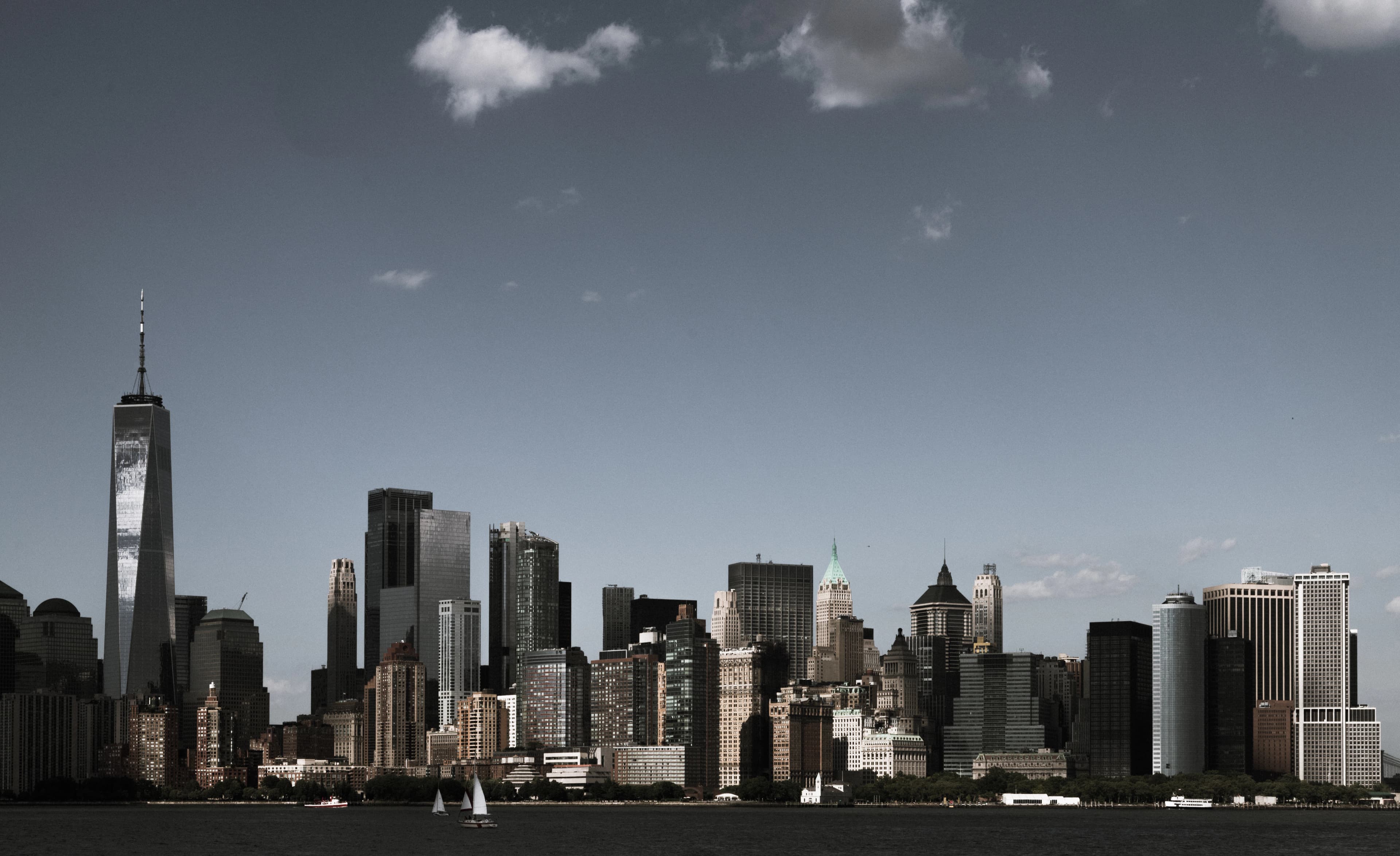
Times Square, Central Park, Statue of Liberty, Brooklyn Bridge – the city of superlatives.
Grand Canyon
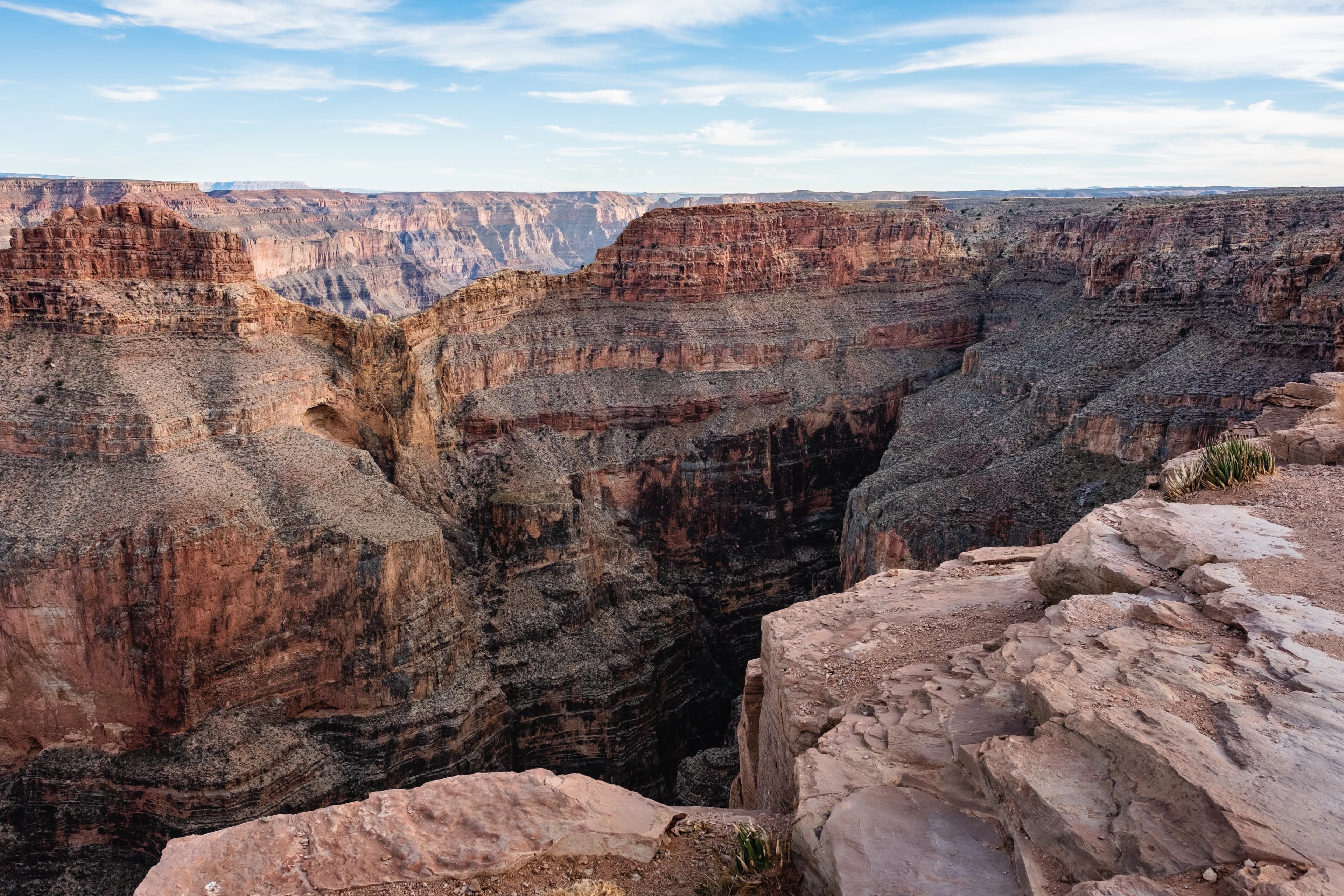
One of the most magnificent canyons on Earth – 1,800m deep and 450km long.
Hawaii
Volcanoes, surf beaches, Aloha spirit, and a unique Polynesian culture.
California
San Francisco, Los Angeles, Yosemite, Big Sur – the Golden State has it all.
Yellowstone
The oldest national park in the world: geysers, hot springs, and bison.
Hotels in USA
Vergleiche tausende Hotels, Apartments und Resorts auf Expedia – mit Bestpreis-Garantie, kostenloser Stornierung und Bonuspunkten.
* Weiterleitung zu Expedia.de. Es gelten die dortigen Nutzungsbedingungen.
Reise-SIM für USA
Prepaid-SIM mit Datenvolumen für USA. Einfach einlegen und sofort lossurfen – keine Roaming-Gebühren.
* Weiterleitung zu travSIM.de. Es gelten die dortigen Nutzungsbedingungen.
Reiseversicherung abschließen
Rundum-Schutz ab 9,90 € auf TravelSecure.de
Pauschalreisen & Rundreisen
Berge & Meer – 170 Tage Cookie
Best time to visit USA
Recommended travel time
Year-round (depending on the region)
Summer
25–40°C
Winter
-10–20°C
How much does a holiday in USA cost?
Average cost per person per day (excluding flight)
Budget
80–120€
Hostel, street food, public transport
Mid-range
120–200€
Hotel, restaurant, excursions
Luxury
200–500€
Boutique hotel, fine dining
5 travel tips for USA
Insider knowledge to make your holiday better.
Apply for ESTA at least 72h before departure
Tip 15-20% is mandatory in restaurants
Buy America the Beautiful Pass for all national parks
Rental car: gas station prices per gallon (3.78 liters)
Bring plug adapter type A/B
Food & drink in USA
These dishes you must try!
Discover USA
48 regions, cities and highlights in USA
Cities

Charleston
Charleston, South Carolina, is regularly voted the best city in the USA — and after a visit, you understand why. The historic downtown with its pastel-colored antebellum mansions, secret gardens behind wrought-iron gates, and the legendary hospitality of the Deep South is simply enchanting. The Battery and White Point Garden at the tip of the peninsula offer views of the harbor, where the American Civil War began. Rainbow Row, a row of pastel-colored Georgian houses, is Charleston's most photographed motif. King Street combines antique shops, boutiques, and some of the best Southern restaurants. In recent years, Charleston has developed into a culinary hotspot — James Beard award-winning chefs, farm-to-table restaurants, and the centuries-old Lowcountry cuisine make the city a gourmet paradise. The plantation gardens of Magnolia and Middleton, with their ancient oaks and azaleas, are spectacular day trips. The beaches of Folly Beach and Sullivan's Island are just 20-30 minutes away. From Germany, Charleston can be reached via Charlotte or Atlanta.
Charlotte
Charlotte is the largest city in North Carolina and the financial center of the U.S. South — the second-largest banking location in the U.S. after New York. But behind the shiny skyscrapers of Uptown lies a surprisingly creative, culinary, and sports-loving city with Southern charm. The NASCAR Hall of Fame in the heart of the city celebrates Charlotte as the undisputed capital of American stock car racing. The Charlotte Motor Speedway — just 20 minutes away — offers racing experiences where visitors can ride in NASCAR cars themselves. The NoDa Arts District (North Davidson) is Charlotte's creative hub: galleries, murals, craft breweries, and live music venues in converted textile factories. The Mint Museum — America's first art museum in the Southeast — has two locations with impressive collections. Freedom Park offers a green oasis with a lake in the middle of the city. Charlotte is surprisingly diverse and culinary: from top-notch Southern BBQ to innovative New South cuisine, from Vietnamese pho restaurants to Mexican taquerias. South End is the trendy neighborhood with rooftop bars and the LYNX Light Rail right at your doorstep.

Dallas
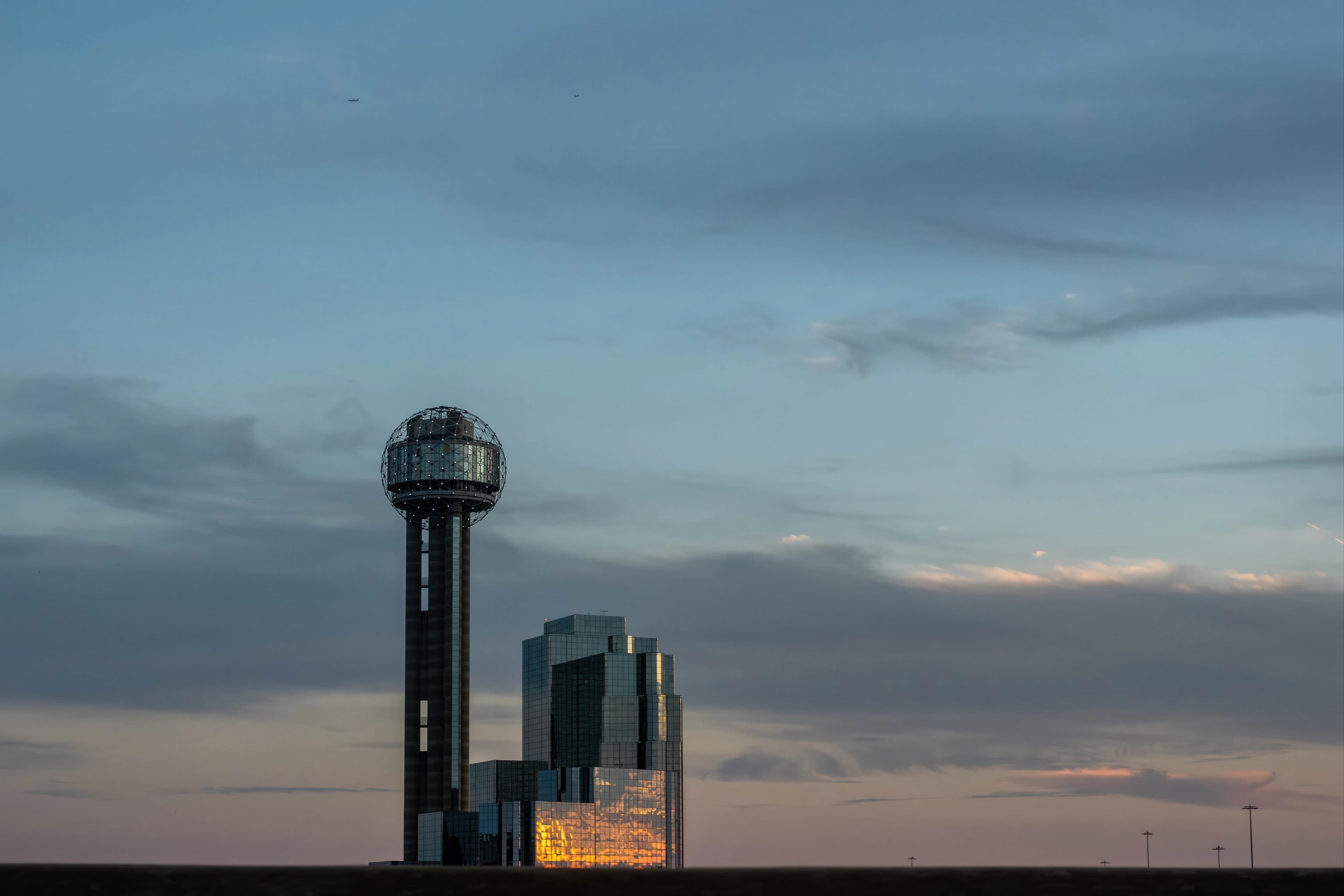
Dallas is the third-largest city in Texas and the economic powerhouse of the American South. The metropolis on the Trinity River is known for its shiny skyline, the Dallas Cowboys, Texas barbecue culture, and a tragic chapter in world history — the assassination of President John F. Kennedy on November 22, 1963. Dealey Plaza and the Sixth Floor Museum in the former Texas School Book Depository are the most visited attractions in the city. The museum documents Kennedy's presidency and assassination: From the sixth floor of this building, Lee Harvey Oswald fired the fatal shots. The window corner is preserved, and the exhibition impressively guides visitors through the events of that November day. A white X on the street marks the spot where the shots hit. The Dallas Arts District is the largest contiguous cultural district in the USA: Across 19 blocks, you will find the Dallas Museum of Art (free admission), the Nasher Sculpture Center with its impressive Renzo Piano buildings, the Crow Museum of Asian Art, and the Winspear Opera House — an architectural gem by Foster + Partners. Deep Ellum, east of downtown, is Dallas' most creative neighborhood: Former warehouses now house live music clubs, breweries, galleries, and street art. The area has a rich music history — in the 1920s and 30s, Deep Ellum was a center for blues and jazz, and today dozens of clubs offer live music every night. The Texas barbecue scene in Dallas is legendary: Traditional barbecue joints smoke brisket, ribs, and sausage for hours over post-oak wood. Pecan Lodge and Cattleack Barbeque are among the best barbecue restaurants in the USA. The Bishop Arts District in the Oak Cliff neighborhood combines trendy restaurants, boutiques, and galleries in a walkable area south of the Trinity River.
Fort Worth
Fort Worth is the 'Cowtown' of Texas and offers a more authentic Western experience than the chic Dallas next door. The city has preserved its cowboy character while simultaneously building one of the most impressive museum landscapes in the USA — a combination that is unique anywhere else. The Fort Worth Stockyards are the vibrant heart of the city: Every day at 11:30 AM and 4:00 PM, cowboys drive a herd of Texas Longhorns down Exchange Avenue — the only daily cattle drive in the world. Saloons, steakhouses, line dance bars, and a historic rodeo arena make the Stockyards the ultimate Texas experience. The Cultural District is home to three world-class museums in close proximity: The Kimbell Art Museum (building by Louis Kahn, collection from Caravaggio to Picasso), the Modern Art Museum (Tadao Ando building with a huge water basin), and the Amon Carter Museum of American Art. Sundance Square in Downtown is a lively square with restaurants, theaters, and nightlife. Fort Worth is also home to the Texas Christian University campus and the Fort Worth Botanic Garden — the oldest botanical garden in Texas with an award-winning Japanese garden.

Houston
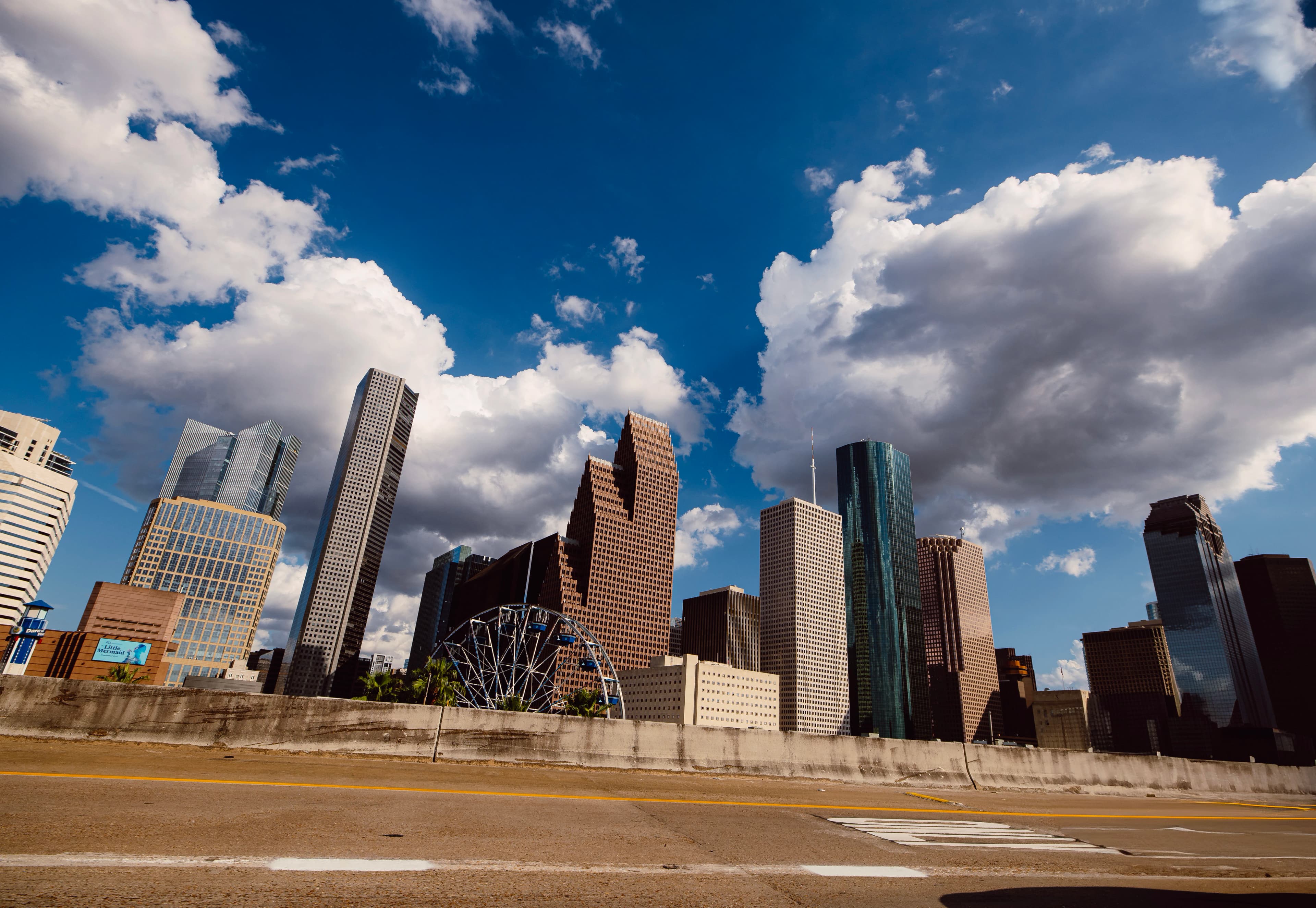
Houston is the fourth largest city in the USA with over 2.3 million inhabitants and the largest city in Texas. The metropolis on the Gulf of Mexico is especially known as a center for space exploration and the oil industry — the famous "Houston, we have a problem" went around the world in 1970. The Space Center Houston is the official visitor center of NASA and the gateway to the Johnson Space Center, where manned spaceflight has been planned and controlled since the 1960s. Visitors can see real spacecraft, the original Mission Control Room from the Apollo era, and a Saturn V rocket — the largest rocket ever built. A tram tour takes you through the active NASA facilities. The Museum District, with 19 museums in a compact area, is one of the most significant cultural districts in the USA: The Museum of Fine Arts Houston (MFAH) houses over 70,000 works, the Houston Museum of Natural Science showcases an impressive dinosaur collection, and the Children's Museum of Houston is among the best children's museums in America. Many museums are free on Thursdays. Houston is the most diverse city in the USA — even more diverse than New York City. This diversity is reflected in a sensational restaurant scene: Vietnamese, Mexican, Texan, Indian, and Ethiopian cuisines merge into a unique culinary landscape. The Tex-Mex cuisine has some of its strongest expressions here. Hermann Park, with the Houston Zoo and the Miller Outdoor Theatre, offers green recreation in the heart of the city. Buffalo Bayou Park along the river of the same name is Houston's green lung with biking and hiking trails.

Indianapolis
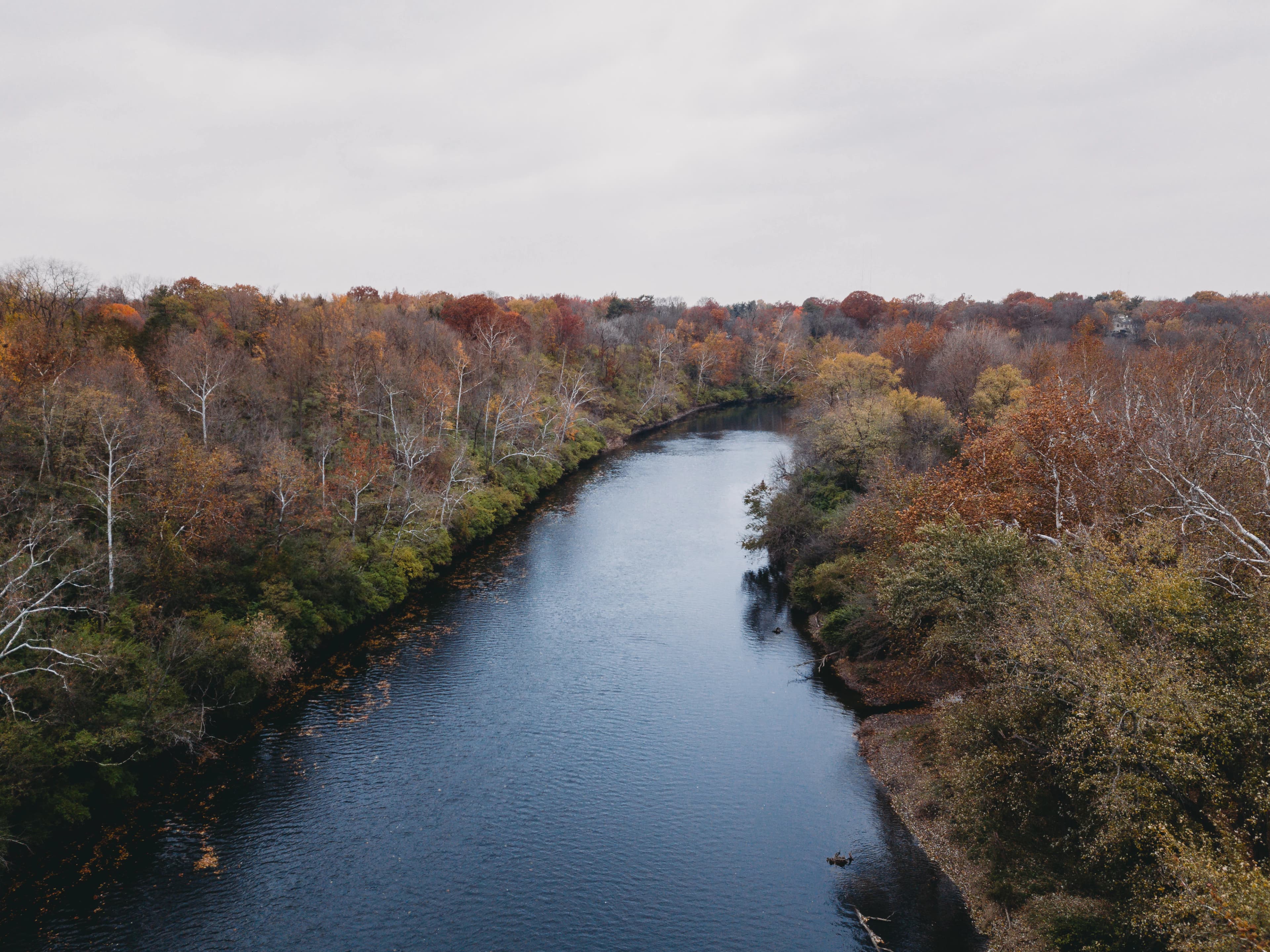
Indianapolis — affectionately called 'Indy' — is the capital of Indiana and the racing capital of the world. The Indianapolis Motor Speedway — the largest sports venue on Earth with 250,000 seats — hosts the legendary Indy 500, one of the most prestigious car races in the world. The Indianapolis Motor Speedway Museum showcases race cars from over 100 years of motorsport history, and visitors can actually take a lap on the racetrack. But Indianapolis is much more than just motorsports: Monument Circle in the heart of downtown — with the Soldiers & Sailors Monument — is one of the most beautiful squares in the USA. Mass Avenue (Mass Ave) is Indy's creative district with independent restaurants, breweries, galleries, and theaters. The Indianapolis Museum of Art in Newfields Park offers an impressive collection in a 152-acre garden setting. The Kurt Vonnegut Museum honors the famous author who grew up in Indy. The canal path along the White River offers walks and bike tours along the historic Indiana Central Canal. In December, Monument Circle transforms into one of the largest Christmas light displays in the USA with a 60-meter tall light tree.

Jacksonville
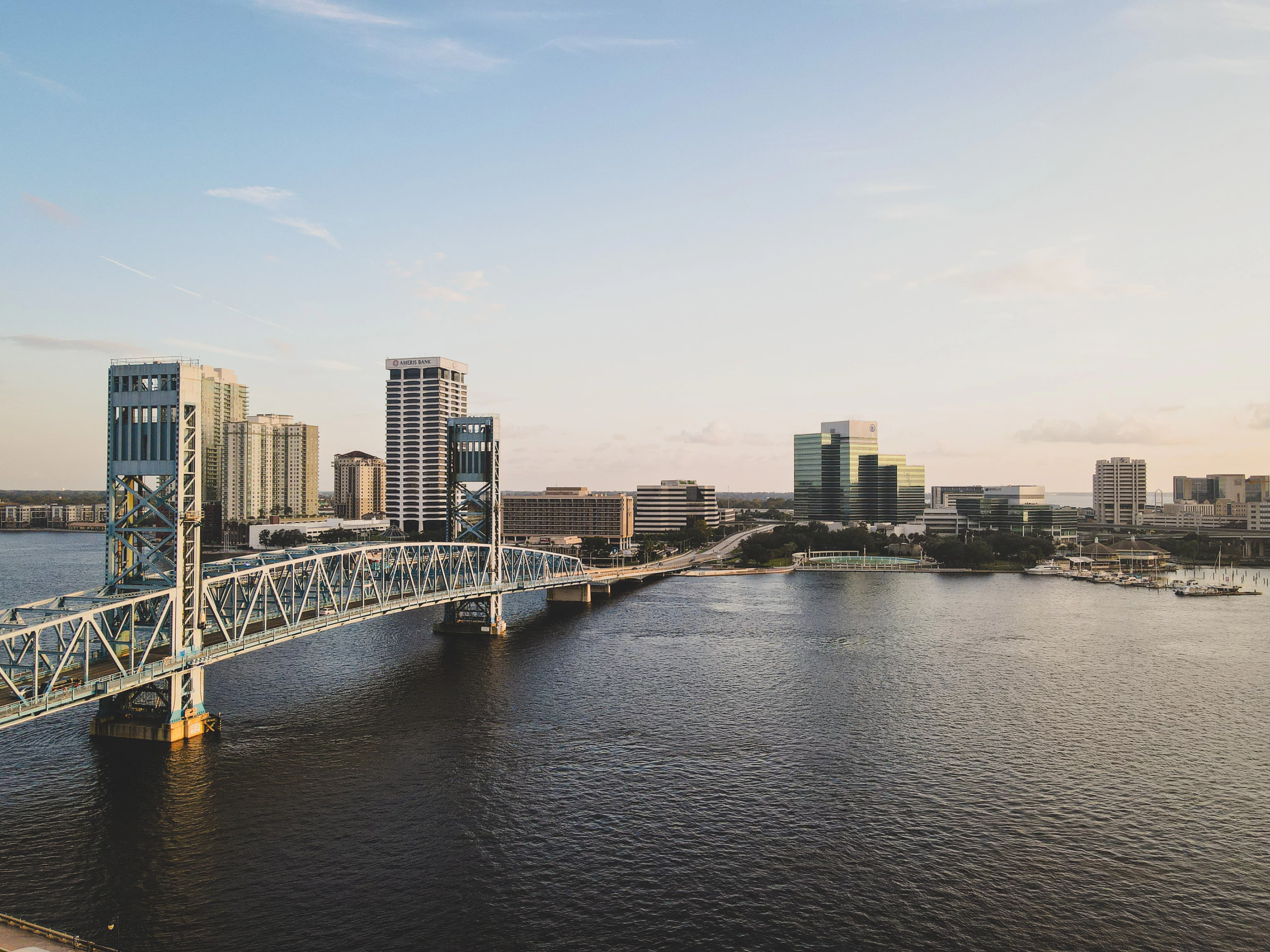
Jacksonville is the largest city by area in the USA and is located at the mouth of the St. Johns River in the Atlantic in northeastern Florida. The city offers over 35 kilometers of Atlantic beaches, a burgeoning craft beer scene, and a surprisingly rich cultural offering — all without the crowds of Miami or Orlando. Jacksonville Beach, Neptune Beach, and Atlantic Beach form the "Beaches" communities: relaxed surfer vibes, piers, seafood restaurants, and golden Atlantic sand. The Talbot Island State Park north of the city offers pristine beaches with sea turtle nesting sites. The Cummer Museum of Art & Gardens on the St. Johns River houses an impressive collection featuring works from Rubens to Warhol amidst formal gardens. The Riverside-Avondale neighborhood is Jacksonville's hip center with boutiques, craft breweries, murals, and the Five Points Entertainment District. The St. Johns River — one of the few rivers in the world that flows north — runs through the city and offers kayaking tours, manatee watching, and riverwalks. Fort Caroline recalls the French Huguenot colony of 1564 — one of the oldest European settlements in North America.

New York City
New York City is the epitome of a metropolis — a place where dreams are cast in skyscrapers and every street tells its own story. The city that never sleeps is the cultural, financial, and culinary epicenter of the Western world. With its five boroughs — Manhattan, Brooklyn, Queens, Bronx, and Staten Island — it offers a diversity unmatched by any other place on Earth. Manhattan is the centerpiece with iconic landmarks: the Empire State Building, the Brooklyn Bridge, Central Park, and Times Square are places known from countless films. The cultural scene is unparalleled — Broadway, the Metropolitan Museum, the Museum of Modern Art, and Carnegie Hall set standards worldwide. SoHo, Greenwich Village, and Chelsea offer galleries, designer shops, and an incomparable street life. Brooklyn has developed into the creative heart of the city: DUMBO offers the iconic view of the Manhattan Bridge, Williamsburg pulses with bars and street art, and Brooklyn Heights entices with its famous promenade. Queens is the most diverse borough with authentic cuisine from over 120 countries. From a two-dollar pizza slice to an Omakase dinner with a month-long waiting list — New York City is the ultimate gourmet paradise. Every visit feels like the first, as this city constantly reinvents itself.
Philadelphia
Philadelphia, affectionately known as Philly, is the birthplace of American democracy and one of the most historic cities in the USA. The Declaration of Independence was signed here in 1776, and the Constitution of the United States in 1787 — documents that changed the world. The Liberty Bell, the famous symbol of freedom with its iconic crack, is just a short walk away and can be visited for free. The Philadelphia Museum of Art, one of the largest art museums in the USA, is world-renowned for its 72 entrance steps — the Rocky Steps, where Sylvester Stallone completed his triumphant run in the film Rocky. A bronze statue of Rocky stands at the foot of the stairs. Inside, the museum houses over 240,000 works, including masterpieces by Renoir, Picasso, and Duchamp. The Reading Terminal Market, in operation since 1893, is one of the oldest and largest covered markets in the USA: Over 80 vendors offer Pennsylvania Dutch specialties, fresh seafood, Amish products, and street food from around the world. Philadelphia's culinary hallmark is the cheesesteak — a sandwich filled with thinly sliced beef and melted cheese, around which a legendary rivalry between Pat's King of Steaks and Geno's Steaks revolves. The Mural Arts Philadelphia Initiative has transformed the city into the largest outdoor museum for street art in the USA with over 4,000 murals. The neighborhood of Fishtown has developed into a creative epicenter, while the historic district of Society Hill, with its 18th-century brick houses, exudes colonial charm. Philadelphia's music scene is legendary: The Philadelphia Sound of the 1970s shaped soul and R&B. Today, the city is a stronghold for indie rock and hip-hop. The Kimmel Center and the Academy of Music offer world-class classical concerts.

Phoenix
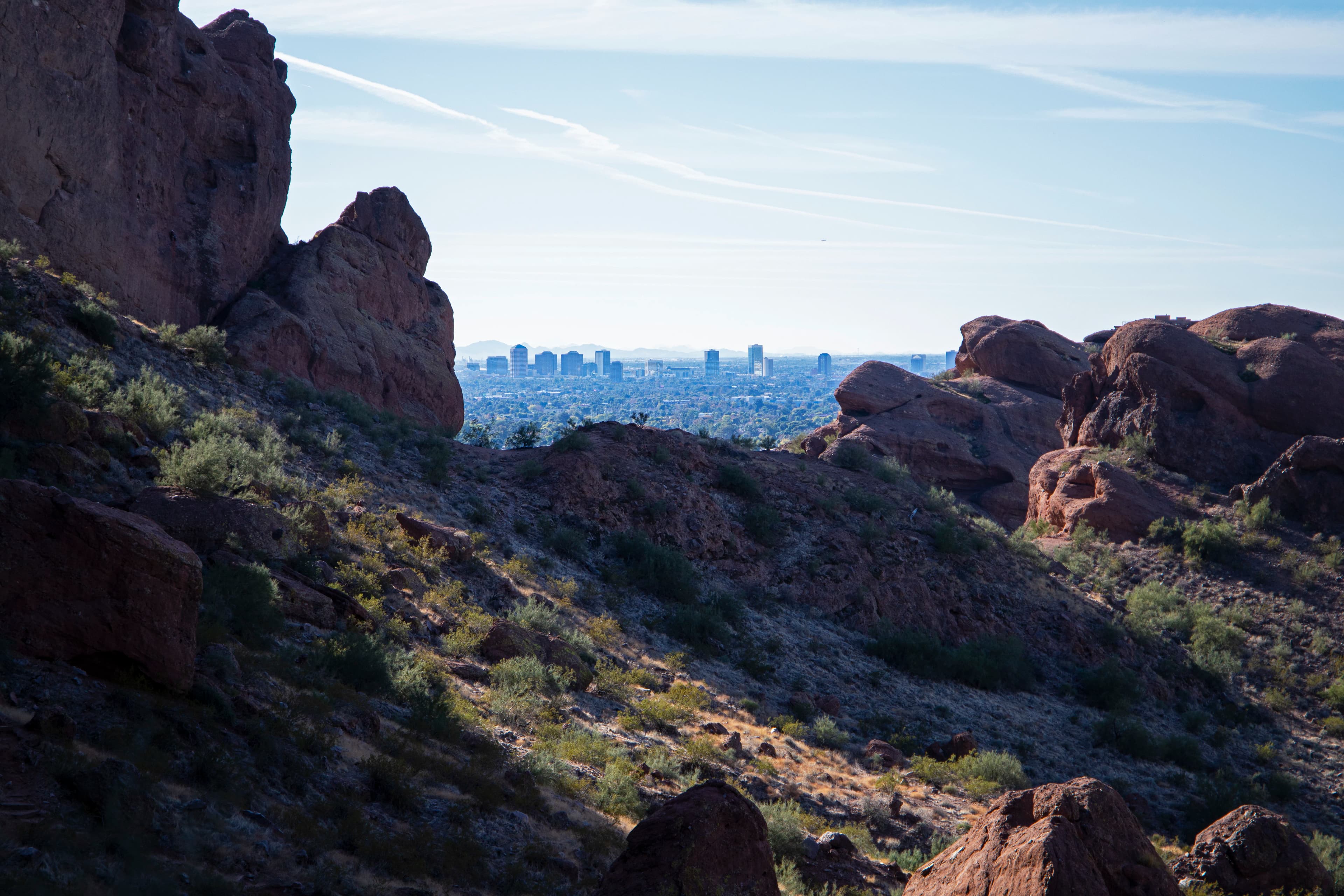
Phoenix is the capital of Arizona and with over 1.6 million inhabitants, it is the fifth largest city in the USA. The metropolis is located in the middle of the Sonora Desert and is the sunniest major city in the world — with an average of 299 sunny days per year and summer temperatures that regularly exceed 45 °C. Camelback Mountain, the 824-meter high local mountain, rises dramatically from the desert plain and offers two challenging hiking trails with spectacular panoramic views over the Valley of the Sun. The Echo Canyon Trail is one of the most popular hiking trails in the Southwest USA — steep, rocky, and most beautiful at sunrise. The Desert Botanical Garden in Papago Park showcases the fascinating flora of the Sonora Desert: over 50,000 plants, including gigantic Saguaro cacti that can live up to 200 years and grow 15 meters tall. These iconic cacti with their raised arms only grow in the Sonora Desert and are the symbol of Arizona. Frank Lloyd Wright, one of the most significant architects of the 20th century, made the desert his home: Taliesin West, his winter studio and architecture school in Scottsdale, is a masterpiece of organic architecture that blends seamlessly into the desert landscape. The Heard Museum Downtown comprehensively documents the art and culture of the indigenous peoples of the American Southwest. Scottsdale, the neighboring city, is known for luxury resorts, golf courses (over 200 in the Phoenix metropolitan area), galleries, and spas. Old Town Scottsdale offers Western charm with boutiques and restaurants. From Phoenix, the Grand Canyon (about 3.5 hours), Sedona (2 hours), and Monument Valley (5 hours) are accessible for day trips or short getaways.

San Antonio
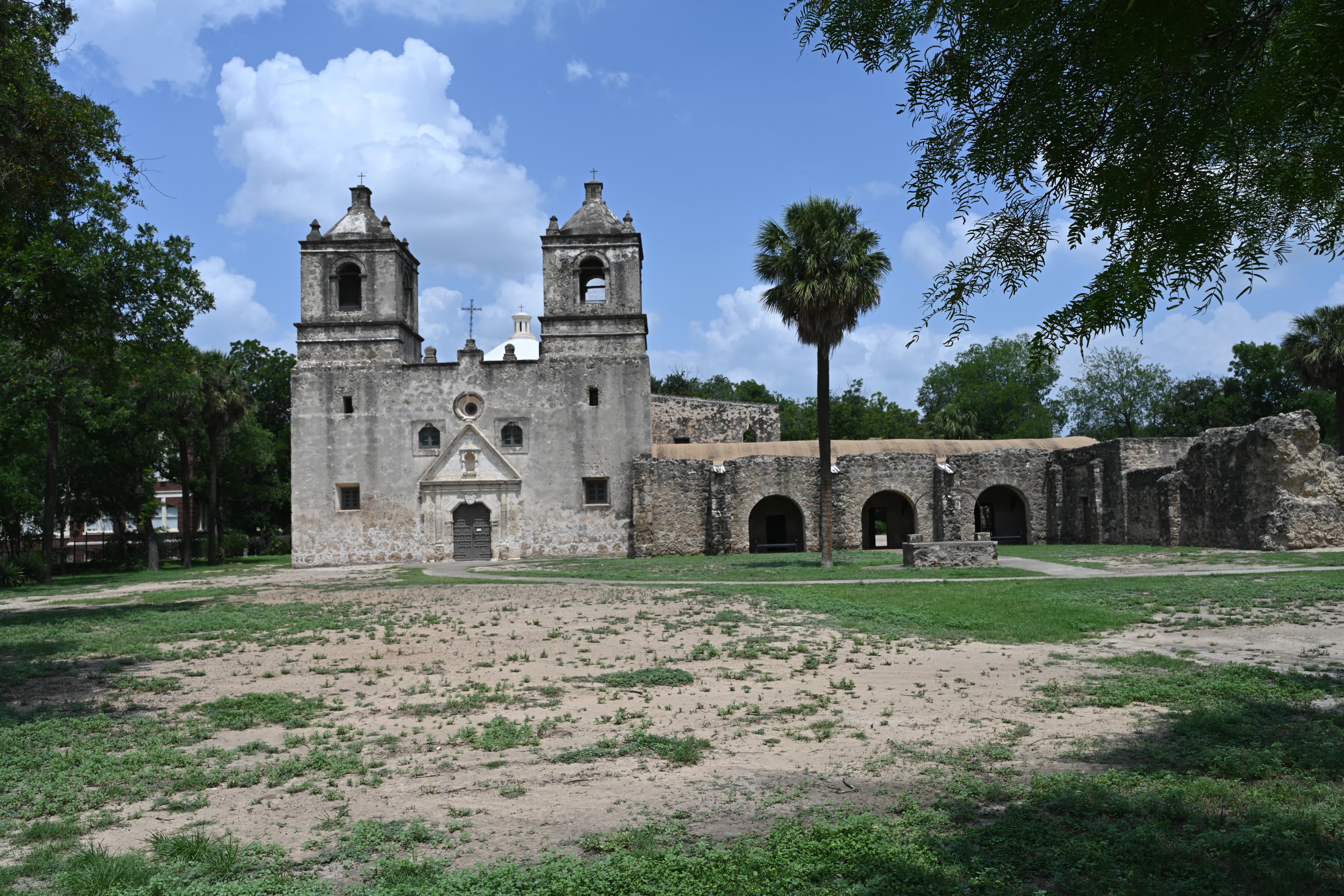
San Antonio is the seventh largest city in the USA and the cultural heart of Texas. The city combines Mexican traditions, Texan frontier history, and modern urbanity in a way that is unique in the United States. Here, Tex-Mex cuisine, Spanish mission architecture, and cowboy culture converge. The San Antonio River Walk (Paseo del Rio) is the city's landmark and one of the most visited attractions in the USA: a 24-kilometer network of pedestrian paths along the San Antonio River, lined with restaurants, bars, hotels, and boutiques, runs several meters below street level. The river promenade, established in the 1940s, creates its own world with subtropical vegetation, stone bridges, and illuminated riverbanks — particularly atmospheric at night or during Fiesta San Antonio in April. The Alamo is the historical heart of Texas: the former Spanish mission station became the site of the legendary battle in 1836, where a small group of Texan defenders — including Davy Crockett and Jim Bowie — fought against the Mexican army under General Santa Anna for 13 days. Remember the Alamo became the battle cry of the Texan independence movement. The site in the heart of downtown is a national monument and free to access. The San Antonio Missions, designated a UNESCO World Heritage Site in 2015, include four additional Spanish missions from the 18th century along the San Antonio River: Mission Concepcion, Mission San Jose (the largest and most magnificent), Mission San Juan, and Mission Espada. Together with the Alamo, they form the largest concentration of Spanish colonial missions in North America. The Pearl District, a former brewery site, has developed into the trendiest neighborhood in the city: a farmer's market, craft breweries, upscale restaurants, and a Culinary Institute of America campus make it the center of the Texan food scene.

Savannah
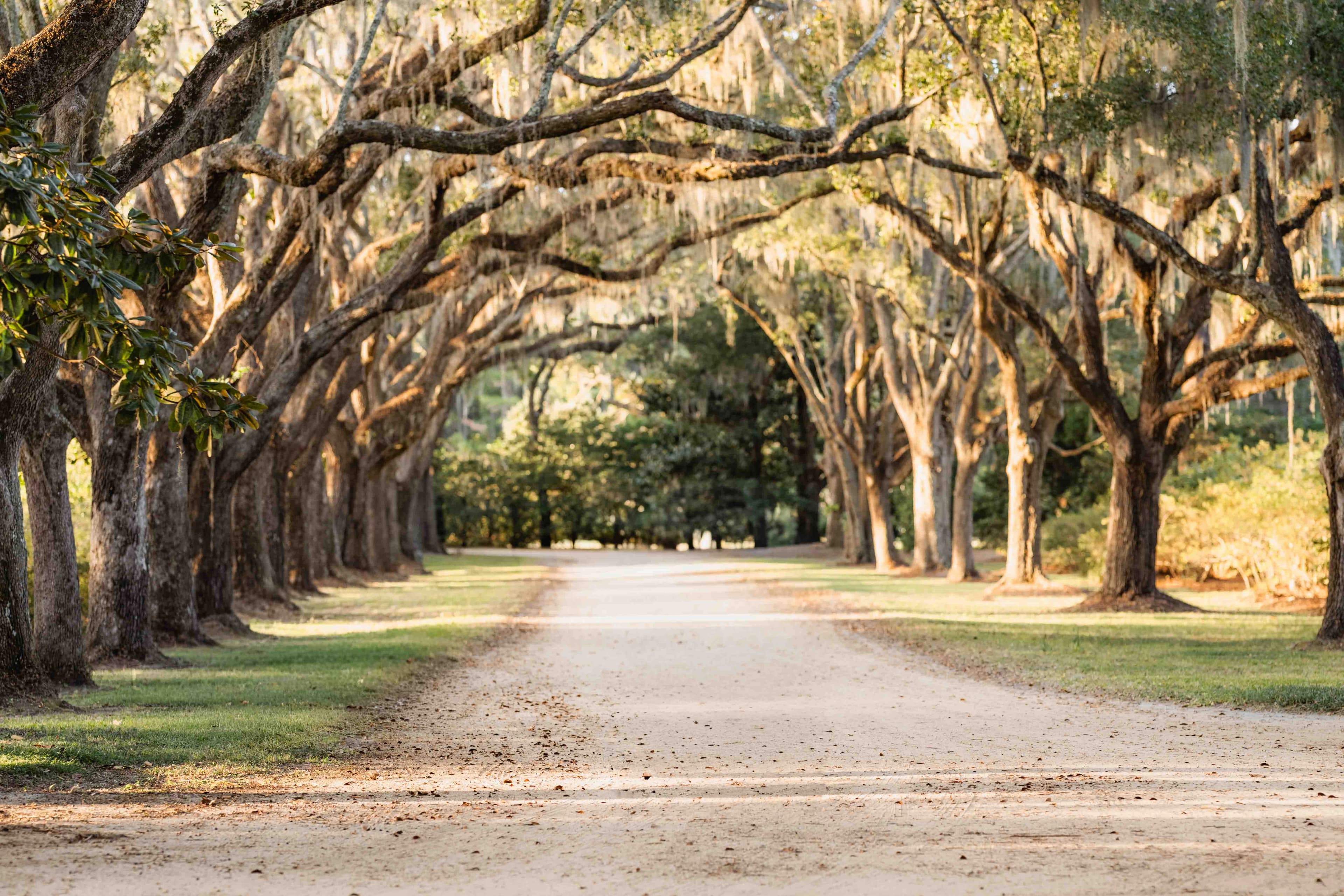
Savannah is the epitome of the American South — a city where moss-draped oaks form majestic avenues, Victorian mansions surround 22 historic squares, and Southern hospitality is still alive. The largest contiguous historic downtown in the USA feels like a living movie. The 22 picturesque squares, each with its own character and surrounded by historic houses, are the heart of Savannah. Forsyth Park, with its iconic fountain, is the most popular meeting place. River Street along the Savannah River offers restaurants, galleries, and views of the cargo ships navigating the river. Savannah was the setting for the film Forrest Gump (the famous bench scene) and the bestseller Midnight in the Garden of Good and Evil. The SCAD (Savannah College of Art and Design) has brought a vibrant art scene to the city. Ghost tours through the allegedly most haunted city in America are a popular evening activity. From Germany, Savannah can be reached via Atlanta or New York. The city pairs perfectly with Charleston (2 hours north) and the beaches of Tybee Island (30 minutes).

New York
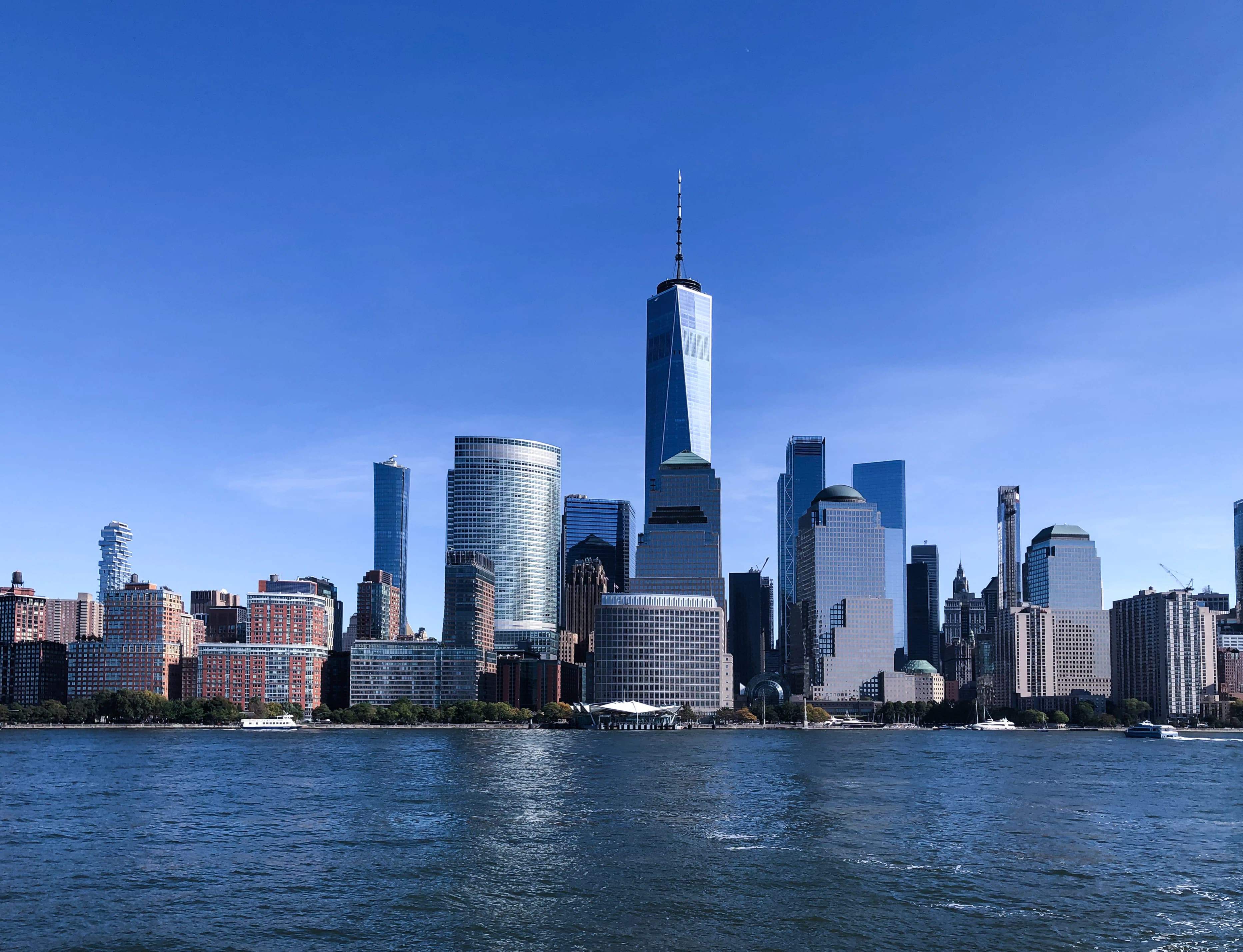
New York is the city that never sleeps — a vibrant global metropolis that combines culture, cuisine, and energy like no other place in the world. The Manhattan skyline with the Empire State Building and the One World Trade Center is the most iconic cityscape of our time. With over 800 languages spoken here, New York is the most diverse melting pot on the planet. Manhattan is the heart: Central Park offers a green oasis amidst the skyscrapers, Times Square pulses day and night, and Broadway sets the gold standard for theater worldwide. The Metropolitan Museum of Art and the MoMA are among the most significant art museums in the world. The High Line, a park on a disused elevated railway, is one of the most innovative urban projects of recent decades. Each of the five boroughs has its own character: Brooklyn attracts with Williamsburg and DUMBO, Queens offers the most diverse cuisine in the world, and the Bronx is the birthplace of hip-hop. The Statue of Liberty and Ellis Island remind us of the country's immigration history. Culinary-wise, New York is unbeatable — from dollar pizza slices to Michelin-starred restaurants. Whether spring in Central Park, summer on Coney Island, or Christmas at Rockefeller Center — New York is magical at any time of the year.
Los Angeles
Los Angeles, the City of Angels, stretches as a sprawling metropolis over coast, hills, and desert, combining Hollywood glamour, beach culture, and an ethnic diversity that is unique worldwide. The Hollywood Boulevard with the Walk of Fame, the TCL Chinese Theatre, and the view of the iconic Hollywood Sign in the hills is a must-see — but the true L.A. lies in its completely different neighborhoods. Santa Monica with its legendary pier and the end of Route 66, Venice Beach with Muscle Beach, skate park, and the brightly painted boardwalk artists, and Malibu with its surf beaches form the coastal scene. The Griffith Observatory offers the best free view over the skyline, the mountains, and the Pacific — especially at sunset. The Getty Center on its hill combines top-notch art with stunning architecture by Richard Meier and gardens with panoramic views. Downtown L.A. is experiencing a renaissance with the Broad Museum, the Grand Central Market, and the vibrant Arts District. Koreatown, Little Tokyo, Thai Town, and the historic Olvera Street (birthplaces of L.A.) reflect the cultural diversity. Universal Studios and Disneyland (in Anaheim) attract families. The cuisine is a melting pot: Mexican taco trucks, Korean BBQ, world-class Japanese sushi, and farm-to-table restaurants in Silver Lake. The best travel times are from March to May and September to November, when the summer smog season is over.
San Francisco
San Francisco, the city by the bay, is a total work of art made up of iconic landmarks, cultural diversity, and an atmosphere that can’t be found anywhere else in the world. The Golden Gate Bridge, perhaps the most famous structure in the USA, spans 2,737 meters in bright International Orange across the strait between the Pacific and the bay — particularly impressive when the famous fog (Karl the Fog) envelops the pillars. Alcatraz, the former high-security prison island in the bay, tells the stories of Al Capone and the infamous escape attempt of 1962. The historic Cable Cars have been climbing the steep hills since 1873 and are the only mobile National Historic Landmark in the USA. Fisherman's Wharf at Pier 39 offers sea lion spectacles, clam chowder in sourdough bread, and views of the skyline. San Francisco's neighborhoods are worlds unto themselves: Chinatown, the oldest and largest in North America, Haight-Ashbury as the cradle of the hippie movement, the Castro as the heart of LGBTQ culture, and The Mission with its colorful murals and Mexican taquerias. The Painted Ladies, Victorian houses against the skyline, are a postcard classic. The de Young Museum in Golden Gate Park, the art collections of the Legion of Honor, and the SFMOMA complement the cultural program. The gourmet scene is top-notch — from the sourdough tradition to Michelin-starred restaurants. San Francisco is compact enough to explore and large enough to always surprise.
Miami
Miami is a city that cannot be fully captured in any travel guide in the world — a vibrant metropolis where Latin soul meets American entrepreneurship and Caribbean lifestyle. South Beach, with its legendary Art Deco architecture from the 1930s and 1940s, the pastel-colored facades along Ocean Drive, and the turquoise Atlantic, is the iconic entry point: a beach paradise by day, one of the hottest party strips in the world by night. Wynwood Walls has transformed a former warehouse district into an open-air gallery where world-famous street artists create entire building facades. Little Havana around Calle Ocho is the Cuban heart of Miami: Here, cigars are hand-rolled, dominoes are played in Maximo Gomez Park, and strong cafecito is served in paper cups. The cuisine combines Cuban, Haitian, Colombian, and American influences into a culinary experience known as New World Cuisine. Key Biscayne, an offshore island accessible via the Rickenbacker Causeway, offers one of South Florida's most beautiful family beaches at Crandon Park. A day trip to the Everglades (only 45 minutes away) takes you by airboat through the swamp landscape to see alligators and exotic birdlife. The Vizcaya Museum and Gardens, an Italian Renaissance palace on the shores of Biscayne Bay, and the Perez Art Museum Miami (PAMM) complement the cultural program. Miami is both Latin America and the USA — loud, colorful, and uniquely vibrant.

Las Vegas
Las Vegas, the most dazzling city in the world, rises like a mirage from the Nevada desert and offers an entertainment spectacle like no other. The famous Strip, a nearly seven-kilometer-long boulevard, unites gigantic themed hotels, casinos, show theaters, and world-class restaurants — from the Venetian canal at the Venetian to the Eiffel Tower of Paris and the pyramid of Luxor. The casinos are just part of the experience: Las Vegas has long transformed into the entertainment capital of the world. Residency shows from global stars, Cirque du Soleil productions, comedy clubs, and magic shows fill the theaters every evening. The restaurant scene is surprisingly high-class — star chefs like Gordon Ramsay, Guy Savoy, and Nobu Matsuhisa operate branches here, and the legendary buffets (especially the Bacchanal at Caesars Palace) are an institution. Away from the Strip, the historic Fremont Street in Downtown Las Vegas offers a huge LED canopy, old neon signs at the Neon Museum, and a raw, more authentic atmosphere than the glittering Strip. The Mob Museum tells the story of organized crime that once helped found Las Vegas. The surroundings offer spectacular natural experiences: The Grand Canyon (South Rim reachable in 4.5 hours, West Rim in 2 hours) is the most popular day trip. Red Rock Canyon, just 30 minutes from the Strip, surprises with red sandstone formations and hiking trails. The Valley of Fire and the Hoover Dam complement the program. Las Vegas is ideal as a starting point for road trips through the American Southwest — or as an experience that cannot be found anywhere else in the world.

Chicago
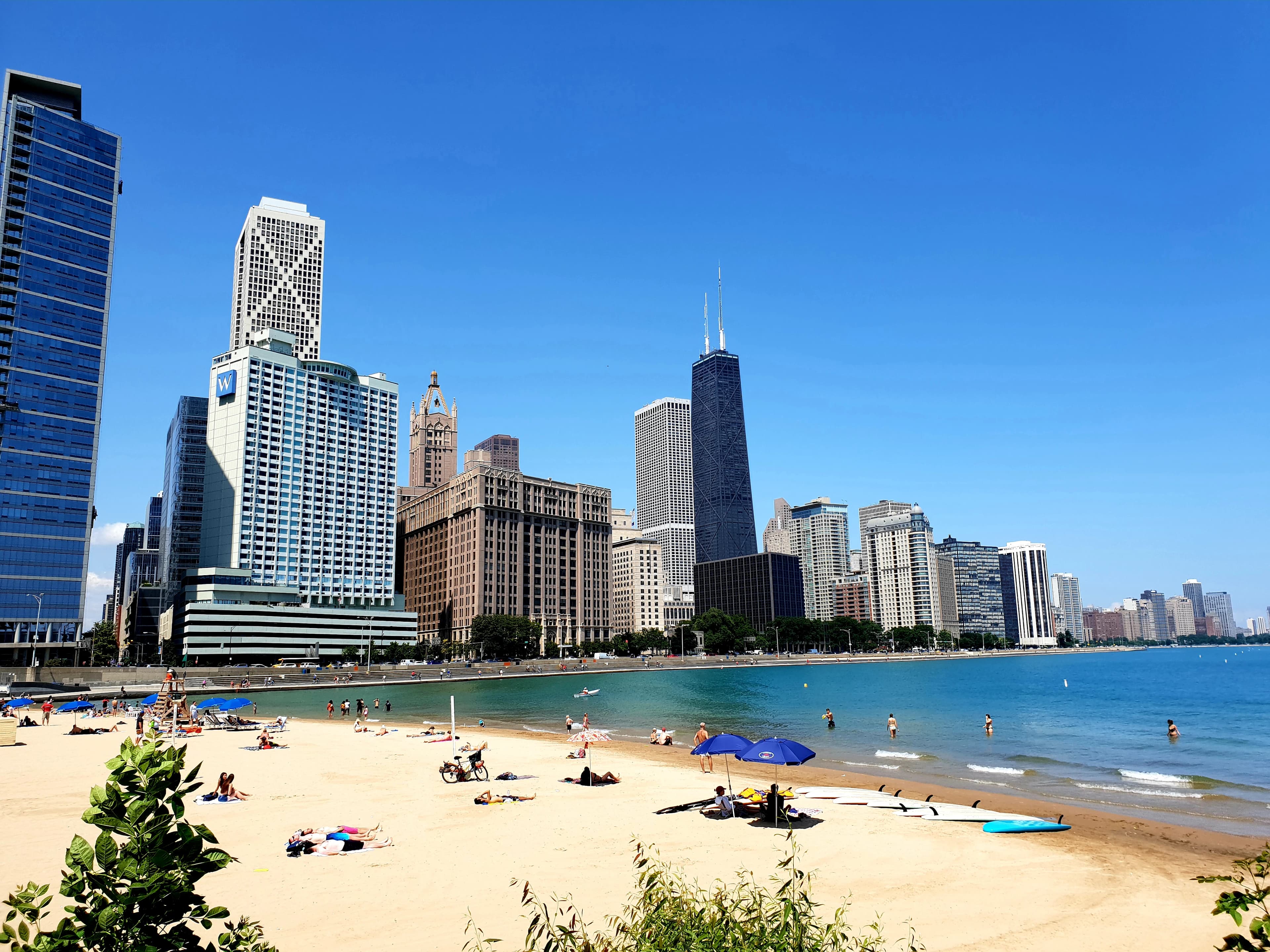
Chicago is America's third-largest city and an architectural masterpiece on the shores of Lake Michigan. The Windy City, as it is affectionately called, captivates with a unique skyline, a vibrant cultural scene, and a culinary diversity that is unparalleled. Here, the skyscraper was invented, and to this day, the architecture is among the most impressive in the world. Millennium Park with the iconic Cloud Gate — better known as The Bean — is the heart of the city. The Magnificent Mile offers world-class shopping, while the Art Institute of Chicago houses one of the most significant art collections in the world. A boat tour on the Chicago River reveals the architectural treasures of the city from a unique perspective. Wicker Park and Logan Square are the trendy neighborhoods with independent boutiques and hip cafes. Culinarily, Chicago is heavyweight: Deep-Dish Pizza, Chicago-Style Hot Dogs, and a growing number of star-rated restaurants make the city a gourmet paradise. The blues and jazz scene in clubs like Kingston Mines is legendary. In summer, the 42 km of lakeshore transform into beaches reminiscent of a seaside coast. With top-notch museums, lively neighborhoods, and the warmth of the Midwest, Chicago is a world city with soul.
Washington D.C.
Washington D.C. is the political heart of the United States and one of the most culturally rich travel destinations in the world — with the unbeatable advantage that almost all major museums and monuments are accessible for free. The National Mall, a vast green space in the center of the city, connects the Capitol with the Lincoln Memorial and serves as the stage for some of the most famous monuments in the world. The Smithsonian Institution includes 17 museums and galleries, including the National Air and Space Museum, the National Museum of African American History, and the National Museum of Natural History — all with free admission. The White House, the Washington Monument, and the Vietnam Veterans Memorial are must-visits for any traveler. In spring, the Japanese cherry blossoms transform the Tidal Basin into a pink fairy tale. Beyond the political sights, D.C. surprises with vibrant neighborhoods: Georgetown enchants with cobblestone streets and elegant boutiques, Dupont Circle offers a lively café culture, and the Adams Morgan neighborhood tempts with international cuisine and nightlife. The capital's food scene has developed into one of the best on the East Coast in recent years. Washington D.C. is much more than politics — it is a global city with surprising charm.

New Orleans
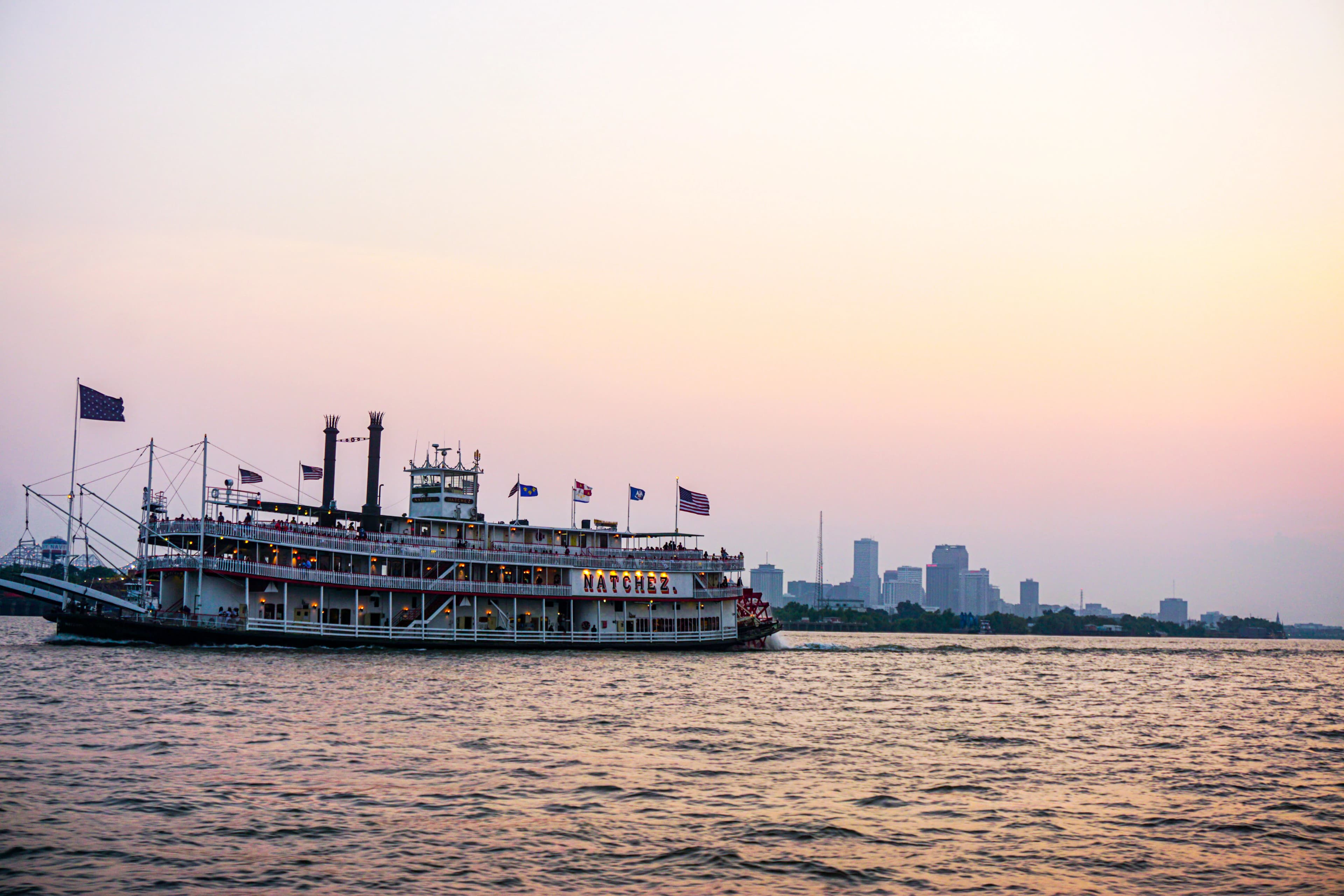
New Orleans is the soul of America — no other city in the USA has so much character, so much music, and such good food. The Crescent City on the Mississippi is a fascinating melting pot of French, Spanish, African, and Creole culture, uniquely reflected in its architecture, cuisine, and way of life. The French Quarter, with its wrought-iron balconies and the legendary Bourbon Street, is the vibrant heart of the city. Jazz sounds echo from every bar, and the scent of fresh beignets from Cafe Du Monde fills the air. Frenchmen Street offers more authentic live music away from the tourist hustle, while the Garden District, with its magnificent antebellum mansions, invites leisurely strolls. The cuisine of New Orleans is among the best in the USA: Gumbo, Jambalaya, Crawfish Etouffee, Po-Boys, and Pralines are just a few of the culinary treasures. Mardi Gras is the most famous carnival celebration in North America, but the city celebrates year-round — from the Jazz Fest to the Voodoo Music Festival. Boat tours through the mystical bayous with alligators and cypress trees round out the experience. New Orleans is not a destination to visit — it is an experience to be felt with all the senses.

Boston
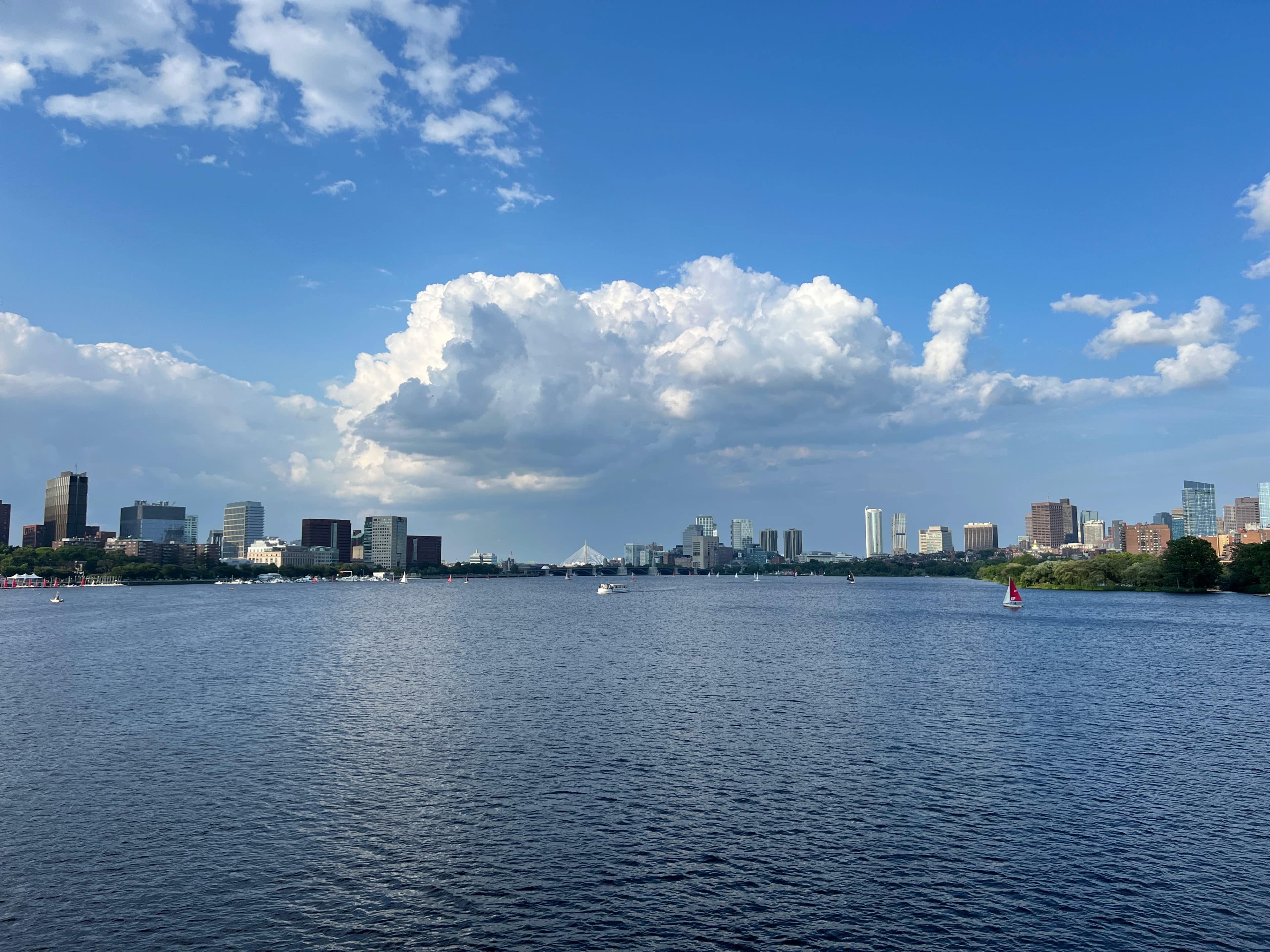
Boston is the intellectual capital of America and one of the most historic cities in the country. Here, the American Revolution began, home to Harvard and MIT, and colonial history seamlessly blends with modern innovation. The compact downtown area is excellent for exploring on foot — the famous Freedom Trail leads 4 km past 16 historical sites. The Beacon Hill neighborhood, with its cobblestone streets and gas lamps, feels like a time travel to the 18th century. The North End, Boston's Little Italy, entices with authentic Italian restaurants and the scent of fresh cannoli. At the harbor, the New England Aquarium invites visitors, while Faneuil Hall Marketplace, with street musicians and local specialties, beckons for a stroll year-round. Sports fans will be fully satisfied in Boston: The Red Sox at the legendary Fenway Park, the Celtics, and the Bruins make the city the sports capital of the East Coast. In autumn, the trees in Boston Common and Public Garden transform into a sea of gold and red. For day trips, Cape Cod, Salem, and Plymouth are great options. Boston combines intellectual ambition with historic charm and the warmth of New England — a city you simply have to love.

Seattle
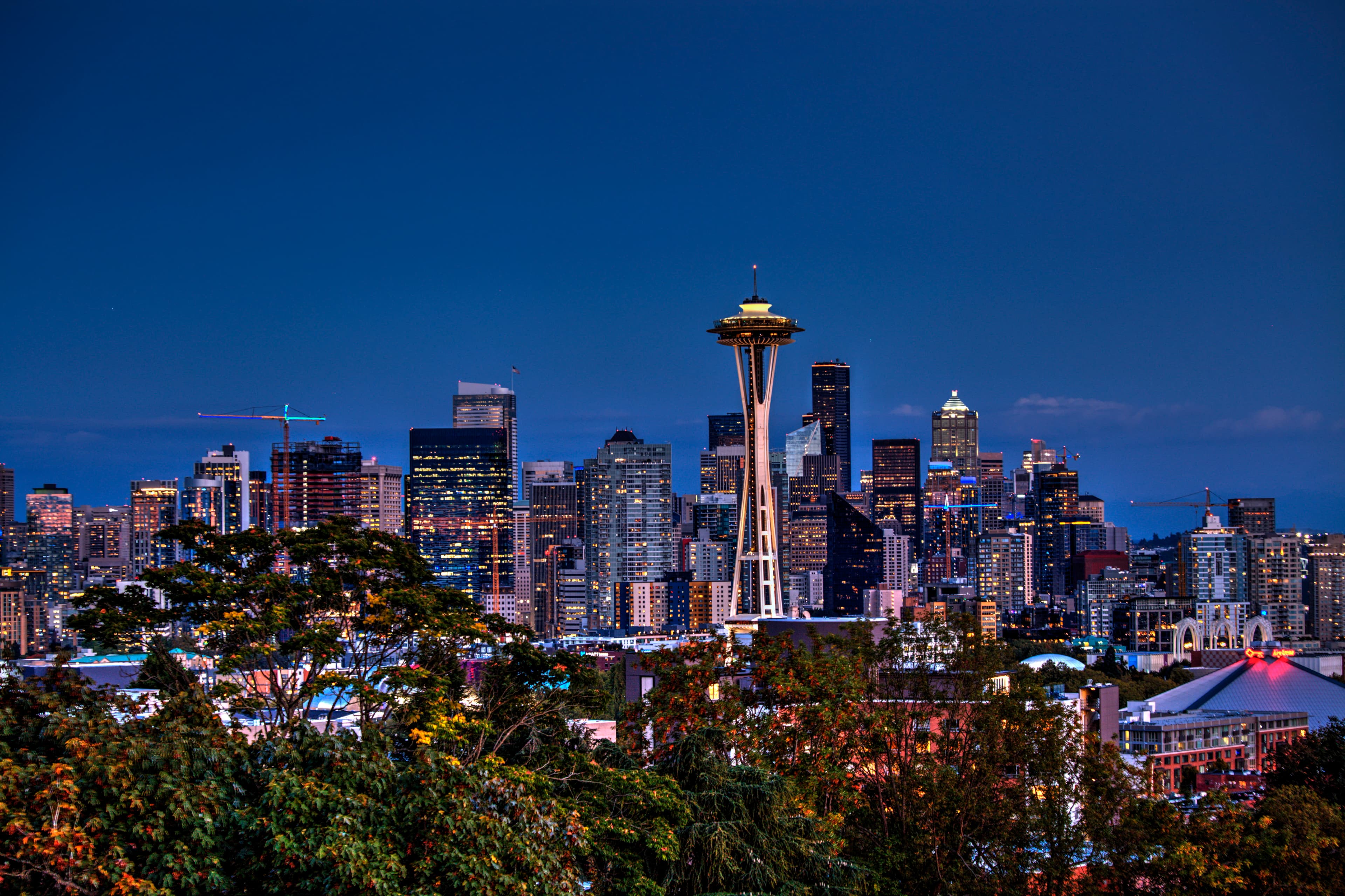
Seattle is the coffee capital of the USA and one of the most livable cities in America — nestled between Puget Sound and the Cascade Mountains with the majestic Mount Rainier in the background. The Emerald City is home to tech giants like Amazon and Microsoft, but has never lost its creative, slightly alternative spirit that once gave rise to the grunge movement. Pike Place Market is the beating heart of Seattle: Here, fresh fish, flowers, and local specialties have been traded since 1907, and the first Starbucks in the world is right next door. The Space Needle offers a 360-degree view of the city, while the Museum of Pop Culture celebrates the history of pop music and science fiction. Chihuly Garden and Glass enchants with stunning glass sculptures. The neighborhoods of Capitol Hill, Fremont, and Ballard offer independent boutiques, top-notch restaurants, and a vibrant nightlife. Seattle's cuisine benefits from its proximity to the sea: Dungeness crabs, Pacific salmon, and fresh oysters are on every menu. The San Juan Islands are accessible by ferry and offer whale watching with orcas. Olympic National Park and Mount Rainier are just a few hours' drive away. Seattle combines tech innovation with closeness to nature and a creativity that shines particularly bright under the gray skies of the Northwest.
Nashville
Nashville is the undisputed music capital of the USA — a city where live music plays on every corner and the country scene is as much at home as rock, blues, and indie. Music City, as Nashville is affectionately called, has developed into one of America's hottest travel destinations in recent years, combining Southern charm with urban lifestyle. Broadway, Nashville's most famous street, pulses day and night with honky-tonks where aspiring musicians play free live shows. The Grand Ole Opry has been the holiest stage of country music since 1925, while the Country Music Hall of Fame documents the history of the genre from its beginnings to the present day. The Ryman Auditorium, the mother church of country music, offers a concert experience with unparalleled acoustics. Beyond the music, Nashville surprises with a booming food scene: Hot Chicken — fiery spicy fried chicken — is the city's signature dish, along with top-notch BBQ restaurants and a growing number of gourmet establishments. The Gulch neighborhood features trendy boutiques and street art, while Germantown attracts with historic charm and craft breweries. Centennial Park, with a replica of the Athenian Parthenon, reminds us why Nashville is also called the Athens of the South.

Austin
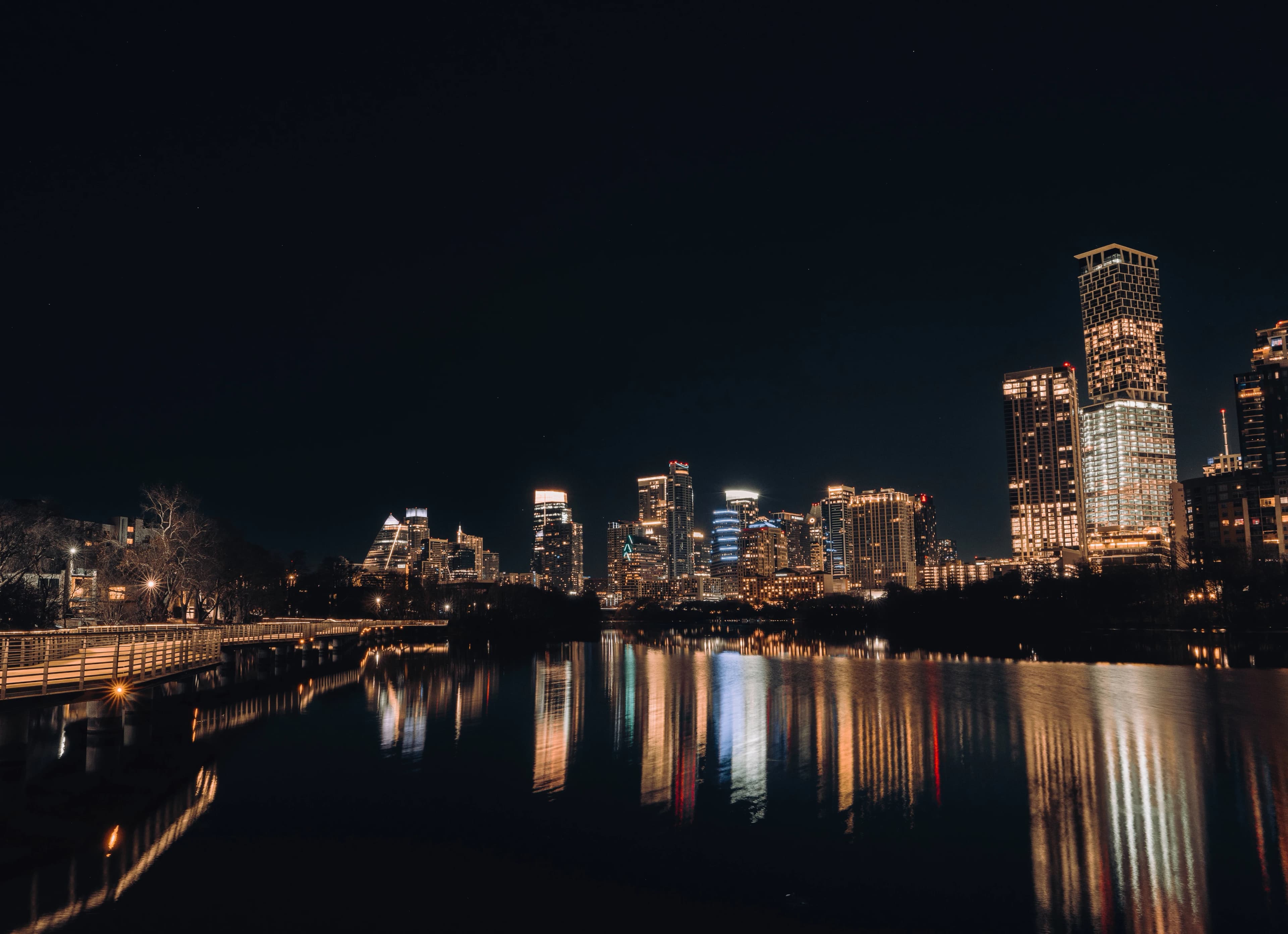
Austin is the coolest city in Texas and rightfully holds the title of Live Music Capital of the World. At every corner of the legendary Sixth Street, blues, country, rock, and indie sounds resonate from the city's over 250 music venues. But Austin offers much more than music — the Texas capital is a melting pot of tech startups, food truck culture, and a relaxed outdoor lifestyle. Lady Bird Lake in the heart of the city invites kayaking and stand-up paddling, while the Barton Springs Pool, with its crystal-clear, naturally cool water, provides the perfect refreshment on hot Texas days. Zilker Park and the Greenbelt hiking trails make Austin one of the greenest cities in the Southwest. From March to October, 1.5 million bats swarm out from under the Congress Avenue Bridge every evening — a natural spectacle that is unique in the world. The food scene is legendary: top-notch Texas BBQ at Franklin Barbecue, creative tacos on every corner, and a growing craft beer scene make Austin a culinary hotspot. Festivals like South by Southwest (SXSW) and Austin City Limits attract hundreds of thousands each year. With the motto Keep Austin Weird, the city celebrates its individuality and welcomes every visitor with open arms.

San Diego
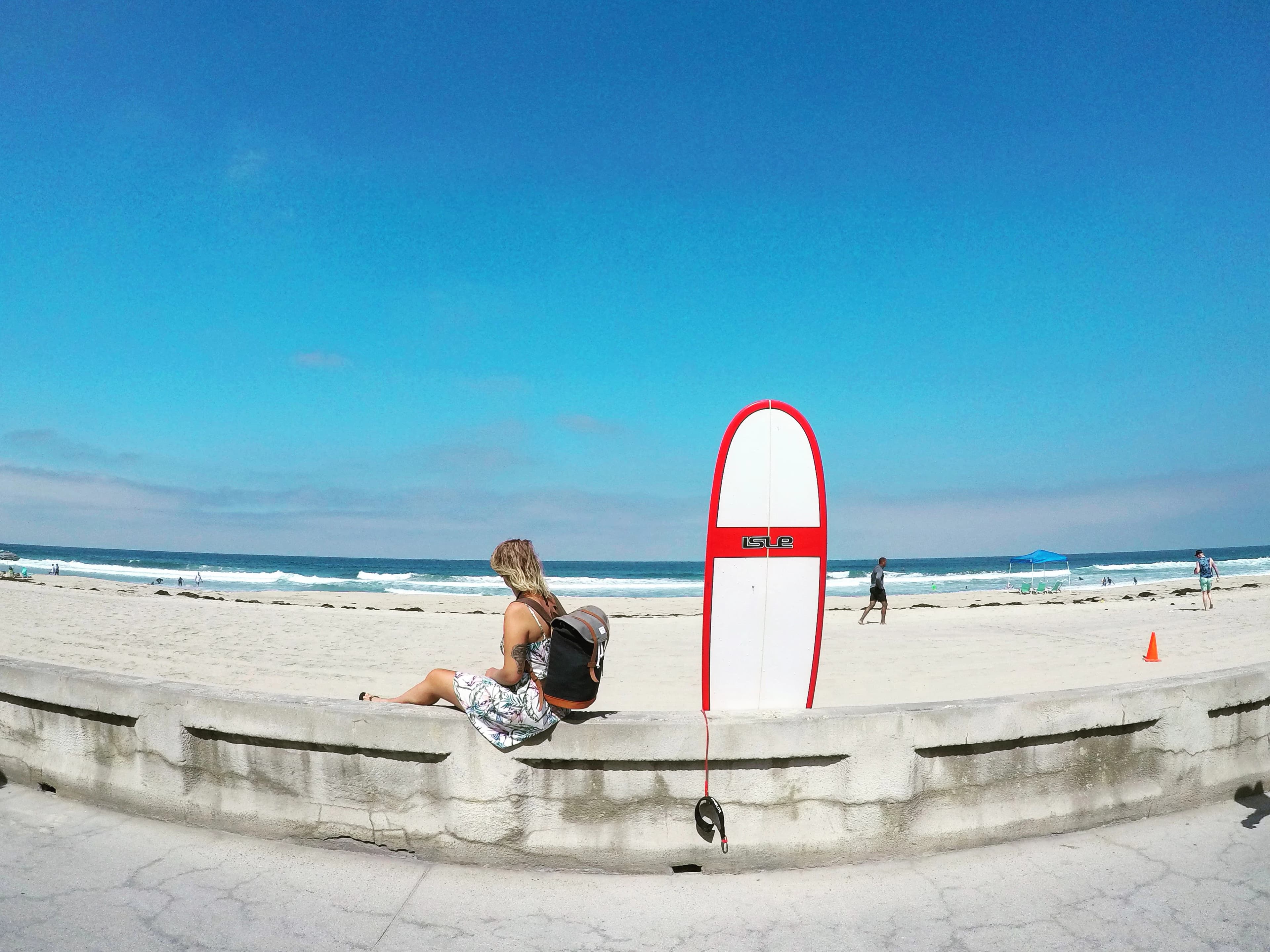
San Diego is California's most relaxed major city — a place where 300 sunny days a year, endless sandy beaches, and a laid-back surf culture define everyday life. The southernmost major city on the California coast combines Mexican influences, maritime flair, and a surprisingly diverse cultural scene. The beaches of San Diego are among the most beautiful in the USA: Coronado Beach with its golden sand is regularly rated as one of the best beaches in America, La Jolla Cove offers crystal-clear water and sea lions on the cliffs, and Pacific Beach is the center of the surfer scene. Balboa Park, larger than Central Park, houses 17 museums, beautiful gardens, and the world-famous San Diego Zoo. The Gaslamp Quarter in Downtown pulses with restaurants, bars, and nightlife, while Old Town San Diego keeps the Spanish-Mexican roots of the city alive. The city's craft beer scene is among the best in the country with over 150 breweries. A day trip to Tijuana in Mexico is possible in 30 minutes. The Torrey Pines State Natural Reserve offers dramatic coastal cliffs and hiking trails with ocean views. San Diego is the perfect destination for those seeking sun, beach, and California lifestyle.
Honolulu
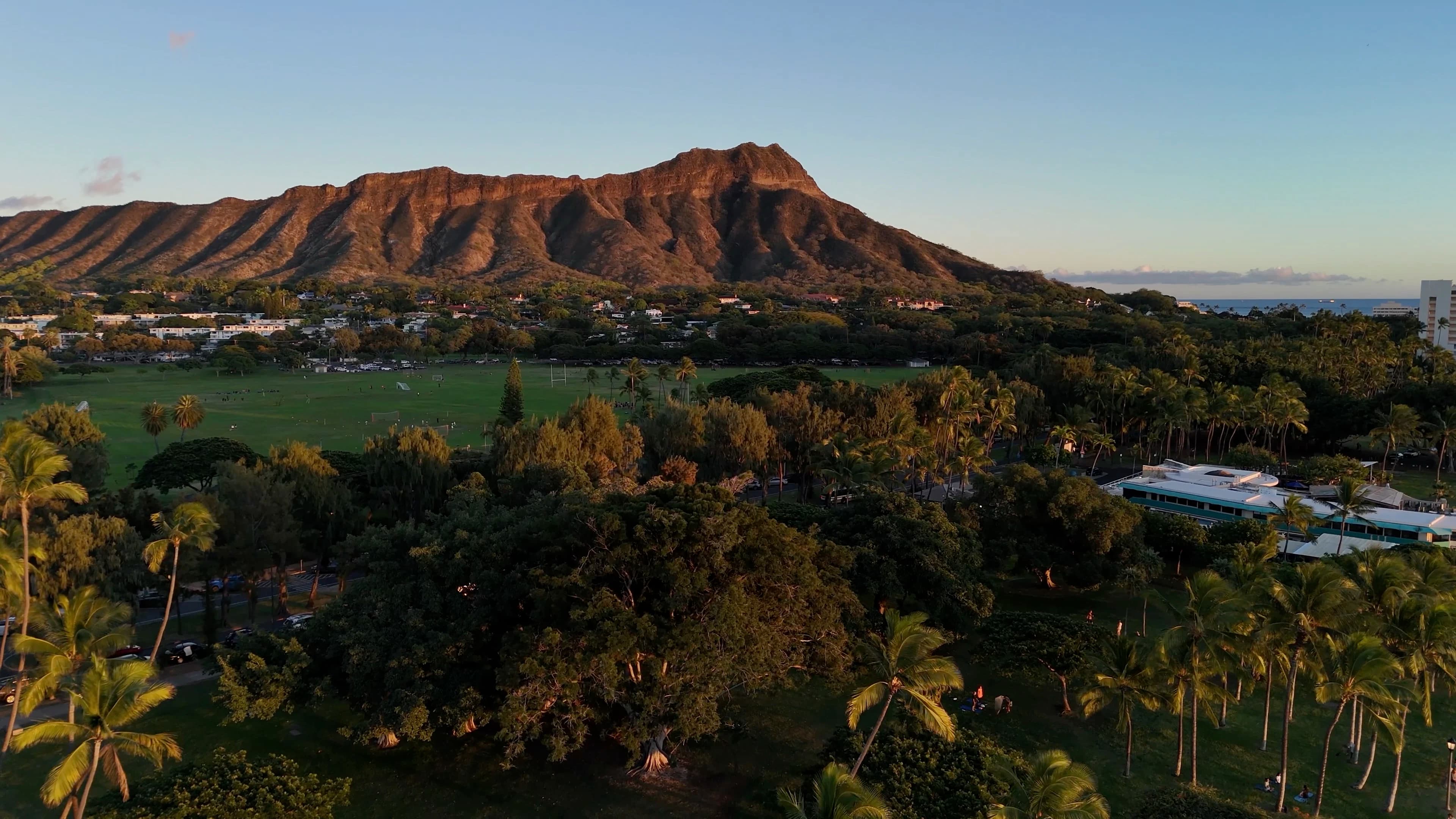
Honolulu is the tropical gateway to Hawaii and one of the most exotic cities in the USA. The capital on the island of Oahu combines Polynesian culture, breathtaking nature, and American modernity into a unique travel destination in the middle of the Pacific. The famous Waikiki Beach with its backdrop of palm trees and the Diamond Head volcanic cone is one of the most recognized postcard motifs in the world. The Diamond Head crater offers one of Hawaii's most popular hikes with a 360-degree panoramic view of the island. Pearl Harbor and the USS Arizona Memorial commemorate the fateful attack of 1941 and are among the most visited memorials in the USA. The historic Chinatown district surprises with a vibrant art scene and authentic restaurants, while the Bishop Museum preserves the history and culture of Polynesia. Culinarily, Honolulu offers a fascinating mix: Fresh poke, Hawaiian plate lunch, shave ice, and the unique fusion cuisine of Asian and Polynesian influences make the city a gourmet paradise. The North Shore of Oahu attracts experienced surfers with giant waves from November to February, while the calm bays of Kailua and Lanikai invite snorkeling. Honolulu combines tropical island paradise with urban comfort like no other place in the USA.
Portland
Portland is the most individual city in the USA — a progressive metropolis in the Pacific Northwest that proudly carries its motto Keep Portland Weird. The city at the confluence of the Willamette and Columbia Rivers has established itself as a stronghold for creatives, foodies, and nature lovers, offering a quality of life that is unparalleled. Portland's food scene is legendary: Over 500 food carts in dozens of pods offer cuisines from around the world, while farm-to-table restaurants celebrate the fresh ingredients of the Willamette Valley. The craft beer scene, with over 70 breweries, has earned Portland the nickname Beervana. Voodoo Doughnut and the massive Powell's City of Books — the largest independent bookstore in the world — are must-visits. The neighborhoods of the city each have their own character: The Pearl District shines with galleries and boutiques, Hawthorne offers vintage shops and hippie flair, and the Alberta Arts District celebrates local artists. Nature is always close by: Forest Park is one of the largest urban forests in the USA, the Columbia River Gorge with the Multnomah Falls is just 30 minutes away, and Mount Hood offers year-round skiing. Portland proves that a city can be urban, green, and unconventional at the same time.
Islands

Oahu
Oahu is the heart of Hawaii and the island that makes the dream of paradise tangible for most people. Here lies Honolulu, the only major city of the archipelago, and the world-famous Waikiki Beach, which has become the epitome of tropical beach vacations with its skyline of hotels, gentle waves, and views of Diamond Head. But Oahu is much more than Waikiki - the third-largest Hawaiian island combines vibrant urban culture, legendary surf beaches, lush rainforests, and a Hawaiian culture that has remained alive despite all modernity. Waikiki Beach is the iconic starting point of any Oahu trip. The two-kilometer stretch of beach in front of the hotel backdrop is where Duke Kahanamoku invented modern surfing, and to this day, beginners can ride their first waves here. Behind the beach rises Diamond Head, an extinct volcanic crater, whose hike to the summit rewards with a 360-degree panorama over the entire south coast. The North Shore, the famous North Shore, is the spiritual center of surf culture. In winter, waves of up to 15 meters break here, transforming beaches like Pipeline, Sunset Beach, and Waimea Bay into the stage for the world's biggest surf competitions. In summer, the same beaches are glassy smooth and perfect for snorkeling. The small surfer town of Haleiwa with its colorful shave ice stands, boutiques, and shrimp trucks is a must-visit. Pearl Harbor and the USS Arizona Memorial are the historically most significant sites on the island. The memorial above the sunken battleship, where the remains of over a thousand sailors still rest today, is a deeply moving experience and one of Hawaii's most visited attractions. The Koolau Mountains in the east of the island offer breathtaking hikes, including the Manoa Falls Trail through the rainforest and the notorious Stairway to Heaven with its 3,922 steps. From Germany, it takes about 18 to 20 hours to fly to Honolulu with a stopover on the US West Coast. The best travel time is year-round, with April to October offering less rain and pleasantly warm temperatures of 27 to 30 degrees. Winter brings larger waves to the North Shore and slightly more rainfall but remains warm with temperatures around 25 degrees.

Maui
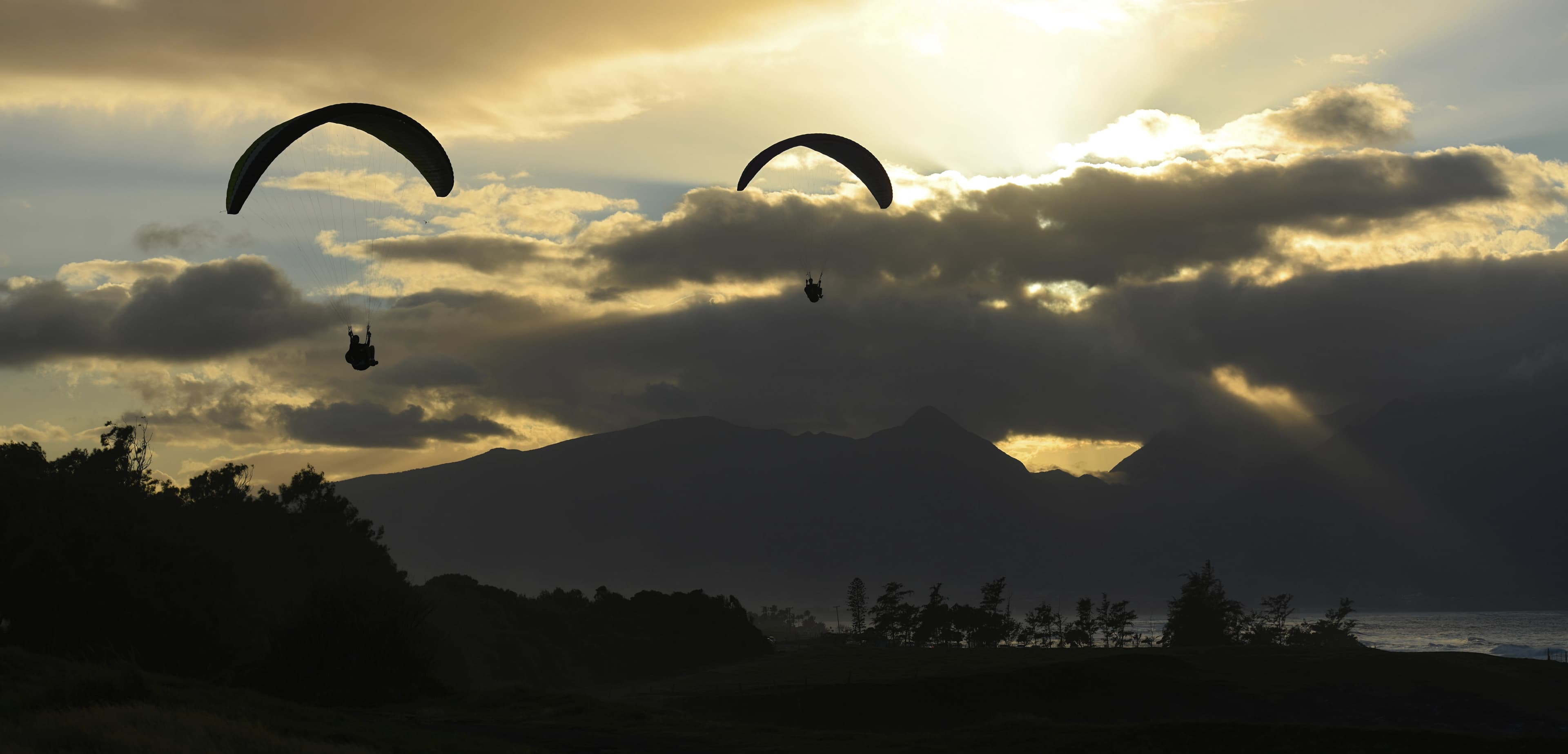
Maui, the second largest Hawaiian island, combines dramatic volcanic landscapes, golden beaches, and a relaxed Aloha culture into a tropical dream destination. The Haleakalā Crater rises over 3,000 meters high, and the sunrise over its rim — above the clouds, bathed in a sea of red and gold — is one of the most spiritual natural experiences in the world. Mark Twain called it 'the most sublime spectacle I have ever witnessed.' The legendary Road to Hana winds over 620 curves and 59 bridges along the northeast coast through lush rainforests, past waterfalls, bamboo forests, and hidden rock pools. The drive is the destination — plan at least a full day or stay overnight in Hana for a more relaxed experience. From December to March, humpback whales migrate through the waters between Maui and Lanai, and whale-watching tours from Lahaina offer close encounters with these majestic creatures. The Molokini Crater, a partially submerged volcanic cone off the southwest coast, is one of the best snorkeling spots in Hawaii with visibility over 45 meters. The beaches range from golden sandy shores in Kaanapali to the red sand beach in Hana to the black lava beach. Maui is Hawaii at its most beautiful — wild nature, perfect beaches, and Polynesian warmth.
Key West
Key West, the southernmost city in the continental USA, lies like a tropical pearl at the end of the Overseas Highway — one of the most spectacular roads in the world, which leads over 42 bridges (including the legendary Seven Mile Bridge) across the turquoise waters of the Florida Keys. The journey itself is an experience reminiscent of the Caribbean — and Key West feels just like that. Duval Street is the vibrant heart of the island: bars, galleries, live music, and restaurants line up along a kilometer. At Sloppy Joe’s, Ernest Hemingway's favorite bar, you can enjoy Mojitos under photos of the Nobel Prize-winning author, who lived here from 1931 to 1939. His house, home to the famous six-toed cats, is now a museum. In the evenings, all of Key West gathers at Mallory Square for the Sunset Celebration — street performers, fire jugglers, and amazed visitors celebrate the sunset over the Gulf of Mexico together. During the day, snorkeling tours to the only living coral reef in North America, kayak trips through the mangroves, or a visit to Fort Zachary Taylor State Park with the island's best beach attract visitors. The Southernmost Point, marked by the iconic buoy, is the most popular photo stop — only 145 kilometers separate Key West from Cuba. The atmosphere is unique: tolerant, colorful, slightly risqué, and irresistibly Caribbean.
Areas

Sedona
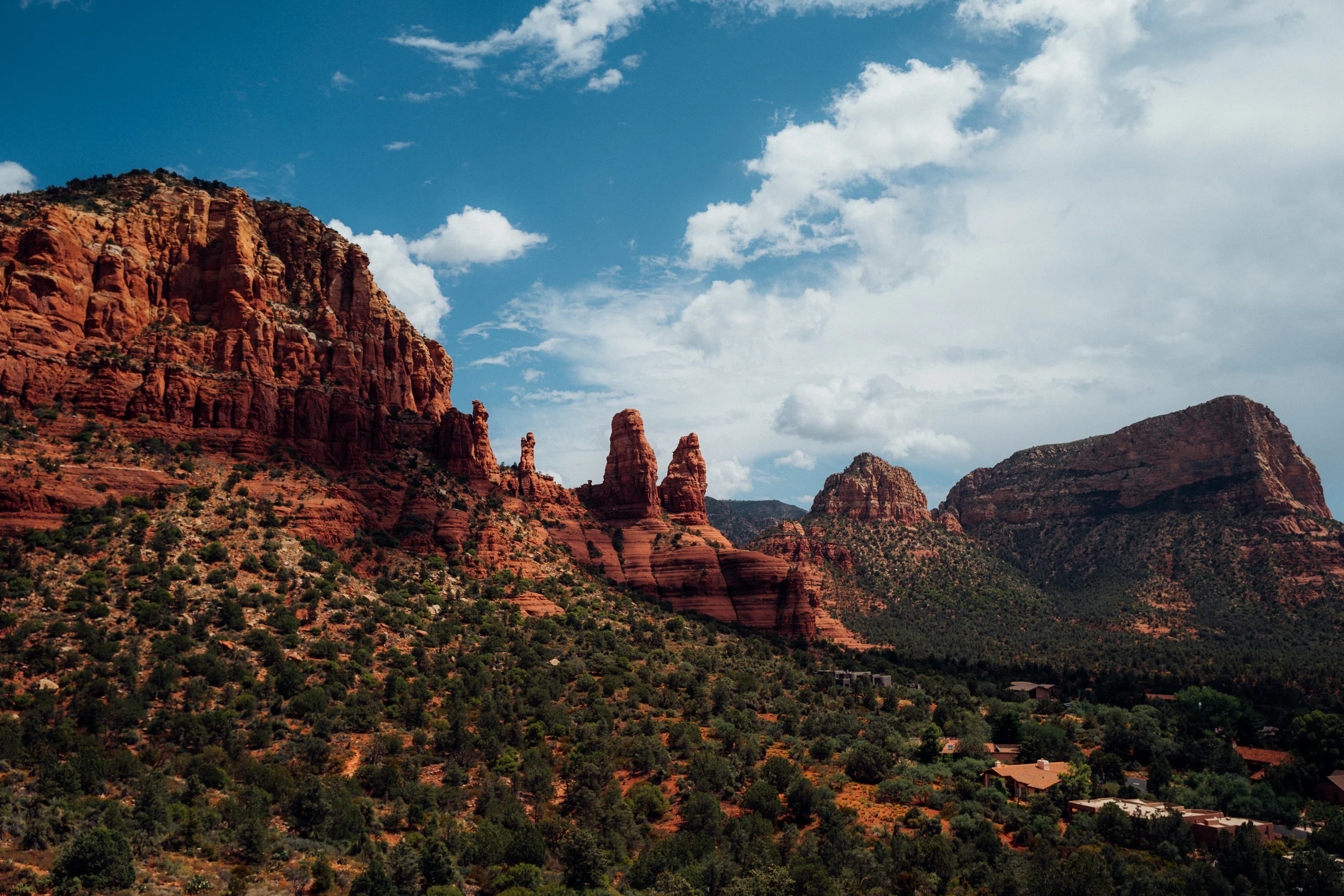
Sedona is Arizona's spiritual heart — a small town nestled in a surreal landscape of bright red sandstone cliffs that glow in flaming orange and crimson red at sunrise and sunset. The energy vortices, where spiritual forces are said to be particularly strong, attract yoga practitioners, healers, and nature lovers from around the world. The Red Rocks form one of the most dramatic landscapes in the USA: Cathedral Rock, Bell Rock, and Courthouse Butte are hiking destinations that look different with each hour of changing light. The over 200 hiking trails range from easy walks to challenging climbs. The Devil's Bridge Trail leads to a natural stone bridge that hovers over a gorge. Oak Creek Canyon, north of Sedona, is often referred to as Arizona's little Grand Canyon and offers swimming opportunities in natural pools. The Chapel of the Holy Cross, a modern church built directly into the red rocks, stunningly combines architecture and nature. Sedona is just two hours north of Phoenix and pairs perfectly with the Grand Canyon (also 2 hours away).

Route 66
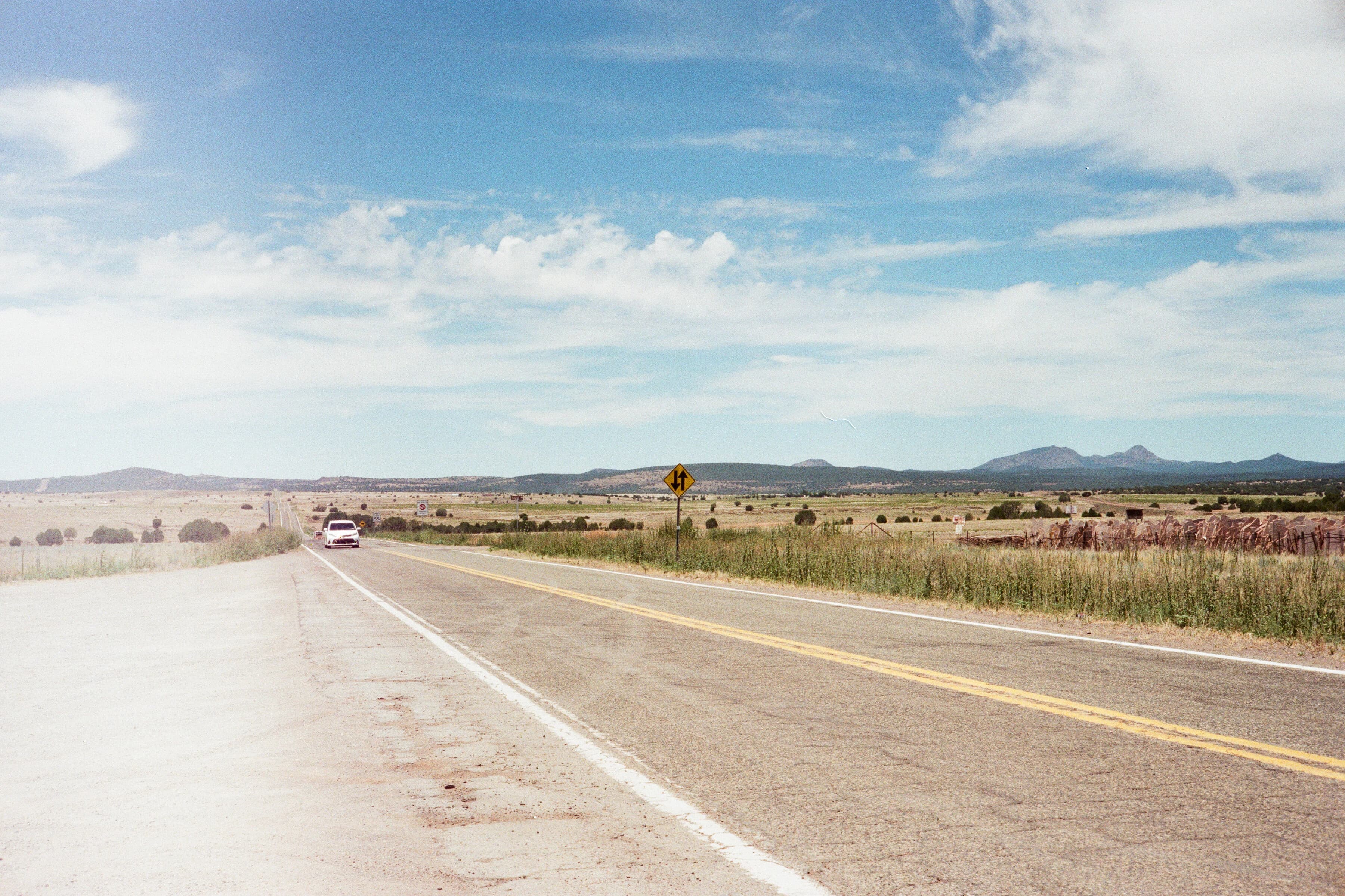
Route 66, affectionately known as the 'Mother Road' or 'Main Street of America', is more than just a road — it is an American myth. Stretching nearly 4,000 kilometers, it connected Chicago (Illinois) with Santa Monica (California) from 1926 to 1985 and became a symbol of freedom, adventure, and the American Dream. Although it no longer officially exists, large parts of the original route are still drivable and attract road trip fans from all over the world. The route crosses eight states and offers an astonishing variety: from the skyscrapers of Chicago to the endless plains of Kansas and Oklahoma, through the red deserts of Arizona and New Mexico to the Pacific coast. Along the way, you encounter retro diners with turquoise leather seats, abandoned ghost towns, kitschy roadside attractions (like Cadillac Ranch in Amarillo or the Blue Whale of Catoosa), and neon signs from past decades. Those wanting to drive the entire route should plan for two to three weeks, but even partial sections are immensely worthwhile. The stretch through Arizona — from Holbrook through Winslow ('Standin’ on the Corner') to Oatman with its wild donkeys — is particularly atmospheric. In Gallup, New Mexico, you immerse yourself in the culture of the Navajo and Zuni. Motels like Wigwam Motel or Blue Swallow Motel offer authentic Route 66 vibes. The best times to travel are spring or autumn when the desert sections are not unbearably hot. Route 66 is not a destination — it is the journey.
Napa Valley
Napa Valley is the heart of American wine culture and is one of the most renowned wine regions in the world. Stretching just 50 kilometers, over 400 wineries line up — from famous estates like Robert Mondavi, Opus One, and Domaine Chandon to small boutique winemakers that can only be visited by appointment. The Cabernet Sauvignons from Napa are considered world-class and triumphed over their French competitors at the legendary 'Judgment of Paris' tasting in 1976. The Silverado Trail and Highway 29 are the two main routes that traverse the valley. While Highway 29 passes through the charming towns of St. Helena, Yountville, and Calistoga, the Silverado Trail on the eastern side offers a quieter alternative with smaller, often family-run wineries. However, Napa is much more than just wine: the culinary scene is top-notch — with restaurants like The French Laundry (three Michelin stars) in Yountville or Michael Chiarello's Bottega. A hot air balloon ride over the vineyards at sunrise is one of the most unforgettable experiences. The Napa Valley Wine Train offers a historic train ride with a gourmet menu through the vineyard landscape. In Calistoga, the geothermal mineral water invites spa treatments and mud baths. Napa is ideal for a romantic trip, a culinary journey, or a day trip from San Francisco (1 hour).

Monument Valley
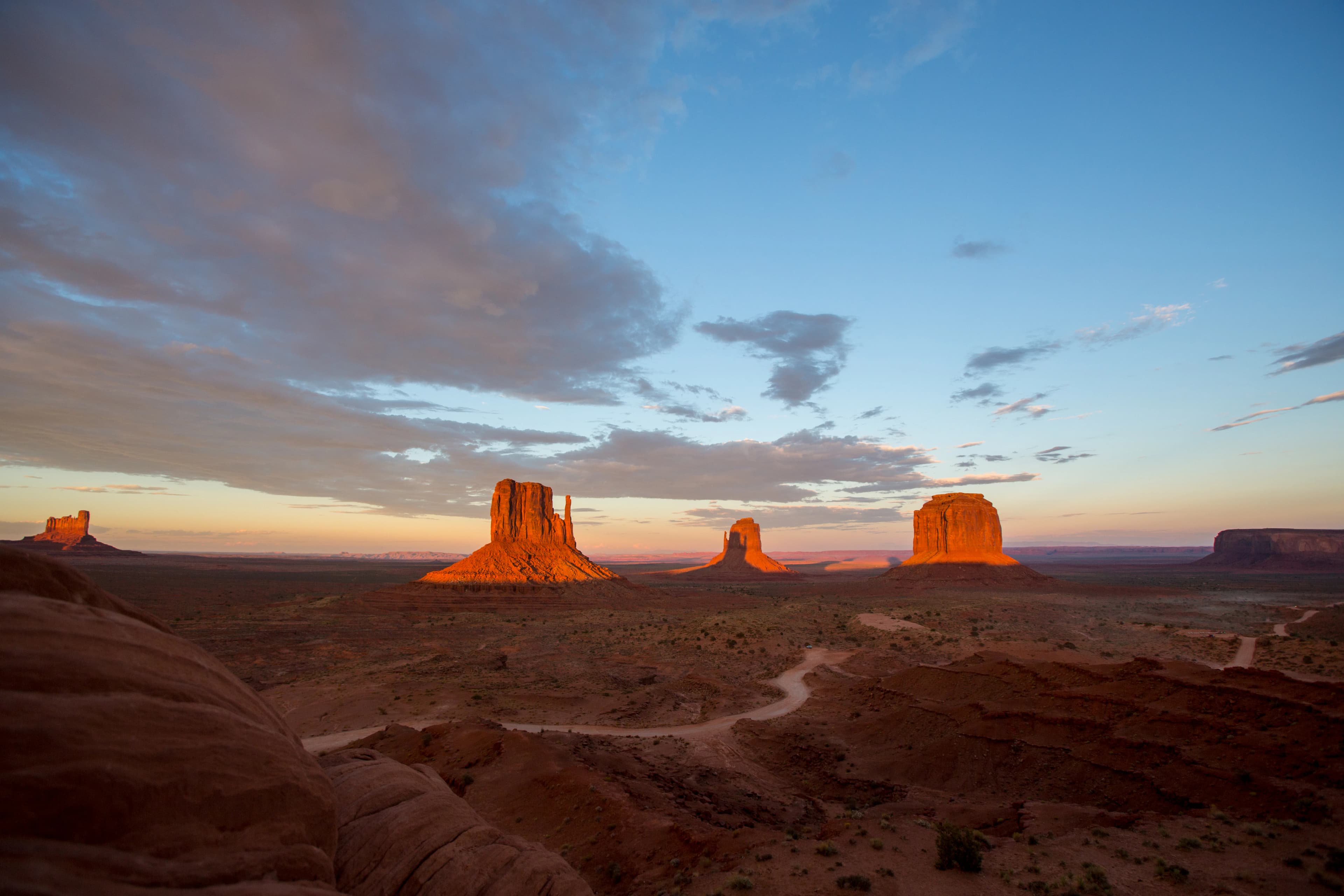
Monument Valley, known as Tsé Biiʼ Ndzisgaii in Navajo, rises with its iconic sandstone mesas like a movie set from the endless desert of the American Southwest. The distinctive buttes and mesas, reaching up to 300 meters into the sky, have been shaped by millions of years of erosion and are among the most photographed landscapes in the world. It's no wonder that Hollywood legends like John Ford shot numerous Westerns here — and the famous Forrest Gump moment also took place on Highway 163 with a view of the Mittens. The valley is entirely within the Navajo Nation Reservation and is managed by the Navajo themselves. The 27-kilometer Valley Drive leads as an unpaved road past the main formations: the West and East Mittens, Merrick Butte, the Three Sisters, and John Ford Point. Especially at sunrise and sunset, the landscape reveals its full magic as the light bathes the red rocks in gold and orange tones. Guided tours with Navajo guides allow access to otherwise restricted areas like Mystery Valley or Hunts Mesa. There, ancient petroglyphs, abandoned Hogan dwellings, and panoramas that leave even seasoned travelers speechless are revealed. The nearest larger town is Kayenta (30 minutes away), but The View Hotel right at the park's edge offers breathtaking views from every room. Those wanting to feel the Wild West will find their most authentic backdrop here.
Regions

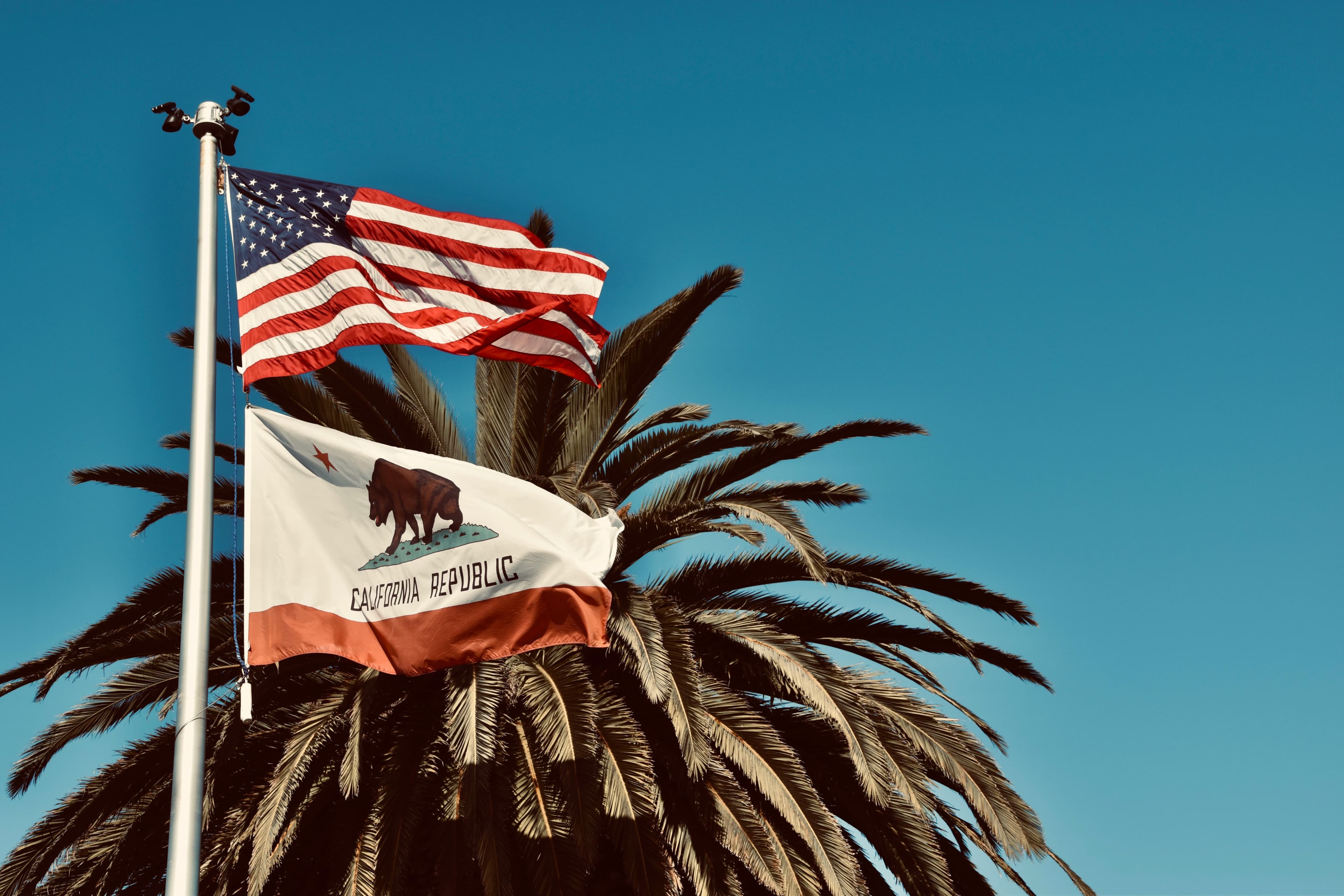
California
California is the epitome of the American dream — a state that enchants every traveler with its 1,350 km of coastline, snow-capped peaks of the Sierra Nevada, and glamorous metropolises like Los Angeles and San Francisco. The Golden State combines more scenic and cultural diversity than many countries. San Francisco delights with the Golden Gate Bridge, Victorian houses, and a vibrant foodie scene. Los Angeles attracts with Hollywood, Venice Beach, and the legendary sunset at Santa Monica Pier. San Diego offers a relaxed surfer lifestyle and the world-famous zoo. Highway 1 along the Pacific coast is considered one of the most spectacular coastal roads in the world. California's natural wonders are equally impressive: Yosemite National Park with its massive granite cliffs, the giant sequoias in Sequoia National Park, Death Valley as the hottest place on Earth, and the surreal desert landscape of Joshua Tree. Additionally, the wine regions of Napa Valley and Sonoma boast top-notch wineries and gourmet restaurants. Whether surfing in Malibu, hiking in Big Sur, wine tasting in Wine Country, or celebrity spotting in Beverly Hills — California provides the stuff that travel dreams are made of.

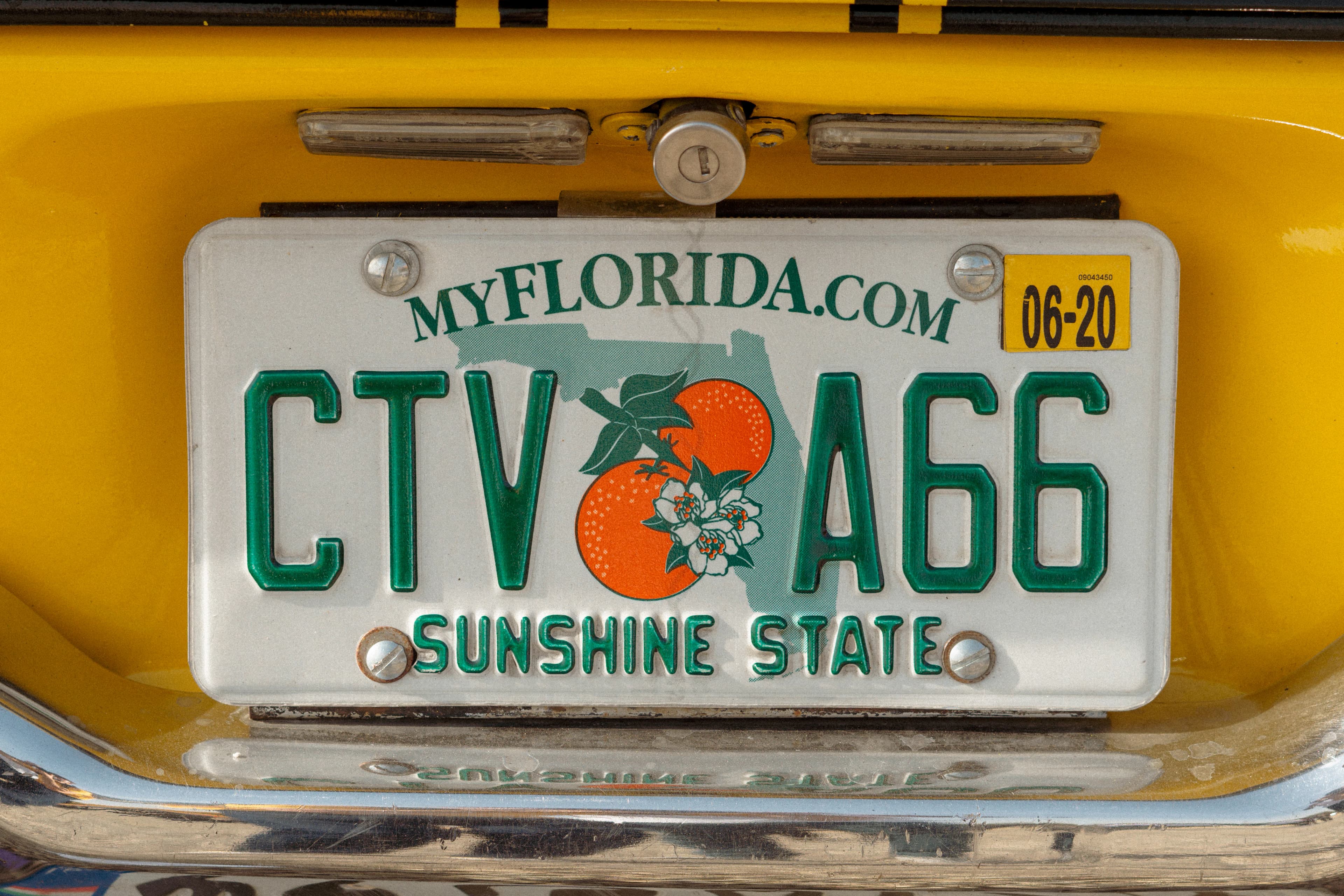
Florida
Florida, the Sunshine State, is the most popular travel destination in the USA with over 130 million visitors annually and offers a variety that ranges from theme park magic to natural wonders to Caribbean island vibes. Orlando is the undisputed entertainment center: Walt Disney World with four theme parks, Universal Studios with the Wizarding World of Harry Potter, and SeaWorld attract families from around the world. The Florida Keys, a 180-kilometer-long chain of islands connected by the legendary Overseas Highway with its 42 bridges, lead to Key West — America's southernmost point, just 145 kilometers from Cuba. The Everglades in the south protect one of the world's most unique ecosystems: alligators, manatees, and Florida panthers live in the endless grasslands. Cape Canaveral on the Atlantic coast is the gateway to space — at the Kennedy Space Center, you can experience space travel history up close and, with a bit of luck, witness a real rocket launch. The Gulf Coast with Clearwater Beach, Sarasota, and Naples entices with powdery white sand and warm, calm waters. Miami Beach on the east coast offers Art Deco flair and Latin American temperament. St. Augustine, founded in 1565, is the oldest continuously inhabited European settlement in the USA. Tampa combines the amusement park Busch Gardens with the historic Cuban neighborhood Ybor City. Florida's cuisine thrives on Stone Crabs, Key Lime Pie, and Cuban sandwiches. The best travel time is from November to April, when temperatures are pleasant and the hurricane season is over.

New England
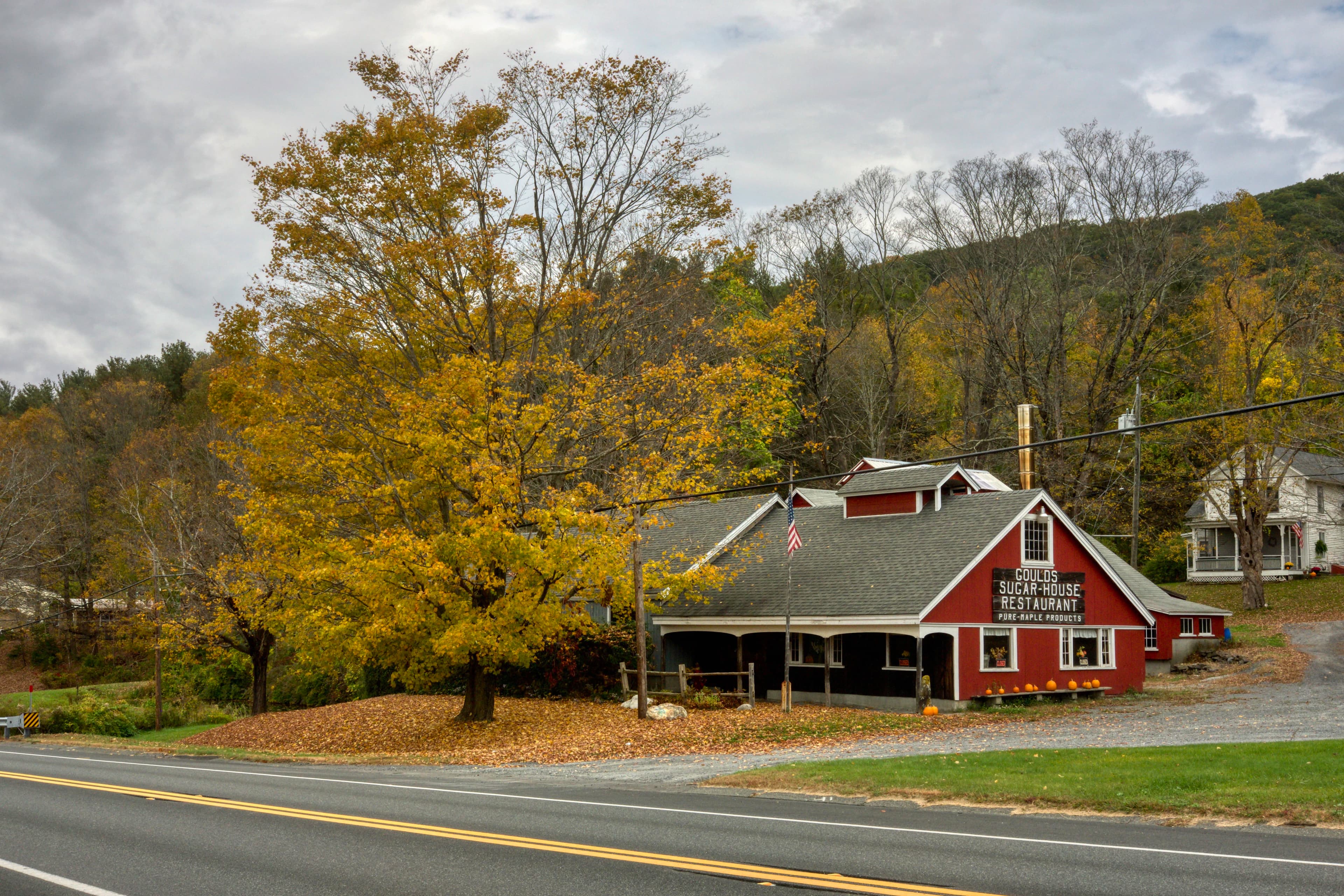
New England is the cradle of America — a region of six states where the American Revolution began, home to the oldest universities, and where the legendary Indian Summer transforms the forests into a sea of colors of gold, orange, and red. Connecticut, Maine, Massachusetts, New Hampshire, Rhode Island, and Vermont together form one of the most diverse and historic regions of the USA. Boston is the cultural and economic center with Harvard, MIT, and the Freedom Trail. The coast of Maine enchants with picturesque lighthouses, lobster shacks, and the spectacular Acadia National Park. Cape Cod offers idyllic sandy beaches and charming artists' villages, while the Berkshires in Massachusetts attract visitors with music and theater festivals. Vermont's green hills are famous for maple syrup, quaint covered bridges, and top-notch ski resorts. New England's cuisine is shaped by the coast: Clam Chowder, lobster, Lobster Rolls, and fresh oysters are must-try dishes. The White Mountains in New Hampshire offer some of the best hiking trails in the East, and Newport, Rhode Island, shines with gilded mansions from the Gilded Age. Whether it's a fall foliage road trip through Vermont, whale watching off Cape Cod, or a weekend in a historic inn — New England is America in its most charming and historic form.
Southern States
The American South is a world of its own — a region where legendary hospitality, unforgettable music, and some of the best regional cuisine in the world come together. From the gentle Blue Ridge Mountains to the swamps of Louisiana and the white sandy beaches of Florida and the Carolinas, a culturally rich mosaic of history and tradition unfolds. Cities like New Orleans, Nashville, Charleston, and Savannah are among the most characterful in America. New Orleans enchants with jazz and Creole cuisine, Nashville is the birthplace of country music, Charleston impresses with antebellum architecture and gourmet restaurants, and Savannah lures with moss-draped oaks and Victorian charm. Memphis, the home of Elvis and the blues, and Atlanta as the vibrant metropolis of the New South complete the picture. The cuisine of the South is world-famous: soul food, Cajun dishes, barbecue, shrimp and grits, and sweet pecan pie are just a few highlights. The musical traditions — from blues and jazz to country and gospel — have shaped modern music as a whole. Natural experiences like the Great Smoky Mountains, the Everglades, and the bayous of Louisiana round out the experience. The South offers an intensity of culture, flavor, and hospitality that cannot be found anywhere else.

Pacific Northwest
The Pacific Northwest is America's greenest and wildest corner — a region where rainforests meet snow-capped volcanoes, orcas glide through the strait, and creative cities celebrate a unique way of life. Washington State and Oregon together form a destination that captivates both nature lovers and culture enthusiasts alike. Seattle stands as the capital of the region between Puget Sound and the Cascade Mountains. Portland embraces individuality with its motto Keep Portland Weird, local breweries, and one of the best food truck scenes in the USA. Both cities are pioneers of the farm-to-table movement and host a vibrant coffee culture — after all, Starbucks was founded in Seattle. The nature of the region is simply spectacular: Olympic National Park combines rainforests, alpine meadows, and wild coastlines in a single park. Mount Rainier rises majestically at 4,392 m as a sentinel over the region. The Columbia River Gorge offers breathtaking waterfalls and hiking trails, while the San Juan Islands entice with whale watching and idyllic tranquility. The Oregon coast, with its rugged cliffs and secluded beaches, is among the most beautiful coastlines in North America.
Rocky Mountains
The Rocky Mountains are America's majestic backbone — a mountain range that stretches over 4,800 km from Canada to New Mexico and hosts some of the most breathtaking landscapes in the world. Snow-capped peaks, turquoise mountain lakes, dense coniferous forests, and vast valleys make the Rockies the ultimate destination for nature lovers and adventurers. Rocky Mountain National Park in Colorado offers over 570 km of hiking trails and the famous Trail Ridge Road at over 3,700 m elevation. In Yellowstone National Park, visitors can expect spouting geysers, hot springs, and wildlife including bison herds, grizzly bears, and wolves. Grand Teton National Park impresses with its dramatic mountain backdrop, and Glacier National Park in Montana is often referred to as the Crown of the Continent. In winter, the Rockies transform into a world-class ski paradise: Aspen, Vail, Park City, and Jackson Hole offer powder snow and luxurious mountain resorts. In summer, mountain biking trails, white-water rafting, fishing in crystal-clear rivers, and camping under the starry sky beckon. Charming mountain towns like Breckenridge, Telluride, and Bozeman combine Western flair with top-notch cuisine. The Rocky Mountains are more than just a mountain range — they are a promise of freedom and untouched nature.

Midwest
The Midwest is the underrated heart of America — a region that enchants with endless expanses, warm hospitality, and surprising diversity. From the gleaming skyscrapers of Chicago to the gentle hills of Iowa and the Great Lakes, a landscape that still breathes the American pioneering spirit unfolds. Chicago, the unofficial capital of the region, impresses with world-class architecture, Deep-Dish Pizza, and a vibrant blues and jazz scene. The Great Lakes offer beach experiences reminiscent of ocean coasts, while the prairie landscapes of Kansas and Nebraska paint endless horizons. Minneapolis surprises with a pulsating art scene, and the Amish communities in Ohio and Indiana provide insights into a life far from modernity. Culinarily, the Midwest has much more to offer than cornfields: top-notch breweries in Milwaukee, legendary steakhouses in Kansas City, and the farm-to-table movement in Michigan. Whether it's a road trip on Route 66, hiking in Cuyahoga Valley National Park, or autumn foliage at Lake Michigan — the Midwest rewards travelers who wish to discover authentic America off the typical tourist paths.

Texas
Texas is a country of its own — the Lone Star State is as large as France and has a personality that is at least as big. From cosmopolitan Houston to musical Austin to the endless deserts of Big Bend National Park, Texas offers a diversity that few other U.S. states can match. The cities of the state could not be more different: Dallas shines with modern architecture and a vibrant art scene, San Antonio enchants with the historic Alamo and the romantic River Walk, and Austin is the live music capital of the world with a thriving food truck culture. Houston is home to the NASA Johnson Space Center and one of the most diverse culinary scenes in the USA. Beyond the cities, the dramatic canyons of Palo Duro, the dreamlike beaches of South Padre Island, and the mystical Chihuahua Desert await. Texas is also a culinary paradise: slow-smoked BBQ, Tex-Mex cuisine with fresh tortillas, and craft beer breweries ensure that no traveler goes hungry. With over 300 sunny days a year, legendary hospitality, and an untamed spirit of freedom, Texas is a destination that captivates every visitor.
National parks

Grand Canyon
The Grand Canyon in Arizona is one of the most magnificent natural wonders of the Earth: Over 1,600 meters deep, the Colorado River has carved its way through layers of rock that are up to two billion years old over millions of years. This monumental gorge stretches for 450 kilometers, with colors — from deep red to orange to violet — changing with each position of the sun, leaving visitors in awe. The South Rim is the most visited area and is accessible year-round. Viewpoints such as Hopi Point, Mather Point, and Yavapai Observation Station offer breathtaking panoramas, especially at sunrise and sunset when the canyon is bathed in golden and purple light. Helicopter tours provide a completely new perspective from the air. The Grand Canyon Skywalk at the West Rim — a horseshoe-shaped glass platform that juts out 21 meters over the abyss — is not for the faint of heart. The North Rim is 300 meters higher and is significantly less visited (open only from May to October). Here, an alpine forest atmosphere prevails instead of desert landscape. For adventurers, the Bright Angel Trail leads down to the Colorado River, where multi-day rafting tours through the canyon are among the most intense nature experiences in North America. The Phantom Ranch at the riverbank is the only accommodation at the canyon floor — booked months in advance. The Grand Canyon is a place that exceeds every expectation and where one can literally see the depth of Earth's history.
Yellowstone
Yellowstone, founded in 1872, is the oldest national park in the world and sits on one of the largest active volcanic systems on Earth. This geological wonderland covers over 9,000 square kilometers, primarily in Wyoming, and is home to more than half of all geysers in the world. Old Faithful, the most famous among them, erupts reliably every 60 to 110 minutes, shooting hot water up to 55 meters high. But the true star is the Grand Prismatic Spring — at 113 meters in diameter, the largest hot spring in the USA. Its vibrant colors of deep blue, green, yellow, orange, and red are created by heat-loving bacteria and are most impressive from the air (the Grand Prismatic Overlook Trail offers the best view). The Mammoth Hot Springs area resembles an extraterrestrial landscape with its white limestone terraces. Yellowstone is also one of the last great intact ecosystems of the temperate zones: herds of bison (about 5,000 animals) roam the plains of Lamar Valley, and grizzly bears, wolves, moose, and elk can be regularly observed. Lamar Valley, often referred to as the “Serengeti of North America,” is the best place for wildlife viewing, especially at dusk. The Grand Canyon of the Yellowstone, with its 300-meter-deep yellow rock walls and the Lower Falls, is another highlight. The best time to visit is from May to September, although the park also offers a magical sight in winter with snow-covered geysers.
Yosemite
Yosemite National Park in California's Sierra Nevada is one of the most spectacular natural wonders in North America. At first glance into Yosemite Valley, you are left breathless: El Capitan, a 900-meter high, nearly vertical granite wall, and Half Dome, the famous half-dome rock, frame a glacier-carved valley that immortalized nature photographer Ansel Adams. Yosemite Falls plunge a total of 739 meters in three tiers, making it the highest waterfall in North America. In spring and early summer, when the snowmelt feeds the falls, the spectacle is most impressive. In February, the setting sun bathes the Horsetail Fall in orange-red light — the natural phenomenon “Firefall” attracts thousands of photographers each year. El Capitan is the mecca of rock climbing: The “Nose” route is considered one of the most legendary climbing routes in the world. But even without climbing experience, Yosemite offers over 1,300 kilometers of hiking trails. The hike to Half Dome (permit required) is challenging but legendary — the final section leads steeply up the bare rock via steel cables. The Mariposa Grove is home to over 500 giant sequoias, including the Grizzly Giant, which is over 1,800 years old. Glacier Point offers perhaps the most beautiful viewpoint in the park. In summer, the valley is crowded — Tuolumne Meadows at 2,600 meters offers a quieter, alpine alternative.

Zion
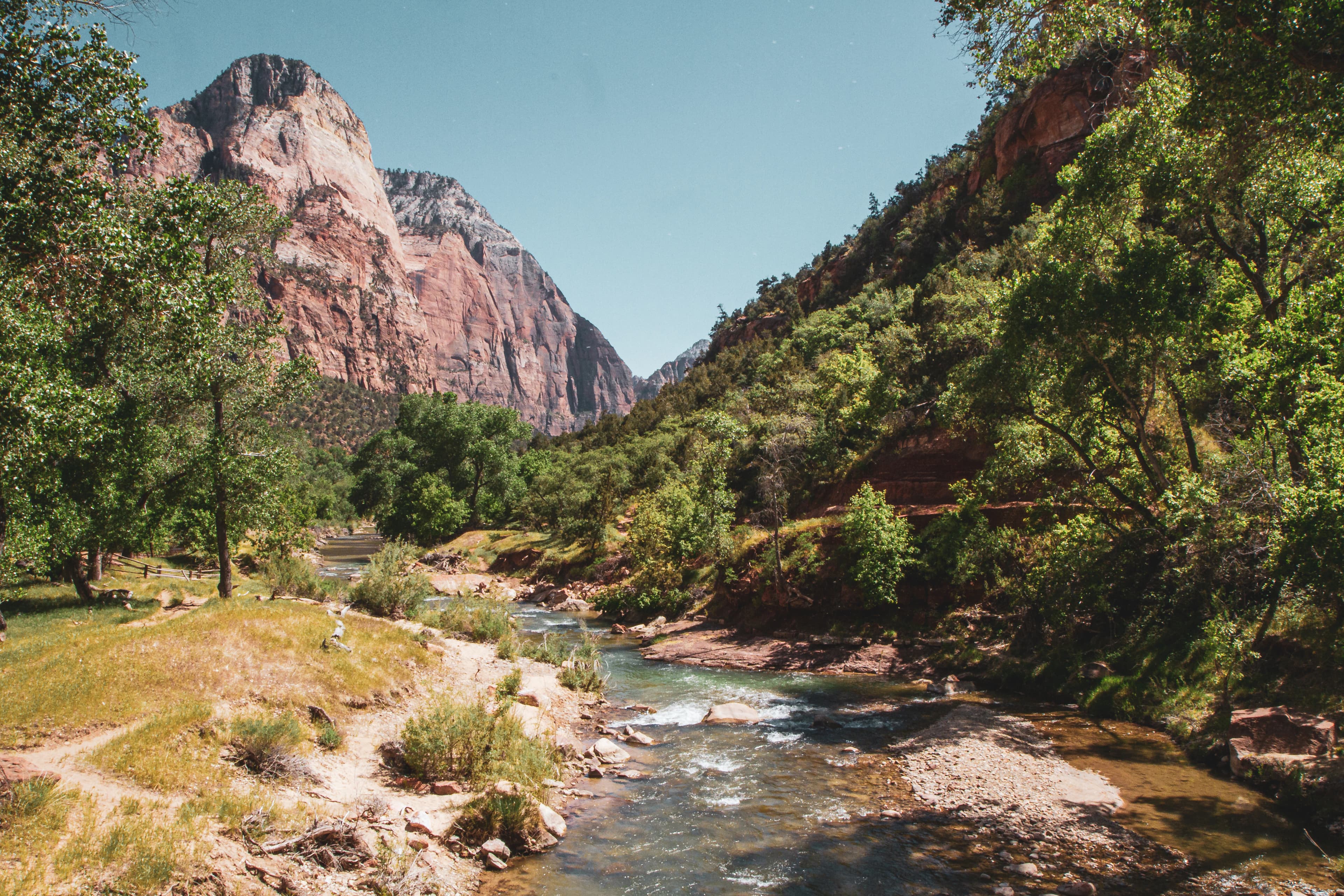
Zion National Park in Utah is a geological masterpiece of deep canyons, massive sandstone cliffs, and the emerald-green Virgin River, which has carved its way through 600-meter-high walls of red Navajo sandstone over millions of years. The park is one of the most dramatic natural landscapes in the USA and attracts over four million visitors annually. The Angels Landing Trail is one of America's most famous hiking trails: the final section leads along a narrow rock ridge with chains as handrails and 450 meters of drop on both sides — not for those with a fear of heights, but the reward is a 360-degree panorama that is unmatched. Since 2022, a permit (lottery) is required, so plan early. The Narrows is the contrasting experience: here you hike directly in the Virgin River through the narrowest part of Zion Canyon, where the walls are only a few meters apart and over 300 meters high. Depending on the water level, the water ranges from ankle-deep to waist-deep — neoprene socks and a hiking pole are a must. The Scenic Drive through Zion Canyon is only accessible by shuttle from March to November, keeping the park pleasantly car-free. The less-visited Kolob Canyons District in the north offers solitude and one of the largest natural rock arches in the world. Springdale at the park entrance is a charming town with good restaurants and accommodations.
Everglades
The Everglades are a unique ecosystem worldwide: A slowly flowing, only a few centimeters deep river of freshwater that stretches over 6,000 square kilometers of subtropical wilderness. This UNESCO World Heritage National Park in southern Florida is home to an incredible diversity of species — from alligators and crocodiles (one of the few places in the world where both species coexist) to manatees and rare Florida panthers. The Shark Valley Trail is one of the most popular access points: A 24-kilometer loop leads by bike or tram through sawgrass prairies, where alligators literally bask at the roadside. The observation tower at the end offers a breathtaking panoramic view of the endless grassland. On the Anhinga Trail at the Royal Palm Visitor Center, you can encounter water birds, turtles, and alligators within arm's reach. Airboat tours through the mangrove channels are an adrenaline experience and provide insights into areas that would be inaccessible on foot. Kayak tours through the Ten Thousand Islands on the Gulf Coast reveal a tranquil water world of mangrove labyrinths and dolphin sightings. The best time to visit is from December to April (dry season), when animals concentrate around shrinking waterholes and mosquitoes are manageable. The Everglades are not a classic postcard park — but for nature lovers, it is an absolute must.

Joshua Tree
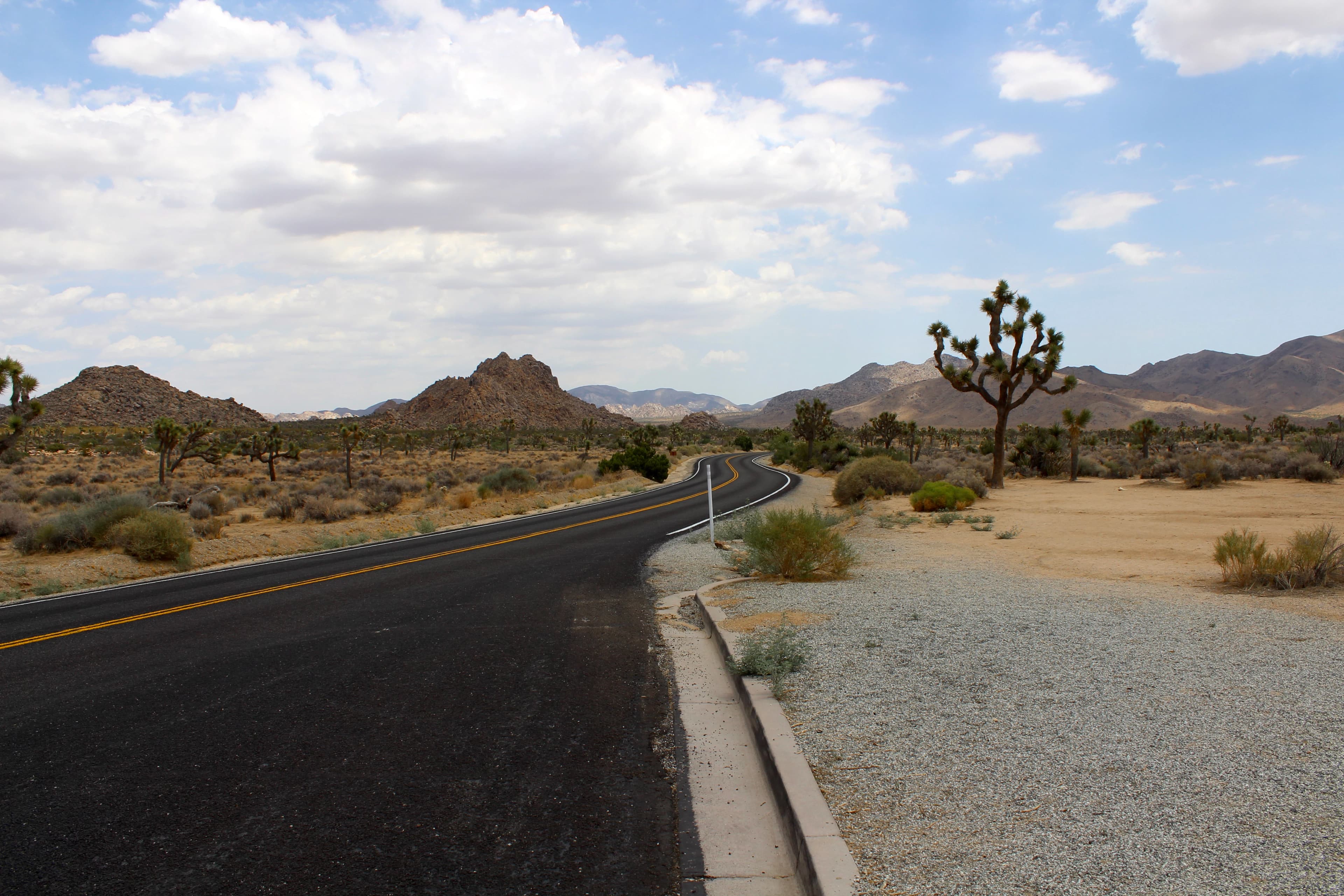
Joshua Tree National Park is located where two deserts meet: the higher Mojave Desert in the north and the Colorado Desert in the south. The park is named after the bizarre Joshua Trees, which, with their twisted branches, resemble sculptures from another world — some of these fascinating plants are over 900 years old. The park is a paradise for climbers: More than 8,000 registered routes on massive granite monoliths like Jumbo Rocks or Hidden Valley attract boulderers and sport climbers from all over the world. But even without climbing experience, the surreal rock landscape impresses — the short hike through the Skull Rock Trail or the Cholla Cactus Garden Nature Loop offers spectacular photo opportunities. At night, the park transforms into a top-notch star observatory. As an International Dark Sky Park, Joshua Tree is one of the best places in Southern California to see the Milky Way with the naked eye. Especially between March and May, when the desert flowers bloom and the temperatures are still bearable, the park shows its most beautiful side. Keys View offers a 360-degree panoramic view all the way to the Salton Sea. Just two hours from Los Angeles, Joshua Tree is a perfect weekend trip — or the start of a larger Southwest road trip.
Complete guide for USA
Regions, attractions, food, routes, costs & practical tips — all in one digital guide.
Open guidePlan a holiday in USA
USA is one of the most popular travel destinations in North America, offering Nature, City, Road trip and much more. The best time to visit USA is Year-round (depending on the region), when the weather is ideal for exploration and relaxation. With a daily budget starting from 80–120€ (Budget) to 200–500€ (Luxury), USA is suitable for various travel budgets.
From the capital Washington D.C., USA can be excellently explored. The official language is English, and the currency is US-Dollar ($). From Germany, you can reach USA in approx. 8–11 hours. Whether you want to try culinary highlights like Burger, BBQ Ribs, Clam Chowder, visit top attractions, or simply enjoy the atmosphere: USA has something for every type of traveller.
Use our free travel tools to prepare your USA holiday perfectly. With the holiday finder, you can discover if USA is the right destination for you. The budget calculator helps you plan costs realistically, and with the packing list, you won't forget anything.
Suitable holiday types for USA:
More travel destinations in North America:
All countries in North America