Australia holiday
Travel tips, best time to visit & highlights for your Australia holiday in Oceania
Australia is a continent of its own: The Great Barrier Reef, the red Outback, the Opera City of Sydney, koalas, and kangaroos. Work & Travel, road trips, or luxury – Australia is the dream of many travelers.
Capital
Canberra
Language
English
Currency
Australian Dollar (AUD)
Time zone
UTC+8 to +11
Flight time from DE
approx. 20–24 hours
Entry requirements
Passport + eVisitor visa
Top hotels & accommodations in Australia
Selected hotels and holiday accommodations in Australia — with images, reviews, and direct booking links with our partners.
Hotel Quay West Suites Sydney
Sydney, Australien
Hotel Four Seasons
Sydney, Australien
Pan Pacific Melbourne
Melbourne, Australien
Marriott Melbourne Hotel
Melbourne, Australien
Parmelia Hilton Perth
Perth, Australien
Hotel Sofitel Wentworth
Sydney, Australien
Hotel Swissôtel Sydney
Sydney, Australien
Pullman Adelaide
Adelaide, Australien
Top 5 highlights in Australia
The places you absolutely must not miss.
Sydney
Opera House, Harbour Bridge, Bondi Beach, and Manly – Australia's glamorous metropolis.
Great Barrier Reef
The largest coral reef system in the world – snorkeling and diving at its finest.
Uluru
The sacred red monolith of the Aborigines in the heart of the Outback.
Melbourne
Street art, coffee culture, food scene, and the Great Ocean Road at your doorstep.
Great Ocean Road
243km coastal road: The Twelve Apostles, rainforest, and surf beaches.
Hotels in Australia
Vergleiche tausende Hotels, Apartments und Resorts auf Expedia – mit Bestpreis-Garantie, kostenloser Stornierung und Bonuspunkten.
* Weiterleitung zu Expedia.de. Es gelten die dortigen Nutzungsbedingungen.
Reise-SIM für Australia
Prepaid-SIM mit Datenvolumen für Australia. Einfach einlegen und sofort lossurfen – keine Roaming-Gebühren.
* Weiterleitung zu travSIM.de. Es gelten die dortigen Nutzungsbedingungen.
Reiseversicherung abschließen
Rundum-Schutz ab 9,90 € auf TravelSecure.de
Pauschalreisen & Rundreisen
Berge & Meer – 170 Tage Cookie
Best time to visit Australia
Recommended travel time
Oct–Mar (South), Apr–Oct (North)
Summer
25–35°C
Winter
10–20°C
How much does a holiday in Australia cost?
Average cost per person per day (excluding flight)
Budget
70–100€
Hostel, street food, public transport
Mid-range
100–180€
Hotel, restaurant, excursions
Luxury
180–400€
Boutique hotel, fine dining
5 travel tips for Australia
Insider knowledge to make your holiday better.
Greyhound bus pass for cheap long distances
Rent a campervan for road trips – share costs
Sunscreen SPF 50+ is absolutely essential (UV extremely strong)
Left-hand traffic! Be careful when renting a car
Work & Travel visa available up to 35 years
Food & drink in Australia
These dishes you must try!
Discover Australia
15 regions, cities and highlights in Australia
Cities
Adelaide
Adelaide, the capital of South Australia, is an elegant, green city known as Australia's Festival City and gourmet destination. The city was founded in 1836 as the only free settlement in Australia — without a convict history, which still shapes its relaxed, cosmopolitan character today. The Adelaide Festival, the Fringe Festival (the second largest in the world after Edinburgh), and WOMADelaide transform the city into a cultural epicenter every autumn (February/March). For over a month, theater, music, comedy, and art are showcased — the entire city becomes a stage. The Barossa Valley, just 60 km north, is Australia's most famous wine region: over 150 wineries produce world-class Shiraz, many in historic German settler buildings from the 19th century. The McLaren Vale region to the south offers another top-notch wine area right at the city's doorstep. Kangaroo Island, Australia's third-largest island, is just 112 km southwest of Adelaide and is a natural paradise: kangaroos, koalas, sea lions, echidnas, and over 260 bird species live here in the wild. The Remarkable Rocks and the Admirals Arch on the southern coast are geological formations of surreal beauty. The Adelaide Central Market, in operation since 1869, is one of the largest covered markets in the Southern Hemisphere: over 80 vendors offer fresh produce, cheese, olives, seafood, and multicultural cuisine. The Adelaide Hills, just 20 minutes east, surprise with German settler villages like Hahndorf (founded in 1839), cool wines, and wildlife parks.

Brisbane
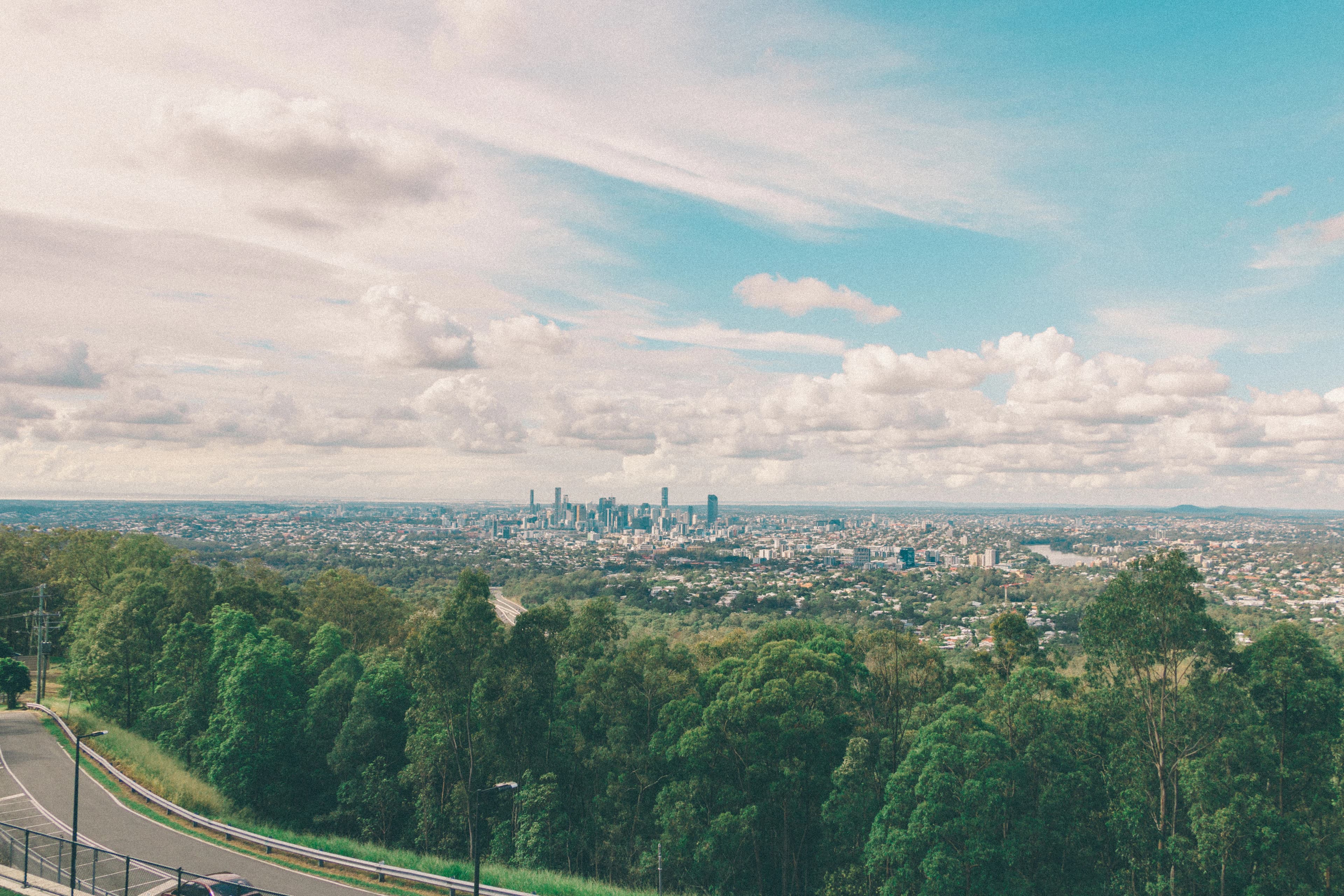
Brisbane is the capital of the state of Queensland and, with over 2.5 million inhabitants, the third largest city in Australia. The subtropical metropolis on the Brisbane River will host the Olympic Summer Games in 2032 and is undergoing a rapid transformation from a sleepy provincial town to a modern world city. South Bank is the cultural center of the city: On the former Expo 88 site, you will find Streets Beach — an artificial city beach with a lagoon right in the city — the Queensland Cultural Centre with the Gallery of Modern Art (GOMA) and the Maritime Museum. An evening stroll along the illuminated waterfront promenade is a highlight. The Lone Pine Koala Sanctuary is the oldest and largest koala sanctuary in the world: Here you can hold koalas (Queensland is one of the few Australian states where this is allowed), feed kangaroos, and observe platypuses. The Story Bridge, Brisbane's iconic steel bridge from 1940, can be climbed via the Story Bridge Adventure Climb: The ascent to 80 meters offers a 360-degree panorama over the city and up to the Glass House Mountains. Mount Coot-tha, just 7 km from the city center, offers a botanical garden and the best viewpoint of the skyline. From Brisbane, the Gold Coast (1 hour south) and the Sunshine Coast (1.5 hours north) as well as Moreton Island and Stradbroke Island are accessible by ferry.

Byron Bay
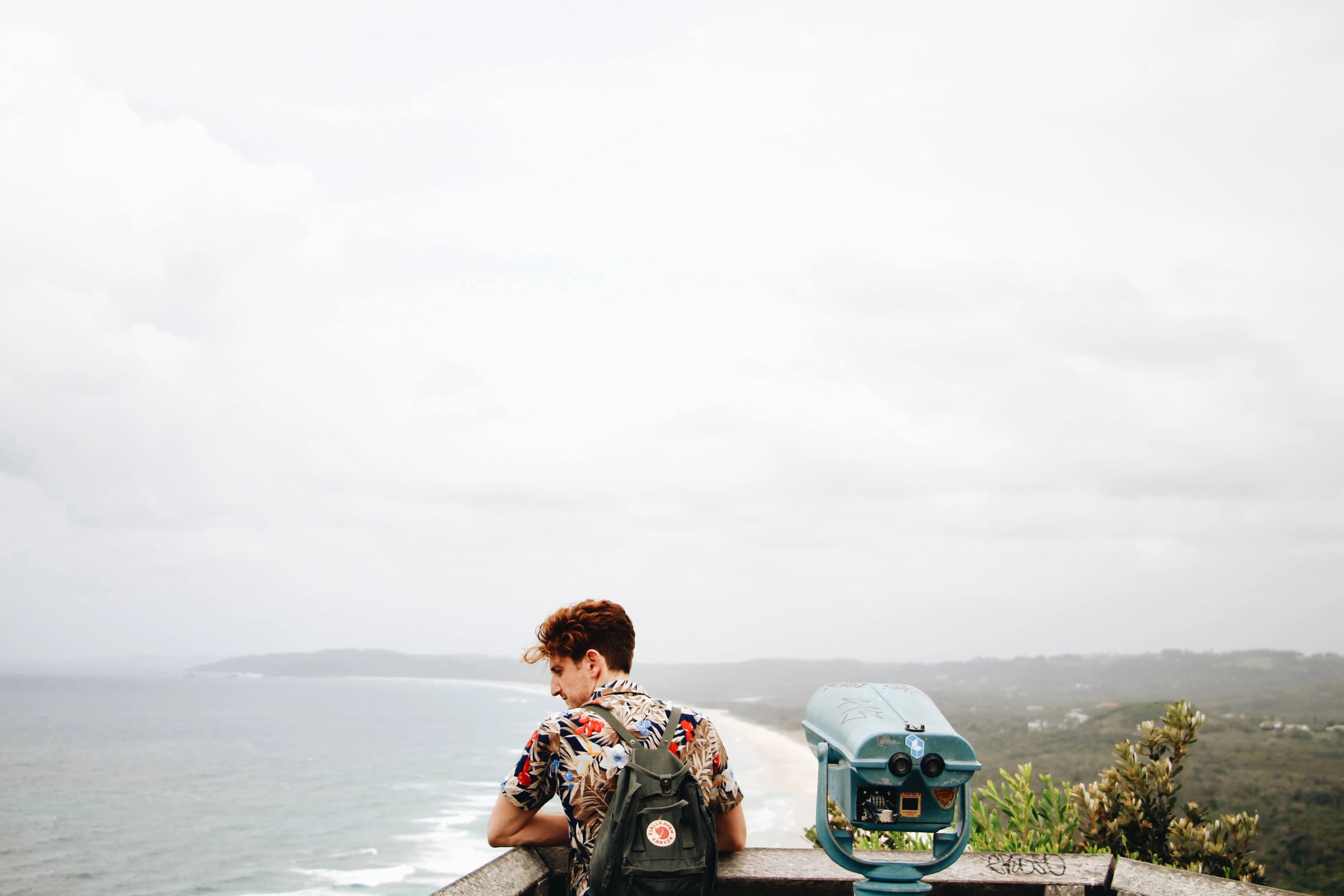
Byron Bay on the east coast of Australia is the easternmost point of the Australian mainland and a place that embodies the Australian surf lifestyle like no other. This relaxed coastal town in New South Wales has transformed from a hippie village into a trendy lifestyle destination, without losing its alternative charm. German backpackers and independent travelers love Byron Bay for its perfect surf breaks, whale watching from June to November directly from the Cape Byron Lighthouse, the vibrant art scene, and the outstanding farm-to-table gastronomy. The hinterland, with its subtropical rainforests, waterfalls, and macadamia farms, offers a wonderful contrast to beach life. Yoga retreats, markets, and a conscious way of life shape the unique spirit of this special place.

Cairns
Cairns is the gateway to the Great Barrier Reef — a tropical city in the far north of Queensland, from which two UNESCO World Heritage sites are accessible in close proximity: the largest coral reef on Earth off the coast and the oldest rainforest in the world (Daintree) in the hinterland. No other place in Australia offers this combination of underwater world and jungle. The Great Barrier Reef stretches over 2,300 kilometers and is home to over 1,500 species of fish, 400 species of coral, and sea turtles, manta rays, reef sharks, and clownfish in a riot of colors that appears like a psychedelic garden underwater. From Cairns, snorkeling and diving boats depart daily to the outer reefs (1.5-2 hours), where visibility is 15-30 meters. The Daintree Rainforest is 135 million years old — older than the Amazon — and the only place in the world where tropical rainforest meets coral reef. Crocodiles inhabit the rivers, cassowaries (1.8 m tall flightless birds) roam the underbrush, and tree kangaroos sit in the treetops. The Kuranda Scenic Railway winds through 37 tunnels and over bridges through the rainforest up to the highlands: The Stoney Creek Falls Bridge offers one of the most spectacular railway views in the world. The return journey is via the Skyrail Rainforest Cableway, a 7.5 km long gondola ride above the treetops. The Cairns Esplanade Lagoon is a free saltwater pool right on the waterfront: Since Cairns has no swimming beach (crocodiles and jellyfish), the locals built a pool that resembles a tropical outdoor swimming pool by the sea — with palm trees, sunbathing lawns, and barbecue spots.
Canberra
Canberra, Australia's planned capital, was established in 1913 as a compromise between Sydney and Melbourne and has the reputation of being a boring bureaucratic city. This reputation is outdated: The city has developed into a hotspot for gastronomy, culture, and outdoor activities, nestled in the gentle hills of the Australian Capital Territory. The Australian War Memorial is one of the most moving museums in the world: The combination of a memorial, museum, and research center tells Australia's military history with an intensity that brings even non-Australians to tears. The new Parliament House (1988), integrated into Capital Hill, is architecturally impressive and offers free tours. The National Gallery of Australia houses Australia's largest art collection, including Aboriginal Art and the famous Jackson Pollock Blue Poles. Questacon (National Science and Technology Centre) is perfect for families. Canberra's surroundings offer surprises: Kangaroos graze on the golf courses, the Tidbinbilla Nature Reserve is home to koalas and platypuses, and the emerging wine region of the Canberra District produces excellent Shiraz and Riesling. In autumn (April-May), the deciduous trees transform into a spectacle of colors.

Gold Coast
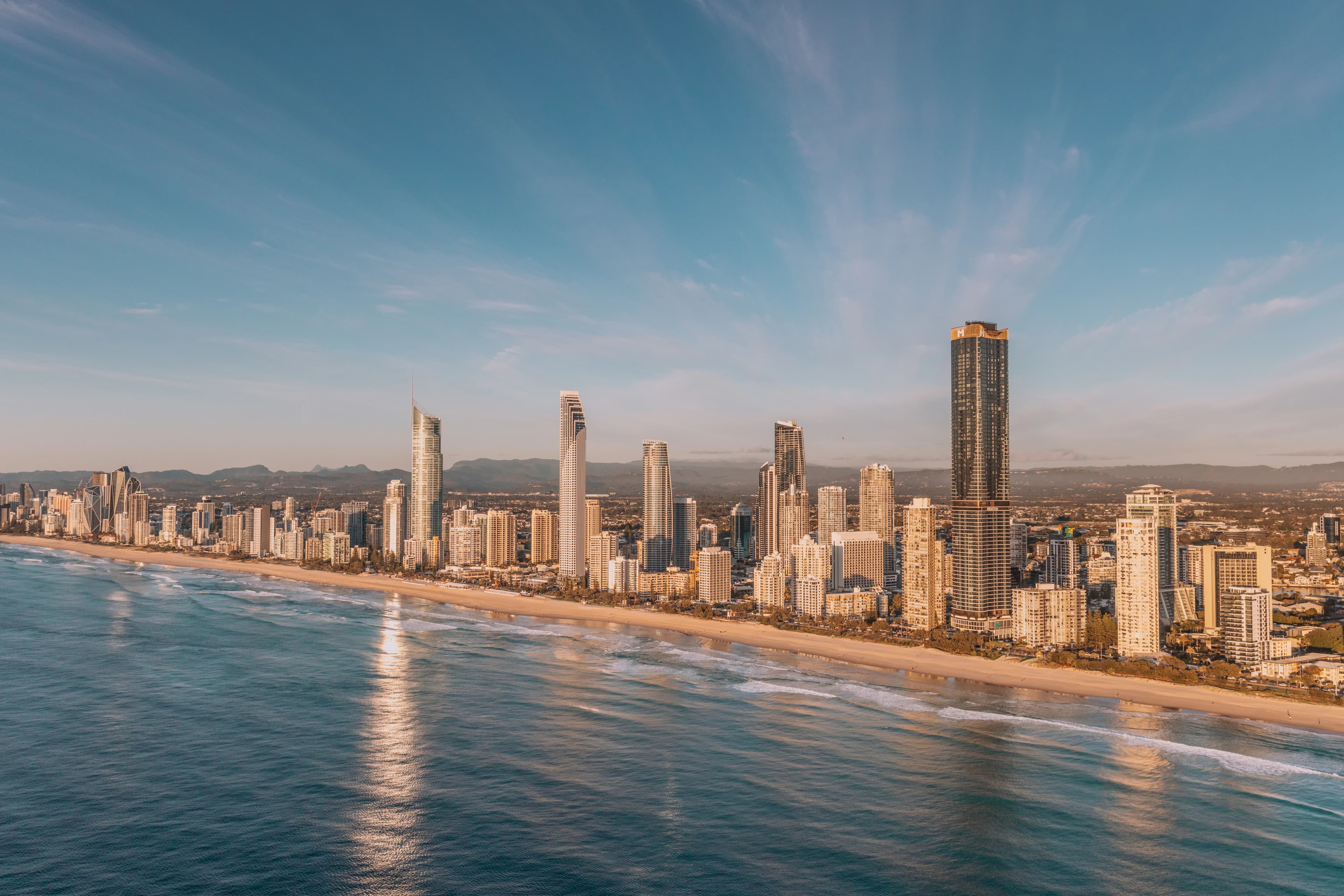
The Gold Coast is Australia's shining playground — a 57-kilometer stretch of golden sandy beaches, world-class surf breaks, and a gleaming skyline that rises into the sky just behind the dunes. This city in Queensland combines relaxed beach life with theme park adventures, rainforest hinterland, and an emerging culinary scene. Surfers Paradise is the epicenter: Here, the waves of the Pacific meet high-rises, boutiques, and the liveliest nightlife on the east coast of Australia. The wide sandy beach stretches as far as the eye can see, surfers ride waves at sunrise, and lifeguards in red and yellow watch over one of the safest swimming areas in the world. The Gold Coast is home to Australia's largest concentration of theme parks: Warner Bros. Movie World, Dreamworld, WhiteWater World, and Sea World are all within 20 minutes and offer roller coasters, water slides, and animal encounters for the whole family. The hinterland is the surprising side of the Gold Coast: Lamington National Park, with its subtropical rainforests, waterfalls, and flocks of parrots, is just 45 minutes from the coast. The Tamborine Mountain Wine Region offers wineries, cheese factories, and panoramic views over the coast. Burleigh Heads and Coolangatta are the more relaxed alternatives to Surfers Paradise: Local cafes, craft breweries, farmers' markets, and some of the best surf breaks in the world (Snapper Rocks, Kirra) attract surfers and foodies alike.

Hobart
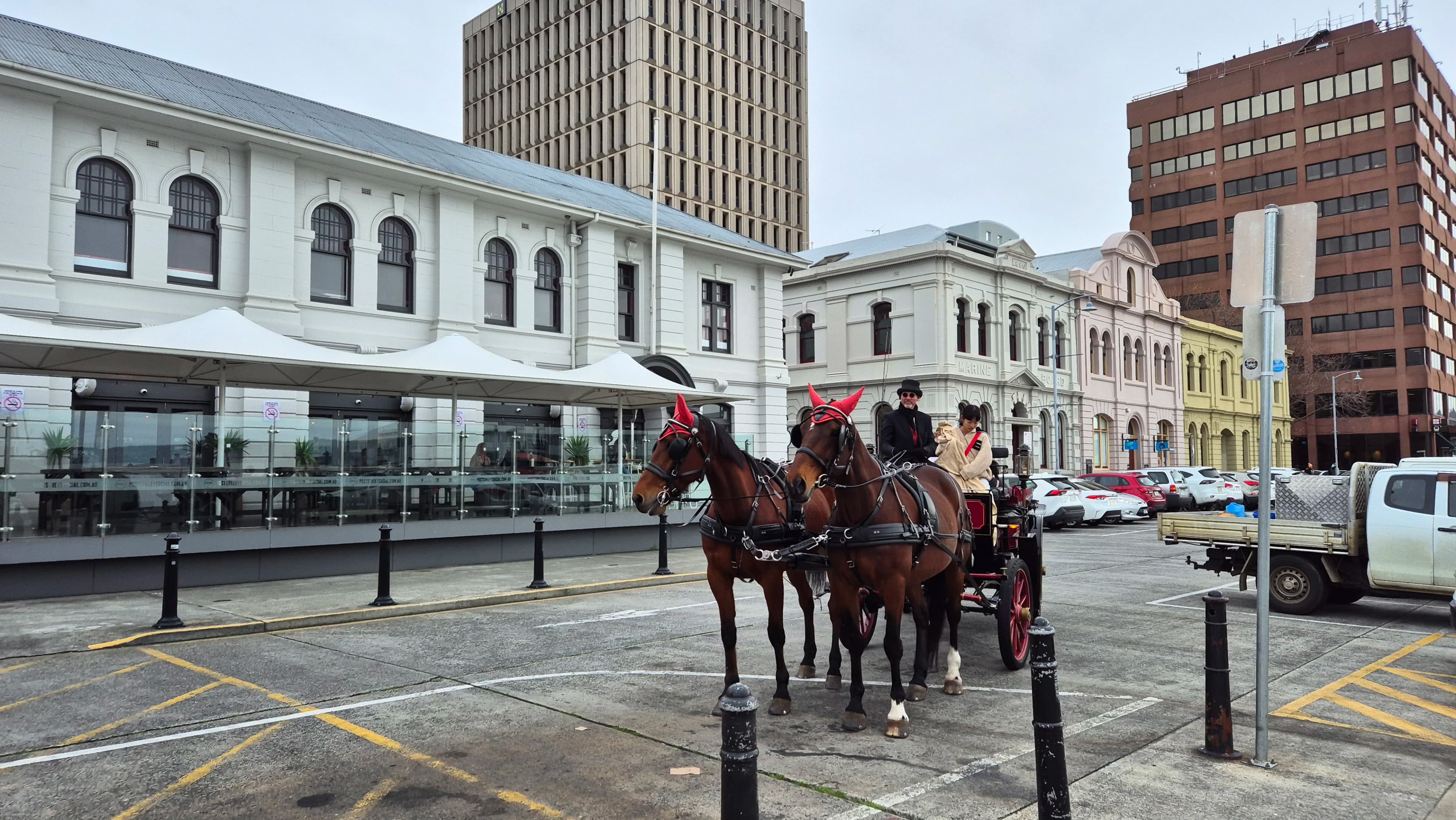
Hobart is Australia's best-kept secret — the capital of Tasmania is beautifully situated at the foot of Mount Wellington overlooking the Derwent River, combining colonial history with an explosive food and art scene. The MONA (Museum of Old and New Art), an underground private museum on a peninsula, has made Hobart the cultural capital of Australia. Salamanca Place, with its Georgian sandstone warehouses converted into galleries, cafés, and boutiques, is the heart of the city. On Saturdays, the square transforms into the Salamanca Market, one of the best weekend markets in Australia. The harbor, with its fishing boats and restaurants, offers the freshest seafood — Tasmania's oysters, salmon, and crayfish are among the best in the world. Mount Wellington (kunanyi) is only 20 minutes from the city center and offers panoramic views over southeastern Tasmania. Hobart is the gateway to Tasmania's wilderness — Cradle Mountain, Wineglass Bay, and the Huon Valley wine region are day trips. From Sydney or Melbourne, it takes only 1-1.5 hours to fly to Hobart — or take the Spirit of Tasmania ferry from Melbourne.

Melbourne
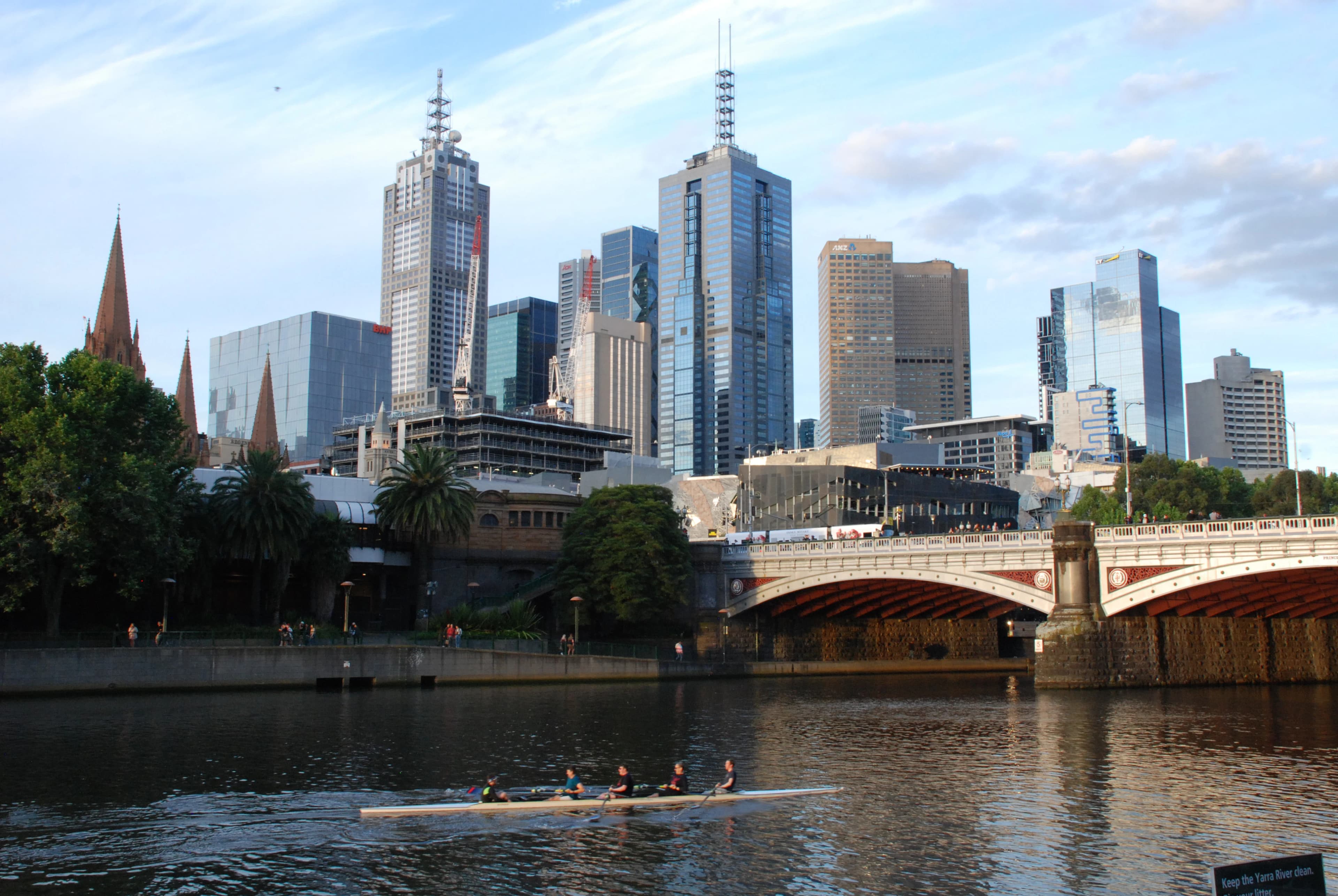
Melbourne, Australia's cultural capital, is considered the most livable city on the continent and impresses with a unique blend of Victorian architecture, world-class street art, an obsessive coffee culture, and a creative scene that is unparalleled. The city on the Yarra River is the counterpart to sun-drenched Sydney — more intellectual, artistic, and a bit quirky. The famous laneways like Hosier Lane, AC/DC Lane, and Degraves Street are living galleries: every free wall is covered with elaborate graffiti and murals, with tiny bars, independent boutiques, and some of the best cafes in the world hidden in between. Melbourne takes its coffee more seriously than any other city — Flat White was invented here, and even the smallest side alley has a top-notch roaster. The Queen Victoria Market is a huge outdoor market for delicacies and curiosities. The Great Ocean Road, one of the most spectacular coastal roads in the world, begins just an hour's drive southwest and leads to the Twelve Apostles, dramatic limestone cliffs in the Southern Ocean. The Melbourne Cricket Ground accommodates 100,000 spectators and is a temple for cricket and Australian football. Phillip Island with its penguin parade is just 90 minutes away. The best time to visit is from November to April.
Perth
Perth is the capital of Western Australia and with over 2 million inhabitants, it is the fourth largest city in the country. It is considered the most isolated major city in the world — the nearest city of comparable size, Adelaide, is over 2,100 km away. However, this isolation makes Perth so special: endless beaches, over 3,000 hours of sunshine per year, and a relaxed quality of life. Kings Park and Botanic Garden is one of the largest inner-city parks in the world: 400 hectares with native wildflowers (spectacular bloom from August to October), hiking trails through the eucalyptus forest, and the DNA Tower with panoramic views over the skyline and the Swan River. Rottnest Island, just 25 minutes by ferry, is home to the quokkas — small, smiling marsupials that are found only here and in a few coastal areas of Western Australia. The car-free island offers 63 beaches, crystal-clear water, and excellent snorkeling. A quokka selfie is a must. Cottesloe Beach is Perth's most famous city beach: white sand, turquoise water, and spectacular sunsets over the Indian Ocean. Fremantle, Perth's historic port city, delights with the Fremantle Market, the former prison (UNESCO World Heritage Site), and a vibrant craft beer scene. The Swan Valley, just 25 minutes east of Perth, is Western Australia's oldest wine region with over 40 wineries, breweries, and chocolate factories. Margaret River, 3 hours south, is Australia's premium wine region.
Sydney
Sydney, Australia's largest and most famous city, captivates with its spectacular location on one of the most beautiful natural harbors in the world. The iconic Opera House with its shell-shaped sail roofs and the mighty Harbour Bridge together form one of the most famous city skylines ever — whether viewed from the water, from Mrs Macquarie's Chair, or during a BridgeClimb over the steel arch. Bondi Beach is much more than just a beach: The Bondi-to-Coogee coastal walk leads over dramatic cliffs and hidden coves and is considered one of the best urban hikes in the world. Manly Beach on the northern shore is accessible by ferry and offers a relaxed surf vibe. The Rocks, the historic founding district, impresses with sandstone buildings, pubs, and a weekend market right under the Harbour Bridge. Sydney's culinary scene reflects its multicultural population: from Vietnamese street food in Cabramatta to Japanese izakayas in Surry Hills to seafood restaurants at the Fish Market. Taronga Zoo offers animal observation with a harbor panorama, and the Blue Mountains, just 90 minutes to the west, entice with eucalyptus mist, sandstone cliffs, and the Three Sisters. The best travel times are from September to November and March to May.
Islands

Fraser Island (K'gari)
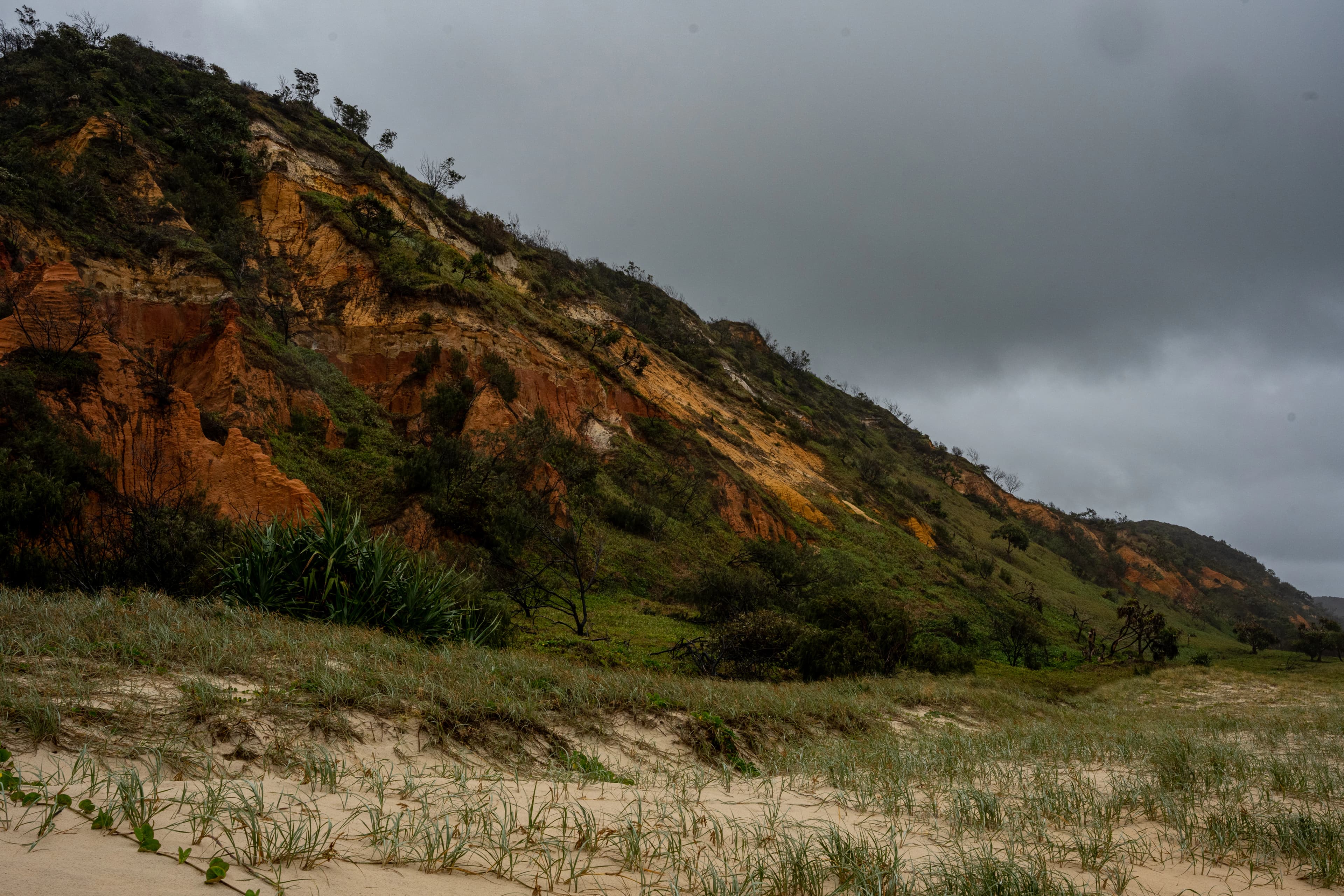
Fraser Island, officially K'gari since 2023 (pronounced 'Garri') after the name of the Butchulla Indigenous people, is the largest sand island in the world and a UNESCO-protected natural paradise of uniqueness. The island off the coast of Queensland stretches over 123 kilometers and proves that sand can be much more than just a beach — ancient rainforests grow directly from the sand. The heart of the island is Lake McKenzie (Boorangoora), a perched lake of otherworldly beauty. Crystal clear, turquoise water, as pure as distilled water, fills a basin of dazzling white quartz sand. The water is so soft and mineral-free that it feels like silk on the skin. There are only a few places in the world that offer such purity. The 75 Mile Beach serves as the island's official highway — 4WD vehicles race over the firm sand along the surf, while rust-red sand cliffs (the Pinnacles and the Cathedral) glow in the background. The wreck of the SS Maheno, a former luxury liner that has been rusting on the beach since 1935, is one of the most photographed subjects in Australia. Eli Creek, a crystal clear freshwater creek that flows into the ocean, is the island's most popular natural waterslide. You simply float in the cool, clear water — a refreshing pleasure on hot days. The Champagne Pools, natural rock pools where the surf bubbles like champagne, offer another unique bathing experience. K'gari is also home to one of the purest dingo populations in Australia. The island's wild dogs have hardly mixed with domestic dogs due to their isolation and are considered genetically particularly valuable. Strict rules protect the animals: No feeding, keep your distance, and secure food storage. The island's central rainforest, the Valley of the Giants, is home to Satinay trees that are over 1,000 years old and can grow up to 50 meters tall — all on pure sand. This ecological phenomenon is found nowhere else in the world and was a major reason for UNESCO recognition.
Kangaroo Island
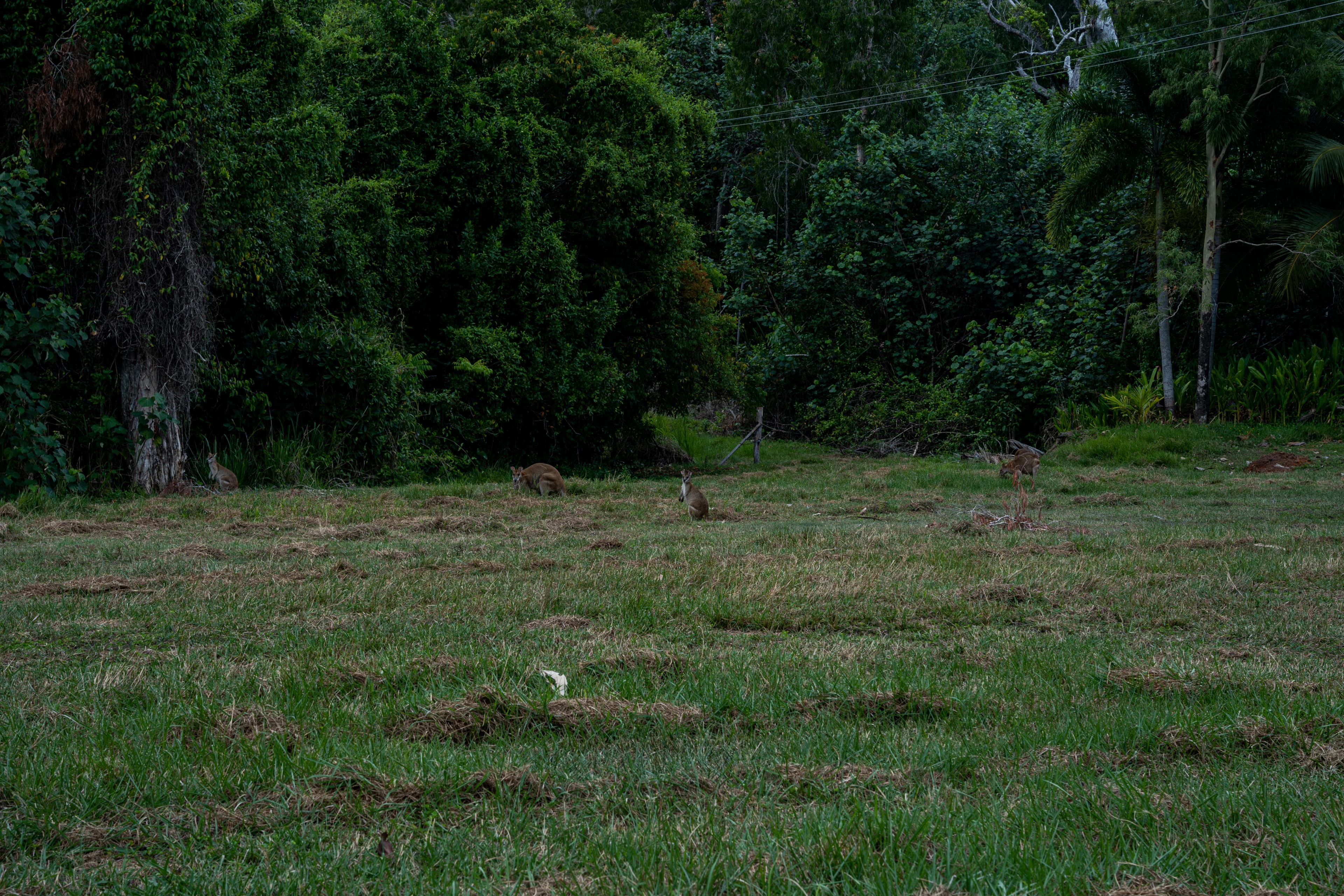
Kangaroo Island off the southern coast of Australia is a miniature nature paradise: on an area about half the size of Mallorca, an astonishing variety of wildlife and landscapes is concentrated — from untouched eucalyptus forests to dramatic coastal cliffs and white sandy beaches where sea lions and kangaroos share the shore. The island is especially known for its incredible wildlife: koalas sit in the eucalyptus trees at Hanson Bay Wildlife Sanctuary so numerous and low that they can be observed from the path. At Seal Bay, Australian sea lions rest right on the beach, and guided tours bring visitors within a few meters of the dozing animals. Kangaroos and wallabies are ubiquitous, echidnas waddle through the underbrush, and at dusk, you can watch penguins on the beach. Flinders Chase National Park at the western tip of the island is home to some of Australia's most impressive natural formations: the Remarkable Rocks — giant granite boulders sculpted by wind and weather on a cliff above the Southern Ocean — look as if created by a surrealist sculptor. The nearby Admirals Arch, a natural rock arch under which a colony of New Zealand fur seals frolics, is also a highlight. After the devastating bushfires of 2020, which ravaged much of the island, Kangaroo Island has remarkably recovered. Nature is regenerating, wildlife populations are growing again, and the island's residents have admirably rebuilt their businesses with resilience. A visit directly supports this recovery — and the island is more beautiful and greener than ever before.
Areas

Great Barrier Reef
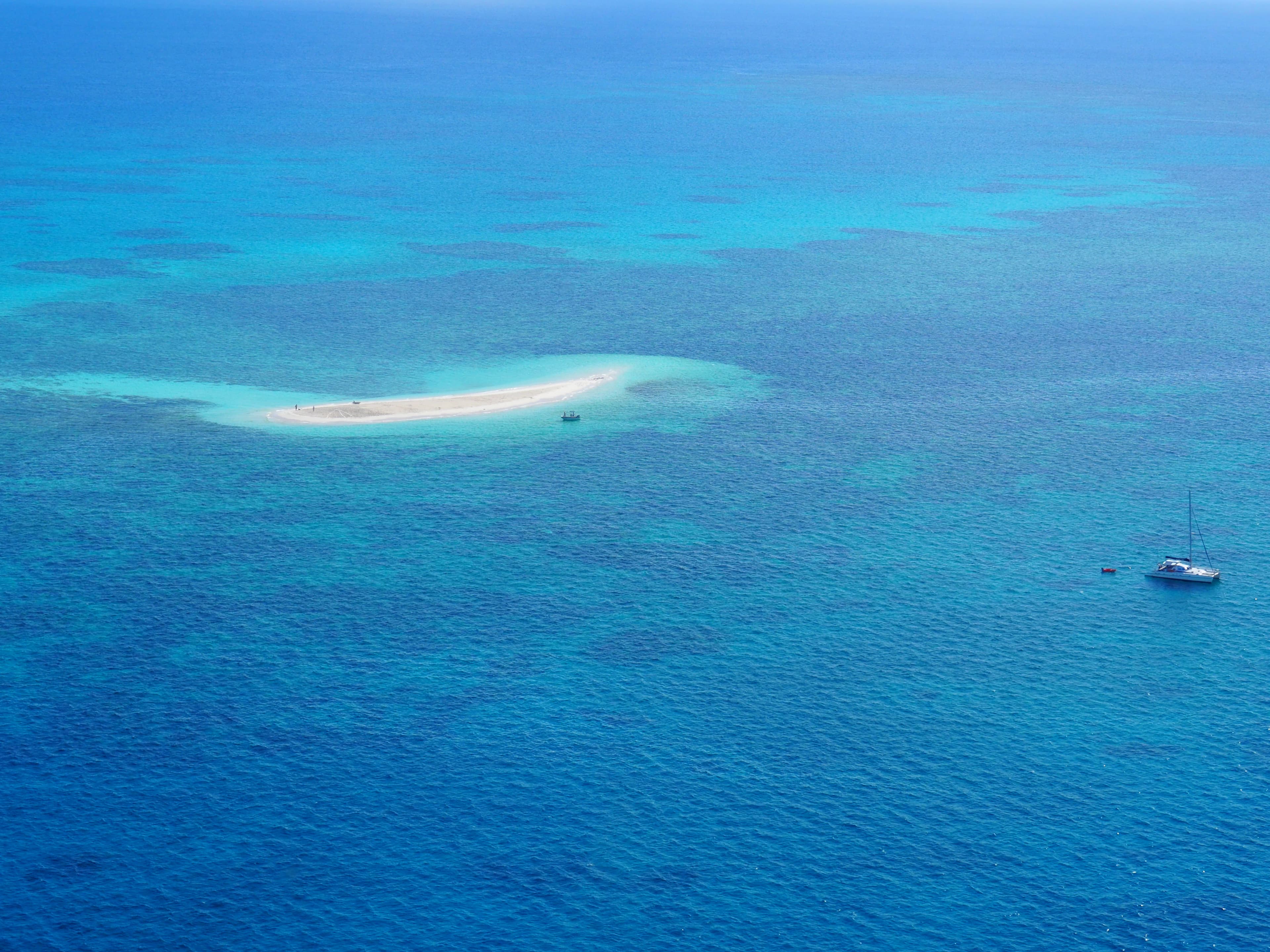
The Great Barrier Reef is the largest coral reef system in the world and one of the seven natural wonders. Stretching over 2,300 kilometers along the northeastern coast of Australia, it is home to over 600 species of coral, 1,500 species of fish, and countless sea turtles, dolphins, whales, and manta rays. From the International Space Station, it is the only living structure on Earth that is visible to the naked eye. Cairns is the main gateway to the reef. From here, boats depart daily to the outer reef sections, where the corals are healthiest and the underwater world is most diverse. A snorkeling trip to the Outer Reef reveals a world of breathtaking colors: neon blue surgeonfish, bright yellow butterflyfish, clownfish in anemones, and giant sea turtles gliding by leisurely. The Whitsunday Islands, 900 kilometers south of Cairns, are the most photogenic access point to the reef. Whitehaven Beach — with its dazzling white quartz sand and turquoise water — is regularly crowned one of the most beautiful beaches in the world. The Hill Inlet Lookout shows how sand and water mix in a surreal pattern of white and blue at low tide. Port Douglas, an hour north of Cairns, offers a more relaxed access to the reef. Four Mile Beach, the Sunday market, and the short drive to the Daintree Rainforest — the oldest rainforest in the world, which borders the reef — make Port Douglas the ideal base camp. The Great Barrier Reef is under pressure from coral bleaching and rising sea temperatures. Several severe bleaching events in recent years have damaged parts of the reef, and scientists warn that the reef is at risk in its current form. A visit therefore also has an urgent character: it is a natural wonder that should be experienced now — and whose protection concerns us all.
Uluru
Uluru is Australia's spiritual heart — a 348-meter high sandstone monolith that rises from the flat, red plains of the Australian Outback and has been the most sacred piece of land for the Anangu, the traditional owners, for over 30,000 years. At sunrise and sunset, the rock changes its color in a spectacle that ranges from deep orange to bright red to mystical violet. The Uluru-Kata Tjuta National Park (UNESCO World Heritage Site) encompasses not only Uluru itself but also the 36 rock domes of Kata Tjuta (the Olgas), which rise 25 kilometers to the west. The Valley of the Winds cuts through the red dome formations and offers one of the most spectacular hikes in Australia. The Base Walk around Uluru (10.6 km, 3-4 hours) reveals the hidden details of the monolith: caves with ancient rock art of the Anangu, waterfalls after rainfalls, deep grooves, and overhanging cliffs. Certain places are sacred (Tjukurpa) and must not be photographed — respectful adherence to these requests is essential. Since October 2019, climbing Uluru has been officially prohibited, a wish of the Anangu that was long ignored. Instead, guided cultural tours, dot-painting workshops, and the evening Field of Light installation by Bruce Munro (50,000 glowing stems in the desert) offer deeper and more respectful ways to experience this place. The Outback experience includes camel rides at sunset, stargazing under one of the clearest night skies on Earth, and the legendary Sounds of Silence Dinner Experience: a gourmet dinner under the open starry sky while an astronomer explains the Milky Way.
Complete guide for Australia
Regions, attractions, food, routes, costs & practical tips — all in one digital guide.
Open guideReady for Australia?
Plan your Australia holiday now with our free tools.
Plan a holiday in Australia
Australia is one of the most popular travel destinations in Oceania, offering Nature, Beach, Road trip and much more. The best time to visit Australia is Oct–Mar (South), Apr–Oct (North), when the weather is ideal for exploration and relaxation. With a daily budget starting from 70–100€ (Budget) to 180–400€ (Luxury), Australia is suitable for various travel budgets.
From the capital Canberra, Australia can be excellently explored. The official language is English, and the currency is Australian Dollar (AUD). From Germany, you can reach Australia in approx. 20–24 hours. Whether you want to try culinary highlights like Meat Pie, Vegemite Toast, Fish and Chips, visit top attractions, or simply enjoy the atmosphere: Australia has something for every type of traveller.
Use our free travel tools to prepare your Australia holiday perfectly. With the holiday finder, you can discover if Australia is the right destination for you. The budget calculator helps you plan costs realistically, and with the packing list, you won't forget anything.
Suitable holiday types for Australia:
More travel destinations in Oceania:
All countries in Oceania