person in gray shirt with backpack walking on street between houses
🇨🇴

Colombia holiday

Travel tips, best time to visit & highlights for your Colombia holiday in South America

Colombia has transformed from a hidden gem to the trendiest travel destination in South America. Cartagena's colorful colonial old town, Medellín's impressive transformation, the coffee region, Caribbean dream beaches, and the Amazon rainforest make Colombia incredibly diverse. The warmth of Colombians is overwhelming.

Capital

Bogotá

Language

Spanish

Currency

Colombian Peso (COP)

Time zone

UTC-5

Flight time from DE

approx. 11–12 hours

Entry requirements

Passport, 90 days visa-free

Top hotels & accommodations in Colombia

Selected hotels and holiday accommodations in Colombia — with images, reviews, and direct booking links with our partners.

Top 5 highlights in Colombia

The places you absolutely must not miss.

1

Cartagena

Colorful colonial old town (UNESCO) with fortress walls, balconies, and Caribbean flair.

2

Medellín

From crisis zone to innovation city: cable cars, street art, climate of eternal spring.

3

Coffee Region (Eje Cafetero)

Green hills, coffee farms, Cocora Valley with the tallest palms in the world.

4

Tayrona National Park

Dream beaches between jungle and sea on the Caribbean coast.

5

Bogotá

Vibrant capital at 2,600m: La Candelaria, Gold Museum, Monserrate, and street food.

Hotels in Colombia

Vergleiche tausende Hotels, Apartments und Resorts auf Expedia – mit Bestpreis-Garantie, kostenloser Stornierung und Bonuspunkten.

Über 700.000 Hotels
Kostenlose Stornierung
Bestpreis-Garantie
Hotels in Colombia vergleichen

* Weiterleitung zu Expedia.de. Es gelten die dortigen Nutzungsbedingungen.

Reise-SIM für Colombia

Prepaid-SIM mit Datenvolumen für Colombia. Einfach einlegen und sofort lossurfen – keine Roaming-Gebühren.

Sofort einsatzbereit
200+ Länder
Kein Roaming
SIM-Karte für Colombia bestellen

* Weiterleitung zu travSIM.de. Es gelten die dortigen Nutzungsbedingungen.

Reiseversicherung abschließen

Rundum-Schutz ab 9,90 € auf TravelSecure.de

Pauschalreisen & Rundreisen

Berge & Meer – 170 Tage Cookie

Best time to visit Colombia

Recommended travel time

December–March, July–August (dry season)

Summer

28–33°C (coast)

Winter

15–20°C (Bogotá)

How much does a holiday in Colombia cost?

Average cost per person per day (excluding flight)

🎒

Budget

25–40€

Hostel, street food, public transport

🏨

Mid-range

40–80€

Hotel, restaurant, excursions

🌟

Luxury

80–200€

Boutique hotel, fine dining

5 travel tips for Colombia

Insider knowledge to make your holiday better.

Try Colombian coffee on a finca tour in Salento

Use Uber or InDriver instead of taxis in big cities

Colombians love to celebrate – salsa dancing on weekends is a must

Altitude sickness possible in Bogotá (2,600m) – arrive slowly

Avoid walking alone at night in unfamiliar neighborhoods

Food & drink in Colombia

These dishes you must try!

Bandeja Paisa
Arepas
Ajiaco
Empanadas
Patacones
Aguapanela

Discover Colombia

12 regions, cities and highlights in Colombia

Cities

Barranquilla

Barranquilla is the Carnival capital of Colombia and the fourth largest carnival in South America after Rio, Oruro, and Trinidad — a city on the Caribbean Sea, whose four-day carnival spectacle has been a UNESCO World Heritage Site since 2003. The port city at the mouth of the Rio Magdalena is Colombia's fourth largest city with 1.2 million inhabitants and the vibrant heart of the Caribbean coast. The Carnival of Barranquilla (February/March, before Ash Wednesday) is an explosive celebration of Colombian culture: The Batalla de Flores (Battle of Flowers) opens on Saturday with a kilometer-long parade of flower floats, dance groups, and Cumbia orchestras through Calle 17. On Sunday, the Gran Parada follows with traditional dances such as Marimonda, Congo, and Garabato, where masks, costumes, and rhythms merge African, indigenous, and Spanish roots. The Malecon del Rio, a modern promenade along the Rio Magdalena, offers restaurants, bike paths, and views of Colombia's mightiest river, which flows into the Caribbean Sea after 1,528 kilometers. The adjacent Museo del Caribe is Colombia's first regional museum and documents the diversity of Caribbean culture in interactive exhibitions about music, nature, literature, and gastronomy. Barranquilla is the birthplace of Shakira, Colombia's most famous pop star, and her presence is felt everywhere: from murals in the old town to the Estadio Metropolitano, where she held legendary concerts. The city is proud of its daughter and celebrates her as a symbol of Colombian ascent. The Bocas de Ceniza, where the Rio Magdalena meets the Caribbean, are accessible by boat tour and offer a fascinating natural spectacle: freshwater and saltwater mix in whirlpools, pelicans and frigatebirds circle above the waves, and the jetty provides a wide view of the open Atlantic.

CarnivalUNESCOCaribbean

Bogotá

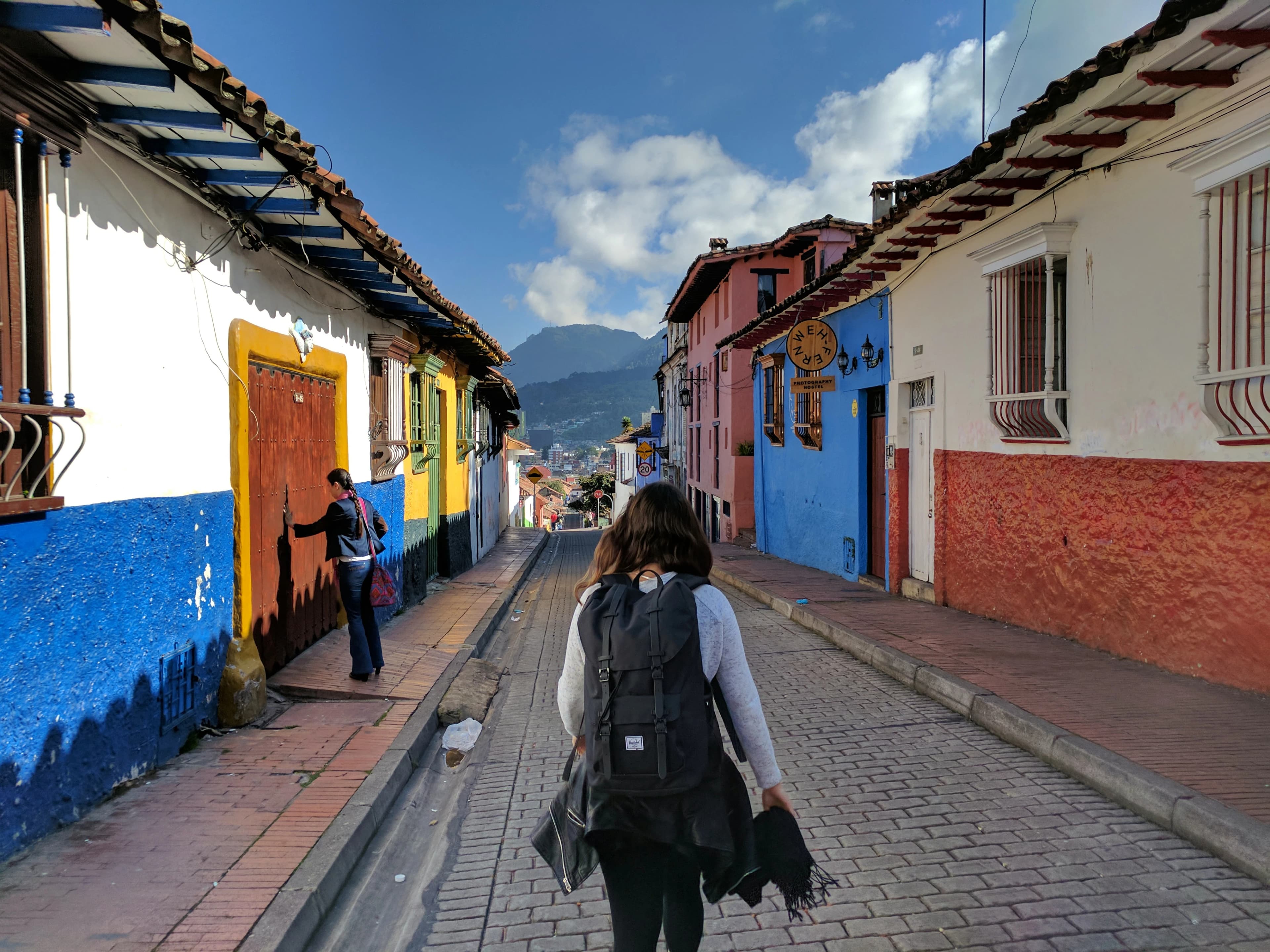
Bogotá, the capital of Colombia, is located at an altitude of 2,640 meters in the Andes and surprises visitors with a vibrant cultural scene, top-notch gastronomy, and a historic center that ranks among the most beautiful in South America. The 8-million metropolis has transformed from its once notorious image to one of the most exciting travel destinations on the continent. La Candelaria, the colonial district, impresses with its cobblestone streets, colorful facades, and the Gold Museum, which houses the world's most significant collection of over 55,000 pre-Columbian gold artifacts. The cable car to Monserrate Mountain at 3,152 meters offers a breathtaking panoramic view of the endless city. Botero's oversized bronze sculptures stand in public squares, and his own museum showcases works by the most famous Colombian artist for free. The Zona G district is Bogotá's culinary heart, featuring innovative restaurants that reinterpret Colombian ingredients in modern ways. The massive Paloquemao market offers a fireworks display of tropical fruits, many of which are unknown outside Colombia. On Sundays, main roads are closed for the Ciclovía, and millions of Bogotanos cycle, jog, and skate through the city. Temperatures year-round are a pleasant 14 to 20 degrees.

Street ArtCultureCoffee
person in gray shirt with backpack walking on street between houses

Cali

Cali, officially Santiago de Cali, is the third largest city in Colombia and the undisputed Salsa capital of the world. The city in the Valle del Cauca in southwestern Colombia lives and breathes Salsa: Every night, people dance to live orchestras in over 100 Salsotecas (Salsa clubs), and the Cali style — fast footwork, tight spins, and acrobatic moves — is unique worldwide. The annual Feria de Cali in December is one of the largest festivals in South America: For six days, millions celebrate with Salsa competitions, bullfighting, equestrian parades, and the Cabalgata, one of the largest horse parades in the world. Cristo Rey, a 26-meter tall statue of Christ on Cerro Los Cristales, offers panoramic views over the entire Cauca Valley. In Barrio San Antonio, the oldest neighborhood in Cali, colonial houses, art galleries, and cozy cafes invite you to stroll. The Zoologico de Cali is considered one of the best zoos in South America, showcasing over 2,500 animals in nature-like enclosures, including many endemic Colombian species. The Gato del Rio sculptures along the banks of the Rio Cali are a popular photo spot. The Pacific coast is reachable in a few hours: Buenaventura, Colombia's largest Pacific port, is the starting point for whale watching (July-October, humpback whales) and visiting Afro-Colombian communities. The region is culturally and culinarily unique.

SalsaDanceColombia
a view of a city and a body of water

Cartagena

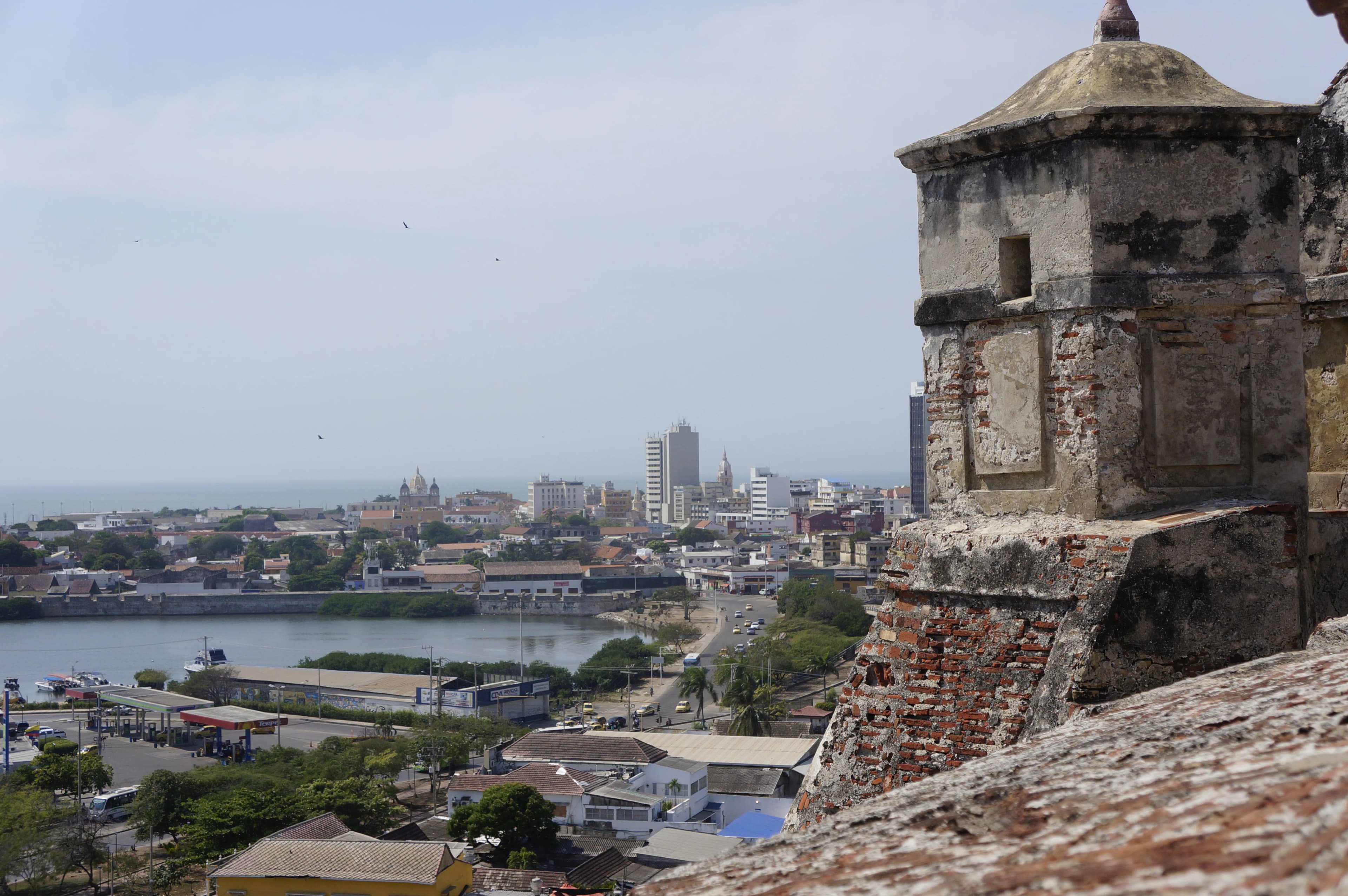
Cartagena de Indias on the Colombian Caribbean coast is one of the most beautiful colonial cities in America: Within the massive fortress walls from the 16th century unfolds a colorful labyrinth of pastel-colored colonial houses, blooming bougainvillea, shady plazas, and magnificent churches, which is a UNESCO World Heritage site. The old town consists of three districts with their own character: The Centro with the cathedral and the Palace of the Inquisition, San Diego with its elegant boutique hotels, and Getsemani, the former artisan quarter that has transformed into the trendiest neighborhood with street art, rooftop bars, and live music. In the evenings, street musicians, fruit vendors with colorful bowls on their heads, and strolling couples fill the squares. The fortress Castillo San Felipe de Barajas is the largest Spanish fortress in the New World, and a walk along the city walls at sunset overlooking the Caribbean Sea is one of the most romantic experiences in Colombia. From Cartagena, the Rosario Islands with crystal-clear water for snorkeling and diving adventures can be reached in just one hour by boat. The best travel time is from December to April during the dry season.

ColonialCaribbeanRomance

Cartagena

Cartagena de Indias is the most enchanting colonial city in South America — an old town surrounded by massive fortress walls on the Caribbean Sea, where pastel-colored colonial palaces, blooming bougainvilleas, and cobblestone streets create an atmosphere that hovers between Spanish colonial heritage, Caribbean joy of life, and magical realism. Gabriel García Márquez paid literary tribute to the city in Love in the Time of Cholera, and indeed, you can feel the magic of his stories at every corner. The Ciudad Amurallada (walled city) and the adjacent neighborhood of Getsemaní together form a UNESCO World Heritage site: magnificent balconies with wrought iron railings, interior patios with fountains, and centuries-old churches like the Iglesia de San Pedro Claver line the streets. Getsemaní has transformed from a former working-class and artists' district into the vibrant heart of the city — colorful street art, salsa music from open doors, and the legendary Plaza de la Trinidad shape the scene. The Castillo San Felipe de Barajas, the largest Spanish fortress in the New World, towers over the city on the San Lázaro hill. Built in the 17th century, this bastion with its underground tunnels and meter-thick walls withstood several British and French sieges. The view from the ramparts over the old town, the modern district of Bocagrande, and the Caribbean Sea is breathtaking. The Islas del Rosario, an archipelago of 27 coral islands 45 minutes by boat from the coast, offer turquoise waters, snorkeling over coral reefs, and white sandy beaches. In the evening, the old town transforms into an open-air party: salsa sounds from the bars, cumbia dancers in the plaza, and cocktails on the rooftops overlooking the illuminated domes.

Colonial cityUNESCOCaribbean

Cartagena (Old Town)

Cartagena de Indias is a city that floods all the senses at once: In the streets of the walled Old Town, a UNESCO World Heritage Site since 1984, Salsa and Cumbia thrum from open windows, cascades of bougainvillea tumble from wrought-iron balconies, and the scent of fried dough and grilled fish mingles with the salty Caribbean breeze. The Ciudad Amurallada (walled city) is an architectural masterpiece of colonial Spain: Built in the 16th century as the main port for Spanish treasure ships, Cartagena became the most fortified city of the New World. The 11-kilometer-long city wall, the massive bastions, and the fortress San Felipe de Barajas — the largest Spanish fortress in the Americas — were meant to protect the immeasurable wealth from pirates and enemy fleets. Within the walls, the Old Town is a labyrinth of beauty: The San Diego neighborhood enchants with its quiet squares and pastel-colored colonial houses, while Getsemaní — once the neighborhood of slaves and workers — has transformed into the most creative barrio of the city, with colorful street art, rooftop bars, and a density of salsa clubs that invite dancing every night. The Plaza de Santo Domingo with its Botero sculpture, the Iglesia de San Pedro Claver, and the sweet shop passage Portal de los Dulces — where women in white dresses sell the famous Cartagena sweets — are just a few of the countless atmospheric corners. In the evening, the city wall transforms into a promenade where locals and visitors admire the sunset over the Caribbean while street musicians provide the soundtrack. Cartagena is proof that history, culture, and tropical joy of life can create an irresistible mix.

UNESCOCaribbeanColonial City

Cartagena de Indias

Cartagena de Indias is South America's most romantic city and a UNESCO World Heritage site that enchants every visitor with its colonial architecture, colorful house facades, and Caribbean joie de vivre. The fortified old town, surrounded by powerful walls from the 16th century, is an open-air museum of colonial splendor by the Caribbean Sea. The old town (Ciudad Amurallada) is a labyrinth of cobblestone streets lined with houses in all the colors of the rainbow. Each building seems more beautiful than the last: blooming bougainvilleas spill from wrought-iron balconies, carved wooden doors open to cool courtyards with fountains, and in the evenings, fairy lights and street musicians transform the alleys into a magical setting. Getsemaní, the former artisan district, has transformed from a rough barrio to the coolest neighborhood in Cartagena. Street art, rooftop bars, live salsa music, and creative restaurants make it a hotspot for travelers seeking a more authentic Cartagena. The Plaza de la Trinidad is the meeting point in the evenings — here, locals and tourists dance salsa together under the stars. The Castillo de San Felipe de Barajas, the largest Spanish fortress in the New World, overlooks the city and tells tales of pirate attacks, treasure fleets, and colonial power politics. The fortress walls themselves are ideal for sunset walks — the view over the skyline of the old town and the open Caribbean Sea is spectacular. The Rosario Islands, just an hour by boat away, offer Caribbean dream beaches with crystal-clear water, coral reefs, and a relaxed island vibe that is perfect for unwinding after exploring the city.

ColombiaCaribbeanColonial City
a city with mountains in the background

Medellín

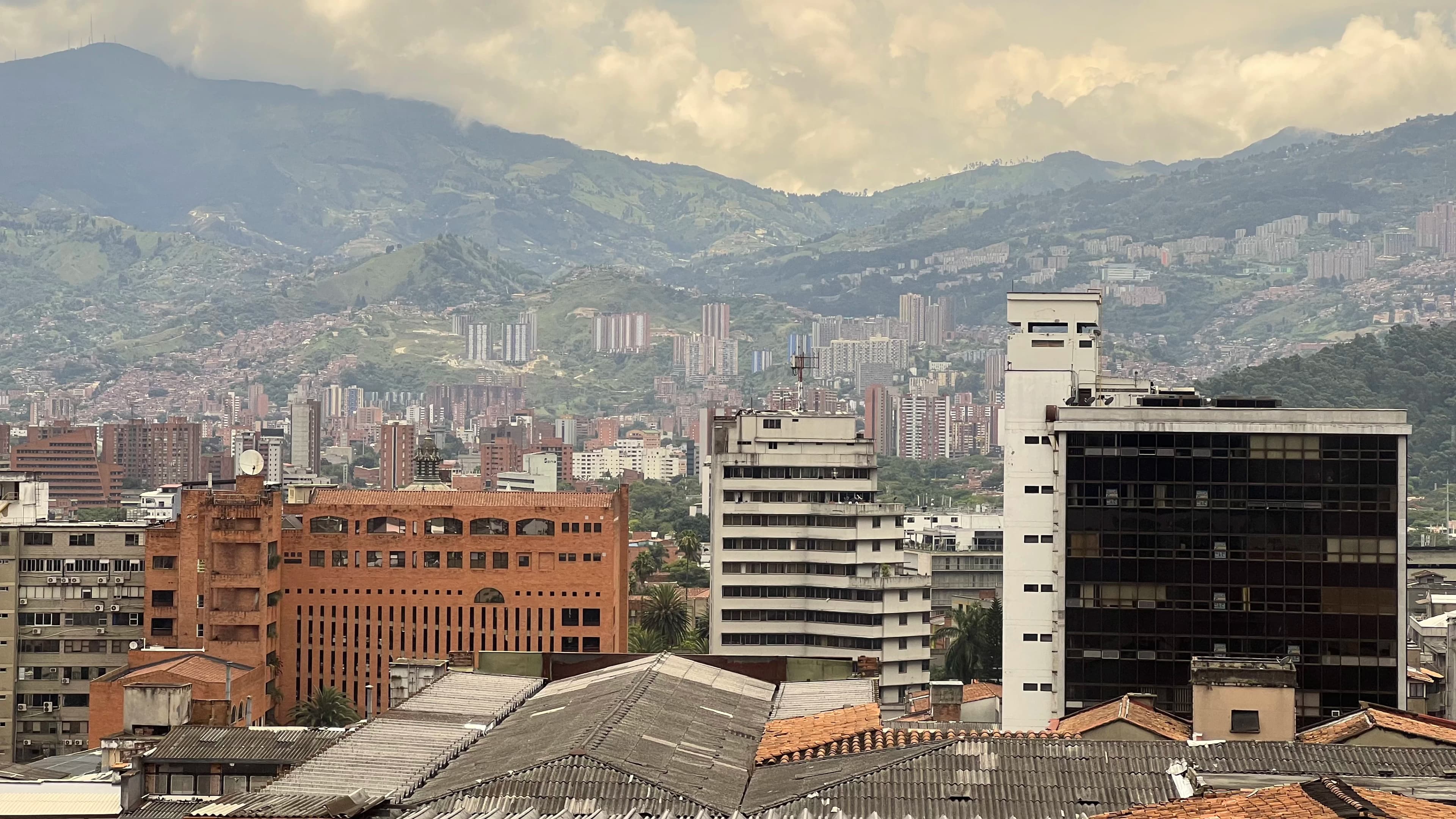
Medellín has perhaps undergone the most remarkable transformation of any city in the world: from a former cartel hotspot in the 1990s to the most innovative city in Latin America and one of the continent's most popular travel destinations. The second-largest city in Colombia is located in a fertile Andean valley at an altitude of 1,500 meters and is nicknamed Ciudad de la Eterna Primavera — City of Eternal Spring — due to its mild temperatures year-round around 22-28 °C. Comuna 13, once the most dangerous neighborhood in the city, has become a symbol of transformation: colorful graffiti artworks cover the facades of buildings, outdoor escalators connect the steep slopes, and young guides share the history of their neighborhood with a mix of pride and pain. The street art tours are among the most impressive experiences in all of South America. The Metrocable — a cable car that is part of the public transport system connecting the slums on the hillsides with the city center — is a masterpiece of social innovation. Lines K and J offer spectacular panoramas over the Aburrá Valley. Parque Arví, a high plateau with cloud forest, is accessible by Metrocable and offers hiking trails through misty forests and eucalyptus woods. Plaza Botero in the city center features 23 oversized bronze sculptures by Colombian artist Fernando Botero, who was born in Medellín. His plump, humorous figures are freely accessible in the square — the largest open-air sculpture museum in South America. The adjacent Museo de Antioquia showcases more works by Botero and contemporary Colombian art. El Poblado, the modern district with boutique hotels, rooftop bars, and international cuisine, is the starting point for most visitors. Parque Lleras is the nightlife center with dozens of open-air bars and clubs.

Street ArtInnovationBotero
a city with mountains in the background

Medellín

Medellín, Colombia's second-largest city, has undergone one of the most remarkable urban transformations in the world. From once being a center of drug cartels, the 'City of Eternal Spring' has evolved into an innovative metropolis, recognized worldwide for its cable cars (Metrocable), library parks, and social innovation. Located in the Aburra Valley at an altitude of 1,500 meters, Medellín enjoys spring-like temperatures year-round, around 22-28°C. The Plaza Botero, featuring 23 monumental sculptures by the famous Colombian artist Fernando Botero, serves as an open-air museum. The El Poblado neighborhood attracts visitors with its restaurants, boutiques, and nightlife, while Comuna 13 — once the most dangerous neighborhood — now delights with street art, escalators, and a sense of community. The annual Feria de las Flores (Flower Festival) in August is a colorful spectacle with the famous Silleteros parade.

InnovationStreet ArtTransformation

Salento (Colombia)

Salento is the charmingest village in the Colombian coffee region — a colorful Pueblito in the Zona Cafetera with vibrant balconies, surrounded by the dramatic wax palms of the Valle de Cocora. The tallest palms in the world (up to 60m!) stand in the misty valley like something out of a fantasy world and are Colombia's national tree. Salento offers coffee farms to visit, warm hospitality, and the perfect mix of nature and Colombian joie de vivre.

CoffeeNatureHiking

Islands

person in gray shirt with backpack walking on street between houses

San Andrés

San Andrés is Colombia's Caribbean crown jewel – a tropical island in the middle of the Caribbean Sea, famous for its legendary sea of seven colors. In fact, the water around San Andrés shimmers in shades of turquoise, emerald green, and sapphire blue, depending on the depth, sandy bottom, and coral reef. This stunning gradient, best admired from a boat or small plane, has made San Andrés one of the most photogenic islands in the Caribbean. The island is a UNESCO Biosphere Reserve that protects its rich coral reefs and mangroves. Johnny Cay, a tiny island just ten minutes by boat, is the quintessential postcard image: white sand, palm trees, crystal-clear water, and reggaeton from the beach bar's speakers. The main island itself is only twelve kilometers long and can be easily circled by golf cart or scooter. The west coast offers the best beaches, with Spratt Bight in the center and San Luis in the south as the highlights. La Piscinita, a natural rock pool on the west coast, is the perfect snorkeling spot with colorful tropical fish just below the water's surface. There are no direct flights from Germany to San Andrés. The journey is via Bogotá with a short domestic flight (1.5 hours), making the total travel time 14 to 17 hours. German citizens do not need a visa for Colombia for stays up to 90 days but must purchase a tourist card for San Andrés (about 50 USD). The time difference is minus 6 to 7 hours. San Andrés is surprisingly affordable compared to other Caribbean islands and offers a unique cultural heritage: The Raizal population, descendants of English settlers and African slaves, speaks English Creole and maintains a distinct culture with reggae, calypso, and excellent seafood cuisine. As a duty-free zone, San Andrés is also a paradise for cheap electronics and spirits.

Seven ColorsCoral ReefDuty-Free

Package holiday to Colombia

Compare flight & hotel at the best price.

Package holidays

Holiday apartment in Colombia

Holiday homes with more space and privacy.

Holiday flats

All accommodations

Map, package holidays & holiday homes at a glance.

All options

Complete guide for Colombia

Regions, attractions, food, routes, costs & practical tips — all in one digital guide.

Open guide
Suitable for:CultureBeachCoffeeNightlifeNature

Ready for Colombia?

Plan your Colombia holiday now with our free tools.

Plan a holiday in Colombia

Colombia is one of the most popular travel destinations in South America, offering Culture, Beach, Coffee and much more. The best time to visit Colombia is December–March, July–August (dry season), when the weather is ideal for exploration and relaxation. With a daily budget starting from 25–40€ (Budget) to 80–200€ (Luxury), Colombia is suitable for various travel budgets.

From the capital Bogotá, Colombia can be excellently explored. The official language is Spanish, and the currency is Colombian Peso (COP). From Germany, you can reach Colombia in approx. 11–12 hours. Whether you want to try culinary highlights like Bandeja Paisa, Arepas, Ajiaco, visit top attractions, or simply enjoy the atmosphere: Colombia has something for every type of traveller.

Use our free travel tools to prepare your Colombia holiday perfectly. With the holiday finder, you can discover if Colombia is the right destination for you. The budget calculator helps you plan costs realistically, and with the packing list, you won't forget anything.

Suitable holiday types for Colombia:

More travel destinations in South America:

All countries in South America

All destinations in South America