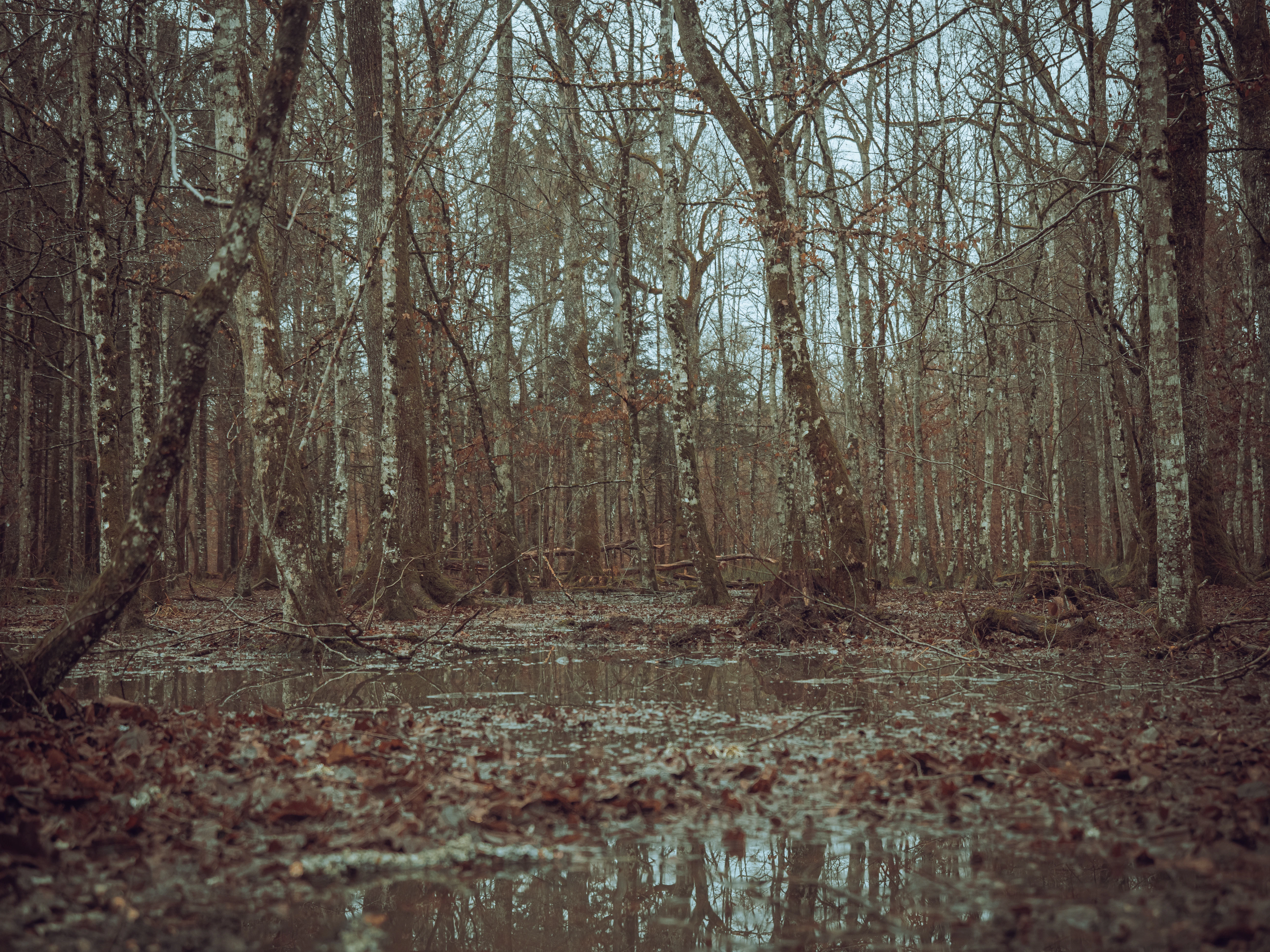
a small pond in a forest
black and white bed sheet
men's black top
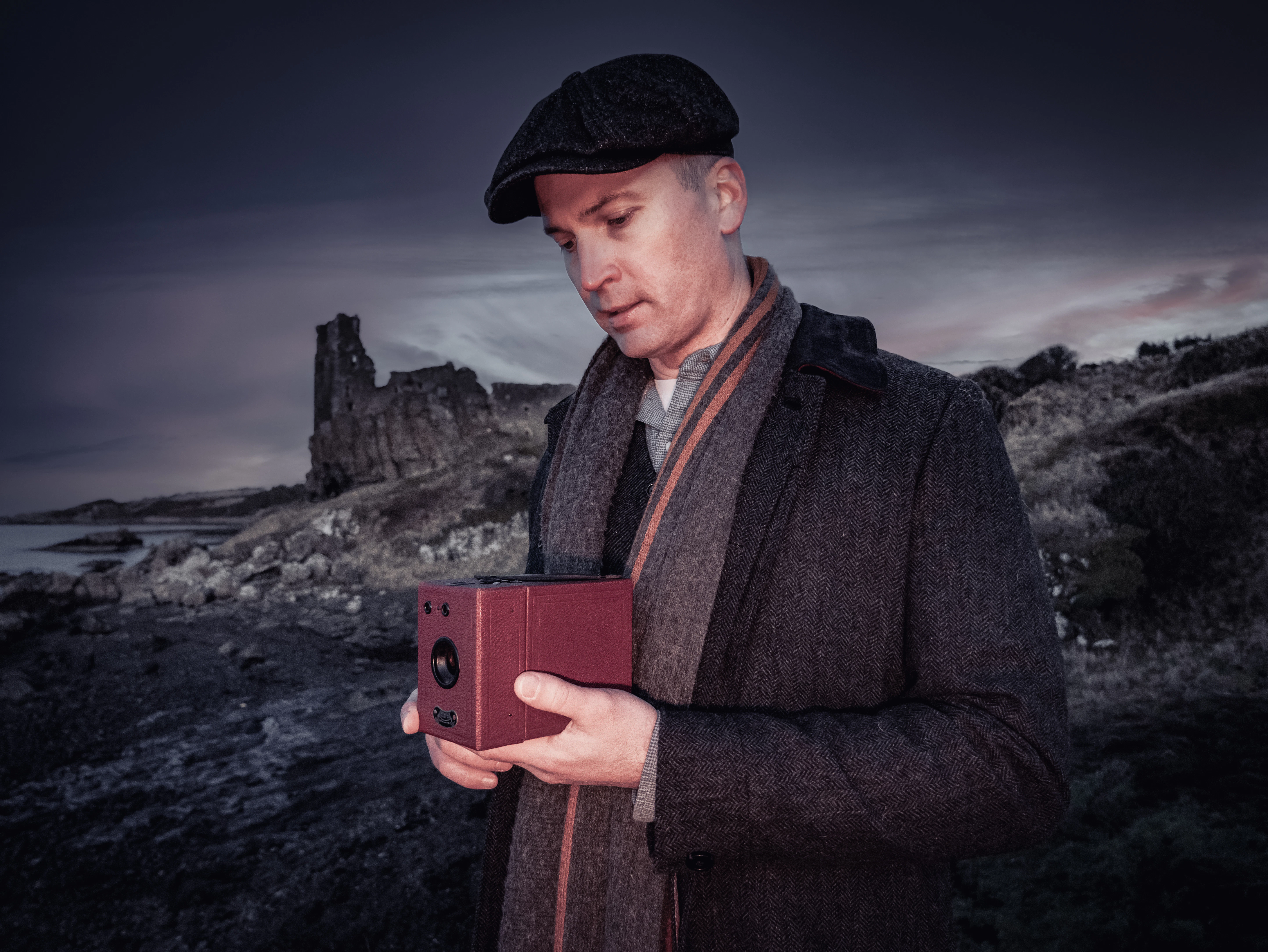
a man holding a camera in his hands
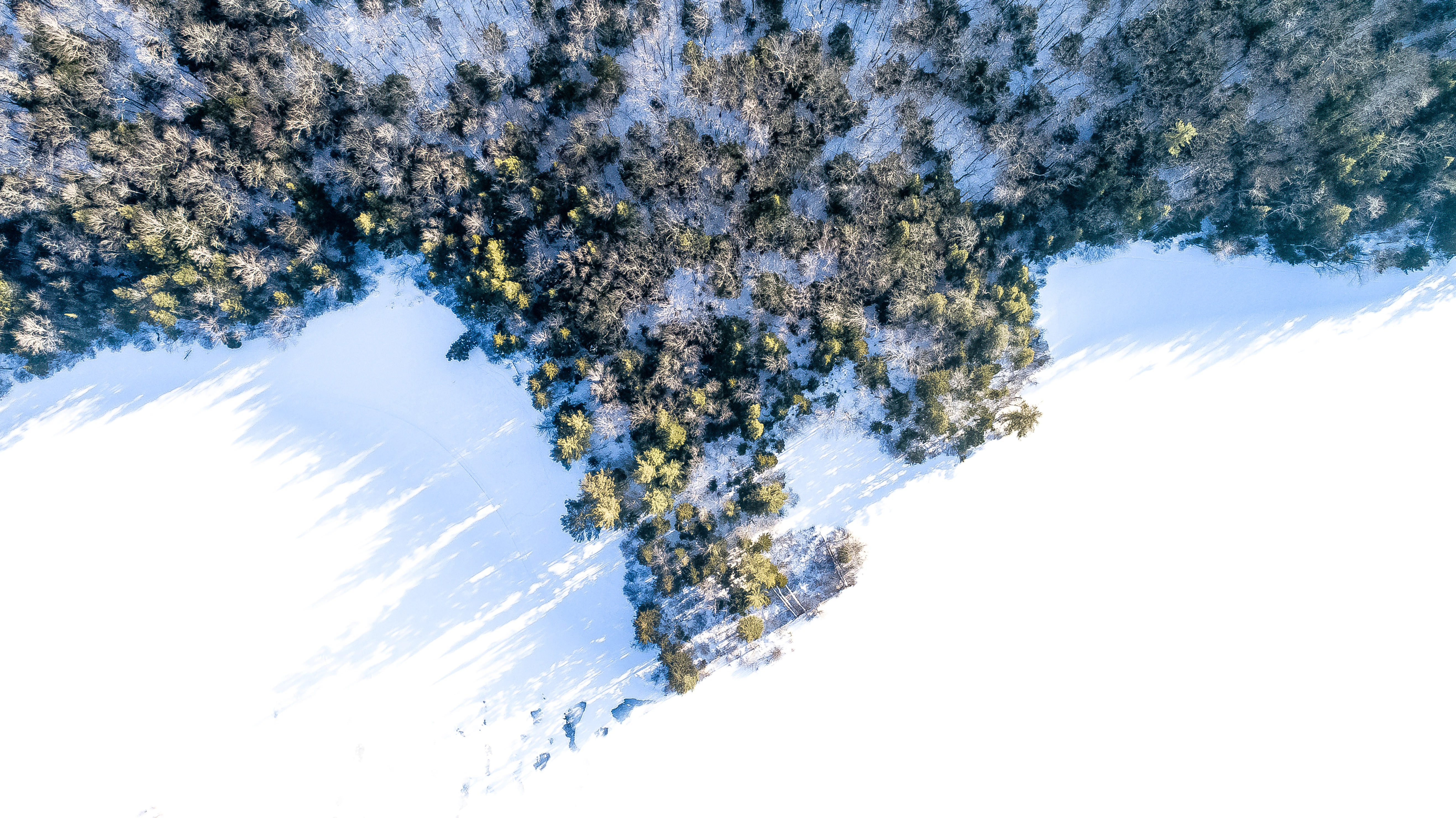
bird's-eye view photography of snow plain and trees
Photo by neil macc on Unsplash

Nature experience

Untouched landscapes, national parks and wildlife encounters: experience the most impressive natural wonders of the world.

Where can you experience the most beautiful nature?

The most impressive nature experiences are found in the Norwegian fjords, Costa Rica with its rainforest, New Zealand with glaciers and volcanoes, Iceland with geysers and northern lights, and Patagonia. From Central Europe, Norway and Iceland are only a few hours’ flight away; the best time to travel depends heavily on the destination.

Why is a nature holiday so good for you?

Studies show that just 20 minutes in nature measurably reduce cortisol levels. Imagine what a week in the Norwegian fjords, the rainforests of Costa Rica or the endless wilderness of Patagonia does for you. Nature experiences are the ultimate reset button for body and mind.

But nature travel offers more than relaxation. It sharpens your awareness of the fragility of our planet. Anyone who sees a glacier calve, watches whales off the coast or hikes through ancient forests intuitively understands why conservation is so important. These experiences change your attitude more sustainably than any documentary.

This guide takes you to five of the most spectacular natural destinations in the world, gives you hiking and wildlife tips and shows you how to experience nature without harming it. Lace up your hiking boots -- let's go.

Which destinations offer the best nature experiences?

From Scandinavian fjords to the end of the world in Patagonia -- these places take your breath away.

€Budget – under €50 per day
€€Mid-range – €50–150 per day
€€€Luxury – over €150 per day
1

Norwegian Fjords

Norway

The Norwegian fjords are among the most spectacular natural wonders. The Geirangerfjord and the Nærøyfjord are UNESCO World Heritage sites. Steep cliffs rise hundreds of metres from emerald green waters, waterfalls plunge into the sea, and hiking trails lead to viewpoints like Preikestolen or Trolltunga. Plus, there's the midnight sun in summer and northern lights in winter.

Best time: June to August (midnight sun), September to March (northern lights)Budget: €€€

Nature highlights:

Preikestolen – 604 m above the Lysefjord
Trolltunga – Norway's most famous rock formation
Geirangerfjord by boat or kayak
Lofoten – fishing villages and midnight sun
2

Costa Rica

Costa Rica

Costa Rica is home to 5% of the world's biodiversity on just 0.03% of the Earth's surface. Cloud forests in Monteverde, volcanoes like Arenal, Caribbean beaches, Pacific coast, and rainforests full of sloths, toucans, and monkeys. A quarter of the country is protected. Pura vida – the pure life in its greenest form.

Best time: December to April (dry season)Budget: €€

Nature highlights:

Monteverde Cloud Forest with suspension bridges
Arenal Volcano and hot springs
Manuel Antonio National Park (beach + wildlife)
Tortuguero – observe turtles laying eggs
3

New Zealand

New Zealand

New Zealand is a natural wonder on two islands: glaciers, fjords, volcanoes, rainforests, geysers, and endless coastlines. Milford Sound, the Tongariro Alpine Crossing, and the Abel Tasman Coast Track are among the best hikes in the world. Plus, a unique wildlife with kiwis, dolphins, and whales off the coast of Kaikoura.

Best time: November to April (summer)Budget: €€€

Nature highlights:

Milford Sound – fjord by boat or kayak
Tongariro Alpine Crossing (day hike)
Whale watching in Kaikoura
Abel Tasman Coast Track – hiking and kayaking on golden beaches
4

Iceland

Iceland

Iceland is geologically a newborn – and you can feel it. Geysers, hot springs, active volcanoes, glaciers, waterfalls, and the northern lights tell of the immense forces beneath the Earth's surface. The Ring Road takes you around the island in 10 days, revealing a landscape reminiscent of another planet.

Best time: June to August (summer), September to March (northern lights)Budget: €€€

Nature highlights:

Golden Circle: Geysir, Gullfoss, Þingvellir
Jökulsárlón Glacier Lagoon
Landmannalaugar – colourful rhyolite mountains
Northern lights in the darkness of winter
5

Patagonia

Argentina/Chile

Patagonia is wilderness in its purest form. The towers of Torres del Paine, the Perito Moreno Glacier, the endless steppe, and guanaco herds against snow-capped peaks create a landscape of monumental beauty. Few tourists, vast distances, and a harsh wind make Patagonia an adventure for true nature lovers.

Best time: November to March (summer in the Southern Hemisphere)Budget: €€

Nature highlights:

Torres del Paine W-Trek (4–5 days)
Perito Moreno Glacier – witness calving ice masses up close
Fitz Roy massif near El Chaltén
Tierra del Fuego – the end of the world

How do you experience nature properly when travelling?

From hiking to wildlife watching -- how to make your nature experience unforgettable and sustainable.

Hiking and Trekking

  • Break in hiking boots at least 2 weeks before the trip
  • Take trekking poles – they greatly relieve the knees on descents
  • Always carry enough water and snacks (min. 1.5 litres per half day)
  • Wear weatherproof layers (onion principle) – mountain weather changes quickly
  • Download offline maps and carry a GPS device as a backup to your hiking map

Wildlife Watching

  • Pack binoculars and a telephoto lens (min. 200 mm)
  • Most animals are active in the mornings and evenings – take a break at midday
  • Maintain a minimum distance from wildlife – depending on the species, 25–100 metres
  • Local guides know the best spots and can spot animals you might miss
  • Patience is the most important virtue – large animals rarely appear on command

National Parks

  • Reserve passes and permits online in advance (often months ahead)
  • Visit outside of peak season – fewer people, more intense experience
  • Utilise ranger programmes and guided hikes – free and informative
  • Leave No Trace: do not leave rubbish behind, stay on paths
  • Book campsites within the park – sunrises and sunsets are magical

Sustainable Travel

  • Use a reusable water bottle with a filter instead of single-use plastic bottles
  • Book local guides and community-based accommodations
  • Offset CO₂ for flights with reputable providers (atmosfair, myclimate)
  • Avoid animal attractions that keep wildlife in captivity
  • Use biodegradable soap and sunscreen without harmful chemicals

What belongs on the packing list for a nature holiday?

The right equipment makes the difference between enjoyment and frustration in the wilderness.

Hiking Gear

  • Waterproof hiking boots (ankle-high for trekking)
  • Trekking poles (collapsible for flying)
  • Daypack (20–30 litres) with rain cover
  • Rain jacket and rain trousers (waterproof, breathable)
  • Merino wool base layer (dries quickly, odour-resistant)
  • Headlamp with spare batteries

Nature Observation

  • Binoculars (8x42 or 10x42 for wildlife)
  • Camera with telephoto lens or good smartphone
  • Field guide for local flora and fauna
  • Waterproof dry bag for electronics
  • Notebook for observations and sketches
  • Insect repellent (DEET-based for tropics)

Sustainability

  • Reusable water bottle with water filter
  • Beeswax wraps instead of cling film
  • Solid soap and solid shampoo (plastic-free)
  • Reef-safe sunscreen
  • Fabric bags for shopping
  • Rubbish bags to take your waste home

What are the golden rules for nature travellers?

So you can enjoy nature to the fullest – and preserve it for the next generation.

1

Leave No Trace

The most important rule: Leave no trash, stay on marked paths, do not disturb wildlife. Take everything back that you brought with you – including banana peels and tissues.

2

Getting up early is worth it

The most magical nature moments happen at sunrise: fog over fjords, active wildlife, golden light for photos. Those who get up at 5 AM experience a different world.

3

Take the weather seriously

In the mountains, the weather can change in minutes. Always have a rain jacket and a warm layer with you. Check the weather forecast daily and adjust your route.

4

Book local guides

For wildlife observation and challenging hikes, a local guide is worth their weight in gold. They know the best spots, ensure safety, and support the local economy.

5

Travel slowly

Nature takes time. Instead of visiting five parks in a week, experience one park properly. Stay three days instead of one – you will be rewarded.

6

Go offline

In nature, the best content is what happens before your eyes. Turn on flight mode, sharpen your senses. The rustling of the forest, the smell of rain, the crackling of the campfire.

7

Respect wildlife

Never feed or touch wild animals. Maintain a minimum distance (bears: 100 m, other large animals: 25 m). Animals have the right of way – give way to them.

8

Pack waterproof

Dry bags for electronics, waterproof packs for clothing, Ziplock bags for documents. In nature, everything will eventually get wet.

9

Bring patience

The whale will surface when it wants to. The sunset will only be perfect in an hour. Nature cannot be rushed – and that’s exactly the point.

10

Give something back

Support national parks through entrance fees and donations. Book with local, sustainable providers. Your travel budget can contribute to conservation.

How can you make a nature holiday cheaper?

Nature itself is free – travel and equipment don't have to be. Here are the best money-saving tips.

Save on Transport

  • Campervan instead of hotel + rental car: In New Zealand and Iceland, a campervan saves accommodation costs and provides maximum flexibility.
  • Travel in the off-season: Norway in September, Patagonia in November – shoulder season offers good weather at 30–50% cheaper prices.
  • Flights with stopovers: Direct flights to New Zealand or Patagonia are expensive. A stop (e.g., Singapore, Santiago) often saves €300–500.

Acquire Equipment Smartly

  • Buy used: Hiking shoes, backpacks, and rain jackets can often be found on eBay Kleinanzeigen or Vinted for half the price – barely worn.
  • Rent on-site: Hiking poles, sleeping bags, and camping equipment can be rented in many places instead of buying and flying around the world.

Enjoy Free Nature

Most nature experiences cost nothing: hiking, swimming in lakes, stargazing, watching sunrises from the summit, wandering through wildflower meadows, or simply sitting and breathing in the forest.

Tip: Europe's hiking trail network is free to use. The E5 through the Alps, the Lycian Way in Turkey, or Norway's Right to Roam (Allemannsretten) even allows for wild camping.

Which tools help you plan?

4 free HolidayGenie tools help you plan: Holiday Finder, Budget Calculator, Packing List and Travel Roulette. They run directly in your browser and complement the destination tips on this page.

Frequently asked questions

Which destinations offer the best nature experiences?

The most spectacular nature experiences are found in the Norwegian fjords (Geirangerfjord, Preikestolen, Trolltunga), Costa Rica (around 5 percent of the world’s biodiversity in a small area), New Zealand (glaciers, fjords, volcanoes), Iceland (geysers, northern lights, Jökulsárlón glacier lagoon) and Patagonia in Argentina and Chile (Torres del Paine, Perito Moreno Glacier). Each offers unique landscapes and unforgettable wildlife encounters; Norway and Iceland are only a few hours’ flight from Central Europe.

Which national parks in Europe are especially worth seeing?

Europe has outstanding national parks: the Lofoten Islands and the Norwegian fjords (UNESCO World Heritage), Iceland’s Vatnajökull National Park (Europe’s largest glacier), Plitvice Lakes in Croatia (turquoise waterfalls), the Swiss National Park in the Engadine, Saxon Switzerland in Germany and the Scottish Highlands. The Cinque Terre in Italy, Triglav National Park in Slovenia and the Azores in Portugal are also highly recommended. Many European hiking trails are free to use.

How do you travel sustainably in nature?

Sustainable nature travel starts with the Leave No Trace principle: leave no rubbish, stay on marked trails and do not disturb wildlife. Use reusable water bottles with a filter, biodegradable soap and reef-safe sunscreen. Book local guides and community-based accommodation to support the local economy. Offset flights with reputable providers such as atmosfair or myclimate, and avoid animal attractions that keep wild animals in captivity. Norway’s right to roam even allows responsible wild camping.

What are the best tips for wildlife watching?

Good binoculars (8x42 or 10x42) and a telephoto lens of at least 200 mm are essential. Most animals are active in the morning and evening, so use these hours. Always keep your distance: 100 metres from bears and at least 25 metres from other large animals. Local guides know the best spots and recognise animals that laypeople miss. Patience is the most important virtue. Kaikoura in New Zealand and Tortuguero in Costa Rica offer particularly reliable wildlife encounters.

Which season is best for nature trips?

It depends on the destination: Norway and Iceland are ideal from June to August (midnight sun, best hiking conditions), while September to March brings the northern lights. Costa Rica is most beautiful in the dry season from December to April. New Zealand and Patagonia have their summer from November to April. The shoulder season often offers the best balance of good weather, fewer tourists and lower prices – for example Norway in September or Patagonia in November.

Naturerlebnis-Kurzurlaub am See

Handverlesene Hoteldeals, Kurztrips und Erlebnisgutscheine zu Sparpreisen. Perfekt zum Verschenken oder selbst Genießen.

Bis zu 60 % Ersparnis
Auch als Geschenk
DACH & Südeuropa
Angebote entdecken

* Weiterleitung zu we-are.travel. Es gelten die dortigen Nutzungsbedingungen.

Hotelgutscheine & Kurzreisen

Deals ab 29 € p.P. auf touriDat.com

Pauschalreisen & Rundreisen

Berge & Meer – 170 Tage Cookie

Which other holiday types might suit you?

If you like Nature experience, you may also enjoy Aktivurlaub, Camping and Sustainable Travel. For every holiday type we show the best destinations with travel season, budget and insider tips.

Ready for your nature experience?

Discover the most impressive natural destinations and plan your next outdoor adventure.