Holiday in Arlberg
Region in Austria — tips, highlights & best time to visit 🇦🇹
Country
Austria
Type
Region
Best time to travel
December to April for skiing (snow reliable until May), June to October for hiking and via ferratas
Budget/day
180-280 € (4-star hotel with half board, ski pass, après-ski budget)
Getting there from Germany
By car, about 2.5 hours from Munich via the A96 and the Arlberg pass or the Arlberg tunnel. By train IC/EC to St. Anton am Arlberg (direct connection).
Deals for Arlberg:
What makes Arlberg special as a destination?
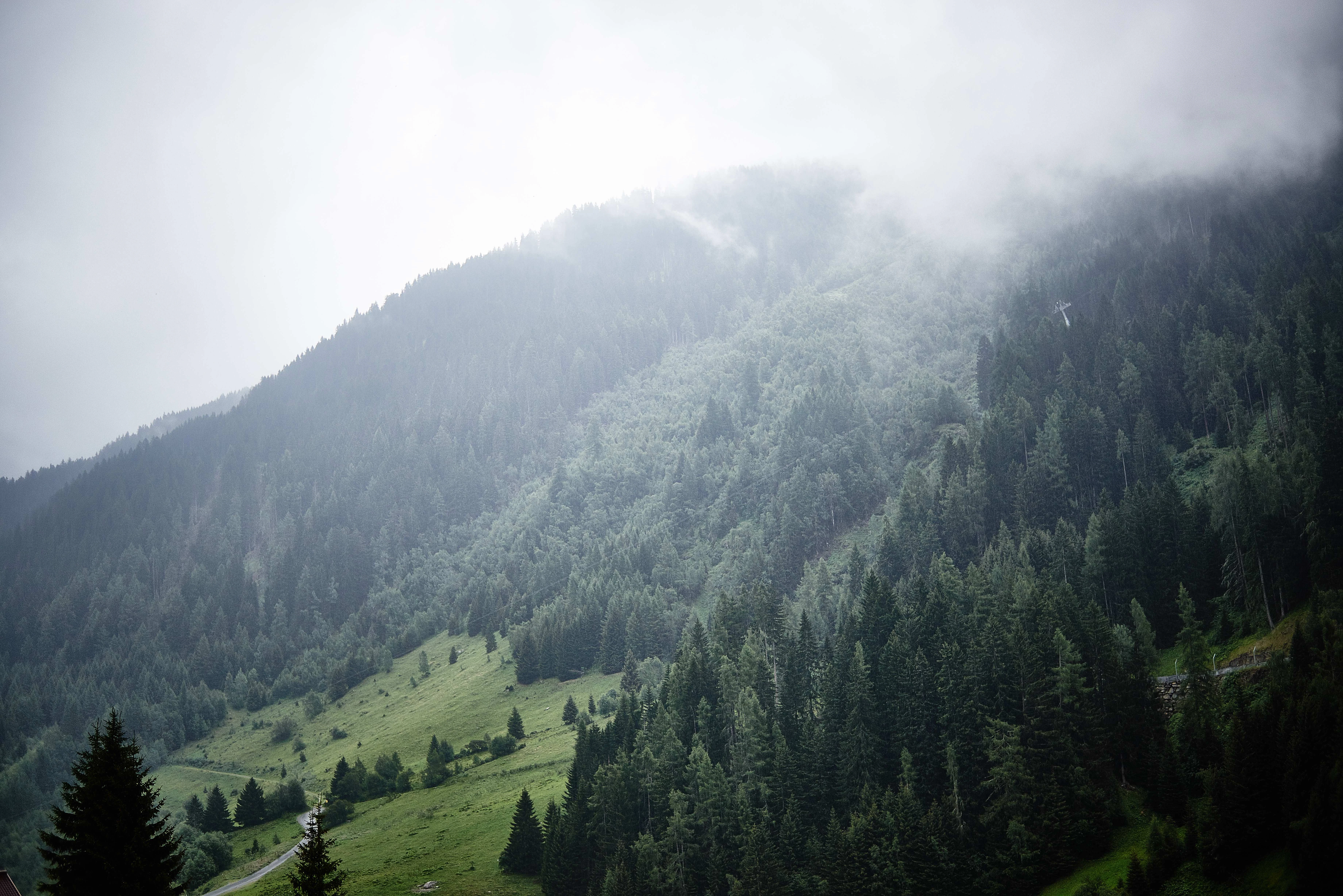
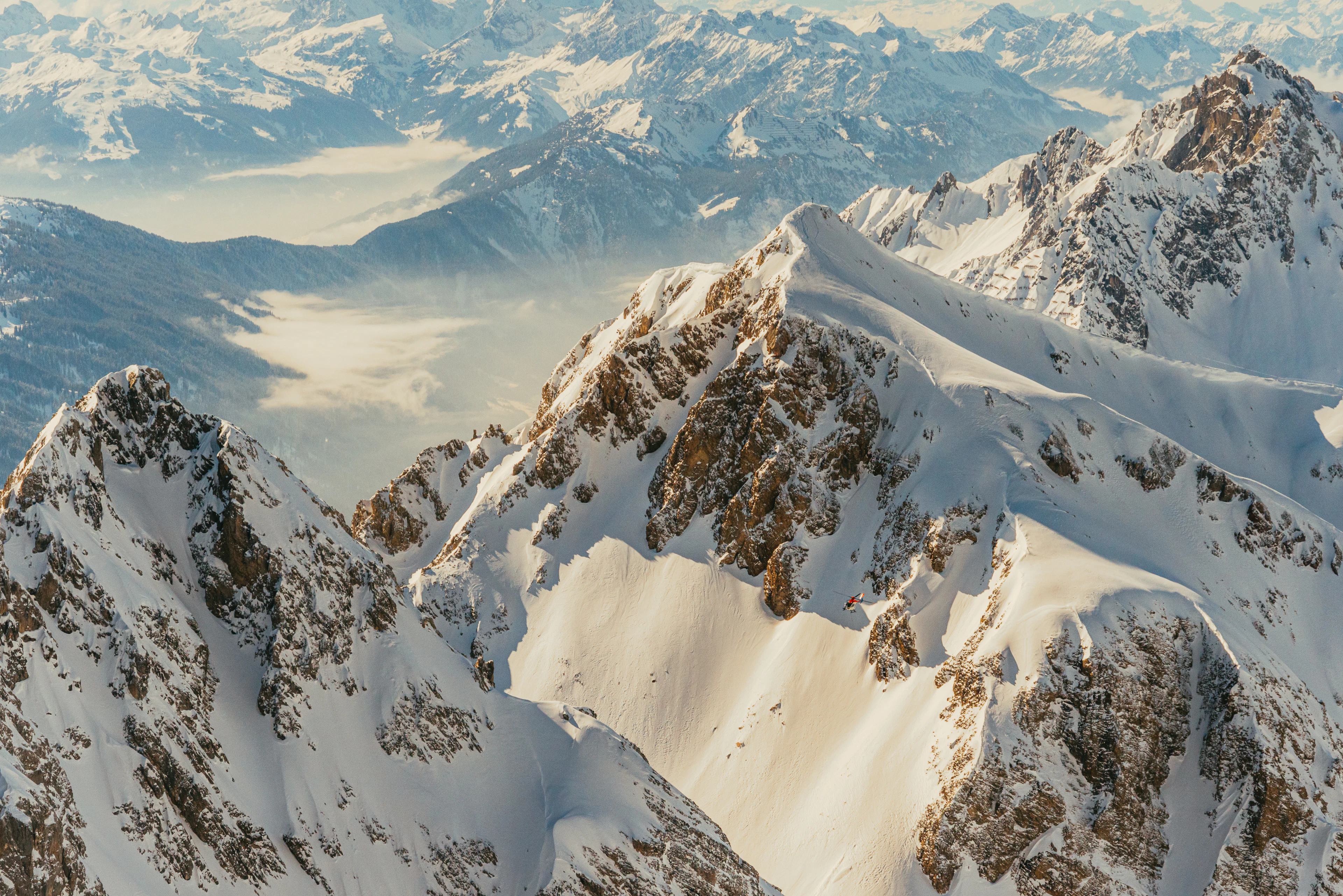
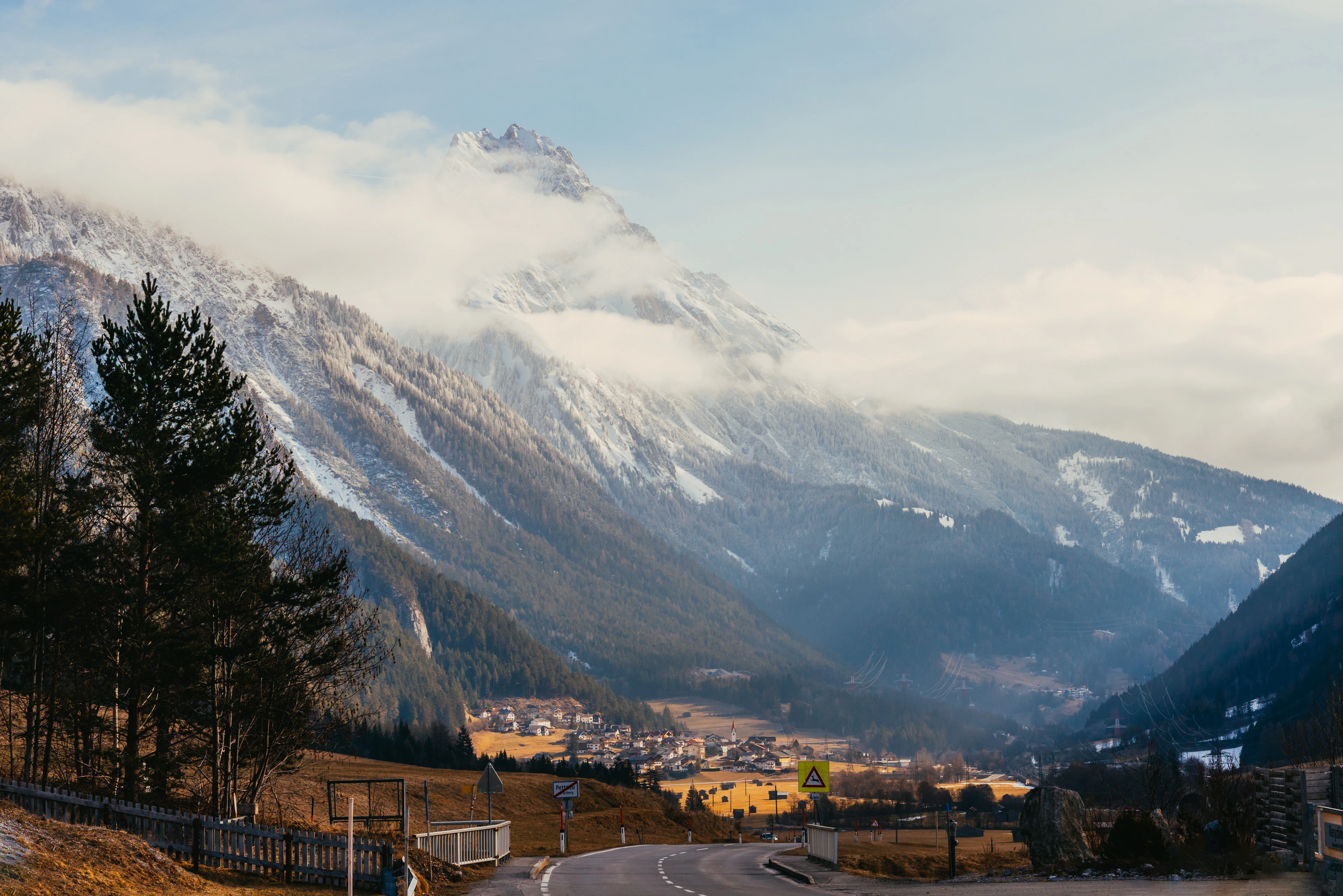
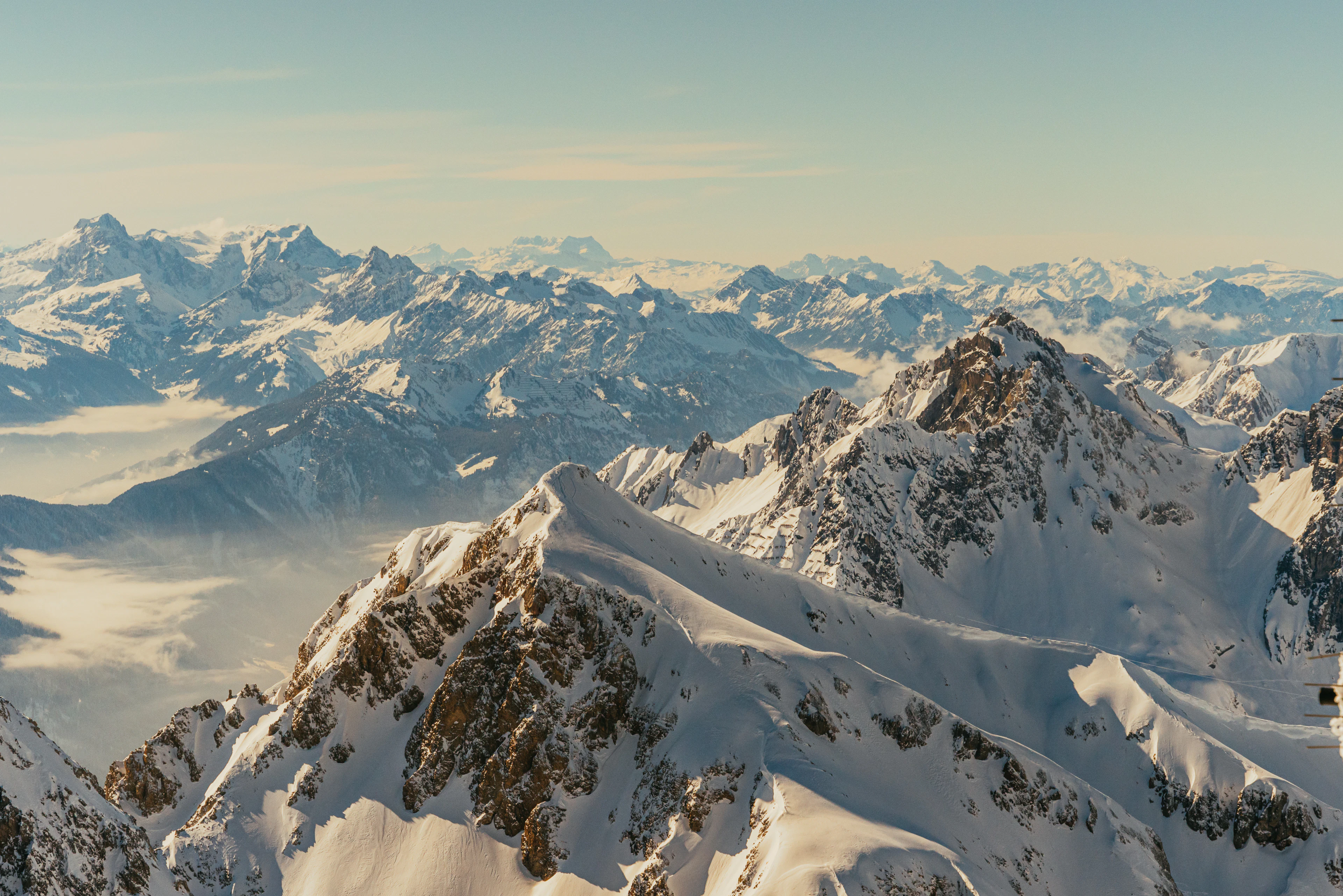
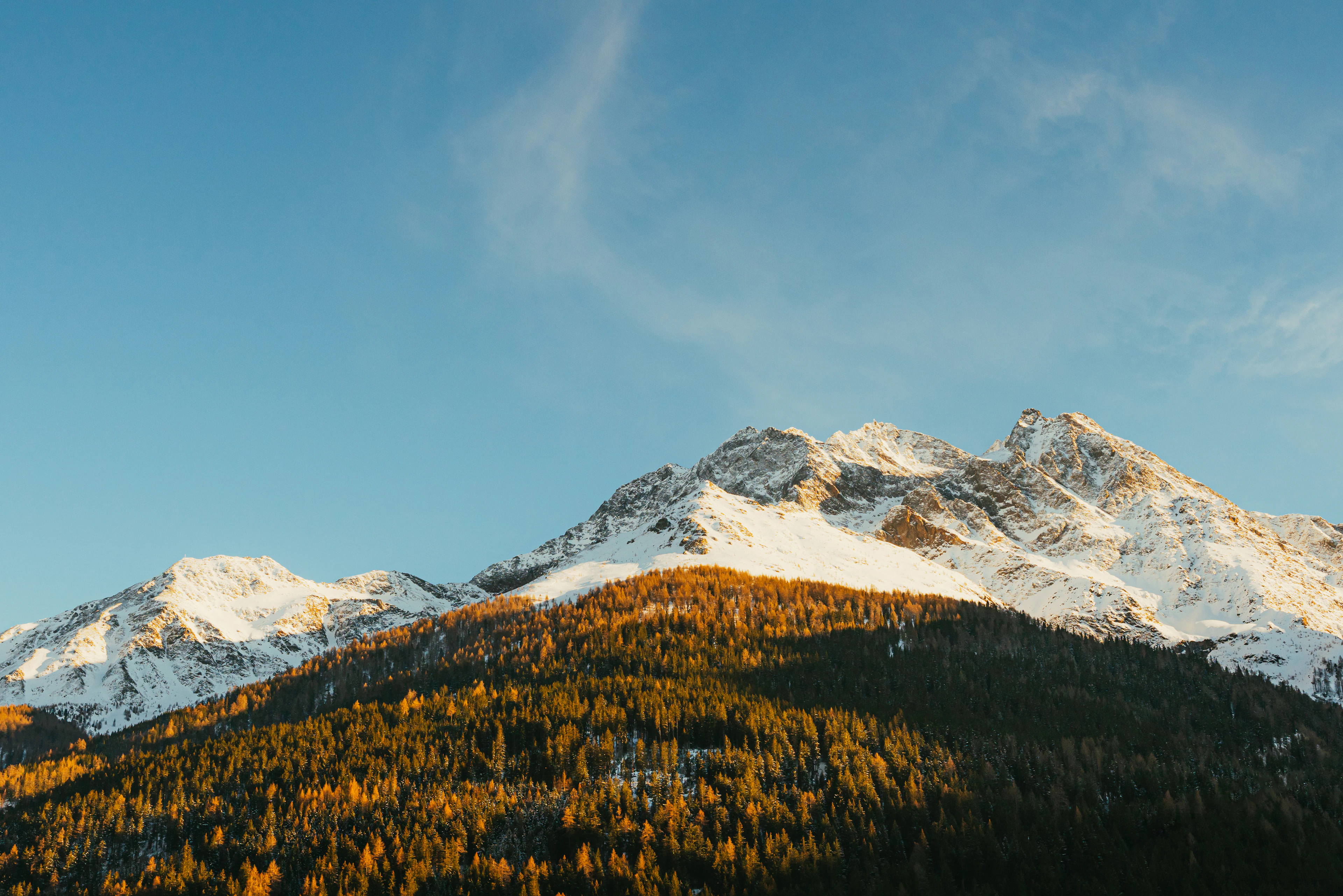
The Arlberg is the cradle of alpine skiing and one of the most legendary winter sports regions in the world. Here, on the mountain pass between Tyrol and Vorarlberg, the first ski club in the Alps was founded in 1901, and in 1922 Hannes Schneider developed the Arlberg technique, which revolutionized modern skiing. Today, the Ski Arlberg area connects the towns of St. Anton, St. Christoph, Stuben, Lech, Zürs, Warth, and Schröcken into one of the largest interconnected ski areas in the world with 305 kilometers of slopes and 200 kilometers of variant runs. St. Anton am Arlberg is the vibrant heart of the region – known for challenging slopes, legendary après-ski at the Mooserwirt bar, and an international atmosphere. Lech and Zürs, on the other hand, exude refined elegance: here, the Dutch royal family vacations, and the gourmet offerings with several award-winning restaurants are unmatched in the Alps. Warth-Schröcken on the Vorarlberg side is considered the snowiest place in Austria. In summer, the Arlberg reveals another side: blooming alpine meadows, crystal-clear mountain lakes, and challenging via ferratas attract hikers and climbers. The Grüne Ring in Lech is a scenic circular hiking trail, and the Formarinsee hike leads to the most beautiful place in Austria (voted in 2015). The Arlberg combines sporting challenge, luxury, and nature experience like hardly any other Alpine region – and is reachable from southern Germany in under three hours.
What are the top highlights in Arlberg?
The top highlights in Arlberg include Ski Arlberg, St. Anton Après-Ski, Formarinsee, Lech & Zürs, Ski Museum St. Christoph.
The places you absolutely must not miss.
Ski Arlberg
305 kilometers of slopes and 200 km of freeride routes in one of the largest ski areas in the world
St. Anton Après-Ski
Legendary bars like Mooserwirt and Krazy Kanguruh create a lively atmosphere after skiing
Formarinsee
Voted the most beautiful place in Austria – a bright turquoise mountain lake in the Rote Wand
Lech & Zürs
Elegant ski resorts with award-winning restaurants, luxury hotels, and royal guests
Ski Museum St. Christoph
The history of alpine skiing from its beginnings to today, at the historic Arlberg pass
Hotels in Arlberg
Compare thousands of hotels, apartments and resorts on Expedia – with price guarantee, free cancellation and reward points.
* You will be redirected to Expedia.de. Their terms of use apply.
Pauschalreisen & Rundreisen
Berge & Meer – 170 Tage Cookie
When is the best time to visit Arlberg?
The best time to visit Arlberg is December to April for skiing (snow reliable until May), June to October for hiking and via ferratas. Fresh and clear with 12-22°C depending on altitude, perfect hiking weather, cool in the evenings In winter: Cold with -10 to 0°C, extremely snow reliable with an average of 7 meters of snowfall per season
Recommended travel time
December to April for skiing (snow reliable until May), June to October for hiking and via ferratas
Summer
Fresh and clear with 12-22°C depending on altitude, perfect hiking weather, cool in the evenings
Winter
Cold with -10 to 0°C, extremely snow reliable with an average of 7 meters of snowfall per season
How much does a holiday in Arlberg cost?
Budget travellers: 70-100 € (guesthouse in St. Anton, self-catering, ski pass from 65 € per day)/day, mid-range: 180-280 € (4-star hotel with half board, ski pass, après-ski budget)/day, luxury: 400-800 € (5-star hotel in Lech, ski guide, award-winning restaurant, spa)/day.
Average costs per person per day
Budget
70-100 € (guesthouse in St. Anton, self-catering, ski pass from 65 € per day)
Hostel, Street food, Public transport
Mid-range
180-280 € (4-star hotel with half board, ski pass, après-ski budget)
Hotel, Restaurant, Excursions
Luxury
400-800 € (5-star hotel in Lech, ski guide, award-winning restaurant, spa)
Boutique hotel, Fine dining
How do I get from Germany to Arlberg?
By car, about 2.5 hours from Munich via the A96 and the Arlberg pass or the Arlberg tunnel. By train IC/EC to St. Anton am Arlberg (direct connection).
Book a package holiday to Arlberg
Compare thousands of package holidays to Arlberg and find the best deals with flight & hotel.
Compare package holidays nowWhat travel tips are there for Arlberg?
Insider knowledge that makes your holiday better.
St. Anton is ideal for young, sporty skiers and party-goers – Lech and Zürs for a quieter, upscale vacation
The Flexenpass between St. Anton and Lech/Zürs is accessible year-round thanks to the new Flexengalerie
Warth-Schröcken has the highest snow reliability – ideal in uncertain snow conditions at the beginning/end of the season
The Arlberg tunnel can be bypassed via the Arlberg pass (summer): scenically great and toll-free
The Ski Arlberg Card is valid in all towns of the association – no additional costs for changing locations
What should you eat in Arlberg?
Typical specialities in Arlberg: Käseknödel – with spicy Vorarlberg mountain cheese in hearty beef broth, Wiener Schnitzel – a delicacy from veal in the award-winning restaurants of Lech, Fondue – a sociable classic with regional cheeses in the mountain huts at the Arlberg, Apfelstrudel – thinly stretched and juicy filled, a must in the ski huts, Jagertee – hot black tea with rum and fruit brandy, the legendary après-ski drink at the Arlberg.
These specialties you must try!
Ready for Arlberg?
Plan your Arlberg holiday now with our free tools.
