Holiday in Oaxaca
City in Mexico — tips, highlights & best time to visit 🇲🇽
Country
Mexico
Type
City
Best time to travel
October–November (Dia de los Muertos), March–May (dry and warm)
Budget/day
50–100 € (1,000–2,000 MXN)
Getting there from Germany
Flight to Oaxaca (OAX) via Mexico City (about 14–15 hours total). Alternatively, night bus from Mexico City (6 hours).
Deals for Oaxaca:
What makes Oaxaca special as a destination?
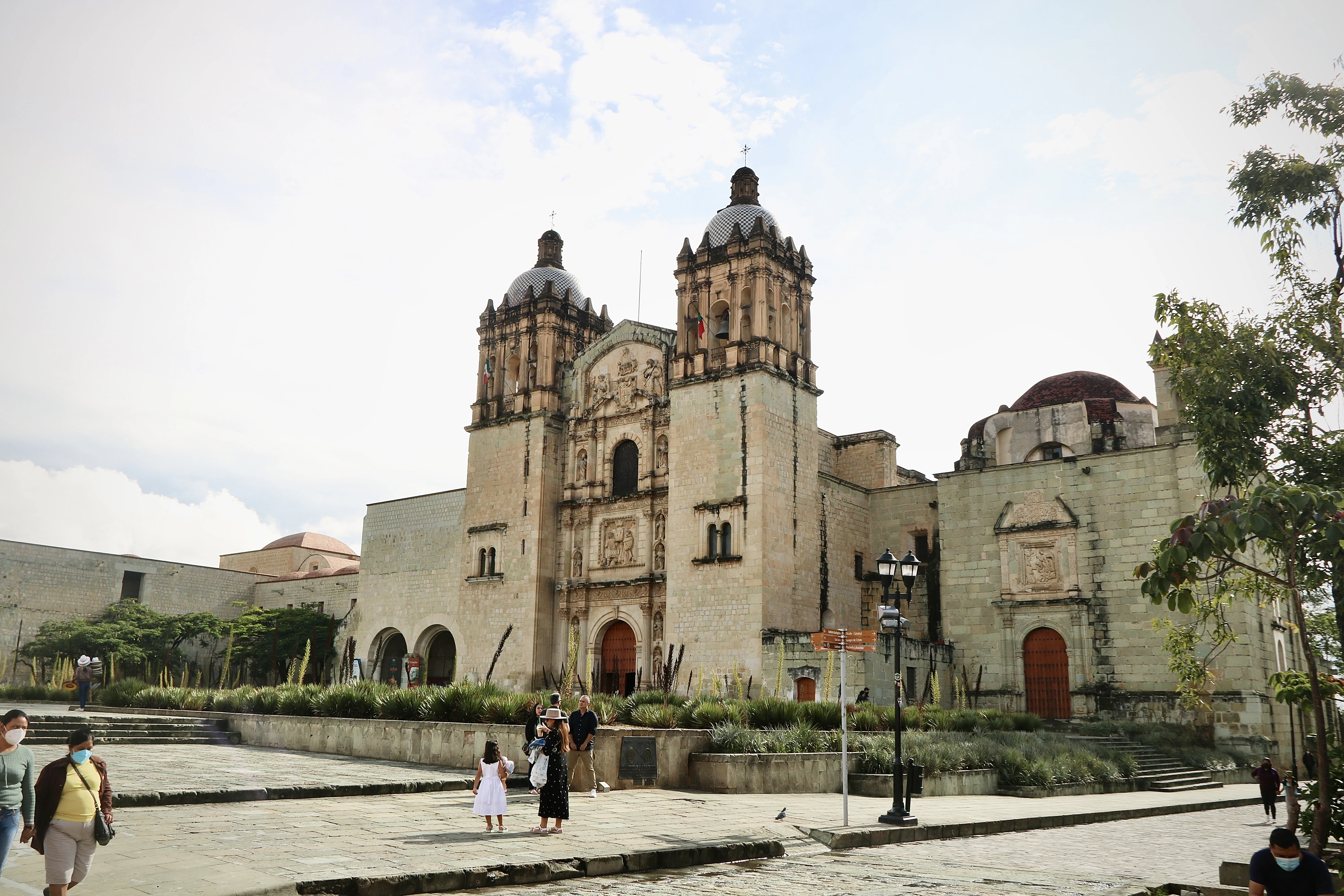
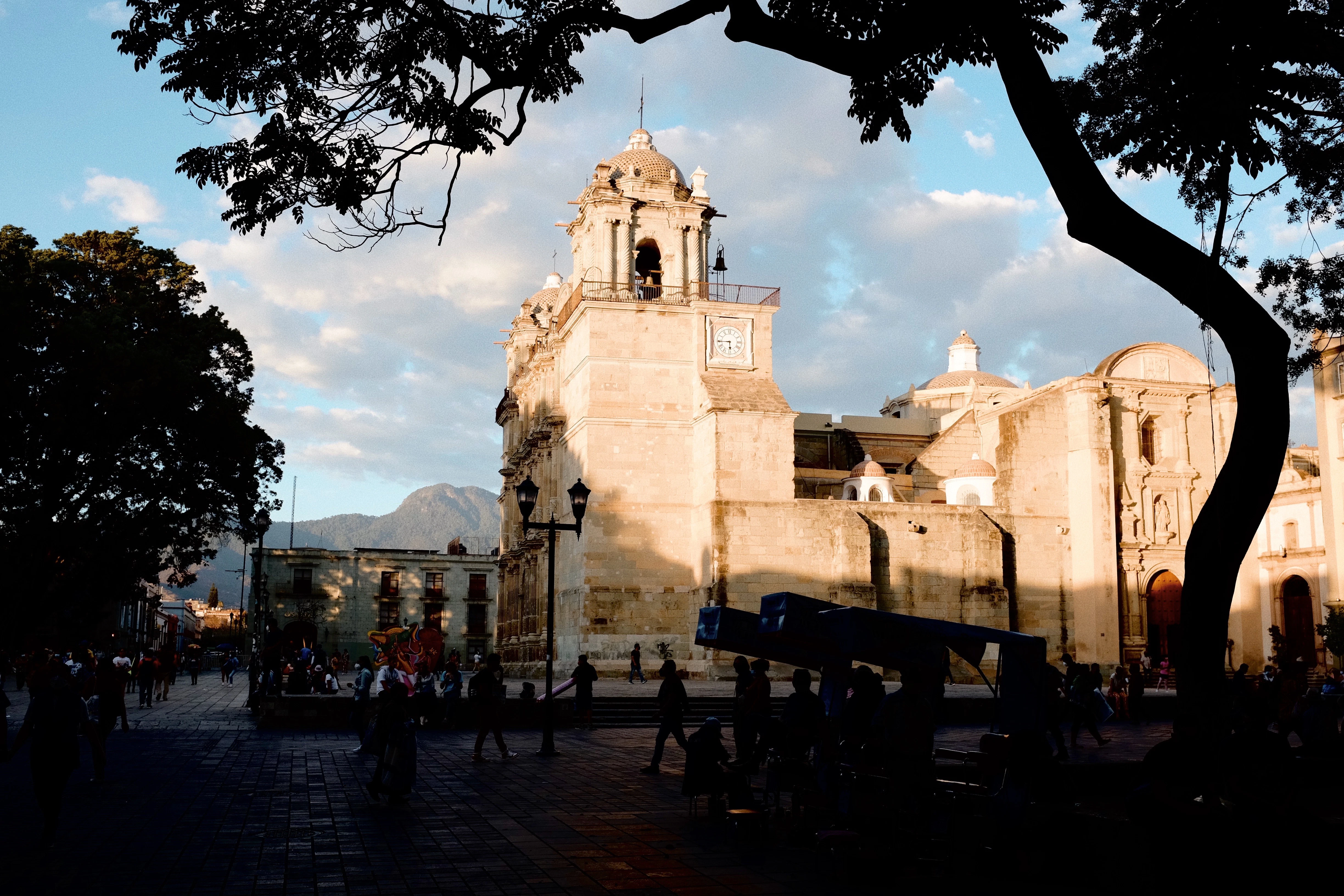
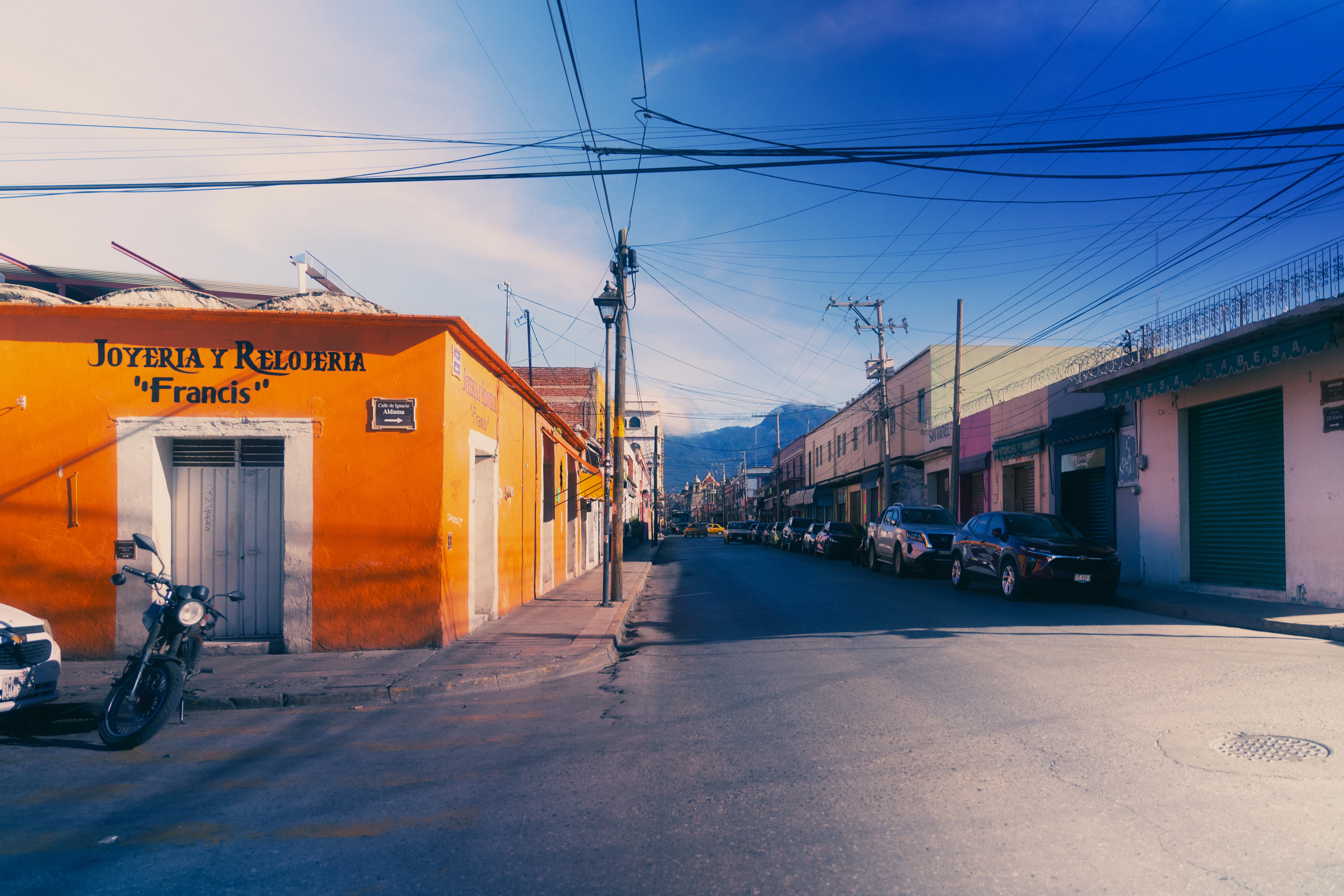
Oaxaca in southern Mexico is a cultural powerhouse where indigenous traditions, pre-Columbian history, and one of the most exciting culinary scenes in Latin America converge. The UNESCO-protected colonial city, with its colorful facades, baroque churches, and vibrant markets, is considered by many to be the most authentic city in Mexico. Monte Alban, the ruins of the Zapotecs perched on an artificially leveled mountain ridge, is one of the most significant archaeological sites in Mesoamerica. The temples, pyramids, and astronomical observatory above the clouds offer breathtaking 360-degree views over the Oaxaca Valley. The site, over 2,500 years old, is a UNESCO World Heritage site and was the center of a high culture that even impressed the Aztecs. Oaxaca is the birthplace of Mezcal, the smoky agave distillate made here in traditional palenques from over 30 different agave species. Mezcal tastings in the surrounding villages are a must. The Oaxacan cuisine, with its seven different mole sauces — including the complex Mole Negro with over 30 ingredients — Tlayudas, Chapulines (toasted grasshoppers), and Tamales, is recognized by UNESCO as an intangible cultural heritage. Hierve el Agua, the petrified waterfalls with natural infinity pools high above the valley, are a surreal natural spectacle. Oaxaca is particularly impressive during Dia de los Muertos (Day of the Dead) at the end of October when the city is immersed in flowers, music, and colorful altars. The 16 indigenous peoples of the region keep their languages, textile arts, and festivals alive.
What are the top highlights in Oaxaca?
The top highlights in Oaxaca include Monte Alban, Mercado Benito Juarez, Hierve el Agua, Dia de los Muertos, Mezcal Distilleries.
The places you absolutely must not miss.
Monte Alban
The majestic Zapotec capital on a mountain peak with a 360-degree panorama – one of the most impressive archaeological sites in Mexico.
Mercado Benito Juarez
Huge market with Chapulines (toasted grasshoppers), mole pastes, mezcal, and Oaxacan cheese – a feast for all senses.
Hierve el Agua
Petrified waterfalls and natural infinity pools on a mountain ridge with breathtaking views over the valley.
Dia de los Muertos
At the end of October/beginning of November, Oaxaca celebrates the Day of the Dead with parades, altars, and cemetery visits – unique worldwide.
Mezcal Distilleries
The Oaxaca Valley is the home of mezcal – visits to traditional palenques showcase the centuries-old production.
Hotels in Oaxaca
Compare thousands of hotels, apartments and resorts on Expedia – with price guarantee, free cancellation and reward points.
* You will be redirected to Expedia.de. Their terms of use apply.
Reise-SIM für Oaxaca
Günstig surfen im Urlaub mit travSIM
Pauschalreisen & Rundreisen
Berge & Meer – 170 Tage Cookie
When is the best time to visit Oaxaca?
The best time to visit Oaxaca is October–November (Dia de los Muertos), March–May (dry and warm). Warm with afternoon rain, 22–30 °C, rainy season June–September In winter: Dry and mild, 12–28 °C, cool evenings at high altitude
Recommended travel time
October–November (Dia de los Muertos), March–May (dry and warm)
Summer
Warm with afternoon rain, 22–30 °C, rainy season June–September
Winter
Dry and mild, 12–28 °C, cool evenings at high altitude
How much does a holiday in Oaxaca cost?
Budget travellers: 20–40 € (400–800 MXN)/day, mid-range: 50–100 € (1,000–2,000 MXN)/day, luxury: 120–280 € (2,400–5,600 MXN)/day.
Average costs per person per day
Budget
20–40 € (400–800 MXN)
Hostel, Street food, Public transport
Mid-range
50–100 € (1,000–2,000 MXN)
Hotel, Restaurant, Excursions
Luxury
120–280 € (2,400–5,600 MXN)
Boutique hotel, Fine dining
How do I get from Germany to Oaxaca?
Flight to Oaxaca (OAX) via Mexico City (about 14–15 hours total). Alternatively, night bus from Mexico City (6 hours).
Book a package holiday to Oaxaca
Compare thousands of package holidays to Oaxaca and find the best deals with flight & hotel.
Compare package holidays nowWhat travel tips are there for Oaxaca?
Insider knowledge that makes your holiday better.
Book accommodations months in advance for Dia de los Muertos (31.10.–2.11.) – the city is fully booked.
Take a cooking class – Oaxacan cuisine is so complex that it's best learned hands-on.
Try Chapulines (toasted grasshoppers) – they are crispy, spicy, and a local delicacy.
Visit Monte Alban early in the morning before the heat and tourist buses arrive.
Mezcal is drunk neat, not with salt and lime – that is only common with inferior tequila.
What should you eat in Oaxaca?
Typical specialities in Oaxaca: Mole Negro (black mole with 30+ ingredients), Tlayudas (huge crispy tortillas), Chapulines (toasted grasshoppers), Mezcal (smoky agave spirit), Tasajo (thin dried meat), Tejate (pre-Columbian cocoa drink).
These specialties you must try!
