a view of a city with mountains in the background
🇲🇽

Mexico holiday

Travel tips, best time to visit & highlights for your Mexico holiday in North America

Mexico surprises with its depth: Mayan ruins in the jungle, Caribbean dream beaches, cenotes for swimming, spicy tacos, and one of the liveliest cultures in the world.

Capital

Mexico City

Language

Spanish

Currency

Peso (MXN)

Time zone

UTC-6

Flight time from DE

approx. 11–12 hours

Entry requirements

Passport, 180 days visa-free

Top hotels & accommodations in Mexico

Selected hotels and holiday accommodations in Mexico — with images, reviews, and direct booking links with our partners.

Top 5 highlights in Mexico

The places you absolutely must not miss.

1

Cancún & Riviera Maya

Caribbean turquoise, all-inclusive resorts, Mayan ruins of Tulum right by the sea.

2

Chichén Itzá

The most famous Mayan pyramid – one of the New Seven Wonders of the World.

3

Mexico City

22 million people, Frida Kahlo, Teotihuacán, and the best taco scene.

4

Oaxaca

Mexico's culinary capital: mole, mezcal, and colorful markets.

5

Cenotes

Natural limestone caves filled with crystal-clear water – a magical swimming experience.

Hotels in Mexico

Vergleiche tausende Hotels, Apartments und Resorts auf Expedia – mit Bestpreis-Garantie, kostenloser Stornierung und Bonuspunkten.

Über 700.000 Hotels
Kostenlose Stornierung
Bestpreis-Garantie
Hotels in Mexico vergleichen

* Weiterleitung zu Expedia.de. Es gelten die dortigen Nutzungsbedingungen.

Reise-SIM für Mexico

Prepaid-SIM mit Datenvolumen für Mexico. Einfach einlegen und sofort lossurfen – keine Roaming-Gebühren.

Sofort einsatzbereit
200+ Länder
Kein Roaming
SIM-Karte für Mexico bestellen

* Weiterleitung zu travSIM.de. Es gelten die dortigen Nutzungsbedingungen.

Reiseversicherung abschließen

Rundum-Schutz ab 9,90 € auf TravelSecure.de

Pauschalreisen & Rundreisen

Berge & Meer – 170 Tage Cookie

Best time to visit Mexico

Recommended travel time

December–April (dry season)

Summer

28–35°C

Winter

22–30°C

How much does a holiday in Mexico cost?

Average cost per person per day (excluding flight)

🎒

Budget

30–50€

Hostel, street food, public transport

🏨

Mid-range

50–100€

Hotel, restaurant, excursions

🌟

Luxury

100–250€

Boutique hotel, fine dining

5 travel tips for Mexico

Insider knowledge to make your holiday better.

Street tacos are safe and the best Mexico has to offer

Visit cenotes early in the morning – fewer tourists

ADO buses are comfortable and cheap for long distances

Always drink bottled water – never from the tap

Día de los Muertos (Nov 1-2) is an unforgettable experience

Food & drink in Mexico

These dishes you must try!

Tacos al Pastor
Mole
Guacamole
Tamales
Churros
Mezcal/Tequila

Discover Mexico

42 regions, cities and highlights in Mexico

Cities

Bacalar

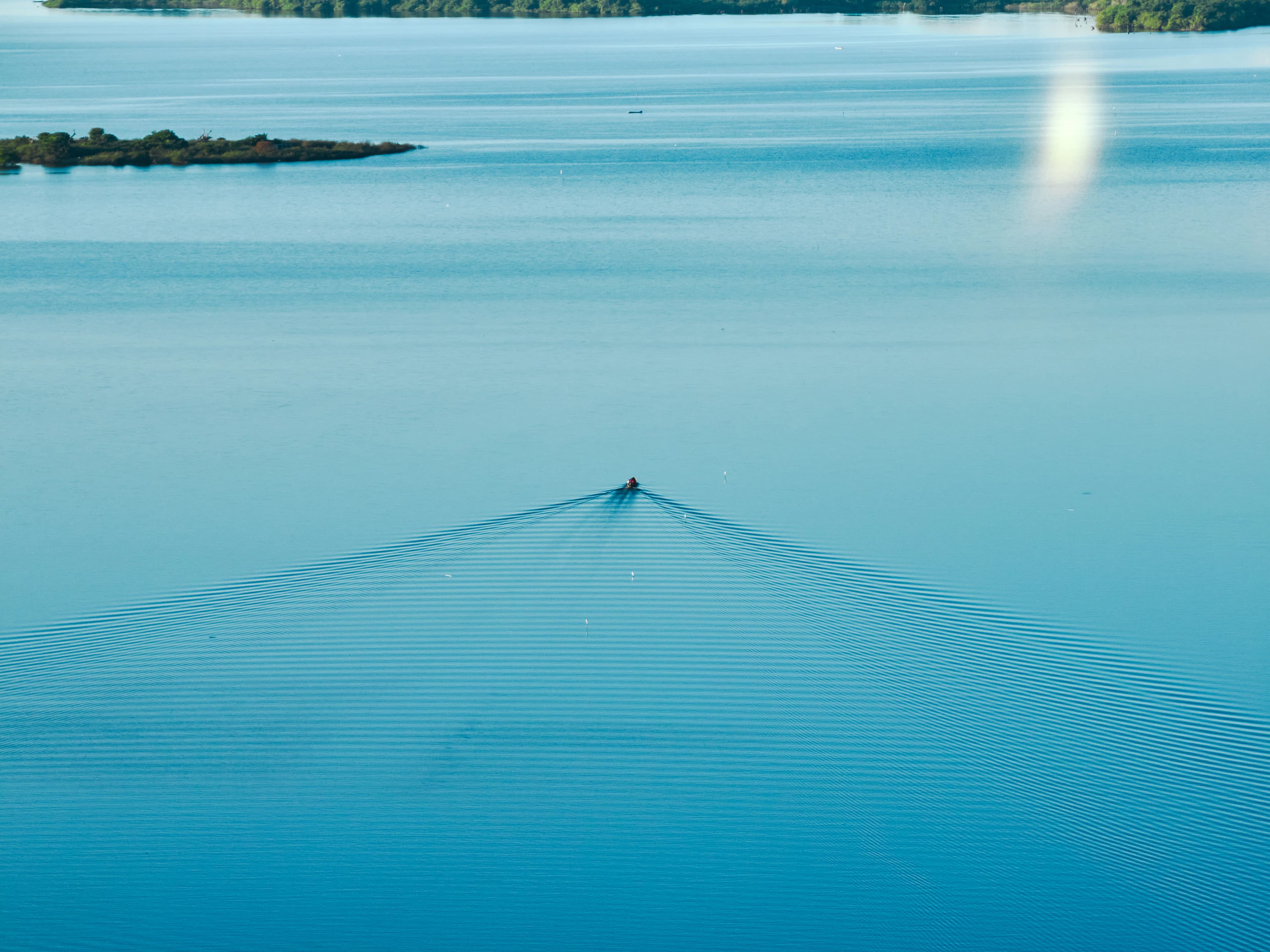
Bacalar is Mexico's best-kept secret — a small town on the 'Lagoon of Seven Colors', shimmering in endless shades of blue, turquoise, and emerald. The 55 km long freshwater lagoon over a limestone bed creates a color spectacle that rivals the sea. Bacalar is the relaxed counterpart to the touristy Riviera Maya — still quiet, still authentic, still affordable.

LagoonNatureInsider tip

Chihuahua

Chihuahua is the capital of the largest state in Mexico with the same name and the gateway to one of the most spectacular natural landscapes in the world: the Barrancas del Cobre — the Copper Canyon system, which is deeper and wider than the Grand Canyon. The city itself surprises with elegant colonial architecture and a rich revolutionary history. The Museo Casa de Pancho Villa — the former residence of the legendary revolutionary — is a fascinating museum with its bullet-riddled Dodge Tourer and personal belongings. The Catedral Metropolitana and the Palacio de Gobierno with its dramatic murals dominate the historic center. The Barrancas del Cobre (Copper Canyon) — a system of six interconnected canyons — can be reached by El Chepe, one of the most spectacular railway routes in the world, which runs 656 kilometers through 86 tunnels and over 37 bridges from Chihuahua to Los Mochis on the Pacific coast. The Mennonite communities in the surrounding area — German-descended settlers who have preserved their lifestyle since the 18th century — produce the famous Queso Menonita and live in a fascinating parallel world. The desert landscape of the Samalayuca Dunes offers surreal sand formations.

CanyonTrainRevolution

Ciudad Juárez

Ciudad Juarez is located on the Rio Grande opposite El Paso, Texas, and together with the American neighboring city forms one of the largest binational metropolitan areas in the world with over 2.5 million inhabitants. The city is a fascinating example of border culture, where Mexican traditions and American influences meet. The Mision de Guadalupe, founded in 1659, is one of the oldest mission churches in northern Mexico and the historical heart of the city. The simple adobe architecture and the tranquil courtyard create a striking contrast to the bustling surroundings. Nearby is the Plaza de Armas with the historic town hall. The Museo de la Revolucion en la Frontera (Museum of the Border Revolution) documents the significant role of Ciudad Juarez in the Mexican Revolution: the decisive battle took place here in 1911, leading to the overthrow of dictator Porfirio Diaz. Francisco Madero declared Juarez the provisional capital — a turning point in Mexican history. The Chamizal Park, named after the Chamizal Agreement of 1963 (which resolved a centuries-old border dispute between Mexico and the USA), is a green oasis with a cultural center and open-air stage. The desert landscape of the Chihuahua Desert surrounds the city and offers excursions to the Samalayuca Dunes — an impressive sand dune area south of the city. Border culture shapes daily life: thousands of people cross the international bridges between Juarez and El Paso every day. Avenida Juarez and Avenida 16 de Septiembre are the main commercial streets with markets, restaurants, and the lively hustle and bustle of a border town.

Border townMexican RevolutionDesert

Ecatepec

Ecatepec de Morelos is the most populous municipality in Mexico, with over 1.6 million inhabitants, located in the northern metropolitan area of Mexico City in the State of Mexico. The name comes from Nahuatl and means "on the wind hill" (Ehecatepetl), named after Ehecatl, the Aztec god of the wind. The Albarrada de Ecatepec (Ecatepec Dam) is a monumental water construction from the colonial period, built between 1604 and 1788 to protect Mexico City from the recurring floods of Lake Texcoco. The dam is nominated as a UNESCO World Heritage site and is one of the most significant hydraulic structures in the colonial history of Latin America. The Casa de Morelos is the historic house where Jose Maria Morelos y Pavon — one of the most important heroes of Mexican independence — was held captive in 1815 before his execution. The building is now a museum and commemorates the legacy of the liberation struggle. The archaeological zone of Ecatepec is located on a small hill and shows remains of an Aztec temple complex dedicated to the wind god Ehecatl. In the Hürto de los Frailes, the former monastery garden, there is one of the oldest parishes in Mexico, the Parroquia de San Cristobal from the 16th century. Ecatepec is a center of vibrant Mexican folk culture: street markets (Tianguis), Lucha Libre events, and traditional festivals shape the daily life of this pulsating, authentically Mexican community.

AztecsColonialUNESCO candidate
a view of a city with mountains in the background

Guanajuato

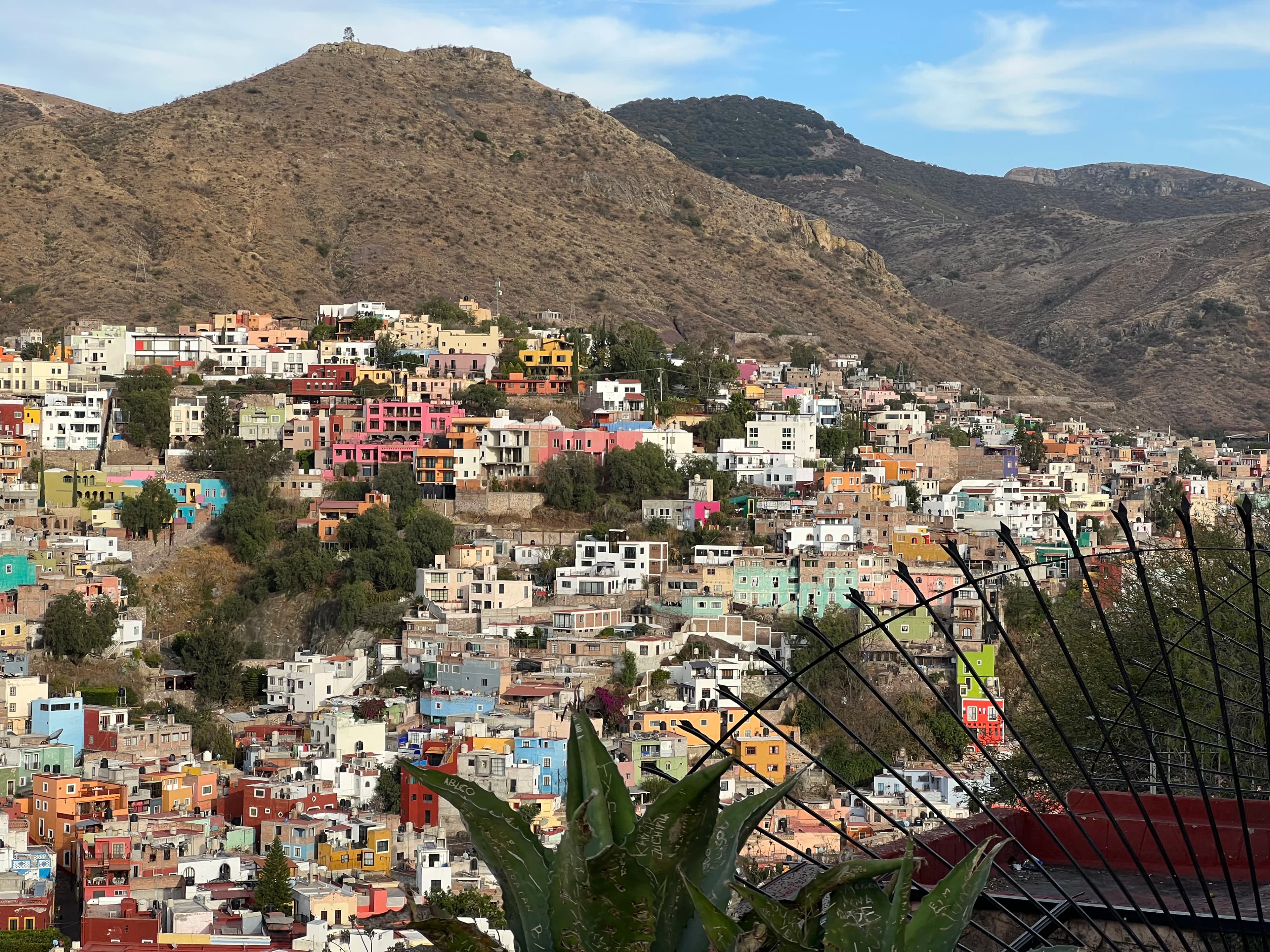
Guanajuato is Mexico's most colorful city — a UNESCO World Heritage gem in a narrow valley where vibrant colonial buildings cling to the steep slopes in all the colors of the rainbow. The former silver city has underground streets (former river tunnels), a legendary university culture scene, and the famous Cervantino Festival, the largest cultural festival in Latin America. The Callejoneadas — nighttime music tours through the narrow alleys — are an unforgettable experience.

ColorfulUNESCOColonial

Holbox

Holbox is the car-free dream island in the Gulf of Mexico that still retains the charm of a sleepy fishing village. Instead of cars, golf carts and bicycles roll along the sandy streets, and instead of high-rises, colorful beach huts and boutique hotels line the coast. German independent travelers love Holbox for its relaxed atmosphere, the fascinating bioluminescence on warm summer nights, and the opportunity to swim with whale sharks from June to September. The island is located in the Yum Balam Nature Reserve and offers untouched mangrove forests, flamingo colonies, and endless sandy beaches with shallow, warm water.

islandcar-freewhale sharks

León

León is the largest city in the state of Guanajuato in central highland Mexico and is known as the Leather Capital of the World (Capital Mundial del Calzado). The city produces over a third of all Mexican shoes and is an international center for leather processing, fashion, and design. The Zona Piel (Leather District) and the Mercado de Zapatos offer thousands of shoe stores and leather workshops: from handcrafted cowboy boots to designer shoes, you can find quality at a fraction of European prices. The annual SAPICA shoe fair is the largest in Latin America. The Catedral Basilica de León is an impressive example of neoclassical and baroque architecture: its 66-meter-high dome dominates the skyline. The historic center around the Plaza de los Fundadores and the Arco de la Calzada features colonial buildings, pedestrian zones, and lively plazas. The Parque Metropolitano de León is one of the largest urban parks in Mexico, with lakes, jogging paths, and a safari park. The nearby Cristo Rey statue on the Cerro del Cubilete is considered the geographical center of Mexico and is an important pilgrimage site with panoramic views over the Bajio Valley.

LeatherShoppingColonial
woman in white bikini on body of water near brown rock formation during daytime

Los Cabos

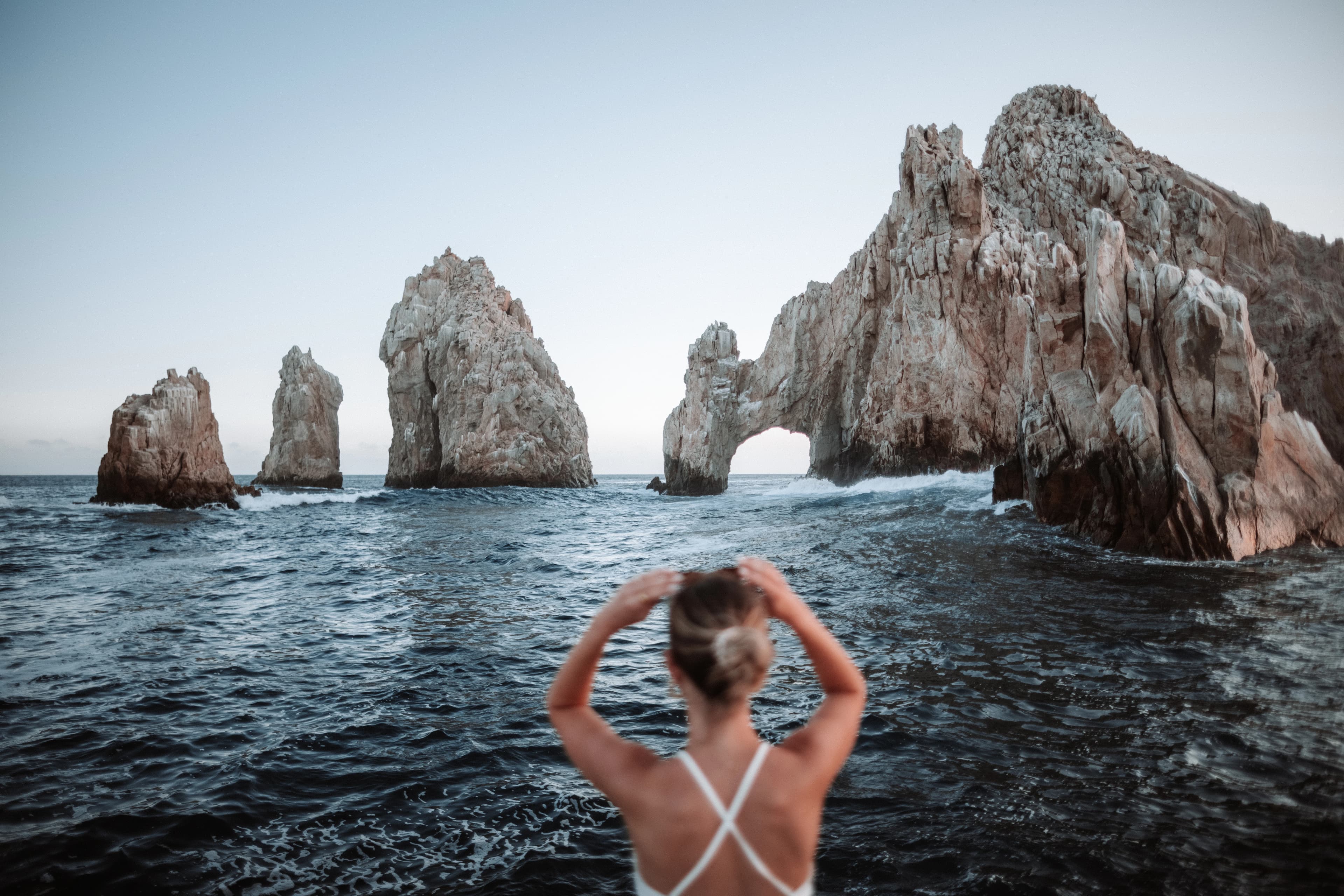
Los Cabos is the glamorous gateway to Baja California Sur and one of the most spectacular coastal towns in the world - a place where the arid desert meets the deep blue Pacific and dramatic rock formations create a backdrop that looks like something out of a Hollywood movie. The area includes the two towns of Cabo San Lucas and San José del Cabo, connected by a 33-kilometer corridor of luxury resorts, golf courses, and secluded beaches. El Arco, the natural rock arch at the southernmost tip of the Baja Peninsula, is the landmark of Los Cabos and one of the most photographed places in Mexico. Here, where the Pacific meets the Gulf of California, the rocks rise like sculptures from the water, creating a landscape of surreal beauty. A boat tour to El Arco at sunset, when the light turns the rocks golden and sea lions lounge on the cliffs, is one of the unforgettable moments of any trip to Mexico. The underwater world off Los Cabos was once referred to by Jacques Cousteau as the aquarium of the world. Between November and March, humpback whales migrate through the waters, and whale watching is a moving experience. Year-round, you can snorkel with sea lions, encounter manta rays, and dive at the coral reefs. Playa del Amor, accessible only by boat and nestled between El Arco and the rocks, is considered one of the most romantic beaches in the world. San José del Cabo, the quieter of the two towns, enchants with its colonial old town, art galleries, an 18th-century mission, and upscale restaurants. The weekly Art Walk on Thursday evenings transforms the streets into an open-air gallery. Cabo San Lucas, on the other hand, is the party capital with famous beach clubs, a lively marina, and a nightlife that ranks among the best in Mexico. From Germany, you fly over the USA or Mexico City to San José del Cabo in about 15 to 17 hours. The best travel time is from November to May, when temperatures are pleasantly warm, whales swim off the coast, and the hurricane season is over.

Baja CaliforniaMexicoEl Arco
people walking on gray concrete pavement near mountain under blue sky during daytime

Monterrey

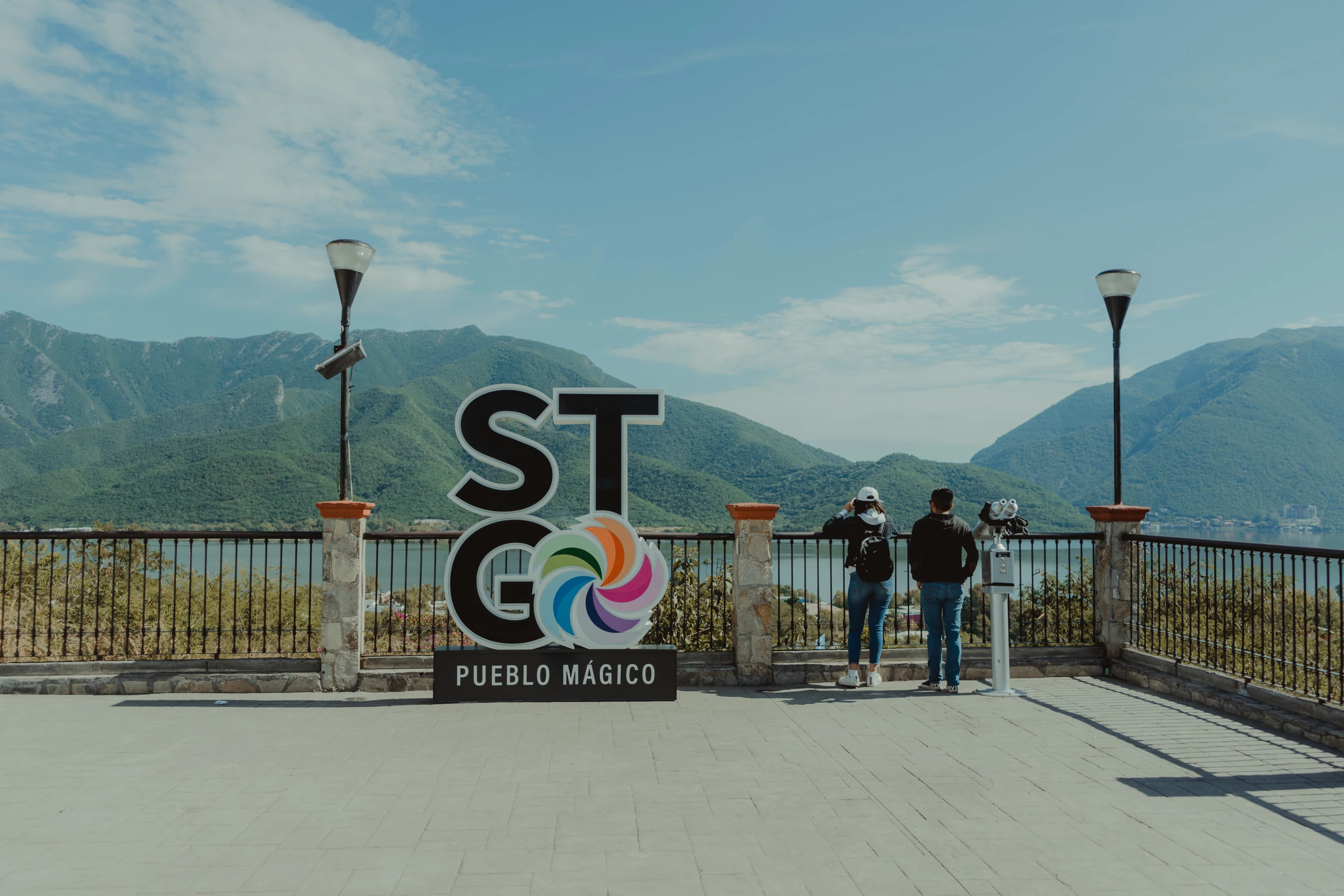
Monterrey is the industrial capital of Mexico and one of the most dynamic cities in Latin America — nestled in a dramatic valley between the rugged limestone massifs of the Sierra Madre Oriental. The iconic Cerro de la Silla, a saddle-shaped mountain range, looms as a landmark over the three-and-a-half-million metropolis and is visible from almost every point in the city. The Macroplaza in the city center is one of the largest urban squares in the world at 40 hectares: Between the neoclassical Palacio de Gobierno and the distinctive Faro del Comercio (a 70-meter-high lighthouse that casts a green laser beam over the city at night), gardens, fountains, and the impressive Cathedral of Monterrey extend. At the southern end, the MARCO (Museum of Contemporary Art) rises with its famous Botero dove. Fundidora Park is a masterpiece of industrial conversion: The former blast furnaces and steelworks of the Fundidora steel mill (1900-1986) have been transformed into a 144-hectare cultural park, featuring museums, an amusement park, lakes, and concert stages among the rusty relics of industrial history. The Paseo Santa Lucia, an artificial river canal, connects Fundidora Park with the Macroplaza on a 2.5-kilometer boat ride. The Huasteca Canyon (Canon de la Huasteca) is just 20 minutes west of the city and is a geological wonder: Up to 300-meter-high, steeply erected limestone cliffs form a dramatic canyon that invites climbing, hiking, and mountain biking. The Garcia Caves (Grutas de Garcia) at 1,080 meters high house spectacular stalactites and stalagmites that are over 50 million years old. Monterrey is also the beer capital of Mexico: Here, Cerveceria Cuauhtemoc (now Heineken Mexico) and numerous craft breweries were founded, shaping Mexican beer culture.

MountainsCanyonIndustry
a large building with a clock tower on top of it

Oaxaca (City)

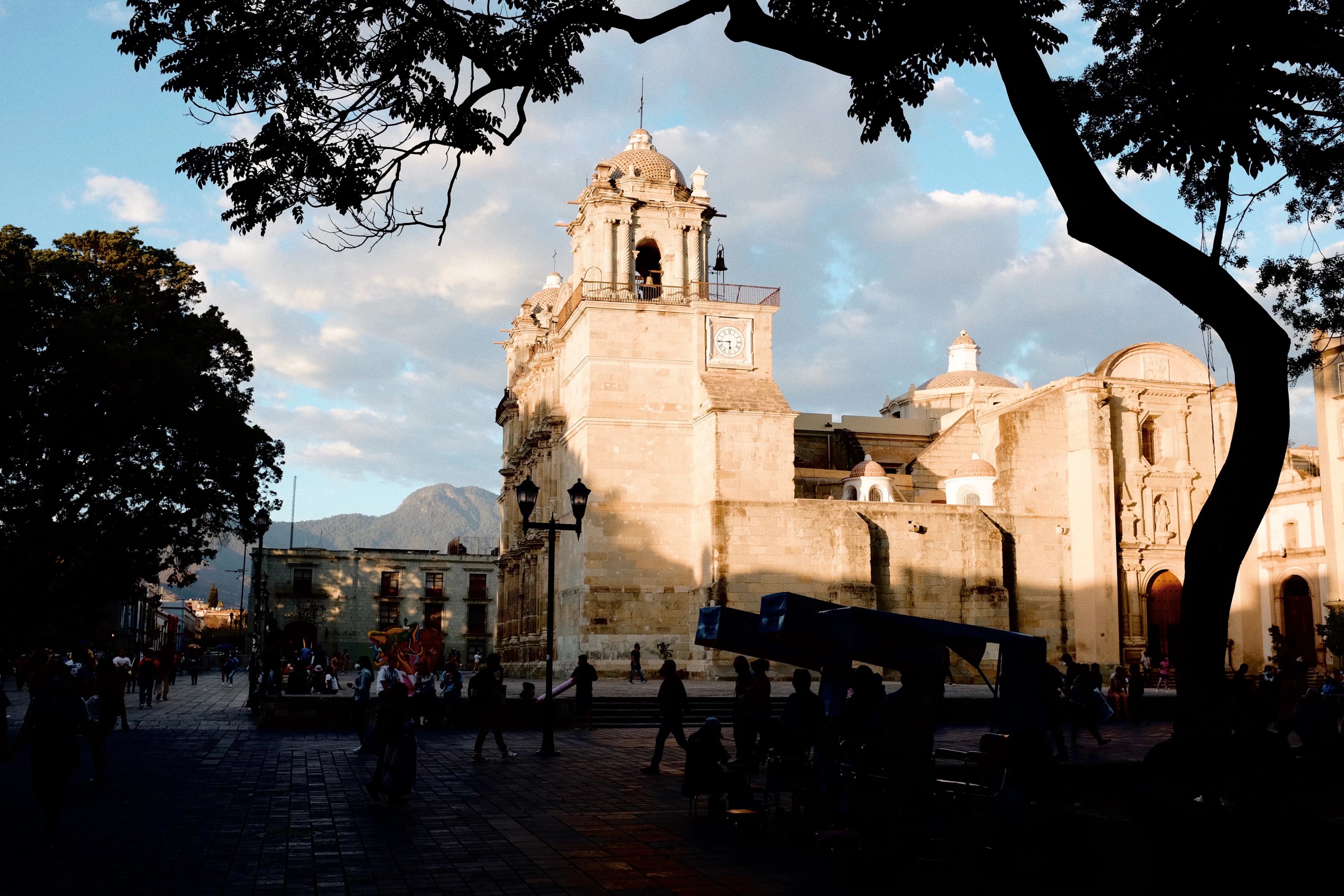
Oaxaca is Mexico's culinary and cultural capital — a claim that is no exaggeration. The city in the southern highlands, surrounded by the Sierra Madre del Sur, combines colonial architecture made of green cantera stone with one of the country's most vibrant indigenous cultures and a gastronomy that leaves even Mexicans from other states in awe. The historic center, a UNESCO World Heritage site, is a feast for the senses: Baroque churches, monasteries, and palaces made of the characteristic green volcanic stone line the Zócalo (main square). The Basilica de la Soledad, the Church of Santo Domingo with its gilded interior, and the adjacent Ethnobotanical Garden form an ensemble that is among the most beautiful in Mexico. But Oaxaca truly comes alive in its markets and kitchens: The Mercado Benito Juárez and the neighboring Mercado 20 de Noviembre are a riot of colors, scents, and flavors. Here, the famous seven moles are prepared — complex sauces made from up to 30 ingredients that take days to prepare. The Mole Negro, with its depth from burnt chili, chocolate, and spices, is the culinary masterpiece of the region. In the mezcalerías of the city, artisanal mezcal is tasted in countless varieties — each bottle tells the story of an agave, a distiller, and a terroir. The surroundings are equally rich: Monte Albán, the Zapotec capital on a flattened mountain peak, offers panoramic views and 2,500-year-old pyramids. Hierve el Agua, a petrified waterfall with natural pools, seemingly hovers over the valley. And in the villages around Oaxaca, artisans maintain traditions that are thousands of years old: black pottery (Barro Negro) in San Bartolo Coyotepec, woven carpets in Teotitlán del Valle, and fantastic wooden figures (Alebrijes) in San Martín Tilcajete.

CulinaryUNESCOMezcal
a car parked in front of a white building

Puerto Vallarta

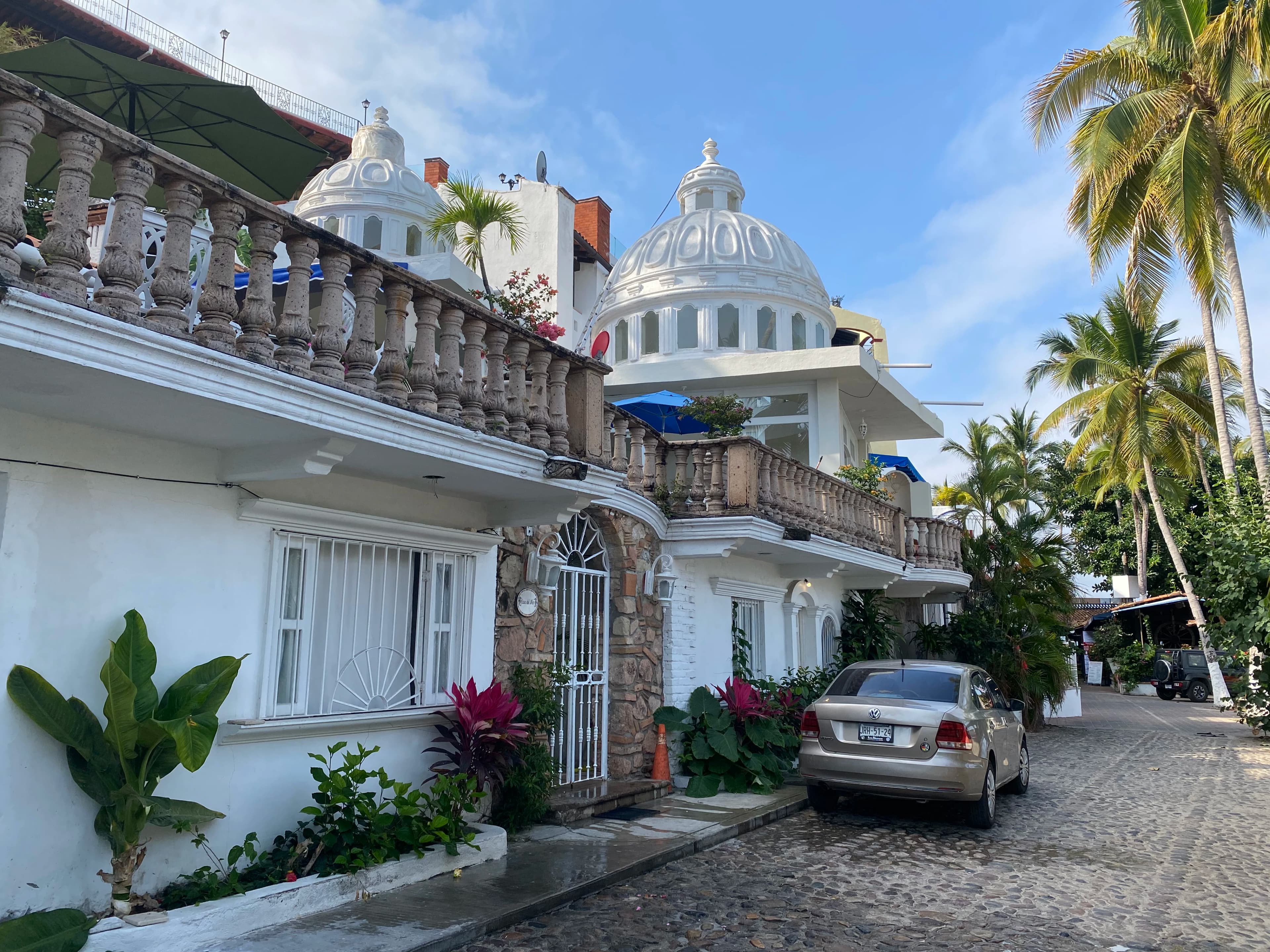
Puerto Vallarta is Mexico's most charming Pacific pearl — a city that has maintained its authentic Mexican character despite its popularity as a beach destination. Nestled between the densely forested Sierra Madre Occidental and the expansive Bahía de Banderas (one of the largest bays in the world), the city stretches along a picturesque coastline with golden sandy beaches, hidden rock coves, and the legendary Malecón. The Malecón, the one-and-a-half-kilometer long waterfront promenade, is the soul of Vallarta: bronze and sand sculptures by international artists line the Pacific, street musicians play mariachi and salsa, and the view over the bay extends to the mountains of Cabo Corrientes. At the southern end stands the church Nüstra Señora de Guadalupe with its distinctive crown as the city's landmark, beneath which the cobblestone streets of the Zona Romántica spread out. The Zona Romántica (Old Vallarta) is the heart of the old town: here, colorful houses with bougainvillea balconies stand alongside family-run taquerías and gourmet restaurants, and at the Mercado Municipal Rio Cuale, you can find everything from huarache sandals to freshly squeezed mango juice. The neighborhood has developed into Mexico's most open and diverse community. The Islas Marietas, an uninhabited archipelago 35 kilometers off the coast, are home to the world-famous Playa del Amor — a hidden beach in a collapsed volcanic crater, accessible only through a water tunnel. The biosphere reserve also offers snorkeling with manta rays, humpback whale sightings (December-March), and blue-footed booby colonies. Whale watching in the Bahía de Banderas is one of the best experiences in the world: from December to March, hundreds of humpback whales come to the warm bay to mate and give birth. The chances of observing mother-calf pairs and spectacular jumping sequences are over 95 percent.

BeachWhalesPacific

San Cristóbal de las Casas

San Cristóbal de las Casas is the magical colonial city in the highlands of Chiapas at 2,200 meters — one of the most authentic and culturally rich cities in Mexico. The colorful facades, indigenous markets, and vibrant cultural scene attract backpackers, artists, and yoga travelers alike. The surroundings offer spectacular waterfalls, Maya ruins, and traditional Tzotzil villages where ancient customs are alive.

ColonialIndigenous CultureMaya

Santiago de Querétaro

Santiago de Querétaro is one of the most beautiful colonial cities in Mexico and has been a UNESCO World Heritage Site since 1996 for its exceptionally well-preserved old town. The city is located in the central highlands at an altitude of 1,820 meters, just two hours by car north of Mexico City, and combines colonial splendor with one of the country's most dynamic economic regions. The Acüducto de Querétaro is the city's landmark: The impressive 18th-century aqueduct stretches over 1,280 meters with 74 arches and was built between 1726 and 1735 to supply the city with fresh water. It is particularly striking in the evening when the stone arches, up to 23 meters high, are illuminated and stand out against the sky. The old town (Centro Histórico) impresses with a harmonious ensemble of baroque and neoclassical architecture. The Templo de Santa Rosa de Viterbo, with its unique inverted buttresses, is considered a jewel of Mexican baroque. The Jardin Zenea, Plaza de Armas, and Plaza de la Independencia are lined with elegant buildings and invite leisurely strolls. The cobbled streets are adorned with colorful facades, art galleries, and upscale restaurants. Querétaro played a key role in Mexican history: Here, in 1848, the Treaty of Guadalupe Hidalgo was signed, ending the Mexican-American War, and in 1917, the current Mexican Constitution was adopted. Emperor Maximilian I was executed in 1867 on the Cerro de las Campanas — a memorial commemorates this historical moment. The wine region of Querétaro surprises visitors: In the semi-desert hinterland, grapes thrive on volcanic soils, leading to an increasing number of award-winning wines. The Ruta del Queso y Vino (Cheese and Wine Route) takes you to wineries and artisanal cheese factories in the picturesque Sierra Gorda.

UNESCOColonial CityAqueduct

Tijuana

Tijuana is Mexico's most dynamic border city and lies directly at the US border with San Diego, California. With over 1.8 million inhabitants, it is the largest city in Baja California and a cultural melting pot that combines Mexican tradition with avant-garde creativity. Avenida Revolucion was once famous for tequila bars and tourist kitsch, but in recent years it has transformed into a center for street art, galleries, and independent shops. The Centro Cultural Tijuana (CECUT) with its spherical IMAX dome is the cultural landmark of the city and hosts art exhibitions, a museum, and a theater. Tijuana has developed into the craft beer capital of Mexico: over 100 microbreweries produce innovative beers, and the city holds the unofficial title of the craft beer metropolis of Latin America. Breweries like Cerveceria Insurgente and Border Psycho are internationally renowned. The culinary scene in Tijuana is revolutionary: the so-called Baja Med cuisine combines Mexican, Asian, and Mediterranean influences into a unique fusion. Tacos de Adobada (marinated pork on a skewer) are Tijuana's street food specialty and are freshly prepared at countless stands. The border culture shapes the city: every day, hundreds of thousands of people cross the border in both directions, making Tijuana a unique bicultural space. The border fence, which extends into the sea, serves as both a political symbol and an artistic canvas.

Border CityStreet FoodCraft Beer

Zapopan

Zapopan is a large city in western Mexico and part of the Guadalajara metropolitan area in the state of Jalisco. Although administratively independent, Zapopan and Guadalajara together form one of the most important economic and cultural centers in Latin America — the cradle of tequila and mariachi music. The Basílica de Nuestra Señora de Zapopan is the spiritual heart of the city and one of Mexico's most important pilgrimage sites. Every year on October 12, the Romería de la Virgen de Zapopan is celebrated — a million-person procession from Guadalajara Cathedral to the basilica, which is one of the largest religious festivals in the world. The Barranca de Huentitán is a spectacular canyon on the outskirts with over 600 meters in depth, hiking trails, and the famous Cola de Caballo waterfall. The Bosque Los Colomos is an expansive park with Japanese gardens and eucalyptus forests — ideal for jogging and picnicking. Zapopan is also the center of the Mexican Silicon Valley: numerous tech companies and start-ups have settled here, giving the city a young, dynamic atmosphere. The craft beer scene is booming, and along Avenida Patria, restaurants, bars, and galleries line the street.

TequilaPilgrimageMexico
A yellow sign on a black pole on a city street

Mexico City

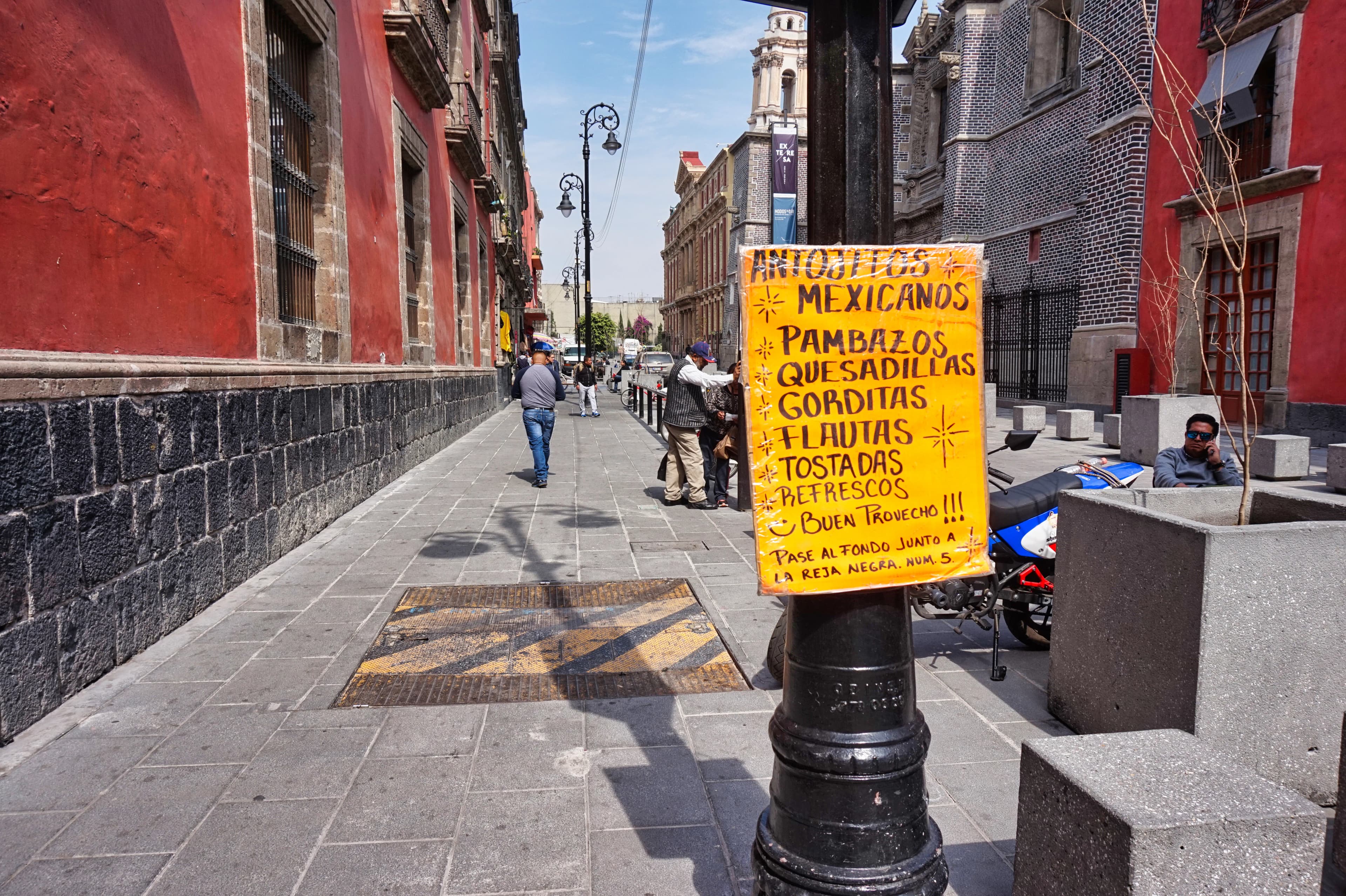
Mexico City, one of the largest metropolises in the world, is a cultural melting pot full of contrasts: Aztec temple ruins stand next to colonial cathedrals, ultramodern architecture meets colorful markets, and the city's cuisine is as diverse as its 22 million inhabitants. The Zocalo, one of the largest squares in the world, forms the historical center with the monumental Catedral Metropolitana and the Templo Mayor — the remains of the Aztec main temple, which was rediscovered in 1978. The Museo Nacional de Antropologia in Chapultepec Park is the most significant archaeological museum in Latin America: The Aztec Sun Stone, Maya jade masks, and Olmec colossal heads tell the story of thousands of years of Mesoamerican high cultures. Chapultepec Park itself is twice the size of New York's Central Park and houses a castle, a zoo, and a botanical garden. Coyoacan, the tree-lined artists' district, attracts visitors from around the world with the Casa Azul (Frida Kahlo Museum). The bright blue house where Frida Kahlo was born and died showcases personal items, paintings, and the garden that inspired her art. Just 50 kilometers northeast rise the pyramids of Teotihuacan — the Sun and Moon pyramids are among the largest pre-Hispanic structures in the Americas. The floating gardens of Xochimilco, a network of colorful trajinera boats and artificial islands (chinampas), offer a unique experience with mariachi music and fresh food from neighboring boats. Mexico City's street food is legendary: Tacos al Pastor, Tlacoyos, Esquites, and Churros are available on every corner. The city has the highest restaurant density in Latin America, and Pujol regularly ranks among the best restaurants in the world.

MegacityCuisineArt
aerial photo of white buildings

Cancun

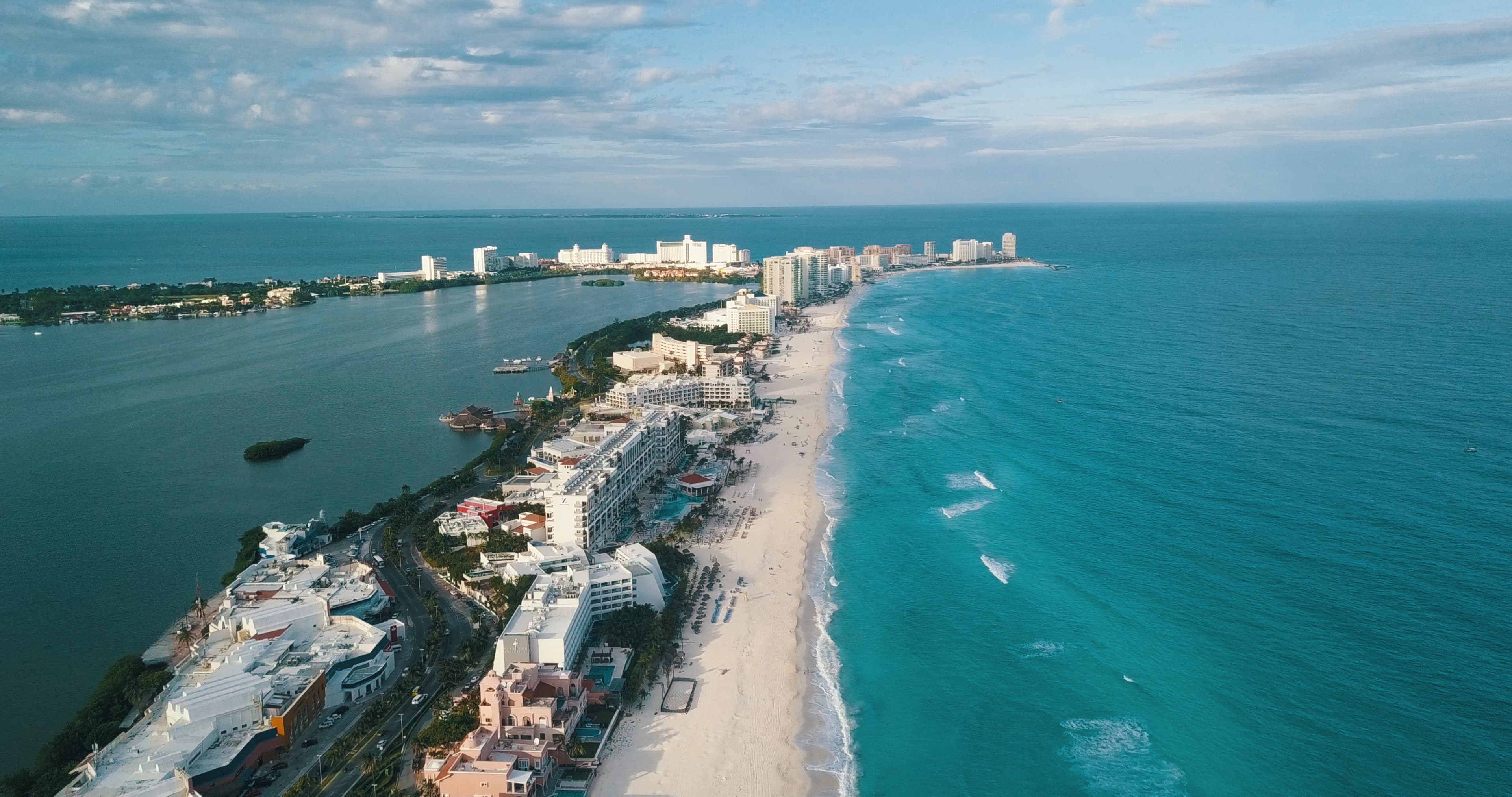
Cancun on the Caribbean coast of Mexico combines turquoise blue sea, a vibrant party scene, and ancient Maya culture into a travel destination of superlatives. The 23-kilometer-long hotel zone stretches along a narrow peninsula between the calm Laguna Nichupte and the open Caribbean Sea, lined with white sandy beaches and all-inclusive resorts of all price ranges. But Cancun is much more than a beach paradise: A day trip to Chichen Itza, one of the New Seven Wonders of the World, leads to the iconic Kukulkan Pyramid, whose shadow play at the equinox makes a feathered serpent appear. The cenotes of the Yucatan Peninsula — natural limestone sinkholes filled with crystal-clear freshwater — offer unique swimming and diving experiences. Gran Cenote, Cenote Ik Kil, and Cenote Suytun are among the most spectacular. Isla Mujeres, just 20 minutes by ferry, enchants with Caribbean charm, colorful golf carts instead of cars, and the northernmost point of Mexico. The MUSA (Museo Subacuatico de Arte) is an underwater museum with over 500 life-sized sculptures on the seabed — accessible by snorkeling or diving. Downtown Cancun, away from the hotel zone, showcases authentic Mexico with Tacos al Pastor, Mercado 28, and lively plazas. The best travel time is from November to April, when temperatures are pleasant and the hurricane season is over.

BeachCaribbeanAll-Inclusive

Playa del Carmen

Playa del Carmen, once a sleepy fishing village on Mexico's Caribbean coast, has developed into the cosmopolitan heart of the Riviera Maya — with the perfect balance of Caribbean beach life, vibrant nightlife, and access to some of the most fascinating natural wonders of Yucatan. The Quinta Avenida, a five-kilometer-long pedestrian zone parallel to the beach, is the bustling center with boutiques, restaurants, street musicians, and bars. The cenotes, underground freshwater caves formed by the collapse of limestone ceilings, are Playa del Carmen's greatest natural treasure. Gran Cenote, Cenote Azul, and the cenote system of Sac Actun (the longest underwater cave system in the world) offer swimming and diving experiences in crystal-clear, turquoise water, surrounded by stalactites and vines — an experience that cannot be found anywhere else in the world. The island of Cozumel, reachable by ferry in 45 minutes, is one of the top diving destinations worldwide, thanks to the Mesoamerican Barrier Reef (the second largest in the world). Snorkelers also find enjoyment in the Arrecifes National Park. Xcaret, an eco-park south of Playa, combines snorkeling in underground rivers, Mayan ruins, and an evening show featuring 300 artists. The nightlife in Playa del Carmen is diverse: from rooftop bars with sea views to live music clubs and the legendary parties at Coco Bongo. The international expat scene has created a cosmopolitan culinary landscape — alongside authentic Mexican cuisine, you can find Argentine steakhouses, Italian trattorias, and vegan cafes. Tulum, with its Mayan ruins overlooking the sea, is just an hour south. Playa del Carmen is the perfect base for those who want to combine Caribbean vibes with culture and adventure.

BeachNightlifeShopping
Rolling mountains under a cloudy blue sky

Oaxaca

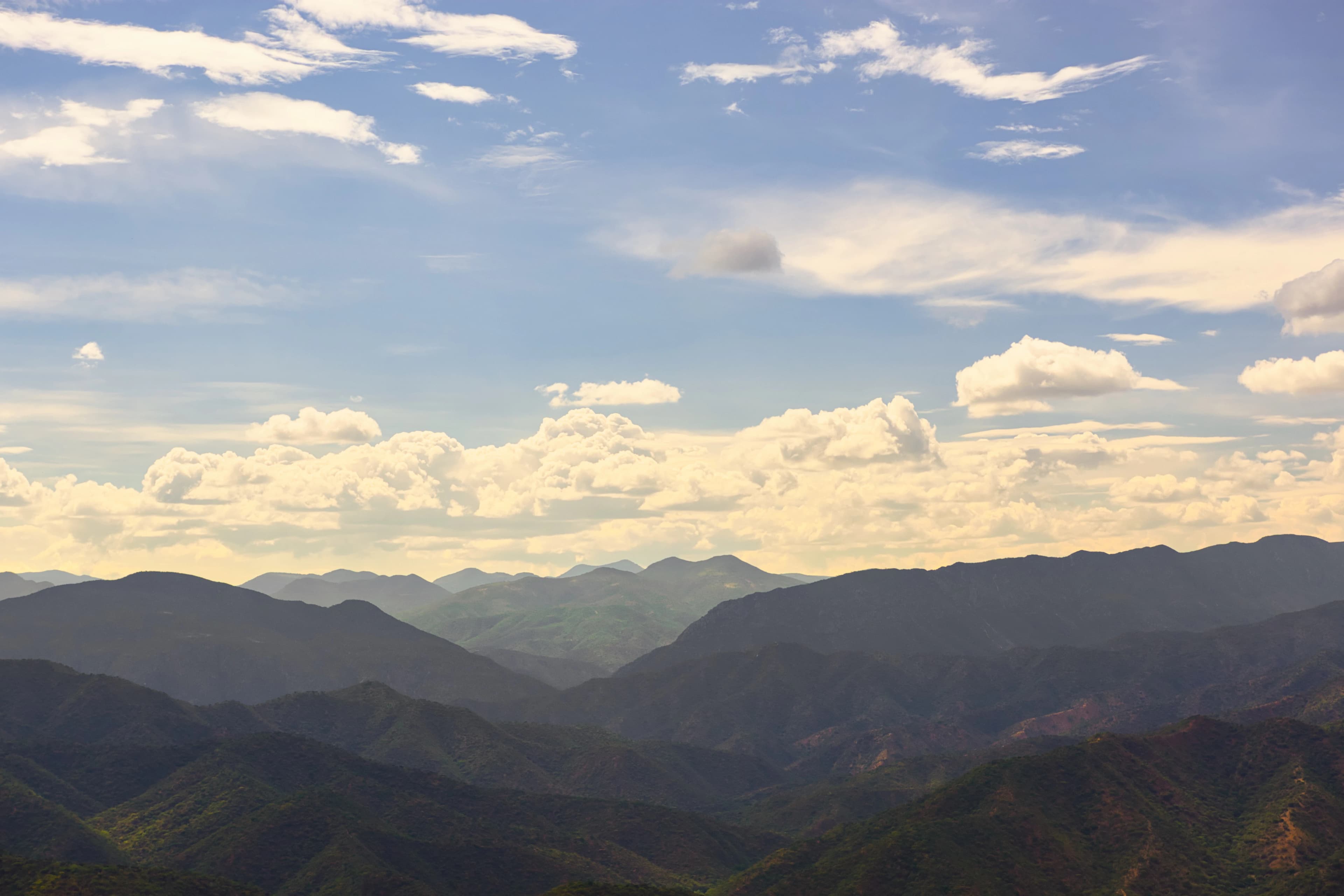
Oaxaca in southern Mexico is a cultural powerhouse where indigenous traditions, pre-Columbian history, and one of the most exciting culinary scenes in Latin America converge. The UNESCO-protected colonial city, with its colorful facades, baroque churches, and vibrant markets, is considered by many to be the most authentic city in Mexico. Monte Alban, the ruins of the Zapotecs perched on an artificially leveled mountain ridge, is one of the most significant archaeological sites in Mesoamerica. The temples, pyramids, and astronomical observatory above the clouds offer breathtaking 360-degree views over the Oaxaca Valley. The site, over 2,500 years old, is a UNESCO World Heritage site and was the center of a high culture that even impressed the Aztecs. Oaxaca is the birthplace of Mezcal, the smoky agave distillate made here in traditional palenques from over 30 different agave species. Mezcal tastings in the surrounding villages are a must. The Oaxacan cuisine, with its seven different mole sauces — including the complex Mole Negro with over 30 ingredients — Tlayudas, Chapulines (toasted grasshoppers), and Tamales, is recognized by UNESCO as an intangible cultural heritage. Hierve el Agua, the petrified waterfalls with natural infinity pools high above the valley, are a surreal natural spectacle. Oaxaca is particularly impressive during Dia de los Muertos (Day of the Dead) at the end of October when the city is immersed in flowers, music, and colorful altars. The 16 indigenous peoples of the region keep their languages, textile arts, and festivals alive.

CulinaryCultureDia de los Muertos

Guadalajara

Guadalajara is Mexico's second-largest city with over five million inhabitants and the birthplace of Tequila and Mariachi – two of the country's most famous cultural symbols worldwide. The capital of the state of Jalisco combines colonial splendor with modern creativity, vibrant markets with an exciting gourmet scene, and traditional fiestas with one of the most dynamic art scenes in Latin America. The historic center impresses with the iconic cathedral and its twin towers, the imposing Teatro Degollado in neoclassical style, and the Hospicio Cabanas – a UNESCO World Heritage site whose dome is adorned with the monumental frescoes of Jose Clemente Orozco. The Mercado San Juan de Dios is one of the largest covered markets in Latin America, offering everything from fresh tortas to handcrafted arts and crafts. The nearby district of Tlaquepaque enchants with its galleries, pottery workshops, and bustling pedestrian zone. Just an hour away lies the small town of Tequila, where the famous blue agave fields stretch to the horizon, and distilleries like Jose Cuervo and Herradura offer tours with tastings. The landscape of the agave fields is part of the UNESCO World Heritage. Guadalajara is also known for the Torta Ahogada, the October Festival Fiestas de Octubre, and the largest book fair in the Spanish-speaking world. The best time to visit is from October to May with warm, dry weather.

TequilaMariachiColonial City

San Miguel de Allende

San Miguel de Allende has been repeatedly voted the most beautiful city in the world and enchants visitors with perfectly preserved colonial architecture, colorful facades in warm terracotta and ochre tones, and an internationally renowned art scene. The UNESCO World Heritage city in the central highlands at an altitude of 1,900 meters has been a magnet for artists, writers, gallery owners, and expatriates from around the world for decades, giving it a unique cosmopolitan flair. The city's landmark is the neo-Gothic parish church La Parroquia de San Miguel Arcangel with its distinctive pink facade, which was allegedly designed by an indigenous builder based on postcards of European cathedrals. The Jardin Principal in front is the vibrant heart of the city, surrounded by cafes, restaurants, and shade-giving laurel trees. The city is home to dozens of galleries, the renowned Instituto Allende for art and Spanish courses, factories for handmade textiles, and one of the best culinary scenes in the country. It becomes particularly lively during the numerous festivals: Semana Santa with its elaborate processions, the jazz festival in November, and the spectacular La Alborada in September with fireworks at four in the morning. The surrounding area offers hot springs in La Gruta and Escondido Place, wineries in the emerging Guanajuato wine region, and the nearby silver city of Guanajuato. The pleasant temperatures between 15 and 28 degrees make San Miguel an ideal year-round travel destination.

Colonial cityUNESCOArt

Merida

Merida is the capital of the state of Yucatan and is nicknamed The White City – partly due to the radiant white colonial buildings, and partly because of the traditional white clothing of the Maya population. With over one million inhabitants, it is the largest city on the Yucatan Peninsula and has been repeatedly voted the best city in Mexico for quality of life. A vibrant cultural life shapes everyday life: Every evening, free concerts, dance performances, and cultural events take place in public squares. The historic center around Plaza Grande impresses with the oldest cathedral on the American mainland from 1598, the Palacio de Gobierno with its impressive murals by Fernando Castro Pacheco, and the elegant Paseo de Montejo with its magnificent mansions in French style. The Mercado Lucas de Galvez offers an authentic insight into Yucatecan cuisine with specialties such as Cochinita Pibil, Papadzules, and Sopa de Lima. Merida is the ideal starting point for excursions to the Maya sites of Uxmal, Chichen Itza, and the lesser-known Ruta Puuc, as well as to picturesque cenotes and the Celestun flamingo reserve, where thousands of pink flamingos wade in the lagoons. The city combines urban comfort with Yucatecan tradition and offers excellent value for money. The best travel time is from November to March, when the temperatures are somewhat milder.

Colonial CityMaya CultureCulinary

Puebla

Puebla de los Angeles is a UNESCO World Heritage city east of Mexico City and a jewel of colonial architecture with over 2,600 protected buildings. The city is world-famous for its hand-painted Talavera tiles, which adorn countless facades, churches, and inner courtyards in vibrant shades of blue and yellow, as well as being the birthplace of Mole Poblano – arguably the most complex and famous sauce in Mexico, which combines up to 30 different ingredients. The historic center houses the magnificent cathedral with the tallest church towers in Mexico, the lavishly decorated Capilla del Rosario – often referred to as the eighth wonder of the world – and the lively Zocalo, which is considered one of the most beautiful main squares in the country. The Biblioteca Palafoxiana, established in 1646, was the first public library in the Americas and houses over 45,000 historical volumes in magnificent cedar wood shelves. The Los Sapos neighborhood is known for its antique dealers and weekend markets. Culinarily, Puebla is a paradise: in addition to Mole Poblano, it offers Chiles en Nogada – stuffed peppers with walnut sauce and pomegranate seeds in the national colors – as well as Cemitas, generously topped sandwiches, and sweet Camotes. On clear days, the city offers a spectacular view of the snow-capped volcanoes Popocatepetl and Iztaccihuatl. The journey from Mexico City takes only two hours, making Puebla the perfect day or weekend trip.

UNESCOColonial CityCulinary

Beaches

woman in black dress standing on gray rock formation near body of water during daytime

Sayulita

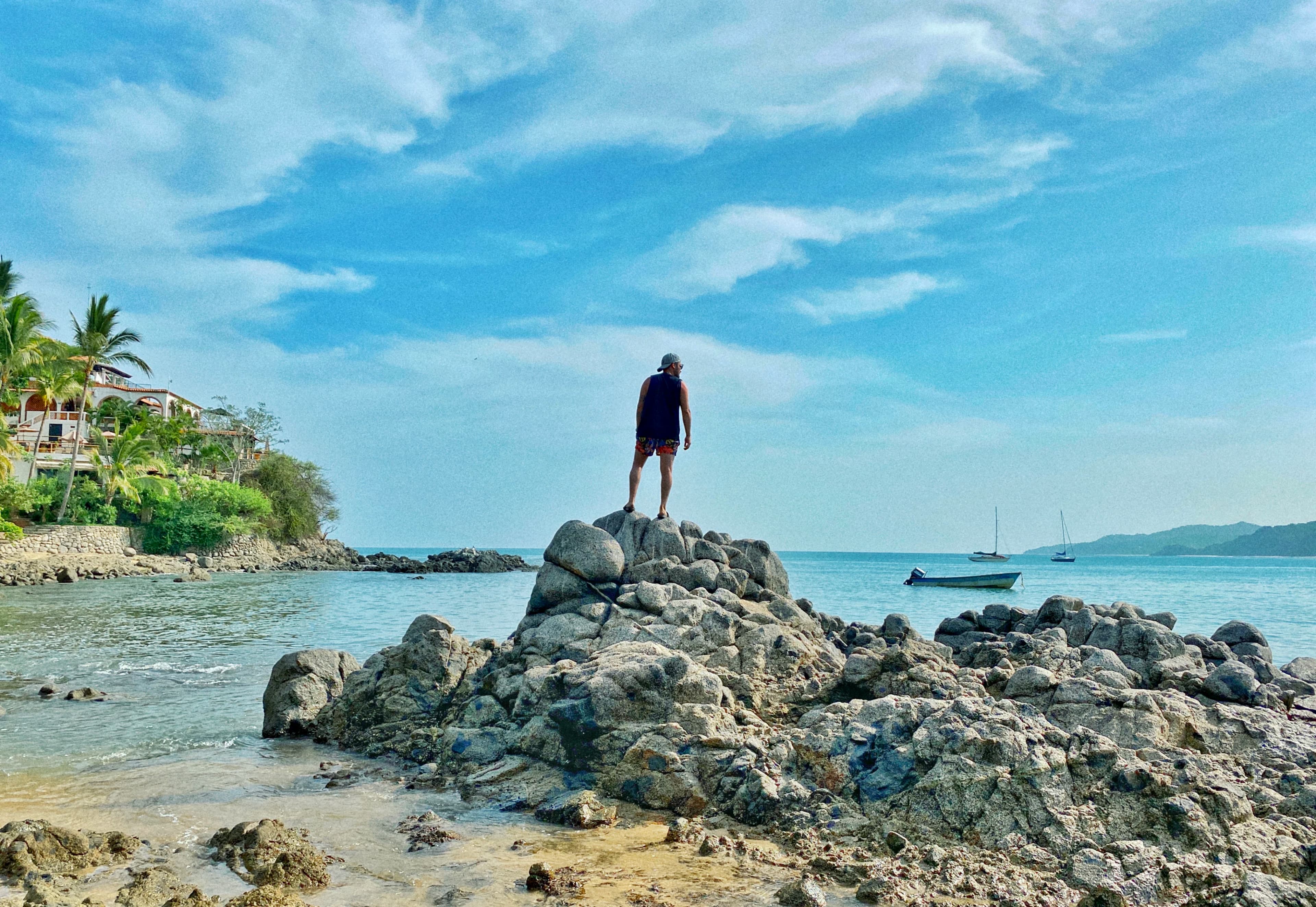
Sayulita is a colorful surfer village on the Pacific coast of Mexico — a relaxed bohemian paradise with perfect beginner waves, vibrant street art alleys, and an international hippie scene. The former fishing village north of Puerto Vallarta has become a hotspot for surfers, yogis, and digital nomads, without losing its Mexican charm. Surfing during the day, tacos on the beach in the evening, and live music under the stars.

SurfingBeachBohemian
green palm trees on white sand beach during daytime

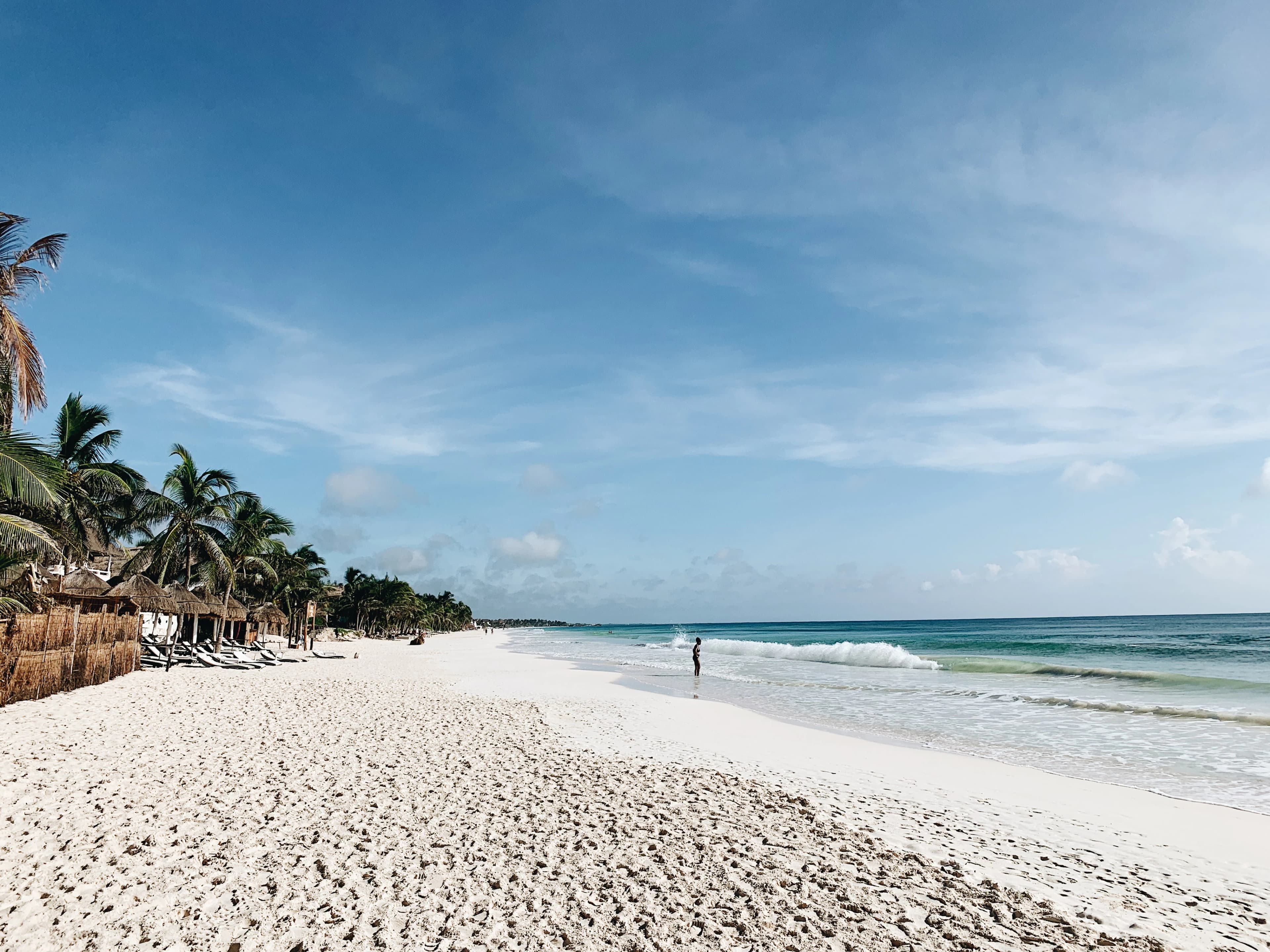
Tulum

Tulum on the Caribbean coast of Mexico's Riviera Maya is the place where ancient Maya history and bohemian chic magically combine. The archaeological site of Tulum sits atop a 12-meter-high cliff directly above the turquoise Caribbean Sea — the only Maya ruin city with an ocean view and one of the most photographed sights in all of Mexico. El Castillo and the Temple of the Descending God testify to its former significance as a trading port. The cenotes around Tulum are among the most spectacular on the entire Yucatan Peninsula. Gran Cenote impresses with crystal-clear water, stalactites, and turtles. Cenote Dos Ojos (Two Eyes) offers underground cave diving through one of the longest underwater cave systems in the world. Casa Cenote connects freshwater cenotes with mangrove channels to the open sea. The Sian Ka'an Biosphere, a UNESCO World Heritage site south of Tulum, protects 5,280 square kilometers of untouched nature: mangrove lagoons, coral reefs, and tropical forests where jaguars, crocodiles, and manatees live. Boat tours through the channels of the ancient Maya trade system are an unforgettable experience. The ruins of Coba, 40 minutes inland, offer a panoramic view of the endless jungle with the climbable Nohoch-Mul Pyramid (42 meters). Tulum's beach road is lined with design hotels, yoga retreats, and farm-to-table restaurants — a hotspot for digital nomads and conscious travel.

BeachMaya RuinsBohemian
a close up of a plant near a red wall

Puerto Escondido

Puerto Escondido is Mexico's surfing capital and one of the most exciting coastal towns on the Pacific coast of the state of Oaxaca. The famous Playa Zicatela produces the feared Mexican Pipeline – one of the strongest barrel waves in the world, which should only be ridden by experienced professionals and attracts international surfing competitions every year. However, Puerto Escondido has much more to offer than just extreme surfing. For beginners and families, there are the gentle waves of the sheltered Playa Carrizalillo, a picturesque cove that you descend to via 167 steps, enticing visitors with turquoise water and golden sand. Playa Manzanillo is ideal for snorkeling, while the main beach La Principal forms the center of fishing life, where fresh catches are sold directly from the boat in the morning. In the evening, the beachfront promenade transforms into a lively place with cocktail bars, fresh seafood, and live music. An unforgettable experience is offered by the bioluminescent lagoons of Manialtepec, where the water glows bright blue at night due to microorganisms. In the lagoon of Chacahua, accessible by boat through mangrove forests, pelicans and frigatebirds nest in large numbers. In recent years, Puerto Escondido has developed into a digital nomad hotspot, with co-working spaces, healthy restaurants, and an international community. The high season for surfers is between May and September, with the most pleasant travel time from October to May.

SurfingBeachPacific

Playa Norte

Playa Norte on Isla Mujeres is regularly voted the most beautiful beach in Mexico and one of the best beaches in the world – and anyone who has felt the powdery white sand between their toes immediately understands why. The beach slopes extremely gently into the turquoise Caribbean water, allowing you to wade out dozens of meters with the water barely reaching hip height. This unique feature makes Playa Norte the perfect beach for families with small children and for anyone who wants to enjoy the water in absolute safety. Hammocks in the shallow water, shade-giving palm trees, and relaxed beach clubs like the legendary Buho's Beach Bar shape the atmosphere. Here, fresh ceviche, grilled fish, and ice-cold margaritas are served right to your sunbed while the sun slowly sets behind the Cancun skyline on the horizon. The sunset at Playa Norte is one of the most beautiful experiences in the Mexican Caribbean and attracts visitors to the island's west coast every evening. Getting there is incredibly easy: ferries run every 30 minutes from Cancun's Puerto Juarez and take only 15 to 20 minutes. Since Isla Mujeres is very compact, you can easily reach Playa Norte at the northern tip on foot, by golf cart, or by bicycle. Early morning or late afternoon offer the most pleasant conditions – at noon, the beach can get quite crowded, especially on weekends and during peak season.

BeachCaribbeanSunset

Islands

Socorro (Revillagigedo)

The Revillagigedo Islands (officially Archipiélago de Revillagigedo), often simply called 'Socorro', are Mexico's most remote natural wonder and one of the best diving areas in the world. This volcanic archipelago in the Pacific, 400 kilometers southwest of Baja California, is a UNESCO World Heritage site and is often referred to as 'the Mexican Galápagos'. Diving at Socorro is not for beginners, but for experienced divers, it is a dream come true. The underwater world is of such intensity that even well-traveled divers are left speechless. Huge oceanic manta rays with wingspans of up to seven meters swim curiously towards divers, allowing for close observation — an encounter considered one of the most moving in the underwater world. Schools of hammerhead sharks numbering in the hundreds, whale sharks, dolphins, humpback whales (from December to April), and various species of sharks — from silky sharks to Galapagos sharks to tiger sharks — make every dive a spectacle of large fish. The currents can be strong, and the dives are demanding, but the reward is unparalleled. The islands themselves are uninhabited (except for a small marine base on Socorro). There are no hotels, no restaurants, no infrastructure. The only access is via liveaboard dive boats that cross from Cabo San Lucas in 24-32 hours. A typical safari lasts 8-10 days and includes daily diving at changing spots. The volcanic underwater topography is dramatic: steep drop-offs, huge rock pinnacles, current channels, and cleaning stations where mantas and sharks are serviced by cleaner fish. Visibility often reaches 30 meters or more. In 2017, the entire archipelago was declared the largest marine protected area in North America. The complete fishing ban has allowed the already rich wildlife to flourish even further, making Socorro one of the most important ocean conservation areas in the world.

DivingMantasSharks
People swim in the ocean and relax on the beach.

Isla Mujeres

Isla Mujeres is the relaxed counterpart to bustling Cancun – a Caribbean island only seven kilometers long and 650 meters wide, reachable by ferry in just 20 minutes, yet representing a completely different world. Here, there are no high-rises, but colorful wooden houses in Caribbean style, golf carts instead of cars, and the supposedly most beautiful beach in Mexico: Playa Norte, where powdery white sand gently transitions into turquoise water. The island has much more to offer than just beach life. At the southern tip, Punta Sur, the ruins of a Mayan temple sit atop dramatic cliffs overlooking the open sea – a place that is the first piece of Mexican land touched by the sun every morning. The underwater museum MUSA, with over 500 sunken sculptures, is one of the most unusual diving and snorkeling destinations in the world. In summer, snorkeling with whale sharks can be done off the coast. The center of the island around the main street Hidalgo features colorful souvenir shops, authentic fish restaurants, and a lively but never intrusive atmosphere. In the evenings, the streets transform into open-air kitchens with fresh tacos and grill specialties. Isla Mujeres is perfect for a day trip from Cancun, but those who want to experience the magical sunset at Playa Norte and the tranquility after the departure of day visitors should spend at least one night on the island.

islandbeachCaribbean

Cozumel

Cozumel is Mexico's largest Caribbean island and one of the world's best diving spots, attracting divers from all continents. Jacques Cousteau made the island world-famous in the 1960s when he filmed the spectacular coral gardens of the Palancar Reef and called it one of the top diving destinations in the world. The Mesoamerican Barrier Reef – the second largest in the world after the Great Barrier Reef – offers over 30 dive sites with stunning visibility of up to 60 meters, colorful coral formations, and a rich underwater world with eagle rays, nurse sharks, and sea turtles. The calm west coast features relaxed beach clubs, crystal-clear waters for snorkeling, and the lively town center of San Miguel with authentic restaurants, colorful souvenir shops, and the charming Malecon by the sea. In contrast, the wild east coast impresses with rugged cliffs, secluded coves, and a primal atmosphere. The Punta Sur Eco Beach Park in the south is home to a historic lighthouse, crocodile habitats, and pristine beaches. The island is accessible by ferry in 45 minutes from Playa del Carmen and is ideal for a day trip or a multi-day stay. In addition to diving and snorkeling, Cozumel also offers archaeological Maya sites like San Gervasio, jeep tours through the tropical jungle, and some of the best sunsets in the Caribbean. The best travel time is between November and May.

DivingIslandCaribbean
a woman standing on a beach holding a flag

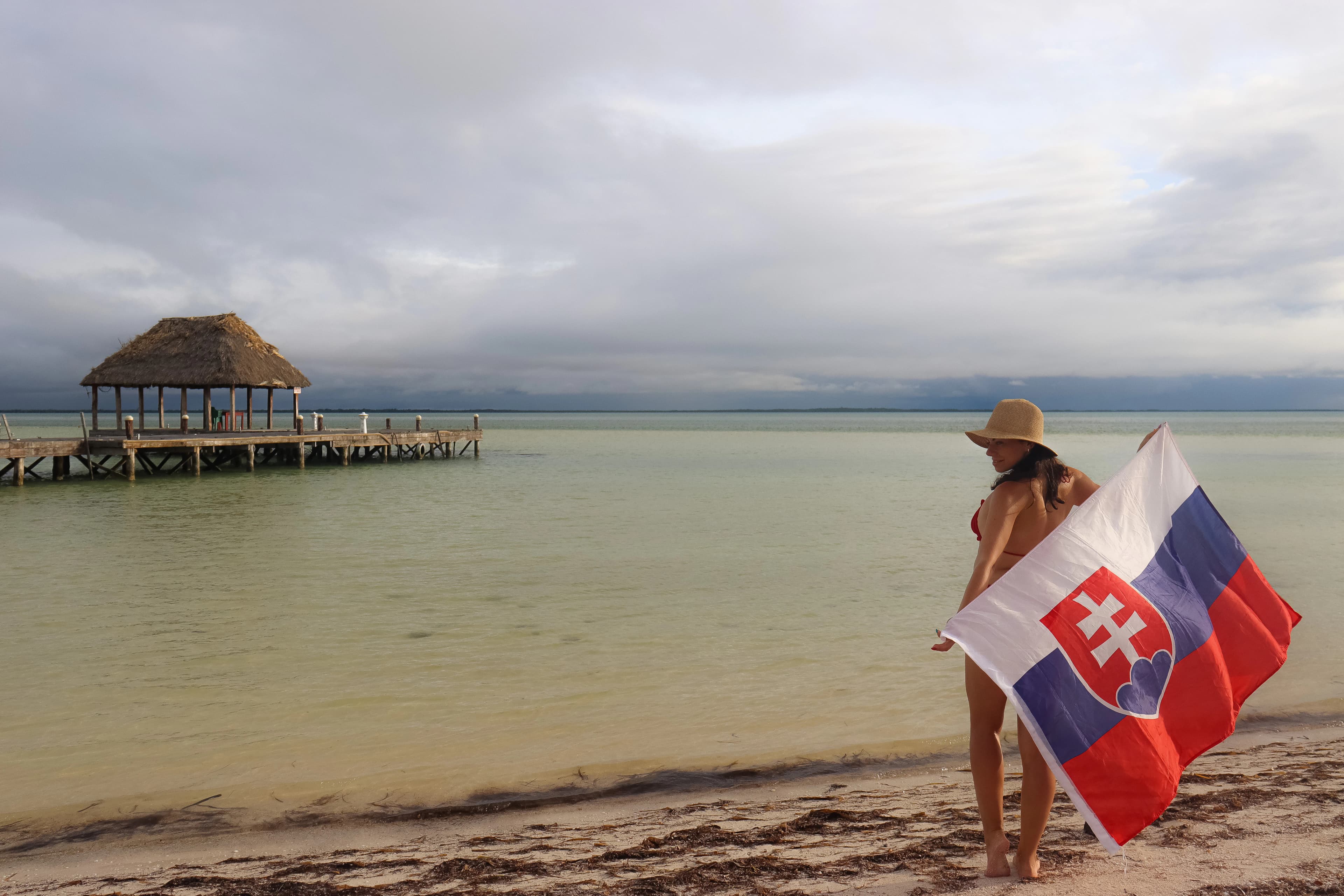
Isla Holbox

Isla Holbox is Mexico's best-kept secret – a car-free island in the Yum Balam nature reserve, where the Caribbean meets the Gulf of Mexico, creating a unique ecosystem. Sandy streets, colorful street art on every corner, yoga studios, and barefoot restaurants shape the relaxed bohemian flair of this island, which consciously distances itself from mass tourism. There is no nightlife in the traditional sense, but bioluminescent plankton that bathes the coast in magical blue at night – an unforgettable natural spectacle. From June to September, the largest fish in the world swim off Holbox: whale sharks up to 12 meters long gather in the nutrient-rich waters between the island and the mainland. Responsible snorkeling with these gentle giants is one of the most intense nature experiences that Mexico has to offer. Flamingos wade in the shallow lagoons, pelicans dive for fish, and rare frigatebirds circle above the island. Access is by boat from Chiquila, a small port about three hours north of Cancun. On the island, you move around in golf carts, bicycles, or barefoot through the soft sand. Hotels and accommodations range from simple beach huts to stylish boutique hotels. The best time to see whale sharks is in summer, while the months from November to April offer calm beach weather. Those seeking relaxation away from the crowds will find their personal paradise on Holbox.

islandcar-freebioluminescence

Regions

Yucatan

The Yucatan Peninsula is one of the most fascinating regions of Mexico, combining millennia-old Maya culture with turquoise Caribbean waters, magical cenotes, and a unique cuisine that is distinctly different from the rest of Mexico. The region includes the three states of Yucatan, Campeche, and Quintana Roo and offers a density of attractions that is unmatched. The famous Maya ruins of Chichen Itza – one of the New Seven Wonders of the World – and the elegant Puuc architecture of Uxmal are among the most significant archaeological sites in the Americas. In addition, there are over 6,000 cenotes, natural limestone sinkholes filled with crystal-clear groundwater, inviting swimming, snorkeling, and diving. The colonial cities of Merida, Valladolid, and Campeche enchant with colorful architecture, vibrant markets, and a cultural life that blends ancient Maya traditions with Spanish heritage. The Yucatecan cuisine is legendary: Cochinita Pibil – pork cooked in an underground oven with achiote marinade – is considered one of the best dishes in Mexico. Other dishes include Papadzules, Panuchos, Salbutes, and the refreshing Sopa de Lima. On the coast, the Celestun Biosphere Reserve offers thousands of pink flamingos, while the coast of Quintana Roo boasts the second-largest barrier reef in the world. The best time to visit Yucatan is from November to April during the dry season, although the region is accessible year-round due to its diversity.

Maya cultureCenotesColonial cities
A river winds through lush, green vegetation.

Riviera Maya

The Riviera Maya stretches over 160 kilometers along the Caribbean coast from Cancun to Tulum and is one of the most popular travel destinations in the world. Turquoise waters, powdery white sand beaches, the second-largest coral reef in the world, and fascinating Mayan ruins right on the coast make this region a unique vacation destination that effortlessly combines beach holidays, cultural experiences, and nature adventures. Along the coast, the highlights line up: Playa del Carmen with its lively Quinta Avenida and European flair, the breathtaking ruins of Tulum perched on a cliff above the Caribbean Sea, the Xcaret theme park with its spectacular evening show, and the eco-parks Xel-Ha and Xplor. Beneath the surface, a magical cave system of cenotes awaits, where one can swim and dive in crystal-clear water among stalactites. The Riviera Maya offers the perfect experience for every type of traveler: Families find ideal conditions in all-inclusive resorts with kids' clubs and water parks. Couples enjoy romantic boutique hotels and spa retreats in Tulum. Adventurers explore the underwater world by diving at the reef, take zipline tours through the jungle, or visit the lesser-known Mayan sites of Coba and Ek Balam in the hinterland. The region is warm year-round, with the months of November to April considered the ideal travel time.

BeachCaribbeanSnorkeling

Baja California

Baja California is a peninsula over 1,250 kilometers long between the Pacific Ocean and the Gulf of California, offering a dramatic mix of desert landscapes, secluded beaches, world-class cuisine, and a unique wildlife. The region consists of two states – Baja California in the north with the vibrant border city of Tijuana and Baja California Sur in the south with the resort town of Los Cabos at the southern tip. From December to April, gray whales migrate to the protected lagoons of Guerrero Negro and San Ignacio to give birth to their calves. Nowhere else in the world do whales come so close to boats and even allow themselves to be touched. In the Gulf of California – referred to by Jacques Cousteau as the aquarium of the world – whale sharks, manta rays, sea lions, and dolphins abound. The Cabo Pulmo National Park is home to one of the oldest coral reefs in North America. The culinary scene in Ensenada and the Guadalupe Valley has made Baja the culinary capital of Mexico, with innovative Baja-Med cuisine and over 150 wineries. Tijuana is experiencing a cultural renaissance with one of the most exciting street food scenes on the continent. In the south, Cabo San Lucas and San Jose del Cabo offer luxury resorts, golf courses, and legendary sport fishing. The best time to visit is from October to May, when temperatures are pleasant and whale watching is in full swing.

WhalesDesertSurfing
a large body of water with trees in the background

Chiapas

Chiapas is Mexico's southernmost and most original state – a land of dense jungles, misty highlands, and vibrant indigenous cultures that feels like its own world. Here, the spectacular Maya ruins of Palenque hide in the steaming rainforest, the turquoise waterfalls of Agua Azul cascade, and the impressive Canon del Sumidero, whose cliffs rise up to 1,000 meters, ranks among the highest canyons in North America. The colonial highland city of San Cristobal de las Casas, at an altitude of 2,200 meters, is the cultural heart of Chiapas and a magnet for travelers from around the world. Cobblestone streets, colorful markets, cozy cafes, and a vibrant art scene shape the cityscape. In the surrounding Tzotzil Maya villages of San Juan Chamula and Zinacantan, ancient traditions and syncretic rituals are still practiced today – offering a deep insight into the vibrant Maya culture of the present. Chiapas also offers the archaeological sites of Tonina and Yaxchilan, which are only accessible by boat across the Usumacinta River, the magical cloud forest in the El-Triunfo Reserve with the rare Quetzal bird, and the lakes of Montebello in all imaginable shades of blue and green. The state is also Mexico's largest coffee producer – plantations in the Soconusco region offer tours and tastings. The best travel time is from November to April, with nights in the highlands potentially becoming quite cool.

JungleMaya RuinsIndigenous Cultures

Quintana Roo

Quintana Roo is Mexico's easternmost state and the home of the entire Mexican Caribbean coast – from the mega-resorts in Cancun to the bohemian Tulum and the little-visited beaches along the Costa Maya. With around 900 kilometers of coastline, Mexico's youngest state offers an unparalleled tourist diversity that attracts over 17 million international visitors annually. The offshore Mesoamerican Barrier Reef is the second-largest coral reef in the world after the Great Barrier Reef and offers world-class diving and snorkeling. The island of Cozumel, Isla Mujeres, and the Banco Chinchorro Atoll are among the best diving spots in the Caribbean. On land, archaeological Maya sites such as Tulum with its spectacular cliffside location above the sea, the impressive site of Coba with the highest climbable pyramid in Yucatán, and the expansive Muyil in the Sian Ka'an Biosphere Reserve are fascinating. Away from the well-known hotspots, Quintana Roo offers surprising discoveries: The Bacalar Lagoon, with its seven different shades of blue, is nicknamed the Lagoon of Seven Colors. The Costa Maya between Mahahual and Xcalak impresses with authentic fishing villages and untouched coral reefs. The cenotes near Tulum and Puerto Morelos invite swimming in crystal-clear groundwater. Quintana Roo can be visited year-round, with November to April being the driest and most pleasant travel time.

CaribbeanDivingCoral reef

Areas

a pyramid with people standing in front of it with Chichen Itza in the background

Chichen Itza

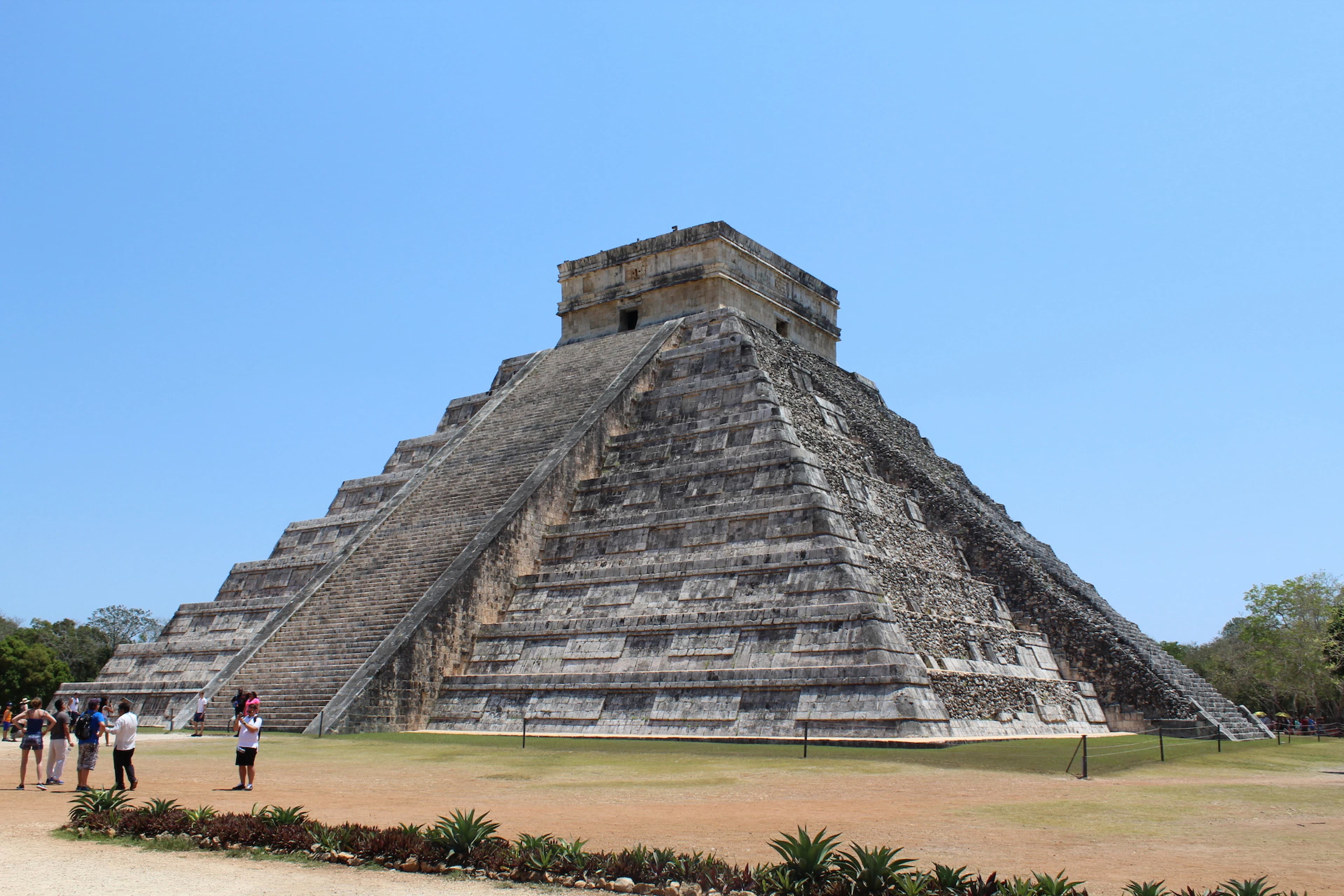
Chichen Itza is one of the New Seven Wonders of the World and the most famous archaeological site in Mexico, attracting over two million visitors from around the globe each year. The impressive Kukulkan Pyramid (El Castillo) is an astronomical masterpiece of the Maya – during the spring and autumn equinox, a brilliant play of light creates the illusion of a serpent's body slithering down the steps to the stone serpent head at the base of the pyramid. The 30-meter high step pyramid with its exactly 365 steps symbolizes the Maya calendar and demonstrates the outstanding astronomical knowledge of this high culture. The expansive site includes, in addition to El Castillo, numerous other impressive structures: the largest ball court in Mesoamerica with unique acoustics, the observatory El Caracol, the Temple of the Warriors with its thousand columns, and the sacred cenote, where the Maya made offerings to the rain gods. Archaeologists have recovered jade, gold, and ceramics from across the Mesoamerican region there. Chichen Itza is centrally located on the Yucatan Peninsula, about two hours from Cancun and 90 minutes from Merida. An early arrival right at opening time at 8 AM is highly recommended, as the site becomes very crowded by noon and the tropical heat increases. Nearby, there are notable cenotes like Ik Kil and the charming colonial town of Valladolid – ideal for a combination on the way back.

Wonder of the WorldMayaUNESCO
woman putting a clear plastic bottle on her head

Teotihuacan

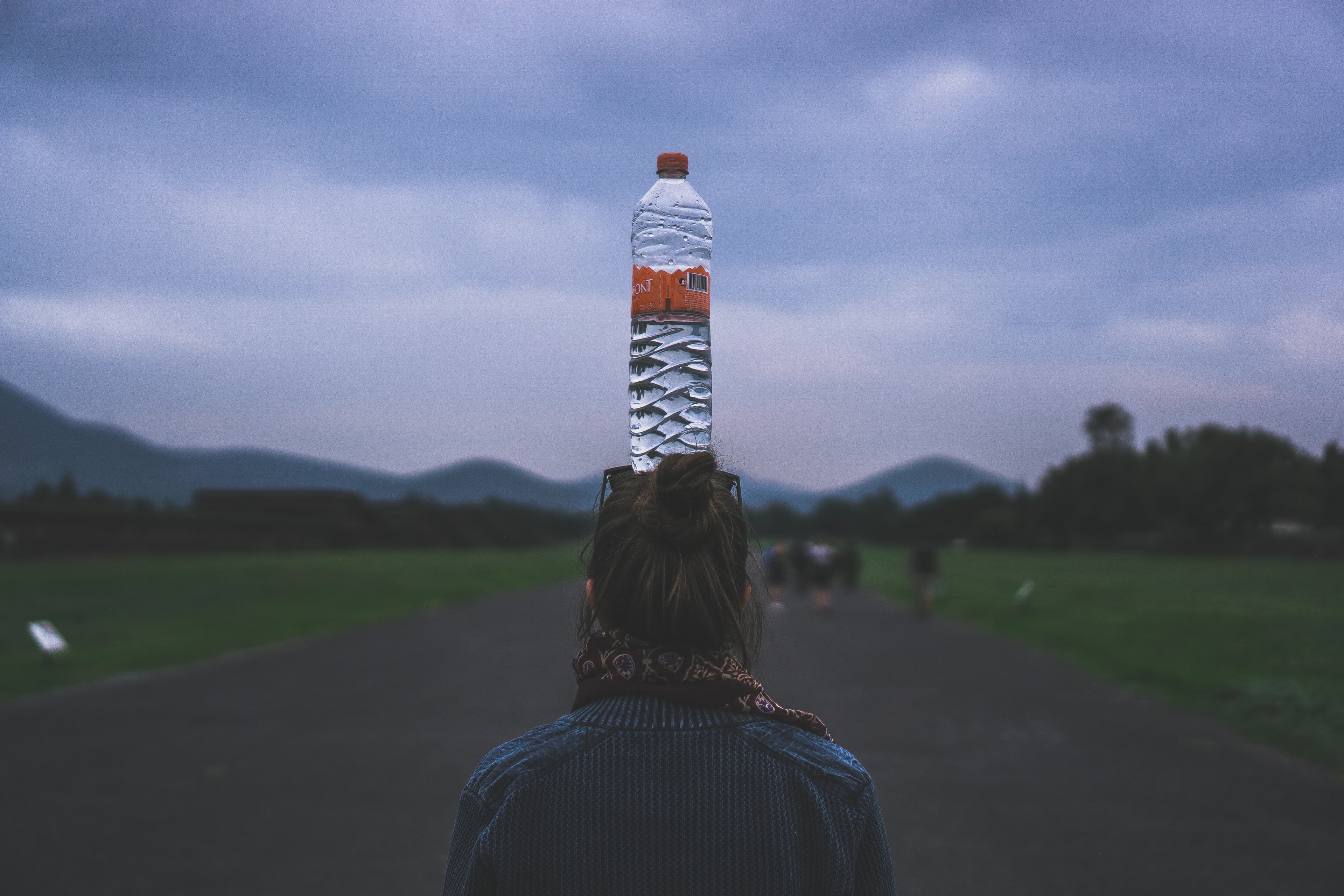
Teotihuacan – the city where humans became gods – was once the largest metropolis of the pre-Columbian world with over 100,000 inhabitants and is now one of the most significant archaeological sites in the Americas. Located just 50 kilometers northeast of Mexico City, the monumental Pyramid of the Sun, standing 65 meters tall, the slightly smaller Pyramid of the Moon, and the over two-kilometer-long Avenue of the Dead, which once formed the ceremonial center of a mysterious high culture, impress visitors. The artistically restored temples of Quetzalcoatl, adorned with stone serpent heads and obsidian eyes, are among the most impressive examples of Mesoamerican architecture. A visit in the early morning hours is particularly recommended when the rising sun bathes the pyramids in golden light and the crowds are still small. Climbing the Pyramid of the Sun rewards visitors with a breathtaking 360-degree panorama over the Valley of Mexico. The attached museum showcases fascinating finds such as the famous obsidian mask and wall paintings that provide insights into the life of this mysterious civilization, whose name remains unknown to this day. Teotihuacan is easily accessible from Mexico City as a half-day trip – buses run regularly from Terminal del Norte. For a special experience, hot air balloon rides over the pyramids are offered, providing spectacular aerial views. The best time to visit is from October to May, with pleasant weather and clear visibility.

PyramidsUNESCOArchaeology

Copper Canyon (Barrancas del Cobre)

The Barrancas del Cobre – the Copper Canyon – is a vast system of six interconnected gorges in the Sierra Madre Occidental in the state of Chihuahua, which together are larger, deeper, and more diverse than the Grand Canyon in Arizona. The deepest gorge, the Barranca de Urique, reaches a depth of 1,879 meters, surpassing the Grand Canyon by several hundred meters. The name Copper Canyon comes from the copper-green lichens on the steep rock walls. The famous railway line El Chepe – one of the most spectacular train journeys in the world – winds its way over 653 kilometers through 86 tunnels and over 37 bridges from Los Mochis on the Pacific up into the Sierra Madre to Chihuahua. The journey takes about 16 hours and traverses breathtaking landscapes from subtropical vegetation to pine-covered high plateaus over 2,400 meters. Stopovers in Divisadero and Posada Barrancas offer spectacular viewpoints at the edge of the gorges. The region is home to the Raramuri (Tarahumara), an indigenous people legendary for their long-distance runners, who still live in the remote gorges according to traditional ways. Adventurous activities such as the cable car crossing over the gorge, hiking to the riverbed, mountain biking, and climbing complement the experience. The best travel times are October to November for mild temperatures and green landscapes or March to April for clear views and blooming wildflowers.

gorgetrain rideadventure
a group of people riding a horse drawn carriage down a street

Cenotes of Yucatan

The cenotes of Yucatan are a unique natural phenomenon worldwide – thousands of natural limestone sinkholes filled with crystal-clear groundwater, interconnected by the longest underwater cave system in the world. Geologists estimate that there are over 6,000 cenotes on the Yucatan Peninsula, many of which remain undiscovered. For the Maya, these mysterious water holes were sacred entrances to the underworld Xibalba and vital sources of drinking water. The variety of cenotes is overwhelming: Open cenotes like the famous Cenote Ik Kil near Chichen Itza resemble natural swimming pools, surrounded by hanging roots and tropical vegetation. Semi-open cenotes like Cenote Suytun impress with dramatic light beams through the partially collapsed ceiling. Fully underground cenotes like the cenotes of Sac Actun offer a mystical experience with stalactites and crystal-clear water in complete silence. Particularly recommended are the Cenote Dos Ojos near Tulum for divers and snorkelers, the Gran Cenote with its turtles, Cenote Oxman near Valladolid with its spectacular swing, and the less-visited Cenote Xcanche near the Maya ruin Ek Balam. Many cenotes charge an entrance fee of around €5 to €15, and life jackets and lockers are usually available. The water temperature remains pleasantly between 24 to 26 degrees year-round – a welcome refreshment in the tropical climate of Yucatan.

CenotesSwimmingDiving

Palenque

Palenque is one of the most atmospheric Maya sites in the world – located in the steaming jungle of Chiapas, surrounded by the calls of howler monkeys, colorful toucans, and lush tropical vegetation that covers the still unexcavated temples. The UNESCO World Heritage site reached its peak between 600 and 800 AD and was one of the most powerful city-states of the classic Maya period. The Temple of the Inscriptions houses the famous tomb of K'inich Janaab Pakal, whose jade-encrusted death mask is one of the most significant archaeological finds in the Americas. The palace with its unusual four-story tower – possibly an astronomical observatory – impresses with finely carved stucco reliefs and labyrinthine corridors. The Temple of the Cross, the Sun Temple, and the Temple of the Cross Group together form the Cross Temple Group with the best-preserved reliefs in the Maya world. Only a fraction of the former city is uncovered – archaeologists estimate that over 1,000 structures still lie hidden under the jungle. Nearby are the turquoise waterfalls of Agua Azul and Misol-Ha, which make for excellent day trip combinations. The nearby small town of Palenque offers simple but charming accommodations and authentic restaurants. The best time to visit is early morning when fog blankets the ruins and the jungle sounds are most intense. The travel period from November to May offers the most pleasant conditions.

Maya ruinsUNESCOjungle

Package holiday to Mexico

Compare flight & hotel at the best price.

Package holidays

Holiday apartment in Mexico

Holiday homes with more space and privacy.

Holiday flats

All accommodations

Map, package holidays & holiday homes at a glance.

All options

Complete guide for Mexico

Regions, attractions, food, routes, costs & practical tips — all in one digital guide.

Open guide
Suitable for:BeachCultureFoodMayaAdventure

Ready for Mexico?

Plan your Mexico holiday now with our free tools.

Plan a holiday in Mexico

Mexico is one of the most popular travel destinations in North America, offering Beach, Culture, Food and much more. The best time to visit Mexico is December–April (dry season), when the weather is ideal for exploration and relaxation. With a daily budget starting from 30–50€ (Budget) to 100–250€ (Luxury), Mexico is suitable for various travel budgets.

From the capital Mexico City, Mexico can be excellently explored. The official language is Spanish, and the currency is Peso (MXN). From Germany, you can reach Mexico in approx. 11–12 hours. Whether you want to try culinary highlights like Tacos al Pastor, Mole, Guacamole, visit top attractions, or simply enjoy the atmosphere: Mexico has something for every type of traveller.

Use our free travel tools to prepare your Mexico holiday perfectly. With the holiday finder, you can discover if Mexico is the right destination for you. The budget calculator helps you plan costs realistically, and with the packing list, you won't forget anything.

More travel destinations in North America:

All countries in North America

All destinations in North America