A large field with a bunch of trees in it
🇿🇦

South Africa holiday

Travel tips, best time to visit & highlights for your South Africa holiday in Africa

South Africa is a world in one country: Safari in Kruger National Park, Table Mountain above Cape Town, the Garden Route along the coast, top-notch wine regions, and a fascinating history.

Capital

Pretoria/Cape Town

Language

English + 10 others

Currency

Rand (ZAR)

Time zone

UTC+2

Flight time from DE

approx. 11–12 hours

Entry requirements

Passport, 90 days visa-free

Top hotels & accommodations in South Africa

Selected hotels and holiday accommodations in South Africa — with images, reviews, and direct booking links with our partners.

Top 5 highlights in South Africa

The places you absolutely must not miss.

1

Cape Town

Table Mountain, V&A Waterfront, Bo-Kaap, Boulders Beach with penguins.

2

Kruger National Park

Big Five Safari: lions, elephants, rhinos, leopards, and buffalo.

3

Garden Route

300km coastal road: forests, beaches, whale watching, and bungee jumping.

4

Stellenbosch

Wine capital: over 200 wineries, gourmet restaurants, and Cape Dutch architecture.

5

Cape of Good Hope

Where the Atlantic and Indian Oceans meet – dramatic cliffs.

Hotels in South Africa

Vergleiche tausende Hotels, Apartments und Resorts auf Expedia – mit Bestpreis-Garantie, kostenloser Stornierung und Bonuspunkten.

Über 700.000 Hotels
Kostenlose Stornierung
Bestpreis-Garantie
Hotels in South Africa vergleichen

* Weiterleitung zu Expedia.de. Es gelten die dortigen Nutzungsbedingungen.

Reise-SIM für South Africa

Prepaid-SIM mit Datenvolumen für South Africa. Einfach einlegen und sofort lossurfen – keine Roaming-Gebühren.

Sofort einsatzbereit
200+ Länder
Kein Roaming
SIM-Karte für South Africa bestellen

* Weiterleitung zu travSIM.de. Es gelten die dortigen Nutzungsbedingungen.

Reiseversicherung abschließen

Rundum-Schutz ab 9,90 € auf TravelSecure.de

Pauschalreisen & Rundreisen

Berge & Meer – 170 Tage Cookie

Best time to visit South Africa

Recommended travel time

October–March (Southern Hemisphere summer)

Summer

22–30°C

Winter

10–18°C

How much does a holiday in South Africa cost?

Average cost per person per day (excluding flight)

🎒

Budget

40–60€

Hostel, street food, public transport

🏨

Mid-range

60–120€

Hotel, restaurant, excursions

🌟

Luxury

120–300€

Boutique hotel, fine dining

5 travel tips for South Africa

Insider knowledge to make your holiday better.

Garden Route as a road trip: plan for 7-10 days

Kruger: self-drive safari is cheaper than guided tours

Wine tasting in Stellenbosch is often free or inexpensive

Safety: do not walk in cities after dark

Cape Town: take the cable car to Table Mountain early in the morning (to avoid traffic)

Food & drink in South Africa

These dishes you must try!

Braai (BBQ)
Bobotie
Biltong
Bunny Chow
Malva Pudding
Pinotage wine

Discover South Africa

13 regions, cities and highlights in South Africa

Regions

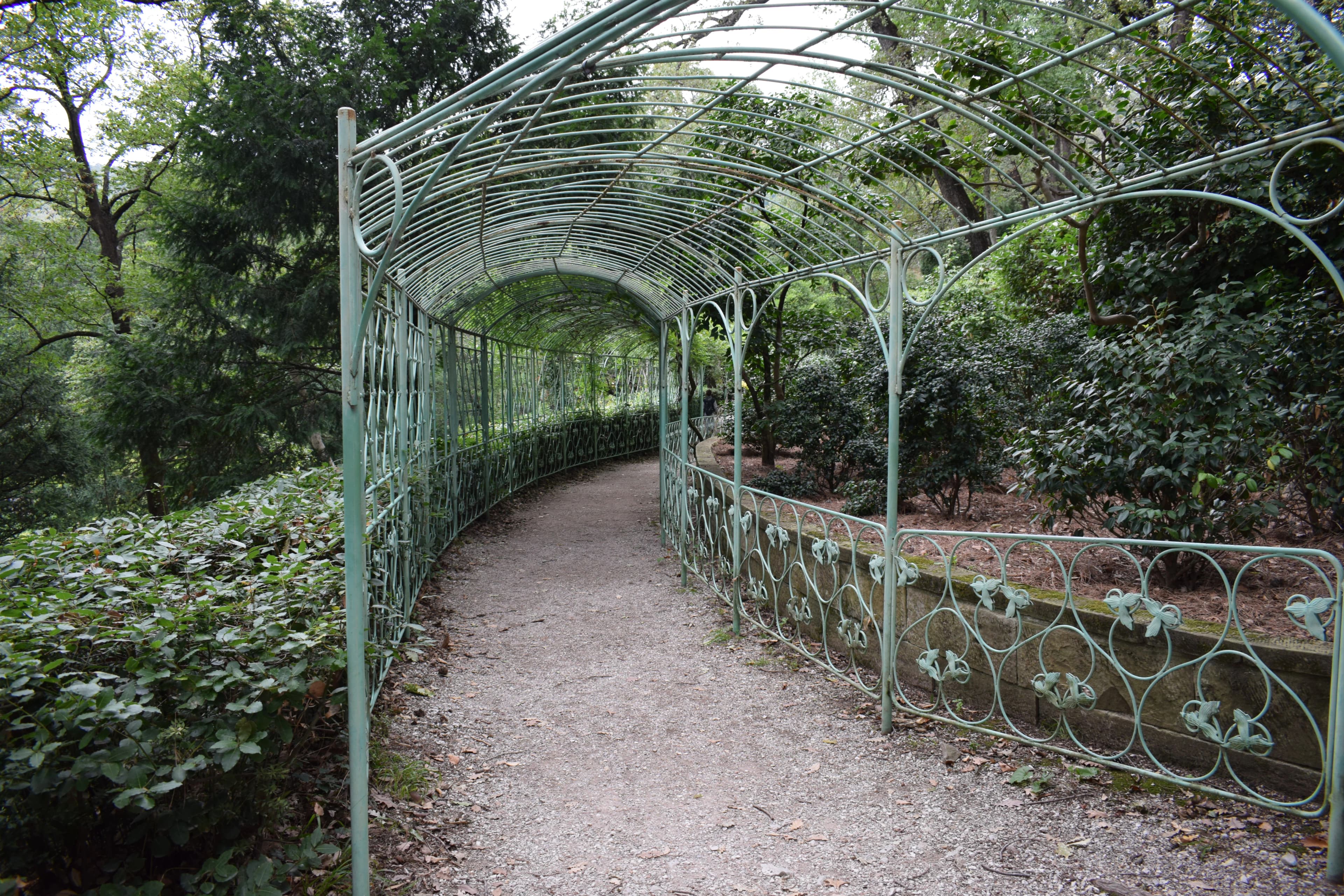
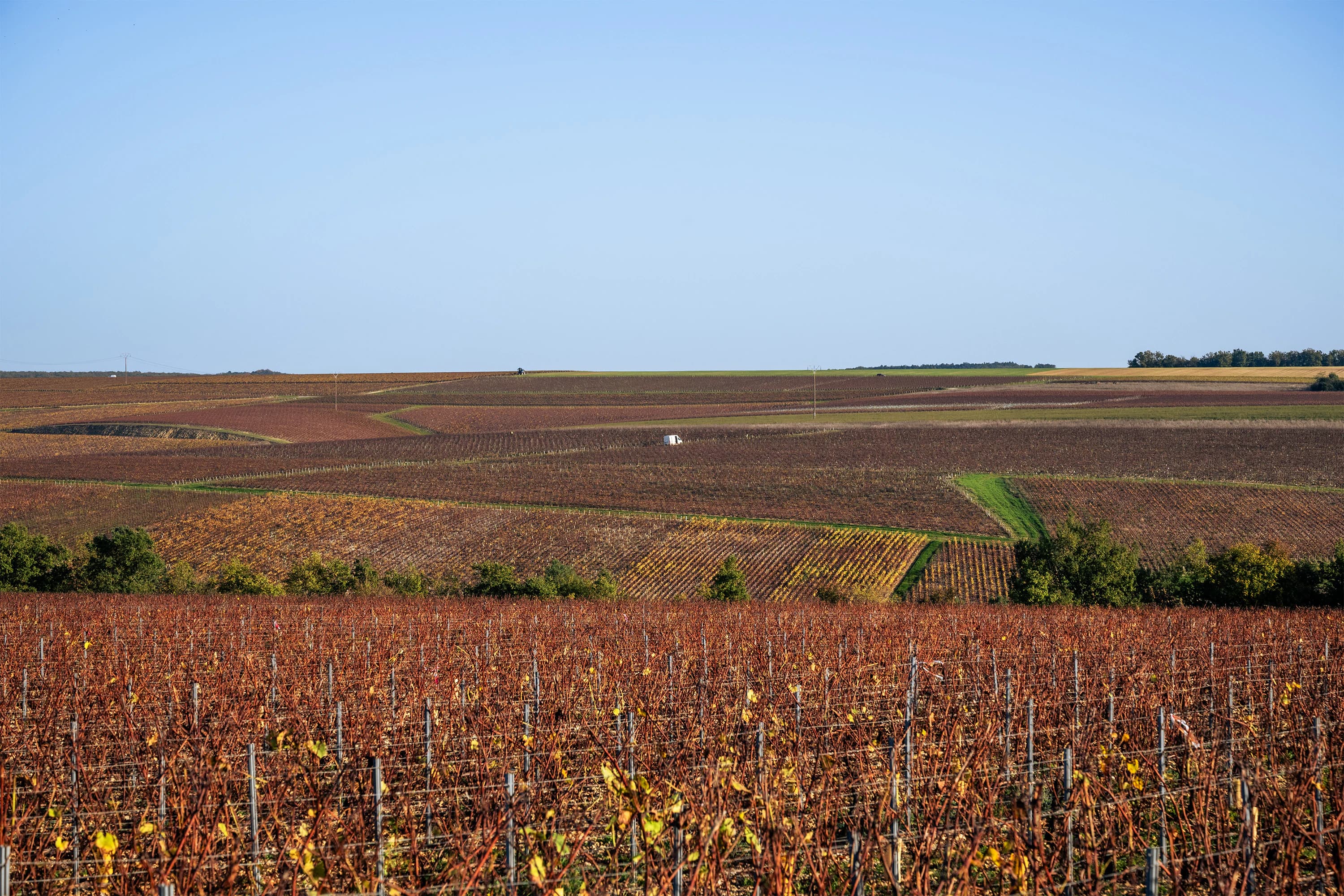
A large field with a bunch of trees in it

Cape Winelands

The Cape Winelands east of Cape Town is South Africa's most prestigious wine region and one of the most beautiful wine-growing areas in the world. The combination of Cape Dutch architecture, dramatic mountain backdrops, and world-class wines makes this region one of the most enjoyable travel destinations on the African continent. Stellenbosch, the unofficial capital of the Winelands, enchants with oak-lined streets, white gable buildings from the 17th and 18th centuries, and a vibrant student scene around the university. Dorp Street is one of the best-preserved streets of Cape Dutch architecture. About 200 wineries surround the town, from historic family-run estates to modern boutique wineries with award-winning restaurants. Franschhoek, the "French Corner," was founded by Huguenot refugees who brought their winemaking skills to South Africa in the 17th century. Today, it is South Africa's culinary capital: The main street is lined with gourmet restaurants, and the Franschhoek Wine Tram — a historic tram — connects the wineries and makes tastings possible without driving. Paarl, located at the foot of the distinctive Paarl Rock, offers the oldest wine route in South Africa and the KWV cellar, one of the largest wine cellars in the world. The Taal Monument on the mountain overlooks the entire valley and offers spectacular sunsets. The wines of the region have long been competing in the international elite. The Pinotage, South Africa's unique grape variety (a cross between Pinot Noir and Cinsault), finds its best expressions here. Chenin Blanc, Cabernet Sauvignon, and award-winning Bordeaux blends complement the portfolio. Apart from wine, the Winelands offer excellent hiking opportunities in the Hottentots-Holland and Simonsberg mountains, mountain biking through vineyards, and some of the best golf courses in the country. The region is also a popular starting point for safaris in private game reserves like Aquila, where the Big Five live just 90 minutes from the vineyards.

WineGourmetArchitecture
Green metal archway over a gravel path in a garden.

Garden Route

The Garden Route is South Africa's most spectacular coastal road and one of the most beautiful road trip routes in the world. Stretching approximately 300 kilometers between Mossel Bay and Storms River, the N2 winds through breathtaking landscapes of ancient forests, dramatic coastal cliffs, turquoise lagoons, and charming coastal towns. Knysna, the heart of the route, lies on a picturesque lagoon separated from the sea by two imposing sandstone cliffs — the Knysna Heads. The oyster farms in the lagoon produce some of the best oysters in the world, and the waterfront with its restaurants and boutiques has an atmosphere reminiscent of the best of Cape Town. The Knysna Forest is the last great indigenous forest in South Africa, home to the elusive Knysna elephants, of which only a handful still exist. Plettenberg Bay — "Plett" for insiders — offers perhaps the most dramatic coastal scenery of the route. The Robberg Peninsula Nature Reserve hiking trail leads around a peninsula with steep cliffs, seal colonies, and views of the endless blue of the Indian Ocean. From June to November, southern right whales pass right off the coast — they are visible to the naked eye from the cliffs. The Tsitsikamma National Park at the eastern end is the highlight of the route. The suspension bridge over the Storms River Mouth, where the river flows into the sea through a deep gorge, is one of South Africa's most iconic sights. Additionally, the park offers the world-famous Otter Trail (5-day hike), kayaking tours, bungee jumping from the Bloukrans Bridge (216 meters — the highest bungee in the world!), and canopy tours through the rainforest. The Garden Route can be perfectly experienced as a self-drive road trip — the roads are excellent, the infrastructure top-notch, and the distances short enough to discover a new place each day. Combined with Cape Town and the wine region of Stellenbosch, it creates one of the greatest travel routes on the African continent.

South AfricaRoad tripCoast

Cities

Durban

Durban is the third largest city in South Africa with over 3.7 million inhabitants and is located on the subtropical east coast by the Indian Ocean. The port city in the province of KwaZulu-Natal is a fascinating mix of Zulu culture, Indian heritage, and British colonial history — Durban is home to the largest Indian population outside of India. The Golden Mile is Durban's famous beachfront promenade: 6 kilometers of golden sand, subtropical warm water, surfers, and a lively boardwalk with restaurants and entertainment. Sharks are kept at bay by shark nets, allowing for safe swimming year-round. uShaka Marine World at the southern end is one of the largest aquarium parks in Africa. The Victoria Street Market (now Warwick Junction Market) is the vibrant heart of the Indian community: spices, fabrics, traditional medicine (Muti), and freshly prepared Bunny Chow — a hollowed-out bread filled with curry, invented in Durban and now the unofficial national dish of the city. The Valley of a Thousand Hills offers spectacular scenery and insight into traditional Zulu culture: village visits, dance and drum performances, and handcrafted beadwork. The Drakensberg Mountains, South Africa's highest mountain range and a UNESCO World Heritage site, are accessible for day trips or multi-day hikes from Durban. Durban's climate is mild to warm year-round: even in the South African winter (June-August), temperatures rarely drop below 15 °C.

BeachIndianZulu

Gqeberha (Port Elizabeth)

Gqeberha — known as Port Elizabeth until 2021 — is South Africa's 'Friendly City' on Algoa Bay on the Indian Ocean. The city is the gateway to the malaria-free Addo Elephant National Park and the famous Garden Route, combining beach holidays with Big Five safaris without health risks. The Addo Elephant National Park — just 70 km away — is home to over 600 elephants as well as lions, buffalo, rhinos, and leopards. It is the only park in the world where the 'Big Seven' (the Big Five plus Southern Right Whale and Great White Shark) can be spotted. Algoa Bay itself is a paradise for marine mammals: Southern Right Whales calve here from July to November, dolphin pods can be seen year-round, and the nearby St. Croix Island hosts the largest colony of African Penguins. The Boardwalk complex at Kings Beach offers entertainment right on the beach. The historic Donkin Reserve in the city center — with the iconic lighthouse and pyramid — overlooks the entire bay. Sardinia Bay and Hobie Beach offer some of the most beautiful city beaches in South Africa.

SafariBeachWhales
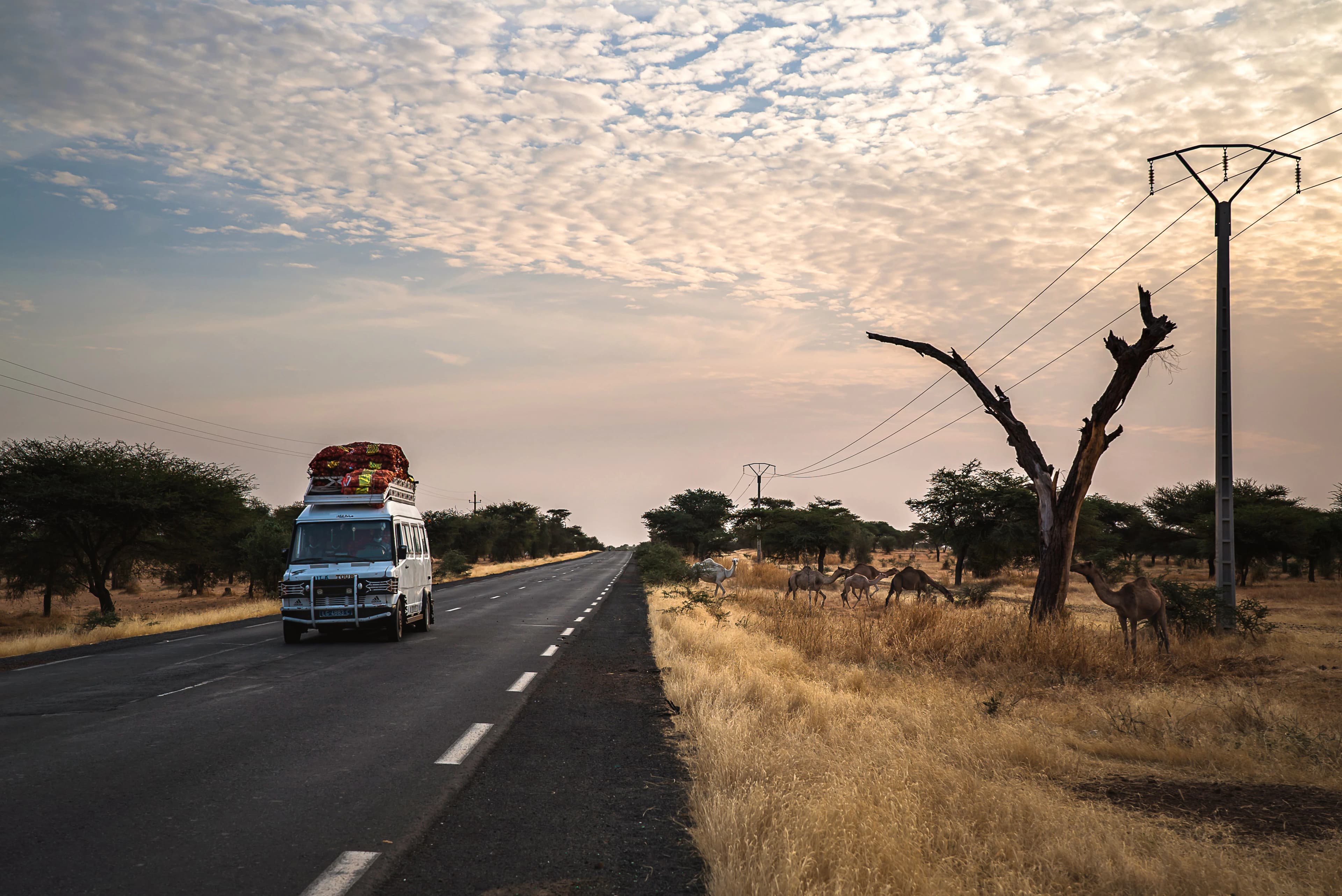
white van on road during daytime

Hermanus

Hermanus on Walker Bay is considered one of the best places in the world for whale watching from land. From June to December, Southern Right Whales come so close to the cliffs that they can be seen with the naked eye. The charming coastal town on the Garden Route also offers excellent wineries, spectacular coastal hikes, and the charm of a relaxed South African seaside town.

Whale WatchingWineNature
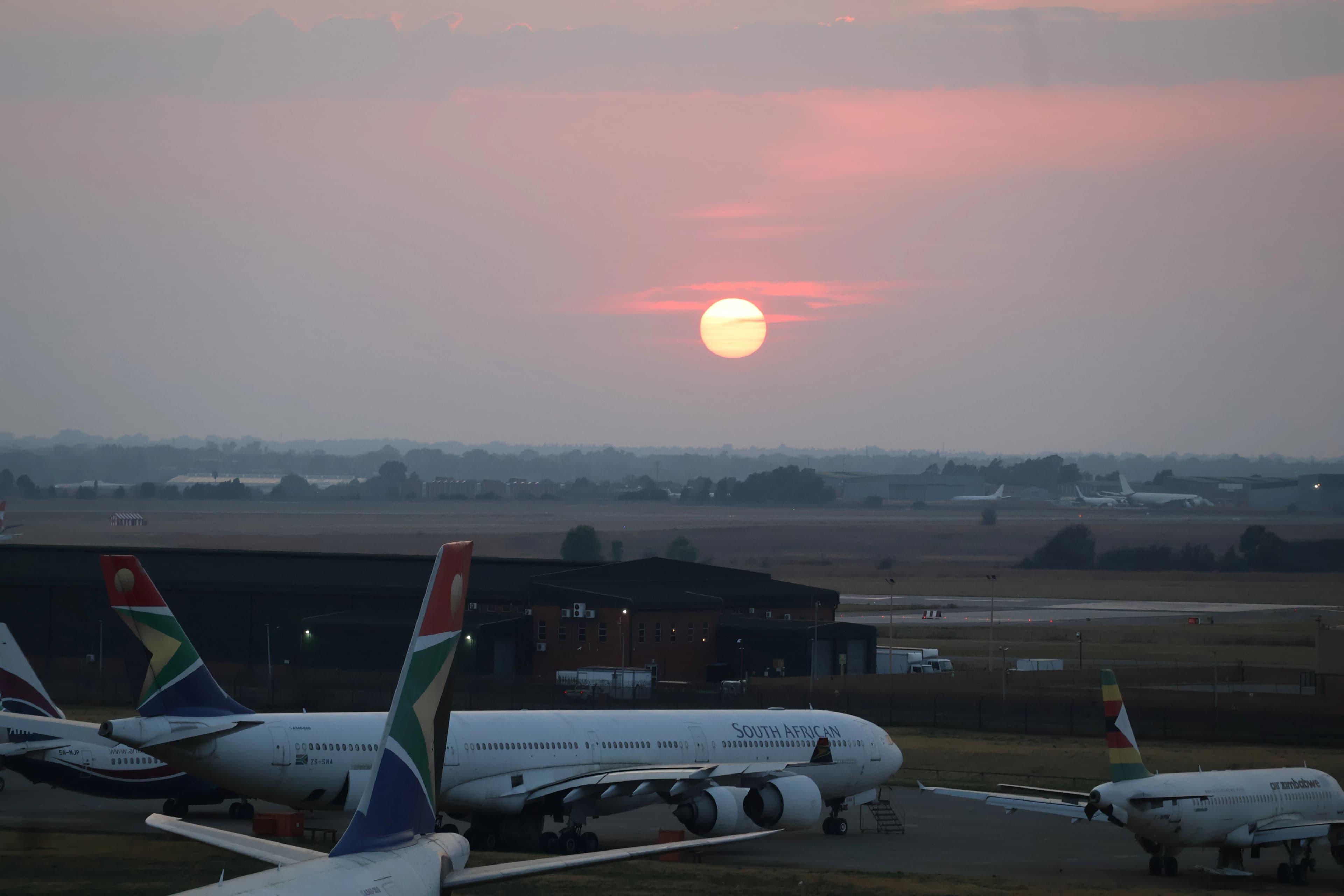
Sunrise over an airport tarmac with parked airplanes.

Johannesburg

Johannesburg, affectionately known as Jozi or Joburg, is South Africa's largest city and a fascinating melting pot of cultures that is rapidly reinventing itself. The city, which was once founded during the gold rush, has transformed into a creative hub with a vibrant nightlife, innovative gastronomy, and a lively art scene. The Apartheid Museum is one of the most impressive museums in the world, telling the story of racial segregation and its overcoming with shocking intensity. Soweto, the former township where Nelson Mandela and Desmond Tutu lived, is now a vibrant neighborhood full of energy — Vilakazi Street is the only street in the world where two Nobel Prize winners lived. The Mandela House Museum is a moving place of historical significance. Maboneng and Braamfontein are the creative heartbeats of the city: galleries, street food markets, design studios, and rooftop bars have transformed once-decaying industrial areas into trendy hotspots. The Rosebank neighborhood offers the Sunday Rooftop Market with local art and delicacies. From Johannesburg, one can reach Kruger National Park for safari experiences in just a few hours by car. The best time to visit is from April to September during the mild winter.

HistoryApartheidCulture

Cape Town

Cape Town is one of the most beautiful cities in the world — framed by the majestic Table Mountain, the dramatic Atlantic coast, and the green vineyards of the Cape Winelands. The Mother City, as South Africans affectionately call it, combines breathtaking nature, cultural diversity, and a creative energy that immediately captivates visitors. Table Mountain, one of the New Seven Wonders of Nature, offers a 360-degree panoramic view of the city, ocean, and the nearby Robben Island, where Nelson Mandela was imprisoned for 18 years. The V&A Waterfront combines historic harbor architecture with restaurants, markets, and the Zeitz MOCAA, Africa's largest museum of contemporary art. The colorful houses of Bo-Kaap tell the story of the Cape Malay community. Chapman's Peak Drive is one of the most spectacular coastal roads in the world and leads to the Cape of Good Hope, the southwesternmost point of Africa. In Simon's Town, African penguins waddle at Boulders Beach. The wine region of Stellenbosch is only 45 minutes away and offers top-notch wineries with Cape Dutch architecture. The best time to visit is from November to March, when Cape Town's summer entices with long sunny days and pleasant temperatures of 25 to 28 degrees.

NatureWineSafari
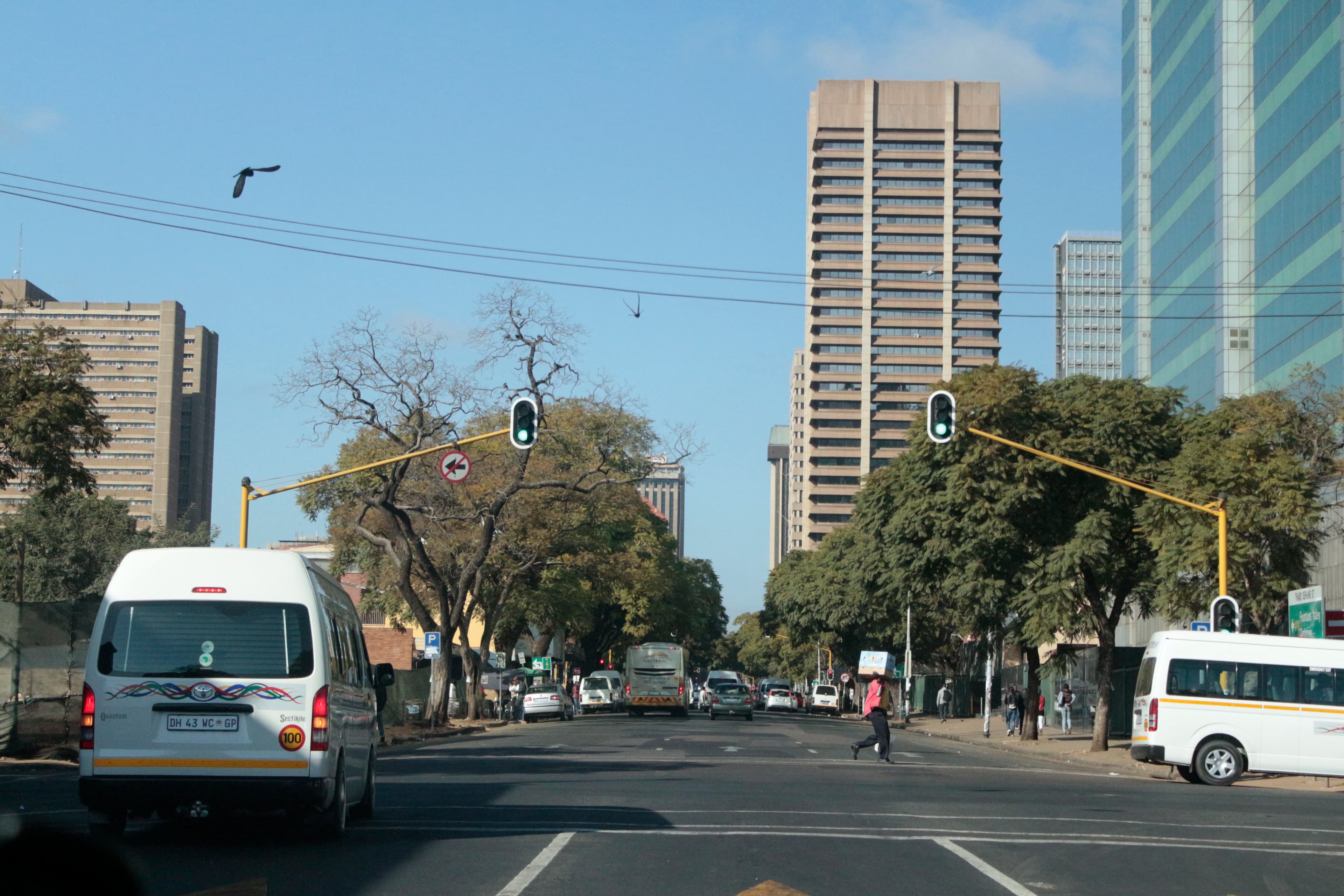
a busy street with cars and buses

Pretoria

Pretoria is South Africa's administrative capital and the Jacaranda City — every October, 70,000 jacaranda trees transform the streets into a purple tunnel of blossoms, making the city one of the most photogenic in the world. The 2.1 million city (part of the Tshwane Metropolitan Municipality) is located just 50 kilometers north of Johannesburg but has a completely different character: quieter, greener, with wide avenues and a mix of colonial architecture and government buildings. The Union Buildings, designed by Sir Herbert Baker, are Pretoria's architectural crown jewel and the official seat of the South African president: a 285-meter-long sandstone complex on Meintjieskop Hill, whose amphitheater-shaped gardens offer the best view over the city. In front of the building stands the 9-meter-high bronze statue of Nelson Mandela — arms outstretched in a gesture of reconciliation. The Voortrekker Monument, a massive granite structure on a hill south of the city, tells the story of the Afrikaner Boers and is a controversial yet architecturally impressive monument. On December 16, a ray of sunlight shines through an opening in the dome onto a cenotaph — an engineering detail that marks the national holiday. Freedom Park, a memorial for all who fought for South Africa's freedom, offers a counter-narrative and connects the history of indigenous peoples with the anti-apartheid struggle to create a holistic place of remembrance.

JacarandaMandelaUnion Buildings
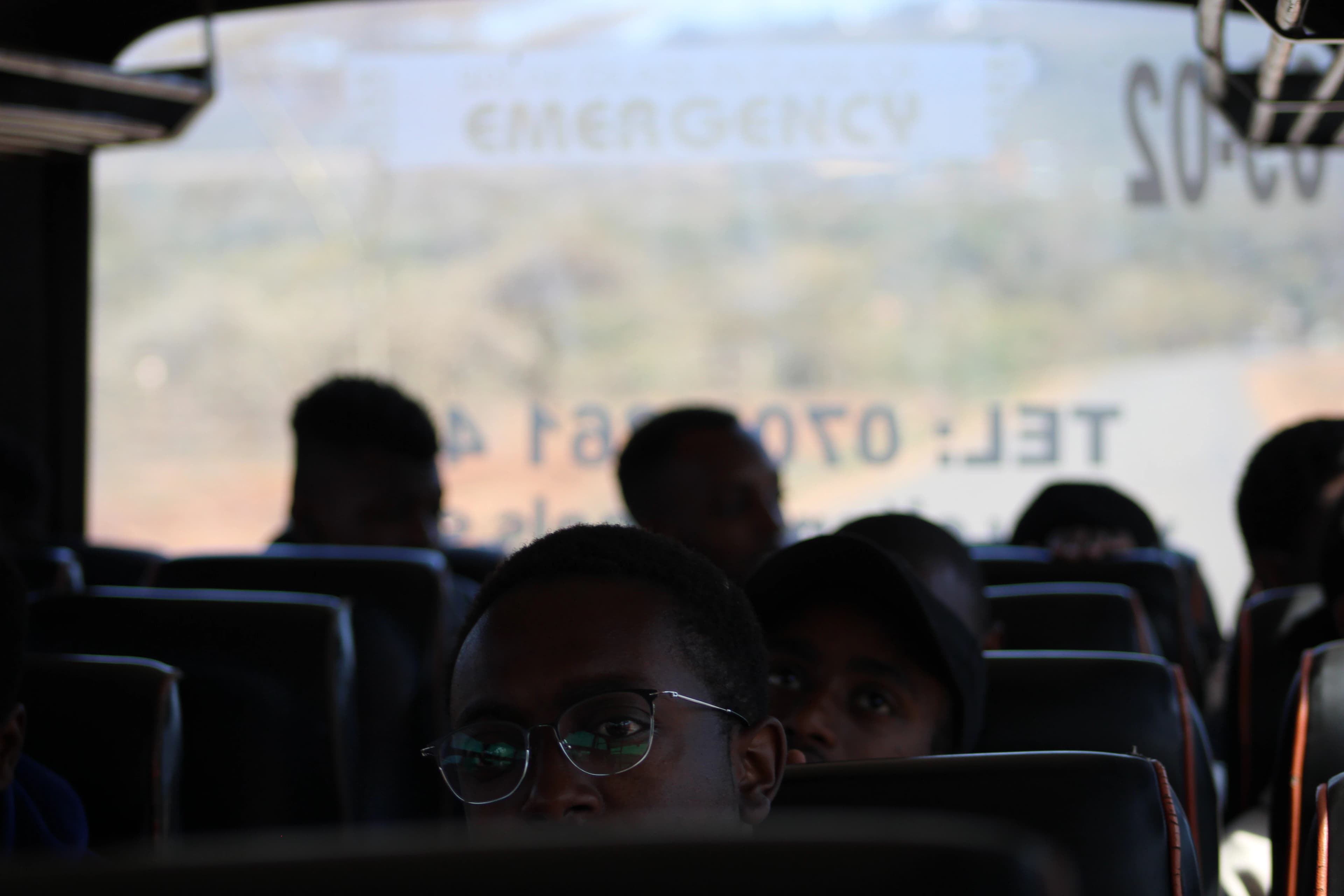
a group of people sitting on a bus

Soweto

Soweto (South Western Townships) is a district of Johannesburg and with over 1.3 million inhabitants, it is the largest township in South Africa. Soweto was the epicenter of the resistance against apartheid and today it is a vibrant, proud place that has transformed its tragic history into cultural strength — one of the most significant sites of human rights history worldwide. On Vilakazi Street in Orlando West, there are two houses of Nobel laureates on the same street — unique in the world: The Mandela House Museum, where Nelson Mandela lived from 1946 to 1962 before being imprisoned for 27 years, and the former residence of Archbishop Desmond Tutu. The modest matchbox house architecture speaks volumes about the living conditions under apartheid. The Hector Pieterson Memorial and Museum commemorates June 16, 1976, when police fired on peacefully protesting students who were demonstrating against instruction in Afrikaans. The 12-year-old Hector Pieterson was one of the first victims. The iconic photo of his lifeless body went around the world and became a symbol of the anti-apartheid struggle. This day is now a national holiday (Youth Day). The Orlando Towers, two former cooling towers of a coal power plant, have been transformed into an adventure center: bungee jumping between the towers, huge murals by street artists, and a restaurant on the bridge make them the most spectacular landmark of the new Soweto. Soweto today is full of life: shebeen pubs (informal bars), jazz clubs, lively markets, and a food scene that combines traditional cuisine with modern influences. Bicycle tours through the township offer authentic insights into everyday life and the warm hospitality of the residents.

HistoryApartheidMandela

Stellenbosch

Stellenbosch is the heart of the South African wine region and one of the most beautiful small towns in the country. Located just 50 kilometers east of Cape Town, the second oldest town in South Africa combines Cape Dutch architecture, world-class wineries, and a university town atmosphere that is both historic and youthful, elegant and relaxed. The wineries around Stellenbosch produce some of the best wines in the world — especially the Pinotage, South Africa's unique grape variety, and the Cabernet Sauvignon thrive here excellently. Over 200 wineries offer tastings, many in breathtaking settings between vineyards and mountains. Spier, Delaire Graff, Jordan, and Rust en Vrede are among the most famous, but small boutique wineries are also worth a visit. Dorp Street, Stellenbosch's historic main street, is lined with Cape Dutch buildings featuring their characteristic gables from the 17th and 18th centuries. Oak trees provide shade over the sidewalks, street cafes invite you to linger, and the mix of antique shops, art galleries, and restaurants makes every stroll a delight. The culinary scene is impressive: Stellenbosch has one of the highest densities of gourmet restaurants in all of Africa. From fine dining at the wineries to innovative bistros in the old town, as well as food markets and craft beer breweries — here, food is celebrated as a cultural experience. Stellenbosch University shapes the atmosphere: the town is youthful, creative, and full of energy. Student pubs next to wine bars, street art next to Cape Dutch architecture, and mountain biking trails next to vineyards — Stellenbosch offers this irresistible mix that you won't find in Cape Town or anywhere else in South Africa.

South AfricaWineCape Town

National parks

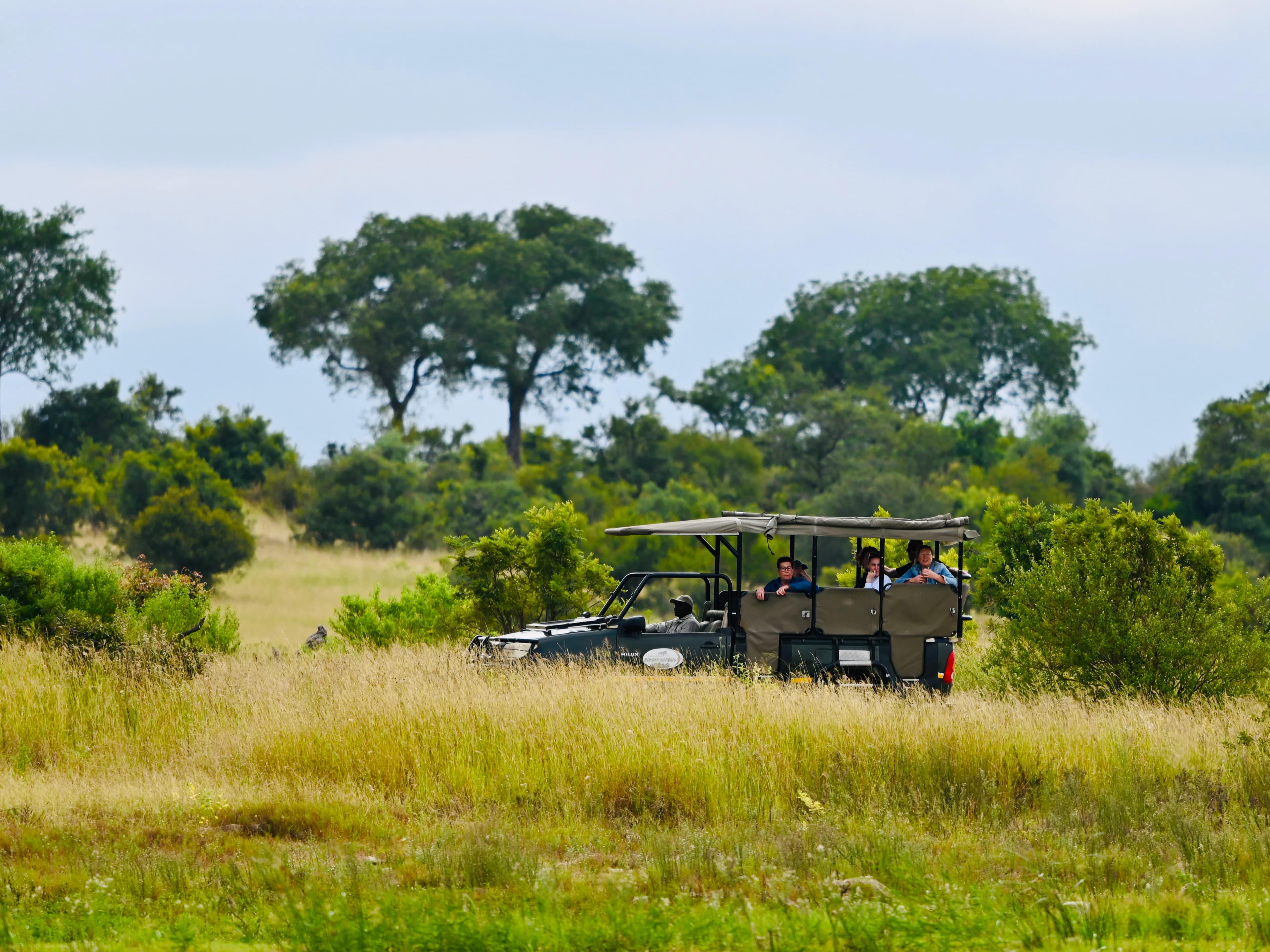
a group of people riding on the back of a safari vehicle

Kruger National Park

The Kruger National Park is the crown jewel of African wilderness — a nearly 20,000 square kilometer conservation area in northeastern South Africa that hosts the highest diversity of large animals on the entire continent. Since its founding in 1898 by Paul Kruger, it has grown to become the most famous national park in Africa, where the Big Five — lion, leopard, elephant, rhinoceros, and buffalo — can be observed in the wild. Over 150 species of mammals, 500 species of birds, and 114 species of reptiles live in an area as large as Israel. Herds of elephants with 50 or more individuals roam the savanna, lion prides rest under acacias, leopards nap on tree trunks, and at the waterholes, giraffes, zebras, and hippos gather — a vibrant ecosystem of overwhelming beauty. The self-drive safari is Kruger's special feature: a well-developed network of paved and unpaved roads allows visitors to go on a game drive in their own rental car. The thrill of spotting a rhinoceros by the roadside or yielding to an elephant is unparalleled. The park's rest camps — from Skukuza (the largest) to Satara and Lower Sabie — offer cabins, chalets, and campsites in the midst of the wilderness. At night, you can hear hyenas laughing and lions roaring. Guided bush walks, night drives with spotlights, and sunrise game drives complement the self-drive experience. The private game reserves on the western edge (Sabi Sands, Timbavati, Manyeleti) offer luxurious lodges with all-inclusive safaris, top-notch guides, and the highest leopard density in the world.

SafariBig FiveNational Park
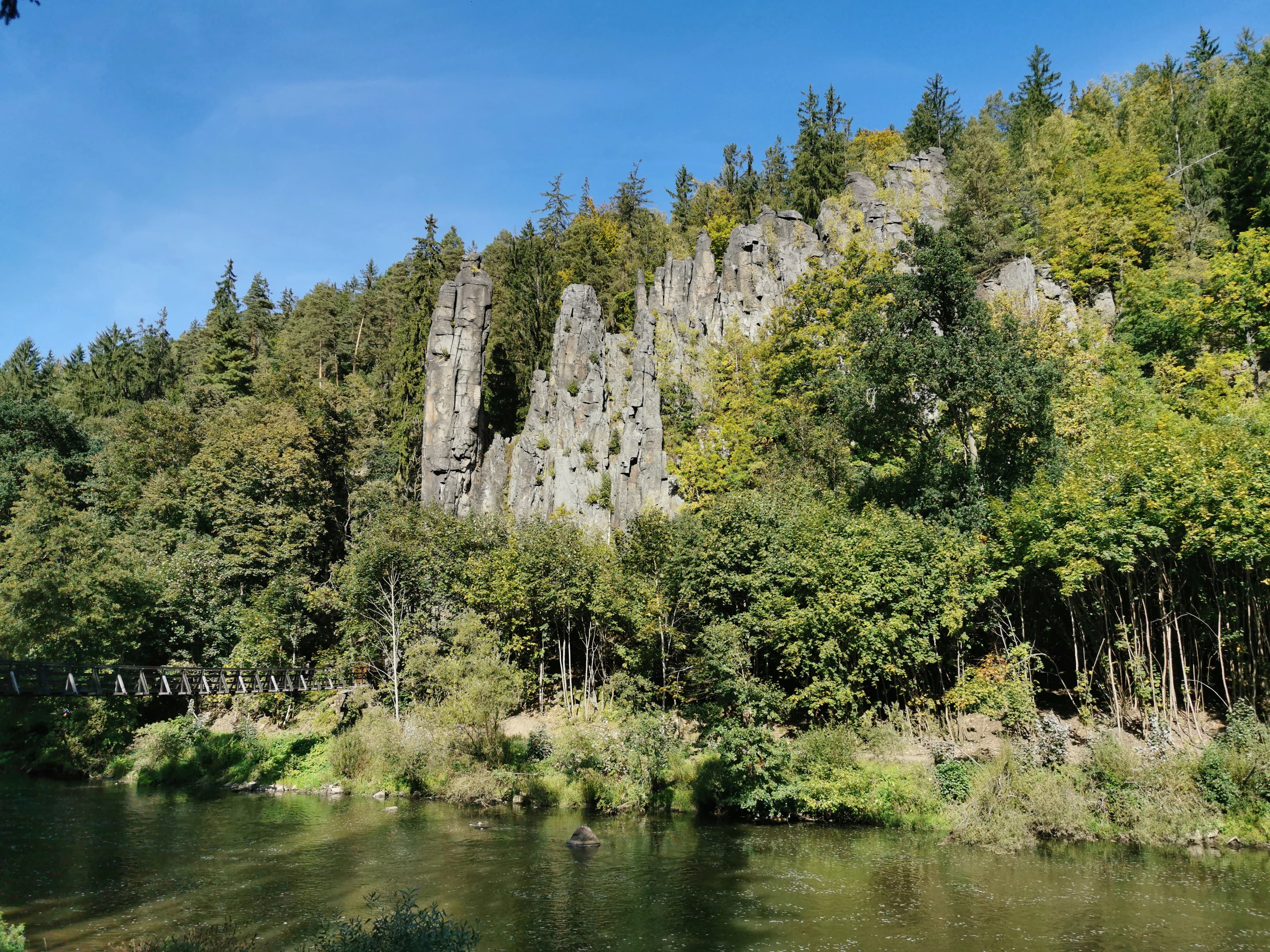
a river running through a lush green forest

Kruger National Park

Kruger National Park is Africa's most famous and one of the largest national parks in the world. Covering an area of nearly 20,000 square kilometers — larger than Saxony — it offers an unparalleled wildlife experience, ranging from budget self-drive safaris to the ultimate luxury lodge experience. The biodiversity is breathtaking: 147 species of mammals, 517 species of birds, and 114 species of reptiles live here. The 'Big Five' — lion, leopard, elephant, buffalo, and rhinoceros — are regularly seen, along with cheetahs, wild dogs (one of the rarest predators in Africa), giraffes, zebras, hippos, and crocodiles. The chances of seeing a wide range of African wildlife in a single day are higher here than anywhere else. What makes Kruger unique is its accessibility. You can traverse the park in your own rental car on paved roads and search for animals yourself — an exciting experience that is not possible in most other African parks. The SANParks rest camps offer affordable accommodations with bungalows, campsites, and restaurants right in the park. For the ultimate safari experience, the private game reserves on the western edge of the park — Sabi Sand, Timbavati, Manyeleti — offer exclusive game drives in open 4x4 vehicles with experienced rangers. Here, the animal density is particularly high, vehicles are allowed to leave the roads, and the luxury lodges with their infinity pools and gourmet kitchens set the standard for safari enjoyment. The southern part of the park (Lower Kruger) around Skukuza and Lower Sabie has the highest animal density and the best roads — ideal for first-time visitors. The northern part is wilder, less visited, and offers stunning landscapes with baobab trees and sandstone formations. A week is hardly enough to explore both halves.

SafariSouth AfricaBig Five
a river running through a lush green forest

Kruger National Park

The Kruger National Park is the crown jewel of African wilderness and one of the largest and most biodiverse wildlife reserves in the world. Covering an area of almost 20,000 square kilometers - as large as the entire state of Hesse - the park stretches across northeastern South Africa and is home to the legendary Big Five: lion, leopard, elephant, buffalo, and rhinoceros. For most visitors, a safari in Kruger is the dream of a lifetime, and the park delivers this experience like no other place on the continent. What sets Kruger apart from other African parks is its excellent infrastructure and accessibility. You can explore the park with your own rental car on a network of over 2,500 kilometers of paved and maintained roads - no expensive 4x4 vehicle or mandatory guide required. The rest camps in the park offer comfortable accommodations ranging from simple huts to air-conditioned bungalows, many with restaurants, pools, and gas stations. For those seeking luxury, world-class lodges can be found in the private concession areas and adjacent game reserves like Sabi Sands or Timbavati. Wildlife sightings in Kruger are spectacular. Herds of elephants with over a hundred animals roam the savannah, lions lazily lie on the road, leopards lurk in the branches of marula trees, and hippos snort in the watering holes. In addition to the Big Five, the park is home to over 500 bird species, giraffes, zebras, cheetahs, wild dogs, and countless species of antelope. Night safaris with searchlights reveal a whole different world - hyenas on the hunt, genets in the trees, and with luck, an aardvark. From Germany, you fly to Johannesburg (about 11 hours) and then take a short flight to Nelspruit, Hoedspruit, or Phalaborwa, all of which are located directly at the park. Alternatively, Kruger can be reached by car from Johannesburg in four to five hours. The best time for wildlife observation is the South African winter from May to October, when the vegetation is low and animals are concentrated at the few waterholes. Summer (November to March) brings rain, green landscapes, and an abundance of birds.

SafariBig FiveNational Park

Package holiday to South Africa

Compare flight & hotel at the best price.

Package holidays

Holiday apartment in South Africa

Holiday homes with more space and privacy.

Holiday flats

All accommodations

Map, package holidays & holiday homes at a glance.

All options

Complete guide for South Africa

Regions, attractions, food, routes, costs & practical tips — all in one digital guide.

Open guide
Suitable for:SafariNatureWineRoad tripAdventure

Ready for South Africa?

Plan your South Africa holiday now with our free tools.

Plan a holiday in South Africa

South Africa is one of the most popular travel destinations in Africa, offering Safari, Nature, Wine and much more. The best time to visit South Africa is October–March (Southern Hemisphere summer), when the weather is ideal for exploration and relaxation. With a daily budget starting from 40–60€ (Budget) to 120–300€ (Luxury), South Africa is suitable for various travel budgets.

From the capital Pretoria/Cape Town, South Africa can be excellently explored. The official language is English + 10 others, and the currency is Rand (ZAR). From Germany, you can reach South Africa in approx. 11–12 hours. Whether you want to try culinary highlights like Braai (BBQ), Bobotie, Biltong, visit top attractions, or simply enjoy the atmosphere: South Africa has something for every type of traveller.

Use our free travel tools to prepare your South Africa holiday perfectly. With the holiday finder, you can discover if South Africa is the right destination for you. The budget calculator helps you plan costs realistically, and with the packing list, you won't forget anything.

Suitable holiday types for South Africa:

More travel destinations in Africa:

All countries in Africa

All destinations in Africa