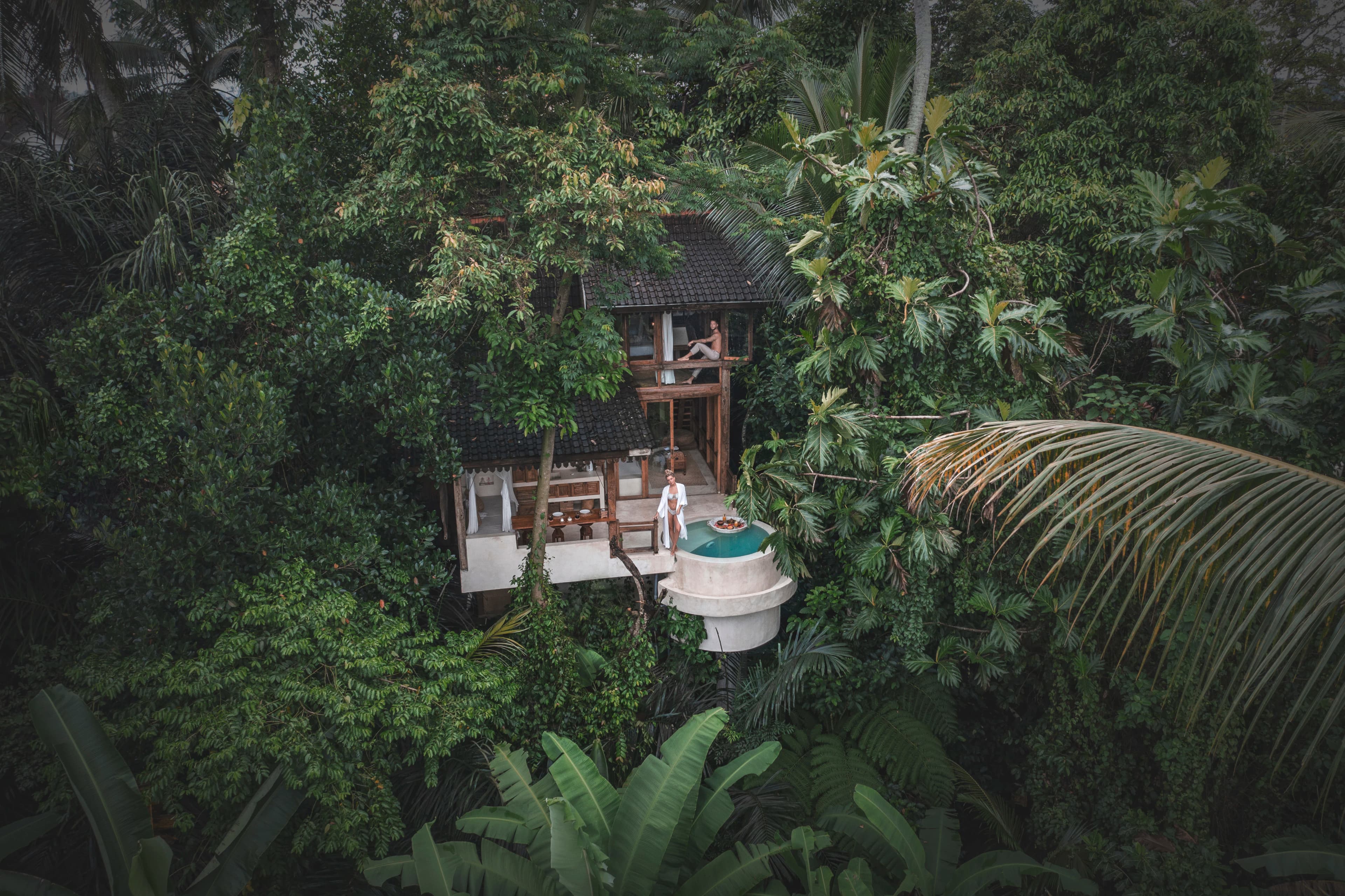
a small house in the middle of a forest
🇮🇩

Indonesia holiday

Travel tips, best time to visit & highlights for your Indonesia holiday in Asia

Over 17,000 islands, with Bali as a spiritual yoga paradise, Komodo with its dragons, Java with powerful volcanoes, and Raja Ampat as a diving paradise. Indonesia is infinitely diverse.

Capital

Jakarta

Language

Bahasa Indonesia

Currency

Rupiah (IDR)

Time zone

UTC+7 to +9

Flight time from DE

approx. 13–15 hours

Entry requirements

Passport, 30 days visa-free

Top hotels & accommodations in Indonesia

Selected hotels and holiday accommodations in Indonesia — with images, reviews, and direct booking links with our partners.

Top 5 highlights in Indonesia

The places you absolutely must not miss.

1

Bali

Rice terraces in Ubud, temples, yoga, surf beaches, and breathtaking sunsets.

2

Komodo Islands

Komodo dragons, Pink Beach, and world-class snorkeling/diving.

3

Borobudur, Java

The largest Buddhist temple in the world – sunrise over the sea of fog.

4

Raja Ampat

The most biodiverse marine area on Earth – diver's paradise.

5

Gili Islands

Three car-free islands with turquoise water, turtles, and reggae bars.

Hotels in Indonesia

Vergleiche tausende Hotels, Apartments und Resorts auf Expedia – mit Bestpreis-Garantie, kostenloser Stornierung und Bonuspunkten.

Über 700.000 Hotels
Kostenlose Stornierung
Bestpreis-Garantie
Hotels in Indonesia vergleichen

* Weiterleitung zu Expedia.de. Es gelten die dortigen Nutzungsbedingungen.

Reise-SIM für Indonesia

Prepaid-SIM mit Datenvolumen für Indonesia. Einfach einlegen und sofort lossurfen – keine Roaming-Gebühren.

Sofort einsatzbereit
200+ Länder
Kein Roaming
SIM-Karte für Indonesia bestellen

* Weiterleitung zu travSIM.de. Es gelten die dortigen Nutzungsbedingungen.

Reiseversicherung abschließen

Rundum-Schutz ab 9,90 € auf TravelSecure.de

Pauschalreisen & Rundreisen

Berge & Meer – 170 Tage Cookie

Best time to visit Indonesia

Recommended travel time

April–October (dry season)

Summer

28–33°C

Winter

26–31°C

How much does a holiday in Indonesia cost?

Average cost per person per day (excluding flight)

🎒

Budget

20–35€

Hostel, street food, public transport

🏨

Mid-range

35–70€

Hotel, restaurant, excursions

🌟

Luxury

70–200€

Boutique hotel, fine dining

5 travel tips for Indonesia

Insider knowledge to make your holiday better.

Renting a scooter in Bali is cheap but be careful in traffic

Sarong is mandatory in temples – often available for rent at the entrance

Use Grab app for cheap taxis

Never drink tap water, always buy bottled water

Nusa Penida from Bali as a day trip – visit T-Rex Bay

Food & drink in Indonesia

These dishes you must try!

Nasi Goreng
Satay
Rendang
Gado-Gado
Bakso
Babi Guling (Bali)

Discover Indonesia

37 regions, cities and highlights in Indonesia

Regions

a small house in the middle of a forest

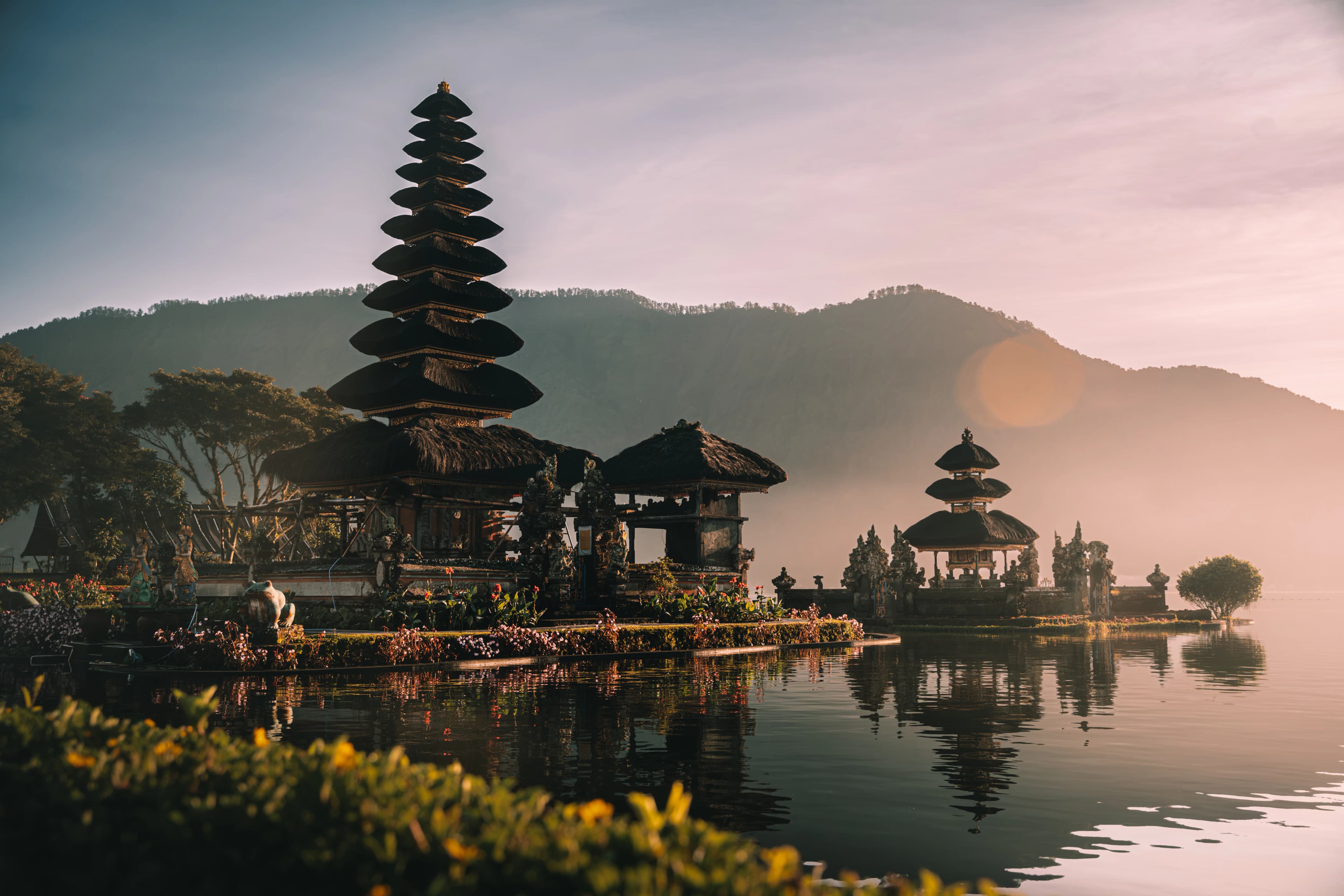
Bali

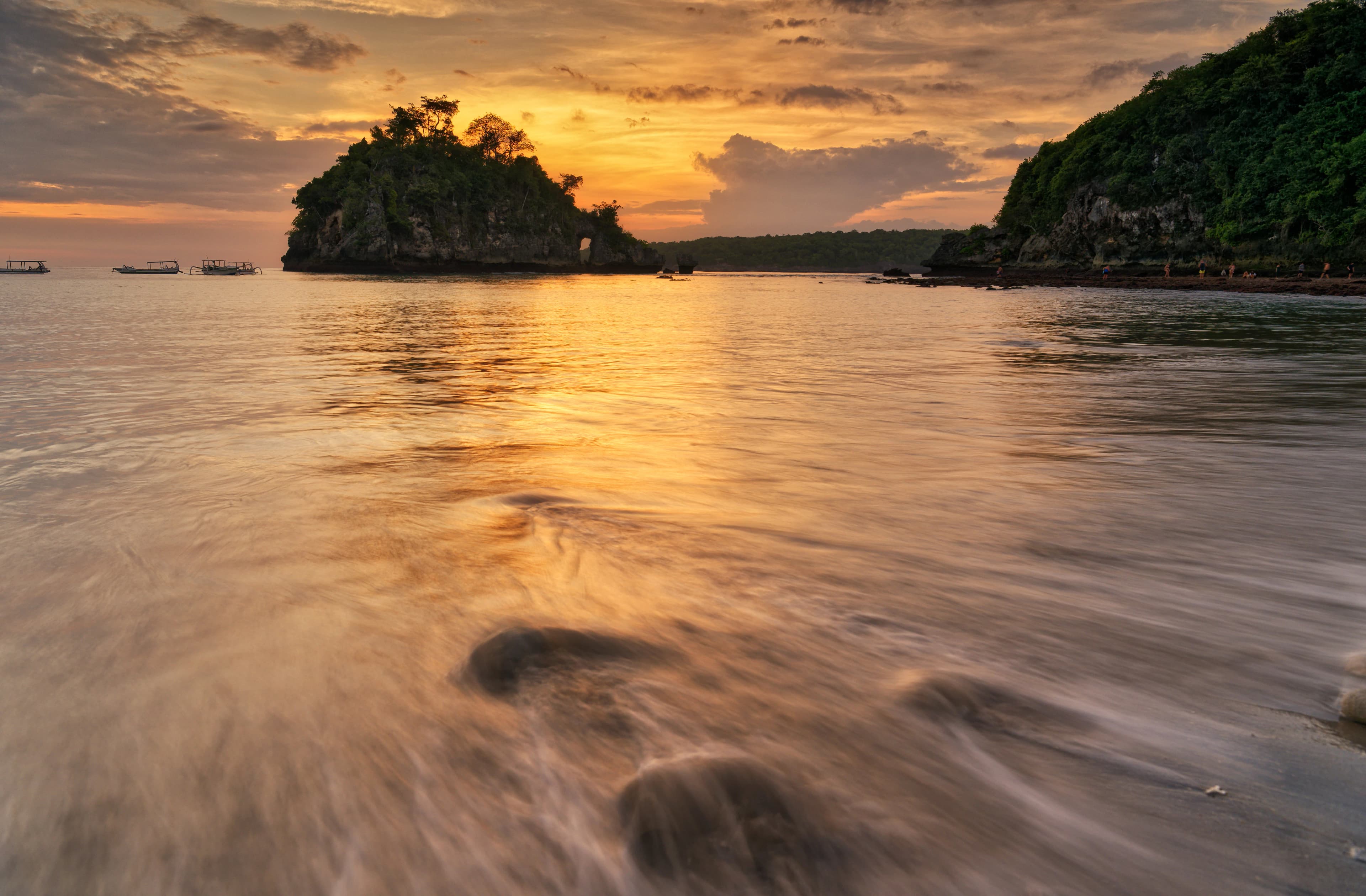
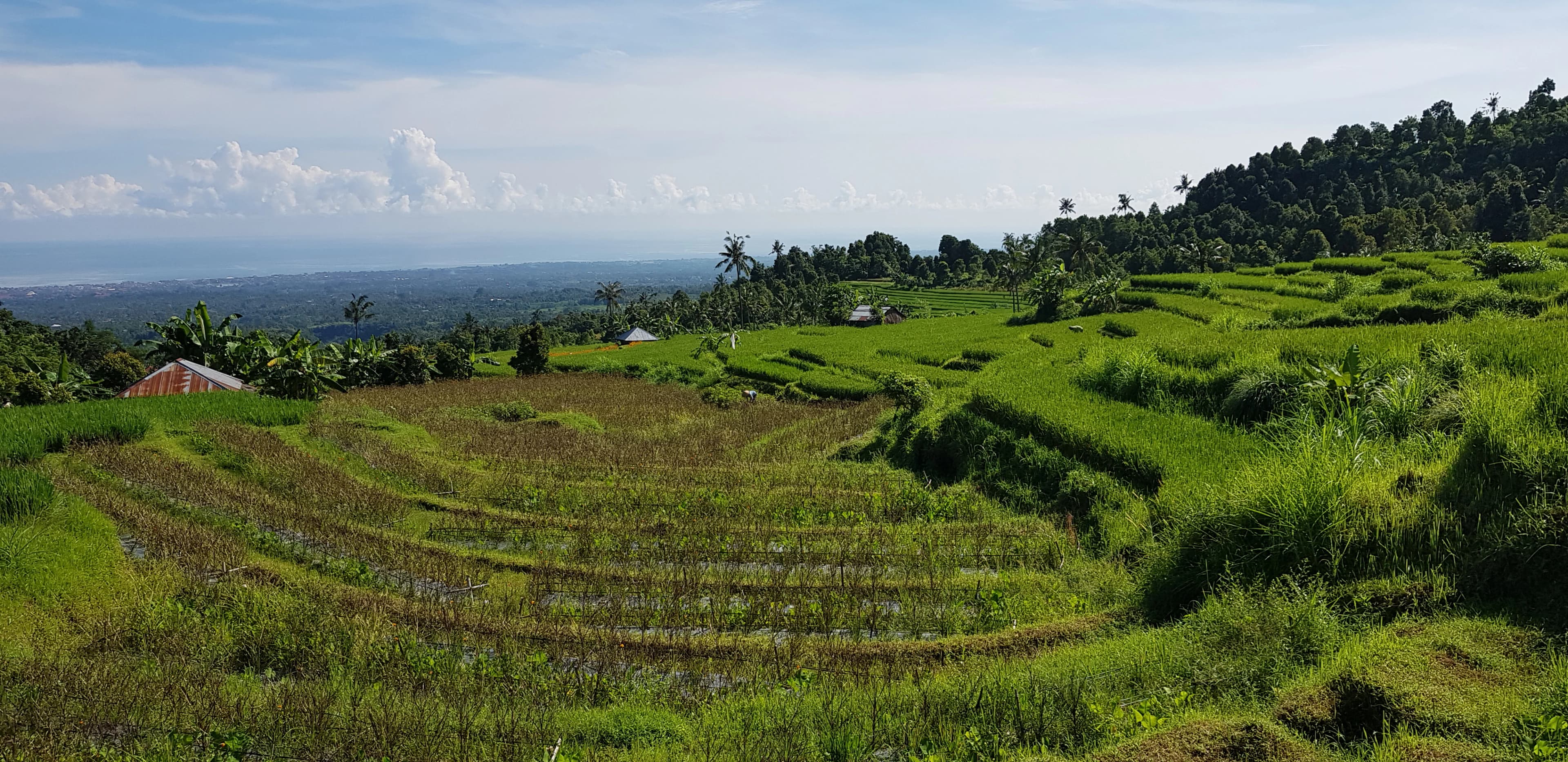
Bali is the magical island of gods in Indonesia — a tropical paradise that unites Hindu spirituality, emerald green rice terraces, spectacular volcanic landscapes, and golden beaches on a single island. Around four million inhabitants live on the island, which covers only 5,780 square kilometers between the Indian Ocean and the Bali Sea, and everywhere you can feel the deep connection of the Balinese with their gods: Daily, intricately woven offerings (Canang Sari) are placed in front of homes, temples, and businesses. The rice terraces of Tegallalang north of Ubud are a UNESCO World Heritage site and form one of the most iconic landscapes in Southeast Asia: Step by step, the emerald green fields cling to the slopes, cultivated with the traditional Subak irrigation system that has been in operation for over 1,000 years. The Pura Tanah Lot, a Hindu sea temple on a rocky reef, offers a silhouette at sunset that is among the most photographed motifs in Southeast Asia. The sacred volcano Gunung Agung (3,142 m) is Bali's highest point and spiritual center: The Mother Temple Pura Besakih on its slopes is the largest and holiest temple complex on the island with over 80 individual temples. The sunrise from the neighboring volcano Mount Batur over the crater lake is an unforgettable experience — the hike begins around 2 a.m. and takes three hours to reach the 1,717-meter high summit. Bali's coastal towns offer something for everyone: Seminyak and Kuta for nightlife and beginner surfers, Uluwatu for dramatic cliffs and the legendary Kecak dance performance at sunset, Nusa Dua for luxury resorts, Amed for divers, and Canggu for digital nomads. Ubud in the interior is the cultural heart with art galleries, the Sacred Monkey Forest, and the Lotus Temple Pura Saraswati.

TempleRice TerracesVolcano

Cities

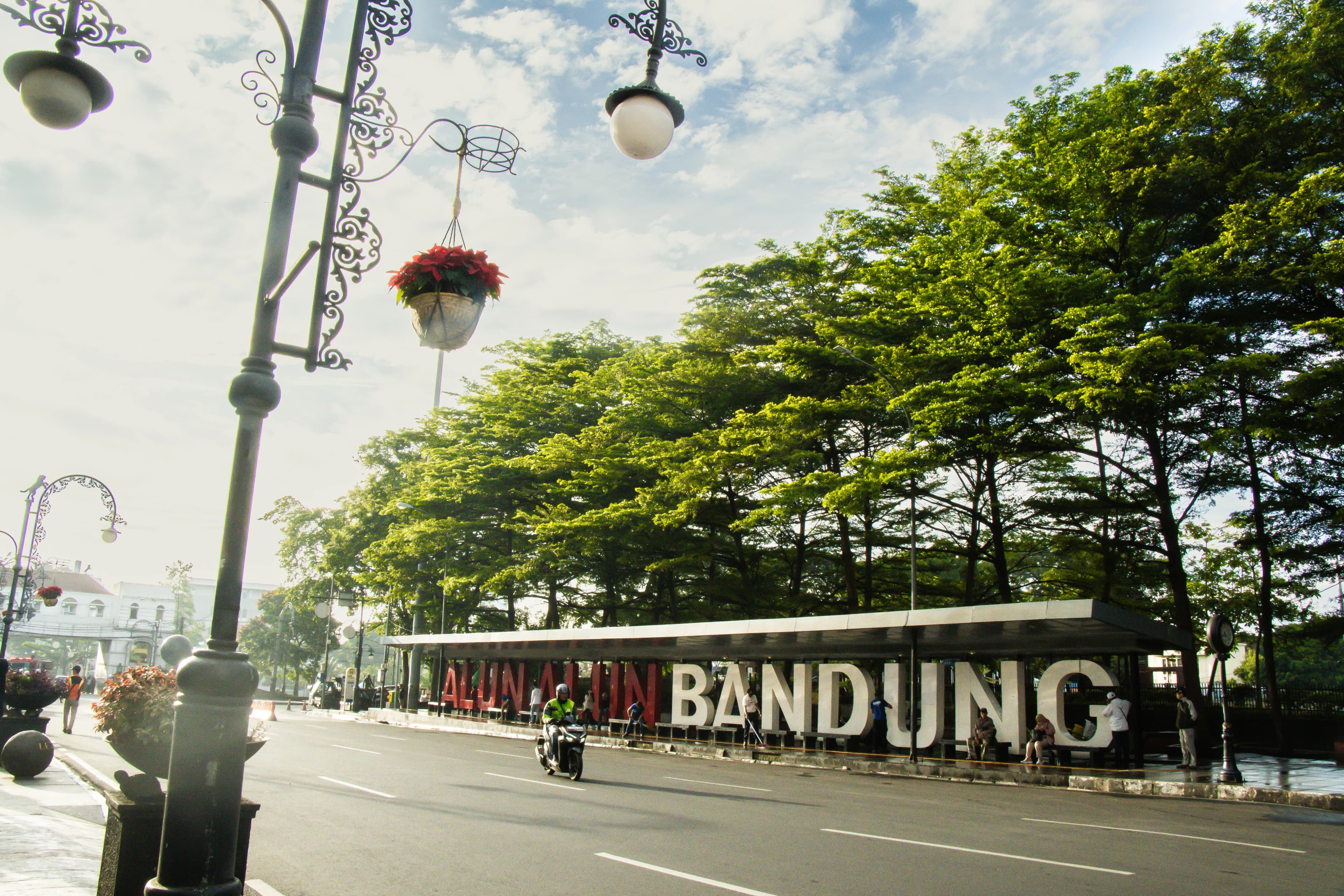
Bandung city sign with trees and decorative lamps.

Bandung

Bandung is the capital of West Java province and with around 2.5 million inhabitants, it is the fourth largest city in Indonesia. The city is located at about 768 meters above sea level in a high valley, surrounded by volcanoes and tea plantations, earning it the nickname Parijs van Java (Paris of Java) — a name given by Dutch colonial rulers due to its pleasant climate and European-style architecture. The Gedung Sate, an Art Deco government building with a distinctive tower reminiscent of satay skewers, is Bandung's landmark. Jalan Braga, once the most elegant promenade of the Dutch colonial era, preserves historical buildings, art galleries, and cafes. Kawah Putih (White Crater) is a surreal volcanic crater lake south of Bandung: the sulfuric water changes color between white, turquoise, and green depending on its mineral content. The Tangkuban Perahu, an active volcano north of the city, offers a walkable crater rim with steaming fumaroles. Bandung is Indonesia's fashion and textile capital: factory outlets on Jalan Riau and Cihampelas Walk offer designer clothing at a fraction of European prices. On weekends, millions of visitors from Jakarta (only 150 km away) flock to shop and escape the heat. The tea plantations of Ciwidey and Pangalengan in the hills south of the city offer rolling green landscapes reminiscent of Sri Lanka — tours with tea tasting are available.

VolcanoShoppingColonial

Bogor

Bogor — the "Rain City" — is located just 60 kilometers south of Jakarta in the cool foothills of the Salak volcano and has been the most popular escape from the capital's heat since colonial times. The Dutch named it "Buitenzorg" (Without Worries), and the name fits: Bogor is greener, cooler, and quieter than chaotic Jakarta. The Kebun Raya Bogor — the Botanical Garden of Bogor — is the heart of the city and one of the oldest and most significant tropical gardens in the world. Over 15,000 plant species grow on 87 hectares, including rare orchids, giant bamboo, and the gigantic Rafflesia. The Presidential Palace — Istana Bogor — borders directly on the garden and is home to a herd of over 700 deer on the palace grounds. The Puncak Pass road leads from Bogor into the mountains and offers breathtaking views of tea plantations that lay like green velvet blankets over the hills. The Taman Safari — one of the best safari parks in Asia — is on the way to the pass. The Pasar Anyar is Bogor's bustling market with tropical fruits, spices, and the famous Bogor rain cake (Roti Unyil). The Salak fruit — named after the nearby volcano — is Bogor's sweet, scaly specialty.

BotanyGardensMountains
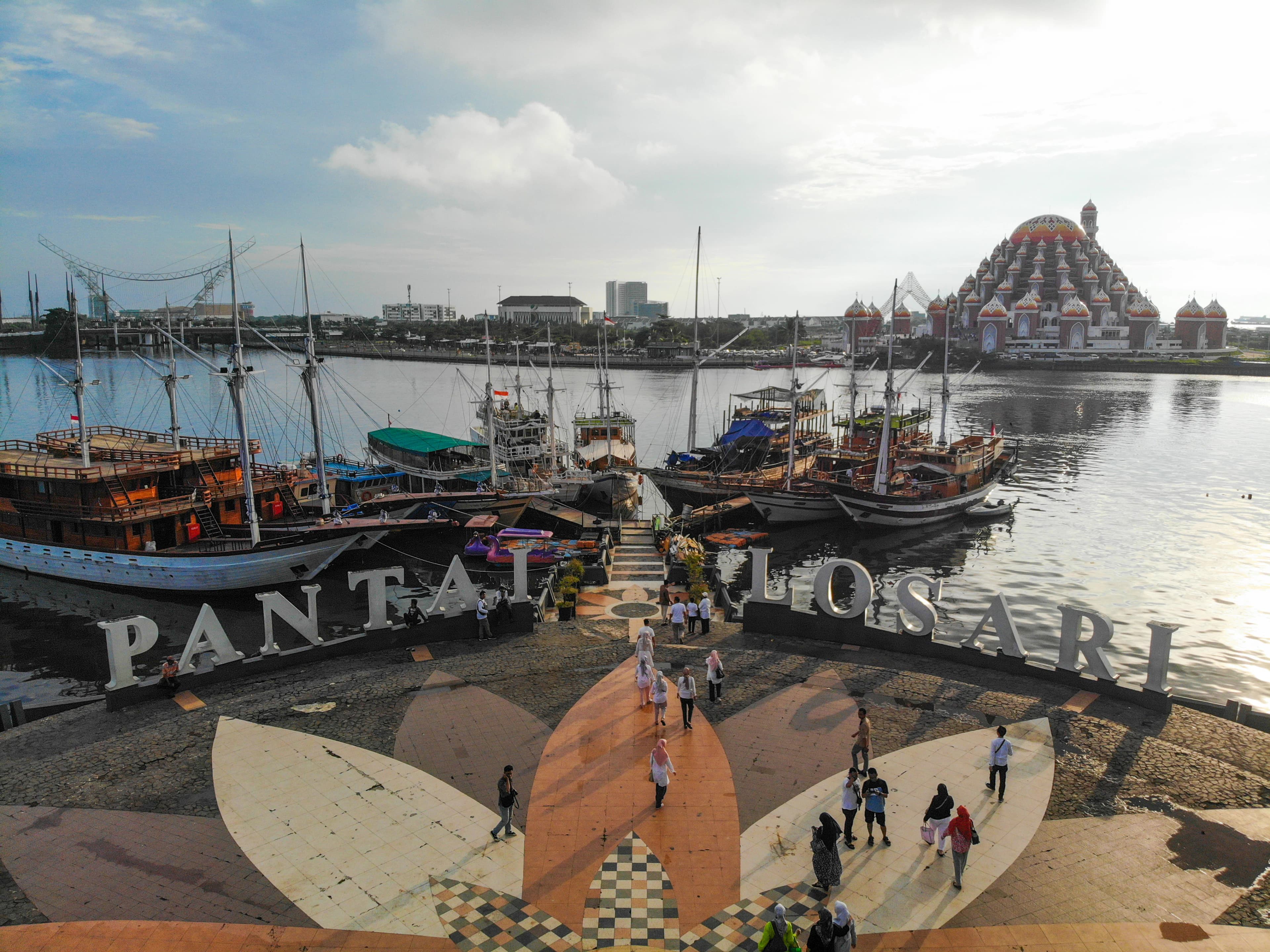
a group of boats docked at a pier

Makassar

Makassar is the capital of the South Sulawesi province and the largest city on the island of Sulawesi — the gateway to one of the most biodiverse marine areas on Earth. The city at the southwest tip of Sulawesi was historically a powerful trading metropolis, whose seafarers and warriors (Bugis and Makassar) sailed as far as Australia and Madagascar. Fort Rotterdam (Benteng Ujung Pandang) is the best-preserved Dutch colonial fort in all of Southeast Asia. The star-shaped fortress from the 17th century now houses the La Galigo Museum with artifacts of Bugis and Makassar culture, including centuries-old silk sarongs and the unique Bugis script Lontara. Losari Beach is Makassar's famous beachfront promenade and is considered the longest sunset table in the world: In the evenings, kilometers of seafood stalls transform into a giant outdoor restaurant with freshly grilled fish, crabs, and the famous Pisang Epe (grilled banana pancakes). From Makassar, one can reach the Tana Toraja highlands (about 8 hours north), famous for spectacular rock graves, funeral rituals, and the distinctive Tongkonan houses. The offshore Spermonde Islands offer pristine coral reefs and white sandy beaches for divers and snorkelers.

SulawesiDivingBugis
a body of water with a small island in the middle of it

Malang

Malang is East Java's most charming city — a cool highland at 460 meters with colonial architecture, a vibrant student scene, and the perfect location between volcanoes, rainforests, and the Indian Ocean. Many travelers refer to Malang as the "better Yogyakarta" — less touristy but just as culturally rich. The Bromo-Tengger-Semeru National Park — just 2 hours away — is home to the legendary Mount Bromo, whose smoking crater towers over a sea of sand and offers one of Indonesia's most iconic panoramas at sunrise. The Tumpak Sewu Waterfall — a 120-meter high fan-shaped cascade — is one of the most spectacular waterfalls in Southeast Asia. The old town with the Ijen Boulevard showcases Dutch colonial architecture and Art Deco villas. The Pasar Besar (Great Market) is a labyrinthine shopping experience, and the Jodipan Kampung is a colorful neighborhood with painted houses — Malang's own rainbow settlement. The southern coast offers unspoiled beaches: Balekambang with its Hindu temple on a rock in the sea and the turquoise Sendang Biru are hidden gems far from mass tourism.

VolcanoWaterfallColonial
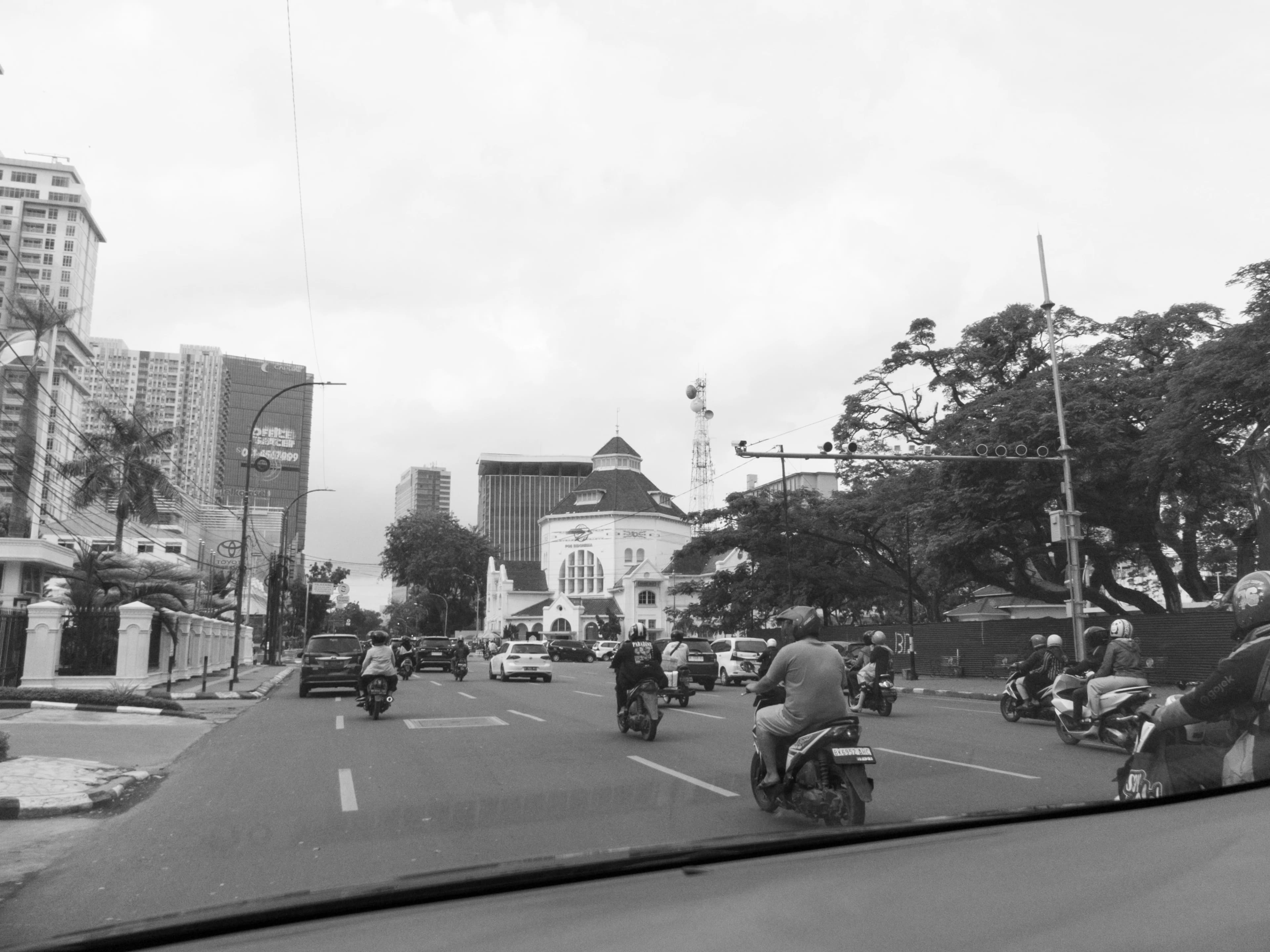
a group of people riding motorcycles down a street

Medan

Medan is the capital of North Sumatra province and with around 2.5 million inhabitants, the largest city outside Java. The multicultural metropolis is a melting pot of Malay, Batak, Chinese, Indian, and European influences — visible in the architecture, temples, and especially in the cuisine. The Maimoon Palace (Istana Maimun), built in 1888 by the Sultan of Deli, combines Malay, Islamic, and European architectural styles in a magnificent yellow palace. The Great Mosque Al-Mashun (Masjid Raya) next door, completed in 1906, impresses with Moroccan-inspired domes and Italian marble. Medan is the gateway to Lake Toba (Danau Toba), the largest volcanic lake in the world (1,145 km²) and one of the deepest lakes overall (505 m). The lake was formed about 74,000 years ago by a supervolcanic eruption that changed the global climate. Samosir Island in the lake is larger than Singapore and the center of Batak culture with traditional houses and graves. The Bukit Lawang Orangutan Rehabilitation Center, about 90 km northwest of Medan in Gunung Leuser National Park (UNESCO World Heritage), offers the opportunity to observe semi-wild Sumatran orangutans in their natural habitat — one of the most moving nature experiences in Southeast Asia. Medan's cuisine is considered one of the best in Indonesia: the diversity of cultures is reflected in Nasi Padang, Indian Roti Canai, Batak grilled dishes, and Chinese noodle soups.

Orang-UtanTobaseeSumatra

Padang

Padang is the capital of the West Sumatra province and the home of the famous Padang cuisine — the spiciest and most diverse regional food in Indonesia. The coastal city on the Indian Ocean is the cultural center of the Minangkabau, the largest matrilineal people in the world, where property and name are inherited through the maternal line. The traditional Minangkabau architecture with its curved buffalo horn roofs (Rumah Gadang) shapes the region. The Adityawarman Museum in the city center is housed in a Rumah Gadang and showcases the fascinating matrilineal culture of the Minangkabau. Padang's coast offers the dramatic Air Manis Beach with the legend of Malin Kundang (the boy who turned to stone) and views of several offshore islands. The Mentawai Islands — accessible by ferry — are among the best surf spots in the world with perfect waves and untouched rainforests. The Harau Valley — 2 hours north — is a stunning gorge with 100-meter-high vertical rock walls, rice fields, waterfalls, and traditional villages. The Bukittinggi plateau with the Ngarai Sianok Canyon offers a cool climate and spectacular views.

FoodSurfingMinangkabau
cars parked in front of beige concrete building during daytime

Palembang

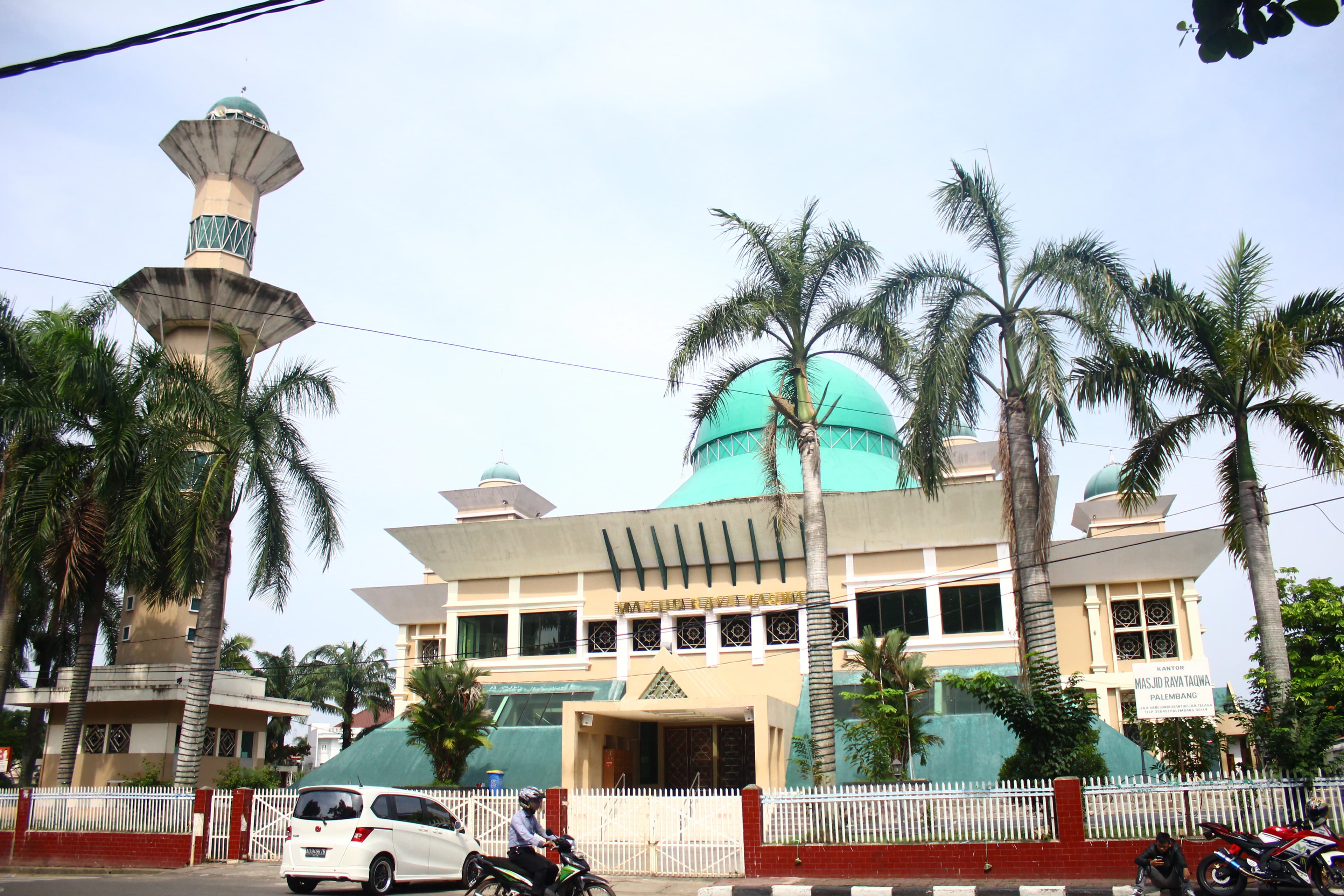
Palembang is the capital of South Sumatra province and with around 1.7 million inhabitants, it is the second largest city in Sumatra. The city stretches along both banks of the mighty Musi River and has a history of over 1,300 years — as the capital of the Sriwijaya Empire, Palembang was once the center of one of the most powerful maritime empires in Southeast Asia. The Sriwijaya Empire (7th–13th century) controlled the Strait of Malacca and the entire sea trade between China and India from Palembang. It was a center of Buddhist scholarship, attracting even the Chinese monk Yijing in the 7th century. Although few physical remnants remain, the Sriwijaya Kingdom Museum documents the significance of this forgotten empire. The Ampera Bridge over the Musi River is the landmark of Palembang: built in 1965, it is 1,117 meters long and spectacularly illuminated in the evening. Along the river, floating houses (Rumah Rakit) line the banks, and the river itself is a bustling artery of transportation with ferries, cargo boats, and traditional vessels. The Sultan's Palace (Sultan Mahmud Badaruddin II Museum) and the grand mosque (Masjid Agung) on the riverbank testify to the city's Islamic history since the 16th century. Palembang has been contested multiple times by the Dutch and the British. Palembang is especially famous for its unique cuisine: Pempek, the legendary fish cakes made from mackerel meat and tapioca, served with a sweet-sour vinegar chili sauce (Cuko), are known throughout Indonesia and are considered one of the best street foods in the country. The city carries the unofficial title of Culinary Capital of Sumatra.

RiverSriwijayaStreetfood
a city with many buildings

Semarang

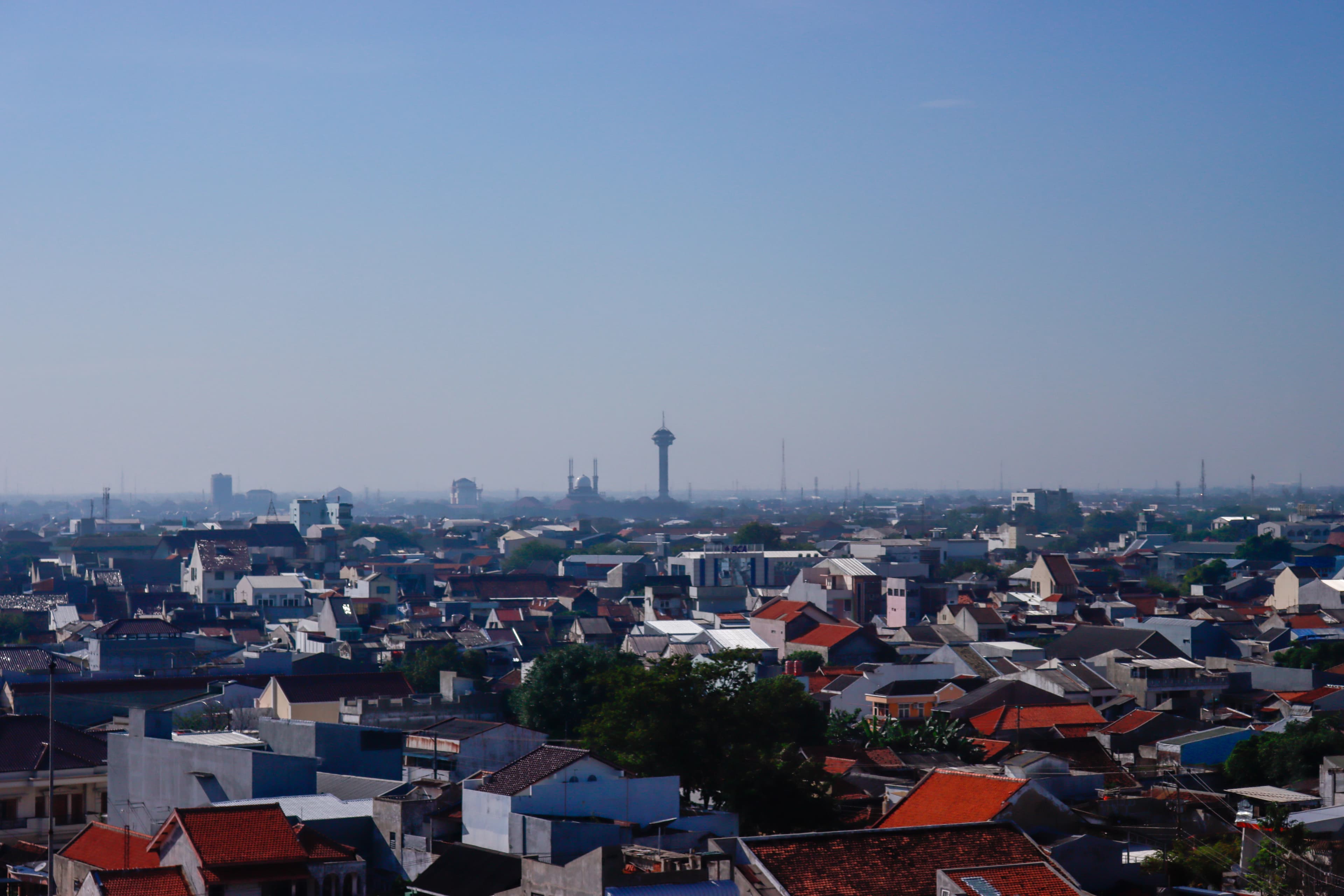
Semarang is the capital of the Central Java province and, with around 1.8 million inhabitants, the fifth largest city in Indonesia. The port city on the north coast of Java combines Javanese tradition, colonial Dutch architecture, and Chinese influences into a fascinating cultural mix — and remains largely untouched by mass tourism. The old town Kota Lama (Old Town) is a jewel of colonial architecture: dozens of decaying and restored Dutch buildings from the 18th and 19th centuries form an atmospheric neighborhood sometimes referred to as Little Amsterdam. The Blenduk Church (1753) with its distinctive dome is the oldest church building in Central Java. The Sam Poo Kong Temple is the oldest Chinese temple complex in Java, founded in the 15th century by the legendary Admiral Zheng He, who sailed the coasts of Southeast Asia with his treasure fleet. The colorful red pavilions and carved dragons attract visitors of all religions. Lawang Sewu (“Thousand Doors”) is a monumental colonial building of the Dutch railway company, built in 1907, with countless arches and windows. Long famous as a haunted house, it has been extensively restored and is now one of the most photographed buildings in Java. On the Gedong Songo Plateau, about 45 km south of the city at over 1,200 meters high, stand nine Hindu temples from the 8th and 9th centuries amidst misty forests overlooking steaming volcanic slopes — a mystical experience away from the tourist trails. The nearby Borobudur (about 2 hours away) and Prambanan are easily accessible as day trips.

ColonialTempleJavanese
a brightly colored bus is driving down the street

Surabaya

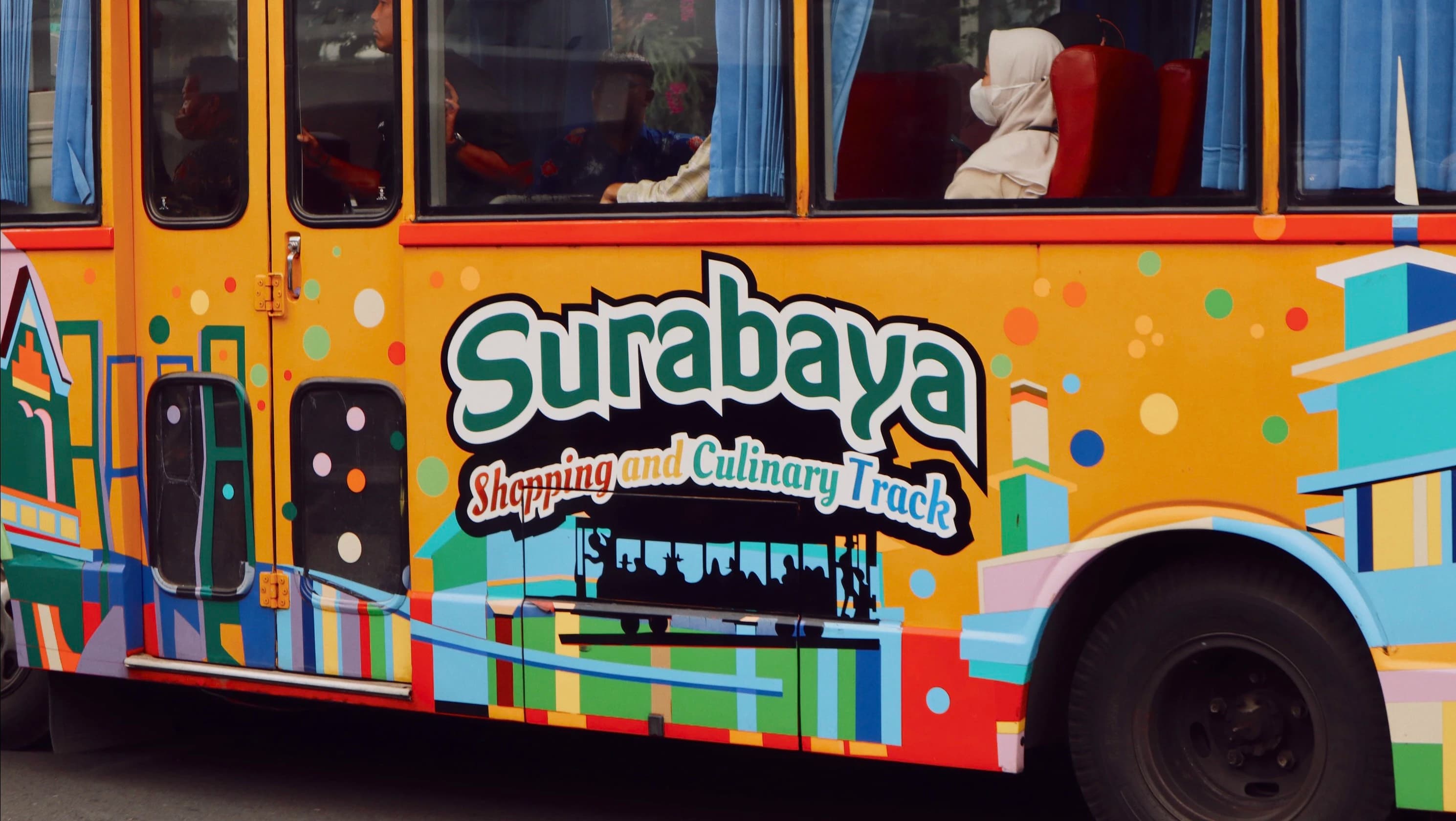
Surabaya is the second largest city in Indonesia and the capital of East Java province. The port city in northeastern Java is known as Kota Pahlawan (Hero City) because the Battle of Surabaya took place here in 1945 — one of the bloodiest battles in the Indonesian War of Independence against the British and Dutch. The Tugu Pahlawan (Hero Monument) and the adjacent Museum 10 November commemorate this turning point in Indonesian history. Jalan Tunjungan, once the most elegant shopping street of the Dutch colonial era, preserves the charm of past epochs with the Hotel Majapahit (formerly Hotel Oranje) and historic Art Deco buildings. The Arab Quarter around the Al-Akbar Mosque — one of the largest mosques in Southeast Asia — showcases the Islamic side of the city. The Chinese Temple Hok An Kiong (1830) and Chinatown document Surabaya's multicultural history. Surabaya is the gateway to Mount Bromo and the Ijen Crater: Gunung Bromo in the Tengger massif offers one of Asia's most spectacular natural spectacles at sunrise — a smoking crater amidst a moon-like sandy plain. The Kawah Ijen impresses with its turquoise acidic lake and the rare blue flames at night. The local cuisine is hearty and spicy: Rawon, a black beef stew with Kluwek nut, is Surabaya's culinary landmark.

VolcanoHistoryBromo

Tangerang

Tangerang is a million-inhabitant city in the Banten province, located directly west of Jakarta. Although often perceived as a suburb of Jakarta, Tangerang is an independent city with over 1.9 million residents and the most important airport in Indonesia — Soekarno-Hatta International Airport. For travelers, Tangerang is primarily relevant as a gateway to Indonesia's island world: Flights to Bali, Yogyakarta, Lombok, Flores, and the thousands of other islands of the archipelago depart from the airport. However, the city itself has surprisingly much to offer. The old town of Tangerang (Chinatown/Pasar Lama) is one of the oldest Chinese quarters in Java, featuring the Boen Tek Bio Temple (1684) — one of the oldest Chinese temples in Indonesia. The temple combines Confucian, Buddhist, and Taoist elements under one roof. The Cisadane riverside promenade has been modernized and offers jogging, cycling, and street food markets. The AEON Mall and Ice BSD City are modern shopping and entertainment complexes. Indonesian street food in Tangerang is legendary cheap: Nasi Goreng, Sate, and Bakso at every corner for under €1.

AirportStreet foodJakarta

Yogyakarta

Yogyakarta, affectionately called Jogja by locals, is the cultural heart of Java and the guardian of traditional Javanese arts, language, and court culture. The city is one of the few Indonesian regions still ruled by a Sultan — the Kraton, the royal palace from the 18th century, remains the residence of the Sultan and is also a living museum of Javanese architecture and tradition. The absolute highlight of the region is the Borobudur Temple, located about 40 kilometers northwest: The largest Buddhist temple complex in the world, built in the 9th century, rises with its nine levels and 72 stupas from the tropical jungle — at sunrise, when mist swirls around the Merapi and Merbabu volcanoes, it is a truly mystical experience. Prambanan, the largest Hindu temple complex in Indonesia, impresses with its slender towers and detailed reliefs from the Ramayana epic. Jalan Malioboro, Jogja's legendary main street, is an endless bazaar with batik fabrics, silver jewelry, and wayang puppets, while in the evenings street musicians and lesehan players enliven the atmosphere. The village of Kasongan south of the city is famous for its pottery, while in Kotagede, silversmiths have been crafting intricate works for centuries. The local cuisine is characterized by Gudeg, the sweet jackfruit dish that is considered the city's landmark. The nearby Merapi volcano offers jeep tours through the lava fields of the last eruption.

CultureTemplesBatik
a train on the railway tracks

Jakarta

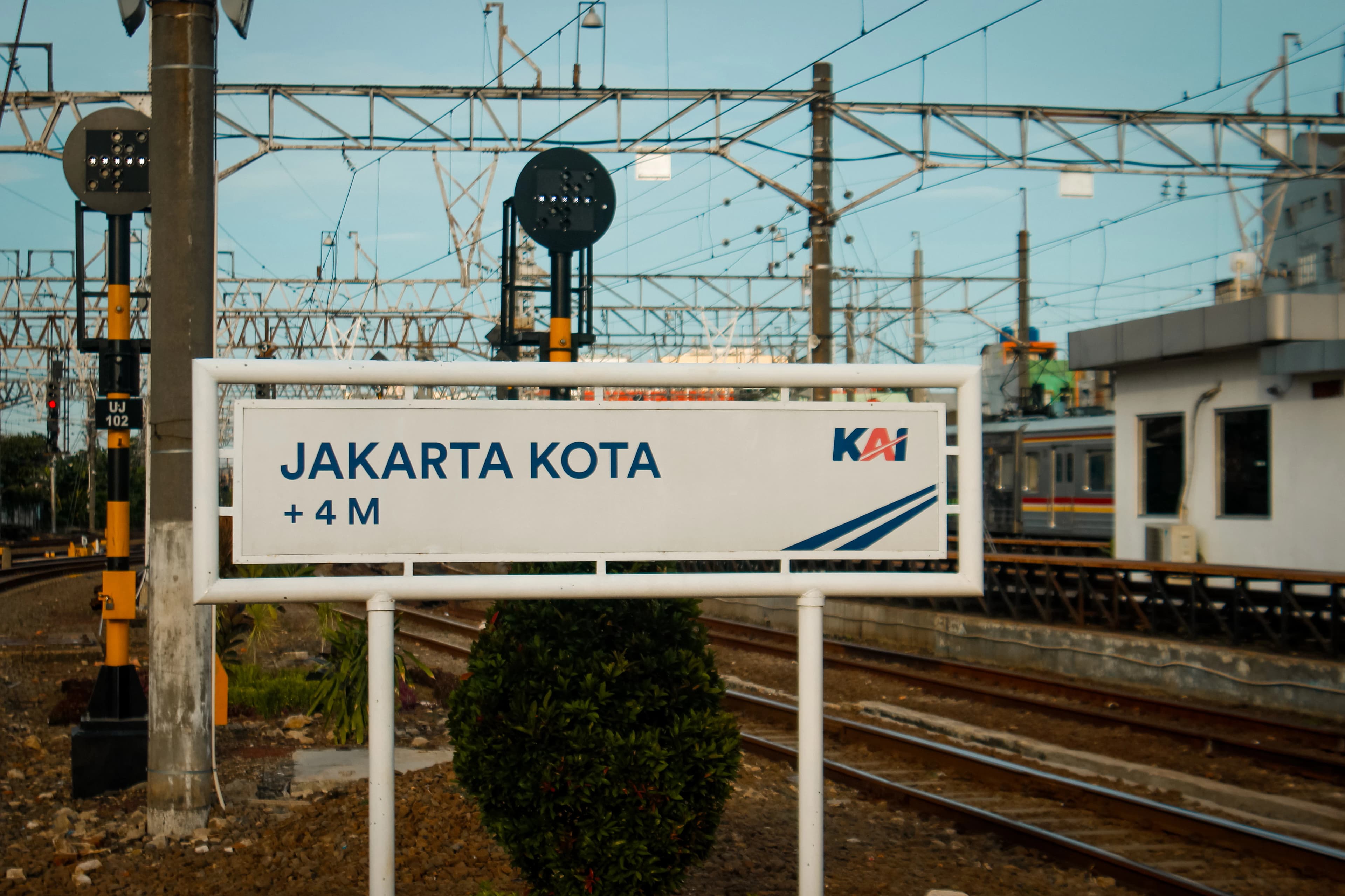
Jakarta, the vibrant capital of Indonesia with over 10 million inhabitants, is a fascinating kaleidoscope of colonial history, modern skyline, and lively street culture. The megacity on the northern coast of Java may seem overwhelming at first glance, but behind the traffic chaos and skyscrapers lie historical treasures, top-notch museums, and one of the most exciting street food scenes in Asia. The historic district of Kota Tua (Old Town) around Fatahillah Square preserves the heritage of the Dutch colonial era with the Jakarta History Museum in the former town hall, the Wayang Puppet Museum, and the Art Museum. The Istiqlal Mosque, the largest mosque in Southeast Asia, stands symbolically directly opposite the neo-baroque cathedral — an architectural sign of religious coexistence. The National Museum houses one of the most significant collections of Southeast Asian artifacts, including gold treasures from the Majapahit era. Modern Jakarta is showcased in the skyline of Sudirman and Thamrin with shiny skyscrapers, megamalls like Grand Indonesia, and the rooftop bar scene. The city's culinary offerings are legendary: from the spicy Soto Betawi (beef soup) to Nasi Goreng at street stalls to trendy restaurants in Menteng and Kemang. The Ancol Dreamland amusement complex at the harbor offers relaxation, while the old harbor Sunda Kelapa with its wooden Pinisi sailing ships opens a window into Indonesia's maritime past.

MegacityColonialStreet Food

Islands

Batam

Batam is an Indonesian island directly opposite Singapore — just a 45-minute ferry ride separates the two worlds. Once a sleepy fishing island, it has become a popular weekend getaway for Singaporeans and an emerging tourist destination that combines Indonesian prices with proximity to a global metropolis. The island offers surprisingly beautiful beaches, foremost Nongsa and Turi Beach on the east coast overlooking the Singapore Strait. Several resort complexes offer spa treatments, golf, and water sports at a fraction of Singaporean prices. The Barelang Bridges — a chain of six bridges connecting Batam with neighboring islands — provide spectacular views of the Riau Islands. The Mega Wisata Ocarina Park at the waterfront is a recreational complex featuring a Ferris wheel, water park, and promenade. The culinary scene is a highlight: seafood restaurants by the water serve fresh fish, crabs, and shrimp at prices that astonish Singaporeans. Nagoya Hill is the main shopping center, and the island's foot reflexology massages are legendary for their affordability.

IslandBeachSeafood

Flores

Flores is one of the most fascinating and least visited islands in Indonesia — a 360-kilometer long, mountainous strip of volcanic earth east of Bali that feels like a continent in miniature. The island is the gateway to Komodo National Park with its legendary dragons, but also offers unforgettable experiences away from the dragons. The Kelimutu volcano is Flores' natural wonder number one: three crater lakes on a single peak that shimmer in different colors — turquoise, emerald green, and dark red. The colors change regularly due to volcanic minerals and gas reactions, so no visit is the same as another. The sunrise over the three colored lakes is one of the most unforgettable natural spectacles in Southeast Asia. The Trans-Flores Highway connects Labuan Bajo in the west with Maumere in the east and leads through breathtaking landscapes: volcanic cones, rice terraces, traditional villages of Manggarai and Ngada, spider web rice fields near Ruteng, and the massive canyon of Cunca Wulang with its turquoise natural pools. Labuan Bajo is the starting point for Komodo boat tours: multi-day liveaboard trips lead to the Komodo dragons, the pink beaches, Manta Point (with giant mantas), and some of the best dive spots in Indonesia. Flores itself is predominantly Catholic — a unique legacy of the Portuguese colonial era that is reflected in churches, processions, and a different atmosphere than the rest of Muslim Indonesia.

KomodoVolcanoDiving

Gili Islands

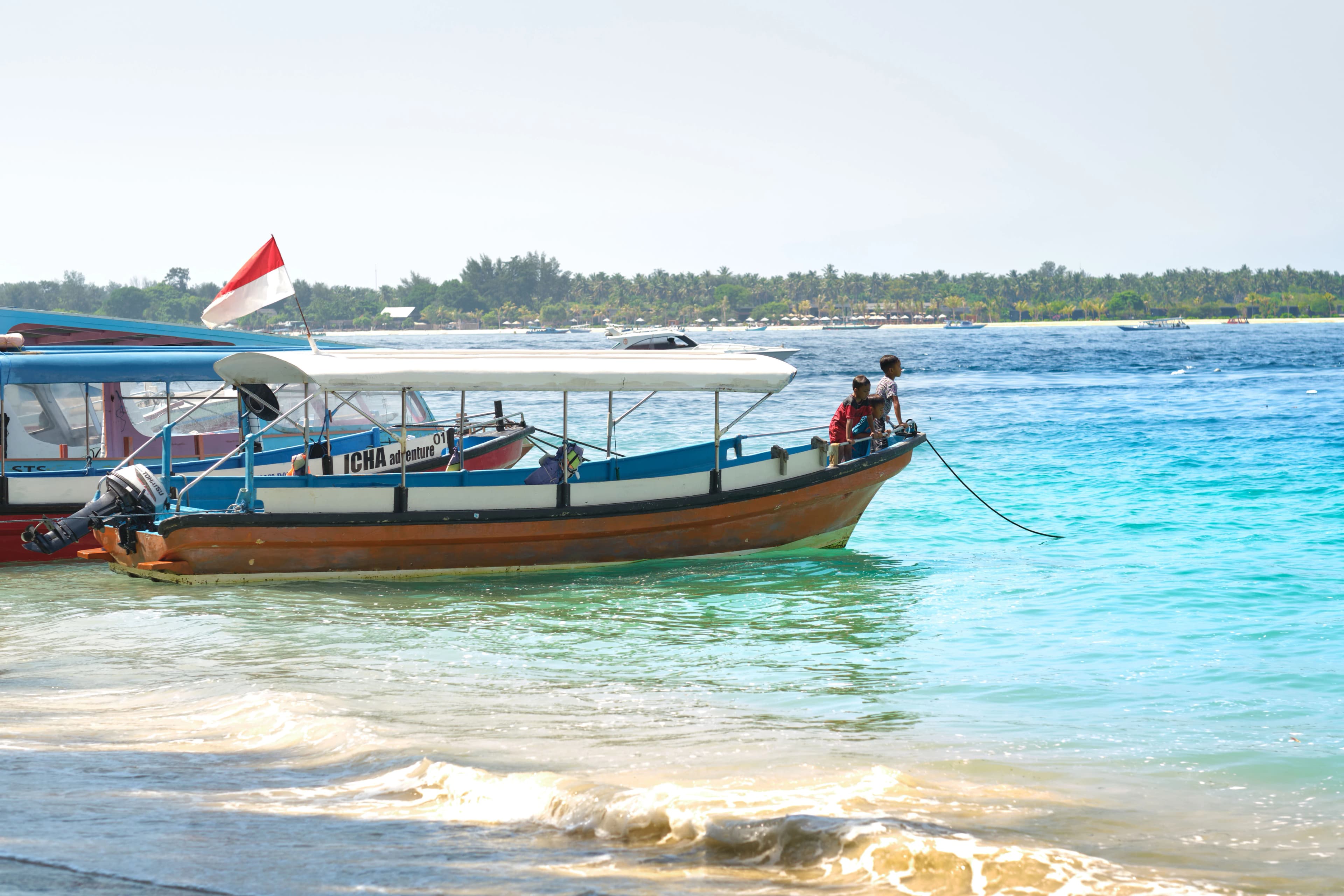
The Gili Islands are a tropical triumvirate off the northwest coast of Lombok, resembling a postcard from paradise - three tiny coral islands with powdery white beaches, crystal-clear water, and a unique feature: there are no cars, no motorcycles, and no paved roads. Transportation is exclusively on foot, by bicycle, or with the horse-drawn carriage Cidomo, giving the Gilis a pace of life that is unmatched in Southeast Asia. Gili Trawangan, the largest and liveliest of the three islands, is the party center and backpacker magnet. The east side buzzes with bars, restaurants, and dive schools, while the west side rewards with secluded beaches and spectacular sunsets over the Agung volcano on Bali. In less than two hours, one can walk around the entire island - a stroll that takes you from busy beach clubs through quiet coconut plantations to deserted sandy beaches. Gili Meno, the smallest and quietest island, is the favorite of couples and honeymooners. A saltwater lake in the island's interior and a small turtle conservation center are the only attractions on land - here, it’s all about turquoise water, white beaches, and doing nothing as an art form. Gili Air, the island closest to the mainland, combines the relaxed atmosphere of Meno with a bit more infrastructure and a growing yoga and wellness scene. The underwater world of the Gili Islands is breathtaking. Turtles are so numerous that you are practically guaranteed to see them while snorkeling. Colorful coral reefs surround all three islands, and between the Gilis lies a sunken temple as an artificial reef, inhabited by fish and corals. Dive schools on all islands offer PADI courses at some of the cheapest prices worldwide. Manta rays, reef sharks, and with a bit of luck, even whale sharks pass by the outer reefs. From Germany, you fly to the Gilis via Bali or Lombok. From Bali, a speedboat takes about two hours directly to the islands, while from Lombok it takes only 15 to 30 minutes. The best travel time is from April to October during the dry season, although the Gilis are warm and tropical year-round.

GiliLomboksnorkeling

Gili Islands

The Gili Islands are three tiny coral islands off the northwest coast of Lombok — a trio of tropical pearls where there are no cars or motorcycles, only Cidomo horse-drawn carts and bicycles. Gili Trawangan, Gili Meno, and Gili Air are lined up in the turquoise Bali Sea, each offering its own unique character: from the party island to the snorkeling paradise to the quiet retreat. Gili Trawangan (affectionately known as Gili T) is the largest and liveliest of the three islands: A main road (more of a sandy path) lined with bars, restaurants, and dive schools runs along the east coast. The west side, with its legendary sunset swing over the water and views of Mount Agung volcano in Bali, is one of the most iconic photo spots in Southeast Asia. At night, the island transforms into a party zone with reggae bars and beach discos. Gili Meno, the middle and smallest island, is the honeymooners' paradise: Secluded white sandy beaches, a saltwater lake with birds, and the famous underwater sculptures (Nest) make Meno the quietest spot of the trio. The snorkeling spot on the northwest coast offers some of the best turtle encounters in Indonesia. Gili Air combines the best of both worlds: quieter than Trawangan, livelier than Meno, with excellent restaurants, yoga studios, and a relaxed backpacker atmosphere. The east side has the best restaurants and accommodations, while the west side boasts the most beautiful sunsets. Snorkeling and diving around the Gilis is among the best in Indonesia: sea turtles (Green and Hawksbill) swim here in such abundance that encounters are practically guaranteed. Blacktip reef sharks, eagle rays, and octopuses glide through the crystal-clear water between the islands. The dive sites Shark Point and Manta Point offer advanced divers great pelagic encounters.

SnorkelingTurtlesCar-Free
A body of water with a small island in the background

Nusa Penida

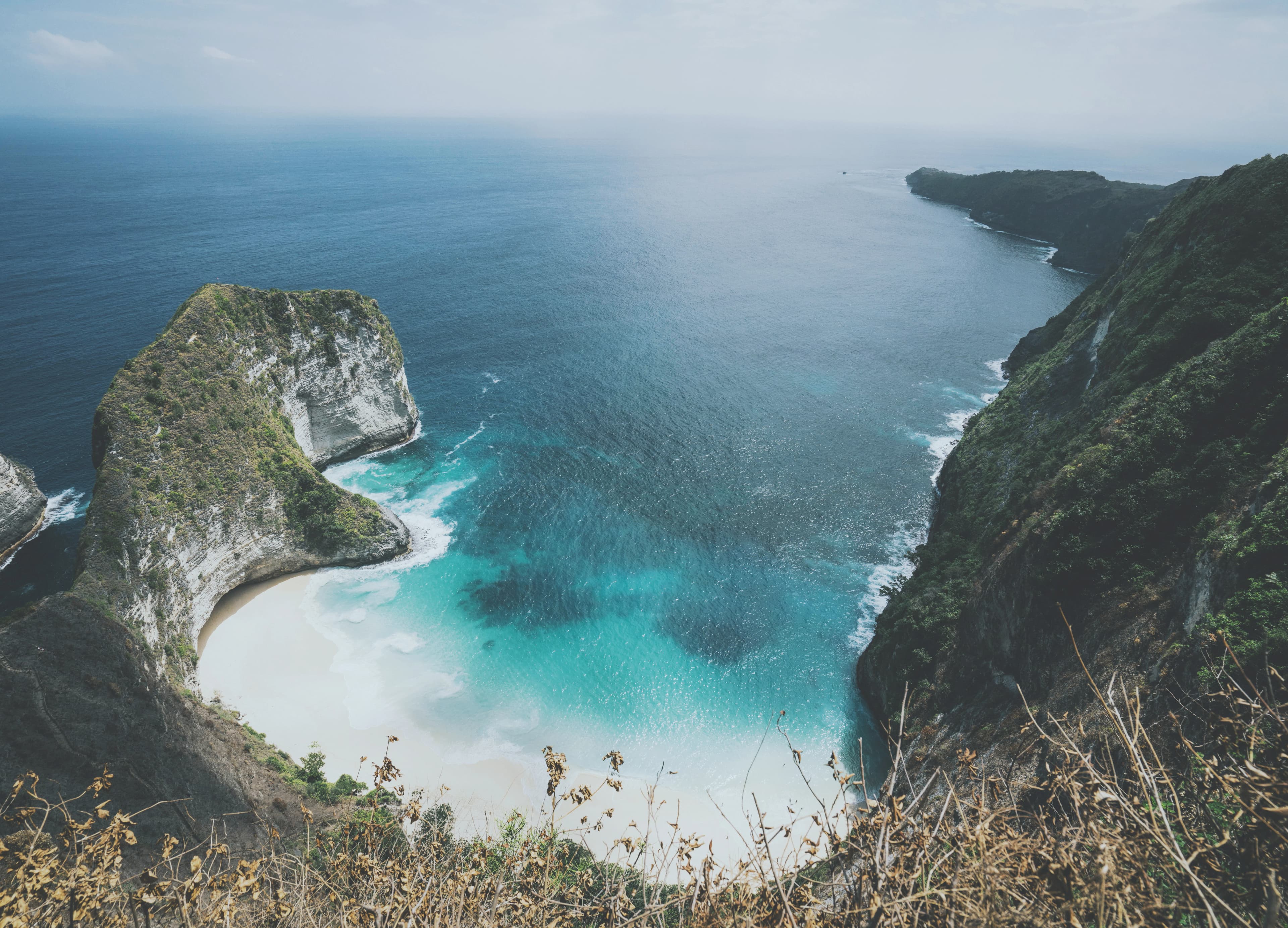
Nusa Penida, the largest of the three Nusa Islands southeast of Bali, is a wild, unspoiled island with dramatic cliffs, hidden beaches, and an underwater world that is among the best diving spots in Bali. The boat ride from Sanur takes about 45 minutes and leads to a landscape that is fundamentally different from the green, gentle Bali — here, rugged limestone coasts and dry hills dominate. Kelingking Beach, also known as T-Rex Bay, is the most photographed spot on the island: A jagged rock formation that resembles a dinosaur head from above drops steeply to a pristine white sand beach, washed by turquoise water. The steep descent to the beach is challenging, but the view from the cliff alone is worth the visit. Broken Beach impresses with a natural rock arch over the sea, while the nearby Angel's Billabong is a natural infinity pool in the cliffs. The waters off Nusa Penida are famous for encounters with manta rays at Manta Bay, where the majestic creatures circle year-round at cleaning stations. Between July and October, there is a chance to spot the rare and giant sunfish (Mola Mola) at Crystal Bay. The island is also home to the endangered Bali Starling, for which a breeding program is operated at the Pura Dalem Ped temple. The roads on the island are partly unpaved, so renting a scooter or hiring a private driver is recommended.

CliffsInstagramManta Rays

Nusa Lembongan

Nusa Lembongan, a small island southeast of Bali, is a tropical gem with turquoise waters, spectacular cliffs, and a relaxed atmosphere reminiscent of Bali from decades past. The fast boat ride from Sanur takes only 30 minutes and leads to a completely different world — no traffic, no noise, just the sound of the sea and birdsong. The yellow bridge connects Nusa Lembongan with the neighboring island of Nusa Ceningan and has become a popular photo spot in its own right. On Ceningan, the Blue Lagoon Cliff Jump attracts adventure seekers, while the Secret Beach invites swimming in a hidden bay. Dream Beach on Lembongan itself is a postcard beach with white sand between dramatic limestone cliffs — however, it has strong currents that are more suitable for sunbathing than swimming. The waters around the island offer top-notch diving and snorkeling: At Crystal Bay, you can encounter the rare sunfish (Mola Mola) between July and October, while manta rays can be observed year-round at the cleaning stations off Nusa Penida. The traditional seaweed farm is an important economic sector — at low tide, you can see farmers working in the turquoise fields. Mangrove tours by kayak, surf sessions at Shipwrecks Point, and sunsets from the edge of Devil’s Tear cliffs complete the island experience.

RelaxationSnorkelingSmall
A couple of boats that are sitting in the water

Gili Trawangan

Gili Trawangan, the largest and liveliest of the three Gili Islands off the northwest coast of Lombok, combines tropical island paradise with vibrant nightlife. The car-free island — transportation is solely by bicycle or horse-drawn carriage — can be circled on foot in about two hours and offers turquoise waters over white coral sand at every corner. The underwater world around Gili Trawangan is spectacular: At the famous dive spot Shark Point, you are highly likely to encounter reef sharks and sea turtles, while the underwater sculptures off the west coast provide a unique snorkeling experience. Numerous PADI dive schools make the island one of the cheapest places in the world to get a diving certification. At low tide, the neighboring islands Gili Meno and Gili Air can be reached by kayak or stand-up paddle. The east coast is the center of social life with beach bars, live music, and beach parties, while the quieter west and south attract with secluded beaches and spectacular sunsets behind the volcano Gunung Agung on Bali. The Night Market offers freshly grilled fish, satay skewers, and Indonesian specialties at low prices every evening. The best travel time is from May to September, with the speedboat transfer from Bali taking only about 90 minutes.

PartyTurtlesCar-free

Gili Air

Gili Air, the closest of the three Gili Islands to the mainland of Lombok, combines tropical relaxation with a touch of liveliness, striking the perfect balance between the party island Gili Trawangan and the ultra-quiet Gili Meno. The small island is car-free — you move around on foot, by bicycle, or with the traditional Cidomo (horse cart) — and can be leisurely circled in about an hour. The underwater world around Gili Air is a snorkeling and diving paradise: directly from the beach, you swim over intact coral gardens, encounter sea turtles, and observe schools of fish in crystal-clear water. The north coast offers the best snorkeling spots, while dive schools organize trips to deeper spots between the three islands. In the early morning, turtles regularly glide through the shallow water right in front of the beach cafes. The east coast, with views of the majestic Rinjani volcano on Lombok, is the social center with restaurants, bars, and yoga studios, while the quieter west coast attracts with secluded sandy beaches and sunsets behind Bali's Gunung Agung. Gili Air has established itself as a yoga and wellness destination with daily classes and retreat programs. In the evenings, beach restaurants serve freshly grilled fish on cushions in the sand, accompanied by reggae sounds and the sound of the waves. The best travel time is from May to September.

PeaceTurtlesYoga

Lombok

Lombok, Bali's eastern neighboring island, is a true gem for travelers seeking authentic Indonesia away from the tourist crowds. The mighty volcano Mount Rinjani, at 3,726 meters the second highest mountain in Indonesia, towers over the island and offers one of the most legendary multi-day hikes in Southeast Asia. The ascent to the crater rim rewards with a view of the turquoise crater lake Segara Anak — a sacred place for the Sasak people, where hot springs bubble from the volcanic rock. The Gili Islands — Gili Trawangan, Gili Meno, and Gili Air — are just a short boat ride from Lombok's northwest coast and are among Indonesia's most popular island destinations. Gili Trawangan (Gili T) offers vibrant nightlife and excellent diving, Gili Meno is the quietest and most romantic of the three islands, and Gili Air combines a relaxed atmosphere with good infrastructure. There are no motorized vehicles on any of the three islands — transportation is by bicycle or horse-drawn carriage. Kuta Lombok in the south of the island has nothing in common with its Balinese namesake: here, deserted bays with turquoise water and perfect waves attract surfers from around the world. Tanjung Aan, Mawun Beach, and Selong Belanak are among the most beautiful beaches in Indonesia. The Sasak culture, which is distinctly different from the Balinese-Hindu tradition, is evident in traditional villages like Sade and Ende, where people still live in thatched Lumbung houses. Lombok's cuisine is spicy and unique: Ayam Taliwang (spicy grilled chicken) and Plecing Kangkung (water spinach with sambal) are specialties that should not be missed. Lombok is the quieter, more authentic counterpart to Bali — and for many connoisseurs, the better choice.

VolcanoTrekkingBeach
a body of water with a small island in the middle of it

Java

Java is the cultural and historical heart of Indonesia — an island that, with over 150 million inhabitants, is one of the most densely populated regions on Earth, yet captivates with breathtaking temple complexes, smoking volcanoes, and a vibrant art scene. The UNESCO World Heritage site Borobudur, the largest Buddhist temple complex in the world, majestically rises from the jungle of Central Java with 72 stupas and over 500 Buddha statues. Just 50 kilometers away, Prambanan impresses as the largest Hindu temple complex in Southeast Asia with its towering spires dedicated to the god Shiva. Experiencing both temples at sunrise or sunset is one of the most unforgettable moments of a trip to Indonesia. Yogyakarta, affectionately called Jogja by locals, is considered the cultural soul of Java. Here, a Sultan still resides in the Kraton Palace, traditional batik art is nurtured in countless workshops, and in the evenings, artists perform the classic Wayang shadow play. Jalan Malioboro pulses with street vendors, food stalls, and Becak drivers — a feast for all senses. In the east of the island, Mount Bromo awaits, one of the most iconic volcanic landscapes in the world: The smoking crater amidst a vast sea of sand, surrounded by the steep walls of the Tengger Caldera, offers a panorama of overwhelming beauty at sunrise. For those seeking more adventure, climbing the Ijen volcano, whose crater lake glows turquoise and where blue sulfur flames blaze at night, is a must. Jakarta, the vibrant capital, contrasts with its skyscrapers, colonial buildings in the Kota Tua district, and an exploding culinary scene. Javanese cuisine delights with dishes such as Gudeg (braised jackfruit), Nasi Goreng, Sate Ayam, and the fiery Rawon. Java combines spirituality, natural power, and cultural richness like hardly any other place in Southeast Asia.

TemplesVolcanoesCulture

Komodo

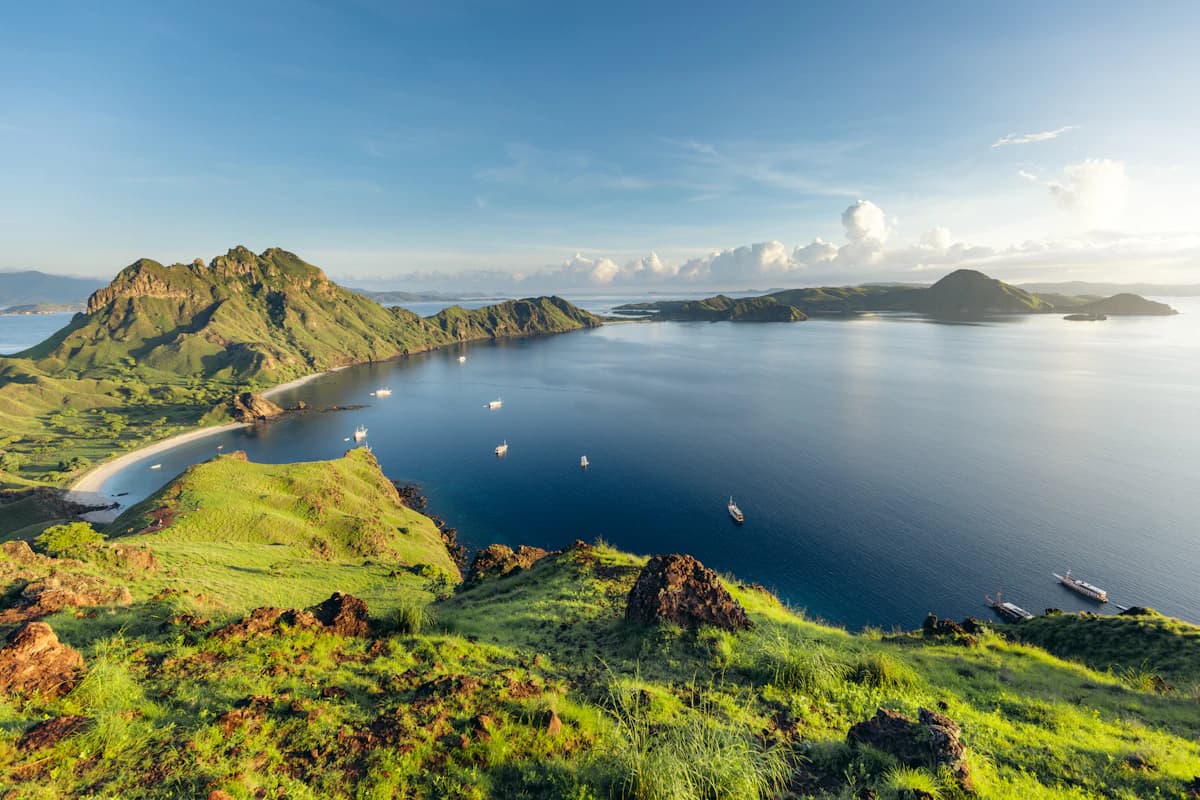
The Komodo National Park in the Indonesian province of East Nusa Tenggara is home to the legendary Komodo dragons — the largest living lizards in the world, which can grow up to three meters long and weigh 70 kilograms. Around 3,000 of these prehistoric predators roam the dry savannas and monsoon forests of the islands of Komodo, Rinca, and Gili Motang. An encounter with these dragons, which can take down water buffalo with their toxic saliva, is a natural experience that cannot be found anywhere else on Earth. Established in 1980, the national park was declared a UNESCO World Heritage Site in 1991. Rinca Island is often even more fruitful for wildlife observations than Komodo itself, as the dragons are more frequently found near the coast here. Ranger-led hikes are mandatory — the animals are usually sluggish but unpredictable. In addition to the Komodo dragons, the park is home to Timor deer, wild boars, buffalo, and over 150 bird species, including the rare yellow-crested cockatoo. Padar Island offers one of the most spectacular viewpoints in all of Indonesia: After a steep, approximately 30-minute ascent, a 360-degree panorama opens up over three differently colored bays — white, black, and pink. The famous Pink Beach (Pantai Merah) owes its pink hue to fragments of red corals mixing with the white sand and is one of only a few pink beaches worldwide. Underwater, the Komodo National Park is a world-class diving and snorkeling paradise. Strong currents bring nutrient-rich water that attracts manta rays, reef sharks, turtles, and an overwhelming diversity of corals. Dive sites like Batu Bolong, Castle Rock, and Manta Point are among the best in Southeast Asia. The best time to visit is from April to December during the dry season.

Komodo DragonsUNESCODiving

Raja Ampat

Raja Ampat, located at the northwest tip of Papua New Guinea (West Papua), is the most biodiverse marine area on Earth and a dream destination for divers that leaves even experienced underwater adventurers speechless. The more than 1,500 islands, atolls, and rock pinnacles of the archipelago are home to 75 percent of all known coral species worldwide and over 1,700 fish species — a biodiversity that is unmatched anywhere else on the planet. The underwater world is simply overwhelming: At dive sites like Cape Kri, Blue Magic, and Manta Sandy, one encounters giant manta rays, wobbegong sharks, schools of fish in dense clouds, and pygmy seahorses among colorful gorgonian fans. Cape Kri holds the world record for the most fish species counted in a single dive: 374 species. Snorkelers also have a great time, as many reefs start just below the water's surface. Above water, Raja Ampat offers equally spectacular landscapes: The Wayag Islands with their mushroom-shaped karst rocks rising from turquoise waters are among Indonesia's most iconic natural images. Access is via flight to Sorong and then by boat — the remoteness has helped keep this paradise largely untouched. Homestays with local Papua families provide authentic insights into the culture, while dive resorts like Misool Eco Resort combine sustainability with comfort. The best diving season is from October to April.

DivingCoral reefsRemote

Areas

Raja Ampat (Underwater World)

Raja Ampat is the marine epicenter of the planet — it sounds like marketing, but it is scientifically proven: This archipelago of over 1,500 small islands at the northwest tip of New Guinea hosts the highest marine biodiversity on Earth. 75% of all known coral species and over 1,700 fish species have been counted here — more than anywhere else in the world. What divers and snorkelers can expect in Raja Ampat exceeds all imagination: Huge schools of barracuda form silver tornadoes, manta rays with a wingspan of four meters glide like ghosts through the current, and the coral gardens in the shallow lagoons shine in a kaleidoscope of colors that one would think impossible if they hadn't seen it with their own eyes. At the "Cleaning Stations," manta rays are serviced by cleaner fish — one can hover just meters away and watch the spectacle for minutes. Above water, Raja Ampat is no less impressive: The Mushroom Islands — mushroom-shaped limestone islands, whose bases have been eroded by the sea — rise like surreal sculptures from the emerald green water. Hidden lagoons, accessible only through narrow crevices in the rock, open up to turquoise pools surrounded by dense rainforest. The viewpoints at Pianemo and Wayag offer panoramas over the island labyrinth that are among the most famous natural images in Southeast Asia. Getting to Raja Ampat is long and not entirely easy — and that's exactly its protection. The low number of visitors, the strict nature conservation zones, and the annual environmental fee (which goes directly to the protection of the reefs) have contributed to Raja Ampat remaining one of the best-protected marine areas on Earth. A visit here is not just a vacation, but an audience with the most biodiverse ocean on our planet.

DivingSnorkelingCorals

Ubud

Ubud in the green highlands of Central Bali is the spiritual and artistic center of the island, attracting artists, writers, and seekers from around the world for decades. Surrounded by deep green rice terraces, sacred river valleys, and ancient temples, Ubud offers an atmosphere that fosters both creativity and inner reflection — no wonder the place became world-famous through Elizabeth Gilbert's bestseller Eat Pray Love. The Tegallalang Rice Terraces north of Ubud are Bali's most iconic landscape: Curved, emerald green steps that cling to the mountainside following the centuries-old Subak irrigation system (UNESCO World Heritage). The Sacred Monkey Forest Sanctuary at the southern edge of the city is home to over 700 long-tailed macaques in a mystical temple forest with moss-covered statues and ancient banyan trees. The ARMA and Neka Art Museums showcase outstanding collections of Balinese and Indonesian painting. Ubud is Bali's yoga capital with renowned studios like The Yoga Barn and Radiantly Alive offering daily classes in all styles. The Ubud Royal Palace in the city center hosts traditional dance performances every evening — Legong, Barong, and Kecak in an authentic setting. The culinary scene ranges from the legendary Locavore cuisine to simple warungs at the edge of the rice fields. Excursions lead to the Tirta Empul water temple with its sacred cleansing pools, the Gunung Kawi temple complex, and the coffee and cocoa plantations in the area.

Rice TerracesYogaCulture

Seminyak

Seminyak is Bali's most elegant beach district, combining top-notch restaurants, designer boutiques, and legendary beach clubs into a cosmopolitan hotspot on the west coast. The wide sandy beach stretches for miles and offers some of the most beautiful sunsets on the island — best experienced with a cocktail in hand from one of the iconic beach loungers as the sun sinks crimson into the Indian Ocean. Seminyak's dining scene is among the best in Southeast Asia: from the upscale restaurant Sarong with modern Asian cuisine to the legendary Ku De Ta, as well as hidden warungs in the side streets, there is something for every taste and budget. Along Jalan Kayu Aya and Jalan Oberoi, international fashion boutiques, Balinese art galleries, and high-end concept stores line the streets. The beach clubs Potato Head, Mrs Sippy, and Finns form the heart of the Seminyak lifestyle — with infinity pools, DJ sets, and architecturally impressive designs. Despite the glamorous atmosphere, Seminyak has preserved its Balinese soul: daily flower offerings are made at street corners, the Pura Petitenget temple by the beach attests to the spiritual tradition, and in the side streets, one can still find authentic village life. Spa treatments and Balinese massages are world-class and surprisingly affordable.

Beach ClubNightlifeShopping
green grass

Canggu

Canggu on Bali's southwest coast has transformed in just a few years from a sleepy rice farming village to the epicenter of the digital nomad scene and surf culture. The atmosphere is laid-back, creative, and international — a unique mix of Balinese tradition, Australian surf mentality, and global co-working lifestyle that attracts long-term travelers from all over the world. The beaches Batu Bolong, Echo Beach, and Berawa offer powerful waves for experienced surfers, while beginners can try their first attempts on the board at Old Man’s. Canggu's café scene is legendary: Acai bowls, cold brew, and avocado toast in photogenic locations like Crate Cafe or The Shady Shack are part of the daily ritual. Along the main streets, concept stores, vintage shops, and Balinese art galleries line up. Pura Tanah Lot, one of the holiest and most photographed sea temples in Bali, is just a few minutes to the north and sits atop a rock in the sea — an absolutely magical sight at sunset. Amidst the trendy cafes and beach clubs, there are still vibrant green rice fields where farmers work using traditional methods. The fitness scene is strong with CrossFit boxes, yoga studios, and Muay Thai gyms. In the evenings, the Batu Bolong Night Market attracts visitors with street food, and beach clubs like La Brisa and The Lawn offer sundowner sessions.

SurfingDigital NomadsCafé Culture
a body of water with a small island in the middle of it

Uluwatu

Uluwatu at the southernmost tip of the Bukit Peninsula is Bali's most dramatic coastline: Rugged limestone cliffs plunge 70 meters straight down into the turquoise sea, creating a backdrop that oscillates between natural power and tropical beauty. The Pura Luhur Uluwatu, one of Bali's six holiest sea temples, sits on a rocky promontory high above the surf and offers a Kecak dance performance every evening before sunset — an absolutely unforgettable experience. Uluwatu is sacred ground for surfers from all over the world: The wave of the same name breaks perfectly over a shallow reef and is considered one of the best left-hand breaks in the world. Other world-class spots like Padang Padang, Impossibles, and Bingin are just a few minutes away and offer waves for various skill levels. Access to the beaches is often via steep stairs carved into the cliffs — which only enhances the charm of these secluded coves. Padang Padang Beach, known from the movie Eat Pray Love, enchants with its turquoise water and the cave-like rock crevice as an entrance. In recent years, the area has transformed from a pure surfer refuge into a hotspot for beach clubs: Single Fin, Ulu Cliffhouse, and Savaya offer spectacular infinity pools right at the cliff's edge. The upscale dining scene is surprisingly diverse with restaurants like Dugong and The Warung serving Balinese and international cuisine at the highest level.

CliffsSurfingTemple
aerial photography of island during daytime

Nusa Dua

Nusa Dua on Bali's southeastern peninsula is the island's most exclusive resort area, offering luxury vacations in a well-maintained, safe environment. The expansive hotel zone is home to international top-tier establishments like St. Regis, The Mulia, and Sofitel, which line up behind tropical gardens along a pristine white sand beach — the calm, reef-protected waters are ideal for swimming and for families with children. The Nusa Dua peninsula was once a barren limestone landscape that was deliberately developed into a luxury tourism center in the 1970s. Today, the region presents itself as a tropical garden paradise with wide promenades, an upscale shopping complex (Bali Collection), and the renowned Bali National Golf Club. The Pasifika Museum showcases an impressive collection of Southeast Asian and Pacific art in traditional Balinese architecture. Beyond the resort bubble, excursions to Water Blow, a natural rock cliff where the waves of the Indian Ocean spectacularly crash, and to Pura Geger, a small beach temple with an almost deserted beach in front, are worthwhile. The area hosts international conferences — the Bali International Convention Centre has already welcomed G20 summits and APEC meetings. Culinary offerings in Nusa Dua include upscale restaurants from all over the world as well as a morning market for authentic Balinese cuisine.

LuxuryFamilyResort

Kuta

Kuta on Bali's southwest coast is the birthplace of Balinese tourism and remains one of the island's most famous beaches. The expansive sandy beach stretches for several kilometers and offers ideal conditions for beginner surfers: The consistent waves break gently over the flat sandy bottom, making Kuta one of the best places in the world to learn to surf. Dozens of surf schools offer affordable courses right on the beach. The beachfront promenade transforms every evening into a spectacle as hundreds of visitors admire the legendary Kuta sunset — the sun sinks here in a play of colors of orange, pink, and violet directly over the Indian Ocean. Along Jalan Legian and Jalan Pantai Kuta, the nightlife pulses with beach bars, rooftop clubs, and live music venues. The Beachwalk Shopping Mall offers air-conditioned shopping with international brands and local boutiques. Despite its transformation from a sleepy fishing village to a tourist center, Kuta has practical advantages: its proximity to Ngurah Rai Airport (only 15 minutes away), a wide range of accommodations in every price category, and its central location as a starting point for excursions to Seminyak, Uluwatu, or the Tanah Lot Temple. The nearby Waterbom Bali is considered one of the best water parks in Asia and is a highlight for families.

SurfingBudgetNightlife

Sidemen

Sidemen in the east of Bali is the island's best-kept secret and offers the most authentic Balinese experience away from mass tourism. The fertile valley is dominated by emerald green rice terraces that rise like a green carpet up the gentle slopes, while in the background, the sacred volcano Gunung Agung majestically overlooks the scene. The region is the center of traditional Balinese weaving art: In the villages around Sidemen, artisans work on hand-driven looms, creating the famous Songket and Ikat fabrics with their intricate gold and silver threads. Visitors can watch the weavers at work and purchase unique textiles as souvenirs. Hikes through the rice fields lead past small temples, coconut palm groves, and farms where cocoa beans and vanilla dry in the sun. Pura Besakih, Bali's largest and holiest temple complex, is just a short drive away on the slopes of Gunung Agung. Sidemen itself offers charming boutique accommodations with infinity pools and views of the rice terraces, excellent cooking classes for Balinese cuisine, and rafting tours on the Telaga Waja River. The evenings are quiet and starry — here you experience Bali as it was before the tourism boom. The best time to visit is from April to October.

Insider TipRice TerracesAuthentic

Amed

Amed on Bali's quiet east coast is a paradise for divers, snorkelers, and anyone looking to escape the hustle and bustle of the south coast. The former fishing village stretches across several small bays with black volcanic sand, framed by dramatic cliffs and the majestic Gunung Agung volcano — a sight that is particularly unforgettable at sunrise. Underwater lies Amed's greatest treasure: The Japanese shipwreck of the USAT Liberty off the neighboring Tulamben is one of Southeast Asia's most famous dive spots and is already visible from the surface while snorkeling. The offshore coral reefs are home to a stunning diversity of species including turtles, reef sharks, and colorful nudibranchs. Dive schools offer courses for beginners and advanced divers at significantly lower prices than on the south coast. On land, traditional salt production shapes the landscape: Fishermen spread seawater in hollowed palm trunks and let it evaporate in the tropical sun — a centuries-old method that can still be experienced up close in Amed. Small warungs serve freshly caught fish right on the beach, while yoga retreats and simple bungalows create a relaxed atmosphere. The best travel time is from April to October with calm seas and optimal diving conditions.

DivingSnorkelingWreck
An aerial view of a large body of water

Munduk

Munduk in the central mountains of North Bali is a cool tropical mountain village at over 800 meters above sea level, enchanting hikers, nature lovers, and travelers seeking tranquility with its unspoiled beauty. The temperatures here are significantly lower than those at the coast — in the mornings, mist envelops the coffee and clove plantations, creating an almost mystical atmosphere that is hard to find elsewhere in Bali. The surroundings offer some of the most beautiful hikes on the island: The Munduk Waterfall cascades 25 meters through dense tropical rainforest into a cool pool, while the nearby Melanting Waterfall and the Golden Valley Waterfall are also worthwhile destinations. The trails lead through spice plantations where cloves, vanilla, cocoa, and coffee are grown — the scent of freshly dried cloves often fills the air. Munduk is one of the oldest coffee-growing regions in Bali, and local farmers offer tours with tastings. The Twin Lakes Tamblingan and Buyan, nestled in forested volcanic craters, are just a few kilometers away and offer canoe tours on glassy waters surrounded by tropical rainforest. The hidden temple Pura Ulun Danu Tamblingan on the lakeshore is much quieter than its famous namesake at Lake Bratan. In Munduk itself, charming guesthouses and boutique hotels line up with panoramic views of the mountain landscape. The cool evenings invite tea drinking on the terrace while fireflies dance through the gardens.

MountainsWaterfallsCoffee

National parks

Komodo National Park

The Komodo National Park in the Lesser Sunda Islands between Flores and Sumbawa is home to the largest living reptile on Earth: the Komodo dragon. These lizards, which can grow up to three meters long and weigh 70 kilograms, are the last survivors of a prehistoric line of reptiles and live exclusively on a few islands of this UNESCO World Heritage site. About 3,000 specimens roam the dry savannas and monsoon forests of the islands of Komodo, Rinca, and Padar. A guided hike on Rinca or Komodo Island accompanied by experienced rangers brings visitors to a safe distance from these impressive predators. The dragons often lie seemingly lethargic in the sun but can strike with lightning speed — their venomous bite and the bacteria in their saliva make them efficient hunters. In addition to the dragons, the park is home to Timor ponies, water buffalo, macaques, and a rich birdlife. The underwater world of the national park is as spectacular as its land inhabitants: strong currents bring nutrient-rich water and attract manta rays, reef sharks, and turtles to the colorful coral walls. The viewpoint on Padar Island, accessible via a challenging hike, offers a panoramic view of three differently colored bays — pink, white, and black — and is considered one of the most beautiful photo spots in Indonesia. Pink Beach, named after its pink shimmering sand, invites snorkeling in crystal clear water. The best time to visit is from April to December, with access by boat from Labuan Bajo on Flores.

UNESCOKomodo DragonsDiving

Package holiday to Indonesia

Compare flight & hotel at the best price.

Package holidays

Holiday apartment in Indonesia

Holiday homes with more space and privacy.

Holiday flats

All accommodations

Map, package holidays & holiday homes at a glance.

All options

Complete guide for Indonesia

Regions, attractions, food, routes, costs & practical tips — all in one digital guide.

Open guide
Suitable for:BeachTempleYogaDivingBudget

Ready for Indonesia?

Plan your Indonesia holiday now with our free tools.

Plan a holiday in Indonesia

Indonesia is one of the most popular travel destinations in Asia, offering Beach, Temple, Yoga and much more. The best time to visit Indonesia is April–October (dry season), when the weather is ideal for exploration and relaxation. With a daily budget starting from 20–35€ (Budget) to 70–200€ (Luxury), Indonesia is suitable for various travel budgets.

From the capital Jakarta, Indonesia can be excellently explored. The official language is Bahasa Indonesia, and the currency is Rupiah (IDR). From Germany, you can reach Indonesia in approx. 13–15 hours. Whether you want to try culinary highlights like Nasi Goreng, Satay, Rendang, visit top attractions, or simply enjoy the atmosphere: Indonesia has something for every type of traveller.

Use our free travel tools to prepare your Indonesia holiday perfectly. With the holiday finder, you can discover if Indonesia is the right destination for you. The budget calculator helps you plan costs realistically, and with the packing list, you won't forget anything.

Suitable holiday types for Indonesia:

More travel destinations in Asia:

All countries in Asia

All destinations in Asia