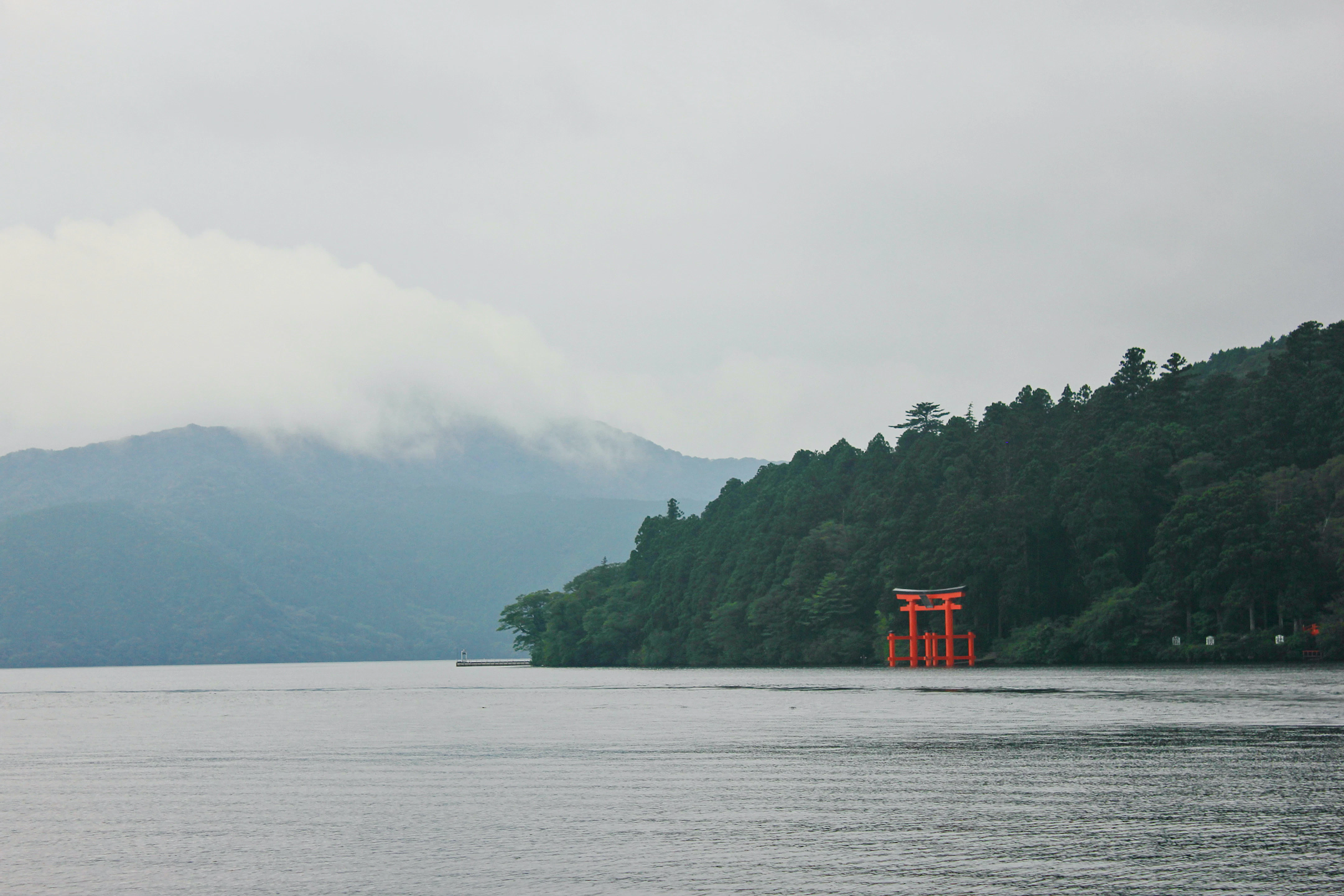
Holiday in Fuji-Hakone-Izu National Park
National park in Japan — tips, highlights & best time to visit 🇯🇵
Country
Japan
Type
National park
Best time to travel
October–November (autumn), April–May (spring), July–August (Fuji climbing)
Budget/day
95–160 €
Getting there from Germany
Flight to Tokyo, then train or bus to Hakone (1.5 hours), Kawaguchiko (2 hours), or Izu (1–2 hours).
Deals for Fuji-Hakone-Izu National Park:
What makes Fuji-Hakone-Izu National Park special as a destination?
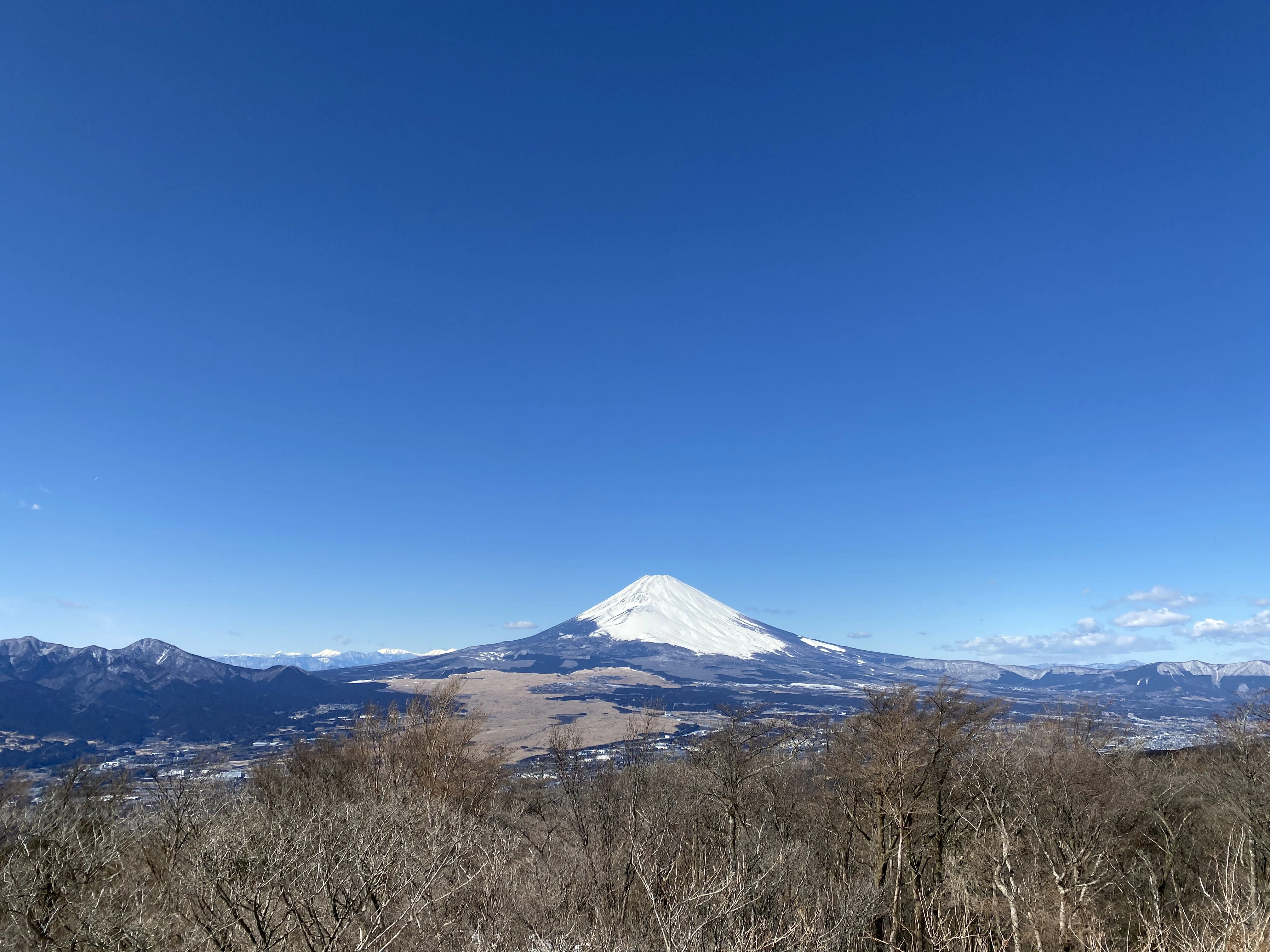
The Fuji-Hakone-Izu National Park, southwest of Tokyo, combines Japan's holiest symbol, therapeutic hot springs, and a dramatic coastal landscape in a single, expansive protected area. The park stretches from Mount Fuji in the north through the Hakone region to the Izu Peninsula and the volcanic Izu Islands in the Pacific. Mount Fuji (3,776 meters), Japan's highest mountain and a UNESCO World Heritage site, is much more than just a mountain — it is a spiritual symbol that has inspired artists, poets, and pilgrims for centuries. The Fuji Five Lakes (Fujigoko) at the northern foot offer the most famous viewpoints: Lake Kawaguchiko with its reflection of Fuji is one of Japan's most iconic motifs. Between July and September, the ascent to the summit is possible — a night start for the sunrise (Goraiko) over the sea of clouds is one of the most unforgettable experiences in the country. The Izu Peninsula offers a completely different side of the park: rugged coasts with hot springs bubbling directly from the rocks by the sea, subtropical vegetation, and charming onsen towns like Atami and Shimoda. The Jogasaki Coast with its volcanic rock cliffs and suspension bridges is a hiker's paradise. In Shuzenji, one finds one of Japan's oldest onsen towns with moss-covered stone steps and steaming bamboo groves. The Izu Islands in the south offer dive sites with tropical underwater worlds just a few flight hours from Tokyo. The national park is a perfect weekend destination due to its proximity to Tokyo and can be excellently explored with the Hakone Free Pass.
What are the top highlights in Fuji-Hakone-Izu National Park?
The top highlights in Fuji-Hakone-Izu National Park include Mount Fuji, Hakone Onsen, Izu Peninsula, Izu-Oshima, Fuji Five Lakes.
The places you absolutely must not miss.
Mount Fuji
Japan's highest mountain and UNESCO World Heritage site (3,776 m) – whether climbing or admiring, Fuji is iconic.
Hakone Onsen
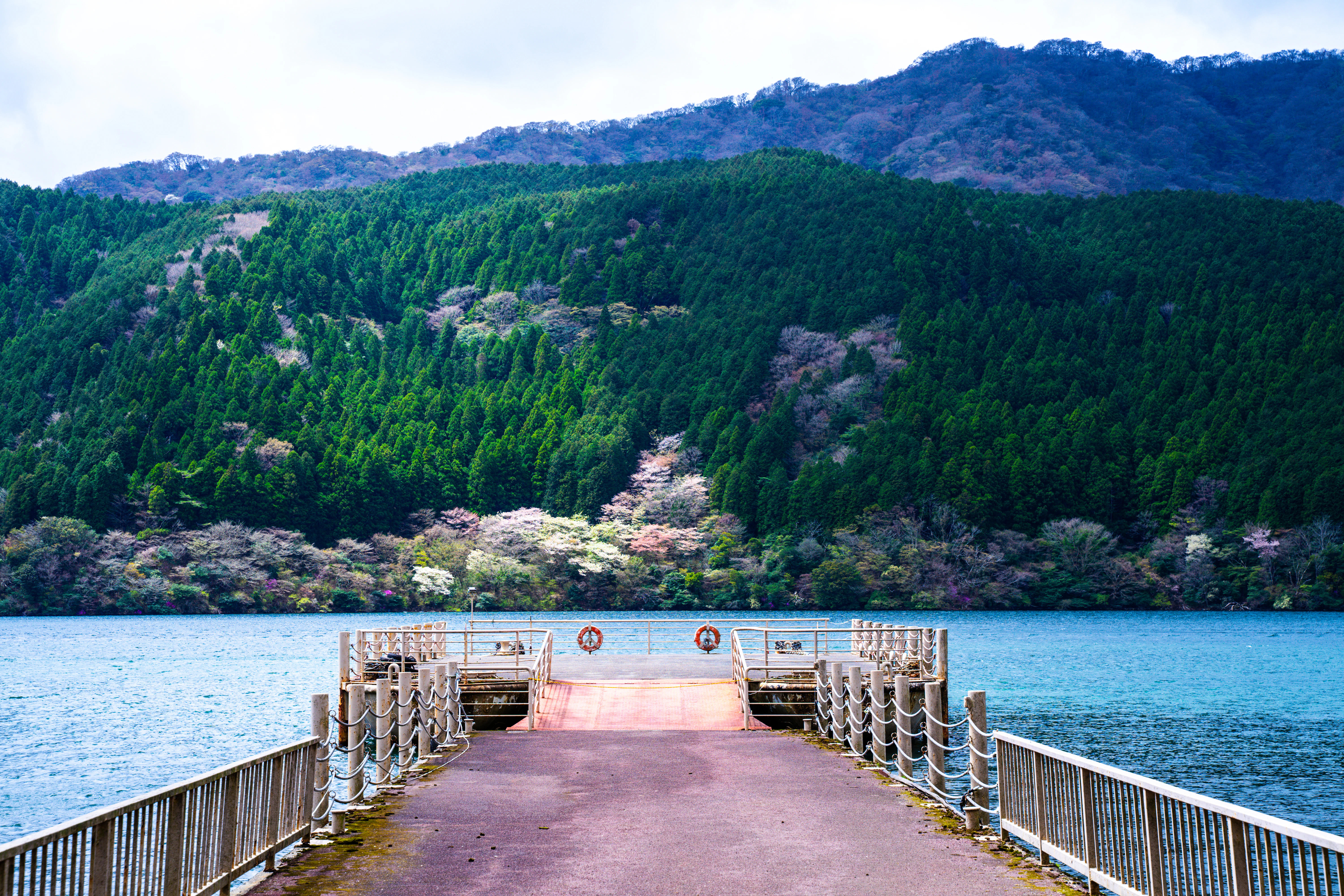
Hundreds of hot springs in a volcanic mountain landscape with ryokan tradition and steaming sulfur valleys.
Izu Peninsula
Coastal onsen town Atami, bamboo forests in Shuzenji, and the dramatic Jogasaki cliff coast.
Izu-Oshima
Volcanic island with an active crater, black lava sand beach, and camellia forests – accessible by ferry from Tokyo.
Fuji Five Lakes
Five crater lakes at the northern foot of Fuji offer the best photo opportunities and camping options.
Hotels in Fuji-Hakone-Izu National Park
Compare thousands of hotels, apartments and resorts on Expedia – with price guarantee, free cancellation and reward points.
* You will be redirected to Expedia.de. Their terms of use apply.
Reise-SIM für Fuji-Hakone-Izu National Park
Günstig surfen im Urlaub mit travSIM
Pauschalreisen & Rundreisen
Berge & Meer – 170 Tage Cookie
When is the best time to visit Fuji-Hakone-Izu National Park?
The best time to visit Fuji-Hakone-Izu National Park is October–November (autumn), April–May (spring), July–August (Fuji climbing). Warm, 23–30 °C in the valleys, cool at the Fuji summit In winter: Cold, -5–8 °C, snow at Fuji and in Hakone
Recommended travel time
October–November (autumn), April–May (spring), July–August (Fuji climbing)
Summer
Warm, 23–30 °C in the valleys, cool at the Fuji summit
Winter
Cold, -5–8 °C, snow at Fuji and in Hakone
How much does a holiday in Fuji-Hakone-Izu National Park cost?
Budget travellers: 55–85 €/day, mid-range: 95–160 €/day, luxury: 180–500 €/day.
Average costs per person per day
Budget
55–85 €
Hostel, Street food, Public transport
Mid-range
95–160 €
Hotel, Restaurant, Excursions
Luxury
180–500 €
Boutique hotel, Fine dining
How do I get from Germany to Fuji-Hakone-Izu National Park?
Flight to Tokyo, then train or bus to Hakone (1.5 hours), Kawaguchiko (2 hours), or Izu (1–2 hours).
Book a package holiday to Fuji-Hakone-Izu National Park
Compare thousands of package holidays to Fuji-Hakone-Izu National Park and find the best deals with flight & hotel.
Compare package holidays nowWhat travel tips are there for Fuji-Hakone-Izu National Park?
Insider knowledge that makes your holiday better.
The Hakone Free Pass and the Fuji-Hakone Pass cover many modes of transport – always worth it.
The Fuji climb is only possible in July/August – reserve mountain huts early.
There are cheaper onsens on the Izu Peninsula than in Hakone – Shuzenji and Atami are insider tips.
In autumn, the foliage at Lake Kawaguchiko is spectacular – don't miss the maple tree tunnel.
The park is vast – plan at least 3–4 days to see different areas.
What should you eat in Fuji-Hakone-Izu National Park?
Typical specialities in Fuji-Hakone-Izu National Park: Hoto (thick noodles in a pot), Hakone Soba, Black eggs from Owakudani, Izu Wasabi, Shirasu (baby fish), Onsen Tamago.
These specialties you must try!
Ready for Fuji-Hakone-Izu National Park?
Plan your Fuji-Hakone-Izu National Park holiday now with our free tools.
