people on beach during daytime
🇯🇵

Japan holiday

Travel tips, best time to visit & highlights for your Japan holiday in Asia

Japan is fascinatingly different: millennia-old temples next to neon advertisements, high-tech trains through cherry blossom landscapes, the best food culture in the world, and a politeness that leaves you speechless.

Capital

Tokyo

Language

Japanese

Currency

Yen (¥)

Time zone

UTC+9

Flight time from DE

approx. 11–12 hours

Entry requirements

Passport, 90 days visa-free

Top hotels & accommodations in Japan

Selected hotels and holiday accommodations in Japan — with images, reviews, and direct booking links with our partners.

Top 5 highlights in Japan

The places you absolutely must not miss.

1

Tokyo

Shibuya Crossing, Akihabara, Meiji Shrine, Tsukiji Market – the largest city in the world.

2

Kyoto

2,000 temples and shrines, bamboo forests, the Geisha district Gion, and tea ceremonies.

3

Fuji

Japan's sacred mountain – whether climbing it or admiring it from Lake Kawaguchiko.

4

Osaka

Japan's street food capital: Takoyaki, Okonomiyaki, and the lively Dotonbori.

5

Hiroshima

Peace Park, Atomic Bomb Museum, and the nearby island of Miyajima with the torii in the water.

Hotels in Japan

Vergleiche tausende Hotels, Apartments und Resorts auf Expedia – mit Bestpreis-Garantie, kostenloser Stornierung und Bonuspunkten.

Über 700.000 Hotels
Kostenlose Stornierung
Bestpreis-Garantie
Hotels in Japan vergleichen

* Weiterleitung zu Expedia.de. Es gelten die dortigen Nutzungsbedingungen.

Reise-SIM für Japan

Prepaid-SIM mit Datenvolumen für Japan. Einfach einlegen und sofort lossurfen – keine Roaming-Gebühren.

Sofort einsatzbereit
200+ Länder
Kein Roaming
SIM-Karte für Japan bestellen

* Weiterleitung zu travSIM.de. Es gelten die dortigen Nutzungsbedingungen.

Reiseversicherung abschließen

Rundum-Schutz ab 9,90 € auf TravelSecure.de

Pauschalreisen & Rundreisen

Berge & Meer – 170 Tage Cookie

Best time to visit Japan

Recommended travel time

March–May (cherry blossom), Sep–Nov (autumn leaves)

Summer

25–35°C

Winter

2–10°C

How much does a holiday in Japan cost?

Average cost per person per day (excluding flight)

🎒

Budget

60–90€

Hostel, street food, public transport

🏨

Mid-range

90–160€

Hotel, restaurant, excursions

🌟

Luxury

160–400€

Boutique hotel, fine dining

5 travel tips for Japan

Insider knowledge to make your holiday better.

Buy Japan Rail Pass before the trip – saves hundreds of euros

Take cash – many small shops do not accept cards

Do not talk on the phone or speak loudly on the train

Wash before entering an onsen (hot springs) – being naked is mandatory

Konbinis (7-Eleven, Lawson) have fantastic food

Food & drink in Japan

These dishes you must try!

Sushi & Sashimi
Ramen
Tempura
Takoyaki
Wagyu Beef
Matcha Desserts

Discover Japan

30 regions, cities and highlights in Japan

Islands

people on beach during daytime

Ishigaki

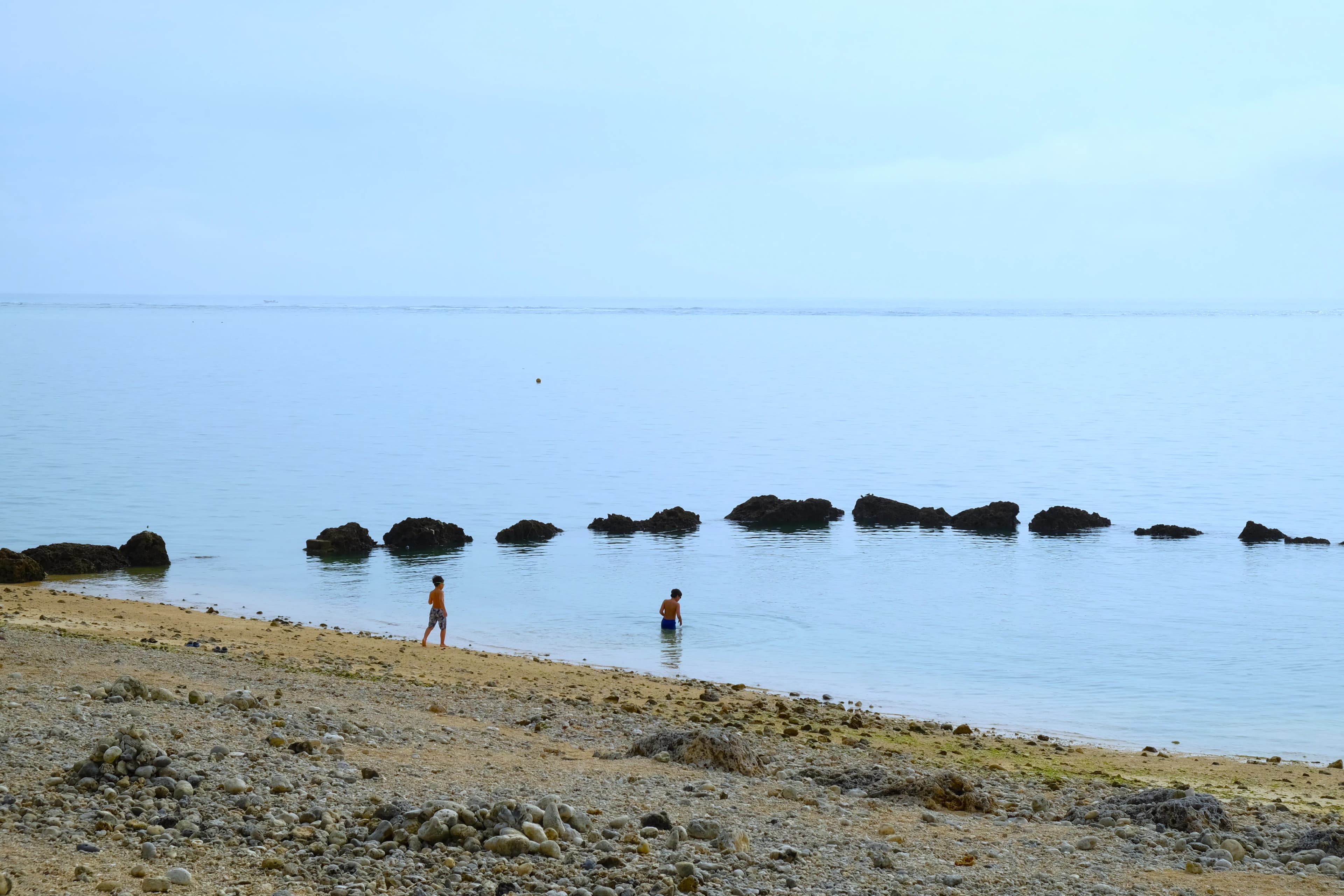
Ishigaki is Japan's tropical paradise — a subtropical island of the Yaeyama group, closer to Taiwan than to Tokyo. With the third-largest coral reef in the world, turquoise waters, and mangrove forests, Ishigaki offers a Caribbean atmosphere that one would not expect in Japan. The island is a starting point for the neighboring islands of Taketomi (traditional Ryukyu villages) and Iriomote (subtropical jungle).

BeachCoralsJapan
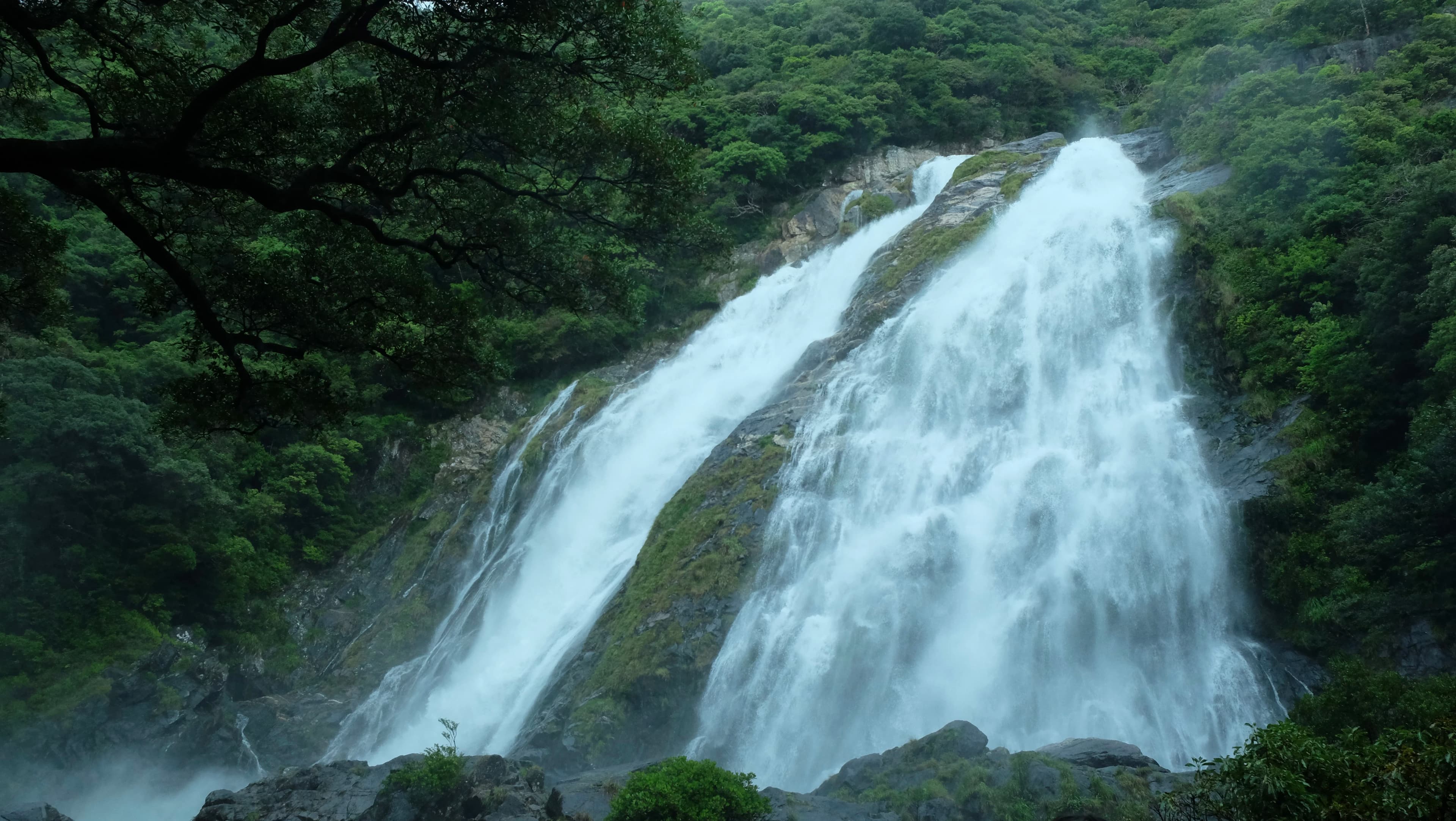
a large waterfall in the middle of a forest

Yakushima

Yakushima is Japan's mystical primeval forest island — a UNESCO World Heritage site south of Kyushu that inspired director Hayao Miyazaki for 'Princess Mononoke.' The island is home to Japan's oldest trees, the Jōmon Sugi cedar (over 2,000 years old), in a moss-covered, misty forest of otherworldly beauty. Yakushima is one of the rainiest places in the world, which allows for the lush, almost prehistoric-looking vegetation.

Primeval ForestUNESCOJapan

Okinawa

Okinawa, the southernmost prefecture of Japan, is a tropical island paradise that significantly differs from the Japanese mainland in culture, cuisine, and lifestyle. The main island and its over 150 smaller islands stretch over 1,000 kilometers between Kyushu and Taiwan and were an independent kingdom known as Ryukyu until 1879 — a legacy that remains alive in the unique Okinawa culture today. The turquoise sea surrounding Okinawa is home to some of Japan's most beautiful coral reefs: The Kerama Islands offer world-class snorkeling and diving spots with visibility over 50 meters, manta rays, and sea turtles. The Churaumi Aquarium on the main island is one of the largest in the world and showcases whale sharks and manta rays in a gigantic 7,500-cubic-meter tank. Shuri Castle (Shuri-jo), a UNESCO World Heritage site and former palace of the Ryukyu Kingdom, combines Japanese and Chinese architectural elements and testifies to Okinawa's unique position as a cultural bridge between Japan and the Asian mainland. Okinawa is also one of the five Blue Zones in the world — regions with above-average life expectancy. The secret: a plant-based diet featuring sweet potatoes, goya (bitter melon), and tofu, combined with a strong sense of community (Moai). The lively Kokusai Street in Naha offers shopping opportunities, street performers, and Awamori (Okinawa's own rice liquor). The culture of Eisa dance festivals and Sanshin music (a three-stringed lute) gives Okinawa a tropical charm that is unmatched in Japan.

TropicalBeachDiving

Naoshima

Naoshima, a small island in Japan's Seto Inland Sea, has transformed from a sleepy fishing village into one of the most exciting places for contemporary art worldwide. Since the 1990s, Benesse Holdings Corporation has realized a unique concept here: to place world-class architecture and modern art in dialogue with the traditional island landscape. The Chichu Art Museum, designed by star architect Tadao Ando and built entirely underground, houses only four artists — including Claude Monet's Water Lilies in a specially designed room that directs light so that the paintings appear almost alive. James Turrell's light spaces and Walter De Maria's spatial installation complement the experience. The Benesse House Museum combines hotel and museum: guests sleep among works by Bruce Nauman, Richard Long, and Hiroshi Sugimoto. Yayoi Kusama's yellow pumpkin at the pier is the unofficial landmark of the island and one of the most photographed artworks in Japan. In the Art House Project, vacant houses in the village of Honmura have been transformed by international artists into walkable installations — particularly James Turrell's Backside of the Moon and Rei Naito's Kinza are unforgettable. The neighboring islands of Teshima (with the surreal Teshima Art Museum by Ryü Nishizawa) and Inujima expand the art experience. Every three years, the Setouchi Triennale takes place, turning the entire island region into a huge art festival. Naoshima is a magical place where art, nature, and Japanese aesthetics create a perfect symbiosis.

ArtArchitectureIsland

Cities

Kawasaki

Kawasaki is strategically located between Tokyo and Yokohama on the coast of Tokyo Bay and is much more than an industrial suburb. The city, with over 1.5 million inhabitants, combines historic temples, quirky museums, and one of Japan's most unusual festivals with a vibrant urban culture. The Kawasaki Daishi (Heiken-ji Temple) is one of the most visited Buddhist temples in the Kanto region. Founded in 1128, it attracts over 3 million visitors on New Year's Day alone, who come to pray for good fortune and protection from misfortune. The temple street (Nakamise-dori) is lined with traditional sweets and souvenir shops. The Fujiko F. Fujio Museum (Doraemon Museum) in Kawasaki-Tama is a must-visit for fans of Japanese pop culture: the museum honors the creator of Doraemon, the famous blue robot cat, with original manuscripts, interactive exhibits, and a charming rooftop garden with life-sized figures. Advance reservation is required. The Kanamara Matsuri (Festival of the Steel Phallus) in April is one of the most curious festivals in the world: giant phallus shrines are carried through the streets, and phallic-shaped sweets are sold. The festival has its origins in a Shinto shrine and is now also an important fundraising event for HIV/AIDS research. Lazona Kawasaki Plaza, right by the station, is one of the largest shopping complexes in the region with over 300 stores. Kawasaki's industrial zone offers nighttime factory view tours — the illuminated refineries and factories create a surreal, almost science-fiction-like atmosphere that is popular with photographers from around the world.

TemplePop CultureDoraemon
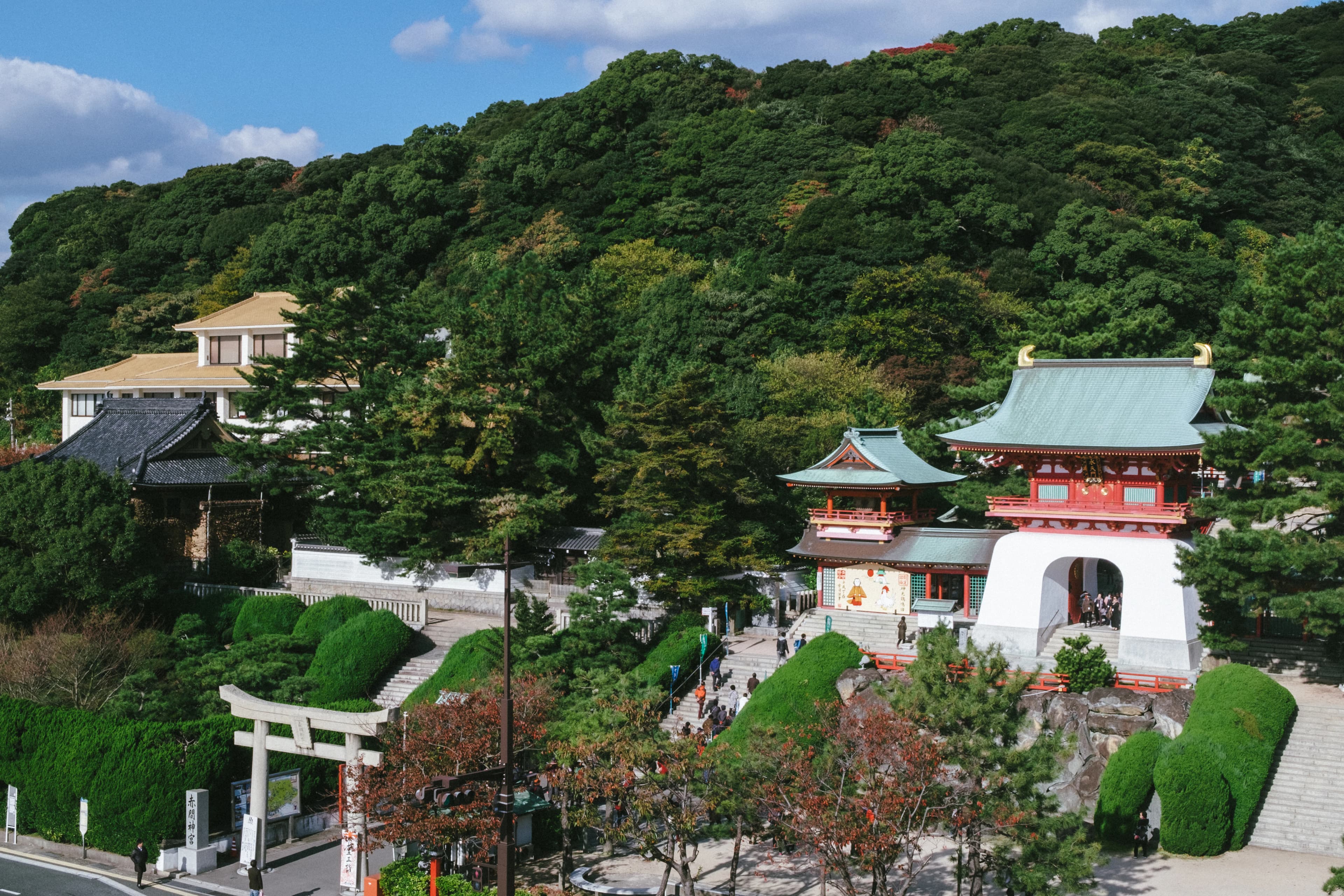
white and red concrete building near green trees during daytime

Kitakyushu

Kitakyushu is located at the northern tip of the Japanese island of Kyushu and is a fascinating city of change: from a former industrial giant to one of the greenest cities in Asia. UNESCO recognized Kitakyushu as a model city for sustainable development — and at the same time, the industrial skyline inspired the anime 'Galaxy Express 999'. The Kanmon Strait — the only 600-meter-wide waterway between Honshu and Kyushu — can actually be crossed on foot through an underwater tunnel! The Kokura district offers one of the best-preserved castle towns in Japan with the white Kokura Castle, traditional gardens, and the bustling Tanga Market. The Kawachi Fuji Garden (30 minutes away) is one of the most magical places in Japan: a 110-meter-long tunnel of hanging wisteria in purple, pink, and white, which is in full bloom in April/May. The Mojiko Retro Zone at the old port showcases restored Meiji-era brick buildings featuring banana preserves and the famous 'Yaki Curry' (baked curry). The Space World theme park has been replaced by the Wakamatsu district, which is now a center for environmental technology. Mount Sarakurayama offers one of Japan's 'New Three Great Night Views' — a sparkling view over the Kanmon Strait.

WisteriaJapanTunnel
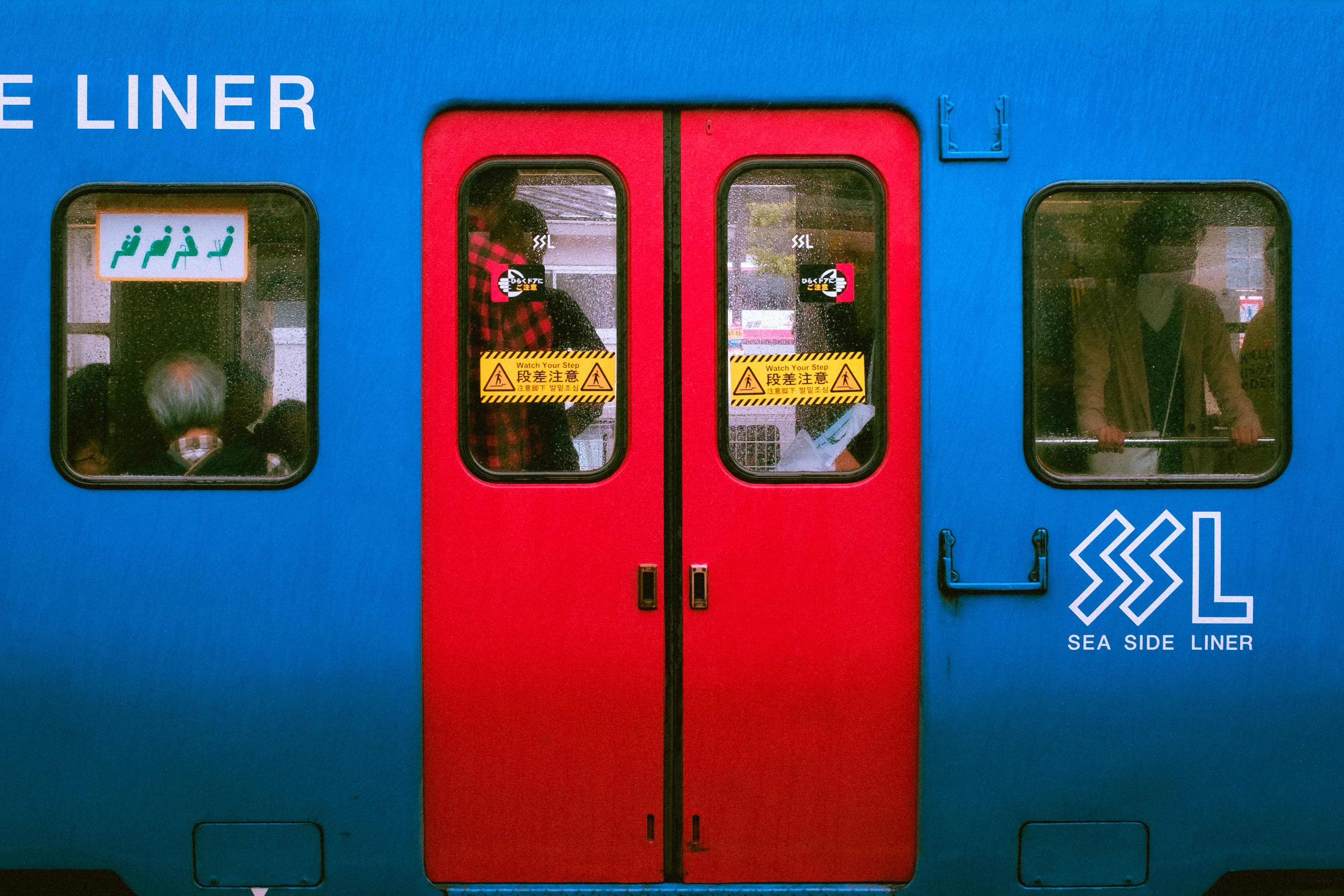
blue and red train door

Nagasaki

Nagasaki is a city of contrasts and reconciliation - a place that became world-famous due to its tragic history, but surprises every visitor with its unique cultural diversity, its dramatic location at a deep bay, and its warm atmosphere. As the only Japanese port that remained open for trade with Europe during the country's over 200-year isolation, Nagasaki has developed a fascinating mix of Japanese, Chinese, Dutch, and Portuguese cultures that is unparalleled in Japan. The Peace Park and the Atomic Bomb Museum are the emotional center of the city. The Peace Statue, which points one hand to the sky and invokes peace with the other, is one of the most poignant monuments in the world. The museum documents the destruction of August 9, 1945, with an intensity that deeply moves. Yet Nagasaki has shaped a message of peace from its tragedy, which is palpable throughout the city. Dejima, the artificial fan-shaped island in the harbor, was the only contact point between Japan and the West during the Edo period. The Dutch trading post has been meticulously reconstructed and tells the story of a unique cultural exchange. Glover Garden, with its Victorian mansions on the hill above the harbor, not only provides insight into the lives of Western traders but also offers a breathtaking panorama over the bay. Nagasaki's Chinatown, the oldest and most authentic in Japan, pulses with colorful lanterns, temples, and a cuisine that blends Japanese and Chinese traditions. Champon noodles and Castella cake are culinary inventions of this city. Hashima Island (Gunkanjima), an abandoned coal mine in the sea, has been one of the most fascinating lost places in the world since its inclusion in the UNESCO World Heritage list. From Germany, you can fly to Nagasaki with a stopover in Tokyo or Osaka in about 14 hours. Within Japan, the Shinkansen has connected Nagasaki with Fukuoka and the rest of the high-speed network since 2022. The best travel time is from March to May (cherry blossom) and from October to November (autumn foliage). Nagasaki is less crowded than Tokyo or Kyoto and offers a more authentic Japan experience.

JapanPeaceHistory

Niigata

Niigata is Japan's rice capital and sake paradise — the prefecture produces the best rice and the most sake in the country. The port city on the coast of the Sea of Japan offers a fascinating mix of culinary excellence, traditional craftsmanship, and a winter landscape that is unmatched. The Furumachi Geisha District is one of the last remaining geisha districts in Japan: unlike Kyoto's overcrowded Gion, you can still experience authentic geisha performances in intimate teahouses here. Niigata was once one of Japan's five official geisha cities. The Bandai Bridge area along the Shinano River — the longest river in Japan — is the historical center with the photogenic Bandai Bridge. The Niigata Sake no Jin — the annual sake festival in March — offers tastings of over 500 varieties from 90 breweries in a single space. Sado Island — accessible by ferry — features gold mines from the Edo period (UNESCO candidate), the Toki (Japanese ibis, once nearly extinct), and the traditional Tarai-Bune (washtub boat) experience. In winter, the region transforms into a snow paradise with some of the best onsen (hot springs) in Japan.

SakeRiceGeisha
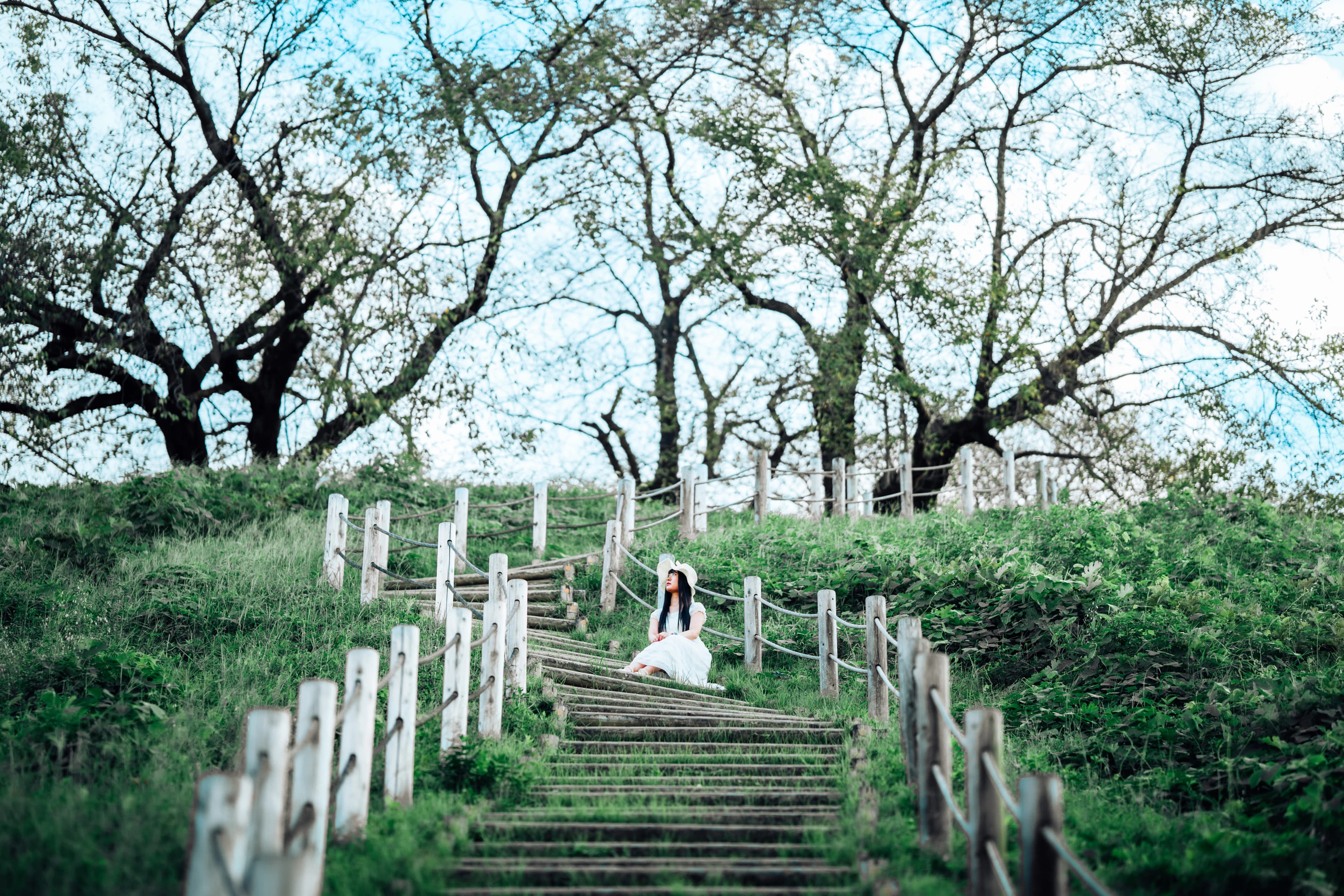
a bride and groom walking down a set of stairs

Saitama

Saitama is the capital of the eponymous prefecture and lies directly north of Tokyo. The million-inhabitant city is much more than a suburb of the capital — it offers a fascinating mix of modern attractions, traditional shrines, and a surprisingly green landscape that stretches from the urban south to the wooded hills in the west. The Railway Museum (Tetsudo Hakubutsukan) in Omiya is one of the largest and most modern railway museums in the world. Covering over 28,000 square meters, it showcases 41 historical trains, including original Shinkansen, steam locomotives, and the legendary Blue Train. Driving simulators for Shinkansen and steam engines, a massive model railway layout, and interactive exhibits make it a paradise for railway fans of all ages. The Hikawa Shrine in Omiya is one of the oldest and most significant Shinto shrines in the Kanto region, founded over 2,400 years ago. The two-kilometer-long approach (Sando) through a dense Zelkova forest is the longest of its kind in Japan. During the New Year visit (Hatsumode), over two million worshippers gather — making it one of the most visited shrines in the country. The Saitama Super Arena is one of the largest indoor event halls in the world (up to 37,000 seats) and hosts international concerts, sports events, and anime events. The nearby Bonsai Village (Omiya Bonsai Village) is the center of Japanese bonsai art: several bonsai nurseries and the Omiya Bonsai Art Museum showcase centuries-old miniature trees of inestimable value. The Chichibu-Tama-Kai National Park in the west of the prefecture offers breathtaking mountain landscapes with hiking trails, waterfalls, and onsen (hot springs). The Nagatoro Gorge along the Arakawa River is famous for white-water rafting and boat rides through rocky gorges — just an hour by train from the city center.

Railway MuseumBonsaiShinto

Sendai

Sendai is the city of trees — a green metropolis in northeastern Japan that serves as the gateway to the spectacular Tohoku region. With around 1.1 million inhabitants, Sendai is the largest city north of Tokyo, blending urban modernity with a deeply rooted samurai history: the legendary feudal lord Date Masamune founded the city in 1601, shaping it with his preference for elegance and culture. The wide boulevards lined with Zelkova trees have earned Sendai the nickname Mori no Miyako — City of the Forest. The Jozenji-dori Avenue in the city center forms a closed canopy in summer, under which jazz musicians and street performers perform. In December, the avenue transforms into a sea of millions of LED lights during the Sendai Pageant of Starlight. The Tanabata Festival in early August is Sendai's most famous tradition and one of Japan's three major summer festivals: thousands of colorful paper decorations (Kusudama) hang in the shopping arcades of the city center, and over two million visitors flock through the festively decorated streets. The three-day festival is based on a legend that is over 400 years old. The Zuihoden Mausoleum, the magnificent burial site of Date Masamune, is nestled in a dense cedar forest on Kyogamine Hill. The richly decorated architecture in the Momoyama style with gold ornaments and carvings was destroyed in World War II and has been faithfully rebuilt. The ruins of Aoba Castle (Aoba-jo) on the hill of the same name offer a panorama over the entire city to the Pacific Ocean. Matsushima Bay, just 30 minutes by train, is one of Japan's Three Most Scenic Views (Nihon Sankei): over 260 pine-covered islands rise from the emerald green water, a sight that left the poet Matsuo Basho speechless in 1689.

TanabataSamuraiMatsushima
a busy city street with people crossing the street

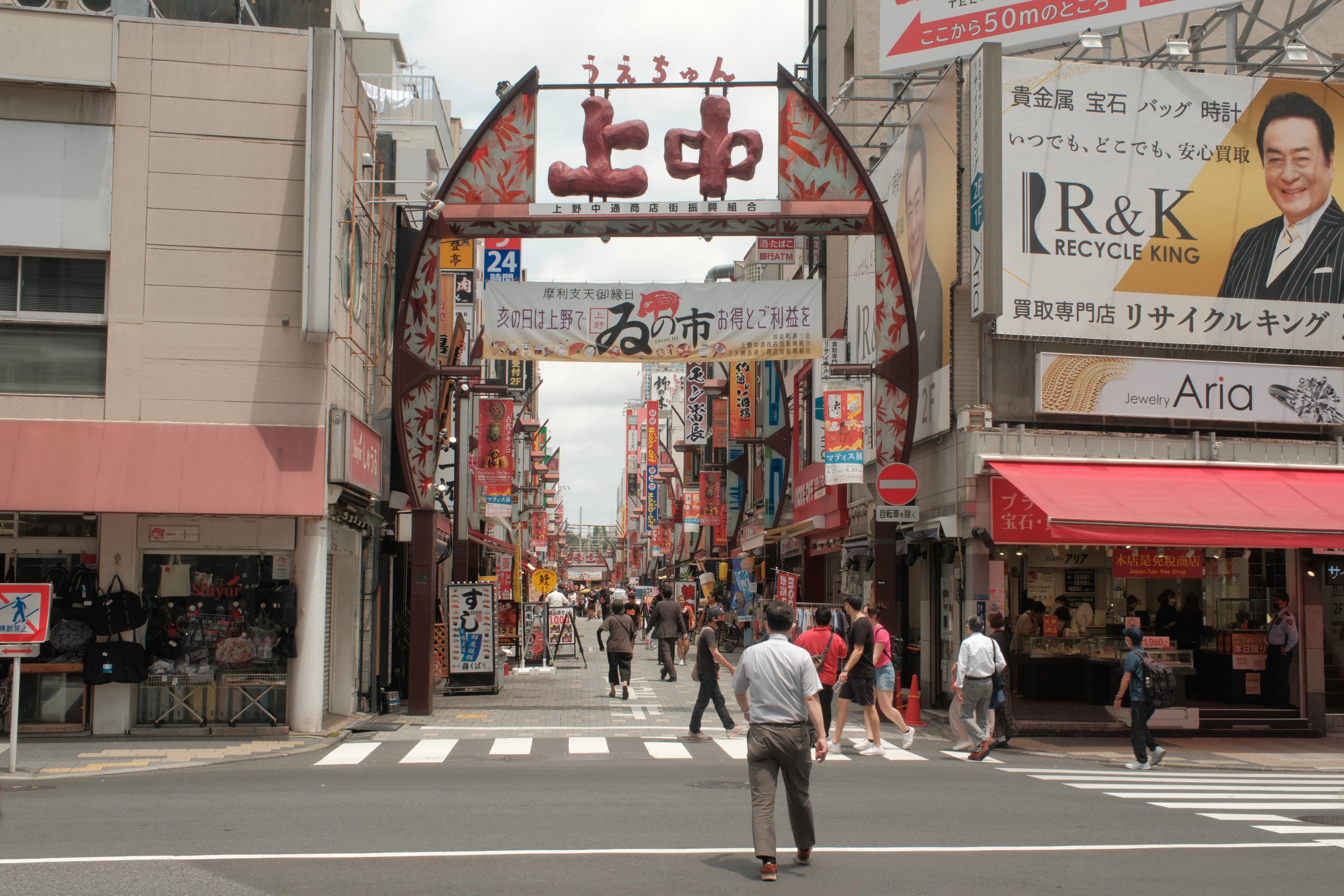
Tokyo

Tokyo, the megalopolis on the west coast of Tokyo Bay, is the urban epicenter of Japan and a city that overwhelms all the senses at once. The metropolis, officially consisting of 23 special wards, 26 cities, and other municipalities, is an endless mosaic of megacity districts, each with its own identity and atmosphere. The culinary scene is unmatched: Tokyo holds more Michelin stars than any other city in the world, yet some of the most unforgettable meals can be experienced at a standing counter for around ten euros. The Tsukiji Outer Market and the new Toyosu Market offer the freshest sushi enjoyment in the early morning. In Memory Lane (Omoide Yokocho) and Piss Alley near Shinjuku, tiny yakitori grills crowd under low lanterns — authentic Tokyo in a tight space. Akihabara is the mecca of anime, manga, and gaming culture with multi-story electronics stores and maid cafes. In Harajuku and Omotesando, avant-garde street fashion collides with luxury boutiques. teamLab Borderless (moved to Azabudai Hills) offers immersive digital art that dissolves the boundaries between viewer and artwork. The Imperial Palace with its gardens, Ueno with its museums, and the Odaiba waterfront with futuristic architecture complete the picture. In the evening, the observatories in the Tokyo Skytree (634 meters) or Shibuya Sky offer a sea of lights to the horizon. Tokyo is limitless, inexhaustible, and always a surprise — even on the tenth visit, one discovers something new.

CultureFoodTechnology
bird's eye view of city beside wide body of water during daytime

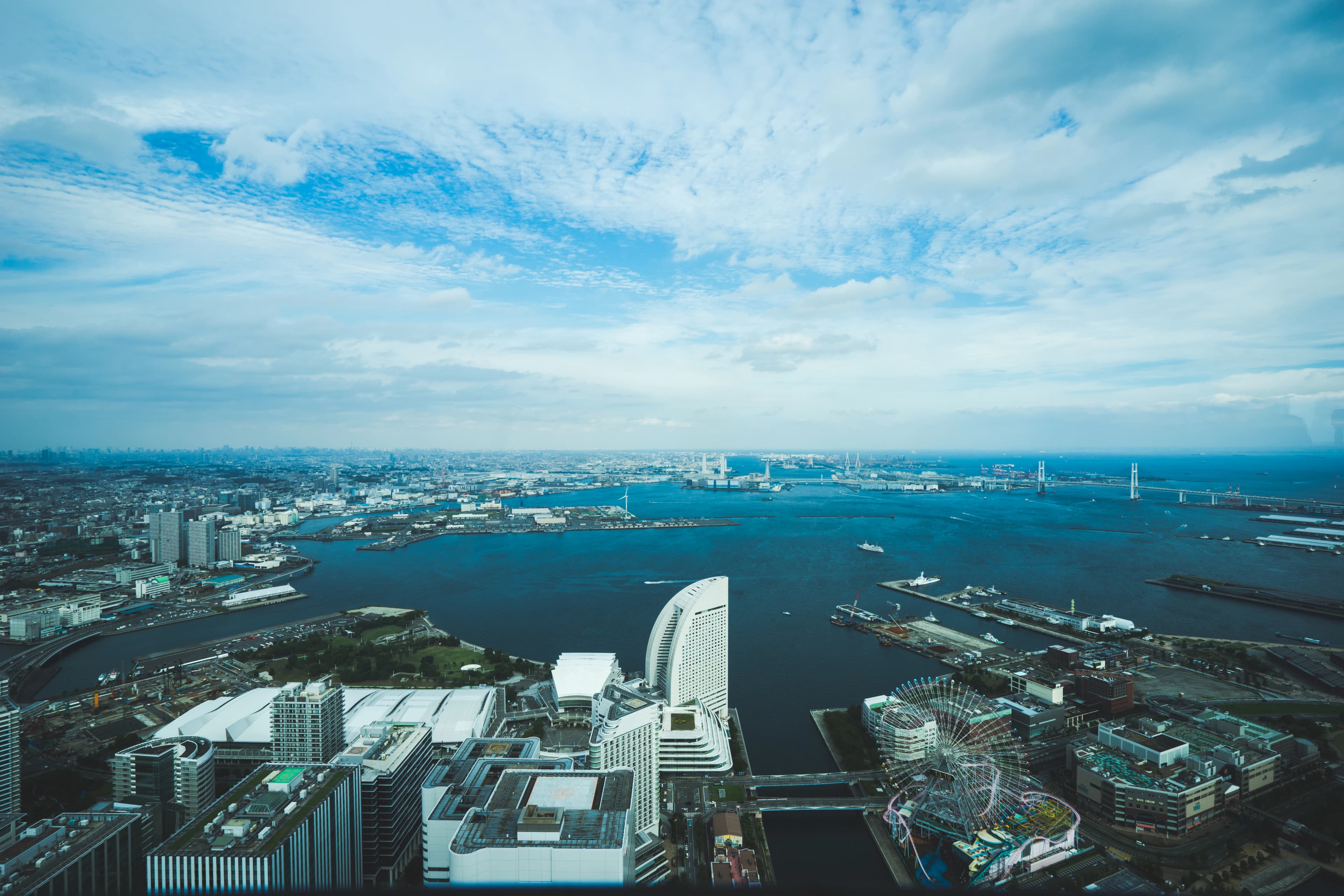
Yokohama

Yokohama is the second largest city in Japan with over 3.7 million inhabitants and is located directly south of Tokyo on Tokyo Bay. The port city was one of the first Japanese ports to open for international trade in 1859 after over 200 years of isolation — and has since become a melting pot of Japanese and Western culture. The Minato Mirai 21 district is the modern landmark: The 296-meter tall Landmark Tower was Japan's tallest building until 2014, the Cosmo Clock 21 Ferris wheel, at 112 meters, is one of the largest in the world, and the futuristic Intercontinental Hotel shapes the skyline. In the evening, the entire waterfront transforms into a sea of lights. Yokohama's Chinatown (Chukagai) is the largest Chinatown in Japan and one of the largest in the world: Over 600 shops and restaurants are crammed into a compact area. The steamed buns (Nikuman) and fried dumplings (Gyoza) here are legendary. The Cup Noodles Museum tells the story of instant noodles, invented in 1958 by Yokohama resident Momofuku Ando. Visitors can create their own Cup Noodles — a unique experience. The Sankeien Garden is an expansive Japanese garden with historical buildings from all over Japan, including a three-story pagoda from Kyoto. The Ramen Museum (Shin-Yokohama Raumen Museum) is an underground theme museum styled like a Japanese street from the 1950s: Eight regional ramen restaurants serve the best noodle soups in the country.

PortChinatownRamen

Tokyo

Tokyo, the pulsating capital of Japan, is a metropolis of superlatives and contrasts: Here, centuries-old Shinto shrines stand next to futuristic skyscrapers, quiet Zen gardens border neon-lit electronics markets, and in the same district, you can find both a hundred-year-old Soba noodle workshop and robot restaurants. With over 37 million people in the metropolitan area, Tokyo is the most populous metropolitan region in the world. Shibuya Crossing, the most famous intersection in the world, is the symbol of this organized chaos: During each green phase, up to 3,000 people cross the street simultaneously from all directions — and it works smoothly. Shinjuku impresses with the largest train station in the world (3.5 million passengers daily) and the red-light district of Kabukicho. Harajuku is the epicenter of Japanese youth culture and street fashion. The Meiji Shrine, surrounded by a 70-hectare forest in the middle of the city, offers tranquility and spirituality just minutes away from the hustle and bustle. Senso-ji in Asakusa is Tokyo's oldest temple, and the Nakamise shopping street in front has been selling traditional snacks and souvenirs for centuries. Tokyo has more Michelin stars than any other city in the world, but you can also eat excellently at the standing food stalls under the train tracks (Yurakucho) or in the tiny izakayas of the Yokocho alleys. Akihabara for anime and electronics, Tsukiji for fresh fish, Roppongi for nightlife, Ginza for luxury — each district is a world of its own. Tokyo is not just one city, but dozens that have grown together by chance.

MegacityAnimeCulinary
a building with a pond in front of it

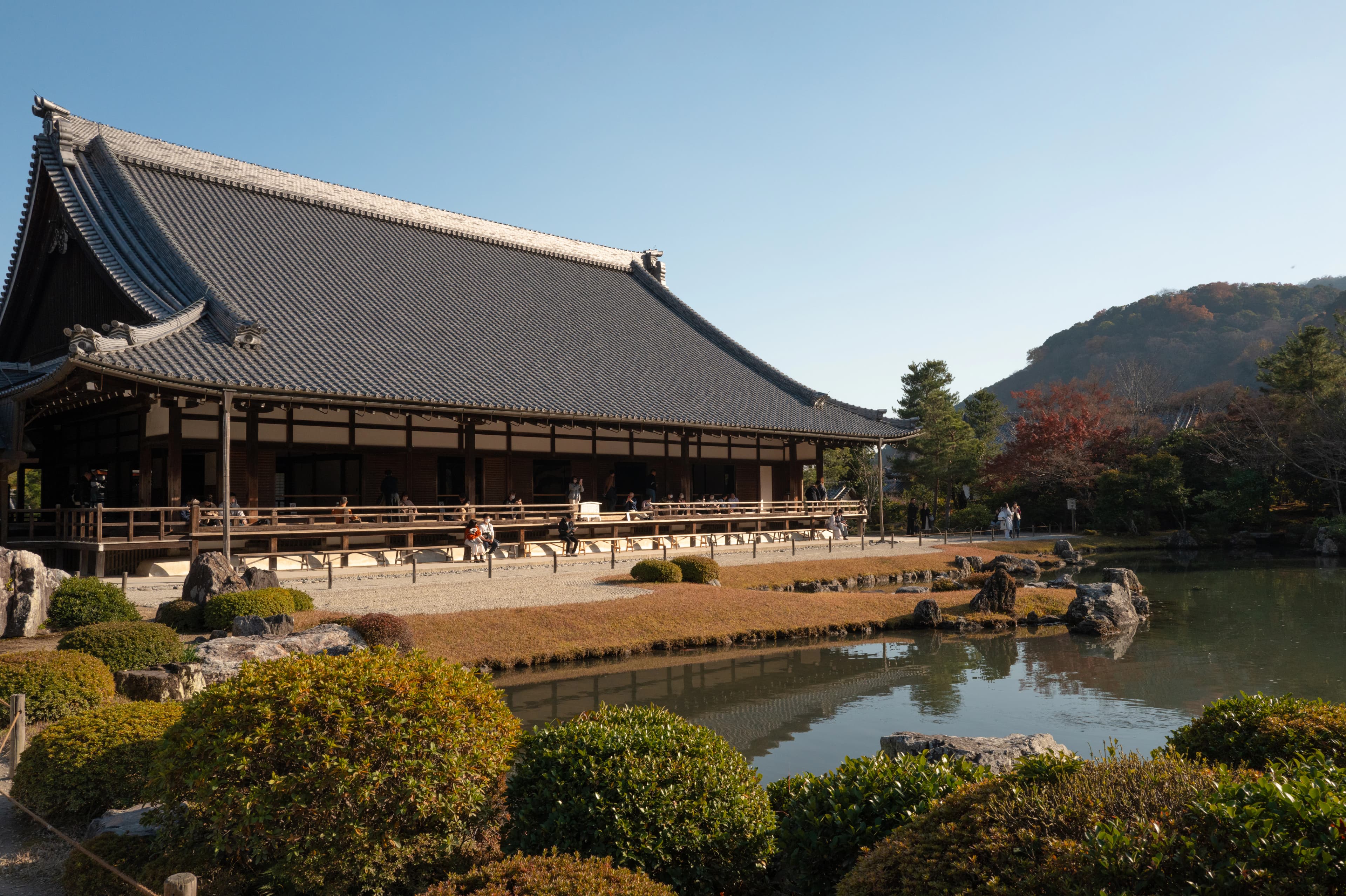
Kyoto

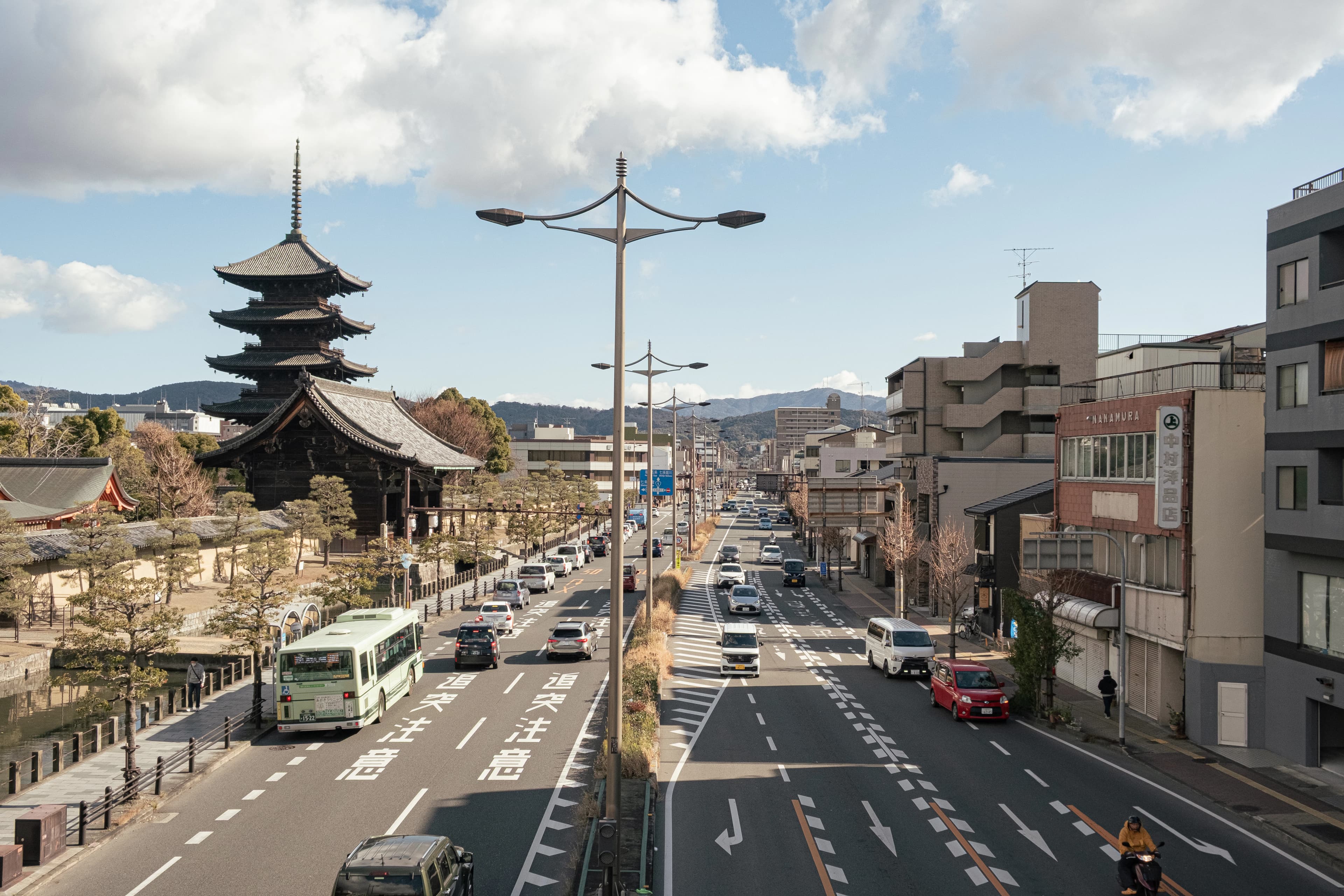
Kyoto, for over 1,000 years the imperial capital of Japan, is the cultural heart of the country and preserves a heritage of such density and beauty that one would need weeks to grasp it even remotely. With 17 UNESCO World Heritage Sites, over 1,600 Buddhist temples, 400 Shinto shrines, and a vibrant Geisha district, Kyoto is a place where the past is present in every corner. The Kinkakuji (Golden Pavilion) reflects in a quiet pond and is one of the most photographed motifs in Japan. The Fushimi Inari Taisha, with its approximately 10,000 vermilion Torii gates that ascend a forested mountain, offers an almost hypnotic experience — especially in the early morning hours when one can enjoy the paths almost alone. The Arashiyama Bamboo Grove, where towering bamboo stalks creak in the wind, transports visitors to another world. The Gion district is the heart of Geisha culture: in the evening alleys of Hanamikoji Street, one might catch a glimpse of a Maiko (Geisha apprentice) in traditional kimono passing by. The Philosopher's Path (Tetsugaku no Michi), a two-kilometer canal path lined with cherry trees, connects the Silver Pavilion (Ginkakuji) with Nanzenji Temple and is particularly breathtaking in spring and autumn. Nishiki Market Street, the kitchen of Kyoto, offers Yuba (tofu skin), Tsukemono (pickled vegetables), and green tea in every form. Kyoto is not just a destination — it is a pilgrimage to the essence of Japan.

TempleGeishaZen

Osaka

Osaka, Japan's third-largest city and unofficial culinary capital, pulses with a down-to-earth energy that stands in stark contrast to the polite understatement of Tokyo and Kyoto. The people of Osaka are considered the warmest and most humorous in Japan, and their motto "kuidaore" (to ruin oneself by eating) is a way of life: Nowhere in Japan does one eat better, cheaper, and with more enthusiasm than here. Dotonbori, the neon-lit entertainment district along the eponymous canal, is the culinary epicenter: Huge mechanical crabs, bright signs, and the iconic Glico runner shape the scene, while stalls prepare Takoyaki (crispy octopus balls), Okonomiyaki (savory pancakes), and Kushikatsu (fried skewers) fresh. The rule for Kushikatsu is legendary: Never dip the skewer in the communal sauce a second time. Osaka Castle, built in 1583 by Toyotomi Hideyoshi and surrounded by an expansive park with over 600 cherry trees, is particularly unforgettable during cherry blossom season in April. The Shinsekai (New World) district, once modeled after New York and Paris, has retained its retro-futuristic charm and is home to the distinctive Tsutenkaku Tower as well as the best Kushikatsu restaurants in the city. Namba and Shinsaibashi form the shopping heart with endless shopping arcades, while the Amerikamura (American Village) district combines vintage fashion and youth culture. Universal Studios Japan, featuring the Wizarding World of Harry Potter and the new Super Nintendo World, attracts families and fans from all over Asia. Osaka is the perfect starting point for day trips to Kyoto (15 minutes by Shinkansen), Nara (45 minutes), and Kobe (20 minutes) — and still deserves at least three days of its own.

Street FoodNightlifeCastle

Hiroshima

Hiroshima is a city that has risen from the darkest hour of human history and today impresses as a vibrant memorial for peace as well as a modern, lively metropolis. On August 6, 1945, the first atomic bomb fell on a city here — an event that forever changed Hiroshima and showed the world the devastating consequences of nuclear weapons. The Peace Memorial Park in the heart of the city is a profoundly moving place: The Atomic Bomb Dome, the only building near the epicenter that remained standing, is a UNESCO World Heritage site and a haunting symbol of destruction. The Peace Museum presents personal belongings, photos, and accounts from survivors (Hibakusha) that leave no one untouched. The Flame of Peace has been burning since 1964 and is meant to extinguish only when the last nuclear weapon in the world is destroyed. However, Hiroshima is much more than its tragic history. The city is famous for Hiroshima-style Okonomiyaki (layered pancakes with noodles, cabbage, and seafood), which are prepared in the countless restaurants of the Okonomimura building. The Shukkeien Gardens offer a miniature landscape of bridges, ponds, and tea houses. From Hiroshima, Miyajima Island with the famous floating torii is just a short ferry ride away. The city is consciously dedicated to peace and is a place that humbles and simultaneously offers hope — a must-visit on any trip to Japan.

PeaceHistoryUNESCO

Nara

Nara, Japan's first permanent capital (710–784), is a city where history literally comes alive: Over 1,200 sacred Sika deer roam freely through parks, temple complexes, and even shopping streets, bowing politely to visitors who offer them the special Shika-Senbei crackers, and have been revered as divine messengers for centuries. The Todaiji Temple houses the Great Buddha of Nara (Daibutsu), a 15-meter tall bronze statue from the 8th century, sitting in the largest wooden structure in the world — and even this building is only two-thirds the size of the original structure. The Kasuga Taisha Shrine, nestled in the primeval forest of Nara Park, is famous for its approximately 3,000 stone lanterns and 1,000 bronze lanterns, all lit simultaneously during the lantern festivals in February and August — a mystical spectacle. The Naramachi district, the former merchant town, surprises with traditional Machiya townhouses (characteristically narrow and deep), charming cafes, craft shops, and small galleries. The Isuien Garden offers an oasis of tranquility with perfectly composed views of the Todaiji in the background. Nara Park, with its expansive meadows, ancient trees, and the ubiquitous deer, is one of the most atmospheric urban parks in Japan. Nara is only a 45-minute train ride from Kyoto, making it perfect for a day trip — but those who stay overnight experience the city in magical silence when the tourist groups have disappeared.

DeerUNESCOTemple
gray concrete brick wall during daytime

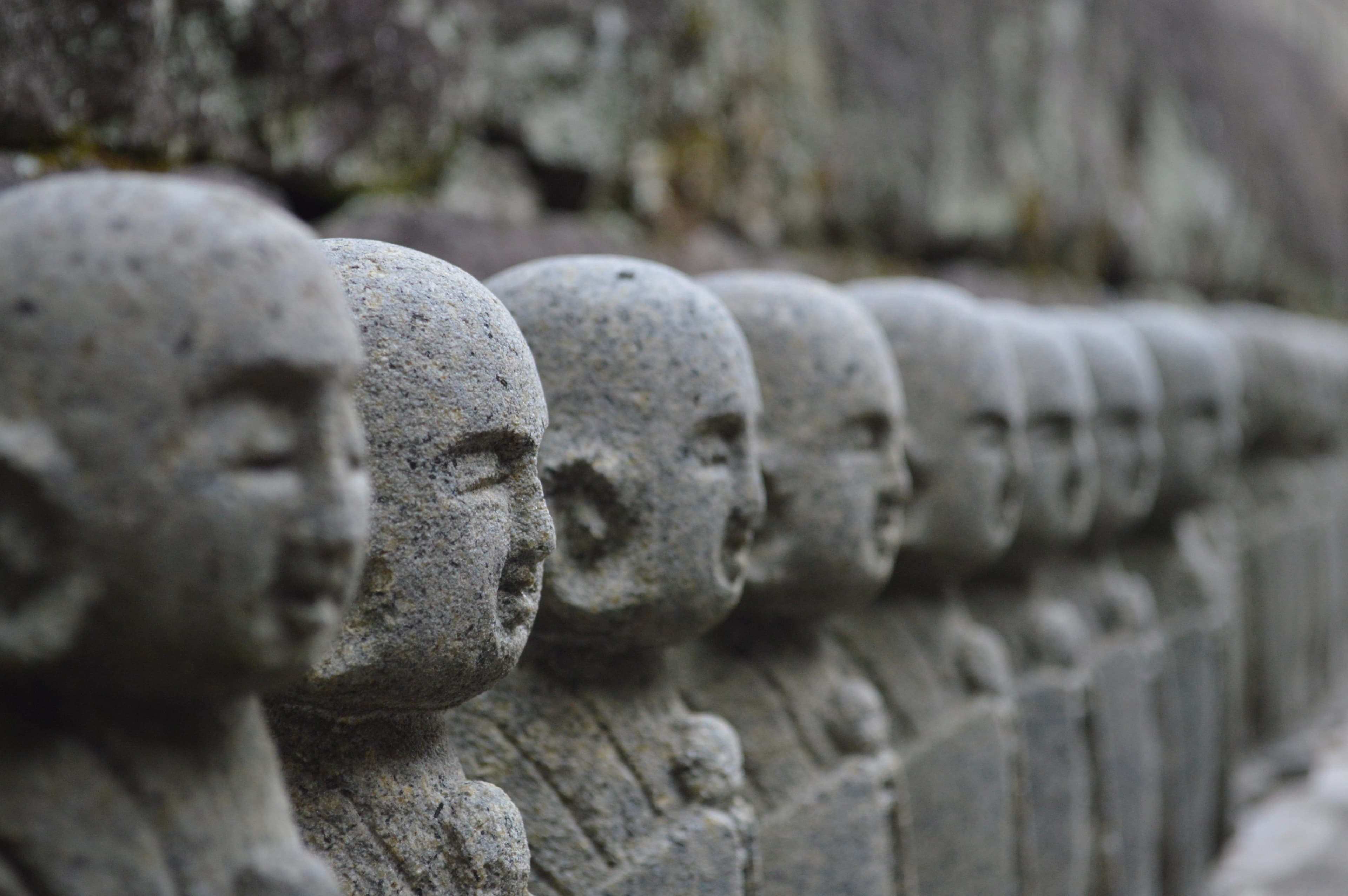
Kamakura

Kamakura, located just an hour south of Tokyo, was the capital of the first shogunate in the 12th and 13th centuries and still radiates an aura of quiet dignity that is unmatched in the bustling Tokyo metropolitan area. The former power center of the Minamoto clan houses over 65 temples and 19 shrines, nestled in wooded hills and surrounded by the sea. The Great Buddha (Daibutsu) of Kamakura is the city's landmark: The 13-meter tall bronze statue from 1252 has been sitting in the open air since a devastating tsunami in 1495 destroyed the surrounding temple hall, giving it a poignant vulnerability. The Hasedera Temple enchants with a gilded Kannon statue, lush hydrangea gardens (June is the best time), and a panoramic view over Sagami Bay. The Tsurugaoka Hachimangu Shrine, Kamakura's most significant sanctuary, stands at the end of a wide avenue lined with cherry trees and is particularly dreamy during the cherry blossom season in April. Hiking trails through the surrounding hills connect secluded Zen temples such as the meditatively quiet Engakuji or the bamboo-surrounded Hokokuji, where one can enjoy matcha in a tea pavilion under rustling bamboo stalks. Enoshima Island off the coast entices with caves, a lighthouse, and fresh seafood. Kamakura is the perfect day trip from Tokyo—or a rewarding stop for those wishing to experience Japanese history and spirituality away from the hustle and bustle of the city.

BuddhaBeachDay trip

Nikko

Nikko, nestled in the densely forested mountains north of Tokyo, is one of Japan's most opulent sacred sites and a UNESCO World Heritage site of overwhelming splendor. While most Japanese temples and shrines are characterized by simple elegance, Nikko opts for baroque bursts of color, gilded carvings, and an abundance of intricate details. The Toshogu Shrine, built as a mausoleum for Shogun Tokugawa Ieyasu, is the masterpiece: Over 15,000 artists and craftsmen worked for two years on the richly decorated buildings, covered in gold, lacquer, and more than 5,000 carvings. Here you can find the famous Three Wise Monkeys (see no evil, hear no evil, speak no evil) and the Sleeping Cat (Nemuri-Neko) — two of Japan's most well-known symbols. The nearby Rinnoji Temple and Futarasan Shrine complement the sacred ensemble, connected by an awe-inspiring avenue of over 200-year-old cedar trees. But Nikko offers much more than temples: Lake Chuzenji at 1,269 meters above sea level, surrounded by colorful autumn foliage (October is the best time), the thundering Kegon Falls with a drop of 97 meters, and the sulfurous hot springs of Yumoto make Nikko a natural paradise as well. The Kanmangafuchi stone Buddha path, with moss-covered Jizo statues along a river, is one of the most atmospheric places in the region. From Tokyo, Nikko is reachable in under two hours by train — a day trip not to be missed.

UNESCOshrineautumn foliage
white and black roof house

Kanazawa

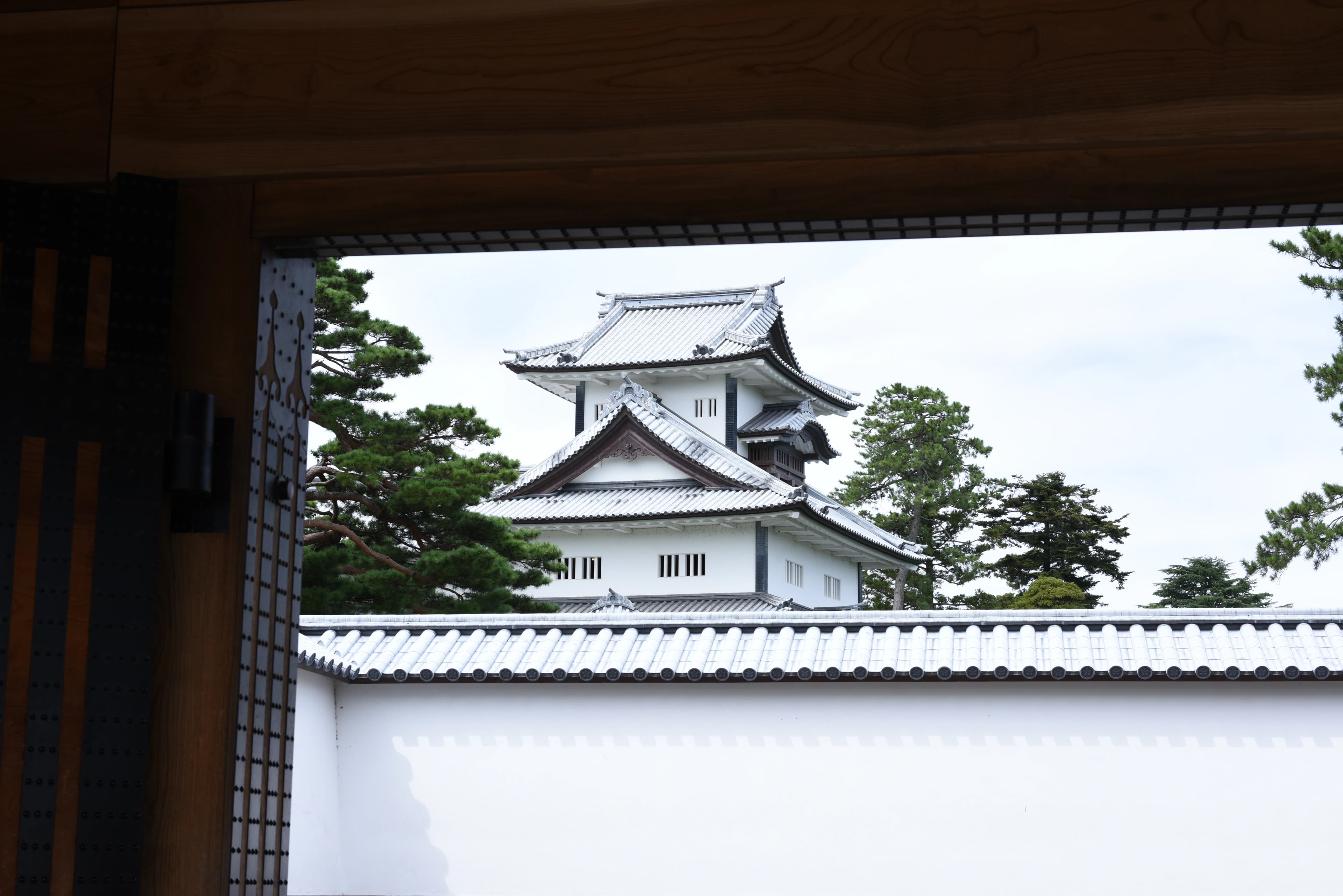
Kanazawa on the Sea of Japan coast is one of the best-preserved historical cities in Japan: Since the city was spared from bombings during World War II, it retains a unique ensemble of samurai and geisha districts, teahouses, and gardens. The Maeda family ruled here for 300 years as the second richest feudal clan in Japan, leaving behind an extraordinary cultural heritage. The Kenroku-en Garden is one of the Three Great Gardens of Japan and is a masterpiece of landscape design: ponds, streams, centuries-old pines, and carefully placed stones create a perfect picture in every season — whether under cherry blossoms in spring, in the lush green of summer, in the flaming autumn foliage, or under a blanket of snow supported by the famous Yukitsuri ropes. The Higashi-Chaya district is one of the last authentic geisha districts in Japan: Traditional wooden houses with lattice facades line the streets, and in some teahouses, you can still experience geisha performances or enjoy matcha and gold leaf ice cream — as Kanazawa produces 99 percent of Japan's gold leaf. The Nagamachi Samurai district, with its earthen walls and restored residences, transports visitors back to the Edo period. The Omicho Market, the city's kitchen for over 300 years, offers freshly caught seafood from the Sea of Japan, including the famous Kanazawa crab. Since the Hokuriku Shinkansen connected Kanazawa to Tokyo in 2015 (2.5 hours), the city has found its rightful place on the Japan travel route.

GardenSamuraiGeisha

Nagoya

Nagoya, Japan's fourth largest city and the center of the Chubu region, is often overlooked by travelers — unjustly so. The birthplace of Japan's three great unifiers (Oda Nobunaga, Toyotomi Hideyoshi, and Tokugawa Ieyasu), it is a fascinating mix of samurai history, industrial culture, and culinary discoveries. Nagoya Castle, built in 1612 by Tokugawa Ieyasu, is one of Japan's most prominent landmarks, featuring golden Shachihoko roof figures (mythical creatures that are half fish and half tiger). The Honmaru Palace has been meticulously reconstructed over decades and is considered one of the finest examples of Japanese palace architecture. The Atsuta Shrine, one of the holiest shrines in the country, is said to house the legendary sword Kusanagi — one of Japan's three imperial regalia. Culinarily, Nagoya has developed its own identity known as Nagoya-Meshi: Miso-Katsu (pork cutlet with red miso sauce), Hitsumabushi (grilled eel served in three different ways), Tebasaki (spicy chicken wings), and Kishimen (wide, flat noodles) are just a few of the local specialties that are hard to find elsewhere in Japan. The Toyota Museum in the Nagakute district offers a fascinating journey through the history of mobility. Nagoya is also an excellent starting point for excursions to Takayama, the Kiso Valley, or Ise-Shima. Those looking to discover Japan beyond the usual Tokyo-Kyoto route will find a surprising gem in Nagoya.

CuisineCastleToyota
A traditional boat sails in a bustling harbor.

Kobe

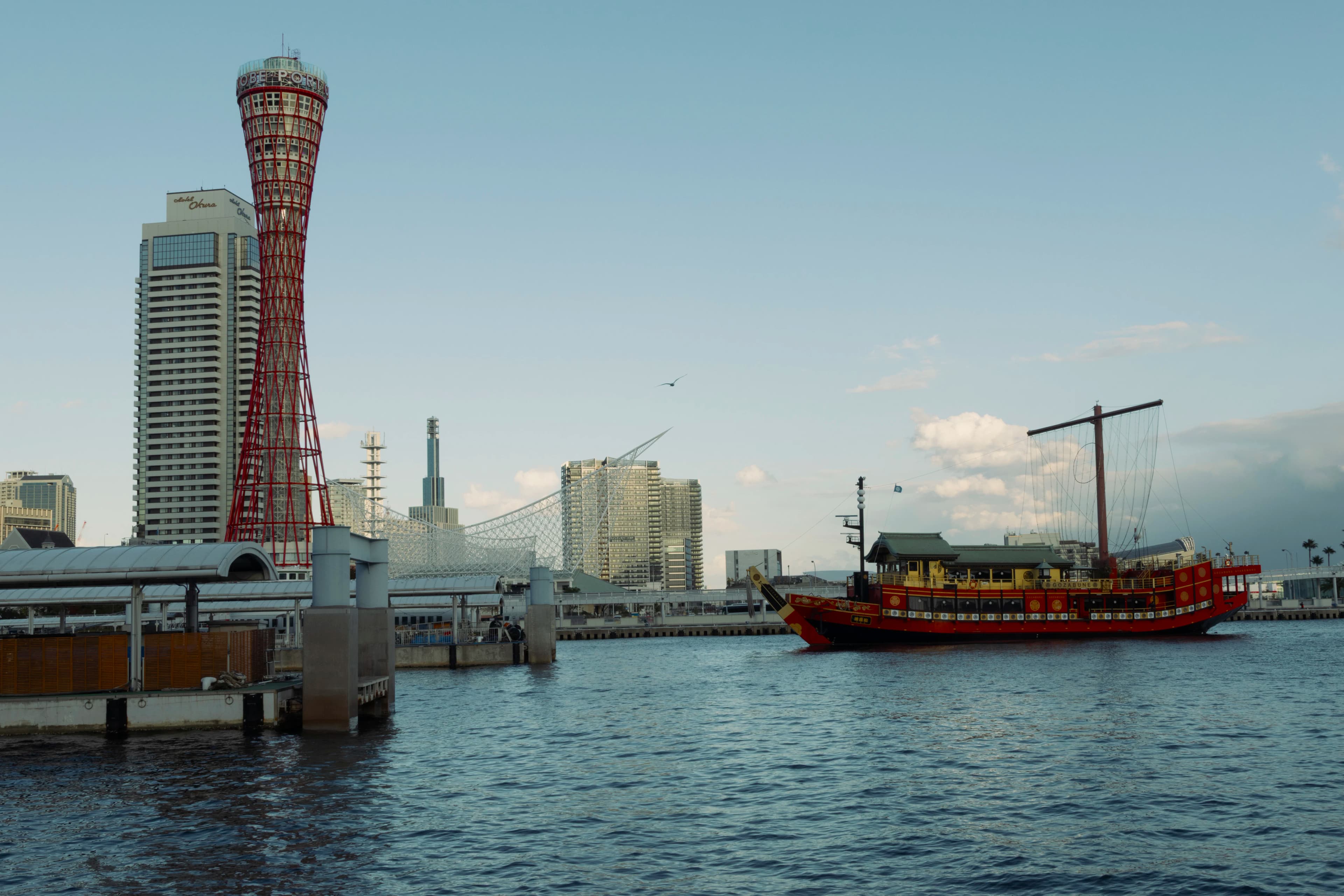
Kobe, picturesque between the Rokko Mountains and Osaka Bay, is a cosmopolitan port city that has absorbed Western influences like few other Japanese cities since the opening of its port to international trade in 1868. The result is a unique atmosphere that combines Japanese tradition with international flair. Kobe beef (Wagyu) is legendary worldwide and a culinary experience of the highest order: The extremely marbled meat structure is created through a special breeding of Tajima cattle in Hyogo Prefecture. In the city's teppanyaki restaurants, the meat is prepared on a hot steel plate before the guests' eyes — the taste, buttery soft and incredibly intense, justifies the proud price. The Kitano district (Kitano Ijinkan-gai) with its well-preserved Victorian houses of 19th-century European merchants almost resembles a European old town. Meriken Park at the harbor with the Port Tower and the Earthquake Memorial commemorates the devastating earthquake of 1995 that hit the city hard and from which it has impressively recovered. The cable car to Mount Rokko (931 meters) offers a panorama at night that is considered one of the three most beautiful night views in Japan. The Nada sake brewing district is the center of Japanese sake production with tasting opportunities. Kobe can be excellently combined with Osaka and Kyoto — all three cities are less than 30 minutes apart by Shinkansen.

Kobe BeefHarborSake

Fukuoka

Fukuoka on the southern island of Kyushu is Japan's fastest-growing metropolis, combining urban energy with a relaxed, almost southern lifestyle that is distinctly different from the hectic Tokyo. As Japan's gateway to Asia (Seoul is closer than Tokyo), Fukuoka has absorbed international influences for centuries, shaping a unique local culture. Fukuoka is the undisputed capital of Tonkotsu ramen: the noodle soup with milky-white pork bone broth was invented here and is served at the legendary Yatai (mobile food stalls) along the banks of the Naka-gawa River and around Nakasu Island. In the evenings, around 150 Yatai unfold their tarps, and locals and tourists crowd onto the few plastic chairs — a unique culinary street experience that can only be found in Fukuoka. The Dazaifu Tenmangu Shrine, dedicated to the god of learning, attracts millions of students who come to pray for divine assistance before exams. The modern side of the city is showcased in Canal City Hakata, a futuristic shopping complex, and in teamLab Forest, an immersive digital art installation. Ohori Park, with its lake and Japanese garden, is a green oasis in the city center. The beaches of Momochihama offer views of the Fukuoka Tower. Fukuoka is also an ideal starting point for trips to Nagasaki, Beppu (hot springs), or the volcanic island of Yakushima. With direct flights from all over Asia and the Shinkansen to Hiroshima and Osaka, Fukuoka is well connected.

RamenYataiRelaxed
A woman in a yellow jacket looking at a display case

Sapporo

Sapporo, the capital of the northern island of Hokkaido, is a modern, spacious city that fundamentally differs from the rest of Japan. Founded in 1869 as a planned city modeled after American designs, Sapporo surprises with wide boulevards, a clear street grid, and a relaxed atmosphere that resembles Scandinavian cities more than the cramped, hectic Honshu. The Sapporo Snow Festival (Yuki Matsuri) in February is one of the largest winter festivals in the world: monumental ice sculptures are erected in Odori Park and the Susukino district, some over 15 meters tall, artfully illuminated and admired by millions of visitors. In summer, the same park transforms into a green oasis with beer gardens where the local Sapporo beer flows — the oldest beer brand in Japan. Culinary-wise, Sapporo is a paradise: Miso ramen, a regional specialty with rich, buttery miso broth, is among the best noodle soups in the country. The Ramen Yokocho (Ramen Alley) offers a plethora of choices among dozens of specialty restaurants. Jingisukan (Genghis Khan), grilled lamb on a helmet-shaped grill, is another Sapporo original. The ski resorts of Niseko and Furano are reachable in one to two hours and offer legendary powder snow that attracts skiers from all over the world. In summer, lavender fields in Furano, hikes in Daisetsuzan National Park, and the wild coast of Shakotan beckon. Sapporo combines urban comfort with immediate proximity to Hokkaido's spectacular nature.

Snow FestivalRamenBeer

Regions

a gazebo in the middle of a garden

Hokkaido

Hokkaido, Japan's northernmost main island, is a natural paradise that fundamentally differs from the rest of the country. Vast landscapes, untouched national parks, powdery snow in winter, and endless lavender fields in summer make the island a dream destination for nature lovers and foodies alike. In summer, the hills of Furano and Biei transform into a breathtaking sea of colors: The purple lavender fields of Farm Tomita are the most photographed motif in Hokkaido from July to August, complemented by sunflowers, poppies, and the gently rolling patchwork hills of Biei. The Daisetsuzan National Park, the largest in Japan, offers spectacular hikes through alpine volcanic landscapes, hot springs, and brown bear habitats. In winter, Hokkaido turns into a snow paradise: Niseko is considered one of the best ski resorts in Asia, with up to 15 meters of powder snow per season. The Sapporo Snow Festival (Yuki Matsuri) in February attracts over two million visitors with gigantic ice sculptures and illuminated snow landscapes. In Otaru, the romantic snow lantern path along the historic canal enchants visitors. Hokkaido is Japan's culinary treasure chest: The cold waters provide top-quality seafood — sea urchins from Rebun, crabs from Hakodate, and the Nijo fish market in Sapporo are legendary. The island is also famous for Sapporo miso ramen, fresh dairy products, and melon ice cream from Yubari. The hot springs (onsen) of Noboribetsu with their steaming Jigokudani (Hell Valley) and the UNESCO World Heritage site Shiretoko at the northeastern tip complete the experience.

SkiingNatureRamen

Areas

brown ship on sea near mountain during daytime

Hakone

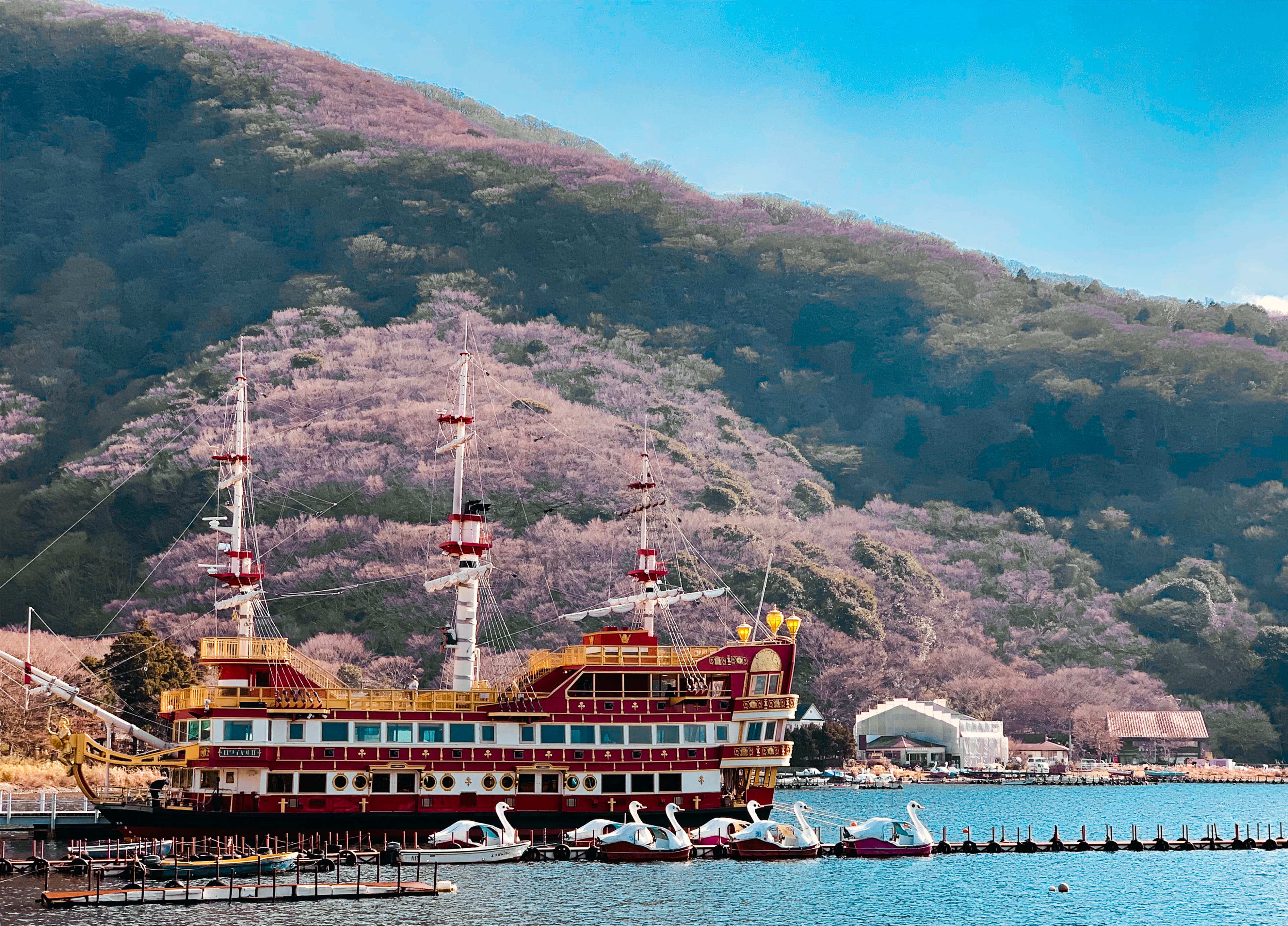
Hakone, just 90 minutes from Tokyo, is Japan's most popular getaway, combining volcanic landscapes, natural hot springs, art museums, and — on clear days — a postcard-perfect view of Fuji into an irresistible package. The region lies within the caldera of an ancient supervolcano and is dominated by the picturesque Lake Ashi. The Hakone Round Course is the classic route through the region: by mountain railway (Hakone Tozan Railway, the steepest cogwheel train in Japan), cable car, and pirate ship ferry across Lake Ashi, you connect the highlights into a circular tour. The Owakudani Valley, with its steaming sulfur vents, bubbling mud pits, and the smell of rotten eggs, serves as a reminder that an active volcano lies dormant here — the black eggs (Kuro-Tamago), cooked in the hot springs, are said to extend life by seven years. Hakone is also a paradise for art lovers: the Hakone Open-Air Museum showcases sculptures by Picasso, Moore, and Rodin amidst a green mountain landscape, and the Pola Museum of Art presents Impressionists in a glass pavilion in the forest. In the evening, one relaxes in a ryokan (traditional Japanese inn) with its own onsen bath, Kaiseki multi-course menu, and tatami bedrooms. The Old Tokaido Road, with its moss-covered cedar alleys and historic checkpoints, offers beautiful hiking opportunities. The Hakone Free Pass makes exploring the entire region by public transport affordable.

OnsenFujiVolcano
Kyoto street with a traditional temple.

Fuji Region

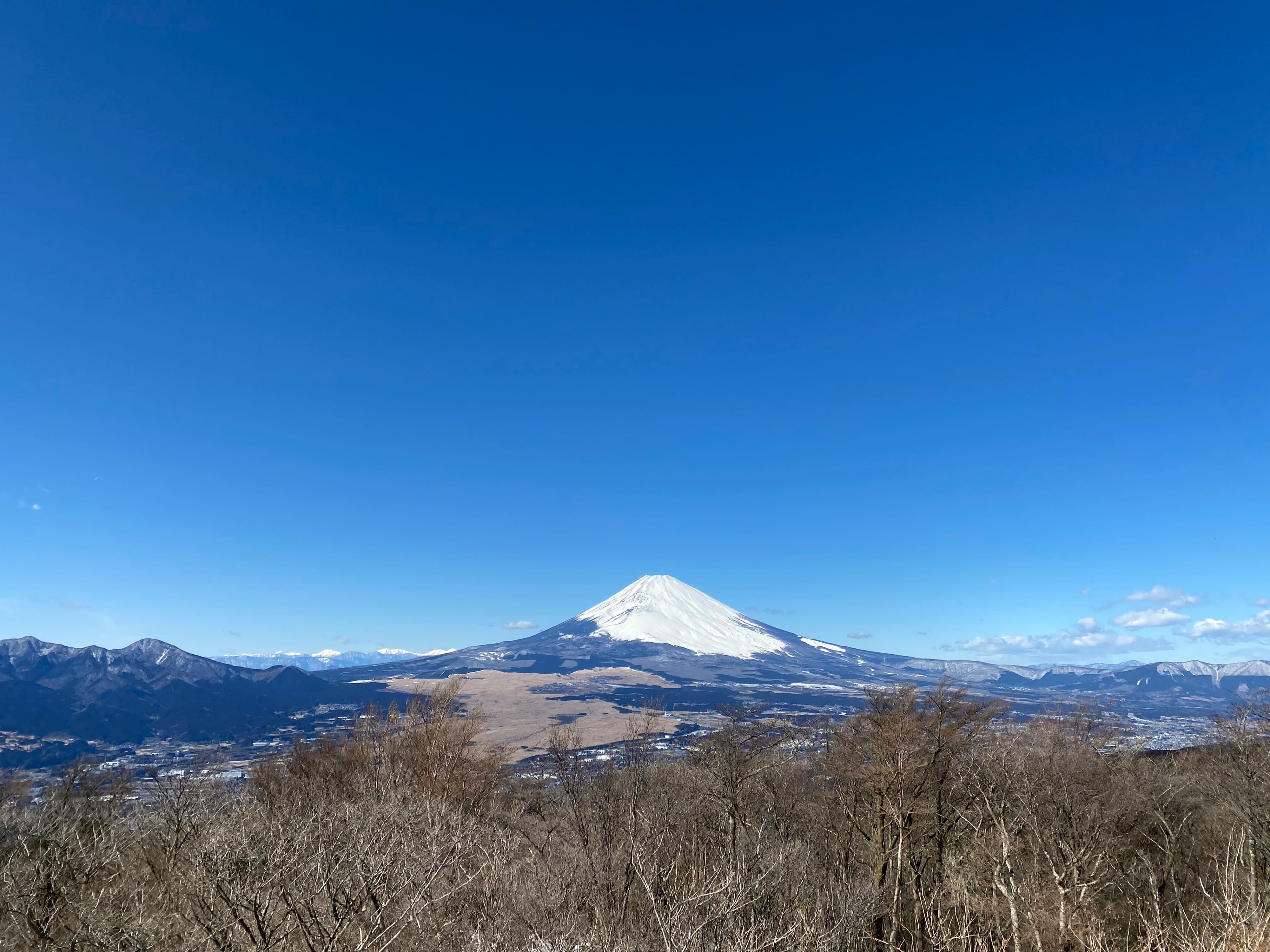
The Fuji Region surrounding Japan's sacred mountain combines breathtaking natural landscapes, spiritual experiences, and traditional Japanese hospitality in close proximity to Tokyo. Mount Fuji (3,776 meters), Japan's highest peak and UNESCO World Heritage site, is much more than a mountain — it is a national treasure that has been revered as the seat of the gods for centuries, inspiring artists from Hokusai to the present day. The Fuji Five Lakes (Fujigoko) at the northern foot of the mountain offer the most famous panoramas: Kawaguchiko with its reflection of Fuji, the tranquil Saiko, the deep Motosuko (whose view adorns the 1,000-yen banknote), Shojiko, and Yamanakako. In spring, cherry blossoms frame the mountain, in autumn the foliage blazes in red and gold, and in winter the snow-capped cone towers over crystal-clear lakes — each season presents its own masterpiece. Climbing Fuji is possible between July and September and is undertaken by around 300,000 people annually. The night ascent for the sunrise (Goraiko) above the sea of clouds is one of Japan's most spiritual experiences. However, even without summiting, the region offers countless experiences: the Aokigahara forest caves at the foot of the mountain, the Oshino Hakkai springs with their crystal-clear water, Fuji-Q Highland (an amusement park with record-breaking roller coasters against the backdrop of Fuji), and the traditional onsen villages in the area. The region is accessible from Tokyo in under two hours — whether as a day trip or for a weekend in a ryokan with a private onsen and a view of Fuji.

Mount FujiUNESCOVolcano
A city street lined with tall buildings next to each other

Takayama

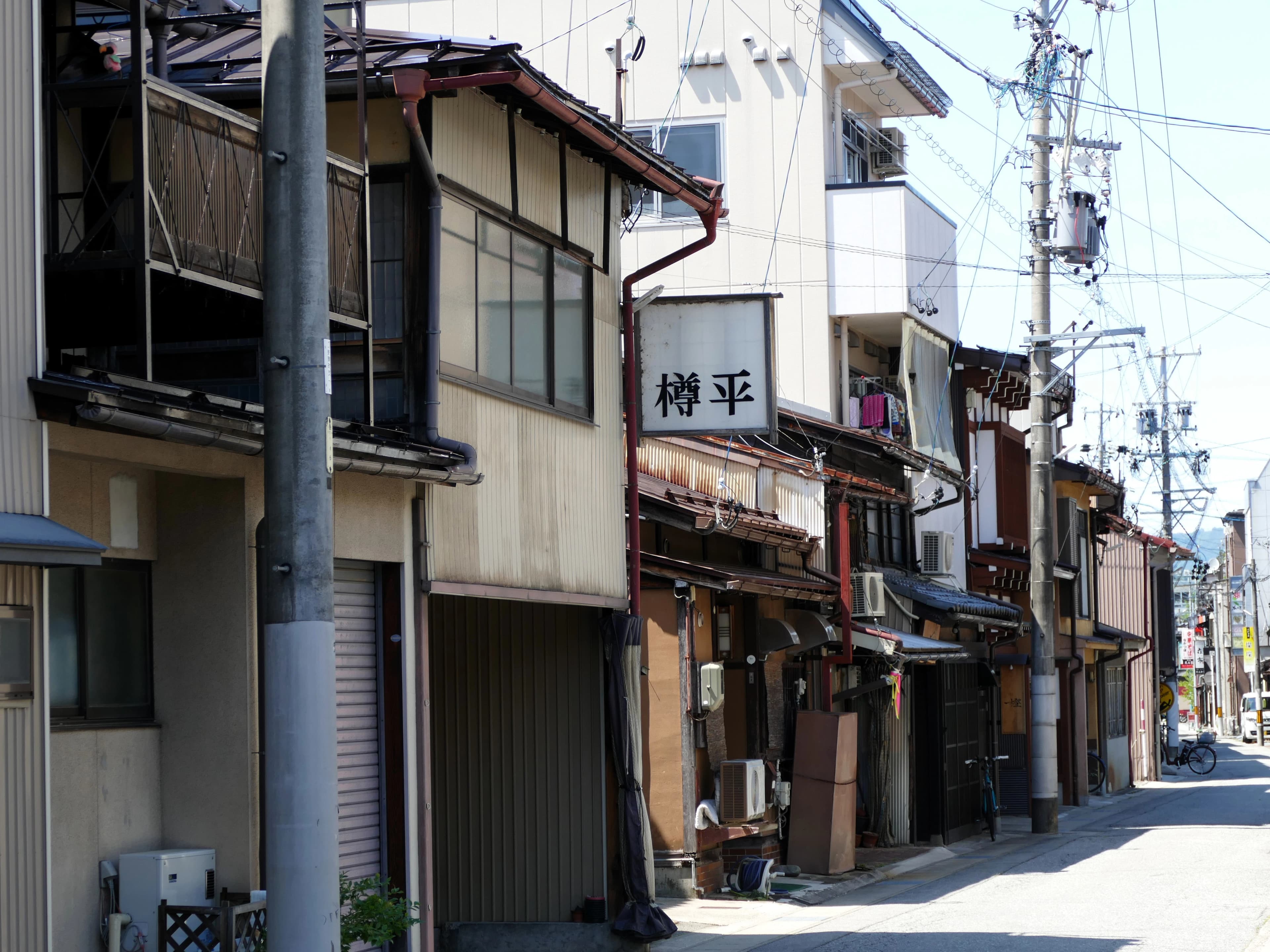
Takayama, hidden in the Japanese Alps of Gifu Prefecture, is one of the best-preserved Edo-period small towns in Japan and carries the affectionate nickname Little Kyoto of the Mountains. Its secluded location in a valley surrounded by steep mountains has preserved Takayama from modernization and destruction — the result is a cityscape of enchanting historical authenticity. The old town (Sanmachi Suji) with its dark wooden houses, sake breweries, miso shops, and traditional craft stores transports visitors back to 17th-century Japan. The balls made of cedar branches (Sugidama) above the entrances of the sake breweries indicate that fresh sake is available — tastings are possible almost everywhere and are a highlight. The Takayama Matsuri, held twice a year (April and October), is one of the three most beautiful festivals in Japan. Splendidly carved festival floats (Yatai) are pulled through the narrow streets, accompanied by traditional music. Even outside of festival times, the floats can be viewed at the Takayama Yatai Kaikan. The morning markets (Asa-ichi) by the Miyagawa River and in front of the Takayama Jinya (the only remaining government building of a feudal lord) offer regional specialties such as Hoba Miso (grilled miso paste with vegetables on a magnolia leaf) and Sarubobo dolls. From Takayama, the legendary thatched-roof farmhouses of Shirakawa-go (UNESCO World Heritage) can be reached in just one hour — one of Japan's most iconic landscapes.

Old TownSakeWagyu
a tori tori floating in the middle of a body of water

Miyajima

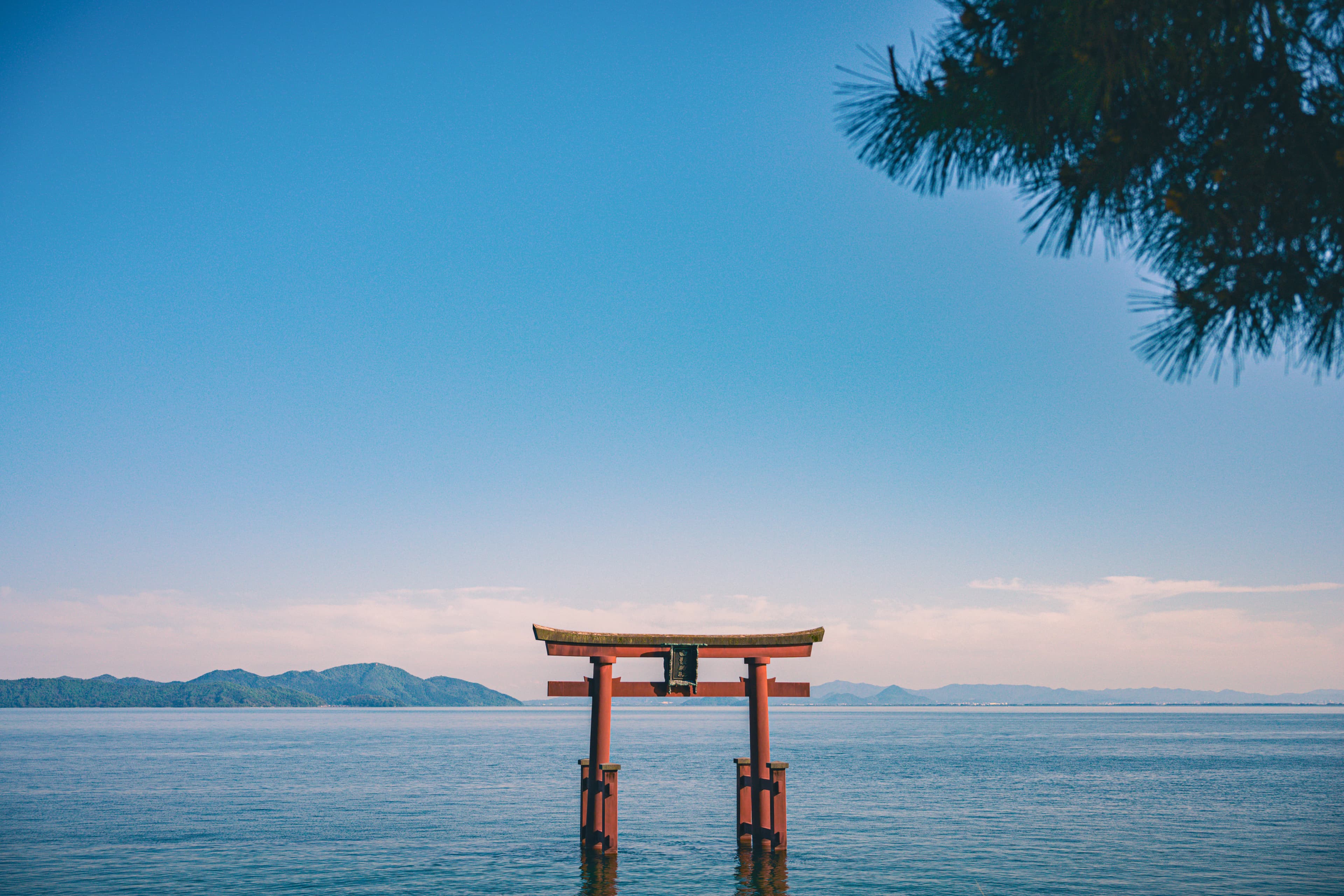
Miyajima (officially Itsukushima), the Island of the Gods in Hiroshima Bay, is one of Japan's Three Most Scenic Views — a title awarded since the 17th century that the island fully deserves. The iconic vermilion torii gate of the Itsukushima Shrine appears to float on the water at high tide and is supported by the seabed at low tide, allowing visitors to walk up to the gate. The Itsukushima Shrine itself, a UNESCO World Heritage site from the 6th century, is built on stilts above the water and seems to hover over the sea at high tide. The dramatic architecture with its red corridors and the stage for Noh theater against the backdrop of the wooded mountain landscape is overwhelmingly beautiful — especially at sunset when the gate and shrine are bathed in golden light. Climbing Mount Misen (535 meters), either by cable car or on foot through the jungle, offers panoramic views over the entire Seto Inland Sea with its countless islands. At the summit, a sacred fire has been burning for over 1,200 years, said to have been ignited by the monk Kukai. Tame Sika deer roam the island, and the Omotesando shopping street tempts visitors with freshly grilled oysters, Momiji Manju (maple leaf-shaped cakes with sweet fillings), and handcrafted wooden spoon crafts (Shamoji). Miyajima is reachable from Hiroshima in 30 minutes by train and ferry and is an absolute must — those who stay overnight experience the island in magical silence when the day-trippers have gone.

ToriiUNESCODeer

National parks

a view of a snow covered mountain with trees in the foreground

Fuji-Hakone-Izu National Park

The Fuji-Hakone-Izu National Park, southwest of Tokyo, combines Japan's holiest symbol, therapeutic hot springs, and a dramatic coastal landscape in a single, expansive protected area. The park stretches from Mount Fuji in the north through the Hakone region to the Izu Peninsula and the volcanic Izu Islands in the Pacific. Mount Fuji (3,776 meters), Japan's highest mountain and a UNESCO World Heritage site, is much more than just a mountain — it is a spiritual symbol that has inspired artists, poets, and pilgrims for centuries. The Fuji Five Lakes (Fujigoko) at the northern foot offer the most famous viewpoints: Lake Kawaguchiko with its reflection of Fuji is one of Japan's most iconic motifs. Between July and September, the ascent to the summit is possible — a night start for the sunrise (Goraiko) over the sea of clouds is one of the most unforgettable experiences in the country. The Izu Peninsula offers a completely different side of the park: rugged coasts with hot springs bubbling directly from the rocks by the sea, subtropical vegetation, and charming onsen towns like Atami and Shimoda. The Jogasaki Coast with its volcanic rock cliffs and suspension bridges is a hiker's paradise. In Shuzenji, one finds one of Japan's oldest onsen towns with moss-covered stone steps and steaming bamboo groves. The Izu Islands in the south offer dive sites with tropical underwater worlds just a few flight hours from Tokyo. The national park is a perfect weekend destination due to its proximity to Tokyo and can be excellently explored with the Hakone Free Pass.

National ParkMount FujiOnsen

Package holiday to Japan

Compare flight & hotel at the best price.

Package holidays

Holiday apartment in Japan

Holiday homes with more space and privacy.

Holiday flats

All accommodations

Map, package holidays & holiday homes at a glance.

All options

Complete guide for Japan

Regions, attractions, food, routes, costs & practical tips — all in one digital guide.

Open guide
Suitable for:CultureFoodCityNatureTechnology

Ready for Japan?

Plan your Japan holiday now with our free tools.

Plan a holiday in Japan

Japan is one of the most popular travel destinations in Asia, offering Culture, Food, City and much more. The best time to visit Japan is March–May (cherry blossom), Sep–Nov (autumn leaves), when the weather is ideal for exploration and relaxation. With a daily budget starting from 60–90€ (Budget) to 160–400€ (Luxury), Japan is suitable for various travel budgets.

From the capital Tokyo, Japan can be excellently explored. The official language is Japanese, and the currency is Yen (¥). From Germany, you can reach Japan in approx. 11–12 hours. Whether you want to try culinary highlights like Sushi & Sashimi, Ramen, Tempura, visit top attractions, or simply enjoy the atmosphere: Japan has something for every type of traveller.

Use our free travel tools to prepare your Japan holiday perfectly. With the holiday finder, you can discover if Japan is the right destination for you. The budget calculator helps you plan costs realistically, and with the packing list, you won't forget anything.

More travel destinations in Asia:

All countries in Asia

All destinations in Asia