Malaysia holiday
Travel tips, best time to visit & highlights for your Malaysia holiday in Asia
Malaysia combines the best of Southeast Asia in a compact space: skyscrapers next to colonial buildings, tropical rainforest next to dream beaches, Malay, Chinese, and Indian cuisine side by side. Additionally, Borneo with orangutans, the oldest rainforest in the world, and paradise islands – all at moderate prices.
Capital
Kuala Lumpur
Language
Malay, English
Currency
Ringgit (MYR)
Time zone
UTC+8
Flight time from DE
approx. 11–12 hours
Entry requirements
Passport, 90 days visa-free
Top hotels & accommodations in Malaysia
Selected hotels and holiday accommodations in Malaysia — with images, reviews, and direct booking links with our partners.
Pullman Kuala Lumpur City Centre Hotel & Residences
Kuala Lumpur, Malaysia
Hotel The Majestic
Kuala Lumpur, Malaysia
Hard Rock Hotel Penang
Batu Ferringghi, Malaysia
Hotel Pangkor Laut Resort/Estates
Kampong Pasir Bogak, Malaysia
Hotel Equatorial
Kuala Lumpur, Malaysia
Holiday Inn Melaka
Malakka, Malaysia
Movenpick Hotel & Convention Centre KLIA
Sepang, Malaysia
Hotel Shangri-La Kuala Lumpur
Kuala Lumpur, Malaysia
Top 5 highlights in Malaysia
The places you absolutely must not miss.
Kuala Lumpur
Petronas Towers, Batu Caves, Chinatown, and one of the best street food scenes in Asia.
Langkawi
Tropical island with duty-free status, Sky Bridge, mangroves, and stunning beaches.
Borneo (Sabah & Sarawak)
Orangutans in Sepilok, climbing Mount Kinabalu, and ancient rainforest.
George Town, Penang
UNESCO heritage town with street art, Indian temples, and the best food in Malaysia.
Perhentian Islands
Crystal clear water, turtles, colorful reefs, and a relaxed backpacker atmosphere.
Hotels in Malaysia
Vergleiche tausende Hotels, Apartments und Resorts auf Expedia – mit Bestpreis-Garantie, kostenloser Stornierung und Bonuspunkten.
* Weiterleitung zu Expedia.de. Es gelten die dortigen Nutzungsbedingungen.
Reise-SIM für Malaysia
Prepaid-SIM mit Datenvolumen für Malaysia. Einfach einlegen und sofort lossurfen – keine Roaming-Gebühren.
* Weiterleitung zu travSIM.de. Es gelten die dortigen Nutzungsbedingungen.
Reiseversicherung abschließen
Rundum-Schutz ab 9,90 € auf TravelSecure.de
Pauschalreisen & Rundreisen
Berge & Meer – 170 Tage Cookie
Best time to visit Malaysia
Recommended travel time
West Coast: Dec–Apr, East Coast: Apr–Sep
Summer
29–34°C
Winter
27–32°C
How much does a holiday in Malaysia cost?
Average cost per person per day (excluding flight)
Budget
20–35€
Hostel, street food, public transport
Mid-range
35–70€
Hotel, restaurant, excursions
Luxury
70–180€
Boutique hotel, fine dining
5 travel tips for Malaysia
Insider knowledge to make your holiday better.
Street food at hawker stalls is cheaper and better than in restaurants
Grab app works throughout Malaysia for taxis and food
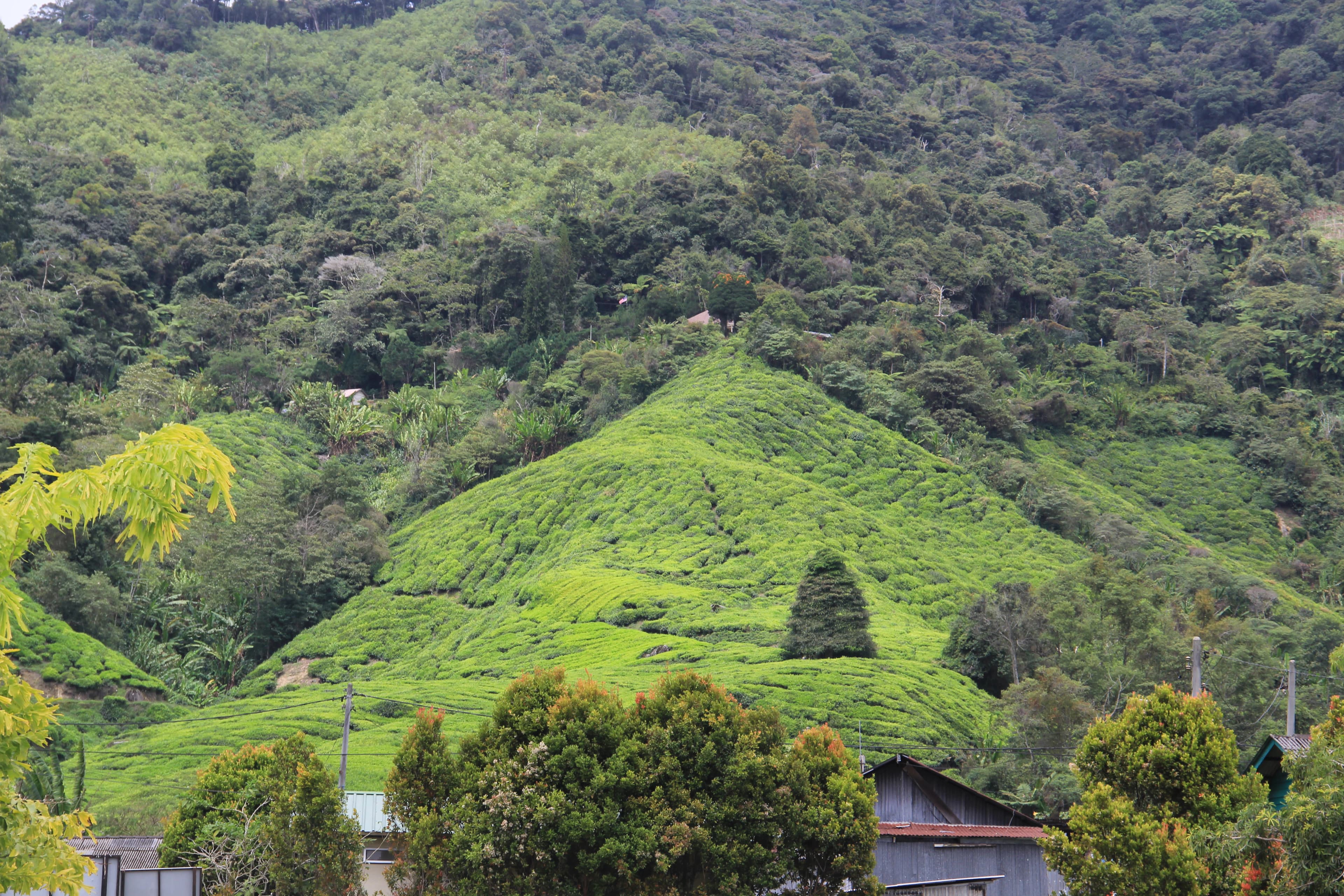
The Cameron Highlands offer cool temperatures and tea plantations
In mosques, cover shoulders and knees – robes are available for rent
Domestic flights with AirAsia are extremely cheap (from 15€)
Food & drink in Malaysia
These dishes you must try!
Discover Malaysia
13 regions, cities and highlights in Malaysia
Islands
Borneo
Borneo is the third largest island in the world and one of the last great wilderness areas on our planet. The Malaysian part (Sabah and Sarawak) offers a unique mix of ancient rainforest, exotic wildlife, and cultural diversity that attracts nature lovers from all over the world. The rainforest of Borneo is 130 million years old — older than the Amazon — and is home to an astonishing biodiversity. Orangutans swing through the treetops, proboscis monkeys display their quirky noses, pygmy elephants roam the jungle, and the Rafflesia, the largest flower in the world, blooms for only a few days each year. Borneo is one of the few places where you can observe wild orangutans in their natural habitat. The Sepilok Orangutan Rehabilitation Centre in Sabah is the most famous destination. Here, orphaned orangutans are raised and prepared for their release into the wild. The feeding platforms allow encounters with the gentle great apes up close — an experience that deeply touches the heart. Mount Kinabalu, at 4,095 meters, is the highest mountain in Southeast Asia and is both a challenge and a reward. The 2-day ascent takes you through various vegetation zones from tropical rainforest to cloud forest to the barren summit zone. The sunrise from the summit, over a sea of clouds with the silhouette of the surrounding islands, is a life-changing experience. The coast of Sabah offers world-class diving. Sipadan, a small island off the east coast, is regularly listed as one of the top 5 dive sites in the world. Turtles, barracuda tornadoes, reef sharks, and an underwater cliff that drops 600 meters deep make every dive an adventure. The Danum Valley Conservation Area offers authentic jungle experiences in one of the last untouched lowland rainforests in the world.

Langkawi
Langkawi is an archipelago of 99 islands on the northwest coast of Malaysia and a UNESCO Geopark of exceptional geological significance. The main island, Pulau Langkawi, combines lush rainforests, dramatic limestone cliffs, and paradise beaches with the comfort of a duty-free shopping island — a complete package that is unmatched in Southeast Asia. Pantai Cenang is Langkawi's most famous beach: Two kilometers of fine sand, turquoise water, and a lively beachfront promenade with restaurants, bars, and duty-free shops. At low tide, one can wade to the offshore island of Pulau Rebak. The much quieter Tanjung Rhu in the north impresses with its backdrop of mangroves and karst rocks. The Langkawi Sky Bridge and the SkyCab cable car are among Malaysia's most spectacular attractions. In a gondola, you glide over the rainforest to the 708-meter-high Gunung Mat Cincang, where a curved pedestrian bridge at dizzying heights offers breathtaking panoramic views of the archipelago. A mangrove boat tour through the Kilim Karst Geoforest Park takes you through an enchanted labyrinth of limestone caves, mangrove forests, and hidden lagoons. Eagles circle above the water, monkeys climb through the trees, and millions of bats inhabit the caves. The ecosystem here is so unique that UNESCO has recognized the entire region as a Geopark. As a duty-free zone, Langkawi is a shopping paradise — alcohol, chocolate, and electronics cost a fraction of the usual Malaysia prices. At the same time, the island retains its Malaysian charm: In Padang Matsirat and Kuah, you can find authentic night markets, traditional wooden houses, and warm hospitality that sets Langkawi apart from overly commercial resort islands.

Penang
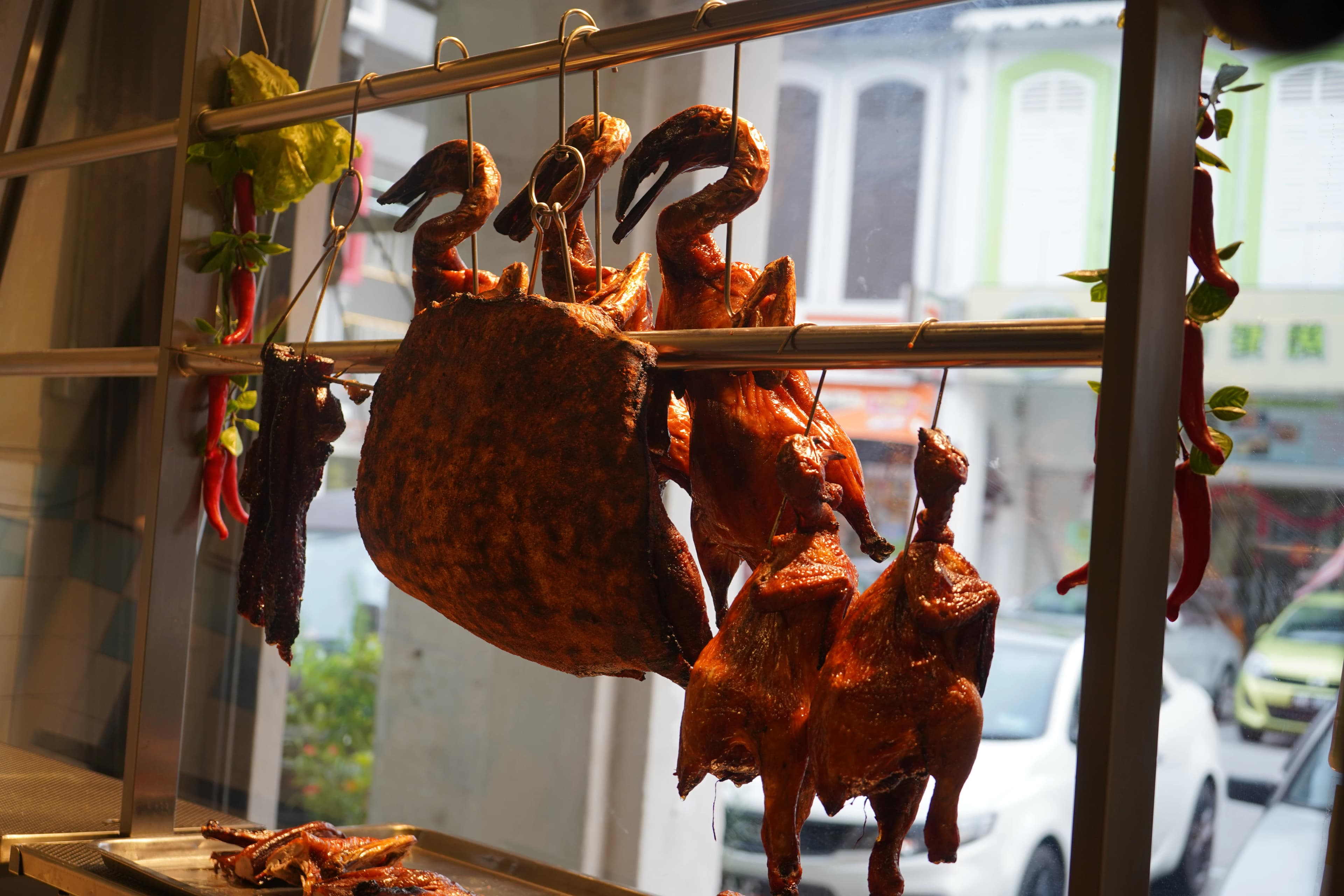
Penang, the Pearl of the Orient, is a Malaysian island known for its unique cultural heritage, world-famous street art scene, and arguably the best street food in Asia. George Town, the capital, combines British colonial architecture, Chinese clan houses, Indian temples, and Malay mosques in its UNESCO-protected historic center. The street art scene began in 2012 with the murals of Lithuanian artist Ernest Zacharevic and has since developed into a citywide open-air gallery. Children on a bicycle, a boy on a chair — the life-sized motifs have become famous worldwide. In addition, wrought iron caricatures tell the story of the various neighborhoods. Penang's culinary reputation is legendary: Char Kway Teow (fried rice noodles), Assam Laksa (sour fish soup), and Cendol (ice dessert with coconut milk) attract food lovers from around the world. The hawker culture is so deeply rooted that some stalls have been perfecting the same recipes for generations. The Kek Lok Si Temple is the largest Buddhist temple in Southeast Asia, and Penang Hill offers a cooler retreat with panoramic views over the island and the mainland.
Perhentian Islands
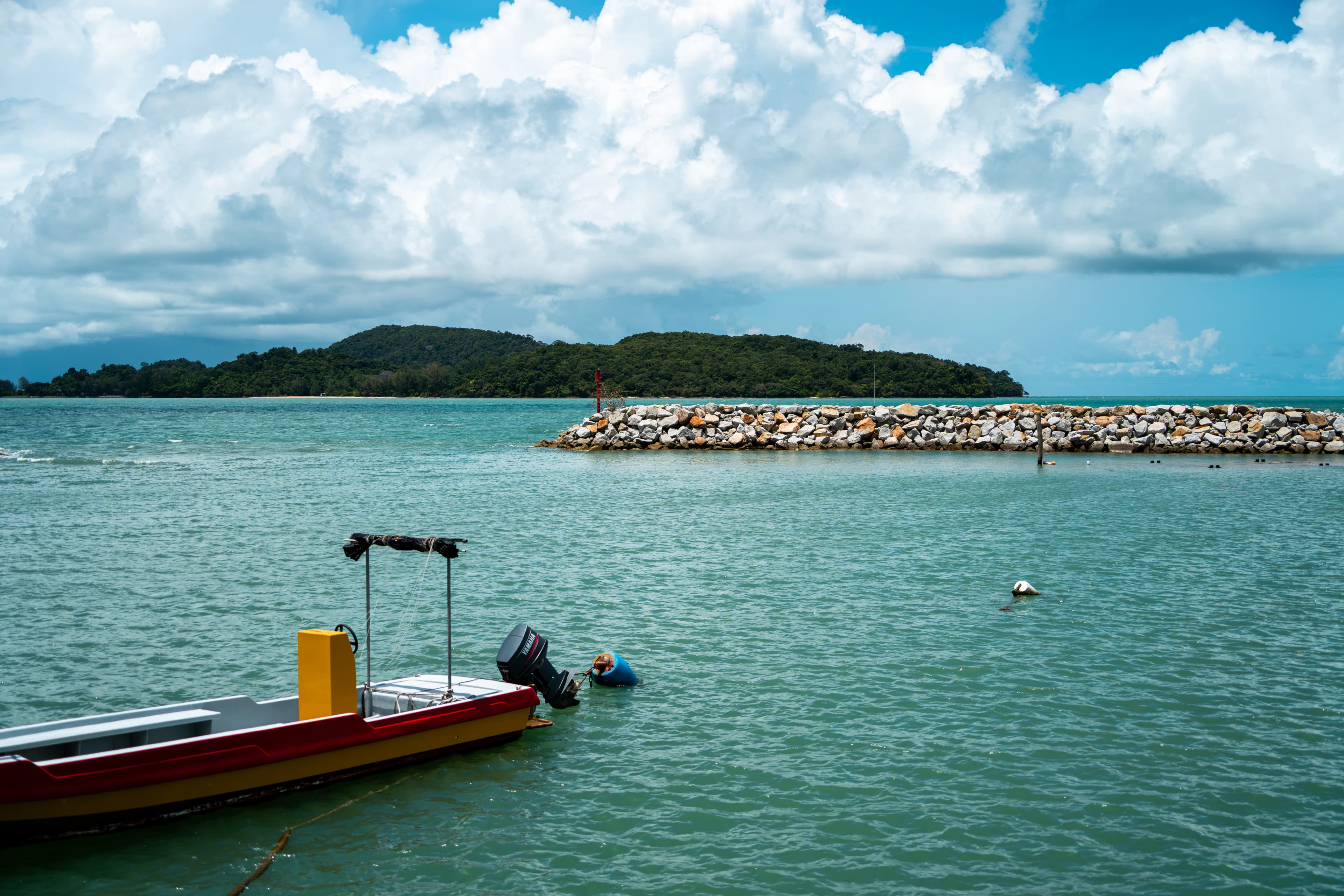
The Perhentian Islands are Malaysia's answer to the Maldives – but at a fraction of the price. The two main islands, Perhentian Besar (the big one) and Perhentian Kecil (the small one), are located 21 kilometers off the northeast coast of Malaysia in the South China Sea and delight visitors with crystal-clear water, intact coral reefs, and white sandy beaches that transition directly into the jungle. Unlike many tourist islands in Southeast Asia, the Perhentians have preserved their authenticity: there are no cars, no roads, and no high-rise buildings – only jungle paths, wooden walkways, and the gentle sound of the sea. Perhentian Kecil is the island for backpackers and budget travelers. Long Beach on the east side is the lively main beach with affordable bungalows and beach bars, while Coral Bay on the west side is quieter and ideal for snorkelers, as the reef starts right at the beach. A ten-minute jungle path connects the two beaches, crossing the island. Perhentian Besar, on the other hand, attracts couples and families seeking more comfort – here you will find some mid-range resorts and tranquil bays. Snorkeling and diving in the Perhentians is among the best Southeast Asia has to offer. Blacktip reef sharks, sea turtles, clownfish, and huge Napoleon wrasse are regular encounters. Several dive schools offer PADI courses at prices that are far lower than those in Thailand or Indonesia. From June to August is the best time for whale shark sightings. The islands are only accessible by speedboat from Kuala Besut (30-45 minutes) and are closed from November to February due to the monsoon – a natural protection that allows the underwater world to regenerate.
Tioman
Tioman (Pulau Tioman) is a volcanic island off the east coast of the Malaysian Peninsula, once chosen by Time Magazine as one of the most beautiful islands in the world. The island is duty-free — alcohol and tobacco cost a fraction of the prices on the mainland, making Tioman particularly popular among divers and backpackers. The underwater world is Tioman's greatest treasure: the marine reserve features crystal-clear waters with visibility up to 30 meters, colorful coral reefs, reef sharks, turtles, and occasionally whale sharks. Renggis Island and Coral Island off the west coast offer spectacular snorkeling right from the beach. Tioman is among the cheapest dive sites in the world — a dive costs from €25. The interior of the island is covered with dense rainforest, enveloping the two granite peaks Gunung Kajang (1,038 m) and Nenek Si-Mukut. The jungle trek from Tekek to Juara leads across the island through ancient jungle with monitor lizards, flying foxes, and the rare binturong (bearcat). Tioman consists of several small villages — Tekek, Salang, ABC (Air Batang), Juara, and Genting — each with its own character. ABC is the backpacker center, Salang is the diver's mecca, Juara on the quieter east coast offers the most beautiful beach, and the Juara Turtle Project saves sea turtle nests.
Cities

Georgetown (Penang)
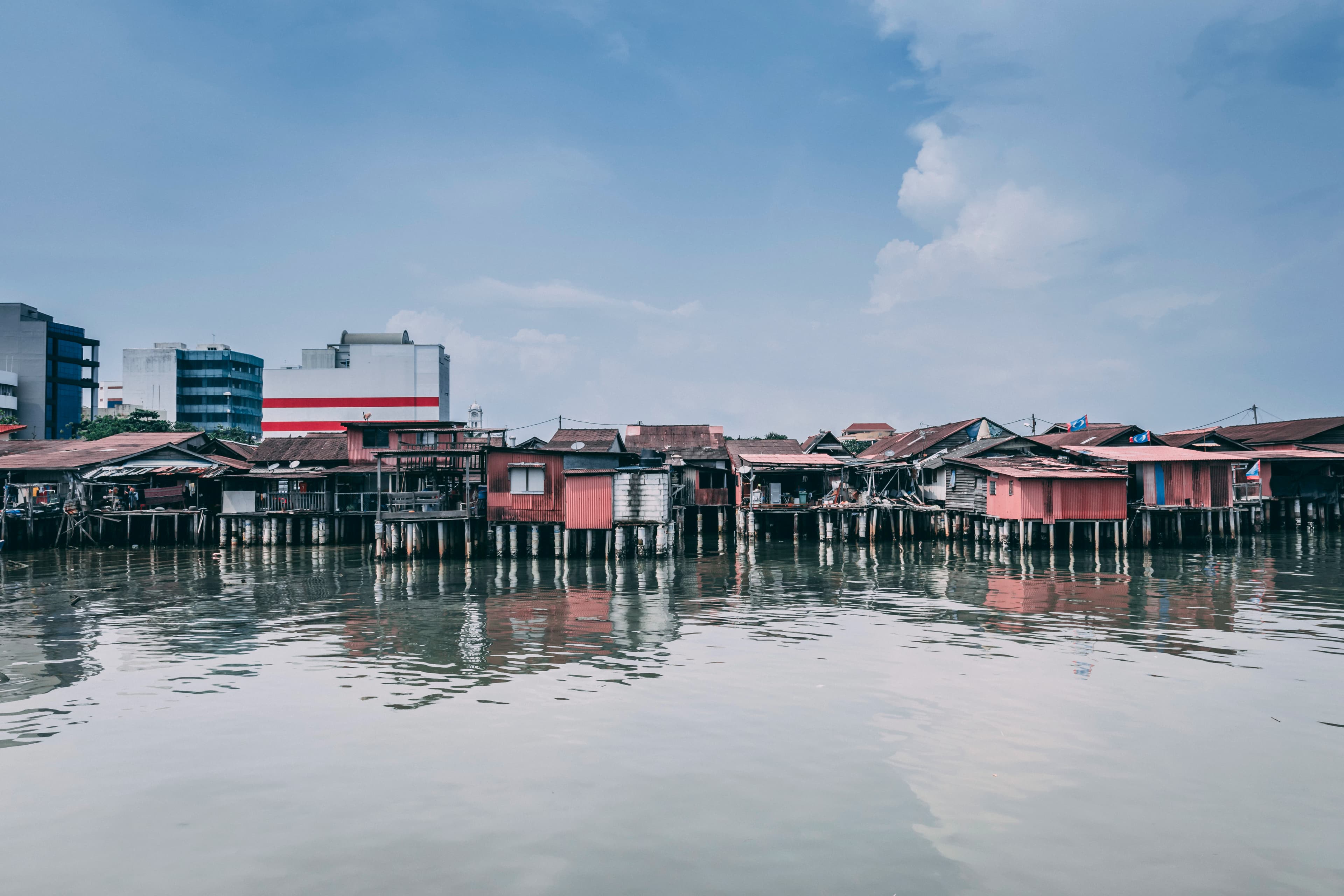
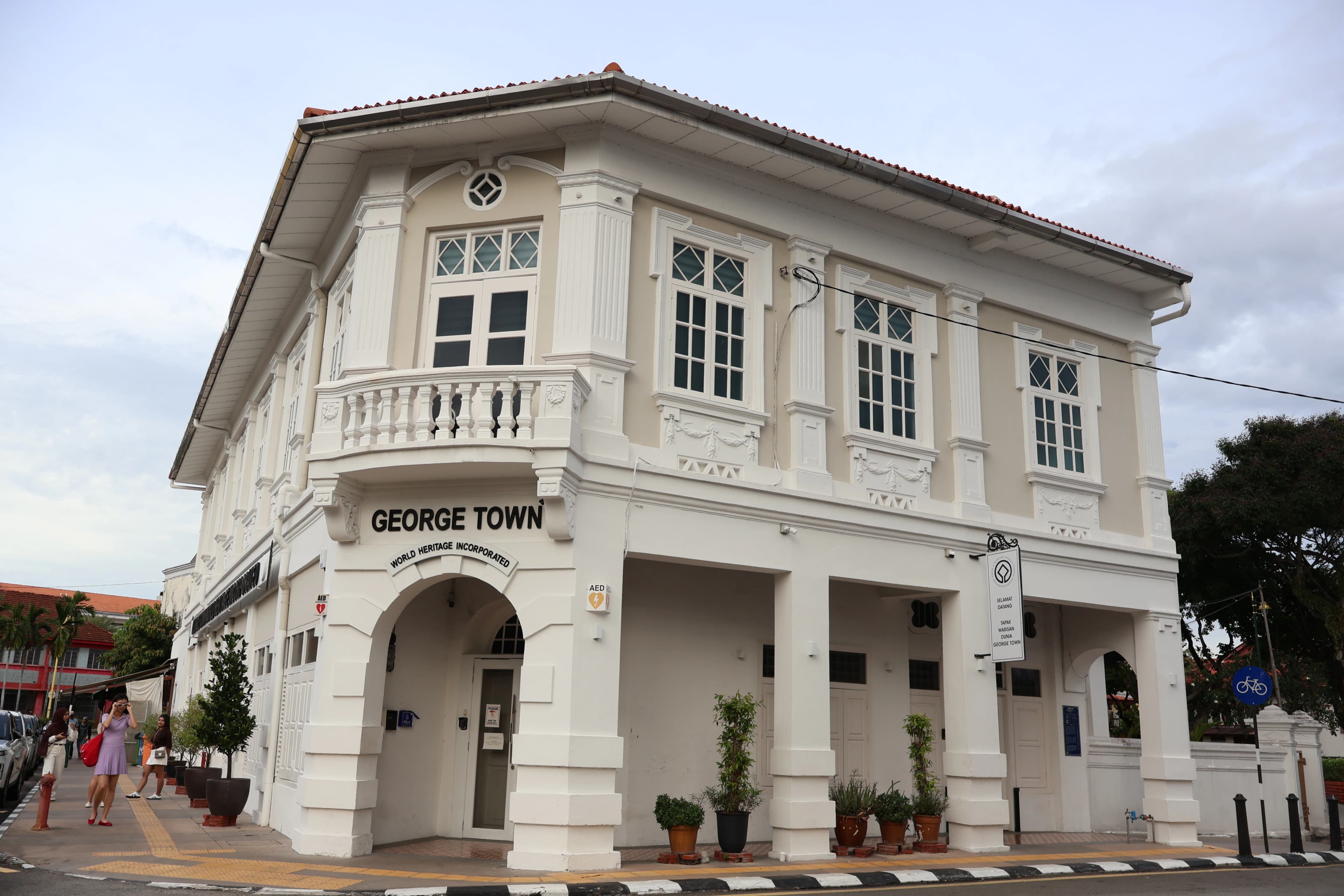
Georgetown on the island of Penang is the culinary heart of Southeast Asia — a UNESCO World Heritage city that combines Chinese, Malay, Indian, and colonial influences into a unique melting pot. The street art scene, featuring the famous murals by Ernest Zacharevic, has put Georgetown on the world map of art. The old town is a fascinating juxtaposition of Chinese temples, British colonial buildings, Hindu shrines, and mosques. Armenian Street, Chulia Street, and Love Lane are the hotspots for backpackers, cafés, and boutique hotels. The Peranakan heritage — the culture of the Straits Chinese — is evident in the magnificent clan houses and the Pinang Peranakan Mansion. Penang is primarily a food lover's paradise. The hawker stalls serve some of the best dishes in Asia at unbeatable prices: Char Kway Teow, Assam Laksa, Nasi Kandar, and Cendol are just a few of the highlights. CNN and many food magazines have repeatedly named Penang the best street food destination in the world. From Kuala Lumpur, Penang can be reached in an hour by flight or by train. The island also offers beaches on the north coast (Batu Ferringhi) and Penang Hill with panoramic views.

Ipoh
Ipoh is Malaysia's emerging food capital and a charming colonial town amidst dramatic limestone cliffs. The capital of the state of Perak — once rich from tin mines — is experiencing a renaissance as a destination for foodies, street art enthusiasts, and cave adventurers. The Old Town showcases magnificent colonial architecture: the Railway Station Building — often referred to as the 'Taj Mahal of Ipoh' — is a Moroccan-Victorian palace made of white marble. Concubine Lane and the surrounding alleys offer a growing street art scene with murals and vintage cafés. The limestone caves around Ipoh are spectacular: the Sam Poh Tong Temple is a Buddhist cave temple with a garden, and the Kek Lok Tong cave houses a temple with a Zen garden behind it and views of limestone cliffs. Gua Tempurung is one of the longest caves in Southeast Asia with a 4-hour adventure tour. Ipoh is famous for its hawker cuisine: Ipoh White Coffee (coffee roasted with margarine), Ipoh Hor Fun (silky smooth rice noodles), and Bean Sprouts Chicken are culinary pilgrimage sites for which Malaysians travel hundreds of kilometers.

Johor Bahru
Johor Bahru — known locally as JB — is Malaysia's southernmost major city and the gateway to Singapore, separated only by the narrow Johor Strait and the 1,056-kilometer-long Causeway. Every day, hundreds of thousands of commuters cross the border in both directions, making JB one of the most frequented border cities in the world. However, Johor Bahru is much more than just an affordable neighbor to Singapore. The Sultan Abu Bakar State Mosque, completed in 1900, majestically sits on a cliff overlooking the Johor Strait and is one of the most beautiful mosques in Southeast Asia. Its architecture combines Victorian, Moorish, and Malay elements, and from the terraces, there is a wide view over the strait to Singapore. The adjacent Royal Abu Bakar Museum and Grand Palace document the history of the Johor Sultanate. Legoland Malaysia, the first Legoland park in Asia, is located in the southern part of the city and is a magnet for families from the entire region: Over 70 rides, a water park, and Miniland (Asian landmarks made from over 30 million Lego bricks) provide all-day entertainment. Nearby, Hello Kitty Town and the Thomas Town theme park in Puteri Harbour attract visitors as well. The street food scene in JB is legendary and a major reason for the weekend invasion from Singapore: At Restoran Hua Mui (since 1946), the aroma of Hainanese Chicken Chop fills the air, while in the hawker centers of Jalan Wong Ah Fook, Satay, Nasi Lemak, and Mee Rebus sizzle at prices that would be unthinkable in Singapore — often just a third of what they cost in the neighboring city. The Desaru Coast, about an hour's drive to the east, offers 17 kilometers of pristine sandy beach along the South China Sea: Luxury resorts, a water park, and an adventure park make it an emerging beach resort destination in Southeast Asia, away from the crowds of Langkawi or Bali.

Kota Kinabalu
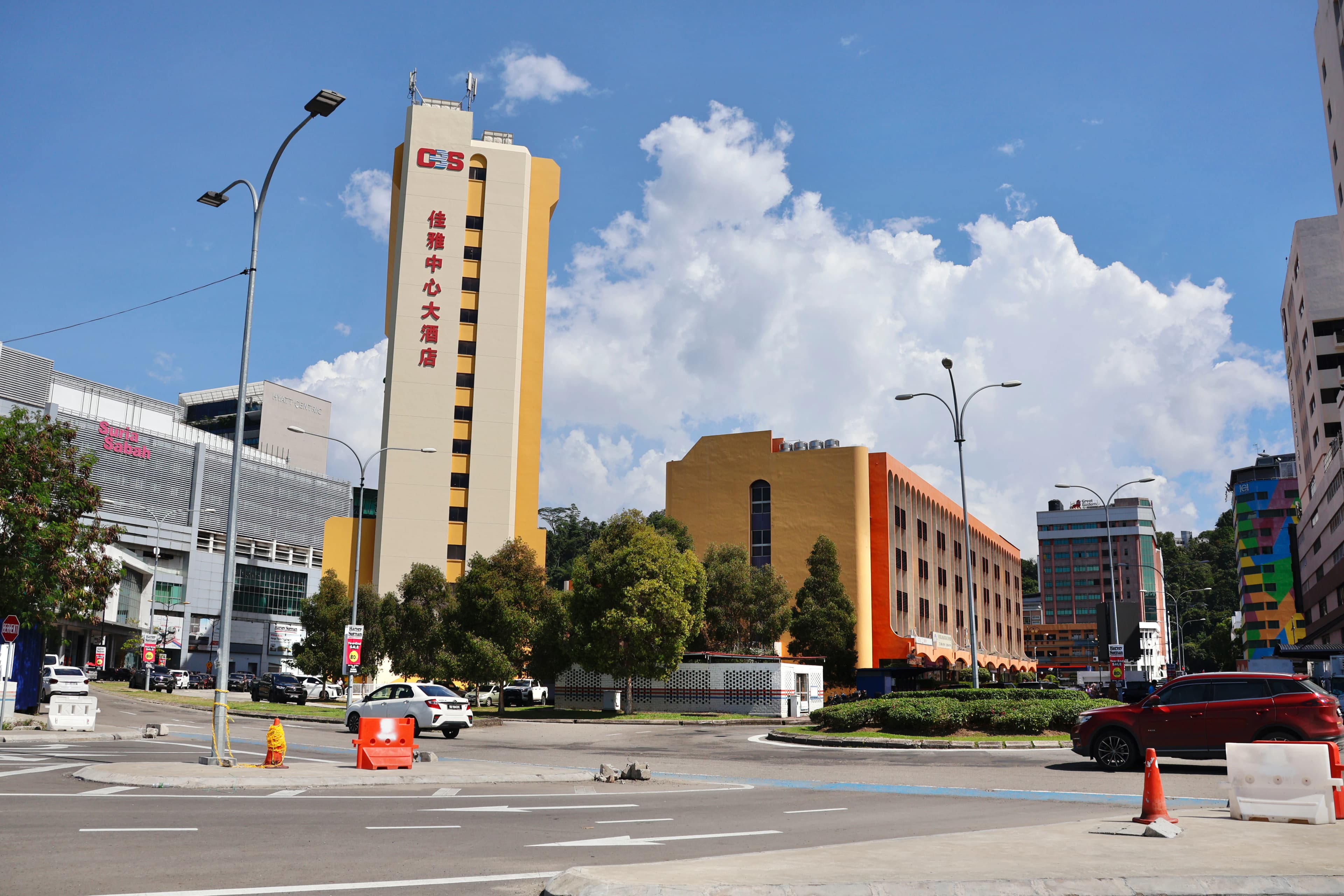
Kota Kinabalu — short KK — is the capital of the Malaysian state of Sabah on Borneo and the gateway to one of Southeast Asia's most exciting natural experiences. The city by the South China Sea combines urban comfort with immediate proximity to UNESCO World Heritage rainforests, the highest mountain in Southeast Asia, and a spectacular underwater world. Mount Kinabalu (4,095 m) is the namesake of the city and a must-do for every active traveler: the two-day ascent takes you through five vegetation zones from tropical rainforest to alpine rocky landscape. The sunrise at the summit — above a blanket of clouds stretching to the horizon — is a life-changing moment. The Tunku Abdul Rahman Marine Park consists of five islands just off KK's coast, reachable in just 15 minutes by speedboat. Manukan and Sapi Island offer excellent snorkeling in turquoise waters with clownfish, parrotfish, and corals — the perfect half-day trip. KK's Waterfront is the culinary center: the Night Market offers grilled seafood, Filipino BBQ, Malaysian hawker cuisine, and the famous Sabah specialties. The multicultural city combines Malay, Chinese, Kadazan-Dusun, and Philippine influences into a unique mix of cultures, languages, and flavors.
Kuala Lumpur
Kuala Lumpur, the capital of Malaysia, is a fascinating blend of Malay, Chinese, and Indian cultures, crowned by a futuristic skyline featuring the iconic Petronas Twin Towers. The 451-meter tall twin towers, connected by a skybridge at 170 meters high, are the city's landmark and offer a spectacular sight, especially at night. The historic district around Merdeka Square combines Moorish, Victorian, and Art Deco architecture, while the Batu Caves on the outskirts, with their 43-meter tall golden Murugan statue and 272 colorful steps, represent one of the most important Hindu shrines outside India. Chinatown around Petaling Street pulses with night markets, while Little India in Brickfields attracts with spices and saris. Kuala Lumpur's true strength lies in its food: the city is among the best street food destinations in the world. Nasi Lemak, the national dish of coconut rice with sambal, rendang curry, and roti canai, can be found on every corner for just a few cents. The Jalan Alor night market is a culinary paradise under the open sky. Shopping enthusiasts will find international brands at affordable prices in massive malls like Pavilion and Suria KLCC. Kuala Lumpur is warm year-round with occasional tropical rain showers.
Malacca
Malacca (Melaka) is the most historic city in Malaysia and a UNESCO World Heritage site — a fascinating mix of Portuguese, Dutch, and British colonial architecture with Chinese and Malay influences. The small city on the Strait of Malacca was once the most powerful trading center in Southeast Asia. Today, it delights with colorful street art, legendary street food, and the famous Jonker Walk night market.
Complete guide for Malaysia
Regions, attractions, food, routes, costs & practical tips — all in one digital guide.
Open guideReady for Malaysia?
Plan your Malaysia holiday now with our free tools.
Plan a holiday in Malaysia
Malaysia is one of the most popular travel destinations in Asia, offering Food, Beach, Nature and much more. The best time to visit Malaysia is West Coast: Dec–Apr, East Coast: Apr–Sep, when the weather is ideal for exploration and relaxation. With a daily budget starting from 20–35€ (Budget) to 70–180€ (Luxury), Malaysia is suitable for various travel budgets.
From the capital Kuala Lumpur, Malaysia can be excellently explored. The official language is Malay, English, and the currency is Ringgit (MYR). From Germany, you can reach Malaysia in approx. 11–12 hours. Whether you want to try culinary highlights like Nasi Lemak, Char Kway Teow, Roti Canai, visit top attractions, or simply enjoy the atmosphere: Malaysia has something for every type of traveller.
Use our free travel tools to prepare your Malaysia holiday perfectly. With the holiday finder, you can discover if Malaysia is the right destination for you. The budget calculator helps you plan costs realistically, and with the packing list, you won't forget anything.
Suitable holiday types for Malaysia:
More travel destinations in Asia:
All countries in Asia