Thailand holiday
Travel tips, best time to visit & highlights for your Thailand holiday in Asia
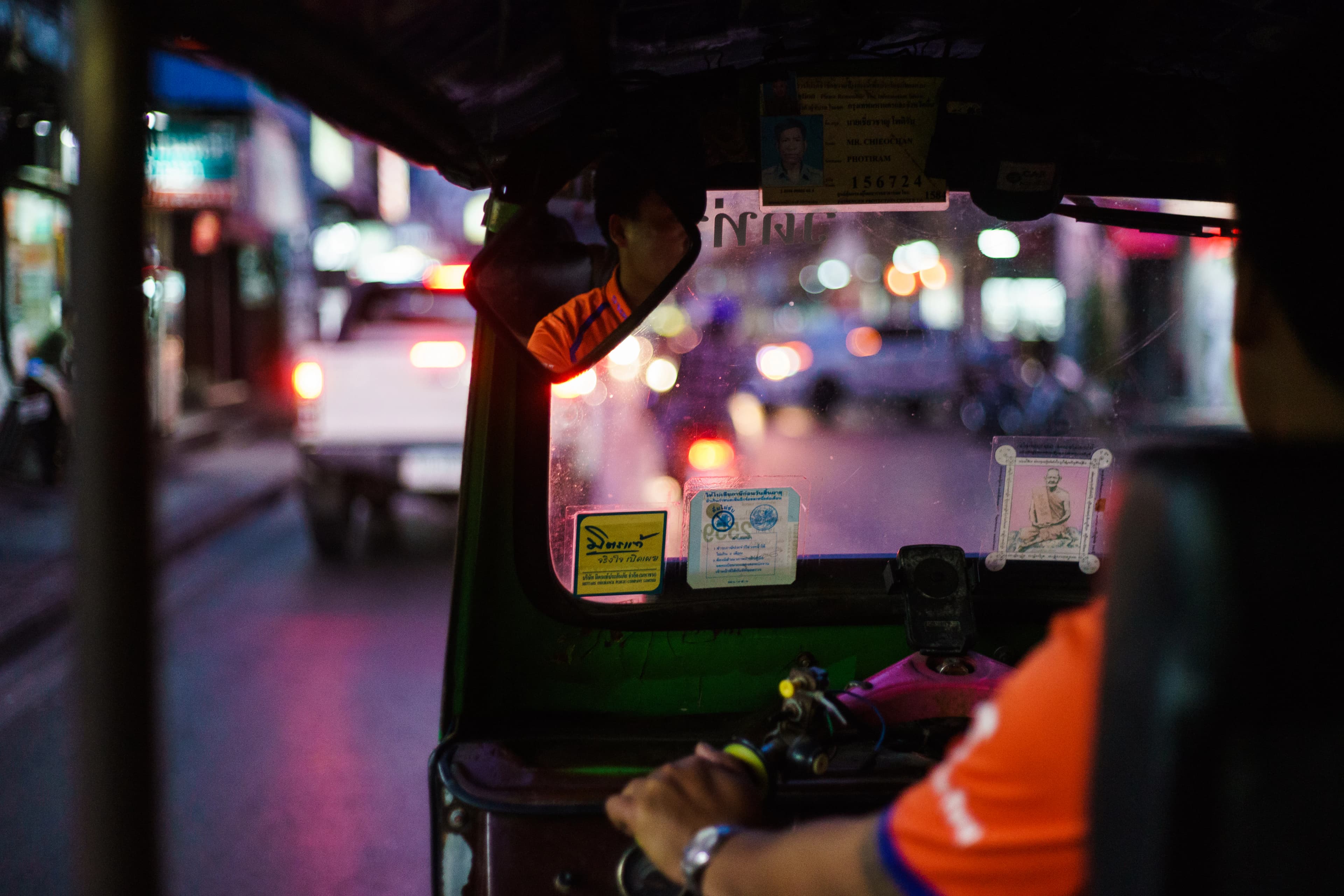
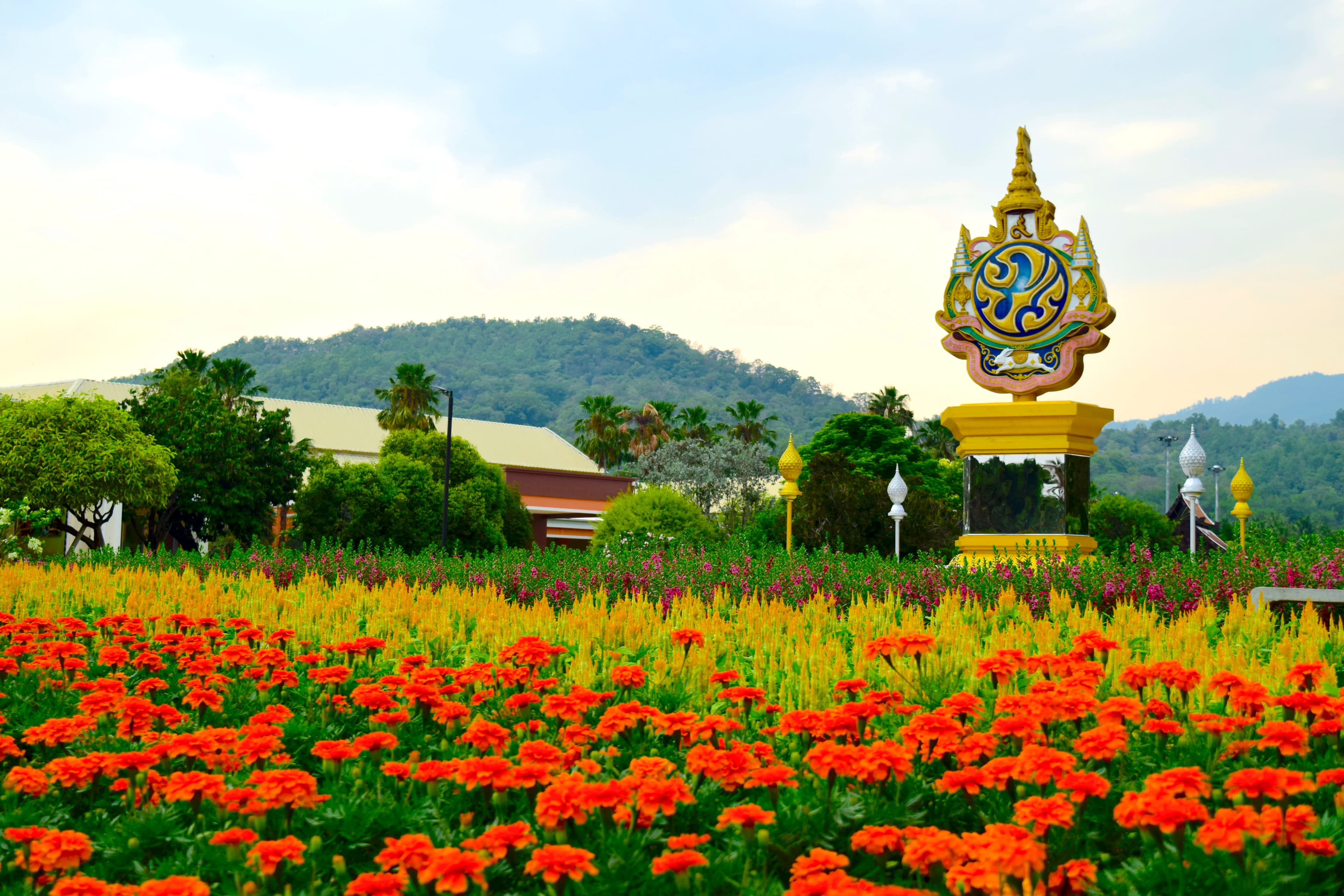
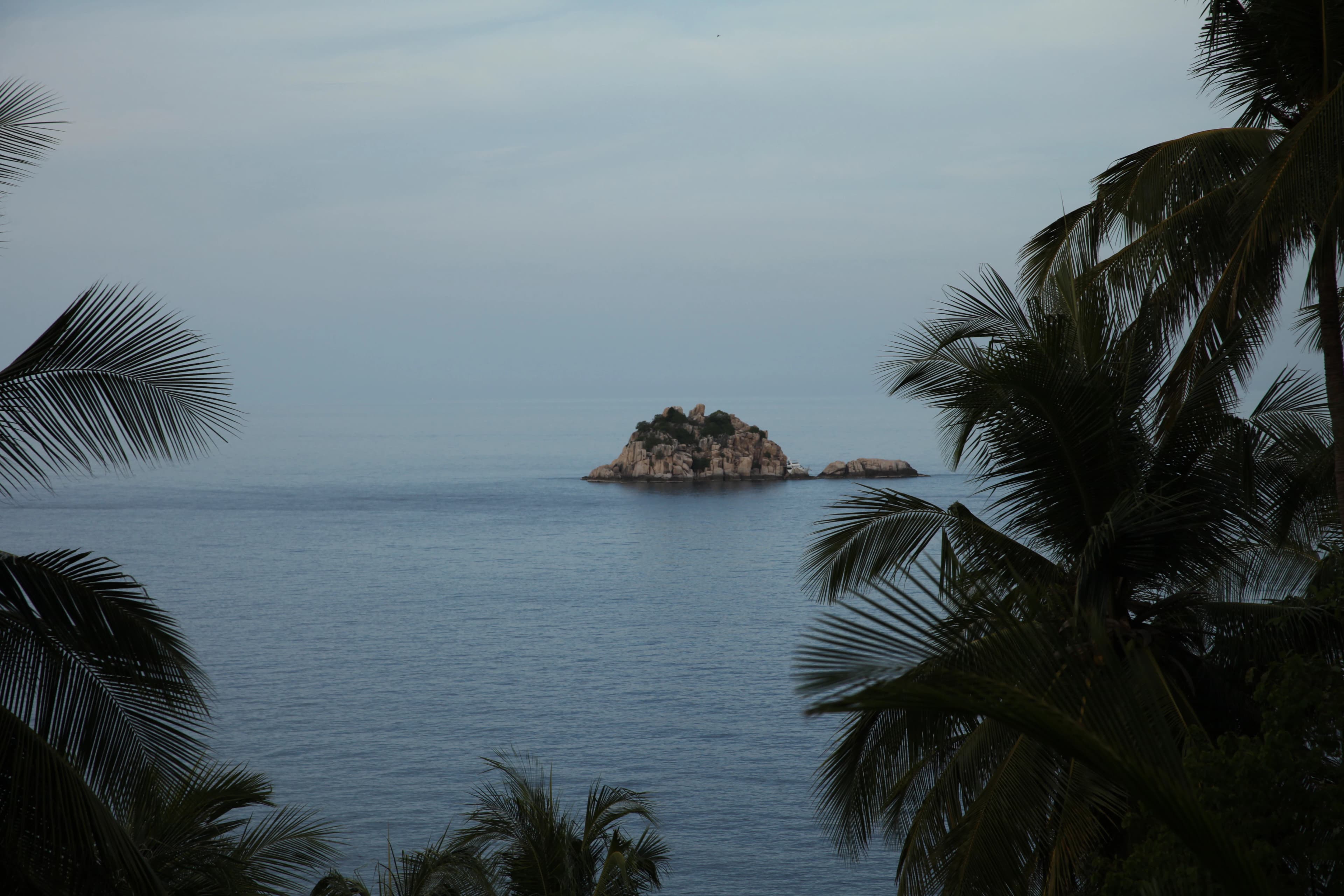
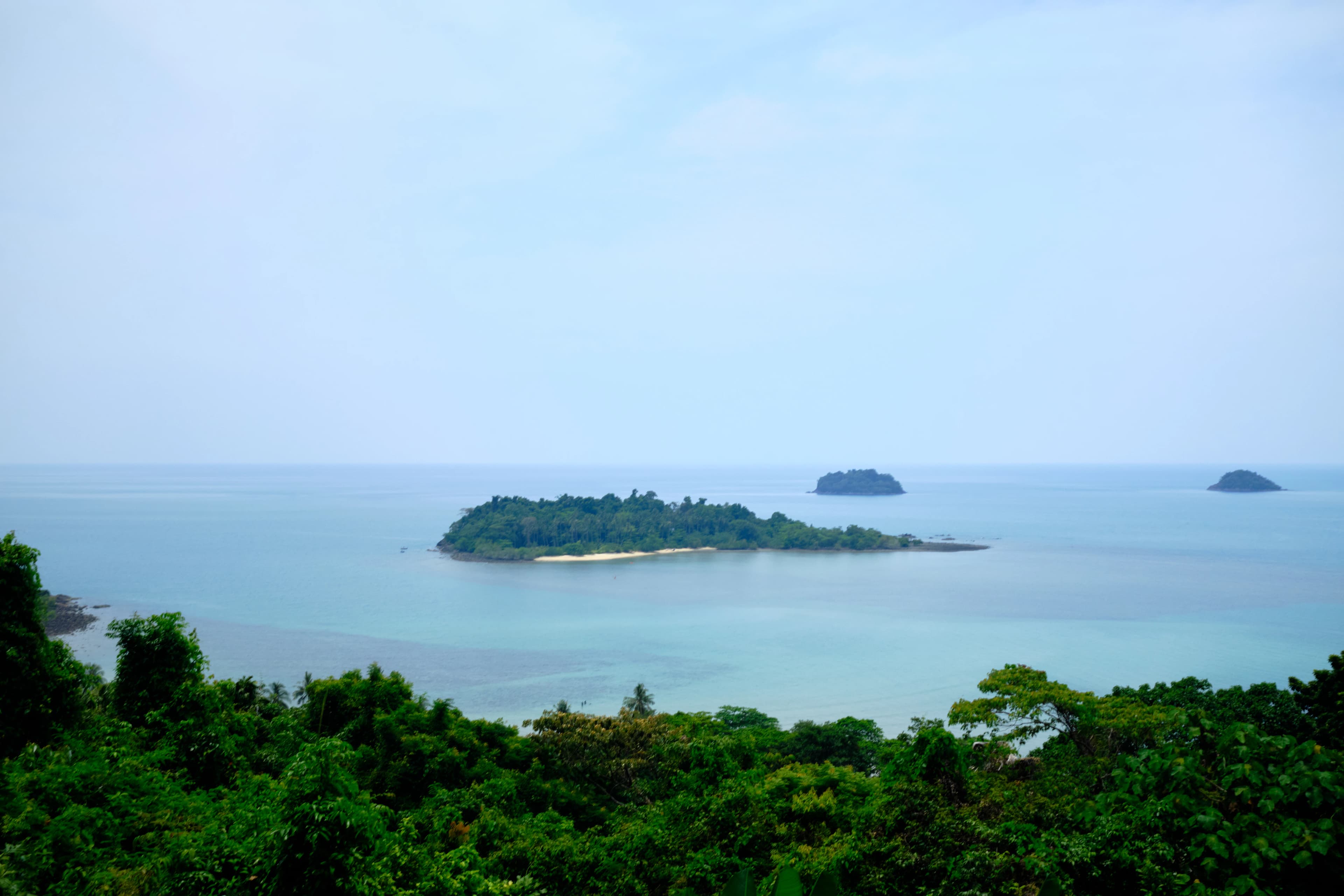
Thailand is the entry country for travelers to Asia: Incredibly friendly people, paradise beaches, fascinating temples, the best street food in the world, and everything at backpacker-friendly prices.
Capital
Bangkok
Language
Thai
Currency
Baht (฿)
Time zone
UTC+7
Flight time from DE
approx. 10–11 hours
Entry requirements
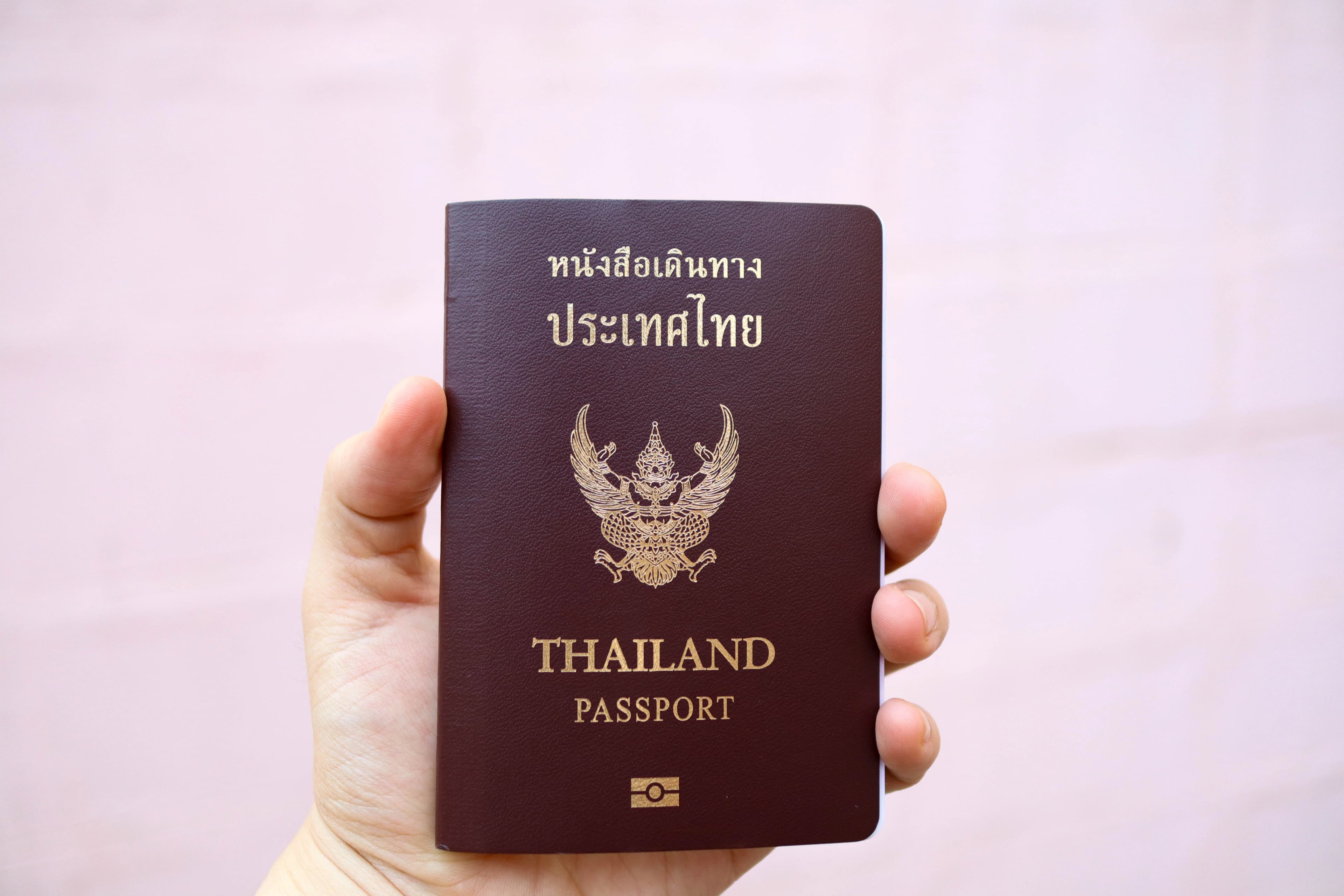
Passport, 30 days visa-free
Top hotels & accommodations in Thailand
Selected hotels and holiday accommodations in Thailand — with images, reviews, and direct booking links with our partners.
TUI BLUE Mai Khao Lak
Pakweep Beach, Thailand
JW Marriott Khao Lak Resort & Spa
Khuk Khak Beach, Thailand
Novotel Phuket Kata Avista Resort and Spa
Karon Beach, Thailand
akyra Manor Chiang Mai
Chiang Mai, Thailand
Avani Sukhumvit Bangkok Hotel
Bangkok, Thailand
Hotel Sareeraya Villas & Suites
Chaweng Beach, Thailand
Santhiya Koh Yao Yai Resort & Spa
Phru Nai, Thailand
SYLVAN Koh Chang
Kai Bae, Thailand
Top 5 highlights in Thailand
The places you absolutely must not miss.
Bangkok
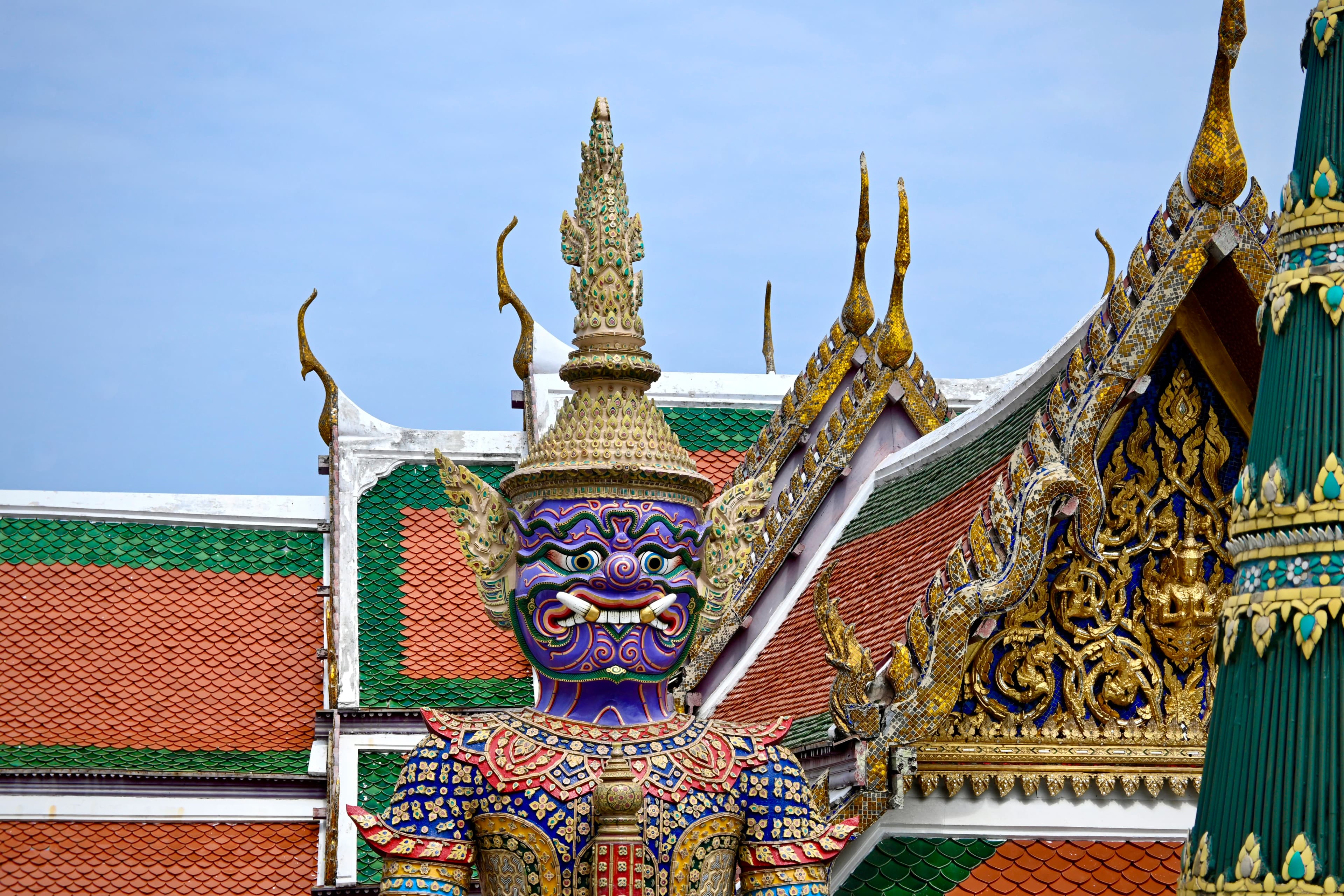
Grand Palace, Wat Pho, floating markets, and the best street food in the world.
Chiang Mai
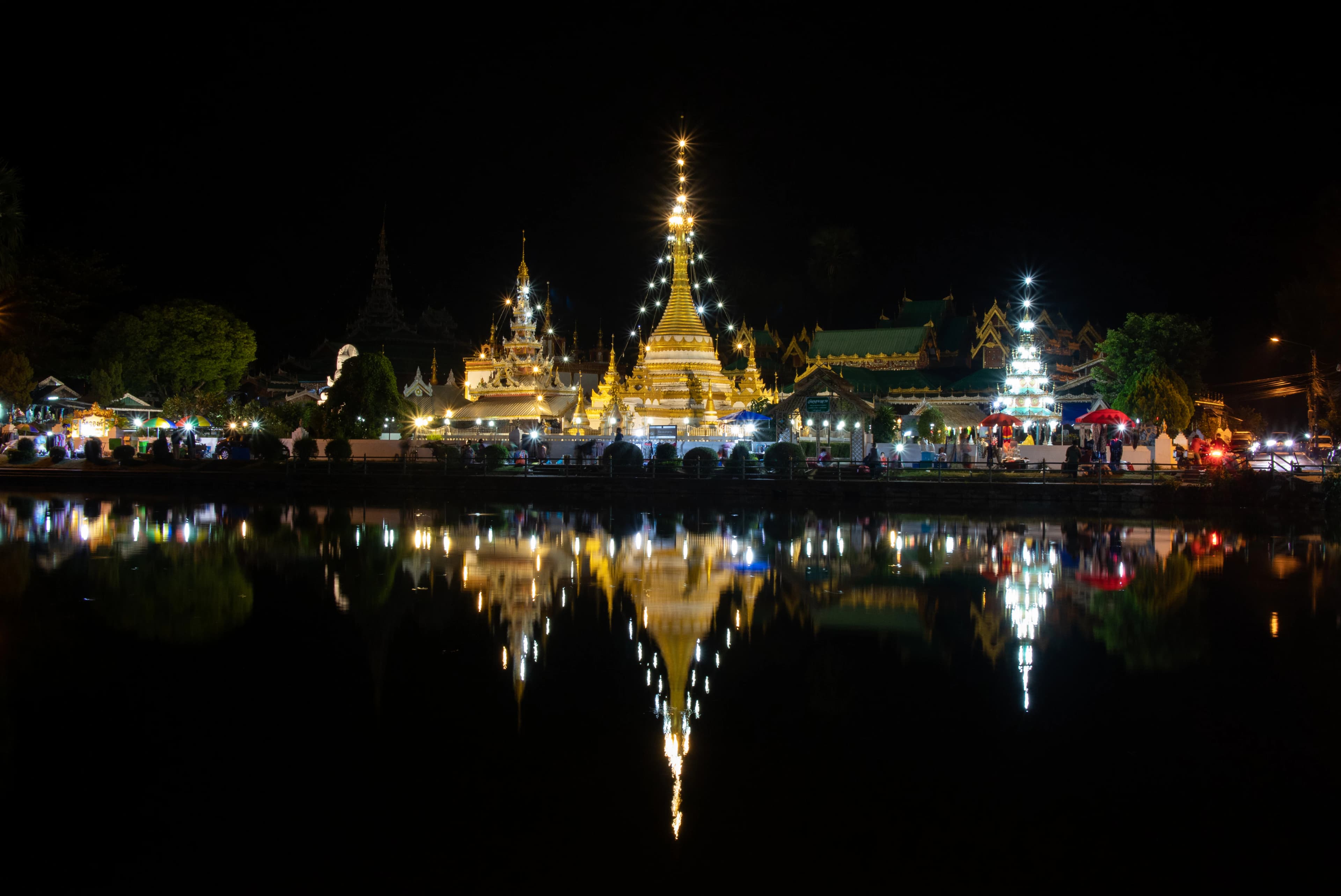
Hundreds of temples, night markets, cooking classes, and trekking in the northern jungle.
Krabi & Railay
Limestone cliffs, turquoise water, and the best climbing spots in Asia.
Koh Samui
Palm beaches, wellness resorts, and full moon parties on nearby Koh Phangan.
Phi Phi Islands
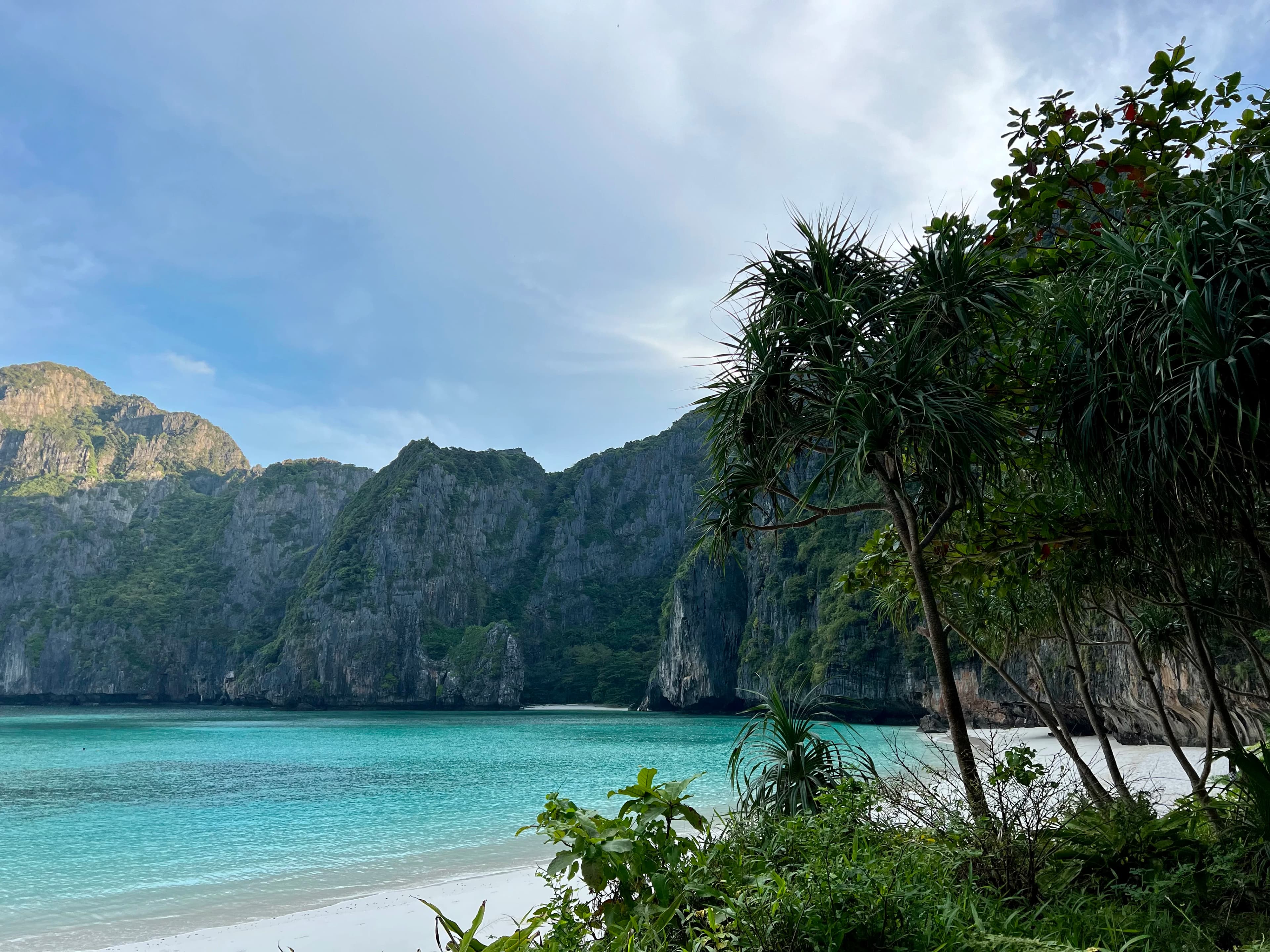
Maya Bay (The Beach), snorkeling, kayaking, and untouched islands.
Hotels in Thailand
Vergleiche tausende Hotels, Apartments und Resorts auf Expedia – mit Bestpreis-Garantie, kostenloser Stornierung und Bonuspunkten.
* Weiterleitung zu Expedia.de. Es gelten die dortigen Nutzungsbedingungen.
Reise-SIM für Thailand
Prepaid-SIM mit Datenvolumen für Thailand. Einfach einlegen und sofort lossurfen – keine Roaming-Gebühren.
* Weiterleitung zu travSIM.de. Es gelten die dortigen Nutzungsbedingungen.
Reiseversicherung abschließen
Rundum-Schutz ab 9,90 € auf TravelSecure.de
Pauschalreisen & Rundreisen
Berge & Meer – 170 Tage Cookie
Best time to visit Thailand
Recommended travel time
November–March (Dry season)
Summer
30–35°C
Winter
25–32°C
How much does a holiday in Thailand cost?
Average cost per person per day (excluding flight)
Budget
25–40€
Hostel, street food, public transport
Mid-range
40–80€
Hotel, restaurant, excursions
Luxury
80–200€
Boutique hotel, fine dining
5 travel tips for Thailand
Insider knowledge to make your holiday better.
Street food is often better AND cheaper than restaurants
Songthaews (red pickups) are the cheapest means of transport
Temples: cover shoulders and knees, remove shoes
Domestic flights with AirAsia/Nok Air from 20€
Bargaining at markets is normal, but with a smile
Food & drink in Thailand
These dishes you must try!
Discover Thailand
31 regions, cities and highlights in Thailand
Cities

Ao Nang
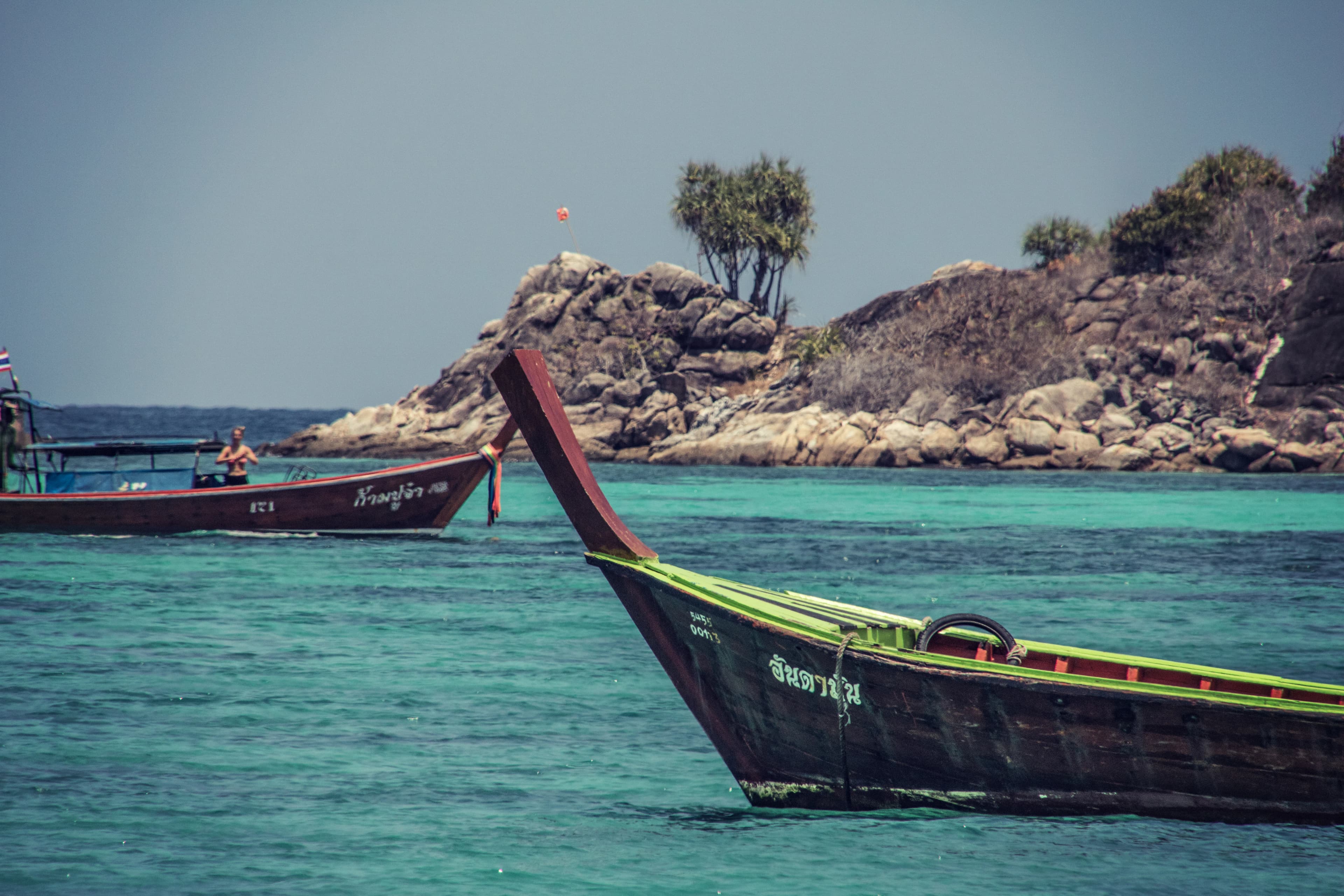
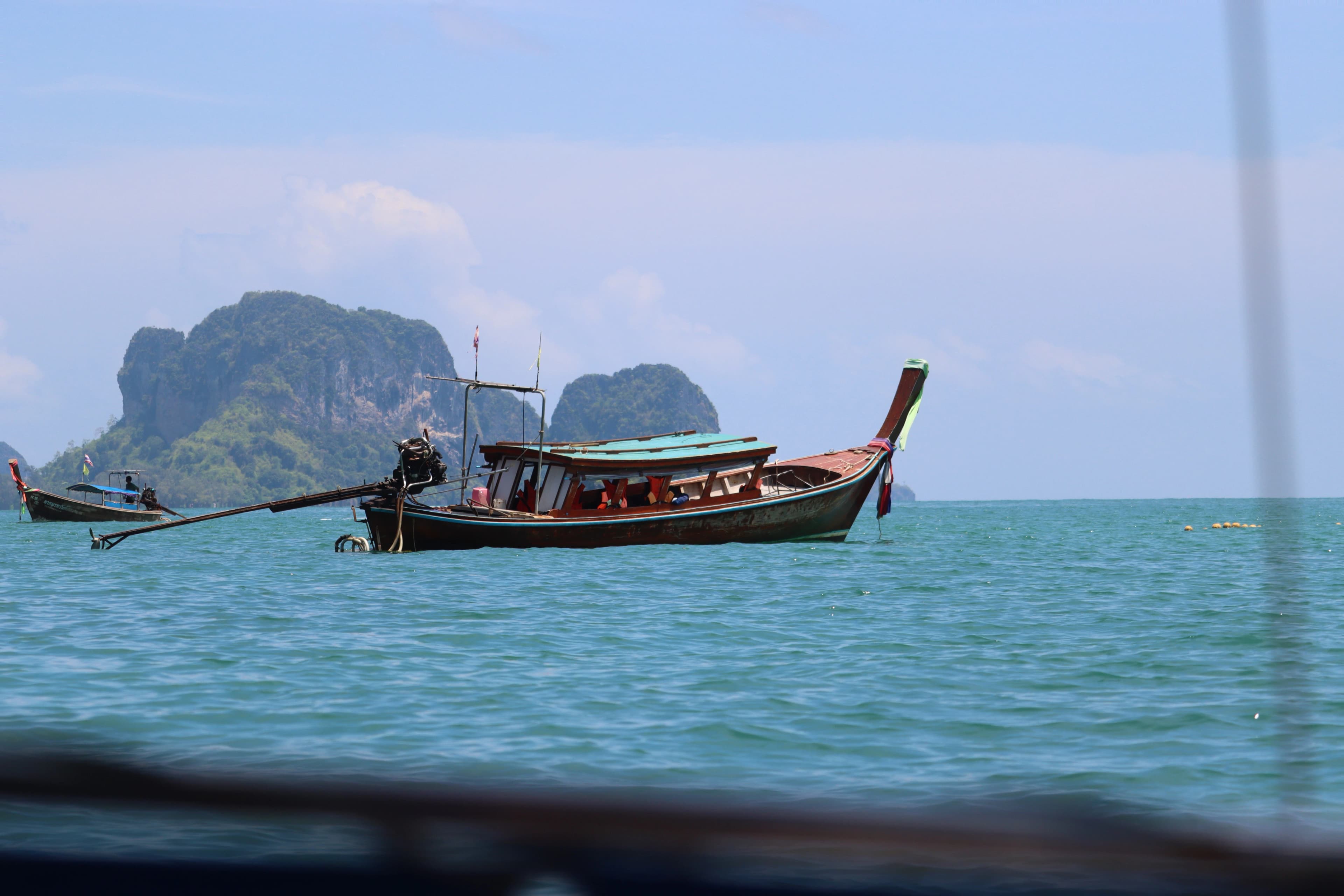
Ao Nang is the vibrant gateway to the spectacular limestone world of Krabi Province and one of the most popular beach resorts in southern Thailand for German tourists. The elongated beach promenade with its restaurants, diving schools, and longtail boat docks forms the perfect starting point for excursions to the four offshore islands, Railay Beach, and Than Bok Khorani National Park. Every morning, colorful longtail boats line up on the beach, waiting to take visitors to the dream islands of Koh Poda, Chicken Island, and Tup Island, where turquoise waters and white sandy beaches await. Unlike the quiet Railay or the sleepy Koh Lanta, Ao Nang offers a complete tourist infrastructure: from budget guesthouses to five-star resorts, from street food markets to upscale Thai restaurants, from climbing schools to spas – every type of traveler can find their happiness here. The main street transforms into a lively promenade in the evening with a night market, bars, and massage salons, without reaching the intrusive party atmosphere of Patong in Phuket. Ao Nang particularly scores with its location: Krabi International Airport is only 25 minutes away, the boat ride to Railay Beach takes 15 minutes, and the Emerald Pool and Tiger Cave Temple are reachable within an hour. For climbers, the region is a paradise – the limestone cliffs offer over 700 routes of all difficulty levels. The dry season from November to April guarantees bright blue skies and calm seas, while the rainy season from May to October lures with lower prices and dramatic cloud formations.

Bangkok
Bangkok, the vibrant capital of Thailand, is a metropolis of contrasts: centuries-old temples stand alongside glittering skyscrapers, street food stalls steam under elevated trains, and tranquil khlongs (canals) wind through the chaos of a 10-million city. The city, known in Thai as Krung Thep Maha Nakhon, is the political, economic, and cultural heart of Southeast Asia and welcomes over 22 million international visitors each year. The Grand Palace with Wat Phra Kaew, which houses Thailand's holiest Buddha — the Emerald Buddha — is the cultural crown jewel of the city. Wat Pho impresses with its 46-meter-long reclining Buddha and is considered the birthplace of traditional Thai massage. Across the Chao Phraya River stands Wat Arun (Temple of Dawn) with its iconic pagoda adorned with porcelain shards, shining in golden light at sunset. Bangkok's street food is legendary and has been recognized by UNESCO as a cultural heritage: Yaowarat Road (Chinatown) serves the best shrimp soups and oyster omelets in the country at night. The Chatuchak Weekend Market, with over 15,000 stalls, is one of the largest markets in the world. For a breather, rooftop bars like the Sky Bar at Lebua offer breathtaking panoramic views. Bangkok's BTS Skytrain and MRT make the city surprisingly easy to navigate. As a hub of Southeast Asia, Bangkok is ideal for a two- to three-day stopover before continuing your journey.
Chiang Mai
Chiang Mai, the Rose of the North, is Thailand's cultural heart and a fascinating counterpoint to bustling Bangkok. Within the old city walls and beyond, over 300 Buddhist temples are spread out — from the golden Wat Phra Singh with its venerable murals to the shiny Wat Chedi Luang, whose partially collapsed pagoda once housed the Emerald Buddha. Doi Suthep, Chiang Mai's mountain, hosts the sacred temple Wat Phra That Doi Suthep at its summit, accessible via 306 steps of a Naga staircase. From the top, one overlooks the entire city and the surrounding mountains. The Sunday Walking Street transforms Ratchadamnoen Road every Sunday evening into a kilometer-long night market featuring handicrafts, street food, and live music. The Saturday Night Market on Wualai Road and the daily Night Bazaar complement the offerings. Ethical elephant conservation projects like the Elephant Nature Park allow visitors to observe and feed rescued elephants — without riding or tricks. The Yi Peng Lantern Festival in November, where thousands of illuminated sky lanterns rise simultaneously, is one of the most magical experiences in Southeast Asia. Chiang Mai is also Thailand's center for traditional cooking classes, meditation, and Thai massage training. Northern Thai cuisine offers unique specialties such as Khao Soi (curry noodle soup with coconut milk), Sai Ua (spicy northern sausage), and sticky mango rice.

Chiang Rai
Chiang Rai, the northernmost major city in Thailand, is nestled in a mountainous landscape near the legendary Golden Triangle, where Thailand, Laos, and Myanmar meet at the Mekong River. The city was founded in 1262 by King Mengrai and was the first capital of the Lanna Kingdom before Chiang Mai took on this role. Today, Chiang Rai is an emerging cultural hotspot, impressing with extraordinary temples and a relaxed atmosphere. The Wat Rong Khun (White Temple) is the undisputed highlight: artist Chalermchai Kositpipat created this snow-white, mirror mosaic-covered work of art that combines traditional Buddhist architecture with contemporary art — including pop culture references in the murals. Equally unique is the Wat Rong Süa Ten (Blue Temple) with its bright blue interior and the pitch-black Baan Dam Museum, designed by the late artist Thawan Duchanee as a dark counterpart to the White Temple. The Golden Triangle near Chiang Saen can be explored by longboat on the Mekong, passing Laos and Myanmar. The surrounding mountains are home to Akha, Lahu, and Hmong villages, which offer trekking tours combined with cultural exchange. Singha Park offers hot air balloon rides over tea plantations, while the lively night market at the Clock Tower showcases regional specialties and handicrafts. The cool season from November to February is ideal with temperatures around 20 degrees.
Pattaya
Pattaya has transformed from its dubious reputation as a red-light district by the sea into a versatile beach resort that attracts families, water sports enthusiasts, and culture lovers alike. The city is located just 150 kilometers southeast of Bangkok on the Gulf of Thailand, making it the closest beach resort to the capital — reachable in just 90 minutes by car or shuttle bus. This proximity makes Pattaya the most popular weekend escape for Bangkok residents and business travelers. Away from Walking Street, which remains the nightlife epicenter, Pattaya has surprisingly much to offer. The Sanctuary of Truth (Prasat Satchatham) is a 105-meter tall wooden structure carved entirely from teak without a single nail — an ongoing construction project since 1981 that combines elements from four Southeast Asian cultures. The Nong Nooch Tropical Garden impresses as one of the largest and most beautiful botanical gardens in Asia, covering 240 hectares. The offshore island of Koh Larn is accessible by ferry in 30 minutes and offers turquoise waters and tranquil beaches — a contrast to the bustling city beach. Jomtien Beach, south of the center, has long become a relaxed, family-friendly alternative. Pattaya is also a paradise for water sports: jet skiing, parasailing, diving, and kite surfing are possible year-round. Golf enthusiasts will find over 30 golf courses in the area. The best time to visit is from November to February, with pleasant temperatures around 30 degrees and little rain.

Ayutthaya
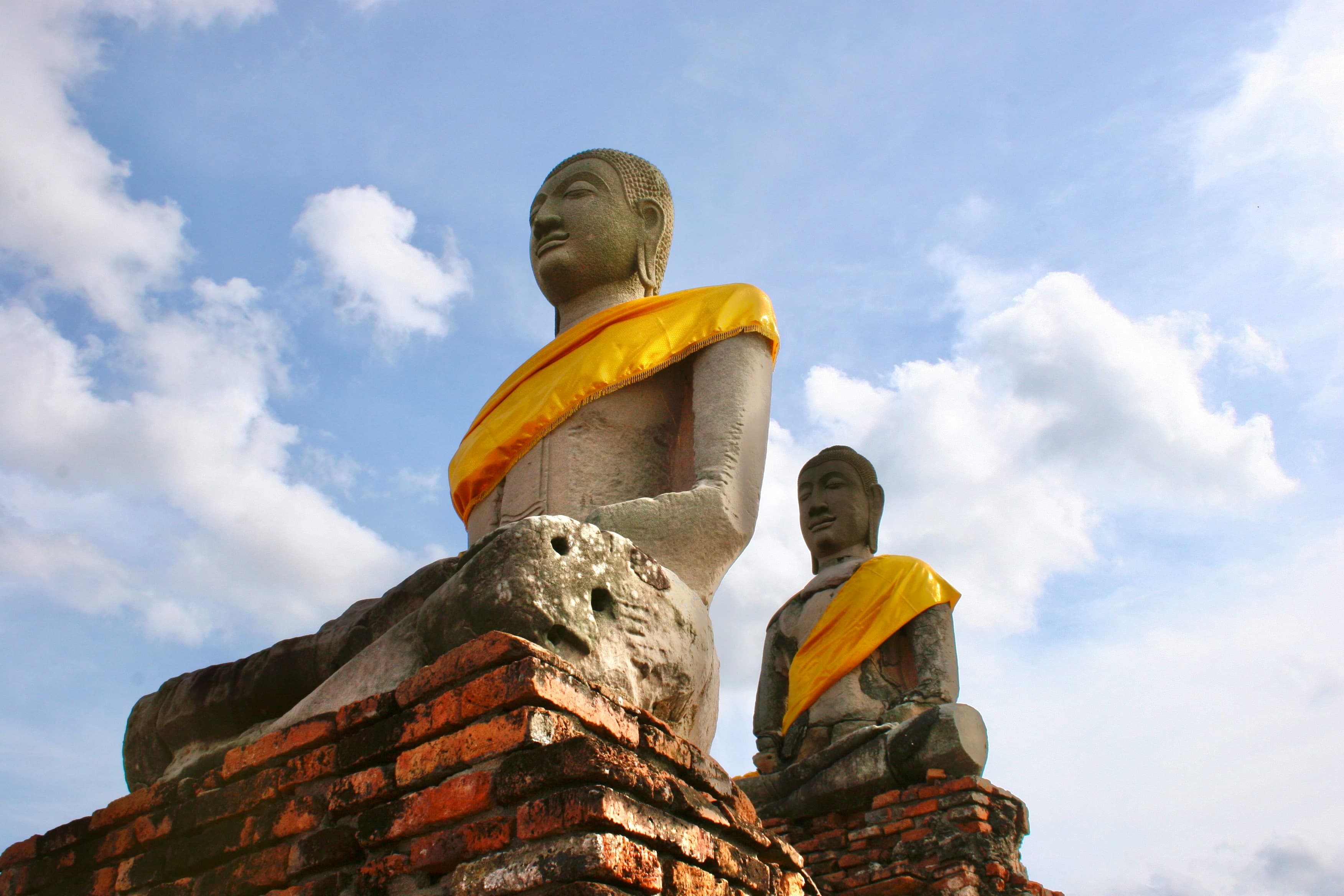
Ayutthaya, the former capital of the Kingdom of Siam, was one of the largest and most cosmopolitan cities in the world from the 14th to the 18th century — with over a million inhabitants, it was larger than London or Paris at the time. Today, the majestic temple ruins are a UNESCO World Heritage Site and form one of the most impressive historical parks in Southeast Asia, located just 80 kilometers north of Bangkok. The historical park encompasses hundreds of temples, palaces, and statues on a river island surrounded by the Chao Phraya and its tributaries. Wat Mahathat is world-famous for the Buddha head entwined in tree roots — one of the most photographed motifs in Thailand. Wat Phra Si Sanphet, with its three large Chedis, was the royal temple complex, comparable to Wat Phra Kaew in Bangkok. Wat Chaiwatthanaram on the riverbank is particularly striking at sunset with its Angkor-inspired silhouette. The city can be excellently explored by bicycle — the flat island landscape and the compact location of the ruins make cycling the ideal mode of transport. Boat tours on the Chao Phraya offer an alternative perspective on the temple backdrop. The Chao Sam Phraya National Museum showcases gold jewelry and Buddha figures from the peak period. From Bangkok, Ayutthaya is accessible as a day trip by train (1.5 hours), minibus, or even by river cruise. Those who stay overnight can experience the illuminated ruins at night — a magical spectacle.

Sukhothai
Sukhothai, literally translated as "Dawn of Happiness", was the first capital of the united Thai kingdom and is considered the cradle of Thai civilization. Here, in the 13th century, the Thai script was invented, Theravada Buddhism was established as the state religion, and a model of governance was established that still shapes Thailand today. The Historical Park of Sukhothai has been a UNESCO World Heritage Site since 1991 and is, alongside Ayutthaya, the most significant archaeological site in the country. The park covers 70 square kilometers and includes the ruins of 193 temples and historical monuments, set in an idyllic landscape of lotus ponds, ancient trees, and well-kept lawns. Wat Mahathat in the center is the largest and most impressive temple with its characteristic lotus bud-shaped Chedis and large Buddha statues. Wat Si Chum houses a 15-meter tall seated Buddha, whose giant hand is touched by worshippers covered in gold leaf. The best way to explore the expansive park is by bicycle — rental stations can be found at the entrance for about 30 Baht per day. Off the main zone, the northern and western zones are worth visiting with less crowded but equally atmospheric temples like Wat Si Sawai in Khmer style and Wat Saphan Hin located on a hill. The annual Loy Krathong Festival (November) has its origins here and is celebrated with a grand light and sound spectacle in the temple ruins. The city of New Sukhothai is located 12 kilometers east and offers affordable accommodations and restaurants.
National parks

Khao Yai
Khao Yai is Thailand's oldest and most famous national park — a UNESCO World Heritage site that spans 2,168 square kilometers and is one of the most biodiverse rainforests in Southeast Asia. Located just three hours northeast of Bangkok, Khao Yai is the country's most popular nature destination, offering a surprising wilderness in accessible Central Thailand. The park is home to over 3,000 plant species, 320 bird species, and an impressive megafauna: wild elephant herds (about 300 animals), black bears, gibbons, hornbills, and even tigers roam the dense forests. The chance of seeing wild elephants is high — especially at the salt licks and waterholes known to rangers, for which guided tours are offered. The Haew Narok waterfall — at 150 meters, the highest in the park — dramatically cascades into a jungle-covered gorge. The Haew Suwat waterfall became famous through the film "The Beach" starring Leonardo DiCaprio. Night hikes reveal a completely different world: glowing eyes of civets, flying foxes, and slow lorises in the beam of a flashlight. The area around Khao Yai has developed into a gourmet region: wineries like PB Valley and GranMonte produce surprisingly good wine in a tropical climate, while Italian restaurants and chic boutique hotels line the access roads. The combination of wilderness and culinary delights makes Khao Yai unique in Thailand.
Khao Sok National Park
Khao Sok National Park in southern Thailand protects one of the oldest evergreen rainforests in the world — at an estimated 160 million years old, it is significantly older than the Amazon rainforest. Spanning 739 square kilometers, it features an overwhelming wilderness of meter-thick jungle giants, limestone formations, and a biodiversity that amazes even biologists. The park is home to wild elephants, Malayan tapirs, gibbons, hornbills, and even some of the last clouded leopards in Southeast Asia. The centerpiece is Cheow Lan Lake (Ratchaprapha Dam), a surreal water landscape with emerald green water, from which bizarrely shaped limestone cliffs rise up to 960 meters high — three times taller than the rocks in Ha Long Bay. Floating bungalows on the lake offer a unique overnight experience: at night, the jungle echoes with gibbon calls, and in the morning, mystical fog blankets the water. Day trips include kayaking tours through flooded caves, jungle hikes to hidden waterfalls, and night safaris with headlamps. The Rafflesia kerrii, the largest flower in the world with a diameter of up to 80 centimeters, blooms here between January and March. The park is strategically located between Phuket, Krabi, and Khao Lak and can be planned as a two-day trip or a longer stay. The best travel time is from December to April, while the rainy season (June to November) showcases the forest in its lushest splendor.
Erawan National Park
Erawan National Park in Kanchanaburi Province is home to one of the most beautiful waterfalls in Thailand and Southeast Asia. The namesake Erawan Waterfall cascades in seven tiers through dense tropical forest, with each cascade forming its own natural swimming pool filled with crystal-clear, turquoise water. The limestone of the region gives the water its unreal, intense color reminiscent of Caribbean beaches. The ascent through all seven tiers takes about two hours and involves rooty jungle paths, wooden stairs, and occasionally steep sections. The lower tiers are easily accessible and family-friendly — here, the famous nibbling fish (Garra Rufa) gently nibble at the feet of bathers. The upper tiers (5 to 7) require sure-footedness and reward visitors with increasing solitude and more spectacular pools. The seventh tier resembles the three-headed elephant Erawan from Hindu mythology in its shape. The national park covers 550 square kilometers and protects tropical monsoon forest with wild elephants, gibbons, numerous bird species, and rare butterflies. Limestone caves such as the Phartat Cave with its stalactites offer additional exploration opportunities. The park is located about 65 kilometers northwest of Kanchanaburi City and is a popular day trip, with early arrival (before 9 AM) recommended to avoid the crowds. Entrance fee is 300 Baht for foreigners, and the park is open daily from 8 AM to 4:30 PM.
Islands

Koh Kood
Koh Kood (also spelled Ko Kut) is Thailand's fourth-largest island and its best-kept secret — a tropical dream island in the Gulf of Thailand near the Cambodian border, largely untouched by mass tourism. While Koh Chang and Koh Samet have long been developed, Koh Kood retains the charm of an unspoiled paradise. The beaches of Koh Kood are among the most beautiful in Thailand: Ao Tapao and Klong Chao Beach offer powdery white sand, crystal-clear water, and coconut palms leaning over the turquoise sea — all without jet skis, party noise, or sunbed arrangements. At Klong Chao Waterfall, a stream cascades through lush jungle into natural pools inviting for swimming. The island is sparsely populated: only about 3,000 residents live in small fishing villages where traditional Thai island life is still intact. The village of Ban Ao Salat in the south is an authentic fishing village on stilts over the water — here you can find the freshest fish straight from the boat and get a glimpse into the lives of Koh Kood fishermen. The underwater world around Koh Kood is excellent: healthy coral reefs, turtles, rays, and a variety of tropical fish make snorkeling and diving a highlight. Since the island is off the beaten path, the reefs are significantly more intact than at Thailand's more popular diving spots.

Koh Yao Noi
Koh Yao Noi is the quiet soul of Phang Nga Bay – a small, Muslim-influenced island between Phuket and Krabi that has successfully resisted mass tourism so far. While the famous limestone cliffs of Phang Nga Bay serve as a backdrop right at the doorstep, time ticks differently on Koh Yao Noi: here, rice fields, rubber plantations, and the gentle sound of the waves determine the rhythm of the day. The island has been recognized by the Thai government as a model for sustainable tourism and offers an authentic Thai experience that has long been lost on the more popular islands. The landscape of Koh Yao Noi is surprisingly diverse for such a small island: emerald green rice terraces alternate with mangrove forests, water buffalo graze in the meadows, and the coast offers both rocky bays and long sandy beaches. The main beach, Pasai Beach on the east coast, looks directly at the dramatic limestone cliffs of Phang Nga Bay – a backdrop that can only be seen on James Bond posters. At Long Beach on the northeast side, you can wade hundreds of meters over the sandy bottom at low tide. Koh Yao Noi is the perfect counterbalance to the hustle and bustle of Phuket and Krabi. The few accommodations range from simple homestays with local fishing families to some of the most exclusive boutique resorts in Thailand, such as Six Senses. Activities are nature-based: kayaking through the mangroves, snorkeling tours to the surrounding islands, cooking classes in the villages, and bike tours through the rice fields. The island is accessible in 30-40 minutes by longtail boat from Phuket or by speedboat from Krabi. In the evenings, it becomes quiet – there is no party mile, no go-go bars, just the chirping of cicadas and the starry sky.
Ko Samui
Ko Samui is Thailand's second-largest island and the perfect balance between a tropical paradise and comfortable infrastructure. The island in the Gulf of Thailand offers palm-fringed beaches, turquoise waters, luxurious resorts, and a vibrant nightlife — without the mass tourism of Phuket. Chaweng Beach — Samui's longest and liveliest beach — stretches over 7 km with fine white sand, crystal-clear water, and a bustling beachfront promenade with bars, restaurants, and clubs. Lamai Beach is the more relaxed alternative with the famous Hin Ta and Hin Yai (Grandfather and Grandmother Rocks) — natural rock formations that resemble human body parts. Ang Thong Marine Park — an archipelago of 42 islands — offers kayaking through mangroves, snorkeling in coral reefs, and the breathtaking Emerald Lake (Thale Nai) — an emerald-green saltwater lagoon in the middle of an island that can only be reached by hiking. Wat Phra Yai (Big Buddha) — a 12-meter tall golden Buddha statue on an offshore island — is Samui's landmark and offers unforgettable sunsets. Fisherman's Village in Bophut is a charming village with wooden houses, boutiques, and the best Friday Night Market on the island.
Phuket
Phuket, Thailand's largest island, combines tropical dream beaches with a fascinating cultural mix of Thai tradition, Chinese heritage, and modern tourism. The Andaman Sea washes the west coast with crystal-clear waters and spectacular sunsets, while the island's interior surprises with jungle, rubber plantations, and hidden temples. The old town of Phuket Town is an architectural gem: Sino-Portuguese merchant houses with colorful facades, Chinese shrines, and trendy cafes line Thalang Road and Soi Romanee. Patong Beach is the lively center with nightlife and water sports, while the beaches of Kata, Karon, and the quieter Nai Harn in the south offer more relaxed alternatives. The Big Buddha on Nakkerd Hill, a 45-meter tall marble statue, offers a panoramic view of the entire island. Phuket is an ideal starting point for day trips to Phang Nga Bay with its dramatic limestone cliffs — including the famous James Bond Island (Ko Tapu). The Phi Phi Islands with Maya Bay, the Similan Islands (one of the best diving spots in Southeast Asia), and the tranquil island of Ko Racha are all within reach. Promthep Cape at the southern tip offers the best sunset on the island. The local cuisine shines with fresh seafood, southern Thai curries, and the unique Phuket street food at the night markets.

Koh Samui
Koh Samui, Thailand's third-largest island in the Gulf of Thailand, combines a tropical island paradise with comfortable infrastructure and authentic culture. Coconut palms dominate the landscape so much that the island is nicknamed Coconut Island — even today, around two million coconuts are exported monthly, some of which are picked by trained monkeys. Chaweng Beach on the east coast is the longest and liveliest beach with fine white sand, turquoise water, and a vibrant nightlife. The Big Buddha (Phra Yai) at the northeastern cape is the island's landmark, standing 12 meters tall and offering a wide view of the sea from its platform. Fisherman's Village in Bophut enchants with restored wooden houses in Chinese-Thai style, boutiques, and a charming Friday market right by the water. The Ang Thong National Marine Park, an archipelago of 42 limestone islands northwest of Koh Samui, is a natural jewel: emerald green lagoons, hidden beaches, and dense jungle can be explored by kayak, snorkeling, or hiking. The Na Muang waterfall in the interior of the island cascades 18 meters into a natural rock pool. Koh Samui has also established itself as a wellness destination — luxurious spas, detox retreats, and Muay Thai camps attract health-conscious visitors from around the world. The cuisine ranges from authentic Pad Thai at street stalls to fine dining with sea views. Best travel time: December to April.

Koh Phangan
Koh Phangan in the Gulf of Thailand is much more than just the legendary Full Moon Party: the island offers a fascinating mix of tropical beaches, spiritual depth, and unspoiled nature, making it the perfect destination for both partygoers and those seeking tranquility. Haad Rin at the southeastern tip transforms into the world's largest beach party every month during the full moon, when up to 30,000 revelers dance to electronic music and reggae — an experience that is on every backpacker's bucket list. However, the true beauty of the island reveals itself away from the party: the north and northwest with beaches like Haad Salad, Haad Yao, and Bottle Beach offer powdery white sand, crystal-clear water, and a handful of quiet resorts where one can enjoy the Robinson Crusoe feeling. Bottle Beach is only accessible by boat or through a jungle path and is one of the most beautiful secluded beaches in Thailand. Koh Phangan has established itself as a yoga and wellness hub in Southeast Asia. Dozens of retreat centers offer programs ranging from yoga and meditation to detox and Muay Thai to tantra. Especially the area around Sri Thanu and Haad Chao Phao attracts an international community of digital nomads and yogis, with vegan cafes, coworking spaces, and daily sunset sessions on the beach. The Than Sadet National Park in the interior of the island is home to impressive waterfalls that have served as a retreat for Thai kings. A scooter ride across the island takes you through dense jungle, past coconut plantations and lonely viewpoints. The best travel time is from January to September, with the full moon party dates significantly affecting hotel availability.

Koh Tao
Koh Tao, the small "Turtle Island" in the Gulf of Thailand, has transformed from a sleepy fishing island to one of the world's most popular and affordable destinations for diving courses. Over 70 dive schools offer PADI and SSI courses, which are significantly cheaper here than almost anywhere else in the world — an Open Water course costs around €250 including accommodation. Each year, more diving certificates are issued in Koh Tao than at any other place worldwide. However, Koh Tao has much more to offer than diving. The island boasts over 20 small bays and beaches, some of which are only accessible by boat or jungle paths. Sairee Beach in the west is the longest beach and the social center with bars, restaurants, and a relaxed backpacker atmosphere. Tanote Bay and Freedom Beach on the east coast are quieter and framed by impressive granite cliffs. The John Suwan Viewpoint and the Mango Viewpoint provide breathtaking 360-degree panoramas of the island and the open sea up to the neighboring islands of Koh Phangan and Koh Samui after a sweaty ascent. You can snorkel to the nearby Shark Bay, where young blacktip reef sharks patrol in shallow waters, and the Japanese Garden with its colorful coral diversity. Access is by ferry from Chumphon (1.5 hours by catamaran) or from Koh Samui and Koh Phangan. The best travel time is from March to September with calm seas and the best visibility.
Koh Lanta
Koh Lanta, located on the Andaman coast in southern Thailand, is the relaxed alternative to the bustling party islands and delights with long, quiet sandy beaches, unspoiled nature, and an authentic fishing culture. The island actually consists of two parts — Koh Lanta Noi in the north and Koh Lanta Yai in the south — with travelers almost exclusively visiting the larger Koh Lanta Yai. Unlike Phuket or Koh Phi Phi, it is laid-back here: no high-rises, no mass tourism, instead shady beach sections, family-run resorts, and sunsets that can be enjoyed in peace. Long Beach (Phra Ae Beach) is the longest and most popular beach on the island — three kilometers of fine sand lined with palm trees and relaxed bars. Further south, the beaches become more secluded: Klong Dao is perfect for families with shallow water, while Bamboo Bay and Kantiang Bay impress with their natural beauty. At the southernmost point of the island lies the Mu Ko Lanta National Park with dense jungle, secluded bays, a lighthouse, and excellent snorkeling opportunities. Lanta Old Town on the east coast is a charming fishing village on stilts, where the centuries-old sea gypsy and Muslim fishing culture is still alive. Wooden houses in Chinese-Thai style line the narrow main street, and small cafes and craft shops invite you to stroll. The population of Koh Lanta is predominantly Muslim, giving the island its own peaceful character. Koh Lanta is also an ideal starting point for boat trips to the offshore islands of Koh Rok, Koh Haa, and the Four Islands (Koh Ngai, Koh Mook with the Emerald Cave, Koh Kradan, and Koh Chüak), which impress with crystal-clear water and colorful coral reefs. The best travel time is from November to April. Koh Lanta is Thailand's island paradise for those seeking relaxation instead of partying.

Koh Phi Phi
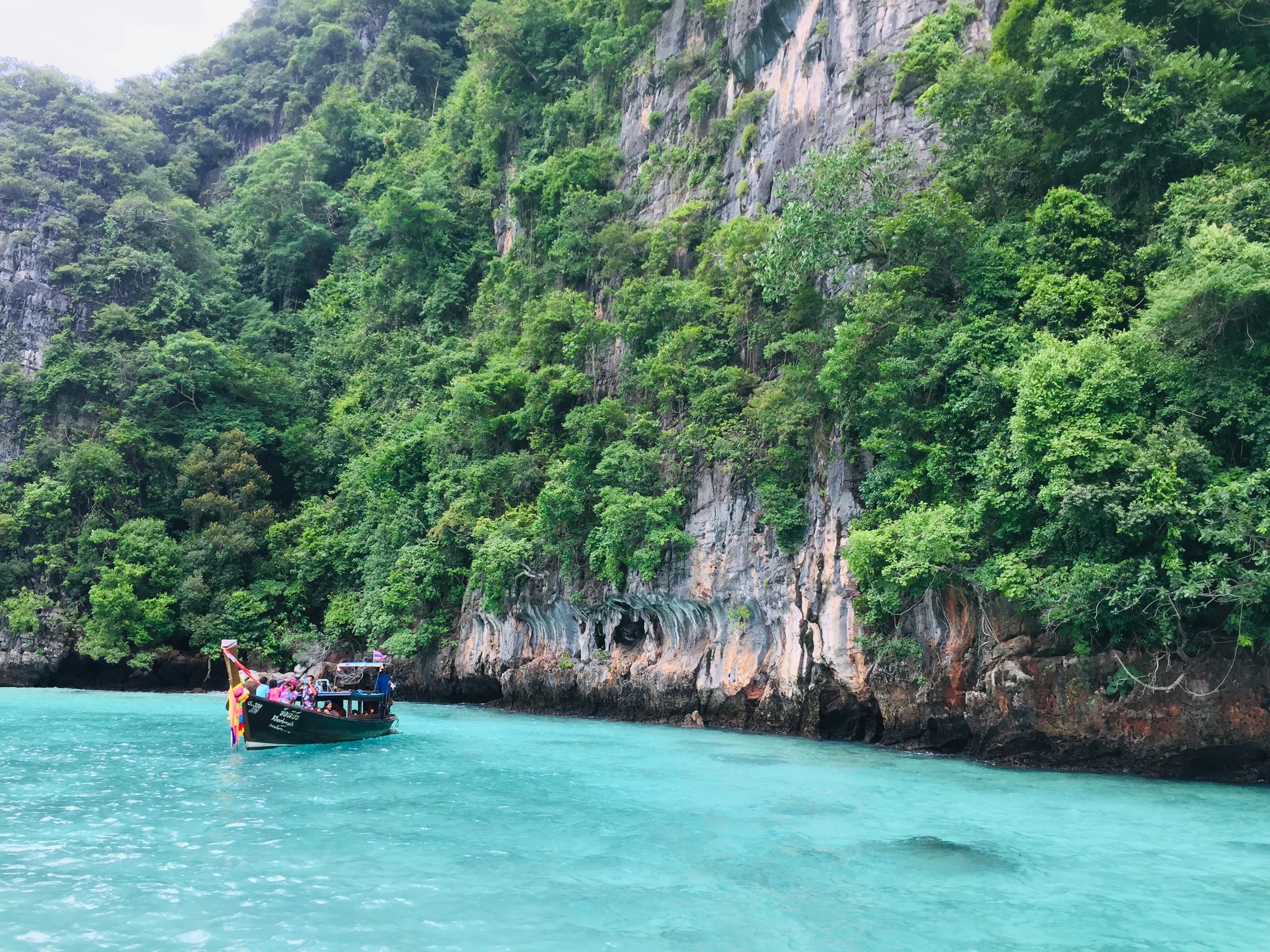
Koh Phi Phi is an archipelago of six islands in the Andaman Sea between Phuket and Krabi, known for its steep limestone cliffs, bright turquoise waters, and the legendary Maya Bay, making it one of Thailand's most iconic travel destinations. The film 'The Beach' featuring Leonardo DiCaprio made Maya Bay on Koh Phi Phi Leh world-famous in 2000 — after a restoration phase, it has been accessible again since 2022, albeit with strict visitor limits to protect the corals. Koh Phi Phi Don, the only inhabited island, consists of two hilly peninsulas connected by a narrow, flat isthmus — the Tonsai area in between forms the tourist center. From Viewpoints 1, 2, and 3, one can enjoy one of the most famous panoramas in Southeast Asia: the view over the twin bays with their longtail boats, framed by tropical vegetation and limestone cliffs. Longtail boat tours lead through the Pileh Lagoon, a lagoon surrounded by rocks with crystal-clear water in surreal turquoise shades, to the Viking Cave with its prehistoric cave paintings and to Bamboo Island with its pristine white sandy beach. Divers appreciate the underwater world around Hin Däng and Hin Muang, where leopard sharks and manta rays can be spotted. In the evening, the beach promenade transforms into a party zone, but those seeking tranquility can find it at Long Beach or in the north at Läm Tong. The journey takes 45 minutes by speedboat from Krabi or Phuket.

Koh Chang
Koh Chang, Thailand's second-largest island, rises like a green forested colossus from the Gulf of Thailand near the Cambodian border. Unlike the commercialized islands in the south, Koh Chang has largely preserved its original character: Over 70 percent of the island is covered by tropical rainforest, steep mountain ranges traverse the interior, and wild waterfalls cascade through dense vegetation into natural rock pools. The west coast offers the best beaches: White Sand Beach in the north is the longest and liveliest, while Lonely Beach has retained its backpacker charm from earlier days. Klong Prao Beach stretches over three kilometers and is intersected by a river mouth, giving it a special flair. On the quiet east coast, sleepy fishing villages on stilts over the water — Bang Bao with its pier full of restaurants and dive schools is particularly atmospheric. The Than Mayom waterfall in the interior of the island bears royal initials in the rocks, left by King Rama V during his visit in 1876. Koh Chang is part of a marine national park with over 50 offshore islands, of which Koh Kood and Koh Mak are among the most beautiful and tranquil islands in Thailand. Diving and snorkeling spots around the HTMS Chang shipwreck offer underwater adventures. The journey from Bangkok takes five hours by bus plus ferry, with the best travel time being from November to May.

Koh Lipe
Koh Lipe is Thailand's southernmost inhabited island paradise, located just a few kilometers from the Malaysian border in Tarutao Marine National Park. The tiny island — only two kilometers long and 700 meters wide — is nicknamed "the Maldives of Thailand" and rightly so: dazzling white sand, turquoise water with visibility over 20 meters, and colorful coral reefs right off the beach make Koh Lipe one of the most beautiful island destinations in Southeast Asia. The island has three main beaches: Pattaya Beach in the south is the longest and liveliest with bars and restaurants right on the water. Sunrise Beach on the east coast offers the best snorkeling opportunities — clownfish, parrotfish, and blacktip reef sharks can be seen right from the shore. Sunset Beach in the west is the quietest and most romantic beach with spectacular sunsets over the Andaman Sea. Walking Street connects Pattaya and Sunrise Beach and is the heart of the island with restaurants serving freshly caught fish and seafood barbecues. Koh Lipe has no harbor — boats anchor offshore and passengers are brought ashore by longtail boats. Dive schools offer trips to over 30 dive sites in the national park, including the Stonehenge Reef and the Eight-Mile Rocks with manta rays and whale sharks. Access is by speedboat from Pak Bara (about 1.5 hours) or seasonally from Langkawi (Malaysia). The season runs from November to May.

Koh Samet
Koh Samet is a small island off the coast of Rayong Province in the Gulf of Thailand and the most popular weekend beach paradise for Bangkok residents. Just three and a half hours away by bus and ferry, Koh Samet offers dazzling white sand beaches with fine, almost squeaky coral sand that doesn't get muddy even in the rain — a unique feature that sets the island apart from other Thai beach destinations. The island is part of the Khao Läm Ya - Mu Ko Samet National Park and measures only seven kilometers in length. The most popular beaches are concentrated on the east coast: Sai Käw Beach (Diamond Beach) is the longest and liveliest with fire shows in the evening, while Ao Phai and Ao Vongdeuan offer a more relaxed atmosphere. At the southern end, Ao Wai and Ao Kiu entice with almost deserted solitude and crystal-clear water. Koh Samet benefits from an unusually dry microclimate — the island is in the rain shadow and receives significantly less rainfall than the mainland, making it a year-round travel destination. The west coast is less developed and offers stunning sunsets over the mainland. Although the island is not a diving paradise, the clear water is excellent for snorkeling, especially at the southern tip. The infrastructure ranges from simple wooden bungalows to upscale boutique resorts. Day trips from Bangkok or Pattaya are possible, but an overnight stay is worthwhile for the evening atmosphere with beach lanterns and the sound of the sea.
Regions
Northern Thailand
Northern Thailand is the cultural and spiritual heart of the kingdom — a mountainous region with a cooler climate, ancient temple cities, and a fascinating mix of Thai, Lanna, and hill tribe cultures. The landscape ranges from mist-covered mountain peaks over 2,500 meters to fertile rice terraces and tea plantations reminiscent of South Asia. Chiang Mai, the unofficial capital of the north, is Thailand's most visited city after Bangkok and a hub for the entire region. The ancient Lanna Kingdom, which flourished here from the 13th to the 18th century, has left behind a unique cultural heritage: hundreds of golden temples in the characteristic Lanna style with multi-tiered wooden roofs and intricate carvings shape the cities of Chiang Mai, Chiang Rai, Lampang, and Lamphun. The Doi Suthep Temple towers high above Chiang Mai and, along with the panoramic view, offers one of Thailand's most iconic motifs. The mountain villages of the Hmong, Karen, Akha, and Lisu preserve traditional ways of life and are gradually opening up to sustainable tourism. Trekking through rice fields to remote villages, visits to ethical elephant conservation projects, and cooking classes in the famous northern Thai cuisine (Khao Soi, Sai Ua, Käng Hang Lay) are among the most popular activities. Doi Inthanon, at 2,565 meters, is Thailand's highest mountain, surprising visitors with misty forests and waterfalls. The best travel time is from November to February — cool nights around 10 degrees, clear air, and the famous Yi Peng Lantern Festival season.
Isaan
Isaan is Thailand's least visited and simultaneously most authentic region — a vast plateau in the northeast bordered by Laos and Cambodia, covering almost a third of the country's area. Here lives a third of all Thais, yet hardly any tourists venture into this fascinating area, which has remained completely untouched by mass tourism. This is exactly what makes Isaan so special: authentic markets, warm-hearted people, and a spicy regional variant that is considered the true soul of Thai cuisine. Culinarily, Isaan is a heavyweight: Som Tam (green papaya salad), Larb (spicy meat salad), Gai Yang (grilled chicken), and Khao Niao (sticky rice) originally come from here and have long become national dishes. In Udon Thani, Khon Kän, and Korat, modern Thai life pulses without western tourist infrastructure. Historically, Isaan offers the impressive Khmer temple Prasat Hin Phimai, which is older than Angkor Wat, as well as the UNESCO-protected Ban Chiang with 5,000-year-old Bronze Age finds. The Mekong forms the northern border and can be crossed into Laos at Nong Khai via the Friendship Bridge. In Pha Täm National Park, sandstone cliffs rise 200 meters above the river and display prehistoric rock paintings. Isaan rewards travelers seeking the real Thailand — far from beach clichés and tourist traps.

Southern Thailand
Southern Thailand stretches from the narrow land bridge at Chumphon down to the Malaysian border and includes two completely different coastlines: the calm Andaman Sea in the west and the lively Gulf of Thailand in the east. This region combines some of the most spectacular beaches, islands, and diving areas in Southeast Asia — from the turquoise bays around Krabi to the limestone cliffs of Phang Nga to the legendary Full Moon parties on Koh Phangan. The western Andaman coast impresses with dramatic karst cliffs rising from emerald green waters. Krabi, Ao Nang, and Railay Beach offer world-class climbing opportunities on over 700 routes right by the sea. The Similan Islands and Surin Islands are among the top ten diving spots in the world with visibility over 30 meters and regular encounters with manta rays. On the Gulf side, family-friendly islands like Koh Samui attract with luxurious resorts, while Koh Phangan draws both backpackers and yogis alike. The province of Nakhon Si Thammarat preserves authentic Thai culture away from the tourist trails. Inland, Southern Thailand surprises with Khao Sok National Park, whose ancient rainforest surpasses the Amazon in biodiversity. The best travel time for the Andaman side is from November to April, and for the Gulf side from December to August.
Areas

Krabi
Krabi, the province on Thailand's Andaman coast, impresses with a landscape that is extraordinary even by Southeast Asian standards: hundreds of limestone cliffs rise vertically from emerald green waters and dense jungle, creating a backdrop like something out of a fantasy film. Railay Beach, accessible only by boat and framed by overhanging cliffs, is considered one of the most beautiful beaches in the world and is also a world-class climbing paradise. Ao Nang, the main tourist town, serves as a starting point for boat tours to the nearby islands. The Four Islands Tour takes you to Koh Tup, Koh Mor, Chicken Island, and Phra Nang Beach, where you can wade between the islands at low tide. The Hong Islands north of Krabi surprise with a hidden lagoon that can be reached by kayak through a narrow rock opening — surrounded by vertical limestone walls and absolute silence. The Tiger Cave Temple (Wat Tham Sua) demands endurance: 1,237 steps lead to the summit of a limestone mountain, where a golden Buddha shrine and a 360-degree panorama over Krabi, the jungle, and the sea reward your efforts. In the lowlands around the temple, wild monkeys and tropical birds live. The mangrove forests along the coast can be explored by kayak — a tranquil adventure among stilt roots, monitor lizards, and kingfishers. Krabi offers excellent food at low prices: fresh fish from the night market, Pad Thai from the wok, massaman curry, and fresh coconuts straight from the boat. The rainy season from May to October brings lower prices and surprisingly many sunny hours. Krabi is the more natural, quieter alternative to Phuket — with equally spectacular landscapes and a fraction of the hustle and bustle.
Khao Lak
Khao Lak is the quiet alternative to Phuket and is located on the Andaman Coast in Phang Nga Province, about 80 kilometers north of the bustling holiday island. Instead of nightlife and mass tourism, Khao Lak offers kilometers of golden sandy beaches lined with tropical vegetation that never feel overcrowded, even in high season. The atmosphere is relaxed and family-friendly — ideal for those who want to experience Thailand without the party hustle. Khao Lak's biggest asset is its location as a springboard to the Similan Islands, one of the world's best diving and snorkeling areas. From October to May, speedboats depart daily to the eleven granite islands with their crystal-clear waters, colorful coral reefs, and the chance to encounter manta rays, whale sharks, and sea turtles. The Surin Islands further north offer similarly spectacular underwater worlds and encounters with the Moken, the semi-nomadic sea gypsies. On land, the Khao Lak-Lam Ru National Park entices with hiking trails through tropical rainforests to secluded bays and viewpoints. The Tsunami Memorial Center, featuring the police boat washed ashore, serves as a poignant reminder of the 2004 disaster. Nang Thong Beach is the tourist center with restaurants and shops, while Bang Niang offers a lively night market. The best travel time is from November to April — during the rainy season, many businesses close, but prices are significantly cheaper.

Pai
Pai is a sleepy little town in a picturesque mountain valley in northern Thailand, about 135 kilometers northwest of Chiang Mai. The journey there takes you along a legendary mountain road with 762 curves through dense jungle and misty valleys — a drive that is an adventure in itself. Once a hidden gem among backpackers, Pai has developed into a charming retreat that attracts creatives, yogis, digital nomads, and nature lovers alike. The valley offers a surprising variety of natural experiences: Pai Canyon with its narrow ridges provides a spectacular panorama over the mountain landscape at sunset. The hot springs of Tha Pai invite you to bathe in natural thermal pools surrounded by jungle, while the Mo Päng waterfall with its smooth rock slides is a popular natural delight. The Pam Bok waterfall hides in a gorge and is accessible via a short jungle path. In the evenings, Walking Street transforms into a lively night market with street food, live music, and handicrafts. Pai is famous for its relaxed café culture, yoga retreats, and affordable bamboo bungalows along the Pai River. The Memorial Bridge, a historic bridge from World War II, and the Chinese Yunnan village of Santichon with its clay houses offer cultural variety. The best time to visit is from November to February, when cool temperatures around 15 degrees at night and clear air prevail. During the high season, Pai can get quite crowded — off-season visitors enjoy more tranquility.

Hua Hin
Hua Hin is Thailand's oldest beach resort and has been the preferred seaside destination of the royal family since the 1920s — the summer palace Klai Kangwon still stands on the northern outskirts. This royal connection shapes the character of the place: Hua Hin is more well-kept, quieter, and less touristy than Pattaya or the islands, which is particularly appreciated by families, couples, and older travelers. The town is located just three hours southwest of Bangkok on the west coast of the Gulf of Thailand. The main beach stretches over seven kilometers of fine white sand, lined with casuarina trees. The city's landmark is the colorful Khao Takiab (Chopstick Hill) at the southern end of the beach with its temple and cheeky monkeys. Kitesurfers love Hua Hin for the reliable wind between March and October, making it one of the best kite spots in Southeast Asia. The night market of Hua Hin is one of the most atmospheric in the country: Along the railway tracks, food stalls serve freshly caught seafood, Pad Thai, and coconut ice cream. The historic train station with its red-yellow wooden architecture in Victorian style is considered the most beautiful in Thailand. Nearby, the Sam Roi Yot National Park with the impressive Phraya Nakhon Cave (a cathedral cave with a royal pavilion in sunlight), wineries like Hua Hin Hills Vineyard, and top-notch golf courses beckon. The best travel time is from November to May.
Kanchanaburi
Kanchanaburi is a province rich in history and nature in western Thailand, which became world-famous primarily due to the iconic Bridge over the River Kwai. The bridge over the Khwä Yai River (River Kwai) is a central monument for the thousands of Allied prisoners of war and Asian forced laborers who lost their lives during the construction of the Thailand-Burma Railway (also known as the 'Death Railway') during World War II. The JEATH War Museum and the Allied Cemetery provide a poignant reminder of this dark chapter. However, Kanchanaburi is much more than its war history. The province borders Myanmar and is home to some of the last great wilderness areas in Thailand. The Erawan National Park, with its seven-tiered turquoise waterfall, is the natural highlight, while the Sai Yok National Park, with caves, waterfalls, and the historical route of the Death Railway, is impressive. A train ride on the restored track over the Wampo Viaduct — a wooden structure carved into the cliffs above the river — is one of the most spectacular train journeys in Southeast Asia. Floating accommodations (Raft Houses) on the River Kwai offer a unique overnight experience amidst tropical nature. The Sri Nakarin Dam is a popular destination for kayakers and anglers. At Elephant Haven and other ethical elephant projects, visitors can experience these gentle giants in a natural environment. Kanchanaburi city is only two and a half hours from Bangkok and is ideal for a two-day trip or a longer nature stay. The best time to visit is from November to February with pleasantly cool weather.
Complete guide for Thailand
Regions, attractions, food, routes, costs & practical tips — all in one digital guide.
Open guideReady for Thailand?
Plan your Thailand holiday now with our free tools.
Plan a holiday in Thailand
Thailand is one of the most popular travel destinations in Asia, offering Beach, Budget, Food and much more. The best time to visit Thailand is November–March (Dry season), when the weather is ideal for exploration and relaxation. With a daily budget starting from 25–40€ (Budget) to 80–200€ (Luxury), Thailand is suitable for various travel budgets.
From the capital Bangkok, Thailand can be excellently explored. The official language is Thai, and the currency is Baht (฿). From Germany, you can reach Thailand in approx. 10–11 hours. Whether you want to try culinary highlights like Pad Thai, Tom Yum Goong, Mango Sticky Rice, visit top attractions, or simply enjoy the atmosphere: Thailand has something for every type of traveller.
Use our free travel tools to prepare your Thailand holiday perfectly. With the holiday finder, you can discover if Thailand is the right destination for you. The budget calculator helps you plan costs realistically, and with the packing list, you won't forget anything.
Suitable holiday types for Thailand:
More travel destinations in Asia:
All countries in Asia