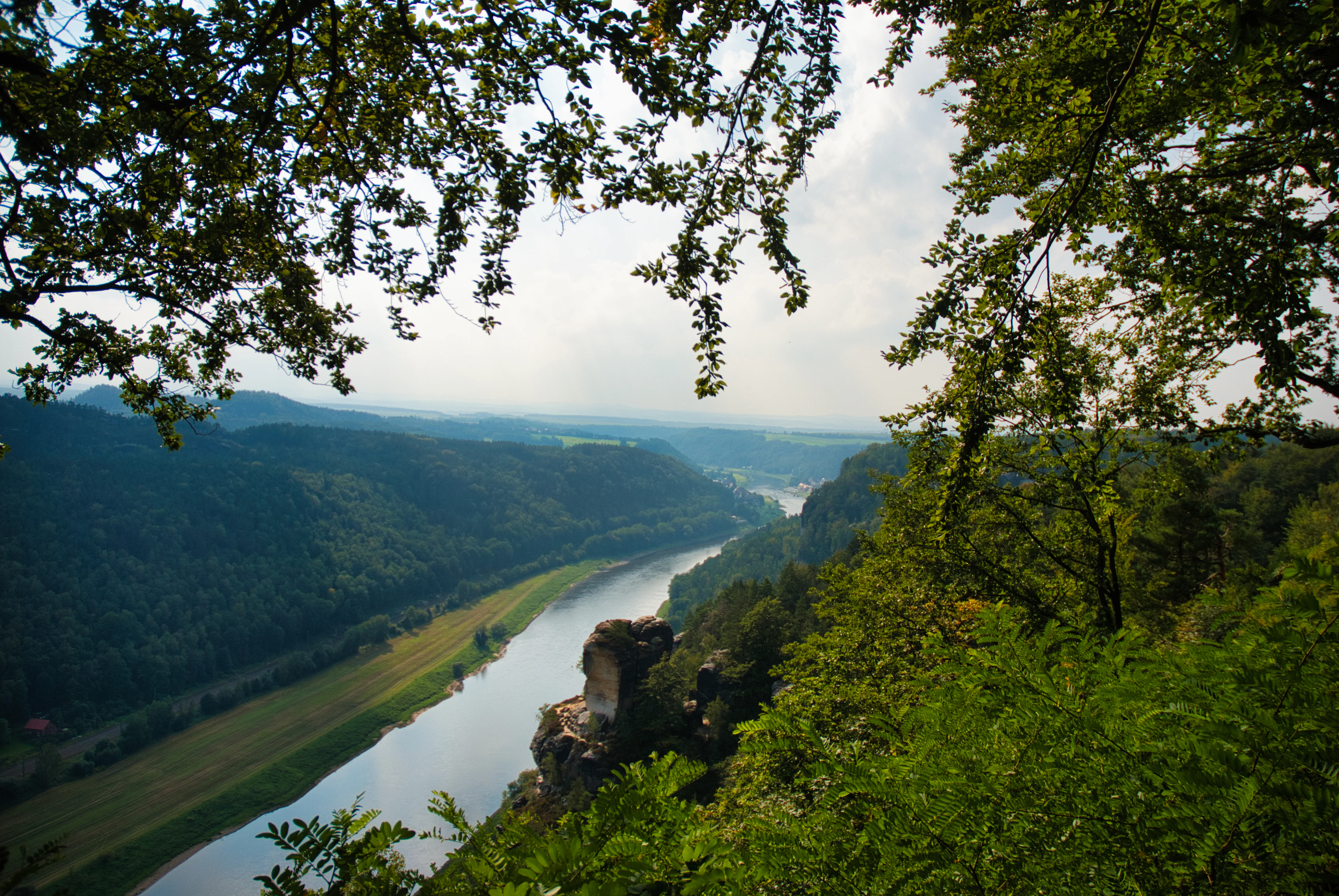
Holiday in Saxon Switzerland
Area in Germany — tips, highlights & best time to visit 🇩🇪
Country
Germany
Type
Area
Best time to travel
April–October
Budget/day
65–110 €
Getting there from Germany
Saxon Switzerland can be reached from Dresden by S-Bahn (40 min to Rathen) or by Elbe paddle steamer.
Deals for Saxon Switzerland:
What makes Saxon Switzerland special as a destination?
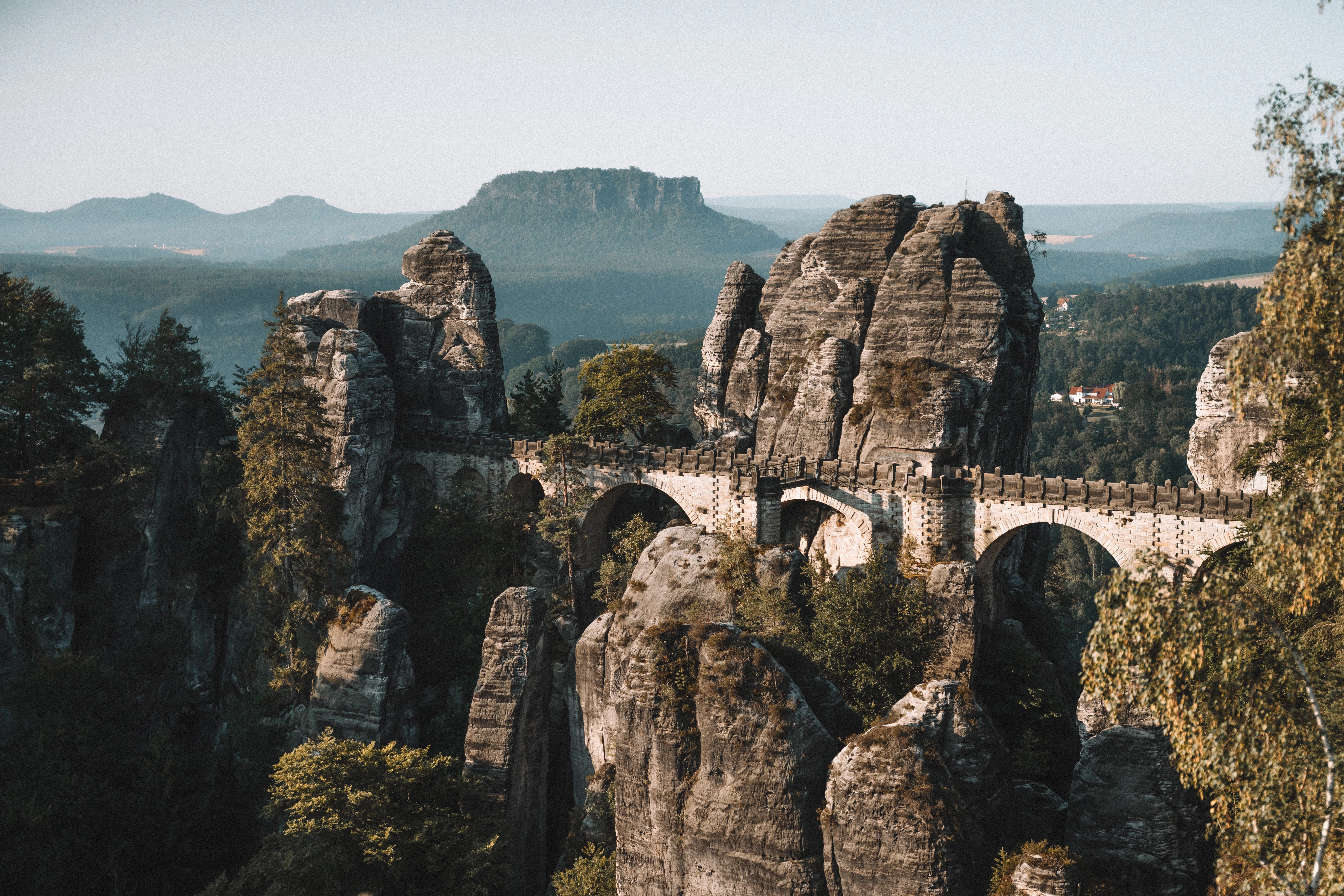
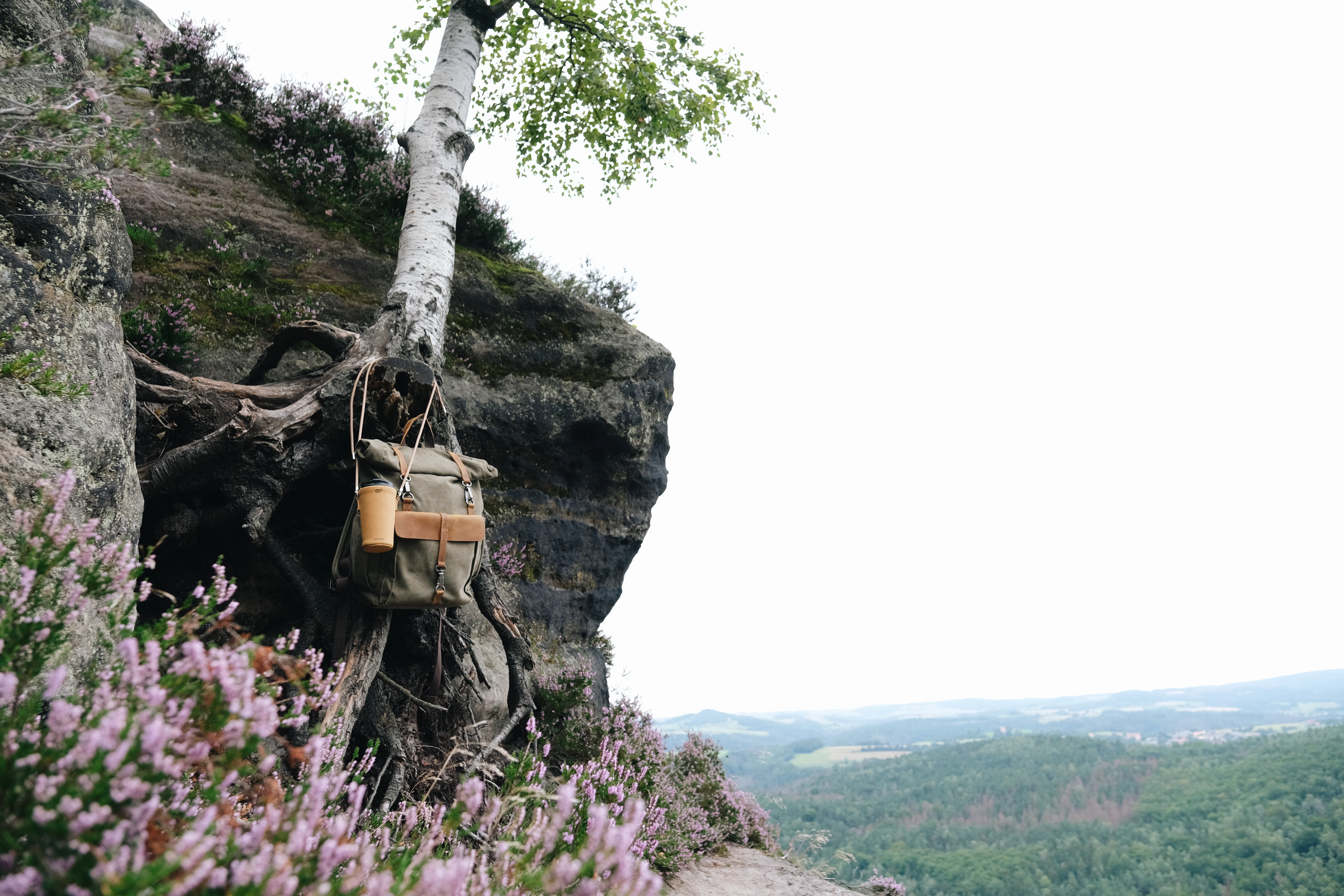
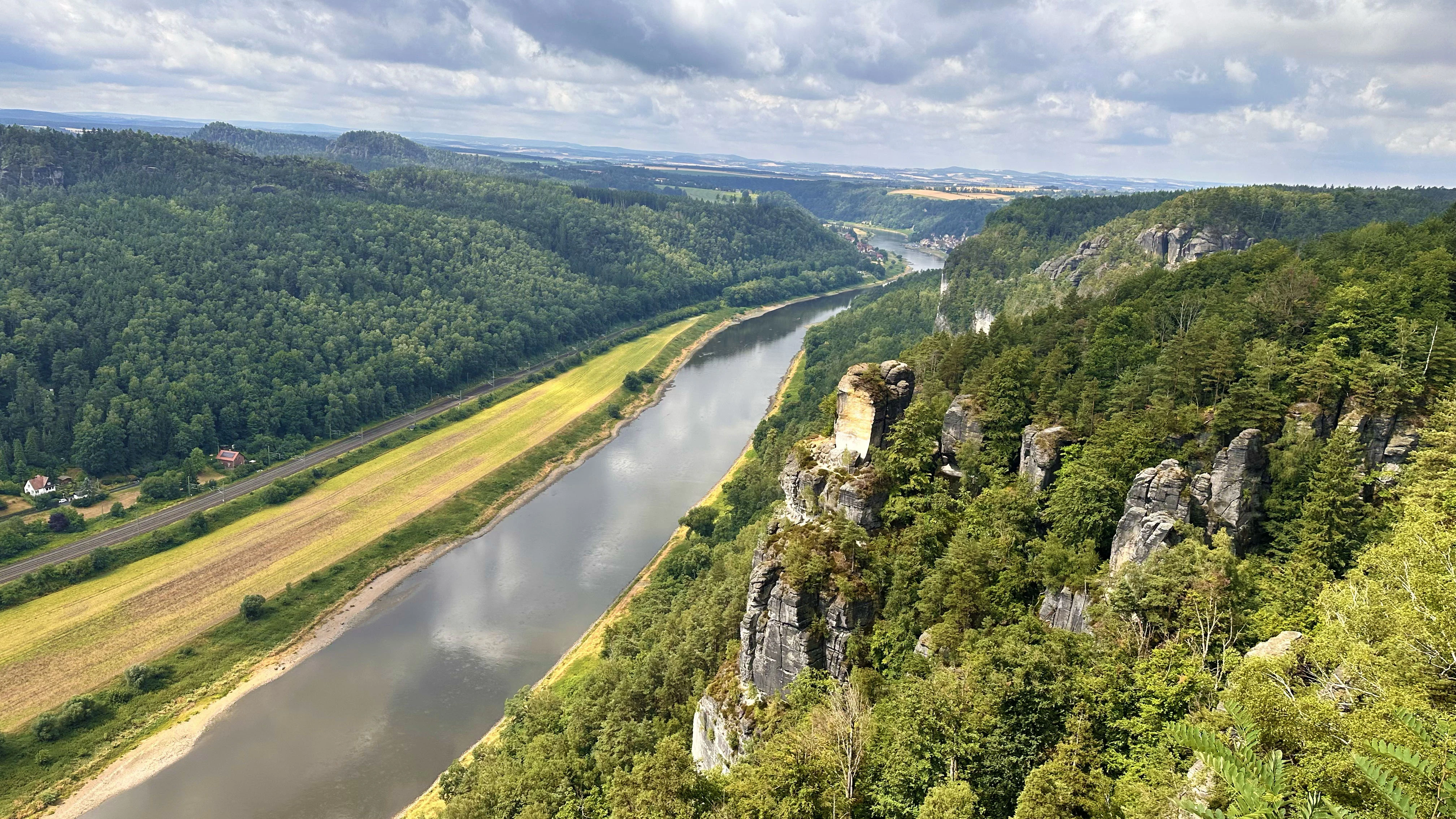
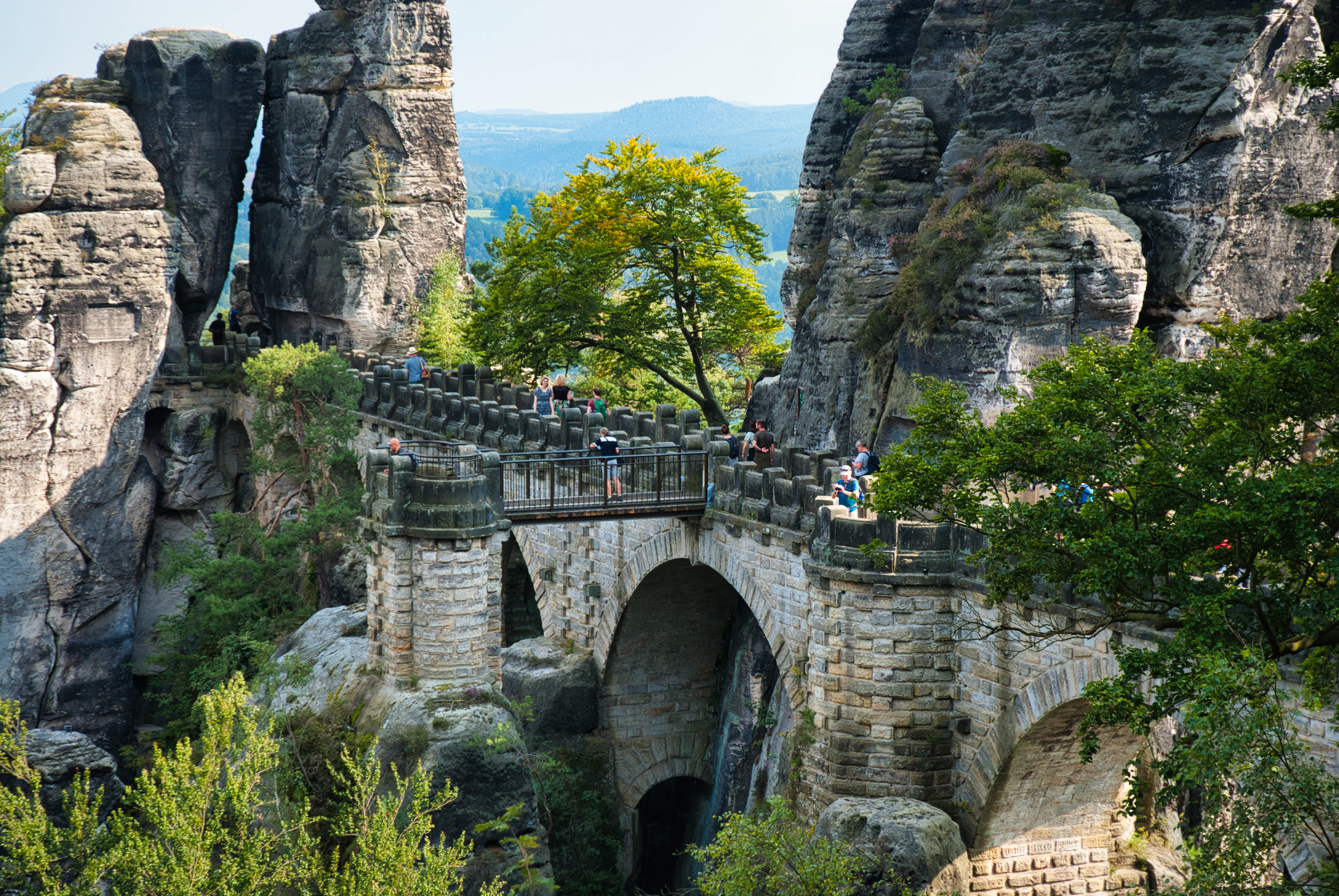
Saxon Switzerland is a breathtaking natural wonder southeast of Dresden, where bizarrely shaped sandstone cliffs, deep gorges, and table-like plateaus create one of the most spectacular landscapes in Central Europe. The Elbe Sandstone Mountains stretch on both sides of the Elbe River and continue on the Czech side as Bohemian Switzerland. The Bastei Bridge is the iconic landmark of the region and offers a stunning view over the Elbe Valley from a height of 194 meters. The Königstein Fortress, one of the largest mountain fortresses in Europe, sits atop a table mountain and documents 800 years of Saxon history. The Lilienstein, the Pfaffenstein with the Barbarine rock, and the Schrammsteine offer challenging climbing routes and magnificent views. The area is the cradle of free climbing in Europe — for over 150 years, the special Saxon climbing rules have been maintained here, opening up more than 1,100 climbing peaks. Hikers will find over 400 kilometers of marked trails, including the 112-kilometer Malerweg, one of the most beautiful long-distance hiking trails in Germany. The Saxon Switzerland National Park protects the unique flora and fauna of the rocky landscape. Steamships of the Saxon Steamship Company — the oldest paddle steamer fleet in the world — operate on the Elbe between Dresden and the Czech border. The region combines nature experiences, climbing adventures, and Saxon cultural history into an unforgettable travel destination.
What are the top highlights in Saxon Switzerland?
The top highlights in Saxon Switzerland include Bastei, Königstein Fortress, Schrammsteine, Kirnitzschtal, Malerweg.
The places you absolutely must not miss.
Bastei
The stone bridge 194 meters above the Elbe is the iconic landmark of Saxon Switzerland.
Königstein Fortress
The largest mountain fortress in Europe sits atop a table mountain above the Elbe and offers history and magnificent views.
Schrammsteine
The rugged rock group offers adventurous climbing paths and hiking trails with rewarding panoramas.
Kirnitzschtal
The historic Kirnitzschtalbahn travels through the romantic valley to the Lichtenhain Waterfalls.
Malerweg
The 112 km long hiking trail leads through the most beautiful corners of the Elbe Sandstone Mountains and inspired Caspar David Friedrich.
Hotels in Saxon Switzerland
Compare thousands of hotels, apartments and resorts on Expedia – with price guarantee, free cancellation and reward points.
* You will be redirected to Expedia.de. Their terms of use apply.
Pauschalreisen & Rundreisen
Berge & Meer – 170 Tage Cookie
When is the best time to visit Saxon Switzerland?
The best time to visit Saxon Switzerland is April–October. Warm, 19–26 °C, cool in the gorges In winter: Cold, -4–3 °C, snow on the rocks
Recommended travel time
April–October
Summer
Warm, 19–26 °C, cool in the gorges
Winter
Cold, -4–3 °C, snow on the rocks
How much does a holiday in Saxon Switzerland cost?
Budget travellers: 35–55 €/day, mid-range: 65–110 €/day, luxury: 140–240 €/day.
Average costs per person per day
Budget
35–55 €
Hostel, Street food, Public transport
Mid-range
65–110 €
Hotel, Restaurant, Excursions
Luxury
140–240 €
Boutique hotel, Fine dining
How do I get from Germany to Saxon Switzerland?
Saxon Switzerland can be reached from Dresden by S-Bahn (40 min to Rathen) or by Elbe paddle steamer.
Book a package holiday to Saxon Switzerland
Compare thousands of package holidays to Saxon Switzerland and find the best deals with flight & hotel.
Compare package holidays nowWhat travel tips are there for Saxon Switzerland?
Insider knowledge that makes your holiday better.
The Bastei is most beautiful and less crowded in the early morning – come before 9 AM.
The S-Bahn from Dresden to Rathen or Königstein is the most convenient and affordable way to travel.
The Malerweg can also be hiked in daily stages – good bus connections will bring you back.
For the Schrammsteine, you need sure-footedness and some climbing skill – ladders and steps are demanding.
A combination of a paddle steamer ride and hiking is the best way to explore the region.
What should you eat in Saxon Switzerland?
Typical specialities in Saxon Switzerland: Saxon Sauerbraten, Quarkkäulchen, Eierschecke, Saxon Potato Soup, Dresden Christstollen, Elbe Sandstone Trout.
These specialties you must try!
Ready for Saxon Switzerland?
Plan your Saxon Switzerland holiday now with our free tools.
