Norway holiday
Travel tips, best time to visit & highlights for your Norway holiday in Europe
Norway offers the most dramatic nature in Europe: fjords that cut into the land like knives, the midnight sun in summer, and northern lights in winter. The country is a paradise for hikers, photographers, and nature lovers.
Capital
Oslo
Language
Norwegian
Currency
Norwegian Krone (NOK)
Time zone
UTC+1
Flight time from DE
approx. 2 hours (Oslo)
Entry requirements
Identity card (Schengen)
Top hotels & accommodations in Norway
Selected hotels and holiday accommodations in Norway â with images, reviews, and direct booking links with our partners.
Radisson Blu Hotel Norge
Bergen, Norwegen
Hotel Continental
Oslo, Norwegen
Bergen Børs Hotel
Bergen, Norwegen
Scandic Flesland Airport
Ytrebygda, Norwegen
Hotel Scandic Neptun
Bergen, Norwegen
Hotel Scandic Fornebu
Sandvika, Norwegen
Hotel Park Inn Stavanger
Stavanger, Norwegen
Frogner House Apartments - Bygdøy AllÊ 53
Oslo, Norwegen
Top 5 highlights in Norway
The places you absolutely must not miss.
Geirangerfjord
UNESCO World Heritage: Steep cliffs, waterfalls, and deep blue fjord water.
Lofoten
Fishing villages, pointed mountains, and the most beautiful beaches north of the Arctic Circle.
Trolltunga
The 'Troll's Tongue' â one of the most spectacular viewpoints in the world.
Bergen
Colorful wooden houses in Bryggen, fish market, and gateway to the fjords.
North Cape
The northernmost point of the European mainland â midnight sun in summer.
Hotels in Norway
Vergleiche tausende Hotels, Apartments und Resorts auf Expedia â mit Bestpreis-Garantie, kostenloser Stornierung und Bonuspunkten.
* Weiterleitung zu Expedia.de. Es gelten die dortigen Nutzungsbedingungen.
Reise-SIM fĂźr Norway
Prepaid-SIM mit Datenvolumen fĂźr Norway. Einfach einlegen und sofort lossurfen â keine Roaming-GebĂźhren.
* Weiterleitung zu travSIM.de. Es gelten die dortigen Nutzungsbedingungen.
Reiseversicherung abschlieĂen
Rundum-Schutz ab 9,90 ⏠auf TravelSecure.de
Pauschalreisen & Rundreisen
Berge & Meer â 170 Tage Cookie
Best time to visit Norway
Recommended travel time
JuneâAugust
Summer
15â25°C
Winter
-5â3°C
How much does a holiday in Norway cost?
Average cost per person per day (excluding flight)
Budget
90â130âŹ
Hostel, street food, public transport
Mid-range
130â220âŹ
Hotel, restaurant, excursions
Luxury
220â400âŹ
Boutique hotel, fine dining
5 travel tips for Norway
Insider knowledge to make your holiday better.
Norway is expensive â buy groceries in the supermarket
Hurtigruten ships are a great alternative to flying
Right to roam (Allemannsretten): Wild camping is allowed!
Toll roads are automatically charged via license plate
Trolltunga hike takes 8-12 hours â good equipment needed
Food & drink in Norway
These dishes you must try!
Discover Norway
14 regions, cities and highlights in Norway
Cities

Ă lesund
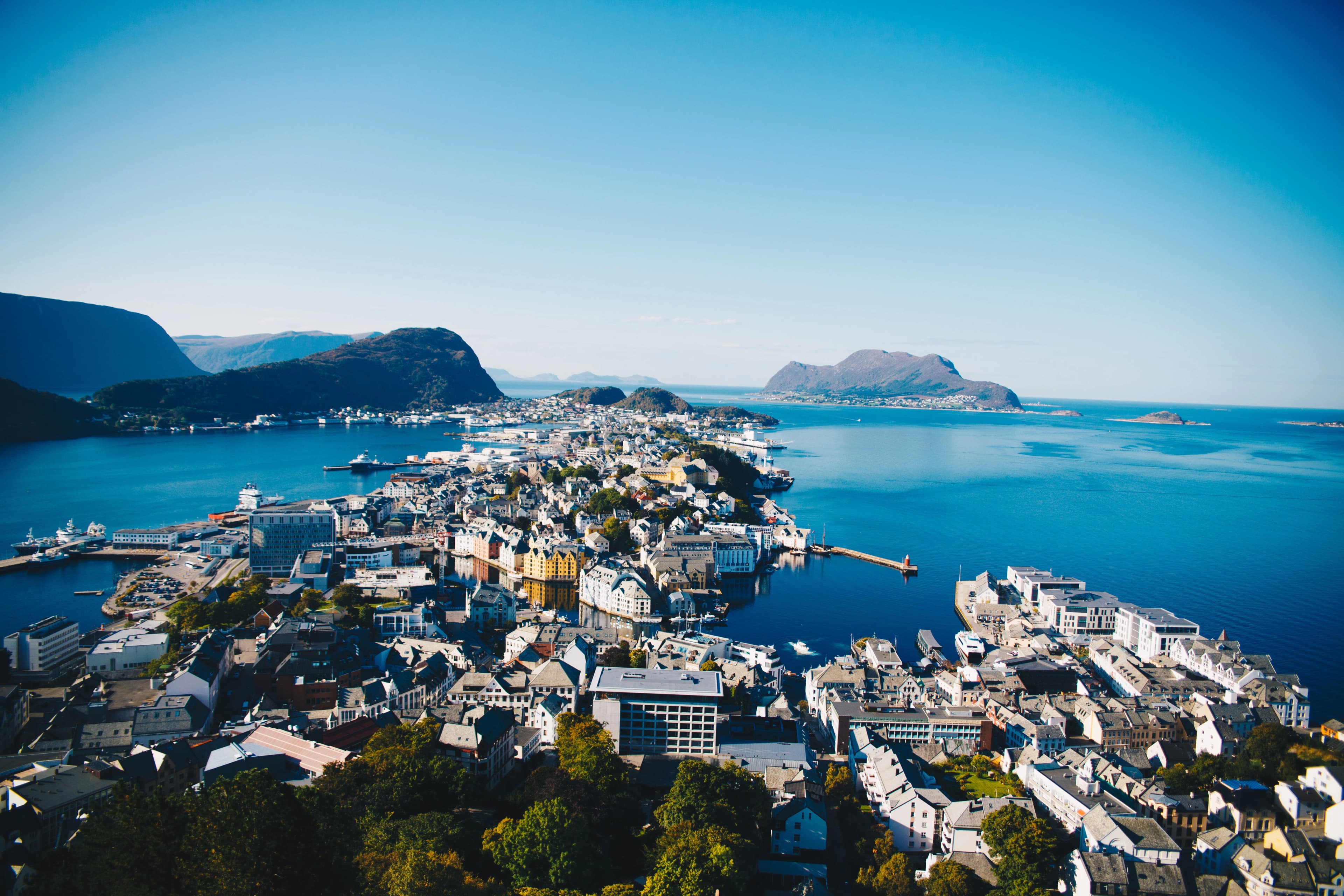
Ă lesund is Norway's Art Nouveau gem â a picturesque harbor town that was completely rebuilt in the Art Nouveau style after a devastating city fire in 1904. The pastel-colored buildings with their turrets, bay windows, and imaginative ornaments make Ă lesund one of the architecturally most uniform and beautiful cities in Scandinavia. The 418 steps to the Aksla viewpoint are Ă lesund's most famous ascent â from the top, there is a panorama over the city, the islands, the fjords, and on clear days, all the way to the open Atlantic. The Art Nouveau Centre tells the fascinating story of the fire and the reconstruction. Ă lesund is the gateway to the Sunnmøre Alps and the Geirangerfjord, one of Norway's most spectacular UNESCO fjords. The Atlanterhavsveien (Atlantic Road), one of the most beautiful coastal roads in the world, begins south of the city. The Atlanterhavsparken, one of the largest saltwater aquariums in Northern Europe, is a highlight for families. The city is located on the Hurtigruten route and can be quickly reached by domestic flight from Bergen or Trondheim.
Bergen
Bergen, Norway's second-largest city and the "Gateway to the Fjords," is one of the most charming port cities in Europe. Nestled between seven mountains and the sea, this former Hanseatic city combines medieval heritage with a vibrant cultural scene and spectacular nature right at its doorstep. Bryggen, the UNESCO World Heritage Hanseatic Wharf at the harbor, is Bergen's landmark. The colorful, crooked wooden houses from the 14th to 16th centuries once stood at the center of trade between the Hanseatic cities and Norway. Today, they house boutiques, galleries, and restaurants, and the narrow alleys behind them â the Passasjen â lead to hidden courtyards and workshops. The Fish Market (Fisketorget) at the harbor is an institution in Bergen. Fresh salmon, king crab, shrimp, and whale meat are offered alongside ready-made dishes. A plate of freshly peeled shrimp with bread and lemon, eaten right by the quay, is one of Norway's simplest and best culinary experiences. The Fløibanen, a funicular railway, takes visitors to the 320-meter-high Fløyen in eight minutes, where a breathtaking view of the city, harbor, and surrounding fjord and mountain landscape awaits. At the top, hiking trails through dense forests and to lakes offer wilderness right in the city. Bergen is also Norway's cultural capital. The KODE Museum houses one of the most significant art collections in Scandinavia (including works by Edvard Munch), Troldhaugen â the residence of composer Edvard Grieg â is beautifully situated by a forest lake, and the annual Bergen International Festival is the country's largest cultural event. Bergen is notorious for its rain â up to 240 rainy days a year. But instead of being deterred by it, the people of Bergen have made rain part of their identity. And when the sun does break through, the city shines in a light of such clarity that every single sun motif was worth the wait.
Oslo
Oslo, Norway's capital, is nestled between the Oslofjord and wooded hills, combining world-class museums with direct access to nature. The city has transformed into a metropolis of modern architecture with the new Munch Museum, the Opera House â whose walkable roof resembles an iceberg â and the Bjørvika district. The Vigeland Sculpture Park, featuring 200 works by Gustav Vigeland, is the largest sculpture park dedicated to a single artist in the world. Oslo is the most expensive city in the world, but also one of the most sustainable: in 2019, it was named European Green Capital. The Holmenkollen ski jump offers breathtaking views over the city and fjord. In summer, you can hike through forests in the morning, swim in the fjord at noon, and enjoy shrimp with a view of the water at Aker Brygge in the evening. The blend of urban life and wild nature makes Oslo unique among European capitals.

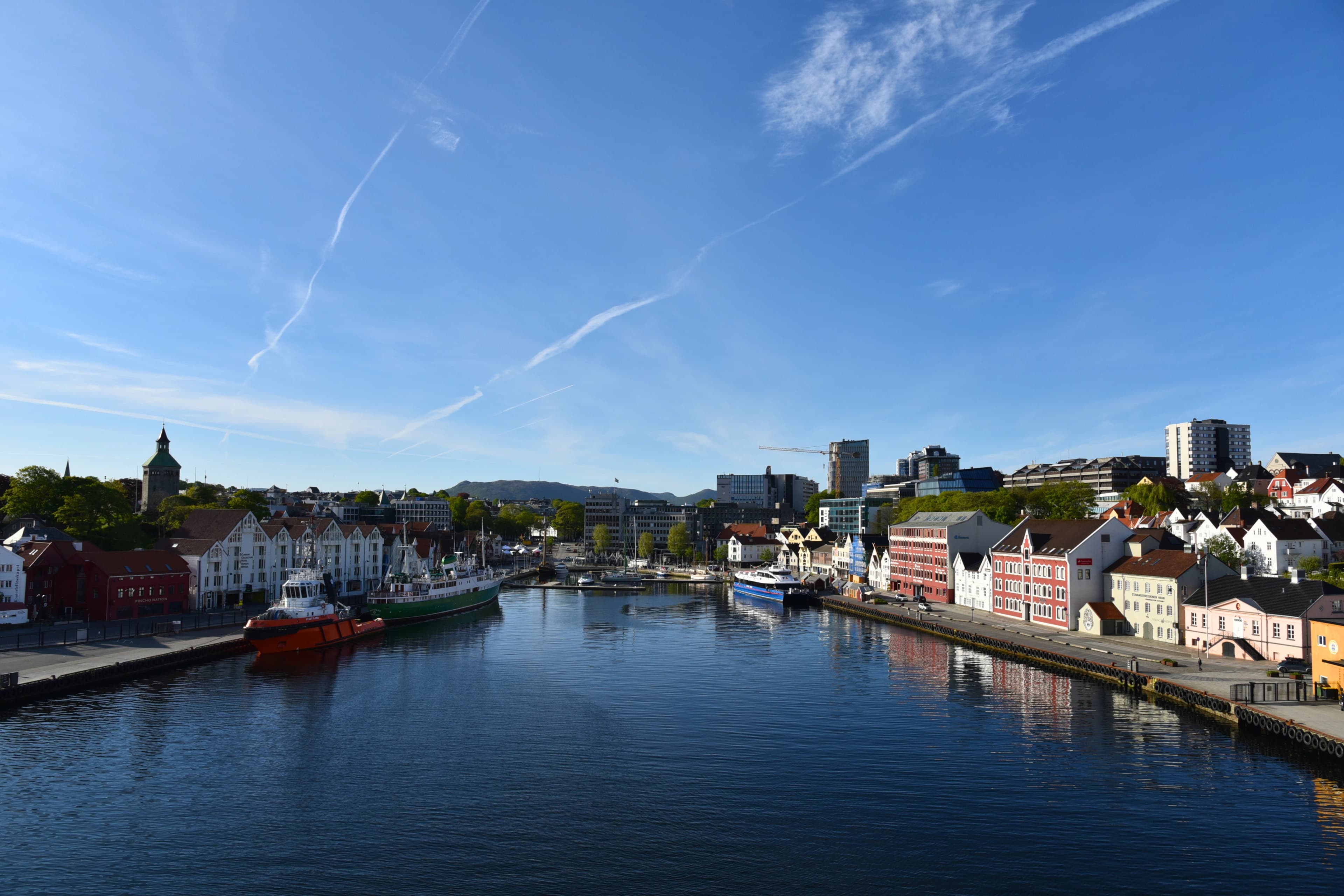
Stavanger
Stavanger is Norway's adventure capital â a vibrant harbor city on the southwest coast that serves as a starting point for two of Europe's most spectacular hikes while also impressing with the best-preserved wooden house settlement in Scandinavia, a burgeoning culinary scene, and the rugged beauty of the fjord landscape. For German travelers, Stavanger is reachable by direct flight in just two hours, providing the fastest access to Norway's most dramatic nature. The Preikestolen (Prekestolen), the legendary cliff 604 meters above the Lysefjord, is the region's flagship and one of the most photographed natural attractions in the world. The hike to Preikestolen takes about 4 hours round trip and leads through a varied landscape of moorland, pine forests, and over rock slabs â at the end, one stands on a flat rock terrace directly above the turquoise fjord, and the view is simply incredible. Even more spectacular is the Kjeragbolten, a boulder wedged between two rock walls 1,000 meters above the Lysefjord, where the brave can pose for an unforgettable photo. The old town of Stavanger, known as Gamle Stavanger, is a dream of 173 white-painted wooden houses from the 18th and 19th centuries, lined up along the cobblestone streets above the harbor. It is the best-preserved wooden house settlement in Northern Europe and a wonderful contrast to Norway's modern oil capital, which Stavanger has been since the 1970s. The Norwegian Petroleum Museum at the harbor impressively documents the history of the oil industry, which transformed Stavanger from a sleepy fishing and canning town into Norway's richest city. The VĂĽgen harbor is the social center of the city with restaurants, cafĂŠs, and the fish market Fisketorget, where freshly caught seafood is served. Stavanger's street art scene is surprisingly vibrant â the annual NuArt Festival has made the city one of the best street art destinations in Europe. By fjord boat, one can reach the Lysefjord for a trip between 1,000-meter-high rock walls, which appear even more impressive from the boat than from above.
Tromsø
Tromsø, the "Gateway to the Arctic," is one of the northernmost university cities in the world and the perfect starting point for some of the most spectacular natural phenomena on our planet. Located at 69° north latitude, this vibrant Norwegian city offers the best of both worlds: Arctic wilderness and urban culture. The city is primarily known as one of the best places in the world to observe the Northern Lights. From September to March, the Aurora Borealis dances in green, purple, and red veils across the dark sky â an experience that takes your breath away. Numerous tour operators take visitors to the best observation points away from the city lights. But Tromsø has much more to offer than just the Northern Lights. The Arctic Cathedral, an architectural masterpiece from the 1960s, rises with its distinctive triangular facade and the huge glass mosaic like a stylized iceberg on the shores of the Tromsø Sound. The Fjellheisen cable car takes visitors to Storsteinen, where a breathtaking 360-degree view of the city, the surrounding fjords, and the snow-covered peaks of the Lyngen Alps awaits. In summer, on the other hand, the sun does not set for two months. The midnight sun bathes the Arctic landscape in an unreal golden light, allowing for hiking, kayaking, and whale watching at any time of day or night. The surrounding islands and fjords are a paradise for outdoor enthusiasts. The Polaria experience center and the Polar Museum tell the stories of great Arctic expeditions and life in the polar region. The Mack Brewery, the northernmost in the world, invites tastings, while the surprisingly vibrant culinary scene delights with Arctic specialties such as reindeer meat, king crab, and stockfish. The compact city center, with its colorful wooden houses from the 19th century, gives Tromsø an almost southern charm â a fascinating contrast to the rugged Arctic surroundings. Tromsø proves that life high up north is anything but barren and monotonous.

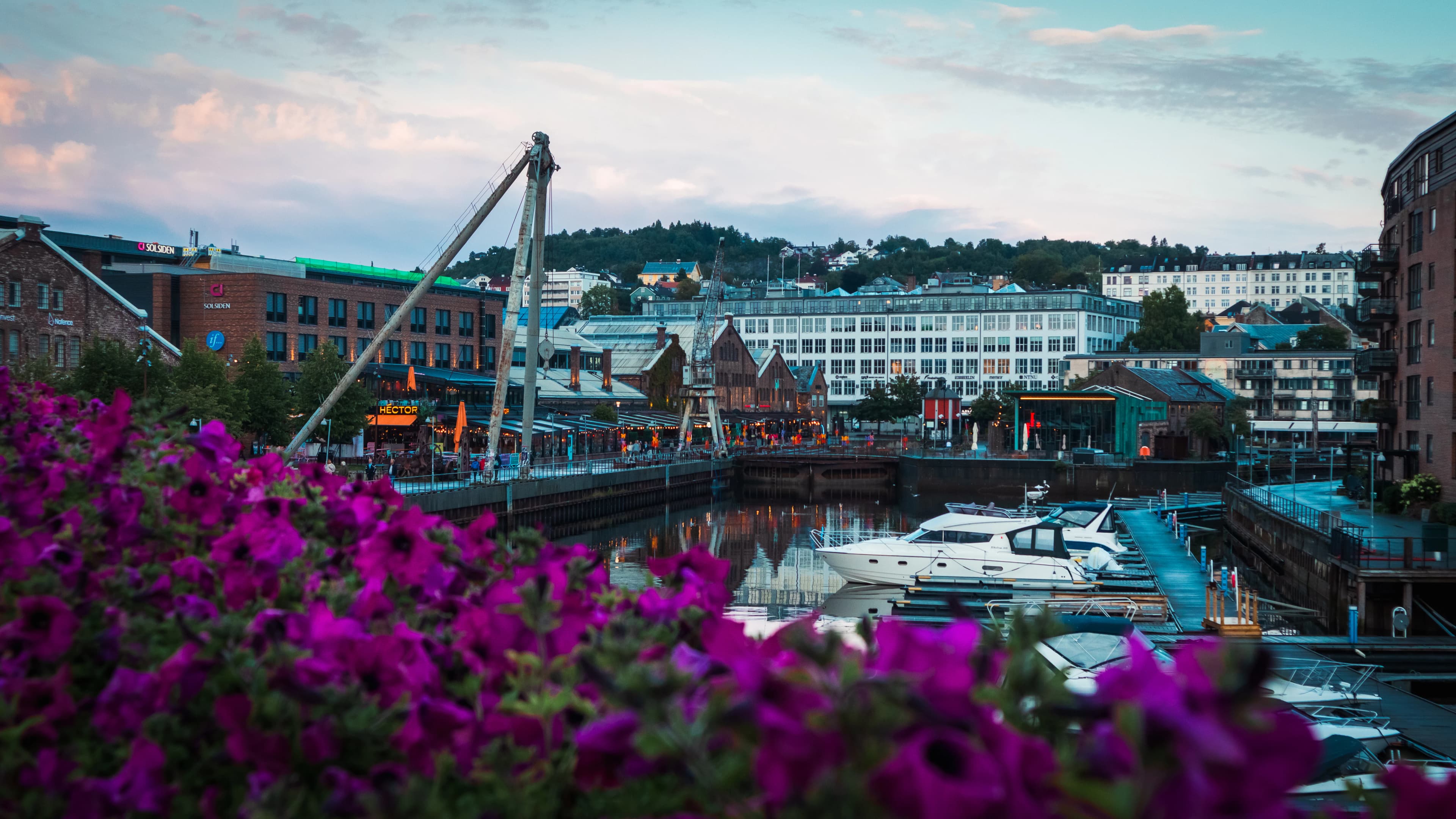
Trondheim
Trondheim is Norway's coronation city and spiritual center â a place where a thousand years of history and vibrant student culture uniquely combine. The Nidaros Cathedral, Scandinavia's largest medieval cathedral and the northernmost Gothic cathedral in the world, has been a pilgrimage destination since the Middle Ages and is still the site where Norwegian kings are blessed. The magnificent west facade with its sculptures and rose windows is reminiscent of the great cathedrals of France and is an architectural wonder at the edge of the Arctic. The colorful wooden warehouses on stilts by the Nidelva River, the Bryggen of Trondheim, are the city's photographic motif. These historic storage buildings from the 18th and 19th centuries, once transshipment points for stockfish and grain, now house restaurants, boutiques, and studios. The sight of the colorful facades reflecting in the calm river water is particularly magical during the golden hour before sunset. With 30,000 students, Trondheim is one of Norway's youngest cities. The NTNU (Norwegian University of Science and Technology) shapes the vibrant cafĂŠ and bar scene, especially in the Bakklandet district, a charming wooden house area with cobblestone streets, independent shops, and the famous Trampe â the only bicycle lift in the world that pushes cyclists up the steep hill. In summer, Trondheim experiences the midnight sun, while in winter the northern lights can dance in the sky. For German travelers, there are direct flights from several German airports, and the city is an excellent starting point for the spectacular coastal voyage with Hurtigruten or road trips along the Atlantic Road.
Areas

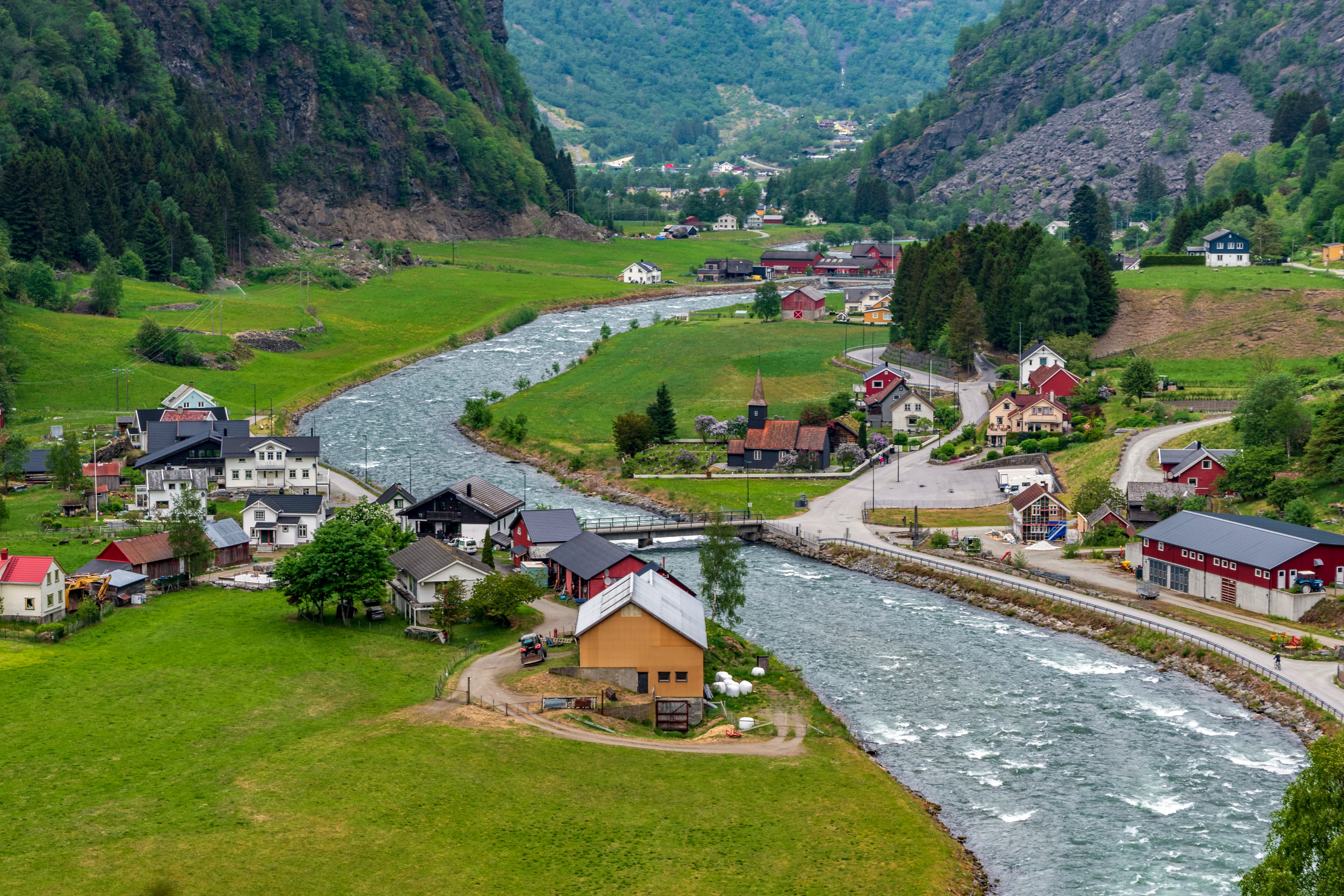
FlĂĽm
FlĂĽm is a tiny village at the end of the Aurlandsfjord â and yet one of the most visited travel destinations in Norway. The reason for this is the FlĂĽmsbana, one of the steepest railway lines in the world, which winds 20 kilometers through a dramatic fjord landscape of waterfalls, steep mountain slopes, and narrow valleys. The ride is considered one of the most beautiful train journeys ever. The village itself is picturesque by the emerald-green fjord water, framed by mountains up to 1,800 meters high. Cruise ships and Hurtigruten make stops here, hikers start tours to the Stegastein viewpoint or through the FlĂĽmsdalen valley. The NĂŚrøyfjord boat tour, a UNESCO-protected arm of the Sognefjord, takes you through one of the narrowest and most dramatic fjord landscapes in the world. In summer, FlĂĽm offers kayaking tours on the fjord, zipline adventures, cycling tours along the Rallarvegen route, and hikes to pastures with panoramic views. In winter, the landscape transforms into a snowy fairy tale with cross-country ski trails and the magical winter version of the FlĂĽmsbana. FlĂĽm is best experienced as part of the legendary Norway in a Nutshell Tour â a round trip that combines train, bus, and ferry, connecting the most spectacular landscapes of Western Norway.
Nordkap
The North Cape is the northernmost point in Europe reachable by road â a 307-meter high cliff on the island of Magerøya, dramatically rising above the Arctic Ocean and captivating travelers from all over the world for centuries. For German tourists, the journey to the North Cape is more than just a destination â it is an epic journey through the wildest and loneliest landscapes of Europe, past fjords, plateaus, and fishing villages that seem to lie at the end of the world. From May to July, the midnight sun shines 24 hours a day, bathing the Arctic landscape in an unreal, golden perpetual light. The moment when you stand at the North Cape plateau at midnight and the sun does not set over the Arctic Ocean is one of the most intense natural experiences that Europe has to offer. The North Cape Hall features an exhibition on the history of the cape, a panoramic cinema, and the legendary champagne bar with possibly the most spectacular view of any bar in the world. The road to the North Cape is part of the adventure: the E69 from HonningsvĂĽg to the North Cape winds through a moon-like tundra landscape, where reindeer herds cross the road in winter. HonningsvĂĽg, the nearest town, is a charming fishing village with colorful wooden houses and the Arctic Ocean Museum. The island of Magerøya itself is accessible via the spectacular North Cape Tunnel, which runs 212 meters beneath the seabed. For German travelers, there are several ways to get there: flying to HonningsvĂĽg or Hammerfest, the legendary Hurtigruten postal cruise along the Norwegian coast, or the great North Cape driving route through Scandinavia, which is already an unforgettable journey in itself. The region is shrouded in polar night from November to January, maximizing the chances of seeing the Northern Lights.
Regions

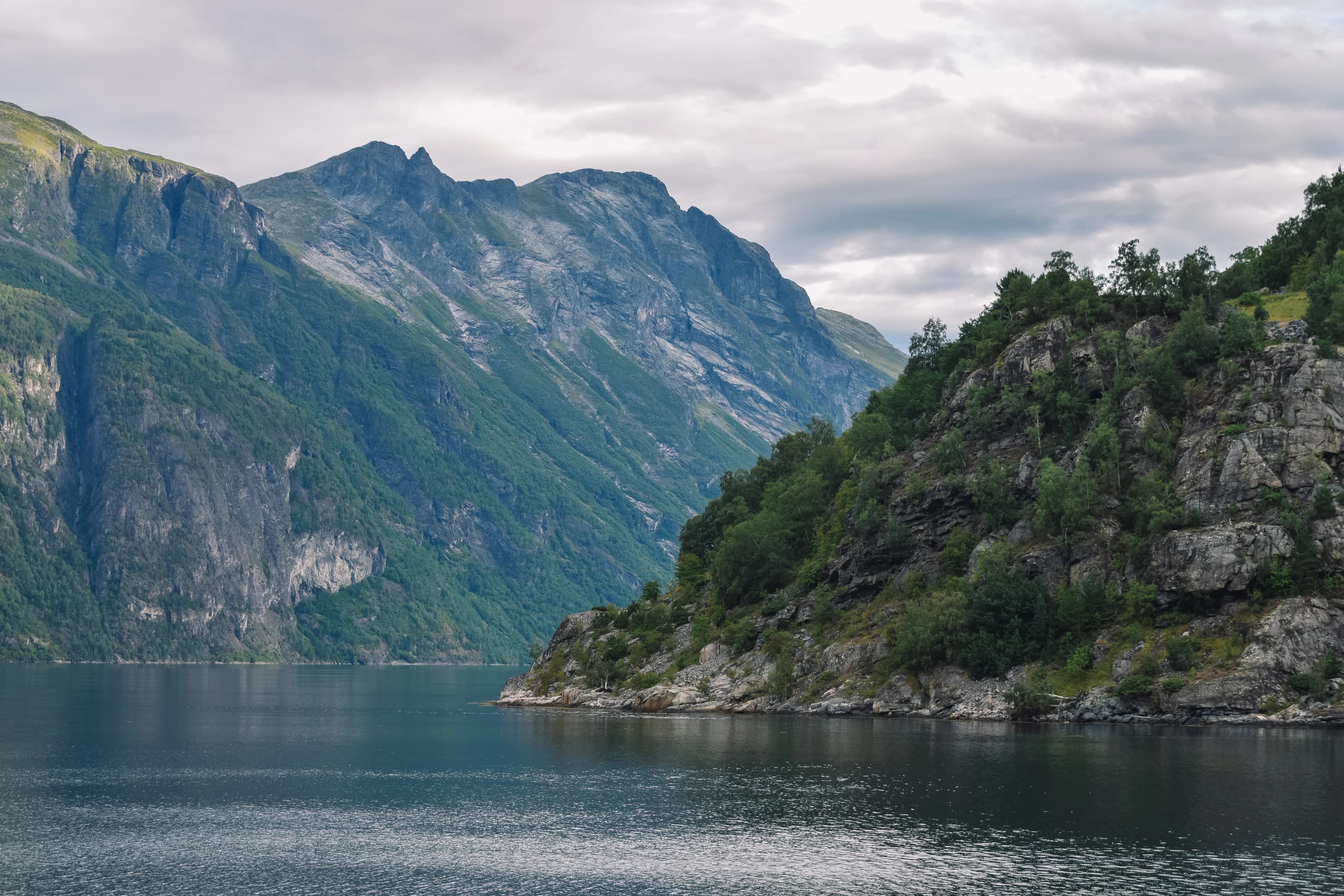
Geirangerfjord
The Geirangerfjord is the crown jewel of the Norwegian fjord landscape and one of the most impressive natural wonders in Europe. The UNESCO World Heritage fjord stretches 15 kilometers inland, surrounded by almost vertical cliffs rising up to 1,700 meters high, where waterfalls plunge down and abandoned farms cling to impossibly steep slopes. The journey to Geiranger is already an experience in itself. Whether via the famous Trollstigen serpentine road, the Eagle Road (Ărnesvingen) with its eleven hairpin turns, or by fjord ferry from Hellesylt â each access point offers a breathtaking panorama. The Eagle Road culminates in a viewpoint from which the entire fjord lies at your feet like a gigantic miniature landscape. The waterfalls of the Geirangerfjord are world-famous. The âSeven Sistersâ (De Syv Søstrene) â seven parallel waterfalls that collectively plunge from a 250-meter-high cliff â are directly opposite the âSuitorâ (Friaren), a single waterfall that supposedly offers the sisters a bottle of bridal schnapps. The âBridal Veilâ (Brudesløret) rounds off the trio of the most famous waterfalls. The fjord cruise from Geiranger to Hellesylt (or vice versa) is one of the most iconic boat trips in Scandinavia. Cruise ships and small ferries glide through the calm, deep green water while the cliffs tower high above the passengers â a feeling as if one is in a cathedral of nature. Hikers will find top-notch routes around the fjord. The hike to the abandoned farm SkageflĂĽ, which clings to a narrow ledge 250 meters above the fjord, offers one of the most dramatic panoramas in Norway. The viewpoint Flydalsjuvet, directly above Geiranger, is the most famous photo spot of the fjord. The Norwegian Fjord Center in Geiranger explains the geological formation and cultural significance of the fjords and has been awarded for its architectural integration into the landscape.

Lofoten
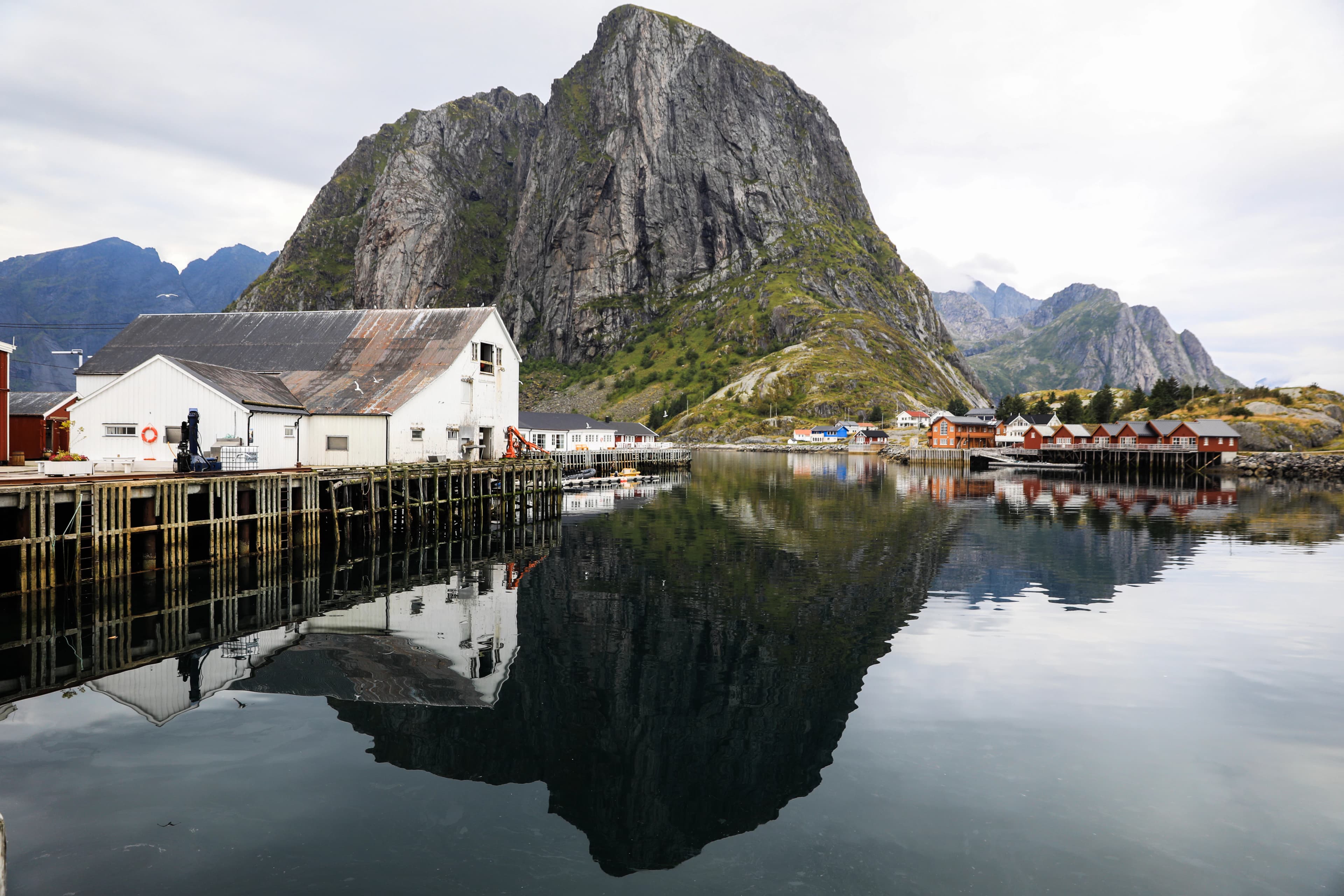
The Lofoten are an archipelago of breathtaking beauty north of the Arctic Circle â a chain of islands that seems to have been lifted from the North Sea by giant hands. Rugged granite peaks rising up to 1,000 meters soar directly from turquoise waters, surrounded by white sandy beaches reminiscent of the Caribbean, yet located in a completely different world. The Lofoten are the epitome of dramatic Norwegian landscapes. Narrow roads wind over bridges and through tunnels from island to island, and around every bend awaits a new postcard-worthy panorama. The traditional red fishing cabins, the RorbĂźr, stand on stilts over the water, forming an iconic contrast to the dark mountains â a motif that attracts photographers from all over the world. The fishing village of Reine, often referred to as the most beautiful village in Norway, is the most photographed subject of the Lofoten. From here, hiking trails lead to Reinebringen, whose viewpoint offers one of the most famous views in Scandinavia. HenningsvĂŚr, the "Venice of the Lofoten," impresses with its football field nestled among rocks and its growing number of galleries and cafĂŠs. The beaches of the Lofoten are among the most spectacular in Europe. Haukland Beach, Uttakleiv Beach, and Kvalvika Beach offer turquoise water and fine white sand â with water temperatures rarely rising above 15°C. Surfers brave the cold water and ride the Arctic waves, making Unstad Beach one of the northernmost surf spots in the world. From late May to mid-July, the midnight sun bathes the landscape in golden daylight, while in winter, the Northern Lights dance over the mountains. The Viking Museum in Borg showcases the longest Viking house ever discovered and transports visitors into the world of the Norsemen. The Lofoten are also a culinary highlight: The Skrei, the Arctic winter cod that migrates to the waters of the Lofoten every year from January to April, is considered one of the finest table fish in the world. Everywhere on the islands, stockfish dries on traditional wooden racks â a sight that has characterized the Lofoten for centuries.
Norwegian Fjords
The Norwegian fjords are among the most spectacular natural landscapes in Europe and have been repeatedly awarded by National Geographic as the best travel destination in the world. These sea arms, shaped by glaciers, cut up to 200 kilometers deep into the Norwegian coast and are framed by steep rock walls rising up to 1,500 meters, where waterfalls plunge into the depths. The Geirangerfjord and the NÌrøyfjord are UNESCO World Heritage sites and Norway's most famous fjords. The Geirangerfjord impresses with the Seven Sisters, a series of waterfalls that drop over 300 meters, while the narrow NÌrøyfjord, only 250 meters wide, unfolds an almost claustrophobic intensity. The Sognefjord, at 204 kilometers long and 1,308 meters deep, is the largest fjord in Norway and offers particularly diverse experiences. The viewpoint Preikestolen (Trolltunga is the more adventurous alternative) rises 604 meters above the Lysefjord and offers one of the most dramatic viewpoints in Europe. The Hurtigruten coastal postal route is one of the most beautiful sea voyages in the world. Hiking, kayaking, and the Flüm Railway, one of the steepest railways in the world, open up the fjord landscape. May to September offers the longest days and the best weather.

Svalbard
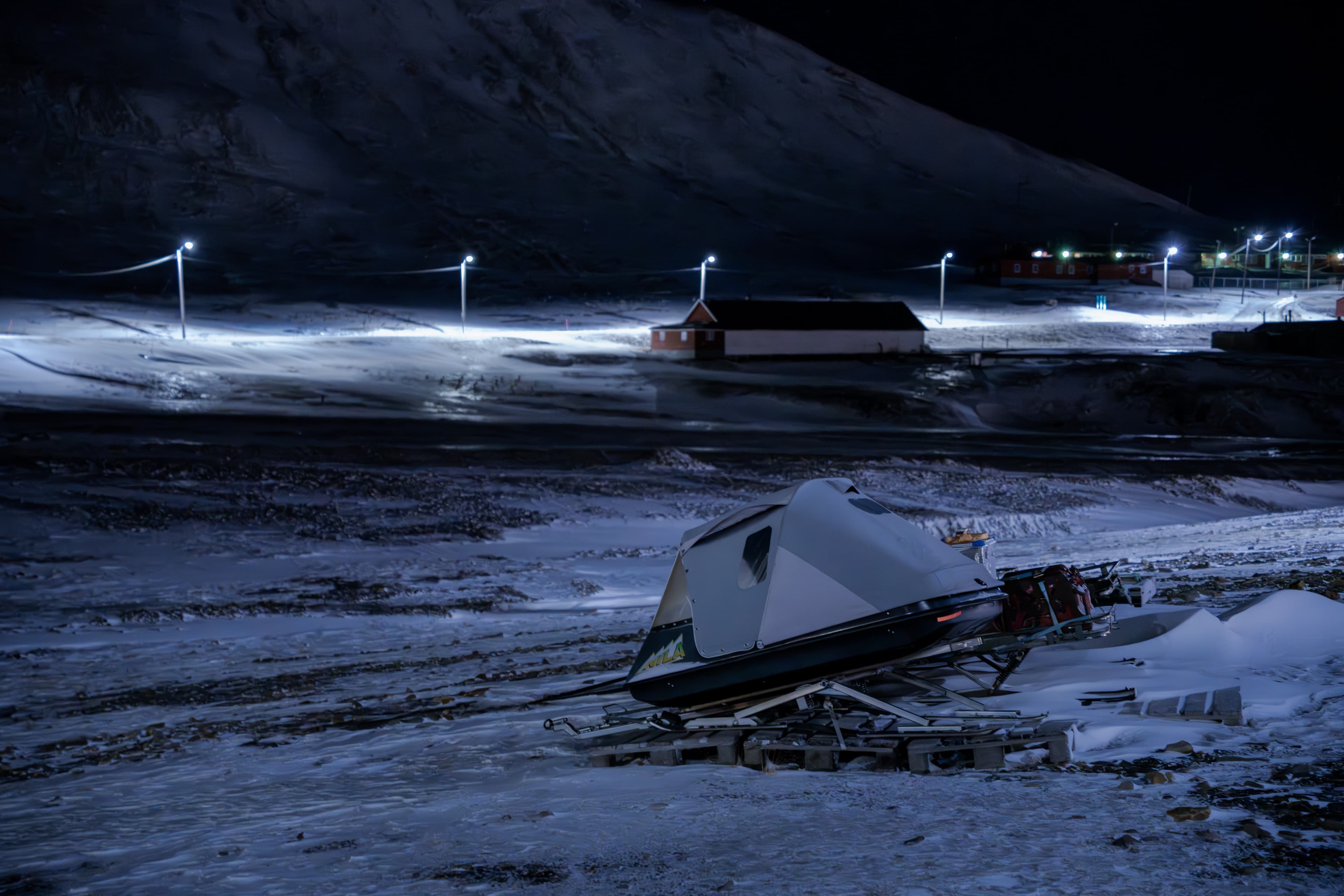
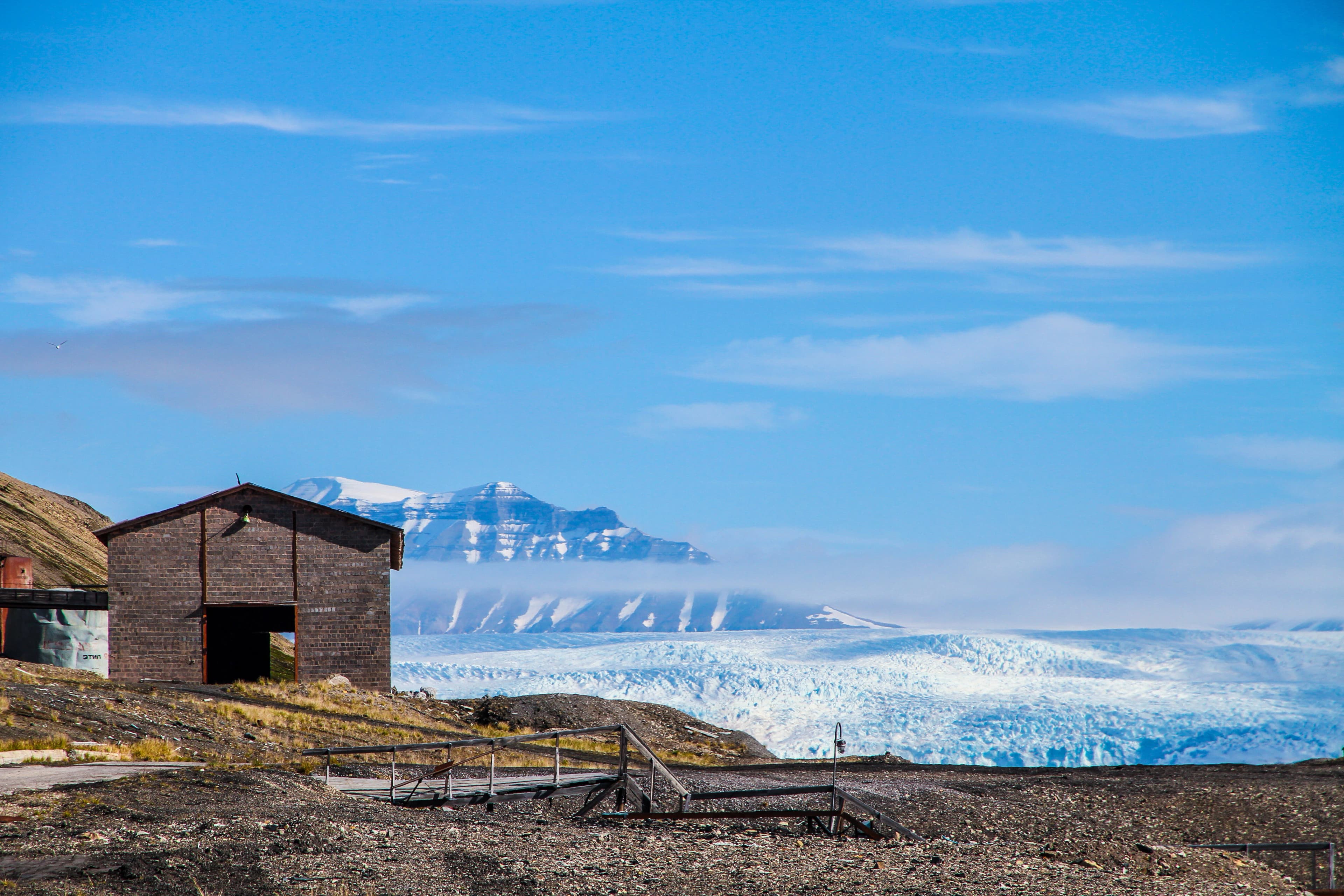
Svalbard is one of the northernmost inhabited places on Earth and a location that sparks the imagination. Located halfway between the Norwegian mainland and the North Pole, this archipelago is a world of glaciers, ice fjords, and Arctic wilderness, where polar bears outnumber the human population. Longyearbyen, the capital and northernmost town in the world, is a quirky place full of contrasts. Colorful wooden houses on stilts above the permafrost, a surprisingly good restaurant scene, and strict rules: anyone leaving the town limits must carry a weapon against polar bears. The settlement has an astonishingly international population from over 40 nations. The nature of Svalbard is of a beauty that seems almost unreal. Massive glaciers calve into the sea before the eyes of visitors, and the turquoise ice formations of the NordenskjĂśld Glacier glow in an otherworldly blue. Boat tours through the Isfjorden and Billefjorden pass by colonies of puffins, walruses on ice floes, and, with a bit of luck, polar bears searching for food. The polar night from late October to mid-February envelops the island in complete darkness â simultaneously creating ideal conditions for the Northern Lights, which appear here in their most intense form. In contrast, the midnight sun from mid-April to late August means the sun does not set, bathing the Arctic tundra in 24 hours of daylight. The Svalbard Global Seed Vault, the "Doomsday Vault," is located in a mountain tunnel near Longyearbyen and preserves seed samples from around the world as a backup for humanity. Although the vault itself is not accessible, the futuristic entrance portal is a popular photo opportunity. Dog sledding, snowmobile tours, and glacier hikes are among the main activities in winter and spring. In summer, kayaking among icebergs and hiking through the blooming Arctic tundra offer a contrasting program. The wildlife is overwhelming: Arctic foxes, Svalbard reindeer, beluga whales, and of course, the king of the Arctic â the polar bear.
Western Norway
Western Norway is the essence of the Norwegian fjord landscape â a scenery of overwhelming drama, where emerald-green fjords cut kilometers deep into the land, waterfalls plunge hundreds of meters down, and snow-covered peaks rise directly from sea level. For German travelers, Western Norway is the ultimate nature destination in Europe, a place that exceeds even the boldest expectations for landscape and adventure. The Sognefjord, at 204 kilometers long and up to 1,308 meters deep, is the longest and deepest fjord in Europe and the heart of the region. Its branches â the NĂŚrøyfjord (UNESCO World Heritage) and the Aurlandsfjord â narrow to just 250 meters wide and offer breathtaking views from the excursion boats: vertical cliffs rising over 1,000 meters, waterfalls cascading down the cliffs like silver threads, and tiny mountain farms clinging to impossibly steep slopes. The Hardangerfjord, Norway's second-longest fjord, is known for its orchards, which bloom in May, transforming the fjord into a sea of pink and white blossoms. The Trolltunga, a rock ledge jutting out over the abyss at 1,100 meters above Lake Ringedalsvatnet, has become one of Europe's most spectacular hikes â the 22-kilometer tour is challenging, but the view from the rock nose is indescribable. Bergen, the gateway to the fjords, is one of Norway's most beautiful cities with the UNESCO World Heritage site Bryggen, the colorful wooden houses by the harbor, the fish market, and a vibrant cultural scene. The famous FlĂĽm Railway winds from Myrdal through 20 tunnels and over spectacular bridges down into the Aurland Valley and is considered one of the steepest standard gauge railways in the world. Travel for German tourists is possible by flight to Bergen or by ferry from Kiel to Oslo and then via scenic routes westward. A rental car is recommended to explore the many panoramic roads and hidden fjord arms.
Complete guide for Norway
Regions, attractions, food, routes, costs & practical tips â all in one digital guide.
Open guideReady for Norway?
Plan your Norway holiday now with our free tools.
Plan a holiday in Norway
Norway is one of the most popular travel destinations in Europe, offering Nature, Fjords, Hiking and much more. The best time to visit Norway is JuneâAugust, when the weather is ideal for exploration and relaxation. With a daily budget starting from 90â130⏠(Budget) to 220â400⏠(Luxury), Norway is suitable for various travel budgets.
From the capital Oslo, Norway can be excellently explored. The official language is Norwegian, and the currency is Norwegian Krone (NOK). From Germany, you can reach Norway in approx. 2 hours (Oslo). Whether you want to try culinary highlights like Salmon, Brunost, Kjøttkaker, visit top attractions, or simply enjoy the atmosphere: Norway has something for every type of traveller.
Use our free travel tools to prepare your Norway holiday perfectly. With the holiday finder, you can discover if Norway is the right destination for you. The budget calculator helps you plan costs realistically, and with the packing list, you won't forget anything.
Suitable holiday types for Norway:
More travel destinations in Europe:
All countries in Europe