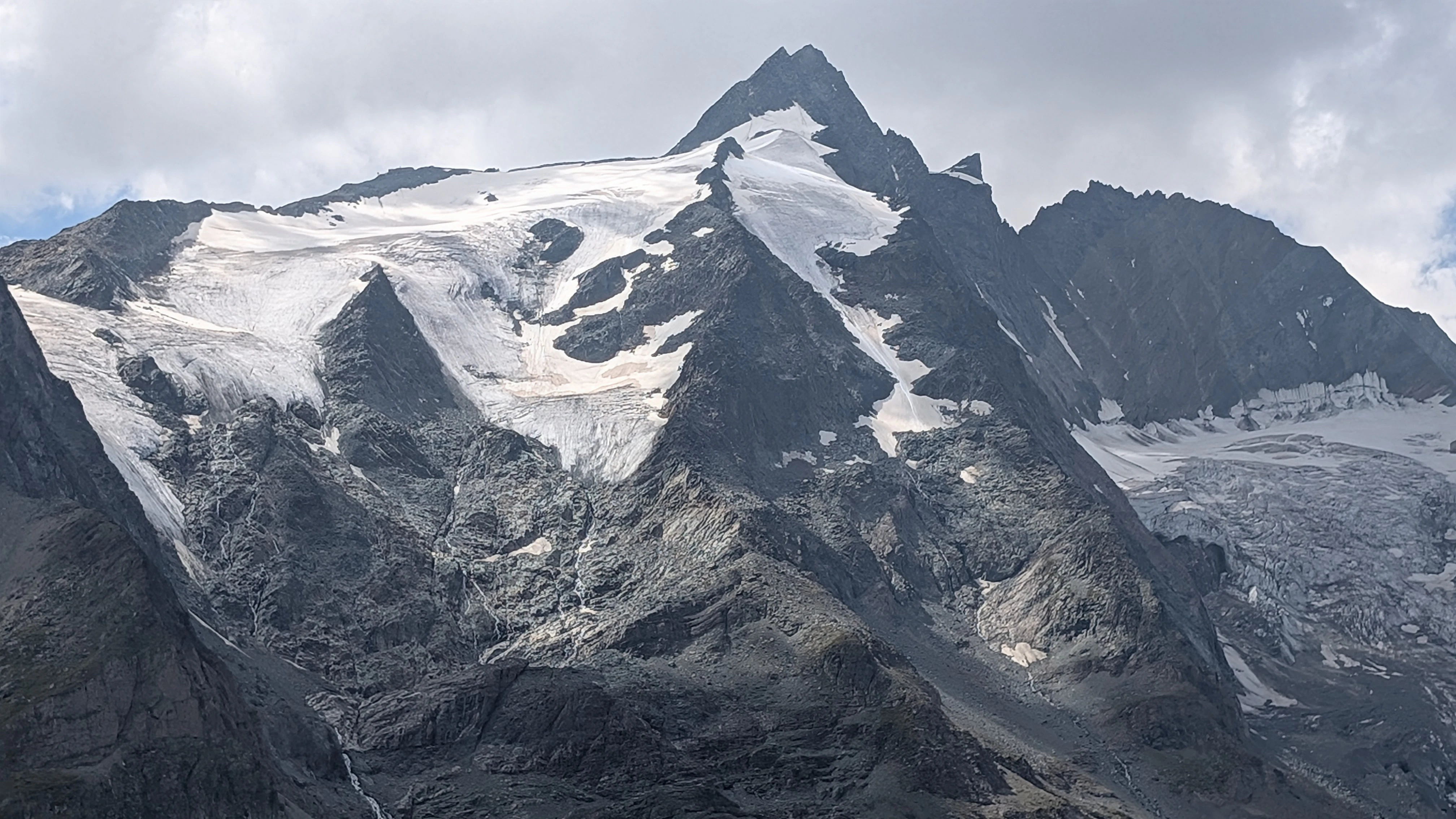
Holiday in Großglockner
Area in Austria — tips, highlights & best time to visit 🇦🇹
Country
Austria
Type
Area
Best time to travel
Jun–Sep (High Alpine Road open approx. May–Oct)
Budget/day
90–150 €
Getting there from Germany
Access from the north (Bruck/Fusch) or south (Heiligenblut). About 2 hours from Salzburg, about 3.5 hours from Munich. Toll road (approx. €40/car).
Deals for Großglockner:
What makes Großglockner special as a destination?
The Großglockner, at 3,798 meters, is the highest mountain in Austria and majestically towers in the heart of the Hohe Tauern National Park — the largest protected area in the Alps, covering 1,856 square kilometers. Its distinctive double peak with the glaciated Glocknerkees and the Pasterze, Austria's longest glacier, make the Großglockner a symbol of the Austrian Alps. The Großglockner High Alpine Road, opened in 1935, is one of the most famous panoramic roads in the world. Over 48 kilometers, it overcomes 36 hairpin turns and leads over the 2,504-meter-high Hochtor Pass. At the Kaiser-Franz-Josefs-Höhe at 2,369 meters, there is a breathtaking direct view of the Pasterze and the Großglockner summit. Along the route, exhibitions such as the 'Alpine Nature Show' and the 'Wilhelm Swarovski Observatory' provide information about the flora, fauna, and geology of the high mountains. The Hohe Tauern National Park is home to over 10,000 species of animals and plants, including ibex, bearded vultures, marmots, and edelweiss. Hikers will find marked trails for every level — from the Gamsgrubenweg right by the Pasterze to the challenging ascent of the Glockner, which requires alpine experience and guidance. The Krimml Waterfalls, at 380 meters the highest waterfalls in Austria, are also located in the national park. The High Alpine Road is open from May to October, with early summer being particularly impressive with snow-covered peaks and blooming alpine meadows.
What are the top highlights in Großglockner?
The top highlights in Großglockner include Großglockner High Alpine Road, Pasterze Glacier, Hohe Tauern National Park, Edelweißspitze, Gamsgrubenweg.
The places you absolutely must not miss.
Großglockner High Alpine Road
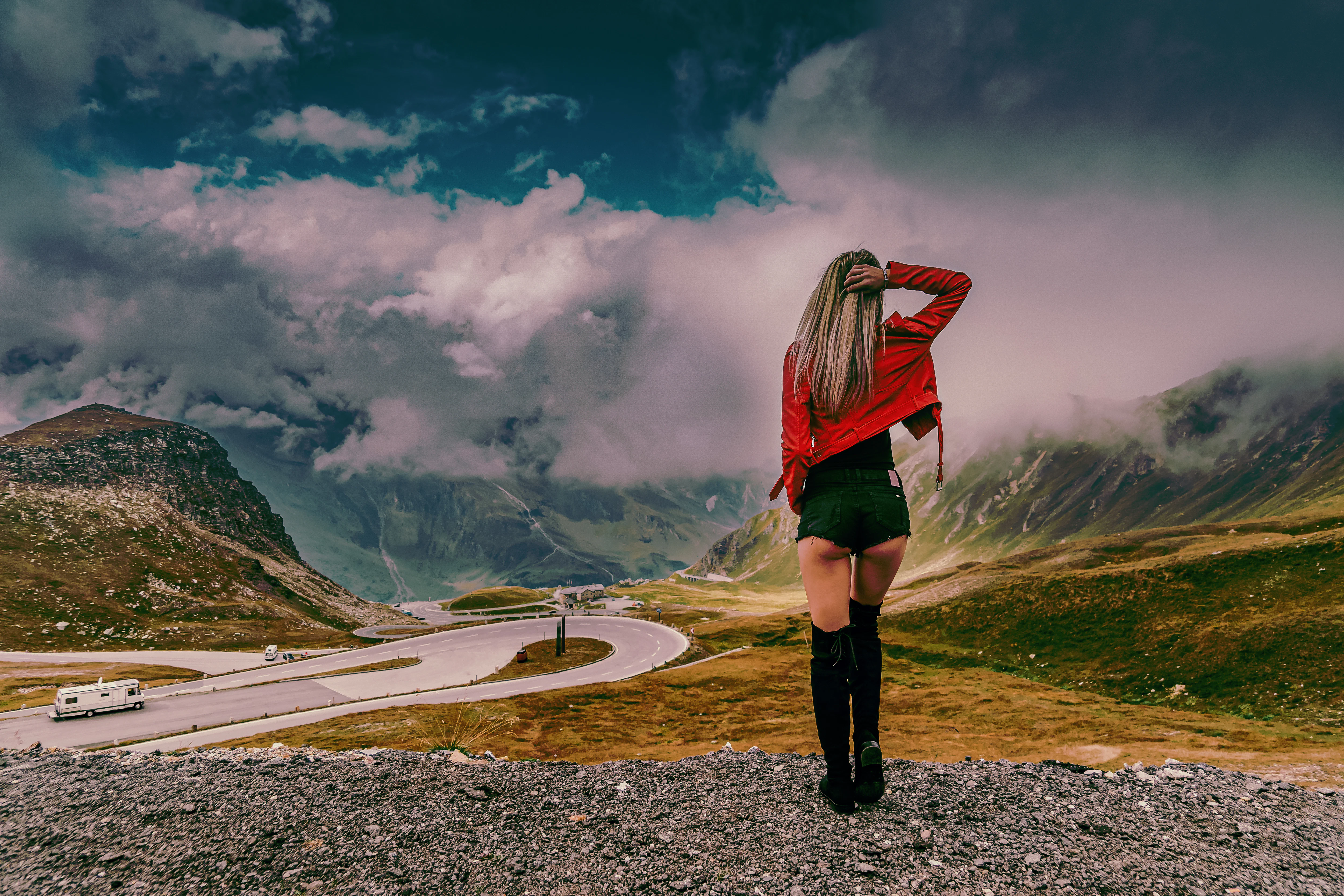
48 km panoramic road with 36 hairpin turns, viewpoints, and the Kaiser-Franz-Josefs-Höhe as the highlight.
Pasterze Glacier
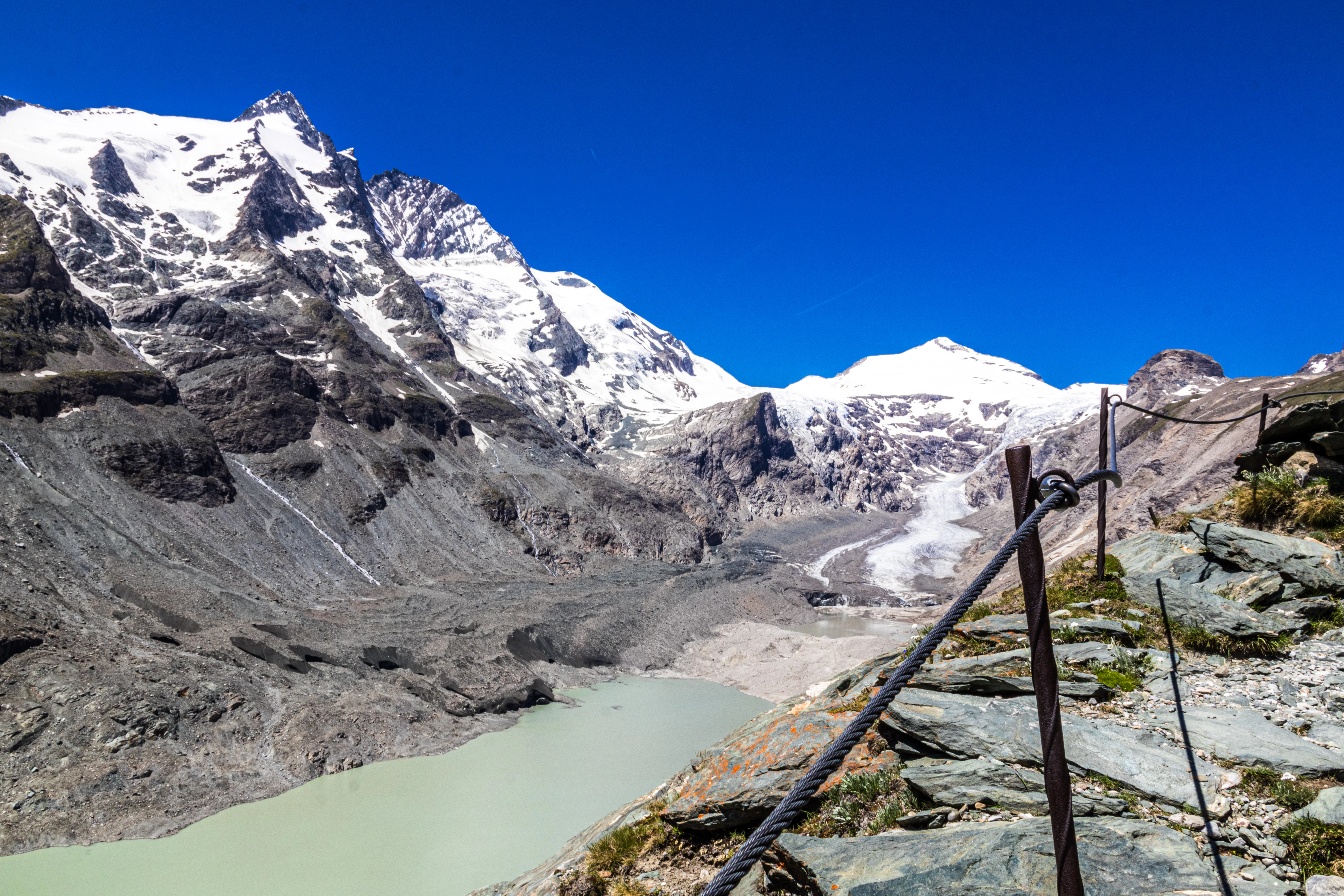
Austria's largest glacier is visible from the Kaiser-Franz-Josefs-Höhe – unfortunately steadily shrinking.
Hohe Tauern National Park
At 1,856 km², the largest national park in the Alps – ibex, bearded vultures, and marmots.
Edelweißspitze
At 2,571 m, the highest point of the High Alpine Road offers a 360° panorama over 37 three-thousanders.
Gamsgrubenweg
The spectacular high-altitude path along the glacier wall leads through tunnels and offers views of the Glockner.
Hotels in Großglockner
Compare thousands of hotels, apartments and resorts on Expedia – with price guarantee, free cancellation and reward points.
* You will be redirected to Expedia.de. Their terms of use apply.
Pauschalreisen & Rundreisen
Berge & Meer – 170 Tage Cookie
When is the best time to visit Großglockner?
The best time to visit Großglockner is Jun–Sep (High Alpine Road open approx. May–Oct). 5–15 °C at pass height In winter: Road closed, deep winter
Recommended travel time
Jun–Sep (High Alpine Road open approx. May–Oct)
Summer
5–15 °C at pass height
Winter
Road closed, deep winter
How much does a holiday in Großglockner cost?
Budget travellers: 50–80 €/day, mid-range: 90–150 €/day, luxury: 170–300 €/day.
Average costs per person per day
Budget
50–80 €
Hostel, Street food, Public transport
Mid-range
90–150 €
Hotel, Restaurant, Excursions
Luxury
170–300 €
Boutique hotel, Fine dining
How do I get from Germany to Großglockner?
Access from the north (Bruck/Fusch) or south (Heiligenblut). About 2 hours from Salzburg, about 3.5 hours from Munich. Toll road (approx. €40/car).
Book a package holiday to Großglockner
Compare thousands of package holidays to Großglockner and find the best deals with flight & hotel.
Compare package holidays nowWhat travel tips are there for Großglockner?
Insider knowledge that makes your holiday better.
Toll for the High Alpine Road: approx. €40 per car (2024) – online tickets available.
Leave early in the morning for clear visibility and less traffic.
Weatherproof clothing even in summer: It can snow at 2,500 m.
Watch marmots at the Kaiser-Franz-Josefs-Höhe – most active in the morning.
Hike to the Stockerscharten Cross: One of the most beautiful viewpoints with a view of the Glockner.
What should you eat in Großglockner?
Typical specialities in Großglockner: Pinzgauer Kasnocken, Almkäse, Kaspressknödel, Kaiserschmarrn at the hut, Speckknödel, Zirbenschnaps.
These specialties you must try!
Ready for Großglockner?
Plan your Großglockner holiday now with our free tools.
