Romania holiday
Travel tips, best time to visit & highlights for your Romania holiday in Europe
Romania is one of the last great adventures in Europe: Transylvania with its castles and bear forests, the Carpathians as a hiking paradise, the painted monasteries of Bukovina, and the Danube Delta as a natural wonder. Additionally, Bucharest is an underrated metropolis with a wild mix of architecture and a vibrant art scene – all at surprisingly affordable prices.
Capital
Bucharest
Language
Romanian
Currency
Romanian Leu (RON)
Time zone
UTC+2
Flight time from DE
approx. 2.5 hours
Entry requirements
EU identity card
Deals for Romania:
Which hotels in Romania are recommended?
Selected hotels and holiday accommodations in Romania — with images, reviews, and direct booking links with our partners.
Hilton Sibiu
Sibiu / Hermannstadt, Rumänien
Grand Hotel Continental
Bukarest, Rumänien
Sheraton Bucharest Hotel
Bukarest, Rumänien
Grand Hotel Bucharest
Bukarest, Rumänien
InterContinental Athenee Palace Bucharest, an IHG Hotel
Bukarest, Rumänien
Hotel Capital Plaza
Bukarest, Rumänien
Hotel Orizont
Predeal, Rumänien
Hotel Parliament
Bukarest, Rumänien
What are the highlights of Romania?
The best-known highlights of Romania include Bran Castle, Bucharest, Painted Monasteries of Bukovina, Carpathians, Danube Delta.
The places you absolutely must not miss.
Bran Castle
The legendary 'Dracula's Castle' in the Carpathians – a medieval fortress with a spooky history and panoramic views.
Bucharest
Contrasting capital: The huge Palace of the Parliament meets Art Nouveau villas and trendy street cafés.
Painted Monasteries of Bukovina
UNESCO World Heritage: Centuries-old monasteries with colorful exterior frescoes in the Moldavia region.
Carpathians
Europe's wildest low mountain range: Bears, wolves, lonely alpine meadows, and the Transfăgărășan Pass.
Danube Delta
Europe's second-largest river delta – a paradise for pelicans, sea eagles, and boat expeditions.
Hotels in Romania
Compare thousands of hotels, apartments and resorts on Expedia – with price guarantee, free cancellation and reward points.
* You will be redirected to Expedia.de. Their terms of use apply.
Reise-SIM für Romania
Prepaid-SIM mit Datenvolumen für Romania. Einfach einlegen und sofort lossurfen – keine Roaming-Gebühren.
* Weiterleitung zu travSIM.de. Es gelten die dortigen Nutzungsbedingungen.
Reiseversicherung abschließen
Rundum-Schutz ab 9,90 € auf TravelSecure.de
Pauschalreisen & Rundreisen
Berge & Meer – 170 Tage Cookie
When is the best time to visit Romania?
The best time to visit Romania is May–September. In summer: 25–33°C. In winter: -5–3°C.
Recommended travel time
May–September
Summer
25–33°C
Winter
-5–3°C
How much does a holiday in Romania cost?
A holiday in Romania costs roughly 25–45€ per person per day (excluding flights) on a budget, 45–90€ mid-range and 90–180€ for luxury travel.
Average cost per person per day (excluding flight)
Budget
25–45€
Hostel, street food, public transport
Mid-range
45–90€
Hotel, restaurant, excursions
Luxury
90–180€
Boutique hotel, fine dining
How long is the flight from Germany to Romania?
From Germany you reach Romania in approx. 2.5 hours.
What travel tips are there for Romania?
Insider knowledge to make your holiday better.
The Transfăgărășan Pass is only accessible from June to October – one of the most beautiful roads in the world.
Night trains between Bucharest and the capitals are cheap and save on hotel costs.
In the Danube Delta, be sure to book a boat tour with a local guide.
Romanian bread and cheese at farmers' markets are exceptionally good.
Bear watching in the Carpathians is possible with a certified guide.
What do people eat in Romania?
Typical dishes in Romania are Sarmale, Mici (Mititei), Ciorbă de burtă, Mămăligă, Cozonac, Papanași.
These dishes you must try!
Which regions and places in Romania are worth visiting?
5 regions, cities and highlights in Romania
Cities
Brașov
Brașov is the gateway to Transylvania — a picturesque Saxon founding city at the foot of the Carpathians, which fascinatingly combines Gothic churches, medieval fortifications, …
Bucharest
Bucharest, Romania's capital, was once known as the "Paris of the East" and today showcases a fascinating mix of Belle Époque palaces, brutalist concrete buildings, and an …
Cluj-Napoca
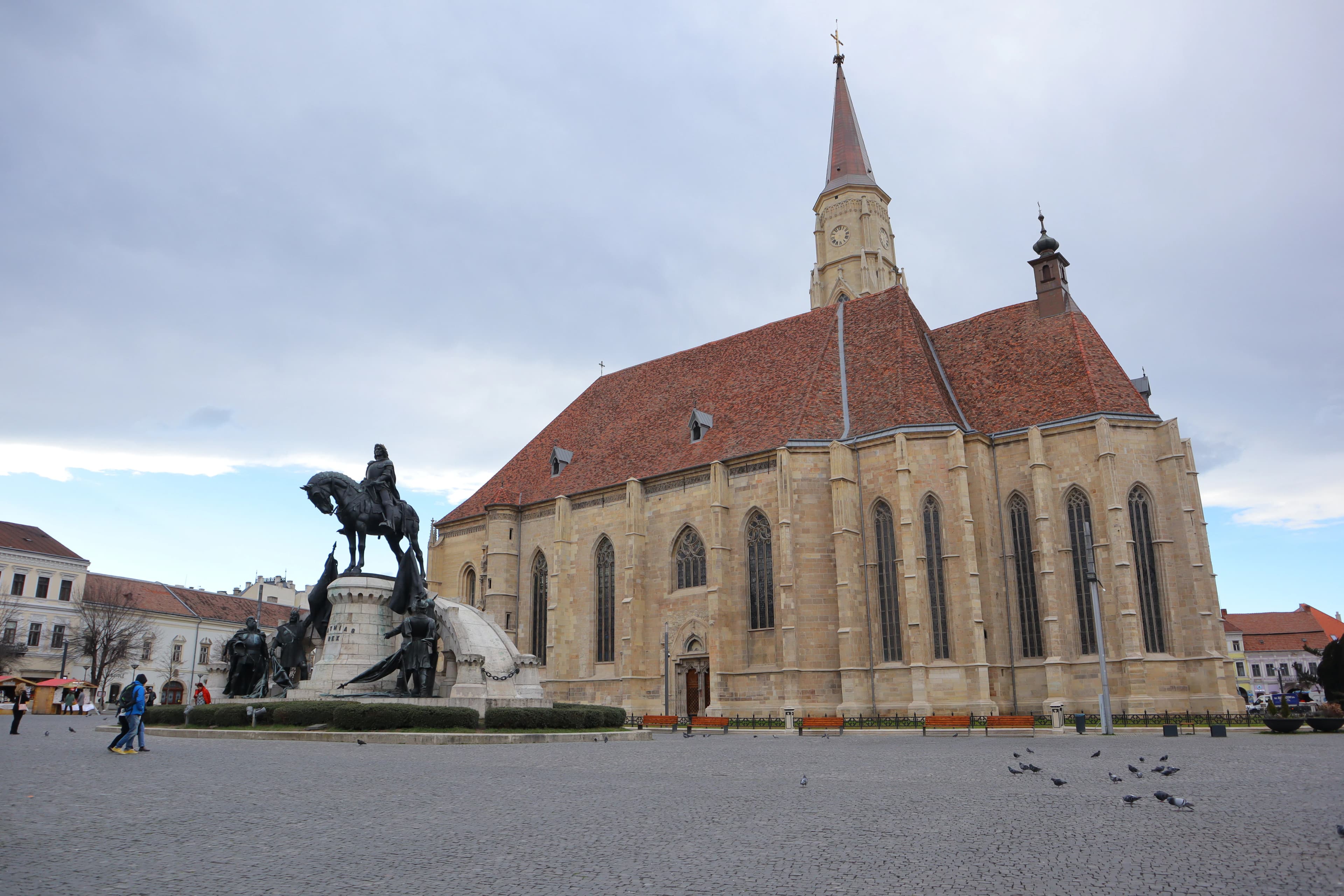
Cluj-Napoca is the unofficial capital of Transylvania and Romania's most exciting city — a young, energetic university metropolis that combines medieval architecture, a vibrant …
Sibiu (Hermannstadt)
Sibiu, in German Hermannstadt, is one of the best-preserved medieval cities in Europe and the cultural jewel of Transylvania. The former Saxon settlement at the foot of the …
Complete guide for Romania
Regions, attractions, food, routes, costs & practical tips — all in one digital guide.
Open guideReady for Romania?
Plan your Romania holiday now with our free tools.
How do I plan a holiday in Romania?
Romania is one of the most popular travel destinations in Europe, offering Nature, Budget, Adventure and much more. The best time to visit Romania is May–September, when the weather is ideal for exploration and relaxation. With a daily budget starting from 25–45€ (Budget) to 90–180€ (Luxury), Romania is suitable for various travel budgets.
From the capital Bucharest, Romania can be excellently explored. The official language is Romanian, and the currency is Romanian Leu (RON). From Germany, you can reach Romania in approx. 2.5 hours. Whether you want to try culinary highlights like Sarmale, Mici (Mititei), Ciorbă de burtă, visit top attractions, or simply enjoy the atmosphere: Romania has something for every type of traveller.
Use our free travel tools to prepare your Romania holiday perfectly. With the holiday finder, you can discover if Romania is the right destination for you. The budget calculator helps you plan costs realistically, and with the packing list, you won't forget anything.
Suitable holiday types for Romania:
More travel destinations in Europe:
All countries in Europe