Switzerland holiday
Travel tips, best time to visit & highlights for your Switzerland holiday in Europe
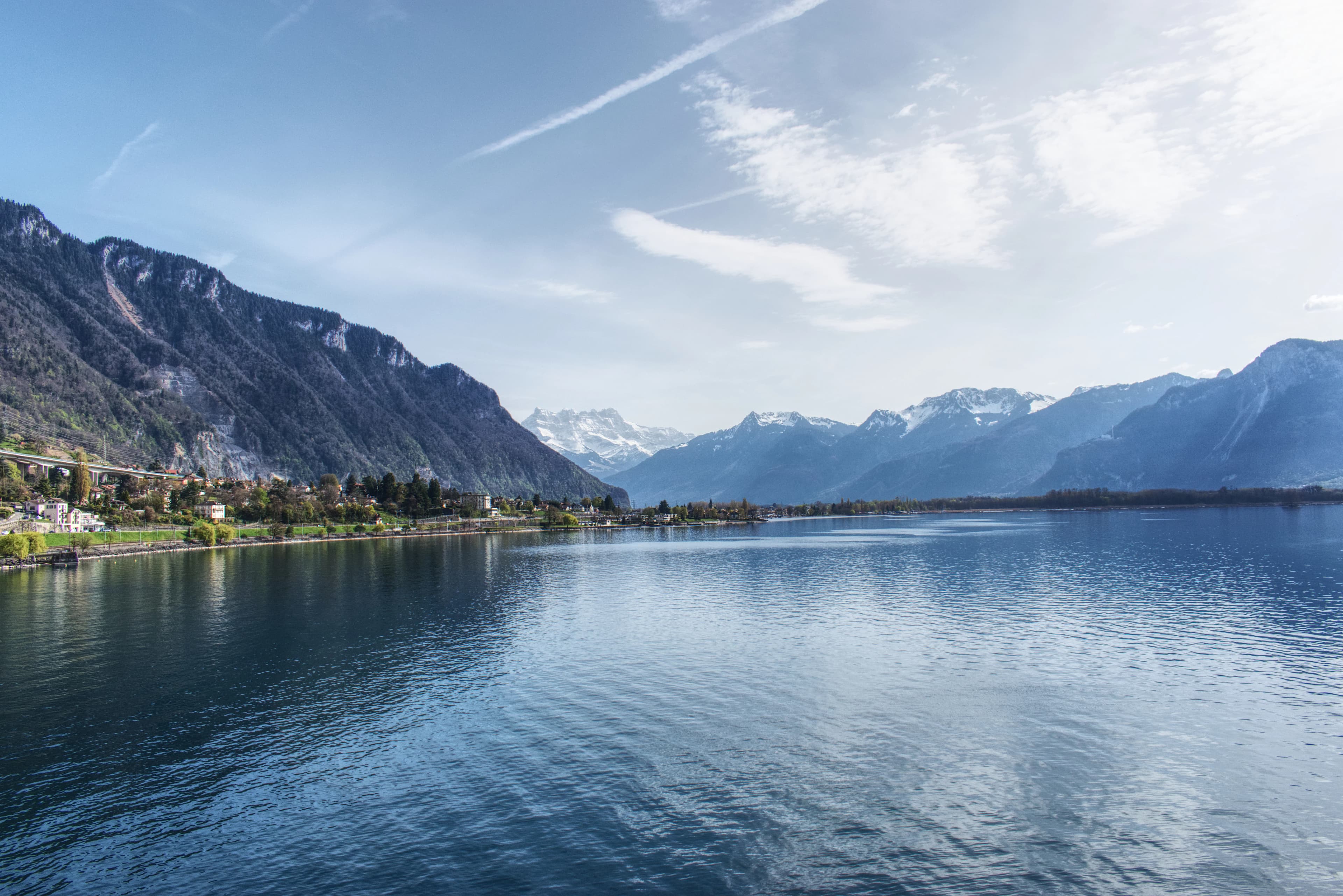
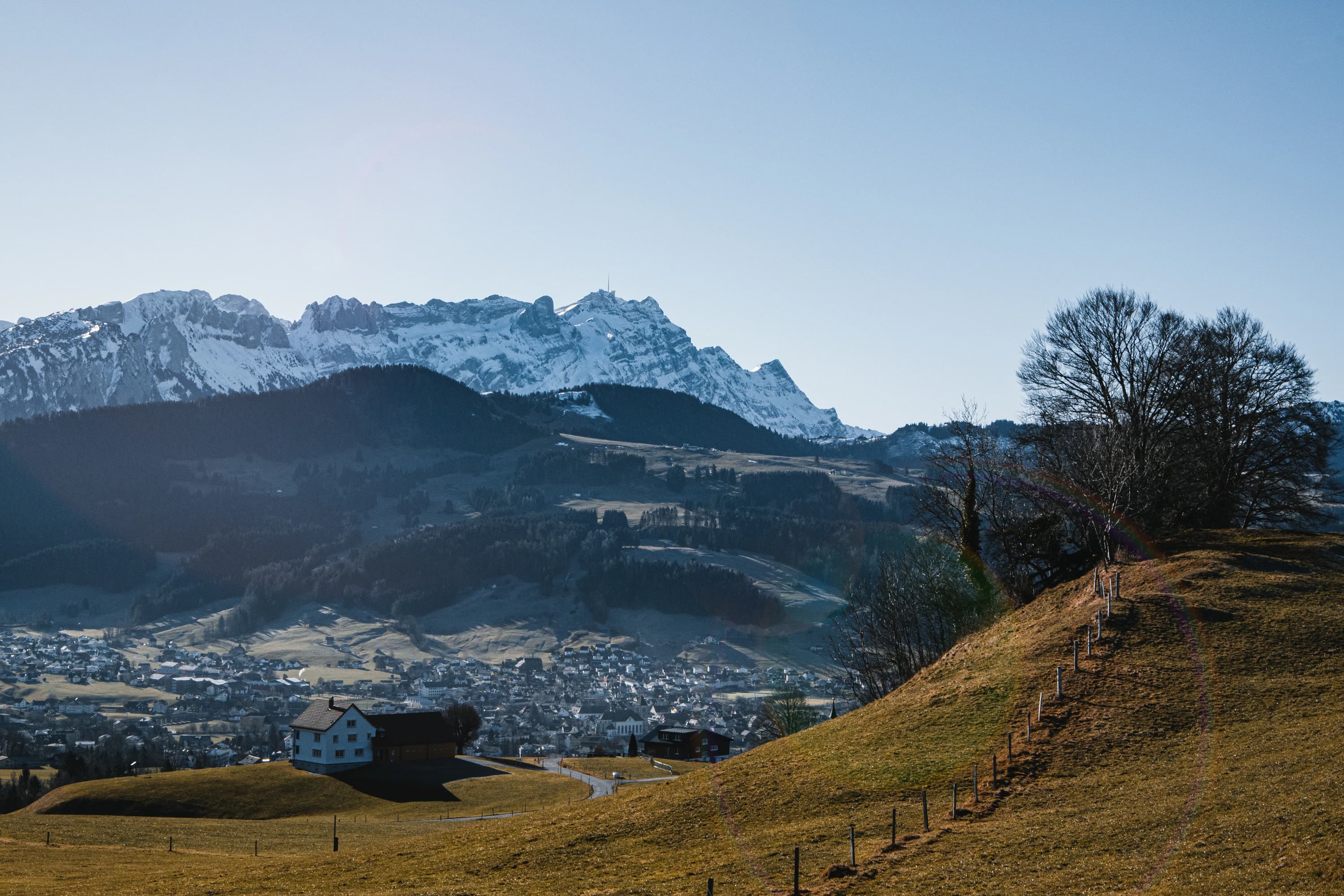
Switzerland is the postcard country of the Alps: snow-covered peaks, deep blue lakes, chocolate, cheese, and watches. The panoramic train routes are among the most beautiful in the world, connecting cities like Zurich, Lucerne, and Geneva with breathtaking nature. Expensive, but worth every cent.
Capital
Bern
Language
German, French, Italian, Romansh
Currency
Swiss Franc (CHF)
Time zone
UTC+1
Flight time from DE
approx. 1 hour (or 3-4h by train)
Entry requirements
Identity card (Schengen)
Top hotels & accommodations in Switzerland
Selected hotels and holiday accommodations in Switzerland — with images, reviews, and direct booking links with our partners.
Fairmont Hotel Le Montreux Palace
Clarens, Schweiz
Grand Hotel Villa Castagnola
Lugano, Schweiz
InterContinental Genève by IHG
Genf, Schweiz
Hotel Splendide Royal
Gentilino, Schweiz
Mandarin Oriental, Geneva
Genf, Schweiz
The Capra Saas-Fee
Saas Fee, Schweiz
The Dolder Grand
Zürich, Schweiz
AlpenGold Hotel Davos
Davos, Schweiz
Top 5 highlights in Switzerland
The places you absolutely must not miss.
Matterhorn & Zermatt
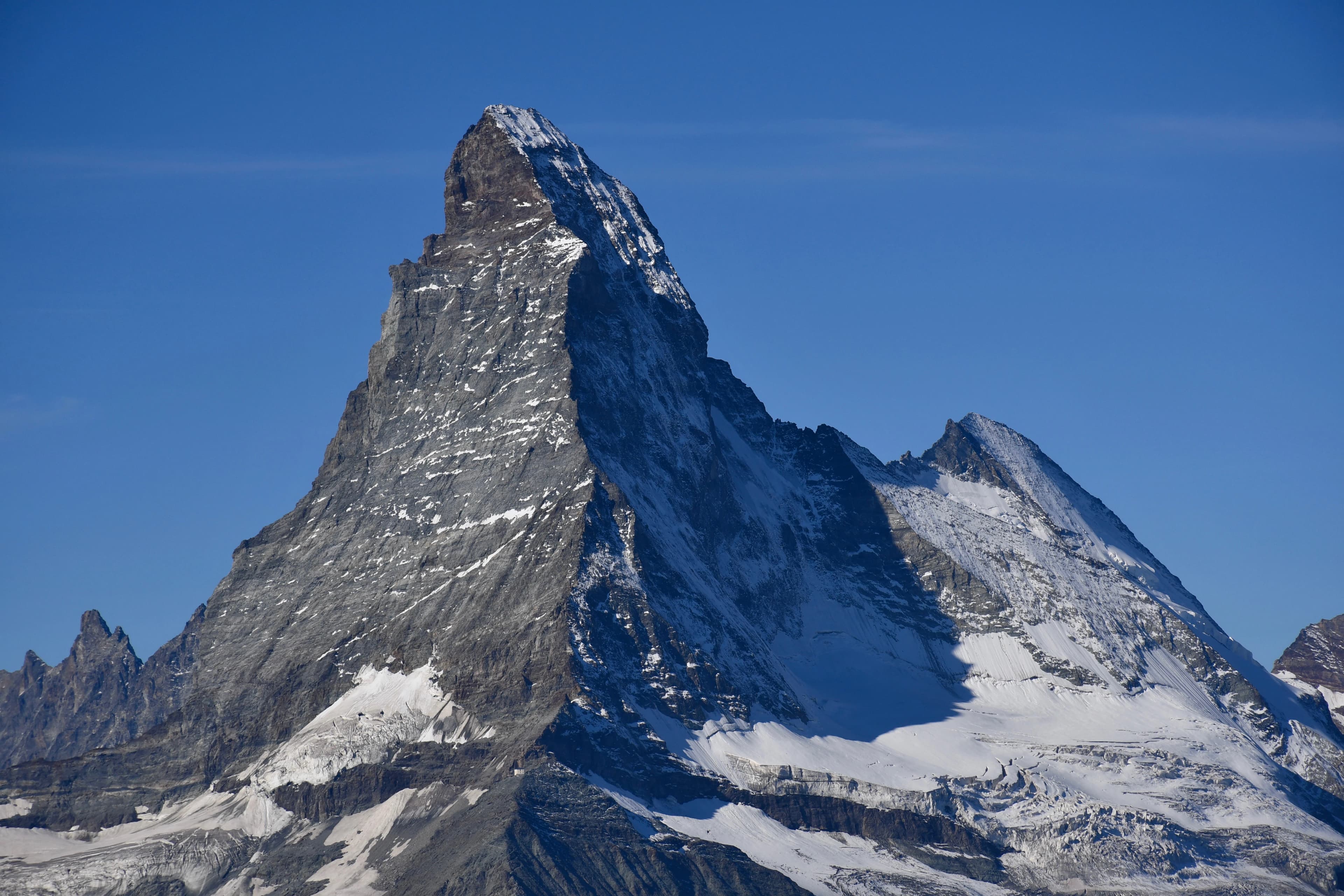
The most iconic mountain of the Alps (4,478m) and the car-free mountain village at its feet.
Lucerne & Lake Lucerne
Chapel Bridge, Lion Monument, Pilatus, and Rigi – a Swiss picture-book landscape.
Jungfraujoch
"Top of Europe" at 3,454m – accessible by cogwheel train with a view of the Aletsch Glacier.
Glacier Express
The slowest express train route in the world: 8 hours of panorama from Zermatt to St. Moritz.
Interlaken
Adrenaline capital between Lake Thun and Lake Brienz: paragliding, canyoning, and skiing.
Hotels in Switzerland
Vergleiche tausende Hotels, Apartments und Resorts auf Expedia – mit Bestpreis-Garantie, kostenloser Stornierung und Bonuspunkten.
* Weiterleitung zu Expedia.de. Es gelten die dortigen Nutzungsbedingungen.
Reise-SIM für Switzerland
Prepaid-SIM mit Datenvolumen für Switzerland. Einfach einlegen und sofort lossurfen – keine Roaming-Gebühren.
* Weiterleitung zu travSIM.de. Es gelten die dortigen Nutzungsbedingungen.
Reiseversicherung abschließen
Rundum-Schutz ab 9,90 € auf TravelSecure.de
Pauschalreisen & Rundreisen
Berge & Meer – 170 Tage Cookie
Best time to visit Switzerland
Recommended travel time
June–September (hiking), December–March (skiing)
Summer
18–28°C
Winter
-5–5°C
How much does a holiday in Switzerland cost?
Average cost per person per day (excluding flight)
Budget
100–150€
Hostel, street food, public transport
Mid-range
150–250€
Hotel, restaurant, excursions
Luxury
250–500€
Boutique hotel, fine dining
5 travel tips for Switzerland
Insider knowledge to make your holiday better.
Swiss Travel Pass saves a lot on trains, buses, and boats
Tap water is drinkable everywhere and of excellent quality
Supermarket chains Migros and Coop for affordable food
Hiking trails are perfectly marked – follow the yellow signs
Order fondue only in the cold season – a Swiss tradition
Food & drink in Switzerland
These dishes you must try!
Discover Switzerland
30 regions, cities and highlights in Switzerland
Cities
Arosa
Arosa is a picturesque spa resort at 1,800 m altitude in Graubünden and one of the sunniest ski resorts in Switzerland. The Arosa Lenzerheide ski area offers 225 kilometers of slopes and the unique Arosa Bear Land — a bear sanctuary where rescued bears live in a natural environment. The journey with the Rhaetian Railway through the Schanfigg Valley gorge is one of the most dramatic train routes in Switzerland. In summer, Arosa is a paradise for hikers and mountain bikers.

Davos
Davos is the highest town in Europe at 1,560 meters and combines world politics with alpine lifestyle. Known for the World Economic Forum, the place offers much more: 300 kilometers of slopes across six ski areas, a legendary cross-country ski trail, and the largest natural ice rink in Europe. Thomas Mann immortalized the town with his novel "The Magic Mountain." The combination of a sophisticated spa resort atmosphere, athletic excellence, and healthy mountain air makes Davos a unique alpine resort.

Engelberg
Engelberg is a charming monastery village in Central Switzerland, dominated by the imposing Titlis at 3,238 meters. The Benedictine monastery from the 12th century gives the place a special spiritual atmosphere, while the world's first rotating cable car — the Titlis Rotair — takes visitors to the eternal glacier. The ski area offers over 80 kilometers of slopes with freeride runs that are among the best in Switzerland. In summer, the alpine meadows transform into a hiking paradise with views of Trübsee and the surrounding three-thousand-meter peaks.

Grindelwald
Grindelwald is located in a breathtaking valley basin at the foot of the notorious Eiger North Face and is one of the most famous mountain villages in Switzerland. Since the 19th century, the 'Glacier Village' has attracted travelers from all over the world – initially the British pioneers of alpinism, then generations of skiers, hikers, and nature lovers who cannot get enough of the dramatic backdrop of Eiger, Mönch, and Jungfrau. The spectacular Eiger Express cable car, opened in 2020, takes guests from Grindelwald Terminal to Eigergletscher in just 15 minutes and revolutionizes access to Jungfraujoch – the 'Top of Europe' at 3,454 meters, the highest railway station in Europe. First – Grindelwald's local mountain – offers an adrenaline package of superlatives with the First Flyer (zip line over the lake), the First Glider (eagle flight), the Trottibike (mountain cart descent), and the Cliff Walk (glass walkway over the abyss). In winter, the ski areas First and Kleine Scheidegg-Männlichen are connected to the Jungfrau Ski Region and offer 213 kilometers of slopes against the most spectacular mountain backdrop of the Alps. The Pfingstegg toboggan run and the Gletscherschlucht – a walkable gorge with towering ice formations in winter – delight families. Grindelwald's village center with its dark brown chalets, cozy restaurants, and the view of the looming Eiger North Face is unforgettable. German travelers can easily reach Grindelwald via Bern and Interlaken.
Lauterbrunnen
The Lauterbrunnen Valley is one of the deepest valleys in the Alps and, with its 72 waterfalls cascading down vertical rock faces, has already inspired J.R.R. Tolkien to create Rivendell in 'The Lord of the Rings'. The village of Lauterbrunnen is located at 795 meters in the heart of the Bernese Oberland and serves as a gateway to some of Switzerland's most iconic places: Jungfraujoch, Schilthorn, Mürren, and Wengen. The Staubbach Falls, which plunge 297 meters freely over the rock face, inspired Goethe to write his poem 'Song of the Spirits over the Waters'. The Trümmelbach Falls are even more spectacular: Ten glacial waterfalls thunder down inside the mountain through gorges and whirlpools – they are the only underground waterfalls in Europe accessible by elevator. High above the valley, the car-free Mürren sits on a rocky terrace with the famous Schilthorn revolving restaurant Piz Gloria, known from the James Bond film 'On Her Majesty's Secret Service'. In winter, Lauterbrunnen is the starting point for the ski areas Mürren-Schilthorn and Wengen-Kleine Scheidegg-Männlichen with legendary runs like the Lauberhorn race. In summer, the valley attracts hikers, paragliders, and base jumpers – the vertical rock faces make Lauterbrunnen the base jumping capital of the world. The hike from Mürren along the flower path to Allmendhubel offers one of the most beautiful mountain panoramas in Switzerland. The journey leads via Interlaken and is particularly appealing by train.

Locarno
Locarno on the northern shore of Lake Maggiore is the sunniest city in Switzerland and the venue for the famous International Film Festival. The Piazza Grande — one of the most beautiful squares in Switzerland — transforms into an open-air cinema with 8,000 spectators in August. The historic old town, the pilgrimage church Madonna del Sasso above the city, and the subtropical vegetation give Locarno an almost Mediterranean flair in Switzerland.

Saas-Fee
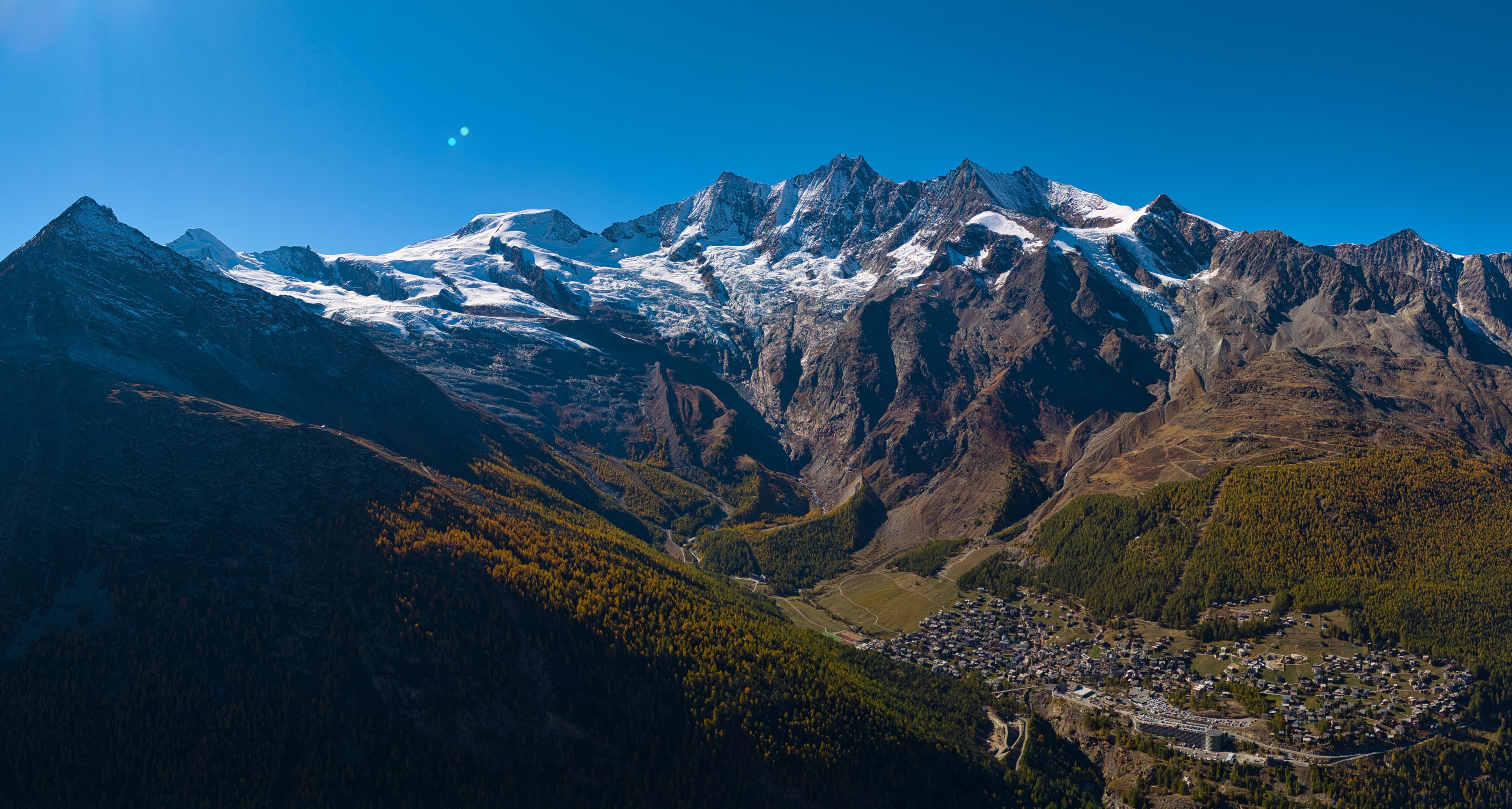
Saas-Fee, the "Pearl of the Alps," is a car-free mountain village in the Valais, surrounded by a ring of thirteen peaks over 4,000 meters – a density of summits that is unique in the Alps. The village, located at an altitude of 1,800 meters, has preserved its original character with old Valais wooden chalets and weathered barns on stilts, while also offering modern infrastructure that delights visitors year-round. Cars must remain in the parking garage at the village entrance – Saas-Fee is explored on foot or by the free electric bus. This car-free environment grants the place a heavenly tranquility, where one can only hear the crunching of snow under hiking boots and the distant rumble of an avalanche. The Allalin Glacier allows skiing into the summer, and the Metro Alpin – the highest underground railway in the world at 3,500 meters – takes winter sports enthusiasts under the glacier to the Mittelallalin station with the Ice Pavilion, the largest walkable glacier cave in the world. In summer, the Saas-Fee Experience Pass entices with 18 different attractions: via ferratas, the longest zip line in the world over the Feebach Gorge, a high ropes course, and guided glacier hikes. The Hannig sun terrace offers perhaps the most beautiful sunset in the Valais with a view of the Dom massif (4,545 m), the highest mountain entirely on Swiss soil. For German guests, the journey is via Bern or the Simplon – a bit further, but the seclusion is part of the charm.
Wengen
Wengen is a car-free mountain village on a sun terrace above the Lauterbrunnen Valley and part of the legendary Jungfrau region. The Lauberhorn races — the most traditional downhill race in the Ski World Cup — take place here every January. The view of Eiger, Mönch, and Jungfrau is breathtaking, and the cogwheel train to Jungfraujoch — the highest railway station in Europe — starts just above Wengen. The car-free village preserves alpine charm from another time.
Zürich
Zürich, the largest city in Switzerland, combines medieval old town romance with cosmopolitan openness and a breathtaking location by the lake of the same name against the backdrop of the Alps. Bahnhofstraße, one of the most exclusive shopping streets in the world, runs straight from the main train station to the lake, lined with luxury boutiques, Swiss watch shops, and traditional confectioneries like Sprüngli, where the finest Luxemburgerli have been enjoyed since 1836. The old town is divided into Niederdorf (the lively nightlife district with bars, restaurants, and galleries) and the quieter Oberdorf with the Romanesque Grossmünster, which towers over the Limmatquai. From the two towers, one can overlook the entire city up to the Alps. The Fraumünster houses the famous stained glass windows by Marc Chagall, while St. Peter's Church has the largest clock face in Europe. The Kunsthaus Zürich is one of the most significant art museums in Europe, featuring works by Giacometti, Munch, Monet, and Picasso — the extension opened in 2021 by David Chipperfield has doubled the exhibition space. At Lake Zurich, swimming facilities like Seebad Enge and Fraünbadi invite for a swim, while steamships sail across the lake to Rapperswil. Uetliberg, Zurich's local mountain, is reachable in 20 minutes by S-Bahn and offers a 360-degree panorama from the Alps over the lake to the Black Forest. Zurich's nightlife in districts 4 and 5 (Langstraße, Viadukt) surprises with a density of clubs, craft beer bars, and international cuisine. As the financial capital of Switzerland and an innovation center (ETH Zurich, Google Campus), the city pulses with an energy that goes far beyond the clichéd banking image.

Bern
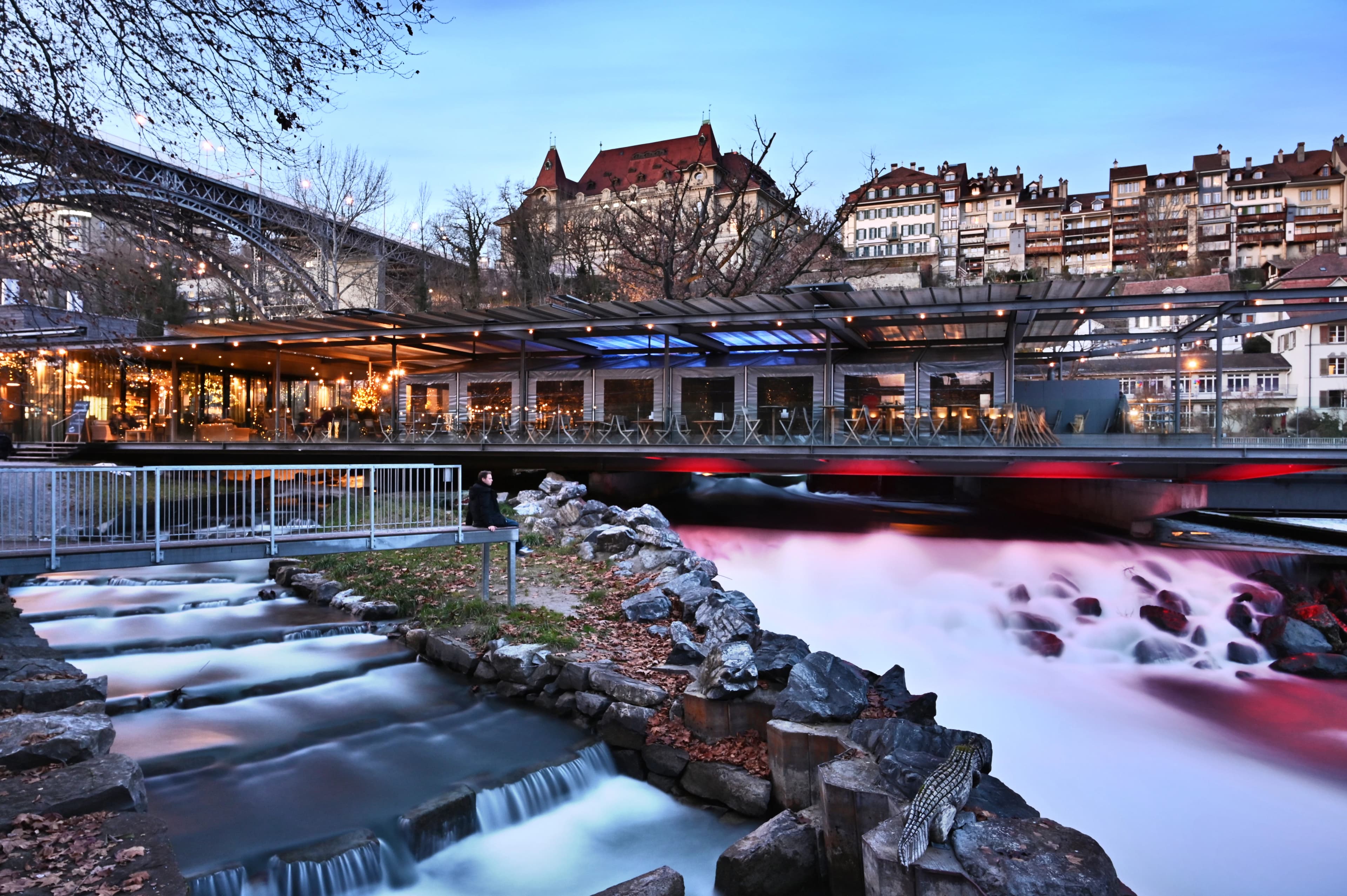
Bern, the federal city of Switzerland, is an underrated gem among European capitals. The completely preserved medieval old town has been a UNESCO World Heritage Site since 1983 and impresses with six kilometers of arcades — the longest covered shopping arcades in Europe. Under the sandstone arcades, boutiques, antique shops, and coffee houses line up, while the Zytglogge tower with its astronomical clock has been striking the hours since 1530. The Aare encircles the old town in a distinctive loop and invites swimming in the river during summer — a unique experience in the heart of a capital city. The turquoise-green water carries swimmers from the Marzilibad through the city, past the Federal Palace with its imposing dome. The Rose Garden above the Bear Park offers the most beautiful panoramic view over the old town with its red roofs and the cathedral, whose 100-meter high tower is the tallest church tower in Switzerland. The Zentrum Paul Klee, a masterpiece by Renzo Piano, houses the world's largest collection of the artist who grew up in Bern. The Bern Historical Museum with the Einstein exhibition reminds us that Albert Einstein developed his theory of relativity in Bern — his apartment at Kramgasse 49 is now a museum. The Bear Park on the banks of the Aare honors Bern's heraldic animal in a naturalistic setting. With the Gurten, Bern's local mountain, a popular recreational area is just a short funicular ride away. Bern combines global politics, cultural treasures, and quality of life with a coziness that larger capitals lack.

Lucerne
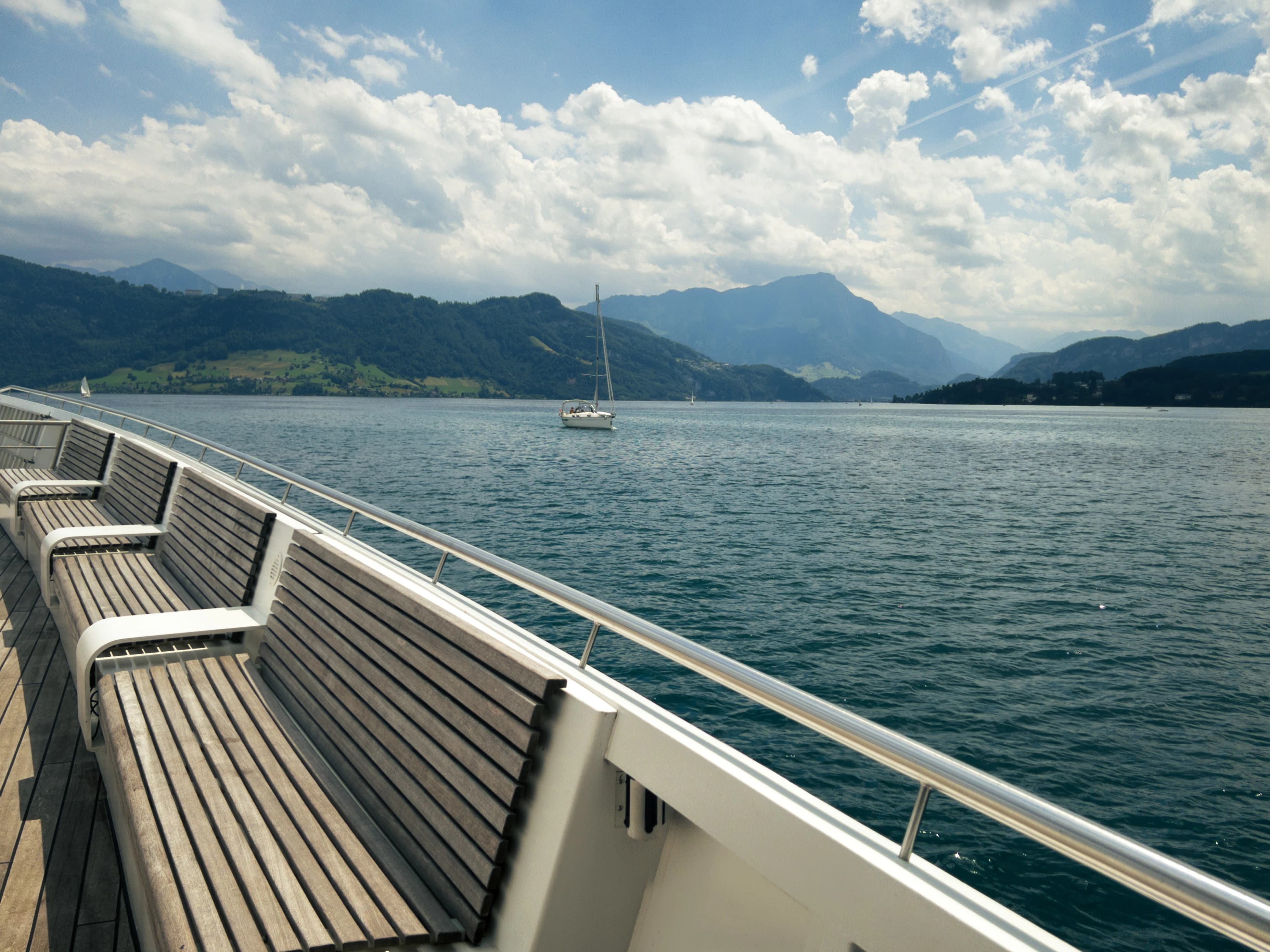
Lucerne on Lake Lucerne is the postcard ideal image of Switzerland: Snow-covered Alps reflect in the crystal-clear lake, medieval bridges cross the turquoise-green Reuss, and the charming old town enchants with painted facades and car-free alleys. The Chapel Bridge, Europe's oldest covered wooden bridge from the 14th century, is Lucerne's landmark — inside, triangular paintings from the 17th century adorn the gables. The Lion Monument, described by Mark Twain as the saddest and most moving piece of stone in the world, commemorates the Swiss Guards who fell in Paris in 1792. The Swiss Transport Museum is the most visited museum in the country and delights with historical locomotives, airplanes, a planetarium, and an IMAX cinema — perfect for families. The true magic of Lucerne lies in its location as a gateway to the Alps. Mount Pilatus (2,132 meters) is accessible by the steepest cogwheel railway in the world and offers a panorama of 73 peaks. The Rigi, Queen of the Mountains, can be reached by cogwheel train or cable car and has been a tourist destination since the 19th century. Steamboat trips on Lake Lucerne with the historic paddle steamers are among the most beautiful boat tours in Europe. Lucerne's cultural scene offers world-class acoustics at the KKL (Culture and Congress Center by Jean Nouvel) and the Blue Balls Festival in summer. The city combines Swiss precision with a coziness that one often does not associate with the country.
Geneva
Geneva is the international city of Switzerland and one of the most cosmopolitan metropolises in Europe. As the seat of the United Nations, the Red Cross, the World Health Organization, and over 200 other international organizations, diplomats, scientists, and world improvers shape the city's image, alongside the traditional watchmaking craft and French lifestyle. The Jet d’Eau, the 140-meter high water fountain in Lake Geneva, is the unmistakable landmark of the city and visible from almost every point in Geneva. The old town around the Cathedral of Saint Pierre sits on a hill above the lake and surprises with winding alleys, antique shops, and the Maison Tavel, the oldest private house in the city. The Quartier des Bains has developed into a vibrant art district, with the MAMCO (Museum of Modern and Contemporary Art) as its centerpiece. The Rue du Rhône and Rue du Marché are among the most exclusive shopping streets in Europe — after all, Geneva is the birthplace of Rolex, Patek Philippe, and Vacheron Constantin. The Palais des Nations, the European seat of the UN, can be visited and offers insights into world diplomacy in an impressive Art Deco building with a view of Mont Blanc. CERN, the largest particle physics laboratory in the world, is located on the outskirts and publicly accessible exhibitions explain the secrets of the universe. The Parc des Bastions with the monumental Reformation Monument recalls Geneva's role as the 'Protestant Rome' under John Calvin. Carouge, the 'Greenwich Village of Geneva,' impresses with Italian flair, artists' studios, and lively markets. Geneva is not a cozy city — it is ambitious, elegant, and open-minded, with Mont Blanc always on the horizon.

Basel
Basel is located at the tri-border area of Switzerland, Germany, and France and is the undisputed cultural capital of Switzerland. With over 40 museums in close proximity — including the Fondation Beyeler, the Kunstmuseum Basel (the oldest public museum in the world), and the Vitra Design Museum just across the border — the city has the highest museum density in the country. Art Basel, the most important art fair in the world, transforms the city every June into the epicenter of the international art market. The old town on both sides of the Rhine captivates with its medieval charm: The red Town Hall at the market square, the Romanesque-Gothic cathedral with its colorful roof tiles, and the view from the Pfalz terrace over the Rhine are among the most beautiful city views in Switzerland. Architecture fans will be fully satisfied in Basel — buildings by Herzog & de Meuron, Renzo Piano, Zaha Hadid, and Tadao Ando shape the cityscape and make Basel an open-air museum of contemporary architecture. Swimming in the Rhine is Basel's favorite summer tradition: With the Wickelfisch, a waterproof swimming bag, the people of Basel float downstream through the city from the Tinguely Museum. The ferries — cable-operated boats powered only by the current — have connected Kleinbasel and Grossbasel for centuries. The Basler Fasnacht, the largest in Switzerland, begins on the Monday after Ash Wednesday at exactly four in the morning with the Morgestraich: Lanterns illuminate the dark alleys, drums and piccolo flutes fill the city. Basel is not a loud metropolis, but a cultured Rhine city of international stature.
Interlaken
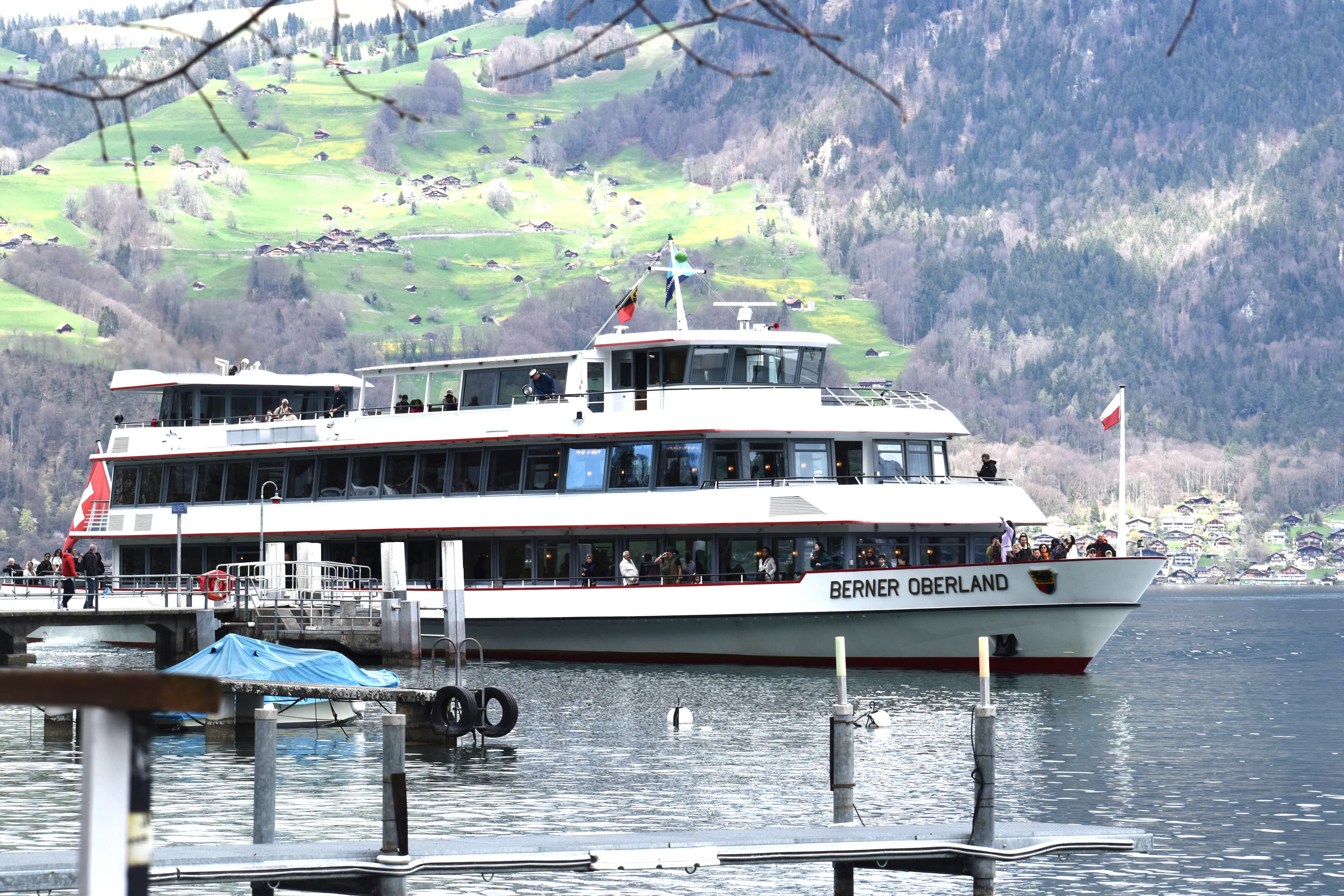
Interlaken, nestled between the emerald green Lake Thun and the deep blue Lake Brienz, is the gateway to the majestic Jungfrau region and one of the most spectacular alpine panoramas in Switzerland. The Höhematte, a large meadow in the city center, offers an unobstructed view of the snow-covered Jungfrau (4,158 m), the Mönch, and the Eiger — a backdrop that has attracted travelers from all over the world since the 19th century. The Jungfraujoch, at 3,454 meters the highest railway station in Europe, is the highlight of the region: The cogwheel train travels through the interior of the Eiger up to a viewing platform overlooking the Aletsch Glacier, the longest glacier in the Alps. The Harder Kulm, Interlaken's local mountain, offers a viewing platform that hovers 1,322 meters above the two lakes — particularly breathtaking at sunset. Interlaken is the adventure capital of Switzerland: paragliding over the lakes, canyoning in gorges, bungee jumping from the Stockhorn Bridge, or white-water rafting on the Lütschine are all part of the standard program. The nearby Lauterbrunnen Valley, with its 72 waterfalls, inspired Tolkien for the Elven realm of Rivendell. Grindelwald provides access to the First Cliff Walk and the Eiger Trail. In winter, the region transforms into a top-notch ski area. A boat trip on Lake Thun with views of medieval castles like Oberhofen and Spiez is the relaxed alternative.
Zermatt
Zermatt is the legendary mountain village at the foot of the Matterhorn (4,478m), perhaps the most famous and photographed mountain in the world. The car-free village at an altitude of 1,620 meters has preserved its alpine character: electric taxis and horse-drawn carriages shape the streetscape, while the Matterhorn looms like a stone pyramid over the traditional Valais wooden houses. Anyone arriving in Zermatt immediately understands why this place has magnetically attracted climbers, skiers, and nature lovers from all over the world for over 150 years. The Zermatt-Cervinia ski area is the highest and largest summer ski area in the Alps. With 360 kilometers of slopes extending into Italy and guaranteed snow from October to May, it ranks among the absolute world elite. The Matterhorn Glacier Paradise at 3,883 meters is the highest mountain station in Europe and offers a panorama of 38 peaks over 4,000 meters as well as an ice palace deep within the glacier. The Gornergrat Railway, one of the steepest cogwheel railways in the world, takes 33 minutes to reach 3,089 meters and reveals the legendary view of Monte Rosa, the Gorner Glacier, and the ever-present Matterhorn. In summer, a network of over 400 kilometers of hiking trails opens up the alpine dream landscape — the 5-Lakes Hike, where the Matterhorn is reflected in five different mountain lakes, is considered one of the most beautiful hikes in the Alps. The mountaineering museum and the cemetery with the graves of fallen climbers remind visitors of the dramatic first ascent of the Matterhorn in 1865. Zermatt is not just a ski resort — it is a myth of rock and ice.

St. Moritz
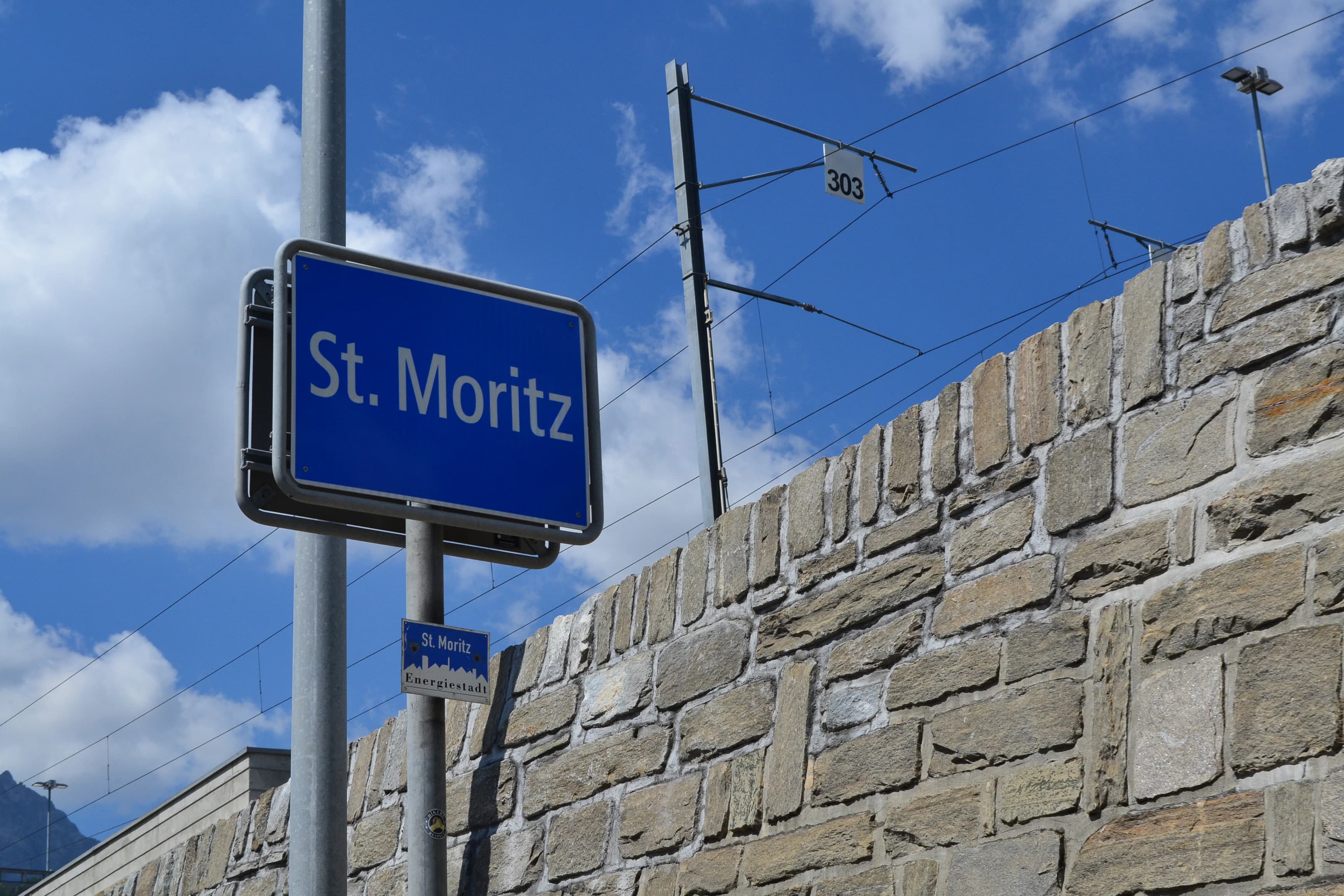
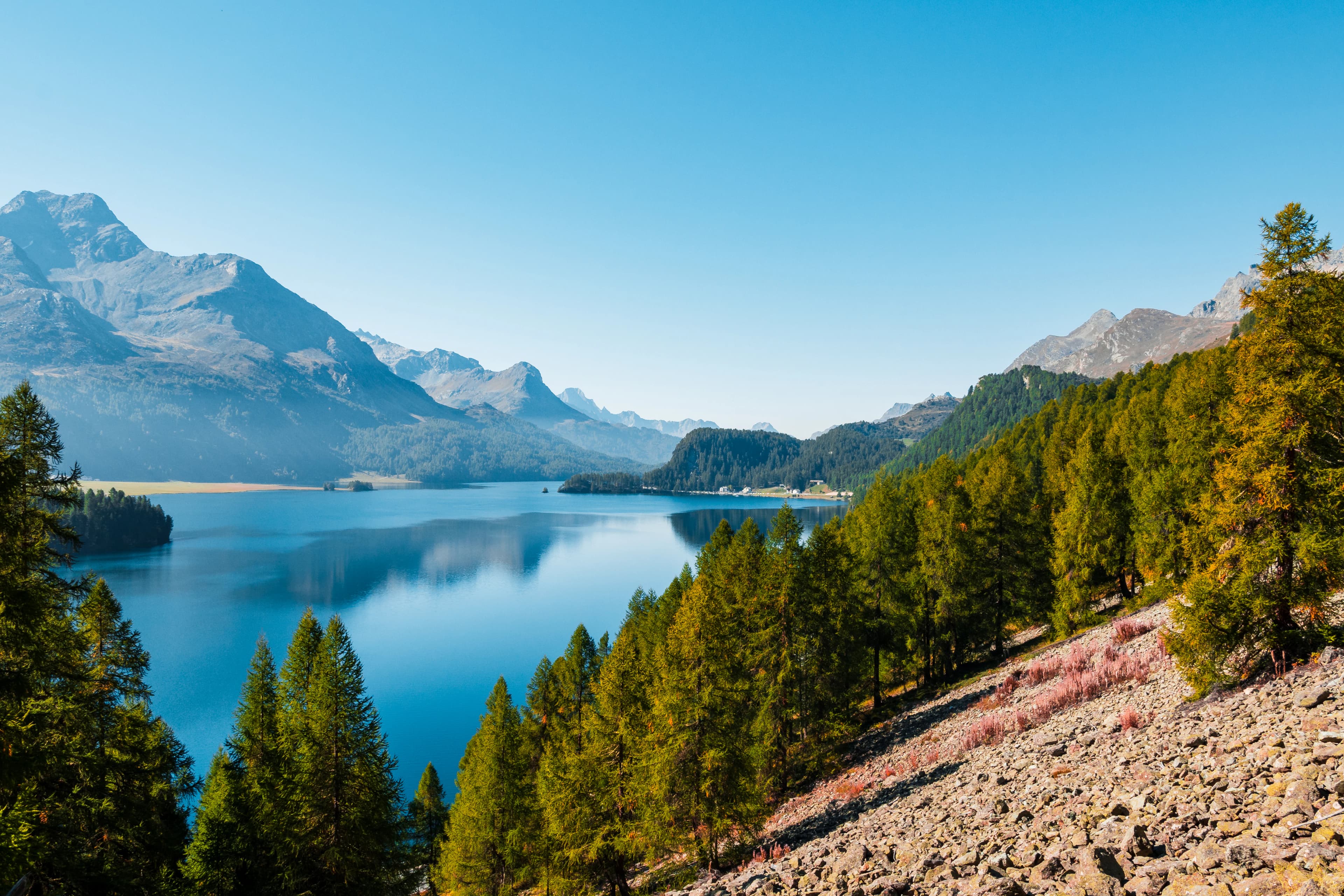
St. Moritz is the epitome of luxury winter sports and is considered the birthplace of alpine winter tourism. Since 1864, when hotelier Johannes Badrutt persuaded English summer guests to stay in winter with a bet, this Engadin mountain village at 1,822 meters has developed into the most glamorous winter destination in the world. The Olympic Winter Games were held here twice (1928 and 1948), and the name St. Moritz is now a globally protected brand that stands for exclusivity, snow, and a champagne atmosphere. The Corviglia-Marguns-Piz Nair ski area offers 155 kilometers of slopes with perfectly groomed runs and a panorama that stretches from the Bernina group to the Engadin lakes. The "Corvatsch Freeride" slope and the Diavolezza area attract freeriders with powder slopes and glacier descents. But St. Moritz is much more than just skiing: Polo on the frozen lake, horse racing on ice (White Turf), bobsled runs on the only natural bobsled track in the world (Olympia Bob Run), and cricket tournaments in the snow make winter a major social event. In summer, St. Moritz transforms into a paradise for hikers, mountain bikers, and water sports enthusiasts. The famous Maloja wind makes Lake Silvaplana the highest kite spot in Europe. The Segantini hut, the Muottas Muragl high-altitude hike, and the Philosopher's Path at Lake Sils offer alpine experiences without the crowds. The Rhaetian Railway, a UNESCO World Heritage site, spectacularly connects St. Moritz with Ticino over the Bernina Pass. The segment Hotel Badrutt’s Palace, Kulm Hotel, and Suvretta House are among the most legendary establishments in the hospitality industry. St. Moritz is not an ordinary ski destination — it is a way of life at 1,822 meters.

Lugano
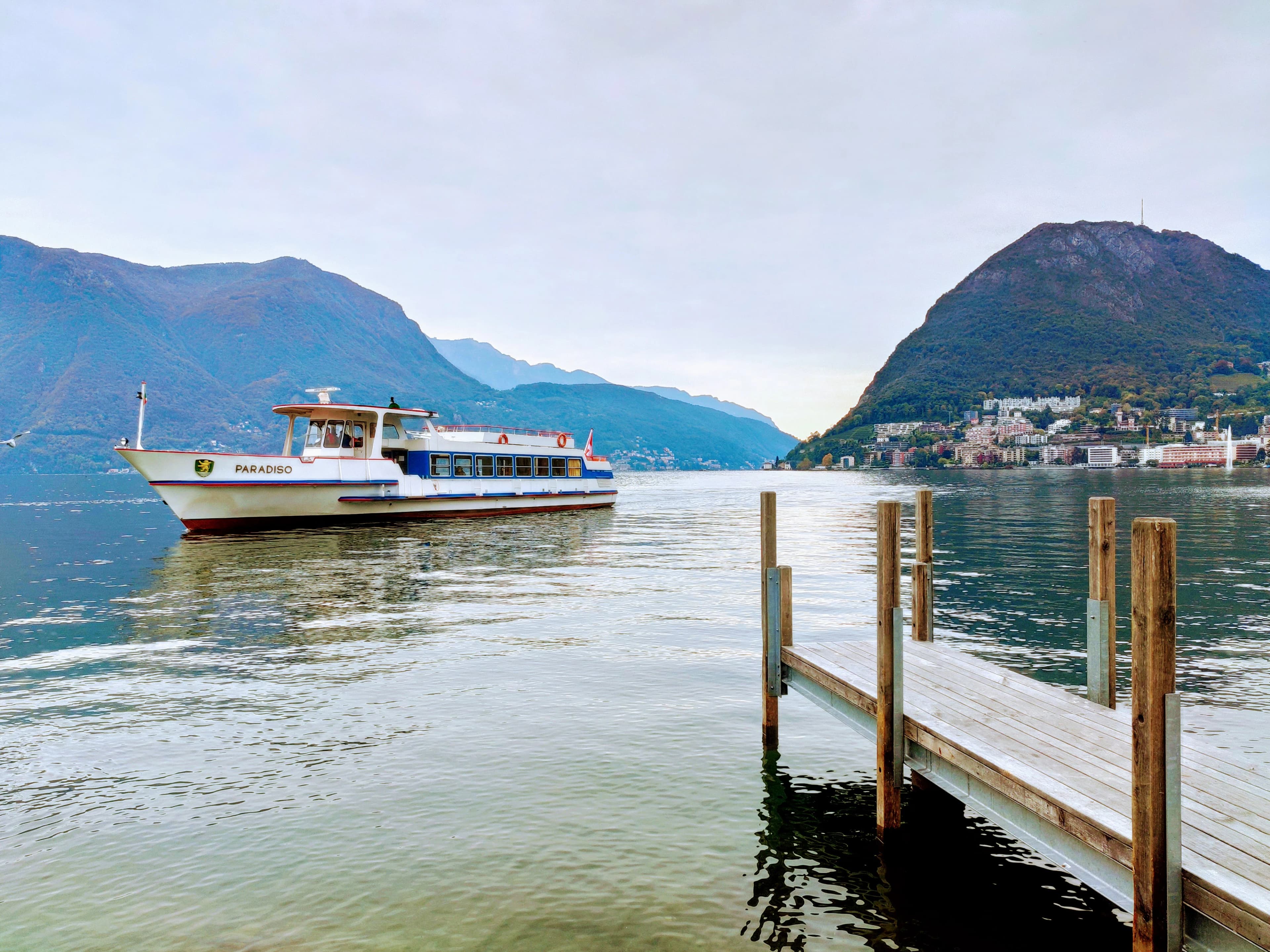
Lugano is the largest city in Ticino and uniquely combines Mediterranean lifestyle with Swiss perfection. The city hugs the shores of Lake Lugano, framed by the local mountains Monte Brè and Monte San Salvatore, and exudes an atmosphere that feels more like Northern Italy than the Alpine Republic, with its palm-lined promenades, piazzas, and Grotti. Here, Italian is spoken, espresso is enjoyed at the bar, and the Dolce Vita is fully embraced. The car-free old town around Piazza della Riforma captivates with elegant arcades, boutiques, and cafés. The LAC Lugano Arte e Cultura on the lakeshore is one of the most significant cultural centers in Southern Switzerland. The Parco Ciani right by the lake invites visitors to stroll through its subtropical gardens and ancient trees, offering a postcard-worthy view of the mountain backdrop. A funicular takes you to Monte Brè (925m), the sunniest mountain in Switzerland, or to Monte San Salvatore (912m), whose summit terrace offers a 360-degree panorama over the lake, the Alps, and Pöbene. The Olive Trail from Gandria to Lugano leads through Mediterranean vegetation along the lake. Boat tours reveal picturesque villages like Morcote, which is considered the most beautiful village in Switzerland with its church Santa Maria del Sasso. Lugano is attractive year-round but reveals its full charm from April to October — ideal for those who want to combine Swiss reliability with Italian joie de vivre.
Montreux
Montreux is the pearl of the Swiss Riviera and unfolds a charm on the eastern shore of Lake Geneva that has captivated artists, musicians, and nobility since the 19th century. The city is world-famous for the Montreux Jazz Festival, which attracts over 250,000 visitors every July and has brought legends like Miles Davis, Prince, and David Bowie to the stage since 1967. Freddie Mercury spent his last years in Montreux — his monument on the lakeside promenade is now a pilgrimage site for Queen fans from around the world. The lakeside promenade stretches for several kilometers between Vevey and Château de Chillon, lined with palm trees, subtropical flower beds, and Belle Époque hotels. Château de Chillon, picturesque on a rock in the lake, is the most visited historical building in Switzerland and inspired Lord Byron to write his poem "The Prisoner of Chillon." Visiting the medieval fortress with its dungeons, banquet halls, and views over the lake is an absolute must. The cogwheel train to Rochers de Naye (2,042m) offers a spectacular panorama over the entire Lake Geneva and the Valais Alps. At the top, alongside the alpine garden, there is also a marmot park. The nearby vineyards of Lavaux, a UNESCO World Heritage site since 2007, rise in steep terraces from the lake to the slopes and produce top-quality Chasselas wines. A wine hike through Lavaux is one of the most beautiful experiences in Western Switzerland. Montreux combines musical history, Belle Époque elegance, and lakeside romance into an irresistible total work of art.
Davos Klosters
Davos Klosters is much more than the annual meeting point of the World Economic Forum — the highest city in Europe (1,560m) and its charming neighboring community Klosters together form one of the most versatile alpine destinations in Switzerland. Davos owes its reputation as a spa town to the exceptionally pure mountain air, which already attracted lung patients for recovery in the 19th century — Thomas Mann's novel "The Magic Mountain" is inspired by the sanatoriums of Davos. The ski area includes six mountain lifts with 300 kilometers of slopes, making it one of the largest in Switzerland. Parsenn, the heart of the area, offers one of the longest descents in the Alps: 12 kilometers from Weißfluhjoch (2,844m) down to Küblis, with a vertical drop of 2,000 meters. Jakobshorn is the hotspot for snowboarders and freeriders, while Madrisa near Klosters delights families with gentle slopes and the longest toboggan run in Graubünden. In summer, the region transforms into a hiking paradise with over 700 kilometers of marked trails. The King's Route from Davos over the Strelapass hut is legendary, and the Sertig circular trail leads through one of the most beautiful side valleys of the Alps. Klosters retains its village charm — no wonder it is the preferred ski resort of the British royal family. The Kirchner Foundation in Davos showcases the largest ensemble of works by Ernst Ludwig Kirchner, who lived here from 1917 to 1938 and transformed the mountain world into expressionist masterpieces. The Eau-là-là adventure pool offers relaxation after a day on the slopes. Davos Klosters combines world politics, cultural history, sporting diversity, and alpine natural beauty — a combination that no other alpine resort offers.
Areas
Jungfraujoch
The Jungfraujoch — at 3,454 meters the "Top of Europe" — is the highest railway-accessible point in Europe and a place that fascinatingly blurs the line between tourism and alpine adventure. The train ride there is an experience in itself: From the charming Interlaken, it goes via Grindelwald or Wengen first to Kleine Scheidegg, where the famous north face of the Eiger seems within reach, and then onto the Jungfrau Railway — a cogwheel train that has been winding its way through the interior of the Eiger since 1912. Upon arriving at the Jungfraujoch, one enters a different world: The Aletsch Glacier, the longest glacier in the Alps and a UNESCO World Heritage site, stretches as a massive ice stream 23 kilometers down the valley. The Sphinx viewing platform offers a view, on clear days, that stretches from the Vosges to the Black Forest — a panorama that encompasses four countries. In the Ice Palace, a tunnel system carved into the glacier, ice sculptures sparkle in blue light, and the plateau offers snow fun in both summer and winter. However, the true magic of the Jungfraujoch lies in the hike that begins here: The path over the Aletsch Glacier to the Concordia Place, where three glacier arms converge, leads through a high mountain world of breathtaking silence and beauty. Glacier crevasses in unreal blue, névé fields sparkling in the sun, and the four-thousanders Eiger, Mönch, and Jungfrau as an ever-present backdrop — this is Swiss alpine landscape in its most absolute form. The Jungfrau region offers much more than just the summit station: The valley around Grindelwald, Mürren, and Lauterbrunnen (the "Valley of 72 Waterfalls") is a hiking paradise with over 300 kilometers of marked trails, and the view from Schilthorn of the Bernese Alps is at least as spectacular as from the Jungfraujoch — just less crowded.

Berner Oberland
The Berner Oberland is the most spectacular mountain region in Switzerland and offers a density of natural wonders that is unmatched. The legendary peaks of Eiger, Mönch, and Jungfrau shape the silhouette of this region, which stretches from Lake Thun and Lake Brienz up to the eternal glaciers of the Bernese Alps. Whether adrenaline adventures or tranquil mountain idylls — the Berner Oberland delivers both at a world-class level. Interlaken, the hub of the region between the two lakes, is the starting point for countless activities: paragliding over Lake Thun, canyoning in the Grimselschlucht, jet boat rides on the Aare, or jumping from the 134-meter-high Stockhorn bungee. The Jungfrau Railway to Jungfraujoch (3,454m), the highest railway station in Europe, is a technical masterpiece and a UNESCO World Heritage site. At the top, visitors are greeted by the Aletsch Glacier, the longest ice stream in the Alps. Lake Thun and Lake Brienz are the shining jewels of the region. Thun impresses with its medieval old town and castle backdrop, while Brienz is known as the center of Swiss wood carving art. The Giessbach Falls plunge in 14 stages directly into Lake Brienz — accessible by historic steamship and the oldest funicular railway in Europe. The Ballenberg Open-Air Museum showcases Swiss architectural culture from five centuries. In winter, Grindelwald, Wengen, Adelboden, and Gstaad offer top-notch ski resorts, while in summer, a network of over 1,500 kilometers of hiking trails leads through alpine meadows, over ridges, and along turquoise mountain lakes. The Berner Oberland is Switzerland in its purest, most dramatic form.

Engadin
The Engadin is an 80-kilometer-long high valley in Graubünden, known as one of the sunniest and most picturesque regions of Switzerland. With over 300 sunny days a year, crystal-clear mountain air, and the incomparable light that Giovanni Segantini captured on canvas, the Engadin is a place of longing for nature and culture lovers. The Upper Engadin around St. Moritz shines with turquoise-blue lakes and luxury hotels, while the Lower Engadin shows a more primal side with its sgraffito-decorated Engadin houses, wild gorges, and the Swiss National Park. The Engadin lake district — Silser See, Silvaplaner See, Champfèrer See, and St. Moritzer See — lines up like a string of pearls through the Upper Engadin and reflects the surrounding three-thousand-meter peaks in surreal clarity when the wind is calm. The Silser See inspired Friedrich Nietzsche for his work 'Thus Spoke Zarathustra', and the Maloja wind turns the Silvaplaner See into a paradise for kite and windsurfing at an altitude of 1,800 meters. In winter, the Engadin is the stage for the legendary Engadin Ski Marathon, where over 14,000 cross-country skiers tackle the 42 kilometers from Maloja to S-chanf. The Corviglia-Marguns ski area offers slope enjoyment with panoramic views, while the Diavolezza and Corvatsch open up freeride terrain at glacier level. In summer, over 580 kilometers of hiking trails lead through larch forests, over alpine meadows, and along rushing mountain streams. The Rhaetian Railway, a UNESCO World Heritage site, winds through the valley and over the Bernina Pass — one of the most beautiful train routes in the world. The Engadin is pure Swiss magic of light, expansiveness, and mountain scenery.
Jungfrau Region
The Jungfrau Region is the heart of the Bernese Oberland and unites the most spectacular mountain landscapes of the Swiss Alps in a compact area. Grindelwald, Wengen, Mürren, and Lauterbrunnen form the gateway to a world of eternal ice, thundering waterfalls, and panoramas that leave even experienced mountaineers speechless. The trio of Eiger (3,967m), Mönch (4,107m), and Jungfrau (4,158m) looms majestically over the valley and shapes every hike, every train ride, and every sunrise in this region. The Jungfraujoch — Top of Europe at 3,454 meters — is the highest railway station in Europe and a UNESCO World Heritage site. The cogwheel train winds its way through the rock of Eiger and Mönch upwards, where the Aletsch Glacier, the longest ice stream in the Alps, lies at your feet. The Ice Palace inside the glacier and the Sphinx observation terrace offer unforgettable experiences in any weather. The Lauterbrunnen Valley is considered one of the most beautiful glacier valleys in the world: 72 waterfalls cascade down the steep rock faces, including the famous Staubbach Falls (297m) and the Trümmelbach Falls inside the mountain. Mürren, the car-free mountain village at 1,650 meters, offers pure thrills on the Thrill Walk at Schilthorn (2,970m) — this is where the James Bond film “On Her Majesty's Secret Service” was filmed. In winter, the region transforms into a ski paradise with over 200 kilometers of slopes, while in summer, more than 300 kilometers of hiking trails through alpine meadows and along turquoise mountain lakes beckon.

Valais
Valais is the canton of superlatives and the wild heart of the Swiss Alps. With 41 peaks over 4,000 meters, including the legendary Matterhorn (4,478m) and the highest elevation in Switzerland, the Dufourspitze (4,634m), Valais offers the most dramatic high mountain landscape in the country. At the same time, the Rhône Valley is one of the driest and sunniest regions in Switzerland — with over 300 sunny days a year, apricots, saffron, and top-quality wines thrive here. The vineyards of Valais stretch up steep terraces and produce specialties such as the mineral Fendant and the robust Humagne Rouge. Sion, the capital of the canton, sits with the castle ruins of Valère and Tourbillon on two rocky hills above the city and is one of the oldest permanently inhabited places in Europe. The historical Suonen — medieval water conduits that directed glacier water through steep rock faces into the fields — are now fascinating hiking trails. Zermatt, Saas-Fee, Verbier, and Crans-Montana are among the most renowned ski resorts in the Alps. The Zermatt-Cervinia ski area offers snow reliability up to over 3,800 meters and even allows summer skiing. In summer, the Valais Alps attract climbers, mountain bikers, and hikers from all over the world — the Europaweg from Grächen to Zermatt with the 494-meter-long Charles Kuonen suspension bridge, the longest pedestrian suspension bridge in the world, is an absolute highlight. Valais combines high culture, culinary delights, and alpine adventures like hardly any other region in Europe.

Ticino
Ticino is the Italian-speaking southern Switzerland and offers a Mediterranean lifestyle on Swiss soil. Palm-lined lake promenades, sun-drenched piazzas, rustic grottos, and a cuisine that combines the best of Italian tradition with Swiss quality — Ticino is the dream destination for all those seeking the south without leaving Switzerland. With over 2,300 hours of sunshine a year, the canton is the warmest region in the country. Lugano and Locarno are the shining centers of Ticino. Lake Lugano, with its steeply descending mountains and Mediterranean villages like Morcote, Gandria, and Carona, invites boating, swimming, and strolling. Locarno on Lake Maggiore delights with the Piazza Grande, where the renowned film festival takes place in August, and the pilgrimage church Madonna del Sasso, which towers high above the city and offers a breathtaking view over the lake. The Brissago Islands in Lake Maggiore host a botanical garden with over 1,700 plant species from five continents — a subtropical paradise on Swiss territory. The Verzasca Valley, with its emerald green river and the iconic Ponte dei Salti (Roman bridge), is one of the most photographed motifs in Switzerland, and the Contra dam became world-famous through the James Bond film “GoldenEye.” The Centovalli railway from Locarno to Domodossola travels through a wild gorge landscape reminiscent of the jungle. In the Muggiotal south of Lugano, one almost feels like they are in Tuscany: chestnut forests, stone villages, and hiking trails far from mass tourism. Ticino is the sunny counterpart to alpine Switzerland — and that is exactly why it is so popular.
Lakes

Lake Lucerne
Lake Lucerne, also known as the Lucerne Lake, is the quintessential Swiss lake — fjord-like in shape, surrounded by steep mountains, steeped in history and myth. According to legend, the Swiss Confederation was founded on its shores in 1291, Wilhelm Tell is said to have escaped from the bailiff Gessler here, and the Rütli meadow on the western shore is considered the birthplace of Switzerland. No other Swiss lake connects nature, culture, and national identity as impressively. Lucerne, the pearl by the lake, delights with the iconic Chapel Bridge (the oldest covered wooden bridge in Europe from the 14th century), the Water Tower, the dying Lion of Lucerne, and the KKL (Culture and Congress Centre), a masterpiece by Jean Nouvel. The old town with its painted facades and the Musegg Wall with nine towers offers medieval charm right by the water. Five historical paddle steamers and modern motor ships operate on the lake, accessing the most spectacular shore sections. The journey from Lucerne to Flülen at the southern end passes the Tell Chapel, the Rütli meadow, and through narrow rock passages reminiscent of Norwegian fjords. The Bürgenstock, high above the lake, offers an adrenaline kick with the Hammetschwand Lift — the highest outdoor elevator in Europe — and breathtaking views. The Rigi, the Queen of the Mountains, and the Pilatus (2,128m) frame the lake and are accessible by cogwheel train, cable car, and the steepest cogwheel railway in the world. Lake Lucerne is the heart of Switzerland — in both geographical and emotional senses.

Lake Geneva
Lake Geneva (Lac Léman) is the largest lake in Western Europe and extends in a crescent shape over 73 kilometers between Switzerland and France. With its combination of alpine drama, Mediterranean climate, and cultural diversity, it is one of the most fascinating bodies of water on the continent. Its landmark is the Jet d’Eau in Geneva, a water fountain that shoots 140 meters into the air and is visible even during the landing approach. The Swiss northern shore combines some of the most beautiful landscapes and cities in the country: From Geneva, the lakeside road leads over Nyon and Morges to Lausanne, the Olympic capital with the IOC headquarters and the Olympic Museum. Further east, the terraced vineyards of Lavaux, which have been a UNESCO World Heritage site since 2007, stretch out. The steep vineyard slopes between Lausanne and Vevey produce top-quality Chasselas wines and offer breathtaking views of the lake and the Alps during a hike through the vines. Montreux and Vevey form the Swiss Riviera on the eastern shore: Palm trees, Belle Époque hotels, and the fairy-tale Château de Chillon shape the image. Charlie Chaplin spent his last 25 years in Vevey — Chaplin's World tells his story. The French southern side with Évian-les-Bains and Thonon offers a quieter alternative. Paddle steamers in Belle Époque style, including historic paddleboats, connect the lakeside towns and provide the most beautiful views of the Alpine backdrop from the water. Lake Geneva is a place where world history, wine culture, and natural beauty flow together in perfect harmony.

Lake Zurich
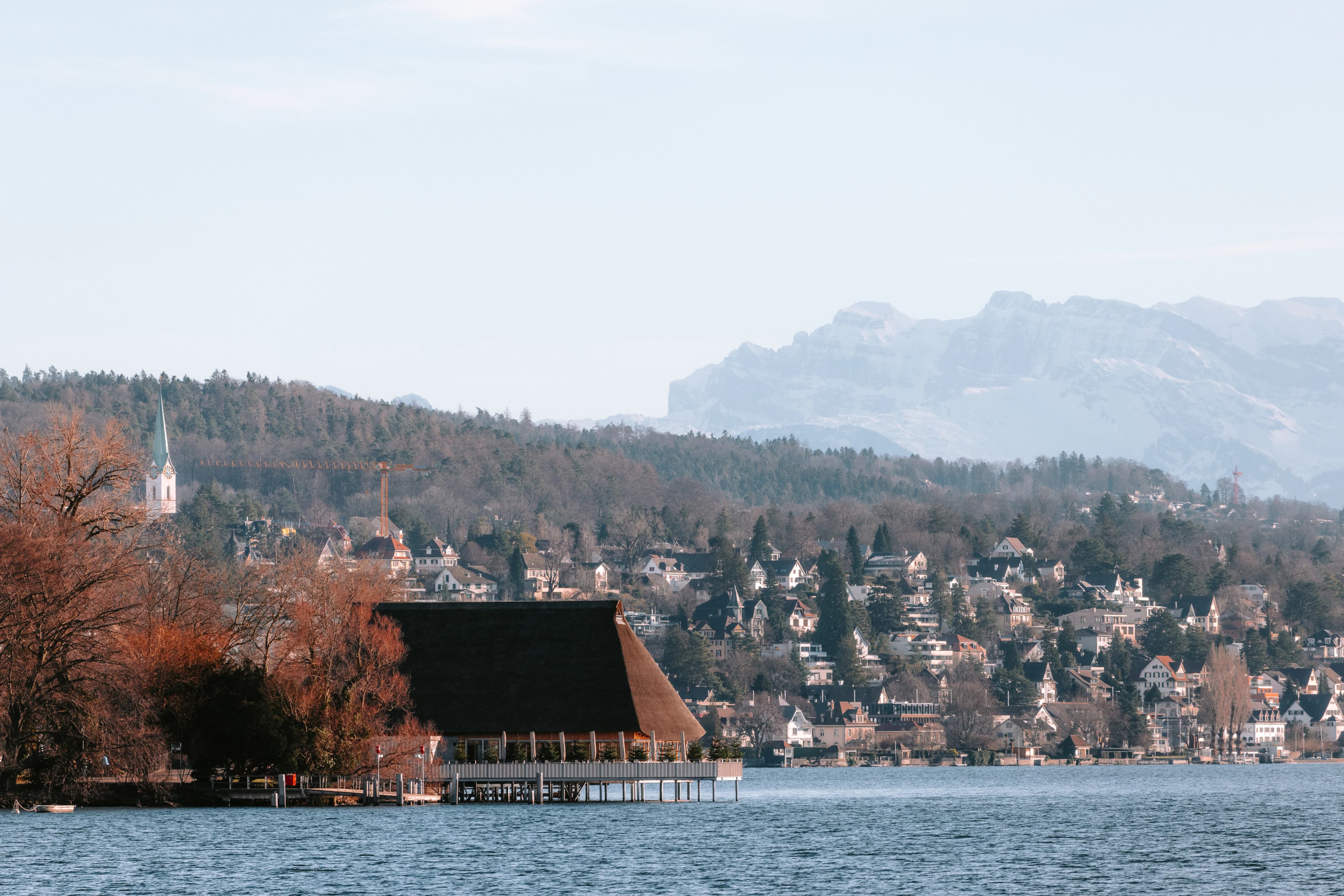
Lake Zurich stretches for 42 kilometers southeast of Zurich and is much more than just the favorite recreational area of the Zurich residents. The crescent-shaped body of water, framed by gentle hills, vineyards, and the snow-covered Glarus Alps in the background, offers a quality of life that regularly catapults Zurich to the top of the world's most livable cities. In summer, the lake transforms into a giant outdoor swimming pool: thousands jump into the swimming areas (Badi) at Utoquai, the Seebad Enge, or the legendary Fraünbadi — a Zurich ritual that is part of the city's lifestyle. The Gold Coast on the eastern shore of the lake has its name for a reason: here, affluent communities like Küsnacht, Zollikon, and Erlenbach line up, interspersed with vineyards and garden restaurants with lake views. The opposite Pfnüsel coast is more rural and surprises with charming villages like Wädenswil and Horgen. The island of Ufenau in the upper part of the lake is the largest island in Switzerland without a bridge connection and houses a Romanesque chapel from the 6th century. Steamships and modern passenger ships regularly operate on the lake, connecting Zurich with Rapperswil, the city of roses on the upper lakeshore. There, a wooden walkway crosses the lake, and the medieval castle offers a magnificent panoramic view. By bike, the lake circuit spans 75 kilometers through vineyards, fishing villages, and orchards. In winter, fog often settles over the lake, but those who take the funicular up to Uetliberg or Pfannenstiel will find radiant sunshine and an alpine panorama from Säntis to Mont Blanc.
Complete guide for Switzerland
Regions, attractions, food, routes, costs & practical tips — all in one digital guide.
Open guideReady for Switzerland?
Plan your Switzerland holiday now with our free tools.
Plan a holiday in Switzerland
Switzerland is one of the most popular travel destinations in Europe, offering Alps, Hiking, Skiing and much more. The best time to visit Switzerland is June–September (hiking), December–March (skiing), when the weather is ideal for exploration and relaxation. With a daily budget starting from 100–150€ (Budget) to 250–500€ (Luxury), Switzerland is suitable for various travel budgets.
From the capital Bern, Switzerland can be excellently explored. The official language is German, French, Italian, Romansh, and the currency is Swiss Franc (CHF). From Germany, you can reach Switzerland in approx. 1 hour (or 3-4h by train). Whether you want to try culinary highlights like Fondue, Raclette, Rösti, visit top attractions, or simply enjoy the atmosphere: Switzerland has something for every type of traveller.
Use our free travel tools to prepare your Switzerland holiday perfectly. With the holiday finder, you can discover if Switzerland is the right destination for you. The budget calculator helps you plan costs realistically, and with the packing list, you won't forget anything.
Suitable holiday types for Switzerland:
More travel destinations in Europe:
All countries in Europe