Holiday in Jakobsweg (Camino de Santiago)
Area in Spain — tips, highlights & best time to visit 🇪🇸
Country
Spain
Type
Area
Best time to travel
April–June, September–October
Budget/day
40–65 €
Getting there from Germany
Flight to Bilbao, Pamplona, or Madrid, then bus to Saint-Jean-Pied-de-Port. Return flight from Santiago de Compostela.
Deals for Jakobsweg (Camino de Santiago):
What makes Jakobsweg (Camino de Santiago) special as a destination?
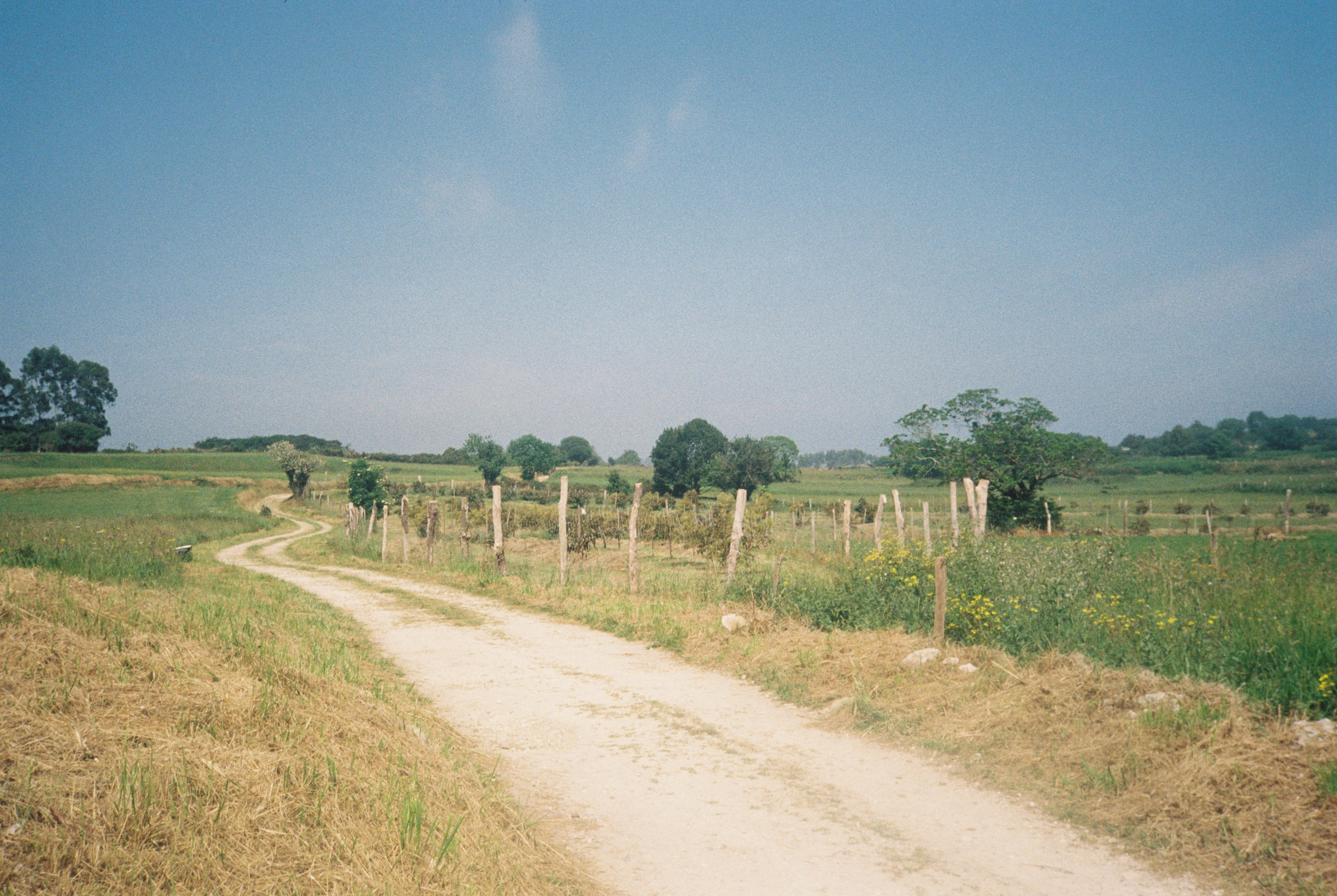
The Jakobsweg is one of the oldest and most famous pilgrimage routes in the world — a network of paths that all lead to Santiago de Compostela. The Camino Francés, the classic route from Saint-Jean-Pied-de-Port over the Pyrenees through Navarra, La Rioja, Castile, and Galicia, is the most popular path with 800 kilometers and about 30 stages. Over 400,000 pilgrims arrive in Santiago each year — on foot, by bike, or on horseback. The Camino is more than a hike: it is a transformative experience that brings together people of all nationalities, ages, and motivations. The network of Albergüs offers affordable accommodations (€5–15), and the pilgrim community along the way fosters lifelong friendships. Those who walk at least the last 100 kilometers on foot (or 200 km by bike) receive the Compostela certificate in Santiago. In addition to the Camino Francés, there are numerous alternatives: the Camino del Norte along the coast is scenically spectacular, the Camino Portugués from Lisbon or Porto goes through Portugal, the Vía de la Plata starts in Seville, and the Camino Primitivo (the oldest route) begins in Oviedo. The route passes through breathtaking landscapes — from the Pyrenees over the Meseta to the green hills of Galicia — and through historic cities like Pamplona, Burgos, and León. The best travel time is May/June or September/October when the weather is mild and the paths are less crowded.
What are the top highlights in Jakobsweg (Camino de Santiago)?
The top highlights in Jakobsweg (Camino de Santiago) include Camino Francés, Cathedral of Santiago, Cruz de Ferro, Meseta, O Cebreiro.
The places you absolutely must not miss.
Camino Francés
The classic path over 800 km passes through Pamplona, Burgos, and León – the most diverse and well-developed route.
Cathedral of Santiago
The emotional destination of all paths – arriving at the Plaza del Obradoiro after weeks of walking is an unforgettable moment.
Cruz de Ferro
The highest cross of the Camino Francés, where pilgrims traditionally leave a stone they brought – a deeply symbolic place.
Meseta
The endless Castilian plateau is the most meditative and challenging stage – day after day through golden fields of grain.
O Cebreiro
The mystical mountain village with its Pallozas (Celtic roundhouses) is the entrance to Galicia and offers spectacular views in clear weather.
Hotels in Jakobsweg (Camino de Santiago)
Compare thousands of hotels, apartments and resorts on Expedia – with price guarantee, free cancellation and reward points.
* You will be redirected to Expedia.de. Their terms of use apply.
Pauschalreisen & Rundreisen
Berge & Meer – 170 Tage Cookie
When is the best time to visit Jakobsweg (Camino de Santiago)?
The best time to visit Jakobsweg (Camino de Santiago) is April–June, September–October. Variable: hot in the Meseta (35–40 °C), mild in Galicia (20–25 °C) In winter: Cold in the mountains, mild at the coast – only for experienced pilgrims
Recommended travel time
April–June, September–October
Summer
Variable: hot in the Meseta (35–40 °C), mild in Galicia (20–25 °C)
Winter
Cold in the mountains, mild at the coast – only for experienced pilgrims
How much does a holiday in Jakobsweg (Camino de Santiago) cost?
Budget travellers: 20–35 € (hostels)/day, mid-range: 40–65 €/day, luxury: 80–150 €/day.
Average costs per person per day
Budget
20–35 € (hostels)
Hostel, Street food, Public transport
Mid-range
40–65 €
Hotel, Restaurant, Excursions
Luxury
80–150 €
Boutique hotel, Fine dining
How do I get from Germany to Jakobsweg (Camino de Santiago)?
Flight to Bilbao, Pamplona, or Madrid, then bus to Saint-Jean-Pied-de-Port. Return flight from Santiago de Compostela.
Book a package holiday to Jakobsweg (Camino de Santiago)
Compare thousands of package holidays to Jakobsweg (Camino de Santiago) and find the best deals with flight & hotel.
Compare package holidays nowWhat travel tips are there for Jakobsweg (Camino de Santiago)?
Insider knowledge that makes your holiday better.
For the pilgrimage certificate (Compostela), a distance of 100 km on foot or 200 km by bike is sufficient – Sarria is the most popular starting point.
Hostels (Albergüs) cost €6–15 per night and operate on a 'first come, first served' basis.
Pack light – a maximum of 10% of your body weight. Every gram becomes a burden.
The Camino Portugués from Porto is an excellent alternative to the crowded Camino Francés.
Start with short stages (15–20 km) and gradually increase – blisters and knee problems are the most common reasons for dropping out.
What should you eat in Jakobsweg (Camino de Santiago)?
Typical specialities in Jakobsweg (Camino de Santiago): Pulpo á Feira (Galicia), Cocido Maragato (León), Pimientos de Padrón, Caldo Gallego, Tarta de Santiago, Vino del Camino.
These specialties you must try!
Ready for Jakobsweg (Camino de Santiago)?
Plan your Jakobsweg (Camino de Santiago) holiday now with our free tools.
