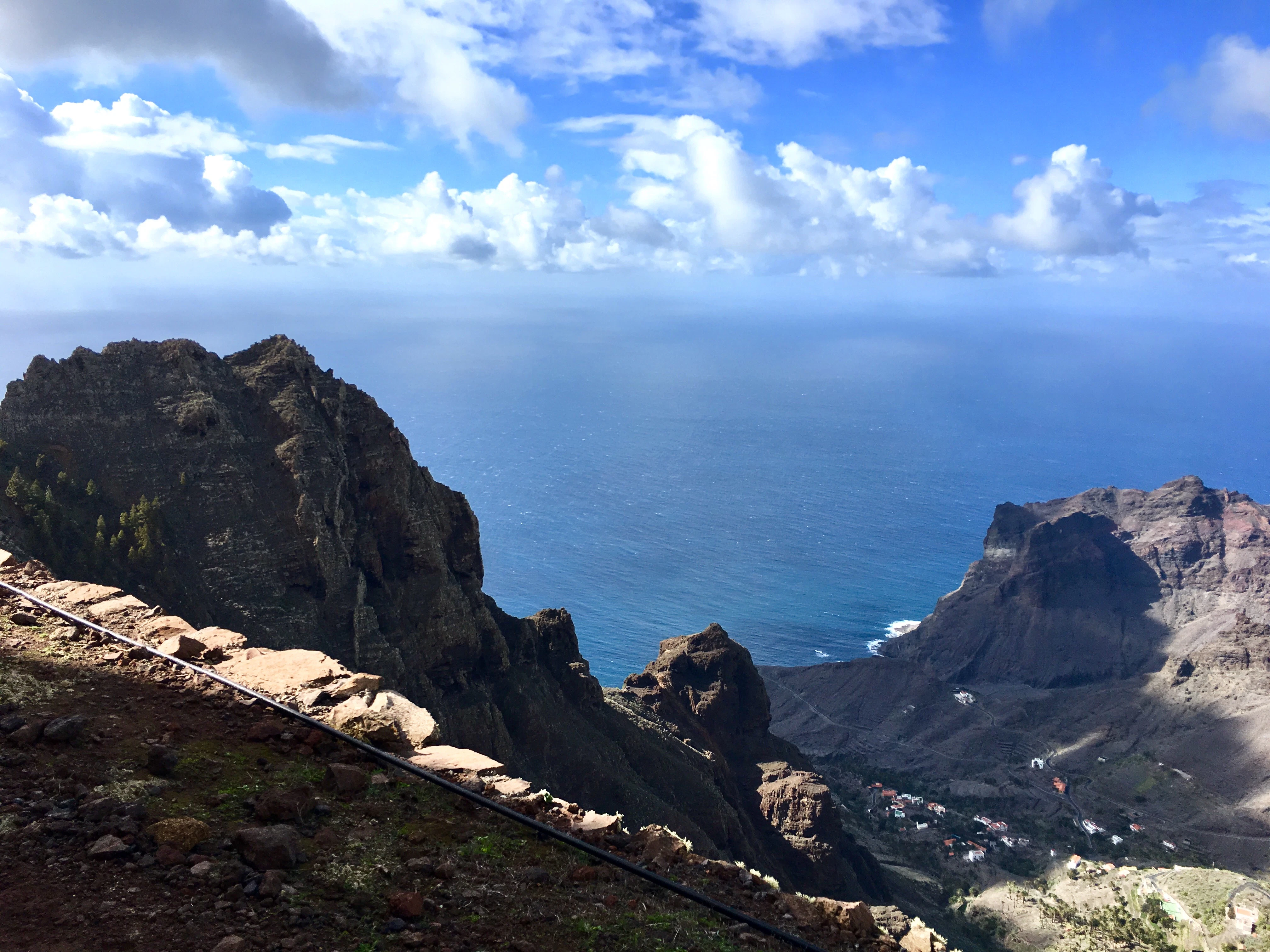
Holiday in La Gomera
Island in Spain — tips, highlights & best time to visit 🇪🇸
Country
Spain
Type
Island
Best time to travel
Year-round, ideal March–June, September–November
Budget/day
50–85 €
Getting there from Germany
No direct flight – via Tenerife, then ferry (50 min. with Fred Olsen) or small plane to La Gomera.
Deals for La Gomera:
What makes La Gomera special as a destination?
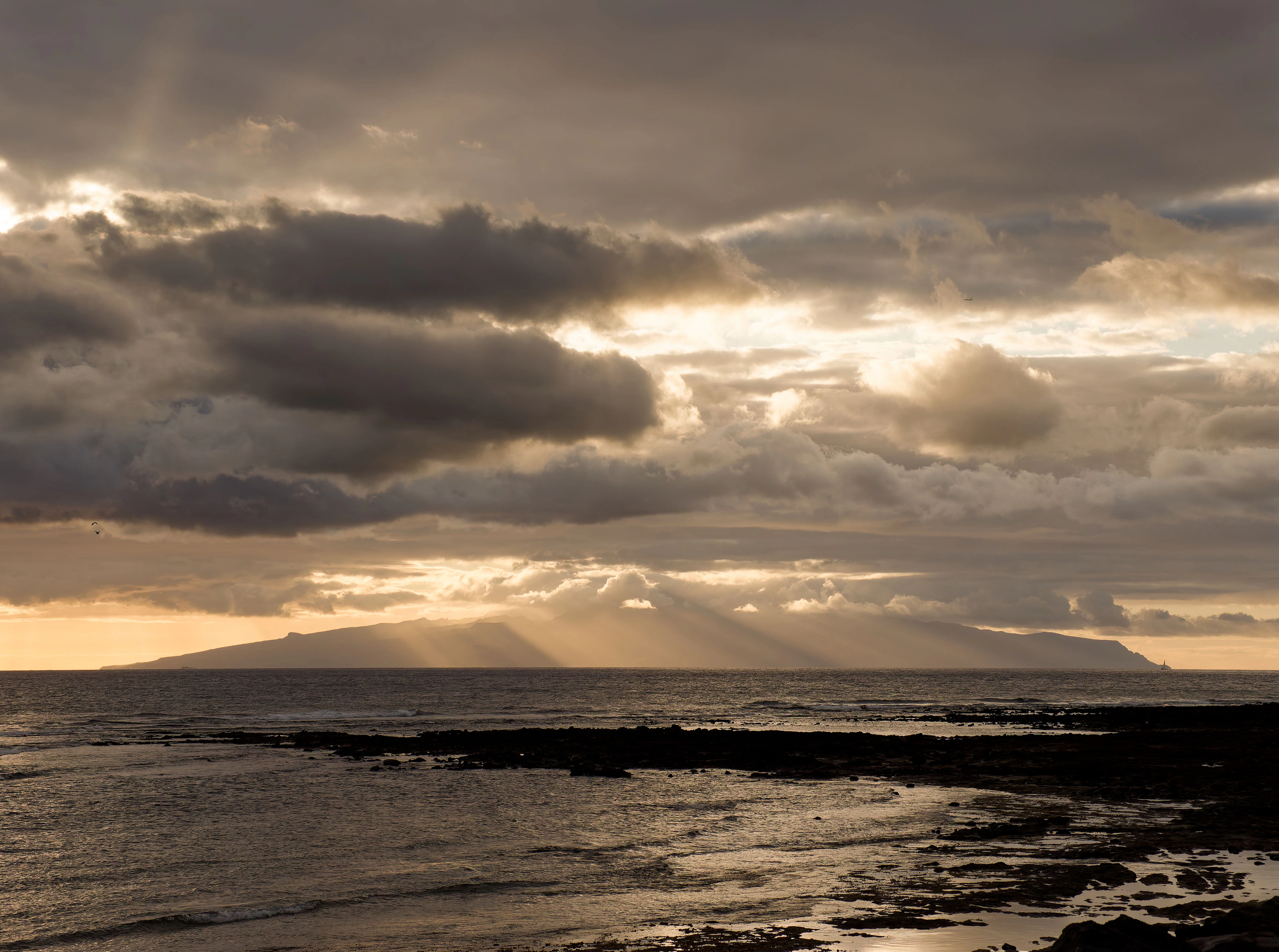
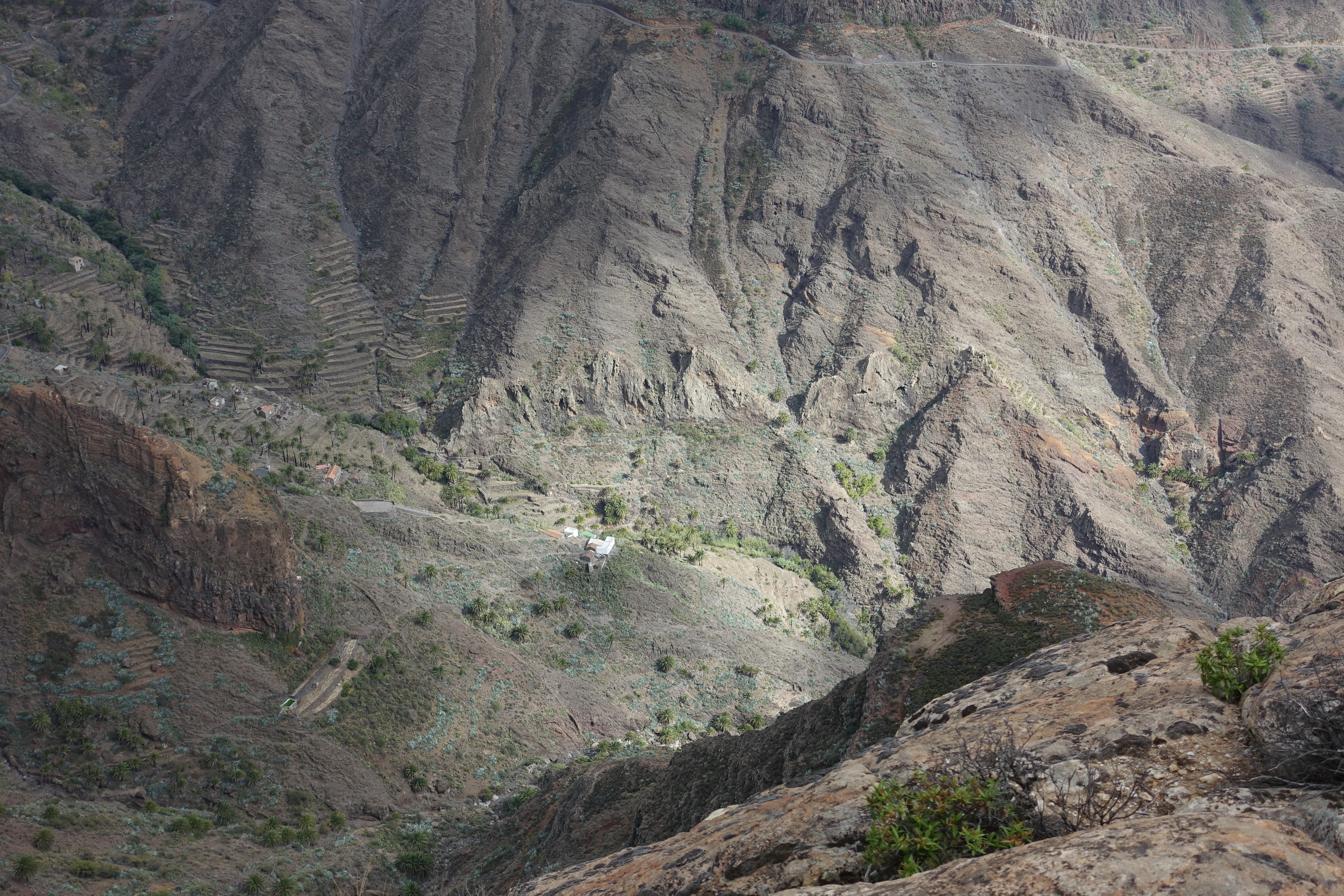
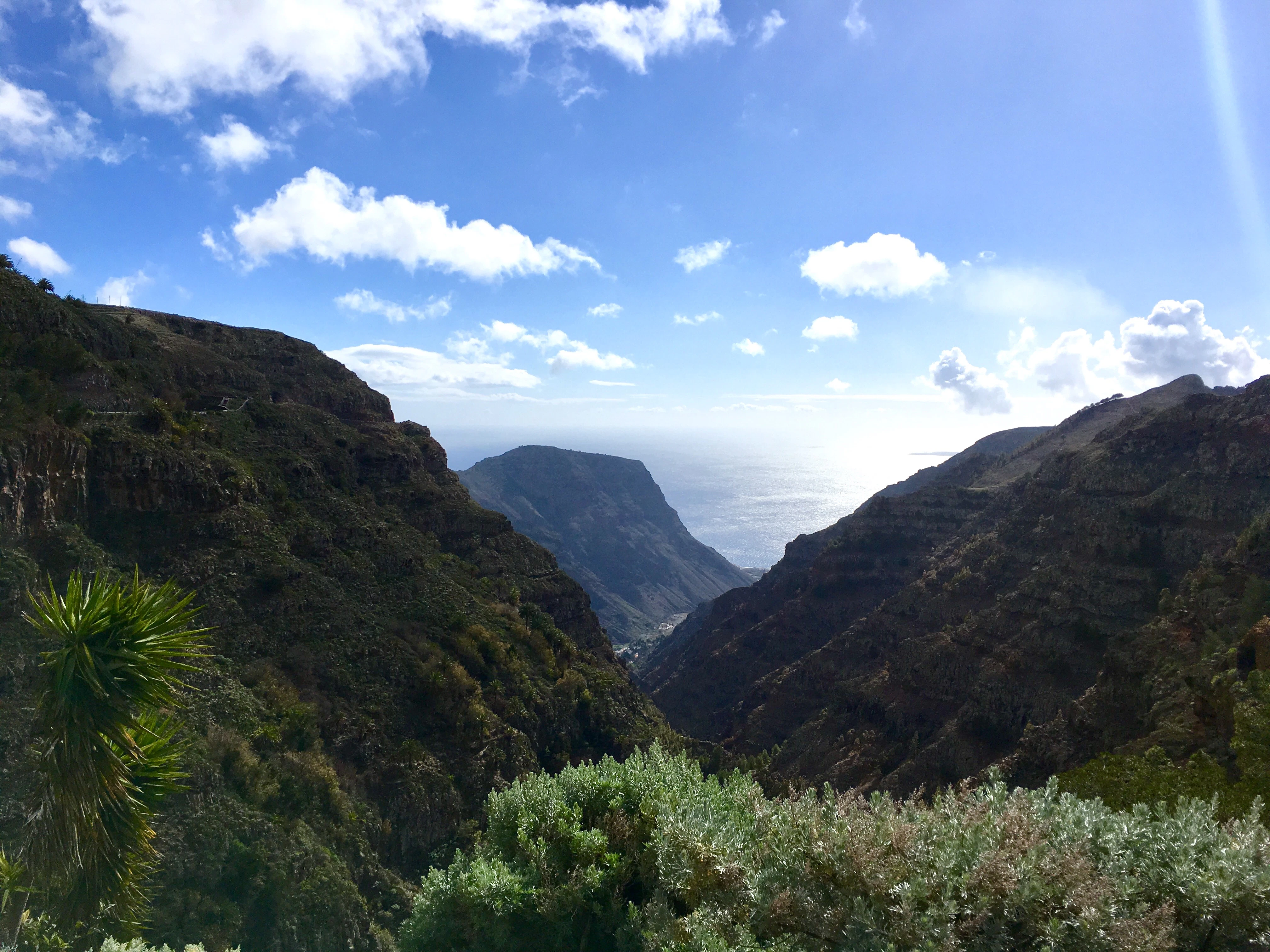
La Gomera is the most mystical of the Canary Islands — a densely forested natural paradise with the UNESCO World Heritage Garajonay National Park at its center. The ancient laurel forests, which have existed since the Tertiary period, shroud the mountains in mist and create an atmosphere from another time. The island has no beaches in the classical sense, but it possesses a wildness that magnetically attracts hikers, nature lovers, and those seeking tranquility. The Garajonay National Park covers one-tenth of the island and is home to the best-preserved laurel forest (Laurisilva) in the world — a relic from the Tertiary period when such forests covered much of Southern Europe. The hiking trails lead through moss-covered tree tunnels, past giant ferns, and through misty forests of overwhelming beauty. La Gomera is also home to the Silbo Gomero, a unique whistled language that communicates across deep valleys and is recognized by UNESCO as an intangible cultural heritage. The island is of volcanic origin and is crisscrossed by deep barrancos (gorges) that radiate from the central high plateau to the sea. Valle Gran Rey on the west coast is the main town with small beaches and a relaxed, alternative lifestyle — many dropouts and artists live here. San Sebastián de la Gomera, the island's capital, was Christopher Columbus's last stop before crossing to America in 1492. La Gomera can be reached by ferry from Tenerife in about an hour.
What are the top highlights in La Gomera?
The top highlights in La Gomera include Garajonay National Park, El Silbo (Whistled Language), Valle Gran Rey, Los Órganos, Hermigua.
The places you absolutely must not miss.
Garajonay National Park
The mystical laurel forest (UNESCO) is a relic from the Tertiary – mist-covered trees, mosses, and lichens create a fairy-tale atmosphere.
El Silbo (Whistled Language)
The UNESCO-protected whistled language of the Gomeros bridges kilometers-long gorges and is still taught in schools today.
Valle Gran Rey
The green valley on the west coast offers a hippie atmosphere, black beaches, and spectacular sunsets.
Los Órganos
The impressive basalt columns on the north coast are only visible from the sea and resemble organ pipes.
Hermigua
The green valley with its banana plantations and the Ethnographic Museum showcases traditional life on the island.
Hotels in La Gomera
Compare thousands of hotels, apartments and resorts on Expedia – with price guarantee, free cancellation and reward points.
* You will be redirected to Expedia.de. Their terms of use apply.
Pauschalreisen & Rundreisen
Berge & Meer – 170 Tage Cookie
When is the best time to visit La Gomera?
The best time to visit La Gomera is Year-round, ideal March–June, September–November. Pleasant, 22–28 °C, trade clouds in the north In winter: Mild, 16–22 °C, wetter in the north
Recommended travel time
Year-round, ideal March–June, September–November
Summer
Pleasant, 22–28 °C, trade clouds in the north
Winter
Mild, 16–22 °C, wetter in the north
How much does a holiday in La Gomera cost?
Budget travellers: 25–40 €/day, mid-range: 50–85 €/day, luxury: 120–250 €/day.
Average costs per person per day
Budget
25–40 €
Hostel, Street food, Public transport
Mid-range
50–85 €
Hotel, Restaurant, Excursions
Luxury
120–250 €
Boutique hotel, Fine dining
How do I get from Germany to La Gomera?
No direct flight – via Tenerife, then ferry (50 min. with Fred Olsen) or small plane to La Gomera.
Book a package holiday to La Gomera
Compare thousands of package holidays to La Gomera and find the best deals with flight & hotel.
Compare package holidays nowWhat travel tips are there for La Gomera?
Insider knowledge that makes your holiday better.
La Gomera is a hiker's paradise – the GR 132 circles the entire island in 6 days.
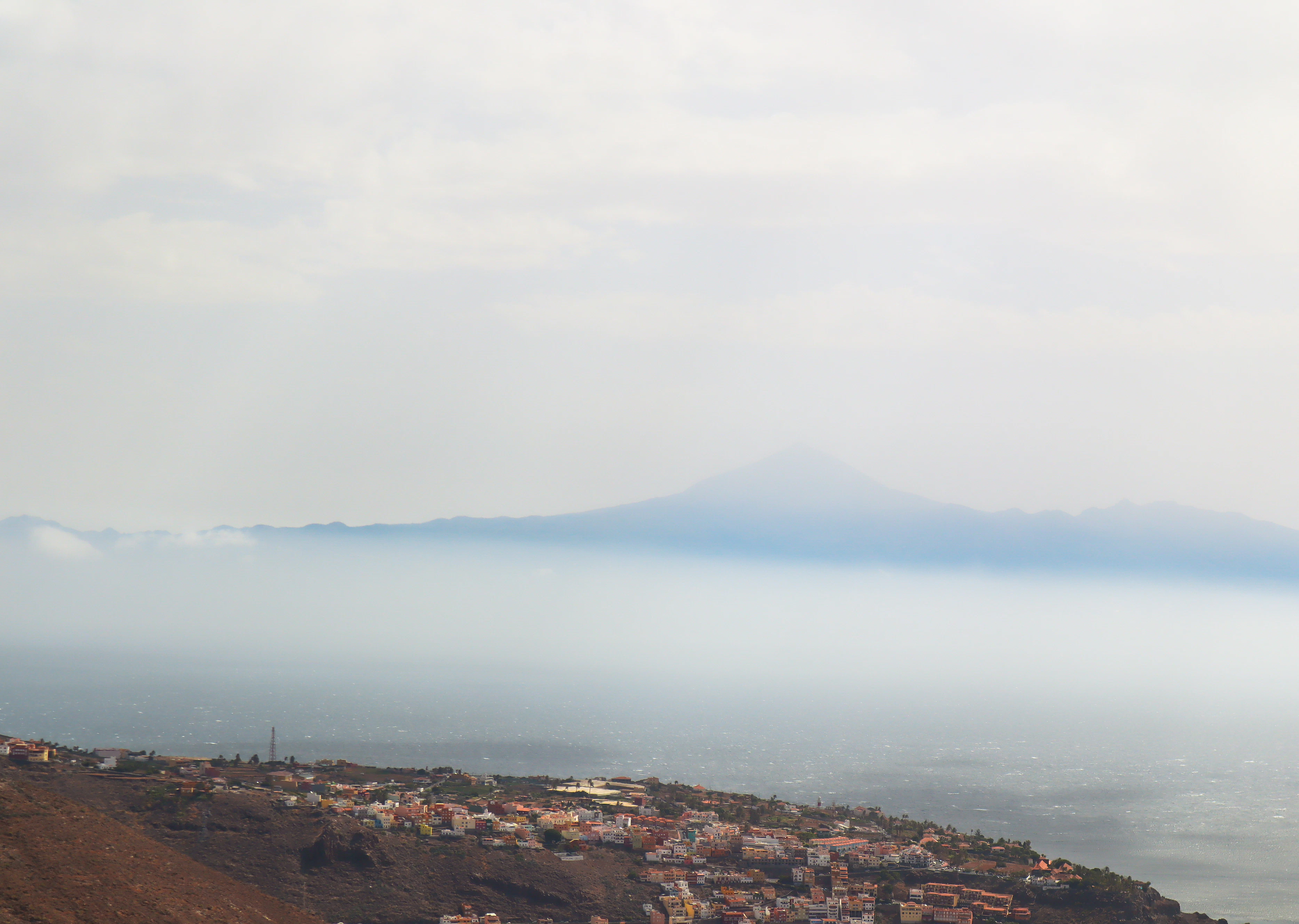
Book a ferry from Los Cristianos (Tenerife) – the crossing offers views of Teide in clear weather.
A rental car is recommended, but the roads are extremely winding and steep.
Ask for a Silbo demonstration – many restaurants offer this for tourists.
Almogrote (cheese paste) and Miel de Palma (palm honey) are La Gomera's unique specialties.
What should you eat in La Gomera?
Typical specialities in La Gomera: Almogrote (cheese paste), Miel de Palma (palm honey), Potaje de Berros, Papas Arrugadas, Gofio, Guarapo (palm juice).
These specialties you must try!
Ready for La Gomera?
Plan your La Gomera holiday now with our free tools.
