Argentina holiday
Travel tips, best time to visit & highlights for your Argentina holiday in South America
Argentina is a land of extremes: from the glaciers of Patagonia to the pampas and the waterfalls of Iguazú. Buenos Aires pulses with tango, steak, and nightlife, while the south beckons with the end of the world. Additionally, Mendoza's Malbec wine – Argentina is a feast for all senses.
Capital
Buenos Aires
Language
Spanish
Currency
Argentine Peso (ARS)
Time zone
UTC-3
Flight time from DE
approx. 13–15 hours
Entry requirements
Passport, 90 days visa-free
Top hotels & accommodations in Argentina
Selected hotels and holiday accommodations in Argentina — with images, reviews, and direct booking links with our partners.
DoubleTree by Hilton Buenos Aires
Buenos Aires, Argentinien
Sofitel Buenos Aires Recoleta
Buenos Aires, Argentinien
Hotel Hilton Buenos Aires
Buenos Aires, Argentinien
Anselmo Buenos Aires, a Curio Collection Hotel by Hilton
Buenos Aires, Argentinien
Hotel Holiday Inn Buenos Aires Ezeiza Airport
Ezeiza, Argentinien
Hotel Ibis Buenos Aires Obelisco
Buenos Aires, Argentinien
Top 5 highlights in Argentina
The places you absolutely must not miss.
Buenos Aires
Tango in San Telmo, steak in Palermo, La Boca, and the Paris of South America at night.
Perito Moreno Glacier
A 60m high glacier that calves and thunders – one of the most accessible ice wonders in the world.
Iguazú Falls
275 waterfalls, including the Devil's Throat – up close from the Argentine side.
Mendoza
Wine capital of South America: Malbec tastings against the backdrop of the Andes.
Ushuaia
The southernmost city in the world at the end of the world – gateway to Antarctica.
Hotels in Argentina
Vergleiche tausende Hotels, Apartments und Resorts auf Expedia – mit Bestpreis-Garantie, kostenloser Stornierung und Bonuspunkten.
* Weiterleitung zu Expedia.de. Es gelten die dortigen Nutzungsbedingungen.
Reise-SIM für Argentina
Prepaid-SIM mit Datenvolumen für Argentina. Einfach einlegen und sofort lossurfen – keine Roaming-Gebühren.
* Weiterleitung zu travSIM.de. Es gelten die dortigen Nutzungsbedingungen.
Reiseversicherung abschließen
Rundum-Schutz ab 9,90 € auf TravelSecure.de
Pauschalreisen & Rundreisen
Berge & Meer – 170 Tage Cookie
Best time to visit Argentina
Recommended travel time
October–April (Southern Hemisphere summer)
Summer
25–35°C (North)
Winter
0–15°C
How much does a holiday in Argentina cost?
Average cost per person per day (excluding flight)
Budget
30–50€
Hostel, street food, public transport
Mid-range
50–100€
Hotel, restaurant, excursions
Luxury
100–250€
Boutique hotel, fine dining
5 travel tips for Argentina
Insider knowledge to make your holiday better.
Blue Dollar (unofficial exchange rate) offers significantly more for Euro/Dollar
Asado (barbecue) is a ceremony in Argentina – never rush
Patagonia is windy and cold even in summer – pack warm clothing
Subte (subway) in Buenos Aires is extremely cheap
Try Dulce de Leche on everything – Argentina's sweet obsession
Food & drink in Argentina
These dishes you must try!
Discover Argentina
10 regions, cities and highlights in Argentina
Cities
Buenos Aires
Buenos Aires, the capital of Argentina, rightfully earns the nickname Paris of South America: wide boulevards, magnificent Beaux-Arts facades, and a passionate cultural scene make this city on the Rio de la Plata one of the most exciting urban travel destinations on the continent. This is where the tango was born, and its melancholic sounds still permeate the milongas and street corners of the city. La Boca, with its brightly painted corrugated iron houses and the Caminito, is the most photogenic neighborhood, while San Telmo, with its Sunday antique market at Plaza Dorrego and atmospheric tango bars, represents the historical heart. Recoleta impresses with its famous cemetery, where Eva Peron rests in a marble tomb surrounded by opulent mausoleums. Palermo offers parks, design boutiques, and Argentina's best restaurant scene. A visit to Teatro Colon, one of the acoustically best opera houses in the world, is a must. Argentine beef from the grill in a traditional parrilla is a culinary requirement, accompanied by a Malbec from Mendoza. The Porteños, as the locals call themselves, live intensely — dinner rarely starts before 10 PM. The best travel time is from October to April, the South American spring and summer.
Córdoba
Córdoba is the second largest city in Argentina and the cultural and intellectual center of the inland. Founded in 1573, the city lies at the foot of the Sierras de Córdoba and is home to the oldest university in Argentina (1613) as well as a UNESCO World Heritage site of Jesuit Estancias and colonial buildings, known as the Manzana Jesuitica. The Jesuit buildings are the heart of historic Córdoba: The Iglesia de la Compania de Jesus (1671) features a unique barrel vault made of cedar wood, constructed in the shape of an inverted ship's hull. The Jesuit block, which includes the university, church, and residential buildings, has been a UNESCO World Heritage site since 2000. The Sierras de Córdoba offer spectacular natural experiences: The mountain ranges reach heights of over 2,800 meters and are crisscrossed by rivers, waterfalls, and picturesque villages like La Cumbrecita, a car-free alpine village in Argentine style. The Parque Nacional Quebrada del Condorito provides the opportunity to observe Andean condors in the wild. Córdoba is also the center of Argentine Cuarteto music — an exhilarating dance style that originated here in the 1940s and continues to fill nightclubs today. The city has a vibrant student scene with over 200,000 students, giving it a youthful and creative flair. The craft beer scene is among the best in Argentina.

Mendoza
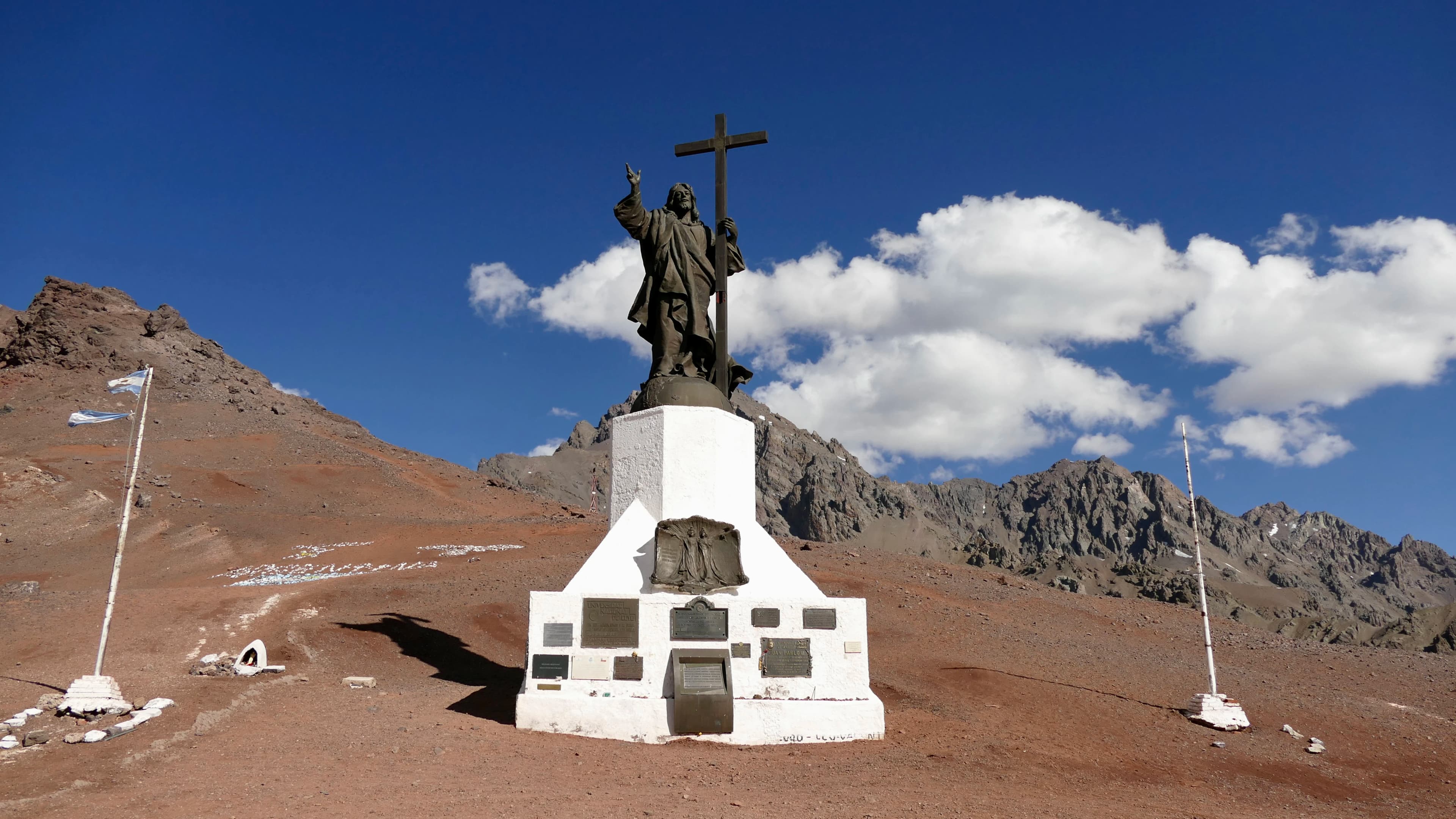
Mendoza is Argentina's wine capital and the birthplace of Malbec — the grape variety that has put Argentine wine on the world map. The city, at the foot of the Andes, with the highest mountain in the Western Hemisphere (Aconcagua, 6,961 m) as a backdrop, combines wine enjoyment with outdoor adventures and a lifestyle that brings together the best of both worlds. The wine regions around Mendoza — Maipú, Luján de Cuyo, and the Uco Valley — are home to over 1,200 wineries, ranging from historic family-run businesses to ultra-modern architectural temples. The Malbec, originally from France, has found its perfect expression in Mendoza's high altitude (800-1,500 m), intense sun, and dry air — deep dark, velvety, and with a fruit intensity that is unmatched. The Uco Valley, an hour south of the city, is the emerging wine area and one of the most exciting wine regions in the world. Wineries like Zuccardi Valle de Uco (multiple times voted the best winery in the world), Salentein, and The Vines of Mendoza offer tastings against the stunning backdrop of snow-capped Andean peaks. The adventure begins where the vineyards end. The Aconcagua Provincial Park offers trekking to the base camp of the highest mountain in the Americas, Ruta 7 (Pan-American Highway) winds over the Paso de los Libertadores to Chile, and in winter, the ski resorts Las Leñas and Los Penitentes transform into South America's best ski areas. Rafting on the Río Mendoza, horseback riding in the foothills of the Andes, and mountain biking through vineyards complement the outdoor program. Mendoza is a place where you can hike on a glacier in the morning and enjoy the sunset over the vineyards with a Malbec and a perfect asado in the evening. The city itself is characterized by wide, plane tree-shaded avenues, lively plazas, and a restaurant scene that combines Argentina's love for steak with global wine culture. The parrilla (grill restaurant) Francis Mallmann and the winery restaurants offer world-class culinary experiences.
Rosario
Rosario is Argentina's third-largest city and the birthplace of Lionel Messi, Che Guevara, and the Argentine flag. The vibrant metropolis on the Río Paraná — the second-longest river in South America — offers a fascinating mix of river culture, street art, culinary scene, and a nightlife that rivals even Buenos Aires. The Monumento a la Bandera — an impressive monument on the riverbank — marks the spot where the Argentine flag was first raised in 1812. The Parque de España and the renovated Costanera stretch for kilometers along the Paraná and transform in the evening into one of Argentina's best sunset spots. The islands in the Paraná Delta opposite the city are a green paradise: accessible by boat, they offer sandy beaches, barbecues by the river, and natural pools — Rosario's own tropical getaway. In summer, tens of thousands flock to the islands. Rosario's street art scene is among the best in Latin America. The Barrio Pichincha and Barrio Refinería are filled with murals, cultural centers, and independent galleries. The Museo de la Memoria — dedicated to the disappeared of the military dictatorship — is one of the most moving human rights museums on the continent.

Salta
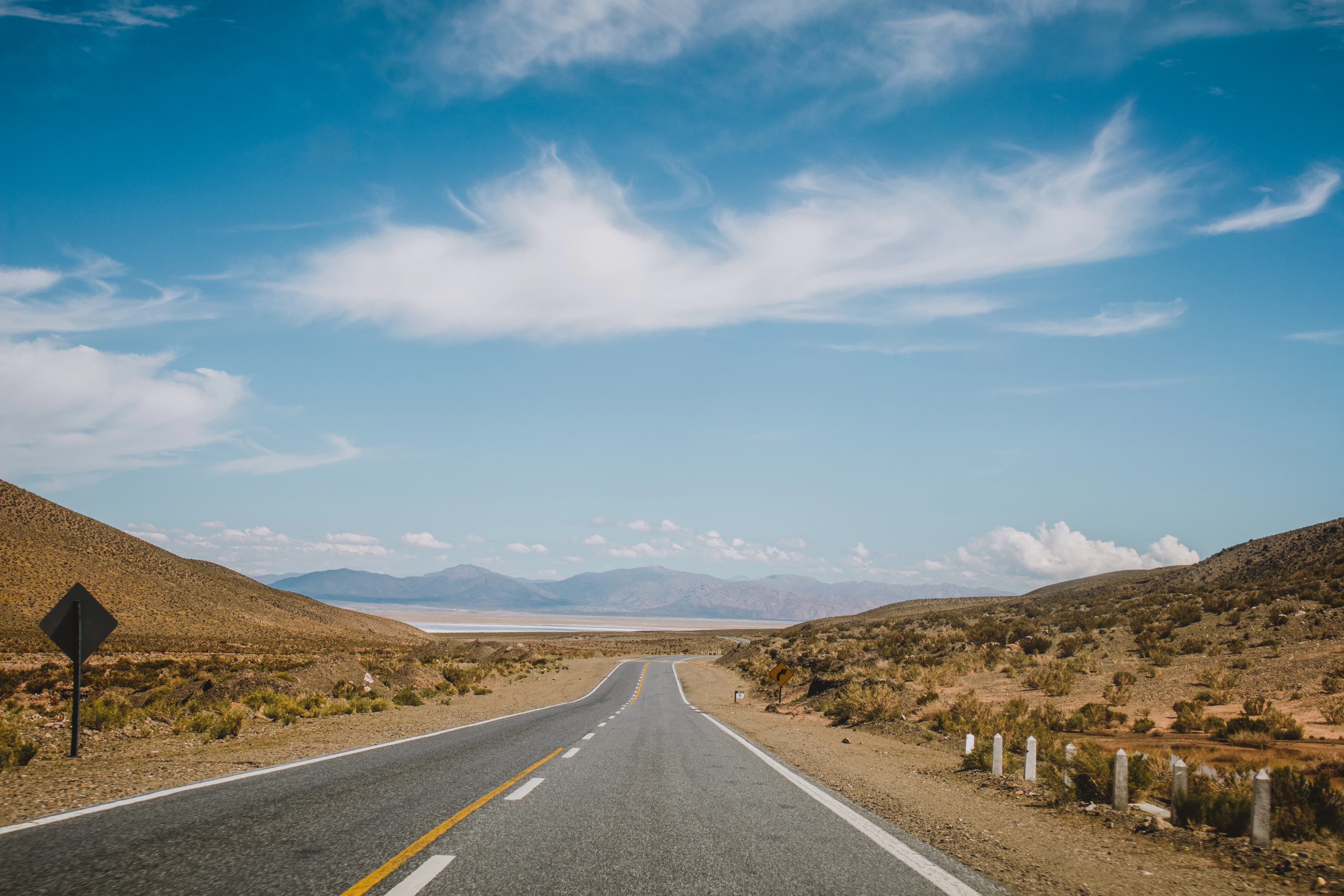
Salta, "La Linda" (the Beautiful), is one of the best-preserved colonial cities in Argentina and the gateway to the spectacular northwest of the country. The elegant city at an altitude of 1,200 meters impresses with its colonial center, vibrant folklore scene, and colorful mountain landscapes. From here, legendary road trips begin through the Quebrada de Humahuaca and along Ruta 40 to the colorful mountains of Purmamarca.
San Carlos de Bariloche
San Carlos de Bariloche, or Bariloche for short, lies at the foot of the Argentine Andes on the shores of the emerald-green Lago Nahül Huapi and is the gateway to Patagonia's most spectacular lake landscape. The city is aptly nicknamed 'Switzerland of South America' — the combination of snow-capped peaks, crystal-clear lakes, and a thriving chocolate culture strikingly resembles the Alps. The legendary Ruta de los Siete Lagos (Route of the Seven Lakes) is one of the most beautiful road trips in the world. Over 107 kilometers, the road winds past seven lakes in various shades of blue and green, surrounded by ancient Araucaria forests, waterfalls, and snow-capped volcanoes. Each curve reveals a new postcard motif. Bariloche is Argentina's undisputed chocolate capital. Avenida Mitre, the main street of the city, is lined with over 30 chocolaterías offering handmade pralines, truffles, and hot chocolate in countless variations. The tradition dates back to Swiss and German immigrants who brought their chocolate-making skills to their new home. In winter (June to September), Bariloche transforms into South America's most important ski resort. Cerro Catedral, just 20 kilometers from the city, is the largest and best-equipped ski resort in Argentina with over 120 kilometers of slopes and a vertical drop of 1,000 meters. The season attracts skiers from around the world who take advantage of the European summer for winter fun in the Andes. In summer (December to February), the region offers excellent hiking opportunities. The hike to Refugio Frey with the turquoise mountain lake at the foot of the granite needles is a classic. The Circuito Chico, a 60-kilometer panoramic road, leads past viewpoints, hidden swimming coves, and the famous San Eduardo Chapel. Nahül Huapi National Park, Argentina's oldest national park, surrounds the city and provides habitat for condors, pumas, and the rare Hümul deer, the national animal of Argentina. Isla Victoria and the Arrayanes Forest, a fairytale forest of cinnamon-colored myrtles, are accessible by boat tour and are among the most magical places in Patagonia.
Ushuaia
Ushuaia holds the title of the southernmost city in the world — and you feel this superlative at every moment: wedged between the snow-capped peaks of the Martial Mountains and the icy Beagle Channel, the capital of Tierra del Fuego lies at the literal end of the world, where Patagonia transitions into Antarctica. The Fin del Mundo sign at the harbor is one of the most photographed motifs in South America. The Tierra del Fuego National Park begins just 12 kilometers west of the city and protects 63,000 hectares of subantarctic wilderness: Lenga and Coihue forests, peat bogs, icy glacial lakes, and Lapataia Bay, where the Pan-American Highway — the longest road in the world — officially ends. The Senda Costera leads along the Beagle Channel through ancient forests with views of Chilean islands and snow-capped peaks. The Beagle Channel, named after Charles Darwin's research ship, is Ushuaia's maritime heart: boat tours lead to Isla de los Lobos (sea lion colony), Isla de los Pájaros (cormorants), and the iconic Les Eclaireurs Lighthouse — often mistakenly referred to as the lighthouse at the end of the world. With luck, you may see Magellanic penguins, leopard seals, and albatrosses. Ushuaia is the main gateway to Antarctica: from November to March, expedition cruises depart from here across the Drake Passage to the white continent — the shortest crossing takes about 48 hours. Even those who do not travel to Antarctica feel the proximity of the icy continent in the rainy weather, the glaciers above the city, and the subpolar light that fades only after 10 PM in summer. In winter, Ushuaia transforms into the southernmost ski resort on Earth: Cerro Castor offers slopes at an altitude of 1,057 meters from June to October with spectacular views over the Beagle Channel. Dog sledding, snowshoeing, and cross-country skiing through snowy Lenga forests make the Patagonian winter an experience.
Areas
Iguazu Falls
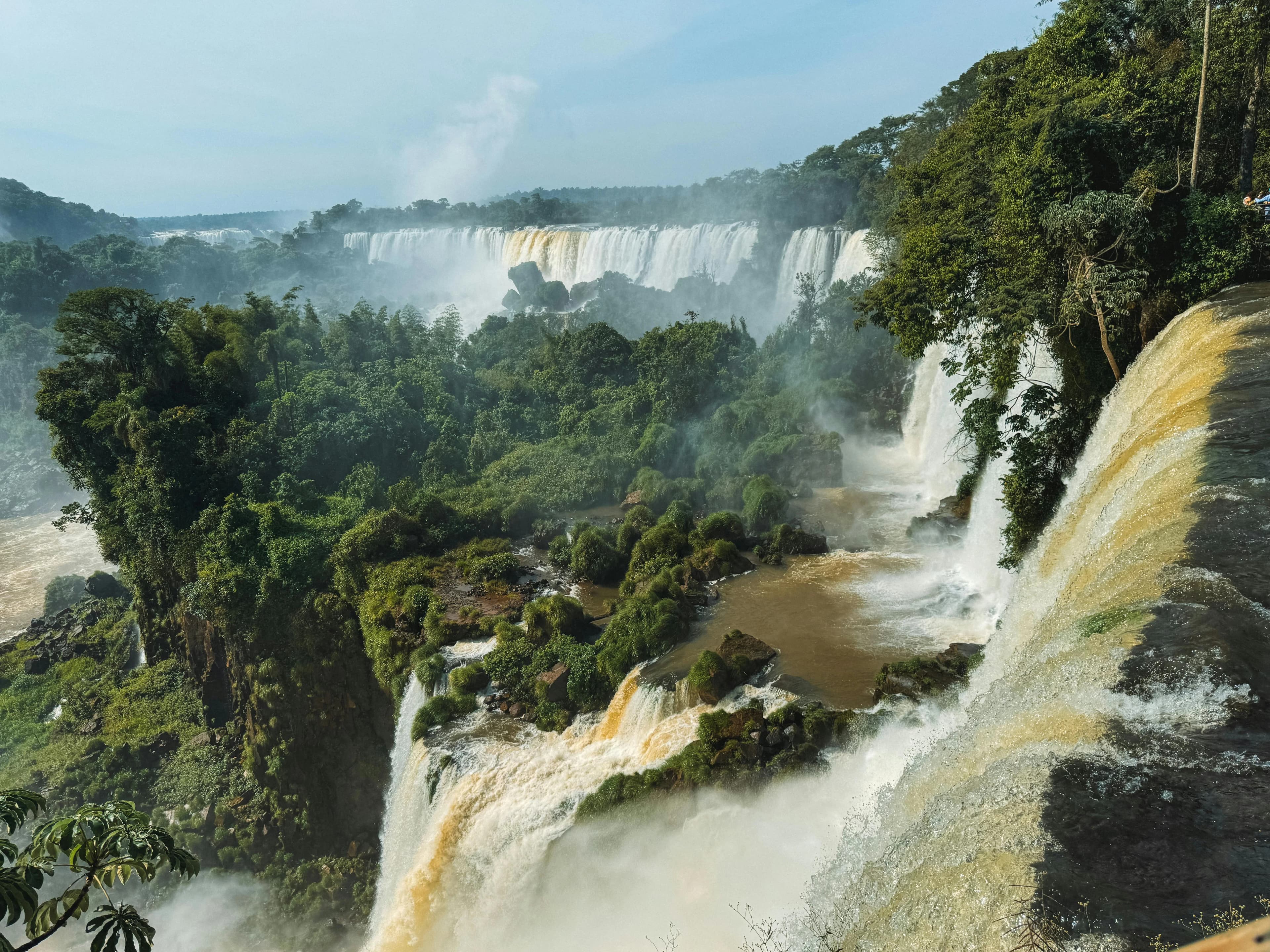
The Iguazu Falls are one of the most magnificent natural spectacles on our planet - a thundering amphitheater of 275 individual waterfalls plunging nearly three kilometers wide into the depths. Located on the border between Argentina and Brazil, they surpass Niagara Falls in both width and height and have rightly been chosen as one of the New Seven Wonders of Nature. Standing before the Garganta del Diablo, the Devil's Throat, where the water masses plunge 80 meters down and a permanent mist cloud obscures the sky, one understands why Eleanor Roosevelt found only one word during her visit: Poor Niagara. The Argentine National Park offers a more intense experience. A system of walkways and trails leads directly to the waterfalls - so close that you can feel the spray on your face and the roar of the water vibrating in your chest. The Upper Circuit offers panoramic views from above, the Lower Circuit leads directly to the foot of the falls, and Isla San Martin is an adventure in itself. The absolute highlight is the 1.1-kilometer walkway over the river to the Garganta del Diablo, where you stand at the edge of the abyss and gaze into the roaring chasm. The Brazilian side offers a better overall view of the panorama of the falls. Visiting both sides is highly recommended and easily possible with a border crossing. The subtropical rainforest surrounding the falls is home to an amazing diversity of species - toucans, coatis, butterflies of all colors, and with a bit of luck, even jaguars in the more remote regions of the park. From Germany, you fly to Buenos Aires (about 14 hours) and then take a domestic flight to Puerto Iguazu (1.5 hours) or to Foz do Iguacu on the Brazilian side. The best travel time is from March to May and from August to October, when water levels are high but the heat remains bearable. In the peak summer (December to February), temperatures rise above 35°C with high humidity.

Iguazú Falls
The Iguazú Falls are the most powerful natural spectacle on the American continent — a semicircular system of 275 individual waterfalls that stretches for almost three kilometers and plunges into a prehistoric gorge at the border between Argentina and Brazil. Eleanor Roosevelt is said to have remarked upon her first sight: "Poor Niagara!" — and indeed, Iguazú is wider, taller, and more overwhelming in every respect. The Garganta del Diablo (Devil's Throat) is the centerpiece: an 80-meter deep, U-shaped chasm into which the largest volumes of water pour. A 1,100-meter-long walkway leads over the Iguazú River directly to the edge of the chasm — the noise is deafening, the spray drenches everything in seconds, and rainbows dance in the mist. It is an experience that defies imagination. The Argentine side offers proximity and intensity: walking paths on several levels lead through the subtropical rainforest right to the edges of the falls. The Circuito Superior (Upper Circuit) offers bird's-eye views over the cliffs, while the Circuito Inferior (Lower Circuit) takes visitors down into the gorges, where they can admire the water masses from below. The Brazilian side provides the panorama: from opposite viewpoints, one overlooks the entire semicircular waterfall system — a sight that ranks among the most magnificent natural panoramas on Earth. A walkway leads right into the spray of the Garganta del Diablo. The surrounding national park (UNESCO World Heritage) protects one of the last great sections of the Atlantic rainforest: toucans, coatis, butterflies in hundreds of species, and with luck, jaguars inhabit this ecosystem. The diversity of butterflies is among the highest in the world — over 800 species flutter through the mist.
Complete guide for Argentina
Regions, attractions, food, routes, costs & practical tips — all in one digital guide.
Open guideReady for Argentina?
Plan your Argentina holiday now with our free tools.
Plan a holiday in Argentina
Argentina is one of the most popular travel destinations in South America, offering Nature, Food, Tango and much more. The best time to visit Argentina is October–April (Southern Hemisphere summer), when the weather is ideal for exploration and relaxation. With a daily budget starting from 30–50€ (Budget) to 100–250€ (Luxury), Argentina is suitable for various travel budgets.
From the capital Buenos Aires, Argentina can be excellently explored. The official language is Spanish, and the currency is Argentine Peso (ARS). From Germany, you can reach Argentina in approx. 13–15 hours. Whether you want to try culinary highlights like Asado, Empanadas, Milanesa, visit top attractions, or simply enjoy the atmosphere: Argentina has something for every type of traveller.
Use our free travel tools to prepare your Argentina holiday perfectly. With the holiday finder, you can discover if Argentina is the right destination for you. The budget calculator helps you plan costs realistically, and with the packing list, you won't forget anything.
Suitable holiday types for Argentina:
More travel destinations in South America:
All countries in South America