Brazil holiday
Travel tips, best time to visit & highlights for your Brazil holiday in South America
Brazil is pure zest for life: Carnival in Rio, Copacabana, the Amazon rainforest, the Iguazu Falls, and one of the most diverse cultures in the world. Samba, Caipirinha, and football are part of it.
Capital
Brasília
Language
Portuguese
Currency
Real (R$)
Time zone
UTC-3
Flight time from DE
approx. 11–12 hours
Entry requirements
Passport, visa-free for up to 90 days
Top hotels & accommodations in Brazil
Selected hotels and holiday accommodations in Brazil — with images, reviews, and direct booking links with our partners.
Copacabana Palace, A Belmond Hotel, Rio de Janeiro
Rio de Janeiro, Brasilien
Hotel Pullman Sao Paulo Ibirapuera
Sao Paulo, Brasilien
Fairmont Rio de Janeiro Copacabana
Rio de Janeiro, Brasilien
Iberostar Waves Bahia
Mata De Sao Joao, Brasilien
Hilton Rio de Janeiro Copacabana
Rio de Janeiro, Brasilien
Sao Paulo Airport Marriott Hotel
Guarulhos, Brasilien
Miramar Hotel by Windsor
Rio de Janeiro, Brasilien
Windsor Marapendi
Rio de Janeiro, Brasilien
Top 5 highlights in Brazil
The places you absolutely must not miss.
Rio de Janeiro
Christ the Redeemer statue, Sugarloaf Mountain, Copacabana, Ipanema, and the largest carnival in the world.
Iguazu Falls
275 waterfalls over 2.7 km wide – one of the largest natural spectacles on Earth.
Amazon
The largest rainforest in the world: boat tours from Manaus, jungle lodges, wildlife.
Fernando de Noronha
Volcanic island with the most beautiful beaches in Brazil and top-notch diving.
Salvador da Bahia
African-Brazilian culture, colorful colonial old town, and Capoeira.
Hotels in Brazil
Vergleiche tausende Hotels, Apartments und Resorts auf Expedia – mit Bestpreis-Garantie, kostenloser Stornierung und Bonuspunkten.
* Weiterleitung zu Expedia.de. Es gelten die dortigen Nutzungsbedingungen.
Reise-SIM für Brazil
Prepaid-SIM mit Datenvolumen für Brazil. Einfach einlegen und sofort lossurfen – keine Roaming-Gebühren.
* Weiterleitung zu travSIM.de. Es gelten die dortigen Nutzungsbedingungen.
Reiseversicherung abschließen
Rundum-Schutz ab 9,90 € auf TravelSecure.de
Pauschalreisen & Rundreisen
Berge & Meer – 170 Tage Cookie
Best time to visit Brazil
Recommended travel time
May–September (dry season)
Summer
28–35°C
Winter
22–28°C
How much does a holiday in Brazil cost?
Average cost per person per day (excluding flight)
Budget
35–55€
Hostel, street food, public transport
Mid-range
55–110€
Hotel, restaurant, excursions
Luxury
110–250€
Boutique hotel, fine dining
5 travel tips for Brazil
Insider knowledge to make your holiday better.
Carnival in Rio: Book hotels a year in advance!
Never carry valuables visibly in big cities
Uber is safer and cheaper than taxis
Churrascaria restaurants: All-you-can-eat meat from skewers
Vaccination against yellow fever recommended for the Amazon region
Food & drink in Brazil
These dishes you must try!
Discover Brazil
21 regions, cities and highlights in Brazil
Cities

Belém
Belém is located directly at the mouth of the Amazon River into the Atlantic and is the gateway to the largest rainforest on Earth. The capital of the state of Pará was founded in 1616 by the Portuguese as Forte do Presépio and was one of the richest cities in South America during the rubber boom of the 19th century — theaters, palaces, and boulevards still bear witness to this era. The Ver-o-Peso market (literally: "See the Weight") is the largest and oldest open-air market in Latin America and has been a UNESCO World Heritage candidate since 2016. Over 30,000 square meters are filled with river fish, exotic fruits from the Amazon, medicinal plants, Brazil nut oil, and magical talismans. The atmosphere is most impressive early in the morning at 5 AM when the fishermen arrive. Belém is known worldwide as the birthplace of Açaí — the purple superfruit that is traditionally eaten here savory with fish, shrimp, or tapioca flour, rather than as a sweet bowl. In 2015, UNESCO designated Belém as a Creative City of Gastronomy, the first city in Brazil to receive this title. The Mangal das Garças is a 40,000 square meter mangrove garden on the banks of the Rio Guamá featuring a butterfly garden, aviary, and a lighthouse viewpoint. The Teatro da Paz, a neoclassical opera house from 1878, recalls the wealth of the rubber era and is one of the most beautiful theaters in Brazil. The Basilica de Nazaré is the site of the Cirio de Nazaré — the largest Catholic procession in the world. Every second Sunday in October, over two million believers march through the streets of Belém. The colonial architecture of Cidade Velha (Old Town) with the Forte do Presépio and the Praça do Relógio connects Portuguese history with Amazonian vibrancy.

Belo Horizonte
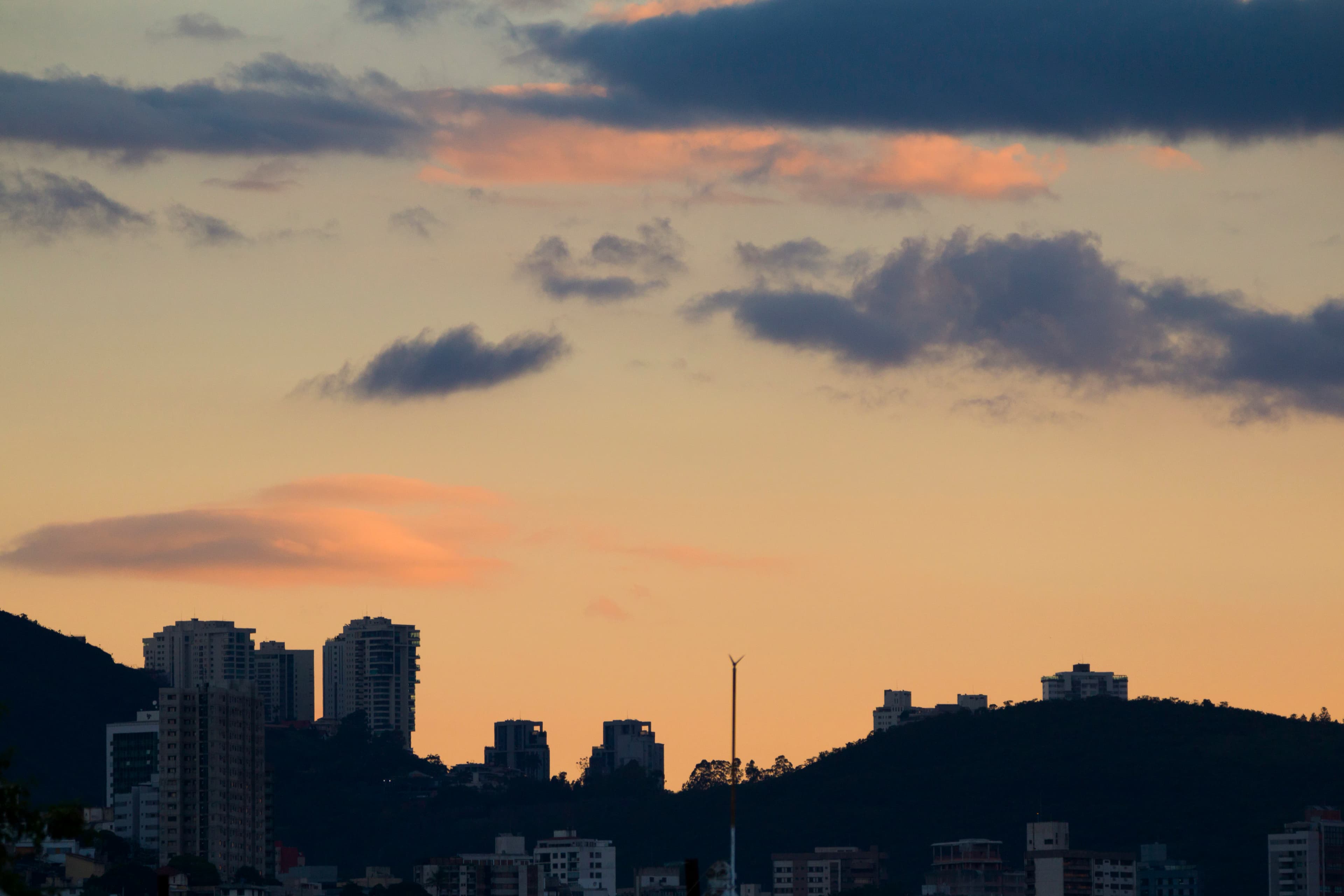
Belo Horizonte — affectionately called BH by locals — is the capital of the state of Minas Gerais and with around 2.7 million inhabitants, it is the sixth largest city in Brazil. The city was established in 1897 as Brazil's first planned city on a grid pattern and is situated on hilly terrain surrounded by mountains (Serra do Curral). Belo Horizonte is the undisputed bar capital of Brazil: With over 12,000 bars — more per capita than any other city in the country — the Boteco culture (Brazilian pub culture) is most authentic here. In the evenings, the sidewalks of the neighborhoods Savassi and Santa Tereza fill with plastic tables and freshly tapped Chopp (draft beer). The Pampulha region in the north of the city is an architectural masterpiece and UNESCO World Heritage site: Oscar Niemeyer designed the Igreja de Sao Francisco de Assis, the Casa do Baile, and the Museu de Arte here in 1943 — all icons of Brazilian modernism, located by the artificial Pampulha Lake. Minas Gerais is the culinary heart of Brazil: Pao de Queijo (cheese bread), Feijao Tropeiro, Tutu de Feijao, and Doce de Leite all originate from this region. The Mercado Central with over 400 stalls is a feast for all senses. From Belo Horizonte, the colonial cities of Ouro Preto (UNESCO World Heritage), Tiradentes, and Diamantina are reachable for day trips — testimonies of the Brazilian gold rush in the 18th century.
Bonito
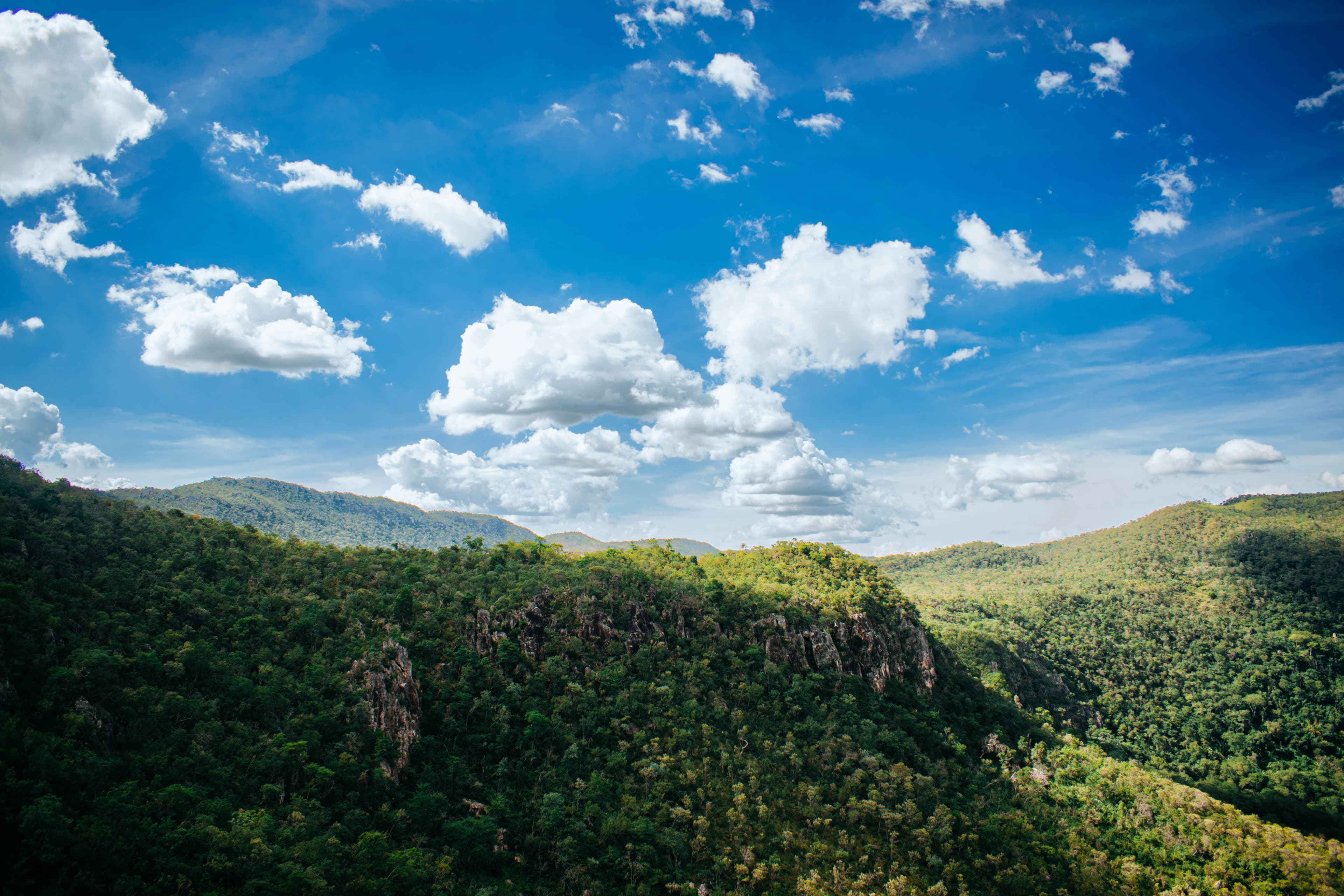
Bonito is Brazil's ecotourism capital — a small town in Mato Grosso do Sul with the clearest rivers in the country. The crystal-clear waters of the spring rivers allow for snorkeling in natural aquariums, where you float through nature among hundreds of colorful fish. Bonito is also a model for sustainable tourism: visitor numbers are strictly limited and nature comes first.

Brasília
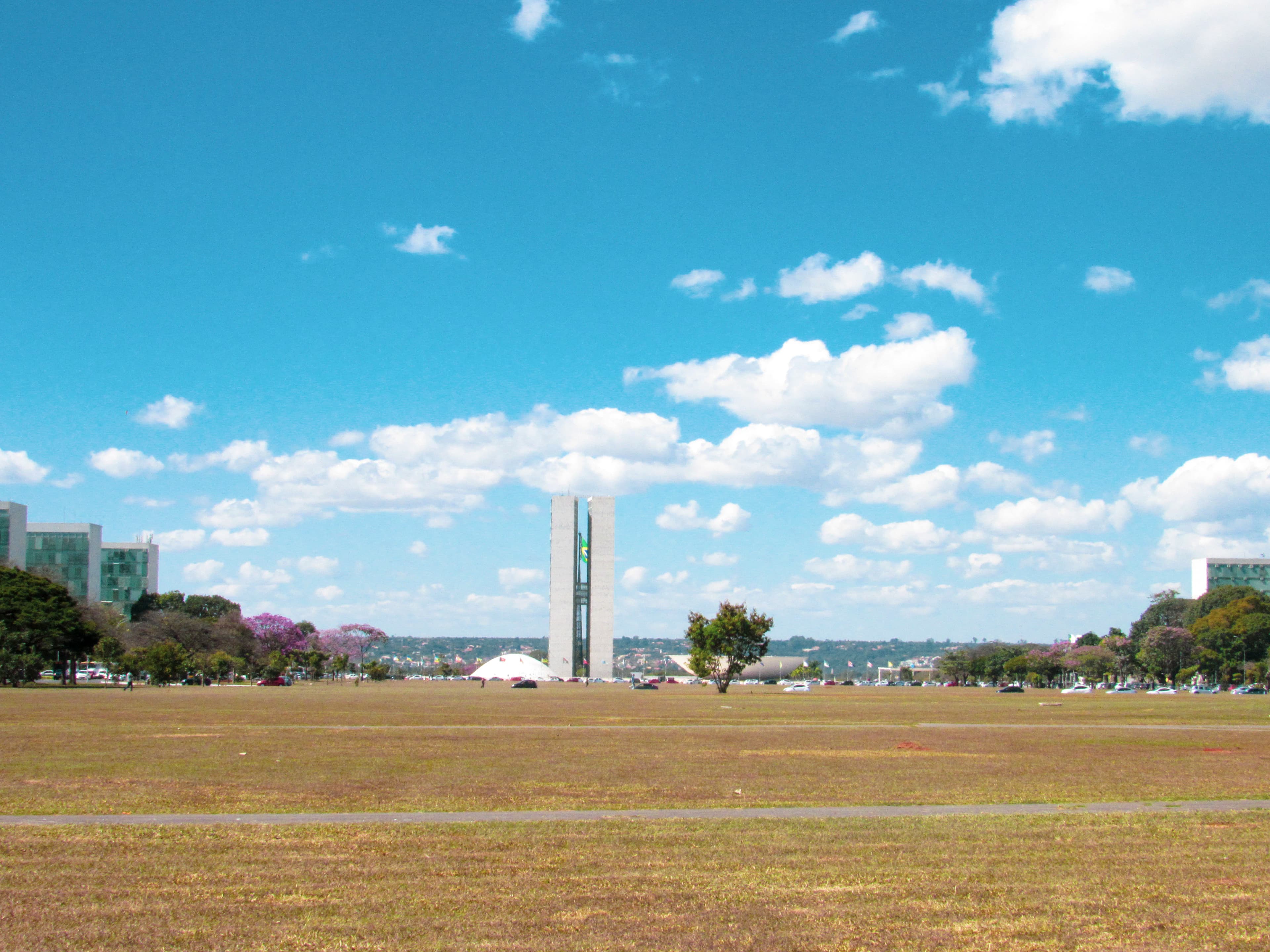
Brasília is the capital that emerged from nothing — inaugurated in 1960, built in the middle of the Brazilian highlands to geographically unite the vast country. The planned city is the largest realized project of architectural modernism and has been designated a UNESCO World Heritage Site as a total work of art: urban planner Lúcio Costa designed the famous layout in the shape of an airplane (or butterfly), and architect Oscar Niemeyer created over 100 public buildings, whose bold concrete forms define the skyline. The Esplanada dos Ministérios, a monumental axis with identical ministerial buildings, leads to the Praça dos Três Poderes (Three Powers Square) — one of the most impressive urban ensembles in the world: Niemeyer's Congress with its two hemispheres (Senate and Chamber of Deputies), the Palácio do Planalto (presidential seat), and the Supreme Court frame a wide square that casts power and modernity in concrete. The Catedral Metropolitana is Niemeyer's masterpiece: sixteen curved concrete columns that rise like praying hands into the sky enclose a light-filled space with three floating angel figures. One enters the church through a dark corridor and immerses into a bath of light and color — a sacred experience, regardless of faith. Away from the monumental axis, Brasília surprises with the Paranoá Lake, which surrounds the city and offers sailboats, beaches, and weekend relaxation, along with a growing culinary scene that unites the cuisines of all 26 Brazilian states in one city.
Campo Grande
Campo Grande is the capital of the Brazilian state of Mato Grosso do Sul and the gateway to the Pantanal — the largest wetland on Earth and one of the most biodiverse ecosystems on the planet. The city itself surprises with a welcoming atmosphere, indigenous culture, and a unique cuisine that combines Brazilian, Paraguayan, and indigenous influences. The Pantanal — a UNESCO World Heritage site and biosphere reserve — is only 3-4 hours away and offers the best wildlife observation in South America: jaguars on the riverbanks, thousands of caimans, giant river otters, hyacinth macaws, and over 650 bird species. Unlike the Amazon, the Pantanal is open, and animals are easily visible. In the city, Rua 14 de Julho — the "Rua dos Ipês" — runs through the center under a tunnel of blooming trumpet trees. The Mercado Municipal offers local delicacies such as Sobá (Japanese noodle soup introduced by the Japanese immigrant community) and Tereré (iced mate tea). The Museu das Culturas Indígenas showcases the rich culture of the Guarani-Kaiowá and other indigenous peoples of Mato Grosso do Sul. The Bonito region — 3 hours away — offers crystal-clear waters for snorkeling with fish, mysterious caves, and breathtaking waterfalls.

Curitiba
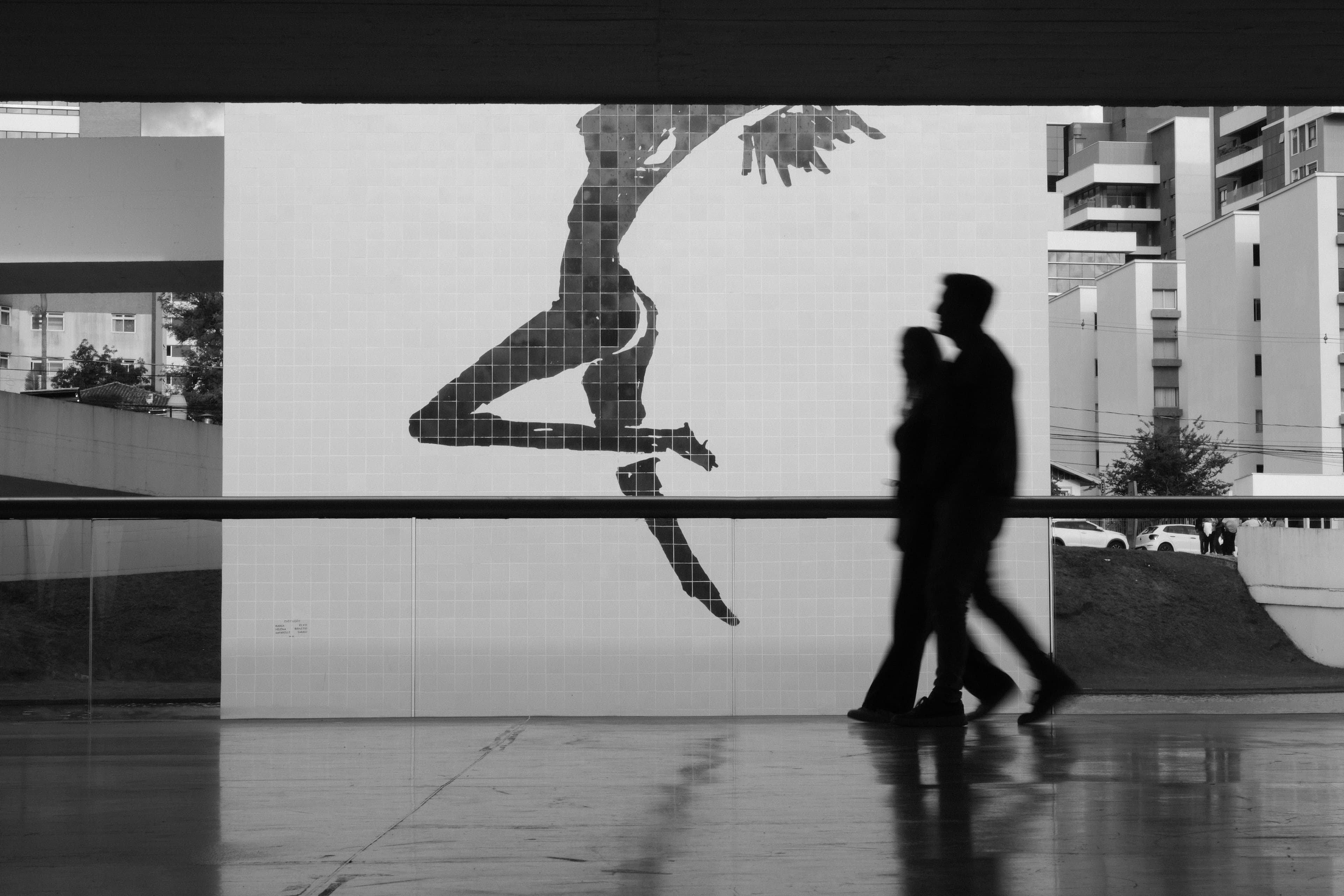
Curitiba is the capital of the southern Brazilian state of Parana and is considered the most innovative and sustainable large city in Brazil. The city, located on the southern Brazilian plateau (934 m), is globally known for its pioneering public transportation model, green spaces, and exemplary urban planning. The Bus Rapid Transit System (BRT) of Curitiba, developed in the 1970s, served as a model for cities worldwide — from Bogota to Istanbul. The tubular bus stations (Estacões Tubo) are iconic landmarks of the city. With 52 square meters of green space per inhabitant, Curitiba has the highest value of all Brazilian large cities. The Jardim Botanico (Botanical Garden) with its glass greenhouse in Art Nouveau style is the city's landmark: Inspired by the Crystal Palace in London, it houses tropical and subtropical plants amidst geometrically laid French gardens. The Museu Oscar Niemeyer, designed by the legendary Brazilian architect, is known for its eye-shaped form as Museu do Olho (Eye Museum). The 30-meter-long, cantilevered exhibition space hovers over a mirror pool and hosts changing art and design exhibitions. The Rua XV de Novembro was the first pedestrian zone in Brazil in 1972 and remains the heart of the city center. The Mercado Municipal offers specialties from European immigrants: Polish, German, Italian, and Ukrainian cuisine reflect Curitiba's multicultural history. The Serra do Mar, the steep slope to the sea, offers one of the most spectacular train routes in Brazil: The Serra Verde Express travels through 14 tunnels and over 30 bridges down to Morretes and Paranagua.
Florianópolis
Florianópolis — or "Floripa," as the Brazilians affectionately say — is an island city on the southern coast of Brazil, regarded as one of the best surf and beach destinations in South America. The capital of the state of Santa Catarina connects 42 beaches with lush Atlantic vegetation, crystal-clear lagoons, and a quality of life that regularly ranks among the highest in Brazil. The beaches of Floripa are incredibly diverse. In the east, Atlantic waves crash on Praia da Joaquina and Praia Mole — Brazil's surf mecca with international competitions and a young, sporty scene. In the north, Jurerê Internacional attracts with luxury beach clubs reminiscent of Ibiza. In the south, Campeche and Lagoinha do Leste offer wild, less-developed beaches with rainforest as a backdrop. Lagoa da Conceição is the cultural heart of the island — a huge lagoon surrounded by dunes, restaurants, and nightlife. Here, bars, live music venues, and restaurants serve fresh oysters from nearby oyster farms. Floripa produces 80% of all oysters in Brazil, and the quality is excellent. The historic center on the mainland surprises with colonial architecture, the lively Mercado Público, and a burgeoning gastronomy scene. The Azorean heritage of the city is reflected in the architecture, fishing villages, and festivals — the ancestors of many Floripanos came from the Azores in the 18th century. Floripa is also a paradise for outdoor activities: hikes through the Mata Atlântica to hidden beaches, stand-up paddling on the lagoon, paragliding from Morro da Lagoa, and sandboarding on the Joaquina dunes. In the Brazilian summer (December to February), the island transforms into a huge party — the population doubles with tourists from all over Brazil and Argentina.
Fortaleza
Fortaleza is the capital of the state of Ceara in northeastern Brazil and the fifth largest city in the country. The metropolis on the Atlantic is famous for its endless beaches, vibrant Forro music scene, and as a starting point for some of the most spectacular coastal landscapes in South America. Praia do Futuro is Fortaleza's most popular city beach: kilometers of white sand, turquoise water, and the typical Barracas (beach huts) with live music, fresh crabs, and ice-cold beer. On Thursdays, Praia do Futuro turns into an open-air festival with Forro music. The beach of Jericoacoara (Jeri), about 300 km west of Fortaleza, is regularly ranked among the most beautiful beaches in the world: a remote fishing village with sand dunes, windsurfing lagoons, and magical sunsets from the Duna do Por do Sol. Jeri is only accessible via sandy tracks, preserving its charm. Canoa Quebrada, 160 km southeast, impresses with dramatic red sandstone cliffs overlooking a vast beach. The landmark — a crescent moon with a star carved into the cliffs — dates back to French hippies in the 1970s. Fortaleza is a center of Forro, the northeastern Brazilian couple's dance: at Pirata Bar and other clubs, people dance every Monday until dawn to accordion, zabumba, and triangle. The craft markets (especially Mercado Central and Feira da Beira Mar) offer top-quality hammocks, leather goods, and Cachaca from Ceara.

Goiânia
Goiânia is the capital of the Brazilian state of Goiás and one of the youngest major cities in Brazil — founded in 1933 as a planned city, with wide avenues and Art Deco architecture reminiscent of a tropical Brasília. The city in the central highlands (Planalto Central) is the gateway to the Cerrado, Brazil's most biodiverse savanna, and the spectacular Chapada dos Veadeiros. Goiânia is the undisputed capital of Sertanejo music — Brazil's country music, which has risen to become the most popular music genre in the country since the 2000s. Duos like Jorge & Mateus and Maiara & Maraisa hail from here. Live shows in huge arenas and open-air stages are part of the weekend ritual, and the Festa do Peão (Rodeo Festival) is a mega-event. The Bosque dos Buritis, a 14-hectare city park in the center, is a green oasis with lakes, hiking trails, and the Goiás Art Museum. The Praça Cívica, the central square with neoclassical government buildings, forms the architectural heart of the planned city. Goiânia's street network radiates outwards from here in a star shape. The Chapada dos Veadeiros, about 230 km to the north, is a UNESCO World Heritage Site with canyons, waterfalls over 100 meters high, natural quartz pools, and a unique Cerrado flora. The area is also known as a spiritual center — the town of Alto Paraíso de Goiás attracts both esotericists and nature lovers alike. Goiânia is one of the greenest major cities in Brazil with over 30 parks and 900,000 trees. The hot springs region around Caldas Novas and Rio Quente, 170 km to the south, offers the largest natural hot springs in South America with water temperatures of up to 70 °C.

João Pessoa
João Pessoa is the third oldest city in Brazil and the easternmost point of the Americas — here the sun rises first on the entire double continent. The capital of the state of Paraíba offers a relaxed alternative to the more famous beach towns of the Northeast with lush vegetation, reef-protected beaches, and a charming old town. Ponta do Seixas — the easternmost point of the Americas — is marked by a lighthouse at the place where the sun first shines over the American continent. Tambaú Beach and Cabo Branco Beach offer kilometers of golden sand with natural reef pools at low tide. The old town Centro Histórico houses the baroque monastery of São Francisco — one of the most opulent baroque ensembles in Brazil with gilded altars, painted azulejos, and a cloister full of flowers. João Pessoa has more tree cover per inhabitant than any other capital in Brazil and the nickname "Cidade Verde" (Green City). Jacaré Beach on the Paraíba River is famous for the "Bolero de Ravel" ritual: Every evening a saxophonist plays Ravel's Bolero at sunset while dozens of catamarans drift in the golden light — one of the most romantic rituals in Brazil.
Maceió
Maceió is the capital of the Brazilian state of Alagoas and a hidden beach paradise on the northeastern coast of Brazil. The city offers some of the most beautiful beaches in the country — with crystal-clear, warm water, natural pools in the sea, and coconut palms reaching down to the turquoise water. Praia do Francês — 20 km to the south — is considered one of the most beautiful beaches in Brazil with a natural coral reef that creates a calm pool in the sea. The Piscinas Naturais de Pajuçara form at low tide 2 km off the coast: natural pools in the open sea, accessible by Jangada (traditional sailing raft). Praia do Gunga at the mouth of the São Miguel River combines sea, river, cliffs, and coconut palms into a breathtaking panorama. The Nine Islands Lagoon landscape (Mundaú and Manguaba) behind the city offers boat tours through mangrove forests and to fishing villages. The historic old town of Jaraguá with its pastel-colored colonial buildings comes alive in the evenings with live Forró music, bars, and the best Caipirinha in the region. The handicraft center showcases Alagoas lace, ceramics, and wood carvings.

Manaus
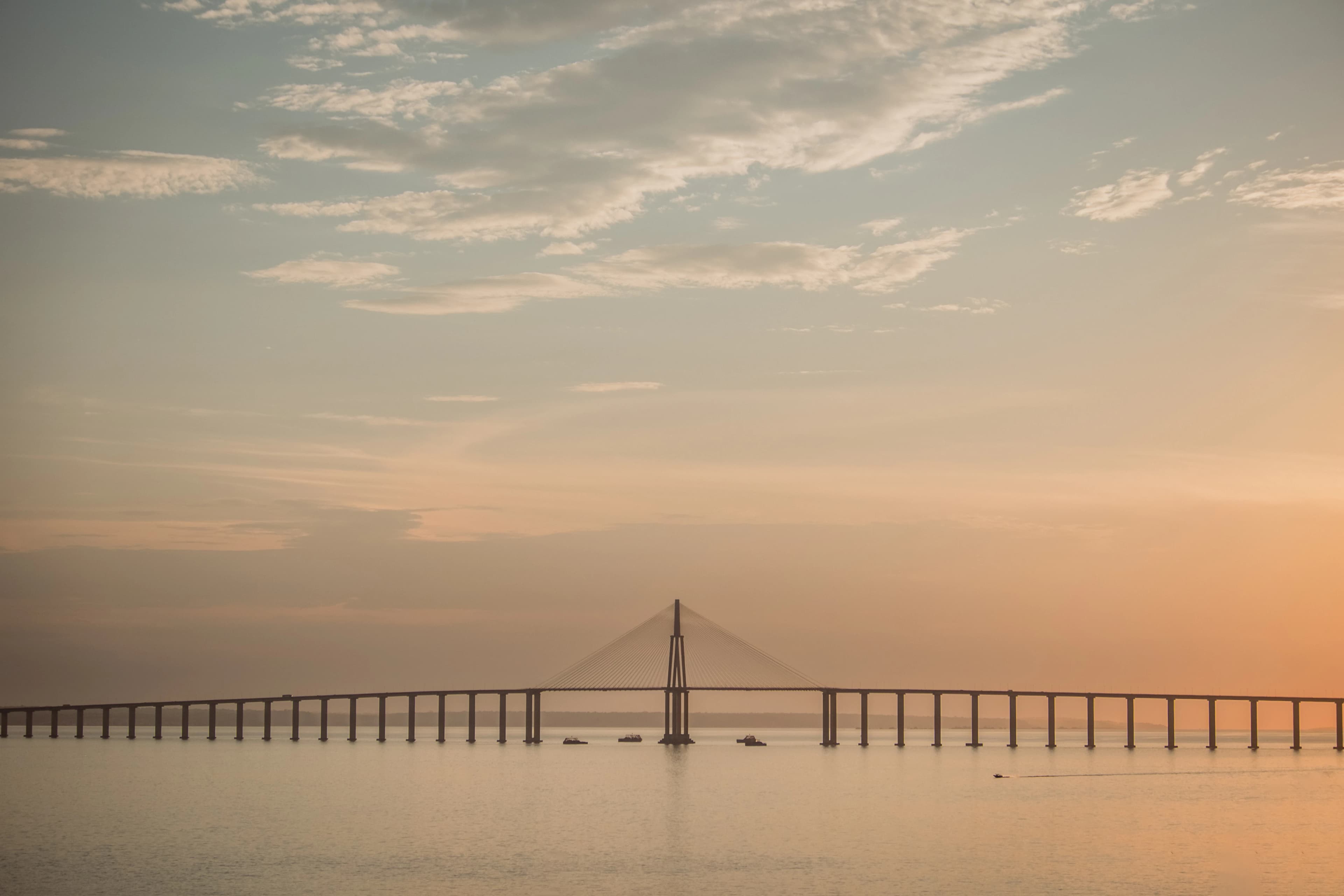
Manaus is the capital of the Brazilian state of Amazonas and the gateway to the largest rainforest on Earth. The city of millions is located in the middle of the Amazon Basin, at the confluence of the Rio Negro and the Rio Solimões, which together form the Amazon. Access is only possible by airplane or boat — no road connects Manaus to the rest of Brazil. The Encontro das Aguas (Meeting of the Waters) is a unique natural phenomenon: the dark Rio Negro and the light brown Rio Solimões flow alongside each other for kilometers without mixing — caused by different temperatures, speeds, and chemical compositions. This spectacle can be experienced by boat. The Teatro Amazonas is Manaus' architectural jewel: a magnificent opera house in Renaissance style, built in 1896 during the rubber boom, featuring Italian marble, French crystal chandeliers, and 36,000 decorated ceramic tiles on the dome. The rubber boom made Manaus one of the richest cities in the world by the end of the 19th century. Jungle lodges in the surrounding area offer multi-day expeditions: piranha fishing, observing caimans at night, swimming with pink river dolphins, and hiking through the primary rainforest with indigenous guides. The biodiversity is overwhelming — a single tree can host more ant species than all of Great Britain. The Mercado Municipal Adolpho Lisboa, Manaus' central market at the port, is inspired by Les Halles in Paris and offers exotic Amazon fruits, fish, and medicinal plants from indigenous peoples.
Natal
Natal — the "City of the Sun" — is the capital of the Brazilian state of Rio Grande do Norte and enjoys over 300 sunny days a year. The city on Brazil's northeastern coast offers spectacular dune landscapes, warm sea, buggy adventures, and some of the most beautiful beaches in South America. Ponta Negra with the distinctive Morro do Careca (the "Bald Head Hill") is Natal's postcard beach: fine sand, warm water, and a lively beach promenade with restaurants and bars. The Forte dos Reis Magos — a star-shaped Portuguese fortress from the 16th century — marks the founding site of the city. The Genipabu Dunes north of the city offer the ultimate adventure: buggy rides through huge sand dunes with the call "Com emoção ou sem emoção?" (With or without adrenaline?). The Parrachos de Maracajaú — a coral reef 60 km off the coast — offers snorkeling in natural pools with tropical fish. Praia da Pipa — 80 km to the south — is one of the most beautiful beaches in Brazil with cliffs, dolphins, sea turtles, and a relaxed hippie atmosphere. Natal's old town Centro Histórico showcases colonial architecture and the vibrant cultural center Ribeira.

Paraty
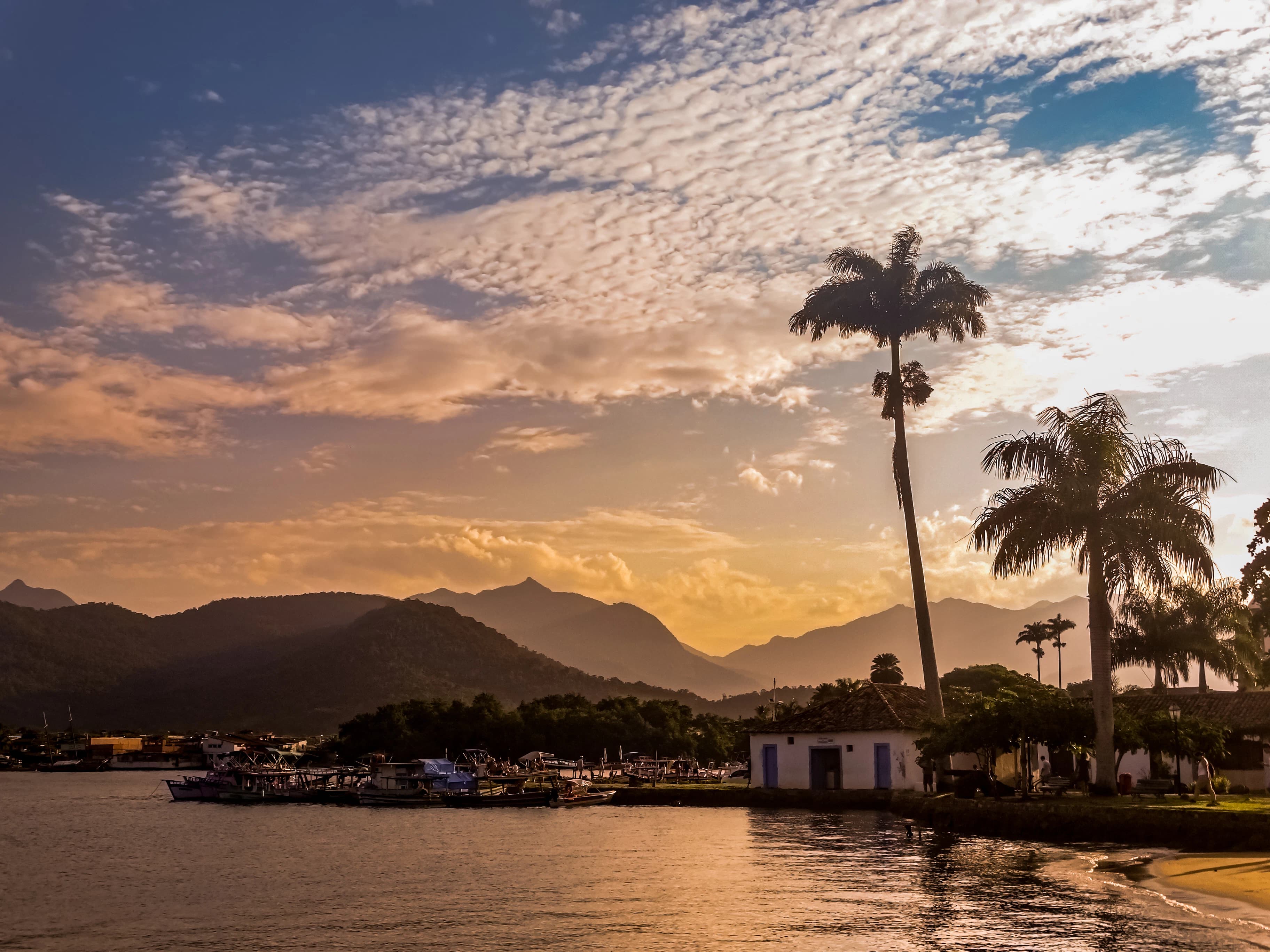
Paraty is a perfectly preserved colonial town on the coast between Rio de Janeiro and São Paulo, a UNESCO World Heritage Site since 2019. The cobblestone streets of the old town are partially flooded by the sea during high tide — a unique phenomenon. Surrounded by the tropical rainforest of the Mata Atlântica and over 60 paradise islands and beaches, Paraty combines history, nature, and Brazilian lifestyle.

Porto Alegre
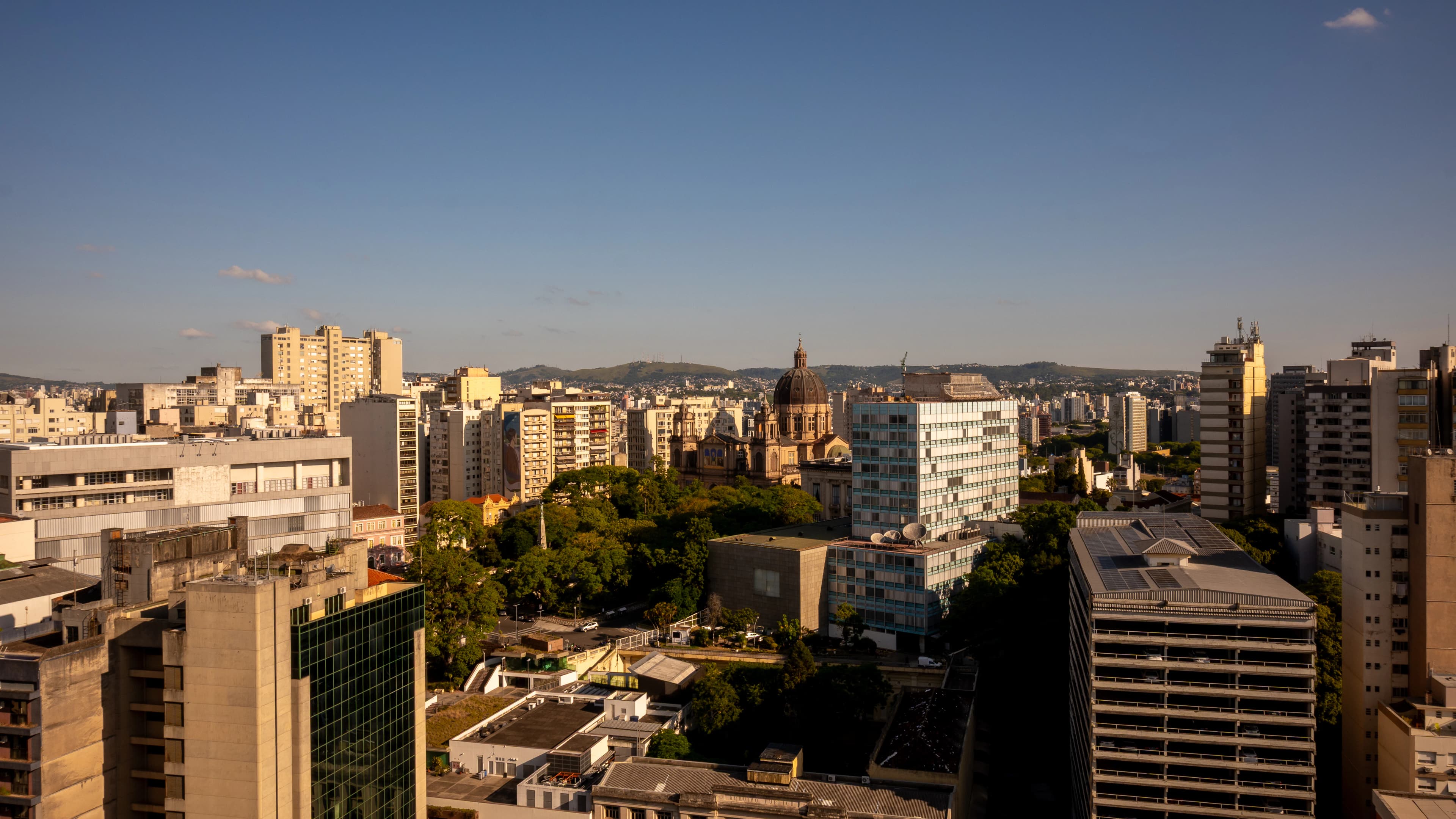
Porto Alegre is the capital of the southernmost Brazilian state of Rio Grande do Sul and the cultural center of Gaucho culture. The million-strong city on the eastern shore of the Rio Guaiba combines European immigrant history — especially German and Italian roots — with South American temperament and one of the continent's most vibrant football cultures. The Mercado Publico, opened in 1869 and built in neoclassical style, is the gastronomic heart of the city: Over 100 stalls offer fresh seafood, dried meat (Charque), spices, mate tea (Chimarrao), and regional specialties. The market has survived several fires and is considered a cultural heritage of Porto Alegre. The sunset at Guaiba is legendary: From the waterfront park Orla do Guaiba or the historic Gasometer district, one can observe the sun sinking behind the 50 km wide river delta — a daily natural spectacle that the locals, Portoalegrenses, celebrate. The Usina do Gasometro, a former power plant from 1928, is now a cultural center and the best viewpoint. Porto Alegre is the birthplace of Churrasco — the Brazilian grilling art where various cuts of meat are cooked on a skewer over an open fire. The city's churrascarias are considered the most authentic in the country. The rivalry between Gremio and Internacional shapes city life: Derby days (Grenal) are among the most intense football experiences in South America. The old town impresses with a mix of colonial architecture and Art Nouveau, including the Catedral Metropolitana on the Praca da Matriz and the Teatro Sao Pedro. The Cidade Baixa district is the nightlife area with bars, live music, and a thriving cultural scene.

Recife
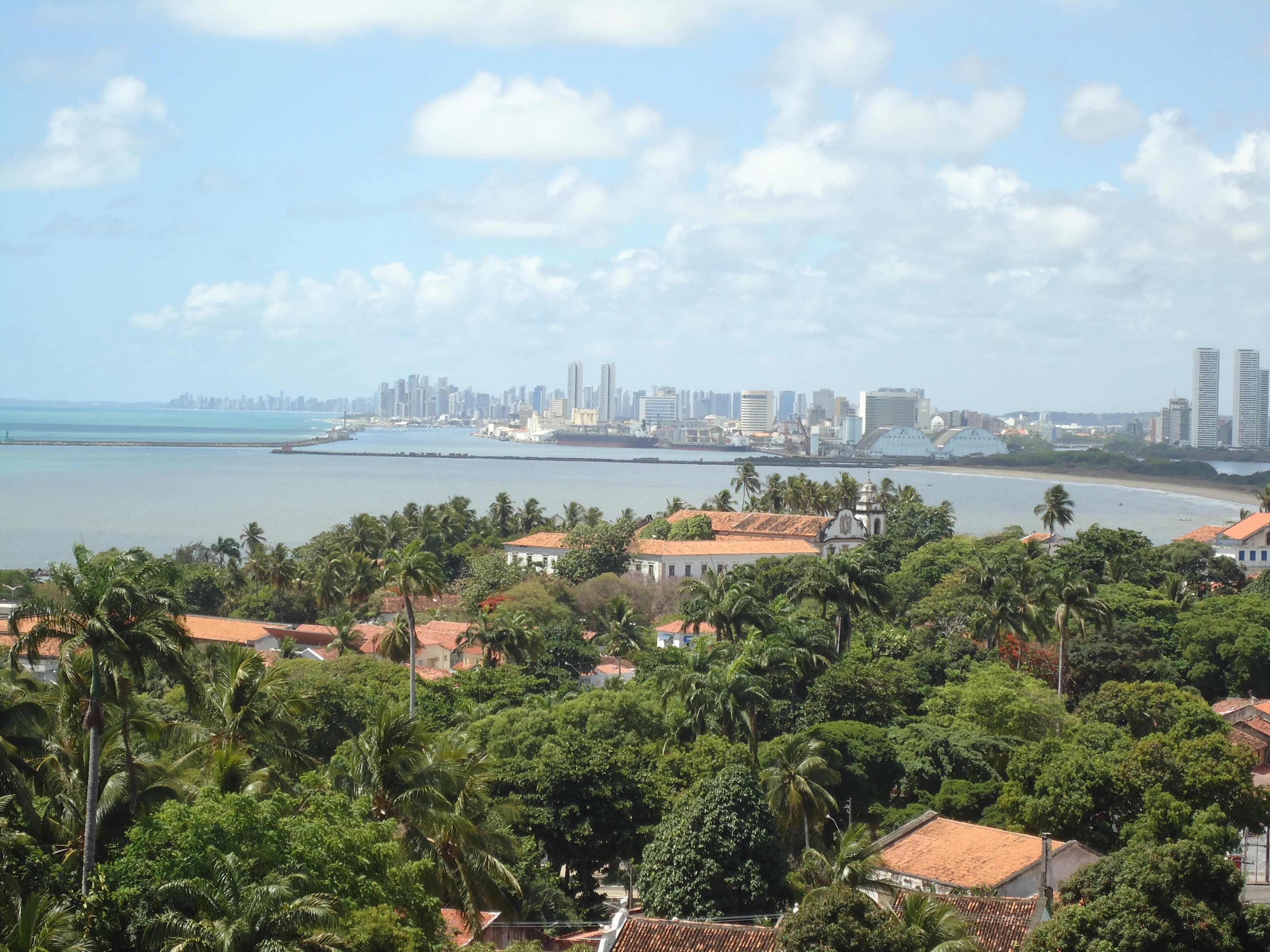
Recife is the capital of the state of Pernambuco in northeastern Brazil and is often referred to as the Venice of Brazil — the city is built on islands and peninsulas, crisscrossed by rivers and connected by dozens of bridges. With around 1.6 million inhabitants, Recife is the economic and cultural center of northeastern Brazil. The historic district of Recife Antigo (Old Recife) on an island in the harbor preserves magnificent colonial architecture from the 17th century, when the Dutch occupied the city and made it the most important port of the New World. Rua do Bom Jesus was once the street of the first synagogue in the Americas (Kahal Zur Israel, 1636) and is now a vibrant nightlife area. Just 7 km to the north lies Olinda, one of the best-preserved colonial cities in Brazil and a UNESCO World Heritage Site since 1982: Baroque churches, pastel-colored houses, artist studios, and a hill with panoramic views of the coast make Olinda a total work of art. The Carnival of Olinda is the largest street carnival in Brazil — featuring giant puppets (Bonecos Gigantes), Frevo music, and Maracatu rhythms. Frevo, an energetic music style with acrobatic dance and colorful umbrellas, was born in Recife and has been an intangible UNESCO cultural heritage since 2012. Maracatu, a rhythm with African roots from the time of slavery, is the soul of Pernambuco. The beaches of Boa Viagem stretch over 7 km along the city, protected by a natural reef that forms natural pools at low tide. Porto de Galinhas, about 60 km to the south, is considered one of the most beautiful beaches in Brazil with its turquoise natural pools and coral reefs.
Rio de Janeiro
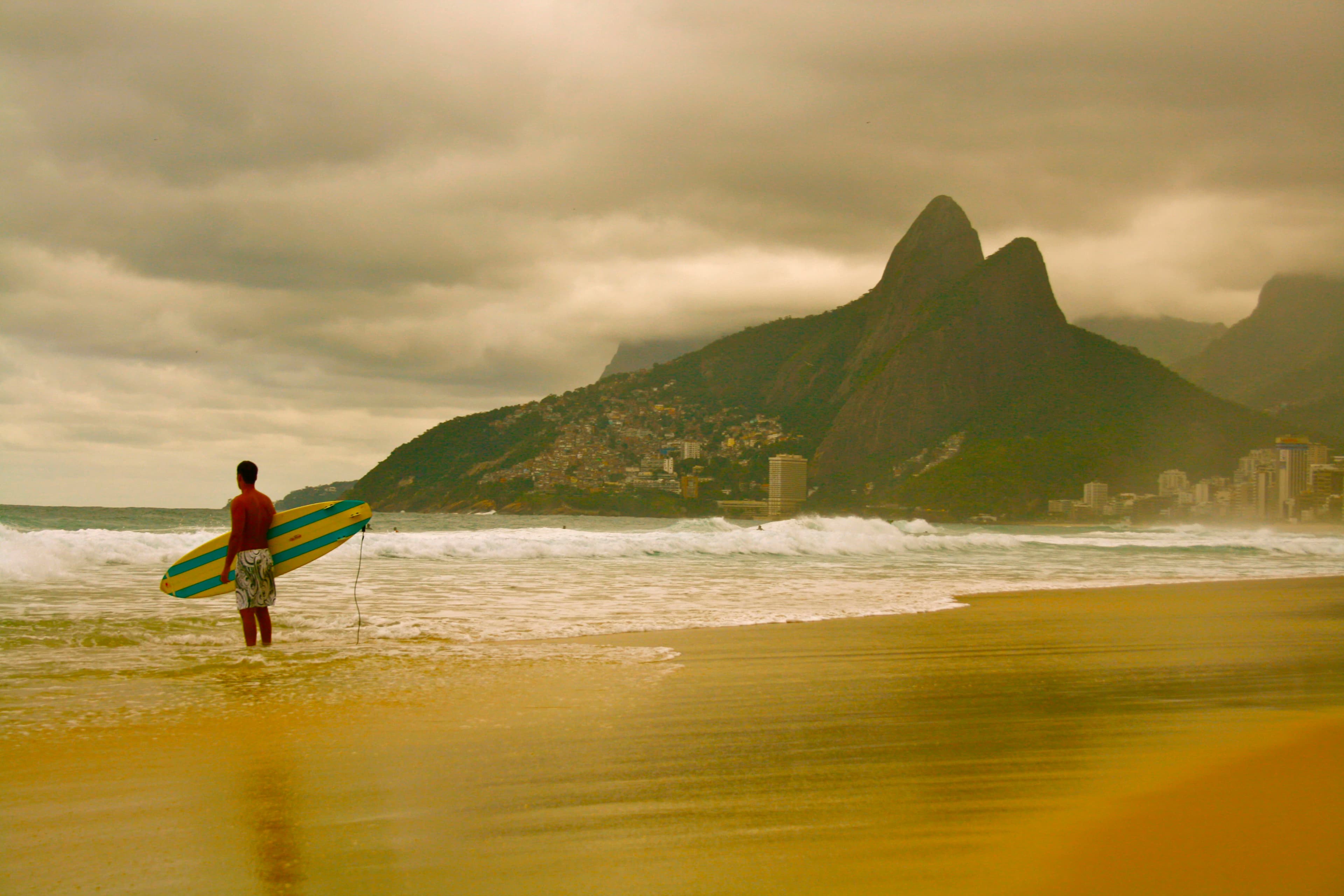
Rio de Janeiro is one of the most breathtaking cities in the world — nestled between tropical mountains, golden beaches, and the turquoise Atlantic. The Cristo Redentor statue on Corcovado spreads its arms over a city that uniquely combines joy of life, nature, and urban culture. Copacabana and Ipanema are among the most famous beaches in the world: This is where Rio's public life unfolds — football, volleyball, Caipirinha vendors, and samba rhythms blend into an endless beach spectacle. The ride on the cog train to Corcovado offers a 360-degree view, while the cable car to Sugarloaf Mountain reveals an unforgettable panorama, especially at sunset. The historic center with the Selaron Steps — 245 steps covered with colorful tiles from 60 countries — and the artistic neighborhood of Santa Teresa exude bohemian charm. The Carnival of Rio is the largest festival on earth: For four days, the city transforms into a sea of feathers, sequins, and samba rhythms in the Sambadrome. Even outside the Carnival season, Rio's nightlife pulses in Lapa with samba clubs and live music. December to March is summer with temperatures around 35 degrees.

Salvador
Salvador da Bahia is the capital of the state of Bahia and was the first capital of Brazil from 1549 to 1763. The city is located on a dramatic cliff overlooking the All Saints Bay (Baia de Todos os Santos) and is the heart of Afro-Brazilian culture — over 80% of the population is of African descent. Pelourinho, the historic old town and UNESCO World Heritage site since 1985, is a colorful ensemble of colonial buildings from the 17th and 18th centuries: pastel-colored facades, baroque churches, and cobblestone streets create the backdrop for ubiquitous drum rhythms and Capoeira performances. Capoeira, the Afro-Brazilian martial art that combines dance, acrobatics, and music, was developed in Salvador by enslaved Africans and is now recognized as UNESCO Intangible Cultural Heritage. In Pelourinho, one can observe daily Rodas (Capoeira circles) or participate in workshops. Candomblé, the Afro-Brazilian religion with West African roots, is omnipresent in Salvador: offerings to Iemanja (goddess of the sea) on the beaches, white-clad Baianas, and public ceremonies are part of everyday life. The Carnival of Salvador is the largest street carnival in the world (Guinness Book): for over 6 days, Trio Eletricos (huge mobile stages) parade through the streets, accompanied by millions of dancers. Axe music, samba-reggae, and blocos (groups) make Salvador's carnival unique and wilder than that in Rio. The Elevador Lacerda, an Art Deco elevator from 1873, connects the upper city with the lower city in 30 seconds and offers a spectacular view over the bay.

São Luís
São Luís is the only Brazilian capital founded by the French (1612) and has a UNESCO World Heritage-listed old town that is among the best-preserved colonial ensembles in the New World. The capital of the state of Maranhão is located on an island in the Atlantic and is known for its Portuguese tile art (Azulejos), Afro-Brazilian culture, and as a gateway to the surreal Lençóis Maranhenses. The historic center — the Centro Histórico — is a labyrinthine district with over 3,500 buildings from the 18th and 19th centuries, whose facades are adorned with colorful Portuguese Azulejo tiles. Rua Portugal and Rua do Giz are the most photogenic streets with restored houses in pastel and blue. São Luís is the birthplace of Bumba-meu-boi — one of the most spectacular folk festivals in Brazil, which in June transforms the entire city into a frenzy of drum rhythms, colorful costumes, and nighttime processions. Reggae is also surprisingly present: São Luís is called the 'Jamaica of Brazil.' The Lençóis Maranhenses — just 250 km away — are one of the most surreal landscapes on Earth: endless white sand dunes interspersed with crystal-clear rainwater lagoons in shimmering turquoise.
São Paulo
São Paulo is the largest city in South America and an urban colossus with over 22 million inhabitants, overwhelming visitors with its sheer energy, cultural depth, and culinary diversity. While Rio shines with beaches, São Paulo stands out as the undisputed cultural and gastronomic capital of the continent — with more than 12,000 restaurants uniting cuisines from around the world. Avenida Paulista is the pulsating heart of the city: skyscrapers, museums, and cultural centers line the legendary mile. The MASP (Museu de Arte de São Paulo) hovers on red pillars above the street and houses the most significant art collection in the Southern Hemisphere. The Vila Madalena neighborhood is the creative center with the Beco do Batman, an alley full of spectacular street art, and countless bars and galleries. São Paulo's Japanese community in Liberdade is the largest outside Japan, and the neighborhood offers authentic ramen, izakayas, and a Sunday street market. The Mercado Municipal, with its Art Nouveau architecture, is famous for the mortadella sandwich and tropical fruits. The Pinacoteca, Brazil's oldest art museum, and Ibirapuera Park offer a respite from the hustle and bustle of the city. São Paulo pulses year-round, with pleasant temperatures from May to September.
Complete guide for Brazil
Regions, attractions, food, routes, costs & practical tips — all in one digital guide.
Open guideReady for Brazil?
Plan your Brazil holiday now with our free tools.
Plan a holiday in Brazil
Brazil is one of the most popular travel destinations in South America, offering Beach, Nature, Party and much more. The best time to visit Brazil is May–September (dry season), when the weather is ideal for exploration and relaxation. With a daily budget starting from 35–55€ (Budget) to 110–250€ (Luxury), Brazil is suitable for various travel budgets.
From the capital Brasília, Brazil can be excellently explored. The official language is Portuguese, and the currency is Real (R$). From Germany, you can reach Brazil in approx. 11–12 hours. Whether you want to try culinary highlights like Feijoada, Churrasco, Açaí Bowl, visit top attractions, or simply enjoy the atmosphere: Brazil has something for every type of traveller.
Use our free travel tools to prepare your Brazil holiday perfectly. With the holiday finder, you can discover if Brazil is the right destination for you. The budget calculator helps you plan costs realistically, and with the packing list, you won't forget anything.
Suitable holiday types for Brazil:
More travel destinations in South America:
All countries in South America