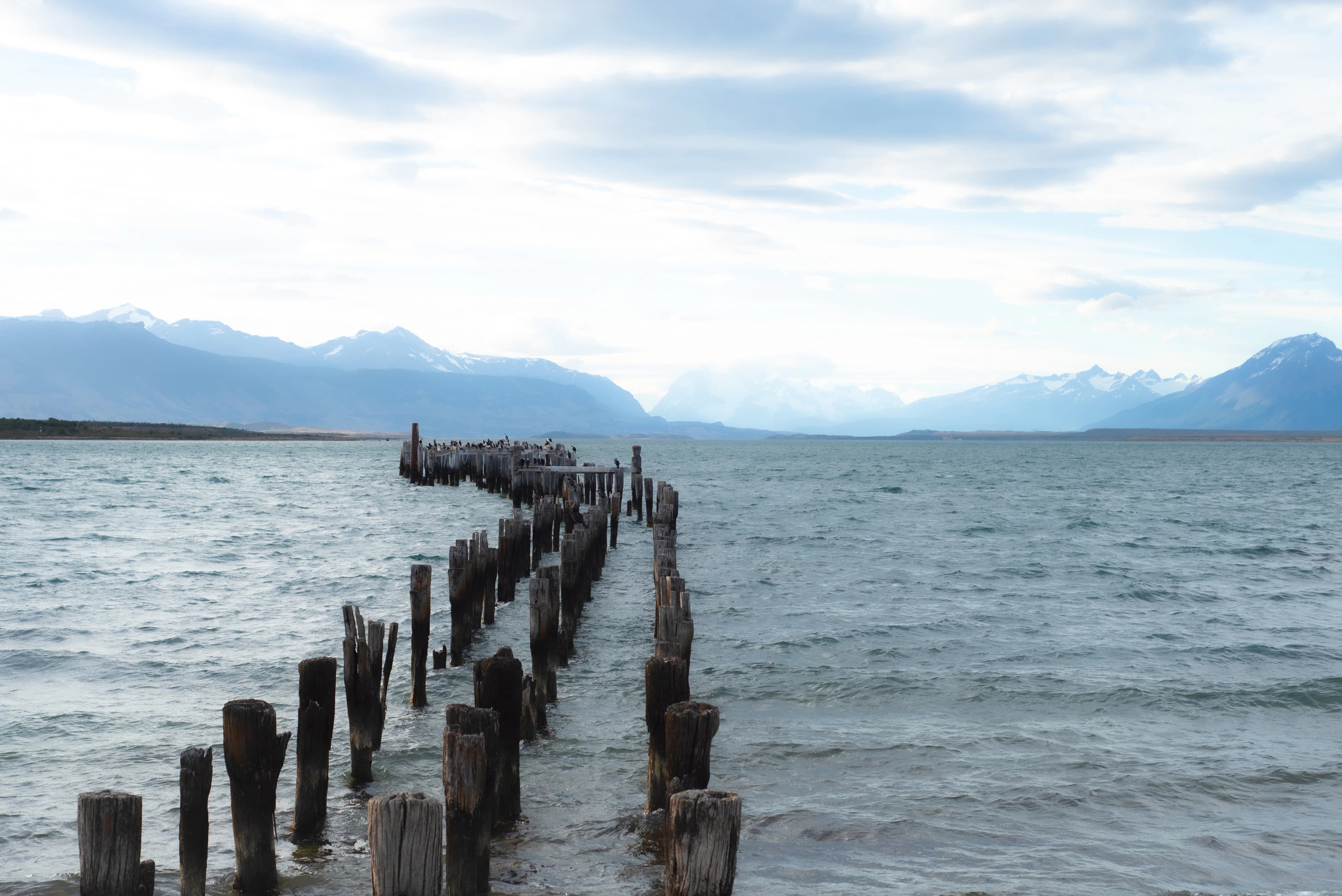
Chile holiday
Travel tips, best time to visit & highlights for your Chile holiday in South America
Chile stretches over 4,300 km from the driest desert in the world to the glaciers of Patagonia. The Atacama Desert offers the clearest starry sky on Earth, Torres del Paine is a hiking paradise, and Easter Island is one of the most mysterious places in the world. Additionally, there are excellent wines and Santiago as a cosmopolitan capital.
Capital
Santiago de Chile
Language
Spanish
Currency
Chilean Peso (CLP)
Time zone
UTC-3
Flight time from DE
approx. 14–16 hours
Entry requirements
Passport, 90 days visa-free
Deals for Chile:
What are the highlights of Chile?
The best-known highlights of Chile include Torres del Paine, Atacama Desert, Easter Island (Rapa Nui), Valparaíso, Santiago.
The places you absolutely must not miss.
Torres del Paine
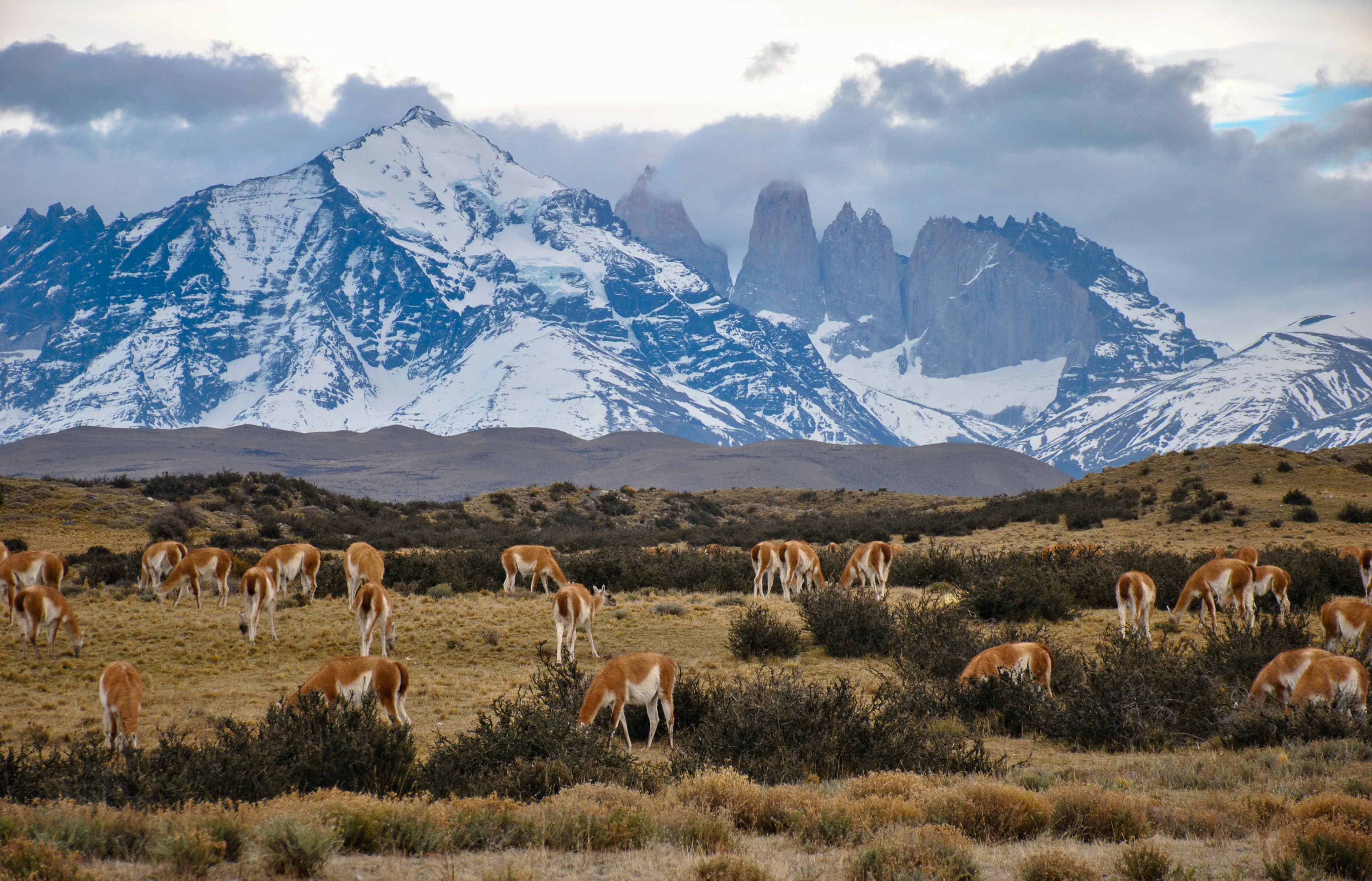
Patagonia's crown jewel: granite towers, glaciers, turquoise lakes, and the legendary W-Trek.
Atacama Desert
Geysers, salt flats, flamingos, and the clearest starry sky in the world for stargazing.
Easter Island (Rapa Nui)
Mysterious Moai statues on the most remote inhabited island in the world.
Valparaíso
Colorful port city with street art, funiculars, and a bohemian atmosphere (UNESCO).
Santiago
Modern capital against the backdrop of the Andes: Mercado Central, Cerro San Cristóbal, and wine-growing regions.
Hotels in Chile
Compare thousands of hotels, apartments and resorts on Expedia – with price guarantee, free cancellation and reward points.
* You will be redirected to Expedia.de. Their terms of use apply.
Reise-SIM für Chile
Prepaid-SIM mit Datenvolumen für Chile. Einfach einlegen und sofort lossurfen – keine Roaming-Gebühren.
* Weiterleitung zu travSIM.de. Es gelten die dortigen Nutzungsbedingungen.
Reiseversicherung abschließen
Rundum-Schutz ab 9,90 € auf TravelSecure.de
Pauschalreisen & Rundreisen
Berge & Meer – 170 Tage Cookie
When is the best time to visit Chile?
The best time to visit Chile is October–March (Southern Hemisphere summer). In summer: 18–30°C. In winter: 5–15°C.
Recommended travel time
October–March (Southern Hemisphere summer)
Summer
18–30°C
Winter
5–15°C
How much does a holiday in Chile cost?
A holiday in Chile costs roughly 40–60€ per person per day (excluding flights) on a budget, 60–120€ mid-range and 120–300€ for luxury travel.
Average cost per person per day (excluding flight)
Budget
40–60€
Hostel, street food, public transport
Mid-range
60–120€
Hotel, restaurant, excursions
Luxury
120–300€
Boutique hotel, fine dining
How long is the flight from Germany to Chile?
From Germany you reach Chile in approx. 14–16 hours.
What travel tips are there for Chile?
Insider knowledge to make your holiday better.
Torres del Paine: Book campsites and refuges months in advance
Atacama: Drink plenty of water – the altitude (2,400m) and dryness can dehydrate quickly
Easter Island flights only with LATAM – book early
Chilean wine is excellent and cheaper than in Europe
Patagonia: Never underestimate wind and cold – even in summer, bring a winter jacket
What do people eat in Chile?
Typical dishes in Chile are Empanadas de Pino, Pastel de Choclo, Curanto, Cazuela, Pisco Sour, Chilean Wine.
These dishes you must try!
Which regions and places in Chile are worth visiting?
10 regions, cities and highlights in Chile
Areas
Atacama Desert
The Atacama Desert in northern Chile is the driest place on Earth — an extraterrestrial landscape of salt flats, geysers, moon valleys, and lagoons inhabited by flamingos at over …
Salar de Atacama
The Salar de Atacama is Chile's largest salt flat and one of the most surreal natural phenomena in South America: A 3,000 square kilometer crust of salt and minerals stretches at …
Cities
Pucón
Pucón is Chile's adventure capital — a picturesque town on the shores of Lake Villarrica, dominated by the perfectly conical Villarrica Volcano, which glows red at night. In …
Puerto Natales
Puerto Natales on the Última Esperanza Fjord is the gateway to Torres del Paine National Park and the southernmost tourist town in Chile before Antarctica. The small harbor town …
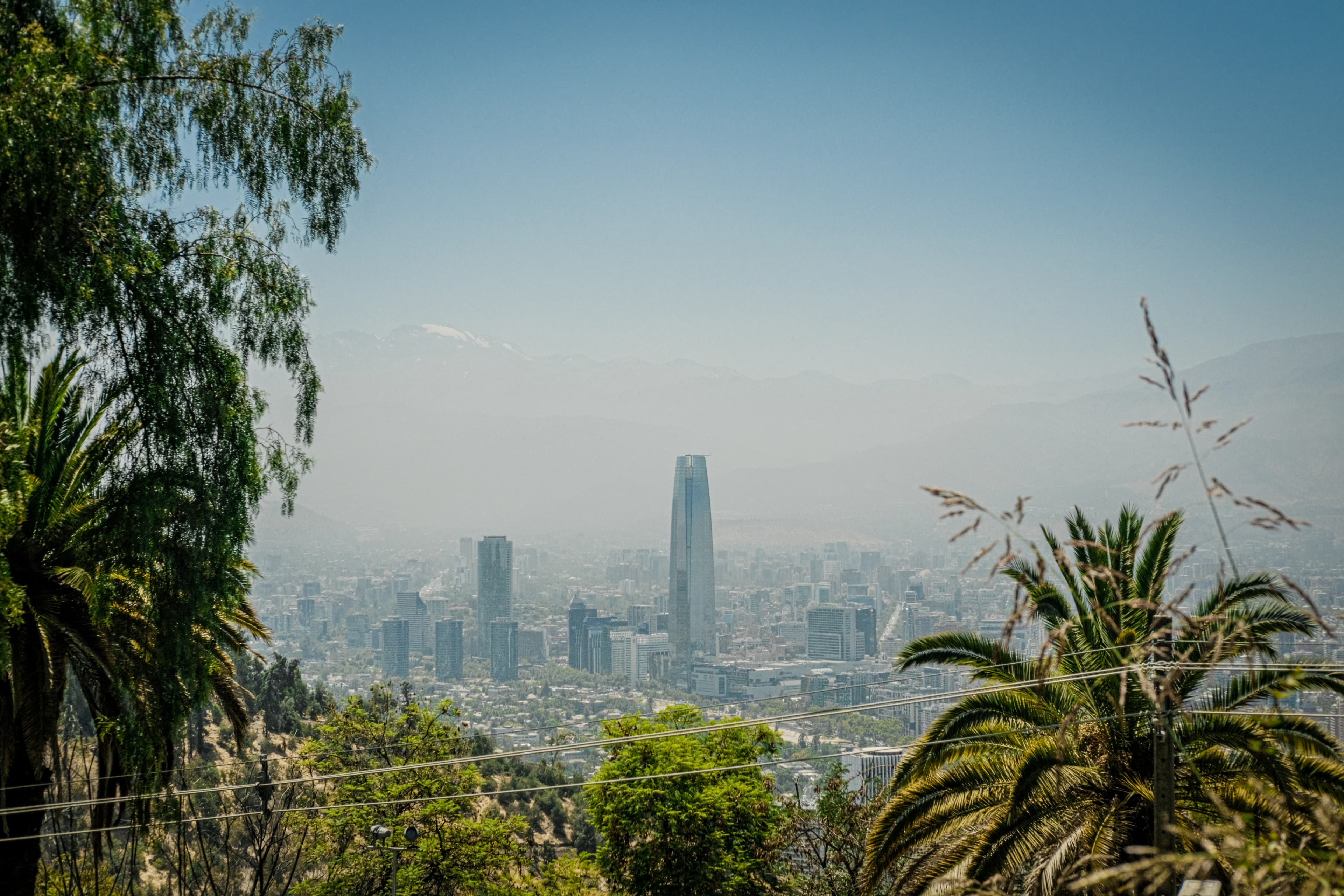
Santiago de Chile
Santiago de Chile is a vibrant metropolis framed by the snow-capped peaks of the Andes — a city where cosmopolitan urban life meets one of the most dramatic mountain backdrops in …
Santiago de Chile
Santiago de Chile is located in a basin, framed by the snow-capped peaks of the Andes — a panorama that is breathtaking on clear days. Chile's capital is a cosmopolitan metropolis …
Valdivia
Valdivia is Chile's most charming river city — a university town with German roots, located at the confluence of two rivers and known for its beer culture, sea lion colonies, and …

Valparaíso
Valparaíso, affectionately called "Valpo", is Chile's most colorful, wildest, and bohemian city. The UNESCO World Heritage port city climbs over 42 hills (Cerros), each with its …
Complete guide for Chile
Regions, attractions, food, routes, costs & practical tips — all in one digital guide.
Open guideHow do I plan a holiday in Chile?
Chile is one of the most popular travel destinations in South America, offering Nature, Hiking, Desert and much more. The best time to visit Chile is October–March (Southern Hemisphere summer), when the weather is ideal for exploration and relaxation. With a daily budget starting from 40–60€ (Budget) to 120–300€ (Luxury), Chile is suitable for various travel budgets.
From the capital Santiago de Chile, Chile can be excellently explored. The official language is Spanish, and the currency is Chilean Peso (CLP). From Germany, you can reach Chile in approx. 14–16 hours. Whether you want to try culinary highlights like Empanadas de Pino, Pastel de Choclo, Curanto, visit top attractions, or simply enjoy the atmosphere: Chile has something for every type of traveller.
Use our free travel tools to prepare your Chile holiday perfectly. With the holiday finder, you can discover if Chile is the right destination for you. The budget calculator helps you plan costs realistically, and with the packing list, you won't forget anything.
Suitable holiday types for Chile:
More travel destinations in South America:
All countries in South America