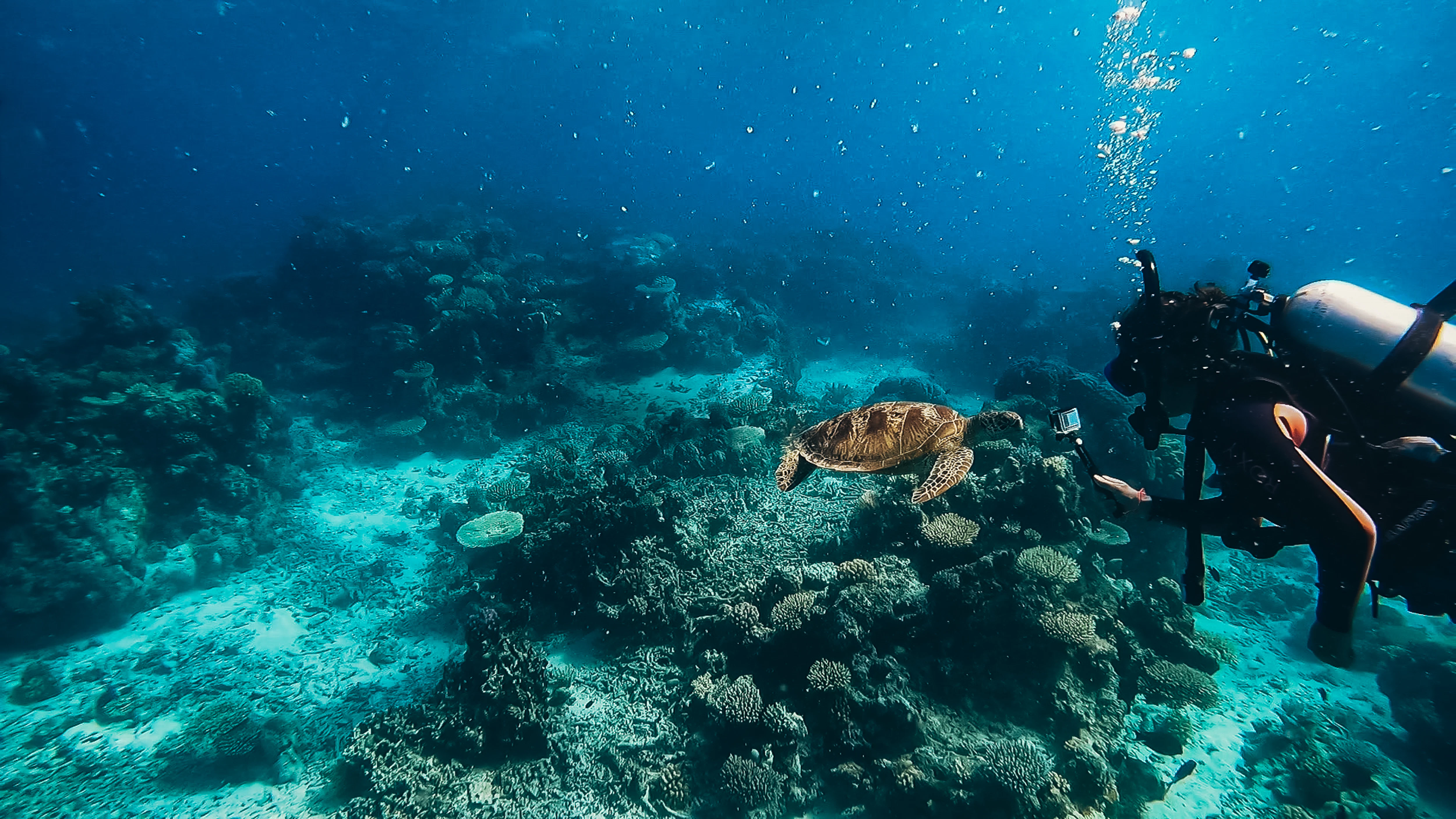
a scuba diver and a turtle on a coral reef
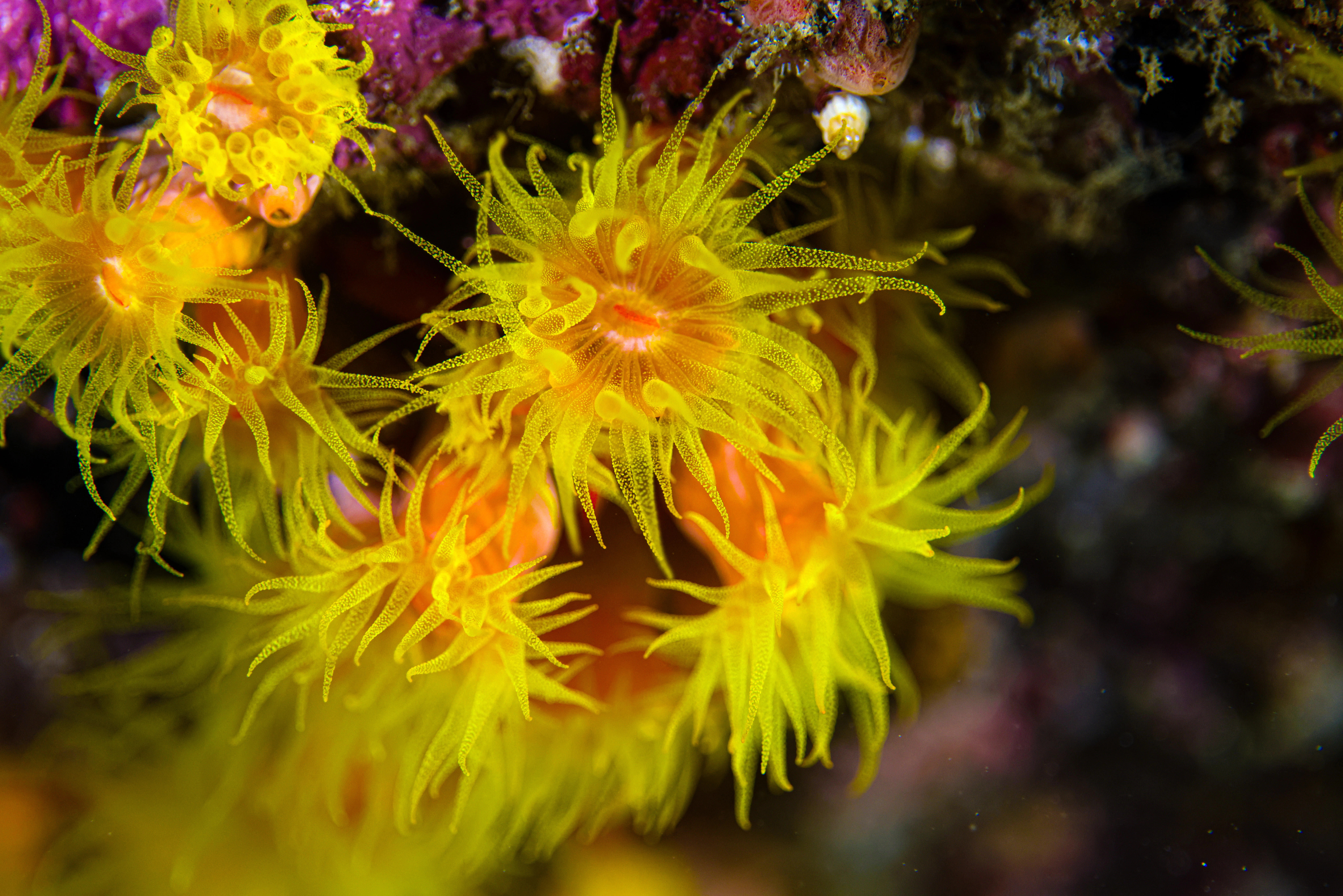
Bright yellow coral polyps with orange centers.
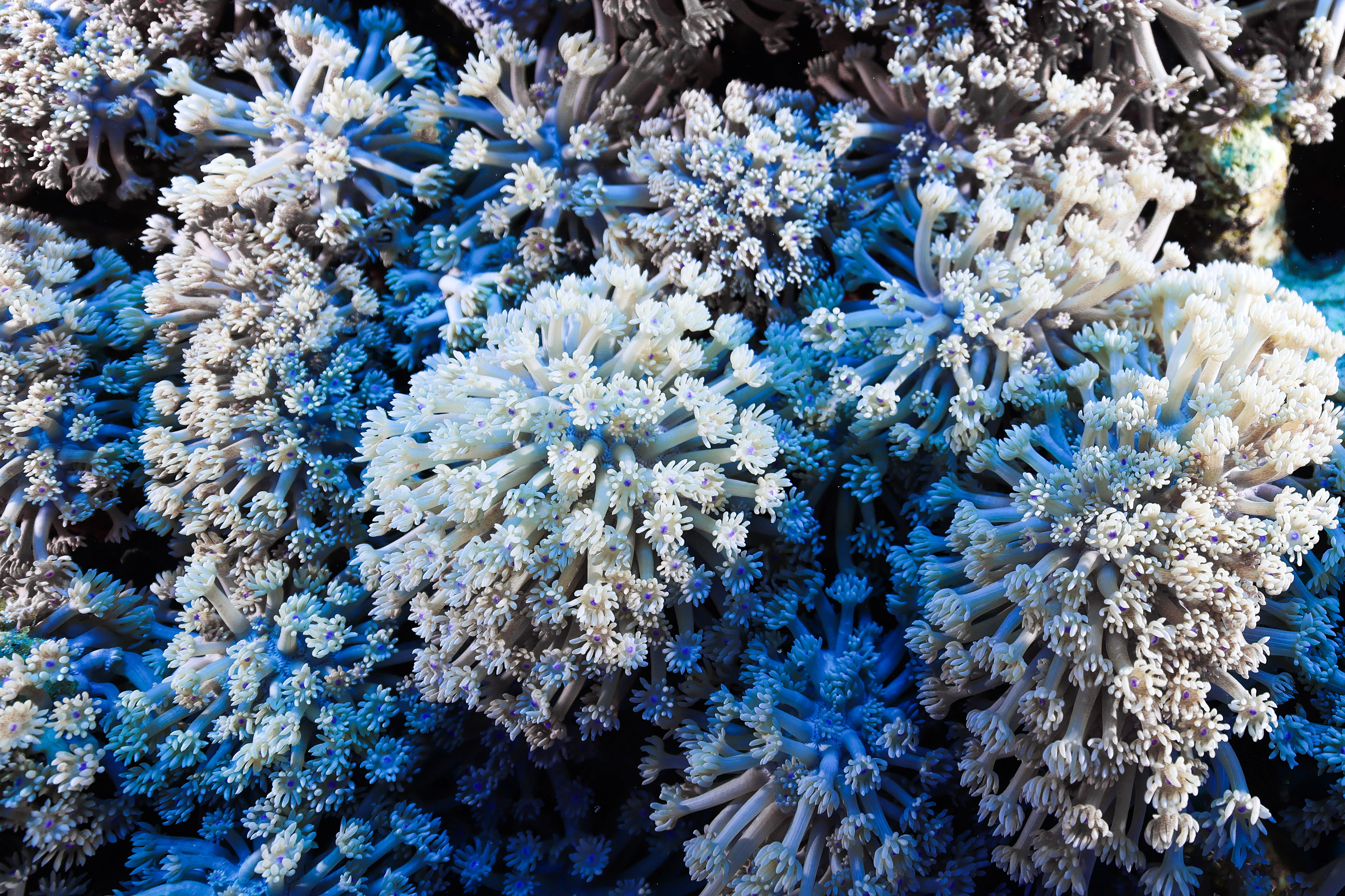
Close-up of white and blue coral texture
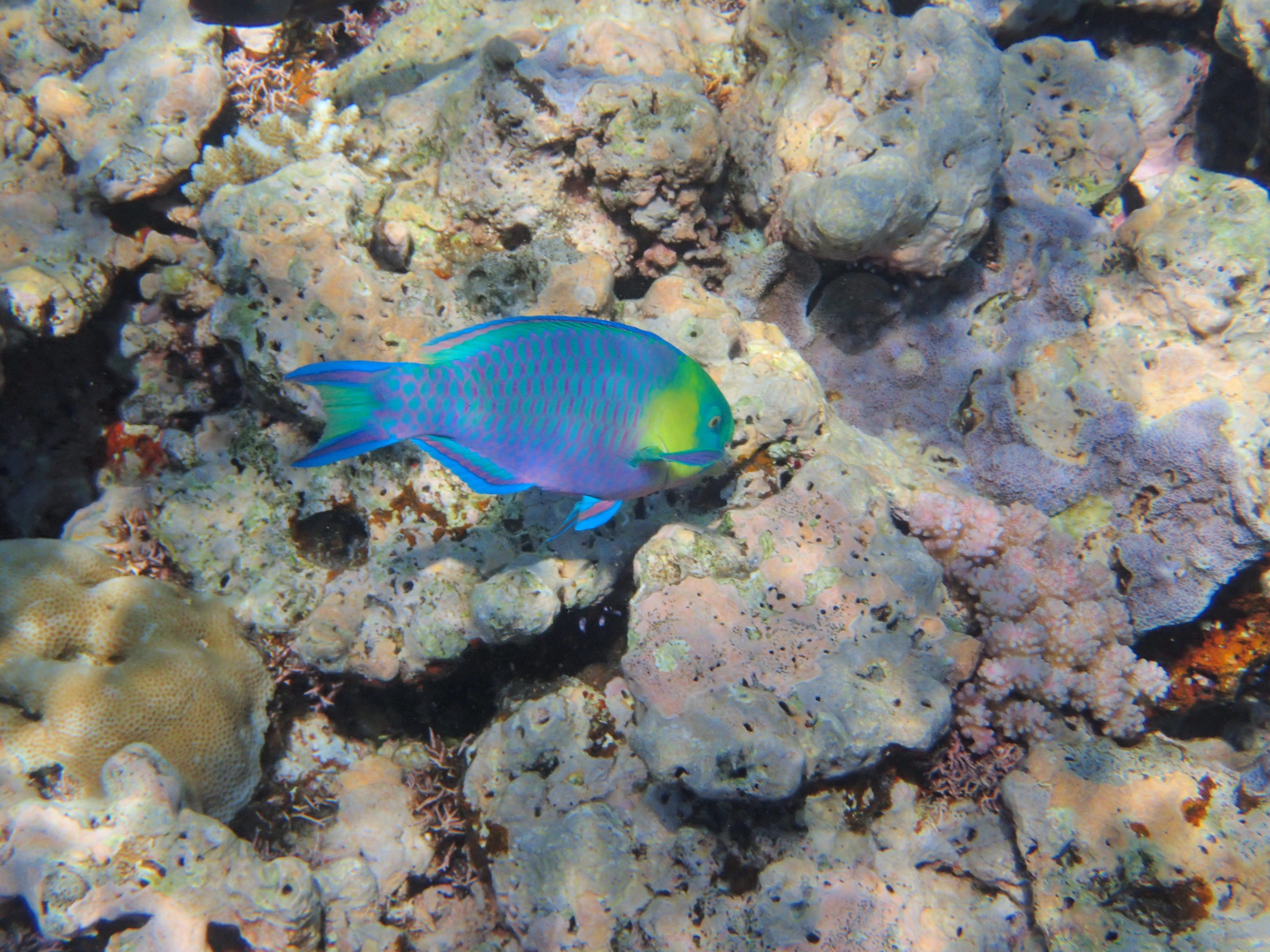
A colorful parrotfish swims near coral reef.
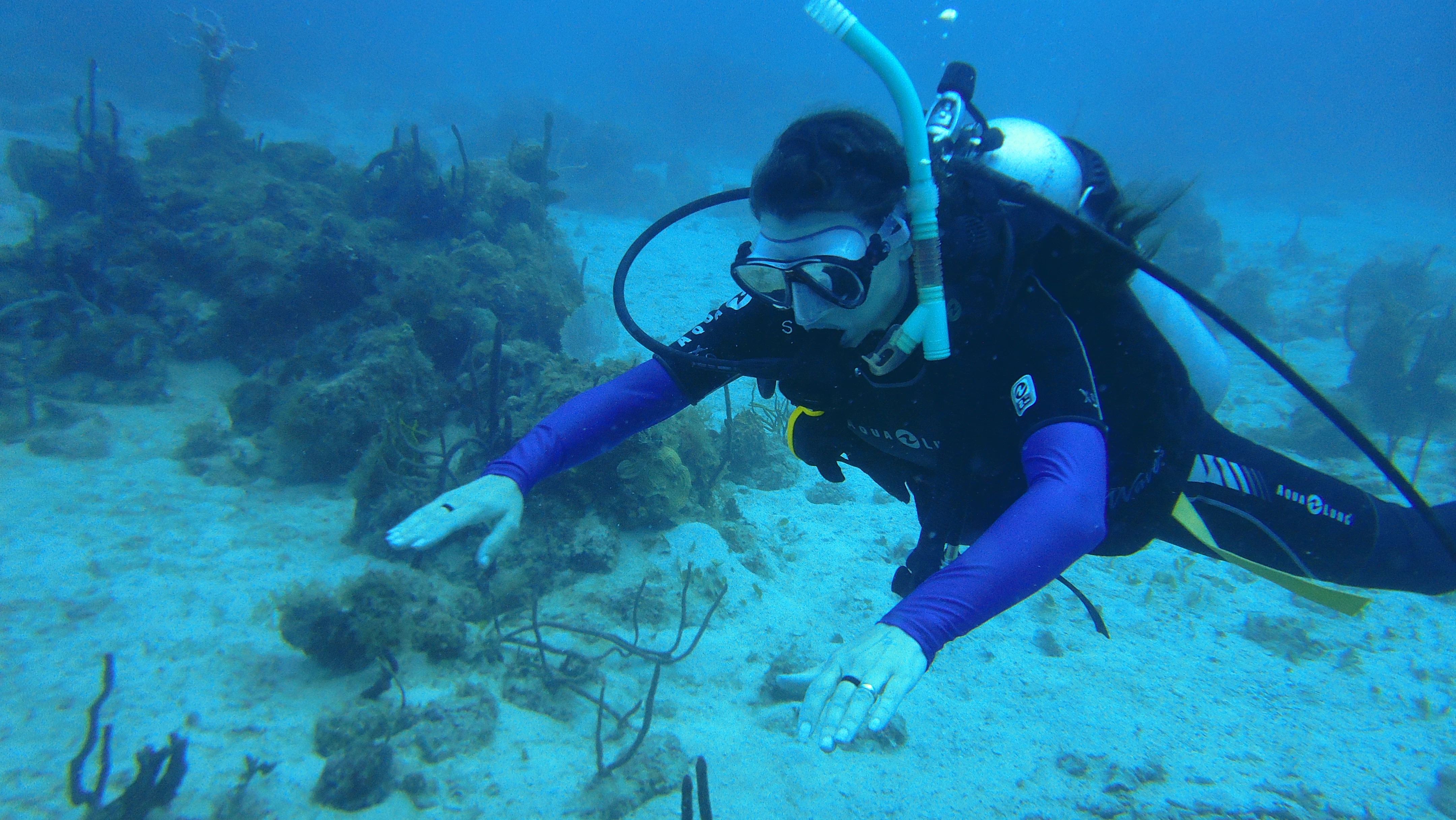
a man in a scuba suit diving in the ocean

Diving holiday

The best diving areas in the world: coral reefs, wreck diving and underwater photography. From Egypt to the Maldives.

Where is the best place to go diving?

The world’s best diving areas include the Red Sea in Egypt, Raja Ampat in Indonesia, the Maldives, the Great Barrier Reef, Koh Tao in Thailand and the Azores. From Central Europe, the Red Sea offers the best combination of quality and accessibility; affordable dive courses are available above all in Egypt and on Koh Tao.

Why does diving fascinate so many people?

Underwater there is a silence that does not exist on land. Weightlessly you glide over coral reefs, watch turtles on their journey and suddenly face a whale shark. Diving is the most intense way to experience nature.

And the best part: you do not need years of experience. After just a 3-day diving course you can explore the underwater world independently. Many of the best dive sites are surprisingly affordable and offer trial dives for absolute beginners.

From the coral reefs of Egypt to the big fish encounters of the Maldives -- this guide shows you the best dive spots in the world and gives you everything you need for your first or next diving holiday.

Which diving areas are the best in the world?

Coral reefs, wrecks and big fish -- these spots are every diver's dream.

1

Red Sea (Egypt)

Egypt

The Red Sea is the most popular diving destination for European divers – and for good reason: crystal-clear water, colourful coral reefs, wreck diving, and a short flight time. Plus, Egypt is extremely affordable.

Best time: All year round (water temperature 22-30°C)Budget: $Flight time: approximately 4.5 hours from Germany

Highlights:

SS Thistlegorm – the world's most famous wreck
Ras Mohammed National Park
Dolphin swimming at Marsa Alam
Brothers Islands for large fish
2

Raja Ampat

Indonesia

The most biodiverse marine area on Earth: over 1,500 fish species and 600 coral species. Raja Ampat in West Papua is the holy grail for divers – remote, untouched, and breathtaking. Here you can see things that you won't find anywhere else.

Best time: October to AprilBudget: $$Flight time: approximately 18 hours from Germany

Highlights:

Highest marine biodiversity in the world
Manta ray cleaning stations
Pygmy seahorses and Wobbegongs
Diving safaris (liveaboards)
3

Maldives

Maldives

Manta rays, whale sharks, hammerhead sharks – the Maldives is the ultimate paradise for big fish. The channel currents between the atolls bring nutrient-rich water and thus the largest marine creatures in the world.

Best time: January to April (Mantas), August to November (whale sharks)Budget: $$$Flight time: approximately 10 hours from Germany

Highlights:

Hanifaru Bay – largest gathering of manta rays
South Ari Atoll for whale sharks
Night diving with nurse sharks
Thiladhoo – channel diving with currents
4

Great Barrier Reef

Australia

The largest coral reef in the world – over 2,300 km long and visible from space. The Great Barrier Reef offers diving and snorkelling for all levels, plus humpback whales, turtles, and dwarf minke whales.

Best time: June to OctoberBudget: $$$Flight time: approximately 22 hours from Germany

Highlights:

Cod Hole – giant barramundi
Ribbon Reefs for large fish
Snorkelling from Cairns (beginners)
Minke whales in June/July
5

Koh Tao

Thailand

The cheapest place in the world to get a diving certificate: PADI Open Water from €250, including accommodation. Koh Tao offers a relaxed island atmosphere, whale sharks (if you're lucky), and a vibrant backpacker scene.

Best time: March to OctoberBudget: $Flight time: approximately 11 hours from Germany (+ ferry)

Highlights:

PADI Open Water course from €250
Sail Rock – best dive spot in the Gulf
Whale shark sightings (March-May)
Chumphon Pinnacle for barracuda schools
6

Azores

Portugal

Europe's insider tip for big fish diving: blue sharks, mobula rays, mantas, and sperm whales right off the coast. The Azores offer unique pelagic dives in the middle of the Atlantic – just 4 flight hours from Germany.

Best time: June to OctoberBudget: $$Flight time: approximately 4 hours from Germany

Highlights:

Blue shark diving (Princess Alice Bank)
Mobula rays in huge schools
Snorkelling with sperm whales
Underwater volcanic landscapes

How do diving areas compare on budget and season?

The 6 destinations differ mainly in budget, travel time and best season, for example Red Sea (All year round), Raja Ampat (Oct–Apr) and Maldives (Jan–Nov). The table compares all values side by side.

AreaBudgetFlight timeSeasonType
Red Sea$4.5hAll year roundWreck & Reef
Raja Ampat$$18hOct–AprBiodiversity
Maldives$$$10hJan–NovBig Fish
Great Barrier Reef$$$22hJun–OctCoral Mega Project
Koh Tao$11hMar–OctDiving Certification Paradise
Azores$$4hJun–OctPelagic Animals

What tips help on a diving holiday?

These 10 tips help most, above all: Get Your Diving Certificate on Holiday, Bring Your Own Mask and Take Out Diving Insurance. The details for each point follow below.

1

Get Your Diving Certificate on Holiday

The PADI Open Water Course lasts 3-4 days and costs from €250 in Koh Tao and from €300 in Egypt. Cheaper and nicer than at home in a murky lake.

2

Bring Your Own Mask

Rental equipment is fine, but a well-fitting personal mask makes the biggest difference. Costs: €40-80. Fits in any hand luggage.

3

Take Out Diving Insurance

DAN (Divers Alert Network) offers special diving insurance from €30/year. Covers decompression chambers and diving accidents – standard travel insurance does not.

4

Get Nitrox Certified

The Nitrox course (half a day, around €150) allows for longer no-decompression times and shorter surface intervals. It's worth it from the 20th dive onwards.

5

Don’t Dive on the Last Day

Avoid diving 18-24 hours before your flight (decompression sickness). Plan the last day for snorkelling or sightseeing.

6

Liveaboards for the Best Experience

Diving safaris (liveaboards) take you to the most remote and best dive sites. In Egypt from €600/week including meals and 3-4 dives/day.

7

Camera Later

Beginners should focus on buoyancy and safety, not photography. An underwater camera is worth it after 50 dives.

8

Keep a Logbook

A dive logbook (or the SSI/PADI app) documents your dives. Many dive centres require it as proof of your experience.

9

Dive Reef-Friendly

Don’t touch anything, don’t stand on corals, don’t stir up sand. Good buoyancy is the best coral protection. Use reef-safe sunscreen.

10

Know Seasonal Highlights

Whale sharks, mantas, and hammerheads have seasons. Research in advance when your desired species is most likely to be at your destination.

Which tools help you plan?

3 free HolidayGenie tools help you plan: Budget-Rechner, Packliste and Urlaubsfinder. They run directly in your browser and complement the destination tips on this page.

Frequently asked questions

Which are the best diving areas in the world?

The world’s best diving areas include the Red Sea in Egypt with colourful coral reefs and the famous SS Thistlegorm wreck, Raja Ampat in Indonesia as the most species-rich marine area on Earth with more than 1,500 fish species, and the Maldives for big-fish encounters with whale sharks and manta rays. The Great Barrier Reef in Australia and the Azores for pelagic diving with blue sharks are also world-class. For European divers, the Red Sea offers the best balance of quality and accessibility with a flight of around 4.5 hours.
Do you need a diving licence for a diving holiday?

A certification is required for independent diving, but beginners can try a Discover Scuba Diving session without one. The PADI Open Water course takes 3–4 days and qualifies you to dive to 18 metres worldwide. The course is cheapest on Koh Tao in Thailand from around 250 euros or in Egypt from around 300 euros. The certification is valid for life and recognised worldwide.

How much does a diving holiday cost including equipment and dives?

Costs vary greatly: in Egypt a dive costs from 25–35 euros, on Koh Tao from 20 euros, while the Maldives charge 50–80 euros per dive. Rental equipment is usually included or costs 10–20 euros extra. Liveaboards in Egypt start at around 600 euros a week including meals and 3–4 dives a day – the best value for frequent divers. Your own mask (40–80 euros) is a worthwhile first investment.

When is the best time for a diving holiday?

It depends heavily on the destination: the Red Sea can be dived year-round with water temperatures of 22–30 degrees. Raja Ampat offers the best conditions from October to April. The Maldives are ideal from January to April for manta rays and August to November for whale sharks. The Great Barrier Reef is best from June to October with clear visibility. In general, visibility is best in a region’s dry season, often 20–40 metres.

Is diving safe for beginners and how should I start?

Diving is a very safe hobby if you follow the safety rules. Beginners should start with a Discover Scuba Diving session or the PADI Open Water course at a reputable dive school. Never dive alone, know your limits and respect the ascent rate. Dive insurance, for example from DAN (Divers Alert Network), costs from around 30 euros a year and covers decompression accidents. Focus on buoyancy and safety first and start underwater photography only after about 50 dives.

Which other holiday types might suit you?

If you like Diving holiday, you may also enjoy Strandurlaub, Segeln and Abenteuerurlaub. For every holiday type we show the best destinations with travel season, budget and insider tips.

Beach holiday
Adventure holiday

Ready to dive in?

Discover the best dive sites in the world and plan your next underwater holiday.