Cambodia holiday
Travel tips, best time to visit & highlights for your Cambodia holiday in Asia
Cambodia fascinates with the legendary Angkor Wat, a moving history, and the warmth of its people. Away from the temple complexes, untouched islands, floating villages, and a growing foodie scene beckon. Cambodia is rough, authentic, and incredibly affordable.
Capital
Phnom Penh
Language
Khmer
Currency
Riel (KHR) / US Dollar
Time zone
UTC+7
Flight time from DE
approx. 11–13 hours (with layover)
Entry requirements
Passport, Visa on arrival (30 days)
Deals for Cambodia:
Which hotels in Cambodia are recommended?
Selected hotels and holiday accommodations in Cambodia — with images, reviews, and direct booking links with our partners.
Hotel Heritage Suites
Siem Reap / Angkor, Kambodscha
Raffles Hotel Le Royal
Phnom Penh, Kambodscha
Hotel Sofitel Angkor Phokeethra
Siem Reap / Angkor, Kambodscha
Shinta Mani Club
Siem Reap / Angkor, Kambodscha
Lotus Blanc Resort
Siem Reap / Angkor, Kambodscha
Borei Angkor Resort & Spa
Siem Reap / Angkor, Kambodscha
Park Hyatt Siem Reap
Siem Reap / Angkor, Kambodscha
FCC Angkor by Avani Hotel & Resort
Siem Reap / Angkor, Kambodscha
What are the highlights of Cambodia?
The best-known highlights of Cambodia include Angkor Wat, Phnom Penh, Koh Rong, Battambang, Tonle Sap.
The places you absolutely must not miss.
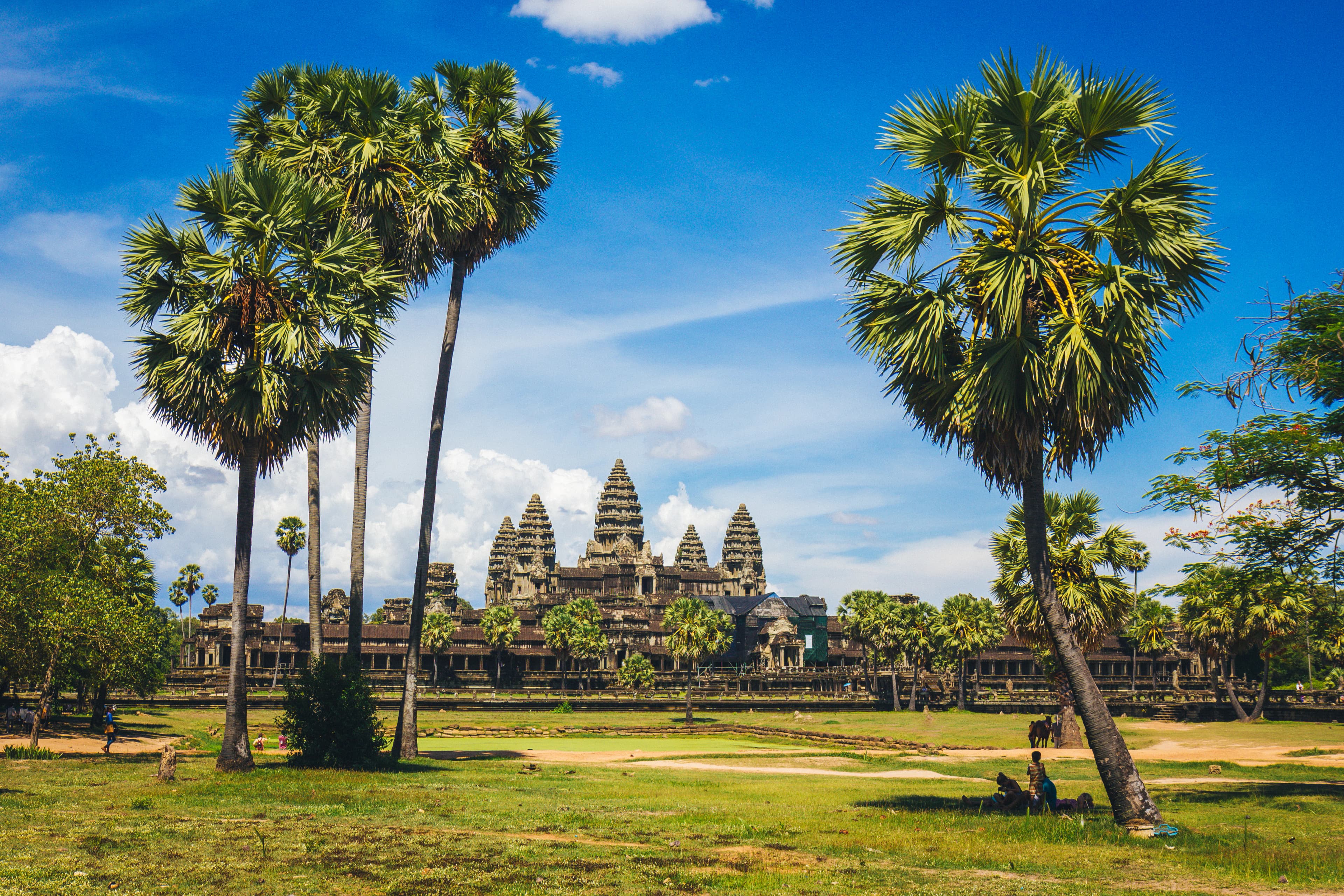
Angkor Wat
The largest religious temple complex in the world – sunrise over the towers is unforgettable.
Phnom Penh
Royal Palace, Silver Pagoda, moving Killing Fields, and the vibrant nightlife along the riverside.
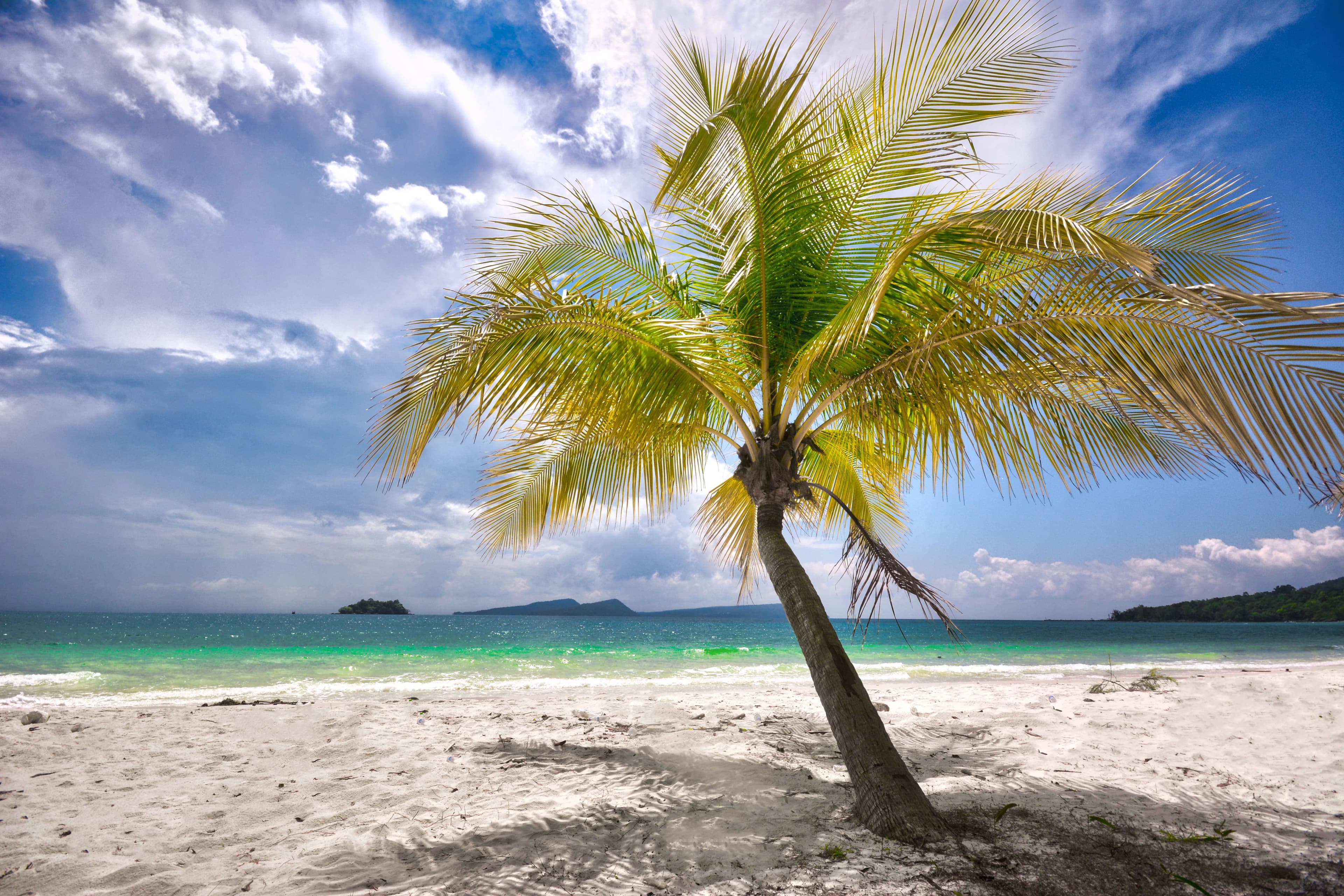
Koh Rong
Paradisiacal islands with bioluminescent plankton and white beaches.
Battambang
Colonial architecture, the Bamboo Train, and Cambodia's emerging art scene.
Tonle Sap
Southeast Asia's largest freshwater lake with floating villages and a unique way of life.
Hotels in Cambodia
Compare thousands of hotels, apartments and resorts on Expedia – with price guarantee, free cancellation and reward points.
* You will be redirected to Expedia.de. Their terms of use apply.
Reise-SIM für Cambodia
Prepaid-SIM mit Datenvolumen für Cambodia. Einfach einlegen und sofort lossurfen – keine Roaming-Gebühren.
* Weiterleitung zu travSIM.de. Es gelten die dortigen Nutzungsbedingungen.
Reiseversicherung abschließen
Rundum-Schutz ab 9,90 € auf TravelSecure.de
Pauschalreisen & Rundreisen
Berge & Meer – 170 Tage Cookie
When is the best time to visit Cambodia?
The best time to visit Cambodia is November–February (dry season, cool). In summer: 30–35°C. In winter: 25–32°C.
Recommended travel time
November–February (dry season, cool)
Summer
30–35°C
Winter
25–32°C
How much does a holiday in Cambodia cost?
A holiday in Cambodia costs roughly 15–25€ per person per day (excluding flights) on a budget, 25–60€ mid-range and 60–150€ for luxury travel.
Average cost per person per day (excluding flight)
Budget
15–25€
Hostel, street food, public transport
Mid-range
25–60€
Hotel, restaurant, excursions
Luxury
60–150€
Boutique hotel, fine dining
How long is the flight from Germany to Cambodia?
From Germany you reach Cambodia in approx. 11–13 hours (with layover).
What travel tips are there for Cambodia?
Insider knowledge to make your holiday better.
Angkor Pass for 3 days ($62) is worth it – the site is huge
US Dollars are accepted everywhere, Riel only as change
Negotiate Tuk-Tuk prices in advance – $3-5 per city ride
The Killing Fields and S-21 Museum are shocking but important to visit
Amok (fish curry in banana leaf) is Cambodia's national dish
What do people eat in Cambodia?
Typical dishes in Cambodia are Fish Amok, Lok Lak, Bai Sach Chrouk, Nom Banh Chok, Fried Tarantula, Sugarcane Juice.
These dishes you must try!
Which regions and places in Cambodia are worth visiting?
8 regions, cities and highlights in Cambodia
Cities
Battambang
Battambang is Cambodia's second-largest city and the cultural heart of the country — a place that offers everything Siem Reap has lost in authenticity. The colonial architecture …
Kampot
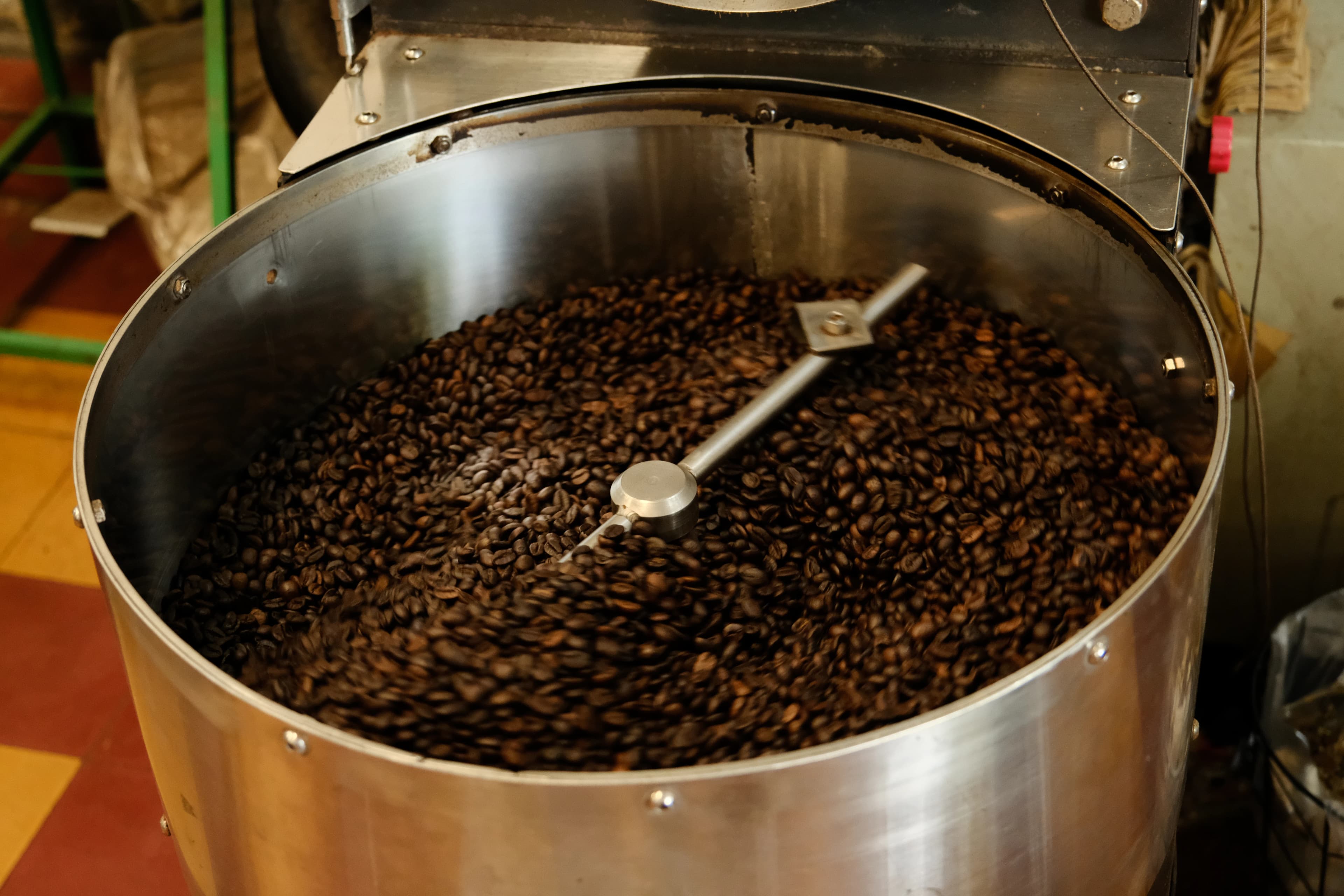
Kampot is Cambodia's most charming small town — a sleepy riverside town with decaying French colonial buildings, famous pepper, and the most relaxed atmosphere in the country. …
Kep
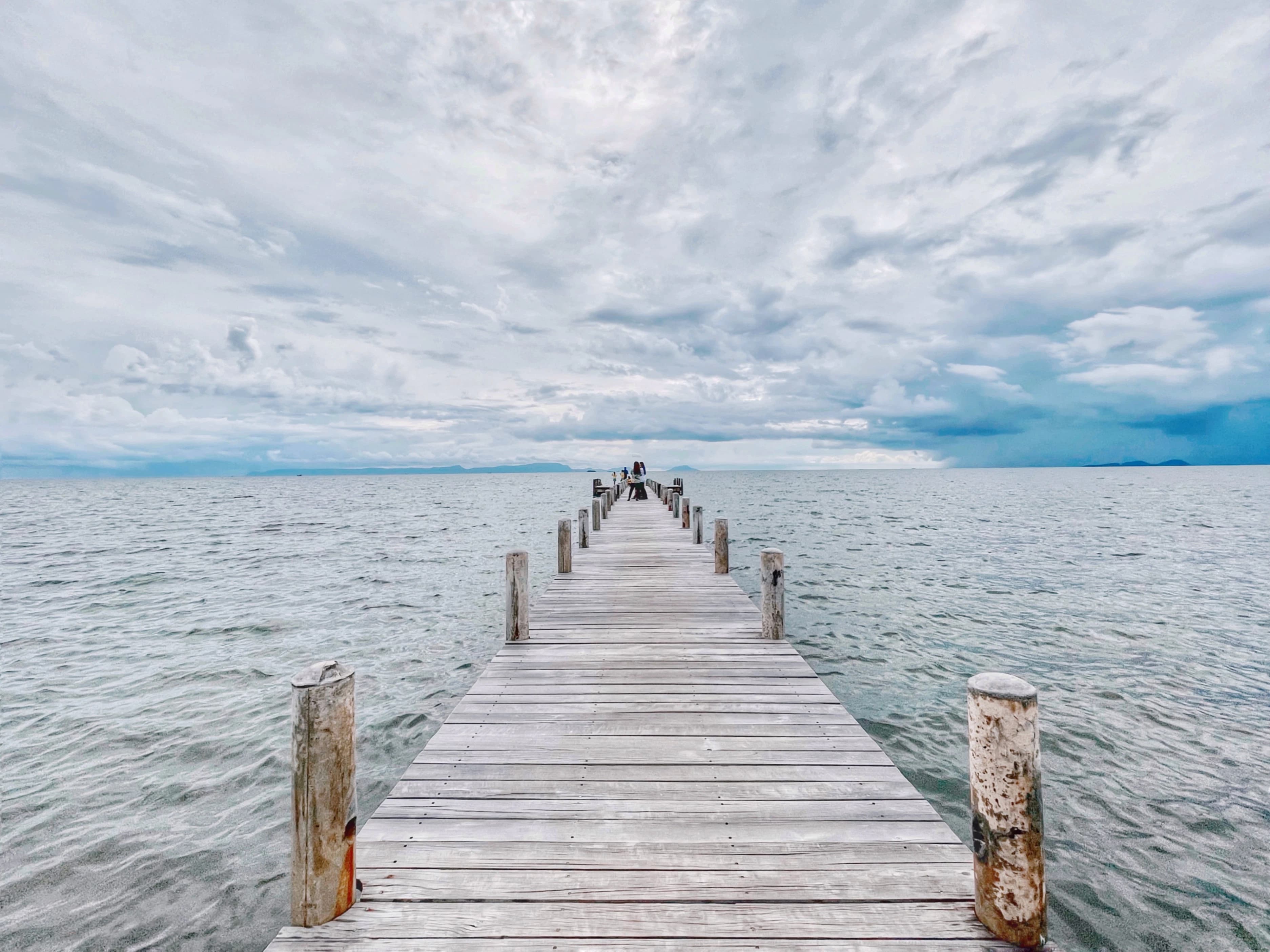
Kep is Cambodia's forgotten seaside resort — once the glamorous bathing spot of the Cambodian elite and French colonizers, today a sleepy coastal town with decaying villas in the …
Phnom Penh
Phnom Penh, the capital of Cambodia, is located at the confluence of the Mekong, Tonle Sap, and Bassac rivers and has transformed from the shadows of the Khmer Rouge into a …
Siem Reap
Siem Reap is the gateway to the temples of Angkor and has transformed from a sleepy provincial town to a vibrant travel destination with surprising cultural depth. The city serves …
Complete guide for Cambodia
Regions, attractions, food, routes, costs & practical tips — all in one digital guide.
Open guideReady for Cambodia?
Plan your Cambodia holiday now with our free tools.
How do I plan a holiday in Cambodia?
Cambodia is one of the most popular travel destinations in Asia, offering Temples, History, Budget and much more. The best time to visit Cambodia is November–February (dry season, cool), when the weather is ideal for exploration and relaxation. With a daily budget starting from 15–25€ (Budget) to 60–150€ (Luxury), Cambodia is suitable for various travel budgets.
From the capital Phnom Penh, Cambodia can be excellently explored. The official language is Khmer, and the currency is Riel (KHR) / US Dollar. From Germany, you can reach Cambodia in approx. 11–13 hours (with layover). Whether you want to try culinary highlights like Fish Amok, Lok Lak, Bai Sach Chrouk, visit top attractions, or simply enjoy the atmosphere: Cambodia has something for every type of traveller.
Use our free travel tools to prepare your Cambodia holiday perfectly. With the holiday finder, you can discover if Cambodia is the right destination for you. The budget calculator helps you plan costs realistically, and with the packing list, you won't forget anything.
Suitable holiday types for Cambodia:
More travel destinations in Asia:
All countries in Asia