France holiday
Travel tips, best time to visit & highlights for your France holiday in Europe
La Grande Nation offers world-class in everything: cuisine, culture, fashion, architecture, and landscapes. From Paris to Provence to the Côte d'Azur – France is a land of endless discoveries.
Capital
Paris
Language
French
Currency
Euro (€)
Time zone
UTC+1
Flight time from DE
approx. 1.5 hours (Paris)
Entry requirements
EU identity card
Top hotels & accommodations in France
Selected hotels and holiday accommodations in France — with images, reviews, and direct booking links with our partners.
Aulivia Opera Hotel
Paris, Frankreich
Hotel Renaissance Paris Arc De Triomphe Hotel
Paris, Frankreich

Hotel Du Louvre
Paris, Frankreich
Hotel Renaissance Aix-en-Provence
Aix-en-Provence, Frankreich
Hotel Intercontinental Le Grand
Paris, Frankreich
InterContinental Bordeaux Le Grand Hotel
Bordeaux, Frankreich
Hotel Jules Cesar
Arles, Frankreich
Grand Hotel des Thermes
Saint-Malo, Frankreich
Top 5 highlights in France
The places you absolutely must not miss.
Paris
Eiffel Tower, Louvre, Montmartre, Seine walks, and the world's best pastry.
Côte d'Azur
Nice, Cannes, Monaco – glamour, sun, and the azure blue Mediterranean.
Provence
Lavender fields, vineyards, medieval villages, and markets full of delicacies.
Corsica
The island of beauty: wild mountains, turquoise bays, and the GR20 hiking trail.
Loire Valley
Over 300 castles, vineyards, and the idyllic French countryside.
Hotels in France
Vergleiche tausende Hotels, Apartments und Resorts auf Expedia – mit Bestpreis-Garantie, kostenloser Stornierung und Bonuspunkten.
* Weiterleitung zu Expedia.de. Es gelten die dortigen Nutzungsbedingungen.
Kurzurlaub: Kurzurlaub
Handverlesene Hoteldeals, Kurztrips und Erlebnisgutscheine zu Sparpreisen. Perfekt zum Verschenken oder selbst Genießen.
* Weiterleitung zu we-are.travel. Es gelten die dortigen Nutzungsbedingungen.
Reiseversicherung abschließen
Rundum-Schutz ab 9,90 € auf TravelSecure.de
Hotelgutscheine & Kurzreisen
Deals ab 29 € p.P. auf touriDat.com
Pauschalreisen & Rundreisen
Berge & Meer – 170 Tage Cookie
Best time to visit France
Recommended travel time
April–June, September–October
Summer
22–32°C
Winter
3–10°C
How much does a holiday in France cost?
Average cost per person per day (excluding flight)
Budget
60–90€
Hostel, street food, public transport
Mid-range
90–180€
Hotel, restaurant, excursions
Luxury
180–400€
Boutique hotel, fine dining
5 travel tips for France
Insider knowledge to make your holiday better.
Baguette and croissant from the bakery, not from the supermarket
Many museums have free entry on the first Sunday
TGV trains are often cheaper than flying to Paris
In restaurants, tap water (carafe d'eau) is free
Visit Provence in June for the lavender bloom
Food & drink in France
These dishes you must try!
Discover France
57 regions, cities and highlights in France
Cities

Aix-en-Provence
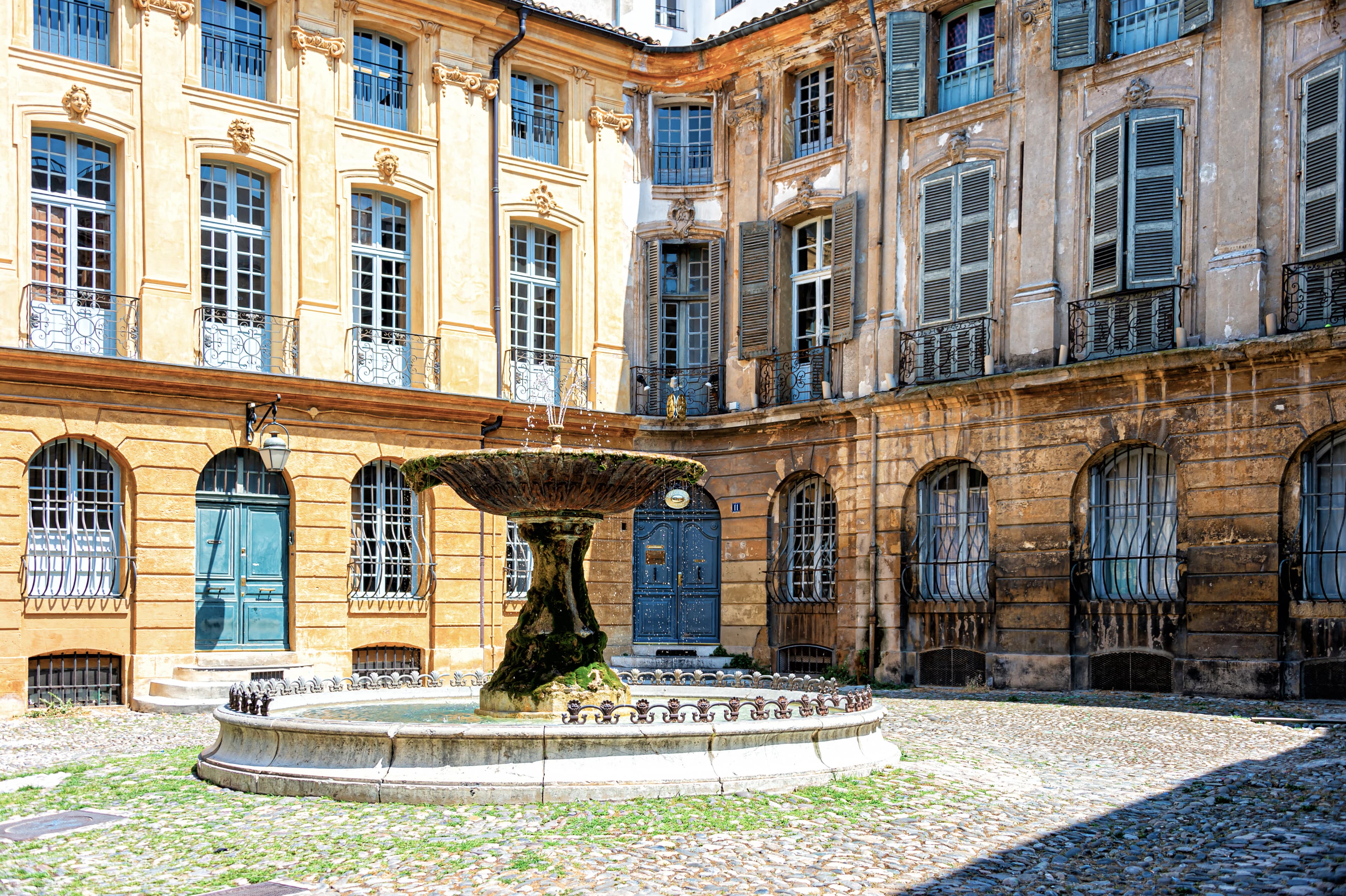
Aix-en-Provence is the most elegant city in Provence and the cultural heart of southern France – a place where the Savoir-vivre is not an empty phrase but a lived reality. Paul Cézanne was born here in 1839 and obsessively painted the Mont Sainte-Victoire outside the city, which rises like a stone monument on the horizon. His studio on the hill of Lauves is now a museum, where the original still-life objects he immortalized in his famous paintings still stand. Aix is the city of fountains – over 40 fountains splash in squares and street corners, many of them fed by the hot thermal springs that the Romans valued and which gave the city its name (Aquae Sextiae). The Cours Mirabeau, the magnificent main axis of the city, is one of the most beautiful boulevards in Europe: on one side elegant hôtels particuliers from the 17th and 18th centuries, on the other side a continuous row of cafés and brasseries under mighty plane trees. Drinking a Pastis here and watching the hustle and bustle is the epitome of Provençal lifestyle. The marketplace in front of the town hall transforms three times a week into one of the most colorful markets in Provence: mountains of lavender, olives, goat cheese, tapenade, and sun-ripened tomatoes fill the stalls. The international music festival Festival d'Aix-en-Provence attracts opera fans from all over the world every summer. For German travelers, Aix-en-Provence is an ideal city trip with a sun guarantee: direct flights to Marseille (30 minutes away) and TGV connections from Paris make the city easily accessible. From Aix, one can explore the lavender fields of Haute-Provence, the Calanques near Marseille, and the villages of the Luberon.

Antibes
Antibes uniquely combines Provençal charm with cosmopolitan flair and is a hidden gem among German Côte d'Azur connoisseurs. The old town, surrounded by powerful fortress walls, houses the Picasso Museum, lively markets, and winding streets full of character. At the Cap d'Antibes, one of the most beautiful coastal hikes of the Riviera stretches past hidden coves and millionaire villas. The Port Vauban marina is the largest in Europe and offers a fascinating spectacle of megayachts and traditional fishing boats.

Arcachon
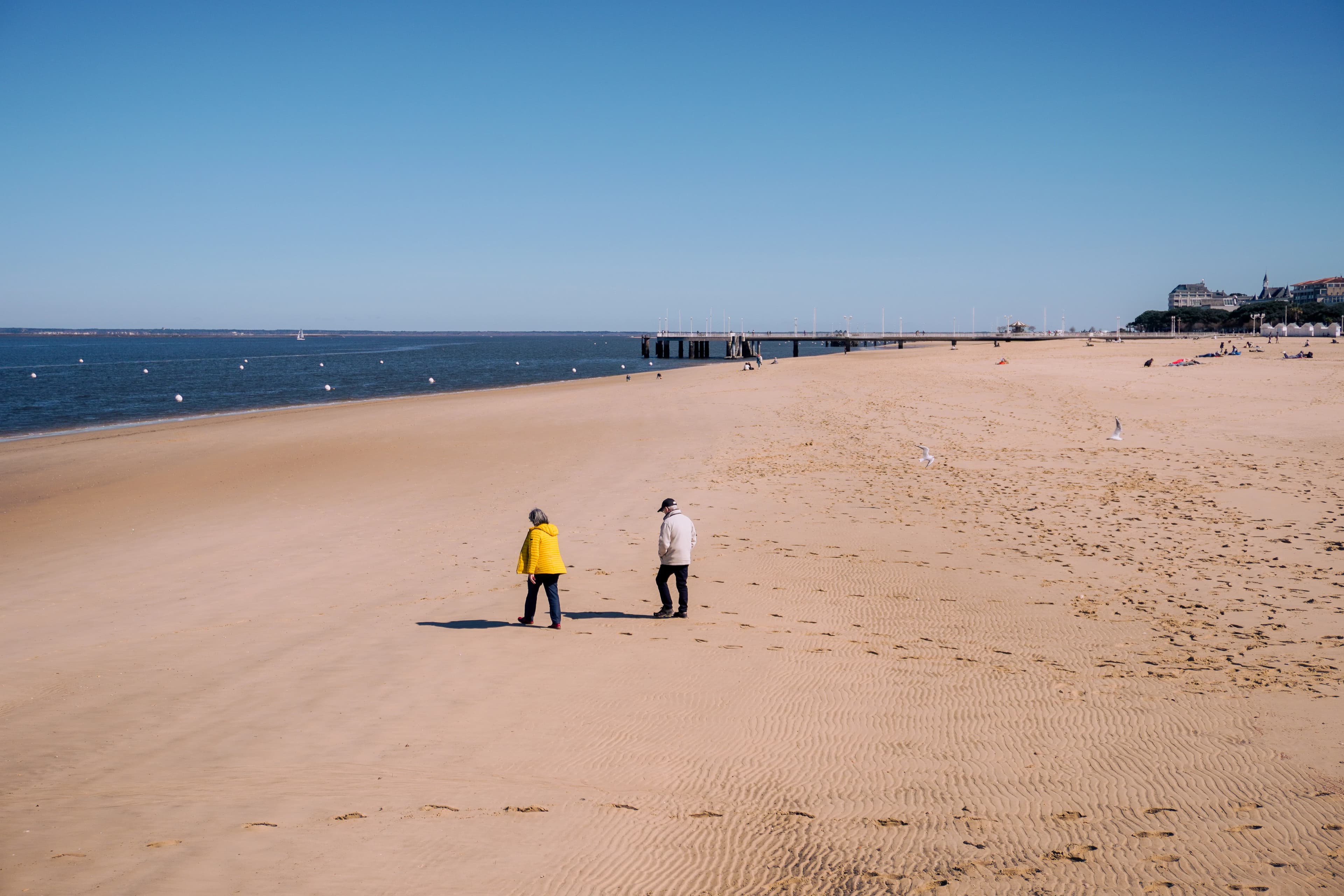
Arcachon is France's most elegant Atlantic seaside resort and home to one of Europe's most spectacular natural wonders – the Dune du Pilat, the highest moving dune on the continent. The seaside resort on the Bassin d'Arcachon, a vast tidal lagoon southwest of Bordeaux, combines Belle Époque architecture with the rugged beauty of the Atlantic coast and an oyster culture that is unmatched throughout France. For German tourists, Arcachon is the perfect destination to experience Atlantic beaches, spectacular nature, and French lifestyle in a compact space. The Dune du Pilat rises over 100 meters high on the southern edge of the basin and offers a breathtaking view over the Atlantic, the pine forests of Landes, and the sandbank Banc d'Arguin. The ascent via the stairs or directly through the sand is an experience in itself, and once at the top, one understands why the dune attracts over two million visitors each year. Especially at sunset, when the sand is bathed in golden light and paragliders glide through the thermals, the sight is magical. The Bassin d'Arcachon itself is a paradise for oyster lovers. The oyster beds of Gujan-Mestras and the Cabanes Tchanquées – the famous stilt huts in the middle of the lagoon – are landmarks of the region. In the oyster huts at the harbor, one can enjoy freshly opened oysters with bread, butter, and a glass of white wine right by the water – it doesn't get more French than that. The city of Arcachon consists of four districts named after the seasons. The Ville d'Hiver (Winter City) on the hill impresses with extravagant 19th-century villas in a labyrinth of shady alleys. Cap Ferret on the opposite side of the basin is accessible by ferry and offers a quieter, trendier counterpart with surf beaches and pine forests. From Bordeaux, Arcachon can be reached in just one hour by train.

Arles
Arles is a city where 2,000 years of history meet vibrant creativity – the impressive Roman buildings are part of the UNESCO World Heritage and the city is inextricably linked to Vincent van Gogh, who created over 300 works here. The majestic amphitheater, where bullfights and concerts still take place today, and the ancient theater testify to the city's former significance as the capital of Gaul. German cultural travelers are thrilled by the mix of antiquity, Van Gogh traces, and the new LUMA Foundation by Frank Gehry, which makes Arles a hotspot for contemporary art. As a gateway to the wild Camargue, the city is also ideally located for excursions to see flamingos and white horses.

Cannes
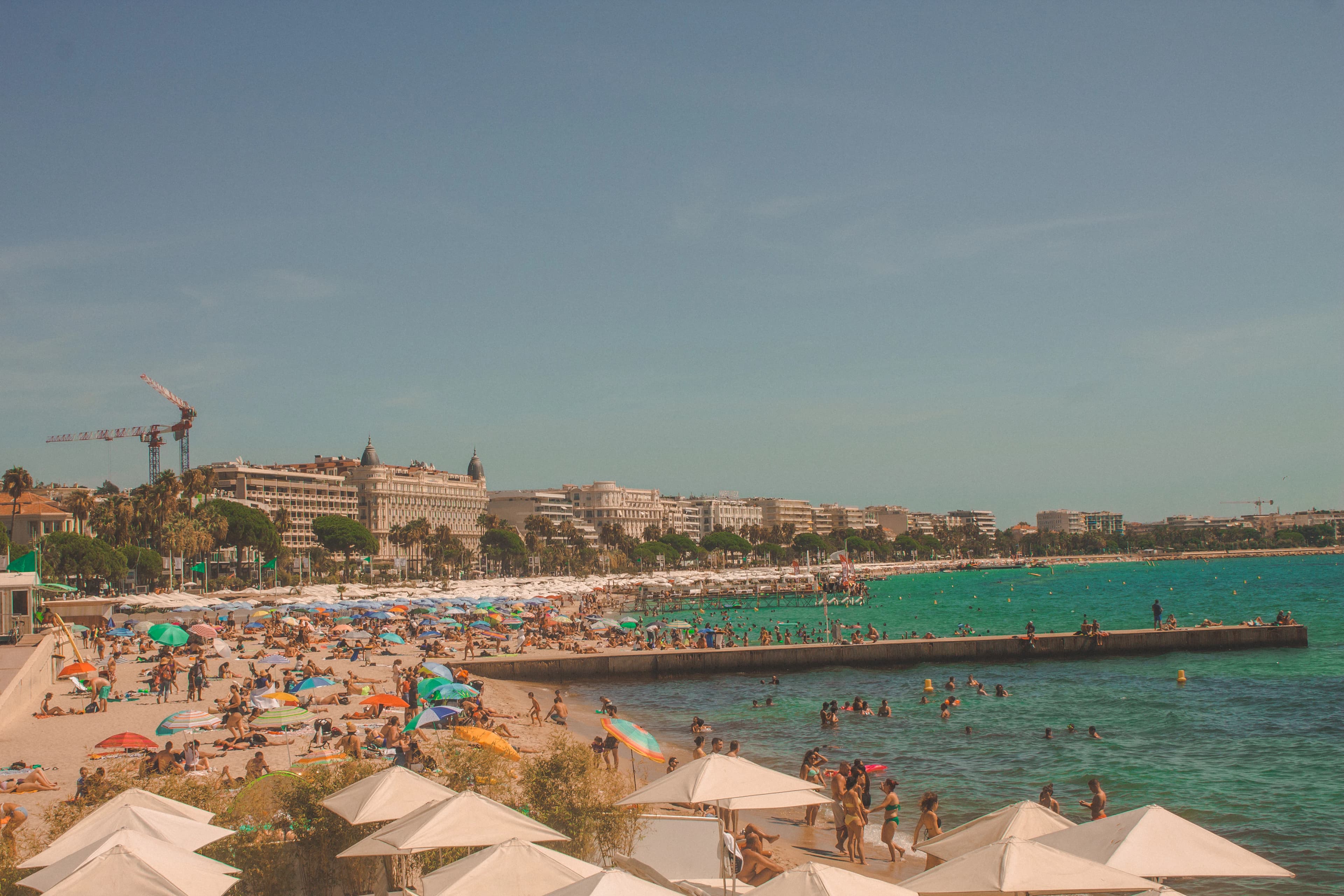
Cannes on the French Riviera is much more than just the famous film festival – the elegant coastal city impresses with its glamorous promenade La Croisette, fine sandy beaches, and a charming old town Le Suquet on the hill. German vacationers appreciate the perfect mix of luxury shopping on Rue d'Antibes, top-notch gastronomy, and relaxed beach life. The nearby Lérins Islands with the mysterious prison of the Man in the Iron Mask are a worthwhile day trip. Whether it's a sailing regatta in summer, culinary discoveries at Marché Forville, or a stroll along the marinas – Cannes enchants at any time of the year.
Cassis
Cassis is the jewel of the Provençal coast – a charming fishing village set in a bay framed by white limestone cliffs, located just 20 kilometers east of Marseille and the gateway to one of the most spectacular natural wonders of the Mediterranean: the Calanques. These narrow, fjord-like rock inlets with their turquoise waters, opening into the sea between the white limestone cliffs, are part of the National Park Parc National des Calanques and are among the most impressive coastal landscapes in Europe. The harbor of Cassis is the heart of the village – a picturesque ensemble of pastel-colored houses, fishing boats, cafés, and restaurants that cluster around the harbor basin. Above it towers the medieval Château on a cliff, and behind it rise the mighty limestone cliffs of Cap Canaille, which at 394 meters form the highest sea cliffs in Europe. The Route des Crêtes from Cassis to La Ciotat, which runs along these cliffs, is one of the most breathtaking coastal roads in France. The Calanques can be explored in various ways: by boat from the harbor, on foot along the marked hiking trails, or by kayak directly through the turquoise waters. The most famous – Calanque de Port-Miou, Port-Pin, and En-Vau – offer crystal-clear waters for swimming and snorkeling, surrounded by cliffs up to 400 meters high. Especially the Calanque d'En-Vau, with its narrow sandy beach and almost unreal turquoise water, is considered one of the most beautiful natural beaches in the Mediterranean. Cassis is also known as a wine region – the tiny wine-growing area AOC Cassis produces excellent white wines and rosés that pair perfectly with the local seafood. For German travelers, Cassis is accessible via Marseille Airport in 30 minutes and can be ideally combined with a visit to Marseille and Aix-en-Provence. The best time to visit is from May to October, with July and August being very crowded.

Èze
Èze perches like an eagle's nest on a 429-meter-high rock above the Mediterranean and is considered one of the most spectacular mountain villages on the entire Côte d'Azur. The medieval village, with its narrow cobbled streets and the exotic cactus garden on the castle ruins, offers a panoramic view that extends all the way to Corsica. German visitors are fascinated by the perfect blend of history, nature, and Provençal lifestyle in this car-free picture-book setting. The famous Fragonard perfumery and artisanal workshops invite exploration before walking down the Friedrich Nietzsche path to the sea.

Gordes
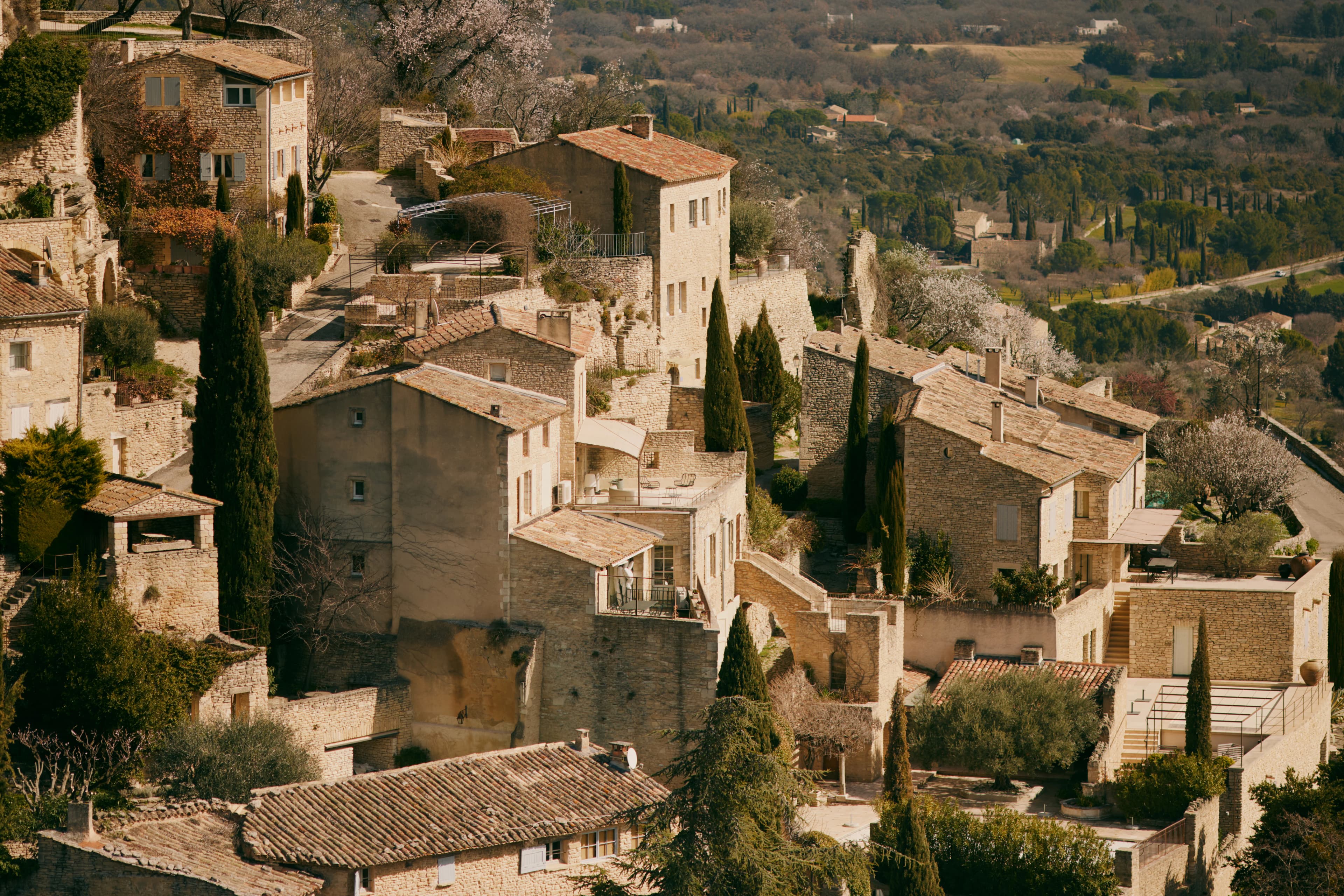
Gordes, majestically perched on a rocky spur in the Luberon, is regularly recognized as one of the most beautiful villages in France and is a dream destination for Provence lovers from Germany. The stone houses, glowing in warm ochre and white, dramatically cascade down the slope, crowned by a powerful Renaissance castle. Surrounding it are the famous lavender fields of Haute-Provence, whose sea of violet blossoms in June and July provides an unforgettable photo opportunity. The nearby Cistercian abbey of Sénanque, nestled among the lavender rows, is one of the most photographed subjects in all of Provence.

Grasse
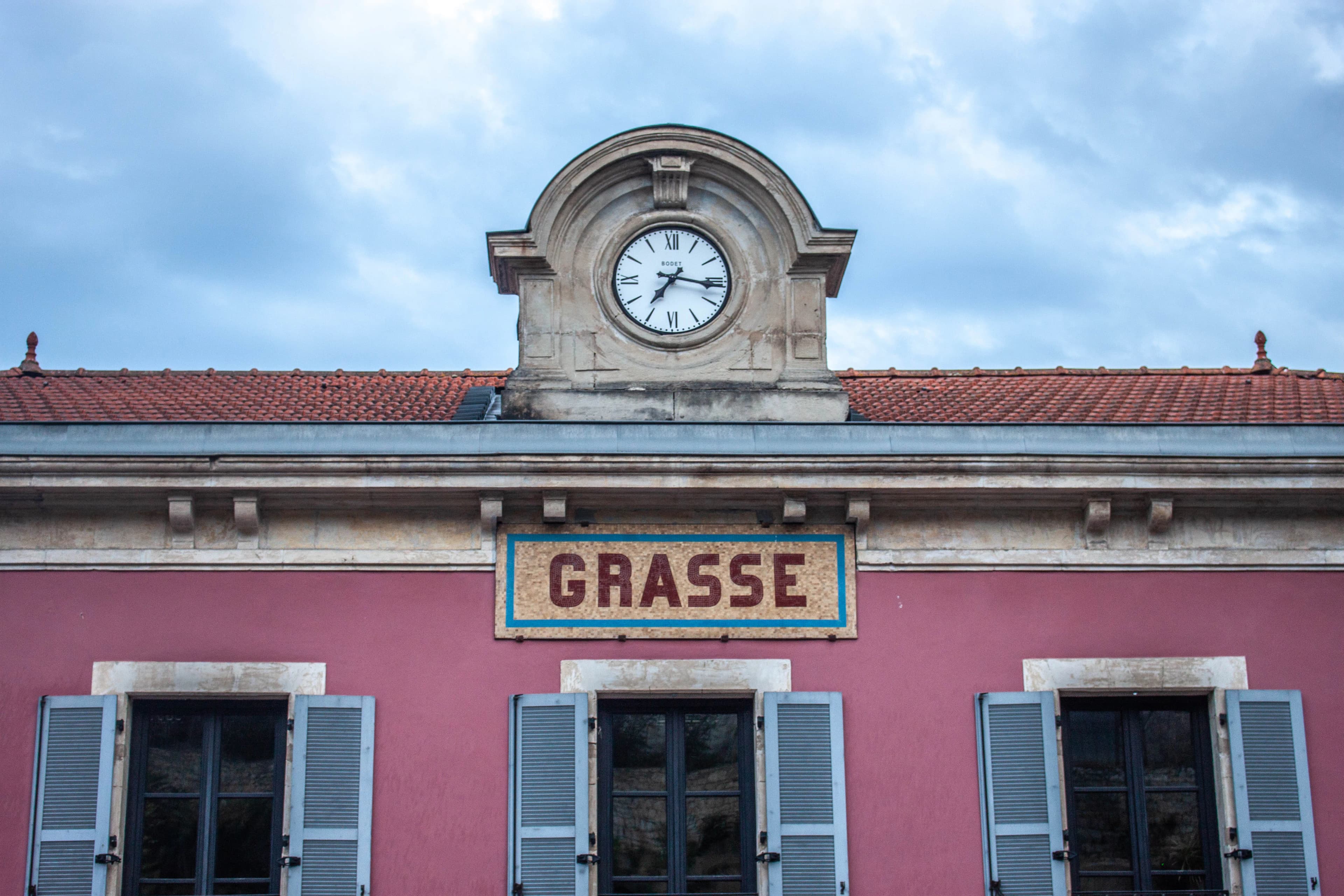
Grasse, the world capital of perfume, is beautifully situated in the hills above Cannes and offers German visitors a fascinating excursion into the world of scents. Since the 16th century, the finest perfumes in the world have been created here, and UNESCO has declared the perfume craftsmanship of Grasse an intangible cultural heritage. In the historic perfumeries Fragonard, Molinard, and Galimard, visitors can experience the production of essences up close and even compose their own perfume. The charming old town with the cathedral, which houses a Rubens painting, and the panoramic view over jasmine and rose fields to the Mediterranean make Grasse an unforgettable experience.
Les Baux-de-Provence
Les Baux-de-Provence, dramatically perched on a rocky plateau of the Alpilles, is one of the most impressive ruined castles in Europe and a must-visit for any traveler to Provence from Germany. The tiny village with only 400 inhabitants welcomes over 1.5 million visitors annually, fascinated by the gigantic fortress ruins and the panoramic view over olive groves to the Mediterranean. The Carrières de Lumières in a former quarry offers one of the most spectacular multimedia art shows in the world, where masterpieces by Klimt, Van Gogh, or Monet are projected onto huge stone walls. The mineral ore bauxite, discovered here in 1821, was named after this place – a piece of scientific history amidst Provençal romance.

Menton
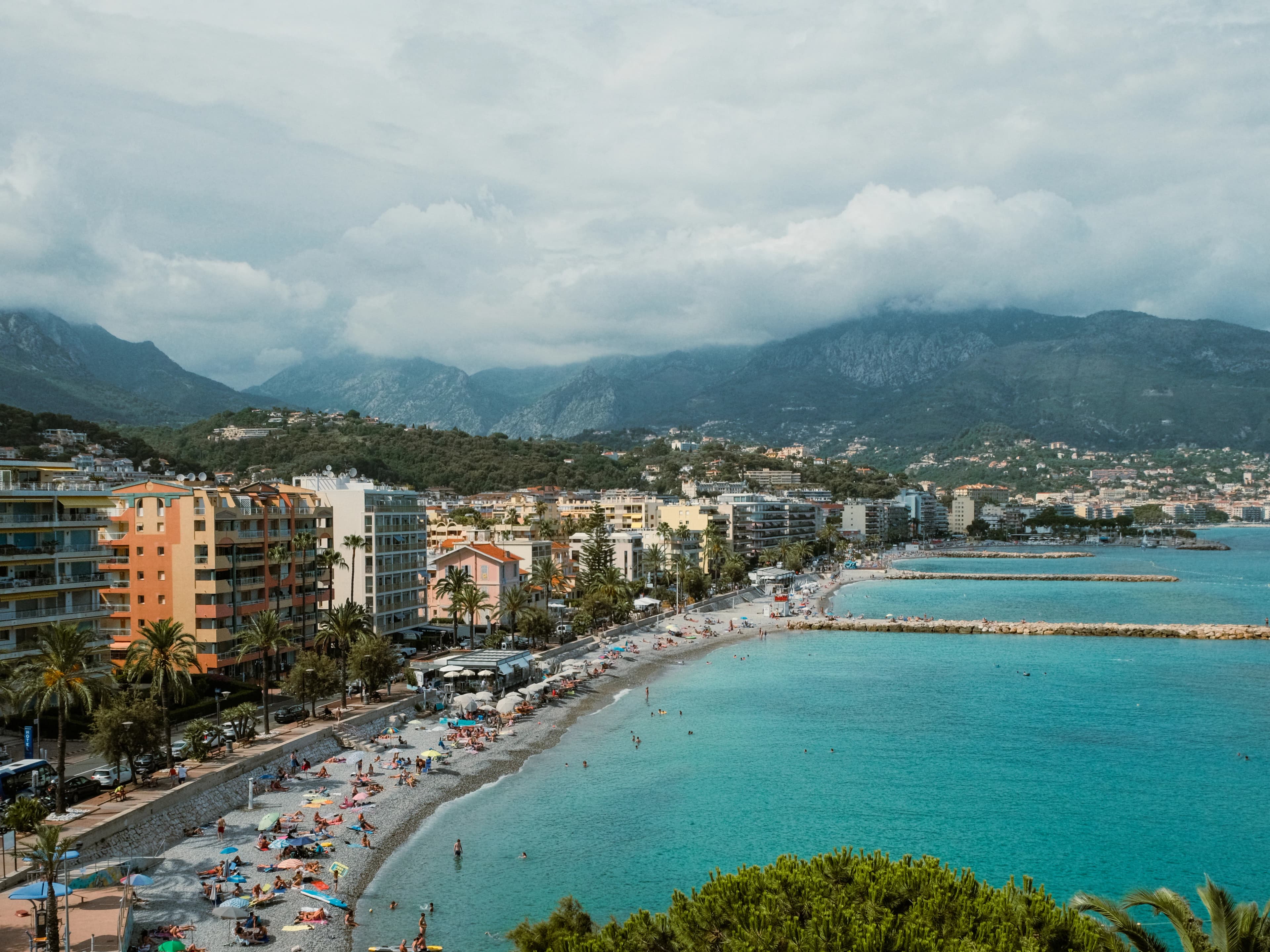
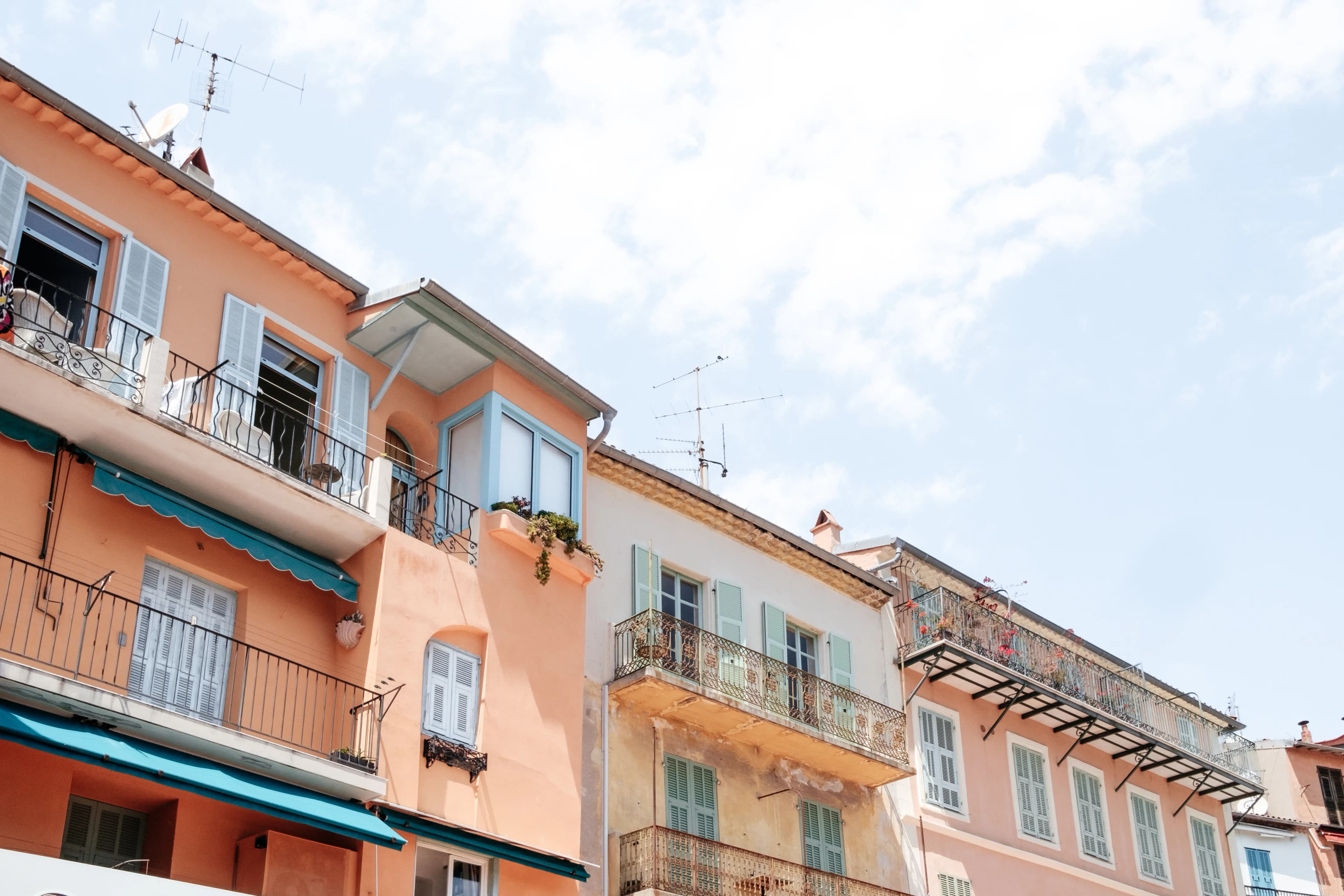
Menton is the pearl of the Côte d'Azur – a charming coastal town at the French-Italian border, blessed with the mildest climate in France, baroque pastel facades, and a lemon tradition that has earned it the nickname Lemon City. While neighboring Monaco focuses on glamour and Nice on hustle and bustle, Menton captivates with an authentic, almost Italian-like serenity that immediately enchants German holidaymakers. The old town of Menton is a masterpiece of baroque architecture: closely stacked houses in warm ochre, terracotta, and pastel tones climb the hill towards the Basilique Saint-Michel, creating one of the most photogenic city views along the Riviera. The stairs and alleys of the old town lead past small squares with orange trees, hidden chapels, and viewpoints overlooking the rust-colored roofs and the azure Mediterranean Sea. The cemetery du Vieux-Château at the top offers one of the most beautiful views of the Côte d'Azur. Menton's unique climatic position – protected by the Maritime Alps from cold northern winds – allows for the cultivation of tropical and subtropical plants that otherwise only thrive much further south. The gardens of Menton are legendary: The Jardin Botanique du Val Rahmeh, the Jardin Serre de la Madone, and the Jardin de Maria Serena host exotic collections that attract botanists from around the world. In February, the city transforms during the Fête du Citron into a citrus spectacle with giant sculptures made of oranges and lemons. For German holidaymakers, Menton is ideal as a quiet alternative to Nice and Monaco – all three places are reachable by train in just a few minutes. The proximity to Italy is also noticeable in the culinary scene: The Mentonaise cuisine uniquely combines Provençal and Ligurian influences. The beaches are smaller and more tranquil than those in Nice, and prices are significantly lower than in Monaco.
Nantes
Nantes is perhaps the most creative city in France and a hidden gem that most German travelers are still unaware of. The city's landmark is the Grand Éléphant – a twelve-meter-high mechanical elephant made of steel and wood that carries up to 50 passengers through the former shipyard halls. These Machines de l'Île, conceived by the creators of the street theater company Royal de Luxe, are a unique art project worldwide, blending Jules Verne, Leonardo da Vinci, and Steampunk, which amazes hundreds of thousands of visitors every year. Jules Verne was born in Nantes in 1828, and the city has made his spirit of fantastic inventions the guiding motif of its urban development. The Jules Verne Museum on the Loire tells the life of the visionary, and references to his works can be found throughout the city. The former shipyard areas on Île de Nantes have been transformed into a vast creative district where art, technology, and urban life merge. Away from the machines, Nantes offers a charming historic old town with the Château des Ducs de Bretagne, a powerful fortress that is freely accessible and houses an excellent city museum. The Passage Pommeraye, a three-story covered shopping arcade from the 19th century with neoclassical sculptures and wrought-iron railings, is an architectural gem. Nantes is located at the mouth of the Loire and serves as a starting point for excursions to the Muscadet wine region, the Breton coast, and La Baule, one of the most elegant seaside resorts in France. From Germany, Nantes can be reached by direct flight or via TGV from Paris in just 2 hours.

Rouen
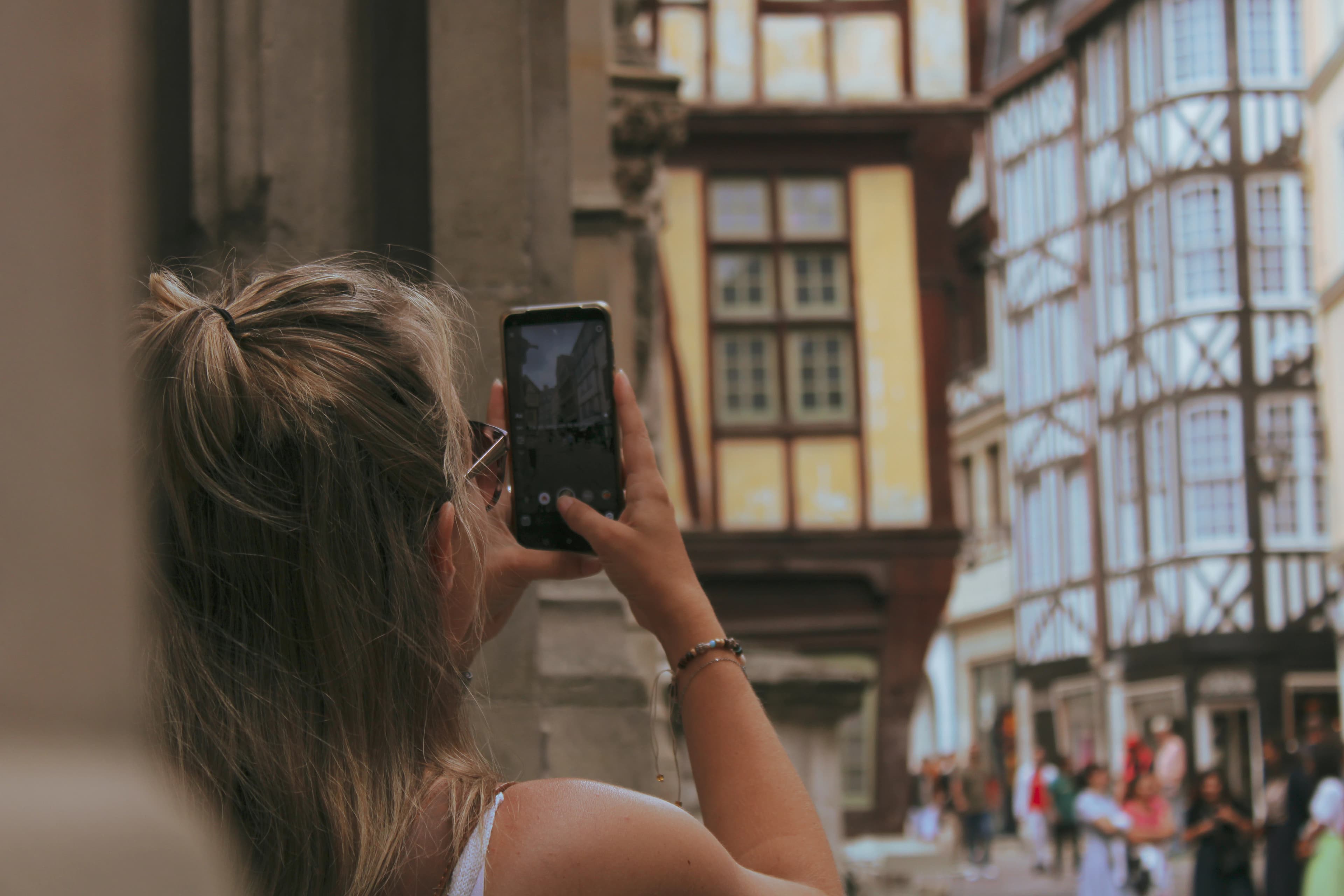
Rouen is the Gothic capital of Normandy and a city that has written art history. Claude Monet painted the Cathedral of Notre-Dame de Rouen over 30 times at different times of the day and under various lighting conditions – this legendary series of paintings helped establish Impressionism and made the facade of the cathedral one of the most depicted buildings in art history. Even today, when the evening sun bathes the delicate Gothic facade in gold, one immediately understands what fascinated Monet so much. The old town of Rouen is a living museum of medieval architecture. Over 2,000 half-timbered houses from the 14th to the 19th century line the narrow streets, led by the Rue du Gros-Horloge with its magnificent 16th-century astronomical clock that sits above a Gothic archway. On the Place du Vieux-Marché, Jeanne d'Arc was burned in 1431 – today, a modern church stands there in memory of the national heroine, and the square is surrounded by restaurants and cafés. The Aître Saint-Maclou, a medieval plague cemetery with carved Dance of Death reliefs on the half-timbered beams, is one of the eeriest and most fascinating places in France. For German visitors, Rouen is an ideal addition to a trip to Paris: the city is only 90 minutes by train from Paris and can be perfectly planned as a day trip or as a stopover on the way to the Normandy coast. Those wishing to visit the D-Day beaches, Mont-Saint-Michel, or the chalk cliffs of Étretat will find an excellent base in Rouen. The city's restaurants celebrate Norman cuisine with butter, cream, apples, and Calvados – Rouen offers richer and more down-to-earth meals than chic Paris, and at significantly cheaper prices.
Roussillon
Roussillon in the heart of the Luberon is a geological and aesthetic wonder – the village shines in all shades of ochre, red, and orange, standing out like a painting against the green landscape of Provence. The spectacular ochre cliffs, among the largest deposits in the world, transform the surroundings into a surreal landscape reminiscent of the American Southwest. On the Sentier des Ocres, visitors walk through a world of colors that has inspired painters for centuries. The small village with its ochre-colored houses, galleries, and cafés in the village square exudes a creative, relaxed atmosphere that immediately captivates German visitors.
Saint-Paul-de-Vence
Saint-Paul-de-Vence is the most famous artist village on the Côte d'Azur and a magical place where art, history, and Provençal beauty merge. Since the 1920s, this medieval village perched on a hill has attracted artists like Chagall, Matisse, Picasso, and Prévert, and even today, over 70 galleries and studios line the narrow streets. The powerful 16th-century fortress walls enclose a perfectly preserved ensemble of stone houses, and the Fondation Maeght above the village is one of the most significant museums of modern art in Europe. German art lovers are enchanted by the unique atmosphere, where one encounters art history at every turn.

Strasbourg
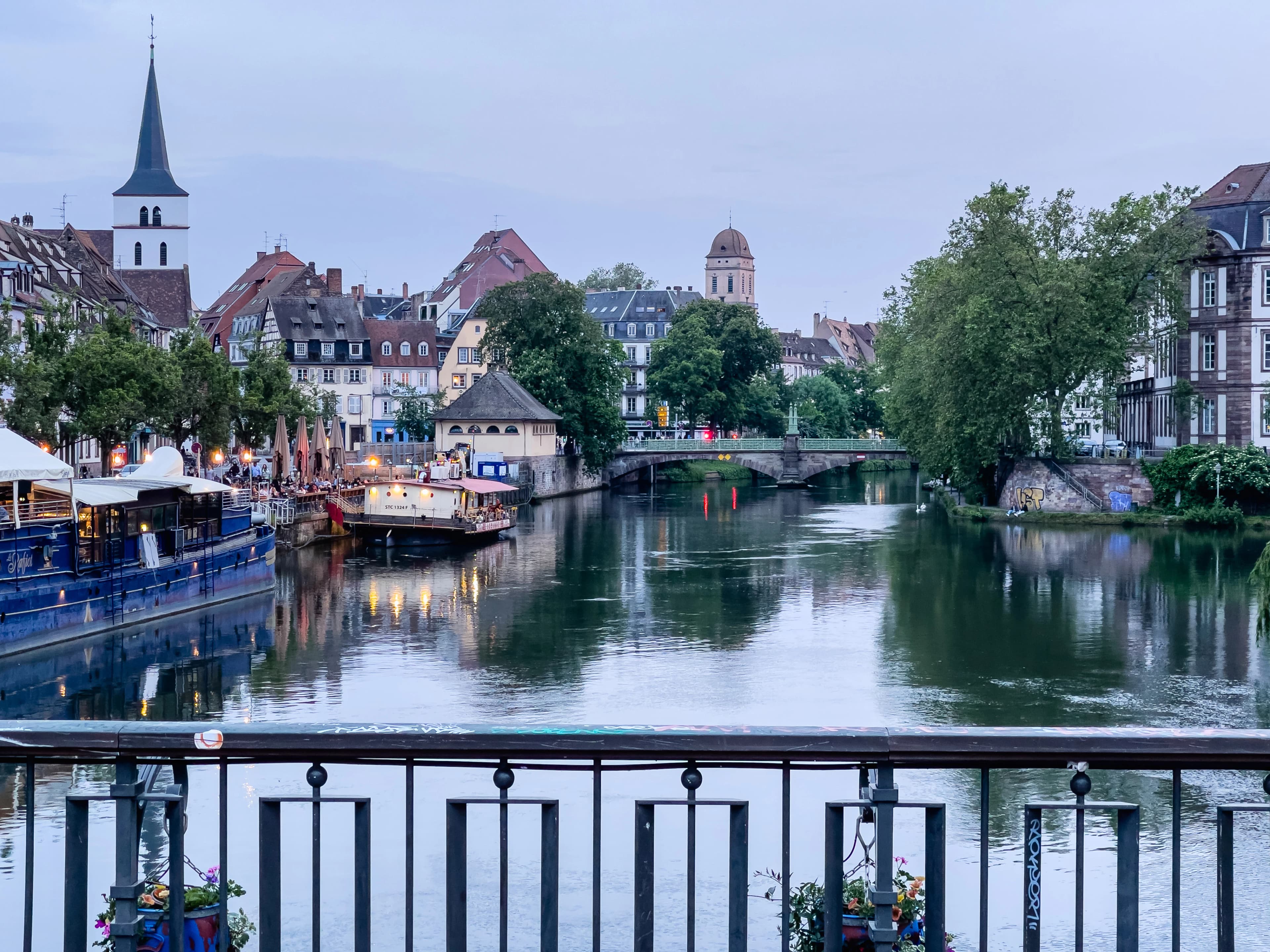
Strasbourg is the fascinating capital of Alsace and a vibrant symbol of Franco-German friendship. The city on the Rhine uniquely combines the best of both cultures: French art de vivre meets Alemannic coziness, Flammkuchen meets Foie Gras, half-timbered houses meet Belle Époque. The historic center on the Grande Île is a UNESCO World Heritage site and is surrounded by the arms of the Ill River, earning Strasbourg the nickname "Venice of the North." The Strasbourg Cathedral is the undisputed landmark of the city. The Gothic cathedral with its asymmetrical silhouette – only one tower was completed – rises 142 meters into the sky and was for centuries the tallest building in the world. The astronomical clock inside is a masterpiece of Renaissance technology, and the climb to the observation platform rewards visitors with a panorama over the Vosges, the Black Forest, and the Rhine plain. The Petite France district is the romantic heart of Strasbourg. Along the canals, perfectly preserved half-timbered houses from the 16th and 17th centuries line up, adorned with flower-decked balconies and reflections in the calm water. The covered bridges and the Barrage Vauban provide breathtaking photo opportunities. In the evenings, the wine taverns transform into cozy meeting places where Alsatian Riesling and Gewürztraminer flow. As the seat of the European Parliament, Strasbourg also has a modern, cosmopolitan side. The futuristic European Quarter with its glass facades contrasts charmingly with the medieval old town. For German travelers, Strasbourg is a dream destination: the city is located directly at the border, reachable from Freiburg in 80 minutes, from Stuttgart in two hours. It becomes particularly magical during the Advent season when the famous Christkindelsmärik – the oldest Christmas market in France since 1570 – transforms the entire city center into a sea of lights.
Villefranche-sur-Mer
Villefranche-sur-Mer has one of the most beautiful natural bays in the world and enchants with its authentic fishing village charm, which has become rare along the otherwise often glamorous Côte d'Azur. The pastel-colored houses cascade down the steep hillside to the deep blue sea, and the medieval Rue Obscure – a covered street from the 13th century – is one of the most fascinating alleys of the Riviera. German tourists love the relaxed contrast to nearby Nice and Monaco: The sandy beach Plage des Marinières is one of the best free-access beaches on the coast. The Chapelle Saint-Pierre at the harbor, painted by Jean Cocteau, combines fishing tradition with modern art.
Paris
Paris, the "City of Light", is the most visited travel destination in the world and a cultural universe in itself. The Eiffel Tower, built in 1889 and for decades the tallest structure in the world at 330 meters, welcomes seven million visitors each year — but Paris is so much more than its most famous landmark. The Louvre houses over 380,000 works of art, including the Mona Lisa and the Venus de Milo. The Musée d’Orsay showcases the largest collection of Impressionist art in the world in a converted train station. Notre-Dame, painstakingly restored after the devastating fire of 2019, reopened its doors in December 2024. The Arc de Triomphe at the end of the Champs-Élysées offers an iconic view from its rooftop terrace over the twelve boulevards radiating from Place Charles de Gaulle. Each of the 20 Arrondissements has its own character: Montmartre with the Sacré-Cœur and its artist studios, the Marais with its Jewish bakeries and LGBTQ scene, Saint-Germain-des-Prés with its legendary cafes (Café de Flore, Les Deux Magots), and the Latin Quarter with the Sorbonne and the bouquinistes along the Seine. The Metro takes visitors in just a few minutes from the haute couture boutiques of Rue du Faubourg Saint-Honoré to the lively markets of Rue Mouffetard. Croissants, baguettes, macarons, and of course bistro cuisine — Paris is also unmatched culinary-wise. From Versailles (20 minutes) to Giverny (1 hour), numerous excursion destinations are within reach.
Nice
Nice, the capital of the Côte d’Azur, combines Mediterranean beach life with the cultural wealth of a metropolis of 400,000 inhabitants. The legendary Promenade des Anglais stretches seven kilometers along the curved Baie des Anges — a boulevard where aristocrats, artists, and jet-set guests have been basking in the sun since the 18th century. The old town, Vieux Nice, is a labyrinth of narrow streets with ochre-yellow and terracotta-red facades, where the scent of Socca (chickpea pancakes) and Pissaladière wafts from the bakeries. The Cours Saleya hosts one of France's most beautiful flower and food markets daily. The Colline du Château offers a spectacular panoramic view over the city, the harbor, and the bay. Nice is home to over 20 museums, including the Musée Matisse with the artist's estate, the Musée Marc Chagall with the world's largest collection of his works, and the MAMAC for contemporary art. The city is an ideal starting point for excursions to Monaco (20 minutes), Èze, Saint-Paul-de-Vence, or Antibes. Nice Côte d’Azur Airport is the third largest in France and is only six kilometers from the center. With 300 sunny days, top-notch gastronomy, and the charm of a city that has been a UNESCO World Heritage site since 2021, Nice is one of the most fascinating cities on the Mediterranean.
Lyon
Lyon, France's third-largest city, is considered the gastronomic capital of the country — none other than Paul Bocuse, the most famous chef of the 20th century, made the city at the confluence of the Rhône and Saône a mecca of French cuisine. The historic old town with the Vieux Lyon district and the slopes of Croix-Rousse is a UNESCO World Heritage site and houses Europe's largest Renaissance ensemble after Venice. The Traboules, secret passages through courtyards and staircases, crisscross the Vieux Lyon district and the Croix-Rousse hill like a hidden network — over 400 of these passages connect the narrow streets and were once used by silk weavers for the protected transport of their precious fabrics. The Basilica of Notre-Dame de Fourvière overlooks the city and offers a breathtaking view from its terrace over the rooftops to the Alps. The Bouchons Lyonnais, traditional taverns with red-and-white checkered tablecloths, serve Quenelles de Brochet (pike dumplings), Andouillette, Tablier de Sapeur, and Praline Rose — hearty, authentic, and incomparable. The Paul Bocuse market hall brings together the best products of the region under one roof. Lyon is also a city of light: The Fête des Lumières in December transforms the facades into glowing works of art and attracts four million visitors. The Musée des Confluences, a futuristic building at the confluence of the two rivers, combines natural science with ethnology. Lyon is only two hours from Paris by TGV.

Marseille
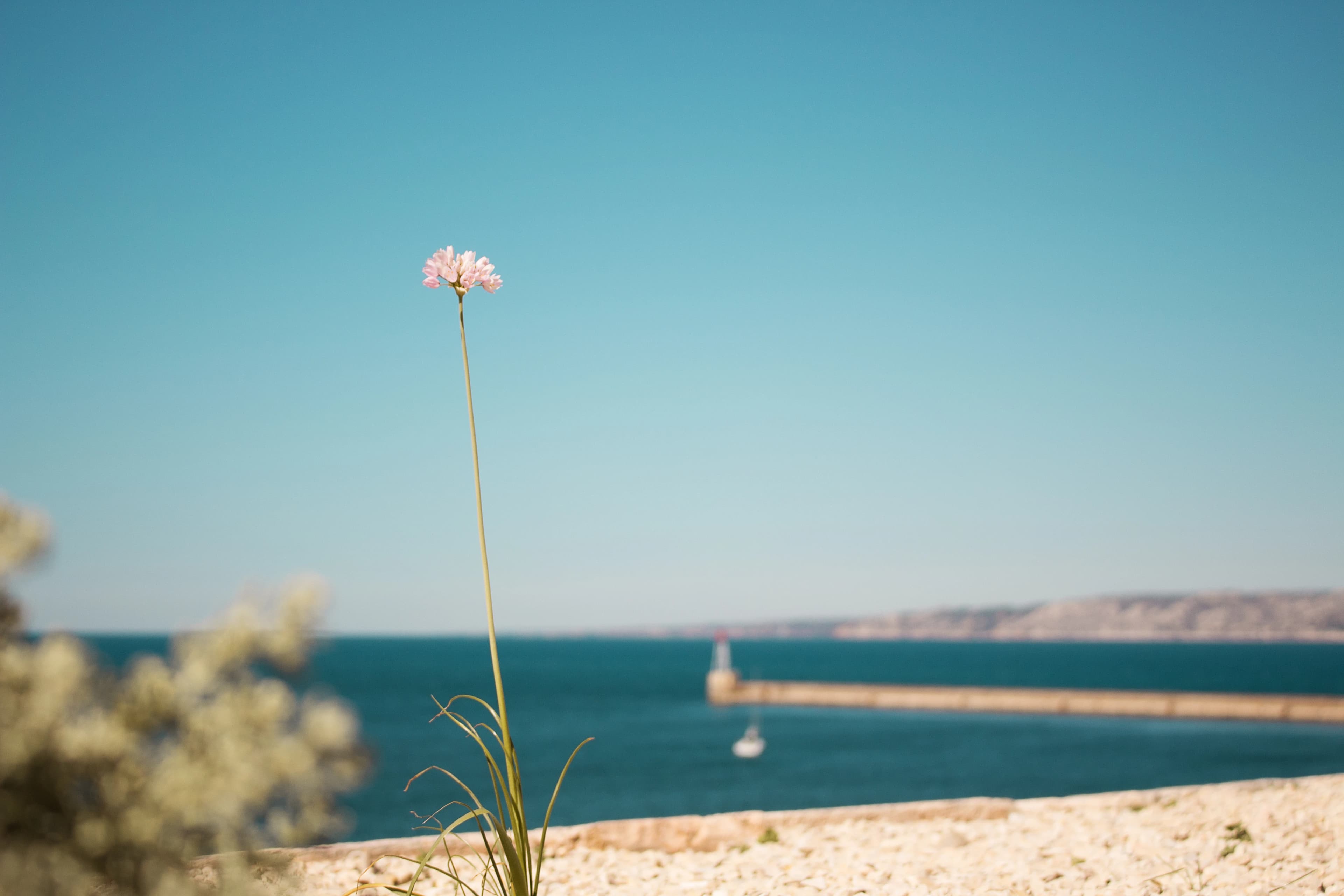
Marseille, founded around 600 BC by Greek seafarers, is the oldest city in France and the second largest after Paris. The port metropolis on the Mediterranean coast combines 2,600 years of history with a vibrant, multicultural energy that is unmatched in France. The Vieux Port, the historical heart of the city, is now characterized by fish restaurants and the futuristic sun sail pavilion by Norman Foster. The Basilica of Notre-Dame de la Garde towers over the highest hill in the city and offers a breathtaking 360-degree view over the rooftops, the harbor, and the nearby Frioul Islands. There lies the Chateau d’If, the fortress island that Alexandre Dumas made the setting for his novel “The Count of Monte Cristo.” The MuCEM (Museum of Civilizations of Europe and the Mediterranean) at the old harbor is an architectural masterpiece with a delicate concrete facade. The Le Panier district, Marseille's oldest neighborhood, enchants with narrow streets, street art, and small studios. The Calanques — fjord-like rocky inlets southeast of the city — are part of the national park and offer turquoise water between white limestone cliffs, ideal for hiking, climbing, and swimming. The Bouillabaisse, Marseille's legendary fish stew, tastes best in the restaurants at Vieux Port. With 300 sunny days a year and a vibrant cultural scene, Marseille is an underrated gem.

Bordeaux
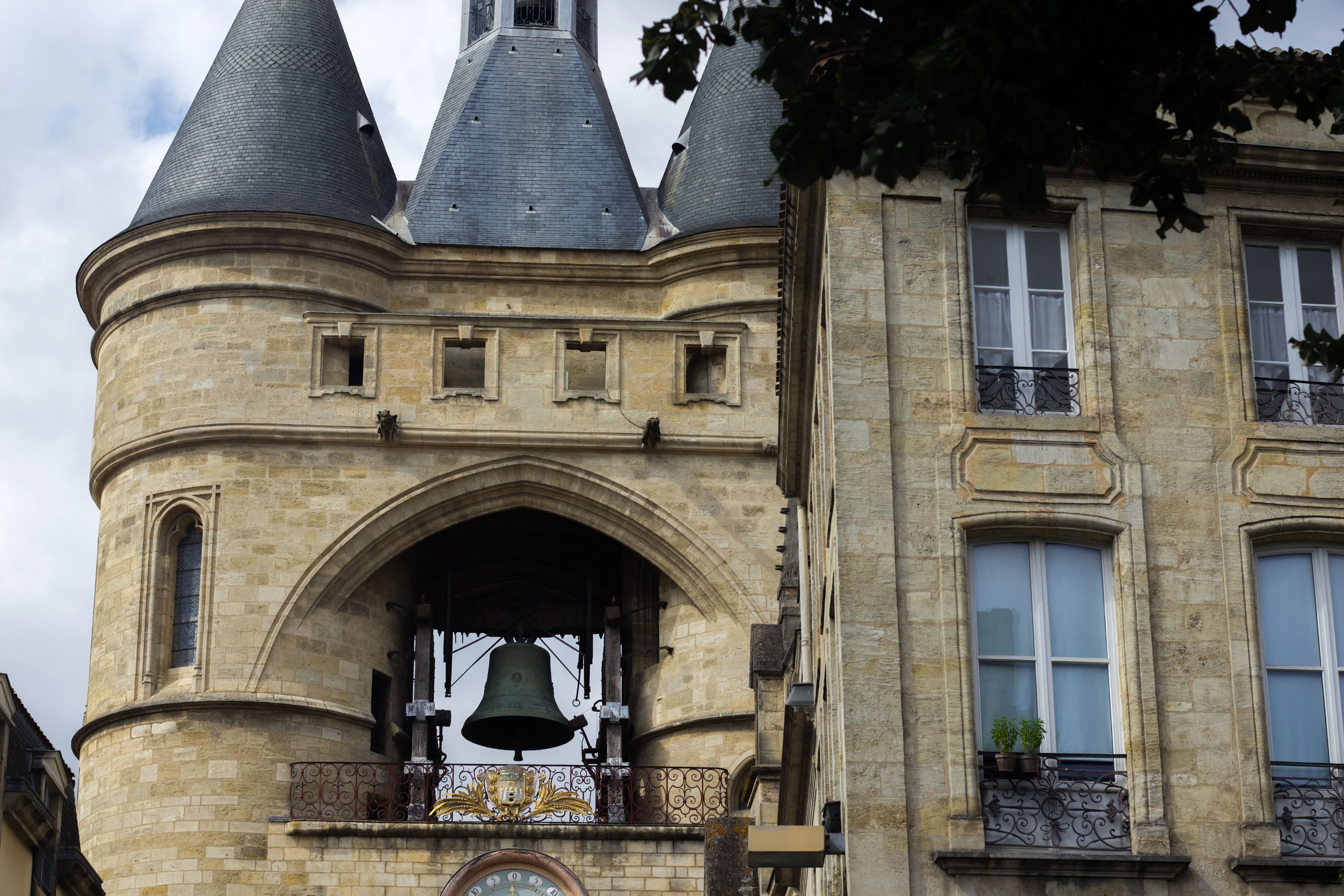
Bordeaux, the wine capital of the world, has transformed from a sleepy 'Sleeping Beauty' into a vibrant cultural metropolis, which was designated a UNESCO World Heritage site in 2007. The crescent-shaped harbor front on the left bank of the Garonne, the 'Port de la Lune', impresses with a continuous facade of limestone townhouses from the 18th century that glow golden in the evening light. The Miroir d’Eau, the largest reflecting pool in the world, reflects the Place de la Bourse and has become a landmark of the new Bordeaux. The city has turned its quays into promenades, built a futuristic tram line without overhead wires, and created a new landmark with the Cité du Vin — a spectacular wine museum in an avant-garde glass and metal structure. The Saint-Pierre district offers winding alleys with tapas bars and wine bistros, while Chartrons, the former merchants' quarter, boasts antique shops and concept stores. The surrounding wine regions are unique worldwide: Saint-Émilion (UNESCO World Heritage) with its underground catacombs, the Médoc with the famous Châteaux Margaux, Latour, and Mouton Rothschild, as well as Graves, Pomerol, and Sauternes are all less than an hour away. The Atlantic coast with the highest migrating dune in Europe (Dune du Pilat, 110 meters) and the surf beaches of Lacanau is reachable in 45 minutes. The cuisine offers Canelés, Entrecôte Bordelaise, and fresh oysters from the Bassin d’Arcachon.
Strasbourg
Strasbourg, seat of the European Parliament and capital of Alsace, is a city that uniquely combines French elegance and Germanic tradition. The Grande Île, the historic old town on an island in the Ill River, was declared a UNESCO World Heritage Site in 1988 as the first complete city center in France. The Strasbourg Cathedral is a masterpiece of Gothic architecture: at 142 meters, it was the tallest building in the world until 1874. The astronomical clock inside, a marvel of Renaissance mechanics, performs its figurative parade daily at 12:30 PM. Victor Hugo called the cathedral a 'wonder of the gigantic and the delicate.' The district of La Petite France, with its half-timbered houses, covered bridges (Ponts Couverts), and the canals of the Ill, is one of the most romantic neighborhoods in Europe. The European Quarter, home to the European Parliament, the Council of Europe, and the European Court of Human Rights, gives the city an international dimension. The Musée d’Art Moderne et Contemporain, the Historical Museum, and the university (founded in 1538) enrich the cultural life. Alsatian cuisine offers Flammkuchen (Tarte Flambée), Choucroute, Bäckeoffe, and excellent wines. In December, the Christkindelsmärik takes place, France's oldest Christmas market (since 1570), which transforms the entire old town into a sea of lights and attracts two million visitors annually. Strasbourg is reachable by TGV in 1 hour and 46 minutes from Paris.
Toulouse
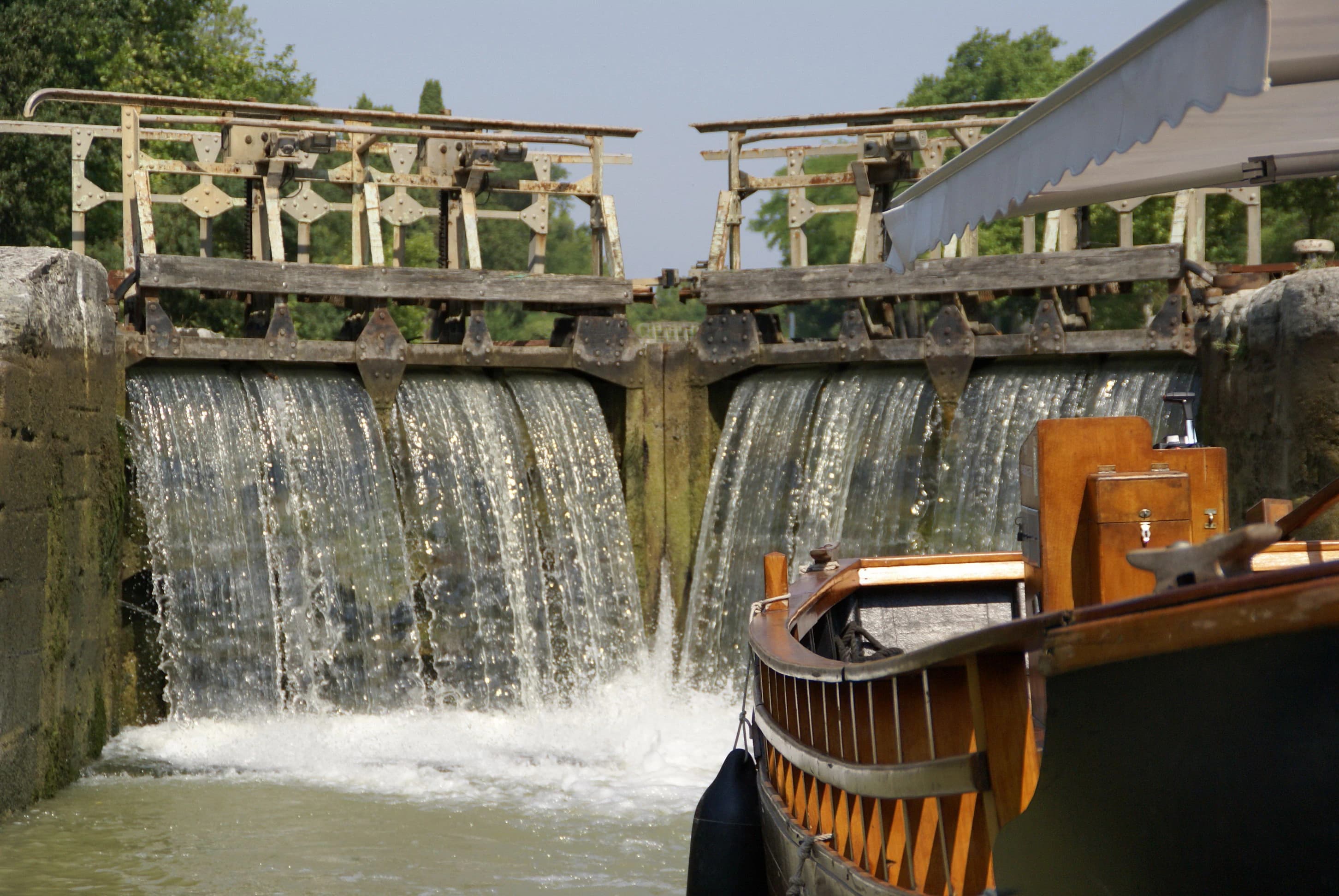
Toulouse, the "Pink City" (La Ville Rose), owes its nickname to the countless brick facades that glow in warm pink and orange tones in the evening light. As the fourth largest city in France and the center of European aerospace (Airbus, CNES, Ariane), Toulouse combines high-tech innovation with a Mediterranean lifestyle and a 2,000-year history. The Basilica of Saint-Sernin, the largest Romanesque church in Europe and a UNESCO World Heritage site as part of the Camino de Santiago, impresses with its octagonal bell tower and a reliquary of European significance. The Place du Capitole with its monumental town hall from the 18th century is the heart of the city — street cafés, street performers, and the imposing cross of Occitania on the pavement characterize the square. The Jacobins Convent with its famous "Palm" — a vaulted ceiling that unfolds like a palm frond — is a masterpiece of Gothic architecture. The Canal du Midi, a UNESCO World Heritage site and technical marvel of the 17th century, begins in Toulouse and stretches 240 kilometers to the Mediterranean. The banks are perfect for cycling or strolling. The Saint-Cyprien district on the left bank of the Garonne has developed into a creative hotspot, and the Les Abattoirs houses a museum of modern art. Toulouse is a student city (over 130,000 students) with a correspondingly vibrant nightlife. Culinary highlights include Cassoulet, but the Victor Hugo market also offers a delicious variety of southwestern French cuisine.

Montpellier
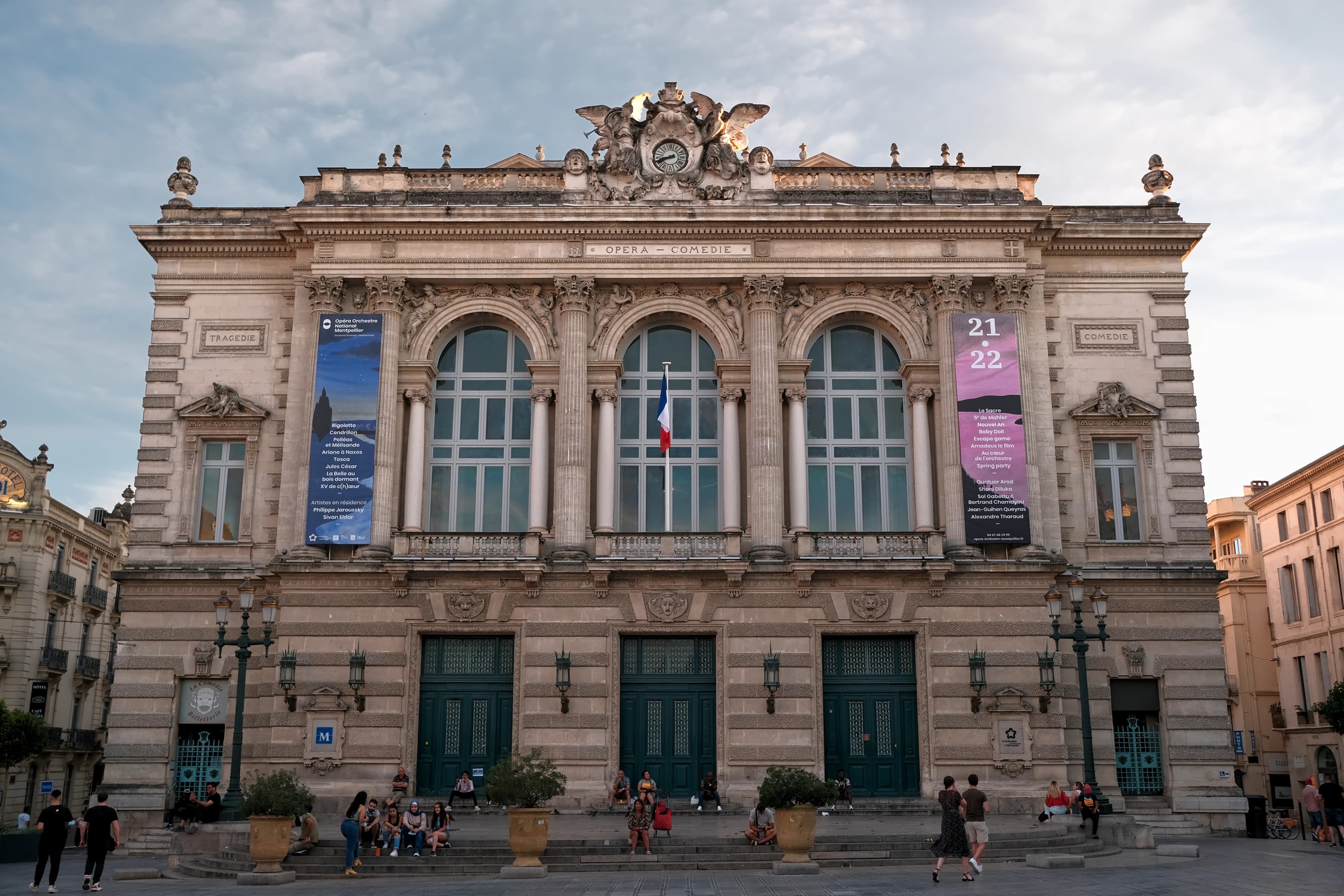
Montpellier, the capital of the Occitanie region, is one of the most dynamic cities in southern France: young, cosmopolitan, and sun-drenched, with one of the oldest universities in Europe (founded in 1289, among its students were Rabelais and Nostradamus) and a population whose average age is among the lowest of all French cities. The Place de la Comédie, affectionately called "The Egg" (l’Œuf) due to its oval shape, is the vibrant heart of the city — a large square with the Fountain of the Three Graces, the opera house, and endless street cafes. The medieval old town (Écusson) behind it surprises with winding alleys, magnificent 17th-century Hôtels Particuliers, hidden courtyards, and the Saint-Pierre Cathedral with its powerful facade. Antigone, a monumental district in neoclassical style, was designed by the Catalan architect Ricardo Bofill and extends as an impressive axis to the Lez River. The Musée Fabre is one of the most significant art museums in France, featuring works by Courbet, Delacroix, and Soulages. The tramway with its avant-garde design shapes the cityscape. Montpellier is only 11 kilometers from the Mediterranean — the beaches of Palavas-les-Flots and Carnon are reachable by tram and bus in 30 minutes. The city offers top-notch gastronomy, a vibrant nightlife, and with around 300 sunny days a year, a climate that leaves little to be desired.

Avignon
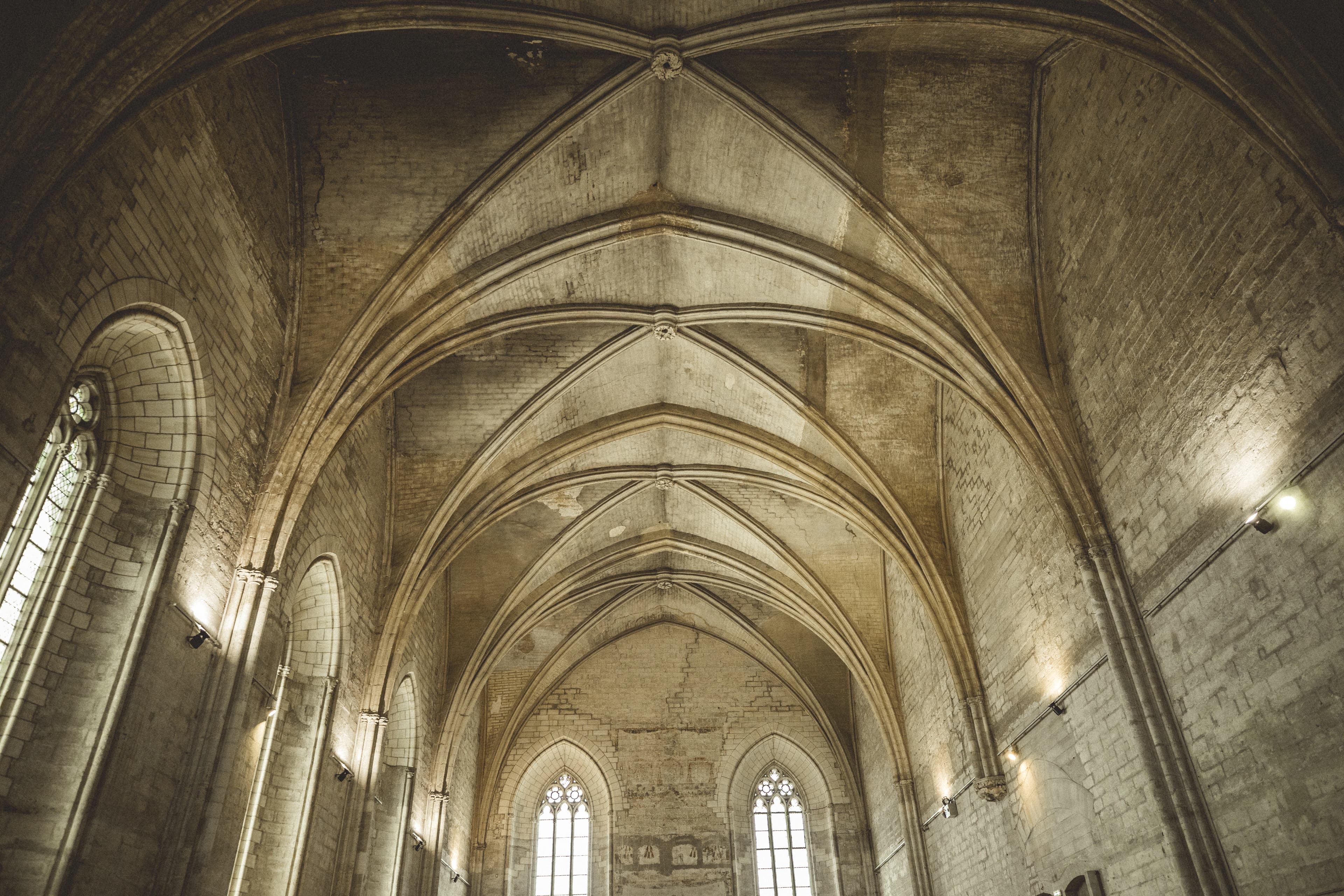
Avignon, the "City of the Popes," was the seat of the papacy for seven decades in the 14th century and has preserved a monumental heritage from this glorious era. The Palais des Papes, the largest Gothic palace in the world, majestically overlooks the old town and, along with the famous bridge Saint-Bénézet ("Sur le Pont d’Avignon"), is a UNESCO World Heritage site. The completely preserved medieval city wall encloses a vibrant old town with shady squares, street cafés, and elegant townhouses from the 17th and 18th centuries. The Place de l’Horloge is the pulsating center, while the narrow streets of Rue des Teinturiers, with their waterwheels and plane trees, exude a romantic atmosphere. The Rocher des Doms, the rock above the papal palace, offers a magnificent view over the Rhône and Mont Ventoux. Every July, the Festival d’Avignon transforms the city into the largest theater stage in the world: Over 1,500 performances at hundreds of venues make the festival, founded in 1947 by Jean Vilar, the most significant theater festival in Europe. Avignon is also an ideal starting point for excursions into Provence — the Pont du Gard (30 minutes), the vineyards of Châteauneuf-du-Pape (15 minutes), and the lavender fields of Luberon are in close proximity. The Provençal cuisine with Ratatouille, Tapenade, and Rosé wines rounds off the experience.

Annecy
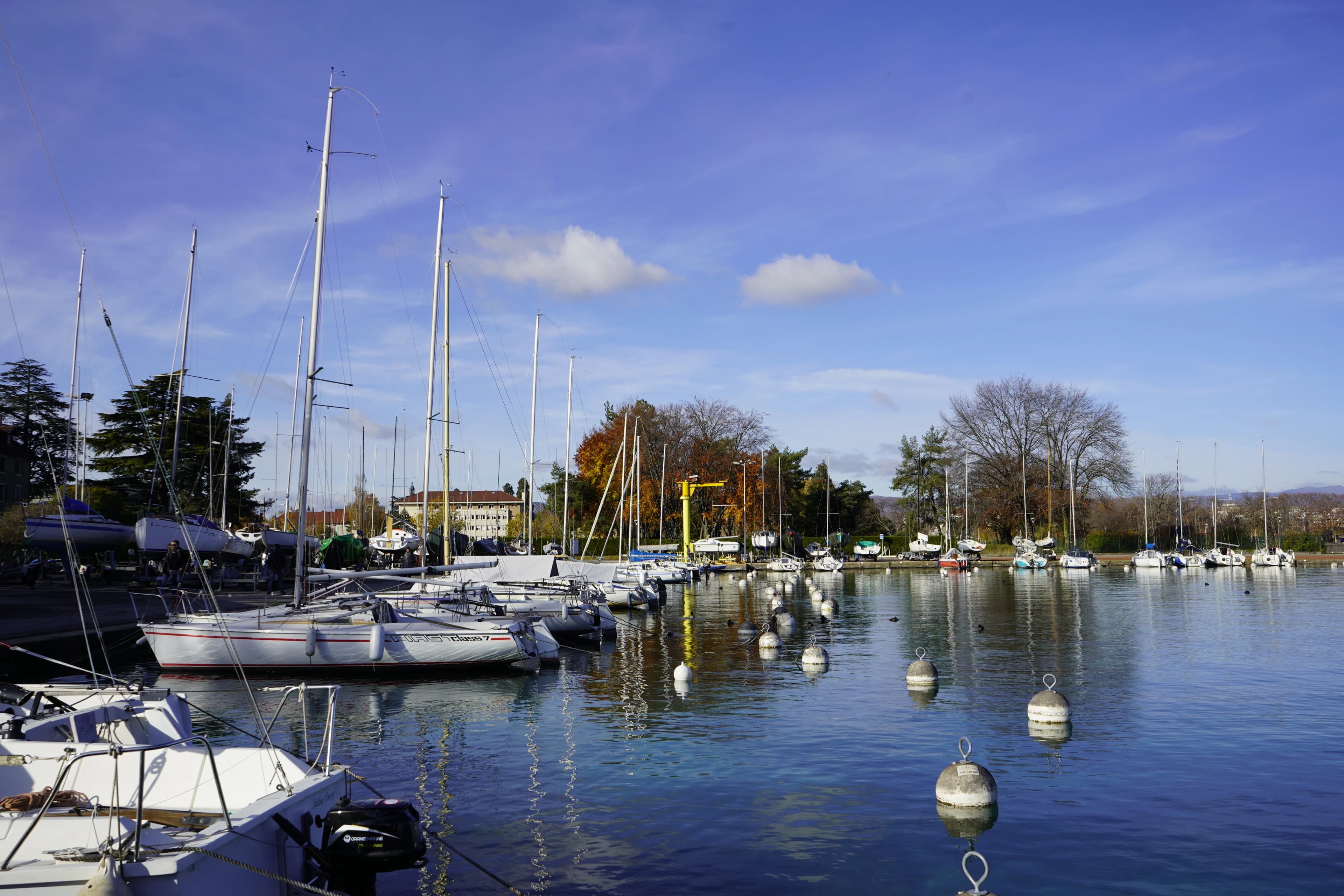
Annecy in Haute-Savoie rightfully carries the nickname "Venice of the Alps": crystal-clear canals weave through a picturesque old town with colorful houses, arcades, and medieval bridges. The Palais de l’Isle, a stone island building in the middle of the Thiou Canal, is the city's landmark and one of the most photographed sights in the French Alps. The old town (Vieille Ville) invites you to stroll with its winding alleys, boutiques, chocolateries, and cozy bistros. The market on Tuesday and Friday at Place Sainte-Claire is one of the most atmospheric in the region — Reblochon cheese, Savoy sausages, Berghonog, and fresh alpine flowers attract locals and visitors alike. The Château d’Annecy, a medieval fortress above the old town, now houses a museum and offers fantastic views over the rooftops and the lake. Lake Annecy begins right at the edge of the city and, with its crystal-clear water, is one of the most popular bathing destinations in the Alps. The Jardins de l’Europe, an English landscape park by the lakeshore, connect the city and the lake via the Pont des Amours (Lovers' Bridge). In June, the International Animated Film Festival takes place, and in August, the Fête du Lac features spectacular fireworks over the lake. Annecy combines alpine charm, historical substance, and excellent quality of life — no wonder the city is regularly voted one of the most livable in France.

Colmar
Colmar in the heart of Alsace is a city that looks like a living illustration from a fairy tale book. The district 'Little Venice' (Petite Venise) with its pastel-colored half-timbered houses along the banks of the Lauch, the flower-adorned bridges, and the small boats is one of the most photogenic places in France — and is said to have even inspired Walt Disney for his village in 'Beauty and the Beast'. The old town is an architectural gem with buildings from the 13th to 18th centuries: The Maison Pfister with its painted facade, the Maison des Têtes with 106 faces on the front, and the Koifhus (old customs house) are among the highlights. The Unterlinden Museum houses Matthias Grünewald's Isenheim Altarpiece, one of the most significant works of late medieval art, as well as a collection from Schongaür to Picasso. Colmar is strategically located on the Alsace Wine Route and is surrounded by vineyards. The Grand Cru sites Rangen, Brand, and Hengst produce some of the best wines in Alsace. In December, the squares of the old town transform into one of the most atmospheric Christmas markets in France with six different markets, mulled wine, and handcrafted jewelry. Colmar is the driest city in France (less than 600 mm of rainfall) and enjoys an exceptionally mild climate that even allows fig trees to thrive. The city is well connected by train to Strasbourg (30 minutes) and Basel (45 minutes).

Carcassonne
Carcassonne has the largest and best-preserved medieval fortress city in Europe. The Cité de Carcassonne, a UNESCO World Heritage site since 1997, rises with 52 towers and a double ring wall above the Aude River, resembling a time machine to the 13th century. Even from the highway, the sight of the illuminated fortress at night offers an unforgettable image. The history of the fortification dates back to the Romans, but its current character was shaped in the 13th century during the Albigensian Crusades against the Cathars. In the 19th century, architect Viollet-le-Duc saved the crumbling structure through extensive restoration. Today, a walk along the Lices — the space between the two walls — encircles the entire fortress and offers panoramic views over the Pyrenees and the Minervois wine region. Within the walls, visitors can expect winding alleys, the Basilica of Saint-Nazaire with its vibrant stained glass windows, the Château Comtal, and numerous restaurants serving Cassoulet — the hearty bean stew with duck meat and sausages that originated here. The Bastide Saint-Louis, the lower town on the opposite riverbank, offers a more relaxed experience with markets, boutiques, and cafes away from the tourist crowds. The Canal du Midi flows through Carcassonne and can be explored by houseboat or on foot.

Chamonix-Mont-Blanc
Chamonix-Mont-Blanc lies at the foot of the highest mountain in the Alps (4,808 meters) and is considered the cradle of modern alpinism. The first Olympic Winter Games took place here in 1924, and to this day, the town is a mecca for climbers, skiers, and outdoor enthusiasts from around the world. The Aiguille du Midi cable car transports visitors to an altitude of 3,842 meters in just 20 minutes — the panoramic view over the Mont-Blanc massif, the Grandes Jorasses, and, on clear days, even the Matterhorn is simply breathtaking. The ski area comprises five sub-areas with over 150 kilometers of slopes, including the legendary Vallée Blanche — a 20-kilometer-long off-piste descent from the summit of the Aiguille du Midi through a sea of glacier crevasses and seracs, considered one of the most spectacular ski runs in the world. In summer, the mountains transform into a paradise for hikers and trail runners: The Tour du Mont Blanc, a 170-kilometer long long-distance hiking trail through three countries, starts and ends in Chamonix. The Montenvers cogwheel train takes you to the Mer de Glace, the largest glacier in France, where an ice cave is carved anew into the glacier each year. The town center offers a surprisingly cosmopolitan atmosphere with top-notch restaurants, craft breweries, and boutiques. Chamonix is attractive year-round and easily accessible — Geneva is just a one-hour drive away.
Regions

Côte d'Azur
The Côte d'Azur — the "Azure Coast" — is the most glamorous stretch of coastline in Europe and has been the playground of the beautiful and wealthy for over 150 years. Stretching from Monaco through Cannes to Saint-Tropez, this coast has inspired generations of artists with its incomparable light, pastel-colored villages, and the deep blue Mediterranean. Nice — the "capital" of the Côte d'Azur — offers the world's most famous beachfront promenade, the Promenade des Anglais, the old town Vieux Nice with the Cours Saleya flower market, and the stunning MAMAC (Museum of Modern Art). Monaco — the second smallest state in the world — fascinates with the Casino Monte-Carlo, the Grand Prix circuit, and the Oceanographic Museum. Cannes is known for its film festival (May), the elegant Croisette promenade, and the offshore Lérins Islands with the mysterious prison of the "Man in the Iron Mask." Saint-Tropez retains its charm as a former fishing village despite its jet-set image, featuring the Place des Lices and its legendary beach clubs. The villages in the hinterland — Èze, Grasse (world capital of perfume), Saint-Paul-de-Vence (artist village), and Gorges du Verdon (the "Grand Canyon of Europe") — are at least as enchanting as the coast itself.
Côtes d'Armor
The Côtes d'Armor are the jewel of northern Brittany – a department on the Breton north coast, known primarily for the legendary Côte de Granit Rose, one of the most spectacular coastal landscapes in Europe. Here, erosion over millions of years has shaped gigantic granite blocks into surreal forms, giving them a warm, pink hue due to the iron content in the rock, which glows almost unrealistically at sunset. For German holidaymakers seeking the wild, authentic France away from the Mediterranean beaches, the Côtes d'Armor are a revelation. The Sentier des Douaniers, the old customs path, winds between Perros-Guirec and Ploumanach along the pink granite cliffs and offers such a concentrated dose of natural beauty over just three kilometers that one cannot help but be amazed. Each rock block seems to be its own sculpture – some resemble animals, others fantastic figures. The lighthouse of Ploumanach, wedged between the pink rocks and the turquoise sea, is one of the most photographed motifs in all of Brittany. Away from the coast, the hinterland impresses with medieval towns like Dinan, which, with its completely preserved city wall, half-timbered houses, and picturesque harbor on the Rance River, looks like a picture book of medieval France. The Île de Bréhat, a car-free island archipelago off the coast, surprises with an almost Mediterranean vegetation of agaves, hydrangeas, and palm trees, even though one is on the north coast of Brittany. For families from Germany, the Côtes d'Armor are ideal: the journey by car is possible in a long travel day, holiday homes are numerous and significantly cheaper than on the Côte d'Azur. The tides create huge sandy areas for shell collecting and mudflat hiking at low tide, and the Breton cuisine with crêpes, cider, and seafood delights the whole family.

Mont Blanc / Chamonix
Chamonix-Mont-Blanc is the cradle of alpinism and home to the highest mountain in Europe — a town where extreme mountain sports, French lifestyle, and one of the most dramatic alpine backdrops in the world converge. Mont Blanc rises 4,808 meters above sea level and dominates the Chamonix valley like a white throne. Since its first ascent in 1786 by Jacques Balmat and Michel-Gabriel Paccard, the mountain has attracted climbers, skiers, and nature lovers from all over the world. The Aiguille du Midi (3,842 m) can be reached by cable car in just 20 minutes from Chamonix and offers perhaps the most spectacular mountain panorama in the Alps: a glass skywalk (Step into the Void) juts out over a 1,000-meter abyss, and the view extends over the peaks of the Mont-Blanc massif, the Matterhorn silhouette, and on clear days as far as the Jura. From here, the Vallee Blanche starts — a 20 km glacier descent through the sea of ice, the most challenging and beautiful off-piste descent in the Alps. The Mer de Glace (Sea of Ice) is the largest glacier in France at 7 km long: the historic Montenvers cogwheel train (since 1909) takes visitors to an altitude of 1,913 m, from where a gondola and stairs lead to the ice cave inside the glacier. The dramatic glacier retreat — over 2 km since 1850 — makes climate change visibly tangible here. The Tour du Mont Blanc (TMB), one of the most famous long-distance hiking trails in the world, circumnavigates the entire Mont-Blanc massif in 170 km through three countries (France, Italy, Switzerland) and crosses seven passes over 2,000 m. The 10-12 daily stages lead through alpine meadows, glacier moraines, and picturesque mountain villages with overnight stays in mountain huts and refuges. Chamonix itself is a vibrant alpine town with a French flair: bakeries with fresh croissants, fromageries with Reblochon and Beaufort, craft beer bars, and an international extreme sports community. In winter, the four ski areas (Les Grands Montets, Brévent-Flégère, Les Houches, Balme) offer over 150 km of slopes, along with world-class freeride terrain.
Périgord
The Périgord is the culinary heart of France and one of the most historically significant regions in Europe – a gently hilly land in the Dordogne department, famous for its medieval castles, prehistoric cave paintings, truffle forests, and a cuisine that delights even the most spoiled French gourmets. For German travelers who want to experience authentic rural France away from the tourist crowds, the Périgord is a dream destination. The region is traditionally divided into four colors: Périgord Noir (black) around Sarlat with its truffles and dark oak forests, Périgord Blanc (white) around Périgueux with its limestone cliffs, Périgord Vert (green) in the wooded north, and Périgord Pourpre (purple) in the wine-growing area around Bergerac. Each color represents its own character and culinary specialties. Sarlat-la-Canéda is the jewel of the Périgord – a perfectly preserved medieval town with golden sandstone houses, Gothic churches, and one of the most beautiful weekly markets in France. Every Saturday, the old town transforms into a gourmet paradise with Foie Gras, truffles, walnuts, Confit de Canard, and local wines. The Lascaux cave, whose prehistoric paintings are among the most significant artworks in human history, is just a few kilometers away – the authentic replica Lascaux IV is a technological masterpiece. The Dordogne Valley, with its canoeing, castles on cliffs, and picturesque villages like La Roque-Gageac, Domme, and Beynac, is one of the most beautiful river landscapes in Europe. The region is easily accessible by car from Germany and is perfect for a two-week holiday home vacation with family – holiday homes with pools are affordable and plentiful.

Provence
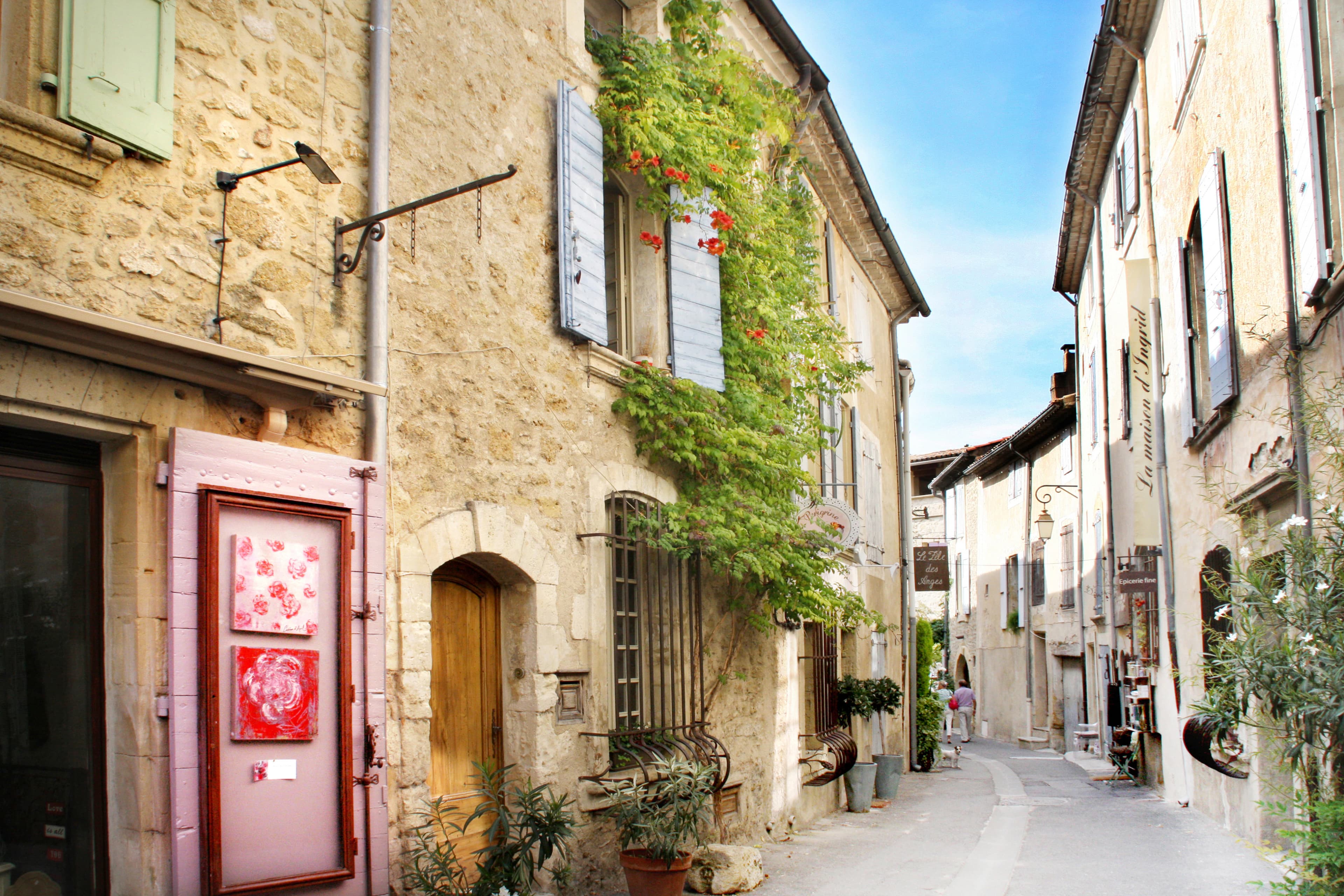
Provence is the epitome of southern French lifestyle: endless lavender fields that sway in violet waves to the horizon in June and July, silvery-green olive groves, medieval mountain villages, and a light that captivated Cézanne, Van Gogh, and Picasso. The Valensole Plateau offers the most iconic lavender panoramas, while the Sénanque Abbey near Gordes, with its lavender field in front of Romanesque architecture, is the most photographed motif in the region. Avignon, the city of the Popes, impresses with the massive Palais des Papes, the largest Gothic palace in the world, and the legendary bridge Pont Saint-Bénézet. Gordes, perched on a rocky outcrop in the Luberon, is one of the most beautiful villages in France. Roussillon fascinates with its brightly colored red and orange ochre cliffs, through which a hiking trail leads, resembling a Martian landscape. Aix-en-Provence, the elegant university town, enchants with its tree-lined boulevards, bubbling fountains, and the Atelier Cézanne on the slopes of Mont Sainte-Victoire. The Camargue in the south surprises with white wild horses, pink flamingos, and bull breeders in a unique wetland landscape. The villages of the Luberon — Bonnieux, Ménerbes, Lourmarin — are Provençal picture-book idylls. The markets are filled with the scent of lavender honey, goat cheese, olives, and fresh herbs from the Garrigue.
Brittany
Brittany, France's northwestern region, juts out like a sturdy rock into the Atlantic and delights with a wild romantic coastline, Celtic heritage, and an unparalleled culinary tradition. The rugged granite estuaries, storm-battered lighthouses, and tide-shaped coastal sections make Brittany one of the most scenically dramatic regions in Europe. The Cote de Granit Rose near Ploumanac’h captivates with its bizarrely shaped pink granite rocks that glow in warm tones at sunset. Saint-Malo, the historic corsair city, rises with its mighty fortress walls directly above the sea. At low tide, one can walk to the island of Grand Be, where the writer Chateaubriand is buried. The fully walkable city wall offers breathtaking views over the Emerald Coast. The Pointe du Raz at the far western tip, where the surf crashes with enormous force against the cliffs, is among the wildest coastal points in France. In Carnac, over 3,000 prehistoric menhirs stand in mysterious rows — the largest megalithic site in the world, whose origin and purpose remain unclear to this day. These mysterious stone rows date back to the Neolithic period and are older than Stonehenge. The Breton Gulf of Morbihan, an inland sea with over 40 islands, is a paradise for sailors and bird watchers. The Celtic identity of Brittany lives on in music, language, and festivals: Breton Fest-Noz dance festivals, bagpipe music, and the regional language Breton shape the culture. Culinary-wise, the region is a delight: The Galette (buckwheat crepe) with ham, cheese, and egg, accompanied by dry cider from a clay bowl, is a classic. Oysters from Cancale, lobster, Coquilles Saint-Jacques, and salted caramel candies from Quiberon round off the gastronomic experience. Brittany is France in its most rugged, authentic form.
Alsace
Alsace, located on the border with Germany and Switzerland, is a region that combines French art de vivre with German coziness. Half-timbered houses in candy colors, flower-adorned window sills, stork nests on church towers, and the vineyards of the Vosges create a backdrop that looks like it came straight out of a fairy tale. The Alsace Wine Route (Route des Vins d’Alsace) winds over 170 kilometers from Marlenheim to Thann through 73 wine villages and is considered one of the most beautiful wine routes in Europe. Riesling, Gewürztraminer, Pinot Gris, and Crémant d’Alsace thrive on the sun-drenched eastern slopes of the Vosges. Riquewihr, Eguisheim, and Kaysersberg are among the “Plus Beaux Villages de France” and offer a medieval atmosphere with wine taverns and delicatessen shops. Strasbourg, the capital of Europe, impresses with its Gothic cathedral (142 meters, once the tallest building in the world), the picturesque district of La Petite France with its tanneries, and the European Parliament. Colmar enchants with its “Little Venice” and the Unterlinden Museum featuring Grünewald's Isenheimer Altarpiece. The Haut-Koenigsbourg, a powerful Hohenstaufen castle at 757 meters, offers panoramic views as far as the Black Forest. In winter, the towns transform into magical Christmas markets — the Strasbourg “Christkindelsmärik” is the oldest in France (since 1570). Flammkuchen, Bäckeoffe, Choucroute, and Kougelhopf make Alsatian cuisine a unique culinary experience.
Burgundy
Burgundy (Bourgogne) in the heart of France is a land for connoisseurs: World-famous vineyards, medieval abbeys, majestic canals, and a cuisine that ranks among the best in the country make the region a dream destination for gourmets and cultural travelers. The Climats, the parcelled vineyard sites of the Cote d’Or between Dijon and Beaune, have been a UNESCO World Heritage Site since 2015. The Route des Grands Crus stretches 60 kilometers through the most famous wine regions in the world: Gevrey-Chambertin, Vougeot, Vosne-Romanée, Nuits-Saint-Georges, and Meursault — names that make wine enthusiasts dream. Beaune, the wine capital of Burgundy, impresses with the Hospices de Beaune, a Gothic hospital from the 15th century with its iconic colorful tiled roof, which hosts the world's most famous wine auction every November. Dijon, the regional capital, surprises with a vibrant old town, the Ducal Palace, and the famous market halls. Vézelay, with its Romanesque basilica, is a UNESCO World Heritage Site and a historical starting point of the Camino de Santiago. The Abbey of Fontenay, founded in 1118, is the oldest preserved Cistercian monastery in Europe. Burgundy can be excellently explored by houseboat on the canals — the Canal de Bourgogne and the Canal du Nivernais lead through gentle hills, locks, and sleepy villages. Böuf Bourguignon, Coq au Vin, Escargots, and Époisses cheese make every meal an experience.
Normandy
Normandy in the northwest of France combines moving world history, dramatic coastal landscapes, and culinary delights to create one of the most diverse regions in Europe. On the D-Day beaches — Omaha Beach, Utah Beach, Juno Beach, Gold Beach, and Sword Beach — over 150,000 Allied soldiers landed on June 6, 1944, initiating the liberation of Europe. The American Cemetery in Colleville-sur-Mer, with its 9,387 white crosses overlooking the cliffs of Omaha Beach, is a place of profound dignity. The Caen Memorial, one of the most significant war museums in Europe, places the events in historical context. Mont Saint-Michel, perched on a granite rock in the bay between Normandy and Brittany, is one of the most photographed structures in France. At high tide, the medieval abbey becomes an island — a sight that has captivated pilgrims and travelers for over 1,000 years. The Alabaster Coast near Étretat impresses with its spectacular chalk cliffs and natural rock arches that inspired Claude Monet and Guy de Maupassant. In Giverny, just an hour's drive from Paris, Monet created his famous water lily pond and blooming garden, which became the inspiration for his impressionist masterpieces. The Bayeux Tapestry, a 70-meter-long embroidered linen cloth from the 11th century, tells the story of the Norman conquest of England in fascinating detail. Culinarily, Normandy is a paradise: Camembert, Livarot, and Pont-l’Évêque are among the best cheeses in France. Cider and Calvados (apple brandy) are tasted in picturesque estates, and along the coast, restaurants serve freshly caught oysters, mussels, and lobster. Normandy combines a culture of remembrance with scenic beauty and gastronomic delights.

Loire Valley
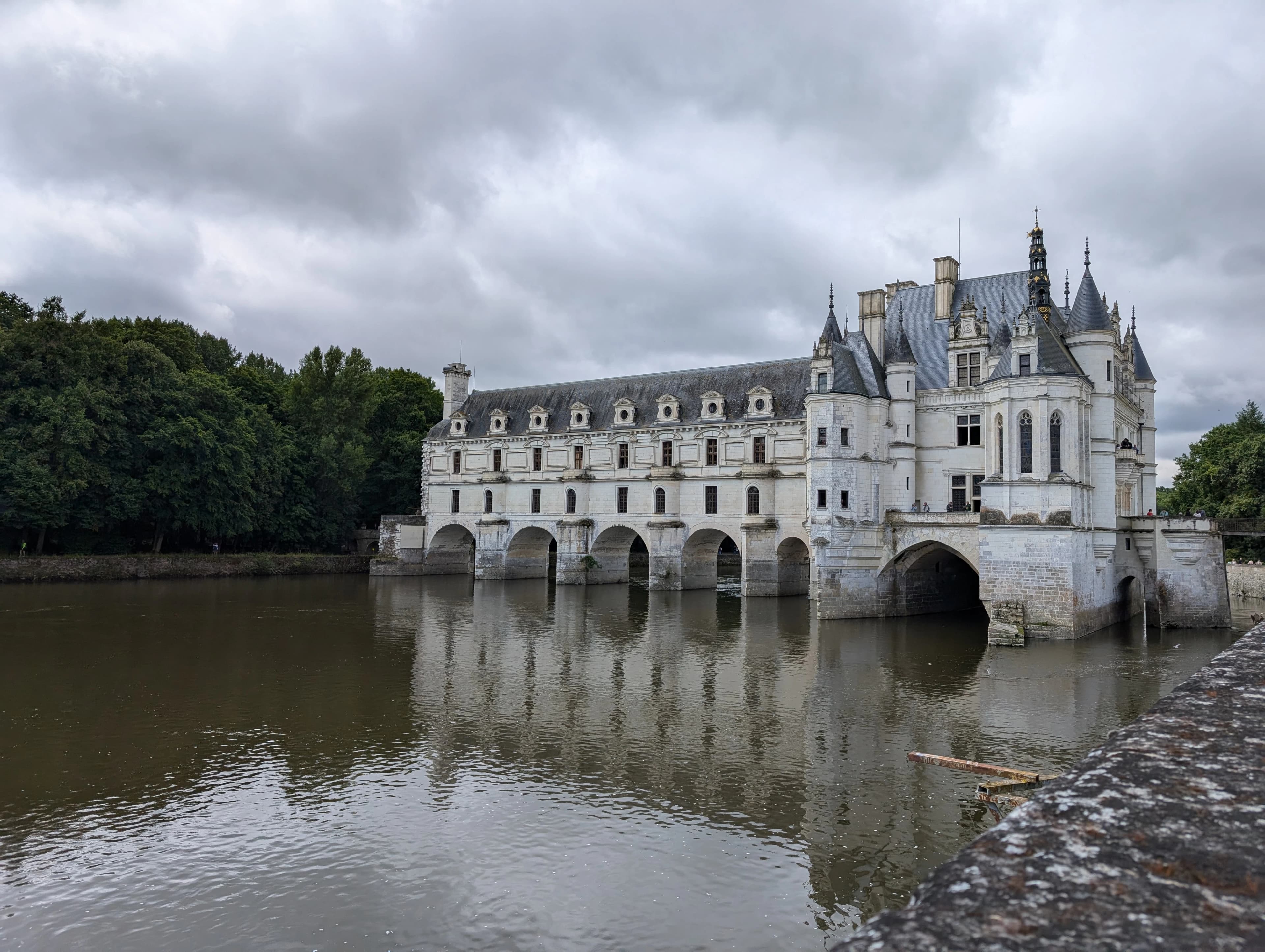
The Loire Valley, often referred to as the "Garden of France," stretches over 280 kilometers along the longest river in the country and has been a UNESCO World Heritage site since 2000. Nowhere else in the world are so many Renaissance châteaux concentrated in such a small area — over 300 Châteaux testify to the time when French kings and nobles competed in building. The Chateau de Chambord, with its 440 rooms and the legendary double helix staircase attributed to Leonardo da Vinci, is the largest and most spectacular of the Loire châteaux. Chenonceau, elegantly built over the Cher River, is considered the most romantic. Amboise was the residence of French kings, and the nearby Clos Lucé was Leonardo da Vinci's last residence, where he died in 1519. Villandry impresses with the most beautiful Renaissance gardens in France. The Loire Valley is also a top wine region: Sancerre, Vouvray, Chinon, and Muscadet are among the most famous appellations. The Loire cycling paths (“Loire à Vélo”) extend over 900 kilometers and lead through vineyards, past château parks, and through charming villages with tuff stone architecture. The troglodyte caves of Saumur house mushroom farms and wine cellars carved into the soft limestone. The best time to visit is from May to October, with the garden festivals in Chaumont during the summer being a special highlight.

Languedoc
The Languedoc stretches from the Spanish border to the Rhône and is the largest wine region in France — a sun-drenched area filled with Roman ruins, medieval fortresses, endless vineyards, and over 200 kilometers of Mediterranean coastline. Here you will find authentic southern France without the glamour of the neighboring Côte d'Azur, but with significantly lower prices and fewer tourist crowds. The Pont du Gard, the best-preserved Roman aqueduct in the world, is one of the most impressive structures of antiquity — three tiers, 49 meters high, built without mortar. The Arena of Nîmes, the best-preserved Roman arena overall, holds 24,000 spectators and is now used for concerts and bullfighting. Montpellier surprises as a dynamic university city with futuristic architecture and a medieval core. The Languedoc produces more wine than any other region in France, and the quality has improved enormously in recent decades. Appellations like Pic Saint-Loup, Faugeres, and Minervois offer excellent red wines at fair prices. The Canal du Midi runs through the region for hundreds of kilometers and can be explored by houseboat, bicycle, or on foot. The beaches between La Grande-Motte and Collioure are wide, sandy, and family-friendly. The hinterland surprises with the Gorges de l’Hérault, the black mountains, and the Causses plateaus — ideal for hikers and nature lovers.
Occitanie
Occitanie, the southernmost mainland region of France, stretches from the Pyrenees to the Mediterranean and from the Dordogne to the Rhône estuary. Formed in 2016 from the former regions of Languedoc-Roussillon and Midi-Pyrénées, this large region combines an impressive diversity: medieval Cathar fortresses, Roman monuments, wild gorges, endless vineyards, and over 200 kilometers of Mediterranean coastline. Toulouse, the regional capital, captivates with its pink brick facades and a vibrant student scene. Carcassonne impresses with the largest preserved medieval fortress city in Europe, while the Pont du Gard is recognized as the best-preserved Roman aqueduct and is a UNESCO World Heritage site. The Gorges du Tarn offer white-water kayaking between 500-meter-high limestone walls, and the Canal du Midi, also a UNESCO World Heritage site, runs through the region for 240 kilometers from Toulouse to the Mediterranean. Occitanie is France's largest wine region — here Malbec, Tannat, and Carignan thrive in appellations such as Cahors, Madiran, and Corbières. The cuisine features Cassoulet from Castelnaudary, Roquefort cheese from the Causses, and fresh seafood from Sète. In winter, the ski resorts of the Pyrenees (Cauterets, Font-Romeu, Ax-les-Thermes) attract visitors, while in summer, the beaches between Collioure and La Grande-Motte beckon. For travelers seeking authentic France away from Paris, Occitanie is a perfect choice.
Islands

La Réunion
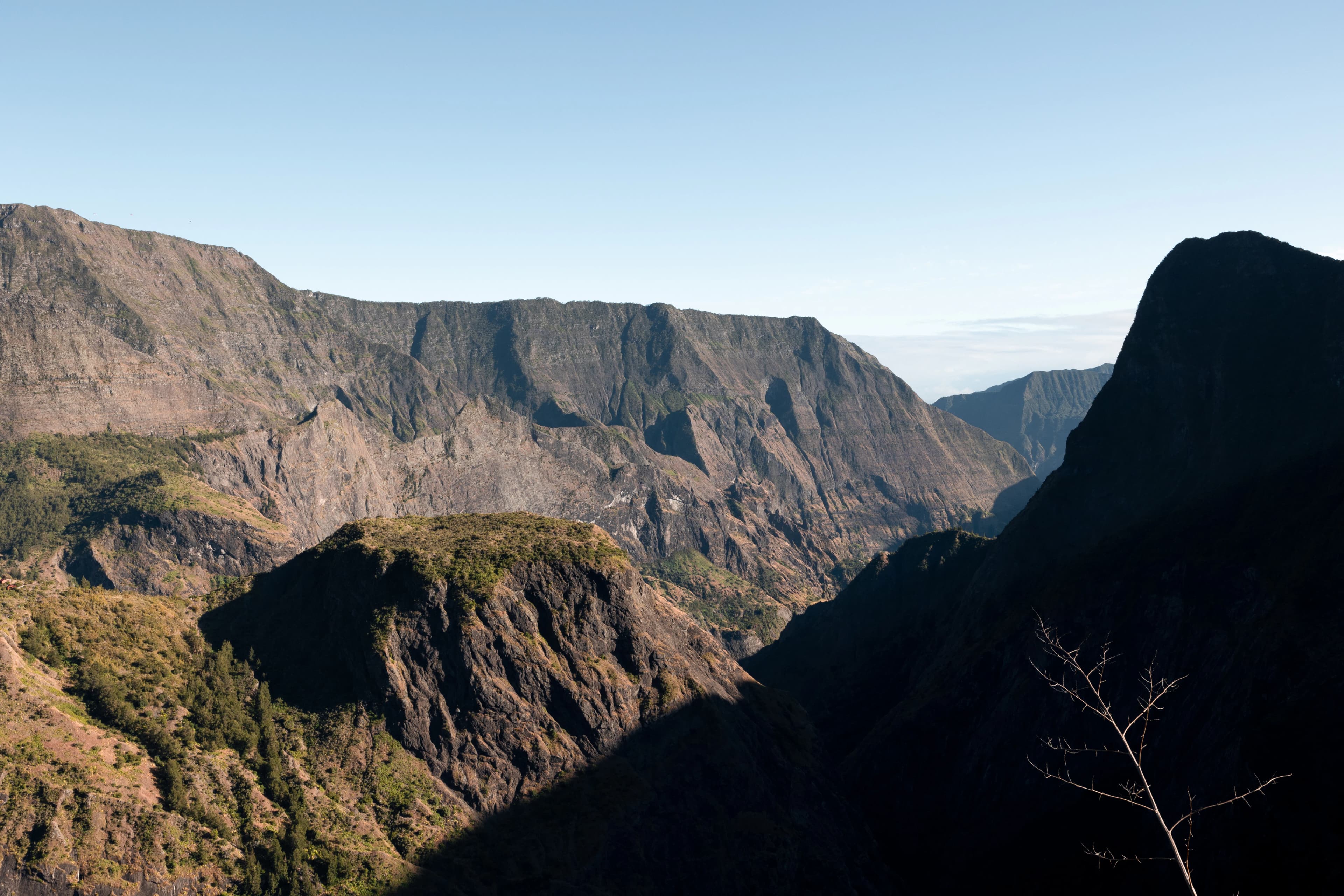
La Réunion, the French overseas department in the Indian Ocean, is perhaps the most dramatic island in the world. An active volcano (Piton de la Fournaise, one of the most active in the world), three gigantic cirques, and a biodiversity that is a UNESCO World Heritage site make the island a true paradise for hikers. Piton des Neiges (3,070m) is the highest mountain in the Indian Ocean. The three cirques — Mafate (accessible only on foot!), Cilaos, and Salazie — offer trekking through canyons, waterfalls, and tropical vegetation of surreal beauty. At the same time, La Réunion is French: baguettes and croissants in the morning, Creole cuisine in the evening, and euros in your pocket save you from currency conversions. The island lies right next to Mauritius but offers a completely different experience — nature instead of beach, adventure instead of resort.

Corsica
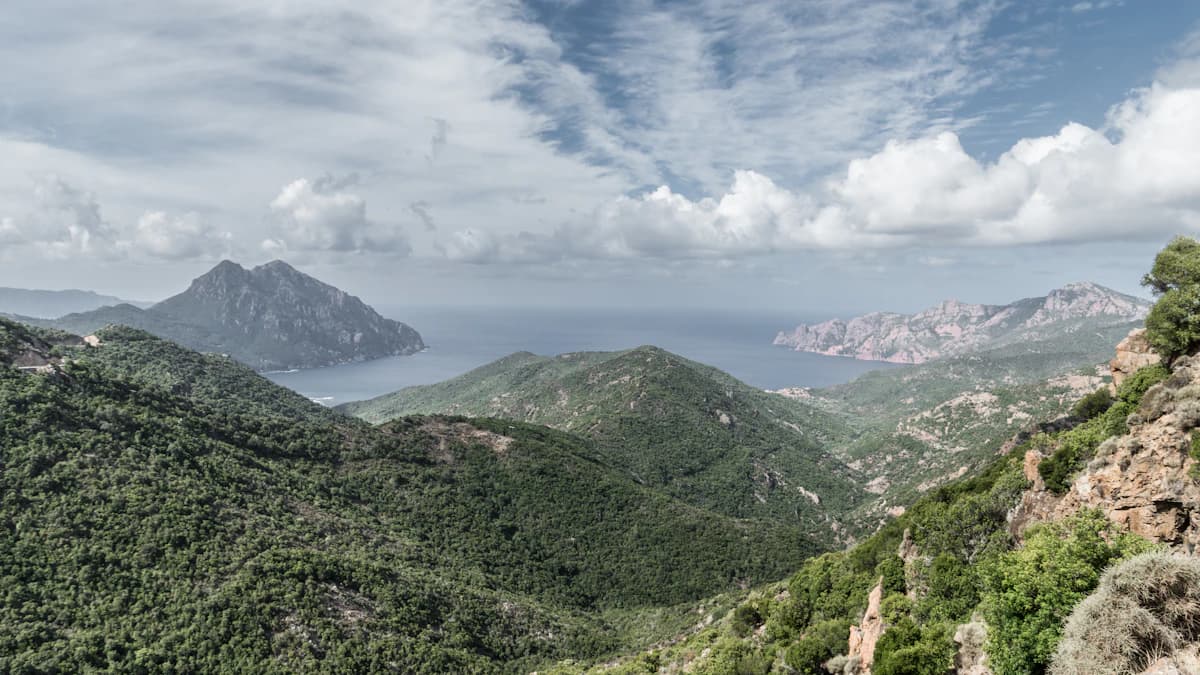
Corsica, the French Mediterranean island known as "Ile de Beauté", combines rugged mountain ranges, turquoise bays, and a wild, untamed nature that is unparalleled. The mountains rise to over 2,700 meters (Monte Cinto) and drop almost vertically into the sea at many points — a backdrop that clearly distinguishes Corsica from other Mediterranean islands. The Calanche of Porto, a UNESCO World Heritage site made of red granite cliffs, forms one of the most spectacular coastal landscapes in Europe. The GR20 is considered the most challenging long-distance hiking trail in Europe, crossing Corsica in 16 stages from north to south. Experienced mountain hikers complete it in two weeks, but individual daily stages also offer breathtaking alpine landscapes with glacial lakes and granite deserts. Bonifacio perches on steep chalk cliffs high above the sea — the old town with its Genoese houses seems to float above the abyss, and the stairs of Roi d’Aragon lead down 187 steps to the water. Calvi on the northwest coast enchants with its Genoese citadel, fine sandy beach, and legendary nightlife. In the hinterland, shepherds and farmers maintain traditions that are centuries old: chestnut flour is the basis for numerous Corsican dishes, and the charcuterie from semi-wild pigs (Lonzu, Coppa, Figatellu) is among the best in the entire Mediterranean region. Ajaccio, the birthplace of Napoleon, surprises with the Maison Bonaparte and Mediterranean flair. Corsica's beaches range from the white sandy coves at Palombaggia and Santa Giulia in the south to hidden pebble coves like Saleccia, which can only be reached by boat or off-road vehicle. Divers find sunken wrecks and a diverse underwater world off the coast. Whether mountain adventure, beach dream, or culinary exploration — Corsica is the wildest and most diverse island in the Mediterranean.
Île de Ré
Île de Ré, connected to La Rochelle by an elegant three-kilometer bridge, is the favorite island of Parisians and embodies the French art of living in its entirety. Only 30 kilometers long and five kilometers wide, this flat island in the Atlantic offers white sandy beaches, green salt marshes, fragrant hollyhock-lined avenues, and whitewashed villages with green shutters. Saint-Martin-de-Ré, the main town with its Vauban-fortified harbor (UNESCO World Heritage Site), enchants with cobblestone streets, artists' studios, and lively cafés around the fishing harbor. Ars-en-Ré, with its black-and-white church tower, is among the 'Plus Beaux Villages de France.' La Flotte offers the most beautiful medieval market on the island under hundred-year-old plane trees. Île de Ré is a paradise for cyclists: over 100 kilometers of bike paths crisscross the island, connecting villages, beaches, and the famous salt pans, where Fleur de Sel is still harvested by hand today. You can observe the salt workers (Sauniers) at work and buy the precious salt directly. The Phare des Baleines, a 57-meter-high lighthouse at the northern tip, offers a panoramic view of the entire island and the Atlantic after 257 steps. Oyster farming, potato cultivation (the famous 'Primeur'), and fishing shape the character of the island. Île de Ré is a place of deceleration — elegant, authentic, and unhurried.
Mont-Saint-Michel
Mont-Saint-Michel rises like a vision from the mudflats of Normandy: a Gothic abbey on an 80-meter high granite rock, surrounded by the most powerful tides in Europe, which can reach a tidal range of up to 15 meters. The island monastery, a UNESCO World Heritage site since 1979, is one of the most visited landmarks in France, attracting over 2.5 million visitors annually. The abbey at the summit is an architectural wonder built over 1,000 years: from the pre-Romanesque crypt to the Romanesque choir, to the Gothic 'Merveille' (the marvel) with its soaring cloister stacked above. At high tide, Mont becomes an island and seems to float above the water — a sight that has drawn pilgrims from all over Europe since the 8th century. The Grande Rue, the only street of the tiny village at the foot of the abbey, leads through narrow alleys lined with souvenir shops, crêperies, and the restaurant La Mère Poulard, famous for its legendary omelette since 1888. The footbridge completed in 2014 replaced the old dam and allows the tides to flow freely again — today, one can regularly see the tide crashing around the rock. Guided walks through the bay are an adventure where you can experience the dangers of quicksand and the natural spectacle of the incoming tide up close. Mont-Saint-Michel is a place that combines religious awe, architectural brilliance, and natural power like no other.
Areas

Côte d'Azur
The Côte d'Azur, the legendary Riviera of France, stretches from Saint-Tropez to the Italian border and combines azure blue Mediterranean waters, glamorous cities, and Provençal charm into one of the most desirable coastlines in Europe. Since the 19th century, this region has attracted artists, aristocrats, and jet-set crowds alike — and has lost none of its allure. Nice, the unofficial capital of the Riviera, delights with the palm-lined Promenade des Anglais, the colorful old town with the Cours Saleya flower market, and museums dedicated to Matisse and Chagall. Cannes shines not only during the film festival in May but all year round with its elegant Boulevard de la Croisette and fine restaurants. Monaco, the second smallest state in the world, boasts its Casino Monte-Carlo, the Formula 1 circuit through the streets, and the oceanographic museum high above the sea. Saint-Tropez has retained its Provençal village character despite its jet-set reputation, while the mountain village of Eze offers breathtaking panoramic views high above the sea. Antibes attracts visitors with the Picasso Museum in the medieval fortress and the largest yacht harbor in Europe. The coast offers crystal-clear waters, hidden coves, and over 300 sunny days a year. The Provençal cuisine with ratatouille, socca (chickpea pancake), and fresh fish rounds off the experience.

Camargue
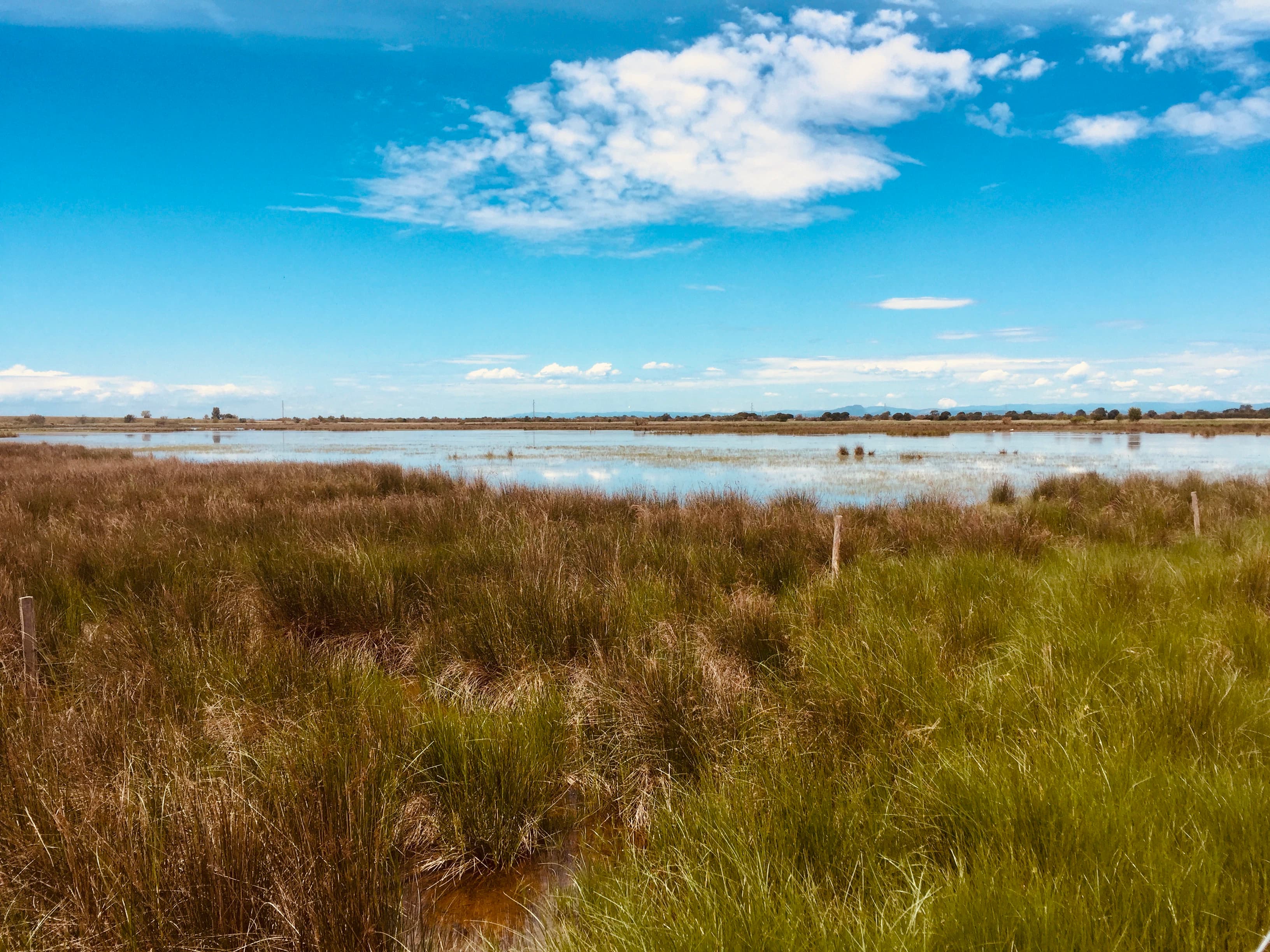
The Camargue, the largest river delta in Western Europe, stretches from south of Arles to the Mediterranean and is a landscape of primal wildness: Endless salt marshes, shallow lagoons, rice fields, and reed-filled swamps form a unique ecosystem that is protected as a Regional Natural Park. The Camargue is famous for its three symbolic animals: The white Camargue horses that gallop half-wild through the swamps, the black bulls bred for traditional bull games (Course Camarguaise), and the pink flamingos that wade in the salt lagoons by the thousands. The Parc Ornithologique de Pont de Gau allows close observation of the flamingos and over 300 other bird species. Saintes-Maries-de-la-Mer, the main town on the coast, is a lively fishing village with a wide sandy beach and the annual Gypsy festival in May, when Roma from all over Europe celebrate their patron saint Sara. The medieval fortified church with its walkable roof offers panoramic views over the delta to the Mediterranean. The Saline de Giraud produces Fleur de Sel in huge, pink shimmering evaporation basins. Aigues-Mortes, the completely preserved medieval fortified town at the northern edge of the Camargue, was once the starting point for the Crusades of Louis IX. Rides through the salt marshes at sunset, boat tours through the canals, or cycling tours along the dikes — the Camargue is wild, original, and wonderfully different.

Gorges du Verdon
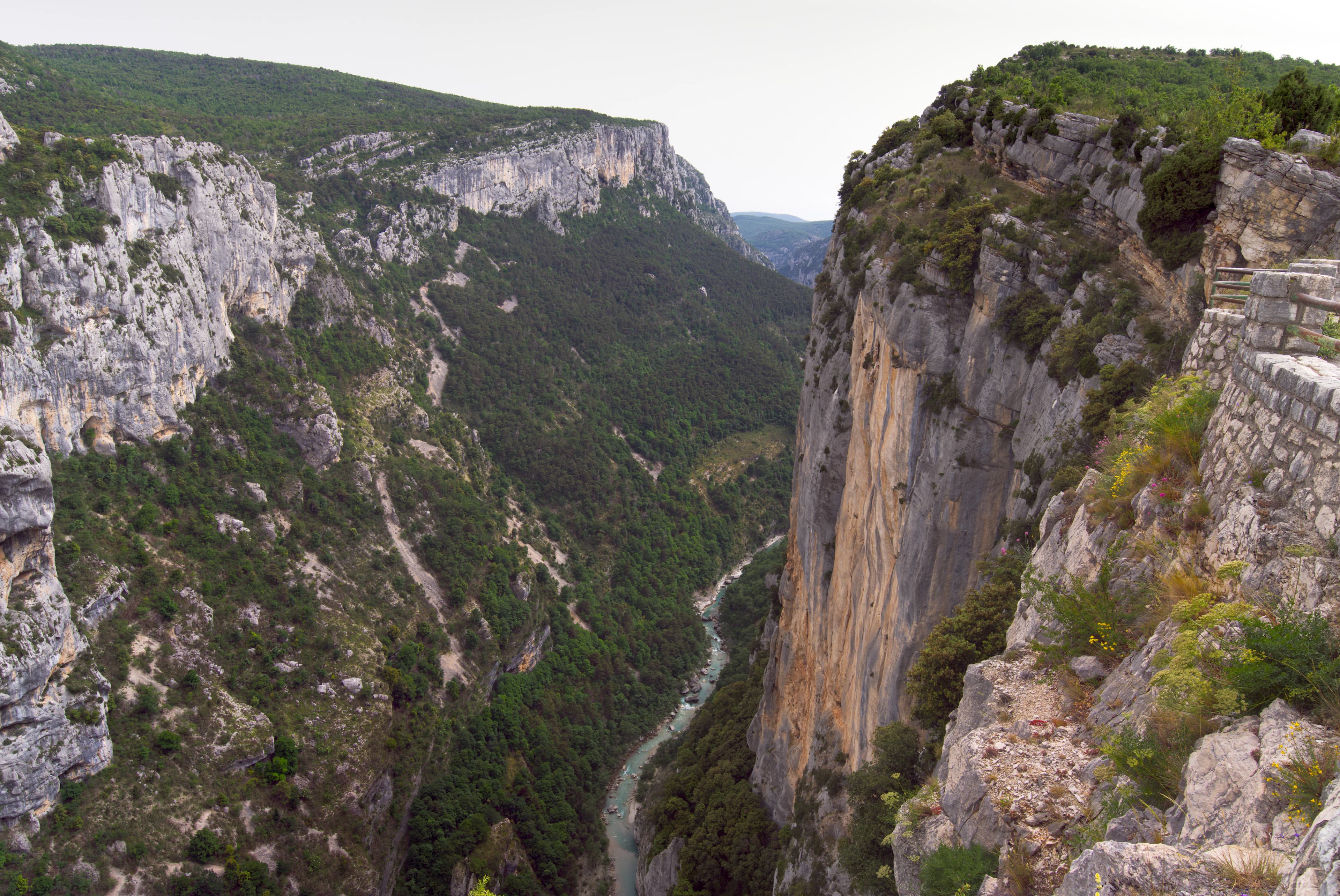
The Gorges du Verdon in Provence are the largest canyon in Europe, with depths of up to 700 meters, and are often referred to as the 'Grand Canyon of France.' Over millions of years, the emerald-green Verdon River has carved this spectacular gorge into the white limestone cliffs of Haute-Provence — the result is a natural landscape of breathtaking beauty. Two panoramic roads open up the gorge: the Route des Crêtes on the northern shore and the Corniche Sublime on the southern shore offer spectacular viewpoints, from which the view plunges hundreds of meters down to the turquoise ribbon of the river. The Point Sublime and the Balcons de la Mescla are among the most impressive viewpoints, while the Col d’Illoire offers a panorama over the entire gorge opening. The Lac de Sainte-Croix at the western end of the gorge invites swimming, kayaking, and pedal boating — entering the narrow gorge by canoe is one of the most unforgettable experiences in Provence. The Sentier Martel, a legendary hiking trail at the bottom of the gorge, stretches over 15 kilometers through tunnels, over ladders, and along the riverbank. Climbers will find over 1,500 routes of all difficulty levels on the vertical walls. The best time to visit is from May to October, with the high season in July and August being quite crowded.
Dordogne
The Dordogne in southwestern France is a region where time seems to have stood still: medieval villages cling to rocky cliffs above the lazily flowing river, golden limestone houses glow in the afternoon sun, and goose liver pâté, truffles, and walnuts define the delicious cuisine of the region. The valley of the Dordogne River is dotted with some of the most beautiful villages in France: Beynac-et-Cazenac with its fortress high above the river, La Roque-Gageac, which nestles between rock and water, and Domme with its panoramic view over the entire valley. Sarlat-la-Canéda, the unofficial capital of Périgord Noir, delights with a completely preserved medieval old town and one of the best weekly markets in France, where truffles, foie gras, porcini mushrooms, and local Bergerac wine are offered. The prehistoric caves of the Dordogne are world-famous: Lascaux, the "Sistine Chapel of Prehistory," showcases 17,000-year-old cave paintings (the exact replica Lascaux IV is a masterpiece of modern museum technology). In Font-de-Gaume, you can still see real original paintings. Canoeing on the Dordogne from Vitrac to Beynac is one of the most relaxing experiences in the region, passing castles, steep cliffs, and shady swimming spots. The best time to visit is from May to October, with autumn being particularly appealing due to the truffle season and foliage changes.

Luberon
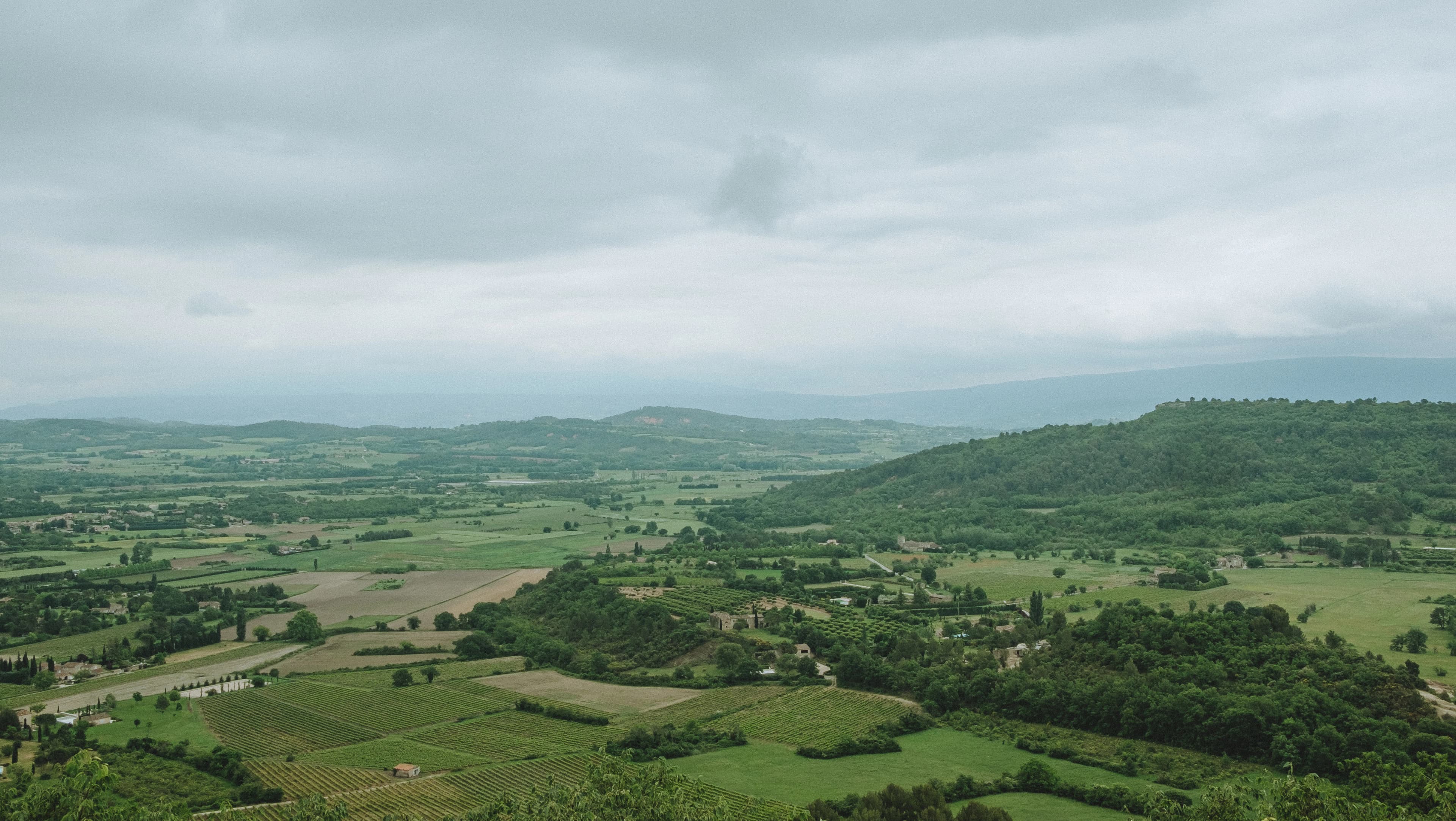
The Luberon in Haute-Provence is a hilly landscape of lavender fields, olive groves, vineyards, and honey-colored stone villages that cling like swallow's nests to rocky cliffs. The Luberon Regional Natural Park, a UNESCO Biosphere Reserve since 1997, stretches across the mountain range between Cavaillon and Manosque and embodies the Provence of one's dreams. Gordes, with its stone terraces overlooking the valley, is among the most beautiful villages in France and served as the backdrop for Ridley Scott's 'A Good Year'. Roussillon shines in all shades of ochre — the former quarries of the Sentier des Ocres offer a surreal walk through red, orange, and yellow rock formations. Bonnieux, Ménerbes, and Lacoste (with the castle of the Marquis de Sade) line up like pearls on the northern side of the mountains. The Luberon is the stronghold of Provençal lifestyle: weekly markets in Apt (Saturday), Lourmarin (Friday), and Coustellet offer lavender honey, goat cheese, Calissons, and local wines from the Luberon appellation. Peter Mayle's bestseller 'A Year in Provence' made the region famous among international readers. The lavender bloom in June and July transforms the Valensole plateau and the Sénanque and Silvacane abbeys into seas of violet. In autumn, the truffle season beckons. The Luberon is pure relaxation — a place where time seems to move more slowly.

Champagne
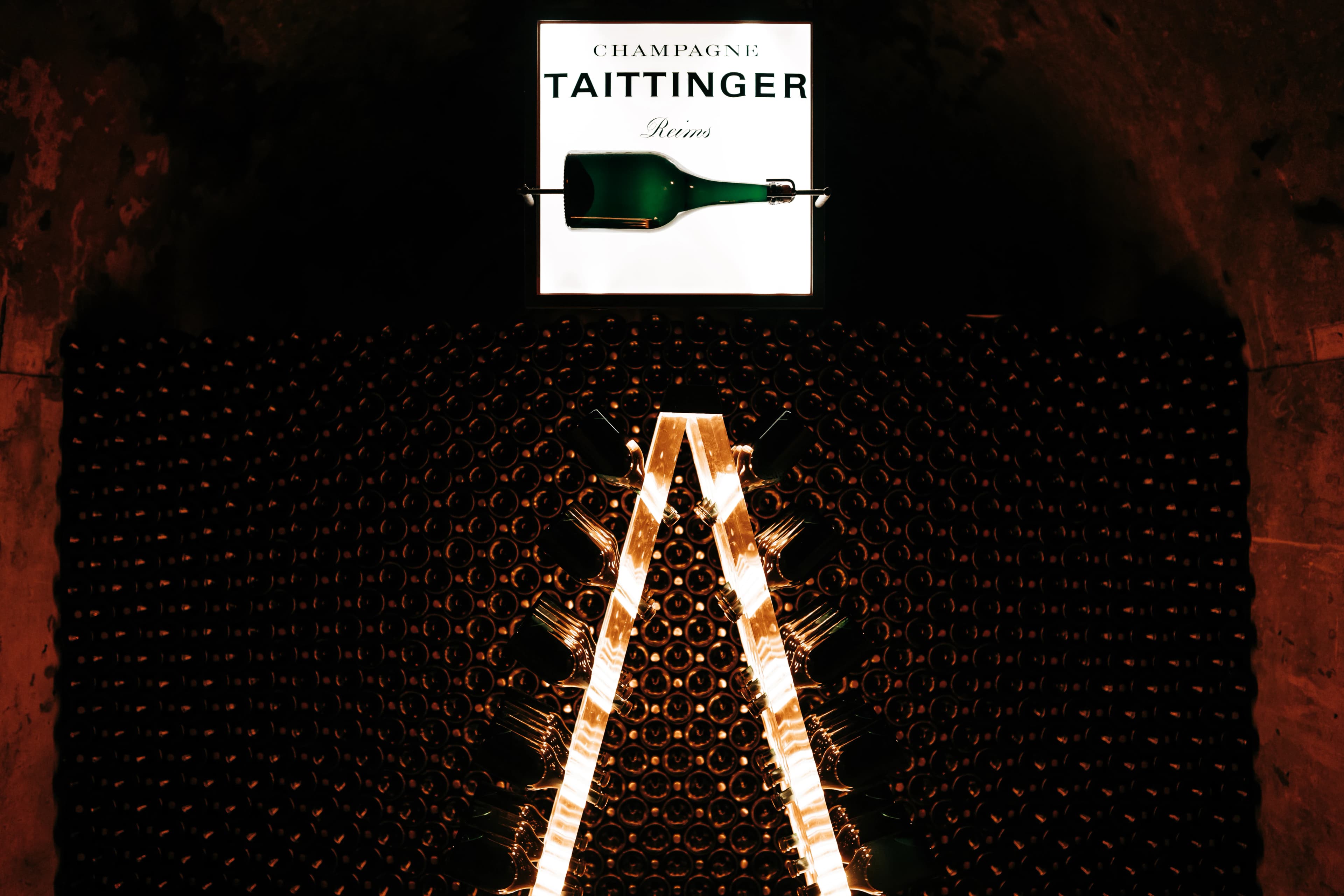
Champagne, located about 150 kilometers east of Paris, is the home of the world's most famous sparkling wine. Only here, in this strictly protected growing area with its chalky soils and cool climate, can Champagne bear its name. Over 34,000 hectares of vineyard area, divided among around 16,000 winemakers, produce more than 300 million bottles of this noble drink each year. Reims and Épernay are the two capitals of the region. In Reims, where over 30 French kings were crowned in the Gothic cathedral, large houses like Veuve Clicquot, Taittinger, and Pommery invite visitors for cellar tours through kilometers of chalk cellars that were dug into former Roman limestone quarries. Épernay impresses with the Avenue de Champagne, which Forbes called the "most expensive street in the world" — beneath the pavement lie over 200 million bottles. The gently rolling hills of Champagne, a UNESCO World Heritage site since 2015, are best explored by car or bicycle. The Montagne de Reims, the Côte des Blancs, and the Marne Valley form the three main sub-regions with their Grand Cru locations. Small family winemakers open their doors for tastings, which are often more personal and authentic than those at the large brands. The culinary offerings range from Chaource cheese to Boudin Blanc to Biscuits roses de Reims. The best time to visit is September during the grape harvest when the villages buzz with activity.
Beaches

Biarritz
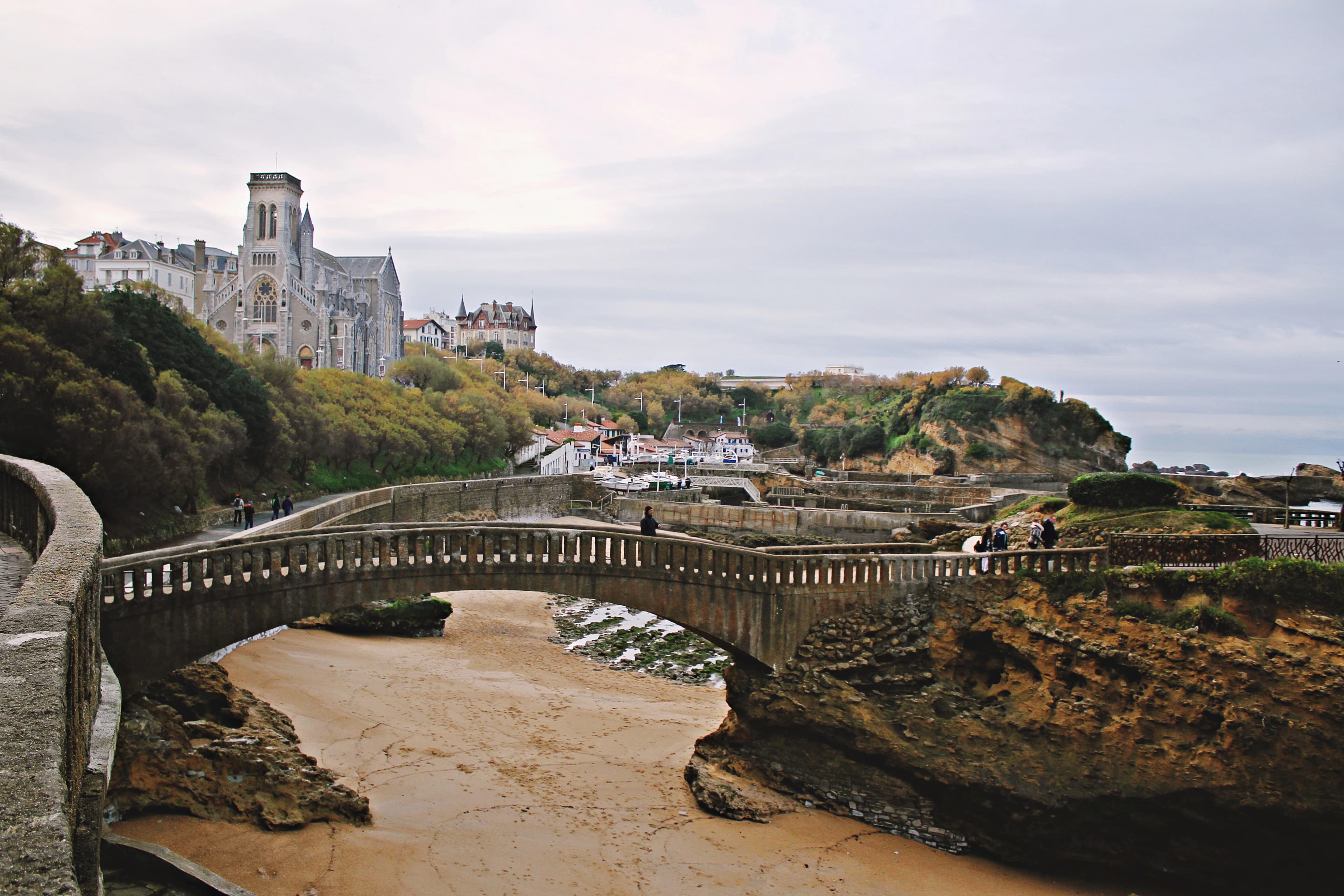
Biarritz on the French Atlantic coast combines the elegance of a Belle Époque seaside resort with the laid-back coolness of an international surf metropolis. The city in the French Basque Country became a fashionable bathing resort for European nobility in the 19th century, thanks to Empress Eugénie, wife of Napoleon III. The Hôtel du Palais, now a luxury hotel, was originally her imperial summer residence. The Grande Plage, the main beach in the heart of the city, is flanked by the casino and the Art Deco building of the hotel. However, the real magnet for international visitors is the Côte des Basques south of the city center — this is where European surfing history began in 1957 when American screenwriter Peter Viertel rode the first waves. Today, Biarritz is the surf capital of Europe with dozens of surf schools, board shapers, and an annual surf festival. The Rocher de la Vierge, a rock in the sea accessible via a metal bridge built by Gustave Eiffel's workshop, offers spectacular views of the coast, the Pyrenees, and on clear days, all the way to the Spanish coast. The Musée de la Mer (Aquarium) and the lively market halls (Les Halles) with Basque specialties like Jambon de Bayonne, Piment d’Espelette, and Gâteau Basque enrich every visit. The proximity to the Spanish San Sebastián (50 minutes), the Basque villages in the hinterland, and the Jurançon wine region make Biarritz the ideal starting point for exploring the French-Basque border region.

Saint-Tropez
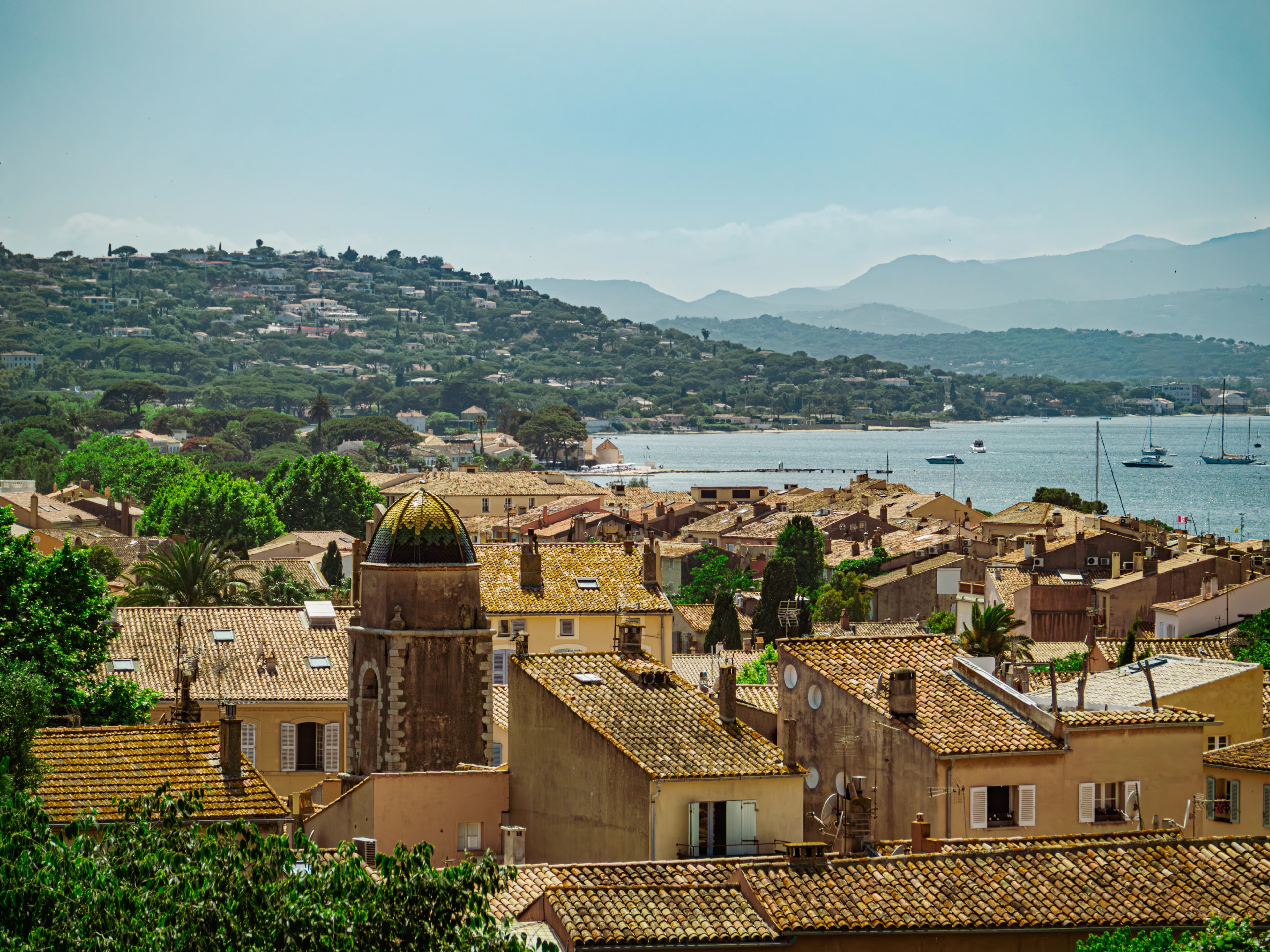
Saint-Tropez, the small fishing village on the Cote d’Azur, became the epitome of glamour and Mediterranean joie de vivre in the 1950s through Brigitte Bardot and the film 'And God Created Woman'. Despite its worldwide fame, the place has only about 4,500 inhabitants — a village with the aura of a global stage. The old fishing port is now a showcase for superyachts, where millionaires enjoy their aperitif alongside artists and tourists. The pastel-colored houses on Quai Jean Jaurès and the lively cafés (the legendary Café Sénéquier with its red chairs) create an irresistible backdrop. The citadel on the hill above the town houses a maritime museum and offers panoramic views over the bay and the Massif des Maures. Plage de Pampelonne, five kilometers to the south, stretches over 4.5 kilometers and is home to the world's most famous beach clubs — from the legendary Club 55 to Nikki Beach. However, quieter sections and public access also offer turquoise water and fine sand. Every Tuesday and Saturday, the Provençal market takes place at Place des Lices, where locals play pétanque and lavender honey, tapenade, and socca are sold. The Musée de l’Annonciade showcases works by Signac, Matisse, and Bonnard, who captured the light of Provence here. The best time to visit is from May to June and September, when Saint-Tropez reveals its charm without the crowds of high summer.
Étretat
Étretat on the Norman Alabaster Coast boasts the most dramatic chalk cliffs in France: The Falaise d’Aval with its massive natural rock arch and the offshore rock needle Aiguille were painted by Monet, Courbet, and Boudin and made into the hideout of the master thief Arsène Lupin by Maurice Leblanc. The pebble beach is framed between two monumental cliffs: In the southwest, the Falaise d’Aval with its 70-meter-high arch, reminiscent of an elephant's trunk, and the free-standing 55-meter-high Aiguille. In the northeast rises the Falaise d’Amont with a small chapel and a monument for the aviators Nungesser and Coli, who disappeared during their transatlantic flight in 1927. Cliff walks along the GR21 long-distance hiking trail offer breathtaking views of the rock formations and the open sea. At low tide, one can walk through the rock arch of the Falaise d’Aval to reach the Manneporte—a larger, lesser-known arch. The Jardins d’Étretat, a modern sculpture garden on the cliffs, combine land art with sea views. The town center offers fish restaurants, creperies, and the Clos Arsene Lupin, an interactive museum in Maurice Leblanc's house. The best time to visit is from May to October, but even stormy winter days have their rough charm. Étretat is only 2.5 hours from Paris and is a perfect day trip from the capital.
Lakes
Lac d'Annecy
Lake Annecy is considered the cleanest lake in Europe and enchants visitors with its bright turquoise water against the backdrop of snow-capped Alpine peaks. The 14.6-kilometer-long glacial lake in Haute-Savoie has been protected by strict environmental laws since the 1960s, which gives it exceptional water quality — visibility of over ten meters is not uncommon. Annecy itself, often referred to as the 'Venice of the Alps', delights with pastel-colored houses along the Thiou Canal, a medieval old town with arcades, and the iconic Palais de l'Isle, which sits like a stone ship in the middle of the river. The lakeside promenade and the Jardins de l'Europe invite leisurely strolls, while street musicians and ice cream parlors spread a Mediterranean atmosphere. The 42-kilometer cycling path around the lake is one of the most beautiful bike tours in the Alps, passing by swimming beaches, medieval villages, and the impressive Chateau de Duingt. In summer, the brave jump from Roc de Chere into the lake, stand-up paddlers glide over the mirror-smooth water, and paragliders launch from Col de la Forclaz with a view of the entire lake panorama. In October, Annecy celebrates the Festival of the Return of Alpine Cheese. The region also provides access to the Bauges Nature Park and the Semnoz ski area — Lake Annecy is a year-round dream destination.
Lac du Bourget
Lac du Bourget in the French Alps is the largest natural lake in France, measuring 18 kilometers in length and up to 145 meters in depth. Nestled between the limestone cliffs of Mont du Chat to the west and the Bauges massif to the east, it offers a dramatic backdrop that inspired the Romantic poet Alphonse de Lamartine to write his famous poem 'Le Lac'. The turquoise water reaches a pleasant 24 to 26 degrees Celsius in summer, making the lake a popular bathing destination. The beaches of Aix-les-Bains on the eastern shore — including Grand Port and Plage du Rowing — offer sandy beaches with an alpine panorama. Sailors, windsurfers, and kayakers appreciate the reliable thermal winds, while divers can explore submerged Gallo-Roman settlement remains in the crystal-clear water. Aix-les-Bains, the elegant spa town on the eastern shore, boasts a 2,000-year-old bathing culture — the Romans already utilized the hot springs. The Abbey of Hautecombe on the western shore, the burial place of the House of Savoy, is accessible by excursion boat and is an architectural gem. Cyclists love the 35-kilometer lakeside circuit, while hikers enjoy the ascent to Dent du Chat with spectacular views of the lake. Lac du Bourget combines alpine charm with Mediterranean flair — a hidden gem away from the crowded Mediterranean beaches.
Complete guide for France
Regions, attractions, food, routes, costs & practical tips — all in one digital guide.
Open guideReady for France?
Plan your France holiday now with our free tools.
Plan a holiday in France
France is one of the most popular travel destinations in Europe, offering Culture, Romantic, Food and much more. The best time to visit France is April–June, September–October, when the weather is ideal for exploration and relaxation. With a daily budget starting from 60–90€ (Budget) to 180–400€ (Luxury), France is suitable for various travel budgets.
From the capital Paris, France can be excellently explored. The official language is French, and the currency is Euro (€). From Germany, you can reach France in approx. 1.5 hours (Paris). Whether you want to try culinary highlights like Croissants, Coq au Vin, Ratatouille, visit top attractions, or simply enjoy the atmosphere: France has something for every type of traveller.
Use our free travel tools to prepare your France holiday perfectly. With the holiday finder, you can discover if France is the right destination for you. The budget calculator helps you plan costs realistically, and with the packing list, you won't forget anything.
Suitable holiday types for France:
More travel destinations in Europe:
All countries in Europe