white and brown concrete staircase
🇲🇦

Morocco holiday

Travel tips, best time to visit & highlights for your Morocco holiday in Africa

Morocco is a feast for the senses: The souks of Marrakech, the blue city of Chefchaouen, the Sahara Desert, and a cuisine full of spices and flavors. Entry to Africa with just a 3-hour flight.

Capital

Rabat

Language

Arabic, Berber, French

Currency

Dirham (MAD)

Time zone

UTC+1

Flight time from DE

approx. 3–3.5 hours

Entry requirements

Passport, 90 days visa-free

Top hotels & accommodations in Morocco

Selected hotels and holiday accommodations in Morocco — with images, reviews, and direct booking links with our partners.

Top 5 highlights in Morocco

The places you absolutely must not miss.

1

Marrakech

Djemaa el-Fna, Bahia Palace, Majorelle Garden, and endless souks.

2

Sahara/Merzouga

Camel ride through golden dunes, overnight stay in a desert camp under the stars.

3

Chefchaouen

The blue city in the Rif Mountains – one of the most photogenic places in the world.

4

Fès

The oldest medina in the world: 9,000 alleys, tanneries, and medieval charm.

5

Essaouira

Windy coastal city: Surfing, fish, and the most relaxed atmosphere in Morocco.

Hotels in Morocco

Vergleiche tausende Hotels, Apartments und Resorts auf Expedia – mit Bestpreis-Garantie, kostenloser Stornierung und Bonuspunkten.

Über 700.000 Hotels
Kostenlose Stornierung
Bestpreis-Garantie
Hotels in Morocco vergleichen

* Weiterleitung zu Expedia.de. Es gelten die dortigen Nutzungsbedingungen.

Reise-SIM für Morocco

Prepaid-SIM mit Datenvolumen für Morocco. Einfach einlegen und sofort lossurfen – keine Roaming-Gebühren.

Sofort einsatzbereit
200+ Länder
Kein Roaming
SIM-Karte für Morocco bestellen

* Weiterleitung zu travSIM.de. Es gelten die dortigen Nutzungsbedingungen.

Reiseversicherung abschließen

Rundum-Schutz ab 9,90 € auf TravelSecure.de

Pauschalreisen & Rundreisen

Berge & Meer – 170 Tage Cookie

Best time to visit Morocco

Recommended travel time

March–May, September–November

Summer

30–40°C

Winter

12–20°C

How much does a holiday in Morocco cost?

Average cost per person per day (excluding flight)

🎒

Budget

25–40€

Hostel, street food, public transport

🏨

Mid-range

40–80€

Hotel, restaurant, excursions

🌟

Luxury

80–200€

Boutique hotel, fine dining

5 travel tips for Morocco

Insider knowledge to make your holiday better.

Bargain in the souks: Never accept the first price (50-70% of the starting price)

Riads (traditional guesthouses) are more authentic than hotels

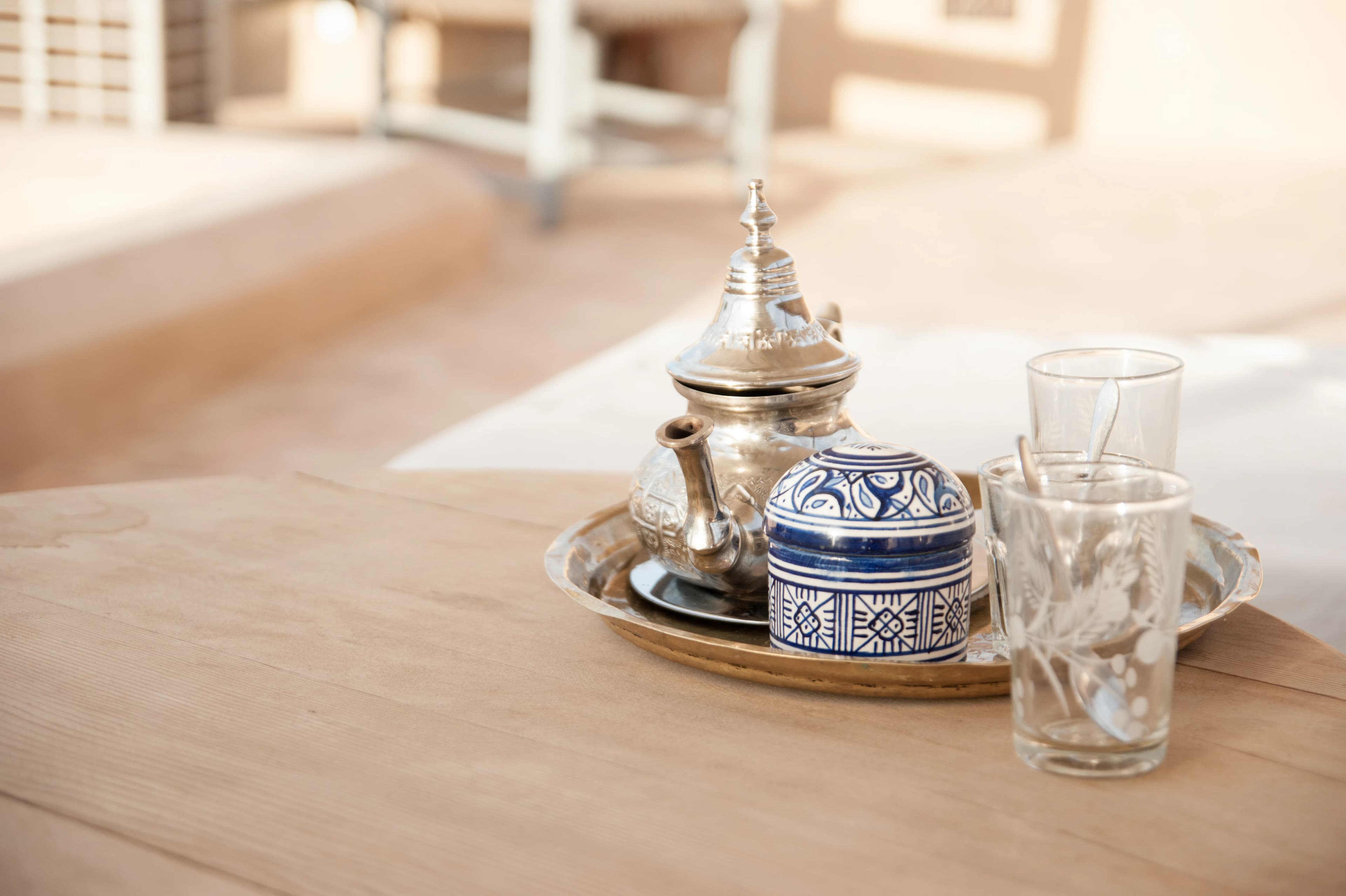
Mint tea is offered everywhere – never refuse

Moroccan toilets: Bring your own paper

Observe Ramadan: Do not eat/drink in public during the day

Food & drink in Morocco

These dishes you must try!

Tagine
Couscous
Pastilla
Harira
Moroccan Mint Tea
Msemen

Discover Morocco

16 regions, cities and highlights in Morocco

Cities

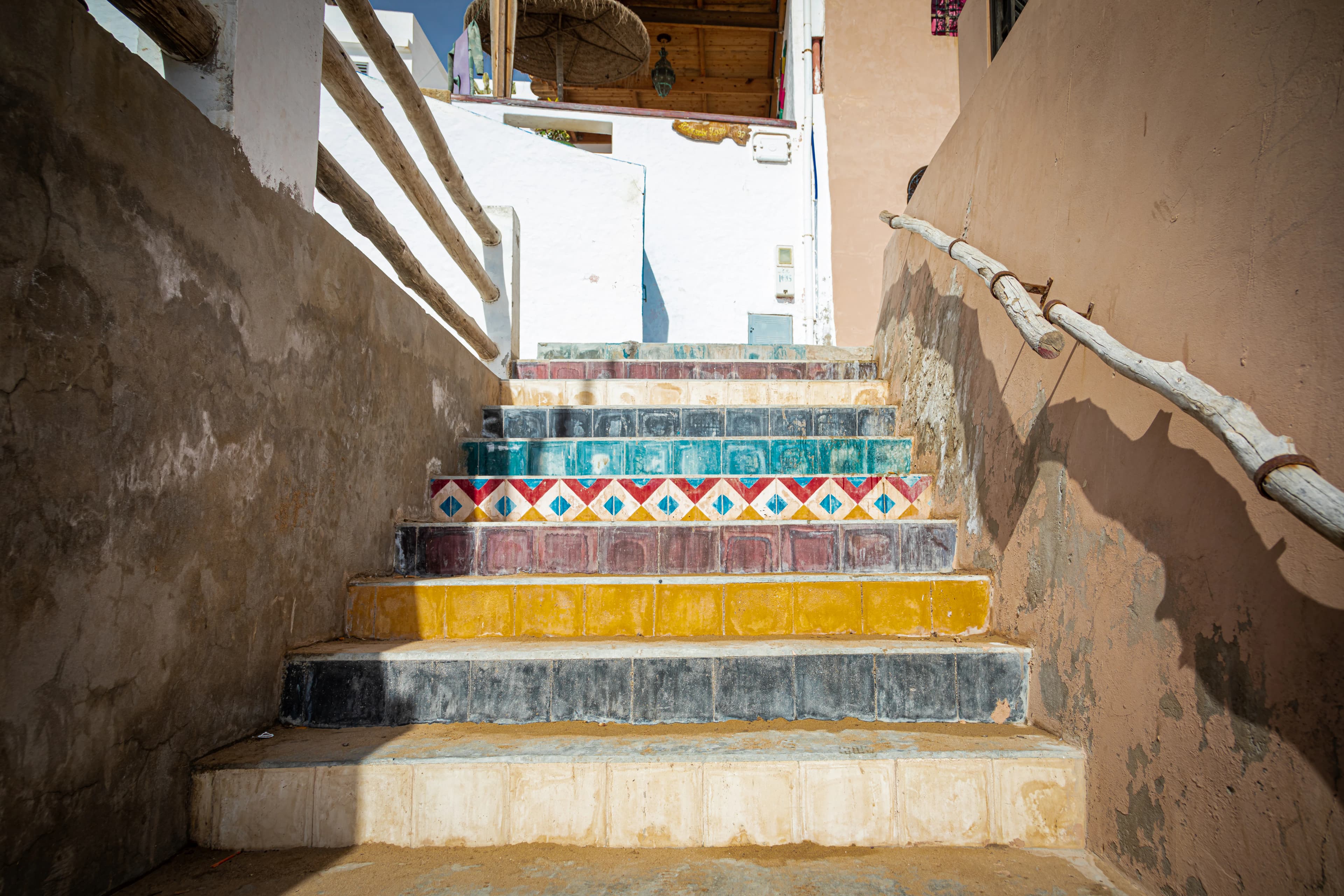
white and brown concrete staircase

Agadir

Agadir is Morocco's most popular beach resort and the sun guarantee of North Africa — with over 300 sunny days a year and a 9 km long sandy beach that stretches in a wide bay on the Atlantic. Completely rebuilt after the devastating earthquake of 1960, Agadir is a modern, open city that combines the charm of traditional Morocco with a beach holiday. The Corniche — Agadir's beach promenade — stretches for kilometers with cafés, restaurants, and hotels right on the golden sand. The beach is wide, flat, and family-friendly, and the water is pleasantly warm thanks to the Atlantic current — warmer than on the European Atlantic coast. The Kasbah — the old fortress on the hill above the city — is the only remnant of old Agadir and offers a spectacular panoramic view over the bay, especially at sunset. The Souk El Had — one of the largest markets in Morocco — offers everything from spices to argan oil to handmade jewelry on 12 hectares. Taghazout — 20 km to the north — is Morocco's surf mecca with perfect waves for beginners and advanced surfers. Paradise Valley — an oasis with natural pools and waterfalls in the Atlas Mountains — is a magical day trip. The argan oil cooperatives in the region showcase the traditional production of "liquid gold."

BeachMoroccoSurfing

Asilah

Asilah is Morocco's hidden gem on the Atlantic coast - a small, white-blue coastal town with Portuguese fortress walls, a vibrant art scene, and the most relaxed atmosphere in northern Morocco. Located just 46 kilometers south of Tangier, Asilah feels like a Moroccan version of a Greek island village, with snow-white houses, narrow streets filled with flower pots, and a city beach where fishermen and sunbathers share the bay. The Medina of Asilah is a small work of art in itself: The 15th-century Portuguese fortress walls surround a labyrinth of alleys, whose walls have been adorned by international artists with large-scale murals. Every summer, the International Cultural Festival Moussem transforms the entire Medina into an open-air gallery, as artists from around the world paint the walls with new works, musicians play in the squares, and the narrow streets overflow with life. The murals remain visible throughout the year, making a stroll through the old town a museum visit in the open air. From the northern tower of the Portuguese fortifications, there is a magnificent view of the Atlantic and the small fishing harbor, where colorful boats sway on the water. The Raissouli Palace, once the residence of the notorious bandit governor Ahmed el-Raisuni, occasionally opens its doors and offers one of the most beautiful coastal views in Morocco from its terrace. For German visitors, Asilah is a perfect day trip from Tangier or a quiet alternative to the busier Moroccan cities. The journey from Tangier takes only 45 minutes, and the town can be wonderfully explored on foot. The beaches north and south of the city are expansive, clean, and even in summer not overcrowded - a rare luxury in Morocco.

Street ArtMedinaAtlantic

Casablanca

Casablanca is the largest city in Morocco and the economic heart of North Africa. With over 3.7 million inhabitants, the metropolis on the Atlantic is much more than just the setting for the legendary Humphrey Bogart film from 1942 — it is a vibrant global city where French Art Deco architecture meets Arab tradition. The Hassan II Mosque is the undisputed landmark: with a 210-meter-high minaret — the tallest in the world — and space for 25,000 worshippers inside and 80,000 in the courtyard, it is one of the largest mosques in the world. It was built directly on a promontory above the Atlantic, so that at high tide the sea is visible beneath the glass floor. As one of the few mosques in Morocco, it is also accessible to non-Muslims. The Habous Quarter (Nouvelle Medina) combines French urban planning with Moroccan architecture: orderly souks with spices, leather goods, and ceramics, less chaotic than the Medina of Marrakech, but just as authentic. The old Medina of Casablanca offers Rick's Cafe as a tribute to the cult film. The Corniche, the waterfront promenade along the Atlantic, is the modern face of the city: restaurants, beach clubs, and the Morocco Mall, one of the largest shopping centers in Africa. The Art Deco district around Boulevard Mohammed V is home to hundreds of buildings from the 1920s to the 1950s in Moorish-Norman style.

MosqueArt DecoMedina

Chefchaouen

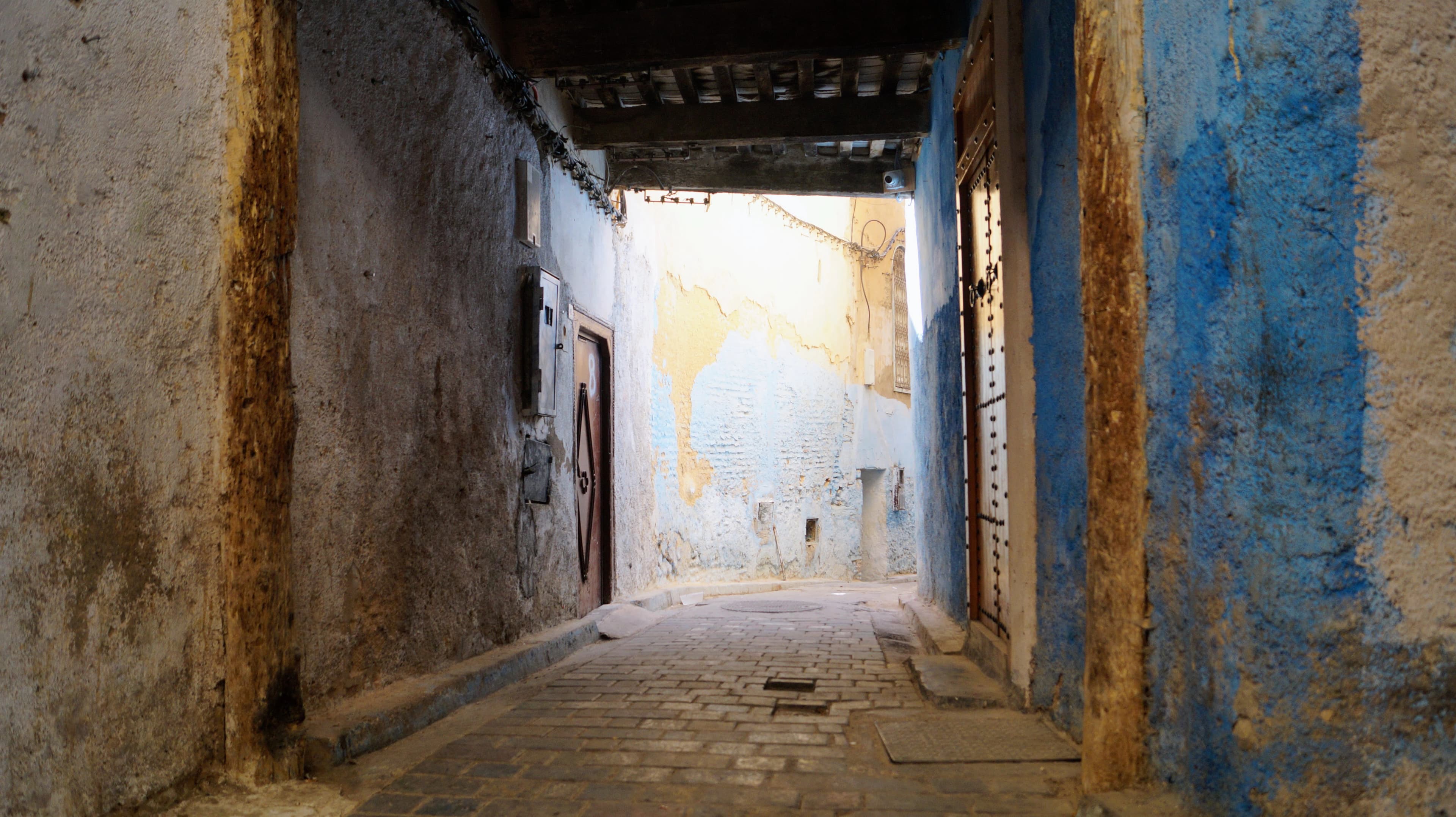
Chefchaouen, the "Blue City" of Morocco, is located in the foothills of the Rif Mountains and is one of the most photogenic places in the world. Almost every building, staircase, and alley in the Medina shines in various shades of blue — from sky blue to cobalt. The origin of the blue color is disputed: some say Jewish refugees brought the tradition of using blue as a symbol of the sky; others believe it keeps mosquitoes away. The Medina is compact and more peaceful than the larger Moroccan cities, with an atmosphere that invites you to linger. The central square, Outa el Hammam, with the Kasbah offers cafés with mountain views. The surroundings entice with hikes to the Ras-el-Maa waterfalls and in the Talassemtane National Park. Chefchaouen is also known for its goat cheese production and handwoven fabrics.

BluePhotogenicMedina

Essaouira

Essaouira is Morocco's most charming coastal city and the perfect counterpoint to the hectic Marrakesh. The Medina, surrounded by powerful Portuguese fortress walls, lies directly on the Atlantic and captivates with a unique blend of Moroccan tradition, maritime flair, and a vibrant artist scene. The Medina, a UNESCO World Heritage site since 2001, is a delightful labyrinth of blue and white alleys where Thuya woodcarvers, silversmiths, and gallery owners have their workshops. Unlike in Marrakesh or Fès, shopping here is more relaxed — the vendors are less pushy, the prices fairer, and the atmosphere calmer. The Scala de la Ville, the old fortress wall with its cannons, offers spectacular views of the Atlantic and the offshore Île de Mogador. The wide sandy beach south of the Medina is a paradise for windsurfers and kitesurfers. The constant trade winds have earned Essaouira the nickname "Wind City Africa." For non-surfers: The beach is several kilometers long and ideal for walks and horseback or camel rides at low tide. The colorful fishing boats in the harbor and the flocks of seagulls over the fish markets complete the maritime picture. The harbor is the culinary heart of the city. Freshly caught fish, octopus, and shrimp are served directly from the grill at simple stalls — often for less than 5 euros, you can enjoy a feast with a sea view. The annual Gnaoua Music Festival in June transforms the entire city into a stage for this fascinating Afro-Moroccan music tradition. Essaouira was a refuge for hippies in the 60s (Jimi Hendrix spent time here), a filming location for "Game of Thrones" (Astapor), and remains a magnet for creatives from around the world. The combination of a mild climate year-round, affordable prices, and authentic Moroccan charm makes it the perfect destination — whether as a day trip from Marrakesh or as a standalone stay.

MoroccoCoastSurfing

Fès

Fès is the oldest of the four imperial cities of Morocco and houses the largest car-free urban area in the world with the Medina Fès el-Bali. Founded in the 8th century, Fès was for centuries the spiritual and cultural center of Morocco. The University of Al-Qarawiyyin, founded in 859, is considered the oldest continuously operating university in the world. The labyrinthine maze of the Medina with over 9,000 alleys, 300 mosques, and countless riads and craft shops is a UNESCO World Heritage Site and a feast for all senses: the scent of cedar wood and spices, the hammering of coppersmiths, the calls of donkey drivers. The famous Chouara tanneries with their colorful basins offer one of the most iconic images of Morocco. In contrast to the more touristy Marrakech, Fès has preserved its authentic character and gives visitors an unfiltered insight into Moroccan culture and craftsmanship.

MedinaUNESCOCraftsmanship

Ifrane

Ifrane is the most astonishing city in Morocco - a place that looks nothing like North Africa, but rather resembles a Swiss alpine village in the Middle Atlas. Red-brown saddle roofs, well-kept front gardens, wide boulevards with flower beds, and an ice sculpture of a lion in the main square transport visitors to a European parallel universe. The city was established in 1929 by the French colonial administration as a summer retreat for officials in Fès and has preserved its unique architectural character to this day, earning it the nickname Little Switzerland or Morocco's Davos. Situated at an altitude of 1,665 meters, Ifrane offers a climate unmatched in Morocco: In winter, snow regularly falls, and the nearby Michlifen ski resort with its gentle slopes attracts Moroccan skiers, while summers remain pleasantly cool when the rest of Morocco swelters in heat. The city even holds a continental record: In February 1935, temperatures of minus 23.9 degrees Celsius were recorded here, the lowest ever registered in Africa. The true attraction of Ifrane lies in the surrounding nature: The cedar forests of the Middle Atlas, particularly the Forêt de Cèdres, are home to ancient Atlas cedars, the most famous of which, the Gouraud Cedar, is over 800 years old and 42 meters tall. These forests are inhabited by a population of Barbary macaques (Magots) that freely climb between the trees and approach visitors fearlessly. The lakes Dayet Aoua and Dayet Ifrah in the vicinity are a paradise for birdwatchers and offer spectacular migratory bird spectacles in autumn and spring. For German travelers, Ifrane provides a welcome coolness on a Morocco tour and is located just 60 kilometers south of Fès on the route to Errachidia and the Sahara. Al Akhawayn University, Morocco's most prestigious English-speaking university, gives the city a youthful, cosmopolitan flair.

Little SwitzerlandSkiingCedar Forest
gray teapot set in tray place on brown table outdoors

Marrakech

Marrakech, the Red City of Morocco, is a feast for all senses: The vast Djemaa el-Fna square transforms every evening into an open-air spectacle of snake charmers, storytellers, street food vendors, and Gnaoua musicians, while the labyrinthine souks of the Medina offer an endless array of spices, leather goods, ceramics, and handwoven carpets. The Medina, a UNESCO World Heritage site, encompasses palaces of overwhelming beauty: The Bahia Palace with its cedar wood ceilings and mosaic floors, the Ben Youssef Madrasa with its intricate stucco work, and the Saadian Tombs, which were forgotten for centuries and rediscovered only in 1917. The Jardin Majorelle, once owned by Yves Saint Laurent, impresses with its iconic cobalt blue and exotic plants from around the world. Marrakech is also a paradise for riads — traditional Moroccan townhouses with courtyards that have been converted into charming boutique hotels, providing an oasis of tranquility amidst the hustle and bustle of the Medina. Moroccan cuisine, featuring tajine, couscous, and pastilla, is among the most refined in the world. From Marrakech, the Atlas Mountains can be reached in an hour for hiking and Berber villages. October to April offers pleasant temperatures for exploration.

OrientSouksCulture
A desert village with palm trees and mountains.

Meknès

Meknès is the most underrated of the four Moroccan imperial cities and a place where you can experience authentic Morocco without the tourist crowds of Marrakech or Fès. The city's splendor is thanks to the eccentric Sultan Moulay Ismail, who in the 17th century wanted to create a Moroccan Versailles from a modest garrison town, employing 25,000 slaves and 12,000 horses for this purpose. The result is a monumental imperial city with massive walls, palaces, and the legendary Bab Mansour, perhaps the most magnificent city gate in the entire Islamic world. The Bab Mansour el Aleuj marks the entrance to the imperial city and impresses with its enormous dimensions, the intricate Zellij mosaics in green and white, and the massive Corinthian marble columns that Moulay Ismail had transported from the Roman ruins of Volubilis. The El Hedim square in front of the gate is Meknès' counterpart to the Djemaa el-Fna in Marrakech, but significantly more relaxed. In the evenings, storytellers, musicians, and street food vendors gather here under the open sky. The underground granaries and stables of Heri es-Souani are an architectural marvel: huge vaulted halls that once housed 12,000 horses and were connected to the nearby Agdal basin by an elaborate water supply system. The mausoleum of Moulay Ismail, one of the few Islamic shrines open to non-Muslims, captivates with its peaceful atmosphere featuring bubbling fountains and delicate stucco decorations. For German travelers, Meknès is an ideal starting point for visiting the Roman ruins of Volubilis (30 km), the holy city of Moulay Idriss, and the wine region around the city, which produces surprisingly good Moroccan wines. The train connection from Fès to Meknès takes only 40 minutes, and the city is perfect for a day trip or as a quieter alternative to the overcrowded neighboring city.

Imperial CityBab MansourVolubilis

Ouarzazate

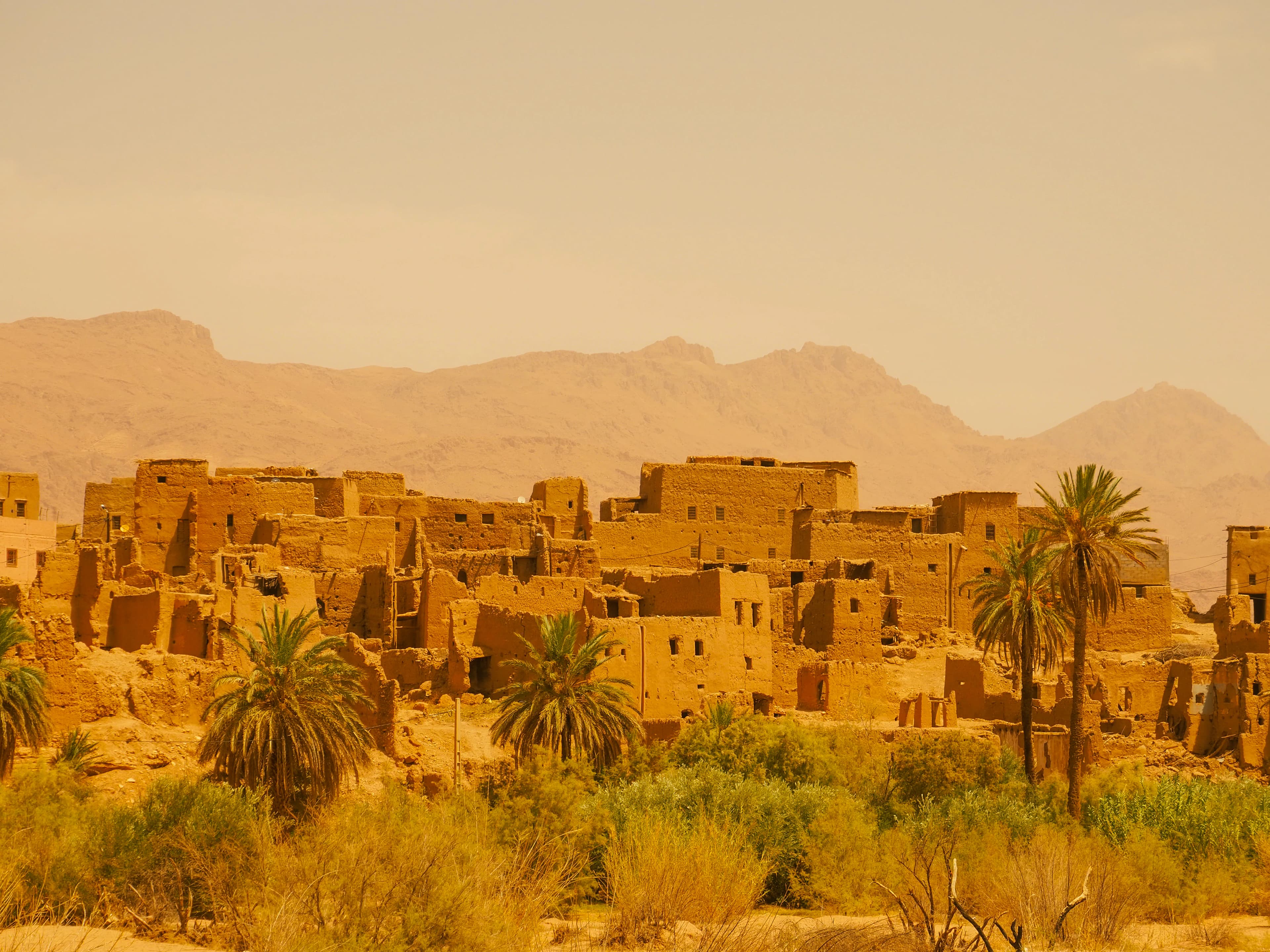
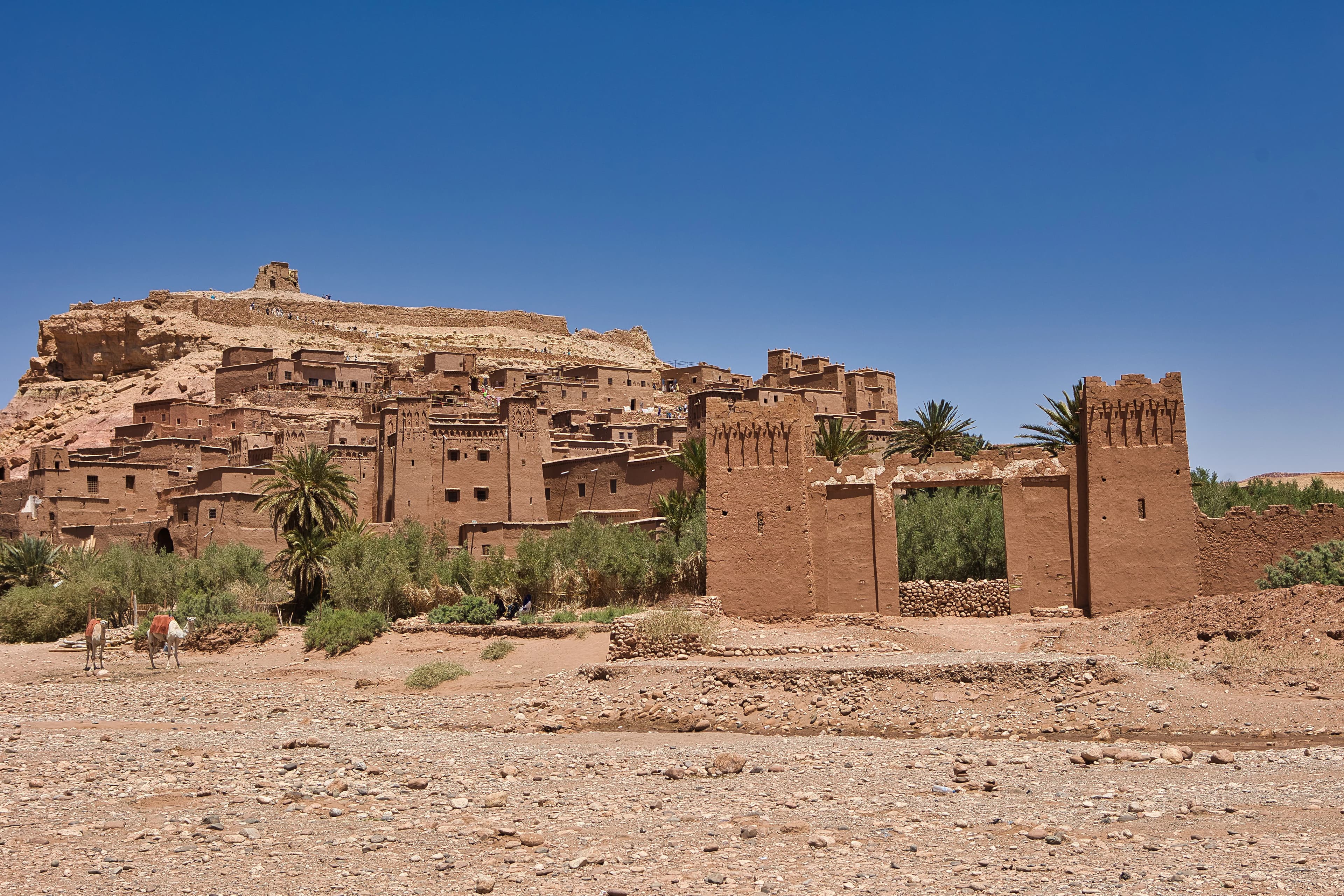
Ouarzazate is the gateway to the Sahara and Morocco's Hollywood at the same time - a fascinating desert city at the foot of the High Atlas, which has gained worldwide fame as a film set for blockbusters like Gladiator, Game of Thrones, Lawrence of Arabia, and The Mummy. The city is located on a high plateau at an altitude of 1,160 meters, where the last foothills of the Atlas transition into the endless expanse of the stony desert, offering a landscape of almost extraterrestrial beauty with red clay castles, deep gorges, and palm groves. The Kasbah Taourirt in the heart of the city is a labyrinthine clay structure from the 19th century that once served as the residence of the powerful Glaoui pashas. Its nested towers, winding corridors, and ornamented facades provide insight into the life of the Berber princes. Just thirty kilometers southwest lies Ait Ben Haddou, a UNESCO World Heritage site and probably the most photogenic kasbah in the world. The fortified clay village on the riverbank against the backdrop of the Atlas Mountains has served as a film set for countless productions and is a must-see for any traveler to Morocco. The Atlas Film Studios, the largest film studios in Africa, can be visited and offer a fascinating behind-the-scenes look: here, the sets of Egyptian temples, medieval castles, and biblical cities stand side by side in the desert sun. The famous Road of the Kasbahs (N10) leads from Ouarzazate through the Valley of Roses to the Todra and Dadès gorges and is one of the most spectacular drives in Morocco. For German travelers, Ouarzazate is an essential stop on the way from Marrakech to the desert. The drive over the Tizi n'Tichka pass (2,260 m) takes about four hours and offers breathtaking mountain panoramas. The small airport in Ouarzazate has seasonal connections, but most visitors arrive as part of a multi-day Morocco tour.

Film setKasbahUNESCO

Rabat

Rabat is Morocco's underrated gem — the royal capital that stands in the shadow of Marrakech and Fes, but has been recognized as a UNESCO World Heritage site since 2012 and offers an elegance that its more touristy sisters lack. The 1.7 million city at the mouth of the Bou-Regreg River into the Atlantic combines Moorish history, French colonial elegance, and modern Moroccan culture into an atmosphere that is more relaxed and orderly than any other Moroccan metropolis. The Kasbah of the Udayas, a fortress from the 12th century high above the river mouth, is Rabat's most photogenic district: blue and white painted alleys like in Chefchaouen, an Andalusian garden, views of the Atlantic, and the Hassan Tower — an unfinished minaret from the 12th century that, at 44 meters high, is Rabat's landmark. Next to it lies the Mausoleum of Mohammed V, a masterpiece of Moroccan-Islamic architecture in white marble. The Chellah, an abandoned Roman-Islamic necropolis outside the city walls, is a magical place: Roman ruins, medieval tombs, and storks nesting on the minarets — nature and history merge in an atmosphere reminiscent of an enchanted time capsule. Rabat is also Morocco's cultural capital: The Mohammed VI Museum of Modern and Contemporary Art, the first of its kind in North Africa, showcases Moroccan and international art in an elegant new building.

UNESCOKasbahAtlantic
a narrow alley way with blue and white walls

Taghazout

Taghazout is Morocco's surf mecca and a former fishing village on the Atlantic coast that has transformed in recent years from a hippie secret tip to an international hotspot for surfers, yoga enthusiasts, and digital nomads - all while retaining its authentic Berber charm. Located just twenty kilometers north of Agadir, the village offers a collection of surf spots for all skill levels, receiving consistent Atlantic swells from October to April and gentler waves for beginners in the summer. The village itself clings to a hill above a rocky coastline with small sandy coves and consists of a maze of narrow streets, blue-and-white painted houses, and sun-drenched rooftops. The main street is lined with surf shops, smoothie bars, yoga studios, and small cafés where international surfers sit alongside Moroccan fishermen. On the rooftops of the numerous surf camps and riads, wetsuits dry next to colorful laundry, and in the evenings, people gather at the cliff for sunset, where the point breaks send their endless waves crashing against the rocks. The surf spots around Taghazout are legendary: Anchor Point is a top-notch right-hand point break for experienced surfers, Panoramas offers long, gentle waves for intermediates, and Banana Beach is perfect for beginners with its sandy bottom. Besides surfing, Taghazout has established itself as a yoga destination, with numerous retreats combining wave sports with meditation and vegan cuisine. For German travelers looking to escape winter, Taghazout is ideal: Agadir is reachable by direct flight in about four hours, water temperatures rarely drop below 17 degrees, and the cost of living is significantly lower than at European surf spots. Non-surfers also enjoy the relaxed village life, fresh fish dishes, and the opportunity to explore the Paradise Valley or the argan trees in the hinterland.

SurfingYogaBeach
White buildings overlook a coastal town and blue ocean.

Tanger

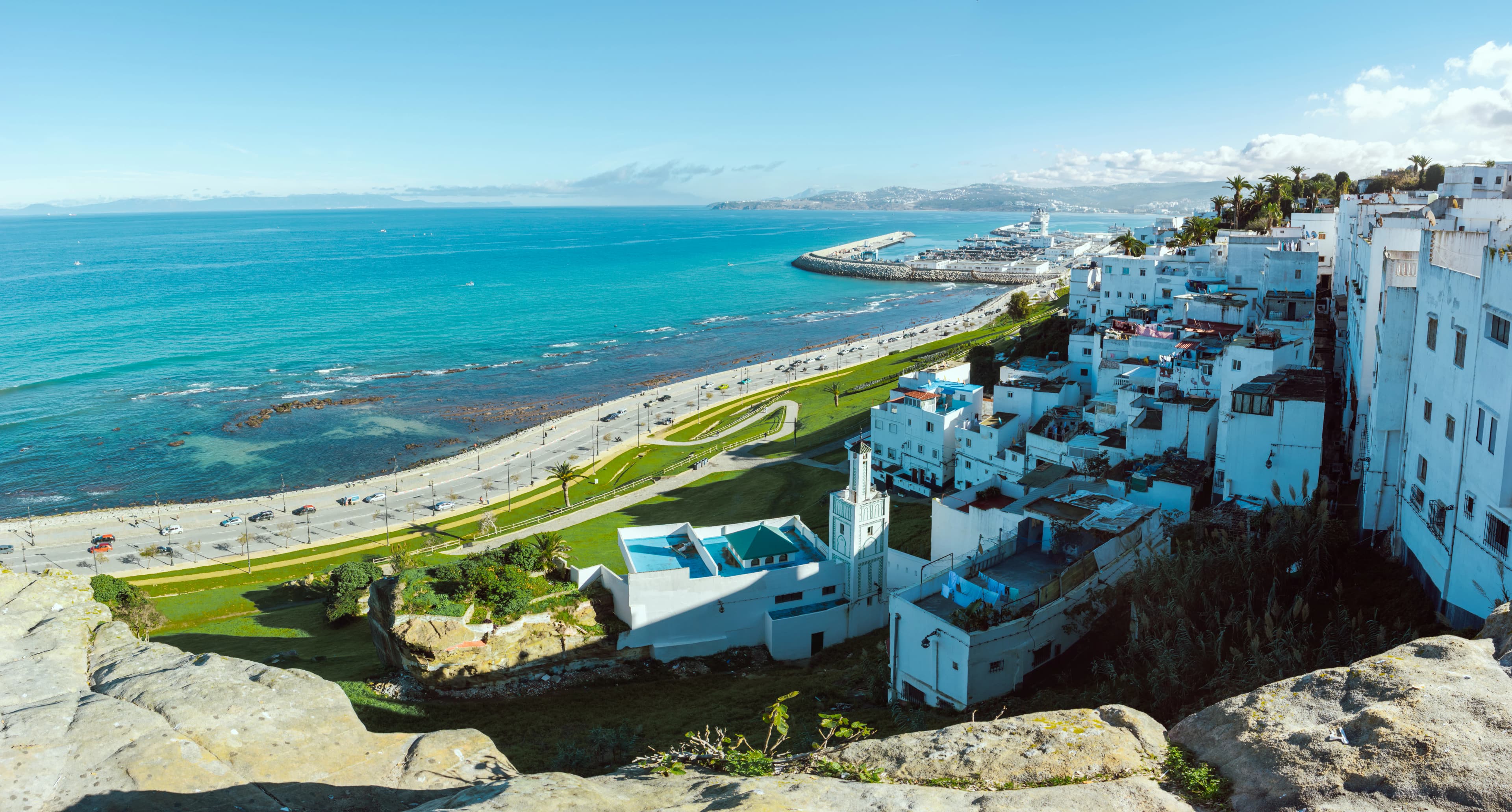
Tanger, the city at the Strait of Gibraltar, has always been a place of encounter: Here Europe and Africa, Atlantic and Mediterranean, Arab tradition and cosmopolitan spirit come together. Morocco's northernmost major city literally looks across to Spain from its white cliffs and unites in its winding alleys the essence of two continents. The Medina of Tanger is a labyrinthine masterpiece: Narrow streets wind between whitewashed houses with blue accents, suddenly opening onto hidden squares with orange trees, and everywhere the scents of spices, fresh bread, and mint tea mingle. The famous Kasbah overlooks the old town and offers a breathtaking view from the Sultan's Palace (now a museum) over the Strait of Gibraltar to Tarifa. In the 1950s and 60s, Tanger was home to a legendary bohemia: Writers like Paul Bowles, Jack Kerouac, and William S. Burroughs found creative freedom in the then International Zone. Café Hafa, in operation since 1921, sits on terraces above the sea and was a meeting place for everyone from Mick Jagger to the Beatles. This literary aura permeates the city to this day — in the numerous bookstores, galleries, and creative spaces. Modern Tanger has undergone an impressive transformation in recent years: The new Corniche promenade, the Mohammed VI Museum of Contemporary Art, and the futuristic high-speed train station (TGV connection to Casablanca) connect Moroccan tradition with a spirit of new beginnings. The port area has been revitalized, and new restaurants and boutique hotels open regularly. At the same time, Tanger retains its rough, authentic charm — a city that can never be completely tamed.

MedinaLiteratureStrait of Gibraltar

Areas

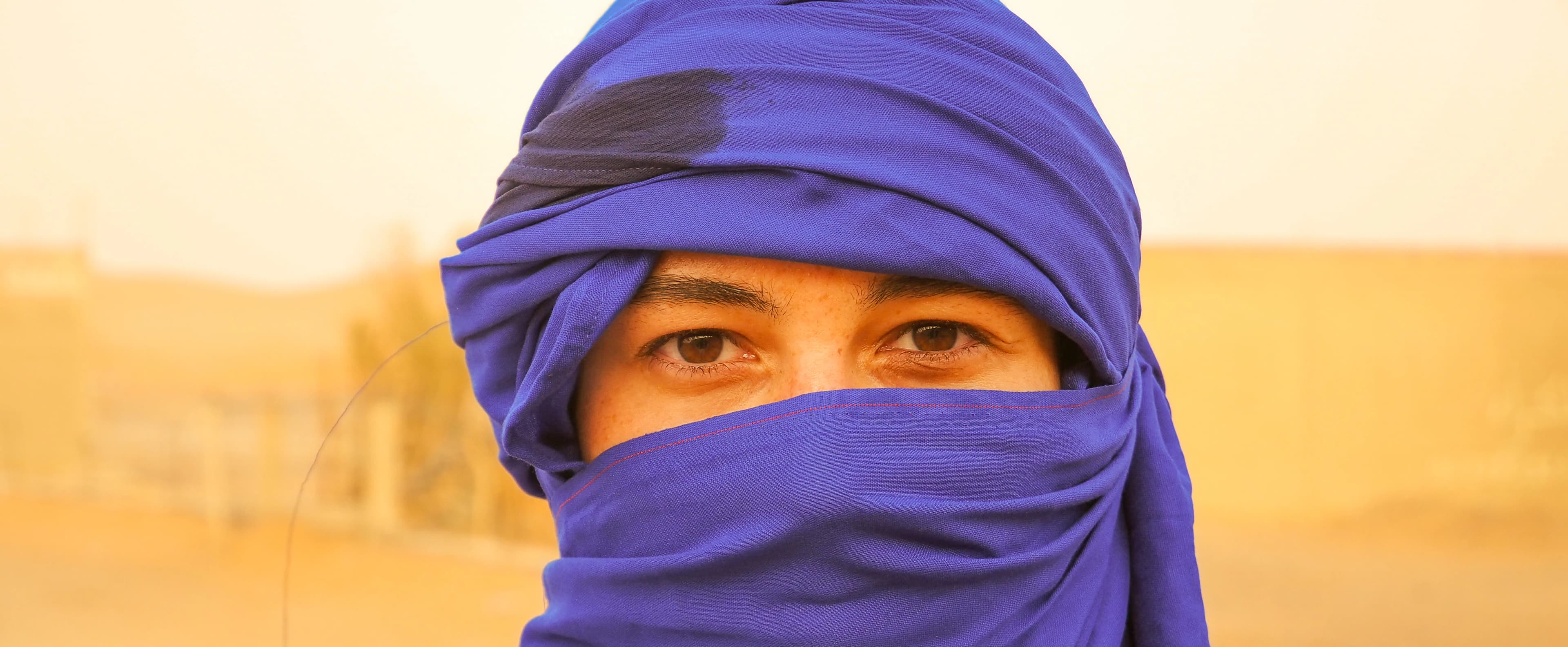
A person in a blue turban and face covering.

Merzouga

Merzouga at the edge of Erg Chebbi is the place where Morocco's Sahara dream becomes tangible. Here, at the Algerian border, the highest sand dunes in the country rise — up to 150 meters of piled golden sand, which changes from honey yellow to copper red to purple violet depending on the time of day and light. A night in the Sahara is one of the most transformative travel experiences ever. In the late afternoon, one sets off on the back of a dromedary, riding at a slow pace through the endless dune landscape and reaching a desert camp at sunset. The camps range from simple Berber tents to luxurious glamping camps with private bathrooms and pools among the dunes. The sunset over Erg Chebbi is a spectacle of such intensity that even experienced travelers fall silent. The dunes glow in deep orange and red, shadows move over the perfect sand waves, and slowly the sky darkens into a starry canopy of clarity that one will never experience in Europe. The Milky Way appears within reach. After dinner — traditionally a Berber tagine over the campfire — music follows. The Gnawa drummers, whose rhythms trace back to West African roots, play hypnotic melodies under the starry sky. The sound of the drums in the silence of the desert is one of those experiences that is hard to describe in words. In the morning, the sunrise: One climbs the highest dune in the dark, waits in the cold of the desert night, and then watches as the sun breaks the horizon and bathes the dune landscape in gold. One's shadow stretches a hundred meters over the virgin sand. Merzouga itself is a small Berber village on the edge of the dunes, entirely dependent on desert tourism. The surroundings offer visits to traditional Berber villages, trips to the underground river system, and to Dayet Srji, a seasonal lake where flamingos rest in spring — right in the middle of the desert.

SaharaDesertStarry Sky
A large brown building sitting in the middle of a desert

Toubkal & Imlil

Jebel Toubkal (4,167m) is the highest mountain in North Africa and the trekking highlight of Morocco — accessible from the charming mountain village of Imlil in the High Atlas. The region offers spectacular mountain landscapes, traditional Berber villages with terraced agriculture, and hospitality that is unmatched. The ascent of Toubkal is not a technical climbing route but a challenging hike that can be done without mountaineering experience.

TrekkingMountainsMorocco

Regions

Sahara (Erg Chebbi)

Erg Chebbi is Morocco's gateway to the Sahara — a vast sea of golden sand dunes that rise up to 150 meters high and glow in unreal colors at sunrise and sunset. This Erg (dune field) near the oasis town of Merzouga at the edge of the great Sahara offers the most accessible yet spectacular desert experience in North Africa. The journey itself is an experience: The road from Ouarzazate through the Dadès Gorge and the Valley of Roses leads through a landscape that changes its face every kilometer — from red rock gorges to green palm oases to the first golden sand hills that announce the approaching desert. In Merzouga, the last village before the dunes, one swaps the car for a camel and rides into the Erg at sunset — a scene that has remained unchanged for centuries. Spending the night in a desert camp (ranging from simple Berber tents to luxurious glamping setups) is the highlight: After a traditional dinner with tagine and Berber music under the starry sky, one experiences the profound silence of the desert. The starry sky over the Sahara has an intensity that leaves even the most experienced astronomers speechless — the Milky Way shines so brightly that it casts shadows. The sunrise over the dunes is the crowning moment: The highest dune crests can be reached in a 30-minute hike through the cool morning sand. Upon reaching the top, the horizon transforms from deep violet to orange-red to radiant gold, while the long shadows of the dunes draw abstract patterns in the sand. In this moment, alone on a dune with nothing but sand and sky to the horizon, one understands why the desert has spiritually moved people for millennia.

SaharaDesertStars

Package holiday to Morocco

Compare flight & hotel at the best price.

Package holidays

Holiday apartment in Morocco

Holiday homes with more space and privacy.

Holiday flats

All accommodations

Map, package holidays & holiday homes at a glance.

All options

Complete guide for Morocco

Regions, attractions, food, routes, costs & practical tips — all in one digital guide.

Open guide
Suitable for:CultureFoodDesertBudgetAdventure

Ready for Morocco?

Plan your Morocco holiday now with our free tools.

Plan a holiday in Morocco

Morocco is one of the most popular travel destinations in Africa, offering Culture, Food, Desert and much more. The best time to visit Morocco is March–May, September–November, when the weather is ideal for exploration and relaxation. With a daily budget starting from 25–40€ (Budget) to 80–200€ (Luxury), Morocco is suitable for various travel budgets.

From the capital Rabat, Morocco can be excellently explored. The official language is Arabic, Berber, French, and the currency is Dirham (MAD). From Germany, you can reach Morocco in approx. 3–3.5 hours. Whether you want to try culinary highlights like Tagine, Couscous, Pastilla, visit top attractions, or simply enjoy the atmosphere: Morocco has something for every type of traveller.

Use our free travel tools to prepare your Morocco holiday perfectly. With the holiday finder, you can discover if Morocco is the right destination for you. The budget calculator helps you plan costs realistically, and with the packing list, you won't forget anything.

Suitable holiday types for Morocco:

More travel destinations in Africa:

All countries in Africa

All destinations in Africa