Greece holiday
Travel tips, best time to visit & highlights for your Greece holiday in Europe
Greece is the ultimate dream destination: Over 6,000 islands, ancient history ranging from the Acropolis to Delphi, and a cuisine that brings Mediterranean joy to the plate. Whether it's a sunset in Santorini, a hike through the Samaria Gorge, or island hopping through the Cyclades – Greece offers unforgettable experiences for every type of traveler.
Capital
Athens
Language
Greek
Currency
Euro (€)
Time zone
UTC+2
Flight time from DE
approx. 2.5–3.5 hours
Entry requirements
EU identity card
Top hotels & accommodations in Greece
Selected hotels and holiday accommodations in Greece — with images, reviews, and direct booking links with our partners.
Arina Beach Resort
Kokkini Hani, Griechenland
King Jason Zante – Designed for Adults
Planos Tsilivi, Griechenland
Mitsis Selection Alila
Faliraki, Griechenland
Epos Luxury Hotel
Georgioupolis, Griechenland
Kyma Suites Beach Hotel
Rethymno, Griechenland
Minos Beach Art Hotel
Agios Nikolaos, Griechenland
Wellness Santa Hotel - adults plus12
Peraia, Griechenland
Elounda Breeze Resort
Elounda, Griechenland
Top 5 highlights in Greece
The places you absolutely must not miss.
Santorini
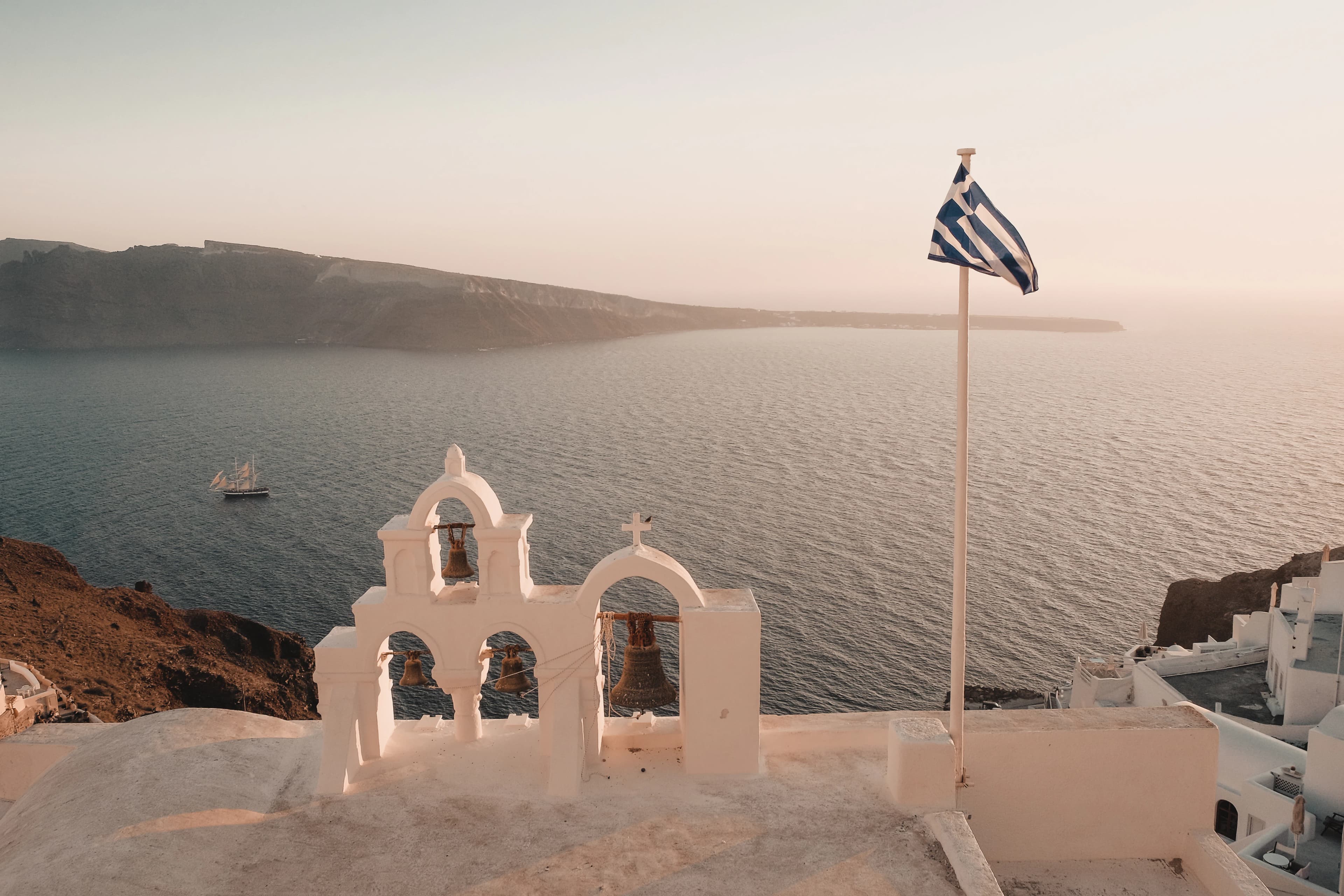
The iconic island with white houses and blue domes. The sunset in Oia is among the most beautiful in the world.
Acropolis, Athens
The landmark of ancient Greece. The Parthenon temple has stood over Athens for 2,500 years.
Crete
Greece's largest island offers everything: beaches, mountains, the Palace of Knossos, and warm hospitality.
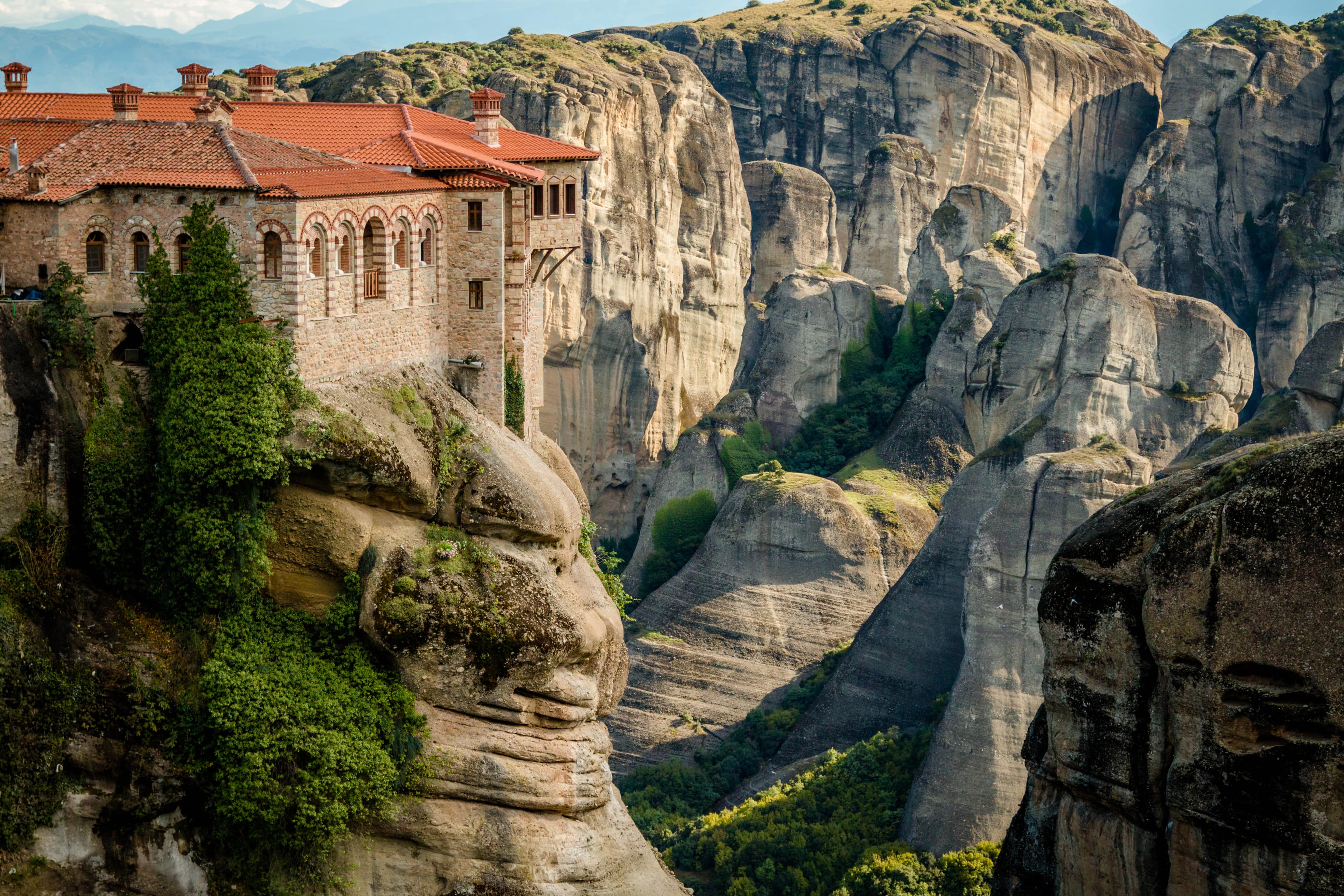
Meteora Monasteries
Centuries-old monasteries perched on gigantic sandstone cliffs – a UNESCO World Heritage site.
Zakynthos
Navagio Beach (Shipwreck Beach) is one of the most photographed beaches in the world.
Hotels in Greece
Vergleiche tausende Hotels, Apartments und Resorts auf Expedia – mit Bestpreis-Garantie, kostenloser Stornierung und Bonuspunkten.
* Weiterleitung zu Expedia.de. Es gelten die dortigen Nutzungsbedingungen.
Reiseversicherung abschließen
Rundum-Schutz ab 9,90 € auf TravelSecure.de
Pauschalreisen & Rundreisen
Berge & Meer – 170 Tage Cookie
Best time to visit Greece
Recommended travel time
May–October (high season July/August)
Summer
28–35°C
Winter
10–15°C
How much does a holiday in Greece cost?
Average cost per person per day (excluding flight)
Budget
50–80€
Hostel, street food, public transport
Mid-range
80–150€
Hotel, restaurant, excursions
Luxury
150–300€
Boutique hotel, fine dining
5 travel tips for Greece
Insider knowledge to make your holiday better.
Renting a car in Crete and the Peloponnese is highly recommended
Off-season (May/June, September) offers the best prices with great weather
Greek coffee is served with grounds – do not drink!
Always ask for the daily menu in taverns – often the best
Book ferries in advance, especially in August
Food & drink in Greece
These dishes you must try!
Discover Greece
70 regions, cities and highlights in Greece
Islands
Aegina
Aegina is the closest Saronic island to Athens and a popular weekend and day trip destination for Greeks and travelers alike. The small island surprises with an outstanding ancient temple, the Temple of Aphaia, which is one of the best-preserved Doric temples in Greece and sits atop a hill with panoramic views over the Saronic Gulf. German tourists appreciate Aegina as an authentic alternative to the overcrowded Cyclades islands: Here, you mingle with locals, buy fresh catch at the fish market in the harbor, and try the famous Aegina pistachios, considered the best in the world. The sleepy mountain village of Paleochora with its over 30 dilapidated Byzantine churches and the pretty bays of the southern coast make the island the perfect insider tip for a short trip from Athens.
Alonissos
Alonissos is the green soul of the Sporades and the heart of the first and largest marine national park in Greece. While neighboring islands Skiathos and Skopelos attract visitors with beaches and Mamma Mia tourism, Alonissos has preserved its original character: dense pine forests cover the hilly island, the sea shines in an unreal turquoise, and the underwater world is among the most diverse in the Mediterranean. Here live the extremely rare Mediterranean monk seals – one of the most endangered mammal species in the world. The National Marine Park of Alonissos includes the island itself as well as six uninhabited neighboring islands and a vast marine area. Dolphins, monk seals, Eleonora's falcons, and over 300 fish species are native to these protected waters. Boat trips to the marine park are among the most impressive natural experiences that Greece has to offer – with snorkeling in crystal-clear water and encounters with dolphins. The Old Chora (Palio Alonissos) sits on a hill and offers a panoramic view over the entire island world. Abandoned after an earthquake in the 1960s, the village has been lovingly restored by artists and foreigners in recent decades and now houses studios, taverns, and small guesthouses. The island's beaches – Chrisi Milia with its golden sand, Kokkinokastro with the red cliffs, and Leftos Gialos – are little visited and surrounded by nature. Alonissos can be reached from Volos by ferry (about 3 hours) or by speedboat from Skiathos. German tourists fly to Skiathos (direct flights in summer) and take the ferry from there. A rental car or scooter is helpful but not essential – the island has a functioning bus service.

Amorgos
Amorgos is the easternmost and most mountainous island of the Cyclades — a dramatic rock in the deep blue Aegean Sea, which gained cult status through Luc Besson's film "Le Grand Bleu" (The Big Blue). The scenes of the film, shot in the bay of Agia Anna, made Amorgos a pilgrimage site for divers and free spirits. The Monastery of Panagia Hozoviotissa is Amorgos' most breathtaking landmark: a snow-white structure that has clung like a swallow's nest to a 300-meter-high vertical cliff above the sea since the 11th century. The ascent of 300 steps rewards visitors with one of the most iconic views in all of Greece and a welcome from the monks with Rakomelo and Loukoumi. The Chora of Amorgos is a nested labyrinth of white alleys, bougainvillea-adorned stairs, and tiny squares — more authentic and quieter than most Cycladic villages. The port of Katapola lies in a sheltered bay and exudes a relaxed fishing flair with taverns right by the water. The island's hiking trails are among the best in Greece: the path from Chora to Agia Anna leads along dramatic cliffs with views over the Aegean. The shipwreck of the Olympia on the northern coast, a rusty cargo ship on the rocks, is a bizarre photo motif and snorkeling spot at the same time.

Antiparos
Antiparos is the perfect counterprogram to the hustle and bustle of the Cyclades – a tiny island directly opposite Paros, enchanting with its relaxed atmosphere, unspoiled beaches, and the charm of a Greek village from 30 years ago. Just 45 square kilometers in size and with fewer than 1,200 inhabitants, Antiparos feels like the Greece found in travel guides from the 1980s – and that is exactly what makes it appealing. The only village on the island is a labyrinth of white alleys that have grown around a Venetian Kastro fortress. Colorful bougainvillea climbs over stone walls, cats nap on the stairs, and in the few tavernas, locals and visitors sit harmoniously side by side. Tom Hanks has a house here, and other celebrities appreciate Antiparos precisely for this unpretentious atmosphere. The highlight of the island is the Antiparos Cave, one of the most impressive in the Mediterranean. Over 400 steps lead down into an underground wonderland of stalactites and stalagmites that have formed over millions of years. Lord Byron is said to have carved his name into the rocks here in the 19th century. The island's beaches – Soros, Camping Beach, and the secluded Faneromeni – offer crystal-clear water without any hustle and bustle. From Paros, a small ferry takes just seven minutes to cross – making Antiparos the perfect day trip or retreat for anyone staying in Paros. German holidaymakers reach Paros via direct flight or by ferry from Athens. A day on Antiparos is a must-do on any Cyclades trip.
Folegandros
Folegandros is the secret of the Cyclades — a tiny, rugged island that stands in the shadow of the famous neighbors Santorini and Milos, and precisely because of this, it has preserved its unspoiled character. Those who visit Folegandros experience the Greece that Santorini was 30 years ago: whitewashed houses at the cliff's edge, no cruise ships, no souvenir shops. The Chora of Folegandros sits atop a 200-meter-high cliff overlooking the sea and is considered one of the most beautiful village views in the entire Aegean. The Panagia church on the hill above is accessible via a steep zig-zag path and offers a sunset view that even outshines Santorini — without the crowds. The three villages of the island — Chora, Karavostasis (the port), and Ano Meria — are connected by a single road. Ano Meria in the northwest preserves traditional Cycladic life: here, farmers still thresh grain in traditional round squares and keep goats between dry stone walls. The beaches are small, wild, and accessible via hiking trails: Katergo, only reachable by boat or a steep descent, surprises with fine pebbles and emerald green water beneath white cliffs. Folegandros is not an island for mass tourism — it is a place for hikers, romantics, and anyone seeking true silence in the Mediterranean.
Hydra
Hydra is perhaps the most elegant island in Greece – and the only one where motorized vehicles are completely banned. No cars, no scooters, no buses. Instead, donkeys and mules clatter over the cobblestone streets, and the sound of one's own footsteps is the loudest noise in the winding alleys. This car-free concept makes Hydra a unique retreat that has attracted artists, writers, and filmmakers for decades – Leonard Cohen lived here in the 1960s and wrote some of his most famous songs. The harbor of Hydra is a masterpiece of architecture. Gray stone villas from the 18th century, once belonging to the wealthy shipowners of the island, frame the crescent-shaped harbor basin like a natural amphitheater. Elegant cafés and tavernas line the promenade, yachts bob in the water, and the atmosphere feels more like Saint-Tropez than a Greek island. Beyond the harbor, Hydra reveals its wild side. Hiking trails lead through fragrant pine and maquis forests to secluded coves and monasteries. Vlychos and Bisti are the most popular beaches, accessible by water taxi or on foot. The Profitis Ilias Monastery sits at the highest point of the island and offers a breathtaking view over the Saronic Gulf to the Peloponnese. From Athens, Hydra can be reached in just one and a half hours by fast ferry from Piraeus – perfect for a day trip. For German travelers, a combination stay is recommended: a few days in Athens and then the ferry to Hydra. The island is small enough to explore on foot but large enough for three to four days full of discoveries.

Ikaria
Ikaria is the island where time has stood still – and that is its secret. As one of the five 'Blue Zones' in the world where people live significantly longer, this northern Aegean island has gained international attention. On Ikaria, people regularly live past 90 years, with many reaching 100. The secret? A life without stress, strong community, Mediterranean diet, daily movement in the hilly landscape, and plenty of local red wine. The pace on Ikaria is legendary slow. Shops open when the owner feels like it, afternoon naps are sacred, and the famous Panigiria – traditional village festivals with music, dance, and wine that last all night – take place almost daily in a different village during the summer. These festivals are the social backbone of the island and provide visitors with an unforgettable experience of Greek hospitality. The landscape is surprisingly wild and green for a Greek island. Dense forests cover the mountainous interior, waterfalls plunge into natural pools, and the thermal springs of Therma are among the most radioactive and healing in the Mediterranean. The beaches are often deserted – Seychelles Beach with its turquoise rock pools and Nas with the ancient ruins of the Temple of Artemis are top-notch hidden gems. From Germany, Ikaria can be reached via Athens by domestic flight or by ferry from Piraeus (about 7 hours). The island has a small airport with one of the shortest runways in Europe. A rental car is highly recommended as bus connections are unreliable – very much in the spirit of the island.

Ios
Ios is the island of contrasts – during the day a Cycladic picture book with white cube houses and golden beaches, at night one of the wildest party destinations in the Mediterranean. The small Cycladic island between Naxos and Santorini has made a name for itself as a legendary party spot over the past decades, but behind the facade of clubs and bars lies a surprisingly versatile island with spectacular beaches, ancient history, and quiet corners. Mylopotas Beach is the main beach and the epicenter of summer life. The wide sandy beach stretches over a kilometer and offers sun loungers, water sports, and beach bars during the day, which turn into open-air discos in the afternoon. For quieter alternatives, there’s Manganari in the south – a paradise of several connected coves with a Caribbean flair – and Kleftiko-like rock coves on the west coast. The Chora of Ios, the main village on the hill above the harbor, is a dream of white alleys, blue domes, and blooming bougainvillea during the day. Over 70 bars and clubs are concentrated in a small area – in summer, the Chora transforms into one big open-air party after midnight. But Ios also has a serious cultural side: According to legend, Homer, the poet of the Iliad and Odyssey, is buried here. His presumed grave is located in the north of the island and can be hiked to. From Germany, Ios can be reached via Athens and ferry (fast ferry about 3.5 hours from Piraeus) or by ferry from Santorini in just 35 minutes. Ios can be perfectly combined with Santorini and Naxos for an island-hopping route.

Karpathos
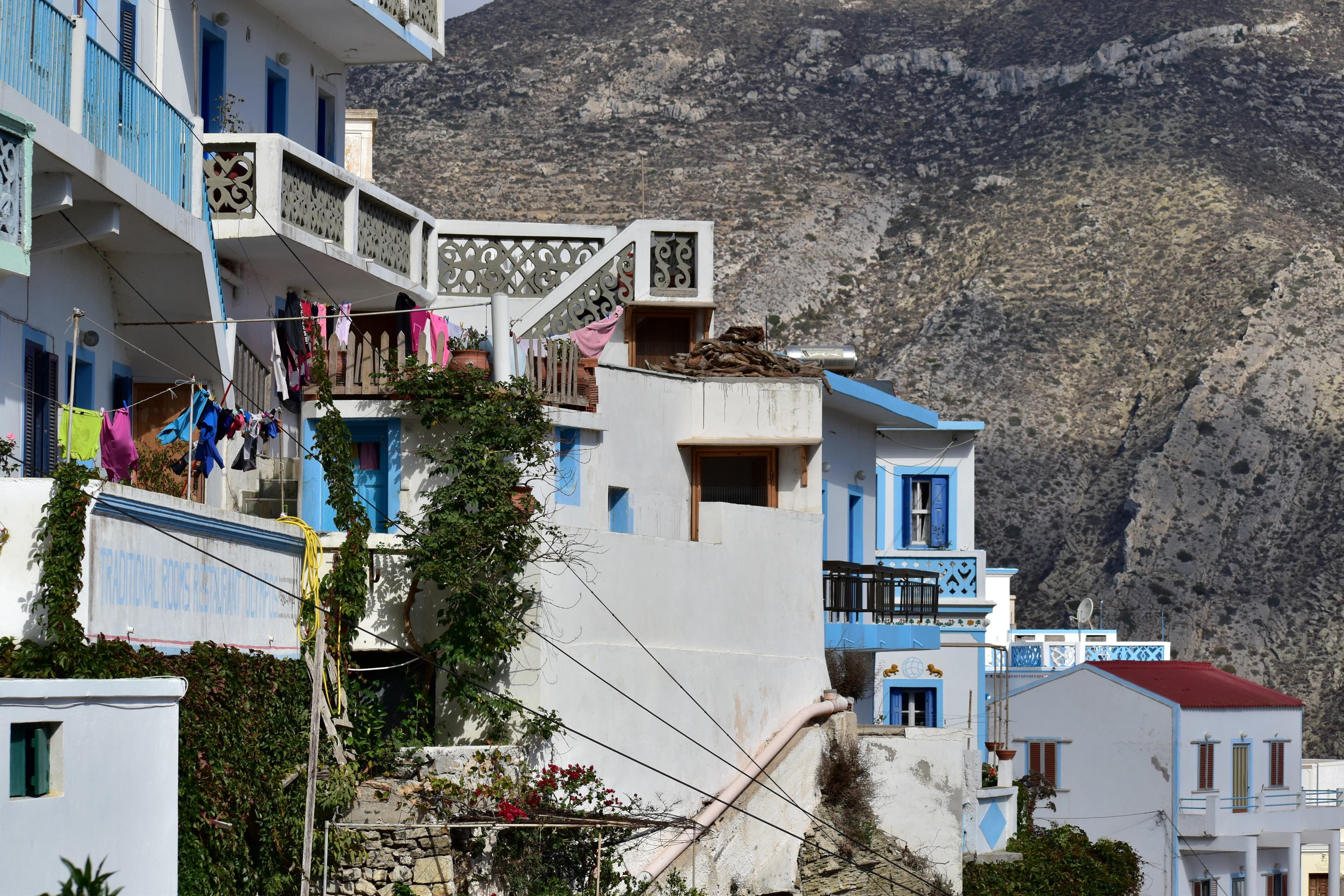
Karpathos lies like a wild diamond between Crete and Rhodes in the southeastern Aegean and is one of the most authentic islands in Greece. Here, a strong Meltemi wind blows, making the island a paradise for windsurfers and kitesurfers while simultaneously sweeping the beaches wonderfully empty. Unlike the more well-known neighboring islands, Karpathos has preserved its original character – in the mountain villages, older women still wear traditional costumes and maintain customs that have long since disappeared elsewhere. The mountain village of Olympos in the north of the island is the cultural heart of Karpathos. It clings like an eagle's nest to a mountain ridge and is only accessible via a winding road or by boat. Here, an archaic Doric dialect is still spoken, hand-painted wooden chests stand in the houses, and the windmills still grind grain. Olympos feels like a time travel to Greece of past centuries. The beaches of Karpathos are among the most beautiful in the Dodecanese island group. Apella Beach, nestled between cliffs and pines, has been repeatedly awarded as one of the best beaches in Greece. Kyra Panagia and Ahata delight with crystal-clear water and wild nature. The capital Pigadia offers a lively harbor promenade with taverns and cafés. From Germany, Karpathos can be reached in summer by direct charter or via Athens and Rhodes. The island has its own small airport. A rental car or quad is recommended to reach the scattered beaches and villages. Prices are moderate, hospitality is great, and the feeling of adventure is ever-present.

Koufonisia
Koufonisia is the smallest inhabited island paradise of the Cyclades — a flat, car-free island of only 3.5 square kilometers that has become a hidden gem for Greek insiders in recent years. Ano Koufonisi, the inhabited main island, proves that you don't have to fly halfway around the world for Caribbean beaches. The southern coast of the island is a chain of natural rock pools and golden sandy beaches: Pori, Fanos, and Italida offer turquoise, shallow water over light sandy bottoms — so shallow and warm that it feels like a natural bathtub. The rock formations between the beaches create natural swimming pools and jumping rocks that delight both children and adults alike. The tiny village of Koufonisi consists of a single main street, a harbor with colorful fishing boats, and a handful of taverns and cafes. No cars disturb the tranquility — the entire island can be circled on foot in an hour. The path along the southern coast from beach to beach is one of the most beautiful walks in Greece. Kato Koufonisi, the uninhabited sister island, is reachable by small boat in 10 minutes and offers absolute solitude: wild beaches, no infrastructure, just the sea and the wind. Koufonisia is Greece in its purest, simplest form — sand, sun, sea, and tavern evenings under the stars.

Lesbos
Lesbos is the third largest island in Greece and a fascinating travel destination off the beaten tourist paths. The island in the northeastern Aegean surprises with a diversity of landscapes that is unmatched: from the petrified forests of Sigri, which are among the most significant geological monuments in Europe, to the hot springs of Polichnitos, and the endless olive groves that transform the hinterland into a silver-green sea. Over eleven million olive trees grow on Lesbos – the island is one of the most important olive oil producers in the Mediterranean region. The capital Mytilini welcomes visitors with a lively harbor promenade, neoclassical mansions, and a powerful Byzantine fortress. The picturesque fishing village of Molyvos in the north, dominated by a medieval castle, is considered one of the most beautiful villages in Greece. Skala Eressos on the west coast delights with a long sandy beach and an alternative atmosphere. Lesbos is also the home of Ouzo – the distilleries of Plomari produce the best aniseed spirit in Greece, and a tasting tour is a must-do. For birdwatchers, Lesbos is a paradise: the salt pans near Kalloni attract thousands of flamingos and rare migratory birds in spring. The island's thermal springs, including the hottest in Europe at Polichnitos at 87°C, offer natural wellness since ancient times. From Germany, Lesbos can be reached by direct flight in summer in about three hours or via Athens. A rental car is highly recommended as the island is extensive and the most beautiful spots are scattered.
Sifnos
Sifnos is known as the culinary island of Greece — a quiet Cycladic gem famous for its pottery, excellent cuisine, and beautiful hiking trails. The island has more churches than houses (over 360!) and a network of paved hiking paths that lead through olive groves and along secluded coves. Sifnos is the island for connoisseurs seeking authentic Greece.

Skopelos
Skopelos became world-famous through the film "Mamma Mia!" — the church Agios Ioannis sto Kastri on its dramatic cliff above the sea is the iconic film location where the wedding scene was shot. However, Skopelos is much more than a film set: the greenest island in the Aegean surprises with dense pine forests that reach down to the sea, and an authenticity that many Greek islands have long lost. The Chora (capital) of Skopelos is an architectural gem: whitewashed houses with slate roofs and colorful shutters climb up a hill, crowned by a Venetian fortress. Over 360 churches and chapels are scattered across the small island — it is said to have one of the highest church-to-population densities in the world. Skopelos' beaches are lined with pines and mostly covered with white pebbles: Kastani (the second Mamma Mia filming location), Milia, Panormos, and Hovolo offer clear, emerald-green water in forest-framed bays. The island's hiking trails lead through olive groves, plum orchards, and fragrant pine forests. Skopelos is famous for its plums — the dark, sweet plums of Skopelos are a protected product that is processed into jam, liqueur, and dried delicacies. The island's culinary heritage is deeply rooted: cheese pies, honey cakes, and fresh fish shape the tavern culture.

Symi
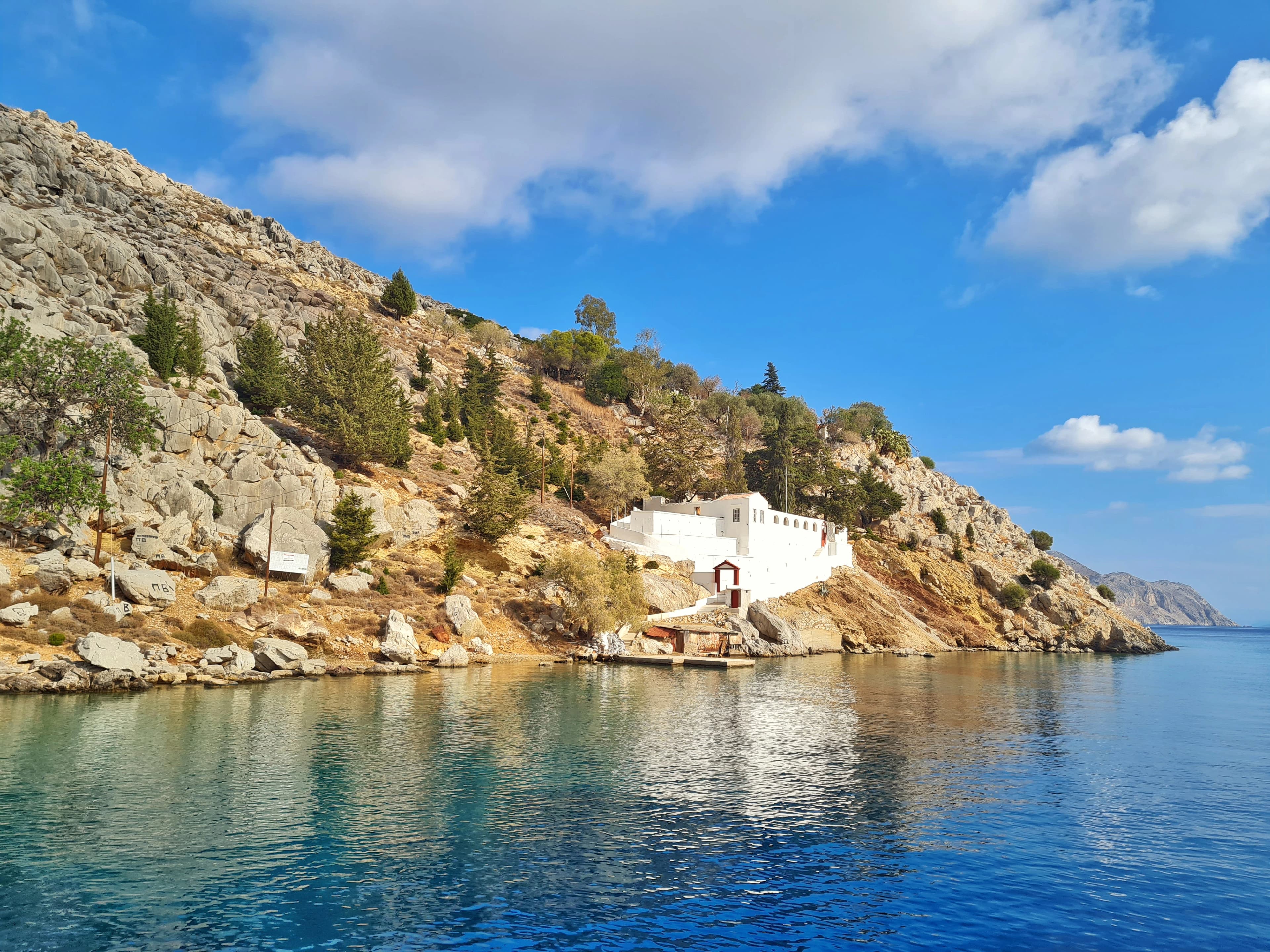
Symi is the quintessential postcard image of the Aegean — the harbor of Gialos, lined with neoclassical houses in all pastel shades from ochre to terracotta to sunny yellow, tiered on steep slopes, is considered one of the most photogenic places in all of Greece. When the ferry enters the harbor, passengers often hold their breath. The island belongs to the Dodecanese and is only 25 kilometers off the Turkish coast — closer to Marmaris than to any major Greek city. Symi was once wealthier than Rhodes: the sponge diving industry made the island rich in the 19th century, and the magnificent captains' houses by the harbor testify to this golden age. The tradition of sponge diving continues in the souvenir shops. The Panormitis Monastery in the south of the island is one of the most important religious centers of the Dodecanese: dedicated to the Archangel Michael, it welcomes pilgrims from all over Greece. The courtyard with its pebble mosaic and the baroque bell tower form a harmonious ensemble. The upper town Chorio can be reached via 500 steps — the Kali Strata — and rewards visitors with a panorama that stretches from Symi over the sea to the Turkish coast. The island's bays — Nanou, Marathounda, Agia Marina — are accessible by boat or hiking trail and offer crystal-clear water in absolute seclusion. Symi's shrimp are considered the best in the Aegean.

Syros
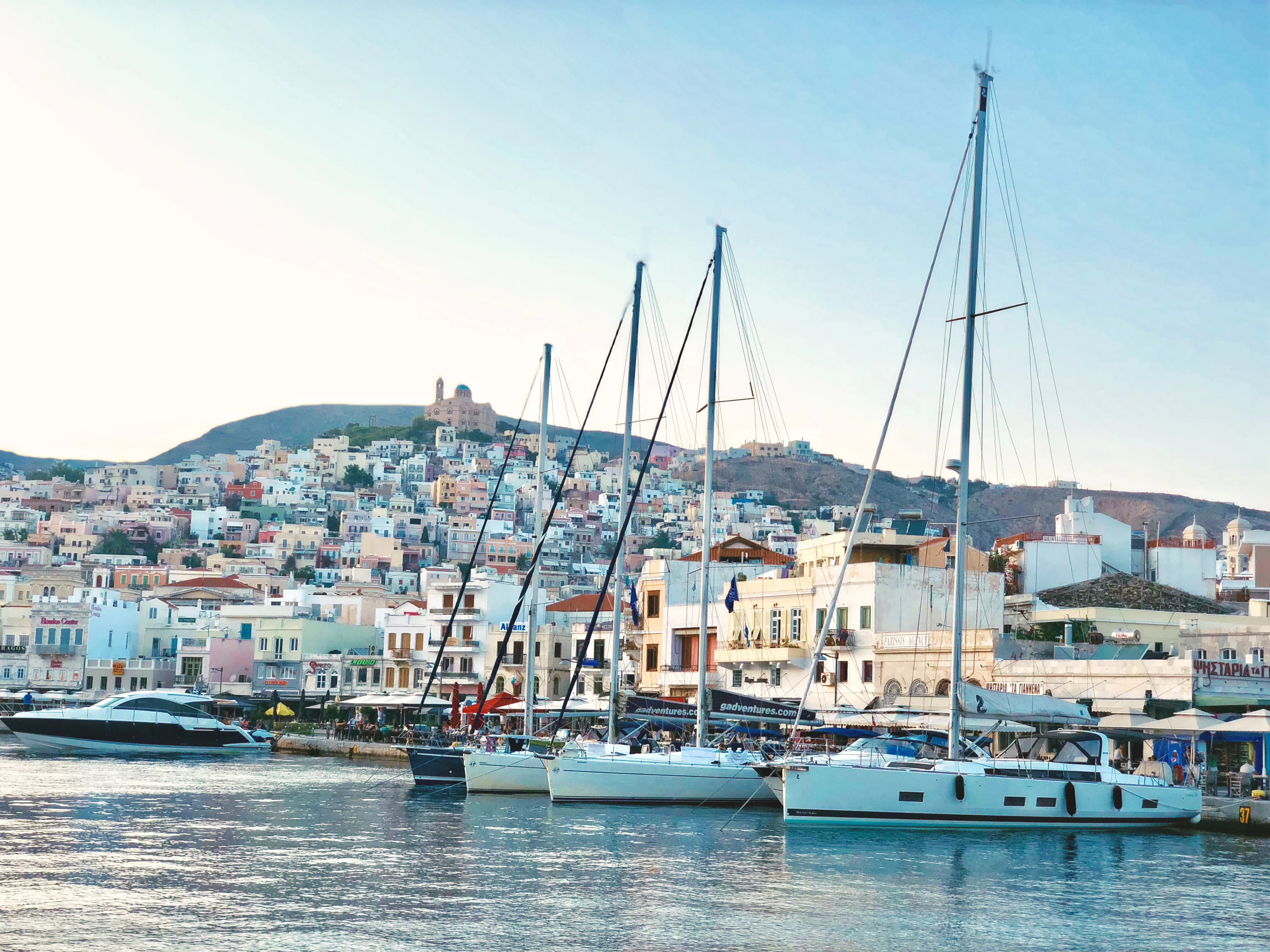
Syros is the secret capital of the Cyclades – yet overlooked by most tourists. As the administrative seat of the entire Cyclades group, Syros boasts Ermoupoli, one of the grandest cities in all of Greece: a neoclassical jewel that was the most important port in the country in the 19th century, surpassing Piraeus. The magnificent town hall, the Apollon Theater – a miniature version of La Scala in Milan – and the elegant Platia Miaouli with its marble floors and palm trees testify to this former glory. What sets Syros apart from all other Cycladic islands is its unique religious and cultural dual identity. While most Greek islands are predominantly Greek Orthodox, Syros has a significant Catholic community. The upper town of Ano Syros, a medieval Venetian settlement with the Catholic Cathedral of San Giorgio, crowns one hill, while the Orthodox Church of Anastasis crowns the other. This duality shapes the architecture, festivals, and even the cuisine of the island. The beaches of Syros are less spectacular than those on Mykonos or Naxos, but they are pleasantly quiet. Galissas, Kini, and Vari offer sandy coves with family-friendly waters. In the south, the rocky coves of Ambela and Megas Gialos hide away. However, the true strength of Syros lies in its culture: concerts, theater, art festivals, and a vibrant year-round nightlife in Ermoupoli make the island a cultural center of the Cyclades. From Piraeus, Syros can be reached by high-speed ferry in two hours – the island is centrally located and perfect as a starting point for island hopping in the Cyclades.
Santorini
Santorini is arguably the most iconic Greek island and a dream destination for romantics from around the world. The island owes its dramatic shape to a massive volcanic eruption that caused the center of the island to sink over 3,600 years ago, creating a crescent-shaped caldera — a flooded crater of breathtaking beauty. The villages of Oia, Fira, and Imerovigli cling like swallow nests to the steep caldera cliffs, and the sunset in Oia, where the sun sinks fiery red into the sea, is among the most famous in the world. The volcanic geology shapes everything on Santorini: The beaches consist of black (Kamari, Perissa), red (Red Beach), or white (White Beach) volcanic rock, the hot springs off the volcanic island of Nea Kameni invite for thermal bathing, and the unique Assyrtiko grape thrives in wind-swept, ground-crawling vine baskets — the wines of Santorini are among the best in Greece. A wine tasting at Santo Wines or Venetsanos with a caldera view is a must-do. Beneath the tourist glamour lies a fascinating history: Akrotiri, the "Greek Pompeii," is a Minoan city preserved under ash by the volcanic eruption — three-story houses, frescoes, and an elaborate drainage system from the Bronze Age. The prehistoric museum in Fira showcases the famous boxer frescoes and gold jewelry. Away from the caldera, the hinterland surprises with the traditional village of Pyrgos, the Venetian fortress Kasteli, and the lighthouse of Akrotiri with panoramic views. Santorini is accessible by high-speed ferry (5 hours from Piraeus) or flight (45 minutes from Athens) and is ideally combined with island hopping to Mykonos, Naxos, or Paros.
Crete
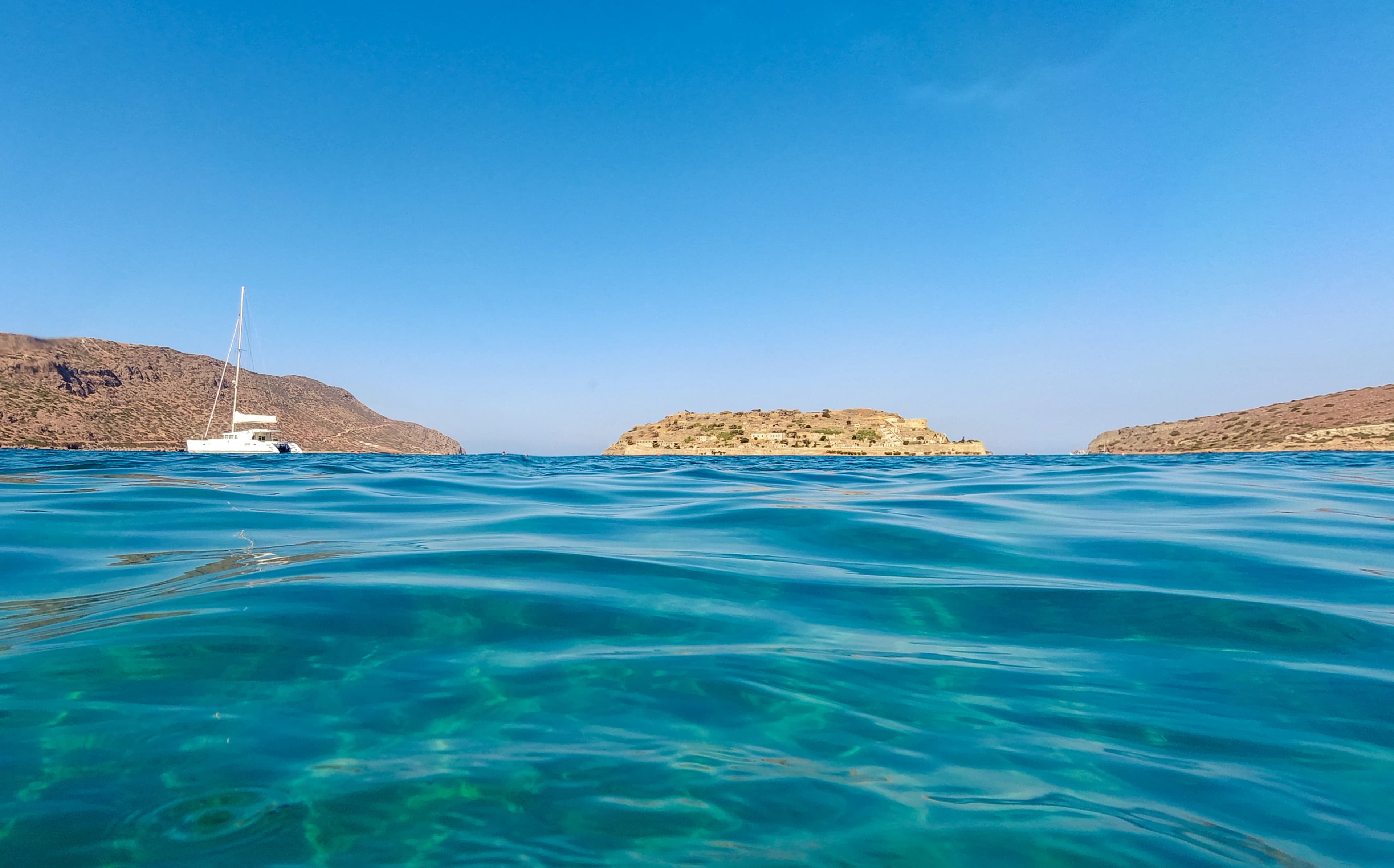
Crete is the largest and most diverse island in Greece and a continent in miniature. Here, over 4,000 years ago, the Minoan high culture emerged, the oldest in Europe, whose palaces in Knossos, Phaistos, and Malia still fascinate today. The island delights with dramatic gorges like the 16-kilometer-long Samaria Gorge, dream beaches like Elafonisi and Balos, snow-capped mountains, and a hinterland that could hardly be more authentic. The four regions of Crete each offer their own character: Chania in the west with its Venetian harbor and the White Mountains, Rethymno with the best-preserved Renaissance old town in Greece and the Fortezza fortress, Heraklion as a vibrant capital with the Archaeological Museum and Knossos, and Lasithi in the east with the palm beach of Vai, the island of Spinalonga (once a leper colony, now a bestseller location), and the hippie paradise of Matala. Cretan cuisine is considered the best in Greece and the foundation of the famous Mediterranean diet: first-class olive oil, Dakos barley rusk with tomatoes and Mizithra cheese, snails (Chochlioi) prepared in various ways, lamb with Stamnagathi wild herbs, and the ubiquitous Raki (Tsikoudia) as a digestif and companion for every occasion. The Cretans are famous for their hospitality — a spontaneous meal with a Cretan family is one of the most unforgettable travel experiences in Greece. Crete is accessible year-round: in winter, the mountains invite hiking, in spring wildflowers bloom in the gorges, and the bathing season lasts from May to October.
Corfu
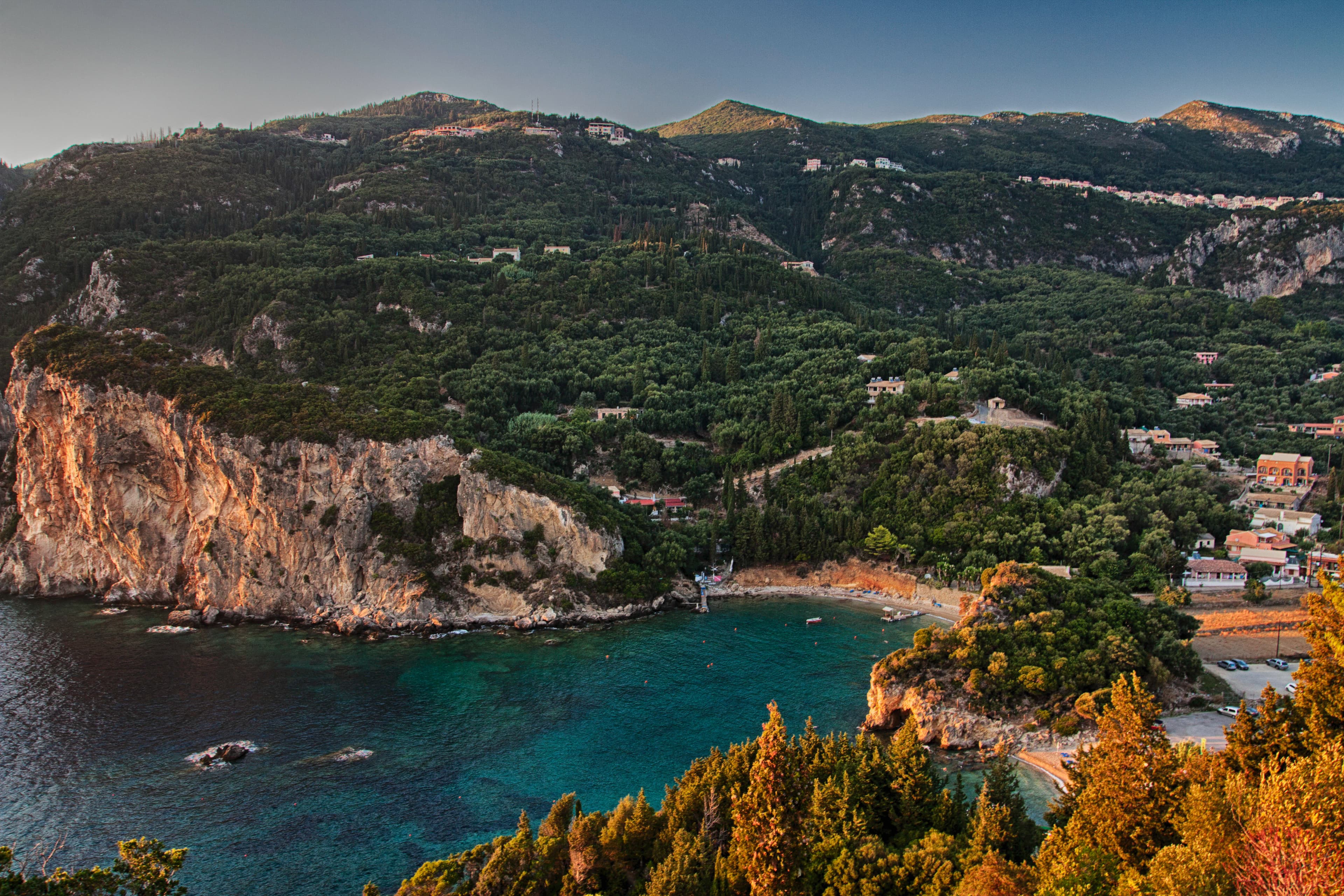
Corfu, the greenest of the Greek islands, bears the marks of four centuries of Venetian rule in every alley and every palace. The old town of Kerkyra (UNESCO World Heritage) impresses with its unique mix of Venetian arcades, French-style esplanades, and British colonial buildings — an architectural kaleidoscope that is unmatched in Greece. The narrow Liston promenade with its elegant cafes resembles the Rue de Rivoli in Paris. The Achilleion Palace, once the summer residence of the Austrian Empress Elisabeth (Sisi), sits atop a hill south of the city and offers breathtaking views of the Ionian Sea from its gardens. Paleokastritsa on the west coast combines six turquoise bays between steep cliffs — ideal for swimming, snorkeling, and boat tours to hidden caves. The Canal d'Amour near Sidari, with its bizarrely shaped sandstone cliffs, is considered the most romantic bathing spot on the island. Corfu's landscape is surprisingly lush: olive groves (over four million trees), cypress forests, and orange plantations shape the hinterland. The 906-meter-high Mount Pantokrator offers views as far as Albania and the Greek mainland on clear days. The Corfiot cuisine reflects the Venetian influence: Sofrito (meat in garlic white wine sauce), Pastitsada, and kumquat liqueur are local specialties. Corfu combines Greek ease with Italian elegance — a combination that is addictive.
Rhodes
Rhodes, the largest island of the Dodecanese, combines over 3,000 years of history with dreamy beaches and more than 300 sunny days a year. The medieval old town of Rhodes City is the best-preserved fortified town in Europe and a UNESCO World Heritage site: Behind powerful walls from the Crusader period lies a labyrinth of cobblestone streets, Ottoman mosques, Byzantine churches, and Gothic palaces. The Grand Master's Palace of the Knights stands majestically above it all and today houses a museum with ancient mosaics. The Street of the Knights (Odos Ippoton) is considered the best-preserved medieval street in Europe and leads directly up to the palace. At the Mandraki harbor, where the legendary Colossus of Rhodes is said to have once stood, two bronze deer now stand guard. Lindos on the east coast enchants with its white cube houses that cling to the cliffs beneath an ancient acropolis with a Temple of Athena — the view from above the bay is unforgettable. The Valley of the Butterflies (Petaloudes) attracts millions of Russian Bear butterflies to a shaded forest canyon in summer. The Kallithea Springs, with their Art Deco architecture and natural sources, invite you to bathe. Prasonisi at the southern tip is a paradise for windsurfers and kitesurfers, where the Aegean Sea meets the Mediterranean. Rhodes combines Greek hospitality, medieval charm, and sun-drenched beach vacations like hardly any other place in the Mediterranean.

Mykonos
Mykonos is the most cosmopolitan island in Greece and a magnet for partygoers, celebrities, and beach vacationers alike. The Chora (old town) with its dazzling white alleys, the famous windmills overlooking the sea, and the neighborhood of Little Venice, where the houses rise directly from the water, embodies Cycladic aesthetics. At sunset, Little Venice transforms into one of the most romantic backdrops in the Mediterranean, while the famous pelican mascot Petros (or his successors) strolls through the alleys. The beaches of Mykonos cater to every taste: Paradise and Super Paradise Beach are legendary party beaches with DJs and champagne bars, Elia Beach is the longest and most family-friendly, Agios Sostis offers untouched tranquility without infrastructure, and Panormos has developed into a trendy hotspot with beach clubs. The water quality is consistently excellent, and the Meltemi wind provides cooling even in the height of summer. Mykonos' nightlife is legendary, ranging from elegant cocktail bars to open-air clubs where international DJs play until sunrise. The culinary scene has rapidly developed in recent years: alongside traditional tavernas with fresh fish and Kopanisti cheese, there are now gourmet restaurants with Michelin ambitions. A day trip to the uninhabited neighboring island of Delos is a must — the sacred island of Apollo with its ancient temples, the Terrace of the Lions, and mosaics is one of the most significant archaeological sites in Greece and a UNESCO World Heritage site. Mykonos is reachable from Athens by fast ferry in 2.5 hours or by plane in 30 minutes.

Zakynthos
Zakynthos (Zante), the third largest of the Ionian Islands, features one of the most famous beaches in the world, Navagio Beach. The Shipwreck Cove, accessible only by boat, is framed by white limestone cliffs rising up to 200 meters high, with the rusted wreck of the MV Panagiotis resting on dazzling white sand in the center. The turquoise water and dramatic backdrop make Navagio the most photographed beach in Greece — the viewpoint above the cliff offers the iconic bird's-eye view. The Blue Caves at the northern tip of the island impress with natural rock arches and caves where sunlight transforms the water into an unreal blue. Boat tours from Agios Nikolaos or Porto Vromi lead to both the caves and Navagio Beach. The Bochali viewpoint above Zakynthos Town offers a magical view over the city and the Ionian Sea at sunset. Zakynthos is one of the most important nesting sites for the endangered loggerhead turtle (Caretta caretta) in the Mediterranean. In the Zakynthos Marine Park on the southern coast (Laganas Bay), the beaches are strictly protected, and with a bit of luck, you can observe these gentle giants while snorkeling. The mountainous hinterland surprises with traditional villages like Volimes and Kampi, olive groves, and the Anafonitria Monastery. The local cuisine offers specialties such as Skordostoumbi (garlic eggplant) and freshly caught fish in the taverns by the harbor.
Kos
Kos, the third largest island of the Dodecanese, combines ancient healing arts with dreamy beaches and a surprisingly green landscape. As the birthplace of Hippocrates, the founder of modern medicine, Kos is home to the Asklepieion, one of the most significant archaeological sites in Greece — the ancient healing center is located on three terraces on a hillside and offers a breathtaking view over the strait to the Turkish coast. In Kos Town stands the famous Plane Tree of Hippocrates, under which he allegedly taught his students. The mighty walls of the Knights of St. John fortress Neratzia guard the harbor, while in the old town, Ottoman mosques stand alongside ancient Roman villas with colorful floor mosaics — a living history book in a small space. The island's beaches are among the most beautiful in the Aegean: Paradise Beach and Camel Beach in the south offer fine sand and crystal-clear water, while the thermal beach at Agios Fokas, with its hot volcanic springs, provides a unique bathing experience right by the sea. At Bros Therma Bay, hot spring water naturally mixes with the cool Aegean Sea. With only 4 km to the Turkish coast, day trips to Bodrum are possible. The island is ideal for cycling due to its flat terrain, and the charming mountain villages of Zia and Asfendiou in the Dikeos Mountains surprise with traditional taverns and panoramic views. Best travel time: May to October.

Naxos
Naxos is the largest and highest island of the Cyclades and surprises with a landscape diversity that ranges from endless sandy beaches to green valleys and a mountain range over 1,000 meters high. The Portara, the monumental marble gate of an unfinished Apollo temple from the 6th century BC, stands on a peninsula and is the iconic landmark of the island — at sunset, it perfectly frames the setting sun. The old town of Naxos City (Chora) is crowned by the Venetian Kastro, a fortress from the 13th century with winding alleys, Catholic churches, and the Archaeological Museum. The doors and passages of the Kastro tell of the centuries-long Venetian rule over the Cyclades. In the interior of the island, a completely different face reveals itself: The mountain village of Halki with its neoclassical mansions and the famous Kitron liqueur distillery is nestled among olive groves. Apiranthos, the "Marmoddorf," perches with its towers and cobbled streets on the slopes of Mount Za and houses four small museums. The Filoti region offers hikes to the summit of Zeus (1,004 m). The beaches of Naxos are the longest and widest in the Cyclades: Agios Prokopios, Agia Anna, Plaka, and Mikri Vigla offer kilometers of fine sand, shallow water for families, and excellent windsurfing conditions. The fertile plain of Tragaia makes Naxos the pantry of the Cyclades — famous for potatoes, Graviera cheese, and Kitron. The island is significantly more authentic and affordable than the glamorous neighbors Mykonos and Santorini.
Paros
Paros is located in the heart of the Cyclades and combines authentic island life with top-notch beaches and a vibrant art scene. Unlike its glamorous neighbor Mykonos, Paros has preserved its original charm — whitewashed alleys, blue dome churches, and bougainvillea everywhere, along with a relaxed atmosphere that instantly slows down visitors. Naoussa in the north is a former fishing village that is now considered one of the most charming places in the Cyclades. The Venetian fortress tower in the harbor, colorful fishing boats, and excellent restaurants make Naoussa the perfect place for romantic evenings. Parikia, the capital, impresses with the Panagia Ekatontapyliani — one of the oldest and best-preserved early Christian churches in the world, dating back to the 4th century. The beaches of Paros are legendary: Kolymbithres enchants with its sculptural granite rocks, shaped into organic forms by wind and water. Golden Beach (Chrysi Akti) and New Golden Beach on the east coast are among the best windsurfing spots in Europe and regularly host international competitions. Santa Maria Beach in the northeast offers turquoise water in a sheltered bay. In ancient times, Paros was famous for its pure white marble, from which the Venus of Milo and parts of the Parthenon were made, among other things. The ancient marble quarries of Marathi can be visited. From Paros, you can reach the little sister island of Antiparos with its impressive stalactite cave by ferry in just 10 minutes.
Milos
Milos is the geologically most diverse island of the Cyclades and surprises with a landscape that resembles something from another planet, consisting of volcanic rock, over 70 beaches, and a history that dates back to the Neolithic era. Here, the famous Venus of Milo was found in 1820, which now stands in the Louvre — the masterpiece that made the island world-famous. Sarakiniko is the epitome of a lunar landscape: snow-white, wind-sculpted tuff stone cliffs drop into turquoise blue waters, creating a scene one would expect only from another planet. Kleftiko on the southwest coast is only accessible by boat — a labyrinth of massive sea caves, natural rock arches, and crystal-clear water that once served as a pirate hideout. A boat tour there is one of the most unforgettable experiences in the Aegean. The early Christian catacombs of Milos are among the most significant in the world outside of Rome. The ancient theater above the spot where the Venus was found offers panoramic views over the Gulf of Milos. The fishing village of Klima, with its brightly painted boat garages (Syrmata) right by the water, is one of the most photographed motifs in Greece. The volcanic past provides the island with hot springs, colorful rock formations in red, orange, and yellow, as well as beaches with white, red, and black sand. Firopotamos, Tsigrado, and Papafragas Beach each offer completely different bathing experiences. Milos is still significantly quieter than Santorini but has at least as much to offer — a true insider tip for connoisseurs.
Kefalonia
Kefalonia is the largest of the Ionian Islands and impresses with a dramatic landscape of rugged mountains, underground lakes, and beaches of overwhelming beauty. Myrtos Beach, nestled between massive white limestone cliffs with bright turquoise water, is considered one of the most photogenic beaches in the entire Mediterranean and became globally known through the film 'Captain Corelli’s Mandolin' starring Nicolas Cage. The Melissani Cave is a geological wonder: an underground lake whose collapsed roof lets in sunlight, causing the water to shine in surreal shades of blue and violet. A boat ride across this lake is one of the most magical experiences in Greece. Just a few kilometers away, seawater mysteriously disappears in the Katavothres near Argostoli into rock crevices, traversing the entire island underground. The Venetian-influenced fishing village of Fiskardo in the north is the only one that was spared from the devastating earthquake of 1953. Pastel-colored houses line the picturesque harbor, where sailboats from all over Europe anchor in its crystal-clear waters. The excellent fish restaurants serve freshly caught fish and the unique Robola wine, which is exclusively grown on Kefalonia. Hikers will find paradise in the Ainos National Park with its ancient Greek firs, while the island boasts Mount Ainos (1,628 m), the highest peak of all the Ionian Islands. The tranquil bays of Antisamos, Skala, and Xi Beach offer a suitable beach for every taste.

Lefkada
Lefkada is a unique feature among the Greek islands: it is connected to the mainland by a floating bridge and is therefore accessible without a ferry — a huge advantage for travelers with their own car. The west coast is home to some of the most spectacular beaches in Europe, rivaling any Caribbean postcard: Porto Katsiki with its dramatic white cliffs, Egremni with its turquoise waters, and Kathisma as the longest sandy beach on the island. The island's capital, Lefkada Town, surprises with colorful houses in Venetian style, whose upper floors are traditionally built from earthquake-resistant wood and corrugated iron — an architectural curiosity that gives the island its unique character. The pedestrian zone with its cafes, boutiques, and traditional bakeries invites you to stroll, while the Santa Maura fortress at the northern entrance to the island tells of its Venetian past. The mountainous hinterland of Lefkada is a paradise for nature lovers: traditional mountain villages like Karya and Englouvi, where the best honey and the famous Lefkada lentils come from, offer authentic Greek village life. At the southern tip, Cape Lefkatas rises — according to legend, the poet Sappho threw herself into the sea here out of love sickness. The east coast with the tranquil bays of Nidri and Vassiliki is a mecca for sailors and windsurfers. Boat trips to the offshore islands of Meganisi, Skorpios (once the private island of Aristotle Onassis), and Madouri depart from Nidri.

Samos
Samos, the birthplace of the mathematician Pythagoras and the goddess Hera, is one of the greenest and most diverse islands in the eastern Aegean. Dense pine and cypress forests, rushing mountain streams, and fertile valleys with vineyards cover the mountainous island, whose highest peak, Kerkis, rises steeply from the sea at 1,434 meters. The famous Samos Muscat wine has been produced since antiquity and is one of the oldest wine varieties in the world. The capital Vathy impresses with its natural harbor and neoclassical mansions, while the Archaeological Museum houses one of the most significant collections of archaic art — including the over 5-meter-high Kouros of Samos. The Heraion, the ancient temple of the goddess Hera, and the Tunnel of Eupalinos, a masterful aqueduct from the 6th century BC, are both UNESCO World Heritage sites and testify to the island's former significance. The beaches of Samos are among the most beautiful in the Aegean: Tsamadou with its turquoise blue water, Potami with the nearby waterfall, and Psili Ammos with fine golden sand. The picturesque fishing village of Kokkari, with its stone houses and taverns right by the water, is a paradise for windsurfers and connoisseurs alike. Samos is only 1.6 kilometers from the Turkish coast — a day trip to Kusadasi and Ephesus is easily possible.

Thassos
Thassos is the northernmost and greenest island of Greece, just 12 kilometers from the Macedonian mainland and accessible by a short ferry ride from Kavala or Keramoti. Dense pine and plane forests cover the mountainous island down to the crystal-clear bays, earning it the nickname 'emerald green island.' Mount Ipsarion rises 1,205 meters above sea level and offers hikers spectacular views over the northern Aegean. The island's capital, Limenas (Thassos Town), combines ancient ruins with a lively harbor atmosphere: The Agora, the ancient theater overlooking the sea, and the Acropolis with the Temple of Apollo testify to the island's heyday when Thassos was famous for its gold mining and marble extraction. The snow-white marble of Thassos is still mined today and exported worldwide — the open quarries on the east coast are an unusual sight. The beaches are the island's greatest asset: Golden Beach and Paradise Beach on the east coast stretch for kilometers of fine sand, while Marble Beach, with its white pebbles and crystal-clear water, feels like another world. Aliki on the south coast combines an archaeological site with two dreamy bays. Giola, a natural rock pool right by the sea, is Thassos' most spectacular natural monument. The island is a hidden gem for families and those seeking tranquility — far less crowded than the Cyclades, yet authentically Greek with excellent local cuisine and fresh fish straight from the boat.

Skiathos
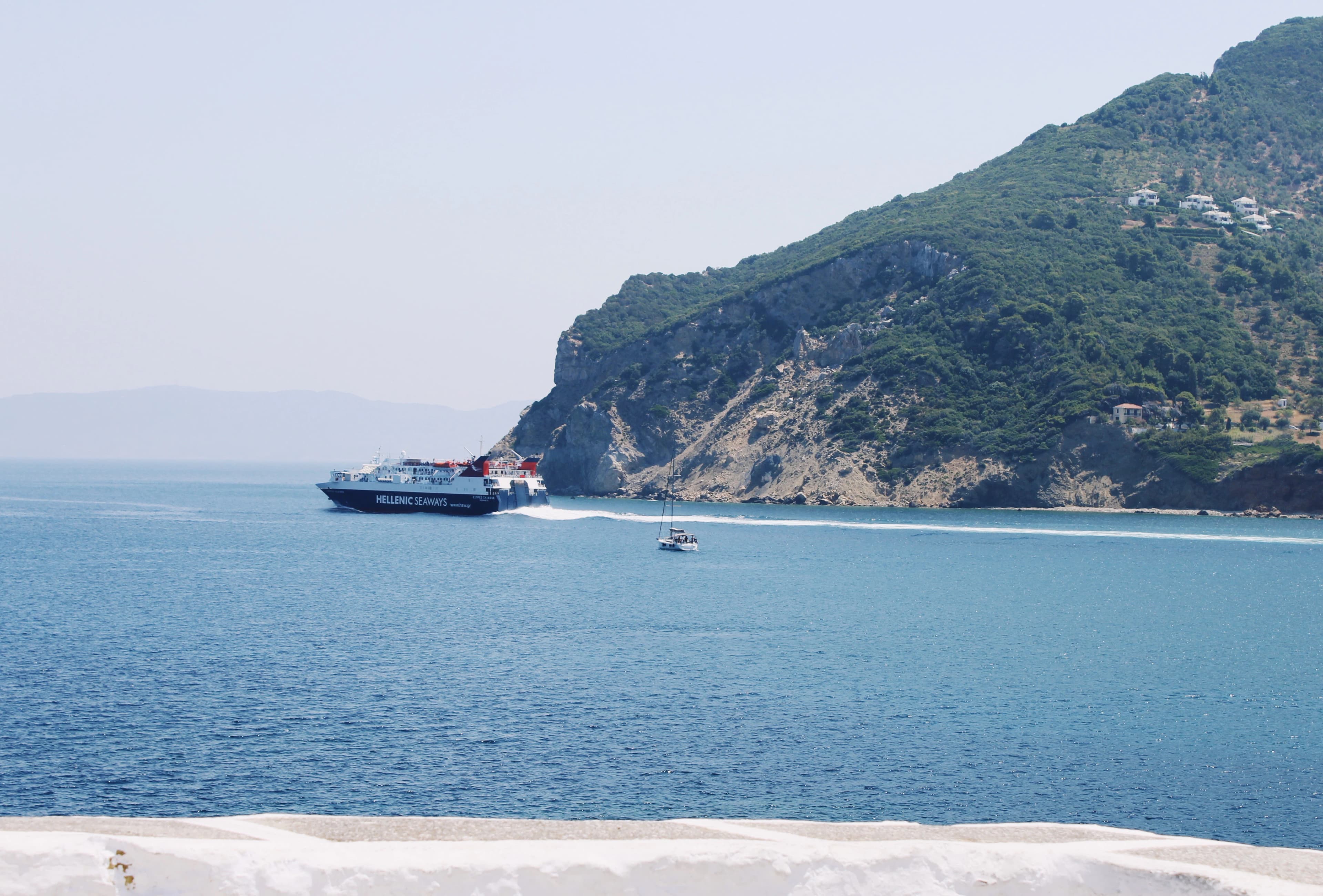
Skiathos is a small but fine island in the Northern Sporades, famous for its over 60 beaches that line the densely forested coast like pearls. Koukounaries Beach, framed by a unique pine forest lagoon, is regularly ranked among the most beautiful beaches in the Mediterranean and has repeatedly been chosen as one of the top beaches in Europe. The fine golden sand, crystal-clear water, and shade-providing pines right by the beach make it perfect. The island's capital, Skiathos Town, is a picturesque ensemble of whitewashed houses with red tile roofs that cluster around a natural double harbor. Taverns, cocktail bars, and small boutiques line the waterfront promenade and the car-free Papadiamanti Street, named after the island's most famous writer, whose birthplace is now a museum. The nightlife in Skiathos is the liveliest in the Sporades, attracting a young, international crowd. In addition to the well-known beaches on the southern coast, a boat trip to the wild northern coast is worth it: Lalaria Beach, with its round white pebbles and natural rock arch, is only accessible by boat and is one of the most photogenic beaches in Greece. The crumbling Kastro, a Byzantine fortress town on a cliff in the north, offers panoramic views and history at the same time. Skiathos became internationally known through the film 'Mamma Mia!' (although it was filmed on nearby Skopelos), and the Sporades atmosphere of the film is omnipresent here. The island can be reached by ferry from Thessaloniki or Volos and is perfect for a week-long beach holiday with Greek charm.
Cities

Agios Nikolaos
Agios Nikolaos is the glamorous heart of East Crete and a coastal town that delights with its famous Voulismeni Lake, elegant boutiques, and a relaxed, almost South French atmosphere. The capital of the Lasithi Prefecture is located on Mirabello Bay, one of the most beautiful bays in the entire Mediterranean, and has transformed from a sleepy fishing village into a popular holiday destination with an international flair, all while retaining its Greek charm. The absolute landmark of the town is Voulismeni Lake - a round, allegedly bottomless freshwater basin in the city center, connected to the sea by a narrow canal. Cafes and restaurants are arranged around the lake on several levels, and the steep rock walls framing the lake give the place an almost magical atmosphere. According to legend, the goddesses Athena and Artemis bathed here. The town itself impresses with its hilly topography featuring picturesque stairs, winding alleys, and viewpoints from which new perspectives on the lake, the harbor, and the bay can be discovered. The marina with its elegant boats, the palm-lined promenade, and the small city beaches Kitroplateia and Ammos invite you to linger. The surroundings of Agios Nikolaos offer some of the most beautiful beaches in Crete, including the famous Vai palm beach and the island of Spinalonga with its moving history as a former leper colony. From Germany, Agios Nikolaos can be reached via Heraklion Airport in about an hour's drive. The connection is excellent, as Heraklion is directly served by numerous German airports. The best travel time is from May to October, with autumn being particularly mild and calm. Agios Nikolaos is an excellent starting point for exploring the wild East Crete with its gorges, high plateaus, and authentic mountain villages.

Corfu Town
Corfu Town is the most elegant city of the Greek islands — a UNESCO World Heritage site that combines Venetian, French, and British influences into a unique architectural cocktail. The Esplanade (Spianada), one of the largest squares in Southern Europe, resembles the Rue de Rivoli in Paris, while the narrow streets of the old town (Kantounia) exude pure Venice with their laundry lines and hidden taverns. The Old Fortress and the New Fortress, both of Venetian origin, overlook the city and offer panoramic views of the Albanian coast and the Ionian Sea. The Achilleion Palace, built by Empress Sisi as a summer residence, is located just a few kilometers to the south and combines neoclassical splendor with romantic gardens. The Liston Arcades on the Esplanade invite you to enjoy coffee, while the restaurants in the old town serve Corfu's famous Pastitsada and Sofrito — Venetian-influenced dishes that can only be found in Corfu. In August, the city celebrates its famous Assumption of Mary festival with processions and the spectacular throwing of Vasilopita from the windows. From Germany, Corfu can be reached in just 2.5 flight hours — many direct connections in summer. The city is the perfect base for beach days at the nearby bays of Paleokastritsa and Glyfada.

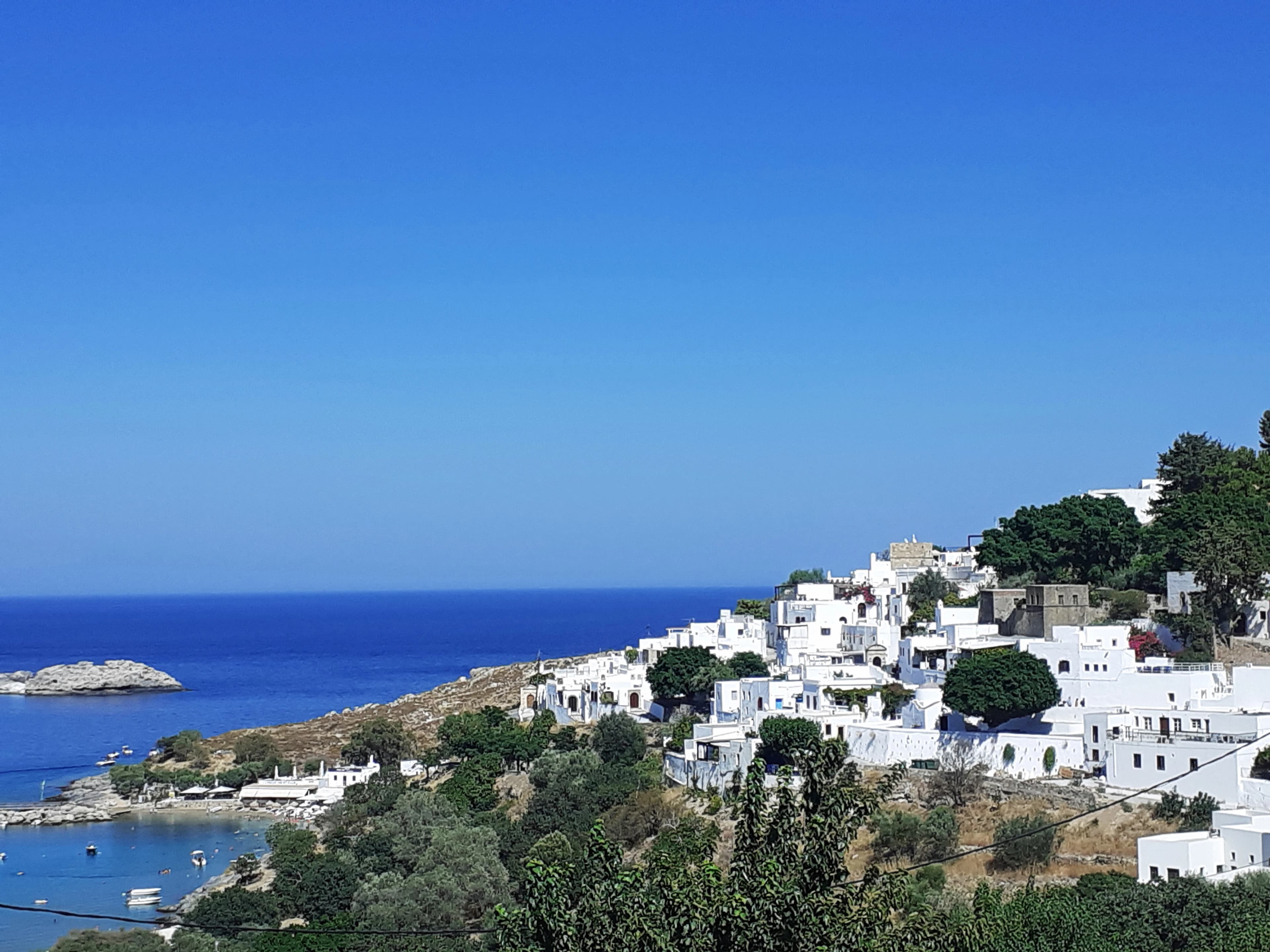
Lindos
Lindos is the most breathtaking place on Rhodes and one of the most photogenic villages in the entire Mediterranean. The snow-white village clings to a steep rock, on top of which an ancient acropolis towers over the deep blue Aegean Sea - a sight that has captivated travelers for millennia. The combination of radiant white Cycladic architecture, ancient ruins, and a spectacular coastal backdrop makes Lindos a place that must be seen at least once in a lifetime. The Acropolis of Lindos, located high above the village on a 116-meter high rock, is the most visited archaeological site in Greece after the Acropolis of Athens. The ascent through the winding alleys of the village and up the steep stairs to the summit is rewarded with a breathtaking 360-degree panorama: Saint Pauls Bay at your feet, the endless blue of the Aegean, the coast of Rhodes, and on clear days even the Turkish coast on the horizon. At the top, visitors are greeted by the ruins of the Temple of Athena from the 4th century BC, a medieval knight's castle, and the remains of a Byzantine church. Saint Pauls Bay below the acropolis is a heart-shaped bay with crystal-clear water, considered one of the most beautiful bathing bays in Greece. According to legend, the Apostle Paul landed here in 51 AD. The small chapel on the shore is now one of the most popular wedding venues in all of Greece. The main beach of Lindos, Lindos Beach, offers fine sand and calm waters, framed by the white village and the acropolis. In the village itself, the car-free alleys invite you to stroll. Traditional captain's houses with intricate pebble mosaic floors, hidden rooftop restaurants with views of the acropolis, and small boutiques shape the picture. Lindos is located about 50 kilometers south of Rhodes Town and can be reached from there in just under an hour. The best travel time is from May to October, with the high season in July and August being very crowded.

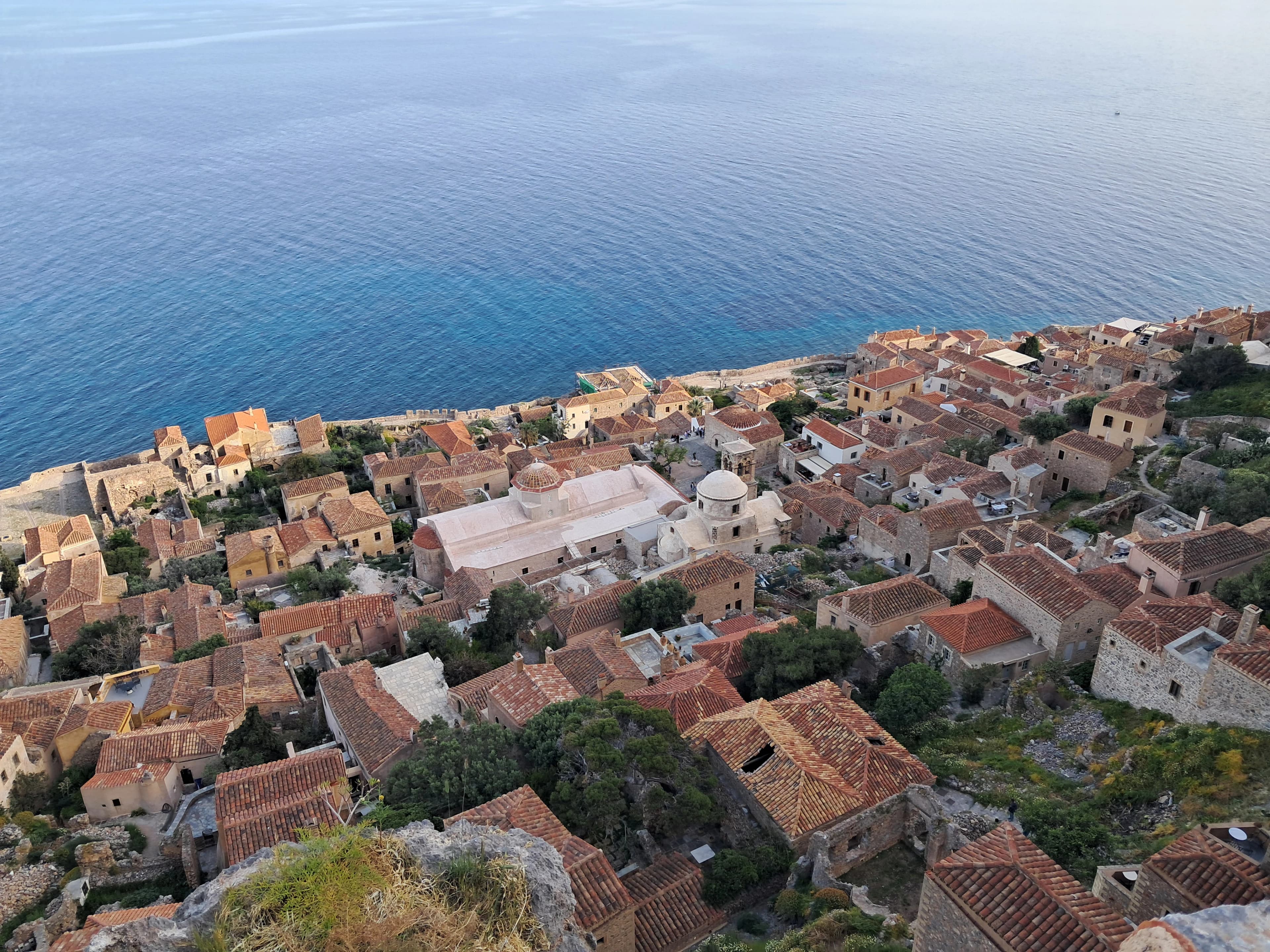
Monemvasia
Monemvasia is a medieval rock fortress on the east coast of the Peloponnese that rises from the sea like a Greek Gibraltar. The lower town, hidden behind the massive rock wall and accessible only through a single gate, reveals itself as a labyrinthine wonder of Byzantine churches, Venetian palaces, and flower-adorned alleys. German cultural travelers experience a piece of living medieval life here: no cars are allowed inside, goods are transported by donkeys, and in the evenings, when the day tourists have disappeared, the magically illuminated fortress town belongs to the few overnight guests. The upper town with its massive fortress ruins offers a 360-degree panoramic view over the Aegean Sea. Monemvasia has been producing the famous Malvasia wine since antiquity, which was once coveted throughout Europe.
Rethymnon
Rethymnon is one of the most enchanting cities in Crete, combining Venetian elegance, Ottoman influences, and Greek joie de vivre into an irresistible package. The third-largest city on the island is located on the north coast between Heraklion and Chania and boasts the best-preserved old town in Crete - a labyrinth of narrow streets, Venetian mansions with wrought-iron balconies, Ottoman wooden doors, and flower-adorned courtyards that invite you to linger. The centerpiece is the Venetian harbor with its picturesque lighthouse from the 16th century. Along the harbor mole, taverns and cafes line up where you can watch fishing boats sway while enjoying fresh fish and a glass of Raki. Overlooking the city is the mighty Fortezza, one of the largest Venetian fortresses in the Mediterranean, built in the 16th century to protect against the Ottomans. From the fortress walls, the view extends over the entire city, the harbor, and the sea to the horizon. Rethymnon features a beautiful, kilometer-long sandy beach right in front of the old town - a rarity for a historical city of this significance. The wide beach with its fine sand and gently sloping water is ideal for families. In the summer months, the beach promenade transforms into a lively promenade with bars and restaurants, while the old town with its hidden squares and wine cellars offers a more intimate atmosphere. The hinterland of Rethymnon surprises with the Arkadi Monastery, a national monument of the Greek War of Independence, and the wild gorges of the Ida Mountains, where the peak of Psiloritis at 2,456 meters is the highest mountain in Crete. From Germany, Rethymnon can be reached via Chania Airport in about an hour's drive or via Heraklion in one and a half hours. The best travel time is from May to October, with the shoulder season in May and October being particularly appealing.
Athens
Athens is one of the oldest cities in the world and the cradle of Western civilization, where democracy, philosophy, and theater originated. The Acropolis with the Parthenon majestically overlooks a metropolis that seamlessly blends ancient ruins with vibrant city life. At the foot of the sacred rock stretches the largest archaeological pedestrian zone in Europe — from Kerameikos through the ancient Agora and the Odeon of Herodes Atticus to the Temple of Olympian Zeus. The new Acropolis Museum, an architectural masterpiece by Bernard Tschumi, showcases the Parthenon sculptures and finds from the Sacred Rock in light-filled spaces above visible ancient excavations. The National Archaeological Museum houses the most significant collection of antiquities in the world, including the gold mask of Agamemnon and the Antikythera mechanism — the oldest computer in history. But Athens is much more than antiquity: The Plaka district with its neoclassical houses and bougainvillea-lined streets, Monastiraki with its flea market and street food stalls, the alternative Exarchia with its graffiti artworks and anarcho-cafés, and the trendy Koukaki with rooftop bars and views of the illuminated Acropolis form a mosaic of urban subcultures. The Athenian Riviera along the southern coast offers beaches and fish restaurants, while Mount Lycabettus provides the best 360-degree view over the city to the Saronic Gulf. The culinary scene is booming: From traditional taverns with moussaka and souvlaki to award-winning restaurants with modern Greek cuisine, everything is represented.
Thessaloniki
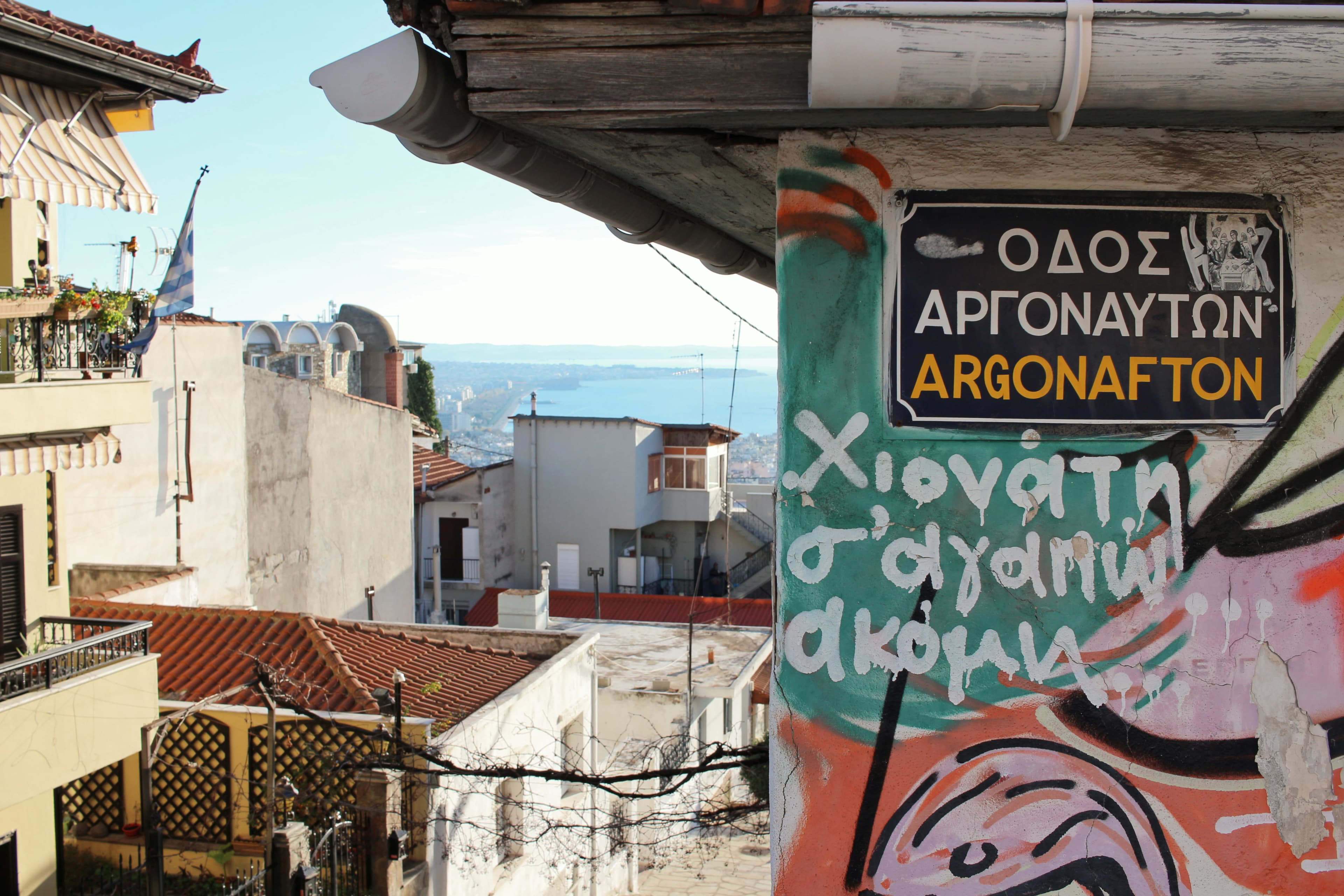
Thessaloniki, Greece's second-largest city and its unofficial cultural capital, combines 2,300 years of history with a vibrant gastronomy scene that has earned it the reputation of the culinary capital of the country. The White Tower on the shores of the Thermaic Gulf is the city's landmark and offers a magnificent panoramic view of the bay up to Mount Olympus. The Byzantine churches of Thessaloniki are part of the UNESCO World Heritage and house some of the best-preserved mosaics and frescoes of early Christian art. The Church of Agios Dimitrios, dedicated to the city's patron saint, impresses with its five-aisled basilica and shimmering gold mosaics from the 7th century. The Rotunda, originally a Roman temple, served as a church and mosque and features magnificent dome mosaics. Ano Poli, the upper town with its Ottoman wooden houses and Byzantine city walls, offers winding alleys and the best view over the entire city. The lively waterfront promenade Nea Paralia stretches for 5 kilometers with sculptures, parks, and cafes — here, all of Thessaloniki meets in the evening for a stroll. What makes Thessaloniki special is the food: Bougatsa (warm pastry with cream), Koulouri (sesame rings), charcoal-grilled Souvlaki, and seafood dishes shape the streets. The Modiano Market was extensively renovated in 2023 and combines historical market atmosphere with modern gastro concepts. The Ladadika Street with its taverns and bars is the heart of the nightlife. Excursions to the Chalkidiki peninsula with Caribbean beaches and Mount Athos, the Holy Mountain, start from Thessaloniki.
Heraklion
Heraklion, the capital and largest city of Crete, is much more than just a gateway to the legendary Palace of Knossos. The lively port city has developed into an exciting gastronomic and cultural metropolis of Crete in recent years, uniquely blending history and modernity. The Venetian fortress Koules has watched over the old harbor since the 16th century, while the powerful city walls are among the best-preserved Venetian fortifications in the entire Mediterranean. The Archaeological Museum of Heraklion is the most significant in Greece after the National Museum in Athens and houses the world's largest collection of Minoan art: The Disc of Phaistos, the Snake Goddess, the frescoes from Knossos, and intricate goldsmith works from around 1600 BC tell the story of the oldest high culture in Europe. The Palace of Knossos itself is only five kilometers south — with its reconstructed halls, the throne room, and the labyrinth that inspired the Minotaur legend. The old town surprises with hidden treasures: The Loggia, once a meeting place for the Venetian nobility, the Morosini Fountain with its lion heads on Plateia Venizelou, and the Cathedral of Agios Minas form the historical heart. In the side streets around Odos 1866 and the market, authentic Heraklion pulses with Mezedopolia, Raki bars, and shops selling Cretan honey, Graviera cheese, and olive oil. The grave of the writer Nikos Kazantzakis (Alexis Sorbas) on the Martinengo Bastion offers the best panoramic view of the city and sea.
Rhodes Town
Rhodes Town is a vibrant museum of the Middle Ages and one of the most impressive historical cities in the entire Mediterranean region. The Old Town, completely surrounded by powerful walls, is the best-preserved medieval town in Europe and a UNESCO World Heritage site. The imposing Street of the Knights (Odos Ippoton), where the Knights of St. John once resided, leads to the Grand Master’s Palace — a fortress that towers over the city like a fairy tale castle and houses mosaics from Roman times. The Old Town is a labyrinth of narrow alleys, Byzantine churches, Ottoman mosques, and hidden courtyards — one can easily get lost for hours and constantly discover something new. The Turkish quarter around the Suleiman Mosque exudes an oriental flair, while Plateia Ippokratous with the Castellania Fountain forms the lively center. The medieval moat and the four-kilometer-long city wall (walkable!) offer spectacular views. Outside the old walls lies the New Town with the Mandraki Harbor, where the Colossus of Rhodes — one of the Seven Wonders of the Ancient World — is said to have once stood. Today, two deer statues mark the harbor entrance, and the three historic windmills on the pier are a popular photo motif. The Acropolis of Rhodes on Monte Smith offers the Temple of Apollo and an ancient stadium with panoramic views. The beaches Elli Beach and Tsambika nearby invite for swimming, and the nightlife on Orfanidou Street is legendary. Rhodes Town can be perfectly combined with excursions to the Acropolis of Lindos, the Valley of the Butterflies, and the thermal springs of Kalithea.
Nafplio
Nafplio, the first capital of modern Greece (1829–1834), is arguably the most romantic small town in the country. The elegant old town with Venetian mansions, neoclassical balconies, and hidden plane tree squares spreads at the foot of the mighty Palamidi fortress, which towers over the city on a 216-meter-high rock. The ascent via 999 steps is rewarded with one of the most magnificent panoramic views of the Peloponnese — over the Argolic Gulf to the Arcadian mountains. The tiny Bourtzi fortress on an island just off the harbor is Nafplio's landmark and one of the most photographed motifs in Greece. The old town itself is a delight to stroll through: narrow streets with bougainvillea-covered facades, elegant cafes on Plateia Syntagma, Turkish fountains, and Venetian lion reliefs tell of the various rulers who left their mark here — Venetians, Ottomans, and the Bavarian regents under King Otto I. The location makes Nafplio an ideal starting point for the most significant ancient sites of the Peloponnese: Mycenae with the Lion Gate and the treasure chambers of Agamemnon is only 25 minutes away, the ancient theater of Epidaurus with its legendary acoustics (a falling coin can be heard in the last row) is 30 minutes away, and Tiryns with its Cyclopean walls is right at the city's gates. Nafplio's culinary scene surprises with creative Greek cuisine, handmade ice cream, and the best Bougatsa pastries outside Thessaloniki. A perfect place for a romantic weekend or as a base for exploring the Peloponnese.

Ioannina
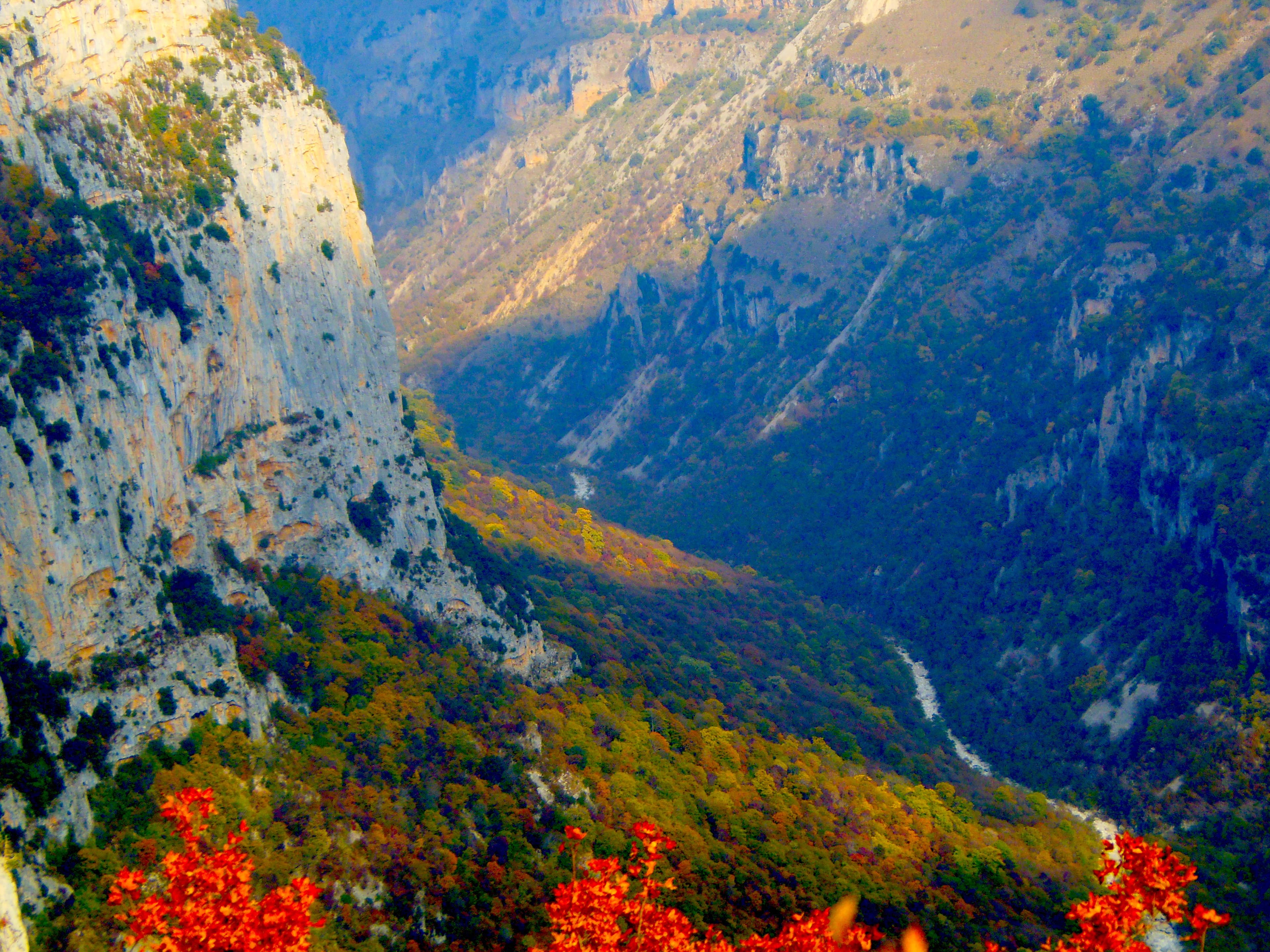
Ioannina, the capital of Epirus, is one of the most atmospheric cities in Greece. Located on the shores of the mystical Pamvotis Lake and surrounded by mountains, the city exudes a unique atmosphere that fundamentally differs from typical Greek coastal towns. The Byzantine fortress (Kastro), the oldest continuously inhabited fortress in Greece, overlooks the lake and houses mosques, synagogues, and the Silver Art Museum within its walls. The history of Ioannina is inseparable from Ali Pasha, the legendary Ottoman ruler (1788–1822) who made the city one of the most powerful centers in the Balkans. His palace within the fortress, the Fethiye Mosque, and the Ali Pasha Museum on the lake island tell the story of this colorful despot. The island in Pamvotis Lake, reachable by boat in ten minutes, is home to seven Byzantine monasteries and taverns serving freshly caught eel, frog legs, and crabs. Ioannina is also a vibrant university city with 35,000 students shaping the nightlife and culinary scene. The Litharitsia promenade by the lake, the district around Averoff Street with cafes and bars, and the traditional market offer an urban flair. The Perama Cave, one of the largest and most beautiful in Greece, is only four kilometers outside the city. From Ioannina, one can start to the most beautiful destinations in Epirus: Zagori with its stone villages and the Vikos Gorge (45 minutes), Metsovo with its Vlach traditions and mountain cheese, and the coast of Parga and Preveza. The famous Epirus cuisine with its pita variations, slow-cooked lamb, and local tsipouro makes Ioannina a culinary highlight of Northern Greece.

Chania
Chania is considered the most beautiful city in Crete and enchants with its picturesque Venetian harbor, the iconic lighthouse, and a labyrinthine old town made up of Venetian, Ottoman, and Byzantine layers. The former arsenals at the harbor, where Venetian galleys were once built, now host exhibitions and events, while the Hasan Pasha Mosque stands as a striking relic of the Ottoman era, shaping the harbor square. The old town of Chania is one of the most atmospheric in the entire Mediterranean: In the Jewish quarter Evraiki, the scent of leather-filled workshops wafts through the air, in the Splantzia district, ancient plane trees stand next to Turkish minarets, and in Topanas, elegant Venetian palaces line the streets. The covered market (Agora), a cross-shaped building from 1913, is a feast for the senses with Cretan cheese, olive oil, herbs, honey, and fresh fish. The Maritime Museum and the Archaeological Museum in the former Church of San Francesco round off the cultural offerings. The surroundings of Chania offer spectacular nature: The Samaria Gorge, at 16 kilometers, is one of the longest gorges in Europe, starting in the White Mountains and ending at the Libyan Sea. The beaches of Balos (a turquoise lagoon) and Falassarna (golden sand, spectacular sunsets) are among the most beautiful in Crete. The hinterland with the White Mountains (Lefka Ori, up to 2,453 meters) offers excellent hiking terrain. Chania is the perfect base for Western Crete — enough city culture for rainy days and endless nature for sunny ones.
Patras
Patras, Greece's third-largest city, is primarily known for its legendary carnival — the largest in Greece and one of the largest in Europe. Every year in February, elaborate parades, satire floats, masquerade balls, and the famous treasure hunt transform the port city on the Gulf of Patras into a vibrant festival that attracts over 300,000 visitors. The highlight is the burning of the carnival king on the last night — a spectacle of Greek joie de vivre. But Patras has much more to offer than just carnival: The Roman Odeon concert hall from the 2nd century, where performances still take place in the summer, the Byzantine castle on the Panachaikos hill with panoramic views over the city and the gulf, and the monumental church of Agios Andreas — the largest church in Greece and a pilgrimage site for the Apostle Andrew's cross — are impressive sights. The stair streets (Skales) of the upper town connect the castle with the lower town and are lined with neoclassical houses and bougainvillea. As the largest university city in western Greece with over 30,000 students, Patras pulses with youthful energy: Rhiga Feraiou and the waterfront promenade are full of cafes, bars, and taverns with live music. The nearby Rio-Antirrio Bridge, at 2,880 meters one of the longest cable-stayed bridges in the world, connects the Peloponnese with the mainland and is an architectural landmark. Ferries to Italy (Ancona, Bari, Brindisi) and the Ionian Islands depart from Patras. The nearby wine region of Achaia with the Mavrodaphne winery and the ancient site of Olympia (100 kilometers south) make Patras an ideal starting point for western Peloponnese.
Beaches
Chersonissos
Chersonissos is Crete's party capital and at the same time a family paradise - a combination that sounds contradictory at first glance, but works perfectly thanks to the smart layout of the town. The lively coastal town on the north coast of Crete, about 25 kilometers east of Heraklion, offers everything that makes for a perfect beach holiday: miles of beaches, crystal-clear water, a vibrant nightlife, and numerous attractions for the whole family. The main street of Chersonissos transforms into a bustling party mile after dark, with clubs, bars, and open-air discos that stay open until the early morning hours. German, British, and Scandinavian holidaymakers celebrate exuberant summer nights here together. However, those seeking peace during the day can find it at the numerous beaches: The small bay of Limanakia with its turquoise water is a snorkeling paradise, Stalis beach offers wide sand for families, and Star Beach combines swimming fun with water slides and pools. For families, the Acqua Plus Waterpark is an absolute highlight - one of the best water parks in Greece with slides for all ages. The Cretaquarium showcases the fascinating underwater world of the Mediterranean, and the Lychnostatis Open-Air Museum vividly conveys Cretan folk culture. Those wanting to escape the hustle and bustle can find authentic Crete with panoramic views of the coast in the nearby mountain villages of Koutouloufari and Piskopiano. From Germany, Chersonissos is reachable in just 20 minutes transfer time thanks to its proximity to Heraklion Airport - one of the fastest transfers of all Greek holiday destinations. The season runs from April to November, with the peak summer months of July and August being the liveliest and hottest. Prices are moderate, and the range of all-inclusive hotels is large.

Elounda
Elounda is Crete's most exclusive address and a synonym for luxury holidays by the Mediterranean. This small coastal town on the Mirabello Bay in eastern Crete is home to some of the best hotels in the world and has attracted celebrities, heads of state, and discerning travelers seeking the highest quality in a breathtaking natural setting for decades. Despite this, Elounda has retained its charm as a quaint fishing village - far removed from the mass tourism that characterizes other parts of the island. The bay of Elounda is a natural jewel of rare beauty. The turquoise, calm waters of the protected bay, framed by gentle hills and the mountains of eastern Crete, resemble a lagoon in the Caribbean. Many of the luxury resorts feature private beaches, infinity pools with sea views, and villas with private pools located right by the water. Here, one spends the day between spa treatments, snorkeling excursions, and exquisite meals overlooking the bay. An essential excursion leads to the island of Spinalonga, which is just a few minutes by boat from Elounda. The Venetian fortress island served as one of the last leper colonies in Europe until 1957 and tells a moving story of isolation, strength, and humanity. Victoria Hislop's bestselling novel The Island has made Spinalonga world-famous. The well-preserved ruins, the fortress walls, and the view back to the coast make the visit an unforgettable experience. The village of Elounda itself offers a small harbor with tavernas, a lovely promenade, and the charm of a place that has remained authentic despite its fame. The sunken ancient city of Olous, whose ruins are visible beneath the surface in calm waters, is a fascinating snorkeling destination. From Germany, one flies to Heraklion and reaches Elounda in about an hour. The best travel time is from May to October, with luxury hotels also offering excellent deals in spring and autumn.
Faliraki
Faliraki is the most popular beach resort on Rhodes, combining one of the longest and most beautiful sandy beaches in the Dodecanese Islands with a vibrant nightlife and top-notch tourist infrastructure. Located on the east coast of Rhodes, just 14 kilometers south of the island's capital, it has transformed from a small fishing village into the most visited resort on the island, offering something for every type of holidaymaker - from family-friendly beach idylls to lively party nights. The main beach of Faliraki stretches over five kilometers of golden sand and gently slopes into the crystal-clear water - ideal for families with small children. The beach is well-organized with sun loungers, umbrellas, water sports rentals, and numerous beach bars that are open from early to late. South of the main beach lies Anthony Quinn Bay, one of the most photogenic coves in the Mediterranean: framed by rocky cliffs, with emerald green water, named after the actor who fell in love with the bay while filming The Guns of Navarone. The Faliraki Waterpark is the largest water park in Greece and an absolute highlight for families. With over 20 slides, a wave pool, a lazy river, and special children's areas, it offers a whole day of fun and cooling off. For adults, the nightlife beckons: Bar Street transforms into a bustling party mile after dark, featuring international DJs, cocktail bars, and clubs. Faliraki is also an ideal starting point for excursions: Rhodes Town with its medieval old town is reachable in 20 minutes, Lindos in 40 minutes, and the Kallithea Springs offer a unique bathing experience in a historic Art Deco facility right by the sea. The season in Faliraki runs from April to November, with Rhodes being one of the sunniest islands in Europe, boasting over 300 sunny days a year. Rhodes Airport is just 15 minutes away.

Gouvia
Gouvia is the perfect blend of beach holiday and harbor flair on the east coast of Corfu. The former fishing village has developed into one of the island's most popular holiday resorts without losing its authentic charm. The modern marina of Gouvia, the largest in the Ionian Islands, brings a cosmopolitan flair to the place, while the long pebble and sandy beaches, the surrounding olive groves, and the family-run taverns provide the typical Greek holiday feeling. The beach of Gouvia stretches in a gentle bay with calm, clear water that is rarely disturbed due to its sheltered location - ideal for swimming and water sports such as jet skiing, parasailing, and pedal boats. The entry is mostly shallow, making Gouvia a top family beach. Sun loungers and umbrellas are available for rent, and the beach bars serve cold drinks and light snacks directly at the sunbeds. Historically interesting are the Venetian shipyard ruins at the northern end of the bay, remnants of the once powerful maritime republic of Venice, which ruled Corfu for over four centuries. The stone arches and walls by the water are an atmospheric photo motif and remind of the island's tumultuous history. In the hinterland of Gouvia lie traditional Corfiot villages with old olive presses, Byzantine churches, and hiking trails through the silvery green olive groves. Gouvia is only six kilometers north of Corfu Town, making it an ideal location to explore the island. The Venetian old town of Corfu, a UNESCO World Heritage site, can be reached in ten minutes by car or bus. The airport is even closer - just five kilometers away. Day trips to Paleokastritsa, the Achilleion Palace, or Mouse Island are easily possible.

Ialyssos
Ialyssos, also known as Trianda, is the number one windsurfing and kitesurfing spot in Rhodes and a popular beach resort on the northwest coast of the island. The combination of constant Meltemi wind, a gently sloping pebble beach, and turquoise waters has made Ialyssos one of the best surfing areas in the entire Mediterranean. At the same time, the place offers a relaxed atmosphere, good hotels, and proximity to the island's capital, making it perfect for a successful beach holiday. The beach of Ialyssos stretches for several kilometers along the northwest coast and is known for its reliable wind conditions. The Meltemi wind from the north blows particularly consistently and strongly here, attracting windsurfers and kitesurfers from all over Europe. Numerous surf stations along the beach offer courses for beginners and equipment rental for advanced surfers. The shallow standing area in the water makes the spot particularly safe and beginner-friendly. On calm days, the beach with its clean pebbles and clear water is a pleasant bathing spot. On the Filerimos Hill above Ialyssos, the ruins of the ancient city of Ialyssos can be found, one of the three original city-states of Rhodes. The Filerimos Monastery, lined by an avenue adorned with stations of the cross, crowns the summit and offers a wide-ranging view over the entire northwest coast to Rhodes City and the Turkish coast. The peacock path through the cypress and pine trees of the hill is particularly atmospheric. Ialyssos is located just eight kilometers southwest of Rhodes City, making it an ideal location for vacationers who want to enjoy both the historic old town and the beach. The airport is reachable in 15 minutes. In the surrounding area, there are numerous hotels, taverns, and small supermarkets. The best travel time for surfers is from June to September, when the Meltemi blows the strongest, while bathers can also find pleasant conditions in May and October.
Kardamena
Kardamena is the second largest town on the Greek island of Kos and a popular beach resort that combines guaranteed sunshine, an endless sandy beach, and a lively nightlife into an attractive overall package. The former fishing village on the southern coast of the island has developed into the main holiday destination next to Kos Town, offering a perfect mix of beach holiday, water sports, and Greek hospitality, without losing the personal atmosphere of a small coastal community. The beach of Kardamena stretches for several kilometers of golden sand along the southern coast and gently slopes into the warm, clear water. The sheltered location on the south side of the island ensures calm seas and minimal wind - a contrast to the windy northern coast, making Kardamena particularly popular with families with small children. Numerous sections are organized with sunbeds and umbrellas, while natural spots invite exploration in between. The center of Kardamena thrives on its relaxed holiday atmosphere. During the day, visitors stroll along the promenade, enjoy Freddo Cappuccino in the cafes, and shop in the small boutiques. In the evening, Bar Street transforms into a lively nightlife area with cocktail bars, music, and an international crowd. The party scene is vibrant but smaller and more family-oriented than in Faliraki on Rhodes or Malia on Crete. From Kardamena, boats depart for the volcanic island of Nisyros, one of the most spectacular day trips in the Dodecanese. The still-active volcano with its bubbling crater, the abandoned villages, and the colors of the landscape - sulfur yellow, volcanic black, and Mediterranean green - make the visit unforgettable. The ancient fortress of Antimacheia and the mountain village of Zia with its sunsets over the Aegean Sea are also popular excursion destinations. From Germany, flights to Kos take about three hours, and the transfer to Kardamena takes only 15 minutes.
Kavos
Kavos is the party hotspot of Corfu and one of the most well-known party destinations for young travelers throughout the Mediterranean. Located at the southern tip of the island, this small village transforms every summer into a vibrant party mile, attracting mainly British and Northern European partygoers with its clubs, bars, and beach parties. If you find Ibiza too expensive and are looking for the Greek equivalent, Kavos is the perfect place. The main street of Kavos is the epicenter of nightlife. Dozens of bars and clubs line up, many of them with open-air areas, pool parties, and international DJs. The nights start late and only end at sunrise, with drink prices significantly lower than in Western Europe. Foam parties, paintball events, and organized boat trips with a party atmosphere round out the offerings. But Kavos has more to offer than just parties. The beach stretches for almost two kilometers with golden sand and crystal-clear water. During the day, it is a relaxed bathing spot with sun loungers, water sports, and beach volleyball courts. Those looking to escape the hustle and bustle can find Arkoudilas Beach to the south of Kavos, a pristine stretch with cliffs and wild vegetation, accessible via a hiking trail through olive groves. Cape Asprokavos, the southern tip of Corfu, offers a dramatic cliff landscape overlooking the open Ionian Sea and the Greek mainland coast. A boat trip to the nearby caves and the offshore island of Sivota is a worthwhile contrast to the party hustle. Kavos is about 45 kilometers south of Corfu Town and can be reached by bus in about an hour. Corfu Airport has direct flights from Germany.

Kolymbia
Kolymbia is the calm, relaxed counterpart to the lively beach resorts on Rhodes and a hidden gem for families and couples seeking relaxation by the sea without sacrificing comfort. The small coastal town on the east coast of Rhodes, about 25 kilometers south of the island's capital, is characterized by its eucalyptus-lined avenue to the beach, its calm turquoise waters, and a relaxed atmosphere that pleasantly contrasts with the hustle and bustle of larger tourist towns. The eucalyptus avenue, which leads directly from the town center to the beach, is the landmark of Kolymbia and gives the place a unique character. At the end of the avenue, the beach splits into two bays: On the left is the organized main beach with fine pebbles and sand, sunbeds, umbrellas, and a beach bar. On the right extends a natural section with rocks that invites snorkeling. The water is crystal clear and calm, as the sheltered location on the east coast protects it from the strong Meltemi wind. In the vicinity of Kolymbia, there are some of the best attractions on Rhodes. The Epta Piges, the Seven Springs, are just a few minutes' drive away - a shady forest with plane trees and pines, through which seven natural springs flow and feed a small lake. A narrow, pitch-dark tunnel leads to the lake - a small adventure that is particularly popular with children. Tsambika Bay, one of the most beautiful beaches on Rhodes, is also just a short drive away. Kolymbia offers a manageable selection of hotels, mostly of higher quality, as well as some taverns and mini-markets. The place is ideal for vacationers who want a quiet beach holiday combined with occasional excursions. Rhodes Town is reachable in 25 minutes, Lindos in 30 minutes. Rhodes Airport is only 20 minutes away. The best travel time is from May to October, with Kolymbia appearing never overcrowded even in high season due to its quiet location.
Lambi
Lambi is the city beach of Kos Town and the most convenient beach section on the entire island - a long, narrow sandy beach that hugs the promenade of the island's capital, combining beach enjoyment with urban flair. Those staying in Kos Town literally have the beach at their doorstep and can swim in the sea in the morning, stroll through the old town at noon, and enjoy the sunset along the beach promenade in the evening. The beach of Lambi stretches about three kilometers north of the port of Kos Town. The sand is light and fine, the water is clear and calm, and the entry is shallow enough for children. Sun loungers and umbrellas are neatly arranged, and beach cafés and bars invite you for refreshments in between. The atmosphere is lively but not overcrowded - a perfect mix of comfort and Greek casualness. What makes Lambi special is its immediate proximity to the attractions of Kos Town. The ancient Agora, the Knights' fortress Neratzia, the Plane Tree of Hippocrates, and the archaeological museum are within a few minutes' walk. In the evening, the harbor promenade transforms into a lively promenade with restaurants, cocktail bars, and live music. The nightlife in Kos Town is one of the busiest in the Dodecanese and offers something for every taste. The port of Kos is the starting point for day trips to the neighboring islands of Nisyros, Kalymnos, and Patmos, as well as to the Turkish coast in Bodrum, which is only 45 minutes away by ferry. Kos has an international airport with direct flights from Germany, and the transfer to Lambi takes hardly 20 minutes. The season extends from May to October, with June and September being the most pleasant months.

Malia
Malia is Crete's most famous party destination and a magnet for young vacationers seeking sun, beach, and lively nights. The small town on the northern coast of Crete, about 35 kilometers east of Heraklion, has developed into one of the most popular party spots in the eastern Mediterranean over the past few decades. However, Malia offers more than just clubs and bars - the long sandy beach, the archaeological site, and the picturesque old village showcase a surprisingly diverse side. The Beach Road, Malia's legendary party street, comes alive after sunset. Dozens of bars and clubs line the street, DJs play international hits, and the atmosphere is infectious. The party scene primarily caters to young vacationers between 18 and 30 years old and offers a value for money that is hard to match - cocktails, shots, and entry fees are significantly cheaper than in Ibiza or Mykonos. During the day, Malia's wide sandy beach stretches for several kilometers, providing enough space for sunbathers, water sports enthusiasts, and families. The beach gently slopes into the sea, making it ideal for children. East of the main beach lies the quieter Potamos Beach, popular with wind and kite surfers. A highlight for history enthusiasts is the Palace of Malia, a Minoan palace complex from the Bronze Age, which is less crowded than Knossos but equally significant archaeologically. The old village of Malia, just a few minutes' walk from the coast, presents a completely different picture: narrow alleys, a Byzantine church, traditional Kafeneia where old men play Tavli, and taverns serving honest Cretan cuisine at moderate prices. The contrast between the touristy coastal strip and the authentic old village is fascinating. Malia can be reached from Heraklion in just 30 minutes, making the airport transfer one of the shortest on Crete.

Paleokastritsa
Paleokastritsa is the crown jewel of the west coast of Corfu and one of the most beautiful coastal stretches in the entire Mediterranean. Six turquoise bays nestle against dramatic, wooded cliffs, creating a panorama that would have amazed even Odysseus - who, according to legend, was shipwrecked right here among the Phaeacians. The water shimmers in an unreal spectrum from emerald green to deep blue, and the lush Mediterranean vegetation reaches right to the beach. High above the bays stands the 13th-century Monastery of Theotokos, one of the oldest and most beautiful monasteries in Corfu. The whitewashed walls and the blooming garden provide a stunning contrast to the deep blue sea below. A small museum in the monastery displays Byzantine icons and historical artifacts, while the monks produce their own olive oil and wine. Admission is free, but appropriate clothing is required. The individual bays of Paleokastritsa each have their own character. The main bay offers organized beaches with sun loungers and taverns, while the smaller bays can only be reached by boat or steep paths, rewarding visitors with crystal-clear water and nearly untouched nature. Glass-bottom boat trips and kayak tours explore the sea caves and grottos along the coast, where light creates spectacular color displays on the rock walls. Angelokastro, a Byzantine fortress ruin atop the highest cliff, offers perhaps the most magnificent panorama of all of Corfu after a steep ascent - from here you can overlook the entire west coast down to Ermones. Paleokastritsa is only 25 kilometers from Corfu Town and can be reached in about 30 minutes via a winding mountain road. Corfu Airport has direct flights from Germany.
Sidari
Sidari is located on the north coast of Corfu and is famous for the Canal d'Amour, one of the most romantic natural sites in all of Greece. A narrow sea channel winds through bizarrely shaped sandstone cliffs, with its turquoise water sparkling in the sun like a natural pool. According to legend, couples who swim through the canal together will find eternal love - a promise that attracts thousands of lovers from around the world every year. The rock formations around the Canal d'Amour have been shaped over millions of years by wind and waves from the soft sandstone, creating a labyrinth of bays, caves, and natural arches that invite exploration and snorkeling. From the cliffs above, there is a breathtaking panorama over the rocky landscape and the open Ionian Sea. Especially at sunset, when the warm light makes the golden rocks glow, the place reveals its full magic. In addition to the Canal d'Amour, Sidari offers several wide sandy beaches that gently slope into the sea, making them ideal for families with children. The main beach is well-organized with sunbeds and water sports offerings, while the smaller bays east of the canal provide quieter alternatives. The village itself has a vibrant tourist infrastructure with restaurants, bars, supermarkets, and souvenir shops, without losing its Greek character. Sidari is about 40 kilometers north of Corfu Town, which can be reached in just under an hour by car or bus. Day trips to the Diapontic Islands of Othoni, Erikoussa, and Mathraki are possible by boat and offer an authentic Greece away from any tourist paths. Corfu Airport is directly connected to numerous German airports, with a flight time of about two and a half hours.
Tigaki
Tigaki is the dream beach of Kos and one of the longest sandy beaches in the entire Dodecanese island group. Over six kilometers of fine, golden sand stretch along the northern coast of the island, gently sloping into the turquoise Aegean Sea - a paradise for families with small children and anyone who loves a shallow, safe entry into the water. The vastness of the beach ensures that even in high season there is plenty of space for everyone, and the constant breeze from the north makes the summer heat bearable. What sets Tigaki apart from many Greek beaches is the unique connection between beach and nature. Directly behind the western section of the beach lies the Alykes salt lake, a seasonal wetland that attracts hundreds of flamingos in spring and autumn. The surreal sight of pink flamingos against the backdrop of the azure sea and the Turkish coast in the background is one of the most unforgettable natural spectacles of the Aegean and a hidden gem for nature photographers. The small village of Tigaki has preserved its relaxed Greek charm. Along the main road, family-run tavernas serving honest Greek cuisine line up, while minimarkets, bike rentals, and small boutiques offer everything needed for a carefree beach holiday. The atmosphere is family-friendly and casual - far removed from the mass tourism of large resorts, but with enough infrastructure for a comfortable stay. Kos Town is only ten kilometers away and easily accessible by bus or bike. The bike paths along the coast are among the best in Greece and connect Tigaki with the ancient Asklepion healing site and the hot thermal springs of Embros. From Germany, Kos can be reached by direct flight in about three hours, with the airport located just 15 kilometers from Tigaki.
Navagio Beach
Navagio Beach on Zakynthos is perhaps the most famous beach in the world and the most photographed motif in Greece. Surrounded by 200-meter-high vertical limestone cliffs, the bay is home to the wreck of the smuggler ship MV Panagiotis, which ran aground here in 1980 while being pursued by the Greek Navy. The dazzling white pebble beach and the unreal turquoise water create a contrast that is not exaggerated in any photo — reality exceeds all expectations. Access to the bay is only possible by boat, which protects the beach from overcrowding. Excursion boats depart several times a day from Porto Vromi, Agios Nikolaos, and the port of Zakynthos Town. The best time to visit is late morning when the sun fully illuminates the beach and the water shimmers in all shades of turquoise. Sooner or later, the bay will be in the shadow of the cliffs. The legendary viewpoint high up on the cliffs is accessible via a road in the northwest of the island and offers the iconic bird's-eye view — especially at sunset, it is an unforgettable experience. Nearby are the Blue Caves, where sunlight transforms the sea water into brilliant cobalt blue. Zakynthos is also an important nesting site for the endangered Caretta-Caretta sea turtle, which lays its eggs on the southern beaches of the island. Navagio Beach is a must for every traveler to Greece — a place that proves that nature is the best architect.

Elafonisi
Elafonisi on the southwest coast of Crete is a natural paradise like no other. The famous pink sand, created from crushed shells and corals, the warm shallow lagoon, and the turquoise water make this beach one of the most impressive bathing experiences in Europe. At low tide, one can wade through the ankle-deep water to the offshore island of Elafonisi, which, as a Natura 2000 protected area, hosts rare plant species and the endangered Caretta-Caretta sea turtle. The journey there is already an experience: The winding coastal road from Chania leads through traditional Cretan mountain villages, past the Chrysoskalitissa Monastery (the "Monastery of the Golden Step" on a cliff above the sea) and through a landscape fragrant with wild thyme and oregano. The beach itself is untouched — no concrete buildings, just a few sunshades and a small beach bar. In the shoulder seasons (May–June, September–October), you almost have the paradise to yourself. The lagoon is ideal for families with small children: The water is shallow, warm, and calm, the sand is soft, and the shore gently slopes. On the island side, there are quieter sections for those seeking peace. The colors change depending on the time of day and light incidence from pastel pink to turquoise to emerald green — photographers should plan for late afternoon when the light is softest. Elafonisi is located 76 kilometers southwest of Chania (about 90 minutes drive) and can be excellently combined with a visit to the Samaria Gorge or the beach of Falassarna. A place that proves why Crete is considered the queen of the Greek islands.
Regions
Halkidiki Kassandra
Kassandra is the first and westernmost of the three fingers of the Halkidiki Peninsula and the most popular beach destination in Northern Greece. Just an hour's drive from Thessaloniki, Kassandra offers a perfect mix of golden sandy beaches, turquoise sea, vibrant nightlife, and Greek hospitality. For German holidaymakers who want to combine a beach vacation with culinary delights without having to cross to an island, Kassandra is the ideal choice. The east coast of the peninsula hosts the most spectacular beaches: Kallithea, Sani, Pefkochori, and Chaniotis line up like pearls, offering expansive sand, organized beach services, and numerous water sports opportunities. The Sani complex in the north has established itself as one of the most luxurious resort experiences in Greece, with a private beach, marina, and a summer cultural festival on the fortress walls. The west coast is rougher and wilder – here you can find secluded bays with crystal-clear water, accessible only via dirt roads. Possidi with its distinctive cape, Fourka, and Siviri offer more authentic experiences away from the tourist crowds. The nightlife is concentrated in Kallithea and Kassandreia, where Greek and international DJs perform in beach clubs and bars during the summer. Getting there is very easy: Direct flights from several German cities to Thessaloniki take two and a half hours, from there you drive on the highway for a good hour to Kassandra. A combination with a city trip to Thessaloniki is also perfectly possible – two days of culture in the second-largest city in Greece, followed by a week of beach vacation in Kassandra. Prices are very moderate by German standards, especially in local taverns away from the main tourist spots.
Pelion
Pelion is Greece's best-kept secret – a mountainous peninsula in Thessaly that perfectly combines beach and mountains like hardly any other place in the Mediterranean. According to Greek mythology, Pelion was the home of the Centaurs, those hybrids of man and horse, and the place from which Jason set off with the Argonauts in search of the Golden Fleece. Today, the peninsula enchants with a landscape surprisingly reminiscent of Switzerland – only with the sea. The mountain villages of Pelion are architectural gems: Makrinitsa, the "Balcony of Pelion," offers a breathtaking view over the Pagasetic Gulf to Olympus. Tsagarada impresses with a 1,000-year-old plane tree in the village square and leads down to the dream beach of Milopotamos. Vizitsa and Portaria entice with traditional stone houses, babbling fountains, and taverns that invite you to linger under ancient chestnut trees. The eastern side of the peninsula offers some of the most beautiful beaches in Greece: Mylopotamos with its natural rock bridge, Damouchari – filming location of Mamma Mia – and Papa Nero are dream beaches nestled in lush green gorges. The western side by the Pagasetic Gulf is quieter and warmer. In winter, Pelion transforms into a small ski area at Agriolefkes, and the mountain villages take on a snowy fairy-tale atmosphere. Pelion is a year-round destination – perfect for beach and hiking in summer, for chestnut festivals and mushrooms in autumn, for cozy evenings by the fireplace and skiing in winter, and for blooming orchards in spring. From Germany, you fly to Thessaloniki (2.5 hours) and then drive to Volos at the foot of Pelion (about 3 hours). A rental car is essential for the winding mountain roads.
Peloponnes
The Peloponnese is the historical heart of Greece — a vast peninsula separated from the mainland by the Corinth Canal, where the cradle of Western civilization lies. Olympia, the birthplace of the Olympic Games (776 BC), Mycenae with the Lion Gate and the treasures of Agamemnon, Epidaurus with its perfectly acoustic ancient theater, and Sparta, the legendary warrior city — the density of world-historical sites is overwhelming. The landscape of the Peloponnese is as diverse as its history: the wild Mani peninsula in the south with its tower houses and the stalactite caves of Diros, the fertile plain of Messenia with the golden beaches of Costa Navarino, the green mountains of Arcadia with the spectacular Lousios Gorge, and the wine-renowned Nemea create a landscape full of contrasts. The coast offers hidden coves, including the picturesque fishing harbor of Monemvasia — a Byzantine rock city that rises from the sea like a Greek Gibraltar. Nafplio, the first capital of modern Greece, is among the most beautiful small towns in Europe, featuring the Palamidi fortress and the Venetian harbor. Kalamata, as the gateway to Messenia, is famous for its olives. Corinth, once one of the most powerful ancient cities, offers an impressive engineering feat with its canal (6.3 kilometers long, only 24.6 meters wide). The Peloponnese is ideal for a road trip: well-developed roads connect ancient sites, mountain villages, and secluded beaches. The peninsula is reachable from Athens in one hour and offers enough for several weeks of exploration.

Chalkidiki
Chalkidiki, the three-fingered peninsula south of Thessaloniki, offers the most beautiful beaches of the Greek mainland and is the most popular summer destination for Northern Greeks and Balkan holidaymakers. The three fingers — Kassandra, Sithonia, and Athos — could not be more different and cover every holiday need, from partying to nature to spiritual contemplation. Kassandra, the western finger, is the most touristically developed: Lively beach resorts like Kallithea, Chaniotis, and Pefkochori offer wide sandy beaches, beach bars, water parks, and a vibrant nightlife. Sithonia, the middle finger, is a paradise for nature lovers and independent travelers: Secluded pine bays like Kavourotrypes (Orange Beach), Karidi Beach, and the lagoon of Vourvourou are among the most beautiful bathing spots in Greece. Campsites under pine trees directly by the sea make Sithonia a dream destination for campers. The third finger, the Athos peninsula, is a world of its own: 20 Byzantine monasteries have been perched on the holy mountain for over 1,000 years, rising steeply 2,033 meters from the sea. Access is only permitted for men with special permission, but boat tours along the west coast offer all visitors spectacular views of the monasteries. Culinary delights in Chalkidiki include freshly caught fish, mussels from the lagoon of Agios Mamas, and local olive oil. The proximity to Thessaloniki (45–90 minutes) makes the peninsula the perfect combination destination for beach and city culture.

Epirus
Epirus is the wild, undiscovered Greece — a region of dramatic gorges, untouched mountain forests, and stone bridge villages in the northwest of the country. Here lies the Vikos Gorge, considered the deepest gorge in the world in relation to its width, and the UNESCO-protected Zagori with its 46 stone villages. The Pindos mountain range, the 'backbone of Greece', runs through the region and reaches its second highest peak at Smolikas with 2,637 meters. Ioannina, the capital of Epirus, is picturesque by Lake Pamvotis and combines Byzantine fortress architecture with a vibrant student life. The Perama Cave, one of the largest in Greece, is located right at the city's gates. On the coast, Parga surprises with its Venetian castle and colorful houses above turquoise blue waters — a hidden gem reminiscent of the Amalfi Coast. Preveza and the Ambracian Gulf offer quiet beaches and the ancient Nikopolis, founded by Emperor Augustus after his victory at Actium. The Voidomatis River in Zagori is considered one of the cleanest rivers in Europe and is a paradise for rafting, kayaking, and canyoning. The Acheron River — in mythology the entrance to the underworld — can be walked and swum through, a unique experience. The Epirotic cuisine is the heartiest in Greece: Pita variations (Spanakopita, Tiropita, Kreatopita), slowly braised lamb, yogurt from sheep's and goat's milk, and the strong Tsipouro spirit shape the gastronomy. Epirus is perfect for travelers who prefer adventure, nature, and authenticity over mass tourism.
Macedonia
Macedonia, the largest region of Greece, is the legacy of Alexander the Great and a fascinating mix of history, nature, and culinary delights. Thessaloniki, the secret capital of the north, pulses with a nightlife and food scene that rivals even Athens. The White Tower by the harbor, the early Christian churches (UNESCO World Heritage), and the vibrant Modiano and Kapani markets shape the cityscape. The region harbors some of the most significant archaeological sites in Greece: In Vergina, the royal tombs of the Macedonians were discovered, including the intact tomb of Philip II, Alexander's father, with its golden treasures. Pella, the birthplace of Alexander the Great, impresses with magnificent floor mosaics. Philippi, where the Apostle Paul founded the first Christian community in Europe, and Amphipolis with its mysterious Lion Tomb complete the historical panorama. Nature lovers will find untouched landscapes in Macedonia: The Prespa Lakes on the Albanian border are home to rare bird species and secluded island churches. Lake Kerkini is one of Europe's most important wetlands, featuring pelicans, flamingos, and water buffalo. The Chalkidiki Peninsula offers paradise beaches, while the holy Mount Athos, with its 20 Byzantine monasteries, has been accessible only to men for over 1,000 years. Macedonia's cuisine is hearty and aromatic: Bougatsa (pastry with cream), Gyros, and Souvlaki perfected, along with the best Meze in Greece.

Thessaly
Thessaly is a region of contrasts in central Greece, ranging from the vast Thessalian plain — the breadbasket of the country — to the breathtaking Meteora rocks and the lush Pelion peninsula. This diversity in a compact area makes Thessaly one of the most varied regions for travelers seeking more than just beaches and islands. The Meteora monasteries, perched on massive sandstone pillars, are the undisputed highlight and one of the most visited UNESCO World Heritage sites in Greece. But Thessaly offers much more: The Pelion peninsula between Volos and the Aegean Sea is a green paradise with chestnut and beech forests, where traditional stone villages like Makrinitsa, Tsagarada, and Vizitsa overlook the Pagasetic Gulf as the "balcony of Pilion." The combination of mountain hiking and beach days at hidden coasts like Fakistra or Mylopotamos is unique. Volos, the port city on the Pagasetic Gulf, is considered the culinary capital of Thessaly: The Tsipouradika (Tsipouro taverns) serve free meze plates with fresh fish and seafood with every glass of the aniseed spirit — a ritual not to be missed. Larissa, the capital of Thessaly, surprises with an ancient theater in the city center and a vibrant nightlife. The Tempi Gorge between Olympus and Ossa, the mythical Lake Karla, and the thermal springs of Smokovo complete the offerings. Thessaly is ideal for travelers who want to discover the unknown Greece away from the tourist trails.

Cyclades
The Cyclades are the epitome of the Greek island dream: snow-white cube houses with blue domes, windmills by the sea, narrow streets filled with bougainvillea, and the endless blue of the Aegean. The name means 'circle' — the approximately 220 islands (of which 24 are inhabited) form a ring around the sacred island of Delos, which was revered in antiquity as the birthplace of Apollo and today is a fascinating open-air museum. Each Cycladic island has its own character: Santorini impresses with its volcanic caldera and legendary sunsets, Mykonos with its cosmopolitan nightlife, Naxos with the longest sandy beaches and the Temple of Apollo gate, Paros with charming villages and windsurfing spots. Lesser-known gems like Milos with its 70 beach formations, Folegandros with its spectacular Chora on the cliffs, Sifnos as a gourmet island, and Tinos as a pilgrimage site of the Greek Orthodox Church offer more authentic experiences away from mass tourism. The Cycladic light — clear, dazzling, and sharply contoured — has inspired artists and photographers for centuries. The architecture of the Cyclades is more than a postcard motif: the whitewashed cube houses reflect the heat, the narrow streets protect from the Meltemi wind, and the blue domes mark the church locations. Island hopping by ferry or speedboat is the most popular way to explore the Cyclades — the connections between the islands are excellent in summer. The best travel time is from May to June and September to October, when temperatures are pleasant and the islands are less crowded.
Areas

Meteora
Meteora ('floating in the air') is one of the most breathtaking natural wonders of Europe and a double UNESCO World Heritage site — both as a natural and cultural site. Massive sandstone pillars rise up to 400 meters from the Thessalian plain, and on their peaks stand monasteries built in the 14th century by hermit monks seeking complete isolation from the world. Originally accessible only by ladders and winches, today six of the formerly 24 monasteries are open to visitors. The Great Meteoron Monastery (Megalo Meteoro) is the oldest and largest, featuring an impressive museum of Byzantine art. The Varlaam Monastery offers magnificent frescoes and the original lift tower. Agia Triada (Holy Trinity), spectacularly located on a narrow rock needle, became world-famous through the James Bond film 'For Your Eyes Only.' Each monastery has its own opening hours and rest days — careful planning allows for the visit of three to four monasteries in one day. Kalambaka at the foot of the rocks is the ideal starting point with hotels, taverns, and views of the illuminated monasteries at night. The neighboring Kastraki is even closer to the rocks and offers more atmosphere. For active visitors, there are climbing and hiking routes between the rocks as well as spectacular viewpoints like Sunset Rock. The best time to visit is early morning when mist hangs between the pillars and the monasteries seem to float. Meteora is four hours north of Athens and can be reached by train or rental car — an overnight stay is highly recommended to experience the magical atmosphere at sunrise and sunset.

Olymp
Mount Olympus, home to the twelve Olympian gods and the highest mountain in Greece, rises dramatically 2,917 meters above the Aegean Sea. Its summit Mytikas is the highest point in the country and offers a breathtaking panoramic view from Thessaloniki to the Cyclades on clear days. The first national park of Greece (established in 1938) hosts a unique biodiversity with over 1,700 plant species, 23 of which are found nowhere else in the world. Climbing Olympus is not just a mountaineering adventure — the ascent from Prionia via the Spilios Agapitos refuge (at 2,100 meters) is achievable for experienced hikers in two days. However, the final stretch to the Mytikas summit requires sure-footedness and a head for heights over exposed rocky sections. Alternatively, easier trails lead through the Enipeas Gorge with its waterfalls or to the Plateau of the Muses at 2,700 meters, where the panorama alone makes the effort worthwhile. The charming mountain village of Litochoro at the foot of Olympus is the ideal starting point: traditional stone houses, taverns with hearty mountain cuisine, and a lively center await visitors. The ancient city of Dion on the eastern slope was the religious center of the Macedonians — the excavations with mosaics, baths, and temples are among the most significant in Northern Greece. Olympus is only 90 kilometers south of Thessaloniki and can be excellently combined with a visit to the Meteora monasteries or the Thermaic coast.
Mani
The Mani is the wildest and most mysterious region of the Peloponnese — a barren, rocky peninsula where time seems to have stood still. The famous stone tower houses (Pyrgoi) bear witness to centuries of bloody family feuds (vendettas), where rival clans literally shot at each other. The uncompromising landscape of thorny scrub, steep cliffs, and the endless blue of the sea creates an atmosphere that is raw and more archaic than anywhere else in Greece. The Mani is divided into the outer Mani (Exo Mani) in the north and the inner Mani (Mesa Mani) in the south. The Exo Mani around Kardamyli — the chosen home of British travel writer Patrick Leigh Fermor — offers spectacular hiking trails along the coast, olive groves, and the Taygetos Mountains (2,407 meters) as a dramatic backdrop. The Mesa Mani at Cape Tenaro, the southernmost point of the Greek mainland, is more barren and even less visited: Abandoned tower house villages like Vathia and Kitta appear as ghostly stone sites. The Diros Caves on the west coast are a natural wonder: An underground boat ride takes you through illuminated stalactite caves with stalactites and stalagmites reflecting in the still water — one of the most impressive cave experiences in Europe. Gytheio, the gateway to the Mani, is a charming harbor town with colorful houses and excellent fish taverns. The churches of the Mani, many from the Byzantine era with valuable frescoes, are cultural gems. The Mani is not a place for mass tourism, but for travelers seeking the primal, unvarnished Greece — a land of stone, wind, and stories.

Zagori
Zagori is an area of 46 traditional stone villages (Zagorochoria) in the Pindos Mountains of Epirus and has been a UNESCO World Heritage Site since 2023. The region impresses with spectacular stone bridges, cobbled mule paths, and the Vikos Gorge, which, with a depth of 900 meters and a width of only 1,100 meters, is considered one of the deepest gorges in the world — according to the Guinness Book, even the deepest in relation to its width. The stone villages are masterpieces of folk architecture: gray slate roofs, massive walls, cobbled squares, and ancient plane trees characterize places like Monodendri, Papingo, Kipi, and Dilofo. Many of the once-abandoned houses have been converted into atmospheric boutique hotels and guesthouses that attract hikers and nature lovers from all over Europe. The famous stone arch bridges, built by local craftsmen without mortar, span rushing rivers and deep gorges — the triple bridge at Kipi is the most photographed motif. Hikers will find a paradise in Zagori: The Vikos Gorge Trail from Monodendri to Vikos village, the ascent of the Astraka peak (2,436 meters), and the hike to Drakolimni (Dragon Lake) at an altitude of 2,050 meters are among the most beautiful trekking routes in Greece. The natural rock pools of the Voidomatis River, considered one of the cleanest rivers in Europe, invite for a refreshing swim in summer. In winter, Zagori transforms into a snowy landscape, and the nearby ski centers at the Metsovo Pass offer modest but atmospheric skiing. Zagori is the Greece that most tourists never get to see — and that’s exactly what makes it so special.
Complete guide for Greece
Regions, attractions, food, routes, costs & practical tips — all in one digital guide.
Open guideReady for Greece?
Plan your Greece holiday now with our free tools.
Plan a holiday in Greece
Greece is one of the most popular travel destinations in Europe, offering Beach, Islands, Culture and much more. The best time to visit Greece is May–October (high season July/August), when the weather is ideal for exploration and relaxation. With a daily budget starting from 50–80€ (Budget) to 150–300€ (Luxury), Greece is suitable for various travel budgets.
From the capital Athens, Greece can be excellently explored. The official language is Greek, and the currency is Euro (€). From Germany, you can reach Greece in approx. 2.5–3.5 hours. Whether you want to try culinary highlights like Moussaka, Gyros/Souvlaki, Greek Salad, visit top attractions, or simply enjoy the atmosphere: Greece has something for every type of traveller.
Use our free travel tools to prepare your Greece holiday perfectly. With the holiday finder, you can discover if Greece is the right destination for you. The budget calculator helps you plan costs realistically, and with the packing list, you won't forget anything.
Suitable holiday types for Greece:
More travel destinations in Europe:
All countries in Europe