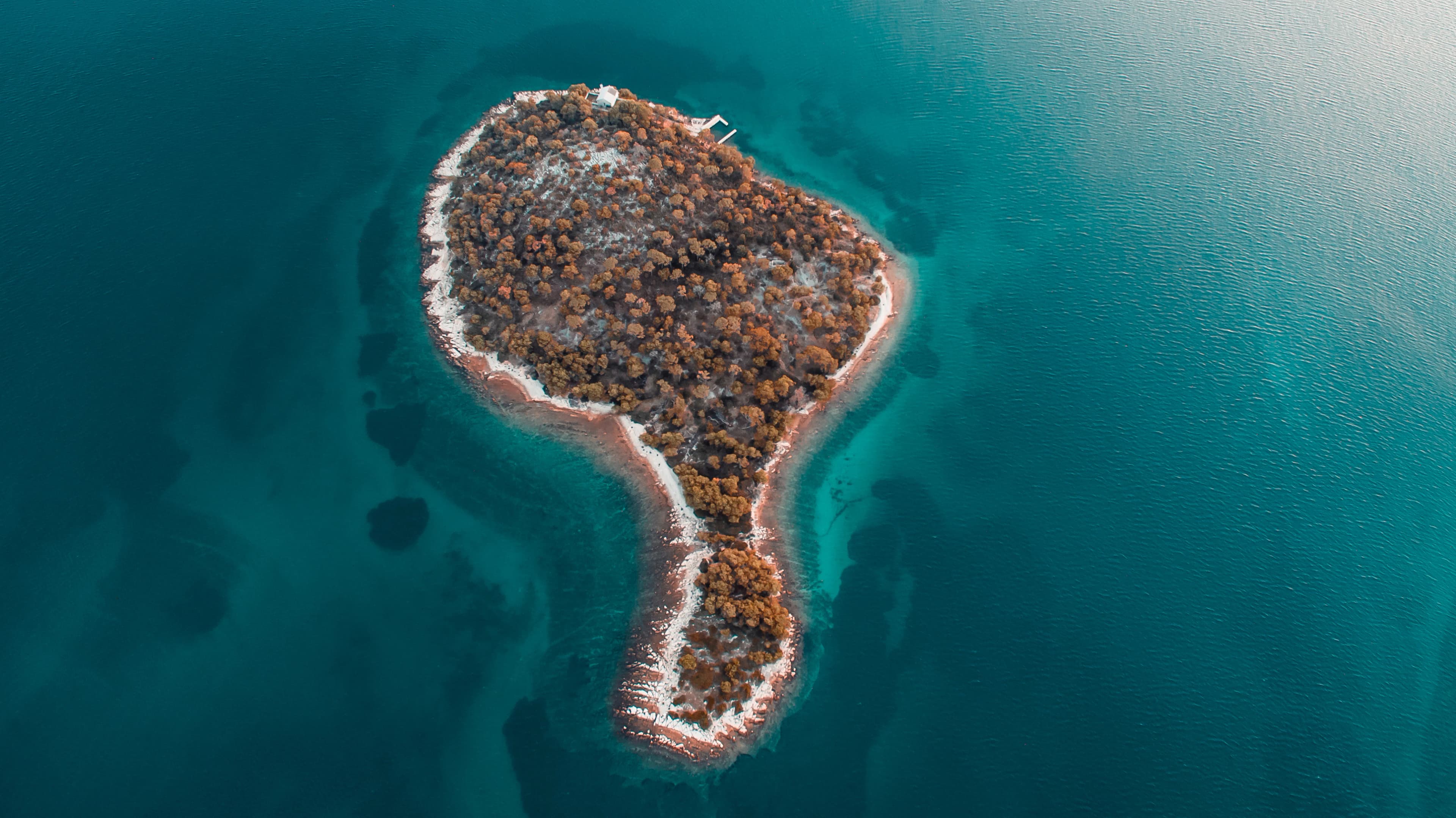
aerial photography of islet
🇭🇷

Croatia holiday

Travel tips, best time to visit & highlights for your Croatia holiday in Europe

Croatia offers crystal clear Adriatic waters, over 1,200 islands, medieval old towns, and a fantastic coastal landscape. Since the Game of Thrones hype, Dubrovnik has become world-famous, but the hinterland with its national parks is also surprising.

Capital

Zagreb

Language

Croatian

Currency

Euro (€)

Time zone

UTC+1

Flight time from DE

approx. 1.5–2 hours

Entry requirements

EU identity card

Top hotels & accommodations in Croatia

Selected hotels and holiday accommodations in Croatia — with images, reviews, and direct booking links with our partners.

Top 5 highlights in Croatia

The places you absolutely must not miss.

1

Dubrovnik

The pearl of the Adriatic: walkable city walls, old town charm, and Game of Thrones backdrop.

2

Plitvice Lakes

16 cascading lakes connected by waterfalls – UNESCO World Heritage and natural wonder.

3

Split

Diocletian's Palace, vibrant old town, ferries to the offshore islands.

4

Hvar

The lavender island: luxurious beach clubs, vineyards, and clear water.

5

Istria

Truffles, olive oil, picturesque mountain villages, and the Roman arena in Pula.

Hotels in Croatia

Vergleiche tausende Hotels, Apartments und Resorts auf Expedia – mit Bestpreis-Garantie, kostenloser Stornierung und Bonuspunkten.

Über 700.000 Hotels
Kostenlose Stornierung
Bestpreis-Garantie
Hotels in Croatia vergleichen

* Weiterleitung zu Expedia.de. Es gelten die dortigen Nutzungsbedingungen.

Kurzurlaub: Kurzurlaub

Handverlesene Hoteldeals, Kurztrips und Erlebnisgutscheine zu Sparpreisen. Perfekt zum Verschenken oder selbst Genießen.

Bis zu 60 % Ersparnis
Auch als Geschenk
DACH & Südeuropa
Angebote entdecken

* Weiterleitung zu we-are.travel. Es gelten die dortigen Nutzungsbedingungen.

Reiseversicherung abschließen

Rundum-Schutz ab 9,90 € auf TravelSecure.de

Hotelgutscheine & Kurzreisen

Deals ab 29 € p.P. auf touriDat.com

Pauschalreisen & Rundreisen

Berge & Meer – 170 Tage Cookie

Best time to visit Croatia

Recommended travel time

May–September

Summer

28–33°C

Winter

5–12°C

How much does a holiday in Croatia cost?

Average cost per person per day (excluding flight)

🎒

Budget

45–70€

Hostel, street food, public transport

🏨

Mid-range

70–130€

Hotel, restaurant, excursions

🌟

Luxury

130–250€

Boutique hotel, fine dining

5 travel tips for Croatia

Insider knowledge to make your holiday better.

Visit Dubrovnik in September – fewer cruise tourists

Konoba restaurants offer authentic Dalmatian cuisine

Explore the islands by ferry or catamaran – book with Jadrolinija

Pack water shoes for pebble beaches

Istria is reachable by car from Munich in 5 hours

Food & drink in Croatia

These dishes you must try!

Ćevapčići
Peka
Black Risotto
Pršut
Štrukli
Grilled Fish

Discover Croatia

39 regions, cities and highlights in Croatia

Cities

Biograd na Moru

Biograd na Moru is the gateway to Central Dalmatia and one of the most practical starting points for travelers to Croatia who want to experience everything. The former coronation city of Croatian kings is strategically located on the Adriatic coast between Zadar and Šibenik, offering direct access to the Kornati archipelago, Europe's densest group of islands with 89 islands. Three large marinas make Biograd the sailing capital of the region – most charter trips to the Kornati islands start here. The town itself combines practical holiday infrastructure with surprisingly much history. In the 11th century, Biograd was the seat of Croatian kings before the Venetians destroyed the town in the war against the Ottomans in 1646 and never rebuilt it. Today, archaeological finds in the local museum and the remains of the medieval city wall remind us of this glorious past. The waterfront promenade is lively and family-friendly, featuring restaurants, ice cream parlors, and a small amusement park for children. For families, Biograd offers the Fun Park Mirnovec, the largest amusement park in Croatia, just a few kilometers outside the town. The beaches are pebbly and clean, with Dražica Beach and Bošana Beach being the most popular options, both awarded the Blue Flag. The Vransko jezero (Vrana Lake) nature park lies just behind the town and is Croatia's largest natural lake with a significant bird sanctuary, where flamingos, herons, and cormorants can be observed. Getting there is straightforward: Zadar Airport is 30 kilometers away, and the A1 motorway connects Biograd directly to Zagreb. The town is ideal as a base for day trips to the Kornati islands, Zadar, Krka National Park, or the Plitvice Lakes.

KornatiSailingMarina
aerial photography of islet

Biograd na Moru

Biograd na Moru, the ancient Croatian royal city on the Dalmatian coast, is the perfect gateway to the Kornati Islands - one of the most spectacular island archipelagos in the Mediterranean. The small town on the Adriatic coast between Zadar and Sibenik was once the coronation city of Croatian kings and the seat of bishops before it was destroyed and rebuilt by the Venetians. Today, Biograd is a charming seaside resort that combines beach holidays with nautical activities, history, and direct access to Kornati National Park. The Kornati Islands are the highlight that makes Biograd unique. From the modern marina, one of the best-equipped in Croatia, excursion boats depart daily to the national park, which consists of 89 islands, reefs, and rocks. The barren, moon-like landscape of the Kornati, its spectacular cliffs that drop vertically into the sea up to 80 meters on the outside, and the crystal-clear water in countless shades of blue make the Kornati one of Croatia's most impressive natural wonders. Swimming, snorkeling, and dining in one of the secluded konobas on the islands are unforgettable experiences. Biograd itself offers a lively small town center with a waterfront promenade ideal for strolling, several bathing coves with pebble and rocky beaches, as well as Drazica Beach with fine sand. The local museum documents the history of the royal city, and the remnants of the medieval city wall remind visitors of its proud past. The market in the center offers fresh fruits, vegetables, and fish directly from the fishermen. In the vicinity of Biograd, three nature parks attract visitors: Kornati National Park, Vransko Jezero Nature Park with Croatia's largest lake and a significant bird sanctuary, and Krka National Park with its famous waterfalls, just an hour's drive away. This combination of coast, islands, lake, and waterfalls makes Biograd an ideal starting point for nature-loving holidaymakers. From Germany, Biograd can be reached by flight to Zadar (30 km) in just under two hours or by car via the Croatian highway in about eight hours. The bathing season extends from June to September, with May and October also being pleasantly mild.

KornatiDalmatiaCroatia
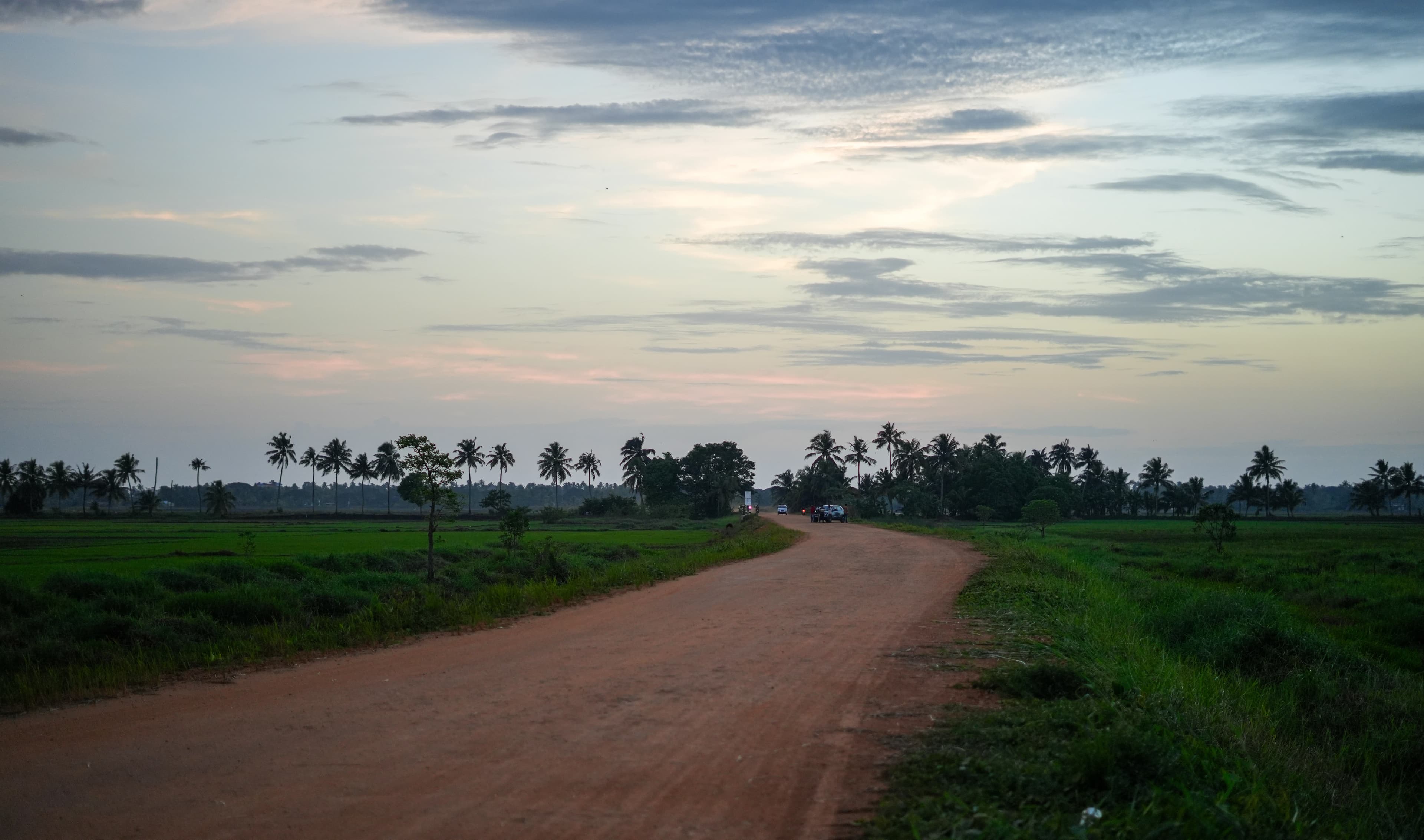
A dirt road in the middle of a green field

Bol

Bol on the island of Brač hosts Zlatni Rat, probably the most famous beach motif in Croatia – a narrow pebble tongue that stretches like a horn into the turquoise sea and changes its shape depending on the wind and currents. This natural wonder on the southern coast of Brač is not an ordinary beach: The tip of the golden horn literally shifts with the tides and the Maestral wind, so the beach looks different every day. Zlatni Rat is therefore not only a bathing paradise but also a living geological phenomenon. Bol itself is a charming harbor town with a long history dating back to Roman times. The Dominican monastery from the 15th century at the eastern edge of the village houses a significant art collection with a Tintoretto painting and is beautifully situated on a peninsula surrounded by cypress trees. The old town, with its stone alleys, konobas, and the baroque parish church, has preserved its authentic charm, even though Bol has long been one of the most visited places in Dalmatia. For windsurfers and kitesurfers, Bol is a mecca. The reliable Maestral wind sets in every afternoon, transforming the sea in front of Zlatni Rat into an ideal surfing area with perfect standing areas and constant side winds. Several surf schools and rental shops offer courses for beginners and equipment for advanced surfers. Those who prefer a quieter experience can explore the abandoned quarries above Bol, from which the famous white Brač limestone originates – the same stone that adorns the White House in Washington and the Diocletian Palace in Split. The ferry from Split to Supetar takes only 50 minutes, and from there it is another 40 minutes by bus or car to Bol.

Zlatni RatWindsurfingBrač
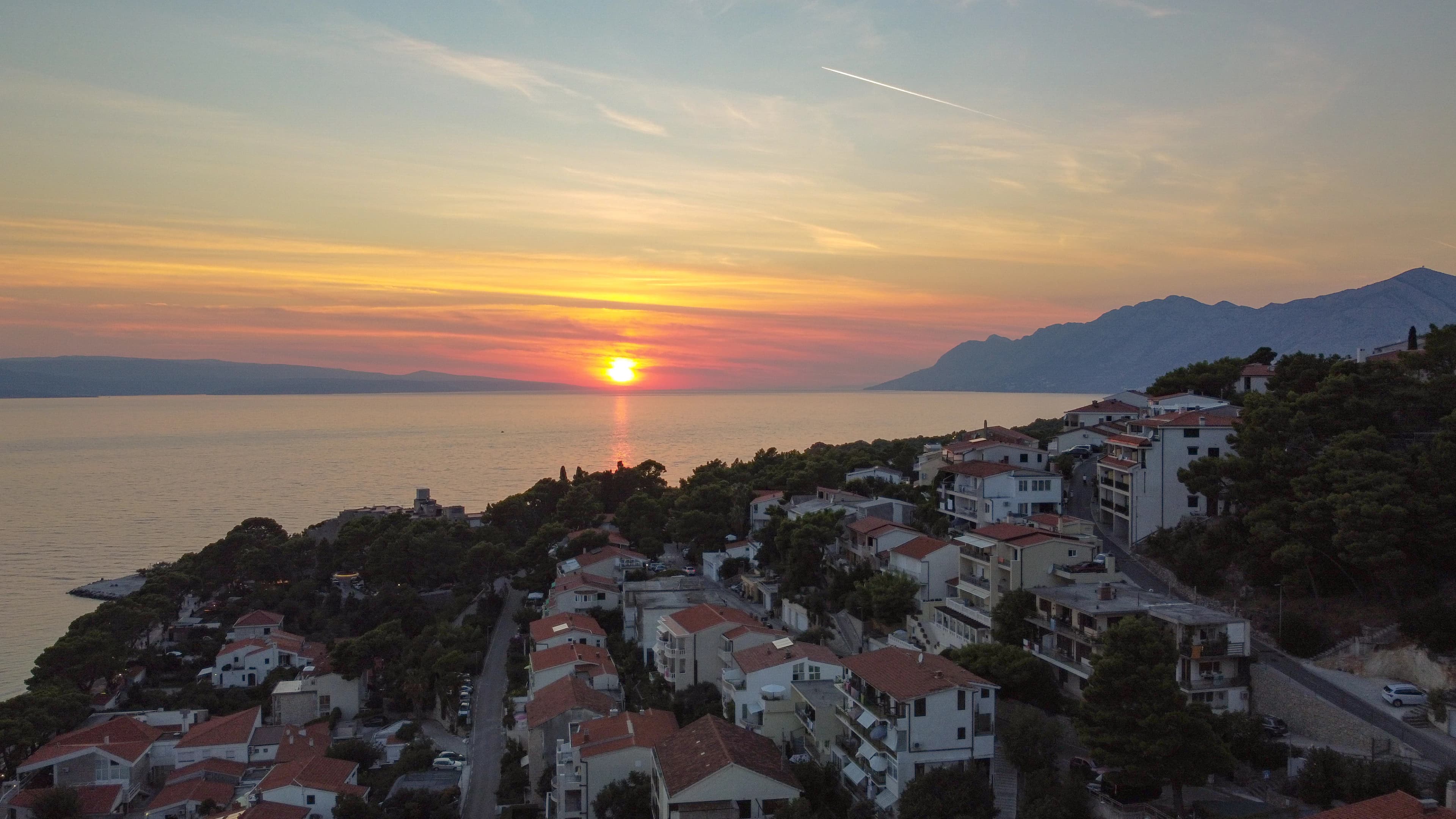
the sun is setting over a small town by the water

Brela

Brela is a small coastal gem on the Makarska Riviera, regularly appearing in rankings of the most beautiful beaches in Europe. Punta Rata beach, with its iconic rock in turquoise water, was awarded by Forbes Magazine as one of the ten most beautiful beaches in the world and is the quintessential postcard motif of Croatia. The crystal-clear water, white pebbles, and shade-giving pines right by the shore make Brela a paradise for beach lovers seeking something special. The town itself stretches over six kilometers of coastline with a total of six pebble beaches connected by a picturesque promenade. Behind the narrow coastal strip, the Biokovo mountain range rises dramatically, with its 1,762-meter high peak Sveti Jure providing a breathtaking backdrop on clear days. This unique combination of high mountains and the Mediterranean can only be found in Croatia along the Makarska Riviera, and Brela is its heart. For German holidaymakers, Brela is an ideal travel destination: The town is reachable by car via the A1 highway from Zagreb in about four hours, and Split Airport is only 65 kilometers away. The infrastructure is geared towards tourism without losing its village charm – there are excellent konobas serving Dalmatian cuisine, small boutiques, and ice cream parlors, but no large hotels or mass tourism. Brela is perfect for families and couples looking for a quiet yet high-quality beach holiday. In the Biokovo Nature Park above the town, hikers can visit the famous Skywalk, a glass observation platform at 1,228 meters with views over the entire Dalmatian coast and the nearby islands.

BeachPunta RataMakarska Riviera
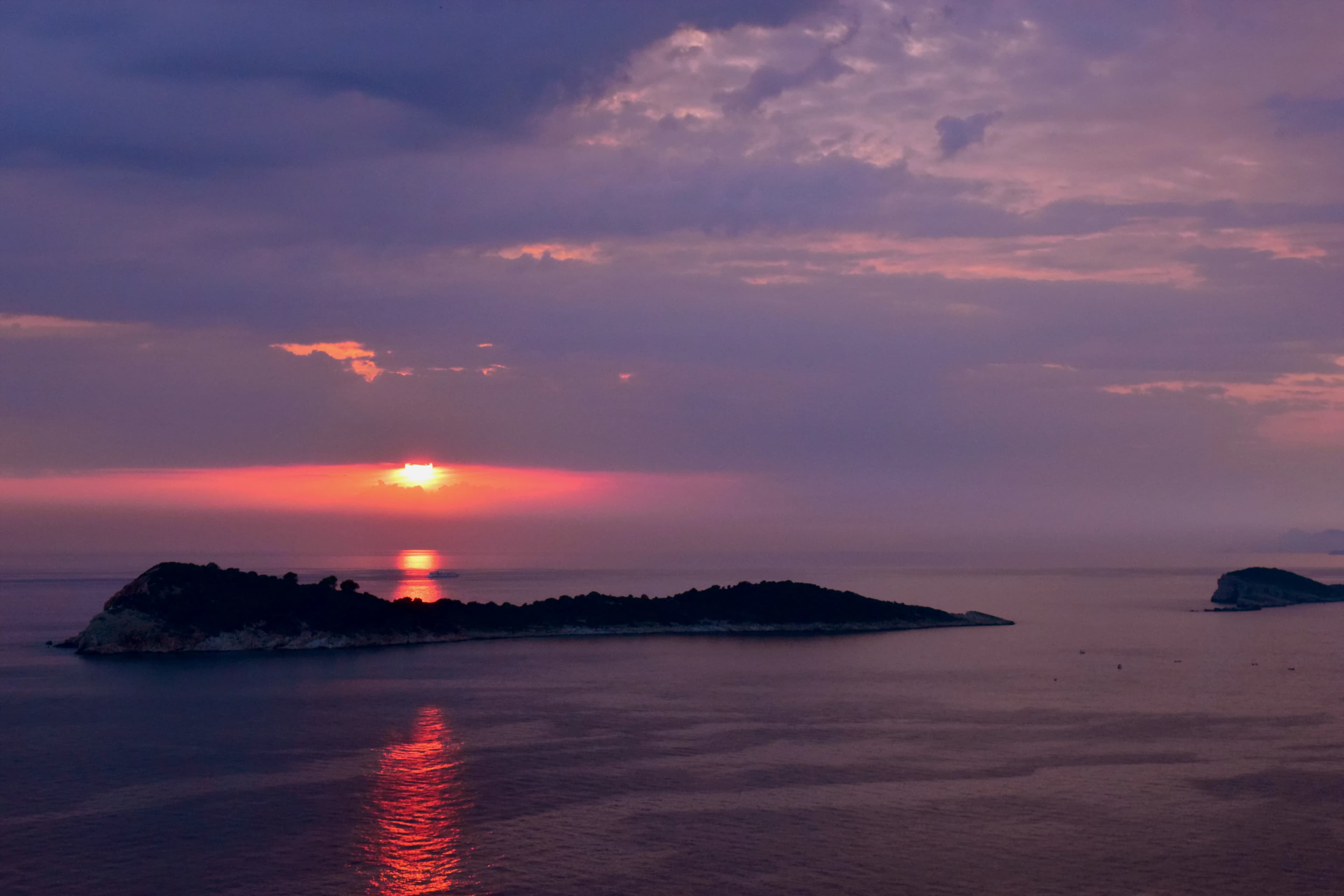
body of water during sunset

Cavtat

Cavtat is the elegant little sister of Dubrovnik – a coastal town with Mediterranean flair, located just 20 kilometers south of the famous fortified city, offering everything Dubrovnik has, but without the crowds. The horseshoe-shaped bay with its palm-lined promenades, red roofs, and the wooded islands offshore resembles an impressionist painting, making Cavtat one of the most beautiful harbor towns in Southern Dalmatia. The ancient Epidaurum, as Cavtat was known during Roman times, was the predecessor city of Dubrovnik. When Slavs and Avars destroyed the city in the 7th century, the survivors fled to the rocks of Laus and founded Ragusa – present-day Dubrovnik. This history continues to live on in Cavtat: the ruins of the Roman city still lie beneath the waters of the bay, and snorkeling over the sunken walls is a unique experience. On land, the Račić Mausoleum, a white marble masterpiece by Croatian sculptor Ivan Meštrović located in the cemetery above the town, offers a breathtaking panoramic view. The waterfront promenade in Cavtat is one of the most beautiful walks along the Dalmatian coast. Under palm and pine trees, restaurants, cafés, and galleries line up, while fishing boats and elegant yachts sway in the harbor. The beaches are pebble-covered and shaded by pine groves – significantly quieter than the crowded city beach sections of Dubrovnik. Regular boats depart from the harbor in Cavtat to Dubrovnik (30 minutes), making Cavtat the perfect base for a Dubrovnik holiday: take a boat to the old town in the morning, and return to the tranquility of your own bay in the afternoon. Dubrovnik Airport is only five kilometers away.

Near DubrovnikEleganceHarbor

Nin

Nin is one of the oldest cities in Croatia and a hidden gem just 15 kilometers north of Zadar, combining history, healing mud, and dreamy sandy beaches in a compact area. The tiny old town is located on a small island connected to the mainland by two stone bridges and houses the Church of the Holy Cross – often referred to as the smallest cathedral in the world. This pre-Romanesque building from the 9th century served as the coronation church for Croatian kings and is an architectural masterpiece of the Carolingian era. What makes Nin particularly attractive for beachgoers is the unique combination of fine sandy beaches and natural healing mud. Kraljičina plaža (Queen's Beach) is one of the rare genuine sandy beaches in Croatia – a country otherwise known for its pebble beaches. In the lagoon of Nin, there is also a natural peloid mud deposit, whose healing mud has been used for centuries for joint and skin problems. Visitors smear the warm mud on their skin and let it dry in the sun – a free wellness experience outdoors. The shallow lagoon in front of Nin is also a prime area for kite surfers and stand-up paddlers, as the water is shallow and warm, and the north wind Bura provides ideal conditions. For families with small children, the gently sloping sandy beaches are a dream. Nin is strategically located for day trips to Zadar, the Plitvice Lakes, or the islands of Pag and Vir. Zadar Airport is only 20 minutes away. The town itself can be explored on foot in an hour but offers enough charm for a multi-day stay.

Sandy beachHealing mudOld town

Novalja

Novalja on the island of Pag is Croatia's answer to Ibiza – a holiday destination that delights during the day with crystal-clear bays and a barren lunar landscape and transforms at night into the wildest party mile of the Adriatic at the famous Zrće Beach. Zrće Beach, just three kilometers south of Novalja, hosts a number of legendary open-air clubs like Papaya, Kalypso, and Aquarius, attracting international top DJs to Croatia from June to September. Kalypso has established itself as the new top club on the beach. The Ultra Europe Festival, one of the largest electronic music festivals in the world, has repeatedly hosted afterparty events here. But Novalja is much more than just a party. The island of Pag itself is a fascinating natural landscape that resembles a lunar surface: karst rocks, sparse vegetation, bizarre rock formations, and an endless play of light and shadow. This inhospitable beauty has its own charm and makes Pag one of the most photogenically interesting islands in the Mediterranean. The famous Pag cheese (Paški sir), a spicy hard cheese made from sheep's milk that gains its unique flavor from the salty sea breeze and wild herbs of the island, is one of Croatia's most sought-after delicacies. The old town of Novalja, with its small harbor and stone houses, offers a pleasant contrast to the party hustle at the beach. The Roman aqueduct beneath the town, an underground tunnel from the 1st century, can be visited and bears witness to the long history of settlement. For families and vacationers seeking peace, the beaches Caska and Babe north of Novalja are significantly quieter than Zrće. Access is via the bridge from the mainland (about 1.5 hours from Zadar) or by ferry from Prizna to Žigljen.

ZrćePartyPag
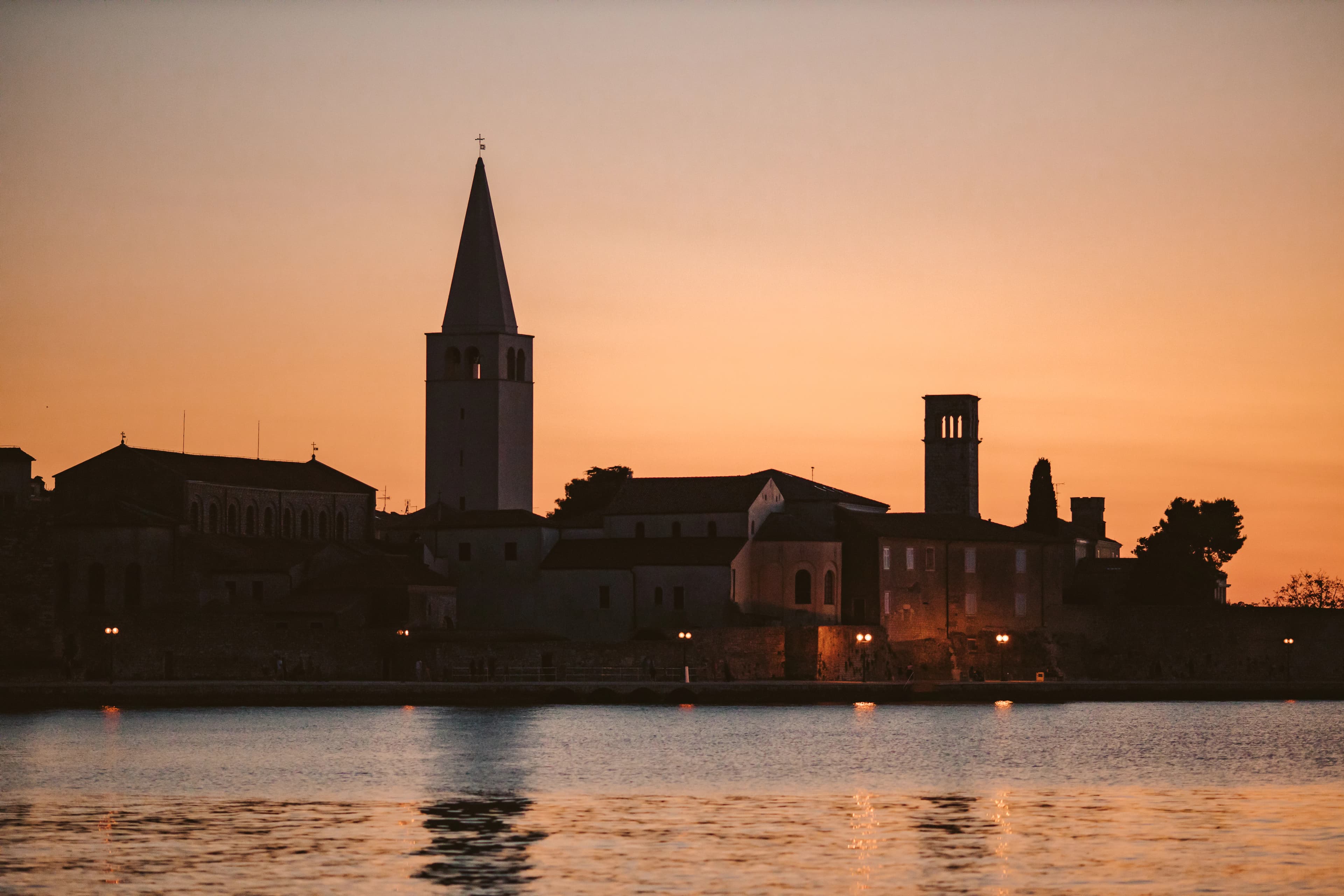
A large body of water with a city in the background

Porec

Porec is the cultural heart of Istria and a city that proves that world heritage and beach holidays can be perfectly combined. The small peninsula town on the west coast of Istria boasts the Euphrasius Basilica, one of the most significant structures of early Byzantine art worldwide - a UNESCO World Heritage site, whose shimmering gold mosaics from the 6th century are in a league with Ravenna and Istanbul. At the same time, Porec is one of Croatia's most popular holiday destinations with excellent tourist infrastructure. The Euphrasius Basilica is the crown jewel of Porec. The bishop's ensemble from the 6th century, consisting of the basilica, atrium, baptistery, and bishop's palace, has survived the centuries almost unchanged. The gold mosaics in the apse depict the Virgin Mary with the Christ Child, flanked by angels and saints - a splendor that regularly overwhelms visitors. The climb to the bell tower rewards with a panorama over the old town, the offshore islands, and the Istrian coast. The old town of Porec is located on a narrow peninsula and still follows the Roman street grid: The Decumanus, the main street, and the Cardo form the framework of the alleys, where today restaurants, galleries, and boutiques line up. The remains of the Roman temple on the forum, the round tower from the defensive structure, and the Venetian palaces tell of two thousand years of uninterrupted settlement. Surrounding Porec are some of the best holiday resorts in Croatia. The Blue and Green Lagoon south of the city offer crystal-clear water, pebble and rocky beaches in pine forests, and an infrastructure that covers everything from camping to holiday apartments to five-star hotels. The Zelena Laguna Resort has been repeatedly awarded as the best camping resort in Europe. For families with children, the shallow bays and numerous recreational offerings provide ideal conditions. From Germany, Porec can be reached in six to eight hours by car or by flight to Pula (60 km) in just under two hours. The season extends from May to October, with June and September being the best months for pleasant temperatures and less hustle and bustle.

IstriaUNESCOMosaics

Primošten

Primošten is one of the most photogenic villages along the entire Croatian coast – a small peninsula that stretches like a stone diadem into the Adriatic Sea, crowned by a medieval old town. Originally, Primošten was an island that was connected to the mainland by a causeway in the 16th century. Viewed from above, the place resembles a perfect model of a Mediterranean fishing village: narrow stone alleys wind spirally up the hill to the parish church of Sveti Juraj at the summit, from where a breathtaking 360-degree view over the Adriatic, the nearby islands, and the Dalmatian hinterland can be enjoyed. The vineyards of Primošten are legendary and have even made it to the United Nations: a photo of the vines framed by dry stone walls hangs in the UN headquarters in New York as a symbol of the human struggle against nature. Here, the indigenous grape variety Babić is cultivated, producing a robust, tannin-rich red wine that pairs perfectly with hearty Dalmatian cuisine. A wine tasting in the cellars around Primošten is a must-do. The beaches around Primošten are diverse: the main beach Raduca stretches on both sides of the peninsula – the northern side is quieter with pebbles, while the southern side is livelier with beach bars. Additional hidden coves can be reached via coastal hiking trails or by boat. In summer, Primošten transforms into a surprisingly vibrant party destination – Club Aurora, right by the sea, is one of Croatia's most famous open-air clubs and attracts international DJs. Primošten is located exactly between Šibenik (30 km) and Trogir (50 km) and serves as an excellent base for excursions to Krka National Park or Split.

peninsulaold townvineyards

Vodice

Vodice is the ultimate party and beach destination in Dalmatia - a lively small town north of Sibenik that radiates an energy in summer that oscillates between Ibiza vibes and Croatian coziness. The town on the Dalmatian coast has developed in recent years into one of the most popular holiday destinations for young travelers and families alike, as Vodice manages the rare balancing act between vibrant nightlife and relaxed beach holidays with historical charm. The waterfront promenade of Vodice, the Riva, is the pulsating center of summer life. During the day, families and couples stroll between ice cream parlors and souvenir shops, while in the evening the waterfront transforms into a lively nightlife strip with cocktail bars, restaurants, and live music. The city beach Plava Plaza offers a fine pebble beach stretching 800 meters with sun umbrellas and beach clubs, while the more secluded coves in the south, like Srima, provide quieter bathing options for families. The nightlife in Vodice is legendary in Dalmatia. The Club Hacienda, one of the most famous open-air clubs on the Croatian coast, attracts international DJs and partygoers from all over Europe. The Makina Lounge Bar, the Exit Club, and numerous beach bars along the promenade ensure a nightlife that lasts into the early hours. At the same time, the quieter cocktail bars on the Riva offer a more relaxed setting for aperitifs and sundowners. However, Vodice has much more to offer than just parties. The medieval old town with the Coric Tower, the baroque parish church, and the narrow streets filled with bougainvillea has preserved its historical charm. The location is strategically ideal: the enchanting old town of Sibenik with the UNESCO Cathedral of St. James is only 15 minutes away, the Krka National Park with its waterfalls is 30 minutes away, and the Kornati Islands are accessible by boat trip. This combination makes Vodice the perfect base for a Dalmatia holiday. From Germany, Vodice can be reached by flight to Split (90 km) or Zadar (60 km) in just under two hours. The season extends from June to September, with July and August being the liveliest months, while June and September offer a more pleasant balance between hustle and tranquility.

DalmatiaPartyBeach
white and brown boat on body of water near brown rock formation during daytime

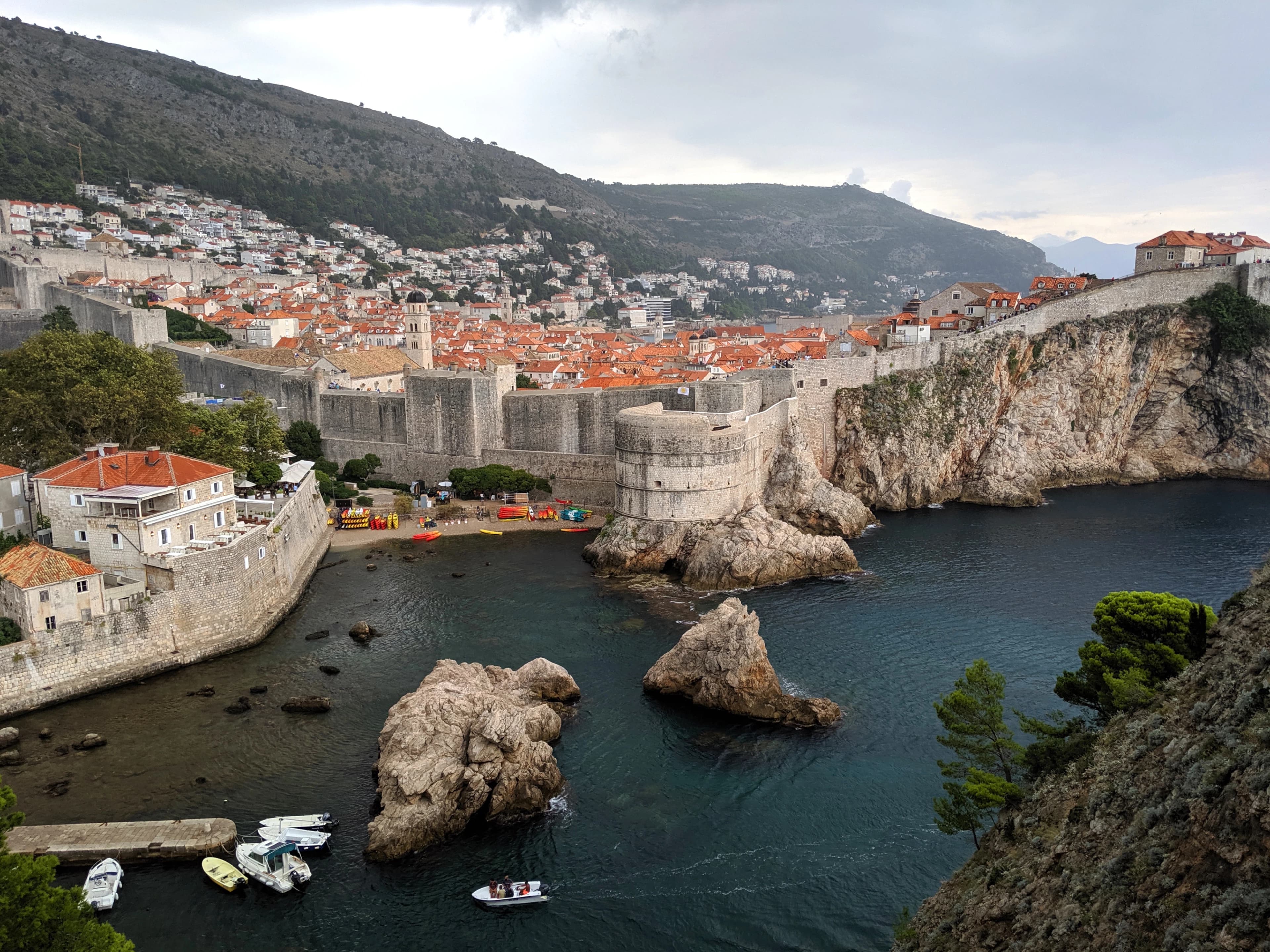
Dubrovnik

Dubrovnik, the pearl of the Adriatic, is one of the most beautiful cities in the world. The completely preserved medieval old town, surrounded by an impressive city wall, sits on a peninsula overlooking the deep blue sea and has been a UNESCO World Heritage Site since 1979. The nearly two-kilometer-long city wall walk offers breathtaking views of the tiled roofs, the old harbor, and the nearby island of Lokrum. Dubrovnik's history as the free city republic of Ragusa (1358–1808) has left a rich cultural heritage: The Rector's Palace, the cathedral with Titian's Assumption, the Franciscan monastery with one of the oldest pharmacies in Europe (since 1317), and the Stradun — the smoothly polished main street made of limestone — tell tales of power and prosperity. The Dubrovnik Summer Festival (since 1950) transforms the city annually into an open-air stage for theater, music, and dance. Since its use as a filming location for King's Landing in Game of Thrones, Dubrovnik has gained additional fame. Away from the main attractions, the Baroque Church of St. Blaise, the Lovrijenac Fortress perched on a 37-meter-high rock, and the quiet streets of the residential neighborhoods are worth exploring. The cable car to Mount Srđ offers the best panoramic view of the city and coastline. Off the coast lie the Elafiti Islands — Lopud, Šipan, and Kolocep — with sandy beaches and car-free idyll. The best time to visit is May, June, or September when the cruise ships decrease and the city belongs again to the locals.

UNESCOCity WallGame of Thrones

Split

Split, Croatia's second-largest city, is not a museum behind glass walls, but a vibrant metropolis that has lived, eaten, and celebrated in the Roman Diocletian's Palace for 1,700 years. The UNESCO-protected palace complex from the 4th century forms the heart of the old town: within its walls are apartments, restaurants, bars, and shops — ancient architecture as everyday living space. The Peristyle, the central courtyard of the palace, serves as an open-air stage and meeting point. The Cathedral of Sveti Duje, originally Diocletian's mausoleum, offers a panoramic view of the red roofs and the sea from its bell tower. The Riva promenade along the harbor is Split's living room: here, one strolls at sunset with an iced coffee among palm trees and elegant facades. The Marjan hill west of the old town offers hiking trails through pine forests, hidden chapels, and bathing opportunities at rocky beaches. Split is the ideal starting point for day trips to the Krka waterfalls (1.5 hours), the Plitvice Lakes, or the nearby islands of Hvar, Brac, and Vis. Fans of Game of Thrones will recognize Diocletian's Palace as the filming location for the cellars of Meereen. The Dalmatian cuisine spoils with Peka (meat or fish under the iron bell), freshly caught fish, and local wines from the Peljesac Peninsula. The best travel time is from May to June or September — warm enough for swimming, but without the crowds of high summer.

UNESCORomansAdriatic

Zagreb

Zagreb, Croatia's underrated capital, surprises with a vibrant café culture, excellent museums, and a charming Upper Town with medieval streets. The city is divided into the historic Upper Town (Gornji Grad) featuring the iconic St. Mark's Church, whose colorful tiled roof displays the coats of arms of Croatia and Zagreb, and the elegant Lower Town (Donji Grad) with green parks, Art Nouveau buildings, and the bustling Ban Jelačić Square. The Museum of Broken Relationships — a unique collection of relics from failed love stories — is Zagreb's most original museum and attracts visitors from all over the world. The Croatian National Theatre, the Strossmayer Art Gallery, and the Mimara Museum with works by Rembrandt, Rubens, and Renoir showcase the cultural depth of the city. The Dolac Market, a colorful farmers' market right above the main square, is the culinary heart of Zagreb. Zagreb's café culture is legendary: terraces line Tkalčićeva Street, and the ritual of drinking coffee is not a break but a social event that can last for hours. Maksimir Park in the east and Lake Jarun in the south offer relaxation in nature. Culinary highlights include Štrukli (stuffed strudel), Purica s Mlincima (turkey with baked dough), and the patisseries of the Upper Town. The Advent season transforms Zagreb into one of Europe's most atmospheric Christmas markets — repeatedly awarded as the best Christmas market on the continent. As a starting point for excursions to Plitvice, Varaždin, or Zagorje, Zagreb is ideal.

CapitalCafé CultureMuseums

Zadar

Zadar on the Croatian Adriatic coast is a 3,000-year-old city that combines ancient Roman ruins with avant-garde art while remaining surprisingly unpretentious. Alfred Hitchcock called the sunset in Zadar the most beautiful in the world — and anyone standing on the promenade in the evening watching the sun sink into the sea immediately understands why. The Sea Organ (Morske Orgulje) designed by architect Nikola Basic is unique in the world: beneath the wide marble steps by the sea are tubes that produce natural, meditative sounds through the movement of the waves — an endless concert of the sea. Right next to it, the Greeting to the Sun (Pozdrav Suncu), a circular installation made of 300 glass plates that store solar energy during the day, transforms the promenade into a fascinating light show after dark. The old town on a peninsula houses the oldest university campus in Croatia, the Romanesque Cathedral of St. Anastasia, the unique round church of Sveti Donat from the 9th century, and the Roman Forum — the largest east of the Adriatic. The streets of the old town are filled with cafes, konobas, and boutiques, without the mass tourism of Dubrovnik. From Zadar, excursions to the Kornati National Park, an archipelago of 89 barren, uninhabited islands with crystal-clear water, which is among the best sailing and diving spots in the Mediterranean, start. The Krka Waterfalls and Paklenica National Park are also within reach. Zadar is a perfect insider tip for those seeking authentic Croatia.

Sea OrganSunsetRomans

Rovinj

Rovinj is the postcard pearl of Istria and one of the most romantic places on the Mediterranean. The old town is clustered on a peninsula, dominated by the Church of St. Euphemia with its 60-meter-high bell tower, which is visible from afar and offers the best viewpoint in the city. The narrow, cobblestone streets with colorful facades, galleries, and studios have earned Rovinj the reputation of an artists' town. The old fishing harbor Valdibora is the heart of Rovinj: here, colorful fishing boats sway alongside elegant sailboats, and the restaurants along the harbor promenade serve freshly caught fish, truffle pasta, and Istrian Malvasia wine. The Grisia Street, which leads from the coast up to the church, is both an open-air gallery and the venue for a large art festival in August, where the entire street becomes an exhibition space. Off the coast lies the archipelago of the 14 Rovinj islands, including the Red Island (Sveti Andrija) with its luxury hotel and pine forests. The Zlatni Rt (Golden Cape) forest park south of the old town offers kilometers of walking paths under oak and cypress trees, as well as rocky swimming spots with crystal-clear water. Culinary-wise, Rovinj is a hotspot: the Monte Restaurant holds a Michelin star, and the local truffles (white in autumn, black year-round) are among the best in the world. Rovinj is reachable from Pula in 40 minutes and from Porec in 30 minutes, making it an excellent base for exploring Istria.

RomanticArtistsIstria

Pula

Pula is the largest city in Istria and boasts one of the best-preserved Roman amphitheaters in the world. The Arena from the 1st century dominates the cityscape and today serves as a spectacular venue for concerts and films — up to 5,000 spectators can experience events here outdoors in the summer, including the renowned Pula Film Festival. With 23,000 inhabitants, Pula combines urban flair with Mediterranean coziness. The Roman traces run throughout the city: The Temple of Augustus at the Forum, the Arch of the Sergii (Golden Gate), and the Hercules Gate tell of a 3,000-year history. The Archaeological Museum houses finds from prehistory to the Middle Ages. Less known, but equally impressive are the underground passages beneath the castle, which served as air raid shelters during World War II. The coast around Pula surprises with exceptional bathing opportunities: The Brijuni Islands National Park with its safari park is just a short boat ride away. Cape Kamenjak at the southernmost point of Istria offers wild rocky beaches, cliff diving, and untouched nature along 30 kilometers of coastline. Istrian cuisine shines with truffles (both white and black), fresh seafood, Fuzi pasta, and the excellent olive oil that is among the best in the world. Pula has its own airport with direct flights from Germany.

RomansAmphitheaterNature

Šibenik

Šibenik is the oldest originally Croatian city on the Adriatic — in contrast to the neighboring cities founded by Romans or Greeks. The jewel of the city is the UNESCO-protected Cathedral of St. James, a masterpiece of Renaissance architecture built entirely of stone — without the use of wood or bricks. The 71 portrait heads on the facade depict real citizens from the 15th century, making the cathedral a unique historical document. The old town climbs steeply up the hill to St. Michael's Fortress, which after extensive restoration now serves as an open-air stage for concerts and the renowned Šibenik Music Festival. The view from the fortress over the city, the St. Anthony's Channel, and the nearby islands is magnificent. Other fortresses — Barone, St. John, and Subicevac — form a unique defense system that is also part of the UNESCO World Heritage. Šibenik is the gateway to two national parks: The Krka waterfalls are only 15 kilometers northeast, and the Kornati Islands are accessible by boat. The Canal Street (Ulica Kralja Tomislava) with its palaces, medieval churches, and lively market activity gives the city an authentic atmosphere that has not yet been shaped by mass tourism. Culinary-wise, Šibenik surprises with excellent fish, Dalmatian Pršut (dry-cured ham), and wines from the nearby peninsula of Primošten. The city is ideal as a base for a varied Dalmatia vacation with nature, culture, and beach.

UNESCOAuthenticFortresses

Trogir

Trogir is an architectural gem — the entire old town is located on a tiny island between the mainland and the island of Čiovo, connected by bridges. The UNESCO-protected city is considered one of the best-preserved Romanesque-Gothic ensembles in Central Europe and combines 2,300 years of history in a small space. The masterpiece of Trogir is the west portal of the Cathedral of St. Lawrence, created by Master Radovan in 1240 — it is regarded as the most significant Romanesque sculpture work in all of Croatia. The bell tower of the cathedral offers a magnificent view over the red roofs and the harbor after the climb. The Cipiko Palace opposite the cathedral, the Kamerlengo Fortress at the western end of the island, and the loggia at the main square complete the architectural ensemble. The Riva promenade on the southern shore is the social center: here, cafes and restaurants line up, fishermen sell their catch directly from the boat, and in the evening, locals and visitors stroll in the golden light of the setting sun. Across the bridge to Čiovo, one can reach small bathing beaches and hidden coves. The location is ideal: Split Airport is only seven kilometers away, the old town of Split is 25 kilometers away, and Krka National Park is an hour's drive north. Trogir is perfect as a day trip or as a quiet alternative to Split as a base for exploring Central Dalmatia.

UNESCOisland townRomanesque

Hvar Town

Hvar Town is the glamorous main town of the island of the same name and one of the trendiest places in Croatia. The town combines Venetian Renaissance architecture with a modern jet-set lifestyle, attracting both culture lovers and partygoers. The St. Stephen's Square, one of the largest and most beautiful squares in Dalmatia, opens directly to the harbor, where elegant yachts lie next to traditional fishing boats. Overlooking the town is the 16th-century Fortica (Spanjola), from which there is a breathtaking 360-degree view over the town, the harbor, the nearby Pakleni Islands, and the open sea — especially at sunset, it is an unforgettable experience. The Franciscan monastery with its Renaissance cloister and a painting of the Last Supper is among the cultural highlights. The Pakleni Islands (Hellish Islands) off the coast are reachable by taxi boat in ten minutes and offer secluded pebble coves, crystal-clear water, and rustic beach restaurants. Hvar is considered the sunniest place in Croatia with over 2,700 hours of sunshine per year. The lavender fields in the island's interior, which are in full bloom in June, are a trademark of the island. The nightlife focuses on the bars along the Riva and the legendary beach clubs on the Pakleni Islands. The ferry from Split to Hvar Town takes about an hour by catamaran.

GlamorousNightlifeLavender

Opatija

Opatija is the elegant seaside resort of the Kvarner Bay and has a glorious history as a summer retreat for the Austro-Hungarian nobility. The magnificent villas and hotels from the Belle Époque line the coast, giving the place an elegance reminiscent of the French Riviera. Since 1844, when Villa Angiolina opened its doors to the first illustrious guests, Opatija has been synonymous with upscale tourism on the Adriatic. The twelve-kilometer-long Lungomare promenade, laid out along the rocky coast from Volosko to Lovran, is the heart of Opatija. Under palm trees and oleanders, one strolls past historic hotels, elegant parks, and the city's landmark — the sculpture Girl with the Seagull on the rocks above the sea. The Angiolina Park, with its exotic plants from around the world, including Japanese camellias and bamboo groves, bears witness to the botanical ambitions of the Austro-Hungarian era. The culinary offerings range from top-notch fish restaurants in Volosko — the gourmet insider tip of Kvarner Bay — to traditional konobas serving lamb roast and homemade pasta. In the nearby Učka Mountains, hiking trails entice with panoramic views over the entire Kvarner Bay to Istria. Opatija is attractive year-round: in spring, the camellias bloom; in summer, the crystal-clear sea beckons; in autumn, the mild temperatures; and in winter, the charm of the empty promenades. The city is only 90 minutes from Ljubljana and two hours from Zagreb.

ElegantBelle ÉpoqueWellness

Makarska

Makarska is nestled between the mighty Biokovo Mountains and the Adriatic Sea and is the center of the eponymous Riviera — a 60-kilometer-long coastal strip with the most beautiful pebble beaches in Dalmatia. The horseshoe-shaped bay with its palm-lined promenade Riva and the lively old town makes Makarska the perfect beach destination with an urban flair. The Biokovo Mountains rise directly behind the city to 1,762 meters and offer breathtaking hikes with panoramic views over the islands of Brac, Hvar, and Korcula. Since 2020, the Biokovo Skywalk — a glass viewing platform at an altitude of 1,228 meters — attracts visitors with a spectacular view into the depths and over the entire Dalmatian coast. The Biokovo Nature Park is home to endemic plants, wild horses, and a unique cave landscape. The Makarska Riviera, with places like Brela, Baska Voda, Tucepi, and Gradac, lines up dream beach after dream beach — Brela's Punta Rata has been repeatedly voted one of the most beautiful beaches in Europe. The city itself surprises with the shell museum in the Franciscan monastery, a lively restaurant and bar scene, and regular summer events. Ferries from Makarska operate to Sumartin on Brac. The combination of mountains and sea, spectacular beaches, and Dalmatian joie de vivre makes the Makarska Riviera one of the most attractive travel destinations on the Croatian coast.

BeachBiokovoRiviera

Islands

Cres

Cres is the largest island in the Adriatic and one of the wildest and most untouched – a paradise for nature lovers seeking authentic Croatia away from the tourist crowds. The island stretches over 66 kilometers from north to south and surprises with a landscape diversity that is unparalleled on a single island: dense oak and chestnut forests in the north (Tramuntana), barren Mediterranean maquis in the center, and sun-drenched olive groves in the south. The great secret of Cres is Lake Vrana, a mysterious freshwater lake in the middle of the island, whose water surface is 13 meters above sea level, but whose bottom reaches 74 meters below sea level. This lake supplies not only Cres but also the neighboring island of Lošinj with drinking water and is strictly protected – no swimming, no boating, only awe-inspiring wonder. Over the cliffs of the eastern coast, griffon vultures circle, having one of their last stable colonies in the Mediterranean region on Cres. The Eco-Centre Caput Insulae in Beli runs a breeding and protection program for these majestic birds. The port city of Cres, with its Venetian palaces, clock tower, and narrow streets, is a quiet, authentic counterpart to the lively coastal towns of Istria. The beaches are mostly rocky and natural – Sveti Ivan near Lubenice and the bay of Valun are breathtakingly beautiful and often deserted. The mountain village of Lubenice, perched at 378 meters above sea level, overlooks one of the most beautiful bays in the Adriatic and is only accessible via a steep descent. Access is via ferry from the island of Krk (reachable via the bridge) or directly from the mainland via Brestova near Opatija. Cres is perfect for a road trip – the road from north to south through the various vegetation zones is an experience in itself.

WildGriffon VultureEco-Tourism

Hvar

Hvar, the longest island in the Croatian Adriatic, enchants with a unique blend of lavender scent, historical splendor, and vibrant nightlife. The island's capital, Hvar Town, boasts one of Croatia's most beautiful piazzas: St. Stephen's Square, with its Renaissance cathedral, opens directly to the harbor, where elegant yachts anchor alongside traditional fishing boats. The Spanish Fortress (Fortica) above the town offers a breathtaking panoramic view of the nearby Pakleni Islands — an archipelago of small, pine-covered islets with crystal-clear bays that can be reached by taxi boat in just a few minutes. The Pakleni Islands (especially Palmizana) are among the most beautiful bathing destinations in the entire Adriatic. Stari Grad, the second-largest town, is home to the Stari Grad Plain — a UNESCO World Heritage site that has been continuously farmed for over 2,400 years. The plots laid out by Greek colonists are still recognizable today, making this area the oldest preserved agricultural cadastre in the Mediterranean. Jelsa on the northern coast offers a quieter, more family-friendly character with beautiful pebble beaches. From June to August, Hvar Town transforms into one of the trendiest party hotspots in the Adriatic — bars like Hula Hula and Carpe Diem attract an international crowd. During the day, one can explore the island's interior by bike or scooter: lavender fields (in bloom in June), olive groves, and abandoned stone villages shape the landscape. The island's cuisine thrives on fresh fish, Gregada (traditional fish stew), and the local wine Plavac Mali. Hvar is Croatia's most glamorous island — yet it also has enough quiet corners for explorers.

SunLavenderWine
an aerial view of a hilly area with a winding road

Brač

Brač is the third largest island in the Adriatic and is home to Croatia's most famous beach: Zlatni Rat (Golden Horn) near Bol. The distinctive peninsula, which changes shape depending on the wind and currents, extends 500 meters into the turquoise blue sea and is one of the most photographed motifs in Croatia. The pebble beach is also a hotspot for windsurfers and kitesurfers, as the Mistral wind blows reliably here. Brač is the island of white stone: The limestone from Brač, quarried in the quarries of Pučišća, has been used for the Diocletian Palace in Split, the White House in Washington, and the Berlin Reichstag. In the stone masonry school of Pučišća, young craftsmen still learn this ancient craft today. Supetar, the island's capital, welcomes visitors with a charming harbor, Mediterranean streets, and a ferry connection to Split (only 50 minutes). The interior of the island surprises with ancient olive groves, vineyards, and abandoned villages that are slowly being restored. Vidova Gora, at 778 meters, is the highest peak of all Croatian islands and offers a breathtaking view over the entire Dalmatian coastal landscape all the way to Italy. The Blaca Hermitage, a former monastery in a dramatic gorge, is accessible by hiking. Culinary delights on Brač include lamb, goat cheese, and the sweet cake Hrapočuša. The island is perfect for a mix of beach, culture, and active relaxation.

BeachWindsurfingStone
A flag flying in front of a stone wall

Korčula

Korčula is one of the greenest and most culturally rich islands in Croatia and claims the title of the birthplace of Marco Polo. The capital of the same name, located on a peninsula with its herringbone street layout, is an architectural masterpiece: The narrow alleys are designed to catch the cooling Mistral in summer and block the cold northern wind in winter. The old town of Korčula City is one of the best-preserved medieval towns in the Adriatic. St. Mark's Cathedral with its beautifully decorated portal, the supposed birth tower of Marco Polo, and the Venetian palaces testify to a glorious past. In the evening, the city wall promenade transforms into a magical setting with views of the Pelješac Peninsula and the sunset. The Moreska, a ritual sword dance representing the battle between Christians and Moors, is regularly performed in summer and is a unique cultural experience. The island is also a paradise for wine lovers: The grape varieties Grk (a rare white wine from Lumbarda) and Pošip are among the best indigenous wines in Croatia. The southern coast offers secluded pebble coves, while sandy beaches beckon from Lumbarda. Korčula is accessible by ferry from Split, Dubrovnik, or Orebic on Pelješac — the crossing from Orebic takes only 15 minutes.

Marco PoloWineCulture
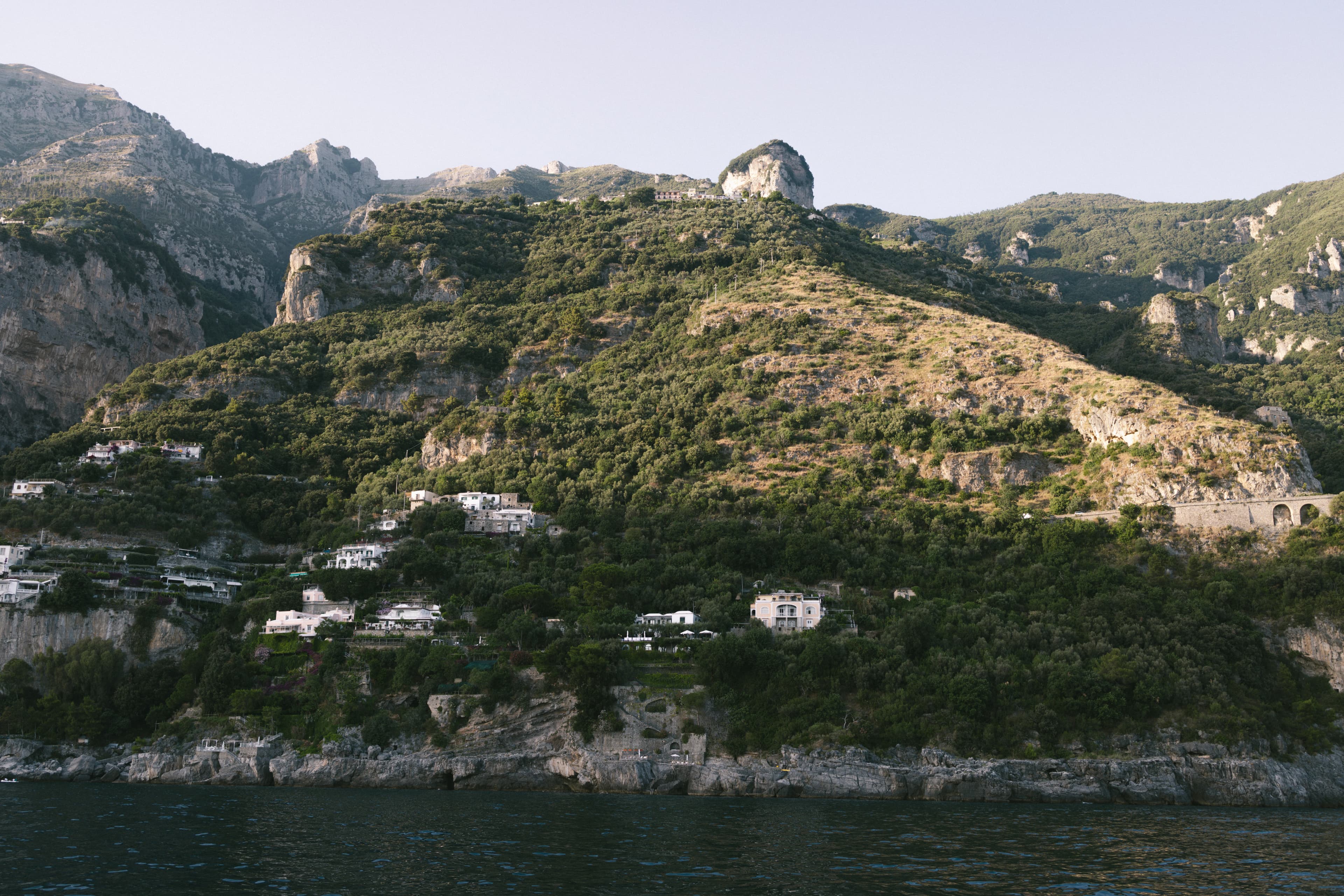
a body of water with a hill in the background

Mljet

Mljet is the greenest and most mysterious island of Croatia. The entire western part is a national park with two turquoise saltwater lakes surrounded by dense Aleppo pine forests. On a tiny island in the Great Lake stands a Benedictine monastery from the 12th century — accessible by rowboat, one of the most romantic scenes in the entire Adriatic. The Great Lake (Veliko Jezero) and the Small Lake (Malo Jezero) are connected to the sea by a narrow channel, allowing salt and fresh water to mix. The lakes are excellent for swimming, kayaking, and snorkeling in absolute tranquility. Around the lakes, hiking and biking trails wind through shady pine forests, past Roman ruins and ancient stone walls. Mythology connects Mljet with the island of Calypso from Homer's Odyssey — supposedly, the nymph kept Odysseus captive here for seven years. The Odysseus Cave on the southern coast, a collapsed grotto with access to the sea, is a fascinating excursion spot. The village of Polace in the north preserves the ruins of a Roman palace from the 5th century. The island has consciously opted out of mass tourism — there are no large hotels, only small guesthouses and private accommodations. Mljet is accessible by catamaran from Dubrovnik (about 1.5 hours) or by ferry from Prapratno on Peljesac. Mljet is the perfect retreat for nature lovers and those seeking peace.

National parkNatureLakes

Vis

Vis is the most remote inhabited Croatian island from the mainland and was a military exclusion zone until 1989 — which protected it from mass tourism. Today, Vis is considered one of the most authentic and original islands in the Adriatic, a hidden gem for travelers seeking the real Croatia away from the crowds. The two main towns, Vis Town and Komiza, could not be more different: Vis Town impresses with Austrian-Venetian architecture, Roman baths, and an elegant waterfront promenade, while the fishing village of Komiza on the west coast delights with its original charm and fishing tradition. Boats from Komiza head to the legendary Blue Cave on the neighboring island of Bisevo, where sunlight bathes the water in an ethereal blue. The wine culture on Vis dates back over 2,400 years — the indigenous grape variety Vugava produces excellent white wines that are best tasted directly at the winery. Military remnants such as tunnels, bunkers, and submarine caves can be explored on guided tours. The beaches Stiniva (voted the most beautiful beach in Europe by Lonely Planet), Srebrna, and Zaglav offer crystal-clear water in a spectacular rocky setting. The ferry from Split takes about 2.5 hours — just the right distance to leave everyday life behind.

Hidden GemAuthenticBlue Cave
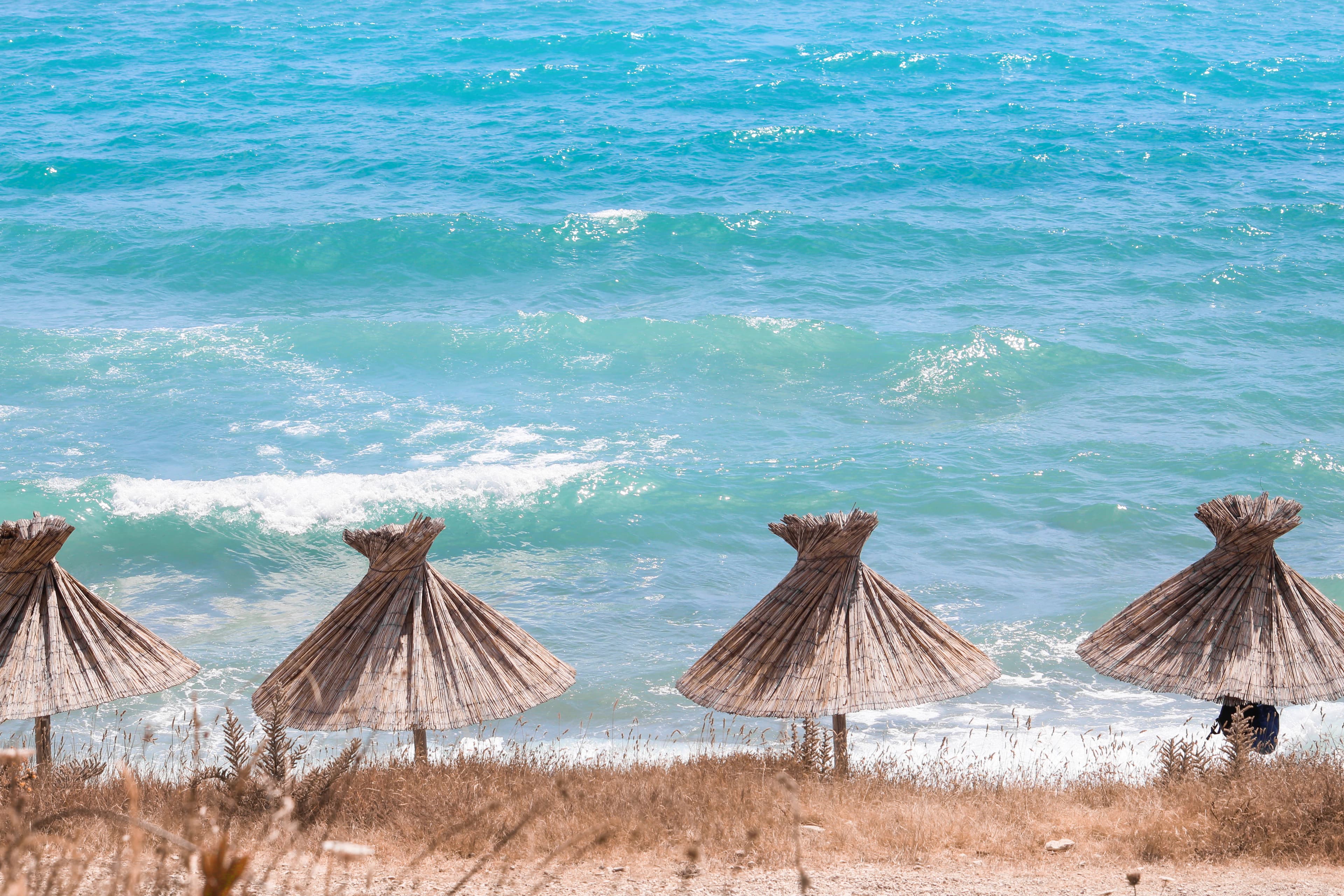
straw umbrellas on a beach

Krk

Krk is the largest Croatian island and, thanks to the Krk Bridge, the easiest to reach — perfect for travelers by car from Germany and Austria. The island offers an amazing variety: the charming old town of Krk City with Roman walls and a Romanesque cathedral, the picturesque fishing village of Vrbnik perched on a 50-meter-high cliff above the sea, and the lively beach resorts of Baska, Malinska, and Njivice. Baska on the southern coast is home to one of Croatia's most beautiful beaches: the nearly two-kilometer-long pebble beach Vela Plaza, framed by dramatic karst mountains. Vrbnik is known not only for its spectacular location but also for the indigenous white wine variety Zlahtina, which is exclusively grown on the small plateau of the island and is best tasted directly in the village's wine cellars. In the interior of the island, Krk surprises with dense oak forests, olive groves, and a rich birdlife. The Biserujka cave near Rudine can be explored on guided tours. Culturally, Krk is of great importance: the Baška tablet from 1100 is considered one of the oldest documents in the Croatian language. The island also offers excellent infrastructure with numerous campsites, apartments, and hotels. It takes only 30 minutes to drive from the bridge to Baska — yet it feels worlds away from the mainland.

FamilyBridgeAccessible
A flag flying in front of a stone wall

Lošinj

Lošinj is the island of vitality — a place where the unique combination of sea air, over 1,000 plant species, and a mild microclimate attracted doctors for climate therapy as early as the 19th century. The island in the Kvarner Bay is one of the sunniest spots in Croatia and is surprisingly green and diverse. Mali Lošinj, the largest settlement on the island, is located in a deeply indented bay and surprises with colorful houses, fragrant gardens, and an art scene one would not expect on a small island: The Apoxyomenos Museum houses an ancient Greek bronze statue of an athlete, which fishermen recovered from the sea in 1999. Veli Lošinj, the smaller counterpart, impresses with its Venetian charm and the botanical garden featuring exotic plants from around the world. The waters around Lošinj are home to a dolphin population of over 200 animals — the Blue World Institute offers scientifically guided dolphin watching tours. The bays of Čikat and Suncanar Bay are among the most beautiful bathing spots, surrounded by Aleppo pine forests. Aromatic plants such as rosemary, sage, and lavender shape the air and are processed into essential oils. The island is accessible by ferry from Zadar or via the connected island of Cres and is ideal for wellness vacationers, nature lovers, and anyone seeking tranquility away from the hustle and bustle.

DolphinsWellnessNature

Rab

Rab is the Happy Island of the Kvarner Bay and one of the few Croatian islands with real sandy beaches. The medieval town of Rab, with its four distinctive bell towers on a narrow peninsula, offers one of the most impressive silhouettes of the Croatian coast — a sight that is particularly memorable when approaching from the sea. The old town is a labyrinthine masterpiece of narrow streets, Romanesque churches, and Gothic palaces. The three main streets — Upper, Middle, and Lower Street — rise gradually and connect the main attractions: the Prince's Palace, the Cathedral of the Assumption, and the Komrcar Park with Mediterranean plants. In summer, the town transforms with the Rapska Fjera into a medieval festival featuring knight tournaments, craft demonstrations, and historical cuisine. The beaches are Rab's great asset: Paradise Beach in the Bay of Lopar offers fine sand and shallow water — ideal for families with children. Overall, the Lopar peninsula has over 20 sandy and pebbly coves, including naturist beaches, as the naturist tradition in Croatia began in Rab in 1936. The northwest side of the island is covered with dense oak forests, while the mainland-facing side appears barren and windswept. The ferry from Jablanac reaches Rab in 15 minutes, and from the island of Krk, you can reach Lopar by boat. The combination of historic old town, sandy beaches, and unspoiled nature makes Rab one of the most versatile islands in Croatia.

Sandy BeachesMedievalFamily

National parks

Krka National Park

Krka National Park is one of Croatia's most spectacular natural wonders – a system of seven breathtaking waterfalls along the Krka River, nestled in a lush green karst landscape. The centerpiece is Skradinski Buk, a 17-tiered travertine waterfall that stretches over 800 meters in length and 45 meters in height, surrounded by a network of wooden walkways. Although swimming at Skradinski Buk has been prohibited since 2021, the sight of the roaring waters cascading into emerald pools remains an unforgettable experience. The park covers 109 square kilometers and includes far more than just the famous waterfalls. The small island of Visovac in the middle of Lake Krka houses a Franciscan monastery from the 15th century, accessible by boat and home to a precious collection of rare books and paintings. Further upstream are the Roški waterfalls and the Oziđana cave, which are significantly less visited than Skradinski Buk and represent true insider tips. The park is home to over 860 plant species and 220 bird species, including the rare snake eagle. Getting there is incredibly easy for German tourists: the park is only 15 kilometers from Šibenik and can be reached from Split in an hour. There are several entrances – Lozovac and Skradin in the south (for Skradinski Buk), Roški Slap in the north. From Skradin, you take a boat to the waterfall, which is already part of the experience. Krka National Park can be perfectly planned as a day trip from Split, Šibenik, Zadar, or the coastal towns of the Makarska Riviera. Entrance tickets are cheaper in summer when booked online, and visiting early in the morning or late in the afternoon avoids the largest crowds.

WaterfallNational ParkKrka
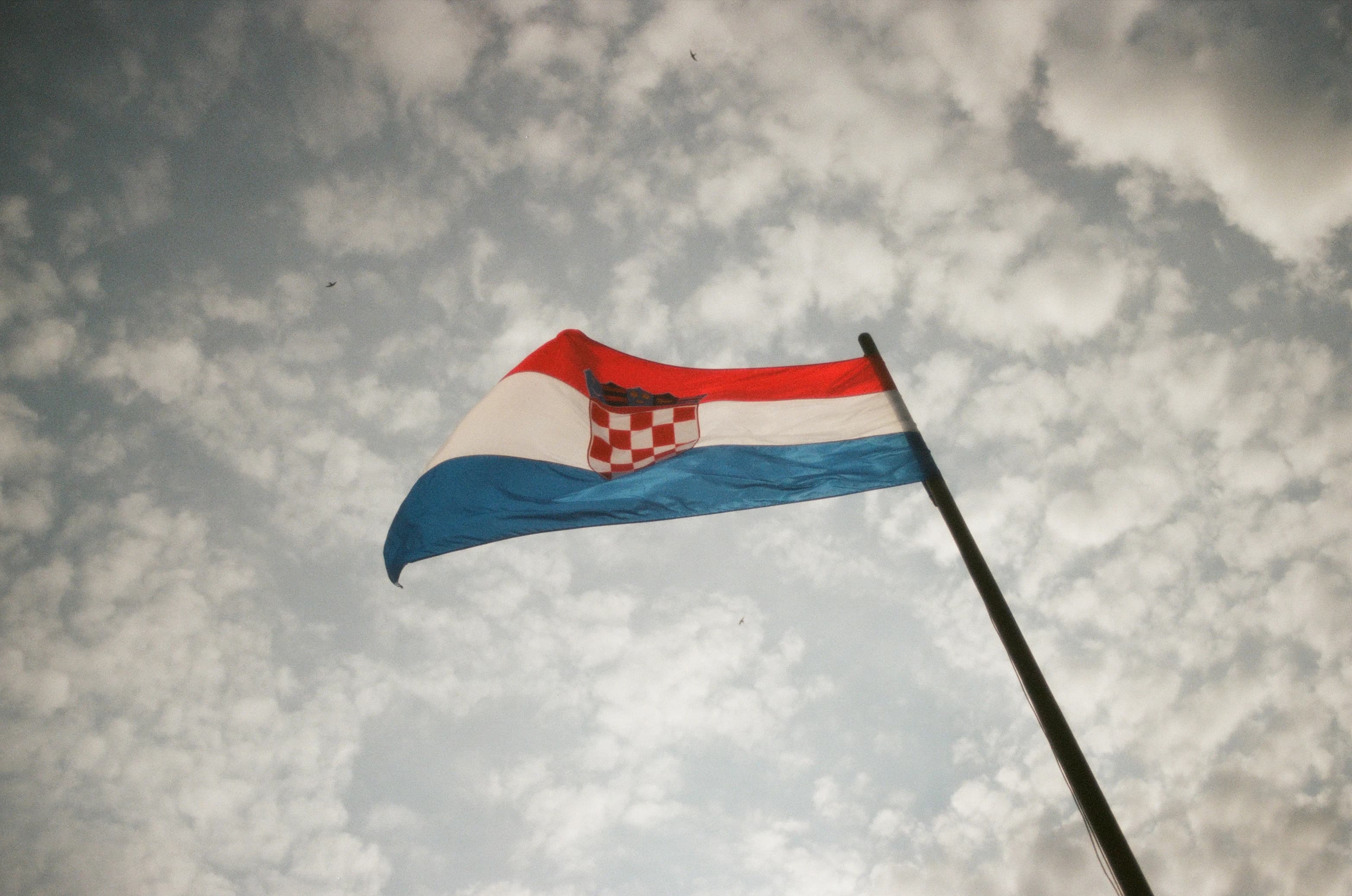
a flag flying high in the sky on a cloudy day

Plitvice Lakes

The Plitvice Lakes National Park is Croatia's number one natural wonder and a UNESCO World Heritage site since 1979. 16 emerald green and turquoise lakes are interconnected by a system of waterfalls and cascades, creating a landscape of overwhelming beauty. The lakes stretch over eight kilometers amidst dense beech forests, where bears, wolves, and lynxes still live. The upper lakes (Gornja Jezera) are nestled in dolomite rock and feature larger, calmer water surfaces, while the lower lakes (Donja Jezera) impress with steep gorges and dramatic waterfalls. The Veliki Slap (Great Waterfall) plunges 78 meters down and is the highest waterfall in Croatia. Wooden walkways lead visitors over the turquoise lakes — an experience reminiscent of fairy tale worlds. What makes Plitvice special is the travertine process: limestone deposits continuously change the landscape, creating new barriers, basins, and cascades — the lakes are a living, changing ecosystem. Depending on the season and light conditions, the water colors shift between deep blue, bright green, and milky turquoise. The park offers several circular routes (2 to 8 hours) and is open year-round, with winter revealing a special magic with frozen waterfalls. The drive from Zagreb takes about two hours, and from the coast (Zadar or Split) also about two hours. Early mornings or from September onwards, the park is significantly quieter.

UNESCOWaterfallsNature

Krka

Krka National Park is the natural jewel of Dalmatia and delights with seven spectacular travertine waterfalls along the Krka River. The most famous, Skradinski Buk, is an 800-meter-long cascade of 17 steps that flows into a turquoise pool — a natural spectacle that can be admired for hours. The park covers 109 square kilometers from Knin to the mouth at Skradin. In contrast to the Plitvice Lakes, Krka National Park is close to the coast and can be easily reached as a day trip from Šibenik, Split, or Zadar. Access is via several entrances, with Skradin being the most popular — from there, a picturesque boat takes visitors upstream to Skradinski Buk. The upper waterfall, Roški Slap, is less visited and offers an idyllic scene with its wooden watermill. On the island of Visovac in the middle of the river stands a Franciscan monastery from the 15th century with a valuable library and art collection — accessible only by boat. In the upper reaches of the park is the Serbian Orthodox Monastery Krka (Sveti Arhandjel) located in a deep gorge. The flora and fauna are remarkable: over 860 plant species, rare birds, and endemic fish species live here. The best time to visit is in spring when the waterfalls are most impressive after the snowmelt. Since 2021, swimming at Skradinski Buk is unfortunately no longer allowed, but the beauty of the place remains untouched.

WaterfallsNatureTravertine

Kornati

The Kornati Islands are the densest archipelago in the Mediterranean — 89 islands, islets, and reefs in a compact space, barren, uninhabited, and of surreal beauty. The karst islands rise like white crowns from the deep blue sea, their steep cliffs dropping vertically into the water by up to 80 meters. Since 1980, the majority of the archipelago has been protected as a national park. The Kornati can only be reached by boat — daily excursion boats and sailing trips depart from Murter, Biograd na Moru, or Zadar. For sailors, the area is considered one of the most challenging and beautiful in the Mediterranean: crystal clear water, secluded bays, and absolute silence. The few konobas (taverns) on the islands serve freshly caught fish straight from the grill, accompanied by homemade wine. Underwater, a spectacular world reveals itself: steep walls, corals, sponges, and a rich fish fauna make the Kornati a diving paradise. On land, dry stone walls shape the landscape — remnants of ancient farming by shepherds and fishermen. The Purara cliffs on the island of Klobucar with an 80-meter drop and the view from the Tureta fortress on Kornat are highlights of any tour. The best travel time is from May to October, with early summer being particularly recommended.

SailingIslandsDiving

Regions

Pelješac

Pelješac is Croatia's peninsula of delights – a 65-kilometer long, narrow strip of land that juts out into the Adriatic Sea and is famous for its wine, oysters, and spectacular beaches. Since 2022, the new Pelješac Bridge connects the peninsula directly to the Croatian mainland, allowing for the first time to drive from Split to Dubrovnik without the detour through Bosnia and Herzegovina. This bridge has made Pelješac significantly more accessible for German drivers. The vineyards of Pelješac produce Croatia's best red wines. The Dingač grape variety, grown on steep, sun-drenched southern slopes above the sea, was the first Croatian wine with a protected designation of origin. The wine route from Potomje through the Dingač tunnel down to the coast is one of the most spectacular wine routes in the Mediterranean. In the cellars of Grgić, Matuško, and Miloš, visitors can taste first-class red wines that can compete with the best Italian wines. At the northern end of the peninsula lies Ston, a small town with the second-longest defensive wall in Europe – only the Great Wall of China is longer. The walls of Ston stretch over 5.5 kilometers across the hills and once protected the saltworks, which are still active today. In the bays of Mali Ston, oysters and mussels have been cultivated for centuries – an oyster tasting directly from the boat on the water is a culinary highlight that can only be experienced here in Croatia. The beaches on the southern coast of the peninsula are dreamy: Prapratno, Divna, and Trstenica near Orebić offer pebbles and sand in crystal-clear water. From Orebić, the main town at the tip of the peninsula, a ferry to Korčula takes only 15 minutes. Pelješac can be perfectly integrated into a route from Split to Dubrovnik and offers three to four days full of enjoyment, nature, and history.

WineDingačOysters

Areas

A mountain with a village on top of it

Dalmatia

Dalmatia is the sun-drenched coastal region of Croatia, stretching over 400 kilometers from Zadar to Dubrovnik — a narrow strip between the Dinaric Alps and the Adriatic Sea, lined with over 900 islands, islets, and reefs. Here, some of Europe's most spectacular destinations are concentrated in a small area. The Dalmatian coast reads like a best-of Mediterranean travel destinations: Dubrovnik with its legendary city walls, Split with the Roman Diocletian's Palace (UNESCO World Heritage), Zadar with its unique sea organ, Trogir as a medieval gem, and Sibenik with its Renaissance cathedral. In between, dream beaches, hidden coves, and picturesque fishing villages are lined up. The offshore islands — Hvar, Brac, Korcula, Vis, Mljet, and many more — offer something for every taste: from the glamorous party island to the secluded natural beauty. In the hinterland lie the national parks Krka and Plitvice Lakes with their famous waterfalls. The Dalmatian cuisine is both Mediterranean and rustic: grilled fish, Peka (meat cooked under a bell), black risotto with squid, Pag cheese, and the red wine Dingac from the Peljesac peninsula. Dalmatia is excellently connected: The coastal road Jadranska Magistrala offers legendary panoramas, ferries connect the islands, and the airports in Zadar, Split, and Dubrovnik are served from all over Europe. The best travel time is from May to June and September to October — then temperatures, prices, and visitor numbers are ideal.

CoastIslandsHistory

Istria

Istria, the heart-shaped peninsula at Croatia's northwest tip, is a Mediterranean jewel that combines the best of Italy, Austria, and Croatia. The coast shines with the picturesque Rovinj — a fishing town built on a peninsula, whose colorful houses and the Church of St. Euphemia create one of the most photogenic silhouettes of the Adriatic. Pula is home to a Roman amphitheater from the 1st century, which is among the best-preserved in the world and serves as an open-air stage for concerts and film festivals in the summer. The ruins of the Temple of Augustus at the Forum and the Arch of the Sergii complement the Roman heritage. Poreč attracts visitors with the Euphrasius Basilica (UNESCO World Heritage) and its magnificent Byzantine mosaics. The Istrian hinterland is a world of its own: medieval hilltop towns like Motovun, Grožnjan, and Oprtalj crown mountain peaks above green wooded valleys. Motovun is the center of truffle culture — from October to January, the coveted white truffle is found here, and truffle festivals attract gourmets from all over Europe. Istrian olive oils regularly rank among the best in the world (Flos Olei Guide), and the indigenous grape varieties Malvasia and Teran surprise even seasoned wine connoisseurs. The coast offers crystal-clear waters, hidden rocky coves, and family-friendly pebble beaches. The Limski Canal, a fjord-like arm of the sea, is ideal for boat trips and fresh oysters. Istrian cuisine is a fusion of Italian and Slavic traditions: Fuzi pasta with truffles, Pršut (air-dried ham), and fish soup. Just a few hours from Munich or Vienna, Istria is the perfect destination for a Mediterranean short vacation with depth.

TruffleGourmetOlive oil

Kvarner Bay

Kvarner Bay is the large gulf between Istria and the Croatian mainland, protected by the mountain ranges of Velebit and Učka. The region combines the fashionable k.u.k. seaside resorts of Opatija and Lovran, the lively islands of Krk, Cres, Lošinj, and Rab, as well as the port city of Rijeka — Croatia's third-largest city and European Capital of Culture 2020. The climatic conditions are unique: While the coast has a Mediterranean climate with mild winters, the Bora — a cold fall wind from Velebit — creates spectacular natural phenomena. The diversity of landscapes ranges from subtropical gardens in Opatija to the wild gorges of Velebit and the secluded bays on Cres, where griffon vultures circle above the cliffs. Culinarily, Kvarner Bay is a paradise for food lovers: The scampi from Kvarner Bay are considered the best in the Adriatic, lamb from the islands of Cres and Pag has a worldwide reputation, and in Volosko near Opatija, gourmet restaurants line up. The historic Lungomare promenade from Opatija to Lovran stretches twelve kilometers along the coast through parks and past magnificent villas. Rijeka surprises with a vibrant cultural scene, the colorful market at the Riva, and the impressive Trsat Castle. Kvarner Bay is ideal for travelers seeking culture, nature, and cuisine away from the mass tourism of Dalmatia.

IslandsK.u.k.Scampi

Package holiday to Croatia

Compare flight & hotel at the best price.

Package holidays

Holiday apartment in Croatia

Holiday homes with more space and privacy.

Holiday flats

All accommodations

Map, package holidays & holiday homes at a glance.

All options

Complete guide for Croatia

Regions, attractions, food, routes, costs & practical tips — all in one digital guide.

Open guide
Suitable for:BeachOld TownIslandsNatureGame of Thrones

Ready for Croatia?

Plan your Croatia holiday now with our free tools.

Plan a holiday in Croatia

Croatia is one of the most popular travel destinations in Europe, offering Beach, Old Town, Islands and much more. The best time to visit Croatia is May–September, when the weather is ideal for exploration and relaxation. With a daily budget starting from 45–70€ (Budget) to 130–250€ (Luxury), Croatia is suitable for various travel budgets.

From the capital Zagreb, Croatia can be excellently explored. The official language is Croatian, and the currency is Euro (€). From Germany, you can reach Croatia in approx. 1.5–2 hours. Whether you want to try culinary highlights like Ćevapčići, Peka, Black Risotto, visit top attractions, or simply enjoy the atmosphere: Croatia has something for every type of traveller.

Use our free travel tools to prepare your Croatia holiday perfectly. With the holiday finder, you can discover if Croatia is the right destination for you. The budget calculator helps you plan costs realistically, and with the packing list, you won't forget anything.

Suitable holiday types for Croatia:

More travel destinations in Europe:

All countries in Europe

All destinations in Europe