India holiday
Travel tips, best time to visit & highlights for your India holiday in Asia
India is a universe unto itself: the Taj Mahal, sacred rivers, chaotic metropolises, majestic palaces in Rajasthan, beaches in Goa, and the backwaters of Kerala. No country in the world offers such intensity of colors, smells, sounds, and tastes. India transforms every traveler.
Capital
New Delhi
Language
Hindi, English
Currency
Indian Rupee (INR)
Time zone
UTC+5:30
Flight time from DE
approx. 8–9 hours
Entry requirements
Passport, e-visa required
Top hotels & accommodations in India
Selected hotels and holiday accommodations in India — with images, reviews, and direct booking links with our partners.
Hotel Le Meridien New Delhi
Delhi / Neu Delhi, Indien
Hotel Vivanta By Taj Dwarka
Delhi / Neu Delhi, Indien
The Zuri White Sands, Resort & Casino
Varca Beach, Indien
Hotel Sheraton New Delhi
Delhi / Neu Delhi, Indien
Taj Palace Hotel
Delhi / Neu Delhi, Indien
Holiday Inn New Delhi International Airport
Delhi / Neu Delhi, Indien
Conrad Pune
Pune, Indien
Hotel The Suryaa New Delhi
Delhi / Neu Delhi, Indien
Top 5 highlights in India
The places you absolutely must not miss.
Taj Mahal, Agra
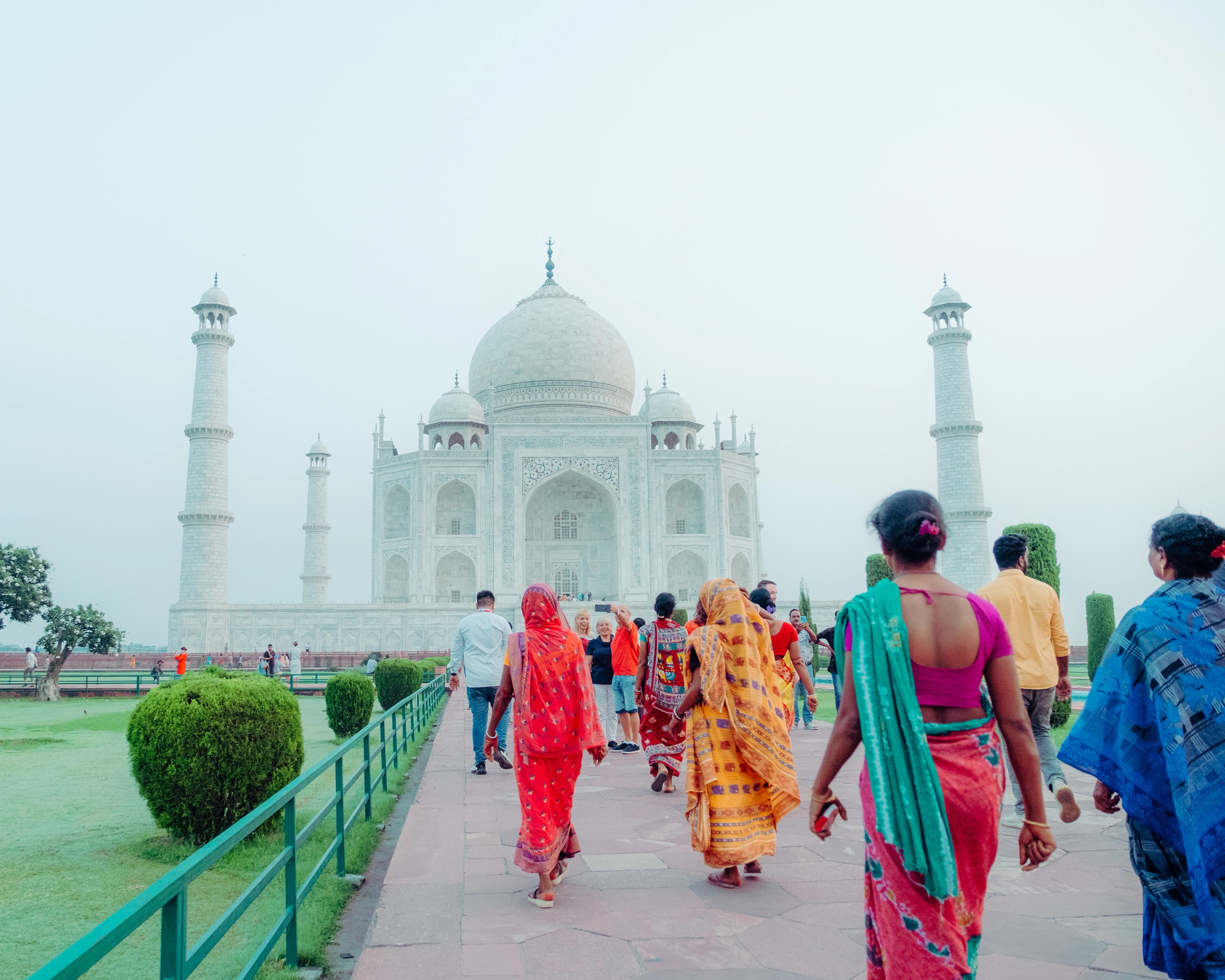
The mausoleum of love – one of the New Seven Wonders of the World and India's most iconic structure.
Rajasthan
Jaipur (Pink City), Udaipur (Venice of the East), Jaisalmer (desert fortress) and colorful bazaars.
Kerala Backwaters
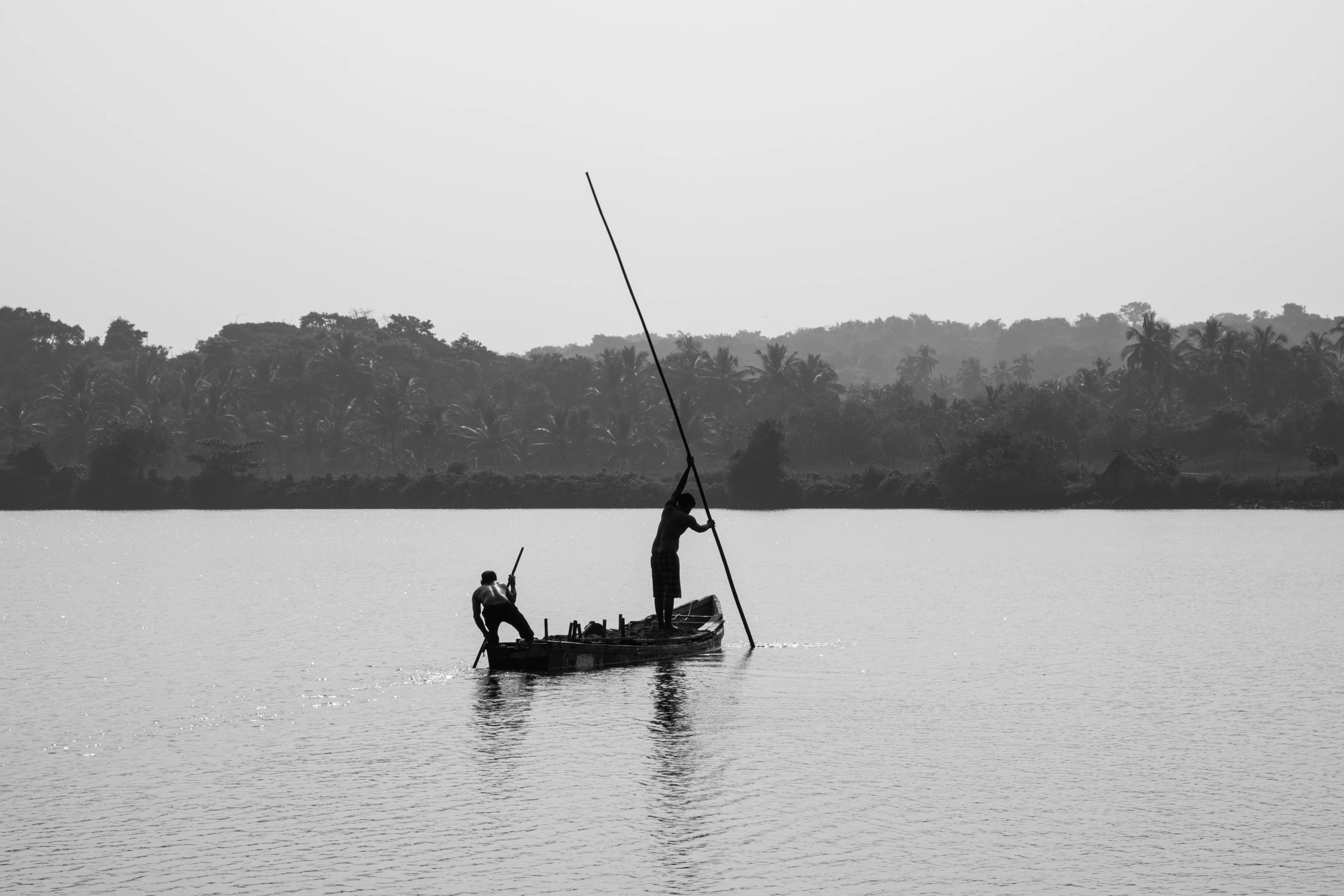
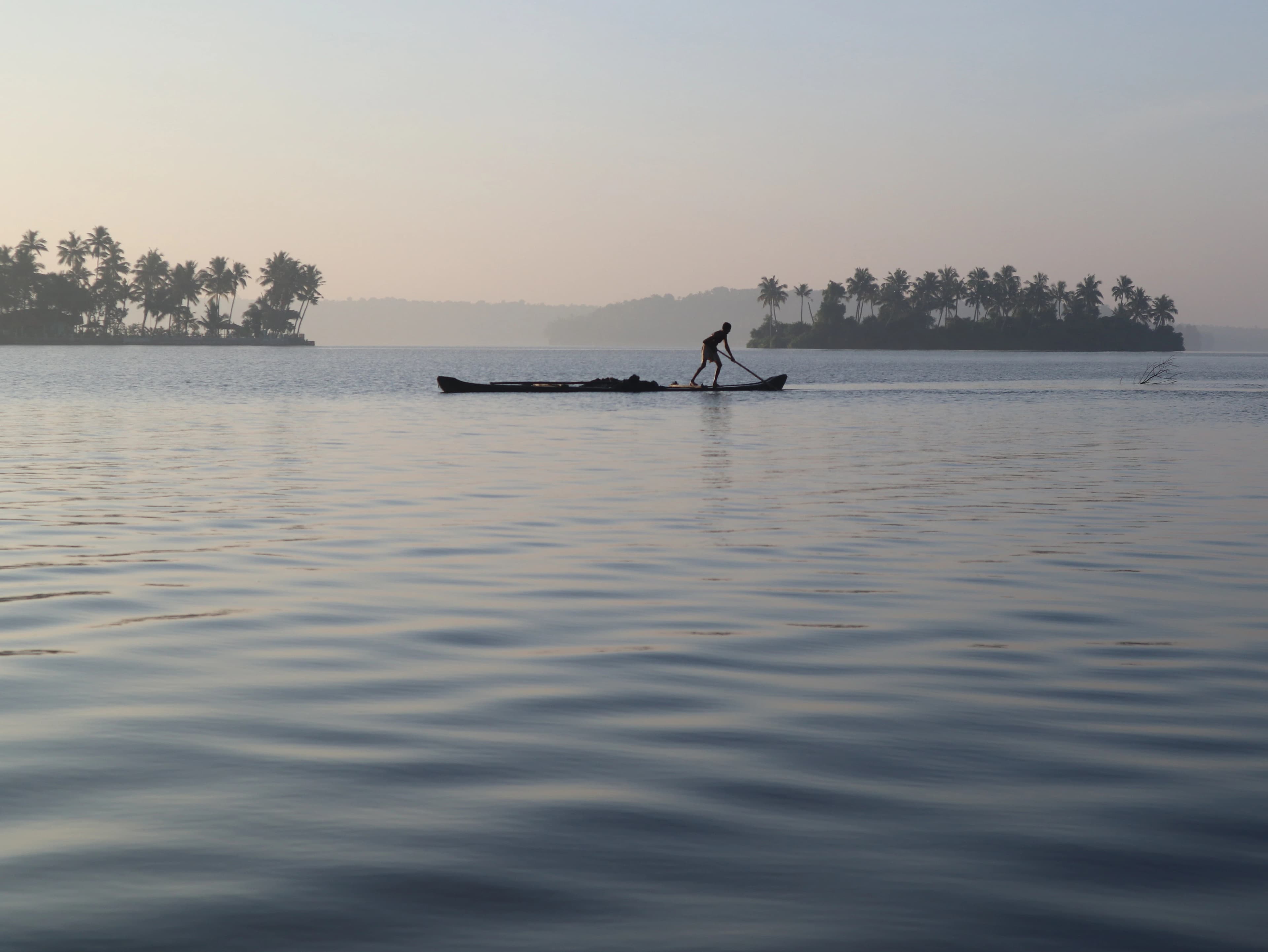
Houseboat rides through tropical canals, coconut palms, and green rice fields.
Varanasi
India's holiest city on the Ganges: ghats, fire ceremonies, and spiritual intensity.
Goa
Tropical beaches, Portuguese churches, hippie markets, and legendary sunsets.
Hotels in India
Vergleiche tausende Hotels, Apartments und Resorts auf Expedia – mit Bestpreis-Garantie, kostenloser Stornierung und Bonuspunkten.
* Weiterleitung zu Expedia.de. Es gelten die dortigen Nutzungsbedingungen.
Reise-SIM für India
Prepaid-SIM mit Datenvolumen für India. Einfach einlegen und sofort lossurfen – keine Roaming-Gebühren.
* Weiterleitung zu travSIM.de. Es gelten die dortigen Nutzungsbedingungen.
Reiseversicherung abschließen
Rundum-Schutz ab 9,90 € auf TravelSecure.de
Pauschalreisen & Rundreisen
Berge & Meer – 170 Tage Cookie
Best time to visit India
Recommended travel time
October–March (cool and dry)
Summer
32–42°C
Winter
15–28°C
How much does a holiday in India cost?
Average cost per person per day (excluding flight)
Budget
15–30€
Hostel, street food, public transport
Mid-range
30–70€
Hotel, restaurant, excursions
Luxury
70–200€
Boutique hotel, fine dining
5 travel tips for India
Insider knowledge to make your holiday better.
Traveler's diarrhea is common – only drink bottled water and eat cooked food
Book trains early on IRCTC – India has the largest railway network in the world
Nodding your head means agreement, not negation
Use your right hand for eating and greeting
Women: cover shoulders and knees, especially in temples
Food & drink in India
These dishes you must try!
Discover India
57 regions, cities and highlights in India
Cities

Agra
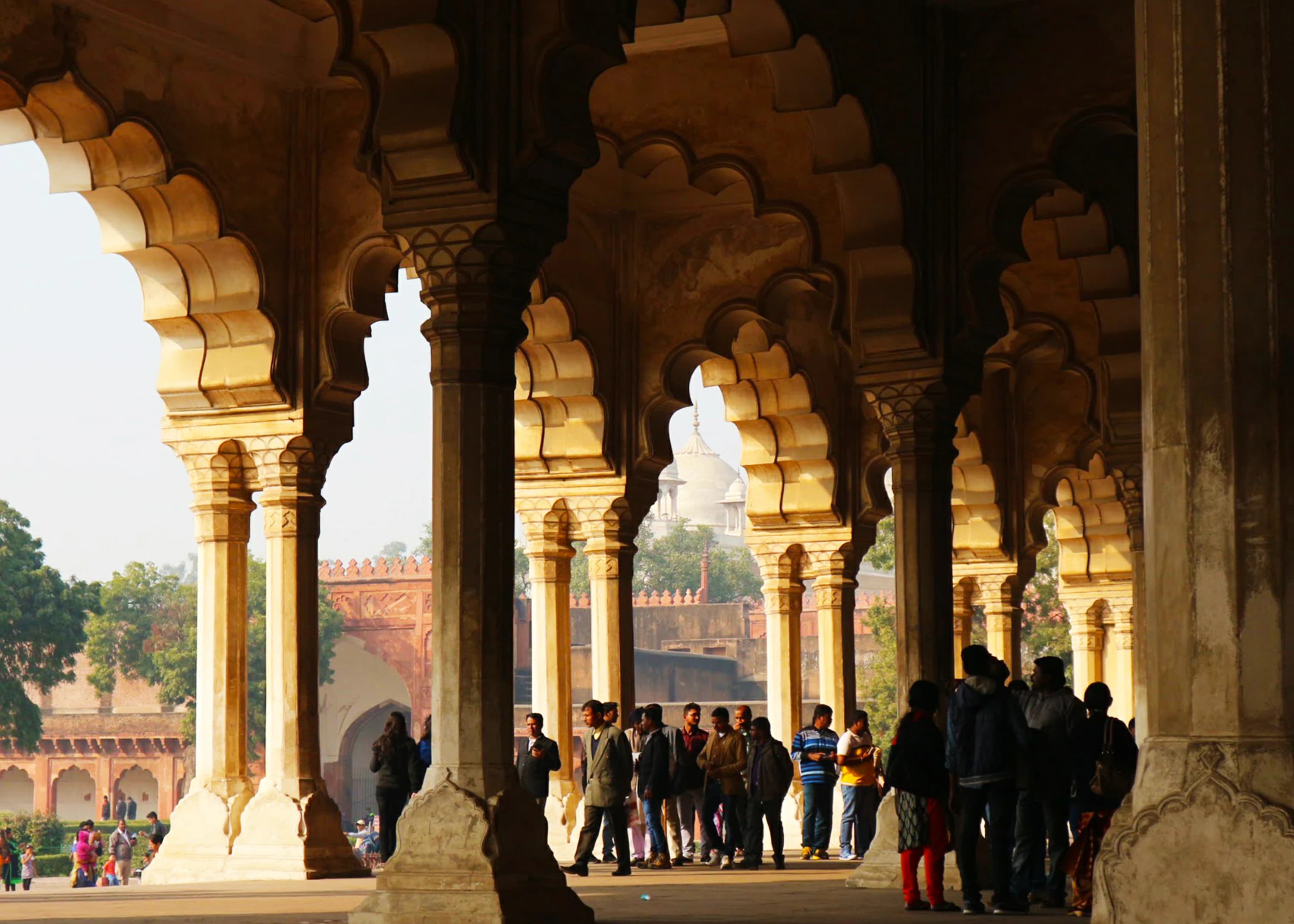
Agra is home to the Taj Mahal — arguably the most famous building in the world and a masterpiece that leaves every visitor in awe. The city on the banks of the Yamuna in the northern Indian state of Uttar Pradesh was once the magnificent capital of the Mughal Empire and houses other world-class architectural jewels alongside the Taj Mahal. The Taj Mahal, built from 1632 to 1653 by Mughal Emperor Shah Jahan as a mausoleum for his deceased beloved wife Mumtaz Mahal, is a monument of eternal love. The perfection of its symmetry, the intricate inlays of semi-precious stones (Pietra Dura), and the play of light on the white marble make it unique. At sunrise, it glows pink, at noon it shines bright white, and at sunset it turns golden — each time of day reveals a different facet of its beauty. The Agra Fort, located just 2.5 kilometers from the Taj Mahal, is a massive fortress made of red sandstone that reflects the wealth and power of the Mughals. Within its walls lie intricate marble palaces, mirror halls, and shady courtyards. From the Musamman Burj terrace, where Shah Jahan spent his last years as a prisoner, there is a heartbreakingly beautiful view of the Taj Mahal. Itimad-ud-Daulah, often referred to as the "Baby Taj," is a charming mausoleum on the opposite bank of the Yamuna. As the first completely white marble Mughal building, it is considered a precursor to the Taj Mahal and impresses with similarly delicate craftsmanship while attracting fewer tourists. Fatehpur Sikri, the abandoned Mughal city located 37 kilometers west of Agra, is a ghost town of grand architecture. Emperor Akbar built this capital in the 16th century, but a lack of water forced him to abandon it after just 14 years. The perfectly preserved palaces, mosques, and courtyards are a fascinating testament to Mughal urban planning.
Ahmedabad
Ahmedabad is India's first UNESCO World Heritage City — a place that embodies the soul of modern India like few others. Here, Mahatma Gandhi founded his Sabarmati Ashram in 1917, from where he organized the non-violent resistance against British colonial rule and embarked on the historic Salt March in 1930. The 6.3 million metropolis in the state of Gujarat is the cradle of the Indian independence movement and one of the country's most dynamic economic cities. The historic old town, which earned Ahmedabad its UNESCO status, is a labyrinth of over 600 Pols — traditional residential neighborhoods with intricately carved wooden balconies, hidden courtyards, communal wells, and temples that have been inhabited since the 15th century. The Jama Masjid, one of the largest mosques in India, impresses with 260 columns, none of which repeat a single pattern. The Sidi Saiyyed Mosque houses India's most famous stone lattice window: a perforated Jali work featuring a tree of life, which has become a symbol of Ahmedabad. On the west bank of the Sabarmati River stretches the modern Riverfront promenade — an 11-kilometer-long park that has reconciled the city with the river and becomes a meeting point for Ahmedabadis in the evening. On the other side of the river, modern architecture revolutionizes the skyline: Le Corbusier's Sanskar Kendra, B.V. Doshi's Amdavad ni Gufa (an organic underground gallery), and Louis Kahn's IIM Ahmedabad are among the most important works of modern architecture in all of Asia. Gujarat is vegetarian — and Ahmedabad is the vegetarian capital of India. The city has virtually no meat restaurants, and the vegetarian street food here is among the best on the subcontinent.
Alleppey (Alappuzha)
Alleppey is the "Venice of the East" — a city in the labyrinth of the Kerala Backwaters, where one glides on a traditional houseboat (Kettuvallam) through tropical canals, rice fields, and palm groves. The Backwaters are a 900 km long network of lagoons, canals, and lakes that shape the daily life of the villagers. A night on the houseboat is one of the most romantic and unique experiences in India.

Amritsar
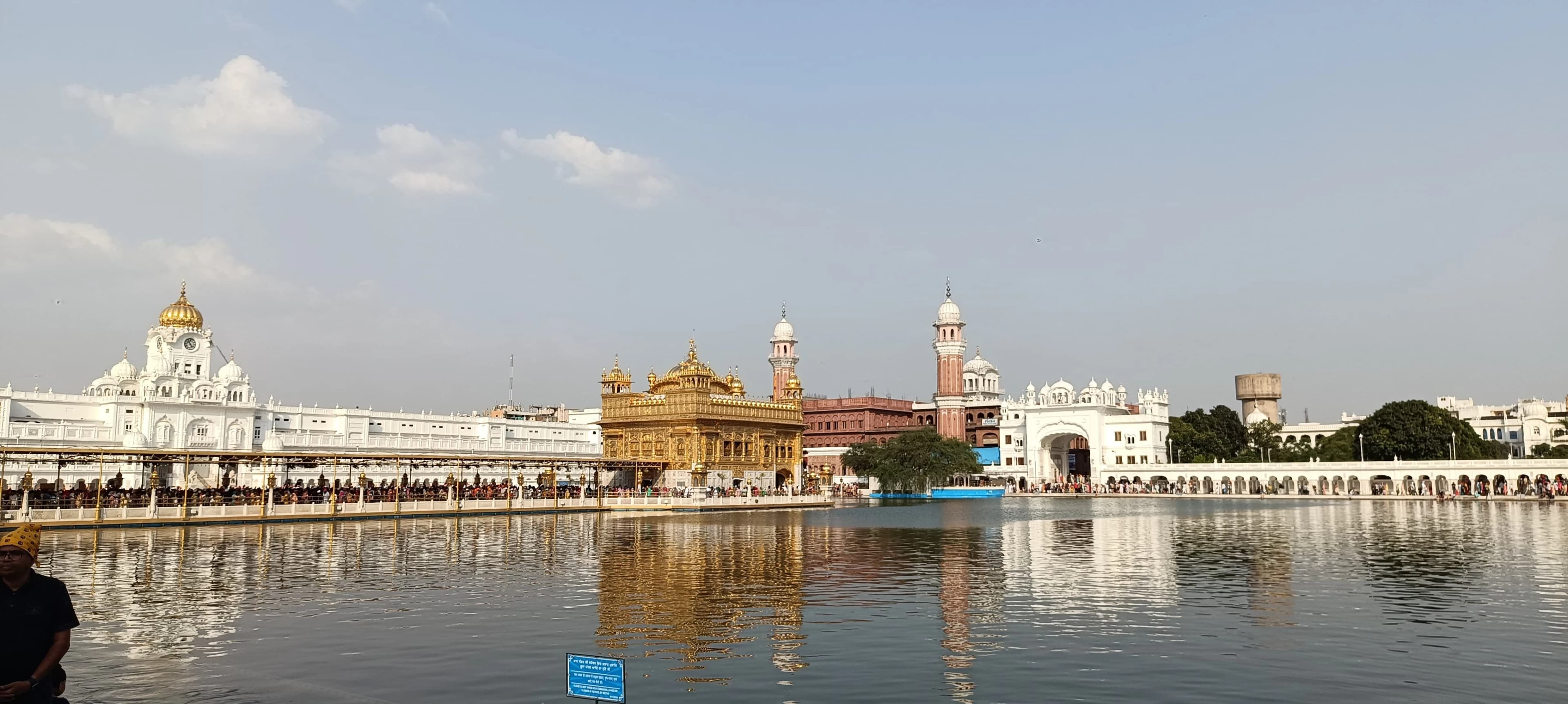
Amritsar is the spiritual capital of the Sikh religion and is home to the Golden Temple — one of the holiest and visually stunning religious buildings in the world. The city in northwestern Punjab, just 30 kilometers from the Pakistani border, pulses with spirituality, history, and the best food in North India. The Sri Harmandir Sahib — the Golden Temple — reflects in a sacred pool (Amrit Sarovar, "Pool of Nectar"), surrounded by a white marble complex. The temple is open 24 hours, admission is free, and daily up to 100,000 people are served free vegetarian meals in the Langar (community kitchen) — the largest free restaurant in the world. The Wagah border ceremony — just 30 kilometers away — is one of the most theatrical spectacles in the world: Indian and Pakistani soldiers in magnificent uniforms perform a choreographed flag-lowering ceremony, accompanied by the cheers of thousands of spectators. The Jallianwala Bagh — a memorial park for the massacre of 1919, where British troops fired on a peaceful crowd — is a moving place of remembrance. The narrow Heritage Street leads from the Golden Temple through colorful markets filled with Punjabi juttis, Phulkari embroideries, and spices.
Bengaluru (Bangalore)
Bengaluru — known as Bangalore until 2006 — is India's Silicon Valley and at the same time the garden city of the subcontinent: A metropolis of 8.5 million on the Deccan Plateau at an altitude of 900 meters, whose spring-like climate throughout the year allows jasmine flowers, bougainvillea, and jacaranda trees to thrive, making one forget the heat of the Indian lowlands. The city is a fascinating contrast: In the city center, the shiny towers of tech parks line up — Infosys, Wipro, TCS, and hundreds of international IT companies have their headquarters here. At the same time, the Lalbagh Botanical Garden and Cubbon Park in the heart of the city offer green oases with centuries-old trees, greenhouses in the style of London's Kew Gardens, and blooming flowerbeds that justify Bengaluru's nickname Garden City. The historical Bengaluru reveals itself in the Tipu Sultan Summer Palace, an elegant teak palace from the 18th century, and in the lively Devaraja Market in the old town, where mountains of jasmine flowers, spices, bananas, and sandalwood products overwhelm the senses. The Bull Temple with its over 4-meter-high monolithic Nandi bull and the ISKCON Temple on Hare Krishna Hill showcase the spiritual side of the city. What truly makes Bengaluru unique is its craft beer and café scene — the best in India. The city has more microbreweries than any other in Asia, and the nightlife districts of Koramangala, Indiranagar, and Church Street vibrate in the evenings with live music, rooftop bars, and a cosmopolitan energy that makes Bengaluru the most relaxed metropolis in India.
Bhopal
Bhopal, the capital of the central Indian state of Madhya Pradesh, is known as the city of lakes: The Upper and Lower Lakes in the heart of the city together form one of the largest artificial lake systems in Asia. The city combines Islamic architecture, Mughal history, and modern development — and is the gateway to the UNESCO World Heritage site of Sanchi. The Sanchi Stupa, located 46 km northeast of Bhopal, is a UNESCO World Heritage site and one of the oldest Buddhist monuments in the world. The Great Stupa No. 1 was built in the 3rd century BC by Emperor Ashoka and expanded over the centuries. The four intricately carved toranas (stone gates) depicting scenes from Buddha's life are among the masterpieces of Indian sculpture. The old town of Bhopal around Chowk Bazaar is a labyrinth of narrow streets with mosques, havelis, and bazaars. The Taj-ul-Masajid (Crown of Mosques) is one of the largest mosques in India, featuring impressive pink sandstone facades and white domes. The Tribal Museum is one of the best ethnographic museums in India: Life-sized dioramas showcase the lives of the tribal communities of Madhya Pradesh with authentic huts, artworks, and artifacts — an impressive museum that goes far beyond the usual display format. The Bhimbetka rock paintings, located 45 km to the south, are another UNESCO World Heritage site: Over 500 rock shelters with prehistoric paintings that are up to 30,000 years old — some of the oldest known traces of human civilization on the Indian subcontinent.
Bhubaneswar
Bhubaneswar — the "City of Temples" — is the capital of the Indian state of Odisha and is home to over 700 Hindu temples, some of which are over 2,000 years old. The city on the eastern bank of the Daya River is a living open-air museum of Indian temple architecture from the 3rd century BC to the 12th century. The Lingaraj Temple — Bhubaneswar's holiest and largest temple from the 11th century — towers over the city with its 45-meter high spire. Non-Hindus are not allowed to enter the inner temple but can get a fascinating view of the activities in the temple complex from a viewing platform. The Udayagiri and Khandagiri Caves — from the 2nd century BC — are the oldest evidence of Jainism in Eastern India with finely carved rock chambers and reliefs. The Dhauligiri Peace Hill marks the site where Emperor Ashoka converted to Buddhism after the bloody battle of Kalinga (261 BC). Just 60 km away is Puri — one of the holiest cities in Hinduism with the famous Jagannath Temple and one of the best beaches in Eastern India. The Konark Sun Temple — a UNESCO World Heritage site — in the shape of a gigantic stone chariot is an architectural masterpiece like no other.
Chandigarh
Chandigarh is India's most modern and cleanest city — and an architectural unique. The city was planned and built from scratch in the 1950s by Le Corbusier as the new capital of Punjab. The result is a vibrant open-air museum of modernity: Brutalist icons, geometric urban planning, and the only built utopia of Le Corbusier. The Capitol Complex — UNESCO World Heritage since 2016 — includes the Parliament building, the courthouse, and the secretariat in monumental concrete architecture. The 'Open Hand' — Le Corbusier's 26-meter-high metal sculpture — is the official symbol of the city and turns in the wind. The Rock Garden — created by self-taught Nek Chand from recycled waste and debris — is Chandigarh's most surprising highlight: a 16-hectare sculpture park with thousands of figures made of ceramics, glass, and metal, resembling a surreal dream. Sukhna Lake — an artificial reservoir at the foot of the Shivalik mountains — is Chandigarh's recreational area with rowboats, jogging paths, and one of the few reservoirs in India without motorized boat traffic. The city is the gateway to the Himalayas and an ideal starting point for excursions to Shimla, Manali, and Dharamsala.
Chennai
Chennai (formerly Madras) is the capital of the southern Indian state of Tamil Nadu and the cultural heart of South India. The city on the Bay of Bengal is the center of Tamil culture, Bharatanatyam dance, Carnatic music, and South Indian cuisine — a world that is fundamentally different from North India. Marina Beach stretches over 13 kilometers along the coast and is one of the longest city beaches in the world. In the evening, it transforms into a huge street food market with Sundal (spiced chickpeas), Bajji (fried vegetables), and fresh sugarcane juice. The Kapaleeshwarar Temple in Mylapore is a masterpiece of Dravidian architecture: a colorful Gopuram (temple tower) adorned with hundreds of deity figures. The San Thome Basilica (over the tomb of Apostle Thomas) and Fort St. George (1644, the oldest British fort in India) tell of Chennai's colonial history. The Government Museum is one of the oldest museums in India with an outstanding bronze collection from the Chola dynasty. Chennai is also the capital of the Tamil film industry (Kollywood), producing more films per year than Bollywood. The film studios, poster paintings, and fandom around superstars like Rajinikanth are unique. Mahabalipuram (UNESCO, 1 hour south) with its beach temples and rock sculptures is an essential day trip.
Coimbatore
Coimbatore, located at the foothills of the Western Ghats in the southern Indian state of Tamil Nadu, is known as the Manchester of South India — a thriving industrial city that also serves as a gateway to the Nilgiri Mountains and some of the most beautiful natural landscapes in India. The city is framed by the majestic panorama of the Western Ghats and offers a pleasant climate almost year-round. The Marudhamalai Temple, situated on a 500-meter-high hill, is dedicated to Lord Murugan and offers a breathtaking view over the city and the surrounding mountains. The ascent up the temple steps is a spiritual experience, especially during the Thaipusam festival. The Isha Yoga Center with the Adiyogi Shiva — the world's largest bust at 34 meters tall, which is listed in the Guinness World Records — is located 40 km from the city at the foothills of the Velliangiri Mountains. Founded by Sadhguru, the facility offers meditation programs and spiritual retreats. From Coimbatore, one can reach Ooty (Udhagamandalam), the Queen of Hill Stations at 2,240 meters, in 2-3 hours: The Nilgiri Mountain Railway (UNESCO World Heritage) steams through tea plantations and eucalyptus forests, starting in Mettupalayam, just 35 km from Coimbatore. The Siruvani Dam provides one of the sweetest drinking waters in the world (according to UNESCO) and is a popular excursion destination amidst tropical forests.

Darjeeling
Darjeeling, the "Queen of the Himalayan Stations," sits at an altitude of 2,042 meters in the foothills of the eastern Himalayas and is inseparably linked to the tea that bears its name. From here, on clear days, there is a breathtaking view of Kangchenjunga, the third highest mountain in the world, whose snow-capped peak glows in the morning light. The town was established by the British in the 19th century as a summer retreat, and the colonial heritage is omnipresent: Victorian buildings, an Anglican church, and the charming Chowrasta, the central square where locals and visitors enjoy a stroll with a view of the Himalayas. The atmosphere is a fascinating mix of British colonial charm, Tibetan spirituality, and Bengali vibrancy. The heart of Darjeeling is tea. The emerald green tea plantations, which stretch like a patchwork quilt over the gentle hills, produce the world-famous Darjeeling tea — the "Champagne of teas." Plantations like Happy Valley and Makaibari offer tours where visitors can experience the entire process from picking to tasting. The Darjeeling Himalayan Railway, affectionately known as the "Toy Train," is a UNESCO World Heritage site and one of the last narrow-gauge railways in the world still in regular operation. The small blue steam locomotive puffs from Siliguri at sea level up to Darjeeling, overcoming more than 2,000 meters in altitude through spectacular loops and zigzag tracks. The ride on the Batasia Loop with a view of Kangchenjunga is one of the most iconic train journeys in Asia. Tiger Hill, 11 kilometers from the town, is the most famous viewpoint for sunrises over the Himalayas. Under optimal conditions, the view stretches from Kangchenjunga to Mount Everest — a panorama that leaves visitors speechless. The Himalayan Mountaineering Institute, founded after the first ascent of Everest in 1953, documents the history of mountaineering and is located in the beautiful Padmaja Naidu Zoo, which houses rare red pandas and snow leopards.
Delhi
Delhi, the vibrant capital of India, combines the splendor of past empires with the energy of a modern 30-million metropolis as one of the oldest continuously inhabited cities in the world. Old Delhi, with its labyrinthine streets around Chandni Chowk and the massive Jama Masjid, stands in stark contrast to New Delhi's wide boulevards designed by British architect Edwin Lutyens. The Red Fort, residence of the Mughal emperors and a UNESCO World Heritage Site, looms with its massive sandstone walls over the chaos of Old Delhi. The Humayun's Tomb is considered a precursor to the Taj Mahal and impresses with its symmetrical garden architecture. The Qutub Minar, a 73-meter high victory tower from the 12th century, is the oldest Islamic structure in India. The Lotus Temple of the Bahá'í faith impresses with its modern flower-like architecture. Culinary-wise, Delhi offers an unparalleled variety: from street food legends like Paranthe Wali Gali in Old Delhi to the butter chicken inventors at Moti Mahal, and fine dining in Khan Market. The Delhi Metro makes the sprawling city remarkably accessible. October to March is the ideal travel time with pleasant temperatures, while summer can get extremely hot.
Faridabad
Faridabad is the largest city in Haryana and an important part of the National Capital Region (NCR), located just 30 kilometers south of New Delhi. The city combines industrial dynamism with surprisingly rich cultural treasures and one of the oldest craft fairs in India. The Surajkund International Crafts Mela, held annually in February, is South Asia's largest handicrafts festival: for over two weeks, more than 1,000 artisans from all over India and 20 guest countries showcase their work — from Rajasthani textiles to Bengali terracotta to Kashmiri shawls. The historic Surajkund (Sun Lake), a semicircular reservoir from the 10th century built by the Tomar ruler Surajpal, is the architectural centerpiece of the site and a rare example of early medieval water engineering. The Aravalli hills, which stretch through southern Faridabad, are part of India's oldest mountain range and offer surprisingly green hiking trails amidst the urban region. The Badkhal Lake, although sometimes dried up, is surrounded by the wooded Aravalli foothills and is a popular retreat. The ISKCON temple in Faridabad is one of the most modern Krishna temples in North India: the complex combines contemporary architecture with traditional spirituality and offers daily Aarti ceremonies (light rituals) with music and singing. The Nahar Singh Mahal, an 18th-century palace in nearby Ballabhgarh, tells the story of the Jat rulers who fought against British colonial rule in the uprising of 1857. Faridabad benefits from its proximity to Delhi: the Qutub Minar, Humayun's Tomb, and the old city of Delhi can be reached in less than an hour, making the city a convenient alternative for visitors to Delhi.
Gorakhpur
Gorakhpur is a historical city in the east of the Indian state of Uttar Pradesh, near the Nepalese border. The city is primarily known as the gateway to Lumbini — the birthplace of Buddha, which is only 100 km away in Nepal and is a UNESCO World Heritage site. The Gorakhnath Temple is the spiritual heart of the city and one of the most important Nath temples in India. The temple honors the medieval yogi Gorakhnath, the founder of the Nath tradition, and attracts millions of pilgrims each year. The monastery houses a library with rare Sanskrit manuscripts. The Ramgarh Taal, a natural lake on the outskirts, is a popular recreational area with boating and a bird sanctuary. Gita Press, one of the largest publishers of religious texts in the world, is based in Gorakhpur and has been producing affordable editions of the Bhagavad Gita and other Hindu scriptures since 1923. The Gorakhpur railway station once held the world record for the longest platform in the world (1,366 meters). The city is also a starting point for excursions to the Kushinagar district, where Buddha attained his Parinirvana (final liberation).

Guwahati
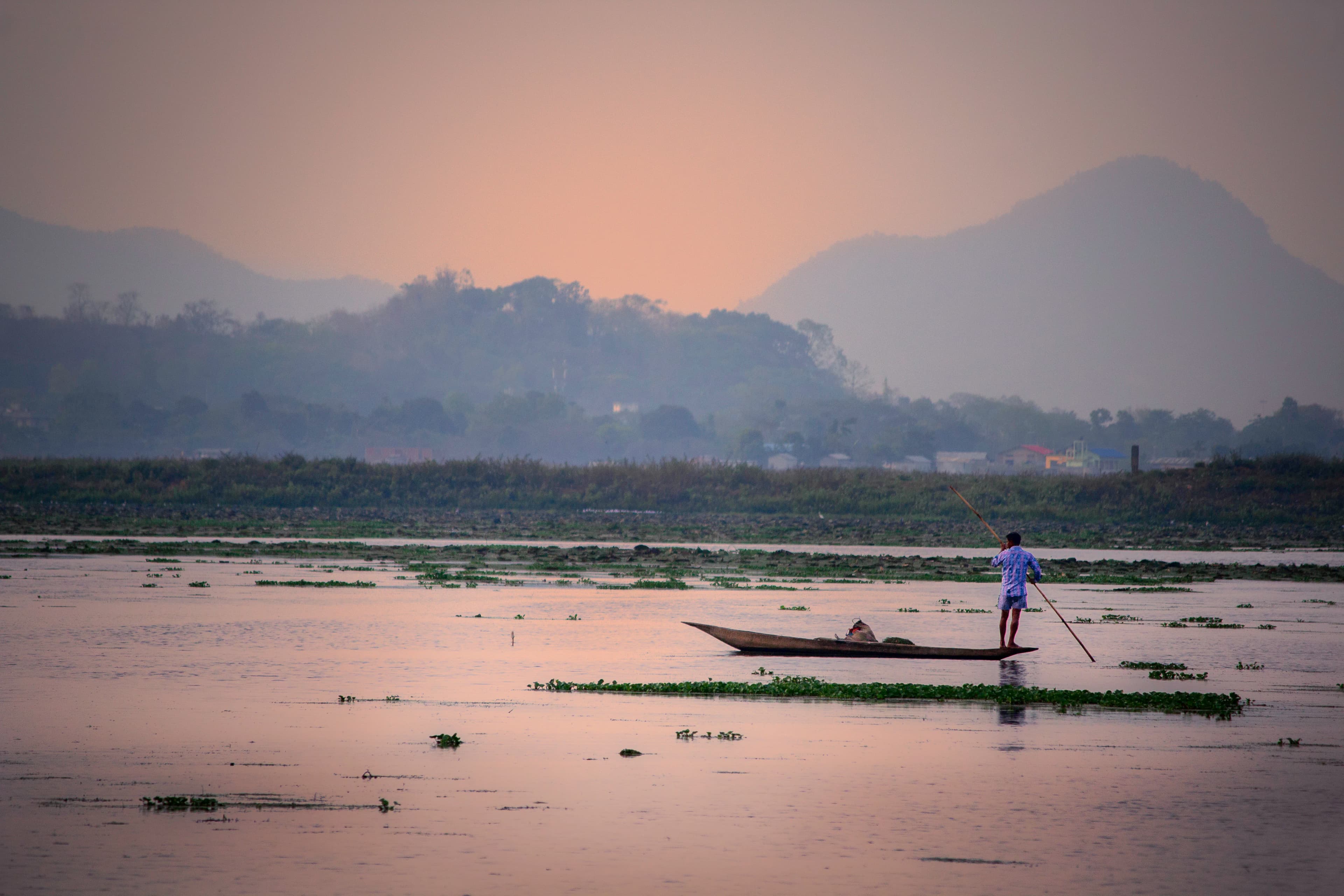
Guwahati is the gateway to Northeast India — one of the most fascinating and least traveled regions of the subcontinent. The city on the mighty Brahmaputra River connects Hindu pilgrimage sites, vibrant tribal cultures, and stunning natural landscapes that remain largely untouched by mass tourism. The Kamakhya Temple on Nilachal Hill is one of the oldest and holiest Shakti temples in India — a center of tantric tradition that attracts pilgrims from all over South Asia. The architecture with its beehive-shaped dome is unique in India. Every year, the Ambubachi Mela takes place here — one of the largest tantric festivals in the world. Kaziranga National Park — a UNESCO World Heritage site, 4 hours away — is home to two-thirds of the world's remaining Indian rhinoceroses. Jeep safaris and elephant rides through the tall grass of the Brahmaputra Valley are among India's most exciting wildlife experiences. The Brahmaputra River island Umananda — India's smallest inhabited river island — is home to a Shiva temple and golden langur monkeys. Fancy Bazar, Guwahati's oldest market, is a sensory experience with silk weavings, bamboo crafts, and the famous Assam teas.
Hyderabad
Hyderabad is the city of pearls, palaces, and biryani — a 7-million metropolis in the heart of India, which has preserved a splendor that overshadows Delhi and Jaipur as the former capital of the fabulously wealthy Nizam Empire. The Nizams of Hyderabad were considered the richest people in the world, and their legacy lives on in palaces, mosques, and a bazaar that was once the largest diamond trading center in the world. The Charminar, Hyderabad's iconic landmark, is a 400-year-old triumphal arch with four minarets that marks the heart of the old city and signals the beginning of the Laad Bazaar — an alley famous for its lacquer bangles, pearls, and bridal wear for centuries. The bazaar around the Charminar is a riot of colors, scents, and hustle and bustle that makes Hyderabad's Muslim heritage palpable at every turn. Golconda Fort, located 11 kilometers to the west, is one of the most impressive fortifications in India: seven concentric walls enclose a hill, on top of which the ruins of the royal palace sit. The acoustic wonder of Golconda — a clap at the entrance gate is audible at the summit a kilometer away — has fascinated visitors for centuries. The famous Hope Diamond and the Koh-i-Noor were found in the diamond mines of Golconda. Hyderabad's biryani is not just a dish, but a religion: the Hyderabadi Dum Biryani, where rice and marinated meat are slowly cooked in a sealed pot (Dum) until the flavors meld, is considered the best rice dish in India. Paradise and Bawarchi are the pilgrimage sites where thousands line up daily for a serving.
Indore
Indore is the largest city in the Indian state of Madhya Pradesh and proudly holds the title of the cleanest city in India — an award that Indore has won multiple times in a row since 2017 in the national Swachh Survekshan ranking. The city is a paradise for street food lovers and is often referred to as the culinary capital of Central India. The Rajwada Palace in the heart of the old town is a seven-story historical building of the Holkar dynasty from the 18th century, which combines Mughal, Maratha, and French architectural styles. The Holkars ruled over the powerful Maratha principality of Indore and left behind magnificent palaces and temples. The Sarafa Bazaar Night Food Street is Indore's culinary highlight: starting at 8 PM, the gold market transforms into a street food mile, where hundreds of stalls offer Joshi Dahi Vada, Garadu (fried yam), Bhutte ka Kees (corn porridge), and countless variations of Chaat. The atmosphere is unique — thousands of people flood through the narrow alleys at night. The Chappan Dukan (56 shops), another food street, offers culinary delights around the clock. Indore is considered the birthplace of Poha breakfast, which is served here in dozens of variations. The Patalpani Waterfalls (35 km away) and the prehistoric rock paintings of Bhimbetka (UNESCO World Heritage, 150 km) make Indore the ideal starting point for day trips into the nature and history of Central India.

Jaipur
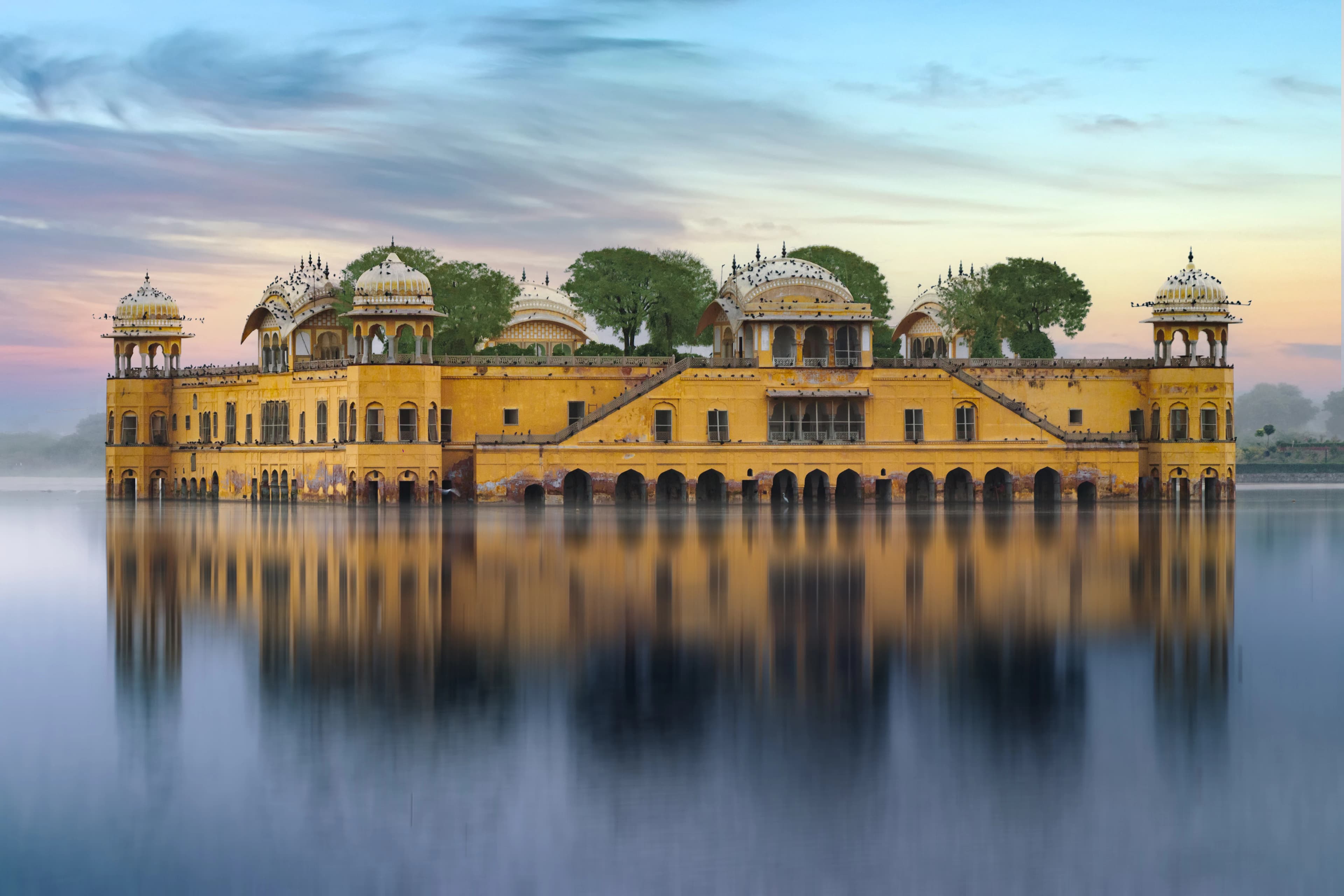
Jaipur, the pink capital of Rajasthan, rightly carries its nickname: in 1876, Maharaja Ram Singh had the entire old town painted terracotta pink to welcome the British crown prince — and this tradition is still maintained today. The city, together with Delhi and Agra, forms the famous Golden Triangle and is a must for every visitor to India. The Hawa Mahal, the Palace of Winds, is Jaipur's most iconic building: its 953 small windows made of red sandstone allowed the royal women to observe street life without being seen themselves. The mighty Amber Fort sits on a hill north of the city, and the ascent by elephant or jeep leads through splendid courtyards with mirror work and intricate marble carvings. The City Palace still houses descendants of the royal family. Jaipur is a shopping paradise for gemstones, textiles, and traditional handicrafts. The colorful bazaars around Johari Bazaar sparkle with silver jewelry and hand-printed fabrics. Jantar Mantar, the 18th-century astronomical observatory with giant stone instruments, is a UNESCO World Heritage site. The best time to visit is from October to March, when mild temperatures make sightseeing enjoyable.
Jaisalmer
Jaisalmer, the "Golden City" in the heart of Rajasthan's Thar Desert, rises like a mirage from the endless sand. Its golden-yellow sandstone walls glow at sunset in a warm honey tone, which gave the city its poetic name — and indeed, Jaisalmer seems to shimmer as if it were built from pure gold. The fort of Jaisalmer is unique among India's fortresses: it is not a museum, but a living city. A quarter of Jaisalmer's population still lives within its walls, in a labyrinth of narrow alleys, temples, havelis, and shops. It is the oldest inhabited fort in the world and feels like a journey back in time to the Middle Ages. The havelis — magnificent merchant houses from the 18th and 19th centuries — are masterpieces of stone craftsmanship. The Patwon-ki-Haveli, the largest and most elaborate, impresses with facades so intricately carved that the sandstone looks like lace. The Salim-Singh-ki-Haveli and the Nathmal-ki-Haveli complement this ensemble of stony perfection. The ultimate Jaisalmer experience is an overnight stay in the Thar dunes. Camel tours lead to the Sam Sand Dunes, where golden dunes stand out against the clear desert sky. At the camp, meals are served under the starry sky while Rajasthani musicians and dancers put on a show that brings the magic of the desert to life. Gadisar Lake, an artificial lake on the outskirts, offers an unreal view of the illuminated fort and the temples and chattris standing by the shore at sunrise. Boat rides at dawn are among the most peaceful experiences in Rajasthan. Jaisalmer's remote location in the desert has preserved the city from the mass tourism that has long reached Jaipur and Udaipur. Here, one still experiences the Rajasthan of caravans, craftsmen, and desert nights — authentic, golden, and unforgettable.
Jamshedpur
Jamshedpur is India's first planned industrial city and is nicknamed Steel City — named after Jamsetji Nusserwanji Tata, who founded India's first steel plant here in 1907, laying the foundation for the largest industrial conglomerate in the country. The city, located at the confluence of the Subarnarekha and Kharkai rivers, demonstrates how industrial vision and green urban planning can coexist harmoniously. Jamshedpur is not a typical industrial city: The Tata Group has consistently invested in green spaces, educational institutions, and infrastructure for over a century. The result is one of the cleanest and best-planned cities in India, featuring wide boulevards, well-maintained parks, and a network of artificial lakes. Jubilee Park, created for the 50th anniversary of Tata Steel, is a 200-hectare park with rose gardens, fountains, and a zoo. The Tata Steel Zoological Park (Tata Zoo) houses over 60 species of animals in naturalistic enclosures: Bengal tigers, Indian elephants, and leopards can be observed here. Dimna Lake, an artificial reservoir created by Tata Steel, offers kayaking, fishing, and birdwatching amidst the Chota Nagpur Plateau. The Dalma Wildlife Sanctuary, just 13 km to the south, is a 193 square kilometer protected area in the Dalma Hills, famous for its wild elephant herd. During the winter months (November-February), hundreds of elephants migrate through the reserve — a rare natural spectacle in such close proximity to the city. The Tribal Culture Centre documents the rich culture of the Adivasi peoples (tribal communities) of Jharkhand: The Santal, Munda, and Ho have lived in the region for millennia and have preserved their own art, music, and dance culture. The Chhau dance, a dramatic masked dance from the region, is recognized as UNESCO intangible cultural heritage.

Jodhpur
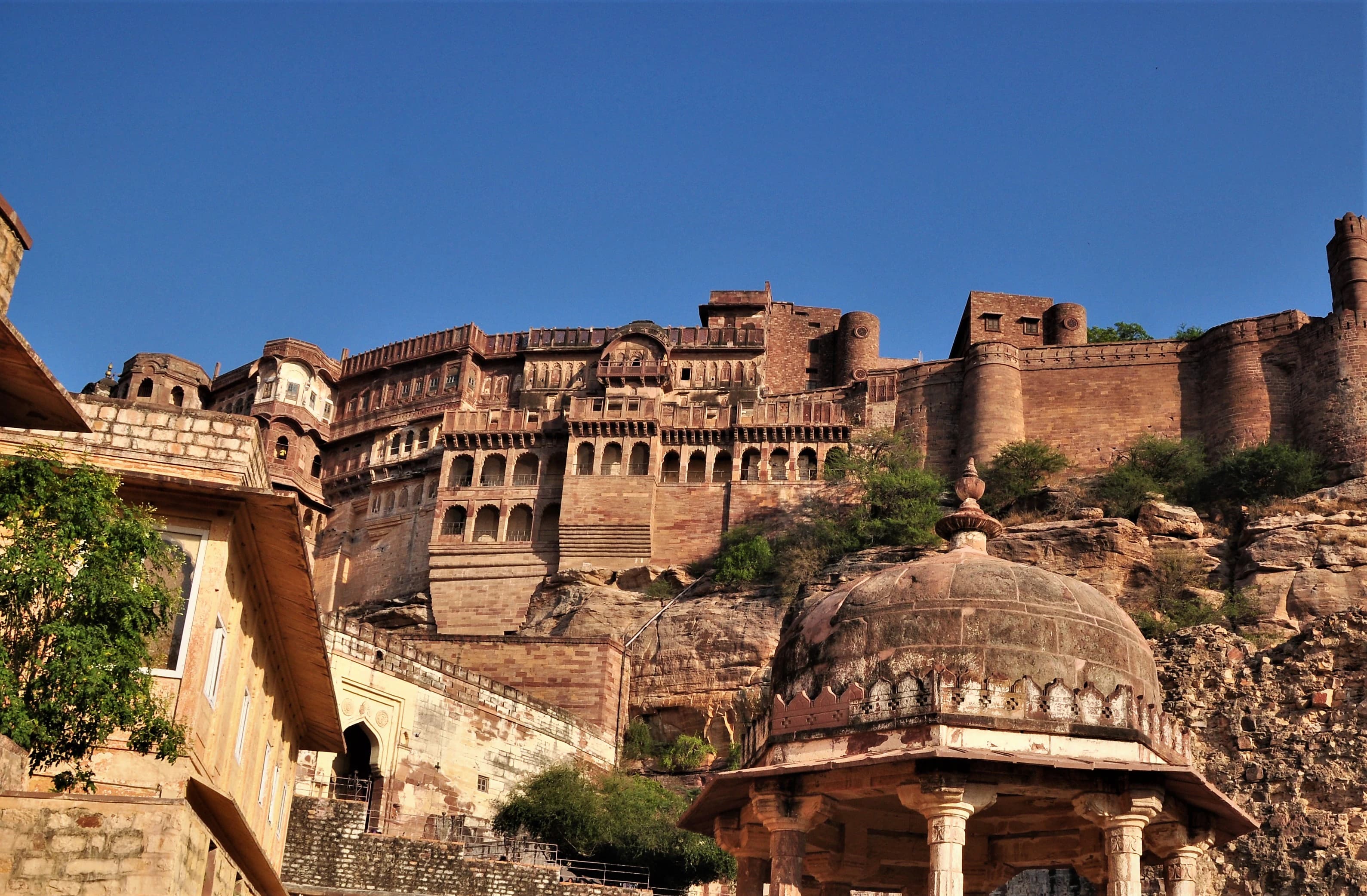
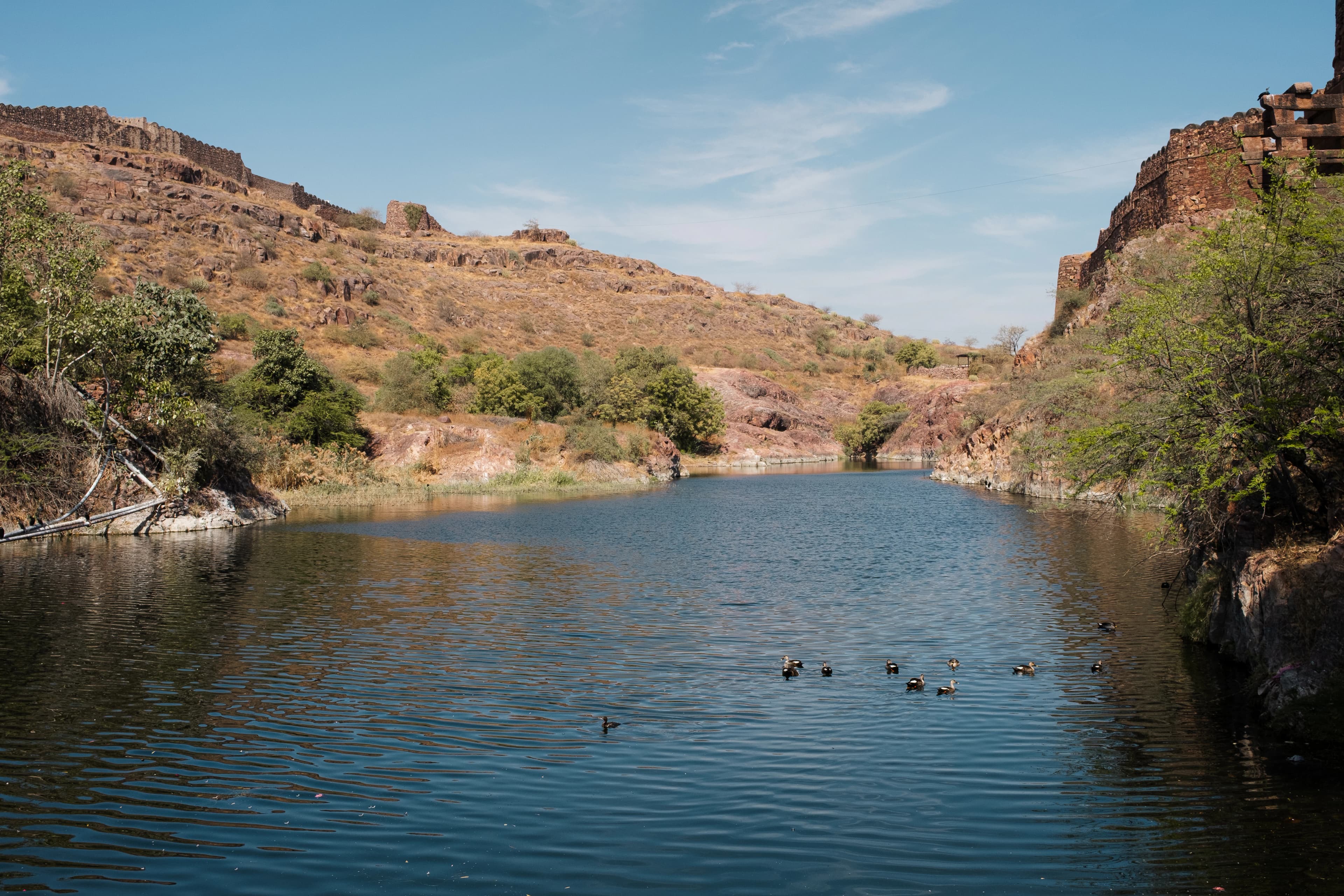
Jodhpur is the "Blue City" of India — and the first view from the Mehrangarh Fort over the sea of blue-painted houses stretching to the horizon is one of those moments that make you travel to India. The second-largest city in Rajasthan, on the edge of the Thar Desert, combines majestic Mughal architecture with vibrant market activity and a color palette that is unmatched. The Mehrangarh Fort towers over the city on a 120-meter high rock plateau and is one of the most imposing forts in India. The meter-thick walls house magnificent palaces with intricate stone carvings, mirror halls, and a top-notch museum. From the ramparts, breathtaking views of the blue old town unfold — especially at sunset when the blue of the houses is bathed in golden light. Why is Jodhpur blue? The explanation is as poetic as it is pragmatic: Originally, only Brahmins (the highest caste) painted their houses blue to stand out from other castes. Later, the residents discovered that the blue color (mixed with copper sulfate) repels termites and cools the houses. Today, the tradition is continued out of pride and aesthetics. The old town around the Clock Tower is a sensory fireworks display. The Sardar Market offers everything from colorful Rajasthani textiles to intricate silverwork and mountains of spices in vibrant colors. The alleys are narrow, loud, and full of life — rickshaws squeeze past sacred cows, vendors shout their wares, and the scent of masala chai mingles with that of fresh samosas. The Umaid Bhawan Palace — half Maharaja's palace, half Taj luxury hotel — is one of the largest private residences in the world. The Art Deco architecture made of golden sandstone is extraordinary, and even those who do not stay there can visit the museum and admire the gardens.

Kanpur
Kanpur is the largest industrial city in the Indian state of Uttar Pradesh and is located on the banks of the sacred Ganges. With around 3 million inhabitants, the city was once the industrial heart of North India, known as the Manchester of the East due to its thriving textile industry. Kanpur combines British colonial heritage, Hindu spirituality along the Ganges, and the vibrant life of a modern Indian metropolis. The memorials of the Indian Rebellion of 1857 shape Kanpur's historical identity: The Kanpur Memorial (Nana Rao Park) and the Massacre Ghat commemorate the dramatic events when Indian rebels under Nana Sahib fought against British colonial rule. The All Souls Cathedral, built in 1875 in Gothic style, is an impressive monument of this era. The Ganges is the spiritual center of the city. The Ghats of Kanpur, especially the Sarsaiya Ghat and the Bithoor Ghat, are places for daily Hindu rituals. Bithoor, located 20 km to the north, is considered the mythological birthplace of Sita and is home to numerous temples. The Allen Forest Zoo is one of the oldest zoos in India and houses rare animal species in a spacious park. The Green Park, Kanpur's famous cricket stadium, is one of the oldest venues for Test cricket in India and a pilgrimage site for cricket fans. Kanpur's leather industry is among the largest in Asia — the city produces a significant portion of India's leather exports. The Naveen Market and the Z-Square Mall offer a shopping experience that blends tradition and modernity.
Khajuraho
Khajuraho is home to the most famous erotic temples in the world — a UNESCO World Heritage group of 25 Hindu and Jain temples from the 10th to 12th centuries featuring spectacular sculptures. The explicit depictions are only a small part of the thousands of sculptures that showcase the entire spectrum of life: gods, demons, dancers, musicians, and everyday scenes. The temples stand isolated in the plains of Madhya Pradesh and are an architectural masterpiece.
Kochi (Kerala)
Kochi is the cosmopolitan gateway to Kerala, 'God's own country', and one of the most fascinating port cities in Asia. Located on a peninsula, Fort Kochi reflects 500 years of trading history — from Chinese fishing nets to Portuguese churches, Jewish synagogues, and Dutch palaces. The nearby backwaters, spice plantations, and Ayurveda resorts make Kochi the perfect starting point for travels in Kerala.

Kolkata
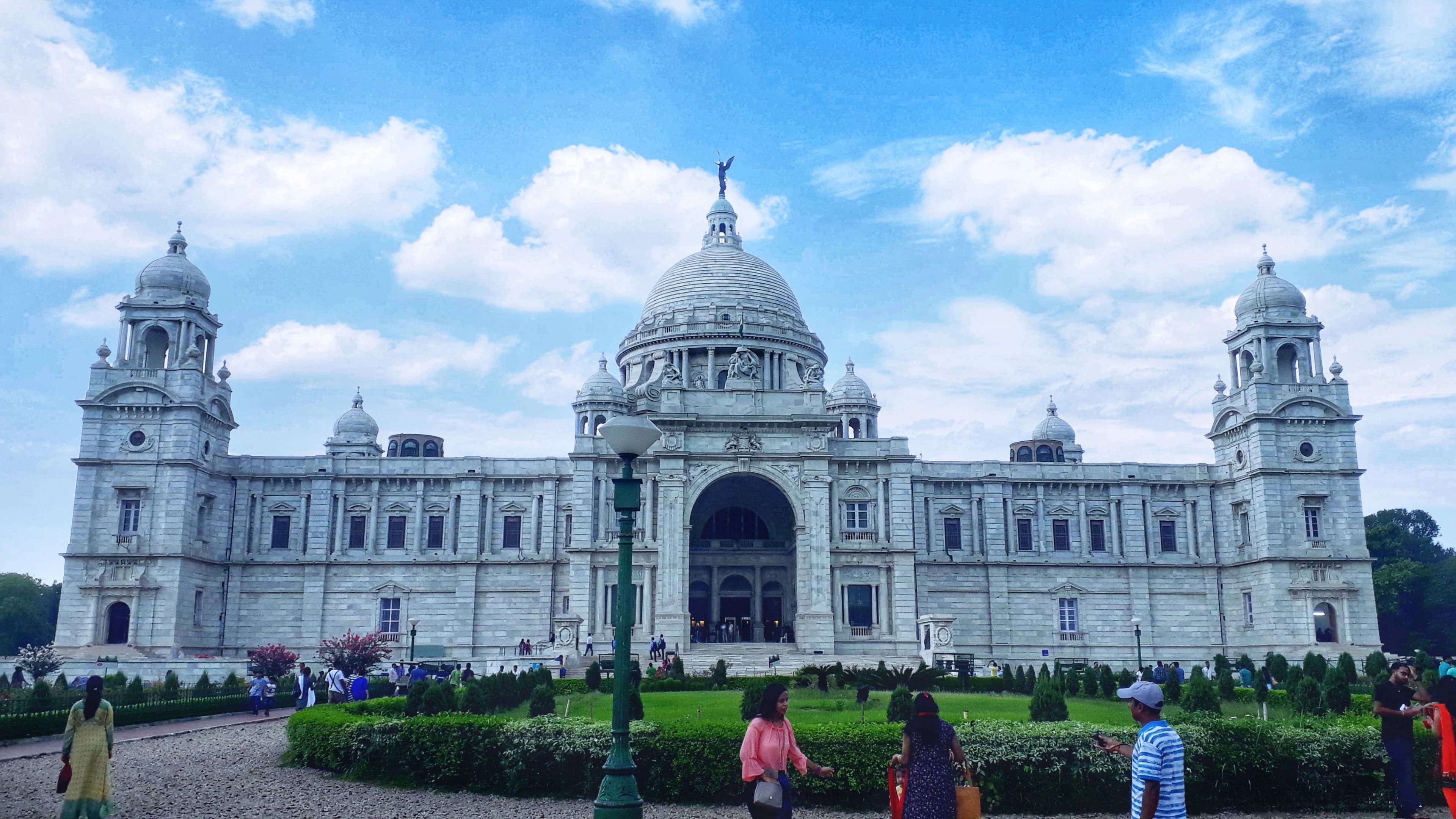
Kolkata (formerly Calcutta) was the capital of British India until 1911 and remains the intellectual and artistic capital of the country. The city on the Hooghly River has produced more Nobel laureates than any other city in India — Rabindranath Tagore, Amartya Sen, and Mother Teresa have all worked here. The Howrah Bridge (1943) is the landmark: a cantilever steel bridge without screws, over which millions of people, rickshaws, and buses flow daily — one of the busiest bridge structures in the world. The Victoria Memorial, an imposing marble structure in Victorian style, recalls the colonial era and houses a museum with paintings and artifacts from the British Raj. The Kumartuli district, where hundreds of artists shape clay idols year-round, is unique: during the Durga Puja festival (October), thousands of these figures are displayed in beautifully decorated pandals (temporary temples) and then ritually immersed in the river. Durga Puja is the soul of Kolkata and has been a UNESCO World Heritage Site since 2021. College Street with its huge book market, the coffee house culture at the Indian Coffee House, and the film tradition of Satyajit Ray make Kolkata a place where India's intellectuals feel at home. Park Street with its restaurants and clubs is the center of nightlife.
Lucknow
Lucknow is the capital of the Indian state of Uttar Pradesh and one of the culturally richest cities in South Asia. The city on the Gomti River was once the center of the Mughal Empire and the Awadh dynasty, whose legacy lives on today in magnificent architecture, refined cuisine, and legendary hospitality (Tehzeeb). Lucknow is often referred to as the city of Nawabs and Kebabs. The Bara Imambara, built in 1784 by Nawab Asaf-ud-Daula, is one of the grandest structures in North India: The central hall measures 50 meters in length and is constructed without a single column or iron beam — an architectural masterpiece. On the upper floor is the famous Bhool Bhulaiya, a confusing labyrinth of over 1,000 identical corridors. The Rumi Darwaza, an imposing gate from the 18th century, is modeled after the Sublime Porte in Istanbul and is considered a landmark of the city. The British Residency, the site of the siege of 1857 during the Indian Rebellion, stands as a ruin amidst well-kept gardens. Lucknow's cuisine is legendary: The city is considered the birthplace of Dum Pukht (slow cooking in sealed pots) and the finest kebab art in India. The Galawati Kebabs, so tender that they melt in the mouth, were once invented for a toothless Nawab. The Chowk area and Aminabad are culinary pilgrimage sites where street food has been perfected for generations.
Ludhiana
Ludhiana is the largest city in the Indian state of Punjab and the industrial heart of India's grain bowl. With around 1.7 million inhabitants, it is a vibrant metropolis known for its textile industry, Sikh culture, and the legendary Punjabi cuisine — a city that rarely appears on tourist maps but offers pure, authentic India. The Naam Punjab Cultural Centre and the Maharaja Ranjit Singh War Museum document the proud history of the Sikhs: Maharaja Ranjit Singh united the Sikh Empire in the 19th century and made Punjab the most powerful region in South Asia. The golden Gurudwaras (Sikh temples) with their Langars — free community kitchens that feed thousands of people daily — provide an impressive experience of Sikh hospitality. Ludhiana is India's textile capital: over 5,000 textile factories produce a large portion of India's winter clothing. The Chaura Bazaar and the Kipps Market area offer colorful markets with fabrics, Phulkari embroideries, and traditional Jutis (embroidered leather shoes). The Punjabi cuisine, served in its purest form in Ludhiana, is among the most popular culinary traditions in the world: Butter Chicken, Dal Makhani, Tandoori dishes, and fresh Naan bread from the clay oven — all these dishes originated in the Punjab region. The Lodhi dynasty, which ruled Northern India in the 15th century, founded Ludhiana and gave the city its name. The historic Phillaur Fort on the Sutlej River and the Punjab Agricultural University Campus with its botanical gardens are additional highlights.

Madurai
Madurai is one of the oldest continuously inhabited cities in the world and the cultural heart of South India. For over 2,500 years, the city has been a center of Tamil civilization, literature, and temple architecture. Madurai is affectionately referred to as Thoonga Nagaram — the city that never sleeps — as life around the great temple pulses around the clock. The Meenakshi Amman Temple is the undisputed masterpiece of Dravidian architecture and one of the most impressive Hindu temples in the world. The complex spans six hectares and features 14 Gopurams (gateway towers) rising up to 52 meters, adorned with thousands of colorful deities, demons, and mythological scenes. The temple is dedicated to the goddess Meenakshi (a manifestation of Parvati) and her husband Sundareswarar (Shiva). The Thirumalai Nayakkar Palace, built in 1636 by the Nayak king Thirumalai, combines Dravidian and Islamic architectural elements: The 15-meter-high columns of the audience hall (Swarga Vilasam) and the expansive courtyard testify to the grandeur of the Nayak dynasty. An evening light and sound show takes place. The Meenakshi Temple Festival (Chithirai Thiruvizha) in April/May is one of the largest temple festivals in India: Over a million pilgrims gather for the ritual wedding of Meenakshi and Sundareswarar. Processions with decorated elephants and temple chariots parade through the streets. The Gandhi Memorial Museum documents the history of the Indian independence movement with Gandhi's blood-stained Dhoti. Madurai was an important stop on Gandhi's travels through South India.
McLeod Ganj (Dharamsala)
McLeod Ganj is the seat of the Dalai Lama and the heart of the Tibetan exile community in India — a spiritual center at 1,770 meters at the foot of the Himalayas. This small mountain town above Dharamsala combines Tibetan monastic culture with Indian flair and attracts meditation seekers, trekkers, and Tibet enthusiasts from all over the world. Prayer flags flutter over the streets, monks in robes populate the cafes, and the view of the snow-capped Dhauladhar mountains is breathtaking.
Mumbai
Mumbai, the unofficial capital of India, is a metropolis full of contrasts: Here, Bollywood glamour meets Dharavi, one of Asia's largest slums, art deco splendor meets modern skyscrapers, and British colonial heritage meets a deeply Indian soul. The 21-million metropolis on the west coast is the economic and cultural heart of the subcontinent. The Gateway of India, an imposing triumphal arch at the harbor, is the city's landmark and starting point for boat trips to Elephanta Island with its Hindu-Buddhist cave reliefs from the 6th century. The Victoria Terminus (Chhatrapati Shivaji Maharaj Terminus) is the most magnificent train station in the world — a Victorian Gesamtkunstwerk and UNESCO World Heritage site, through which three million commuters pass daily. The Marine Drive, affectionately called the Queen's Necklace, stretches as a curved promenade along the Arabian Sea — especially at sunset, it is a magical sight. Mumbai's street food is legendary: Vada Pav, Pav Bhaji, and Bhel Puri at Chowpatty Beach are a culinary must. The laundry Dhobi Ghat, where hundreds of washers work outdoors, is a unique cityscape. November to February offers ideal travel weather with mild temperatures.

Mysore (Mysuru)
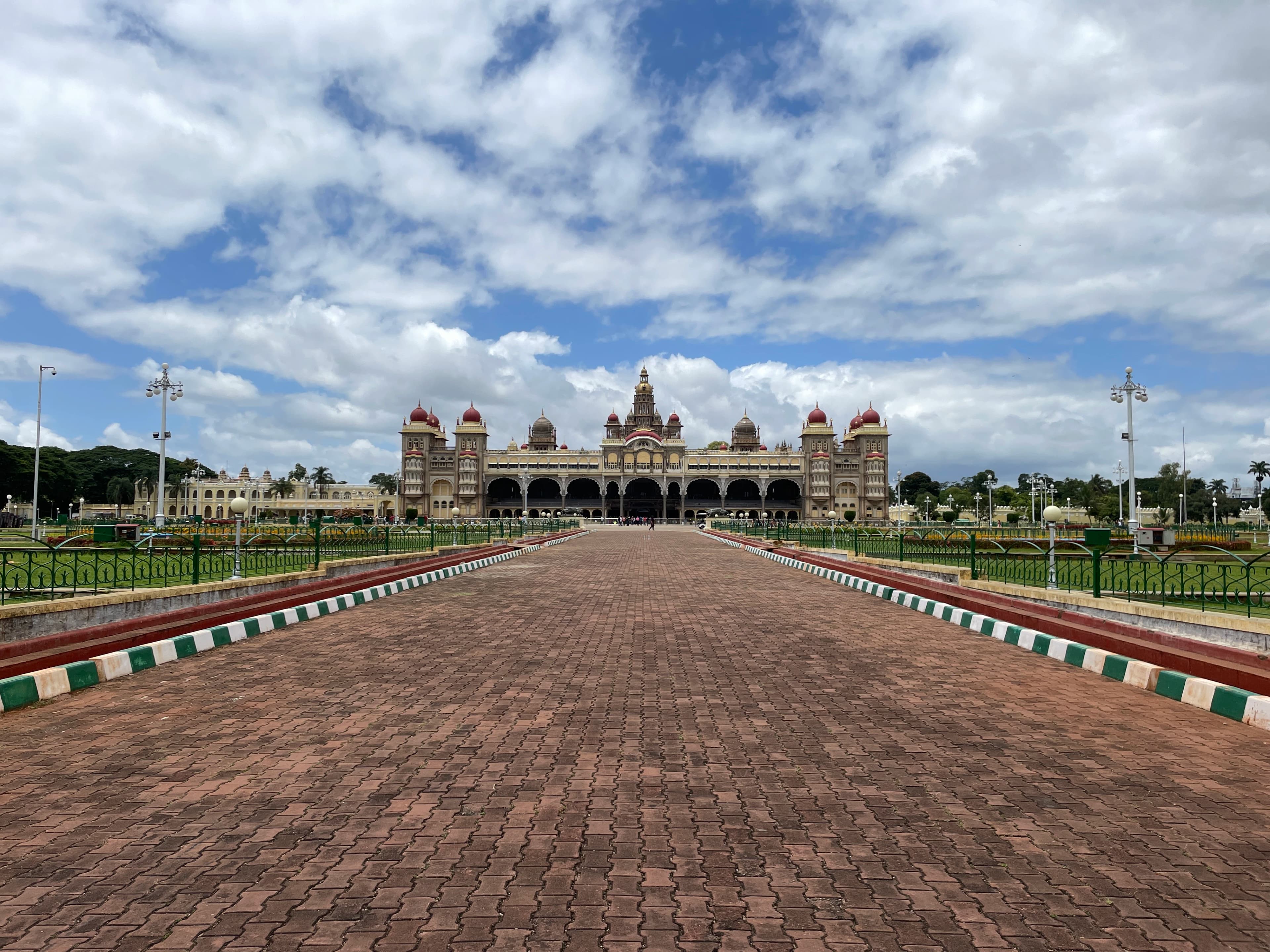
Mysore (officially Mysuru) is the most royal city in South India — a place full of palaces, temples, jasmine, and sandalwood. The former capital of the Kingdom of Mysore has preserved its aristocratic heritage and combines it with a vibrant yoga culture and a relaxed atmosphere, making it the most pleasant large city in India. The Amba Vilas Palace (Mysore Palace) is the crown jewel of the city and is the most visited sight in India after the Taj Mahal. The Indo-Saracenic architecture unites Hindu, Islamic, and European elements into a total work of art. On Sundays and holidays, the palace is illuminated with 97,000 light bulbs — a sight of fairy-tale beauty. Dasara, the ten-day festival in October, transforms Mysore into a spectacle of processions, music, and light. The highlight is a majestic elephant procession, where adorned elephants carry the golden idol through the illuminated streets. It is one of the most colorful festivals in all of India. Mysore is, alongside Rishikesh, the most important center of Ashtanga yoga. The tradition dates back to Sri K. Pattabhi Jois, who taught here until his death in 2009. Thousands of yogis from around the world come annually for weeks or months to practice with his grandson Sharath Jois or at one of the many shalas. The Devaraja Market is a sensory fireworks display: mountains of jasmine flowers, incense sticks, spices, sandalwood carvings, and fresh fruits at one of the oldest markets in South India. The scent of jasmine and sandalwood — both symbols of Mysore — permeates the entire city. Chamundi Hill with the Chamundeshwari Temple offers panoramic views over the city and the palace. The five-meter-high Nandi bull (Shiva's mount) on the way to the summit is carved from a single block of granite and has impressed since the 17th century.
Nagpur
Nagpur is located in the exact geographical center of India and is the third-largest city in the state of Maharashtra. The city is affectionately known as Orange City, as the region is one of the largest orange-growing areas in Asia. Nagpur is also a significant center of Buddhism in India — here, Dr. B.R. Ambedkar converted to Buddhism in 1956 with over 600,000 followers, a historic event that still shapes the city today. The Deekshabhoomi is the largest stupa in Asia and the site where the mass conversion took place. The impressive white dome structure welcomes millions of Buddhist pilgrims each year, especially in October during the Dhammachakra Pravartan Din ceremony. The Sitabuldi Fort, built on a double hill in the city center, was the site of the Battle of Sitabuldi in 1817 between the British and the Marathas. Today, the fort is a military area but is open to visitors on Republic Day and Independence Day. The tiger reserves around Nagpur make the city the gateway to India’s tiger capital: The Tadoba-Andhari National Park (140 km), the Pench National Park (90 km), and the Navegaon-Nagzira Tiger Corridor offer the best chances in the world to observe wild Bengal tigers in their natural habitat. Futala Lake and Ambazari Lake are popular recreational areas, illuminated in the evenings and lined with promenades. The Maharaj Bagh Zoo in the heart of the city houses rare Indian animal species.
Nashik
Nashik is one of the holiest cities in India and at the same time the emerging wine center of the subcontinent — a fascinating combination of ancient spirituality and modern enjoyment. The city on the banks of the Godavari River in Maharashtra is one of the four locations of the Kumbh Mela, the largest religious festival on earth, which attracts millions of pilgrims every twelve years. The ghats along the Godavari are the spiritual heart of Nashik: At Ramkund Ghat, where Lord Rama is said to have bathed during his fourteen-year exile, devotees perform purification rituals daily. The Panchavati temple complex in the old town marks the place where Rama, Sita, and Lakshmana are believed to have lived — a central scene of the epic Ramayana. The wine region of Nashik extends over the hills around the city at an altitude of 500-700 meters: Over 50 wineries produce Shiraz, Cabernet Sauvignon, Chenin Blanc, and Sauvignon Blanc. Sula Vineyards, India's most famous winery, offers tours, tastings, and an annual wine festival in February (SulaFest) featuring international music acts. The Trimbakeshwar Temple, located 30 km west in the Western Ghats, is one of the twelve holiest Shiva temples in India (Jyotirlinga). The Brahmagiri hills behind it are considered the source of the Godavari. The Pandav Leni caves (Trirashmi caves) are 24 rock-cut Buddhist caves from the 1st to 3rd century, featuring prayer halls and meditation cells.
Patna
Patna is the capital of the state of Bihar in northeastern India and one of the oldest continuously inhabited cities in the world. As ancient Pataliputra, the city was once the capital of the Maurya Empire under Emperor Ashoka (3rd century BC) and one of the largest urban centers of the ancient world — Greek envoys described it as a magnificent metropolis, larger than any city of the Persian Empire. The city stretches over 20 km along the southern bank of the Ganges, which reaches its full width here. The Golghar, a massive beehive-shaped granary built in 1786 by the British after a devastating famine, offers a panoramic view of the city and the Ganges from its top. Patna is a significant center for Sikhs: The Takht Sri Patna Sahib (Harmandir Sahib) is one of the five holy thrones of Sikhism and the birthplace of Guru Gobind Singh, the tenth Sikh Guru. Pilgrims from around the world visit this magnificent white marble temple. The region around Patna is the heartland of Buddhism: Bodhgaya (110 km south), where Buddha attained enlightenment under the Bodhi tree, is the holiest site in Buddhism. Nalanda (90 km), the oldest university in the world (founded in the 5th century), whose ruins have been a UNESCO World Heritage Site since 2016, and Rajgir with its hot springs and Jain pilgrimage sites form the Buddhist circuit. The Patna Museum houses an impressive collection of Maurya artifacts, including the Didarganj-Yakshi — a polished sandstone sculpture from the 3rd century BC, considered one of the masterpieces of Indian art.
Pondicherry
Pondicherry (officially Puducherry) is India's French Riviera — a former colonial city with colorful villas, boulevards, and boulangeries on the Coromandel Coast. The charming French Quarter with its yellow colonial buildings and bougainvilleas feels like a piece of Provence in the tropics. The nearby Auroville — an experimental international commune — and the vibrant Tamil side of the city create a fascinating cultural mix.
Prayagraj
Prayagraj — formerly Allahabad — is one of the holiest cities in Hinduism and the place where three of India's most sacred rivers converge: the Ganges, Yamuna, and the mythical, invisible Saraswati. This confluence — the Triveni Sangam — makes Prayagraj the spiritual epicenter of India. Every 12 years, the Kumbh Mela takes place here — the largest religious festival in human history, attracting over 100 million pilgrims who come to bathe in the Sangam and wash away their sins. The next Maha Kumbh Mela will be held in 2025, transforming the city into a temporary metropolis of tents. The Allahabad Fort — an imposing Mughal fort from the 16th century built by Emperor Akbar — overlooks the confluence of the rivers. The Akshayavat — a sacred, allegedly immortal Banyan tree in the fort — has been a pilgrimage site for thousands of years. The Anand Bhawan — the former residence of the Nehru family — is now a museum showcasing the history of the Indian independence movement. Jawaharlal Nehru and his daughter Indira Gandhi grew up here. The city has a vibrant student atmosphere thanks to the historic University of Allahabad.
Pune
Pune is the second largest city in the Indian state of Maharashtra and is located on the Deccan Plateau at an elevation of about 560 meters, approximately 150 km southeast of Mumbai. The city is often referred to as the Oxford of the East, as it is home to over 100 educational institutions and is a center for IT, research, and the automotive industry. Historically, Pune was the capital of the Maratha Empire under the Peshwa rulers in the 18th century. The Shaniwar Wada, an imposing fortress palace built in 1732, was the center of Maratha politics and is today Pune's most famous landmark. The ruins tell tales of intrigue, power, and the rise of an empire that stood up to the Mughals. The Aga Khan Palace, a magnificent building from the 19th century, served as a prison for Mahatma Gandhi, his wife Kasturba, and his secretary during British colonial rule. It is now a museum and memorial of the Indian independence movement. Pune is surrounded by the Sahyadri Mountains (Western Ghats), a UNESCO World Heritage region with rich biodiversity. Numerous historical hill forts such as Sinhagad, Rajgad, and Torna are popular trekking destinations. The climate is significantly more pleasant than in coastal cities, with mild winters and moderate monsoons. The Osho International Meditation Resort attracts thousands of spiritually seeking individuals from around the world each year. Pune's culinary and nightlife scene is considered one of the best in India.
Pushkar
Pushkar is one of the oldest and holiest cities in India, picturesque by a sacred lake in the Rajasthan desert. The small town with its 400 temples and 52 ghats attracts both pilgrims and backpackers alike. Famous is the annual Pushkar Mela — the world's largest camel fair, which transforms the desert into a colorful spectacle every November.

Rajkot
Rajkot is the fourth largest city in Gujarat and is inseparably linked to the childhood of Mahatma Gandhi, who spent formative years of his youth here. The city on the Kathiawar Peninsula is a vibrant trading center with a rich history as the former capital of the eponymous princely state and a surprisingly diverse culinary heritage. The Kaba Gandhi No Delo (Gandhi's family residence) is a modest stone house where the young Mohandas spent his school years. The lovingly restored museum showcases personal belongings, photographs, and documents from Gandhi's youth — before he went to study law in London and later led the largest non-violent liberation movement in history. The Watson Museum collection and Connaught Hall complement the historical picture. The Jubilee Garden in the city center is a green oasis with the distinctive clock tower, which has become the landmark of Rajkot. The Rashtriya Shala, co-founded by Gandhi, preserves the tradition of hand spinning (Khadi) and weaving, which Gandhi established as a symbol of resistance against British textile imports. Rajkot is strategically located between the lions of Gir National Park (160 km) and the Rann of Kutch (250 km) — the two most spectacular natural wonders of Gujarat. Gir National Park is the last home of the Asiatic lion, while the Rann of Kutch is a surreal salt desert that transforms into a dazzling white plain during the dry season. The Bandhani textile art (tie-dye) has a centuries-old tradition in Rajkot: In the markets of Bangdi Bazaar and Dhebar Road, handcrafted Bandhani fabrics in vibrant colors are offered, which artisans painstakingly dye with thousands of tiny knots.

Rishikesh
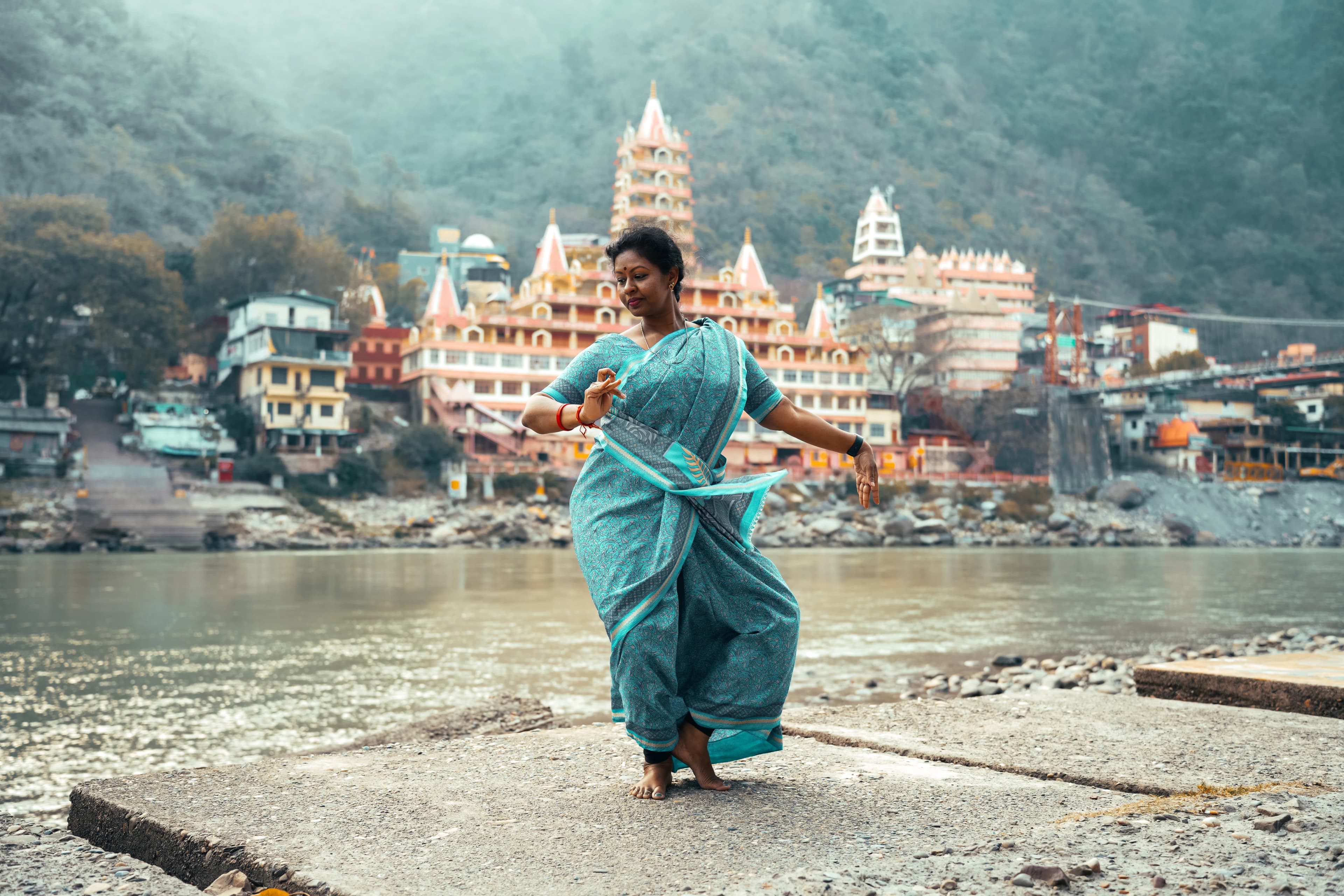
Rishikesh, the "Yoga Capital of the World", is located where the holy Ganges leaves the foothills of the Himalayas and enters the northern Indian plains. This spiritual city at the foot of the mountains became world-famous through the visit of the Beatles in 1968 at the ashram of Maharishi Mahesh Yogi and has since developed into a mecca for yoga practitioners, meditation seekers, and adventurers from all over the world. The Ganges flows here clear and fast through rocky gorges, and its emerald green color is of a purity that is quickly lost further down the river. The two iconic suspension bridges — Ram Jhula and Lakshman Jhula — span the river and connect the various ashram neighborhoods. In the evenings, thousands gather at Triveni Ghat for the Ganga Aarti, a fire ceremony of hypnotic beauty. The city is divided into different neighborhoods, each with its own character. Tapovan and Laxman Jhula are the backpacker centers with cafes, yoga schools, and chai stalls. Swarg Ashram is quieter and more spiritual, while the Beatles Ashram (Chaurasi Kutia), now an enchanted ruin garden full of graffiti art, is a unique mix of counterculture and decay. Yoga retreats and teacher training (200-hour and 500-hour TTC) are the main attraction, and dozens of ashrams offer courses for all levels — from free morning meditation to multi-week intensive programs. However, Rishikesh is also North India's adventure capital: white-water rafting on the Ganges, bungee jumping from an 83-meter-high cliff, and hiking in the Himalayan foothills. As a holy city, Rishikesh is strictly vegetarian and alcohol-free — which drives the restaurant scene to creative heights. From raw veganism to Ayurvedic cuisine to perfect Masala Dosa, the city offers some of the best vegetarian restaurants in India. The surrounding mountains invite trekking tours. The Neelkanth Mahadev Temple in the mountains, the Neer Garh waterfalls, and the Kunjapuri Temple with its famous sunrise panorama over the Himalayan peaks are rewarding half-day trips.

Srinagar
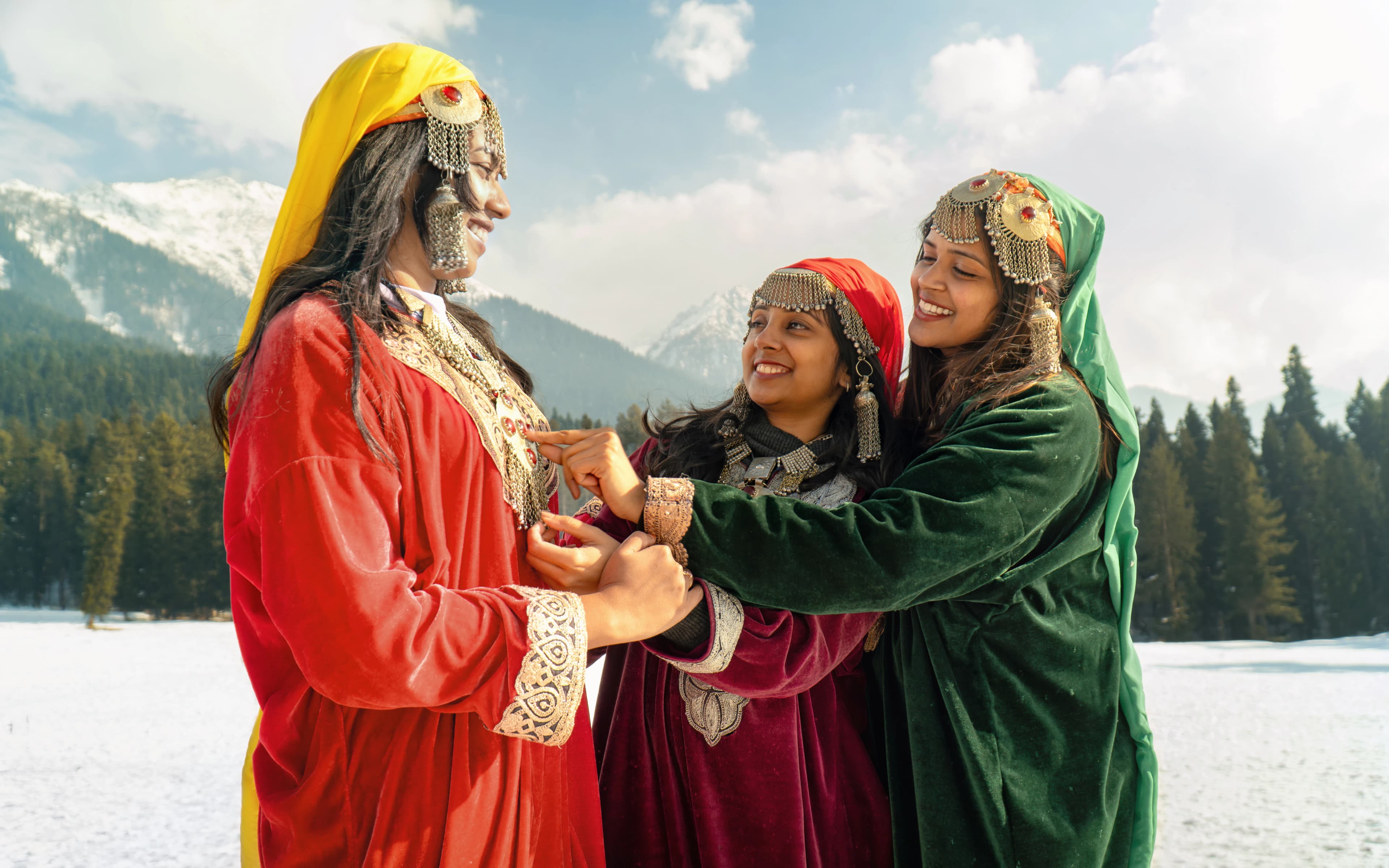
Srinagar is the summer capital of the Indian Union Territory of Jammu and Kashmir and is often referred to as the 'Venice of the East.' The city is beautifully situated at an altitude of 1,585 meters in the Kashmir Valley, surrounded by snow-capped Himalayan peaks and interspersed with lakes, canals, and floating gardens. Dal Lake is the heart of Srinagar: families have lived for generations on intricately carved houseboats (Shikaras), and the floating market — where vendors sell vegetables, flowers, and spices from small boats — is one of the most impressive experiences in India. The Mughal gardens along Dal Lake — Shalimar Bagh, Nishat Bagh, and Chashme Shahi — are masterpieces of Islamic garden art from the 17th century, featuring terraces, fountains, and flower beds against the backdrop of the Zabarwan mountains. The Shankaracharya Temple sits atop a hill 1,100 meters high above the city, offering breathtaking panoramic views. The old town, with the 14th-century Jama Masjid and the narrow alleys of the Shahr-i-Khas district, showcases Kashmir's rich architectural heritage. The nearby ski resorts of Gulmarg and Pahalgam can be reached in 2-3 hours.

Surat
Surat is one of the fastest-growing cities in India and is located in the western state of Gujarat on the Tapi River, near its mouth into the Arabian Sea. The city is world-renowned as a global center for diamond cutting — about 90% of all diamonds cut worldwide are processed here. With over 7 million inhabitants, Surat is a vibrant metropolis that combines economic dynamism with a rich history. The textile industry forms the second major pillar: Surat is often referred to as the Silk City of India, as a large part of India's art silk and sari fabrics are produced here. The textile market on Ring Road is a huge shopping paradise with hundreds of shops. The Dutch Garden and the old fortress (Surat Castle) from the 16th century remind us of the time when Surat was one of the most important ports of the Mughal Empire. Portuguese, Dutch, British, and French fought for control over this strategic trading post. The East India Company established its first branch in India here in 1612. The street food in Surat is legendary and is considered among the best in all of India: Locho, Undhiyu, Ghari, and Surti Ponk are just a few of the local specialties that cannot be found elsewhere in this quality. The city has been repeatedly awarded by the Indian government as the cleanest city in India. Dumas Beach on the Arabian Sea and the Science Centre are popular destinations for families and travelers.
Thane
Thane is a million-strong city in the state of Maharashtra, located on the northeastern edge of the Mumbai metropolitan area, directly on the banks of Thane Creek and the Ulhas River mouth. Known as the "City of Lakes," Thane has over 30 lakes within the city limits — a unique feature for an Indian metropolis of this size. The Masunda Lake (Talao Pali) in the heart of the city is Thane's landmark: surrounded by a lovely promenade, with the historic Kopineshwar Temple on the shore, it offers evening boat rides and a meeting point for locals. The Upvan Lake at the foot of the Yeoor Hills is another picturesque lake with jogging paths and viewpoints. The Yeoor Hills in the northeast of the city form a surprising piece of wilderness in the metropolitan area: dense forests with leopards, sambar deer, and a diverse birdlife. Early morning hikes through the forest offer a surreal combination of jungle and urban panorama. Thane has a rich historical heritage: Portuguese, British, and Maratha influences have shaped the city. The St. John the Baptist Church (1863) is one of the oldest churches in the region. The Thane Heritage Walk program takes you through the old town with ancient trading buildings, temples, and the historic market district. The Viviana Mall and the R-City Mall complex also make Thane a modern shopping center in the region, while the street markets of Naupada provide authentic insights into Indian daily life.

Thiruvananthapuram
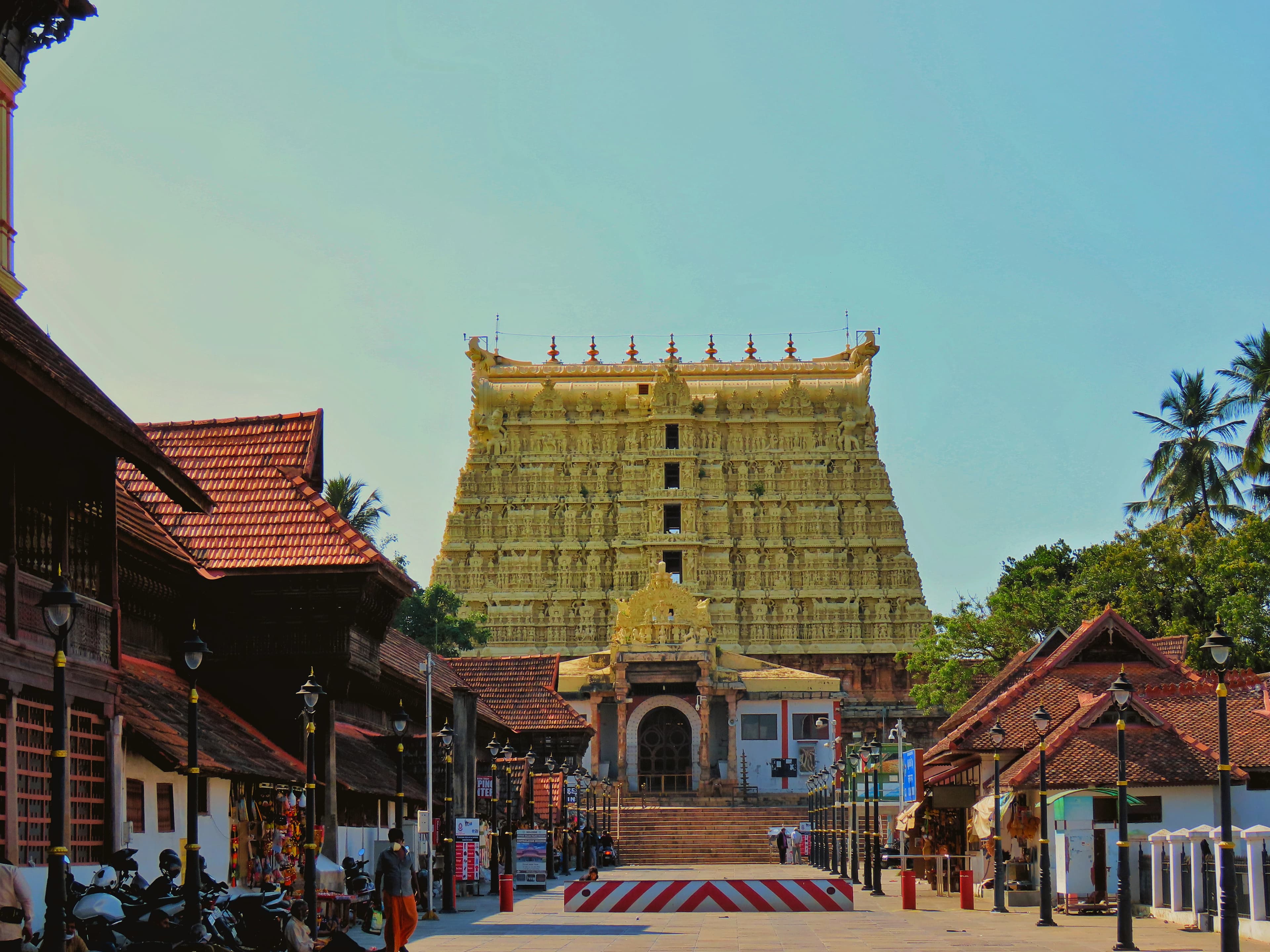
Thiruvananthapuram — formerly Trivandrum — is the capital of Kerala, India's most tropical state, and is located on the Malabar coast of the Arabian Sea. The city is named after the mythical serpent god Anantha and offers a fascinating mix of Dravidian temple architecture, Ayurveda tradition, and tropical beaches. The Sri Padmanabhaswamy Temple — one of the richest religious sites in the world with an estimated treasure of over 20 billion dollars in its underground chambers — is the spiritual heart of the city. The Dravidian-style temple with its imposing Gopuram (tower) is accessible only to Hindus, but is impressive from the outside. The beaches of Kovalam (15 km) and Varkala (55 km) are among the most beautiful in Kerala: Kovalam with its lighthouse beach and Ayurveda resorts, Varkala with its dramatic red cliffs overlooking the Arabian Sea. Thiruvananthapuram is a center of Ayurveda medicine — the oldest healing tradition in the world, practiced here in authentic clinics and resorts. The Napier Museum in the city center — an architectural gem in Indo-Saracenic style — houses a collection of historical artifacts and a natural history department.

Tirunelveli
Tirunelveli, affectionately known as Nellai, is one of the oldest cities in Tamil Nadu and lies on the banks of the Thamirabarani — the only river in the region that flows year-round. The city is famous for three things: monumental Dravidian temples, the incomparable Tirunelveli Halwa, and a millennia-old tradition of rice cultivation in the fertile river delta. The Nellaiappar Temple, dedicated to Lord Shiva and Goddess Kanthimathi, is an architectural masterpiece of Dravidian architecture with a history of over 2,000 years. The temple features a unique music pillar mandapam: 161 granite pillars that produce different musical tones when struck — a testament to the advanced acoustic knowledge of the ancient Tamil builders. The temple chariot (Ther), which is pulled through the streets during the annual temple festival, is one of the largest in South India. The Tirunelveli Halwa is much more than a sweet specialty — it is a culinary institution. Made according to a secret, centuries-old recipe from wheat, ghee, sugar, and cashews, it requires hours of handwork in large copper cauldrons. The halwa shops on Town Bazaar Road are a pilgrimage site for food lovers from all over India. The Thamirabarani, India's shortest river with its own delta, originates in the Western Ghats at Papanasam, where an idyllic waterfall and the Agasthiyar Temple can be found. The Papanasam Waterfalls, surrounded by tropical rainforest, are a popular excursion destination. The Kattabomman Memorial in Kayattar commemorates the legendary freedom fighter Veerapandiya Kattabomman, who rose against the British East India Company in 1799. Tirunelveli is located at the southern end of the Western Ghats and provides access to the Kalakkad-Mundanthurai Tiger Reserve, the oldest tiger reserve in Tamil Nadu with a unique biodiversity of tropical rainforests.
Udaipur
Udaipur, the "City of Lakes," is India's most romantic destination and is often referred to as the "Venice of the East." The former capital of the Mewar Kingdom in Rajasthan enchants with white palaces reflecting in mirror-smooth lakes, narrow streets filled with handicrafts, and an atmosphere that feels both majestic and intimate. The City Palace is the largest palace complex in Rajasthan — a structure that has grown over 400 years, featuring balconies, courtyards, towers, and mirror rooms, perched high above Lake Pichola. The terraces offer breathtaking views of the lake with its floating palaces. Part of the palace is now the luxury hotel Shiv Niwas Palace, where one can stay in royal surroundings. The Taj Lake Palace, a dazzling white palace that seemingly floats on Lake Pichola, is one of India's most iconic images. It became world-famous as a filming location for the James Bond movie "Octopussy." A sunset boat ride on the lake, when the palace facades are bathed in golden light, is one of the most unforgettable moments of a trip to India. The old town, with its narrow alleys, havelis (traditional townhouses), and countless handicraft workshops, is a paradise for strolling. Miniature painting is Udaipur's most famous art form — in tiny studios, artists paint intricate scenes from Indian mythology with brushes made from a single hair. Silver jewelry, hand-printed textiles, and marble sculptures are other specialties. The Jagdish Temple steps, rooftop cafés with lake views, and the nightly cultural shows featuring Rajasthani dance and music make Udaipur a place where one easily stays longer than planned. The city is also the perfect springboard for excursions to Kumbhalgarh Fort with its 36-kilometer-long wall and to the Jain temples of Ranakpur.
Vadodara
Vadodara, also known as Baroda, is the third-largest city in the western Indian state of Gujarat and was the capital of the princely state of Baroda until 1949. The city combines royal heritage with vibrant culture and is the gateway to the UNESCO World Heritage site of Champaner-Pavagadh. The Laxmi Vilas Palace is the crown jewel of Vadodara: built in 1890, it covers 12,000 square meters, making it four times the size of Buckingham Palace and considered one of the largest private palaces in the world. The blend of Indo-Saracenic, Gothic, and Mughal architecture is breathtaking, and the palace is still inhabited by the royal Gaekwad family. Parts of it are accessible as a museum. The Champaner-Pavagadh Archaeological Park, located 50 km east of Vadodara, is a UNESCO World Heritage site and one of the least visited UNESCO sites in India. The ruins of the medieval city of Champaner, with its mosques, temples, forts, and wells from the 15th and 16th centuries, are remarkably preserved. The Kalika Mata Temple on Pavagadh Hill (830 m) is a significant Hindu pilgrimage site, accessible by cable car. The Sayaji Baug garden complex, named after the reformist Maharaja Sayajirao III, houses the Baroda Museum with Egyptian mummies, European paintings, and an impressive collection of natural history — a surprisingly cosmopolitan museum in an Indian mid-sized city. Vadodara is known for its Navratri celebrations: for nine nights, Garba is danced, a circular community dance with clapping sticks that brings hundreds of thousands to the streets — Vadodara is considered the Garba capital of India.
Varanasi
Varanasi is the oldest continuously inhabited city in the world and the spiritual heart of India. For over 3,000 years, Hindus have been pilgrimage to the banks of the sacred Ganges to pray, ritually cleanse themselves, and — in the final chapter of life — to die here and escape the cycle of rebirth. No other city in the world confronts the great themes of life so directly. The Ghats, the stepped riverbanks along the Ganges, are the centerpiece of Varanasi. 84 Ghats stretch over seven kilometers along the western bank, forming a unique stage of human existence. Here, pilgrims bathe alongside washing women, meditating Sadhus sit next to playing children, and at the cremation Ghats Manikarnika and Harishchandra, funeral pyres burn day and night — a sight of shocking intensity and beauty. The evening Ganga Aarti at Dashashwamedh Ghat is one of the most moving rituals one can experience in India. Young priests perform a choreographed ceremony in honor of the Ganges with burning oil lamps, incense, and rhythmic chants. Thousands of spectators watch the spectacle from the shore and from boats on the river. The old town behind the Ghats is an incredibly dense labyrinth of alleys so narrow that sometimes only one person can pass through. Here, there are ancient temples, silk weavers, tiny tea kitchens, and herds of cows pushing through the maze. The Kashi Vishwanath Temple, one of the holiest Hindu temples, has recently been enhanced by the impressive Kashi Vishwanath Corridor with a spacious forecourt. A boat ride on the Ganges at sunrise is one of the most profound travel experiences imaginable. When the fog lies over the water, the silhouettes of temples and palaces along the shore become visible, and the first devotees step into the water, one understands why Mark Twain wrote: "Varanasi is older than history, older than tradition, older even than legend."

Visakhapatnam
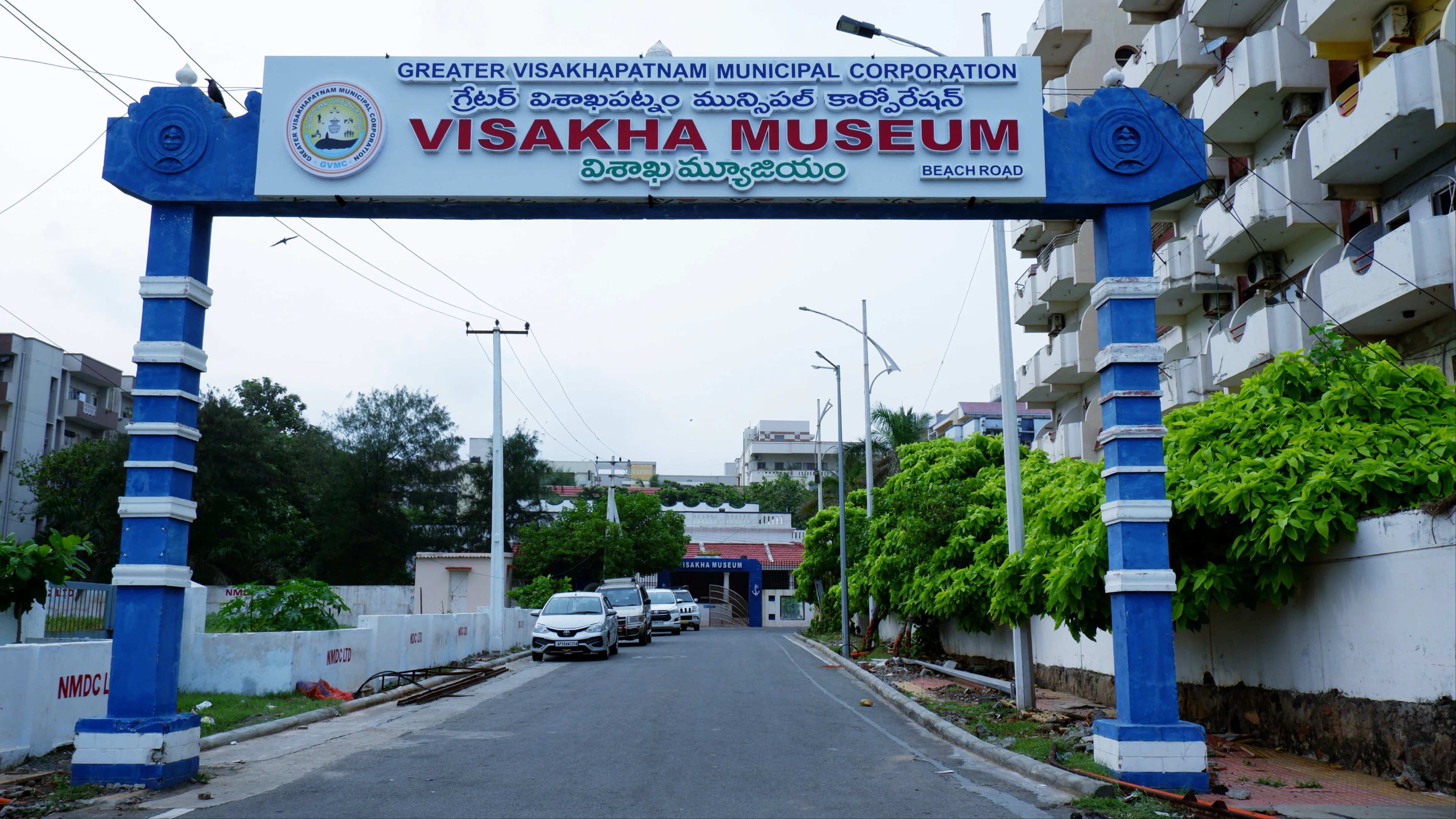
Visakhapatnam — affectionately known as "Vizag" — is the port city on India's east coast, where the Eastern Ghats dramatically plunge into the sea. The city combines golden beaches, wooded mountains, and one of India's most important naval bases into an underrated travel destination that remains largely undiscovered by mass tourism. Ramakrishna Beach and Rishikonda Beach offer golden sand against the backdrop of wooded hills. The Submarine Museum INS Kurusura — a real decommissioned submarine on the beach — is one of the most unusual museums in India. Children and adults can crawl through the narrow corridors and the torpedo tube. Kailasagiri Hill provides a panoramic view of the entire coast and hosts a large Shiva-Parvati sculpture. The cable car ride up and the illuminated site at night are spectacular. The Borra Caves — located 90 km away in the Araku Mountains — are India's largest limestone caves with millions of years old stalagmites. The Araku Valley — a cool mountain valley at 900 m altitude — features coffee plantations, tribal villages, and a breathtaking train ride through 50 tunnels and over 80 bridges. Vizag is also the gateway to some of India's most beautiful and secluded beaches.
Beaches

Goa
Goa is India's tropical paradise — a former Portuguese territory on the west coast that combines golden beaches, colonial churches, hippie heritage, and Indian spirituality into a unique mix. No other place in India feels so different: the architecture is Portuguese, the cuisine blends Indian spices with European influences, and the atmosphere fluctuates between party and meditation. North Goa, with its lively beaches Baga, Calangute, and Anjuna, is the center of nightlife and the trance scene — legendary beach parties under the stars and full-moon raves attract travelers from all over the world. South Goa, with Palolem, Agonda, and Benaulim, is quieter, more natural, and romantic — perfect for yoga retreats and Ayurveda treatments. Old Goa, the former capital of Portuguese India, houses the Basilica of Bom Jesus with the relics of Saint Francis Xavier and is a UNESCO World Heritage site. The colorful Portuguese houses in the Latin Quarter of Fontainhas in Panaji form a charming old town. Spice plantations in the hinterland offer fragrant tours through cinnamon, cardamom, and vanilla. From Europe, it takes about 9-10 hours to fly to Goa, with a stopover in Mumbai or Delhi. The best travel time is from November to March.

Gokarna
Gokarna is India's tranquil alternative to Goa — a sacred Hindu pilgrimage site on the coast of Karnataka with paradise beaches that can only be reached on foot or by boat. The small temple village with its four hidden coves (Om Beach, Half Moon Beach, Paradise Beach, Kudle Beach) offers the perfect mix of spirituality and beach life. Here, Sadhus meet surfers and backpackers meet pilgrims.
Varkala
Varkala is Kerala's most dramatic beach destination — a cliff village where steep laterite cliffs drop directly into the Arabian Sea. Along the cliff edge, cafés, yoga shalas, and Ayurveda centers line up, while below, Papanasam Beach (the 'sin-cleansing' beach) invites you to bathe in its mineral springs. Varkala offers Goa's beach culture in a spiritual atmosphere without the party madness.
Regions

Goa
Goa is India's smallest state and at the same time its most famous beach paradise. The former Portuguese colony on the west coast combines golden beaches, Portuguese colonial architecture, and a unique culinary tradition into an experience that is very different from the rest of India. Goa's beaches stretch over 100 kilometers along the Arabian Sea and could not be more different. In the north, Anjuna and Vagator attract with their hippie flair, flea markets, and trance parties. Baga and Calangute are lively and touristy, ideal for water sports and nightlife. In the south, those seeking tranquility can find paradise-like coves in Palolem, Agonda, and Cola Beach, lined with palm trees and sparsely developed. Old Goa, once the magnificent capital of Portuguese India, is home to UNESCO World Heritage churches of impressive size. The Basilica of Bom Jesus, which houses the mortal remains of Saint Francis Xavier, and the Sé Cathedral, one of the largest churches in Asia, bear witness to 450 years of Portuguese rule. The mix of Hindu temples and baroque churches is unique in the world. Panaji, the charming capital, surprises with the Fontainhas district — a labyrinth of narrow streets with brightly painted houses in Portuguese style, art galleries, and cozy cafes. It feels like a piece of Lisbon transported to the tropical Malabar coast. Goan cuisine is a fascinating fusion of Indian spices and Portuguese techniques. Fish and seafood are at the center, seasoned with coconut, tamarind, and the famous vindaloo spice paste. Feni, Goa's legendary cashew liquor, and Kings Beer, the local lager, flow freely. From November to February, the weather is perfect — warm, dry, and with spectacular sunsets over the Arabian Sea.

Kerala
Kerala, India's greenest state, stretches like a narrow strip of tropical paradise between the Western Ghats and the Arabian Sea on the southwest coast of the subcontinent. Known as God's Own Country, Kerala combines palm-fringed beaches, tea plantations in misty mountains, a 900-kilometer-long network of inland waterways (Backwaters), and one of the highest literacy rates in the world on just 38,863 square kilometers. The Backwaters of Alleppey (Alappuzha) are Kerala's most famous experience: a labyrinthine network of lagoons, canals, and lakes, traversed by Kettuvallam houseboats — converted traditional rice barges with sleeping cabins, a cook, and a helmsman. A night on the houseboat, as green rice fields and coconut palms silently pass by and fishermen cast their nets from narrow canoes, is one of the most magical experiences in India. The tea plantations of Munnar at 1,500-2,600 meters are a sea of emerald green tea: endless rows of well-maintained tea bushes cover the gently rolling hills, punctuated by shady silver oaks and the occasional flash of the rare Nilgiri Tahr mountain goat. The Tata Tea Factory offers tours, and in the mornings, mist envelops the plantations in a mystical atmosphere. Kochi (Cochin) is Kerala's cosmopolitan port city: Chinese fishing nets (Cheena Vala) reach out into the sunset along the Fort Kochi waterfront, centuries-old synagogues, Portuguese churches, and Dutch colonial houses stand side by side. The Kathakali dance performances, with their colorful costumes and expressive facial movements, are Kerala's most impressive art form. Ayurveda, the ancient Indian healing art over 5,000 years old, has its home in Kerala: Authentic Ayurveda treatments with oil massages, herbal therapies, and personalized dietary advice are offered in specialized resorts from Varkala to Kovalam.
Ladakh
Ladakh is India's highest region and one of the most fascinating landscapes on Earth. The 'Land of High Passes' in the far north, nestled between the Karakoram and the Himalayas, offers a lunar landscape of barren mountains, deep blue lakes, and Buddhist monasteries that cling to cliffs like eagle's nests. Pangong Tso, a 134-kilometer-long lake at an altitude of 4,350 meters, stretches across the Indo-Chinese border and changes its color throughout the day from turquoise to cobalt blue to dark violet. The surreal beauty of the lake, framed by snow-capped mountains, became famous through the Bollywood film '3 Idiots.' Standing here at 4,350 meters in absolute silence is a transformative experience. Leh, the capital, is situated at 3,500 meters and provides a perfect entry point to the region. The Leh Palace, a miniature version of the Potala Palace in Lhasa, overlooks the city. The old town, with its Tibetan prayer wheels, monks in chestnut robes, and the lively main market, has an atmosphere reminiscent of Tibet — just without the political restrictions. The Buddhist monasteries (Gompas) are Ladakh's spiritual crown jewels: Thiksey Gompa strikingly resembles the Potala Palace, Hemis Gompa hosts the largest Buddhist festival in the region, and Diskit Gompa in Nubra Valley features a massive Maitreya Buddha statue overlooking the Shyok Valley and the coldest desert in the world. The journey itself is an adventure: The two roads to Leh — the Manali-Leh Highway and the Srinagar-Leh route — are among the most spectacular and challenging roads in the world, with passes over 5,000 meters and gravel roads along the edge.
Areas
Hampi
Hampi is one of the most surreal landscapes in India — a lunar landscape of giant granite boulders, among which lie the ruins of one of the largest and richest cities of the medieval world. The UNESCO World Heritage site in the state of Karnataka was once the capital of the Vijayanagara Empire and housed over 500,000 inhabitants in the 15th century. The temple ruins span 26 square kilometers and include hundreds of structures — from colossal temples and elephant stables to water tanks and market streets, as well as intricate stone carvings of incredible detail. The Virupaksha Temple, which has been continuously operational since the 7th century, is the spiritual center. Its 50-meter-high Gopuram (entrance tower) is the first thing visitors see. The Stone Chariot in the Vittala Temple complex is Hampi's most famous landmark — a temple chariot carved from a single granite block with rotating stone wheels. The 56 musical pillars of the Vittala Temple produce different tones when struck — an architectural masterpiece that remains not fully explained to this day. The landscape itself is as impressive as the ruins. Huge granite boulders, some as large as houses, balance in seemingly impossible positions on top of each other. Banana plantations and rice fields fill the valleys between the rock formations, and the Tungabhadra River winds through the rocky landscape in coracle boats (round basket boats). The Hippie Island (Virupapur Gaddi) on the other side of the river has developed into a backpacker paradise: guesthouses among banana plants, bouldering on the granite rocks, sunsets from the hills, and a relaxed atmosphere that invites you to linger for days.

Munnar
Munnar is Kerala's green roof — a former British hill station at 1,600 meters, surrounded by the most beautiful tea plantations in South India. The endless emerald green tea fields stretching across the hills of the Western Ghats are an unforgettable sight. The cool mountain air, rare Neelakurinji flowers (which bloom only every 12 years), and the last habitat of the endangered Nilgiri Tahr make Munnar a natural jewel of Kerala.
Complete guide for India
Regions, attractions, food, routes, costs & practical tips — all in one digital guide.
Open guidePlan a holiday in India
India is one of the most popular travel destinations in Asia, offering Culture, Temples, Food and much more. The best time to visit India is October–March (cool and dry), when the weather is ideal for exploration and relaxation. With a daily budget starting from 15–30€ (Budget) to 70–200€ (Luxury), India is suitable for various travel budgets.
From the capital New Delhi, India can be excellently explored. The official language is Hindi, English, and the currency is Indian Rupee (INR). From Germany, you can reach India in approx. 8–9 hours. Whether you want to try culinary highlights like Butter Chicken, Biryani, Masala Dosa, visit top attractions, or simply enjoy the atmosphere: India has something for every type of traveller.
Use our free travel tools to prepare your India holiday perfectly. With the holiday finder, you can discover if India is the right destination for you. The budget calculator helps you plan costs realistically, and with the packing list, you won't forget anything.
Suitable holiday types for India:
More travel destinations in Asia:
All countries in Asia